Connect with us
DAPA Banner
DAPA Coin
DAPA
COIN PAYMENT ASSET
PRIVACY · BLOCKDAG · HOMOMORPHIC ENCRYPTION · RUST
ElGamal Encrypted MINE DAPA
🚫 GENESIS SOLD OUT
DAPAPAY COMING

Business

Which Logistics Powerhouse Is the Better Buy Right Now

Published

on

Procter & Gamble, maker of Crest toothpaste, reported another strong quarter amid demand for cleaning items during the pandemic

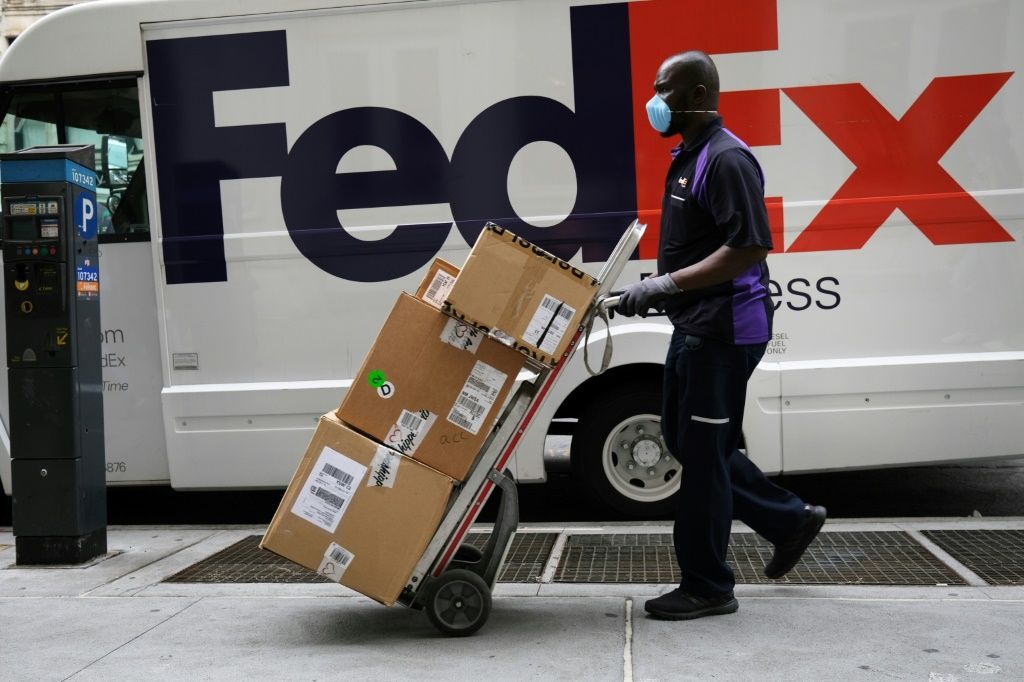
NEW YORK — As the global package delivery market continues its rapid expansion in 2026, investors are weighing UPS against FedEx to determine which logistics giant offers the stronger long-term opportunity. Both companies have posted solid year-to-date gains, but differing business models, cost structures and growth strategies are creating a clear divergence that could shape portfolio decisions for the remainder of the year and into 2027.

United Parcel Service Inc., the world’s largest package delivery company, has seen its shares rise about 14% so far this year, driven by resilient e-commerce volume, successful cost-cutting initiatives and steady progress in automation. FedEx Corp. has advanced roughly 11%, supported by strong international express growth and efficiency gains under its “FedEx 2.0” transformation plan. With both trading near multi-year highs, the choice between them hinges on an investor’s preference for scale and stability versus higher-margin international exposure.

UPS reported robust fiscal first-quarter 2026 results, with revenue climbing 6% to $24.8 billion and adjusted earnings per share beating estimates by 8%. The company’s ground network, which handles the majority of U.S. e-commerce packages, continues to benefit from diversified revenue streams including healthcare logistics and supply chain services. CEO Carol Tomé highlighted ongoing efficiency improvements, noting that automation investments have already reduced labor costs by more than $1 billion annually.

FedEx, meanwhile, posted first-quarter revenue of $22.1 billion, up 4%, with particularly strong performance in its international priority segment. The company’s focus on premium express services has delivered higher margins, though domestic ground volumes have faced pressure from intense competition. CEO Raj Subramaniam emphasized the success of network optimization efforts, which have improved on-time performance and reduced reliance on third-party capacity.

Advertisement

Analysts at firms like Goldman Sachs and JPMorgan have issued nuanced outlooks. Goldman Sachs maintains a Buy rating on UPS, citing its superior scale and diversified portfolio as advantages in a maturing e-commerce market. JPMorgan favors FedEx for its higher-margin international business and potential for margin expansion as cost savings materialize. Consensus price targets suggest modest upside for both, but UPS carries a slightly lower forward price-to-earnings multiple of around 18 times compared with FedEx’s 20 times.

Key Differences in Business Models

UPS operates the largest ground delivery network in the United States, giving it unmatched density and cost advantages on domestic routes. The company’s strategy emphasizes volume growth through e-commerce partnerships while expanding into higher-margin segments like healthcare and industrial logistics. Its massive scale also provides bargaining power with suppliers and labor unions, though recent contract negotiations have increased wage costs.

FedEx relies more heavily on its air express network, which commands premium pricing but is more sensitive to fuel costs and global economic conditions. The company has made significant strides in integrating its FedEx Express and FedEx Ground networks, reducing overlap and improving efficiency. International operations, particularly in Asia and Europe, represent a larger portion of FedEx’s business and offer higher growth potential as global trade recovers.

Both companies face common headwinds, including rising labor expenses, volatile fuel prices and intensifying competition from Amazon’s expanding logistics arm. Amazon now handles a growing share of its own deliveries, putting pressure on traditional carriers. Additionally, slowing e-commerce growth rates after the pandemic boom have forced both firms to focus on pricing discipline and operational efficiency.

Advertisement

Valuation and Risk Profiles

UPS currently trades at a more attractive valuation relative to expected earnings growth, making it appealing for value-oriented investors. The company’s consistent dividend increases and strong free cash flow generation provide a safety net during economic slowdowns. FedEx offers potentially higher returns if international trade accelerates, but its higher valuation leaves less margin for error if cost savings fall short of expectations.

Risks for UPS include labor contract renewals and potential union actions, while FedEx faces greater exposure to currency fluctuations and global supply chain disruptions. Both stocks have shown resilience in recent quarters, but analysts caution that near-term volatility could arise from quarterly volume reports and macroeconomic data.

Growth Drivers and Long-Term Outlook

The broader logistics sector is expected to benefit from continued e-commerce expansion, nearshoring trends and increased demand for time-sensitive deliveries. UPS is well-positioned to capture market share in domestic ground delivery, while FedEx’s strength in international express could drive faster revenue growth if global trade rebounds strongly.

Technological investments are playing a key role for both. UPS has rolled out advanced routing algorithms and electric vehicle fleets, aiming for carbon neutrality targets. FedEx has focused on data analytics and artificial intelligence to optimize flight schedules and package sorting. These innovations are expected to deliver meaningful cost savings and service improvements over the next several years.

Advertisement

Wall Street consensus points to mid-single-digit revenue growth for both companies through 2027, with UPS potentially benefiting from greater domestic stability and FedEx from higher-margin international upside. Dividend yields are comparable, around 2.8% for UPS and 2.5% for FedEx, making both attractive for income-focused investors.

Analyst Consensus and Investor Considerations

Most analysts recommend holding both stocks but see UPS as the slightly safer choice for conservative portfolios due to its scale and diversified revenue. FedEx appeals to those seeking higher growth potential and is often favored in growth-oriented accounts. For investors deciding between the two in 2026, the decision ultimately comes down to risk tolerance and view on the global economy.

Those bullish on U.S. consumer spending may lean toward UPS, while those expecting a strong rebound in international trade could prefer FedEx. Portfolio allocation matters too — many advisors suggest owning both for balanced exposure to the logistics sector rather than choosing one over the other.

The competitive landscape is evolving rapidly. Amazon’s continued investment in its own delivery network and the rise of regional carriers add pressure on traditional players. However, both UPS and FedEx have demonstrated adaptability, with strong balance sheets that provide flexibility for strategic acquisitions or share repurchases.

Advertisement

As 2026 progresses, quarterly earnings reports and guidance updates will be critical catalysts. Investors should monitor volume trends, margin performance and any new contract wins as key indicators of which company is gaining ground.

In summary, UPS currently edges out as the more balanced investment for most portfolios in 2026 due to its scale, valuation and domestic stability. FedEx remains a compelling choice for those comfortable with slightly higher risk in exchange for international growth potential. Both companies are fundamentally strong players in an essential industry, and patient investors in either are likely to benefit from long-term sector tailwinds.

The logistics sector’s importance to global commerce ensures both UPS and FedEx will remain relevant for years to come. For now, the choice between them reflects differing bets on domestic versus international growth and the relative value each offers at current prices.

Advertisement
Continue Reading
Click to comment

You must be logged in to post a comment Login

Leave a Reply

Business

Haggling prices and chasing debts – tradespeople hit with cost of living headache

Published

on

Haggling prices and chasing debts - tradespeople hit with cost of living headache

More than half of tradespeople have seen an increase of late payments compared to a year ago, a survey finds.

Continue Reading

Business

What is the consumer sentiment on AI?

Published

on


What is the consumer sentiment on AI?

Continue Reading

Business

Relatives of Mexico’s disappeared hold Mother’s Day protest ahead of World Cup

Published

on

Relatives of Mexico’s disappeared hold Mother’s Day protest ahead of World Cup


Relatives of Mexico’s disappeared hold Mother’s Day protest ahead of World Cup

Continue Reading

Business

TOTVS S.A. (TTVSY) Q1 2026 Earnings Call Transcript

Published

on

OneWater Marine Inc. (ONEW) Q1 2026 Earnings Call Transcript

TOTVS S.A. (TTVSY) Q1 2026 Earnings Call May 7, 2026 10:00 AM EDT

Company Participants

Sérgio Serio – Investor Relations Head
Dennis Herszkowicz – CEO & Member of Board of Executive Officers
Gilsomar Sebastião – CFO, VP of Admin & Financial, Investor Relations Director and Member of Board of Executive Officers
Vivian Broge – VP, Chief Human Relations & Marketing Officer and Member of Board of Executive Officers

Advertisement

Conference Call Participants

Felipe Cheng – Santander Investment Securities Inc., Research Division
Livea Mizobata – JPMorgan Chase & Co, Research Division
Maria Infantozzi – Itaú Corretora de Valores S.A., Research Division
Silvio Doria – J. Safra Corretora de Valores e Cambio Ltda, Research Division
Luis Chagas – XP Investimentos Corretora de Câmbio, Títulos e Valores Mobiliários S.A., Research Division
Lucca Brendim – BofA Securities, Research Division

Presentation

Advertisement

Sérgio Serio
Investor Relations Head

[Interpreted] Good morning. Welcome to the earnings video conference on first quarter 2026. I’m Sérgio Serio. And here with me, we have our CEO, Maia, CFO, to present our quarter highlights. And by the end, we’ll have a Q&A session.

Before starting, it’s important to remind that forecast on TOTVS performance are based on current assumptions. There are risks and uncertainties, and many factors can change the company’s results that may differ from the expectations presented here.

Now I give the floor for Dennis on the Slide 3 that will start the presentation.

Advertisement

Dennis Herszkowicz
CEO & Member of Board of Executive Officers

Okay. Thank you, Sérgio. Good morning, everyone. Well, TOTVS’s performance on this quarter as in the previous one and during the full year of 2025 reinforce a practical contradiction when we have an imbalance between expectations and reality.

Since February 2, our future has been fitted in the same being of the software market. With [indiscernible] with the ongoing records on new sales, revenue, EBITDA and basically any other financial

Advertisement
Continue Reading

Business

Whale’s Insight: Will Strategy Sell Bitcoin? Q1 2026 Earnings Highlights

Published

on

Whale's Insight: Will Strategy Sell Bitcoin? Q1 2026 Earnings Highlights

Chipset on circuit board for semiconductor investment, 3d rendering

nespix/iStock via Getty Images

Strategy (MSTR) just broke its “never sell” pledge after a $12.54B Q1 loss, while Q1 AI earnings produced one repeatable formula: rigid supply, inelastic demand, +500% returns. April delivered $2B in net Bitcoin ETF inflows, the strongest month of 2026, and May opened with four straight

Continue Reading

Business

Jailed Iranian peace laureate Mohammadi moved to hospital in Tehran

Published

on

Jailed Iranian peace laureate Mohammadi moved to hospital in Tehran


Jailed Iranian peace laureate Mohammadi moved to hospital in Tehran

Continue Reading

Business

Installed Building Products, Inc. (IBP) Q1 2026 Earnings Call Transcript

Published

on

OneWater Marine Inc. (ONEW) Q1 2026 Earnings Call Transcript

Q1: 2026-05-07 Earnings Summary

EPS of $1.79 misses by $0.17

 | Revenue of $660.50M (-3.55% Y/Y) misses by $8.43M

Installed Building Products, Inc. (IBP) Q1 2026 Earnings Call May 7, 2026 10:00 AM EDT

Company Participants

Ryan Ricketts – Director of Investor Relations & Financial Planning
Jeffrey Edwards – Chairman, CEO & President
Michael Miller – CFO, Executive VP of Finance & Director

Advertisement

Conference Call Participants

Sam Reid
Stephen Kim – Evercore ISI Institutional Equities, Research Division
Michael Rehaut – JPMorgan Chase & Co, Research Division
Susan Maklari – Goldman Sachs Group, Inc., Research Division
Philip Ng – Jefferies LLC, Research Division
Michael Dahl – RBC Capital Markets, Research Division
Trey Grooms – Stephens Inc., Research Division
Adam Baumgarten
Kenneth Zener – Seaport Research Partners
Collin Verron

Advertisement

Presentation

Operator

Greetings, and welcome to the Installed Building Products First Quarter 2026 Financial Results Conference [Operator Instructions]. As a reminder, this conference is being recorded.

I would now like to turn the conference over to your host, Ryan Ricketts, Director of Investor Relations and Financial Planning and Analysis. You may begin.

Advertisement

Ryan Ricketts
Director of Investor Relations & Financial Planning

Good morning, and welcome to Installed Building Products First Quarter 2026 Earnings Conference Call. Earlier today, we issued a press release on our financial results for the 2026 first quarter, which can be found in the Investor Relations section of our website. On today’s call, management’s prepared remarks and answers to your questions may contain forward-looking statements within the meaning of federal securities laws. These forward-looking statements are based on management’s current beliefs and expectations and are subject to factors that could cause actual results to differ materially from those described today.

Please refer to our SEC filings for cautionary statements and risk factors. We undertake no duty or obligation to update any forward-looking statement as a result of new information or future events, except as required by federal securities laws. In addition, management refers to certain non-GAAP and adjusted financial measures on this

Advertisement
Continue Reading

Business

Putin Declares Ukraine Conflict ‘Coming to an End’ as Fighting Rages On

Published

on

Donald Trump left the G7 summit early, saying he had to deal with the crisis in the Middle East

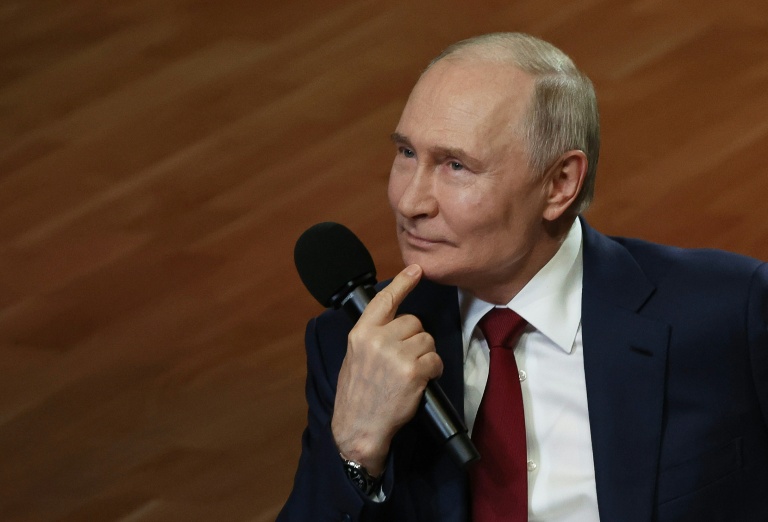
MOSCOW — Russian President Vladimir Putin declared Thursday that the war in Ukraine is “coming to an end,” offering his most optimistic public assessment of the three-year conflict even as fierce fighting continues along the front lines and Western officials expressed deep skepticism about any imminent resolution.

Speaking during a televised meeting with regional governors, Putin said Russian forces had achieved most of their military objectives and that negotiations could begin if Kyiv meets Moscow’s conditions. “The conflict is coming to an end,” Putin stated. “We are seeing positive dynamics on the battlefield, and I believe we are close to achieving our goals.”

The remarks, delivered with confidence, quickly drew global attention and mixed reactions. Ukrainian officials dismissed them as propaganda, while some European leaders called for caution. U.S. officials under President Donald Trump have signaled openness to negotiations but emphasized that any deal must be acceptable to Ukraine.

Despite Putin’s statement, intense combat persisted Thursday. Russian forces continued incremental advances in Donetsk Oblast, particularly around Pokrovsk, while Ukrainian troops launched drone strikes deep into Russian territory, targeting airfields and logistics hubs. Independent estimates suggest daily casualties on both sides remain high, with no immediate signs of de-escalation on the ground.

Advertisement

Ukrainian President Volodymyr Zelenskyy responded swiftly, stating that any peace must include full Russian withdrawal from occupied territories and robust security guarantees. “Russia talks about peace while continuing to bomb our cities and kill our people,” Zelenskyy said in a video address. “Real peace requires actions, not just words.”

Background and Context of the Conflict

Russia launched its full-scale invasion of Ukraine in February 2022, initially aiming for a rapid victory. After suffering major setbacks, including the failed assault on Kyiv and retreats from Kharkiv and Kherson, Russian strategy shifted to a grinding war of attrition focused on eastern Ukraine. The conflict has caused hundreds of thousands of military casualties, displaced millions and devastated Ukrainian infrastructure.

Western nations have provided more than $300 billion in aid to Ukraine, while Russia has relied on alliances with North Korea, Iran and domestic production to sustain its campaign. Multiple rounds of peace talks have failed, with both sides maintaining maximalist positions.

Putin’s latest comments echo previous claims of progress but come at a time when Russian forces have made their most consistent territorial gains in over a year. Ukrainian forces are struggling with manpower shortages, fatigue and reduced Western military support, while Russian missile and drone attacks on energy infrastructure have left millions of Ukrainians without reliable power.

Advertisement

International Reactions

The United States, under President Donald Trump, has indicated willingness to facilitate negotiations. Trump has repeatedly said he could end the war quickly, though specific proposals remain unclear. European leaders have expressed caution, warning that any agreement must respect Ukraine’s sovereignty and territorial integrity.

NATO Secretary General Mark Rutte reaffirmed the alliance’s commitment to supporting Ukraine “for as long as it takes.” China, a close partner of Russia, welcomed Putin’s comments and called for a “political solution.” Analysts note that Putin’s statement may be timed to influence upcoming diplomatic discussions and to project strength ahead of Russia’s Victory Day celebrations.

Military Situation on the Ground

Russian forces continue slow but steady advances in Donetsk Oblast, with heavy fighting around Pokrovsk, Chasiv Yar and Vuhledar. Ukrainian forces have conducted successful long-range drone strikes on Russian oil refineries and military airfields, disrupting logistics and air operations.

Both sides are suffering significant losses. Independent estimates place combined daily casualties above 1,000. Spring weather has improved conditions for mechanized maneuvers, raising fears of renewed large-scale offensives in the coming weeks.

Advertisement

The humanitarian situation in Ukraine remains dire, with widespread power outages, destroyed infrastructure and millions displaced. International aid organizations continue to call for increased support and protection for civilians.

Economic Impact on Russia

Despite extensive Western sanctions, Russia’s economy has shown surprising resilience, supported by redirected oil sales, wartime industrial mobilization and alliances with non-Western nations. However, long-term challenges persist, including labor shortages, technological isolation and inflation pressures.

Putin’s government has heavily invested in the defense sector, which now accounts for a significant portion of GDP. This militarization has boosted short-term growth but raises concerns about economic sustainability once the conflict ends.

Path Toward Possible Negotiations

Any potential peace agreement would require complex compromises. Russia has demanded recognition of its territorial gains, Ukrainian neutrality and the lifting of sanctions. Ukraine insists on full withdrawal to 1991 borders, strong security guarantees and reparations.

Advertisement

Western diplomats say serious negotiations are unlikely without significant battlefield shifts or major political changes in either country. For now, both sides appear prepared to continue fighting while keeping diplomatic channels open.

Global Security Implications

The Ukraine conflict has reshaped European security, strengthened NATO and accelerated energy transitions away from Russian supplies. A resolution — whether through victory, defeat or negotiated settlement — would have profound implications for global stability, nuclear deterrence and the rules-based international order.

As Putin claims the war is nearing its end, the reality on the battlefield suggests a long and difficult road ahead. For the people of Ukraine, every statement from Moscow is measured against the continued suffering and destruction they endure daily.

The coming weeks and months will be critical in determining whether Putin’s words signal genuine openness to peace or represent another tactical maneuver in a war that has already claimed hundreds of thousands of lives and redrawn the map of Europe.

Advertisement

For now, the fighting continues, diplomacy remains stalled, and the world watches to see if 2026 will finally bring an end to Europe’s largest conflict since World War II.

Continue Reading

Business

AOC-backed $25 minimum wage could hit small businesses and red states

Published

on

AOC-backed $25 minimum wage could hit small businesses and red states

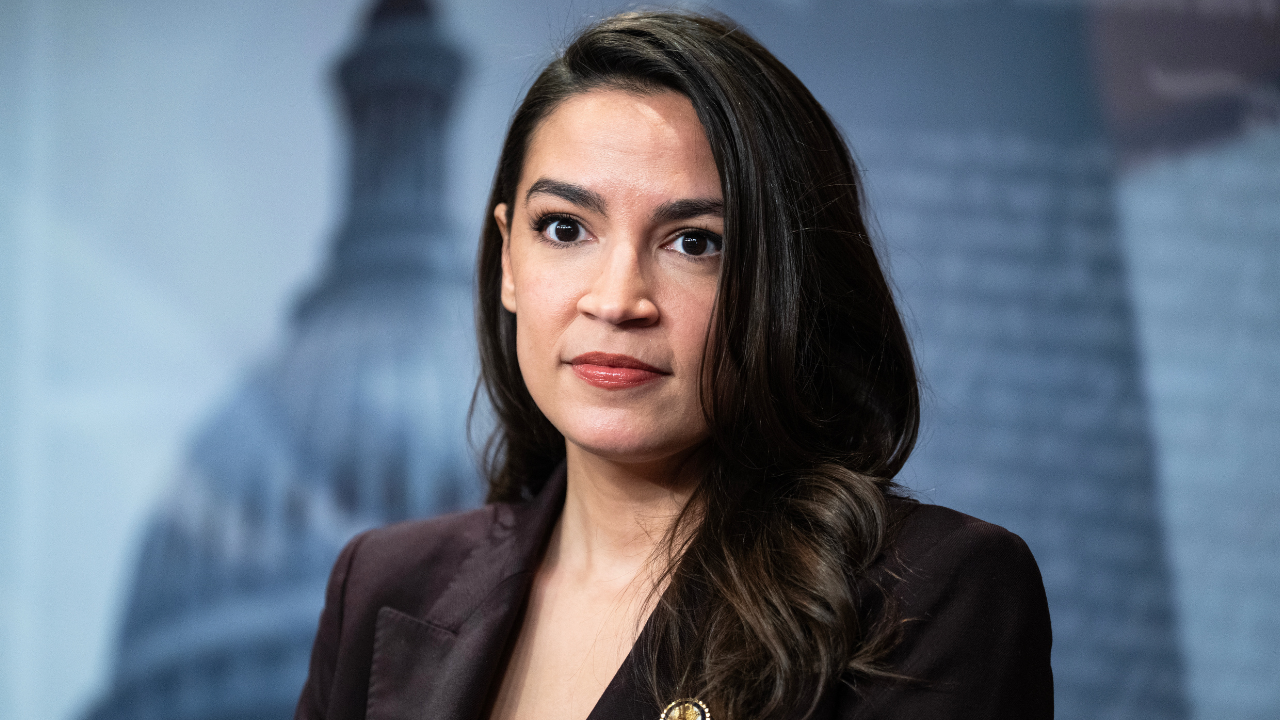
A proposal backed by Rep. Alexandria Ocasio-Cortez to raise the federal minimum wage to $25 an hour is drawing warnings from economists, who say the plan could squeeze small businesses and hit red states hardest.

Because many red states remain near the $7.25 federal floor, the move would more than triple wages in those regions — a jump economists say could be harder for small businesses to absorb, raising the risk of higher prices, reduced hiring and broader economic strain.

Advertisement

“That’s one of the common fallacies people fall into. Many believe raising the minimum wage will solve everything, that wages will go up while prices stay the same,” Santiago Vidal Calvo, a policy analyst at the Manhattan Institute, told Fox News Digital. “But that’s Econ 101, it doesn’t work that way.”

AOC-BACKED $25 MINIMUM WAGE PLAN SOUNDS GREAT — BUT AT WHAT COST?

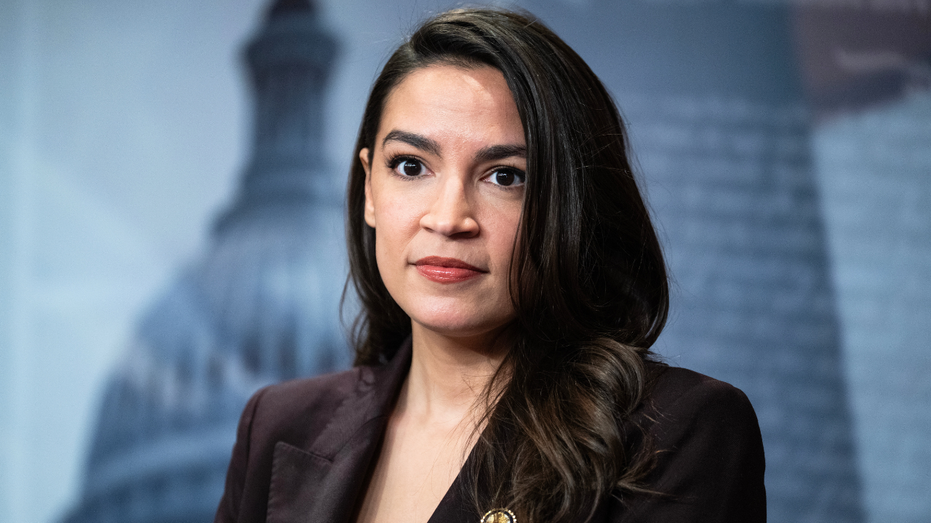
NY Rep. Alexandria Ocasio-Cortez listens to a question during a news conference.

Rep. Alexandria Ocasio-Cortez, D-N.Y., has called for raising the federal minimum wage to address affordability concerns. (Tom Williams/CQ-Roll Call/Getty Images / Getty Images)

He warned the proposal could disproportionately impact younger and low-income workers as businesses move to offset higher labor costs by cutting hours, reducing jobs or turning to automation.

Rebekah Paxton, research director at the Employment Policies Institute, said opposition to steep wage hikes is widespread among economists.

Advertisement

“We surveyed more than 160 American economists and found that 96% opposed proposals above $20 an hour,” Paxton told Fox News Digital, adding that concerns are especially pronounced in thin-margin industries like hospitality and restaurants, where higher labor costs could lead to job losses and make it harder for businesses to operate.

ONE LITTLE-KNOWN MEETING HELPS DECIDE WHAT AMERICANS CAN AFFORD — AND WHAT THEY CAN’T

Nicole Huyer, a senior research associate at the Thomas A. Roe Institute for Economic Policy Studies, said those pressures could force businesses to make tough decisions.

“Small businesses will look to cut costs by any means necessary,” Huyer said. “That includes raising prices, laying off workers, cutting hours or relocating altogether.”

Advertisement

The federal minimum wage has remained at $7.25 an hour since 2009, even as some states have pushed base pay above $15 — widening the gap between higher- and lower-wage economies.

States like California and New York now mandate minimum wages above $16 an hour, while others, including Texas and North Dakota, remain at the federal baseline. Economists also warn higher labor costs could accelerate automation in industries like retail and fast food, where margins are thin and entry-level jobs are common.

CLICK HERE TO GET FOX BUSINESS ON THE GO

A restaurant worker is seen moving tables on a patio ahead of dinner service.

Experts warn that hiking the federal minimum wage to $20 an hour will hurt small businesses. (Jeffrey Greenberg/Universal Images Group/Getty Images / Getty Images)

Small business owners in lower-wage states may be particularly vulnerable, as they often operate with tighter margins and less ability to absorb sudden cost increases than firms in higher-cost regions.

Advertisement

As proposals to raise the federal minimum wage gain traction, the debate is likely to intensify over whether a single national standard can account for wide differences in state economies, or whether wage policy is better left to the states.

Continue Reading

Business

Hartford International Opportunities Fund Q1 2026 Commentary

Published

on

Hartford International Opportunities Fund Q1 2026 Commentary

Hartford Funds offers a broad range of actively managed and systematic-investing strategies designed to provide solutions for a variety of investment needs. Articles published here provide readers with timely insight on economic, market, and investing trends. For more information visit hartfordfunds.com.

Continue Reading

Trending

Copyright © 2025