Connect with us
DAPA Banner
DAPA Coin
DAPA
COIN PAYMENT ASSET
PRIVACY · BLOCKDAG · HOMOMORPHIC ENCRYPTION · RUST
ElGamal Encrypted MINE DAPA
🚫 GENESIS SOLD OUT
DAPAPAY COMING

Business

Beyond the Reef – What Komodo’s Diving Economy Teaches Hotels and Resorts About High-Value Hospitality

Published

on

Beyond the Reef - What Komodo's Diving Economy Teaches Hotels and Resorts About High-Value Hospitality

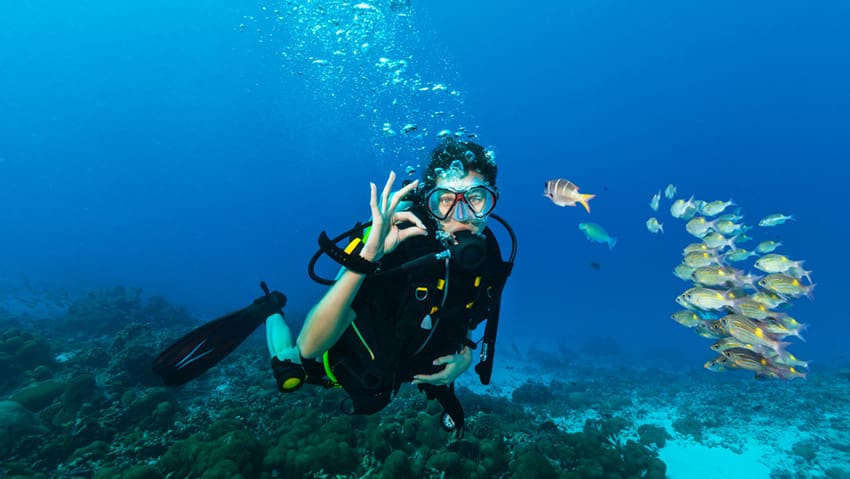
For hotels, resorts, and hospitality investors across Indonesia, a well-written Komodo Island scuba diving guide is more than a travel resource; it demonstrates how a destination can turn natural beauty, operational discipline, and guest experience into a sustainable business advantage.

Komodo is often described through its dramatic landscapes: dry savannah hills, pink-sand beaches, volcanic islands and, of course, the famous Komodo dragons. Yet beneath the surface lies one of the strongest commercial pillars of the region’s hospitality sector. Diving is not simply an activity offered to guests. It shapes booking patterns, room rates, staffing needs, partnerships, sustainability policies and the overall reputation of hotels and resorts in Labuan Bajo and the wider Komodo National Park area.

Why Diving Matters to Komodo’s Hospitality Market

Scuba diving in Komodo, Indonesia, has become a phrase associated with bucket-list travel, but the business behind it is more complex than many outsiders realise. Divers tend to stay longer, plan earlier, and spend more on accommodation, equipment rental, dining, transfers, and guided experiences.

For resort managers, this creates an opportunity to design services around a guest who values reliability as much as beauty. A diver may be adventurous, but they still expect clear communication, punctual transfers, clean facilities, safe storage and knowledgeable staff.

Key expectations often include:

Advertisement
  • Early breakfast options before boat departures
  • Reliable transport to harbours and dive centres
  • Flexible check-in and check-out arrangements
  • Fresh laundry services for wet gear and activewear
  • Healthy post-dive dining choices
  • Accurate local information from front-desk teams

A comprehensive Komodo Island scuba diving guide can help staff anticipate these needs before guests even ask, setting the standard for service excellence.These details may seem small, but in a diving destination, they influence reviews, repeat bookings and direct referrals.

Understanding the Komodo Diving Guest

The Komodo diving guest is not one single customer type. Some arrive as experienced divers seeking strong currents and pelagic encounters. Others are couples mixing soft adventure with luxury resort stays. Some are underwater photographers, marine biology enthusiasts or digital professionals adding diving days to a wider Indonesia itinerary.

The Commercial Value of Experience-Led Travel

Unlike a conventional beach holiday, a diving trip is structured around a purpose. Guests are not only booking a bed; they are buying access, confidence and memory.

This makes operational trust extremely important. A resort that understands diving schedules, weather conditions and guest preparation can create a smoother stay than one that treats diving as an afterthought.

For hospitality businesses, the lesson is clear: the more specific the guest motivation, the more valuable the supporting service becomes.

Advertisement

Komodo Diving Liveaboard and Resort-Based Stays

A Komodo diving liveaboard offers a different style of experience from staying in a resort or hotel. Liveaboards allow divers to sleep on board, reach remote dive sites early and spend several days immersed in the marine environment. For serious divers, that can be highly attractive.

However, resort-based stays remain equally important to the local economy. Many travellers prefer the comfort of land-based accommodation, especially if they are travelling with non-diving partners, children or mixed-interest groups.

Hotels and resorts can compete effectively by focusing on:

  • Comfort before and after diving
  • Better dining variety
  • Spa and wellness options
  • Stronger Wi-Fi and work-friendly spaces
  • Local cultural experiences
  • Flexible itineraries for mixed groups

The opportunity is not to copy liveaboards, but to complement them. A guest may spend three nights on a boat and then choose a resort for recovery, comfort and a slower pace.

Safety, Service and the Business of Confidence

Komodo’s underwater environment is extraordinary, but it can also be demanding. Currents, tides and changing conditions require careful planning. While dive operators carry the technical responsibility, hotels and resorts still play a role in building guest confidence.

Advertisement

Front-office teams should understand the basics of local diving logistics, even if they are not divers themselves. They do not need to explain decompression theory or current patterns, but they should know how early guests may leave, where boats depart, what items guests commonly forget and how weather can affect schedules.

What Resorts Should Communicate Clearly

Good communication reduces anxiety and improves the guest journey. Useful information includes:

  • Departure times and transfer arrangements
  • Breakfast availability before early trips
  • Drying areas for swimwear and gear
  • Medical and emergency contact procedures
  • Local conservation expectations
  • Realistic travel times around Labuan Bajo

In hospitality, confidence is often built before the main experience begins.

Sustainability Is No Longer Optional

Komodo’s appeal depends on the health of its marine environment. Coral reefs, manta rays, turtles, sharks and fish life are central to the destination’s value. For hotels and resorts, sustainability should not be treated as a decorative message on a bathroom card. It must become part of operations.

That can include reducing single-use plastics, supporting responsible suppliers, training staff on reef-safe guest behaviour and working with dive partners who respect marine park rules.

Advertisement

Practical sustainability measures include:

  • Refillable water stations
  • Clear waste separation practices
  • Reef-safe sunscreen education
  • Responsible seafood purchasing
  • Support for local conservation initiatives
  • Guest briefings on respectful wildlife behaviour

The commercial reason is straightforward: the destination’s natural assets are also its economic assets. Protecting them protects future demand.

How Hotels Can Support the Diving Economy Without Becoming Dive Operators

Not every resort needs to own a dive centre. In many cases, it is better to build strong partnerships with reputable local operators. This allows the hotel to focus on accommodation, service and guest care while specialists manage diving activities.

The best partnerships are based on shared standards. Hotels should know whether the operator has reliable equipment, trained guides, responsible safety procedures and good communication practices.

Partnership Questions Worth Asking

Before recommending a dive partner, hotels should consider:

Advertisement
  • Are briefings clear and multilingual where necessary?
  • Is the equipment maintained regularly?
  • Are group sizes sensible?
  • Are guides experienced in Komodo conditions?
  • Is marine life approached responsibly?
  • Are cancellations and weather changes handled transparently?

A poor third-party experience can still affect the hotel’s reputation. Guests rarely separate the full journey into neat operational categories.

Food, Wellness and the Post-Dive Experience

One overlooked business opportunity in diving destinations is the post-dive period. After a full day at sea, guests often want comfort, nourishment and ease. This is where resorts can create meaningful value.

A strong post-dive offer may include:

  • Fresh, light meals with local ingredients
  • Hydration-focused drinks and juices
  • Massage and recovery treatments
  • Relaxed sunset dining
  • Gear rinsing or drying support
  • Quiet lounge areas for photo editing and rest

These services do not need to feel overly packaged. In fact, the best hospitality often feels natural. The guest simply notices that everything has been considered.

What BM Magazine Readers Can Learn from Komodo

For a business audience, Komodo’s diving market shows how niche tourism can strengthen an entire local economy. A specialist activity can influence property development, employment, supplier networks, transport services, food and beverage strategy, digital marketing and sustainability planning.

The key lesson is that destinations grow stronger when businesses understand why guests are coming. Hotels that align their operations with the guest’s core motivation can create better experiences and better commercial outcomes.

Advertisement

In Komodo, diving is not a side product. It is part of the destination’s identity. Resorts that understand this can serve guests more intelligently, build stronger local partnerships and contribute to a more resilient tourism ecosystem.

Final Thoughts: The Future Is Experience-Led and Responsible

Komodo’s hospitality sector sits at the meeting point of adventure, conservation and premium travel. The opportunity is significant, but it must be managed carefully. Growth without responsibility can damage the very environment that attracts visitors.

For hotels and resorts, success will come from balancing commercial ambition with operational care. Guests want beauty, but they also want safety, comfort, authenticity and trust.

The businesses that thrive will be those that see diving not merely as an excursion, but as a complete guest journey: from the first enquiry to the early-morning transfer, from the reef encounter to the evening meal, and from a memorable stay to a confident recommendation.

Advertisement

Continue Reading
Click to comment

You must be logged in to post a comment Login

Leave a Reply

Business

Flats plan for former Lookers office block

Published

on

Business Live

Blueoak Estates leading Timperley project

The empty office block could be brought back into use

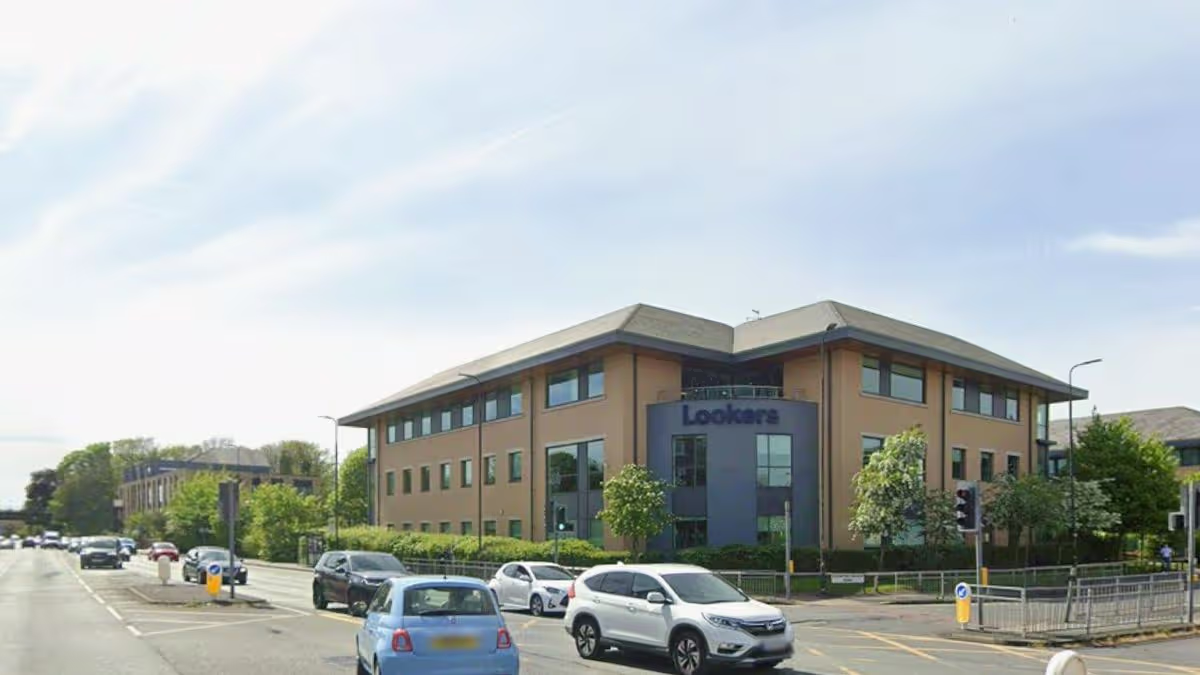
The empty block could be brought back into use(Image: Google)

An abandoned office building in Timperley could be brought back into use as new homes.

Advertisement

Developer Blueoak Estates Ltd is eyeing up the three-storey property in Etchells Road with a view to turning it into apartments. The building was last home to the Lookers Motor Group.

Some 34 new homes are proposed to be created within the office block. These would be a mix of one- and two-beds, planning documents show.

This could be just phase one of the plans for the site, however. Documents state that the plant room and an external ‘plant well’ in the roof area would be redundant under the new use and could be ‘subject to future conversion’.

Limited changes would be made to the exterior of the building. These would see new windows fitted and the ‘part removal’ of the external stairs.

Advertisement

Some 38 parking spaces are proposed for the new homes. An additional 34 cycle spaces would be provided in an internal storage area.

Blueoaks is seeking permission from Trafford council for the change of use of the building.

To find all the planning applications, traffic diversions, road layout changes, alcohol licence applications and more in your community, visit the Public Notices Portal.

Advertisement
Continue Reading

Business

Taiwan stocks lower at close of trade; Taiwan Weighted down 0.79%

Published

on


Taiwan stocks lower at close of trade; Taiwan Weighted down 0.79%

Continue Reading

Business

Red Rock Resorts Q1 2026 Earnings: Focus On The Long Term (NASDAQ:RRR)

Published

on

Red Rock Resorts Q1 2026 Earnings: Focus On The Long Term (NASDAQ:RRR)

This article was written by

I am a specialist in Asian equities after having been a sellside analyst for 13 years. In addition, I have also spent time covering US hardware and semiconductor stocks on the sellside. Within Asia, I have covered the casino, automotive, industrial, consumer and technology sectors. I have also worked on the buyside as a fund manager in long only and as an analyst in hedge funds all covering Asian equities where I have developed a keen understanding of Asian companies and economies with a focus on China. From a global equities perspective, I enjoy covering companies globally by examining key metrics such as financial statements strength, valuation upside, and conducting proper analysis of the competitive advantages of the company. Throughout my career, I have found and written on undiscovered small cap companies which have increased in equity value by multiple times. I would like to write for Seeking Alpha where my goal is to help investors cut through the noise and to focus on fundamentals and the company’s competitive outlook instead of the momentum trade.

Analyst’s Disclosure: I/we have no stock, option or similar derivative position in any of the companies mentioned, and no plans to initiate any such positions within the next 72 hours. I wrote this article myself, and it expresses my own opinions. I am not receiving compensation for it (other than from Seeking Alpha). I have no business relationship with any company whose stock is mentioned in this article.

Seeking Alpha’s Disclosure: Past performance is no guarantee of future results. No recommendation or advice is being given as to whether any investment is suitable for a particular investor. Any views or opinions expressed above may not reflect those of Seeking Alpha as a whole. Seeking Alpha is not a licensed securities dealer, broker or US investment adviser or investment bank. Our analysts are third party authors that include both professional investors and individual investors who may not be licensed or certified by any institute or regulatory body.

Advertisement
Continue Reading

Business

Fidelity Blue Chip Growth Fund Q1 2026 Commentary (FBGRX)

Published

on

Fidelity Blue Chip Growth Fund Q1 2026 Commentary (FBGRX)

Fidelity’s mission is to strengthen the financial well-being of our customers and deliver better outcomes for the clients and businesses it serves. With assets under administration of $12.6 trillion, including discretionary assets of $4.9 trillion as of December 31, 2023, Fidelity focuses on meeting the unique needs of a broad and growing customer base. Privately held for 77 years, Fidelity employs more than 74,000 associates with its headquarters in Boston and a global presence spanning nine countries across North America, Europe, Asia and Australia. Note: This account is not managed or monitored by Fidelity, and any messages sent via Seeking Alpha will not receive a response. For inquiries or communication, please use Fidelity’s official channels.

Continue Reading

Business

Politics And The Markets 05/11/26

Published

on

OneWater Marine Inc. (ONEW) Q1 2026 Earnings Call Transcript

This is the forum for daily political discussion on Seeking Alpha. A new version is published every market day.

Please don’t leave political comments on other articles or posts on the site.

The comments below are not regulated with the same rigor as the rest of the site, and this is an ‘enter at your own risk’ area as discussion can get very heated. If you can’t stand the heat… you know what they say…

More on Today’s Markets:

Advertisement

Iran’s new supreme leader, Mojtaba Khamenei, who has not been seen or heard publicly since the war began, “issued new and decisive directives for the continuation of operations and the powerful confrontation with the enemies” while meeting with the head of the joint military command, the state broadcaster reported, with no details.

In April 2026, exports reached a record high of $359.44 billion, up 14.1% year-on-year, exceeding forecasts and showing a strong rebound after a weak growth of 2.5% in March. For the first four months of the year, total exports still grew 14.5% year-on-year to USD 1.34 trillion. However, during the period, sales to the US dropped 10.2%.

Meanwhile, Israeli Prime Minister Netanyahu warned in a 60 Minutes interview that the war is “not over… There are still enrichment sites that have to be dismantled, there are proxies that Iran supports, there are ballistic missiles that they still want to produce… there’s work to be done.”

Moderation Guidelines:

We remove comments under the following categories:

  • Personal attacks on another user account
  • Anti-Vaxxer or covid related misinformation
  • Stereotyping, prejudiced or racist language about individuals or the topic under discussion.
  • Inciting violence
Continue Reading

Business

Urban Company shares tank 9% after Q4 net loss swells to Rs 161 crore despite a sharp revenue uptick

Published

on

Urban Company shares tank 9% after Q4 net loss swells to Rs 161 crore despite a sharp revenue uptick
Shares of Urban Company plunged as much as 9% to their day’s low of Rs 127 on the BSE on Monday after it reported a sharp rise in consolidated net loss for the March quarter to Rs 161 crore, compared with Rs 2.8 crore in the same period last year, even as the company posted strong revenue growth.

Revenue from operations for Q4FY26 rose 43% year-on-year to Rs 426 crore from Rs 298 crore a year ago. On a sequential basis, revenue grew 11% from Rs 383 crore reported in the October-December quarter of FY26. The company’s losses also widened sharply quarter-on-quarter, increasing nearly eightfold from Rs 21 crore in Q3FY26.

The professional services platform reported a 42% year-on-year rise in net transacting value (NTV) to Rs 1,148 crore during the quarter, the highest level in the last 15 quarters.

Adjusted EBITDA loss for Q4FY26 stood at Rs 98 crore, while adjusted EBITDA excluding InstaHelp came in at Rs 22 crore. The company also reported a 160-basis-point improvement in margins.

Advertisement

For the full financial year, NTV increased 31% year-on-year to Rs 4,290 crore, while revenue from operations rose 36% to Rs 1,556 crore. According to the company’s filing, both NTV and revenue growth accelerated for the second consecutive year.


Among key business segments, India Consumer Services excluding InstaHelp posted 26% year-on-year NTV growth in Q4FY26, marking the strongest growth in 11 quarters. International operations across the UAE and Singapore recorded 84% year-on-year growth in NTV during the quarter.
The company said both India Consumer Services, excluding InstaHelp and the international business remained profitable in Q4FY26 while also improving margins on a yearly basis.Native NTV rose 67% year-on-year in the March quarter, while revenue from the segment increased 75%.

InstaHelp delivered 2.7 million orders and recorded Rs 40 crore in NTV in Q4FY26, compared with 1.6 million orders and Rs 28 crore in NTV in Q3FY26. March alone saw over 1.1 million orders.

Sensex, Nifty today: Catch all the LIVE stock market action here
(Disclaimer: Recommendations, suggestions, views and opinions given by the experts are their own. These do not represent the views of The Economic Times)

Advertisement
Continue Reading

Business

FMR shares rise following acquisition update

Published

on

FMR shares rise following acquisition update

Shares in South Perth-based FMR Resources rose by more than 30 per cent early on Monday following news it would expand its presence in Chile.

Continue Reading

Business

The Perth startup simplifying carbon compliance

Published

on

The Perth startup simplifying carbon compliance

ESG consultant David Elliott saw a need to provide a software solution for SMEs, due to Australian regulatory changes.

Continue Reading

Business

No apology from The West editor after upsetting speech

Published

on

No apology from The West editor after upsetting speech

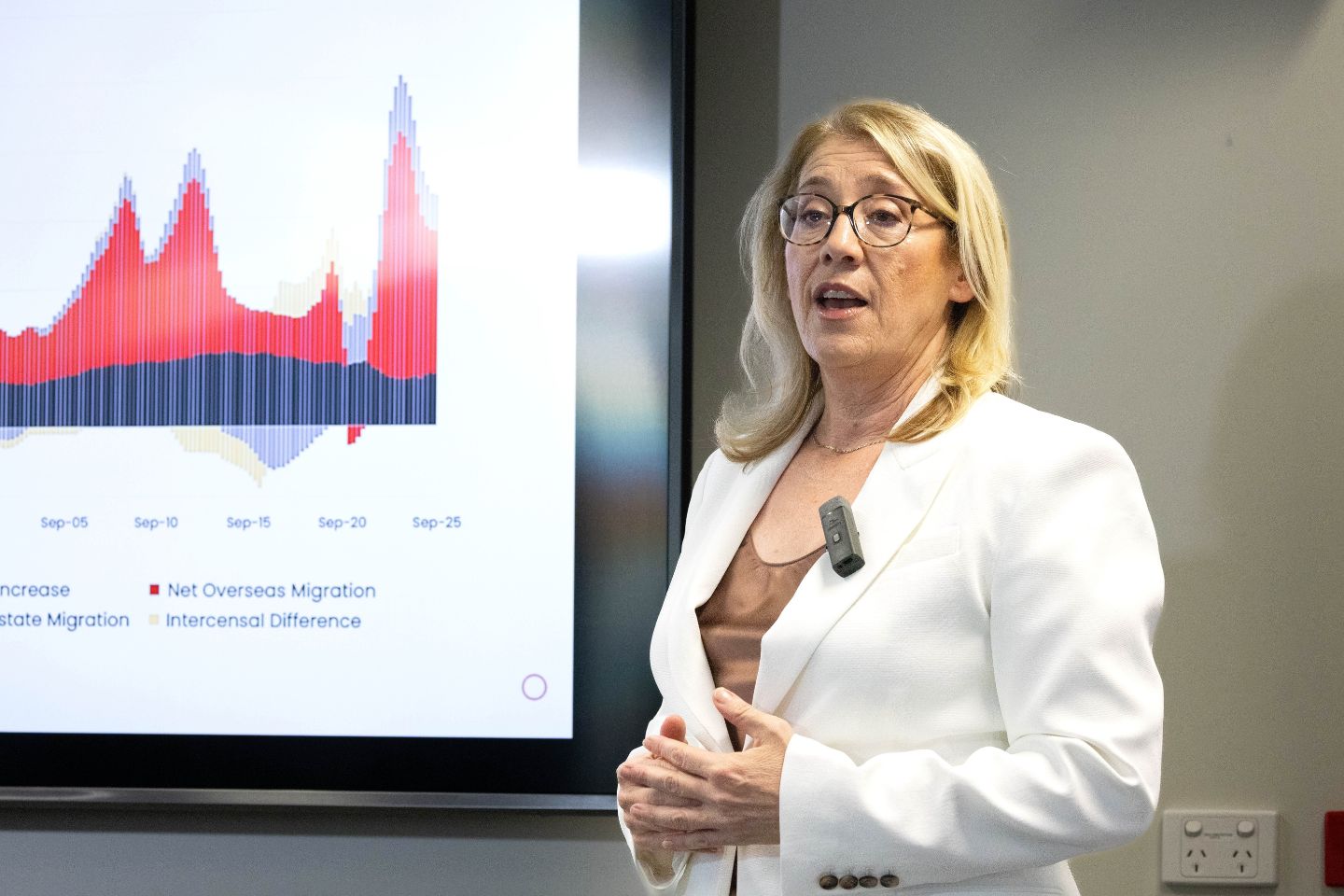
Deputy Premier Rita Saffioti said she hasn’t had an apology from the editor-in-chief of the West Australian newspaper after a post-budget breakfast event was soured.

Continue Reading

Business

Titan shares crash 6% after Q4 results. What are Goldman Sachs, Morgan Stanley, Bernstein, other brokerages saying?

Published

on

Titan shares crash 6% after Q4 results. What are Goldman Sachs, Morgan Stanley, Bernstein, other brokerages saying?
Shares of Titan Company tanked as much as 6% to their day’s low of Rs 4,245 on the BSE on Monday despite reporting a consolidated net profit of Rs 1,179 crore in the March-ended quarter of FY26 versus Rs 871 crore in the year-ago period, implying a 35% growth.

The company’s total income in Q4FY26 was up 46% to Rs 20,300 crore versus Rs 13,891 crore in the corresponding quarter of the previous financial year.

The jewellery business recorded another exceptional quarter of 50% growth over the year-ago period. The watch business achieved a total income of Rs 1,222 crores for the quarter, growing 8% over Q4FY25 and achieving an EBIT of Rs 143 crores at 11.7% margin. Domestic eyecare business achieved total income of Rs 227 crores in Q4FY26, growing 17% over Q4FY25 and recording an EBIT of Rs 21 crores at 9.2% margin.

Titan shares: Should you buy, sell or hold?

Morgan Stanley maintained its “Overweight” rating on Titan Company shares and raised its target price to Rs 5,212 from Rs 5,102, an upside of 15.4%. The brokerage said Titan’s jewellery business delivered a top-line and margin performance that exceeded expectations during the March quarter. Morgan Stanley noted that elevated gold prices supported ticket-size expansion and wedding-related purchases.
The brokerage added that the earnings miss at the overall level was largely due to higher losses in emerging and international businesses. Management reiterated its guidance of 15-20% CAGR in jewellery revenue over the next 3-5 years, and Morgan Stanley expects the stock to continue outperforming on the back of strong growth visibility and relatively attractive valuations.

Advertisement


Goldman Sachs maintained its “Buy” rating on Titan Company and kept a target price of Rs 5,400 (20% upside). Management guided for a 15-20% CAGR in jewellery sales over the next 3-5 years, while Titan also estimated a 50-60 basis points gain in jewellery market share during FY26. Goldman Sachs said international jewellery margins were impacted by Damas consolidation and disruptions in the Middle East. The brokerage raised its FY27 and FY28 revenue estimates by 7-8%, driven by a stronger jewellery outlook, although earnings per share upgrades were relatively lower because of higher interest costs and the drag from Damas.
Bernstein retained its “Outperform” rating on Titan Company share price with a target price of Rs 5,000 (11% upside). The brokerage said concerns around growth, buyer demand and margins have now eased meaningfully. However, margins saw some contraction due to a lower studded jewellery mix and the impact of the Damas consolidation. The brokerage also pointed out that CaratLane’s growth moderated to 22% after delivering over 30% growth in previous quarters, while the watches segment reported growth of just 8%, below the expected 15-20% range. Despite these factors, Bernstein said it remains constructive on Titan, citing the company’s ability to navigate uncertain demand cycles effectively.Nuvama retained its “Buy” rating on Titan Company and raised the target price to Rs 5,240, implying an upside potential of 16%. The brokerage said the Indian retail landscape continues to evolve amid the interplay of several demographic and economic factors. According to Nuvama, long-term prospects remain strong as changing consumer behaviour increasingly favours higher discretionary spending, creating a healthy growth runway for the retail sector over the next five years. The brokerage added that the biggest opportunity lies in the rising share of organised retail, supported by consumers allocating a larger portion of income toward consumption alongside gradual lifestyle improvements.

Elara Capital maintained its “Buy” recommendation on Titan Company with a target price of Rs 5,350. The brokerage said the company’s underlying consumer business revenue grew 46% year-on-year, supported by robust jewellery demand. Analysts expect strong momentum to continue in the second half of FY27, supported by elevated gold prices.

(Disclaimer: Recommendations, suggestions, views and opinions given by the experts are their own. These do not represent the views of The Economic Times)

Continue Reading

Trending

Copyright © 2025