

Connect with us
DAPA Banner
DAPA Coin
DAPA
COIN PAYMENT ASSET
PRIVACY · BLOCKDAG · HOMOMORPHIC ENCRYPTION · RUST
ElGamal Encrypted MINE DAPA
🚫 GENESIS SOLD OUT
DAPAPAY COMING

Business

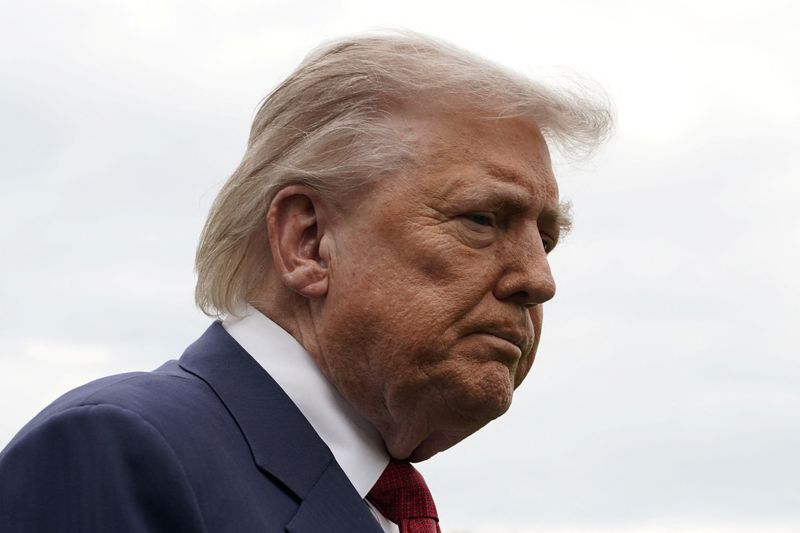
Trump says Iran ceasefire on ’life support’ after rejecting Tehran’s response

Published

on

Trump says Iran ceasefire on ’life support’ after rejecting Tehran’s response


Trump says Iran ceasefire on ’life support’ after rejecting Tehran’s response

Continue Reading
Click to comment

You must be logged in to post a comment Login

Leave a Reply

Business

Ovo energy customers urged not to panic as takeover planned

Published

on

Ovo energy customers urged not to panic as takeover planned

All existing tariffs will be honoured in full under a planned deal that could create one of Britain’s largest energy suppliers.

Continue Reading

Business

Buy the AI Power Surge or Sell After 400%+ 2026 Run?

Published

on

Buy or Sell Navitas Semiconductor Stock in 2026? Analysts Split

NEW YORK — Navitas Semiconductor (NASDAQ: NVTS) has delivered one of the most explosive rallies of 2026, surging more than 400% year-to-date on the back of its strategic pivot toward high-power gallium nitride (GaN) and silicon carbide (SiC) solutions for artificial intelligence data centers. The question now facing investors is whether the momentum justifies buying at current elevated levels or if it’s time to take profits after such a meteoric rise.

As of mid-May 2026, Navitas shares have traded in the $18–$23 range after a series of sharp upward moves fueled by strong sequential revenue growth and major design wins in the AI infrastructure space. The company, which specializes in next-generation power semiconductors, reported first-quarter revenue of $8.6 million, up 18% sequentially, with management highlighting accelerating contributions from high-power markets including AI data centers, grid infrastructure, and industrial electrification.

AI tailwinds drive transformation

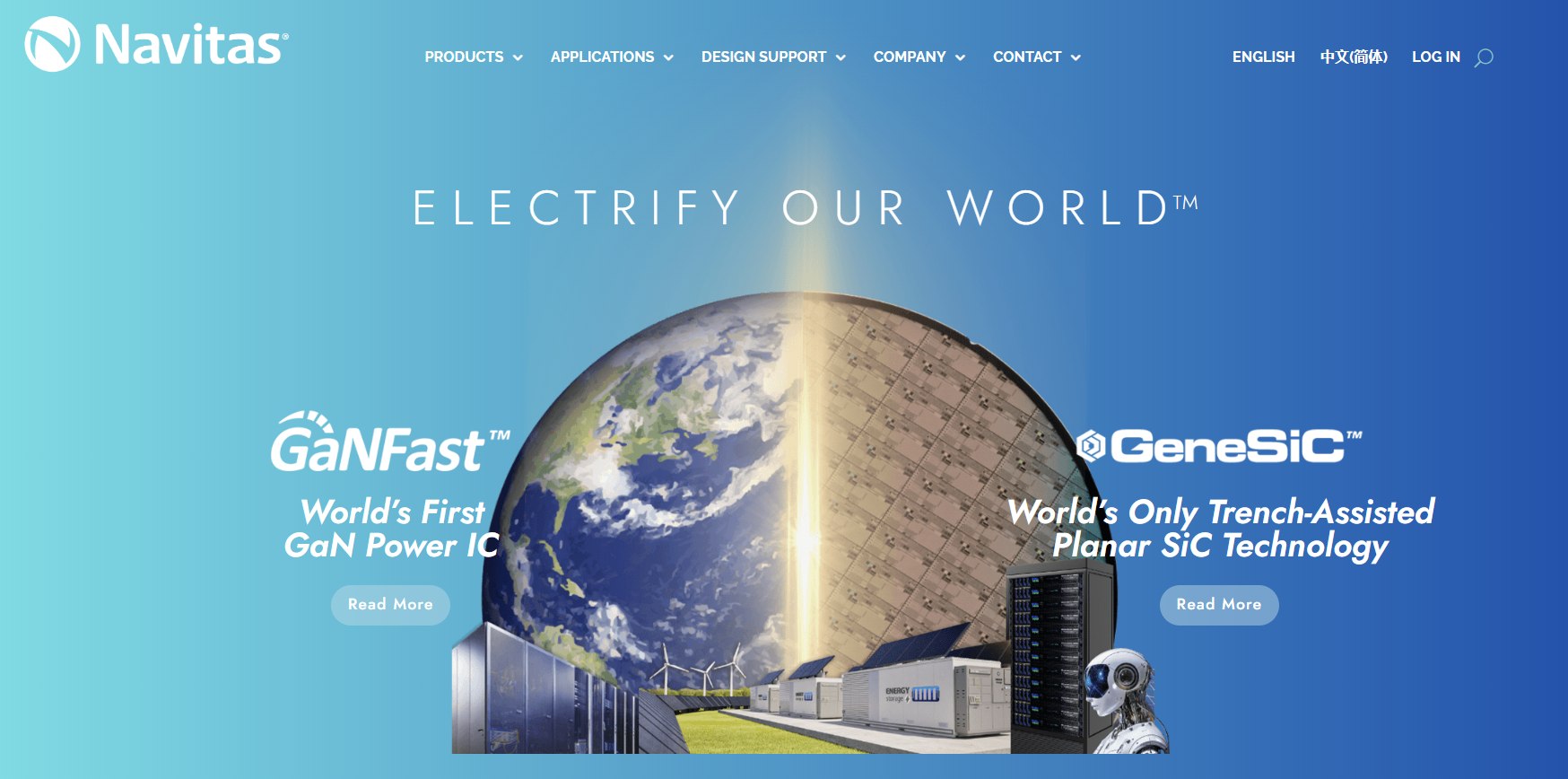
Navitas has successfully repositioned itself from a consumer mobile charging focus to a high-margin player in the AI power revolution. Its GaNFast and GeneSiC platforms enable more efficient, higher-density power conversion — critical as hyperscalers build massive GPU clusters that consume enormous amounts of electricity. The company’s 800V-to-6V power delivery board showcased at NVIDIA’s GTC 2026 has generated significant interest.

Advertisement

CEO Tonya Stevens and the leadership team have emphasized a $3.5 billion serviceable available market by 2030 growing at over 60% CAGR. Management expects continued sequential revenue growth throughout 2026, driven by high-power applications, with improving gross margins as the product mix shifts favorably.

Analyst views remain cautious

Despite the impressive rally, Wall Street maintains a Hold consensus on Navitas. Nine analysts covering the stock give it an average 12-month price target around $12.87–$13.59, implying 25–30% downside from recent trading levels. The highest target sits at $21, while some bearish voices see it falling as low as $3–$8 if execution falters.

Needham recently raised its target to $21 while maintaining a Buy rating, citing the high-power pivot. However, most firms remain neutral, concerned about valuation after the massive run and the company’s history of inconsistent revenue. Navitas still carries a significant net loss on a GAAP basis, though non-GAAP metrics show improvement.

Advertisement

Bull case: Secular AI power boom

Proponents argue Navitas is ideally positioned for multi-year growth. AI data centers require unprecedented power efficiency and density. Traditional silicon struggles here, while GaN and SiC excel. With hyperscalers racing to scale, Navitas’ expanding design-win pipeline and technology edge could drive substantial revenue acceleration in 2027 and beyond.

The company’s cash position provides runway for R&D and capacity expansion. If it successfully converts its backlog into revenue and maintains margin momentum, the stock could have further upside despite current premiums.

Bear case: Execution risks and valuation

Advertisement

Skeptics point to historical volatility in the power semiconductor space and Navitas’ transition challenges. Revenue has been lumpy, and near-term growth projections remain modest compared to the stock’s valuation. Any slowdown in AI capex or delays in major customer ramps could trigger a sharp correction.

Short interest remains notable, though recent covering has fueled the rally. Profit-taking after such gains is a constant risk in momentum-driven names.

Investment considerations for 2026

For aggressive growth investors with high risk tolerance, Navitas offers leveraged exposure to the AI infrastructure buildout. Position sizing is critical given volatility. Long-term believers in the power efficiency megatrend may view current levels as an entry point if they have a multi-year horizon.

Advertisement

More conservative investors may prefer waiting for a pullback or clearer evidence of sustained revenue acceleration and margin expansion. Diversification across the semiconductor and AI supply chain can help manage single-stock risk.

Bottom line

Navitas Semiconductor has delivered extraordinary returns in 2026, rewarding early believers in its AI power pivot. While the long-term opportunity remains compelling, the stock’s rapid appreciation leaves it vulnerable to volatility and profit-taking.

Whether to buy, hold, or sell depends on individual risk appetite, time horizon, and conviction in the sustainability of AI-driven power demand. For those bullish on the secular shift toward efficient power electronics, Navitas remains a high-conviction name — but one that demands careful monitoring and disciplined position management.

Advertisement

As always, investors should conduct thorough due diligence and consider consulting a financial advisor before making decisions. The semiconductor sector moves fast, and today’s winner can quickly become tomorrow’s cautionary tale. Navitas has momentum on its side for now, but sustaining it will require flawless execution in a highly competitive market.

Continue Reading

Business

British Steel nationalisation: Government moves on Scunthorpe steelworks future

Published

on

Business Live

The Government is set to introduce legislation this week that will allow it to take control of the steelmaker, 38 years since it was first privatised, protecting thousands of Scunthorpe jobs.

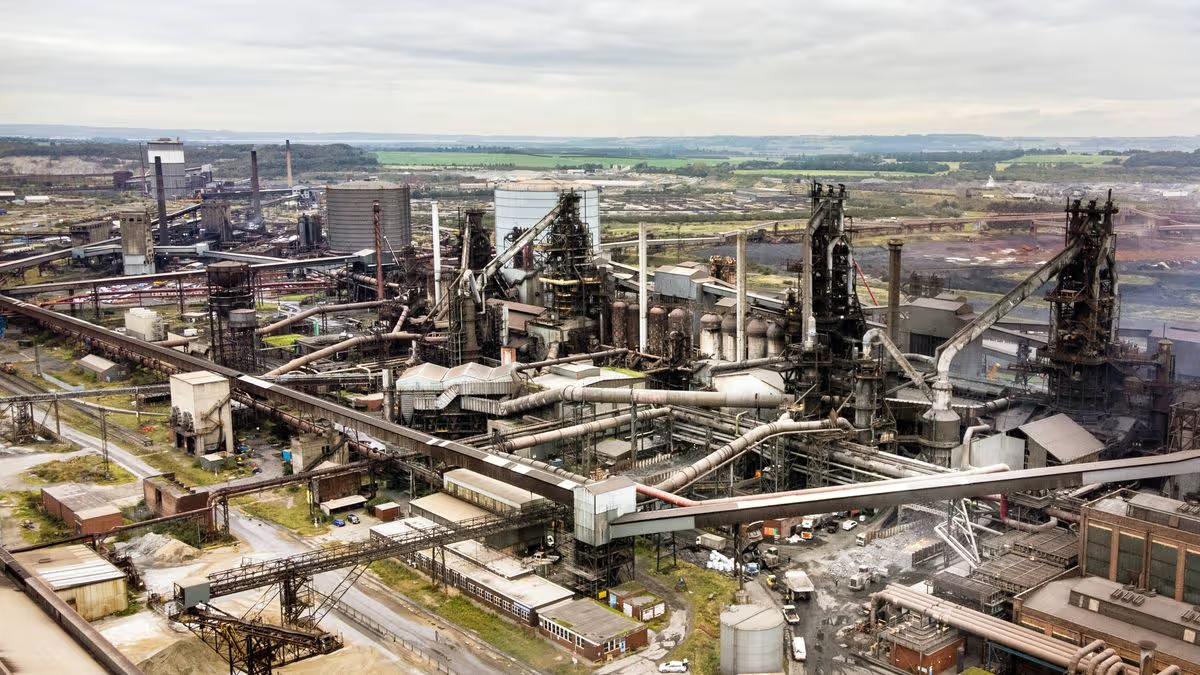
The British Steel steelworks in Scunthorpe, North Lincolnshire

The British Steel steelworks in Scunthorpe(Image: PA Archive/PA Images)

British Steel looks set to return to public ownership as Sir Keir Starmer unveiled new legislation he said will give the Government “options” to safeguard the industry and workers in Scunthorpe. Fresh powers could be deployed to nationalise British Steel, 38 years after the company was first privatised.

This follows a year after the Government deployed emergency powers to seize control of the firm and maintain production at the Scunthorpe site, after its owner, Chinese company Jingye, put forward plans to shut down the two blast furnaces. Negotiations with Jingye have continued since, but the Government said it was unable to agree a commercial sale, and believed no deal could be reached that would deliver sufficient value for taxpayers.

Advertisement

The Government stated its view that introducing legislation to provide a pathway to public ownership was the appropriate next step, enabling it to determine the steelmaker’s future direction. The legislation, which is to be brought before Parliament this week, will be subject to a public interest test, taking into account factors including national security, preserving critical national infrastructure and bolstering the economy.

The Prime Minister said: “Steel is strategically important to our economy and our national resilience. That’s why we acted last year to avoid a sudden halt to production at Scunthorpe, protecting workers and the community that depend on the site, and why we’re now bringing forward legislation to give us options to protect Britain’s steelmaking capability.

Prime Minister Keir Starmer giving his speech in London on Monday

Prime Minister Keir Starmer giving his speech in London on Monday(Image: Getty Images)

“This is what an activist state looks like – taking decisions in the national interest. “This Bill would allow us to take action if we need to, while we continue rebuilding our steel sector.”

A steel union praised the decision to nationalise British Steel, stating it will “protect it from foreign owners”.

Advertisement

Charlotte Brumpton-Childs, GMB national secretary, said: “This legislation will cover the whole steel industry – it isn’t specifically for British Steel but it is what will protect it from foreign owners. “British Steel is a nationally strategic asset, it is right the Government does everything in its power to secure its long term future.”

Gareth Stace, director-general for trade association UK Steel, welcomed the move, saying it “provides vital certainty for the workforce, the company’s customers and the wider supply chain at a critical moment”.

However, he emphasised: “Nationalisation is not an end goal. This must now be the beginning of a clear and credible long-term plan for British Steel.”

The Government’s action last year halted Jingye’s plans and brought its redundancy consultations to an end, which could have resulted in between 2,000 and 2,700 job losses. It also allowed the Scunthorpe blast furnaces to keep running.

Advertisement

Jingye had been weighing up closing them after revealing it was haemorrhaging £700,000 daily owing to difficult market conditions, tariffs and substantial environmental costs. The Government’s intervention to safeguard the site set it back £377 million between April 2025 and January 2026, according to a National Audit Office (NAO) report.

Alongside the £377m required to keep British Steel afloat, £15mn was allocated to advisers and £359m to the company for operational activities, including raw materials, payroll and associated costs. Had the blast furnaces been shut down, however, it would have resulted in significant job losses at Scunthorpe and impacted customers throughout the supply chain, including Network Rail, the NAO noted.

Business Secretary Peter Kyle said: “Revitalising our steel sector is a top priority for this Government and bringing forward this legislation would allow us to explore potential future options for British Steel. The Government recognises that securing the long-term future of the UK’s steel sector relies on both public and private investment for modernisation.”

Downing Street confirmed that an independent valuation would be conducted to establish the potential cost of nationalising British Steel. “Where the powers in the bill are used, an independent valuer will be appointed to determine what compensation, if any, is payable, and the UK Government will, of course, abide by the valuer’s conclusions,” the Prime Minister’s official spokesman said.

Advertisement
Continue Reading

Business

Hidden Valley unveils chicken snacks

Published

on

Hidden Valley unveils chicken snacks

The refrigerated RTD snacks are available in two varieties. 

Continue Reading

Business

Thailand Plus Initiative Strengthens US Trade and Investment Partnerships

Published

on

Thailand Plus Initiative Strengthens US Trade and Investment Partnerships

Deputy PM Suphajee Suthumpun’s recent Washington visit advanced Thailand-U.S. trade cooperation, discussing investments in energy, technology, and more. Thai investments in the U.S. exceed $17 billion, with trade valued at $93.65 billion.


Key Points

  • Deputy Prime Minister and Commerce Minister Suphajee Suthumpun visited Washington, D.C. with the “Team Thailand+” delegation to enhance trade and investment ties between Thailand and the U.S. They attended the SelectUSA Investment Summit 2026.
  • Meetings included discussions with U.S. agencies, business groups, and representatives from Texas and Utah to explore investment opportunities in sectors like energy, food, petrochemicals, technology, and electronics.
  • In 2025, the U.S. was Thailand’s second-largest trading partner, with bilateral trade at $93.65 billion. Thailand exported $72.50 billion in goods and imported $21.14 billion, including crude oil and machinery.

Deputy Prime Minister and Commerce Minister Suphajee Suthumpun has disclosed that her recent visit to Washington, D.C., with the “Team Thailand+” delegation helped advance trade and investment cooperation between Thailand and the United States.

The delegation attended the SelectUSA Investment Summit 2026 and met with U.S. government agencies, business groups, and private-sector representatives to discuss investment opportunities in sectors including energy, food, petrochemicals, technology, and electronics. Meetings were also held with representatives from Texas and Utah regarding future investment opportunities.

Suphajee said discussions with the U.S. Department of Commerce, the U.S.–ASEAN Business Council, and the U.S. Chamber of Commerce covered trade policy, reciprocal trade negotiations, supply-chain cooperation, and American investment in Thailand. Thai investment in the United States currently exceeds 17 billion dollars.

According to government data, the United States was Thailand’s second-largest trading partner in 2025, with bilateral trade valued at 93.65 billion dollars. Thailand exported 72.50 billion dollars in goods to the United States while importing 21.14 billion dollars in products, including crude oil, machinery, aircraft components, chemicals, and electrical equipment.

Advertisement

Source : Team Thailand Plus Boosts Trade and Investment Ties with US

Continue Reading

Business

Hormel Foods expands Herdez line

Published

on

Hormel Foods expands Herdez line

The Asada line features marinades, barbecue sauces and taco seasonings. 

Continue Reading

Business

Strategic Market Entry and Regional Structuring Approaches for Australian Businesses

Published

on

Strategic Market Entry and Regional Structuring Approaches for Australian Businesses

ASEAN offers Australian companies expansion opportunities, but strategic market selection depends on goals such as sales, manufacturing, supply chain, or tax efficiency, considering regional differences.

ASEAN: A Key Growth Region for Australian Businesses

ASEAN is increasingly vital for Australian companies aiming to expand markets, enhance supply chain resilience, and access Southeast Asia’s growing consumer and industrial markets. With over 680 million people and a combined economy surpassing US$3.8 trillion, the region offers significant scale and opportunity. However, its diversity necessitates strategic planning to maximize benefits and mitigate risks.

Strategic Approach to ASEAN Expansion

Expansion into ASEAN should be viewed as a phased, strategic process rather than a simple entry. The initial market choice depends on the company’s goals—whether it’s boosting sales, expanding manufacturing capacity, diversifying supply chains, managing regional operations, or optimizing tax. Firms need to prioritize their primary commercial function to determine the most suitable early markets within the region.

Priorities for Australian Companies

Australian firms should first identify whether their focus is manufacturing, procurement, regional coordination, or consumer access. Countries like Malaysia and Thailand remain attractive for industrial infrastructure and manufacturing integration. Many companies adopt a hub-and-spoke model, using Singapore for regional oversight and distributing operations across other ASEAN nations based on sector suitability and operational needs.

Advertisement


Read the original article : Expanding Across ASEAN: Market Entry and Regional Structuring Strategies for Australian Firms

Continue Reading

Business

GM lays off 500-600 salaried IT workers to cut costs

Published

on

GM lays off 500-600 salaried IT workers to cut costs

The General Motors global headquarters in Detroit, Jan. 12, 2026.

Jeff Kowalsky | Bloomberg | Getty Images

DETROIT – General Motors is laying off hundreds of salaried employees in its information technology operations as the automaker reevaluates its workforce needs and cuts costs, CNBC has learned.

Advertisement

The global reductions began Monday and will impact about 500 to 600 employees, largely in Austin, Texas, and Warren, Michigan, according to a person familiar with the plans who was not authorized to speak publicly about the reductions.

GM confirmed the cuts, which were first reported by Bloomberg News, but declined to give specific details about the actions.

“GM is transforming its Information Technology organization to better position the company for the future. As part of that work, we have made the difficult decision to eliminate certain roles globally. We are grateful for the contributions of the employees affected and are committed to supporting them through this transition,” the automaker said in an emailed statement.  

GM reported employing about 68,000 salaried workers globally as of the end of last year, including 47,000 white-collar employees in the U.S.

Advertisement

Despite Monday’s cuts, GM still is still hiring IT workers. The company has 82 open IT positions that include positions working in artificial intelligence, motorsports and autonomous vehicles, according to the automaker’s careers website.

The Detroit automaker in recent years has routinely re-evaluated its salaried workforce, based on expected needs and skill sets. In October, GM laid off more than 200 Computer-Aided Design, or CAD, engineers due to “business conditions.”

Choose CNBC as your preferred source on Google and never miss a moment from the most trusted name in business news.
Continue Reading

Business

Gordon Chang calls Chinese EVs ‘rolling spy machines’ before Trump-Xi talks

Published

on

Gordon Chang calls Chinese EVs 'rolling spy machines' before Trump-Xi talks

President Donald Trump’s upcoming meeting with Chinese President Xi Jinping is drawing renewed attention to concerns that Chinese electric vehicles entering North America through Canada could pose national security risks inside the United States.

Gatestone Institute senior fellow Gordon Chang joined FOX Business’ Maria Bartiromo on “Mornings with Maria” to discuss tensions surrounding China’s trade practices, energy policy and Beijing’s growing EV footprint ahead of the high-stakes Beijing meeting.

Advertisement
BYD's Shenzhen car carrier.

China’s BYD Shenzhen car carrier docked to load electric vehicles for export. (CN-STR / AFP / Getty Images)

The discussion comes as lawmakers push legislation aimed at blocking Chinese electric vehicles from entering the U.S. market, citing concerns over surveillance technology and connected-vehicle systems capable of collecting sensitive data.

Sen. Bernie Moreno, R-Ohio, warned that the vehicles function as “little Trojan horses” because of the amount of information they can collect and transmit.

“These cars have lots of cameras. They send back data to the Communist Party and can be remotely controlled by the Communist Party,” Moreno said during a recent appearance on “Sunday Morning Futures.”

Advertisement

AI EXPOSES HIDDEN RISKS IN US MILITARY SUPPLY CHAIN TIED TO CHINA

Chang expanded on those concerns, warning that Canada’s decision to lower tariffs on some Chinese EV imports could create another pathway for the vehicles to reach the United States.

“We should not allow Canadians to drive their Chinese EV across our border into our country because China will be able to surveil the United States with the Canadian cars,” Chang said.

Advertisement

GORDON CHANG: US SHOULD EXPAND SANCTIONS ON CHINA-LINKED NETWORKS TO HIT IRAN OIL REVENUE

Chang also described Chinese EVs as “rolling spy machines,” arguing that the issue underscores broader tensions between Washington and Beijing ahead of Trump’s expected meeting with Xi later this week.

GET FOX BUSINESS ON THE GO BY CLICKING HERE

Advertisement
Continue Reading

Business

Elon Musk and Tim Cook among CEOs expected to accompany Trump on China trip

Published

on

Elon Musk and Tim Cook among CEOs expected to accompany Trump on China trip

A total of 17 US executives are set to join the president on his visit, where he will meet his Chinese counterpart Xi Jinping.

Continue Reading

Trending

Copyright © 2025