

Business
Karman Space & Defense posts in-line Q1 earnings per share, revenue beat; Shares fall 4%




Asia is in the grip of a deepening plastics emergency as the Iran oil shock chokes off supplies of a critical petrochemical feedstock, sending packaging prices soaring and raising alarm across food, medical, and consumer goods industries from Indonesia to Japan.
Key takeaways
- Asia imports around 70% of its naphtha from the Middle East, and the Strait of Hormuz closure has nearly doubled prices, sending plastic resin costs up as much as 59% and threatening production shutdowns across the region.
- The shortage is hitting everyday goods and medical supplies simultaneously, with food packaging, beverage containers, and hospital plastics such as syringes and IV bags all affected across Indonesia, Japan, South Korea, and beyond.
- Governments have responded with emergency tariff suspensions and export bans on naphtha, while recycled plastic prices have quadrupled from $400 to $1,600 per ton as manufacturers scramble for alternatives.
At the heart of the crisis is naphtha, a petroleum derivative and essential building block for the polymers that underpin virtually all modern plastic packaging.
The closure of the Strait of Hormuz following U.S. and Israeli airstrikes on Iran in late February has dramatically curtailed the region’s access to that raw material.
The price of naphtha in Asia has nearly doubled since the conflict began, while prices for plastic resins have climbed as much as 59% to record highs.
On the ground in Jakarta, the crisis is already palpable. At Toko Durga Plastik, a packaging retailer in the Indonesian capital, daily sales have fallen by almost half over the past month.
A sign at the entrance warns customers of “skyrocketing” prices. “Sourcing supplies is impossible because the stock is limited,” said Arif, a worker at the shop. Indonesia imports virtually all of its naphtha, the overwhelming majority of which previously arrived from the Middle East. Suppliers have warned plastics producers they may have to suspend operations entirely.
From Food Stalls to Hospital Wards
The disruption is not confined to Indonesia. Asia imports around 70% of its naphtha from the Middle East, and the shockwaves are being felt across the region.
In Japan, fears are mounting that patients with chronic kidney failure will struggle to access the plastic medical tubes used in hemodialysis. In South Korea, health regulators launched a nationwide probe into hoarding of syringes, needles and gloves, and Seoul imposed an export ban on naphtha to protect domestic supply.
Taiwan saw plastic goods prices surge as much as 40%, while Malaysia’s Farm Fresh dairy brand said a shortage of PET resin caused its milk cartons to vanish from supermarket shelves. In India, prices for plastic bottle caps have quadrupled since the war started.
“This spills into everything very, very quickly: beer, noodles, chips, toys, cosmetics,” said Dan Martin, co-head of business intelligence at advisory firm Dezan Shira and Associates.
Experts warn the burden will fall hardest on smaller enterprises. “Large firms typically have access to tools such as hedging, long-term contracts, and inventory buffers. Most smaller manufacturers do not,” said Chen Ping-Kuo, a professor of industrial engineering at Japan’s Ritsumeikan Asia Pacific University. He cautioned that the disruption will “move quickly through supply chains,” given Asia’s deep dependence on plastic across virtually every industry.
No Easy Exit
Governments across the region are responding with emergency tariff suspensions and efforts to diversify supply sources. At the same time, manufacturers of paper, bamboo and recycled packaging are reporting unexpected windfalls as companies scramble for alternatives. The price of recycled plastics has jumped from around $400 per ton before the crisis to $1,600 per ton today.
The IMF has warned that for affected economies, “all roads lead to higher prices and slower growth.” With no resolution to the Strait of Hormuz closure in sight, analysts warn the worst may be yet to come.
Other People are Reading

Saudi Aramco Sees Oil Market Losing 100 Million Barrels a Week if Hormuz Remains Closed

Operator
Good morning, everyone, and welcome to the Kopin Corporation First Quarter 2026 Earnings Conference Call. [Operator Instructions]
This conference is being recorded today, and the earnings press release accompanying this conference call was issued earlier today. Before we get started, I’d like to remind everyone that during today’s call, we will be making forward-looking statements as defined in the Private Securities Litigation Reform Act of 1995. These statements are based on the company’s current expectations, projections, beliefs and estimates and are subject to a number of risks and uncertainties that cause actual results to differ materially from those forward-looking statements.
Potential risks include, but are not limited to, demand for our products, operating results of our subsidiaries, market conditions and other factors discussed in our most recent annual report on Form 10-K and other documents filed with the Securities and Exchange Commission.
Although the company believes that the assumptions underlying these statements are reasonable, any of them can be proven inaccurate, and there can be no assurances that the results will be realized. The company undertakes no obligation to update the forward-looking statements made during today’s call.
Kopin Corporation’s Chief Executive Officer, Michael Murray, will begin today’s call with an overview of Kopin’s strategic progress and business developments during the first quarter and the period that has followed. Following Michael, Kopin’s CFO, Erich Manz, will review the company’s first quarter

This Car Company Doesn’t Fear China

LifeStance Health Group completes offering of 35 million shares by selling stockholders

The boss of a Pilbara native title group has hailed a landmark compensation verdict as a win for Indigenous rights, while expressing disappointment at other elements of the judgement.

The comments, made during a public address in Secunderabad, triggered an immediate market reaction in sectors closely linked to household spending.
Among jewellery stocks, Titan Company Limited fell nearly 4%, Kalyan Jewellers India Limited dropped around 6%, while Senco Gold Limited also declined about 6% during intraday trade.
Real estate counters were also under pressure after Modi advised citizens to work from home wherever possible to help reduce fuel consumption amid the ongoing West Asia conflict and rising crude prices. Brigade Enterprises fell nearly 4%, Prestige Estates dropped about 5%, while Puravankara slipped close to 2%.
Modi’s remarks struck a sensitive chord in India, where gold is not just an investment product but deeply tied to weddings, festivals, family savings and inter-generational wealth. Any signal that could potentially affect household spending patterns tends to quickly reflect in listed consumer-facing businesses.

The market reaction also came at a time when gold prices remain near record highs and crude oil continues to trade above $100 a barrel, raising concerns around inflation, import costs and consumer purchasing power.
Ponmudi R, CEO of Enrich Money, said the immediate selloff reflects sentiment rather than a structural demand concern.”Such comments can create short-term pressure on jewellery stocks because investors start pricing in possible moderation in festive or wedding demand. But Indian gold buying is deeply cultural and emotionally driven, so the risk of a prolonged demand destruction remains limited,” he said.
Ponmudi added that organised jewellery players could continue gaining market share even if overall demand slows temporarily, as consumers increasingly prefer trusted brands and transparent pricing.
Analysts also pointed out that the real estate selloff appears more sentiment-driven than fundamental. Work-from-home adoption can influence commercial mobility and near-term housing sentiment, but India’s residential demand continues to be supported by urbanisation, income growth and supply discipline in key markets.
(Disclaimer: Recommendations, suggestions, views, and opinions given by experts are their own. These do not represent the views of the Economic Times)

The hack went undetected by the Staffordshire firm for 20 months, regulator says.
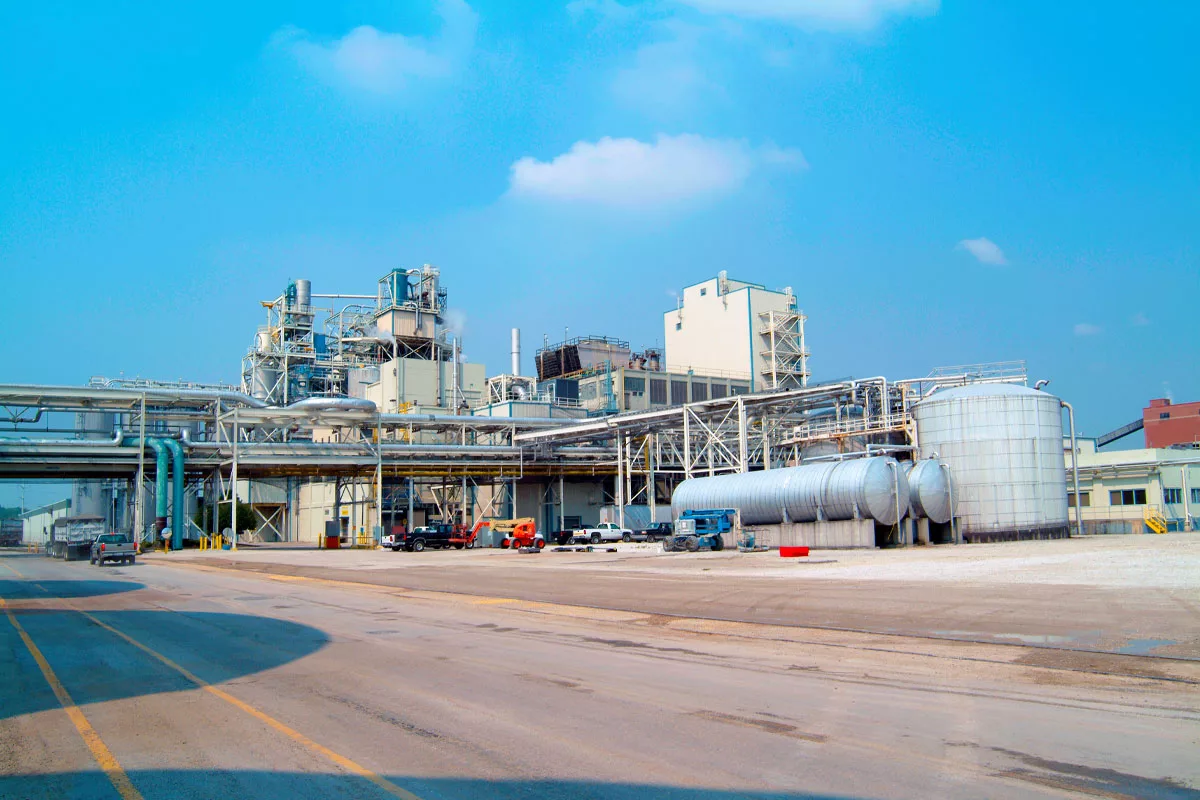

Company dealing with higher costs in Argo facility recovery.
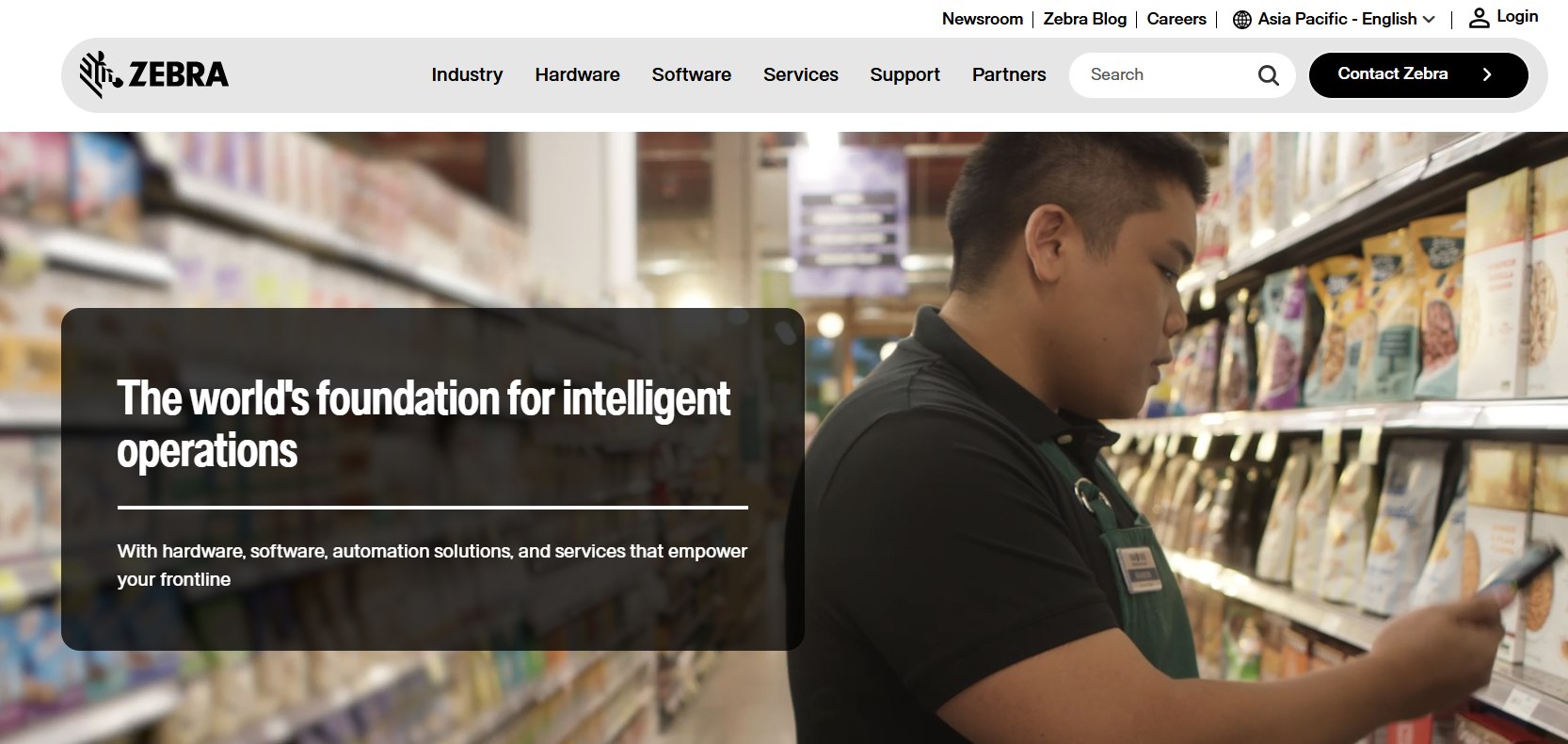
LINCOLNSHIRE, Ill. — Zebra Technologies Corporation (NASDAQ: ZBRA) shares exploded higher Tuesday, surging 16.75% or $253.31 to trade near $1,765 midday as investors cheered better-than-expected first-quarter 2026 results and an upgraded full-year forecast. The massive move made Zebra one of the top performers on the S&P 500, reflecting renewed confidence in the company’s automation, RFID and AI-driven growth strategy amid recovering demand for its enterprise technology solutions.
The company reported net sales of $1.495 billion for the quarter ended April 4, up 14.3% from the prior year and ahead of analyst expectations around $1.48 billion. Non-GAAP diluted earnings per share reached $4.75, topping consensus estimates of approximately $4.26 by a solid margin. Net income stood at $135 million, or $2.72 per diluted share on a GAAP basis.
Zebra also raised its full-year 2026 guidance, signaling broad-based strength across segments and regions. The upbeat update, combined with strong execution in key growth areas like automation and data capture, triggered aggressive buying as the market rewarded the company’s ability to navigate a challenging environment.
Strong Demand Across Key Markets
Zebra Technologies, a global leader in digitizing and automating workflows, saw robust performance in its Connected Frontline and Enterprise Visibility & Mobility segments. Management highlighted double-digit growth in several regions and strong contributions from RFID, machine vision and AI-enabled solutions. The results reflect improving enterprise spending on technologies that enhance supply chain visibility, warehouse efficiency and frontline worker productivity.
CEO Bill Burns expressed optimism about the company’s positioning. “We delivered strong first-quarter performance with broad-based growth across segments and regions,” he said in the earnings release. The company noted particular momentum in high-value areas such as retail, manufacturing and logistics, where customers are investing in intelligent automation to drive operational improvements.
Analysts reacted positively to the beat and raised outlook. TD Cowen reiterated a Buy rating with a $400 price target, while others highlighted Zebra’s ability to capitalize on secular trends in automation and AI. The stock’s sharp move underscores how sensitive the name remains to quarterly execution in the current market environment.
Strategic Focus on AI and Automation
Zebra has aggressively invested in emerging technologies, including AI-powered solutions that integrate with its core barcode scanning, mobile computing and RFID offerings. These innovations are helping customers achieve greater efficiency and real-time decision-making capabilities. The company’s recent acquisitions and internal development efforts continue to expand its addressable market in the rapidly growing intelligent operations space.
The raised 2026 outlook reflects confidence in sustained demand. Zebra now expects stronger revenue and earnings growth for the full year, with management pointing to healthy order pipelines and improving macroeconomic conditions in key end markets. This marks a meaningful upward revision that alleviated investor concerns about demand softness seen in prior periods.
Market Reaction and Technical Picture
Trading volume spiked dramatically on the news, far exceeding average levels as both institutional and retail investors piled in. The stock broke through recent resistance levels and approached multi-month highs. Technical analysts noted strong momentum indicators and bullish chart patterns following the earnings release.
Despite the impressive gain, some observers cautioned that the move could invite short-term profit-taking given the stock’s rapid ascent. However, the overwhelming sentiment remains constructive, with most Wall Street firms maintaining Buy ratings and price targets well above current levels.
Company Background and Outlook
Zebra Technologies provides hardware, software, services and solutions that help organizations digitize and automate workflows. Its products are used extensively in retail, warehousing, manufacturing, transportation and healthcare settings worldwide. The company has transformed itself from a barcode printing specialist into a broader enterprise asset intelligence provider.
Looking ahead, Zebra expects continued momentum in the second half of 2026, supported by new product launches, expanded customer relationships and favorable secular trends. Management emphasized disciplined capital allocation and operational efficiency alongside growth investments.
For investors, today’s surge highlights Zebra’s potential as a beneficiary of digital transformation and automation megatrends. While the stock carries typical technology sector volatility, the combination of earnings strength and raised guidance reinforces its position as a leader in critical industrial and enterprise technologies.
As the market digests the results, Zebra Technologies stands out as a standout performer in 2026, rewarding shareholders who bet on its long-term vision for intelligent operations and workflow automation. The company’s ability to deliver consistent beats and upward revisions positions it well for further gains if execution remains strong.

Hackers attack Foxconn again, Apple doesn’t appear to be at risk

Belfast volunteers urgently needed to foster guide dogs in training
Casper Network Publishes the Casper Manifest, a Multi-Year Roadmap to Power Regulated Real-World Assets and the Machine Economy

Manchester United reach agreement with Casemiro over contract clause amid transfer speculation

US brings back mandatory military draft registration

Steven Gerrard disagrees with Gary Neville over ‘shock’ Chelsea and Arsenal claim | Football

XRP RIPPLE CEO CONFIRMS BG123 !!!! IT DOESN’T GET ANY BIGGER THAN THIS !!!!

XRP HOLDERS! May 21 Could CHANGE EVERYTHING For XRP (And, All Of Crypto!)!

Nikon Confirm Retro Coming & 10 New Lenses Per Year ! | Annual Financial Results | Matt Irwin
-
 Crypto World5 days ago
HarrisX Poll Found 52% of Registered Voters Support the CLARITY Act
-

 Fashion4 days ago
Weekend Open Thread: Marianne Dress
-

 Crypto World6 days ago
Upbit adds B3 Korean won pair as Base token gains Korea access
-
 NewsBeat6 days ago
NCP car park operator enters administration putting 340 UK sites at risk of closure
-

 Fashion1 day ago
Coffee Break: Travel Steam Iron
-

 Fashion2 days ago
What to Know Before Buying a Curling Wand or Curling Iron
-

 Tech3 days ago
Auto Enthusiast Carves Functional Two-Stroke Engine from Solid Metal
-

 Politics1 day ago
What to expect when you’re expecting a budget
-

 Politics4 days ago
Politics Home Article | Starmer Enters The Danger Zone
-
 Business3 days ago
Ignore market noise, India’s long-term story intact, say D-Street bulls Ramesh Damani and Sunil Singhania
-

 Tech2 days ago
GM Agrees To Pay $12.75 Million To Settle California Lawsuit Over Misuse Of Customers’ Driving Data
-

 Crypto World6 days ago
BlackRock CEO Larry Fink Discusses a New Asset Class
-
 Sports7 days ago
NBA playoff winners and losers: Austin Reaves is not loving Lakers vs. Thunder matchup, but Chet Holmgren is
-

 Entertainment6 days ago
Sarah Paulson Called Out For Met Gala ‘Hypocrisy’
-

 Entertainment5 days ago
General Hospital: Ric & Ava Bombshell – Ric’s Massive Secret Exposed!
-

 Politics5 days ago
Simon Cowell Says He Was ‘Horrible’ To Susan Boyle During BGT Audition
-

 Entertainment6 days ago
Bold and Beautiful Early Spoilers May 11-15: Steffy Revolted & Liam Overjoyed!
-

 Sports6 days ago
UEFA Champions League final schedule, teams, venue, live time and streaming | Football News
-

 Crypto World6 days ago
Robinhood says Wall Street is building onchain
-

 Tech7 days ago
Apple and Samsung are dominating smartphone sales so thoroughly that only one other company makes the top 10
You must be logged in to post a comment Login