

Business
Global Market Today: Asian shares slip, oil prices pile pressure on bonds

A drone strike caused a fire at a nuclear power plant in the United Arab Emirates, while Saudi Arabia reported intercepting three drones, as U.S. President Donald Trump warned that Iran must act “fast” to reach a deal.
Meanwhile, the vital Strait of Hormuz remains closed to all but a trickle of shipping as Tehran tries to formalise its control of the waterway that used to carry 20% of the world’s oil trade.
“The closure is draining global oil inventories fast,” warned analysts at Capital Economics. “Inventories could reach critical levels by end-June, setting the stage for Brent at $130-140pb, if not higher.”
“If the strait is closed through year-end and oil stays around $150pb into 2027, that would push inflation to near 10% in the UK and euro zone, send rates back to their recent peaks and lead to global recession.”

Brent was trading up 1.2% at $110.63 a barrel, while U.S. crude climbed 1.0% to $106.42 a barrel. [O/R]
G7 finance ministers gather in Paris on Monday to discuss the Strait of Hormuz and critical raw material supplies, even as geopolitical differences threaten to test the group’s cohesion. Concerns energy costs would stay high and thus continue to drive inflation, saw global bond markets hammered on Friday.
Yields on U.S. 10-year notes were up at 4.584%, having surged 23 basis points last week, while 30-year bonds stood at 5.109% after jumping 18 basis points on the week.
Investors in turn feared central banks globally would have to tighten to head off an inflationary spiral, and a hike from the Federal Reserve is now seen as a 50-50 chance this year.
Minutes of the Fed’s last meeting are out on Wednesday and should show how much pressure there was on the committee for a shift to a neutral stance, and away from an easing bias.
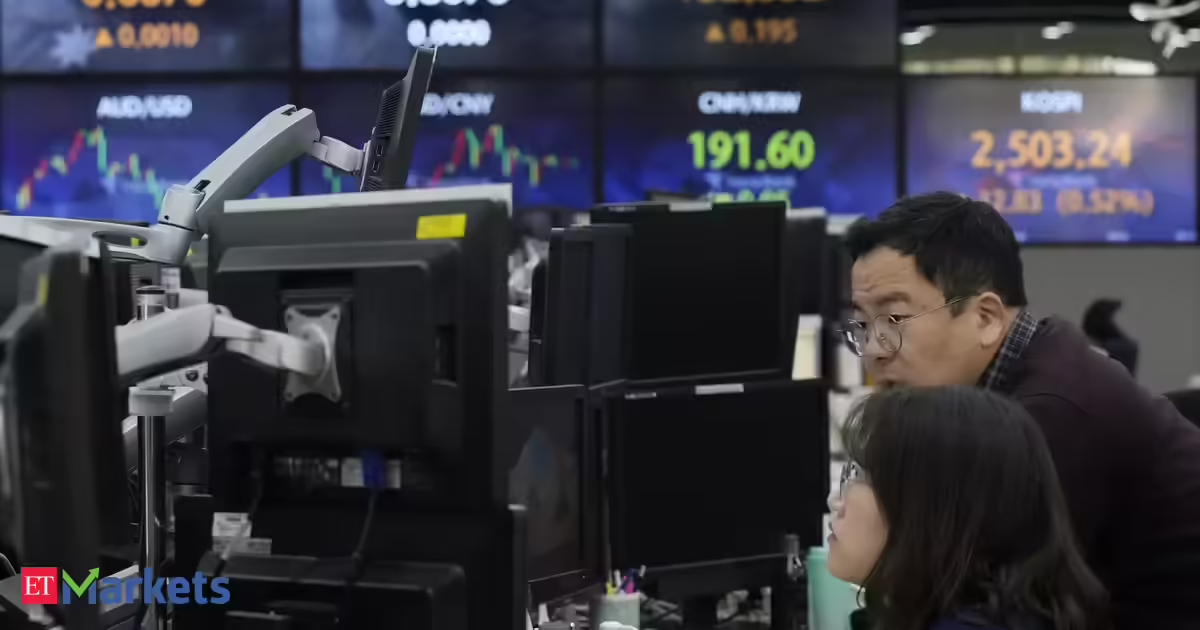
Japan’s Nikkei eased 0.4%, having fallen 2% last week though that was from record highs. South Korean stocks fell 2.1%, as the red-hot market cooled just a little after demand for semiconductors drove it to all-time peaks.
MSCI’s broadest index of Asia-Pacific shares outside Japan lost 0.6%. China’s markets hit their highest in more than four years last week, but will have to weather data on April retail sales and industrial output later in the session.
AI, RETAIL EARNINGS TO TEST THE BULL RUN
S&P 500 futures fell 0.4% and Nasdaq futures lost 0.5% in early trade.
While Wall Street has been supported by upbeat earnings, analysts at Citi noted half of the boost to earnings came from one-time items such as tariff add-backs and asset mark-ups. Both the gains in profits and the overall indexes were also tightly based.
“We identify 20 stocks that contributed the majority of index earnings upside,” wrote analyst Scott Chronert in a note. “Forward guidance increases also show a similar narrow focus.”
“Broadening is a necessary condition for meaningful index upside from here,” he added. “This will require a better line of sight to the Iran conflict wind-down.”
The all-important AI trade will be tested by earnings from Nvidia due on Wednesday, where expectations are sky high for the world’s most valuable company.
Nvidia shares are up 36% since the March low, while the Philadelphia SE semiconductor index has surged more than 60%, amid voracious demand for chips as tech companies spend massively to build AI-related infrastructure.
Also due this week are results from a host of retailers led by Walmart, which will provide an insight into how consumers are faring with high energy prices.
In forex markets, risk aversion has tended to benefit the greenback as the world’s most liquid currency. The U.S. is also a net energy exporter, giving it a relative advantage over Europe and much of Asia.
The euro sat at $1.1620, after losing 1.4% last week. The pound wallowed at $1.3318, having dived 2.3% last week as political instability added to already intense pressure on the gilt market.
The dollar held firm on the yen at 158.64, with only the threat of Japanese intervention preventing another speculative assault on the 160.00 chart barrier.
In commodity markets, gold was flat at $4,540 an ounce, having drawn little support so far as a safe haven or as a hedge against inflation risks. [GOL/]


Ondas Inc. (ONDS) DZYNE Technologies, LLC, – M&A Call – Slideshow

SentinelOne president Barry Padgett sells $276,579 in shares
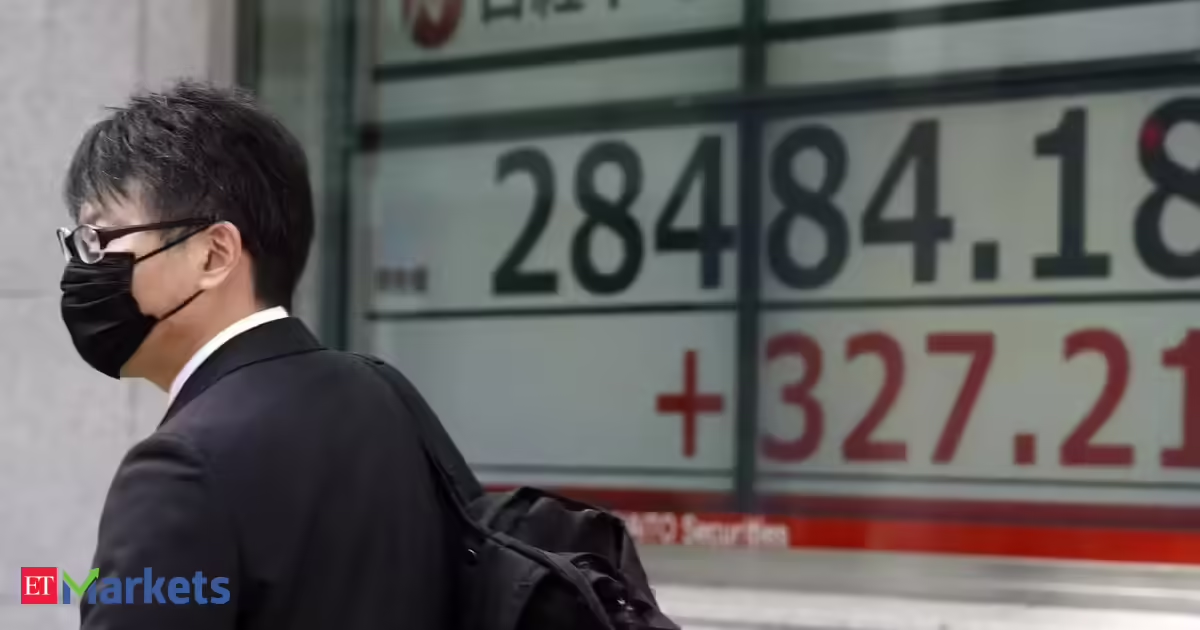
The MSCI Asia Pacific Index fell 0.3%, with decliners narrowly outnumbering gainers. Technology stocks led the losses, with Samsung falling over 5% even after quarterly profit surged 19-fold. The Kospi Index retreated 3.5%, while SK Hynix Inc. shares dropped 1% after kicking off the formal marketing process for its US listing.
Elsewhere, West Texas Intermediate crude traded below $69 a barrel on signs of growing oversupply, with Saudi Arabia slashing prices and traffic through the Strait of Hormuz picking up. During the New York session, short-term US Treasury notes edged higher. The yen was steady around 162.08 per dollar even as hedge funds turned the most negative on the Japanese currency since 2007.
Recent swings in tech stocks have left investors searching for fresh evidence that the AI boom can sustain its momentum. Even after US semiconductor shares posted a record quarter, attention has turned to whether soaring capital spending, rising competition and expanding capacity will deliver the earnings growth needed to justify lofty expectations.
“Are we in an AI bubble? We think the answer depends on whether AI can turn today’s scarcity into tomorrow’s abundance,” according to BlackRock Investment Institute’s team led by Jean Boivin. “Markets are increasingly pricing that outcome, expecting AI to lift productivity and growth enough to sustain today’s extraordinary earnings.”
In Asia, early attention was on Samsung’s earnings. The company’s quarterly profit surged 19-fold, soaring past elevated expectations due to rocketing demand for memory chips needed in AI data centers.
The world’s largest memory maker reported preliminary operating income of 89.4 trillion won ($58 billion) in the three months through June, dwarfing its performance for all of 2025. Analysts on average had projected 84.2 trillion won.Elsewhere, short-dated Treasuries gained during the US session as last week’s jobs report continued to reverberate through the market, leading traders to wager the Federal Reserve is less likely to raise interest rates in the coming months.
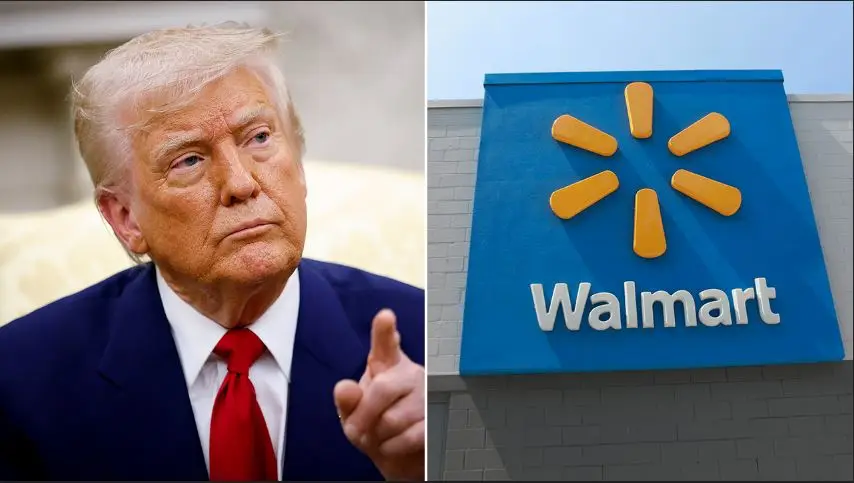
Hennion & Walsh Asset Management President and CIO Kevin Mahn analyzes Walmart’s earnings and the state of the U.S. economy on ‘Mornings with Maria.’
Retail giants Walmart and Sam’s Club on Monday announced sweeping summer discounts on thousands of everyday essentials and seasonal items, a move that quickly drew political attention after President Donald Trump said the retailer acted at his administration’s request.
In a news release Monday, Walmart and Sam’s Club said they are introducing nationwide price cuts to help families stretch their dollars during backyard barbecues, vacations and weekly grocery trips.
The savings span several categories, including groceries, household essentials, outdoor living, toys and apparel.
At Walmart, fresh sweet corn on the cob was slashed to $0.25 each from $0.68, fresh red cherries were cut to $5.63 from $11.18, and 1 lb. fresh 73% ground beef rolls were reduced to $5.94 from $6.74.
WALMART LAUNCHES HARDWARE OVERHAUL, NEW KIDS BRAND IN PRIVATE-LABEL PUSH
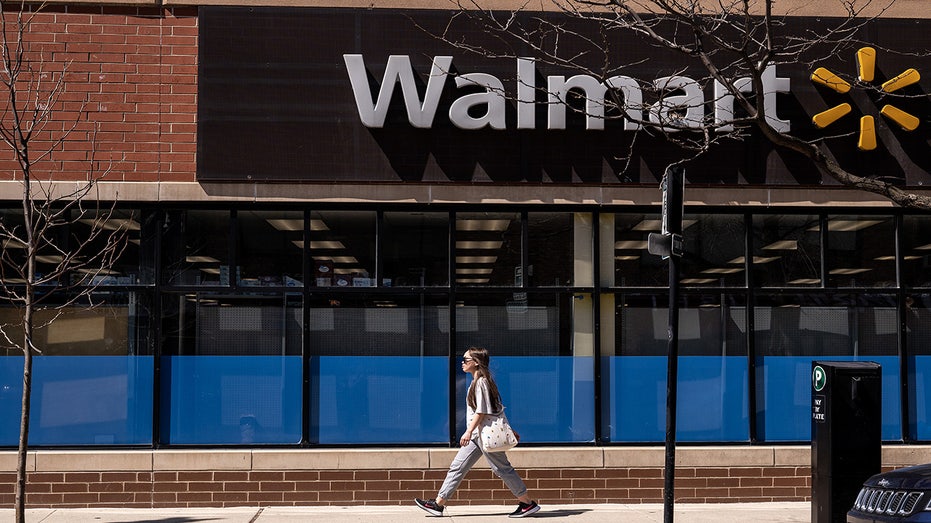
FILE – Walmart announced it is slashing prices on summer essentials. (Christopher Dilts/Bloomberg via Getty Images / Getty Images)
Soda prices also fell steeply, with 24-packs of Coca-Cola products dropping to $9.97 from $14.97, and 24-packs of Pepsi products dropping to $9.97 from $13.97.
“Customers count on Walmart to deliver the value they need every day, and summer is no exception,” Julie Barber, executive vice president and chief merchant for Walmart U.S. wrote in a statement.
Barber added Walmart is investing heavily in lowering costs on items customers shop for most, ranging from beef and fresh produce to grills, pools and summer fashion.
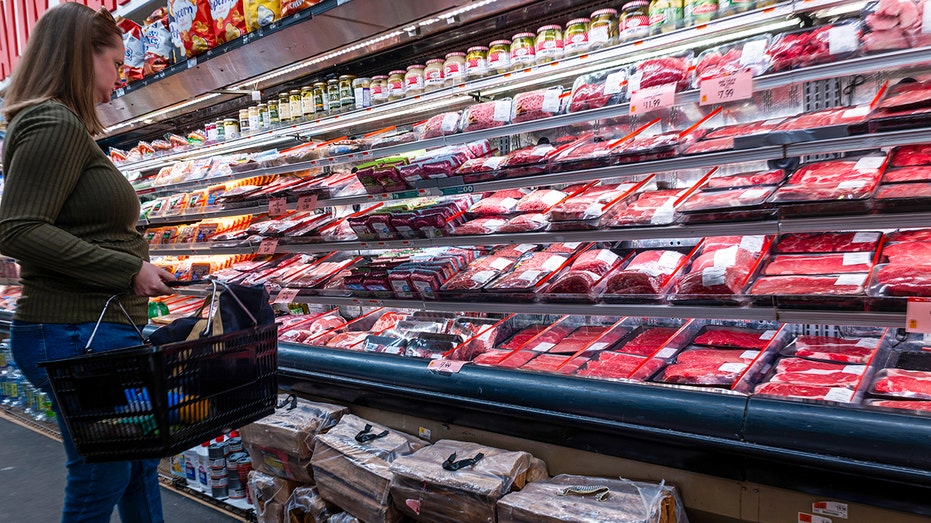
FILE – The companies announced meat prices will be slashed dramatically. (Spencer Platt/Getty Images / Getty Images)
WALMART WARNS SHOPPERS COULD FACE HIGHER PRICES AS FUEL COSTS SURGE, TAX REFUNDS DRY UP
Meanwhile, Sam’s Club is lowering prices on more than 250 items, targeting road trip snacks, grilling essentials and summer entertaining favorites.
Notable club discounts include Member’s Mark bone-in chicken wings marked down to $2.00/lb. from $2.88/lb., and Member’s Mark beef hot dogs reduced to $10.86 from $12.96.
| Ticker | Security | Last | Change | Change % |
|---|---|---|---|---|
| WMT | WALMART INC. | 110.65 | -1.19 | -1.06% |
In a Truth Social post on Monday, President Donald Trump praised Walmart as a “truly patriotic company” and said Walmart’s discounts were initiated “at my Administration’s request to celebrate our great Country’s 250th birthday.”
He highlighted the ground beef price drop specifically, claiming the retailer is dropping the price “by almost 15%, among many other products.”
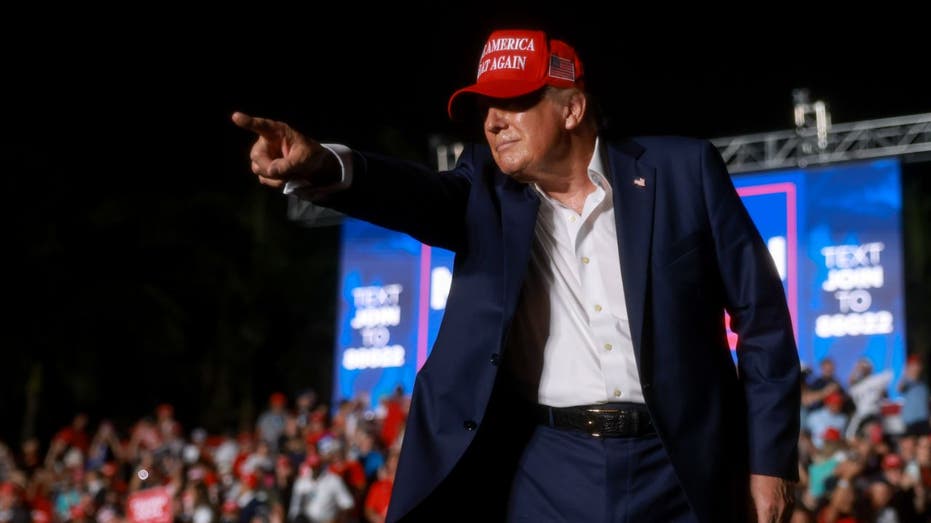
FILE – President Donald Trump said the price cuts come after a request from his administration. (Joe Raedle/Getty Images / Getty Images)
GET FOX BUSINESS ON THE GO BY CLICKING HERE
“This is a huge deal for the many millions of Americans who, smartly, shop at Walmart, which is a truly patriotic Company who loves the U.S.A.,” Trump wrote in the post. “My Administration is lowering prices that Joe Biden incompetently raised with the worst inflation crisis in history, a total disaster along with the Southern Border, the botched withdrawal from Afghanistan, and many other failures.”
“Just as I promised, Oil Prices are plummeting FAST, and Gas Prices at the pump are dropping too, just like egg and Prescription Drug prices which I am bringing down by historic levels,” he continued. “Walmart is stepping up in a big and bold way, and other Retailers should follow the lead of these absolute Patriots. Together, we will make America stronger and greater than ever before!”

In hospitals across the US, patients and staff have become accustomed to seeing a one-armed, four-foot high, friendly-looking white robot going about its business.
Nurses have been known to greet Moxi, as the robot is called by its maker Diligent Robotics, with a “good morning”, a high five or even a hug.
Moxi – which shuttles medical supplies around hospitals – might respond by displaying its heart-shaped LED eyes and a beep beep greeting of its own.
“We get a lot of feedback that Moxi feels like a part of the team,” says Todd Brugger, chief operating officer at the Texas-based robotics company, which has around 100 of the wheeled robots in operation.
But bringing Moxi into a hospital doesn’t mean buying one of the machines outright. Instead, it is among robots available to rent or on a subscription basis.
Robotics companies use the term robotics-as-a-service. As well as the robot itself, service, maintenance and upgrades are bundled into the deal. A human engineer sitting in a remote control room may be on hand to take control of the robot if needed.
In Moxi’s case, Brugger says: “It lowers the expense and the outlay for the hospital because you’re not paying for the full purchase up front. Secondly, and I think more importantly, this tech is evolving very quickly… we’re routinely evolving the software and capabilities of the robot.”
Robot rentals are becoming available for anything from a day to years for a variety of purposes, from Moxi’s hospital deliveries to robot bartenders or autonomous weeders for farms.
Increasingly this includes early humanoid models, designed to behave and look like humans, and operate in environments designed for people.
Given humanoids are still a work-in-progress, they are currently rented out for clearly defined tasks. That often means entertainment. Depending on the model, a machine might dance, sing or serve guests at a wedding or corporate event.
Ethan Qi, a Beijing-based associate director at Counterpoint Research, says an act like a humanoid dance routine is relatively simple to pull off.
“You hire a real dancer to perform and video it. The video is then used to train the robot. Then the robot will know how to dance. But the engineer will still often go with the robot in case the environment or the platform isn’t simple,” he says.
Business
Vertex Pharmaceuticals Incorporated (VRTX) Crinetics Pharmaceuticals, Inc. – M&A Call – Slideshow
Vertex Pharmaceuticals Incorporated (VRTX) Crinetics Pharmaceuticals, Inc. – M&A Call – Slideshow

British businesses are being “taxed out of existence”, with the appetite to invest in major projects now at its weakest since the end of the Covid-19 pandemic, according to one of the UK’s largest business lobby groups.
The British Chambers of Commerce (BCC) said on Monday that the proportion of firms planning to increase investment slipped to 17 per cent over the past three months, down from 21 per cent in the previous quarter, according to its latest Quarterly Economic Survey, the UK’s largest independent poll of business sentiment.
The findings lay bare how tens of billions of pounds of tax rises on employers, combined with relentless increases in operating costs, have choked off the capital spending the UK economy has conspicuously lacked since the 2016 Brexit vote.
Since Labour won the 2024 general election, businesses have absorbed an additional £25 billion in national insurance contributions, a bill that has already overshot Treasury forecasts by some margin, alongside steep rises in the minimum wage that have pushed staffing costs sharply higher.
The frustration among owner-managers is palpable. One business owner told the BCC they were “being taxed out of existence”, while another said their firm was suffering “from higher taxation, increased labour and energy costs [that are] stifling growth and investment”. The sentiment echoes earlier BCC polling which found that most UK businesses were rethinking their plans as the tax rises took their toll.
There are, however, signs of movement at the top of government. Andy Burnham, widely seen as the prime minister-in-waiting, has signalled there is “room for movement” on taxation within the constraints of Labour’s election manifesto, which ruled out rises in the main rates of income tax, NICs and general VAT. He has also backed a VAT cut for hospitality and an overhaul of the business rates regime.
David Bharier, deputy director of economics and insights at the BCC, said government policy needed to pass what he called a “growth delivery test”. “Each proposal should start from the question of exactly how it will cause firms to increase investment, exports, hiring or expansion,” he said.
Britain is far from alone in its predicament. Growth across the G7 has slowed markedly since the 2008 global financial crisis, a malaise economists attribute at least in part to a persistent shortfall in both public and private investment.
Inflation, meanwhile, remains the dominant worry in boardrooms. Of the 4,744 businesses the BCC surveyed online, 66 per cent cited rising prices as their top concern over the past quarter, despite oil prices falling below their pre-Middle East war levels and official figures from the Office for National Statistics showing annual inflation came in lower than expected in May, at 2.8 per cent.
The Treasury, for its part, remains bullish. An official said: “This government has the right economic plan, with business investment at 3.6 per cent above pre-election levels, lower than expected inflation and the fastest growth in the G7 for the start of this year. The economy is in a stronger position to deal with the costs of the war in Iran as a result of the chancellor’s decisions.”
For the small and medium-sized firms that make up the backbone of the UK economy, though, the numbers on the ground tell a different story – and until the gap between Whitehall optimism and boardroom reality narrows, the investment the country so badly needs looks set to remain on hold.

Jamie Young
Jamie is Senior Reporter at Business Matters, bringing over a decade of experience in UK SME business reporting.
Jamie holds a degree in Business Administration and regularly participates in industry conferences and workshops.
When not reporting on the latest business developments, Jamie is passionate about mentoring up-and-coming journalists and entrepreneurs to inspire the next generation of business leaders.
Business
(VIDEO) Samsung Galaxy Z Fold 8 Tipped to Get New Hinge for Nearly Creaseless Display Ahead of July 22 Launch

Samsung’s next generation of foldable smartphones is expected to debut with a redesigned hinge aimed at significantly reducing the visible crease that has long been a defining characteristic of the company’s book-style foldables, according to a fresh wave of leaks ahead of the devices’ official unveiling later this month.
The Galaxy Z Fold 8 lineup is expected to be announced at Samsung’s Galaxy Unpacked event scheduled for July 22 in London, marking the first time the company has held its summer Unpacked event in the United Kingdom rather than its more typical venues in Seoul, New York or San Francisco. Multiple South Korean outlets, including Korea Economic Daily TV and Seoul Economic Daily, have separately reported the July 22 date, and the devices have already cleared Federal Communications Commission certification in the United States, an indication that the hardware is finalized ahead of the launch.
According to prominent tipster Ice Universe, posting on the social media platform X, Samsung’s upcoming book-style foldables will feature a hinge that is “noticeably different” from the one used in the Galaxy Z Fold 7, with the redesign intended to minimize the crease that forms down the center of the inner display when the device is unfolded. The leaker also indicated that the folding and unfolding motion on the new devices will feel more decisive, meaning users will likely lose the ability to hold the phones open at intermediate angles the way they could with the previous generation.
For the first time in the Z Fold lineup’s history, Samsung is expected to release two distinct book-style foldables rather than a single flagship model. One version, expected to carry the Galaxy Z Fold 8 Ultra name, is said to maintain the taller, narrower form factor familiar from previous generations, while a second device, referred to in leaks as the standard Galaxy Z Fold 8 or the “Wide” model, is expected to introduce an entirely new shape with a shorter, wider 4:3 aspect ratio inner display. That design is widely seen as a strategic move to compete with Apple’s rumored first foldable iPhone, expected to arrive with a similarly wide form factor later this year.
Leaked specifications suggest the standard Galaxy Z Fold 8 will feature a 7.6-inch inner display and a 5.4-inch outer cover screen, both reportedly capable of reaching 2,500 nits of peak brightness, along with a dual 50-megapixel rear camera setup without a dedicated telephoto lens. The Galaxy Z Fold 8 Ultra, meanwhile, is expected to retain a more traditional design while adopting a triple rear camera system that could include a 200-megapixel main sensor, a significant camera upgrade compared to the outgoing Z Fold 7. Both devices are rumored to run on Qualcomm’s Snapdragon 8 Elite Gen 5 processor, the same chip found in Samsung’s current Galaxy S26 Ultra flagship, and are expected to ship with Android 17 and Samsung’s upcoming One UI 9 software, which is said to bring deeper integration of Google’s Gemini AI assistant across the foldable line.
Battery and charging upgrades are also anticipated. Leaks point to the Galaxy Z Fold 8 Ultra moving to a 5,000 milliamp-hour battery, up from 4,400 milliamp-hours on the Z Fold 7, alongside a jump to 45-watt wired charging from the previous 25-watt cap. The Galaxy Z Fold 8 Wide is expected to carry a smaller battery given its lighter, roughly 200-gram build, positioning it as a more portable, tablet-like alternative aimed at users who prioritize a larger, landscape-oriented display for media consumption and productivity tasks over raw camera performance.
Pricing leaks suggest the standard Galaxy Z Fold 8 could start at around $1,999 for a 256GB configuration in the United States, with 512GB and 1TB variants priced higher, potentially reaching beyond $2,700 for the top storage tier depending on the final market pricing. The Galaxy Z Fold 8 Ultra is rumored to carry a similar or slightly higher starting price. Industry observers have attributed the expected price increases in part to a broader spike in memory chip costs that has affected smartphone pricing across the industry throughout 2026, a trend that has already led Samsung to raise prices on other devices, including the Galaxy S26 series and select mid-range models, earlier this year.
Alongside the two foldable phones, Samsung is expected to introduce the Galaxy Z Flip 8, its clamshell-style foldable, at the same event, along with updated entries in its Galaxy Watch lineup. Some reports have also suggested Samsung may use the London event to unveil a pair of audio-focused smart glasses developed in collaboration with the South Korean eyewear brand Gentle Monster, though those details remain unconfirmed by the company.
Samsung has not officially confirmed the July 22 date or provided details on the devices’ final specifications, pricing or naming conventions, and industry watchers have cautioned that some elements of the leaked lineup, including the exact naming split between the “Ultra” and “Wide” designations, could still change before the official announcement. Historically, Samsung has opened pre-orders on the same day as its Unpacked events, with general retail availability typically following about two weeks later, suggesting the new foldables could reach store shelves in the United States and other major markets in the first week of August.
If the leaked hinge improvements hold up once the devices are official, they would mark one of the more significant physical design changes to the Galaxy Z Fold line since its original debut, addressing one of the most persistent criticisms leveled at book-style foldable phones since the category emerged: the visible crease that forms at the center of the display over repeated use. Whether Samsung’s new hinge design closes that gap entirely, or simply narrows it, is expected to become clear once the company takes the stage in London later this month.
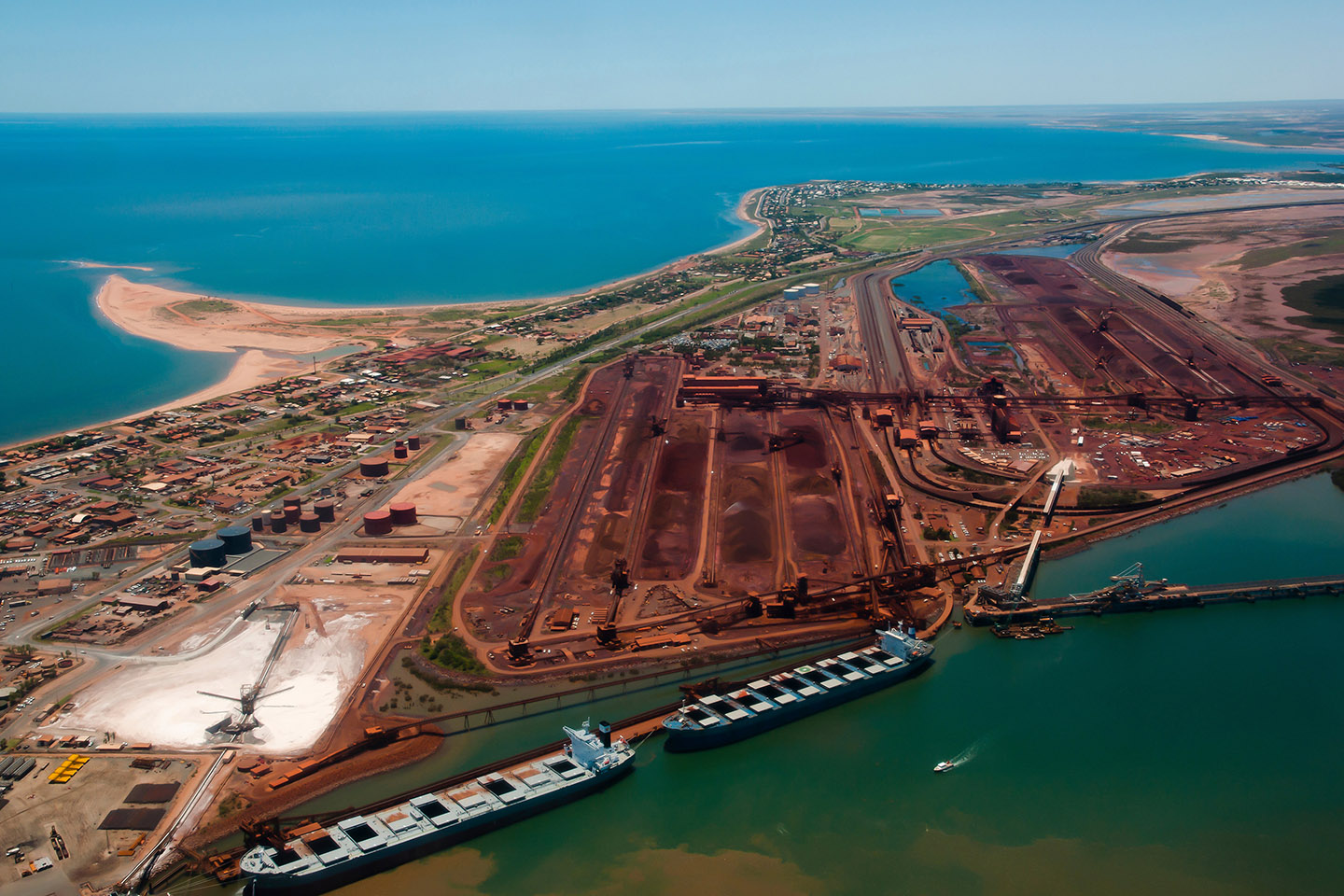
Western Mine Workers Alliance members are set to join industrial action at BHP’s Port Hedland operations after almost all members voted to endorse the action.
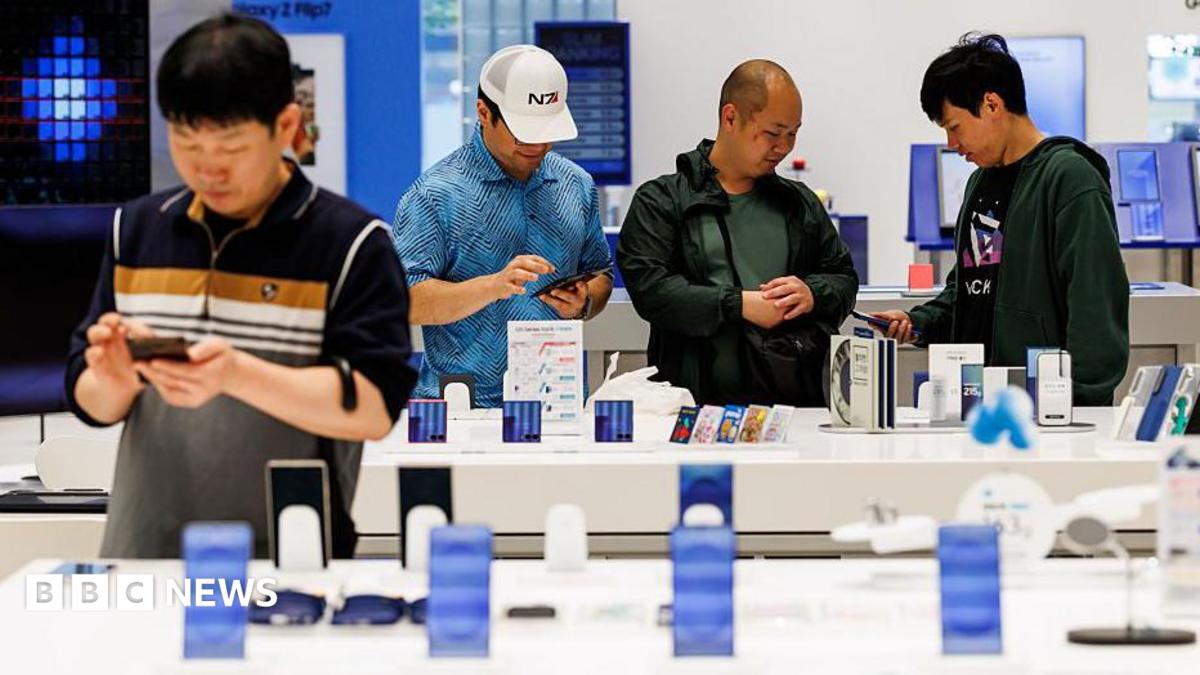
South Korean technology giant Samsung Electronics says it expects to post a 19-fold jump in its profits, driven by global demand for artificial intelligence (AI) memory chips.
The company forecast that it made 89tn won (£44bn; $58bn) between the start of April and the end of June, marking its third record quarterly operating profits in a row.
Major South Korean firms like Samsung release forecasts of their earnings ahead of official detailed reports to help guide investors.
Samsung’s latest forecast, released on Tuesday ahead of its full results due later in July, comes as demand for semiconductors continues to outstrip supplies – which has pushed up prices.
Samsung said in its preview, known as earnings guidance, that it brought in around 171tn won of sales during the quarter, more than double the amount for the same period last year.
The company’s projected earnings mark one of “the best quarterly performances ever”, which was close to the tech sector record set by Nvidia earlier this year, said industry analyst Marc Einstein from Counterpoint Research.
“This has everything to do with the AI boom as memory companies continue to ride a tidal wave driven by limited supply and unprecedented demand,” he added.
Samsung is one of the world’s biggest semiconductor manufacturers, making chips for firms like Nvidia and Google. The shares major tech firms have soared in recent months due to surging demand for chips.
Shares in Samsung have more than doubled in price since the start of this year, while South Korean rival SK Hynix has jumped by more than 200%.
The strong performance of both firms has helped lift the value of South Korea’s benchmark share index, the Kospi, by more than 80% this year.

Ondas Inc. (ONDS) DZYNE Technologies, LLC, – M&A Call – Slideshow

Bitmine defies Strategy selloff as Ethereum bet lifts BMNR stock

Is Mexico the 2026 World Cup’s best host country?


-

 Fashion3 days ago
Weekend Open Thread: High Hopes
-

 Politics4 days ago
The House | “Reframing the debate from a binary discussion of winners and losers”: Yuan Yang reviews ‘We Are Not Machines’
-

 Fashion9 hours ago
Open Thread: What Great Books Have You Read Recently?
-

 Crypto World7 days ago
Strategy authorizes up to $1.25B in Bitcoin sales under new capital plan
-

 News Videos7 days ago
How to Build INSANE Live Financial Dashboards With Claude
-
 NewsBeat2 days ago
Taylor Swift and Travis Kelce wedding staffer hilariously struggles to keep her cool while checking in megastars
-

 Tech7 days ago
Anonymous researcher drops 0-day ‘exploitarium’ repo
-

 Business7 days ago
Australia treasurer says alleged access of prime minister’s bank data ’incredibly concerning’
-
 Crypto World6 days ago
Airdrop Registration Becomes Key Focus For Remittix As RTX Launch Updates Approach
-

 Sports6 days ago
Broncos roster: OL Ben Powers (No. 74) entering final year of contract
-

 Crypto World5 days ago
Binance stock trading tops $1B in first month after launch
-

 NewsBeat6 days ago
Presenter Caroline Flack’s brother Paul Flack dies aged 55
-

 Crypto World5 days ago
Alibaba-affiliate Ant Group enters the humanoid robot market with 12 deals
-

 Crypto World3 days ago
Standard Chartered Secures MiCA License as ESMA Adds 37 New Crypto Firms
-

 Crypto World1 day ago
South Africa proposes crypto tax guidance under existing rules
-

 News Videos10 hours ago
Best Time to Enter Small Caps Right Now? Another Bull Run? | Financially Free
-
 NewsBeat5 days ago
New exhibition reflects five decades of movement between island of Ireland and GB
-

 Business5 days ago
Meta Platforms Stock Jumps 7% Today as Bloomberg Reports Company Plans to Enter the Cloud Business
-

 Tech2 days ago
Lenovo laptops are now shipping with YMTC SSDs, a sign of Chinese NAND entering the mainstream
-

 Business4 days ago
What a 10 Percent Drop Means for Buyers, Sellers and Renters
You must be logged in to post a comment Login