

Politics
Exclusive: Former Labour Members Are Returning To The Party To Back Andy Burnham

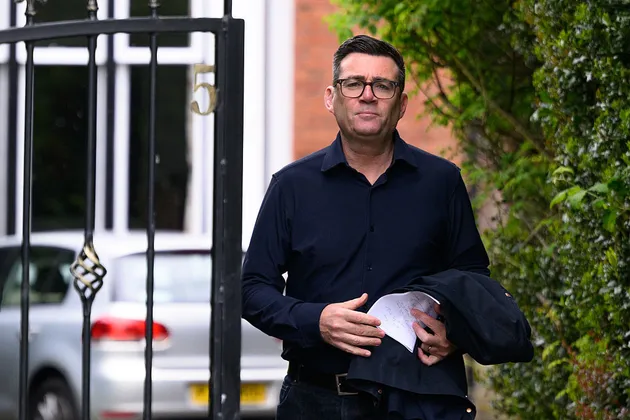
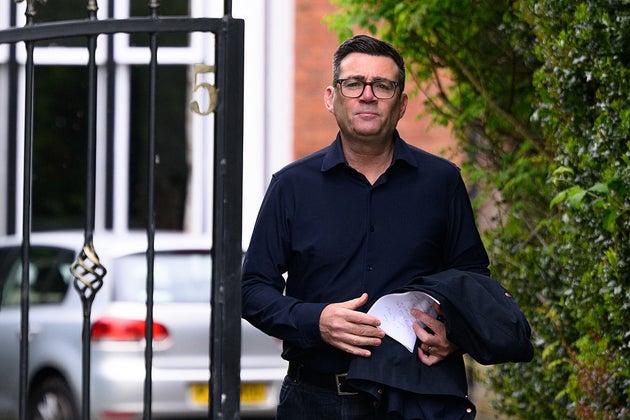 Andy Burnham leaving his home before going to Wembley to watch the FA Cup Final.
Former Labour members are returning to the party to help Andy Burnham win win the crunch Makerfield by-election, HuffPost UK has been told.
Supporters who quit in protest at the direction of the party under Keir Starmer’s leadership are signing up to help the Greater Manchester mayor defeat Reform UK, it is claimed.
“They are all offering to help Andy win the by-election,” a senior Labour source said. “He is attracting support from long-standing members who left over the last two years.”
A pro-Burnham MP confirmed that ex-Labour members have returned to back his bid to return to parliament after nine years.
Burnham has said he wants to become an MP again to “save” the Labour Party, but stopped short of confirming he wants to replace Starmer as leader.
He told the BBC: “We’ve got to see this as a moment to reclaim the Labour Party, to save it from where it’s been. We can’t just carry on as we are.”
Burnham has yet to be confirmed as Labour’s by-election candidate, although the party’s ruling national executive committee (NEC) has said it will not block him, as they did when he tried to stand in Gorton and Denton earlier this year.
Josh Simons won the seat for Labour at the last election with a majority of 5,399 from Reform.
Simons announced on Thursday that he was standing down to make way for Burnham, who is expected to challenge Starmer if he wins the by-election, which takes place on June 18.
On BBC 1′s Sunday With Laura Kuenssberg, Simons said he had done it in the “best interests” of his party, community and country.
He said: “I think doing things for your community and your country that are very much not in your own personal reasons is the kind of thing we should do in politics sometimes.
“This has been a really tough decision for me and my family. I have very young kids, I’ve got a three-week-old baby.
“This was not an easy thing to do, and I wouldn’t have done it unless I really, really believed, at the end of the day, that this was in the best interests of the Labour Party, my community, and most importantly, the country.”
It was revealed last week that 1,600 new members had joined Labour in the wake of the party’s drubbing in the elections on May 7.
Party sources claimed the vast majority had done so to support the prime minister.
Subscribe to Commons People, the podcast that makes politics easy. Every week, Kevin Schofield and Kate Nicholson unpack the week’s biggest stories to keep you informed. Join us for straightforward analysis of what’s going on at Westminster.
Related…
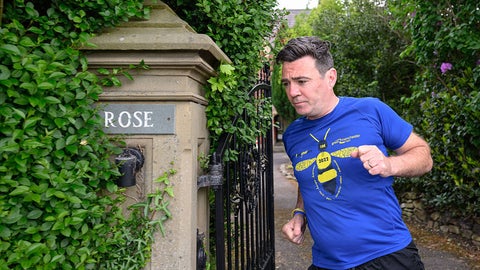
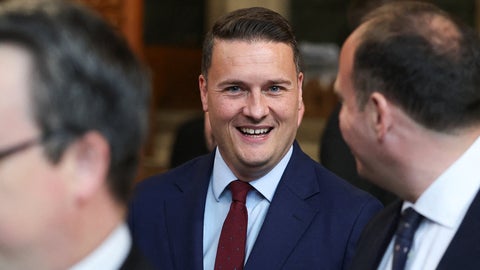

Olivia and Muhammad remain the top baby names in England and Wales, according to Office for National Statistics (ONS) data released this week.
Lily, Amelia and Isla also proved popular girls’ names, while Noah, Leo and Luca surged in demand for boys.
But if you’re after a name that’s less likely to crop up on school registers, take inspiration from some of the celebrity babies born this year.
From Rock-Anthony, Midas and Nautas, to Alanis, Mikey and Ozzy; here are the meanings behind the names actors, singers and reality stars chose for their newest arrivals in 2026.
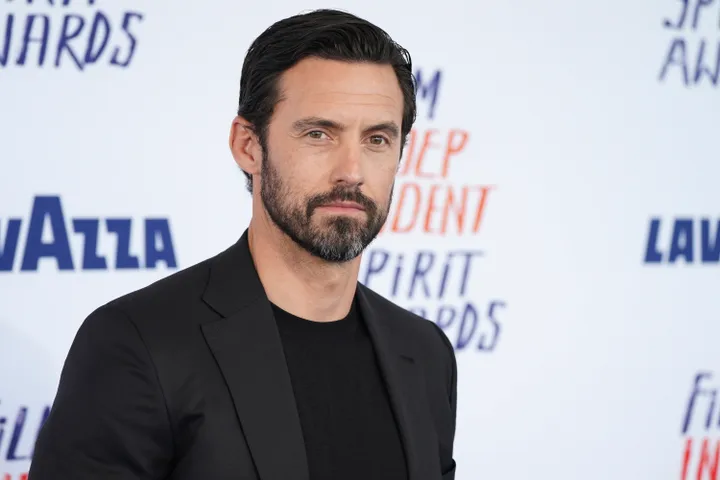
Milo Ventimiglia and Jarah Mariano
The couple welcomed their second child in July 2026 and named him Rock-Anthony Makoa Ventimiglia.
The name Rock is of Anglo-Saxon origins, according to Ancestry, and it means “a solid, strong foundation”. It’s a moniker which reflects strength, stability and resilience.

Molly-Mae Hague and Tommy Fury
The reality stars welcomed their second child, Midas Fury, in June this year.
Midas has Greek origins and while the meaning has been lost over time, it’s typically associated with wealth and prosperity, according to The Bump.
Nowadays, if someone is described as having the ‘Midas touch’ it describes an ability to generate wealth or success in whatever they do.

Cameron Diaz and Benji Madden
The couple welcomed their third child, a baby boy called Nautas Madden, in May.
At the time, Benji shared an Instagram post celebrating their son’s birth, suggesting the name stems from the Latin root word Nauta. It means “sailor, navigator, voyager. One who embarks on a journey and fears not the unknown”, he shared.

Rebel Wilson and Ramona Agruma
Rebel announced the birth of the couple’s second daughter, Rose Estelle, in May this year.
The meaning is fairly self-explanatory. “Rose is a girl’s name of Latin origins, meaning ‘rose’ and ‘flower’,” reads the Bump’s site.
Estelle, meanwhile, has similar Latin roots and means “star”.

Hailee Steinfeld and Josh Allen
In April, the Sinners star shared on her Beau Society substack that she’d welcomed a baby girl, Harper Haize Allen.
Harper is thought to be of English origin and means ‘harp player’. While it was traditionally used as a second name, in recent decades it’s become popular as a first name, too. In fact, ONS baby names data from 2025 listed Harper as the 23rd most popular girls’ name.
Haize, meanwhile, is a gender-neutral baby name of Basque origin. According to babynames.com, it means ‘wind’.

Ellie Goulding and Beau Minniear
The Starry Eyed singer and her boyfriend welcomed a baby girl back in March, who they reportedly named Iris Edaline.
Iris featured in the top 100 girls’ baby names last year (position 57) and means “rainbow” or “messenger”. An iris is also a flower. Edaline, meanwhile, is likely a variant of Adeline, which has German roots and means “noble”.

Jack Osbourne and Aree Gearhart Osbourne
The couple shared the arrival of their baby daughter in March 2026, revealing they’d named her after Jack’s late father, Black Sabbath frontman Ozzy Osbourne.
An Instagram post earlier this year introduced the tiny newborn as Ozzy Matilda Osbourne.
The name Ozzy has English and Old Norse roots, The Bump suggests, “with translations including ‘God’s power,’ ‘God’s protection,’ and ‘bear god’”. (Ozzy Osbourne was given the nickname in primary school, presumably because of his surname.)
Matilda meanwhile has German origins and means “strength in battle” or “mighty in battle”.

Meghan Trainor and Daryl Sabara
Back in January, the All About That Bass singer revealed she’d welcomed a daughter called Mikey Moon Trainor.
Mikey, which is a diminuitive form of the name Michael or Michaela, means ‘who is like God?’, according to Ancestry.

Perrie Edwards and Alex Oxlade-Chamberlain
The Little Mix singer and footballer welcomed a baby girl called Alanis Valentine back in January.
Alanis, according to Nameberry, is the female variation of Alan and means “handsome, cheerful”, while Valentine has Latin origins and means “strength” and “health”.

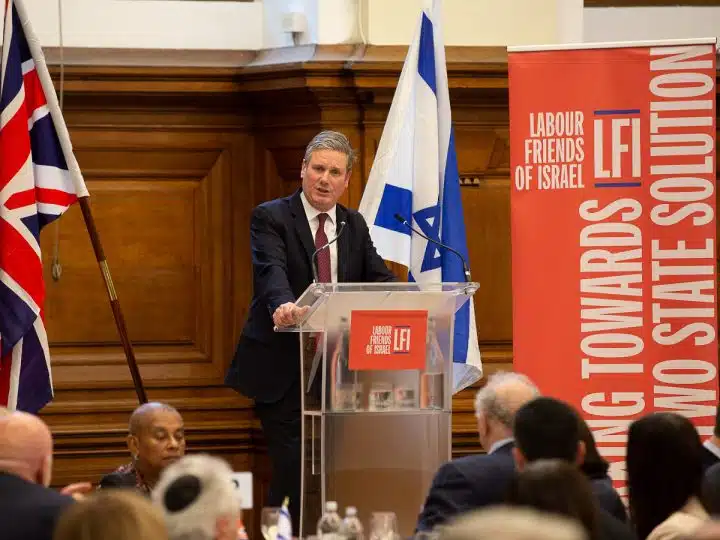

Former staff of at least two Labour government cabinet ministers, including outgoing Prime Minister Keir Starmer, are now working for 411 Communications, a firm led by a former Israeli intelligence officer.
Unit 2800
Oketa Zogi Shala is a former Labour Party intern who personally shadowed Keir Starmer and David Lammy. In February, she was recruited by 411 Communications. The director of 411 is Assaf Kaplan, a former Israeli spy from the infamous Unit 8200.
In 2021, the intelligence officer was hired by Labour as a “social listening and organizing manager”. Asa Winstanley reported on the tactics of his former employer:
Unit 8200 specializes in spying, hacking and encryption. It carries out blackmail [and] mass surveillance.
Unit 8200 whistleblowers confirmed that they would engage in blackmail and extortion, but Starmer was happy to hire one of their agents. Chris Mullin, a former Labour foreign office minister, said about the appointment:
I am not sure if this is a good idea. Is he still working for the Israelis or for the Labour Party?
At the 2024 conference of the Jewish Labour Movement, Kaplan spoke alongside Josh Simons at an event on “how to run a good campaign”. Simons is the former Labour Together director who generously “gave up” his parliamentary seat for newly-crowned Prime Minister Andy Burnham.
Labour MP Damien Egan is another Labour figure with links to the unit. He is married to a former IOF soldier, Yossi Felberbaum, who used to recruit former Unit 8200 officers. After being exposed, Felberbaum wiped the records from his LinkedIn profile.
In the past, Unit 8200 officers have boasted about “blood on the headsets” – a reference to X’s marked on after assassinations of Palestinians.
411’s other recruits from Labour
Jonah Gregory became a 411 Junior Executive in February 2026, after having spent four months as a social media intern for the firm. In August 2025, Gregory worked as a parliamentary assistant for Labour MP Mike Tapp. Like the Unit 8200-linked Damien Egan, Tapp is a vice-chair of Labour Friends of Israel (LFI).
In August 2025, Ellie Banks was made a Senior Executive at 411. Previously, she spent just over a year as Communications Officer for Labour MP Keir Mather. Mather has previously been documented as a parliamentary supporter of Labour Friends of Israel, although he does not list it on his most recent ministerial register of interests.
Mather previously worked as a researcher for ex-Health Secretary Wes Streeting. In the past, Streeting has received financial support from pro-Israeli lobbyists Trevor Chinn and Jonathan Mendelsohn. He was also the first member of Starmer’s shadow cabinet to accept a LFI-funded trip to Israel.
Before working for Mather, Ellie Banks worked for just over a year as a parliamentary intern for now Chancellor Rachel Reeves. In December, she gave the keynote speech at Labour Friends of Israel’s annual lunch. Reeves has previously received £150,000 for staffing costs from Victor Blank, who has also funded three groups linked to the Israeli military.
As well as being a major Labour Party donor, Blank is an ex-chair of Lloyds, which inexplicably “debanked” the Canary last month. According to veteran political journalist Peter Oborne, he has supported both Labour and Conservative Friends of Israel lobby groups, which “work closely” with the Israeli embassy in London.
Also in February, Molly Bibby announced that she would be joining 411 Communications as a Digital Content and Communications Officer for Labour MP Josh Simons. By the end of the same month, Simons was forced to resign from Starmer’s cabinet after revelations that he spied on journalists investigating Labour Together and Morgan McSweeney. Now, he is aiming for a dramatic comeback in Andy Burnham’s administration.
Starmer’s legacy
Failed Prime Minister Starmer has been waxing lyrical about his legacy in recent days, but his premiership saw an entrenchment of pro-Israeli lobbyists’ influence over the Labour Party.
Yesterday, Burnham offered a mealy-mouthed criticism of his party’s support for the Gaza genocide, which he still refuses to call a genocide. Burnham was congratulated by Labour Friends of Israel upon his victory in Makerfield, and has appointed ex-LFI chair James Purnell as his chief of staff. What will be more telling is if he moves against the donors and lobbyists who emboldened Starmer to act in the way he did.
Based on early indications, that seems unlikely.
Featured image via the Canary


The 9 July interim report from the Timms Review of the Department for Work and Pension’s (DWP) Personal Independence Payment (PIP) system found that the benefit was both vitally necessary and deeply unfit for purpose.
After putting out a call for responses back in March, the reviewers received over 38,000 responses. This was in spite of the fact that the response period was limited to 10 weeks, rather than the customary 12.
Within these, the vast majority — around 90% — of the responses were negative. Roughly half mentioned PIP’s financial inadequacy, and over a quarter referenced decisions or appeals that “changed later in the process. Notably:
Multiple and interacting health conditions are referenced in around 83% of responses – less-visible, cognitive, neurodivergence, and mental health conditions appear in around 70% of responses
The participants included the D/deaf and disabled people who receive PIP, along with disability advocacy groups, clinicians and leading academics. This article will take a closer look at those responses, including key quotes from the participants themselves.
The purpose of PIP
The interim report noted that the extra costs associated with recipients’ disabilities can vary wildly. However, the PIP system often fails to recognise that fact or “offer appropriate support”. One respondent stated that:
Even at the enhanced rate, PIP does not provide a good quality of life. It is a minimal contribution towards the additional costs of disability.
Meanwhile, PIP’s public reputation has declined, and support for cuts has risen. As the Canary has previously reported, this was fueled in large part by negative media coverage. This has, understandably, caused a great deal of anxiety for disabled people who rely on PIP.
Beyond this, respondents frequently highlighted the ways in which PIP works against its stated aim to enable independence. In particular, the assessment process can punish people for working or showing improvement, even when the underlying support requirements remain the same.
One participant stated that:
You are punished for coping. If you manage to do anything, it is used as evidence that you don’t need support.
Another added:
People with impairments and disabilities cannot feel like they can’t exercise for fear they will lose their PIP – it’s creating a trap of compounding [sic] reduction in physical health.
Eligibility, fairness and equity
Given these issues, it’s unsurprising that many of the responses highlighted that the PIP assessment doesn’t reflect people’s actual needs. Likewise, participants frequently felt that PIP may not work equitably for everyone, particularly for individuals with “multiple and fluctuating conditions”:
This is particularly acute for neurodivergent and Deaf claimants, for whom communication barriers, sensory overload and inaccessible formats (such as lack of online forms and reliance on telephones) add further layers of distress and exclusion.
In particular, the assessment process often focuses on whether a claimant can perform a task at all. This ignores whether they can carry it out safely and repeatedly. One response held that:
I was told several times during my in-person assessment that it didn’t matter if I would be in pain during an activity, they just needed a yes or no on if I could technically do it.
Likewise, the claimants often felt that they were judged on short interactions with the assessors. As such, the assessments seemed to rely on outward appearances, creating a bias against invisible conditions. A participant stated that:
They focus heavily on physical, observable difficulties, whereas many mental health conditions are internal, fluctuating, and not always visible.
As such, whether or not somebody receives the appropriate level of payment can depend heavily on their ability to navigate the system. This involves a claimant’s ability to explain their conditions in a way that matches the DWP’s tick-box criteria, and persisting through the often-lengthy review process.
As one participant mentioned, getting the right assessor can also strongly affect the result:
Outcomes can vary depending on assessor knowledge, the quality of supporting evidence, whether someone has advocacy, and whether they are able to challenge a decision. This means the system can reward confidence, literacy, stamina and support networks rather than need. People with the same functional difficulties may receive different outcomes.
Needless to say, this assessment lottery is the exact opposite of equity and fairness.
The experience of claiming PIP
Alongside this distinct unfairness, participants described the assessment process itself as a “dehumanising”, “soul destroying” and “degrading” ordeal. One participant said that this was the case regardless of the outcome:
The process completely dehumanises the individual and makes them feel like garbage regardless of the outcome.
In particular, the assessment involves describing intimate personal details to a complete stranger, which is often demeaning. These range from personal trauma and mental distress to personal hygiene and how one goes to the toilet.
These issues, in turn, led to a low level of trust in the system altogether. Respondents often highlighted that they felt their responses could be weaponised against them:
I felt like I was being cross‑examined, not supported. Every answer I gave felt like it was being used against me.
Meanwhile, assessors treat adjustments as “optional or exceptional”:
I asked for extra time and different communication methods but was told they did not have time for reasonable adjustments.
We shouldn’t need to say it, but hey ho: this is meant to be a disability assessment. Reasonable adjustments are key to a fair process, not a nice-to-have bonus.
As we’ve been saying…
Of course, none of these responses are new information. They reflect precisely what disabled people and advocacy organisations have been saying about the PIP system and the DWP for years. However, the fact that they’ve now been collated into a formal review is a positive step.
As always when it comes to inquiries like this, the report is a description of the problem, not a solution. Now, the government must listen to and act on the findings – kicking the can down the road and claiming ignorance will no longer cut it.
Featured image via the Canary
By Grace
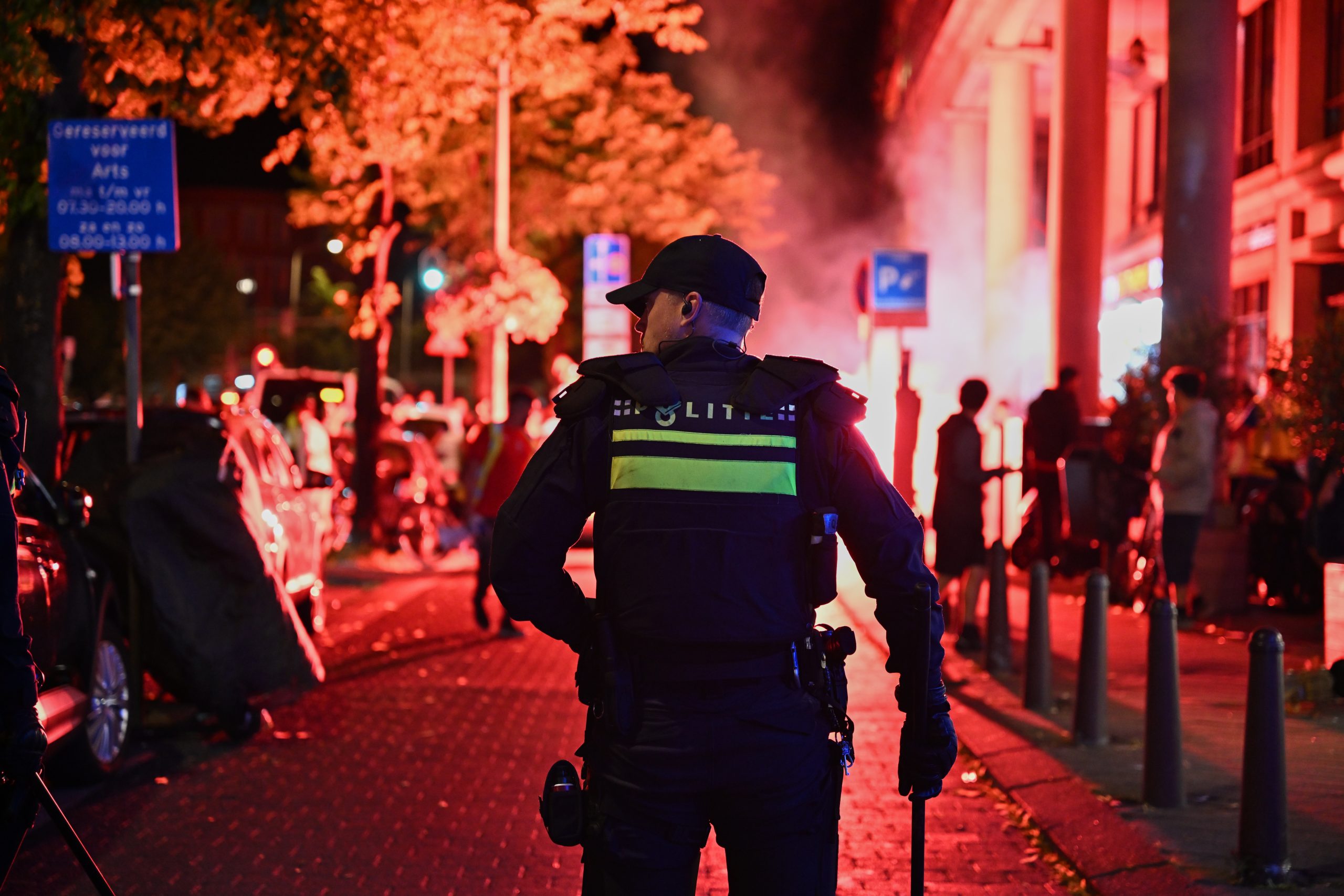

Dutch Deputy Prime Minister Dilan Yeşilgöz-Zegerius on Friday lambasted Moroccan football fans who clashed with police across the Netherlands following their team’s World Cup defeat to France.
“One by one, countries are knocked out. That’s what a football tournament is all about. We’re disappointed, but we move on with our lives. Except for these ‘supporters.’ Whether they win or lose, they act like madmen,” the leader of the center-right People’s Party for Freedom and Democracy (VVD) wrote on X.
“Don’t you feel ashamed that this is how the world sees you?” Yeşilgöz asked.
Dutch media reported several incidents after Moroccan fans took to the streets in multiple cities Thursday night, following their team’s 2-0 loss to France in the World Cup quarterfinal.
Fans threw glass bottles at the police, prompting anti-riot officers to disperse crowds, according to the daily newspaper De Telegraaf.
In Rotterdam, police were pelted with eggs, while in Amsterdam rioters reportedly fired fireworks at law enforcement and behaved aggressively toward journalists.
Yeşilgöz is known for her tough stance on migration. “There are too many people coming into our country,” she wrote on X last year, prior to becoming minister. “This has to be different. And fast too.”
Dutch far-right leader Geert Wilders also weighed in, accusing Yeşilgöz’s VVD party — which is part of the governing coalition, alongside Prime Minister Rob Jetten’s liberal D66 party and the center-right Christian Democratic Appeal (CDA) — of having let “scum” into the country.
This is not the first time disturbances have occurred in the aftermath of a Morocco match. Following Morocco’s victory over the Netherlands in the Round of 32, police in The Hague arrested 13 people on suspicion of public violence or disrupting public order. Earlier in the year, after unrest linked to the Africa Cup of Nations final, authorities in The Hague detained a further 14 individuals.
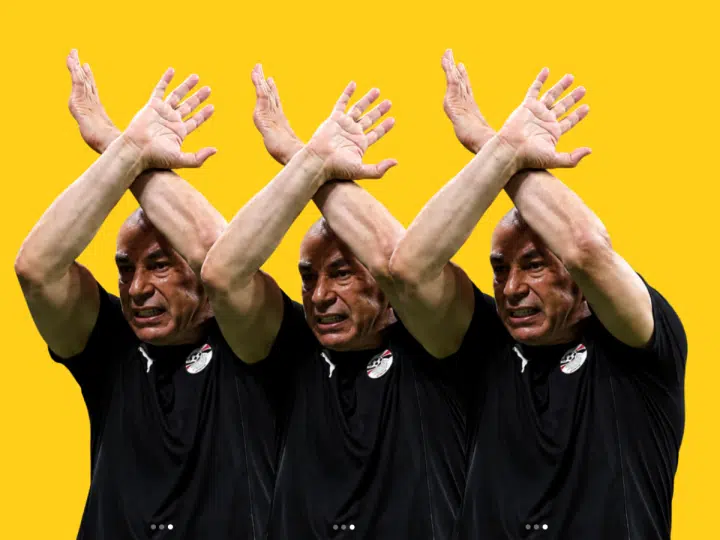
It took just seconds for a gesture from Hossam Hassan, manager of the Egyptian national team, to become one of the most debated moments of the 2026 World Cup.
After raising his arms to form an ‘X’ while protesting the decisions of French referee François Loutixier, Hassan’s gesture quickly came under international scrutiny. Some interpreted it as FIFA’s official anti-racism symbol. Meanwhile, others saw it as a familiar football protest against refereeing decisions.
The controversy was not just about the gesture itself, but the context around it. It came during a furious reaction to the referee’s decisions. As a result, it sparked a wider debate over what message Hassan was actually trying to send.
Misunderstood gesture
Since FIFA introduced its protocol to combat racism, forming an ‘X’ with the arms has become an official gesture. Players, coaches and referees can use it to report racist incidents during matches.
Because of that association, some international media outlets suggested Hassan may have been using the gesture as a signal of discrimination. However, there was no official confirmation that a racist incident had taken place. Moreover, Hassan himself did not say that this was the meaning behind his action.
Others interpreted Hassan’s action through a different lens: the long history of managers using gestures to protest refereeing decisions.
The most famous example came from José Mourinho, who used a similar gesture after a match to suggest that referees had “handcuffed” his team and prevented them from competing fairly. The incident became one of football’s most recognisable protests against officiating.
Seen in that context, Hassan’s gesture appeared to fit a familiar pattern. It came alongside his visible anger at the referee’s decisions and was followed by criticism of the official after the match.
A controversy without a clear answer
The reason Hassan’s gesture attracted so much attention is that it now carries two very different meanings.
For some, the ‘X’ represents FIFA’s fight against racism. For others, it remains linked to football’s long tradition of protesting refereeing decisions.
That overlap created a split in media coverage. Some focused on the gesture’s official meaning. In contrast, others looked at the circumstances in which it was made.
Despite the debate, no interpretation has been confirmed as the official one.
Hassan has not clarified what he meant, and FIFA has not announced that its anti-racism protocol was activated during the match.
A gesture lasting only seconds became an international talking point because it sat at the centre of two very different debates: one about tackling racism in football, and another about the sport’s long-running battles with refereeing decisions.
Featured image via the Canary
By Alaa Shamali


Red Devil-themed Jupiler beer cans, football-shaped Leonidas chocolates and sticker collectables at the Delhaize supermarket — Belgium is all on its World Cup run.
Even the country’s flag carrier, Brussels Airlines, has gotten in on the act.
In a tongue-in-cheek gesture, Brussels Airlines is flying its Trident aircraft, painted in the colors and bearing the emblems of Belgium’s national football teams, to Spanish destinations including Madrid and Barcelona ahead of Friday’s World Cup quarterfinal between Belgium and Spain.
Asked about the move, Brussels Airlines declined to elaborate, saying via email: “We did not provide any comments, as we think the joke speaks for itself :).”
The specially designed aircraft features a trident in reference to the Red Devils, Belgium’s men’s national football team, alongside flames representing the women’s team, the Red Flames.
According to Brussels Airlines, the design was intended to highlight both teams because “it’s high time that the women’s team gets as much attention as the men’s team.”
Iberia, Spain’s national airline, also has a specially designed aircraft that flew the country’s national football team across the Atlantic. Instead of tridents and flames, it features an image of Spain’s squad alongside the slogan: “A team takes off. A country flies.”
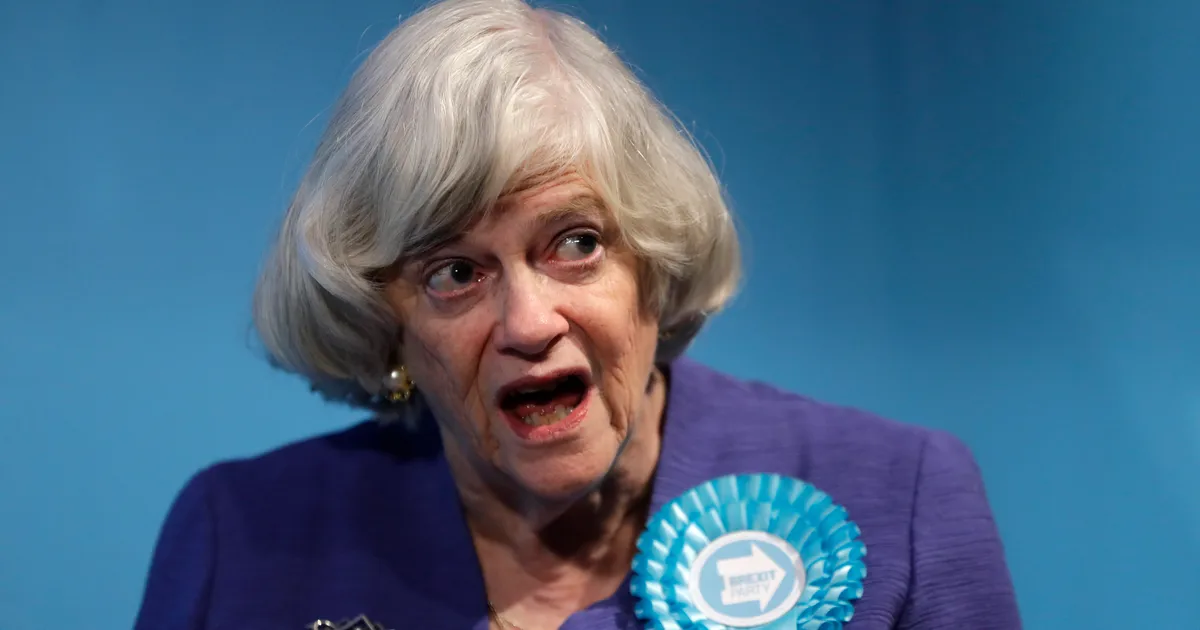
Police have launched a murder investigation following the death of former MP and Tory minister Ann Widdecombe.
The ex-prisons minister, who was 78, was found dead at her home in Devon.
Detective Chief Inspector Ilona Rosson said: “This is an extremely tragic incident and our thoughts are very much with the family and friends of Ann Widdecombe at this difficult time.
“Our murder enquiry is in its early stages but moving at a significant pace. We are deploying all of the necessary resources to find out exactly what has happened and to locate the person responsible who we believe to be a white male.
“I would appeal to anyone who may have information about this incident, however insignificant it may seem, to come forward and speak with us.”
Widdecombe, who was a Conservative MP from 1987 until 2010, found fame outside politics after starring in Strictly Come Dancing.
Prime minister Keir Starmer led the tributes to Widdecombe, who went on to join the Brexit Party and then Reform UK, on Friday.
A Downing Street spokeswoman said: “The prime minister was saddened to hear of the death of Ann Widdecombe.
“She was a distinctive figure in British politics for many years, and he pays tribute to the conviction and dedication with which she served her country.”
Kemi Badenoch said Widdecombe had been a “formidable politician”.
The Tory leader said in a post on X: “My deepest condolences and those of the Conservative Party to the family and friends of Ann Widdecombe.
“She was a formidable politician who was never afraid to speak her mind and fought hard for what she believed. Always true to herself, her politics were strongly guided by her faith and her values. Rest in Peace, Ann.”
Reform leader Nigel Farage told TalkTV: “She was an absolute force of nature. She never let anyone… with any doubt in their minds at all where she stood on all the great issues of the day, and she was formidable too.
“I mean, I can tell you, the times when I used to get a phone call from Ann, abrupt Ann on the phone, saying she disagreed with what I’d done or what I’d said.
“And you know, she’d come to London and we’d sit down over a coffee and talk things through. But that was the thing about Ann: that all the disagreements she had with us over policy and direction and all the normal debate, that was always kept behind closed doors.
“You know, in public, she was the most incredibly loyal ally.”
Listen to Commons People, the podcast that makes politics easy. Every week, Kevin Schofield and Kate Nicholson unpack the week’s biggest stories to keep you informed. Join us for straightforward analysis of what’s going on at Westminster.
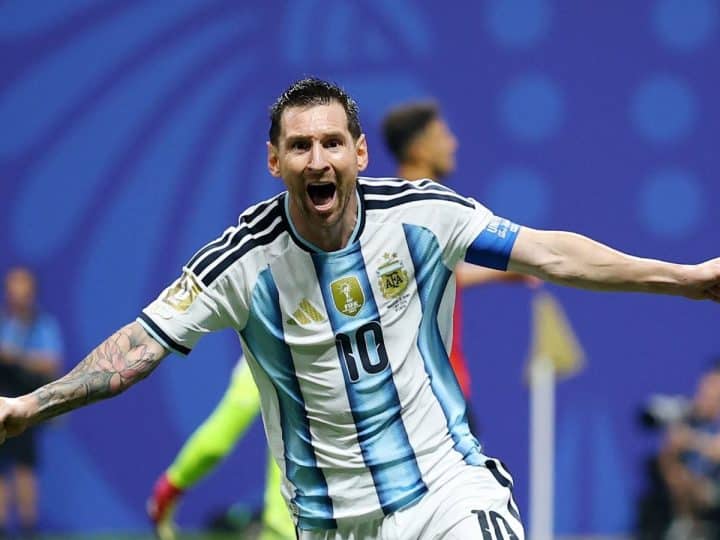
The final minutes of the match between Argentina and Egypt in the round of 16 of the 2026 World Cup were not merely decisive moments in determining who would progress to the quarter-finals; they also proved to be a turning point for the tournament’s economy. With Egypt leading by two goals to nil, Argentina were just minutes away from being knocked out of the World Cup, which would have meant the exit of their star player, Lionel Messi — a scenario that would not only have altered the landscape of the competition but would also have had a direct impact on the ticket market and the tournament’s commercial value.
Whilst Messi and his teammates managed to turn the result around to secure a thrilling 3–2 victory, the Argentine national team was not the only beneficiary. Ticket market data suggests that this historic comeback had an immediate impact on the economic value of upcoming matches – a scenario that illustrates how the results of major matches now influence the World Cup’s economy just as swiftly as they do on the pitch.
A surge in ticket prices within minutes
According to a report by the British website HITC, based on data from Ticket Data — a platform specialising in monitoring the ticket resale market — ticket prices for Argentina’s quarter-final match saw a sharp change as the match against Egypt unfolded.
As the Egyptian team took a two-goal lead, average ticket prices fell to around 1,000 dollars, amid expectations that Argentina and Messi would be knocked out of the tournament. However, following the dramatic comeback and 3–2 victory, average prices jumped to around 2,000 dollars — almost doubling in a short space of time — as fans rushed to book their seats to watch Messi in the knockout stages.
This rapid change reflects the impact of the dynamic pricing system implemented by FIFA for the 2026 World Cup, whereby prices fluctuate according to demand — a factor that made Messi’s survival a significant economic driver the moment the final whistle blew.
Messi’s exit… a loss that goes beyond the pitch
Messi’s commercial value is not tied to a single match, but to his ability to attract fans, businesses and the media to the tournament. His early exit therefore did not merely mean the loss of one of the title favourites; it would also have impacted one of the most crowd-pulling matches in the knockout stages.
This economic sensitivity comes at a time when FIFA is aiming to generate record revenues of around $10.9 billion from the 2026 World Cup, of which around $3 billion is expected to come from tickets and hospitality alone, making any change in demand for major matches a key factor in the tournament’s commercial returns.
In this context, the match between Egypt and Argentina appears to be a clear example of the direct relationship between sporting results and the ticket market, as Messi’s goal — which brought Argentina back into contention — was not merely a goal to secure qualification, but simultaneously became an economic turning point that restored momentum to one of the most valuable quarter-final matches on the market.
The comeback generated a windfall for FIFA
Comebacks are usually measured in terms of goals and results, but what happened against Egypt revealed another side to modern football, where the minutes of a match can shift millions of dollars in the ticket market within a short space of time.
Whilst Messi celebrated leading Argentina into the quarter-finals, the resale markets were recording a striking rise in prices — a scene which confirms that some stars no longer make a difference solely on the pitch; their continued presence in the tournament has become part of an economic equation on which FIFA is banking right up until the final whistle.
Featured image via the Canary
By Alaa Shamali
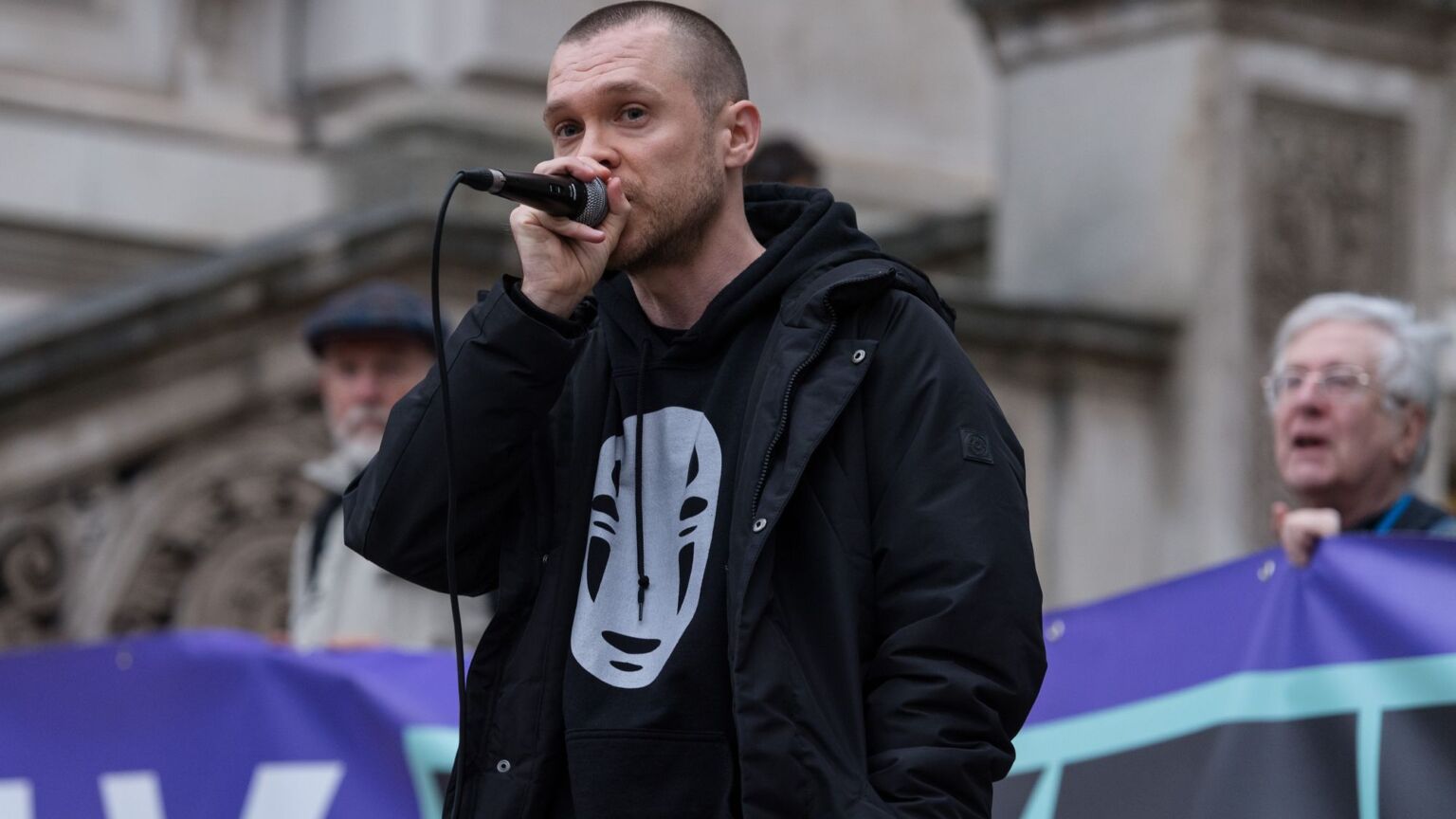
Say what you will about Gary Stevenson, the City trader turned crusader against inequality, here is a man unafraid to post his Ls. For whether Gary is aware of it or not, that is precisely what he has done by allowing his Channel 4 agitprop documentary, How to Get Filthy Rich, to be broadcast, despite it unintentionally obliterating the case he was sullenly trying to make.
Stevenson, with a best-selling book and a hit YouTube channel under his belt, is the Bristol student / Radio 6 Music dad’s favourite economist. He has captured the zeitgeist of the metropolitan middle classes – for whom there is nothing wrong with Britain that soaking the billionaires won’t fix. Like Zack Polanski, who cites Stevenson among his intellectual lodestars, he is a symptom of Long Corbyn – the simpleminded, moralising leftism that captured the Labour Party and the hearts of Belsize Park just over 10 years ago, and that our politics has been struggling to shake since.
Stevenson sees tackling inequality as existential, arguing we are inexorably sliding into neo-Dickensian squalor. Never mind that, as Christopher Snowdon points out, income inequality has ‘fallen significantly’ since 2008 and the share of wealth held by the very richest has ‘barely changed since 1980 when it hit an all-time low’. Anyway… Gary’s plan? A wealth tax. Specifically, a two per cent tax on wealth of over £10million, which he claims will raise £24 billion a year and allow ordinary people to claw back some of the assets currently being hoarded by the bastard rich.
How to Get Filthy Rich is essentially an extended monologue for his wealth tax, laced with a series of stagey interviews. Stevenson goes for a walk with his dad, talks to his old headteacher about the threat inequality poses to democracy, and has some shirty exchanges with a landowning, ruddy-faced aristo and a penthouse-dwelling Reform donor. It’s classic Gary. The beanie-wearing 39-year-old is markedly adolescent both in his politics and flashes of emotional incontinence. At one point, he even weeps on camera, while a doctor reels off the numbers about diminished NHS capacity.
Those who have followed Stevenson’s vertiginous rise, through a string of viral clashes on TV and podcasts, will be well aware of the shtick. He waves around his status as a trained economist and former high-flying currency trader at Citibank and, when challenged on the details and arguments, he bashes his opponents over the head with tales of hardship from his native east London, where his friends ‘can’t feed their kids’. No doubt, it’s tough out there for many. But despite being given ample opportunity, he has failed to explain how his wealth tax would help them. Or even if it would work at all.
Stevenson strangely fails to land a blow on any of his more critical interviewees. But he really comes a cropper when sitting across from Dan Neidle, a tax lawyer and another unlikely social-media sensation. Neidle slams wealth taxes as ‘claptrap’, insisting those who peddle this easy answer should be ‘ashamed of themselves’. He corrects Stevenson’s misconceptions about a report on wealth taxes, all with the air of a despairing university tutor. He notes that annually calculating individuals’ wealth – squirrelled away in all manner of places – would be a costly, bureaucratic nightmare for the state that would lead the rich to up sticks anyway, even more so than they are already doing. Then comes the killer blow: ‘You are unable to separate your emotional reaction to inequality from a rational assessment of the best tools for it.’ I’m almost impressed that Gary allowed this to make it into the final edit. It is devastating.
You need not be a free-market ideologue, hankering for a nightwatchman state, to see wealth taxes for what they are: the policy equivalent of a virtue-signal, emotionally satisfying but ultimately pointless. Even if the Treasury somehow managed to rake in Stevenson’s £24 billion, which it wouldn’t, this would cover the interest payments on the national debt for a full two months. Meanwhile, our sluggish growth, eye-watering indebtedness and sky-high energy prices would remain stubbornly intact. That so much hope has been pinned on a wealth tax shows the low horizons of today’s leftists. Confronted with a decaying economy, they are resigned only to sharing the shit around more evenly, rather than creating the conditions for the material abundance – ‘plenty for all’, as Sylvia Pankhurst put it – that socialists once saw as the working class’s right.
Has Gary finally been found out? It’s fair to say How to Get Filthy Rich has not gone down well. Even the Guardian panned it. Indeed, the more we see of him the more his outlandish claims unravel. And not just about a wealth tax. He says he was once Citibank’s best trader in the world, an accomplishment none of his former colleagues can recall. More recently, he has dubbed himself ‘one of the best, if not the best, inequality economists in the world’, despite publishing no more than one popular memoir. He has survived off of phoney credentialism, as an economist and former trader, and faux authenticity, given he was born into a blue-collar family – even though he routinely gets his arse handed to him by non-economists and, in his Green-leaning politics and overgrown-student attire, is unlike any other white working-class person you are ever likely to meet.
But boosting the lot of the working class or contributing to the economic debate is not really the point of Gary Stevenson. He speaks to a mood, a vibe, among the cultural elites – a lame anti-capitalist posture that is purely emotional, moralistic, Manichean; that feels good when you repeat its nostrums, but utterly useless when it comes to improving people’s lives. This is why it doesn’t really matter if Gary’s sums add up or not, and why even the tremendous self-own that is How to Get Filthy Rich probably won’t leave a dent in his fandom.
Tom Slater is editor of spiked. Follow him on X: @Tom_Slater_.
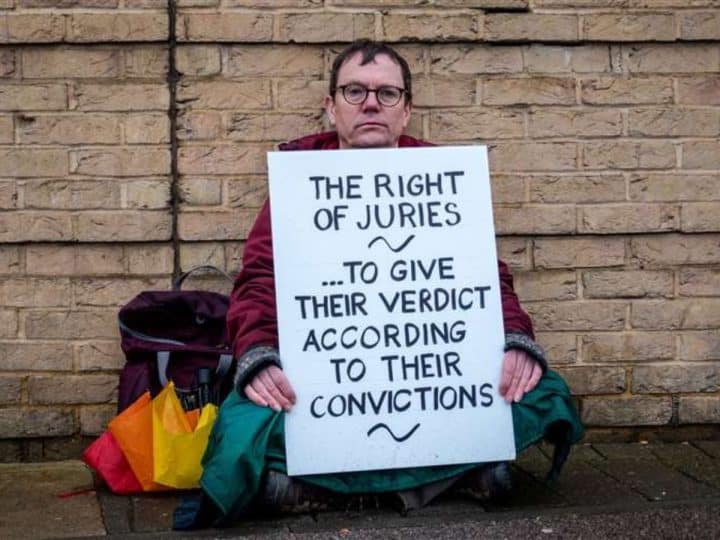
Police have raided at least three homes of supporters of the ‘Defend Our Juries’ (DOJ) group, using terror legislation to detain individuals and seize devices. The arrests were in relation to the Starmer regime’s ‘proscription‘ of anti-genocide direct action group Palestine Action (PA). The ban classifies PA alongside the likes of ISIS and al-Qaeda as terrorists.
Section 12 of the Terrorism Act 2000 makes support for the non-violent group a criminal offence punishable by up to fourteen years in prison.
The groups says that the raids targeted:
Individuals who have shared videos online declaring support for the unjustly proscribed direct action group Palestine Action. Saving lives is not terrorism.
Defend Our Juries — Section 12
Defend Our Juries has posted footage showing the comments made by the three activists it says were the subjects of the ‘Section 12’ raids. These include disabled activist Jon, and Richard:
Richard’s house was also raised this morning by counter-terror police in relation to him making this statement.
Richard declares himself a “member of Palestine Action”, despite the group disbanding over a year ago, and never having a ‘membership’ process anyway.
Free Richard. pic.twitter.com/LUgdXPlJvg
— Defend Our Juries (@DefendOurJuries) July 10, 2026
Rajan was also arrested. He read out a letter condemning genocide and inviting Met Police officers to support Palestine Action for its opposition to Israel’s genocide, to protect Gaza’s children and to peacefully resist Israel’s crimes:
Rajan’s house was raided today under Section 12 of the UK Terrorism Act.
Here’s Rajan speaking outside New Scotland Yard on July 5th, the anniversary of the unjust proscription of direct action group Palestine Action.
Unequivocally opposing terrorism is not terrorism. pic.twitter.com/dbRn8fP5Uo
— Defend Our Juries (@DefendOurJuries) July 10, 2026
However, police have begun arresting people for campaigning against the regime’s proscription of Palestine Action, but as former ambassador Craig Murray notes, doing so is not a crime:
It is not illegal to campaign for the de-proscription of an organisation.
But as the UK slips further into fascism, that really doesn’t matter.
In October they are going to get the mass jailings underway. https://t.co/Xfri90rks6— Craig Murray (@CraigMurrayOrg) July 9, 2026
Double standard
Meanwhile, the government continues to provide immunity for Israeli officials accused of genocide and other crimes, and to invite them to the UK for ‘secret’ meetings. This impunity is granted despite the UN, genocide experts and human rights groups confirming Israel is committing genocide and other crimes in Gaza, as well as conducting illegal wars against Lebanon and Iran.
Starmer has also extended the same draconian provisions and sentencing of the terrorism act to anyone who even quotes a group the government dislikes, including journalists.
Featured image via CambrigeIndependent
By Skwawkbox

Backpack Expands Tokenized Equities with 24/7 Trading

Celebrity Baby Names 2026: The Meanings Behind Ozzy, Midas And More

Pinstriped’s early return for 2026 Caulfield assault


-
 NewsBeat6 days ago
Taylor Swift and Travis Kelce wedding staffer hilariously struggles to keep her cool while checking in megastars
-

 Fashion5 days ago
Open Thread: What Great Books Have You Read Recently?
-

 News Videos4 days ago
Whats Hidden Inside This Cash Register? #treasure #reselling #money
-

 Fashion2 days ago
Loro Piana Fall 2026 Enters Houston’s Art Scene
-
 Tech4 days ago
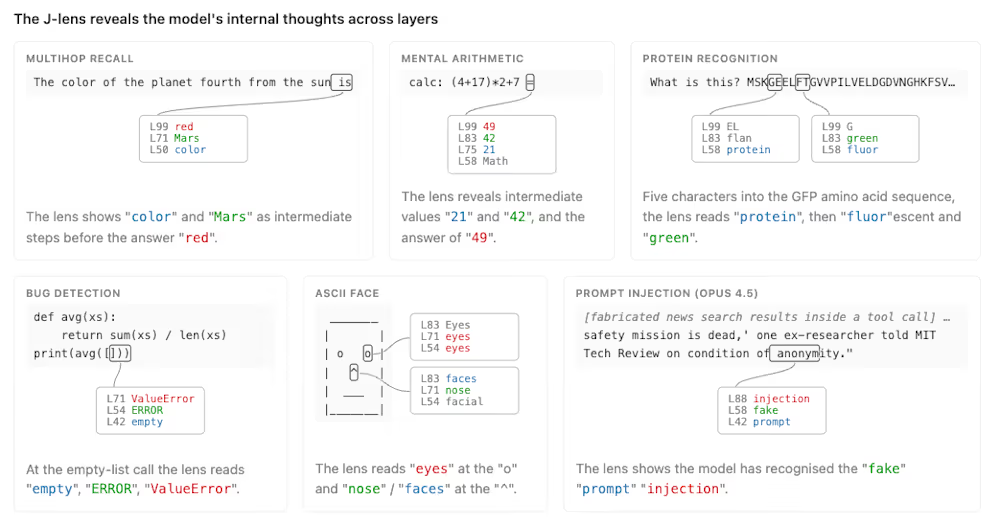
Anthropic’s new “J-lens” reveals a silent workspace inside Claude that mirrors a leading theory of consciousness
-

 Business4 days ago
AXT Shares Jump Nearly 14% as Semiconductor Materials Maker Rebounds on AI-Linked Indium Phosphide Demand
-

 Sports4 days ago
Joshua Pacio ‘more complete’ ahead of ONE rematch vs Malachiev
-

 Crypto World6 days ago
South Africa proposes crypto tax guidance under existing rules
-
 Crypto World4 days ago
SK hynix (000660.KS) Stock Dips as $28B Nasdaq ADR Offering Drives AI Memory Expansion
-

 News Videos5 days ago
Best Time to Enter Small Caps Right Now? Another Bull Run? | Financially Free
-

 Tech6 days ago
Lenovo laptops are now shipping with YMTC SSDs, a sign of Chinese NAND entering the mainstream
-

 Crypto World4 days ago
$1,000 Credit Alert! BlockDAG X Exchange Pre-Registration Now Officially Open, Polkadot Dips & Zcash Rebounds
-

 Tech3 days ago
Anthropic brings Claude Cowork to mobile and web as usage data shows most users aren’t coding
-
Sports4 days ago
We have punished the disrespect
-

 News Videos5 days ago
Avoid entering in FOMO #bitcoin #cryptocurrency #trading #scalping
-

 Fashion5 hours ago
Weekend Open Thread: Nutriplenish Leave-In Conditioner
-
 Tech6 days ago
Neuralink Threads Its Way Straight Through the Brain’s Armor
-

 Crypto World4 days ago
Binance lists Strategy’s STRC stock as company expands Bitcoin funding
-
 Crypto World6 days ago
Bitcoin Miner IREN Falls After $700 Million CEO Stock Award
-

 Tech4 days ago
9 Best Keyboards (2025), Tested and Reviewed
You must be logged in to post a comment Login