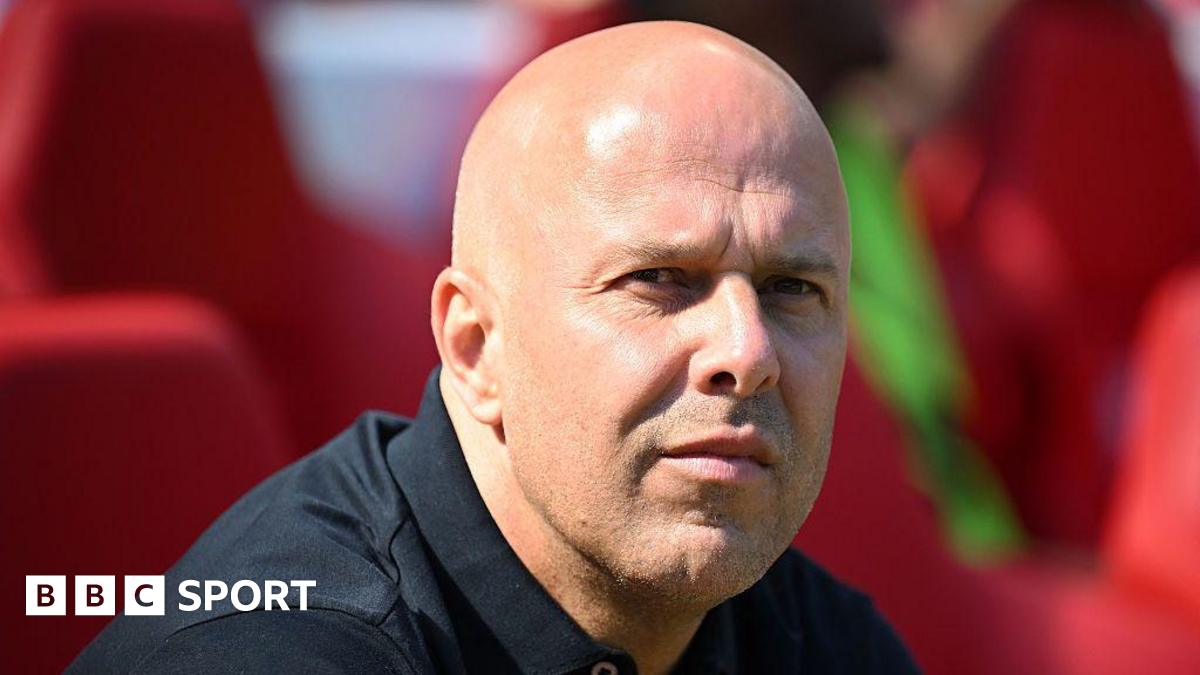
Arne Slot says he is leaving Liverpool “exactly where it belongs: among Europe’s elite” after he was sacked as head coach on Saturday.
The Dutchman, 47, won the Premier League title in his first campaign but was dismissed by the club’s hierarchy after the Reds finished fifth in the league this season, 25 points behind champions Arsenal.
In an emotional open letter published in the Liverpool Echo, external, Slot said fans made him feel welcome from the start and helped him on his path. “That is something I cherish,” he added.
Advertisement
“I leave with complete confidence in what lies ahead.
“The players who have given so much to this club, who have upheld its values and helped create so many unforgettable moments, have built foundations that will endure.”
Despite suffering 20 defeats in all competitions, Slot secured Liverpool‘s place in next season’s Champions League.
“Securing Champions League football was an important responsibility and one that ensures Liverpool can continue competing at the highest level next season and beyond,” he added.
Advertisement
“Change is part of football, but I know that this club will continue to make its people proud.
“When I first stood beneath that sign in the Anfield tunnel, I knew what this club demanded. I leave knowing we never stopped striving for it.”
Residents say ‘multiple’ caravans have arrived at a site with permission for only one added pitch
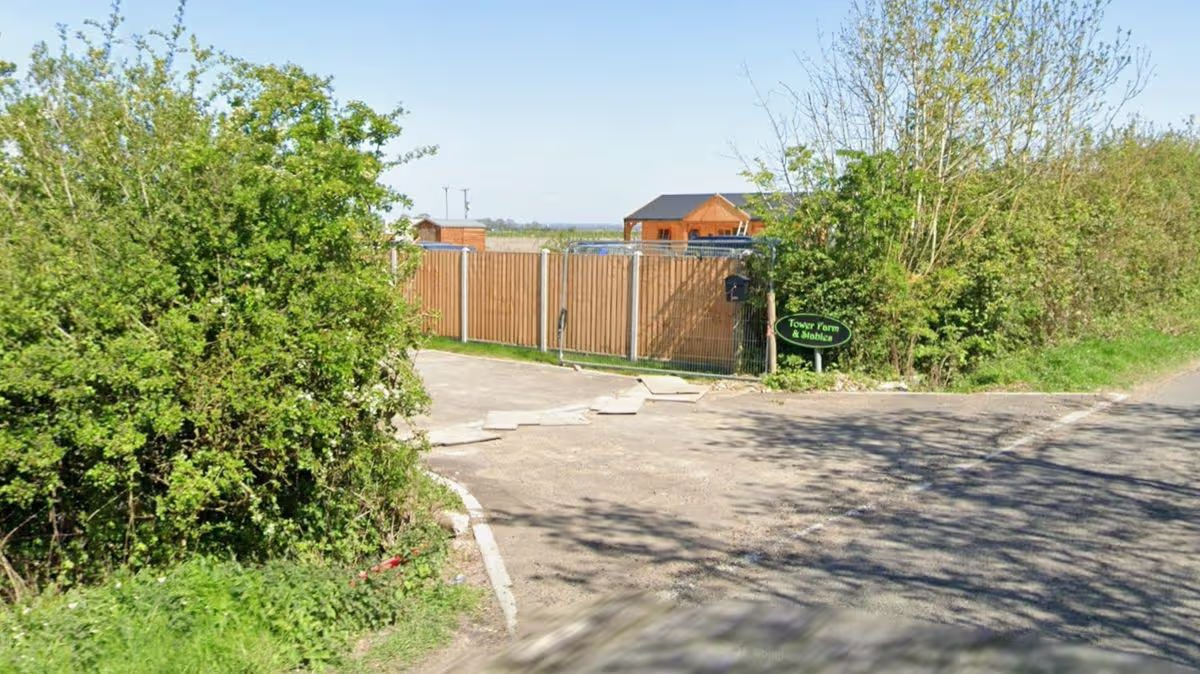
Huntingdonshire District Council are investigating complaints that “multiple caravans” have been pitched at a traveller site without permission. Plans for one new pitch were approved at Tower Farm and Stables off Toseland Road last year, but residents of nearby Yelling said many more have arrived in recent days.
Advertisement
They said that “multiple traveller caravans” started to arrive on the site “overnight” around a week ago, adding, “now we face years of legal wrangling at massive taxpayer expense”.
A resident who asked to remain anonymous said: “Part of the site has recently been fenced off into ‘plots’ and then last week multiple lorries arrived carrying hardcore or gravel shortly followed by several caravans. It’s difficult to see exactly the extent of the site due to the high hedgerow and fencing.”
He expressed concern that nothing would be done about it and said residents have been reporting “various planning non-compliances” to the council without any action being taken.
He said: “In our conservation village of Yelling, we must obtain permission to trim a branch off of a tree, yet questionable developments such as Tower Farm are seemingly waved through.”
Advertisement
Huntingdonshire District Council said they are investigating the complaints and are unable to comment at this time.
A spokesperson said: “The council has been made aware of the concerns raised. As this matter is actively being investigated it would not be appropriate to comment at this time.”
Honey has been used by humans as a natural sweetener and energy source to sustain work and physical performance for thousands of years. Recently, it has re-emerged as a natural option for fuelling exercise, with some social media users claiming it’s the perfect thing to eat before a workout if you need an energy boost.
Interestingly, Sebastian Sawe, the first man to run a sub two-hour marathon, fuelled up before his race with bread and honey.
Research actually does suggest honey can work comparably to commercial products such as energy drinks and gels. But where it may be most beneficial is when it’s used as a recovery tool.
Our bodies store carbohydrate as glycogen in the muscles and liver. These stores are depleted during moderate‑to‑high intensity exercise – especially during prolonged bouts of physical activity lasting longer than 60 minutes. When glycogen levels fall, fatigue increases and performance declines.
Consuming carbohydrates before or during exercise ensures energy is available, allowing us to sustain exercise for longer.
The science behind honey’s role in exercise is therefore straightforward: it supplies fast‑acting energy when needed. However, what is more interesting is that honey contains a natural combination of both glucose and fructose.
These sugars are absorbed through different pathways in the gut, allowing them to be used simultaneously. This increases the amount of carbohydrates absorbed, puts less strain on the gut, and helps sustain the amount of energy being delivered to working muscles during workouts. This may also potentially delay fatigue.
Advertisement
This science is also behind why many sports drinks and energy gels contain multiple carbohydrate sources to maximise fuelling efficiency.
Research has shown that consuming both glucose and fructose together enhances the amount of carbohydrate your body is able to use for energy compared to a single sugar source. Honey therefore represents a natural version of this evidence‑based approach.
In practical terms, one generous tablespoon of honey provides around 20 grams of carbohydrate. This is comparable to the amount of carbs found in a commercial energy gel.
Consuming around 1tbsp or 1.5tbsp of honey before training can top up glycogen stores, particularly in the liver. This can be important if training in the morning when liver glycogen stores are lower from an overnight fasting period.
Advertisement
But while honey can help provide the body with the energy it needs during a workout, whether honey actually boosts performance is less certain.
Previous research found that using honey as a drink given before and during 75 minutes of football training (a total of around four heaped tablespoons per participant) was not found to have improved performance.
A commercial sports drink containing the same amount of carbohydrates was also tested. Neither the sports drink nor the honey proved to have any performance benefit over the placebo (water only) – showing that both carb drinks had no effect.
However, other studies have shown that honey does perform similarly to other carbohydrate sources and may improve performance.
Advertisement
For instance, a study which gave cyclists 15g of honey every 16km over a 64km time trial resulted in cyclists having greater power output in the final 16km compared to those who were given a placebo.
Honey may be as good as sport gels for providing quick energy. ZeiMomArt/ Shutterstock
Additionally, a recent study in trained cyclists who were given 90g of honey per hour over three hours of cycling found that performance was comparable to traditional sports gels.
So while honey might not boost your performance over other types of carbs, it may work just as well.
Additional benefits
Where honey shines may well be in its role in recovery. Research has shown that consuming a honey‑based drink after exercise helps maintain higher blood glucose levels, which can affect subsequent performance – particularly when the body is under extra stress (such as when it’s hot).
Advertisement
In one study, ten recreational runners performed two one-hour runs in the heat, with a two-hour rest in between. After the first run, they were given a drink containing honey. The researchers found that the runners were able to run around 10% further in the second trial after consuming honey than they had run during the first trial.
This suggests that honey may be particularly effective at restoring energy between bouts of exercise. As honey contains both glucose and fructose, this can help replenish the body’s energy stores quickly.
Beyond its carbohydrate content, honey also contains small amounts of vitamins, minerals, amino acids and important plant compounds such as flavonoids and phenolic acids. These compounds may have antioxidant, antimicrobial and potentially antiviral effects, which may be particularly beneficial for athletes during stressful training periods.
However, not all honeys are the same. Their taste, texture, sugar composition and contents vary depending on factors such as flower source, climate and processing methods. For instance, Malaysian and Manuka honey contain higher levels of anti-bacterial and anti‑inflammatory compounds, which could better support recovery and immune function.
Advertisement
Some research also indicates certain types of honey can influence inflammatory signalling pathways, potentially helping regulate the response. This means honey may reduce muscle soreness and improve recovery, offering more than just a source of energy.
However, there’s currently little evidence to suggest that one type of honey is significantly superior to another as an exercise fuel.
Based on current evidence, honey does appear to be comparable to other sports products such as energy gels. This makes honey an effective, low cost, natural alternative to commercial sports fuels for athletes.
For more than 30 years he was a cherished member of the BBC radio and TV commentary team. His knowledge was unsurpassed, his humour never diminished.
We gave him the tag of ‘Tight Yorkshireman’ – always the last to get to the bar to buy a drink, we’d joke, and he’d play up to that role.
But, that was a myth. He was the most generous fella you could meet.
And, he was certainly always the last to leave the bar once the drinks were in because he loved the stories, the memories and the opinions we’d all share about our great game.
Advertisement
“Of course I love calling games with him because he’s so enthusiastic,” said BBC rugby league commentator Matt Newsum, my former colleague.
“But away from the mic I love hearing his life stories, getting him carried away on his favourite Led Zeppelin songs, and introducing him to the delights of halloumi after his initial scepticism. I can’t publish what he said at first.
“The biggest compliment I can give is that when my dad died last year, John became the next best thing to me – he was much, much more than a colleague.”
We sat beside each other for so many memorable matches – from Paris to Sydney, from Castleford to Catalans. He was such a cherished friend.
Advertisement
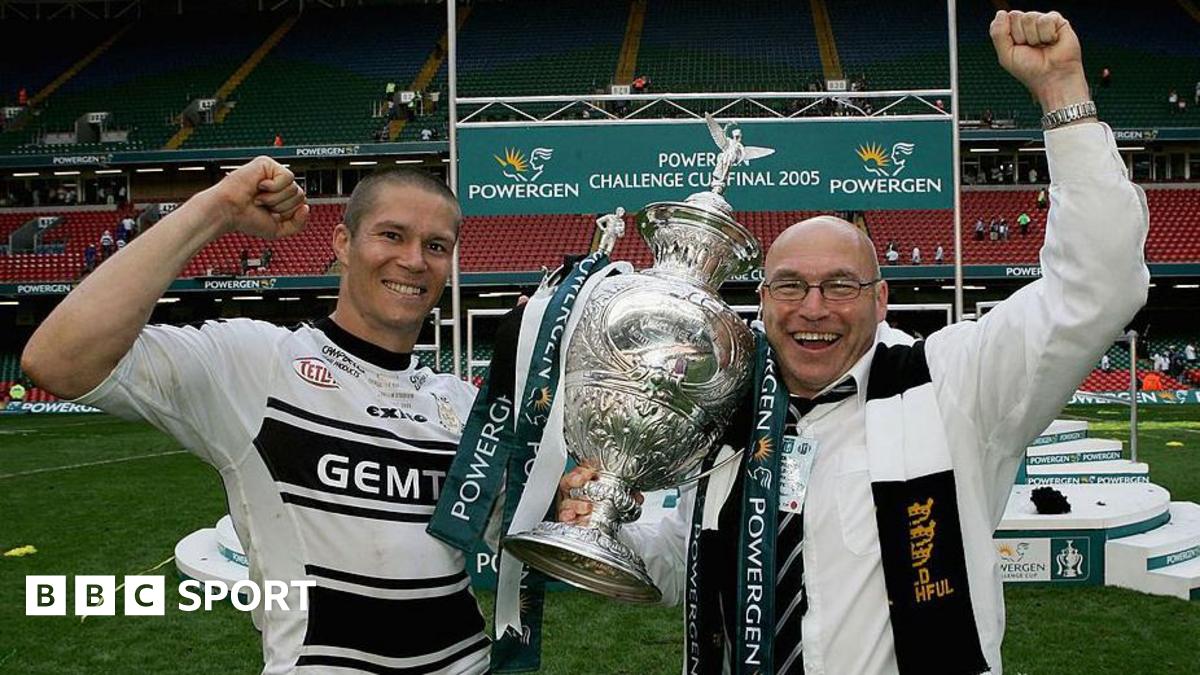
JK loved being part of the game, whatever the role. So, it is consolation, though barely, that one of his greatest thrills was being part of the BBC’s Challenge Cup final team.
That’s a role he once again fulfilled the day before his unexpected and devastating passing.
He had one passion greater than rugby league and that was his family.
Anyone who met JK knew how much his wife Dawn and all their kids meant to him. As much as we are hurting that he’s gone, their pain will be infinitely greater and they are so much in our thoughts.
Advertisement
Good night Keary, from Paris and Sheffield, and all those other places you left your lasting legacy.
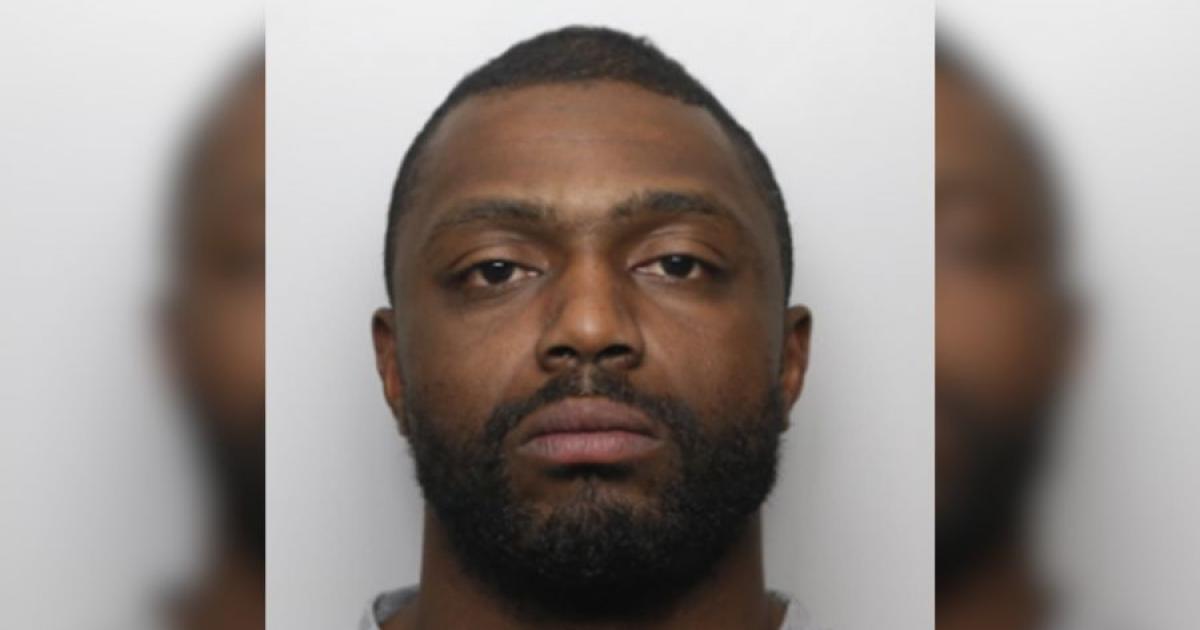
Ainsley Boothe, 33, had been in an “on/off” relationship with the woman before demanding entry to a house in Bolton where she had been staying with a friend on January 2 this year.
Bolton Crown Court heard how he came into a bedroom at around 8am while the woman was asleep.
Emily Wilson, prosecuting, said: “Her first response on waking up and seeing the defendant was to say ‘don’t hit me.’”
She added: “The crown would say that’s a sad indictment of their relationship.”
Advertisement
The case was heard at Bolton Crown Court (Image: Phil Taylor)
Boothe listed from the dock as Ms Wilson told the court how he kicked the woman to the head and then to her back and side, breaking her ribs and puncturing a lung.
His victim was able to get to a neighbour’s house to call the police where she was taken to hospital and discharged four days later.
Ms Wilson said that Boothe, of no fixed abode, was arrested after police raided a house and found him “hiding in the kitchen”.
Boothe, who has 12 previous convictions for 22 offences including possession with intent to supply Class A drugs and a previous assault case, gave no comment when interviewed.
Advertisement
But brought before the courts he confessed to causing grievous bodily harm.
Amy Weir, defending, said Boothe had earned credit for his guilty plea and said that while in custody he now had a job at HMP Altcourse.
She said that he hoped to avoid drug use once eventually out of prison but that “the real test of course will be when he is released”.
But Recorder Ben Lawrence reminded the court of Boothe’s vicious assault on his victim.
Advertisement
He said: “She immediately said ‘don’t hit me’, a reflection of past events between you.”
Recorder Lawrence also noted that Boothe had been on bail when he attacked the woman.
He jailed Boothe for 22 months and made him subject to a five-year restraining order forbidding from contacting the woman or going near any address where she may have been staying.
Boothe, who had been watching in silence up to that point, appeared to quietly nod and say “OK”.
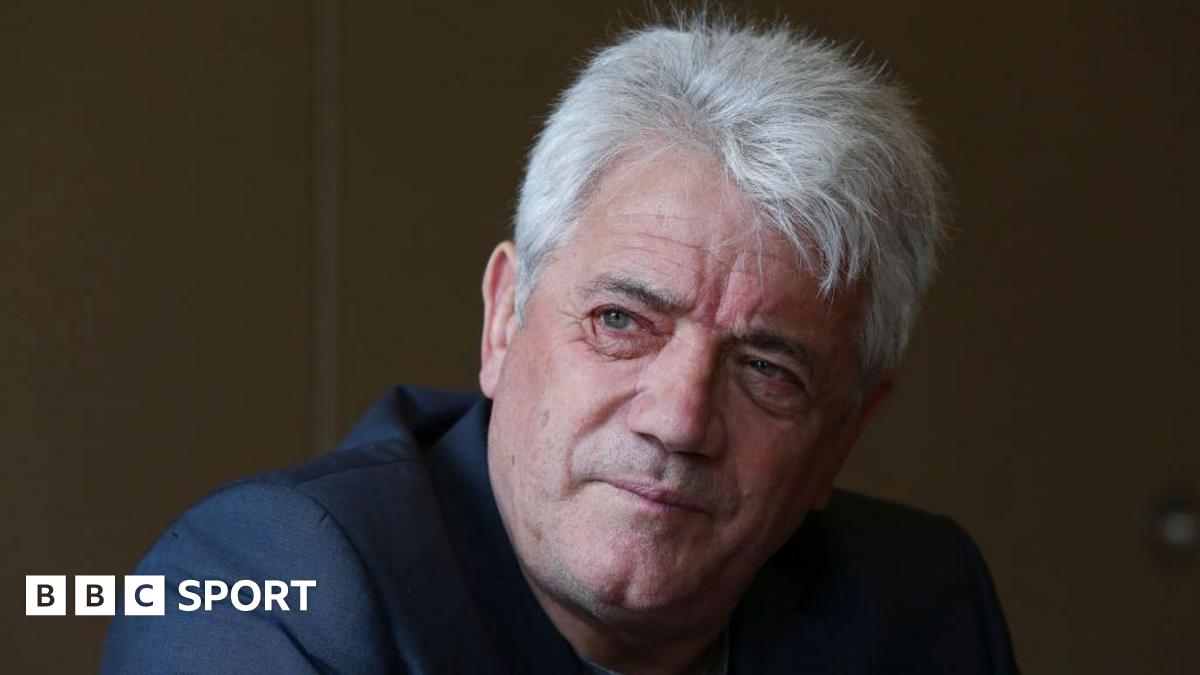
The football world has since rallied around the two-time European footballer of the year, who has been undergoing treatment in recent months.
Advertisement
In one of his first public appearances since the news, Keegan was handed an emotional standing ovation as he returned to Newcastle for a live event.
“I was in a car accident and, through that, I had to have an operation,” the ex-Newcastle United forward and manager said on stage at the Tyne Theatre and Opera House.
“Whilst having the scan for the operation, they found out I had cancer. They said they had an absolute top doctor for fighting what you have got, which is stage four cancer.
“So I went to meet him. He’s a Liverpool supporter so I knew I wouldn’t walk alone.
Advertisement
“He said, ‘Kevin, this new treatment, I’ve got a tremendous strike rate’. I said, ‘What’s your strike rate?’ He said, ‘33%’. I thought it would be 80%, 90%. 33%!
“I’m still here at the moment.”
Keegan enjoyed spells at Scunthorpe United, Liverpool, Hamburg, Southampton and Newcastle as a player during an illustrious career.
Keegan is one of the most transformational figures in Newcastle‘s history, the mastermind behind the Entertainers, who challenged for the Premier League title in 1996.
Such is his status, current head coach Eddie Howe even reached out to Keegan when he got the Newcastle job in 2021 to try and get the inside track on the club and the mindset he needed to succeed.
Howe has just endured a bruising league season after the Magpies slipped to 12th place in the Premier League table.
But Keegan is firmly behind the “first manager to win anything since most of us have been alive” after he lifted the League Cup last season.
Advertisement
An open invitation remains for Keegan to return to St James’ Park and, though he was conscious of “intruding”, the club legend reiterated he “wants to say goodbye” having not taken in a game at the stadium since winning his case for constructive dismissal following his departure in 2009.
However, he has no thirst for a statue to be placed outside the ground.
“You will have to wait until I die, I’m afraid,” he added.
“I’m not against the statues that are outside at all, but it’s not something that really means that much to me.
Advertisement
“My statue is the way you receive me.”
In a statement, Newcastle sent their “heartfelt support” and “warmest wishes” to Keegan and his family following his diagnosis.
“Kevin holds a unique and cherished place in the history of Newcastle United, and in the hearts of our supporters,” it read.
“His passion, leadership and connection to the club and city have shaped some of our most memorable moments.
Advertisement
“Everyone at the club is behind Kevin and sends strength and best wishes to him and his family for the journey ahead.
“Kevin will always be warmly welcomed at St James’ Park and we hope to see him again soon.”
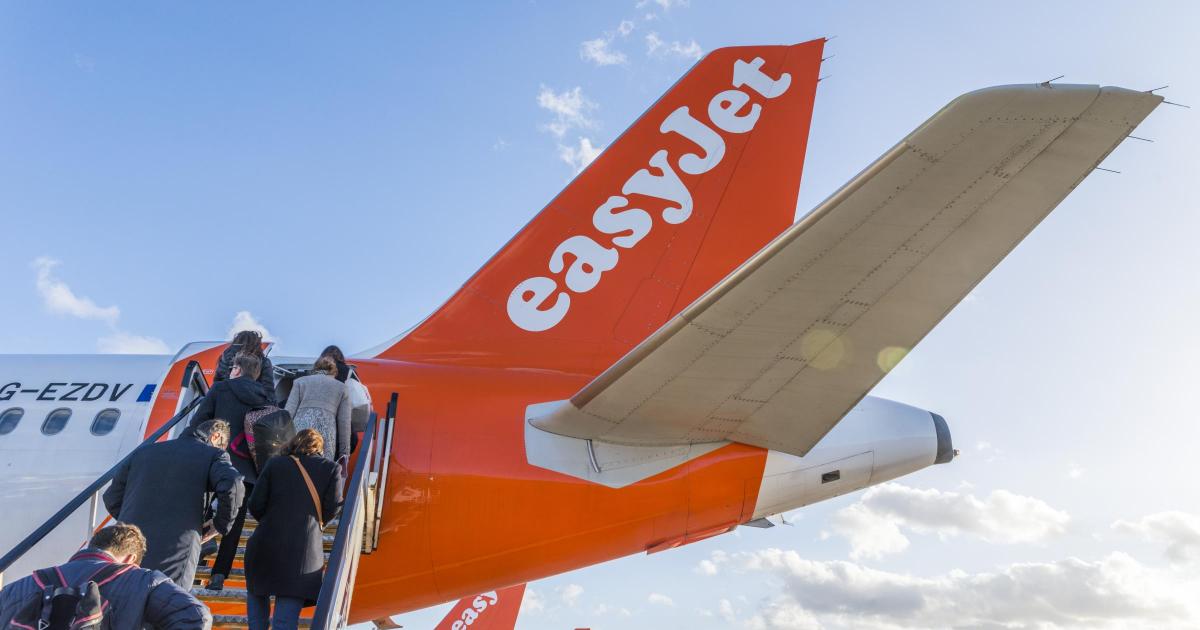
Private credit company Castlelake revealed late on Friday, after the stock market close in London, that it was in the early stages of considering an offer for easyJet, but had not yet approached the firm’s board.
The American firm, which confirmed it owns a stake of around 2.14% in easyJet through shares held on behalf of funds it manages, said on Monday any offer would be for “no less than” 403.23p a share, valuing the airline at a minimum of £3.06 billion.
The carrier said the takeover interest comes at a time when its share price has been pushed lower by worries over the impact of the Iran war on the airline sector.
Advertisement
Your rights if your flight is cancelled or delayed
EasyJet said on Monday: “The board notes the highly opportunistic timing when easyJet’s share price is temporarily depressed due to the current situation in the Middle East and its impact on customer confidence and jet fuel prices.”
It highlighted its strong financial position and said it remained focused on its medium-term target to deliver more than £1 billion in pre-tax profits.
The Luton-based firm said it also “notes the considerable regulatory, financial and other execution challenges associated with a potential takeover of easyJet”.
But it said it has a duty to maximise shareholder value and would “consider any proposal, should one be made”.
Advertisement
Castlelake has until 5pm on June 26 make a firm offer or walk away under UK takeover rules.
Led by executive chairman and founder Rory O’Neill, Castlelake and has assets under management worth 36 billion US dollars (£27 billion).
It entered talks in January with bankrupt US carrier Spirit Airlines over a possible takeover.
Castlelake has also previously bailed out collapsed Scandinavian Airlines (SAS) and then sold on its shares to Air France-KLM.
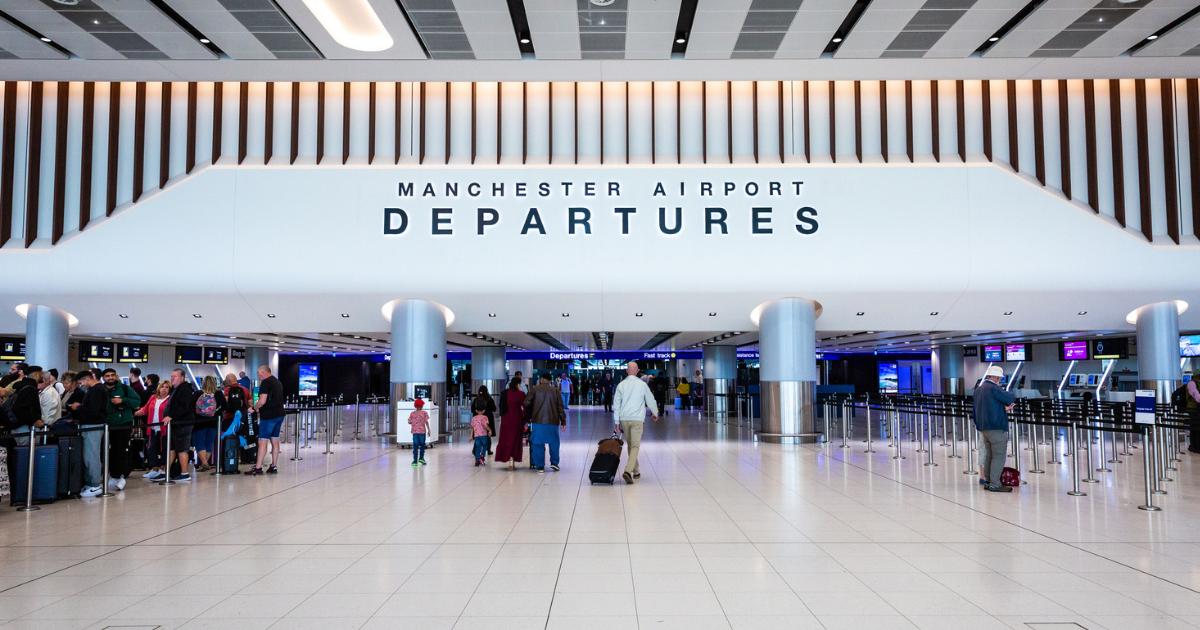
According to the airport’s departure board for Monday, June 1, Finnair flight AY1362 to Helsinki, due to leave at 10.05am, has been cancelled.
Kuwait Airways flight KU114 to Kuwait City, scheduled for 11.35am, has also been cancelled.
Several departures are also running behind schedule.
Advertisement
The easyJet flight U22099 to Montpellier, due to depart at 10.30am, is now estimated to leave at 1pm.
Another easyJet service, U22265 to Marrakesh, scheduled for 4.10pm, is estimated to depart at 6.18pm.
Jet2 flight LS991 to Pula, due at 4.20pm, is now expected to leave at 6.15pm, while TUI flight BY102 to Melbourne, Florida, scheduled for 11.05am, is estimated to depart at 12.15pm.
On arrivals, a number of inbound services are also delayed, including flights from Athens, Kuwait City, Amsterdam, Mumbai, Toronto, Doha and Amman.
Advertisement
Air Transat flight TS206 from Toronto, due at 11.40am, is delayed until 12.33pm, while IndiGo flight 6E31 from Mumbai, due at 10.40am, is delayed until 11.20am.
Passengers are being advised to check the latest flight information with their airline before travelling to the airport.
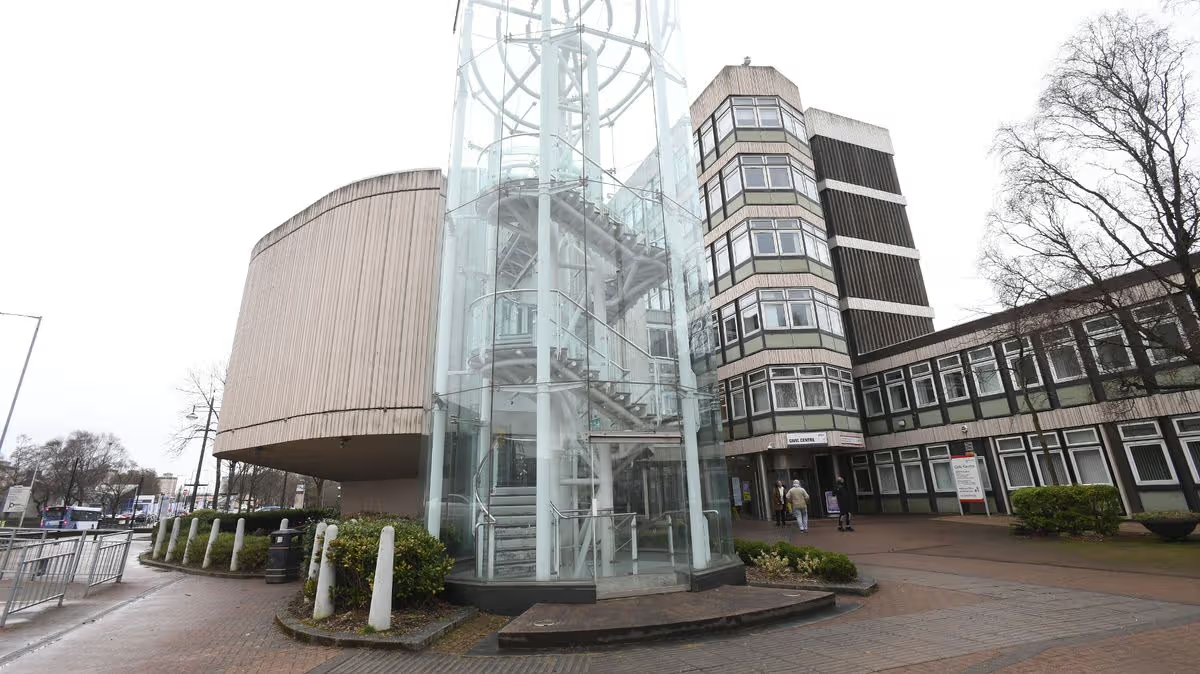
North Lanarkshire Council has received an application from agents Tragere Ltd whose client wishes to change the designated use of a building in Merry Street to allow the adaptation to residential accommodation.
A developer is seeking to renew expired planning permission to convert offices in Motherwell to create seven flats.
Advertisement
North Lanarkshire Council has received an application from agents Tragere Ltd whose client wishes to change the designated use of a building in Merry Street to allow the adaptation to residential accommodation.
The conversion does not include alterations to parking provision, with five existing spaces to be retained. A note in the application explains that planning permission had previously been granted but has now expired due to the amount of time which has passed since then.
Nearby properties, including Cheque Centre, branches of William Hill and McDonalds, and Motherwell train station, have been sent notification of the new planning application.
For additional information or to leave comment for consideration, visit North Lanarkshire Council’s website and look for planning reference 26/00418/FUL.
Advertisement
*Don’t miss the latest headlines from around Lanarkshire. Sign up to our newsletters here.
And did you know Lanarkshire Live had its own app? Download yours for free here.
NAIROBI, Kenya (AP) — Hundreds of youths in Kenya’s central town of Nanyuki on Monday demonstrated against the establishment at the Laikipia Air Base of an Ebola quarantine center for American citizens exposed to the virus.
The two organizations cited Kenya’s fragile health system as the reason why foreign Ebola patients should not be quarantined in the country.
U.S. officials said Thursday that the United States was planning to send Americans exposed to Ebola while abroad to a new facility in Kenya instead of flying them home. The officials spoke on condition of anonymity to discuss the administration’s plans. They said the facility would be at Laikipia Air Base and would be operational with 50 quarantine beds by Friday.
Advertisement
On Monday, hundreds of youths marched to the gates of the air base, chanting anti-Ebola slogans.
Health Minister Aden Duale on Sunday said the quarantine center was for “everyone” and not exclusively for U.S. nationals.
The U.S. government intends to commit $13.5 million toward Kenya’s Ebola preparedness efforts, Secretary of State Marco Rubio said in a statement.
Local leaders, including Laikipia Governor Joshua Irungu, had told journalists that they were opposed to the establishment of an Ebola quarantine center.
Advertisement
“This will expose our people to Ebola,” he said, adding that many locals work inside the air base and could be exposed.
A resident, Malin Ndegwa, said Kenya should not be exposed to the virus by hosting foreigners when it is not the epicenter of the outbreak.
“Why are they not doing it in the DRC (Congo)? Why are they not doing it in Uganda? Why must they bring it here? So we are saying, we categorically, no negotiations, no public participation, we want nothing. We want that facility taken out of our town, we want it taken out of Kenya,” he said.
Kenya has not recorded Ebola cases, but neighboring Uganda has reported nine and closed its border with Congo.
Advertisement
At least 282 confirmed cases have been reported in Congo with over 1,000 suspected cases of the Bundibugyo virus, the current species of Ebola, which has no approved treatment or vaccine.
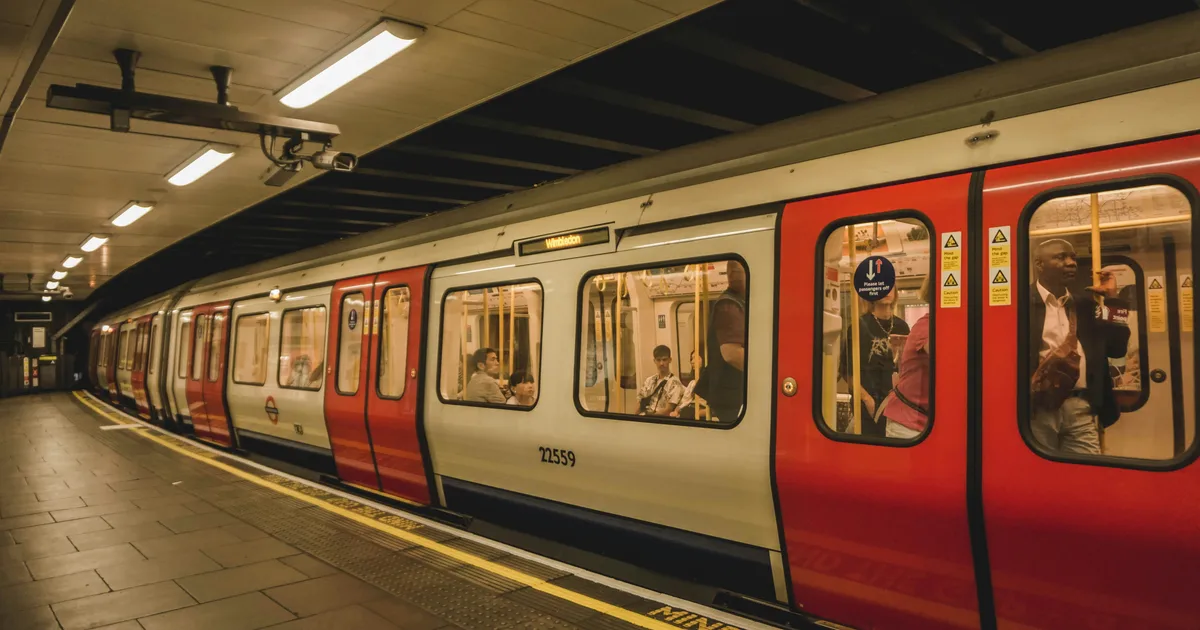
Two new Underground strikes have been confirmed this June, weeks after previous planned strikes were cancelled.
Recently, two National Union of Rail, Maritime and Transport Workers (RMT) Tube strikes set for May 19 and 21 were called off “at the 11th hour”. June 16 and 18 strikes, which had also been set by the RMT, were abandoned too.
But now, two other 24-hour blocks are planned for the month.
When will the new Tube strikes take place?
Advertisement
Tuesday 2 June from 00:01 to 23:59
Thursday 4 June from 00:01 to 23:59.
Which lines will be affected?
Per Transport for London (TfL)’s site, there isn’t expected to be any service on the:
Circle line,
Piccadilly line,
Metropolitan line between Baker Street and Aldgate,
Central line between White City and Liverpool Street
While TfL expects other lines to run on these days, they warn that there will probably be “disruptions” across the entire network.
They said there could be “limited services before 06:30 on both days,” and that “Customers should complete their journeys before 21:00 on both days”.
The four-day week trials were introduced on an optional basis after another union body, the Associated Society of Locomotive Engineers and Firemen (ASLEF), campaigned for the option.
Previously, the RMT said that this new structure basically amounted to packing five days’ work into four in a way which might affect the safety of their drivers and passengers.
They also said the changes could reduce flexibility and gave “the potential for only 24 hours’ notice of what shifts people will be doing”. They wanted TfL to confirm in writing that their drivers could stick with their “current shift patterns and agreed terms and conditions” if they wanted to, too.
The RMT expressed that “the fact that Transport for London has made no new offer despite months of negotiation” left them “no other choice than to take strike action”. TfL’s response mentioned the fact that the trials were optional.
Advertisement
But the former planned strikes, which had been called off and were set for multiple dates in May and June, were cancelled at the last minute on 18 May.
An RMT spokesperson said this was because “the employer has shifted its position, allowing us to further explore our members’ concerns around the imposition of new rosters, fatigue and safety issues.”
But they warned at the time that “The dispute is not over, and more strike action will follow if we fail to make sufficient progress”.
The RMT has since said, “Strike action by London Underground drivers next week is scheduled to go ahead following TfL’s continued refusal to engage meaningfully with the union’s concerns over the proposed compressed four-day working arrangements.
“Our members have raised serious concerns around fatigue, longer shifts, reduced flexibility and the impact these proposals could have in a safety-critical role.”
In response, TfL’s chief operating officer, Claire Mann, said: “We still believe that the points they have raised can be worked out in time, through more detailed discussions and we are continuing to talk to the union’s representatives to find a way to avoid disruption to London.
“A significant number of drivers have indicated that they want us to progress plans for the pilot of this new working pattern on the Bakerloo line, bringing benefits both for our colleagues and our customers.”









































You must be logged in to post a comment Login