Connect with us
DAPA Banner
DAPA Coin
DAPA
COIN PAYMENT ASSET
PRIVACY · BLOCKDAG · HOMOMORPHIC ENCRYPTION · RUST
ElGamal Encrypted MINE DAPA
🚫 GENESIS SOLD OUT
DAPAPAY COMING

Business

Health officials focused on Ebola, measles

Published

on

Health officials focused on Ebola, measles

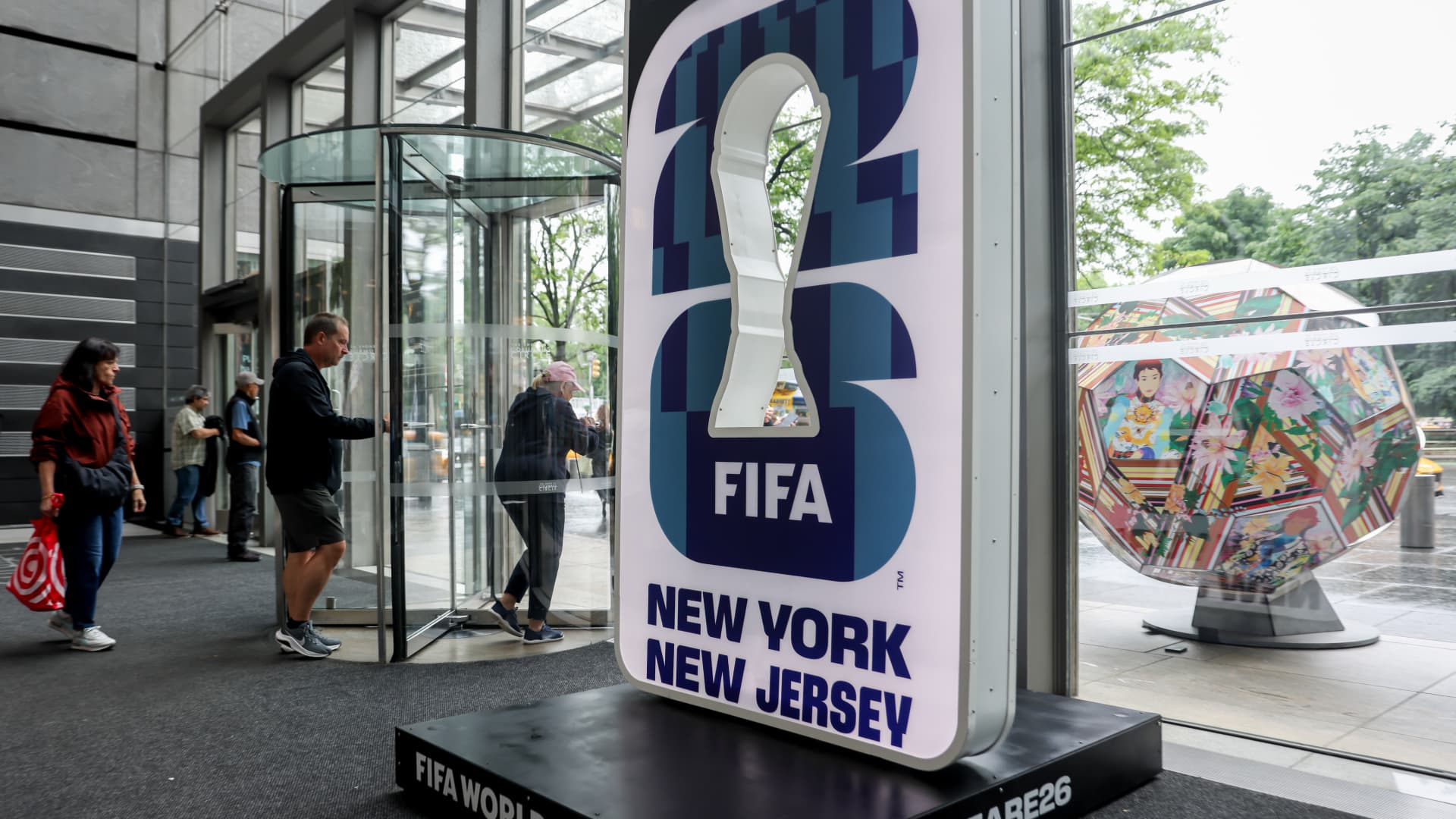
Signage for the FIFA World Cup at The Shops at Columbus Circle in New York, May 21, 2026.

Michael Nagle | Bloomberg | Getty Images

As athletes and millions of fans gear up for the FIFA World Cup starting next week, global health officials are preparing for a high-stakes challenge of their own: protecting against infectious diseases.

Advertisement

For the first time, the tournament will span 16 host cities across three countries — the United States, Canada and Mexico — and feature 48 teams, making it the largest World Cup in history. The event also comes amid an Ebola outbreak in Congo and Uganda that the World Health Organization has designated a “public health emergency of international concern.” 

Despite those worries, the risk of widespread Ebola transmission during the tournament is low, infectious disease experts told CNBC. Public health departments, hospitals and other partners are also well equipped to respond to a range of potential threats — even after sweeping cuts to critical federal agencies and the U.S. exiting from the WHO under the Trump administration.

“Ebola and hantavirus, I worry about a lot less,” Dr. Shruti Gohil, the associate medical director for University of California, Irvine Health Epidemiology and Infection Prevention, said in an interview. “The overall likelihood of risk is not nonzero, but it’s low, very low, because it is not easy to transmit person to person.” 

Instead, experts say more contagious threats could pose greater challenges during the tournament and other large events this summer, particularly because international visitors could move through multiple venues and cities in a matter of days. 

Advertisement

Those threats include measles — one of the world’s most contagious diseases — as well as respiratory viruses such as Covid-19 and influenza. The concern comes after the U.S. recorded its highest number of measles cases in decades last year, driven in part by growing vaccine hesitancy and declining immunization rates.

Some experts also pointed to arboviruses spread by infected insects, such as dengue, while others highlighted heat-related and foodborne illnesses as notable risks beyond infectious diseases.

Preparing for the World Cup has involved scaling up existing programs, such as wastewater monitoring, and adding new tools to track infectious disease threats. Those systems will face their first major test when the tournament kicks off on June 11, but public health officials say they are ready to take on the challenge. 

“Public health prides itself in being the invisible shield, but I don’t want that to get lost in the actual Herculean effort it takes to have an operational invisible shield, so that people can enjoy events like the World Cup and feel safe and secure in their public health when they’re here,” said Dr. Theresa Tran, director for the Houston Health Department.

Advertisement

“That’s a system that I’m extraordinarily proud about … we are absolutely working so hard every single day in preparation for things like this,” said Tran, who is overseeing the response in a host city. 

Ebola risk is low despite current outbreak

Doctors Without Borders health workers wearing personal protective equipment move through the isolated red zone to monitor patients, provide medical care and ensure sanitation at the Ebola Treatment Center in Munigi in Congo on June 2, 2026.

Jospin Mwisha | AFP | Getty Images

Ebola does not spread as easily as Covid and other respiratory diseases, making it less of a threat during the World Cup despite the growing outbreak, experts said. 

Advertisement

Global health authorities have confirmed more than 260 cases and are investigating 1,100 more possible infections in Congo and Uganda, according to the WHO. The current strain of Ebola, the Bundibugyo virus, is an often fatal form of the disease with no approved treatment or vaccine.

But there were no cases of Ebola in the U.S. as of Wednesday. Virus transmission requires direct, close contact with the bodily fluids or blood of someone who is already showing symptoms, said Dr. Amesh Adalja, adjunct assistant professor at the Johns Hopkins Bloomberg School of Public Health, in an interview. Patients with Ebola are “going to be very sick” and will likely stay at home or in the hospital rather than attend large events with other people, he added. 

“It’s not a respiratory virus; it’s not something that thrives in crowds that don’t have exposure to blood and body fluids, so I don’t think that it poses an objective threat to the World Cup,” Adalja said. 

Still, federal and local public health officials are gearing up to respond to Ebola risks. 

Advertisement

The Centers for Disease Control and Prevention has implemented enhanced entry measures for travelers from countries linked to the outbreak. Anyone arriving in the U.S. after spending time in Congo, Uganda or South Sudan within the previous 21 days is required to enter through designated airports in Atlanta, Houston, New York or the Washington area, where they will undergo public health screening.

During those screenings, CDC staff will survey individuals about their travel history and symptoms, check their temperatures and collect contact information for follow-ups by state and local public authorities if needed, the agency’s website says. Individuals are also monitored for Ebola’s full incubation period of 21 days, not only the day they arrive in the U.S., UCI’s Gohil said. 

The screening protocol extends beyond the airport. Local health departments are notified when travelers from affected regions arrive in their jurisdictions, enabling officials to monitor them for signs of illness, said Dr. Marvia Jones, director of the health department for Kansas City, a host city. 

In Dallas County, Texas, where World Cup games will also be played, the health department has coordinated with emergency responders and local hospitals to ensure any traveler who develops Ebola symptoms can be safely transported and treated, county health Director Dr. Phil Huang told CNBC. The plans include identifying which facilities would receive patients, preparing those places for infection-control protocols and arranging specialized transportation if needed.

Advertisement

Huang said the county also held a session to educate local healthcare providers on the lessons learned from Dallas’ 2014 Ebola case, including the importance of obtaining travel histories, recognizing symptoms and following established procedures for patient transport, isolation, contact tracing and the use of personal protective equipment.

Ebola “is definitely top of mind as a heavy thing with our history,” Huang said. 

In a statement to CNBC, FIFA said it is aware and monitoring the Ebola outbreak and continues to work with all three host countries’ governments to “ensure a safe and secure tournament.” FIFA is also informing ticket holders residing in Congo, South Sudan and Uganda of travel considerations ahead of the event. 

Measles, respiratory diseases raise concern 

Measles is “our biggest concern” in terms of infectious diseases at the World Cup since it is one of the most contagious viruses, said James Garrow, communications director for Philadelphia’s Department of Public Health. 

Advertisement

“We’re seeing outbreaks throughout the U.S. and overseas, and when you have a disease that’s as infectious as this, people just have to be in the same plane for an hour or two and all of a sudden you have an outbreak that’s transferred to somewhere else,” Garrow told CNBC. 

Philadelphia health officials have focused on ensuring healthcare providers can quickly identify measles cases, share information and coordinate response efforts as the city prepares to host matches, he said. But international visitors pose a particular challenge because they often travel to numerous locations in a short period of time, increasing the number of potential exposures to the virus compared to a local. 

FIFA World Cup signage is seen at the PATH train station at the World Trade Center transportation hub in New York on May 27, 2026.

Angela Weiss | AFP | Getty Images

Advertisement

The U.S. had more measles cases in 2025 than in any other year since 1991, with more than 2,100 confirmed cases. Cases were reported in 45 jurisdictions in 2025, and there were 48 outbreaks, compared with 16 the previous year, according to the CDC.

The U.S. eliminated measles in 2000, but cases have risen as misinformation spreads and vaccination rates decline. About 93% of confirmed measles cases last year were among people who were unvaccinated or whose vaccination status was unknown, CDC data shows. 

Besides measles, Houston’s Tran said she’s concerned about other diseases at risk of higher spread as vaccination rates drop in the U.S., such as Covid and the flu. 

“The transmissibility being airborne makes them so much more likely to cause a public health threat than Ebola,” she said.

Advertisement

But Houston, Tran said, has professional epidemiologists who are monitoring and contract-tracing individuals anytime there is a vaccine-preventable disease that could become an outbreak. 

Norovirus, food-borne and heat-related illnesses as well as sexually transmitted infectious could also pose challenges during the tournament, some public health officials told CNBC. 

But public health departments have been working to ensure that food vendors at the World Cup and related gatherings have the proper permits to sell to the public, said Dr. Monika Roy, the deputy health officer and infectious disease and response branch director for Santa Clara County, California. The county outside of San Francisco will also host matches.

In addition to keeping an eye on permitting, Houston has teams of registered sanitarians ready to investigate any foodborne illnesses, and it has prepared public health campaigns related to heat-related illness and prevention given the high humidity in the city. 

Advertisement

Expanding surveillance efforts 

This year’s World Cup brings “added layers of challenges,” and not only because of the scale of the event, said Dr. Rebecca Katz, who leads Georgetown University’s Center for Global Health Science and Security. She said the tournament comes after resource cuts to public health and the U.S. withdrawal from the WHO earlier this year, which has “strained” international mechanisms for disease sharing. 

Trump cut roughly 10% of the CDC’s workforce in early 2025, leaving fewer epidemiologists and scientific staff to do boots-on-the-ground work or coordinate responses across governments. There is currently no permanent CDC director or U.S. surgeon general, both positions that play a critical role in responding to disease threats. 

Despite the cuts, the CDC said it is “actively engaged in World Cup preparedness as part of the federal coordination structure led by the White House FIFA World Cup 2026 Task Force” and is engaging with public health departments in host cities, other federal agencies and partner organizations. The CDC has also developed a World Cup data dashboard, which is in final development, to give state and local health departments greater visibility into disease trends across jurisdictions, an agency spokesperson said in a statement.

Still, “there have been cuts to public health at all levels and the folks who are in those jobs are working really, really hard, often with a smaller budget and less personnel, so there’s an opportunity for the rest of the community to help support that” and “try to jump in and fill some of those information gaps,” Katz said. 

Advertisement

That’s one reason why Katz in May launched the Health Security Operations Center, a hub for monitoring potential infectious disease threats that will distribute daily situation reports starting Thursday to hundreds of state and local health officials, federal agencies, tournament organizers and hospital emergency managers, among others. It’s part of the National Center for Health Security and Resilience, a joint effort between Georgetown University and MedStar Health. 

Among the center’s efforts is participating in daily stand-up calls hosted by the Pan American Health Organization, a ​regional office of the WHO, and sharing that information directly with local, state and federal jurisdictions, Katz said. PAHO is coordinating data between Mexico and Canada as well, she noted.

At the local level, health departments are ramping up their surveillance efforts. 

Many World Cup host cities and counties are leaning on wastewater surveillance, a public health tool that gained prominence during the Covid pandemic. The approach enables officials to detect signs of disease spreading in a community through sewage samples, often before outbreaks are identified through traditional testing.

Advertisement

For example, Dallas is increasing its wastewater sample sites to cover nearly the entire county, Huang said. The county is also implementing metagenomic testing, which is broadly extracting and sequencing sewage samples to identify every bacteria, virus and fungus rather than a specific one, he added. 

Huang said Dallas is also enhancing its mosquito surveillance by monitoring not only for West Nile virus, which is endemic in the region, but also diseases such as dengue, chikungunya and Zika. 

Meanwhile, Philadelphia is deploying a new mobile lab that can test samples on site, speeding up the detection of potential health threats and reducing the need to send specimens to specialized labs elsewhere in the state or country, Garrow said. He noted that the lab, which launched in June, aims to boost testing capacity and reach areas less centrally located.

Dr. Margaret Aldrich, a pediatric epidemiologist at NYU Langone, said she believes in the U.S. “we’re actually better prepared, honestly, than we ever have been for high-consequence infectious diseases.”

Advertisement

“There’s a very robust system in the United States,” Aldrich said. “The departments of health are really continuing to maintain that hard work and ensuring that, as we always say, if we’re doing our job, you don’t see it.”

Choose CNBC as your preferred source on Google and never miss a moment from the most trusted name in business news.
Continue Reading
Click to comment

You must be logged in to post a comment Login

Leave a Reply

Business

Momentous moments, significant gains

Published

on

Momentous moments, significant gains

The state’s biggest Indigenous businesses have gone from strength to strength, but there is more to the story when it comes to growth.

Continue Reading

Business

Kraft Heinz seeking to capitalize on innovation

Published

on

The Kraft Heinz Co. debuts functional macaroni and cheese

Management is focusing on matching brand recognition with household penetration. 

Continue Reading

Business

Truist cuts Medtronic stock price target on margin softness

Published

on


Truist cuts Medtronic stock price target on margin softness

Continue Reading

Business

BusinessLive duo nominated for ‘Oscars’ of finance journalism as newsletter also gets national recognition

Published

on

Business Live

Headlinemoney Awards ceremony will be held in London this month

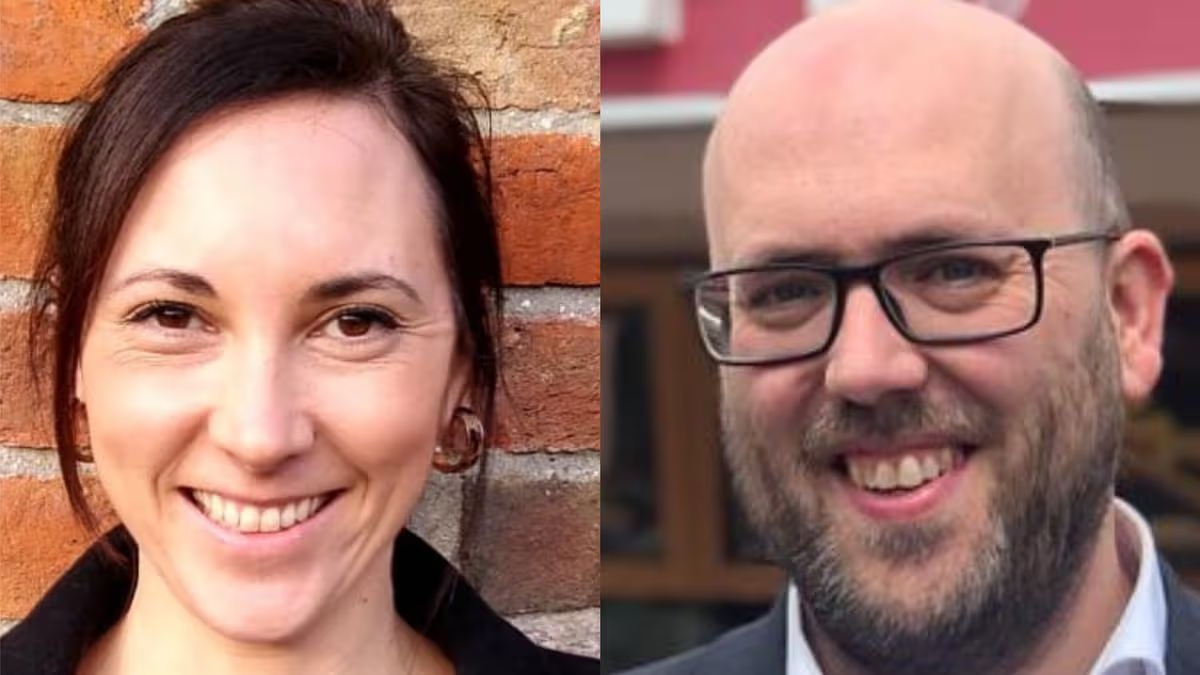
BusinessLive's South West editor Hannah Baker and editor Alistair Houghton

BusinessLive’s South West editor Hannah Baker, left, and editor Alistair Houghton

Two of the team at BusinessLive have been shortlisted for a prestigious business journalism award.

South West editor Hannah Baker and site editor Alistair Houghton are finalists in the Nations and Regions Journalist of the Year category at the 2026 Headlinemoney Awards.

The awards are billed as the “Oscars” of financial journalism. Hannah won the award in 2019 and was highly commended in 2022. This year’s award winners will be named at a ceremony at the London Hilton on Park Lane later this month.

The organisers said: “A huge congratulations goes to everyone named. Just making it on to a Headlinemoney Awards shortlist is an achievement, and we received a record number of entries this year, so well done to all involved.”

Advertisement

Hannah said: “It’s lovely to be recognised alongside Alistair for the work we are doing. There are some excellent journalists in this category, all of whom are flying the flag for local journalism. I am thrilled just to be nominated!”

Alistair said: “I’m really pleased to be on this year’s Headlinemoney Awards shortlist alongside such great journalists, including my colleague Hannah. Thanks to the judges for recognising all the work that BusinessLive is doing.”

Meanwhile, our BusinessLive North West newsletter has been nominated in the Best B2B Newsletter category at the Publisher Newsletter Awards. It’s one of 13 newsletters run by publisher reach to be nominated at the national event.

In the B2B category, BusinessLive North West will compete against newsletters from organisations including the Financial Times and MIT Technology Review. The awards will be presented at a ceremony in London in July.

Advertisement
  • Sign up to BusinessLive’s newsletters HERE
Continue Reading

Business

Rocket Lab Is A Winner And The Market Knows It

Published

on

Rocket Lab’s Neutron Production Complex, Wallops Island, Virginia (<a href=

Rocket Lab Is A Winner And The Market Knows It

Continue Reading

Business

Nestle to fully acquire yfood Labs GmbH

Published

on

Nestle to fully acquire yfood Labs GmbH

Nestle and yfood have collaborated since 2023.

Continue Reading

Business

Aviation journalist Geoffrey Thomas dies aged 74

Published

on

Aviation journalist Geoffrey Thomas dies aged 74

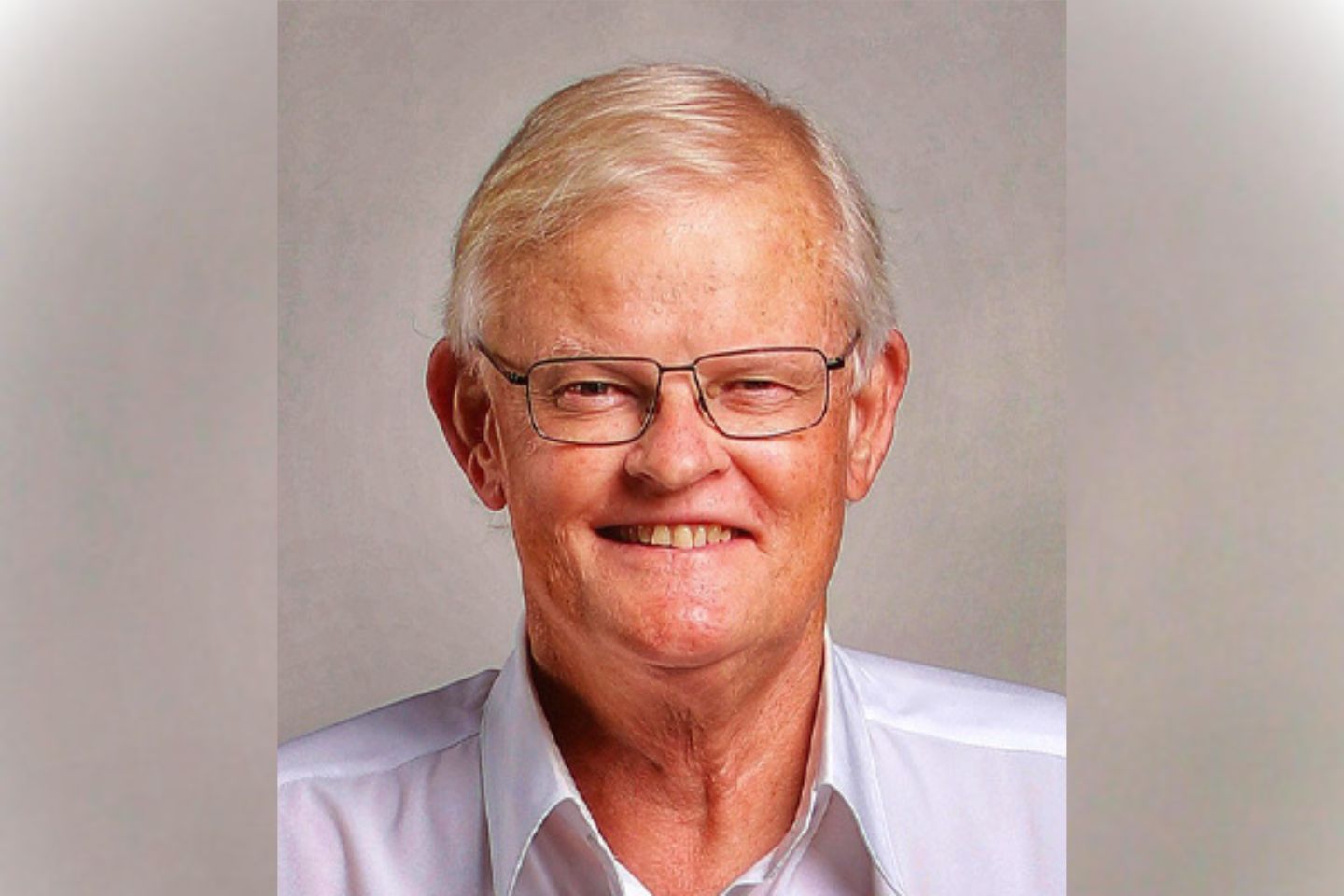
Veteran aviation journalist and writer for Business News Geoffrey Thomas has passed away in Perth at the age of 74.

Continue Reading

Business

Witness History – The protests that sparked the Tiananmen Square massacre

Published

on

Witness History - The protests that sparked the Tiananmen Square massacre

Available for over a year

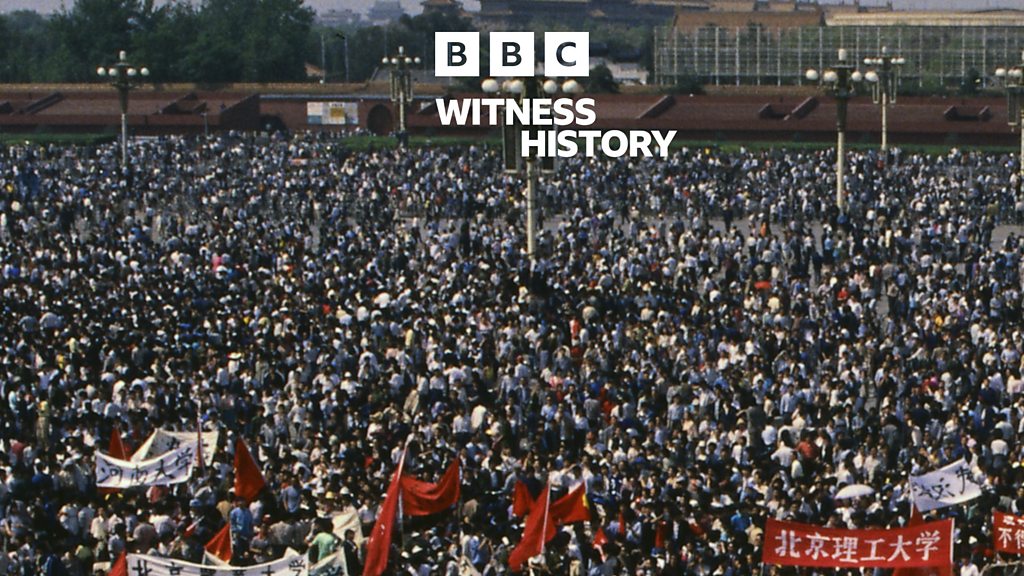
One month before the bloodshed in Beijing, a 10km line of protestors snaked through the city.

For over a decade China had been opening up to global trade and there was promise that, with greater economic freedoms, democratic rights might be within reach too.

In an emotional testimony, student organiser Wu’er Kaixi explains why he thought protest and demonstrations were encouraging leaders towards a more progressive China.

Advertisement

On 4 May 1989, with huge numbers in the streets it was a moment when many dared to believe the fight for democracy could be won. But, as Wu’er Kaixi tells Tom Bonnett, it was a brief high point. A month later, tanks and soldiers descended on the streets and sent a bloody message – protest would not be tolerated.

Eye-witness accounts brought to life by archive. Witness History is for those fascinated by and curious about the past. We take you to the events that have shaped our world through the eyes of the people who were there.

For nine minutes every day, we take you back in time and all over the world, to examine wars, coups, scientific discoveries, cultural moments and much more.

Recent episodes explore everything from how the Excel spreadsheet was developed, the creation of cartoon rabbit Miffy and how the sound barrier was broken.

Advertisement

We look at the lives of some of the most famous leaders, artists, scientists and personalities in history, including: the moment Reagan and Gorbachev met in Geneva, Haitian singer Emerante de Pradines’ life and Omar Sharif’s legendary movie entrance in Lawrence of Arabia.

You can learn all about fascinating and surprising stories, like the invention of a stent which has saved lives around the world; the birth of the G7; and the meeting of Maldives’ ministers underwater. We cover everything from World War Two and Cold War stories to Black History Month and our journeys into space.

(Photo: Student protests in Beijing in May 1989. Credit: Getty Images)

Programme Website

Advertisement
Continue Reading

Business

Retired Detective Predicts Car Tracking and Google Searches Key to Solving the Case

Published

on

Wordle puzzle

TUCSON, Ariz. — A retired detective has identified digital tracking of vehicles and Google search records as potential breakthroughs in the ongoing investigation into the disappearance of 84-year-old Nancy Guthrie, who vanished from her Tucson-area home more than four months ago.

Jon Buehler, a former Modesto Police Department detective now working as a law enforcement consultant, shared his insights in recent interviews, suggesting that modern forensic tools could unlock the case that has gripped national attention since February 1. Guthrie, the mother of NBC “Today” co-host Savannah Guthrie, was last seen at her Catalina Foothills residence under circumstances authorities have described as suspicious.

Buehler pointed to the possibility that records of vehicles in the vicinity of Guthrie’s home, obtained through surveillance cameras or GPS data, could identify a suspect. He also recommended a reverse keyword search on mapping services to determine if anyone searched for her specific address in the days or weeks leading up to the disappearance. “If somebody ever plugged her address into a Google search for a Google Maps or whatever, if they did a reverse keyword search on that because those records are maintained for a period of time, to see any random person that would have typed in her address that had a reason to do it and then you’d contact that person and find out why did you put that address,” Buehler explained.

Such digital footprints, he noted, could help investigators either eliminate or focus on potential persons of interest. Buehler expressed cautious optimism that a critical tip might already exist among the hundreds received but could have been overlooked during initial prioritization. “When tips come in on a case like Nancy Guthrie’s, they’re prioritized as best they can, but you still don’t know for sure if they’re prioritized correctly, and so there might be something in there that we’re waiting on, that could break it wide open,” he said.

Advertisement

The Pima County Sheriff’s Office continues to lead the investigation with FBI assistance. Sheriff Chris Nanos has cited the complexity of forensic analysis, particularly DNA and digital evidence, as reasons for the extended timeline. “This is a very sensitive case, but what really makes it prolonged is we do rely on labs,” Nanos told local media.

Hair samples from Guthrie’s home were initially sent to a private genetics lab in Florida before being forwarded to the FBI’s Quantico facility for advanced testing. Challenges with mixed DNA samples and ongoing digital forensic work have extended the process. Officials stress that adherence to scientific and judicial protocols is essential to avoid wrongful arrests and ensure evidence holds up in court.

Savannah Guthrie has reportedly invested significant resources in a private team of investigators to supplement official efforts. The family has maintained a low public profile while cooperating fully with authorities. A combined reward exceeding $1.2 million for information leading to a resolution remains unclaimed.

The absence of a ransom demand and the presence of blood evidence at the scene have led Buehler and others to express pessimism about Guthrie’s survival. “The reason I’m fearful she didn’t survive the abduction is kind of twofold. No. 1, no instantaneous demand for a reward with indication that she’s fine and that they’ll release her. That’s a pretty big stretch there to think that she survived it,” he added.

Advertisement

Despite the challenges, authorities have not ruled out any possibilities and continue treating the case as an active abduction investigation. Federal sources have indicated discussions about deploying additional technological tools, potentially focused on video forensics, signals analysis or enhanced investigative genetic genealogy. These methods have solved numerous cold cases in recent years but often require months of careful processing.

The disappearance has unsettled the Tucson community, particularly in the affluent Catalina Foothills area. Residents have expressed concern about safety in neighborhoods previously considered secure. The case has also highlighted challenges in solving missing persons investigations without immediate witnesses or clear physical evidence.

Pima County authorities have conducted extensive searches of surrounding desert areas and reviewed hours of surveillance footage from nearby properties. Canvassing efforts and interviews continue, though no suspects have been publicly named. The investigation remains active and ongoing, with officials urging anyone with information to contact the FBI or local tip lines.

The case has drawn national attention due to Savannah Guthrie’s prominence as a television journalist. Her occasional on-air references to her mother’s situation have been emotional but restrained, with requests for privacy as the family navigates the ordeal.

Advertisement

For investigators, the challenge lies in balancing thoroughness with public expectations for progress. High-profile cases often generate thousands of tips, requiring significant resources to evaluate. Buehler’s comments reflect a common expert view that digital evidence, often overlooked in traditional investigations, frequently provides the decisive link.

As the investigation enters its fifth month, pressure for resolution continues to build. The substantial reward and widespread media coverage have kept the case in the public eye, potentially increasing the chances of new information emerging. Authorities have not ruled out the possibility that Guthrie encountered someone known to her or that the incident involved a random element.

Community vigils and awareness efforts have helped maintain focus on finding Nancy Guthrie. Local organizations have offered support to the family while encouraging residents to report any suspicious activity from the time period.

The Pima County Sheriff’s Office continues coordinating with federal partners. Joint task forces have pooled resources to examine every available lead. The involvement of the FBI typically indicates the case’s complexity and potential for broader implications.

Advertisement

Nancy Guthrie’s disappearance serves as a reminder that vulnerabilities exist even in seemingly safe communities. For her family and investigators, the search for answers continues amid ongoing forensic work and digital analysis.

The coming weeks may bring further updates as laboratory results mature and additional technological tools are applied. Until then, authorities and the Guthrie family maintain hope that the right piece of information will surface to resolve this troubling case.

The National Election Commission’s recent ballot shortage issues during local elections have drawn unrelated comparisons in public discourse about institutional efficiency, though the Guthrie case centers on criminal investigation rather than administrative processes.

As details continue to emerge, the focus remains on supporting the family and ensuring a thorough understanding of events. The Ministry of Defence has pledged transparency where possible while protecting sensitive operational details in similar high-profile cases.

Advertisement

The helicopter crash in a separate Royal Navy incident highlighted the broader tradition of public figures acknowledging tragedies involving service members and civilians alike. In Guthrie’s case, the national conversation around missing persons remains heightened.

Pima County Sheriff’s Office officials continue coordinating with federal partners. Joint task forces have pooled resources to examine every available lead. The involvement of the FBI typically indicates the case’s complexity and potential for broader implications.

Nancy Guthrie’s disappearance serves as a reminder that vulnerabilities exist even in seemingly safe communities. For her family and investigators, the search for answers continues amid ongoing forensic work and digital analysis.

The coming weeks may bring further updates as laboratory results mature and additional technological tools are applied. Until then, authorities and the Guthrie family maintain hope that the right piece of information will surface to resolve this troubling case.

Advertisement
Continue Reading

Business

UBS downgrades BHEL shares to Neutral from Buy. Check target, key reasons

Published

on

UBS downgrades BHEL shares to Neutral from Buy. Check target, key reasons
International brokerage firm UBS downgraded BHEL to “Neutral” from “Buy” rating, while raising its target price to Rs 460 from Rs 375, indicating a potential upside of 13.6%. In today’s session, the stock is up over 1% at Rs 411 on the BSE.

UBS believes a significant portion of the company’s order book expansion is already behind it and noted that competition has intensified over the last three years, with rivals such as L&T and Thermax displaying a stronger appetite for new orders. The brokerage said the stock’s risk-reward profile has become more balanced after BHEL outperformed the Nifty by nearly 60% over the past 12 months.

Despite the downgrade, UBS remains constructive on BHEL’s long-term outlook. It expects a steady flow of orders from the thermal power and industrial segments and believes the company’s multi-year revenue visibility does not warrant a “Sell” rating.

The brokerage continues to hold earnings estimates above the Street’s expectations and has raised its FY27 and FY28 earnings forecasts by 1-3%. It has also increased its valuation multiple to 28x from 25x, factoring in a meaningful ramp-up in execution and an improvement in gross margins. UBS further noted that the order book accumulated during FY23-FY26, when BHEL captured an estimated 75-80% market share, provides strong revenue visibility through FY30.

Advertisement

Last month, the PSU company reported a whopping 156% surge in its consolidated net profit to Rs 1,290.50 crore for the January-March quarter of the financial year 2026. Sequentially, net profit saw a sharper rise of nearly 231% from the Rs 390.40 crore reported in the third quarter of the financial year 2026.


BHEL’s revenue from operations meanwhile grew 37% YoY to Rs 12,310 crore in Q4 FY26, from Rs 8,993 crore in Q4 FY25. The company’s EBITDA more than doubled to Rs 2,005 crore during the quarter under review, from Rs 990 crore in the year-ago period.
For the entire financial year 2026, BHEL saw its net profit surge 200% to Rs 1,600.26 crore, from Rs 533.90 crore in FY25. Revenue, meanwhile, grew 19% YoY to Rs 33,782 crore for the financial year, which ended on March 31, 2026.BHEL shares have risen 38% since the beginning of 2026 and about 50% in the last 1 year.

(Disclaimer: Recommendations, suggestions, views and opinions given by the experts are their own. These do not represent the views of The Economic Times)

Continue Reading

Trending

Copyright © 2025