WhatsApp web video calls are starting to roll out, so you can place voice and video calls straight from a browser tab. You won’t need the desktop app for the basics anymore, at least if the feature has reached your account.
The first wave is limited to one-to-one chats. Open a conversation, tap the call icon, and you can start a voice or video call without leaving WhatsApp Web. Group calls aren’t part of this initial release.
This is a practical fix for people who live in the browser all day, and it’s especially useful on Linux, where WhatsApp still doesn’t offer an official desktop app.
The web version gets serious
WhatsApp has been building toward this for roughly a year, aiming to make the web experience feel closer to its desktop apps instead of a messaging-only companion. The big change is that calling now sits alongside chat in the same window, which reduces friction when you’re working on a laptop.
Advertisement
Security doesn’t shift with the move to the browser. Calls on WhatsApp Web keep end-to-end encryption, using the Signal protocol WhatsApp already uses across messages, calls, and status updates.
WhatsApp Web also supports screen sharing, but only during a video call. If your goal is to show a document or walk someone through a settings menu, you’ll need to start a video session even if you don’t plan to be on camera.
The next milestone is bringing group calling to the web. The same report points to group calls with up to 32 participants, plus extras like call links and scheduled calls, once that phase is ready.
What you should do now
WhatsApp has begun its gradual rollout of native voice and video calling for beta users. If you’re in the WhatsApp Web beta, the simplest check is inside a one-to-one chat. If you see calling controls, you can use the browser for voice and video calls, plus screen sharing during video.
Advertisement
If you don’t see it yet, you’re likely still waiting on the wider rollout, and WhatsApp hasn’t said which browsers or platforms get priority first. For now, treat web calling as the fast option for one-to-one chats, and keep the phone app handy if group calls are part of your routine.
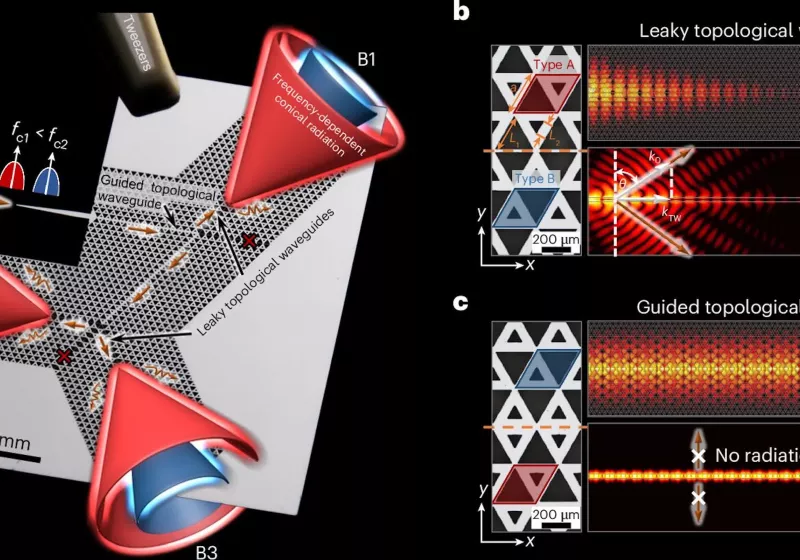
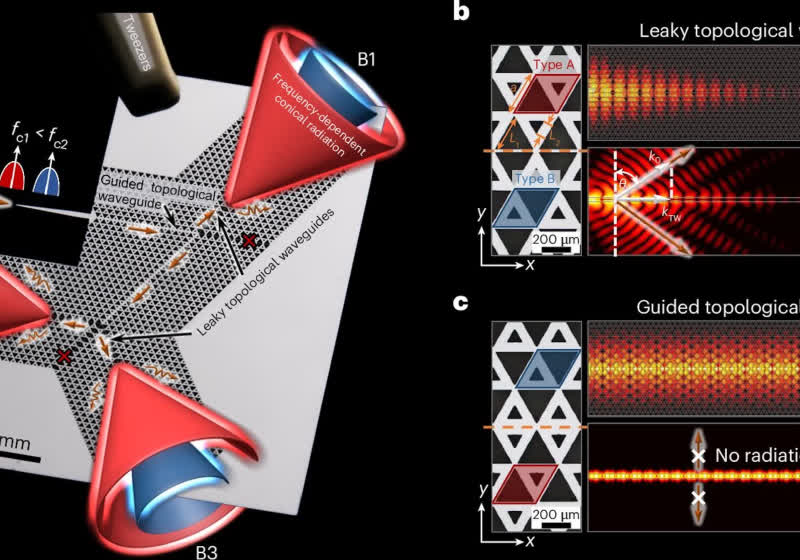
The breakthrough, detailed in Nature Photonics, centers on a fundamental problem facing 6G: how to efficiently transmit and receive data at terahertz frequencies. These frequencies, which are thousands of gigahertz above current 5G bands, can carry staggering amounts of information, theoretically approaching one terabit per second. Read Entire Article Source link
You can find a lot of good deals for Presidents’ Day, but to say it’s a tech-deal boon would be an overstatement. The best Presidents’ Day deals are usually on mattresses, appliances and furniture, but you can find some decent tech sales thrown in as well. This year, Presidents’ Day comes right after Valentine’s Day and Super Bowl 2026, which means there are even more chances to save as sales and discounts overlap. If you’re looking for a new streaming device, a fresh iPad or an upgraded vacuum so you can enter the spring-cleaning season properly, we have you covered. These are the best President Day sales on tech we could find this year.
Presidents’ Day deals under $50
Disney+ and Hulu bundle (one month) for $10 ($3 off): You can get one month of Disney+ and Hulu access for only $10 right now. That represents a small savings over the standard $13-per-month price for the bundle, but a 58-percent discount when you compare it to the price of paying for both services separately. It’s a good way to test out the bundle without paying too much before you decide if you want to subscribe for the long haul.
Anker Nano 45W USB-C charger for $30 ($10 off): Anker’s latest 45W charger has a small smart display on it that can show you real-time charging stats. It’s compact design is great for travel, as are its foldable prongs.
Blink Mini 2K+ — 2 cameras for $45 (50 percent off): Blink’s latest plug-in security cameras support 2K video and improved audio quality. Like previous versions, these cameras have two-way talk, motion alerts and support for Alexa voice commands.
Advertisement
Anker Nano 5K ultra-slim magnetic power bank for $46 (16 percent off): This Qi2 power bank measures less than a half inch thick and snaps onto the backs of the latest iPhones for wireless charging. Its 5K capacity will be enough to top up your phone when it’s close to empty, preventing you from searching for a charger or outlet.
Apple Magic Mouse for $68 (14 percent off): Apple’s sleek wireless mouse has a multi-touch surface that supports gesture control, and its battery should last about a month in between charges. And yes, it has a USB-C port.
Apple Watch Series 11 for $299 ($100 off): The latest flagship Apple Watch has excellent performance, a boosted battery life and a lightweight design that you can comfortably wear all day long — and even into the night to track sleep.
iPad mini (A17 Pro ) for $399 ($100 off): The updated iPad mini runs on the A17 Pro chip for improved performance, plus it has an 8.3-inch Liquid Retina display, a 12MP ultra wide camera with Center Stage, USB-C charging and compatibility with the Apple Pencil Pro.
Advertisement
Beats Studio Pro for $170 (51 percent off): Beats updated these cans to have improved sound quality, and you can really hear the difference from models that came before it. These headphones also have solid Transparency mode, good voice performance and USB-C audio.
Beats Solo 4 headphones for $130 (35 percent off): These on-ear headphones support spatial audio and dynamic head tracking, and they have up to 50 hours of battery life. The “fast fuel” feature allows them to get up to five hours of playback time with just a quick 10-minute power-up.
Beats Studio Buds+ for $100 (41 percent off): These tiny buds have both active noise cancellation and transparency mode, and they’ll work just as well with either Apple or Android devices.
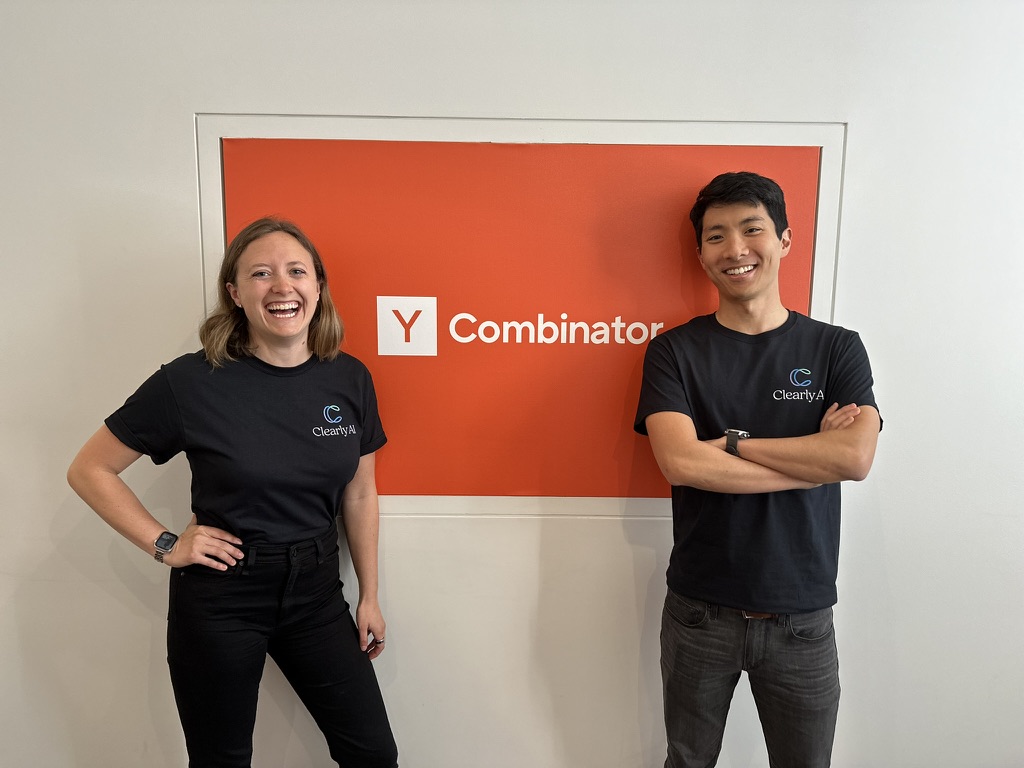
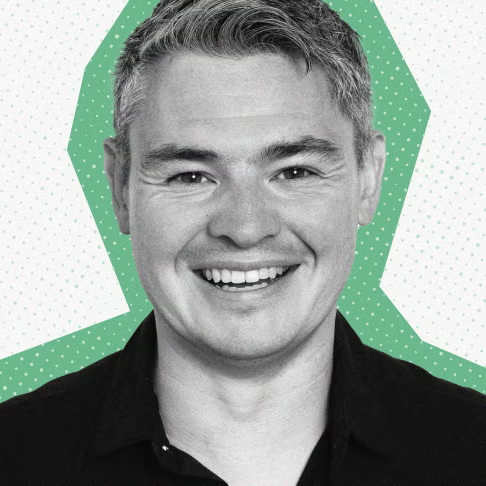
Clearly AI co-founders Emily Choi-Greene (left) and Joe Choi-Greene met at Amazon, later got married, and then launched a Seattle startup together. (Clearly AI Photo)
The co-founders of cybersecurity startup Clearly AI have a built-in edge: they’re married.
“There are so many benefits,” said Emily Choi-Greene, CEO of the Seattle-based company she runs with her husband Joe Choi-Greene. “There is full incentive alignment. We are fully on the same page about what we want in our lives.”
So far, it seems to be working. Less than two years after launching, Clearly AI just announced a $8.4 million seed round. The company was also named one of 10 finalists in the RSAC 2026 Innovation Sandbox Contest, a high-profile competition tied to the RSA Conference, a major event for the cybersecurity industry.
The round includes backing from Y Combinator, Basis Set Ventures, Crosspoint Capital, Argon Ventures, and Ritual Capital.
The company’s software helps security, privacy, and compliance teams review new products, features, vendors, and AI deployments before they ship. Instead of relying on spreadsheets, tickets, and manual interviews with engineers, the platform automatically gathers context, assesses risk, and flags where human review is needed.
Advertisement
The startup says its software is already used by 17 enterprise customers, including Rivian, Ericsson, Okta, Webflow, Affirm, and HID Global. Rivian is using Clearly AI to evaluate privacy and AI risk every time a new vehicle feature is introduced.
The co-founders originally met at Amazon. Emily worked on natural language understanding for Alexa and later on Amazon’s device security teams, while Joe focused on security and large language models, including work on Amazon’s Project Kuiper (now known as Leo). After Emily left Amazon for AI startup Moveworks — which was acquired by ServiceNow in 2025 — the couple joined Y Combinator together in 2024 and launched Clearly AI shortly after.
Emily said building the company with her spouse has been a strategic advantage, citing a communication foundation that predates the startup. She joked that Y Combinator’s internal guidance on co-founder relationships often sounds like couples therapy, but in their case that work was already done.
“It’s been absolutely awesome working together,” she said.
Advertisement
Clearly AI joins a small but notable club of companies launched by couples who were married or went on to get married — including Eventbrite, Canva, and SlideShare.
The company was previously featured in GeekWire’s Startup Radar feature. Clearly AI has 12 employees and is based in Seattle’s Ballard neighborhood.
Swedish music streaming giant Spotify saw its user numbers peak last quarter, driven by its year-end “Wrapped” campaign, which rounds up stats and listening highlights for users, and new features on its free tier.
The company said it saw a record 38 million new users in the fourth quarter, taking its total to 751 million monthly active users, up 11% from a year earlier. Paying subscribers increased by 10% to 290 million in the quarter.
Spotify said the “Wrapped” campaign resulted in more than 300 million engaged users and 630 million shares on social media in 56 languages.
Revenue came in at €4.53 billion ($5.39 billion), about 7% more than a year earlier, thanks to an 8% increase in subscription revenue. However, the company’s ad-supported business saw revenue dip by 4% to €518 million ($616.6 million). Gross margin, an important metric investors watch for indications of improvements to Spotify’s profitability, improved by 83 basis points to a record high of 33.1% as the company sold more ads for podcasts and music.
Advertisement
The solid performance comes as Spotify’s new co-CEOs Gustav Söderström and Alex Norström take over the reins from co-founder Daniel Ek, and they will now oversee a business that has far outgrown what it initially set out to do.
After launching as a music streaming pure-play, Spotify has expanded its remit to include podcasts, audiobooks, and even physical bookstores. It’s launched music videos within the app as well as video podcasts, and has doubled down on its retention strategy by adding social features like group chats and letting users share what they’re listening to. You can even use Spotify to book tickets to concerts, or explore the story behind songs.
The company has also added AI features like an AI DJ, AI-generated playlists, and now lets users exclude tracks from being recommended to help them better tailor what they listen to.
Techcrunch event
Advertisement
Boston, MA | June 23, 2026
Profitability has been a big focus for Spotify in recent years, and the company has tried to achieve that by increasing subscription prices in the U.S. and Europe. It’s also added new features to its free, ad-supported tier to attract more people away from rivals like YouTube Music and Amazon Music, letting users search for and choose songs they want to listen to.
Advertisement
The company expects to reach 759 million users, and 293 million paying subscribers in the current quarter.
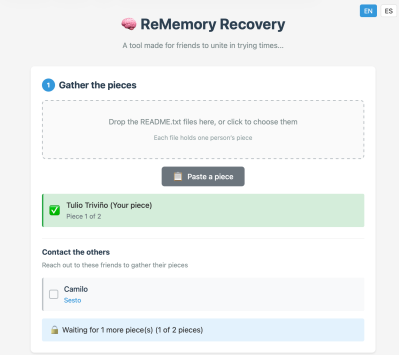
What would happen if you lost your memory, even partially? With so much of our lives being digital, forgetting your passwords (or the master key to your password manager) could be disastrous. Haunted by that specter after a concussion, [eljojo] created ReMemory, a tool based on Shamir’s Secret Sharing to help your friends help you.
Shamir’s Secret Sharing, for the uninitiated, is a way to split up important data between parties so that the full picture is only available when a quorum comes together. The classic example is giving everyone a couple of digits out of the combination to the bank vault, but no one the full combination. Together, they can open the vault.
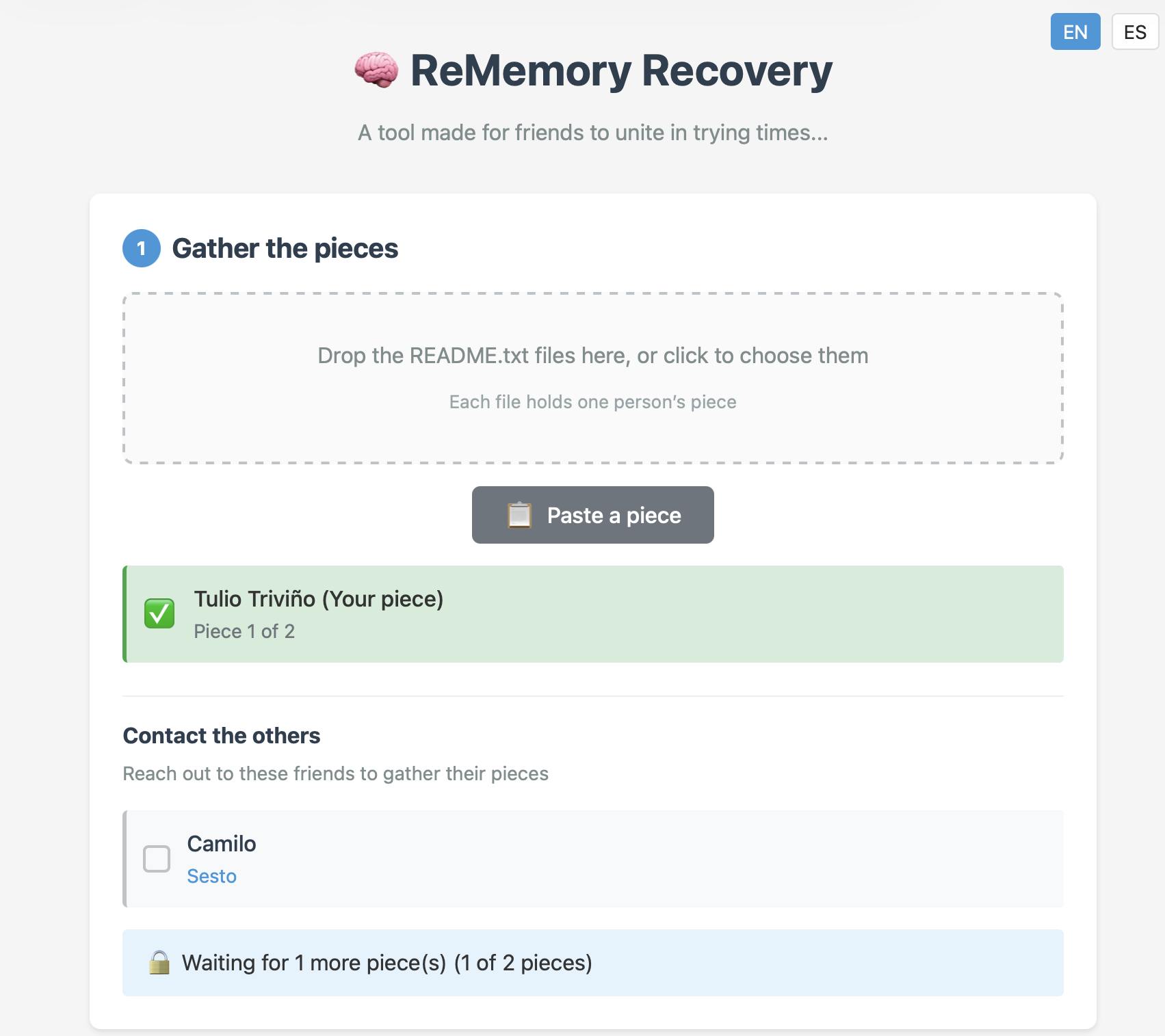
ReMemory works the same way. Rather than the combination to a bank vault, the locally-hosted, browser-based interface splits the encryption key to your sensitive data. If you’re old fashioned that might be a plaintext list of passwords, or for the more modern the recovery codes to your password manager. It could be literally anything, like your Aunt Edna’s famous cupcake recipe, which surely should not be lost to time.
Aunt Edna could probably handle this.
You can chose how many friends to split your data betwixt, and how many will be required to meet quorum– the minimum, of course, being two, but the suggested default is to split the data five ways, and allow decryption from any three parties. Each bundle includes the complete recovery tool, so anyone in your circle of trust can start the process of decrypting your data if they get the others on board. Since it’s self-hosted and browser based, those friends don’t have to be particularly tech-savvy, as long as they can be trusted to hold onto the files. Everything is explained in the readme included in each bundle.
This does have the downside of requiring you to have multiple close friends, at least some of whom you trust to come through in a crunch, and all of whom you trust not to collude behind your back. Still, if you’re the social type, this seems like it might be a useful tool. The code is available under an Apache 2.0 license, so you can audit it for yourself — a must for any tool you plan on entrusting your secrets to.
As Anthropic expands into India, a local software company has filed a court complaint saying it was already using the name “Anthropic,” spotlighting how the rapid global push of AI firms can collide with local incumbents.
The filing comes amid Anthropic deepening its focus on India, announcing an India office last October and more recently appointing former Microsoft India managing director Irina Ghose to lead its operations in the country, underscoring the South Asian market’s growing importance to global AI companies expanding beyond the U.S. and Europe.
In a complaint filed in a commercial court in Karnataka in January, reviewed by TechCrunch, the Indian company Anthropic Software says it has used the name since 2017 and that Anthropic’s recent entry into India has led to customer confusion. The firm is seeking recognition of its prior use and relief to prevent further confusion, along with ₹10 million (about $110,000) in damages.
Anthropic Software founder and director Mohammad Ayyaz Mulla told TechCrunch that the Indian company was not seeking confrontation, but clarity and recognition of its prior use in India, adding that litigation was a fallback if clean coexistence could not be achieved.
Advertisement
“As of now, I am exercising my legal right as it’s causing huge confusion to my customers,” he said.
India, the world’s most populous nation and one of the fastest-growing internet markets, has become a key battleground for AI companies like Anthropic and its rival OpenAI. The country is also set to host an AI Impact Summit in New Delhi next week, where Anthropic co-founder and chief executive Dario Amodei is appearing alongside other industry leaders like Sam Altman, Jensen Huang, and Sundar Pichai.
A court order dated January 20 and seen by TechCrunch shows that the court has issued notice and suit summons to Anthropic. However, it declined to grant an interim injunction and listed the matter to return on February 16.
Techcrunch event
Advertisement
Boston, MA | June 23, 2026
Anthropic did not respond to a request for comment.
Way back in 2018, a series of events in Samoa brought about the country’s worst measles outbreak in years. It started in July of that year when two 1-year old children who were given a measles vaccine subsequently died. While anti-vaxxers around the world gleefully jumped into action to blame the vaccine for those deaths, it turns out that the vaccine didn’t kill the children at all. Instead, medical professionals had accidentally mixed the vaccine with a muscle relaxer solution instead of sterilized water like they were supposed to. Despite that fact, the anti-vaxxers sowed all kinds of fear and disinformation throughout the country, whipping up negativity around measles vaccines. As a result of that, the government put a 10 months ban in place on the vaccine.
In June of 2019, RFK Jr. visited Samoa. He met with anti-vaxxer crusaders and government officials. Despite that, he has said publicly and in testimony before Congress that his trip there had nothing to do with vaccines and was instead about a medical records and tracking system the country was interested in. You can see an example of that claim in his own confirmation hearing.
Lots of people questioned that claim. And rightly so. The people he was meeting with, the timing in conjunction with the vaccination ban, it all lined up to yet another anti-vaxxer visiting the country to push their anti-vaxxer message.
Advertisement
Two months later, Samoa experienced a massive measles outbreak.
An outbreak began in October 2019 and continued for four months. Before seeking proper medical treatment, some parents first took their children to ‘traditional healers’ who used machines purchased that claimed to produce “immune-protective” water.
As of 22 December, there were 79 deaths. This was 0.4 deaths per 1,000 people, based on a population of 200,874, an infection fatality rate of 1.43%. There were 5,520 cases, representing 2.75% of the population.61 of the first 70 deaths were aged four and under. All but seven of the deaths were from people aged under 15.
At least 20% of babies aged six to 11 months contracted measles. One in 150 babies died.
This past week, documents and emails obtained by The Guardian and The AP show that everyone on the Samoan government’s side of the house understood Kennedy’s visit to be explicitly about vaccines, contrary to his statements, including statements before Congress. He was sworn in for that confirmation hearing, to be clear.
Advertisement
Documents obtained by The Guardian and The Associated Press undermine that testimony. Emails sent by staffers at the U.S. Embassy and the United Nations provide, for the first time, an inside look at how Kennedy’s trip came about and include contemporaneous accounts suggesting his concerns about vaccine safety motivated the visit.
The documents have prompted concerns from at least one U.S. senator that the lawyer and activist now leading America’s health policy lied to Congress over the visit. Samoan officials later said Kennedy’s trip bolstered the credibility of anti-vaccine activists ahead of the measles outbreak, which sickened thousands of people and killed 83, mostly children under age 5.
The AP post has a ton of details further down the article, but here is an example of the content.
Embassy staffers got a tip about Harding’s involvement in the trip from Sheldon Yett, then the representative for Pacific island countries at UNICEF, the United Nations Children’s Fund.
“We now understand that the Prime Minister has invited Robert Kennedy and his team to come to Samoa to investigate the safety of the vaccine,” Yett wrote in a May 22, 2019, email to an embassy staffer based in New Zealand. “The staff member in question seems to have had a role in facilitating this.”
Two days later, a top embassy staff member in Apia wrote to Scott Brown, then the Republican U.S. president’s ambassador to New Zealand and Samoa, alerting him to Kennedy’s trip and Harding’s involvement.
Advertisement
“The real reason Kennedy is coming is to raise awareness about vaccinations, more specifically some of the health concerns associated with vaccinating (from his point of view),” the embassy official, Antone Greubel, wrote. “It turns out our very own Benjamin Harding played some role in a personal capacity to bring him here.” Greubel wrote that he told Harding to “cease and desist from any further involvement with this travel,” though the rest of the sentence is redacted.
Now, I have zero problem believing that Kennedy is lying about all of this. Lying is just what he does. And regularly. I also put the blood of all those dead children, and any long term health issues in the thousands of others, partially on Kennedy’s ledger. This is all simply common sense.
But the real travesty is something quite similar is happening right here, right now. The measles outbreak in America is speeding up, not slowing down. Kennedy, as with Samoa, is taking zero responsibility for it. If he’s taking any real concrete actions to combat it, I don’t know what those would be, nor would I understand why they’ve been hidden so completely from public visibility. Kennedy once opined that maybe it would be better if everyone just got measles.
If that is his real goal, it appears we’re on our way. But somebody besides a couple of press outlets should be investigating Kennedy for lying to Congress, at a minimum. And perhaps having a hand in the deaths of children, as well.
Military flyovers are an impressive sight, especially when viewed from sea level. This usually requires being on terra firma during a major sporting event, patriotic holiday, or military funeral; but anyone in the Caribbean Sea on or near the world’s largest aircraft carrier in late January got a free show courtesy of the U.S. Navy Carrier Air Wing 8 as part of a ceremony marking a change of command. Photos appear to show seven fighters, a Grumman E2D early warning aircraft, and two SeaHawk helicopters flying directly over the USS Gerald Ford. The official procedure to hand command over from Capt. Rick Burgess to Capt. David Skarosi was held on board the ship May 12, 2025 while it was docked safely at the Naval station in Norfolk, Virginia.
Capt. Skarosi was in command when the ship headed to the North Atlantic less than six weeks later. The massive carrier paid a visit to the Arctic Circle before heading to the Mediterranean, where it stayed through November 2025. At that point, the Navy’s top brass decided to send it back across the ocean to the Caribbean to support U.S. Southern Command operations there.
Advertisement
Why did the Navy have a change-of-command ceremony?
The ship’s original six-month mission has been extended twice, and as of this writing, the carrier and crew have been at sea for 230 days. That’s not uncharted territory for the Gerald Ford, though. It was previously on continuous deployment from May 2, 2023, through January 17, 2024 — a stretch of 239 days — under the command of Capt. Burgess. Although Capt. Skarosi remains in charge of the ship, the ceremonial flyover in January was to mark a change of command for the entire Carrier Air Wing 8.
Advertisement
Show of force 💪⚓
U.S. Navy Carrier Air Wing 8 aircraft fly in formation over the world’s largest aircraft carrier, Ford-class aircraft carrier USS Gerald R. Ford (CVN 78), during Carrier Air Wing 8’s aerial change of command ceremony while underway in the Caribbean Sea.
A January 28 post to the U.S. Navy’s X account showed two F-18E Hornet fighters zooming low along the ship’s deck and used the hashtag PeaceThrough Strength to lend an element of ‘show of force’ to the proceedings. The Gerald Ford, along with its aircraft and personnel, has been busy in the region in the first few weeks of the year. The ship can carry up to 90 aircraft at once, and at least one MH-60 SeaHawk helicopter took part in a right of visit boarding operation on January 15. Ford class carriers are an upgrade over the older Nimitz class, thanks to a state-of-the-art electromagnetic launch and arrestor system that replaced older cable catapults.
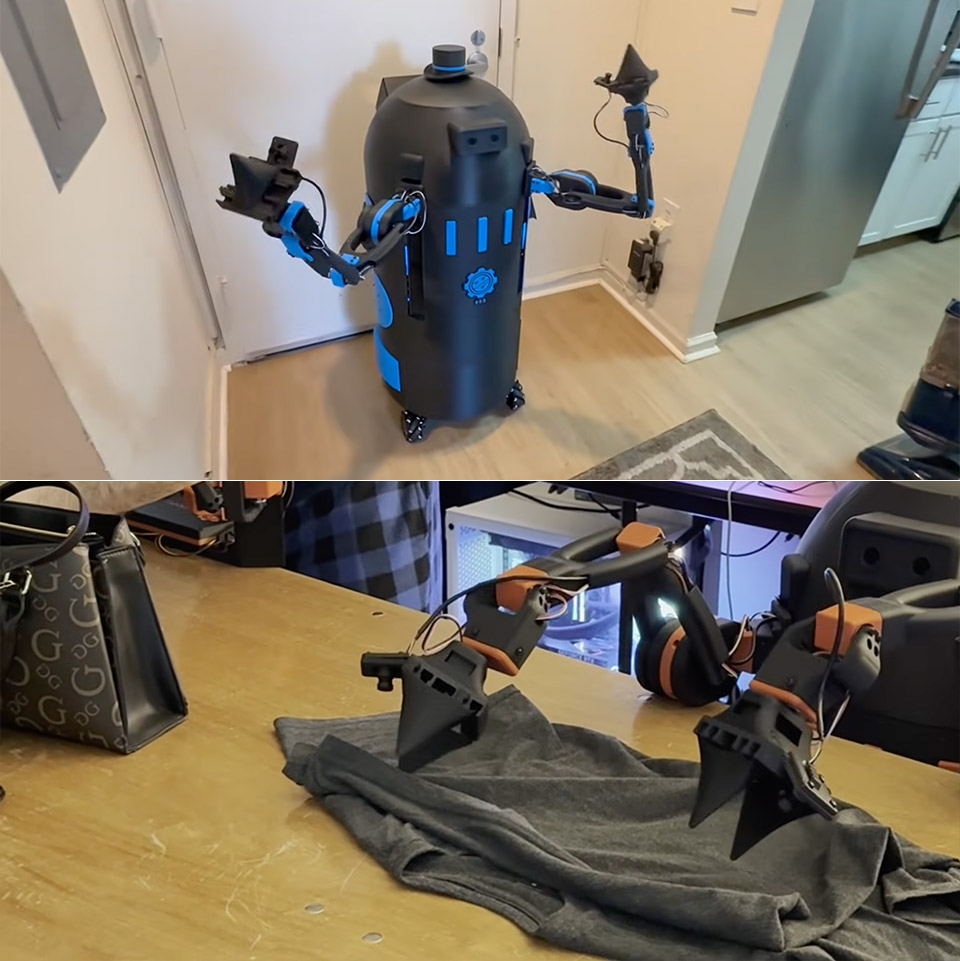
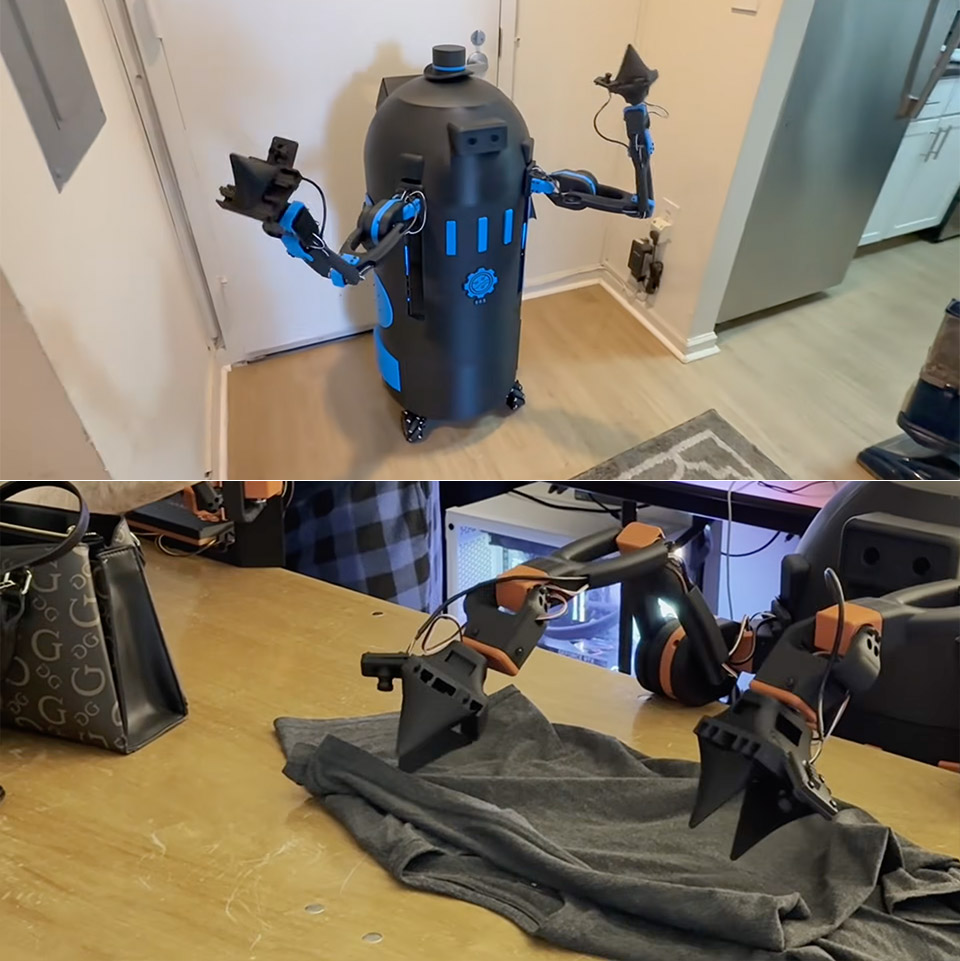
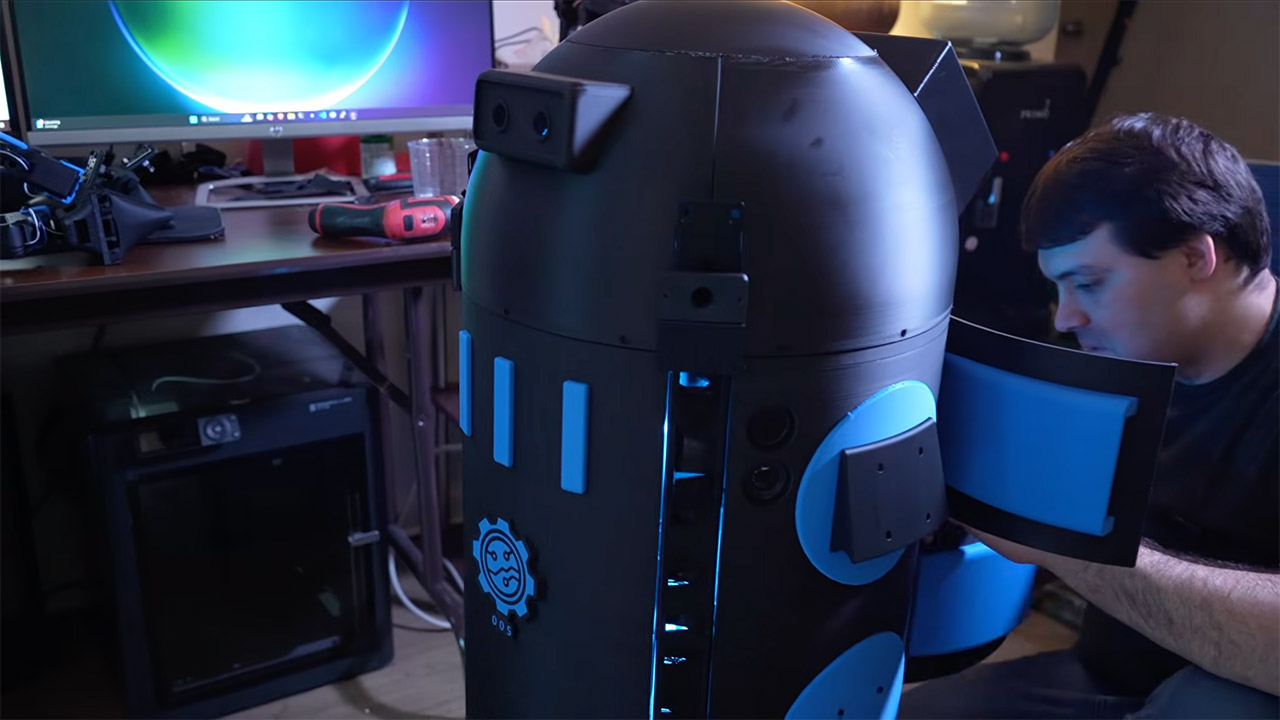
Maker Nick Maselli created a pretty decent laundry folding robot prototype in under 24 hours for a client who simply needed the job done. He named it Sourccey, and it’s essentially a movable, cylindrical box with a dome on top, two articulated arms, and a center vertical lift to access items. The majority of the structural components, from arm parts to outer enclosures, were created using a 3D printer that produced PLA filament. The fact that it can print so quickly allows them to swap items out throughout the build window.
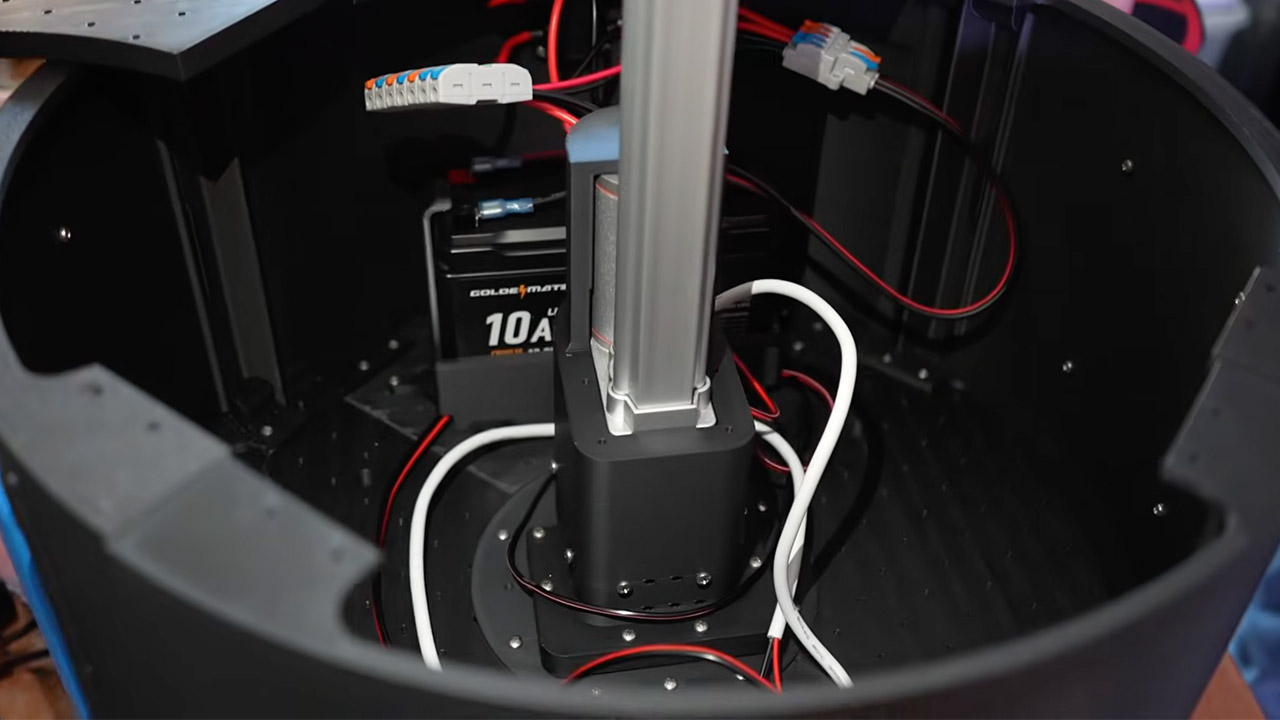
A Raspberry Pi 5 handles all computational tasks, including taking feeds from four cameras, controlling the motor drivers, running a display, speakers, and microphone, and overseeing the entire operation. Its power source is a 12 volt, 10 amp hour lithium iron phosphate battery, which was chosen for its safety and longevity. A custom power distribution board, combined with voltage converters, ensures that everything receives a constant supply without overloading.
Height, width and thickness (standing): 1270x450x200mm Height, width and thickness (folded): 690x450x300mm Weight with battery: approx. 35kg
Total freedom (joint motor): 23 Freedom of one leg: 6 Waist Freedom: 1 Freedom of one arm: 5
Maximum knee torque: 90N.m Maximum arm load: 2kg Calf + thigh length: 0.6m Arm arm span: approx. 0.45m Extra large joint movement space Lumbar Z-axis…
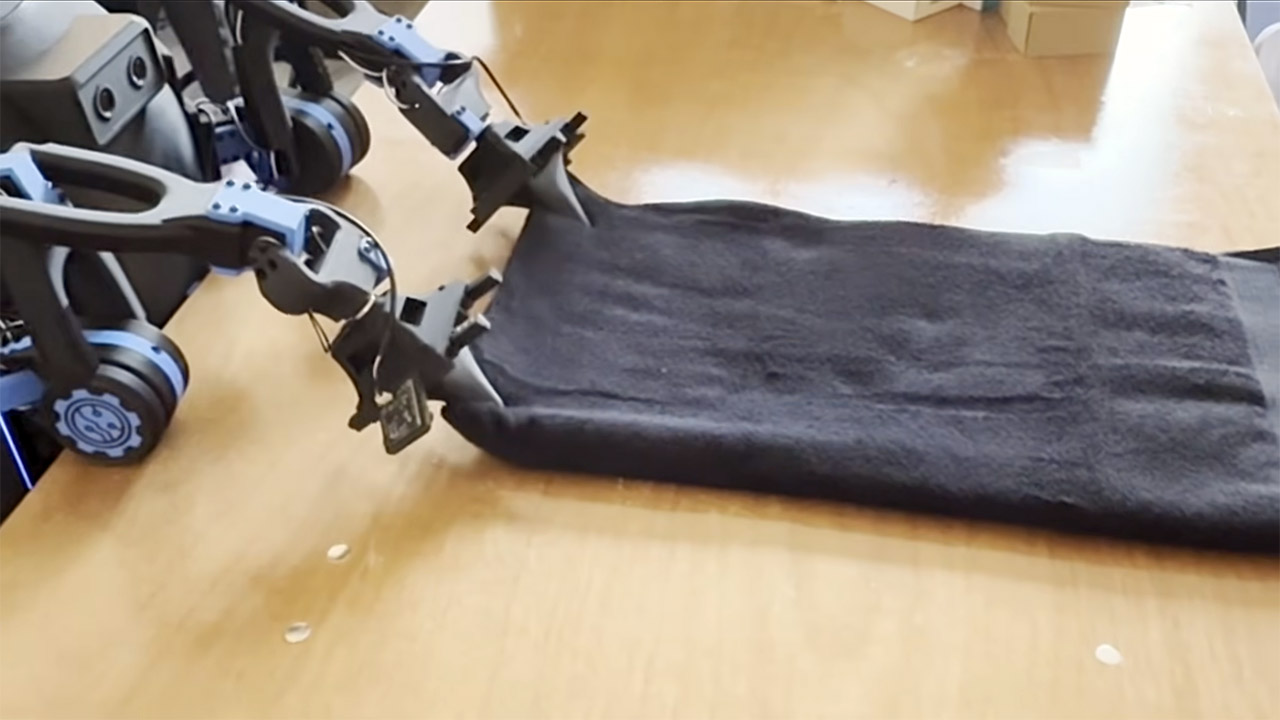
To achieve proper folding, the arms use several servos for ultra precise, coordinated motion. A vertical Z-axis actuator runs through the center, allowing the arms to reach up and grab objects from the floor or a table. The grippers at the ends hold the fabric tight. Getting all of stuff sorted requires careful wiring and safety features like as fuses to keep everything stable.
The way it folds a towel or whatever it is avoids all the hard-coded stuff and instead relies entirely on artificial intelligence. A human demonstrates how to perform the move first, which serves as training data for the AI model, which then trains overnight on several powerful GPUs. Once it’s all done, the model is deployed back to the Raspberry Pi, and Sourccey can then do its thing independently: cameras spot a towel, work out where it is and what it looks like, grab it, and then execute the folding sequence it learned on the Pi, but here’s the thing, it’s not just tough on this one task, it can handle the natural give in fabric because it’s using vision to guide the whole process and learned patterns rather than just being told exactly what
The entire build took less than 24 hours, with the hardware assembled during the day and the AI training taking place at night. There were a few hiccups along the way, such as a missing motor clip that needed to be resoldered and a defective 3D-printed bit that needed to be reprinted, as well as a couple of team members calling it a day early, which cut into their time, but despite the rush, everything seemed to work fine and the prototype completed the task. [Source]
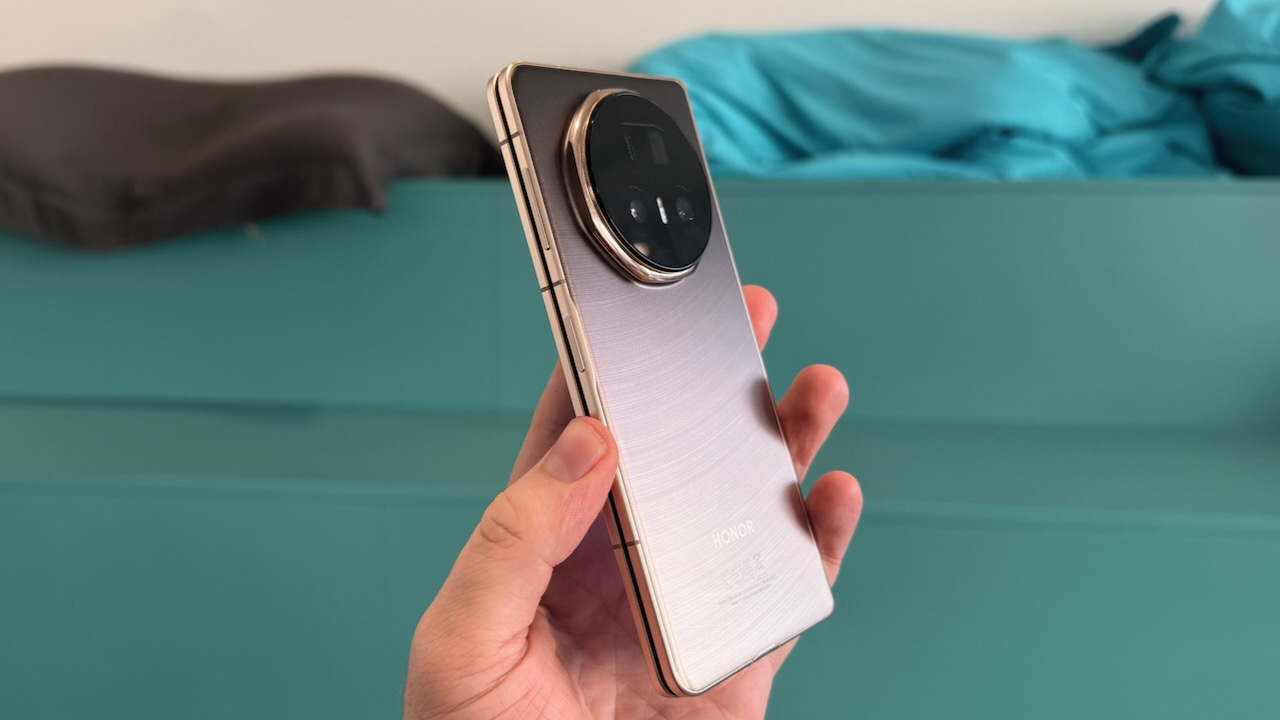
Certification from China’s CCC authority reveals support for 120W wired charging, which is nearly double the 67W maximum offered by the Magic V5.
Advertisement
This upgrade could make the V6 the quickest foldable to recharge, a significant advantage in a category where battery life and charging speeds remain pain points. For comparison, Samsung’s Galaxy Z Fold7 is still capped at 25W wired charging, while Google’s Pixel 10 Pro Fold manages 39W, and Oppo’s Find N5 sits in the 67W range.
Advertisement
The leak also indicates that Honor will release two versions of the Magic V6, labelled PNM‑AN10 and PNM‑AN20, with the latter expected to include Beidou satellite messaging support. This feature could appeal to users who value connectivity in remote areas, though it is unlikely to be a mainstream selling point in the UK.
More universally appealing is the rumoured battery capacity: the flagship model may carry a 7150mAh cell, while cheaper variants could ship with a slightly smaller 6,850mAh unit. Either way, the combination of high‑capacity batteries and ultra‑fast charging should deliver a practical improvement in day‑to‑day usability.
Advertisement
Performance is another area where Honor appears determined to compete. All Magic V6 models are expected to run Qualcomm’s Snapdragon 8 Elite Gen 5 chipset, which integrates Oryon Gen 3 cores capable of up to 4.6GHz and offers multi‑core performance that rivals Apple’s A19 Pro.
This SoC also supports advanced AI features and high‑bandwidth LPDDR5X memory, ensuring the V6 will be competitive with other 2026 flagships. Combined with rumours of a 200MP primary camera and periscope lens, the Magic V6 could be one of the most technically ambitious foldables yet.
Finally, the timing of the launch gives Honor a chance to capture attention before rivals announce their own MWC updates. If the Magic V6 delivers on its charging promises, it could set a new benchmark for foldables and force competitors to rethink their approach.