Connect with us

Business

Italy’s ITA Airways weighs lawsuit over Pratt & Whitney engine faults

Published

on

Italy’s ITA Airways weighs lawsuit over Pratt & Whitney engine faults
Continue Reading
Click to comment

You must be logged in to post a comment Login

Leave a Reply

Business

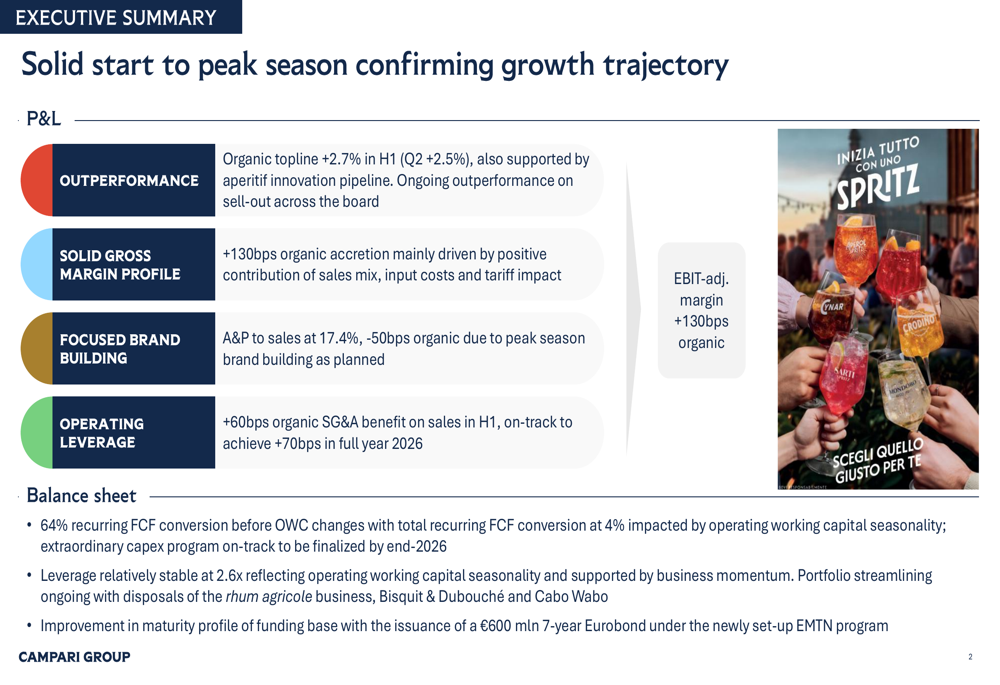
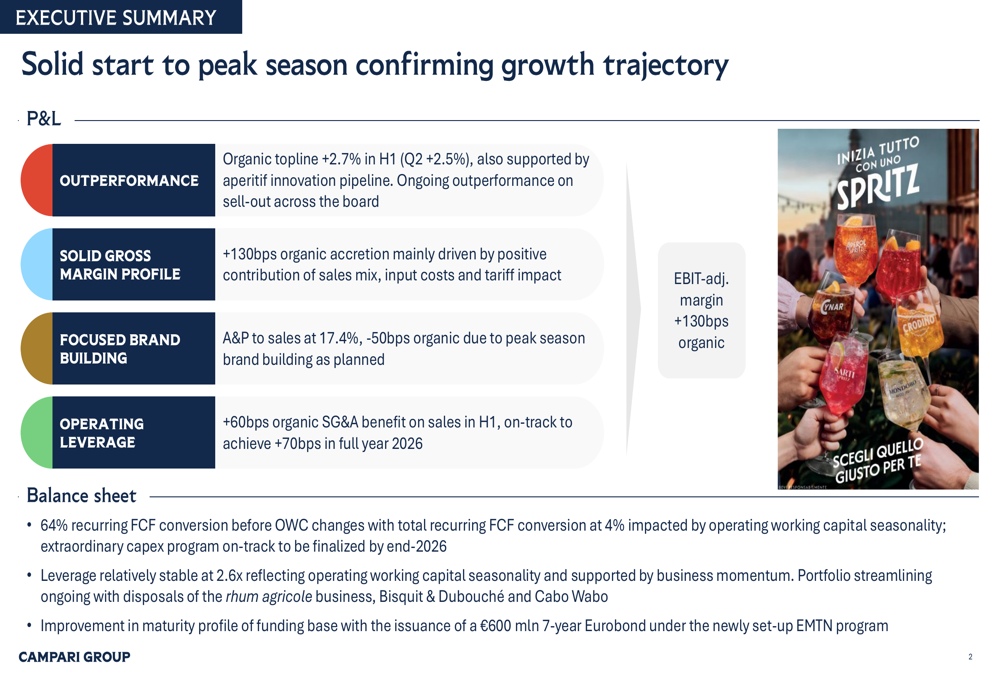
Campari H1 2026 slides: aperitif growth drives margin expansion

Published

on

Campari H1 2026 slides: aperitif growth drives margin expansion


Campari H1 2026 slides: aperitif growth drives margin expansion

Continue Reading

Business

Earnings call transcript: Pirelli confirms 2026 targets after solid H1 2026

Published

on


Earnings call transcript: Pirelli confirms 2026 targets after solid H1 2026

Continue Reading

Business

Star Health Insurance Q1 Results: Profit jumps 25% to Rs 550 crore

Published

on

Star Health Insurance Q1 Results: Profit jumps 25% to Rs 550 crore
Star Health and Allied Insurance Company on Wednesday reported a 25 per cent increase in net profit to Rs 550 crore for the first quarter ended June 2026.

The standalone health insurer had posted a net profit of Rs 438 crore during the corresponding quarter of the previous financial year.

During the quarter, total income increased to Rs 4,471 crore from Rs 3,990 crore in the same period a year ago, Star Health and Allied Insurance Company said in a regulatory filing.

The private health insurance firm’s gross written premium during the quarter rose 19 per cent to Rs 4,287 crore from Rs 3,605 crore in the year-ago period.

Advertisement

The insurer’s underwriting profit surged to Rs 111 crore from Rs 16 crore in the corresponding quarter last year.


However, the company’s solvency ratio declined to 209 per cent from 222 per cent in the same quarter a year ago.
“Our performance in the first quarter reflects the strength of our fundamentals and the consistency of our execution,” Star Health Insurance Managing Director and CEO Anand Roy said.Sustainable growth, improvement in core underwriting profitability and operating discipline helped the company deliver a strong start to the year, he added.

The insurer settled 9.6 lakh claims during the quarter, while its retail claims settlement ratio improved to 91 per cent.

Continue Reading

Business

Cyclospora outbreak tied to Taco Bell amid Yum Brands earnings

Published

on

Cyclospora outbreak tied to Taco Bell amid Yum Brands earnings

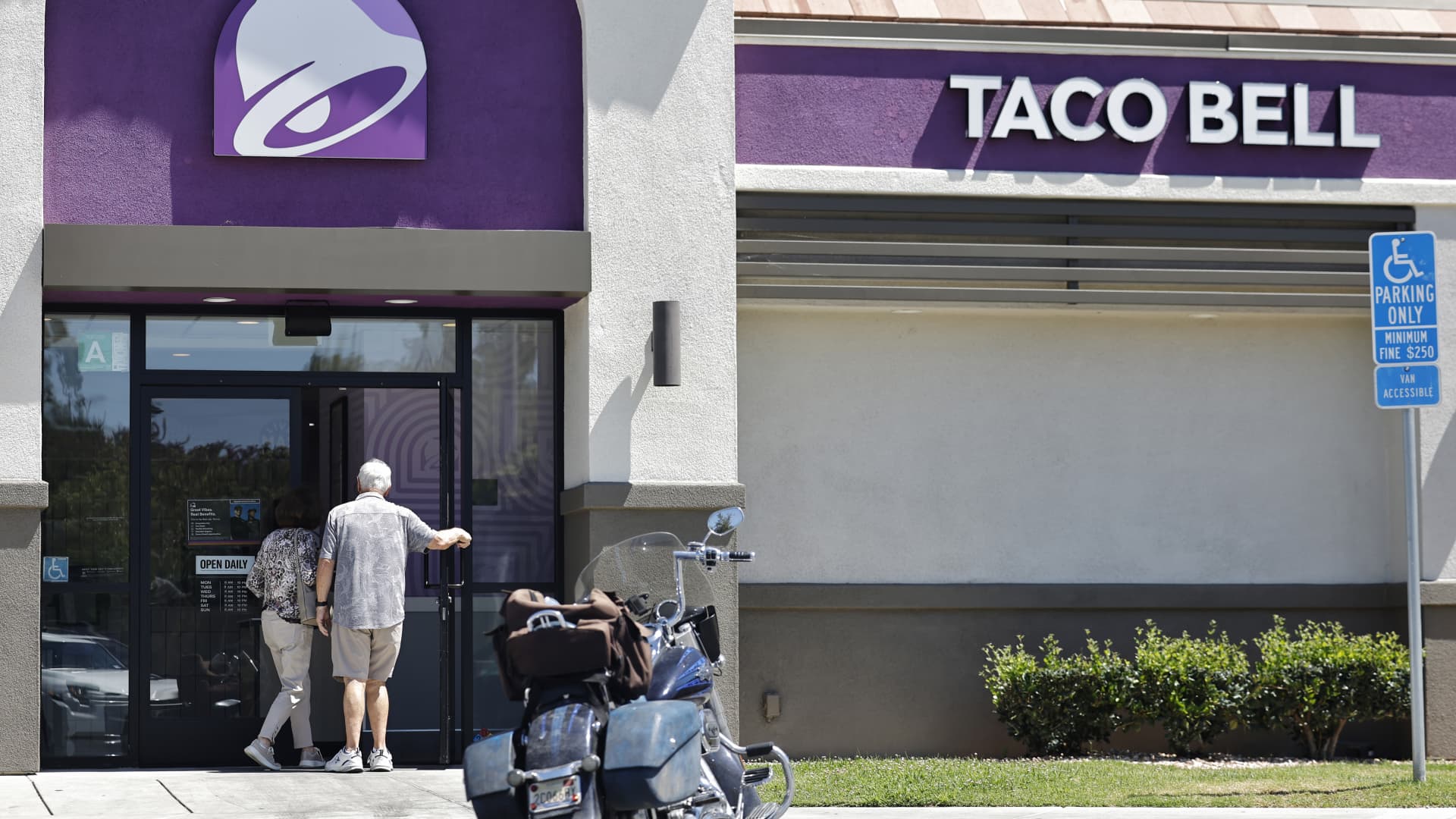
Customers enter a Taco Bell restaurant in La Cañada Flintridge, California, on July 14, 2026.

Mario Tama | Getty Images

Yum Brands is expected to report its second-quarter earnings before the bell on Thursday, but executives will likely face more questions about how the cyclosporiasis outbreak tied to Taco Bell is hitting its business during the current reporting period.

Advertisement

Since the Food and Drug Administration first linked the parasitic outbreak to lettuce served by Taco Bell, daily traffic to the chain’s locations has plunged by double digits, according to Placer.ai data. Shares of Yum have fallen 5% over the same period, dragging the company’s market value down to about $42 billion.

The outbreak has sickened at least 1,947 people, with 98 hospitalizations and no deaths reported as of Friday, according to the Centers for Disease Control and Prevention. Federal health agencies have named iceberg lettuce supplied by Taylor Farms as the likely culprit.

For Yum, Taco Bell’s plummeting traffic is a bigger deal than just a brand struggling.

The restaurant giant counts Taco Bell as one of its “twin growth engines,” counting on it to power its earnings and revenue along with KFC’s international business. The Mexican-inspired chain has long been the gem of Yum’s portfolio, with a passionate fan base and strong same-store sales growth every quarter, even as diners have become more value conscious.

Advertisement

Besides Taco Bell and KFC, Yum owns Habit Burger & Grill. While KFC’s international business is booming, its domestic sales have slipped so much that the company no longer breaks out the fried chicken chain’s U.S. sales. Habit Burger & Grill, a more recent acquisition, is much smaller with fewer than 400 locations, and is rarely spoken about on the company’s earnings calls.

Yum also recently divested Pizza Hut, a key piece of its portfolio that had also been struggling for more than a decade.

The divestiture means even more attention is on Taco Bell, at the exact wrong moment.

Tip of the iceberg?

For the second quarter, Wall Street is projecting that Yum will report earnings of $1.58 per share on revenue of $2.2 billion, based on a survey of analysts by LSEG. Taco Bell is expected to report same-store sales growth of 7% for the quarter, which ended more than a month before the FDA linked the chain to the outbreak.

Advertisement

But Wall Street now expects that Taco Bell and its parent company will see a tougher stretch in the back half of the year.

“We think the recent outbreak likely has minimal impact on Taco Bell’s Q2 results, though debate around impact on Q3 and beyond is the key driver of the stock recently,” RBC Capital Markets analyst Logan Reich wrote in a note to clients on July 21. “We lower our Q3 and Q4 [Taco Bell] estimates as a result, however given the recent selloff in shares, this may create an opportunity to the degree that consumer confidence in TB’s food safety is not materially impaired beyond this outbreak.”

Between June 30 and Tuesday, seven industry analysts revised their expectations for Yum’s full-year earnings per share downward, according to a Factset survey of consensus estimates.

The chain is already trying to win customers back. Taco Bell had pulled affected iceberg lettuce from its restaurants by July 17. Taco Bell CEO Sean Tresvant wrote an open letter to diners five days later trying to assuage their concerns.

Advertisement

“We aren’t entitled to your loyalty. We earn it one meal at a time,” he said, adding a pledge that Taco Bell will put safety first and act with transparency.

Social media responses show that some consumers have stayed loyal, despite the crisis. Commenters overwhelmingly responded positively to an Instagram post from Taco Bell addressing the situation.

“I still luv u Taco Bell,” former reality TV personality Lo Bosworth wrote in a comment on the post.

Moreover, Taco Bell is leaning into its reputation for value to win back customers. The same day that Tresvant shared his letter, the chain sold Enchiritos and nacho fries for $1; on Tuesday, it sold its cult-favorite Mexican Pizza for $1.

Advertisement

Still, the outbreak rages on. Daily cases in Michigan, which appears to be the epicenter of the initial outbreak, keep rising. While Health and Human Services Secretary Robert F. Kennedy Jr. told reporters that the outbreak is “under control,” the CDC has not declared it over.

At their worst, such outbreaks can weigh on a restaurant chain’s sales for years.

Chipotle Mexican Grill was once the poster child, after being implicated in at least five separate foodborne illness outbreaks between 2015 and 2018. For a year, from the fourth quarter of 2015 to the fourth quarter of 2016, the burrito chain reported double-digit same-store sales declines. But a new chief executive, sick days and more training for employees and an enhanced food safety program helped Chipotle turn the corner and put the crisis in the rearview mirror.

Industry analysts largely believe that Taco Bell will be spared that reaction, provided that it does not experience any other safety hiccups in the near term. Many instead see McDonald’s recent brush with a foodborne illness outbreak as the more likely precedent for Taco Bell.

Advertisement

In late 2024, health authorities linked a deadly E. coli outbreak to McDonald’s Quarter Pounder burgers. The burger chain saw traffic to its U.S. restaurants fall steeply in response, particularly in the affected states. Sales began recovering within several weeks after the CDC declared the outbreak over and it disappeared from headlines. Weaker traffic continued into the first quarter of 2025, although that trend coincided with severe winter weather and a broader pullback in consumer spending.

McDonald’s domestic sales fully rebounded by the second quarter, thanks to the launch of its Minecraft Movie Meal, according to research note from M Science.

Like Taco Bell and Chipotle, McDonald’s also took steps to address the outbreak and restore diners’ trust. For example, it severed its relationship with the supplier of the slivered onions likely responsible for the E. coli outbreak — Taylor Farms.

Choose CNBC as your preferred source on Google and never miss a moment from the most trusted name in business news.

Advertisement
Continue Reading

Business

Sales and profits soar at homeware seller Online Home Shop

Published

on

Business Live

New accounts for the family-run business show large strides in its performance

Online Home Shop (OHS) has opened a 327,000 sq ft centre in Trafford Park

Online Home Shop (OHS) has opened a 327,000 sq ft centre in Trafford Park(Image: B8RE)

Sales at internet homeware retailer Online Home Shop have topped £100m, with profits also surging.

The Trafford Park-based seller of bedding, furniture and clothes, among other products, has filed accounts showing a turnover rose from £59.6m to £100.2m in the year to the end of January, 2026. Operating profit tripled from £4.9m to £15.3m across the year as bosses hailed a second consecutive record breaking year.

Online Home Shop said the growth was down to an increasing the customer base, repeat purchases, and expanding into new product categories, particularly in garden, furniture and clothing. Gross Profit for the year was 30.4%, up 5.6% on the prior year thanks to increased profitability across all product categories, incremental performance of new product categories and improved efficiencies.

The 200-strong business recently announced the opening of a new 327,000 sqft fulfilment centre in Trafford Park. That move is intended to help stock management and improve distribution efficiency as the firm responds to growing demand.

Advertisement

Headcount is expected to double to more than 400 in the current financial year. During the first half, sales are said to be up 50% year-on-year with further growth expected across the rest of the year.

Moshe Cohen, CEO of Online Home Shop, said: “We are delighted to announce another strong set of results, reflecting the exceptional talent, commitment and hard work of everyone across OHS. Our continued investment in our people and infrastructure has strengthened the business and positioned us for sustainable long-term growth.

“By attracting and developing the very best people, we continue to deliver high-quality, trend-led homeware products at unbeatable prices, while providing an outstanding shopping experience for our customers. As we look ahead, we remain focused on building on this momentum and delivering the next phase of our growth.”

Online Home Shop Ltd was launched in 2014 and is controlled and run by the Cohen family. It has stated an ambition to become one of the UK’s largest online retailers.

Advertisement
Continue Reading

Business

Home relocator arrested, claims of owing big sums

Published

on

Home relocator arrested, claims of owing big sums

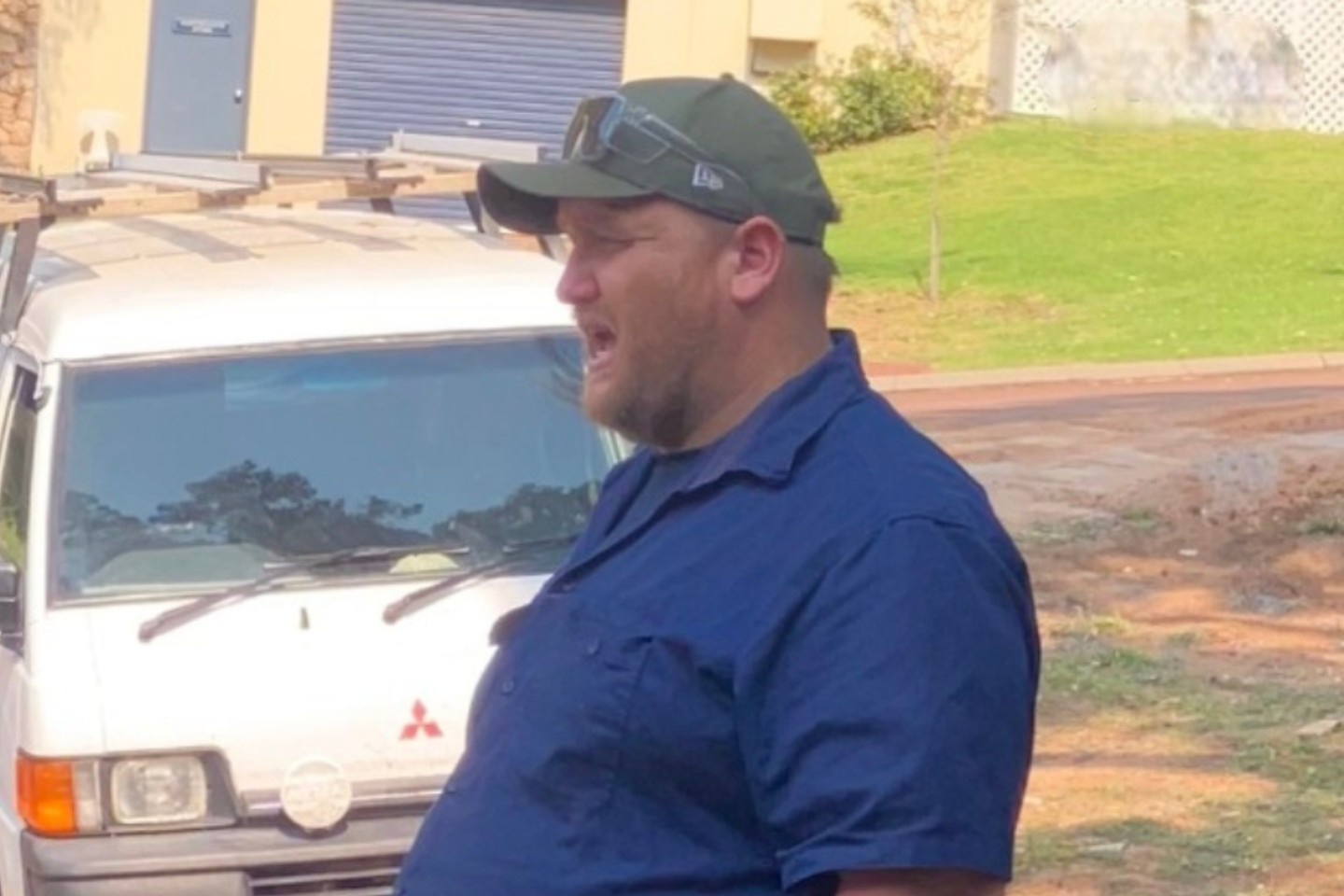
A Western Australian house relocator who is being investigated over claims he owes clients more than $1 million has been arrested after allegedly breaching a court order.

Continue Reading

Business

Humana Stock Price Falls After Insurer Maintains Full-Year Guidance

Published

on

Humana Stock Price Falls After Insurer Maintains Full-Year Guidance

Humana stuck to its guidance for the year, even after the health insurer’s second-quarter results broadly beat Wall Street expectations.

The unchanged guidance contrasts other insurers, including industry bellwether UnitedHealth, which have raised their financial projections for the year on lower-than-expected Medicare cost trends.

Copyright ©2026 Dow Jones & Company, Inc. All Rights Reserved. 87990cbe856818d5eddac44c7b1cdeb8

Continue Reading

Business

What happens here has a big impact on your money

Published

on

The front of the Bank of England building - a triangular roof is held up by multiple columns, and there is an arched entrance

BBC business reporter Dearbail Jordan explains how it works from inside the Bank of England.

Continue Reading

Business

J&K Bank Q1 profit slips 13% as higher provisions hit earnings

Published

on

J&K Bank Q1 profit slips 13% as higher provisions hit earnings
Jammu and Kashmir Bank reported a 12.6% drop in first quarter net profit at Rs 424 crore against Rs 485 crore in the year-ago period, on account of higher provisions, prompting a near 13% plunge in share price.

The fall in net profit was despite a Rs 56 crore gain due to change in accounting policy effective April 1, according to the bank’s regulatory filing to stock exchanges.

The net interest margin for the quarter compressed to 3.28%. Net interest Income rose 2% at Rs 1497 crore.

The share price nosedived 12.8% to Rs 154.6 on BSE, reacting to the pressure on profitability.

Advertisement

The pre-provision operating profit for the quarter stood 4.5% higher at Rs 703 crore against Rs 673 crore earlier. The bank made a higher provision of Rs 84 crore against Rs 15 crore.


Its asset quality meanwhile improved with gross non-performing assets ratio falling to 2.4% at the end of June from 3.5% a year prior. Net non-performing asset ratio was at 0.60%.
Managing director Amitava Chatterjee said that the bank chose to support business momentum with selective corporate lending at lower yields in a changing operating environment which saw a rise in bond yields shifting corporates’ focus to bank borrowing.”This is partly on account of a tactical response to the prevailing market opportunities and economic conditions, wherein we exhibited a conscious preference for selective lending to well-rated corporates with sound fundamentals. That said, the strategic positioning of the bank as a retail-focused bank remains unchanged,” Chatterjee said in a post-earnings analyst call.

The bank’s advances grew by 25% year-on-year to Rs 1.31 lakh crore at the end of June while yield on advances for the quarter under review stood lower at 8.56% against 9.35% for the corresponding period last year.

Its deposits increased by 17% year-on-year to Rs 1.73 lakh crore.

Advertisement
Continue Reading

Business

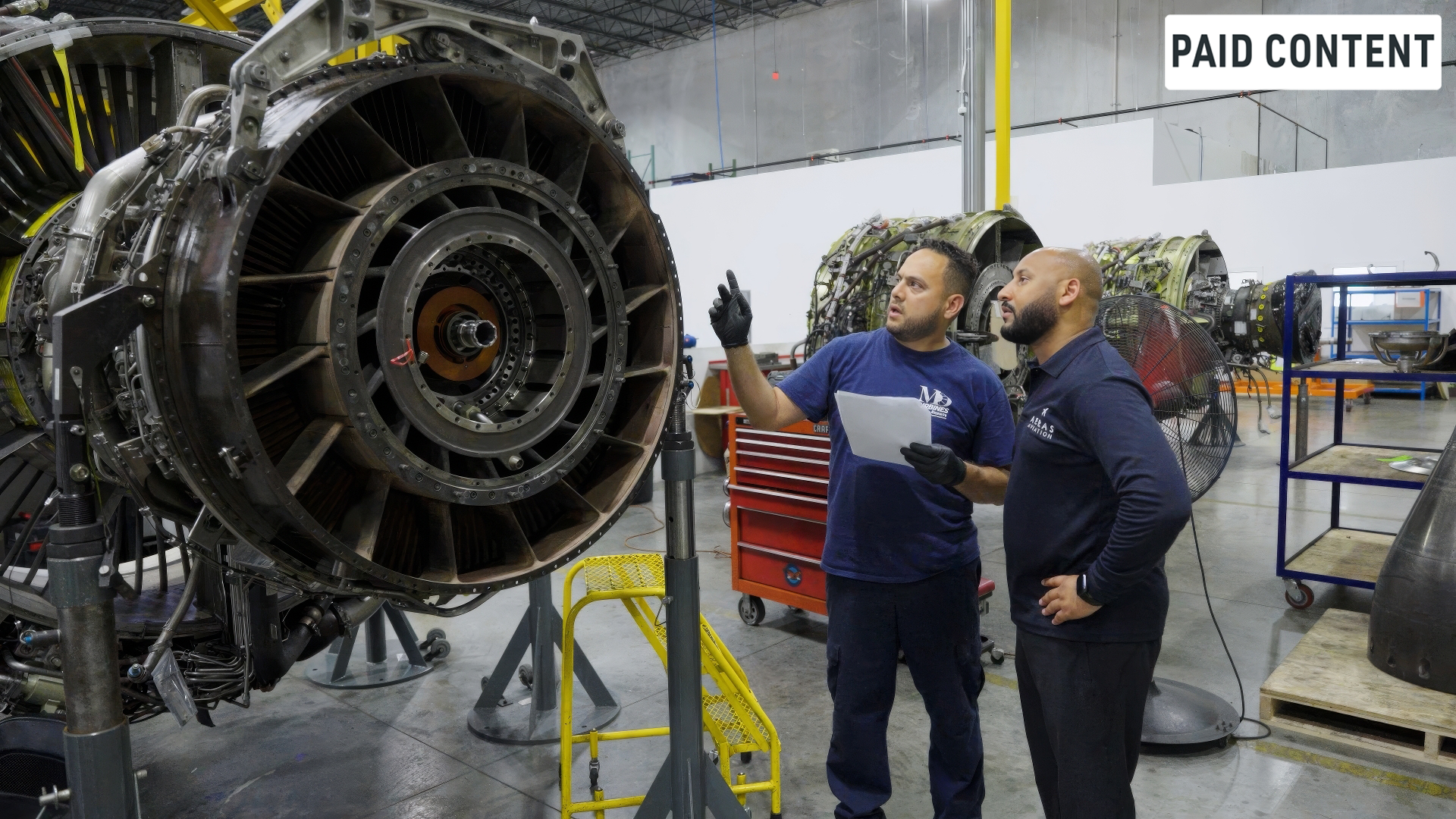
How Aeras Aviation Keeps Global Aircraft Fleets Flying

Published

on

How Aeras Aviation Keeps Global Aircraft Fleets Flying

Commercial aviation is running two clocks at once. On one hand, Boeing and Airbus are effectively sold out for the better part of a decade. On the other hand, airlines need to put passengers in seats this summer. The gap between the two — between the planes the world has ordered and the planes it can actually fly – has become one of the most consequential stories in the global economy. It is also the gap Demetrios Bradshaw built a company to fill.

As founder and CEO of Aeras Aviation, Bradshaw runs a global engine and aircraft asset-management firm that sources, leases, repairs and remarkets the engines and assets airlines need to keep existing fleets aloft while they wait years for new aircraft. Where the manufacturers sell the future, Aeras trades in the present — the spare engine, the serviceable used part, the “green time” left on a mid-life powerplant that lets a grounded jet fly again this quarter rather than next year.

Inside Aeras Aviation: how the company keeps global fleets flying

A backlog measured in decades

The numbers are staggering. Airbus and Boeing are sitting on a combined order backlog of roughly 15,800 aircraft — close to ten years of production at current build rates. New narrowbody delivery slots are now being quoted into the late 2030s and, for some configurations, the 2040s. An airline that orders a fresh A320neo or 737 MAX today may not take delivery until a child born this year is finishing high school.

Advertisement

Hundreds of jets, grounded and waiting

Even the aircraft already in service aren’t all flying. A powder-metal flaw in Pratt & Whitney’s geared turbofan engine — the powerplant on a large share of the A320neo family — has forced accelerated inspections of critical components. At its worst the issue has parked roughly 38% of the global A320neo fleet, with shop visits that once took 60 to 90 days now stretching past 300, and the maintenance queue running into 2027 and 2028.

“The most valuable asset in aviation isn’t the one on the order book — it’s the one that can fly next week,” Bradshaw says. “Our entire business is built around keeping good assets in service and getting stranded ones back in the air.”

Demetrios Bradshaw CEO of Aeras Aviation at the Dubai Air Show

The new economics of ‘green time’

Advertisement

For most of modern aviation history, an aircraft was a depreciating asset: fly it, age it, retire it. The current squeeze has bent that curve. Aircraft and engine values, along with lease rates, are sitting at multi-decade highs as airlines and lessors fight to keep older airframes in service years longer than planned. A serviceable engine has become a strategic instrument rather than a spare part — and the disciplined reuse of high-value assets has moved from the back office to the boardroom.

“Every conversation about fares, capacity and route cuts eventually comes back to one question,” Bradshaw notes. “Can you get the lift? If you can’t source the engine, the rest of the strategy is theoretical.”

A bet on the United States

Bradshaw is now expanding Aeras into the American market, with new logistics, storage and engine-management capacity announced earlier this year — a deployment of capital that doubles as a read on aftermarket demand. His vantage point is unusually wide: Aeras works across the Middle East, Europe, Asia and Africa, and Bradshaw sits on the board of Air Botswana, giving him a direct line into emerging-market aviation, where fleet growth and financing look very different from the picture in New York or London.

Advertisement

Demetrios Bradshaw CEO of Aeras Aviation

Four forces are colliding in commercial aviation in 2026: a sold-out production pipeline, a historic engine-maintenance backlog, fuel-price volatility and asset values at generational highs. Each alone would be a story; together they have rewritten the economics of flying. As the manufacturers work through a decade of orders and Pratt & Whitney works through its queue, the businesses that keep today’s fleets in the air are no longer a footnote to the industry — they are its pressure valve. Demetrios Bradshaw built one of them, and from a seat in the middle of the deals, he has a clear view of where all four clocks point next.

Demetrios Bradshaw is the founder and CEO of Aeras Aviation, a global aircraft engine and asset-management company serving airlines, lessors and OEMs across the Middle East, Europe, Asia and the United States. He serves on the board of Air Botswana and advises on aviation strategy across emerging markets.

Continue Reading

Trending

Copyright © 2025