

Business
Semiconductor ETF up 89% this year as chip industry eyes $1T revenue threshold

Eddie Ghabour, CEO of Key Advisors Wealth Management, anticipates market corrections this summer after a rapid surge in tech stocks, advising investors to prepare for choppy trading and look for buying opportunities.
So far this year, semiconductors and the physical infrastructure of artificial intelligence (AI) are dominating the exchange-traded fund (ETF) scene. For example, the iShares Semiconductor ETF is up 89% year to date. Given the intense interest – and investments – in AI, this makes sense.
What’s driving the semiconductor boom
Semiconductors and AI reinforce each other in a tight loop. AI depends on ever more sophisticated chips to run. Now, AI is changing how chips are designed and where they’re manufactured. In short, AI is designed to perform tasks that normally require human intelligence, and semiconductors are the physical devices that enable it to do so.
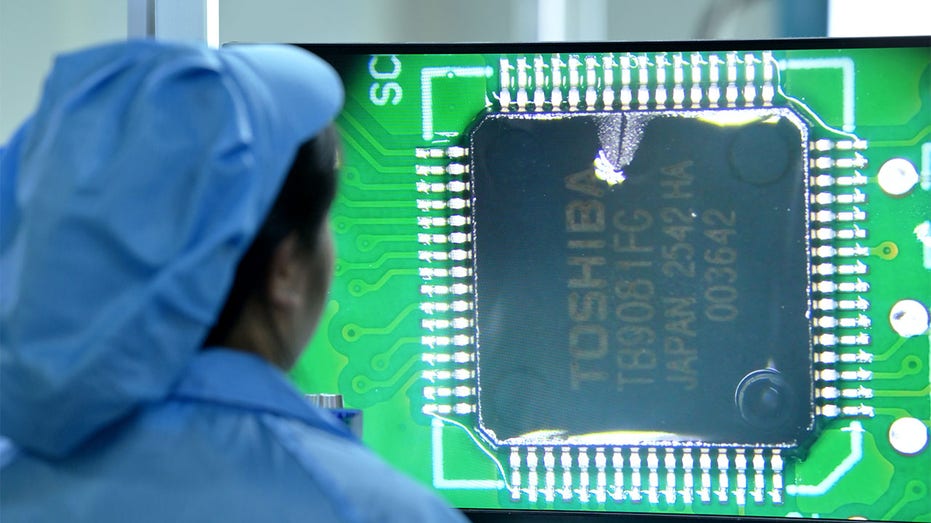
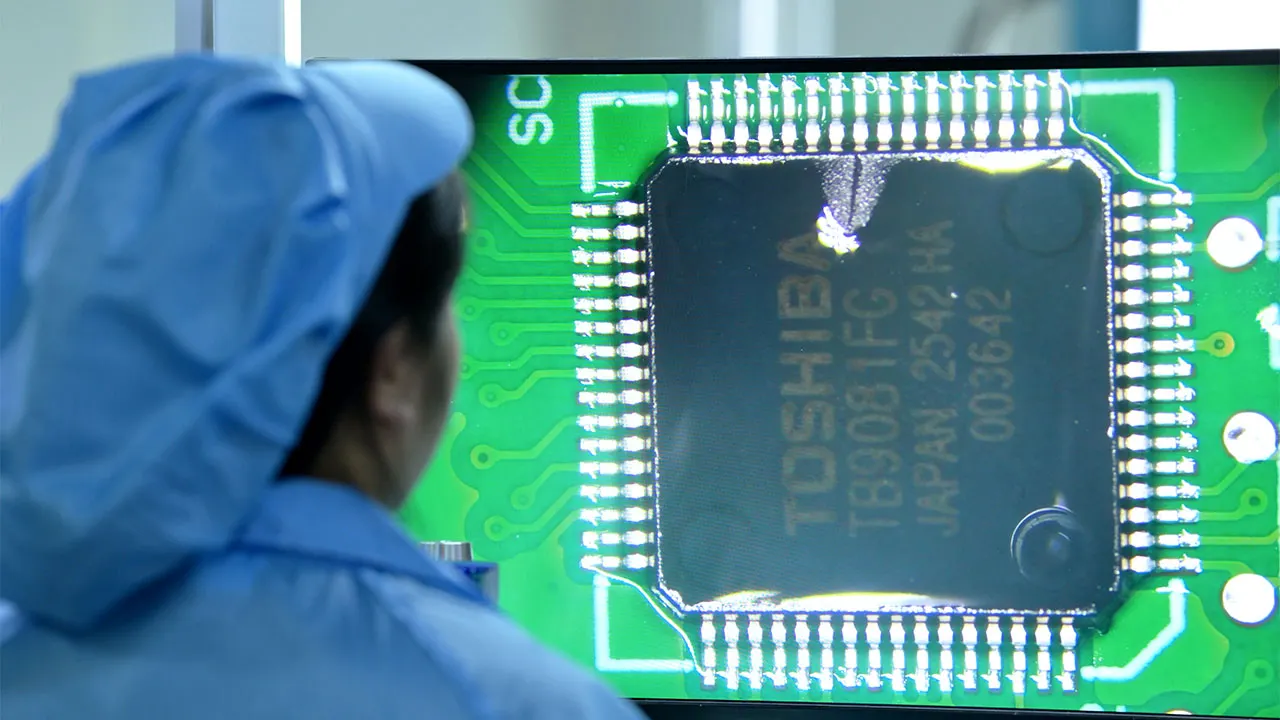
Driven by AI and data-center demand, the chip industry is in a powerful upcycle. (Lyu Bin/VCG via Getty Images)
TAP INTO THE HUMANOID ROBOTICS BOOM WITH THIS ETF
Driven by AI and data-center demand, the chip industry is in a powerful upcycle. With large cloud providers spending heavily on AI infrastructure, the entire semiconductor value chain is lifted. Greater demand for central processors, graphics processors, power management, memory and manufacturing equipment is like catnip to investors – so much so that semiconductor revenue reached $298.5 billion in the first quarter of 2026, up a staggering 25% from the fourth quarter of 2025.
| Ticker | Security | Last | Change | Change % |
|---|---|---|---|---|
| SOXX | ISHARES TRUST ISHARES SEMICONDUCTOR ETF | 571.45 | +31.68 | +5.87% |
A closer look at an ETF that’s soaring
As a passively managed ETF, the iShares Semiconductor ETF provides exposure to large-cap and mid-cap companies, primarily through U.S.-listed stocks. It tracks the NYSE Semiconductor Index and currently holds a concentrated basket of 30 stocks.
Top holdings include industry leaders such as Micron Technology, Advanced Micro Devices and Marvell Technology.
WHAT ARE ACTIVE ETFS AND HOW ARE THEY RESHAPING HOW AMERICANS INVEST?
With a reasonable expense ratio of 0.34%, or $34 per $10,000 invested annually, SOXX provides access to a narrowly focused group of sector-specific ETFs.
Predicted to top the $1 trillion threshold by the end of 2026
IDC’s April forecast predicted that the semiconductor market will exceed the $1 trillion revenue threshold by the end of this year. However, investing in a semiconductor ETF is not the right move for everyone.
As an investor, it’s vital to remember that anything could happen. For example, AI could lose popularity for any number of reasons, from hype fatigue to slower-than-expected adoption or constraints on power and data-center buildouts. Like all technology, semiconductor stocks and ETFs can be volatile, and there’s no guarantee that they’ll continue to thrive.
HOW ETFS CAN BE EFFECTIVE BUILDING BLOCKS FOR RETIREES
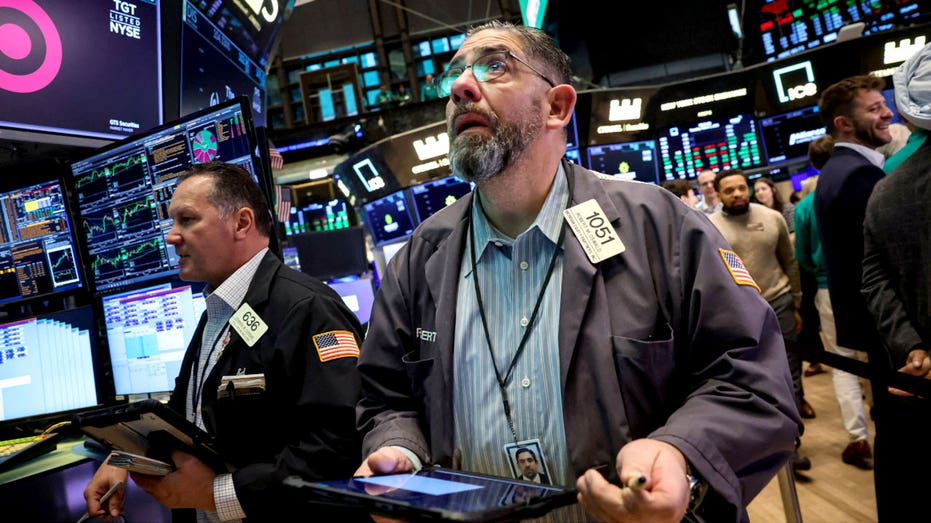
As a passively managed ETF, the iShares Semiconductor ETF provides exposure to large-cap and mid-cap companies. (Brendan McDermid/Reuters)
Before leaping, look past the current hype and make sure you’ve taken a close enough look under the hood to know precisely what you’re buying. If you do choose to put money into a semiconductor ETF, it should be part of a well-diversified portfolio that you intend to hold for the long term.
GET FOX BUSINESS ON THE GO BY CLICKING HERE
Dana George has no position in any of the stocks mentioned. The Motley Fool has positions in and recommends Advanced Micro Devices, Marvell Technology, Micron Technology and iShares Trust – iShares Semiconductor ETF. The Motley Fool has a disclosure policy.


The long-running legal and public feud between Elon Musk and OpenAI CEO Sam Altman continues to escalate this summer, with Musk’s company xAI now pursuing an appeal before the Ninth Circuit Court of Appeals even as the two billionaires trade increasingly personal insults online.
The latest developments follow a jury’s May decision to reject Musk’s core lawsuit against OpenAI, a case that had sought to unwind the company’s shift away from its original nonprofit structure.
A Jury Rejects Musk’s Central Claims
A federal jury in Oakland, California, delivered its verdict on May 18, 2026, finding that Musk’s lawsuit against OpenAI, Altman, co-founder Greg Brockman and Microsoft had been filed too late under the statute of limitations. Musk accused Sam Altman, Greg Brockman, OpenAI, and Microsoft of “stealing a charity” by creating a for-profit affiliate of the frontier AI lab, but jurors found that any harms Musk may have suffered came before the deadline for filing his claims under the law.
District Court Judge Yvonne Gonzalez Rogers adopted the jury’s advisory verdict after deliberations that took less than two hours. The specific statute-of-limitations dates varied by claim, with deadlines set at August 2021 for the first count, August 2022 for the second, and November 2021 for the third.
Musk Reacts and Vows an Appeal
Musk did not accept the outcome quietly, framing the dismissal as a procedural technicality rather than a verdict on the underlying merits of his claims. “There is no question to anyone following the case in detail that Altman & Brockman did in fact enrich themselves by stealing a charity,” Musk wrote following the ruling. “The only question is WHEN they did it! I will be filing an appeal with the Ninth Circuit, because creating a precedent to loot charities is incredibly destructive to charitable giving in America.”
OpenAI’s legal team welcomed the verdict and pushed back forcefully on Musk’s characterization of the case. OpenAI’s lead attorney, Bill Savitt, said after the verdict that it did not take jurors long to conclude Musk’s lawsuit amounted to little more than an after-the-fact contrivance disconnected from reality, adding that the case represented an attempt to sabotage a competitor.
A Second Legal Front: The Data Center Trade Secrets Case
Beyond the main nonprofit-mission lawsuit, Musk’s xAI has pursued a separate legal track that has now also reached the appeals stage. xAI, also known as SpaceXAI, has appealed to the U.S. Court of Appeals for the Ninth Circuit over a case against OpenAI that has now been dismissed twice at the lower court level. That lawsuit, filed last year, accused OpenAI of stealing data center trade secrets through targeted hiring of xAI personnel. OpenAI has countersued in that matter, alleging “unlawful harassment” on Musk’s part.
Musk’s Earlier History With OpenAI
The current legal battles trace back to Musk’s role as one of OpenAI’s original co-founders. Musk helped launch OpenAI in 2015 as a nonprofit research organization, contributing $38 million in seed funding through an intermediary before leaving the company’s board in 2018. In early 2018, Musk had proposed taking direct control of OpenAI, either through a majority stake in a for-profit subsidiary or by folding the organization into Tesla, a proposal that Altman, Brockman and fellow co-founder Ilya Sutskever rejected. Musk went on to found rival AI company xAI in 2023.
A Public Feud That Extends Well Beyond the Courtroom
Even as the legal proceedings have played out, the rivalry between Musk and Altman has continued to spill into public view through increasingly pointed exchanges on social media. Musk revived a nickname he has used before, writing “Scam Altman strikes again” in one post, before doubling down with further insults including “He takes scamming to a whole new level” and “He might literally love scamming more than any human alive!”
Altman has not stayed silent in the face of those attacks, firing back with his own accusations aimed at Musk’s business ventures. Altman shot back that Musk is pitching public investors on short-term space datacenters, according to reporting on the exchange, continuing a pattern in which both men have accused the other of misleading investors about their respective AI and space ventures.
Apple Lawsuit Adds Another Layer
The feud has also intersected with a separate legal dispute involving Apple, which has sued OpenAI over trade secret allegations tied to consumer AI hardware. Musk amplified Apple’s trade-secret suit on social media, accusing Altman of stealing Apple phone technology developed after OpenAI’s nonprofit era. Notably, Altman has taken a markedly different tone in responding to Apple compared with his approach toward Musk, telling Apple he holds tremendous respect for the company even while continuing to trade barbs with Musk directly.
What the Appeal Could Mean Going Forward
With Musk’s legal team now pursuing an appeal of the main verdict alongside the separate trade-secrets appeal, the Ninth Circuit is expected to take up aspects of the dispute sometime in late 2026 or into 2027. Legal analysts have generally cautioned that overturning a jury’s statute-of-limitations finding on appeal tends to be difficult, meaning Musk’s path to reviving his core claims against OpenAI faces a steep climb even as the broader public rivalry between the two men shows no signs of cooling.
With both the main lawsuit and the separate trade-secrets case now working their way through the appellate process, and with Musk and Altman continuing to trade public accusations even after the courtroom defeat, the dispute between the two AI industry leaders appears likely to remain a fixture of the sector’s news cycle well into 2027. Investors and industry watchers will be paying close attention to how the pending appeals unfold, particularly given the stakes involved for OpenAI’s ongoing fundraising efforts and its potential path toward a future public listing.
Business
MapLight Therapeutics, Inc. (MPLT) Discusses Top Line Results of Phase 2 ZEPHYR Study of ML-007C-MA in Schizophrenia – Slideshow

MapLight Therapeutics, Inc. (MPLT) Discusses Top Line Results of Phase 2 ZEPHYR Study of ML-007C-MA in Schizophrenia – Slideshow
Business
Apple Overtakes Nvidia as World’s Most Valuable Company Ahead of Earnings, as AI Chip Peak Fears Grow

Apple reclaimed the title of the world’s most valuable public company on Monday, pulling ahead of Nvidia as investor sentiment shifted sharply toward companies with more restrained artificial intelligence spending, just days before Apple reports quarterly earnings that Wall Street expects to show double-digit sales growth.
Shares of Apple rose more than 1% Monday, pushing its market capitalization to roughly $4.94 trillion, ahead of Nvidia’s $4.83 trillion, according to data reported by Yahoo Finance.
A Reversal of Fortunes Between Tech’s Two Giants
The shift reflects strikingly divergent trajectories for the two companies over the course of 2026. So far this year, Nvidia’s shares have only climbed 4% while Apple’s are up 24%. Apple has outperformed the broader market as investors have rewarded its reluctance to spend heavily on capital expenditures for AI, preferring to rent computing capacity rather than build its own infrastructure.
That contrast has become a central narrative on Wall Street in recent weeks. Once criticized for not spending more on AI, Apple has been able to avoid some of the capital-expenditure pitfalls facing its megacap peers, according to Jay Woods, chief market strategist at Freedom Capital Markets, who spoke with Yahoo Finance about the shift. Apple’s capital expenditures have actually declined over the past three quarters rather than increased, a sharp departure from the spending patterns at companies like Alphabet, which recently announced higher AI-related capital spending.
A Broader Rotation Away From AI Infrastructure Bets
Apple’s rise to the top has been driven in part by a broader rotation among technology investors away from companies at the center of the AI infrastructure buildout. While Nvidia’s sales are now in the third year of massive AI-driven growth, many investors have shifted their focus from AI chips known as graphics processing units toward memory chips and other data center infrastructure that also benefit from the AI boom, including companies like Micron Technology, SK Hynix and SanDisk.
A Volatile Back-and-Forth for the Top Spot
Monday’s shift was not the first time this month that the two companies had swapped positions atop the global market-cap rankings. Apple and Nvidia had already battled for the title of world’s most valuable company on July 17, when the iPhone maker briefly topped Nvidia before the two companies reversed positions again later in the session, with Nvidia closing slightly above Apple at the time. That back-and-forth has continued in the days since, reflecting how closely matched the two companies’ valuations have become even as their underlying business narratives diverge sharply.
Nvidia’s Slide Tied to AI Valuation Concerns
Nvidia’s retreat from the top spot has coincided with mounting investor anxiety about whether AI-related stock valuations across the sector have become overextended. Nvidia’s shares experienced a decline of up to 4% amid worries about the valuation of AI equities, a drop that pulled the company’s market value below Apple’s for a period before Nvidia recovered some of its losses. Nvidia had held the title of world’s most valuable company since June 2025, when it surpassed Microsoft, and became the first company to cross the $5 trillion market capitalization threshold before its growth began slowing amid swings in broader AI-related investor sentiment.
A Milestone for Departing CEO Tim Cook
Monday’s close carries added significance for Apple’s leadership, arriving just before a major transition atop the company. The close will mark a leadership milestone as it comes near the end of Tim Cook’s tenure as CEO; he is leaving the role on Sept. 1 to serve as executive chairman, at which point John Ternus, who currently leads hardware engineering at the company, will assume the chief executive position.
A Pivotal Earnings Report on the Horizon
Apple’s newfound market-cap lead now sets the stage for a closely watched earnings report later this week, one that will likely serve as Cook’s final quarterly call as chief executive. Apple is scheduled to report third-quarter fiscal 2026 results on July 30, with the release followed by the company’s usual conference call at 5 p.m. Eastern time, featuring both Cook and Chief Financial Officer Kevan Parekh.
Wall Street’s expectations heading into the report are notably upbeat. During Apple’s prior earnings call, the company said it expected revenue to grow 14% to 17% year over year, a forecast that already factored in the impact from ongoing supply constraints. Analysts have converged around the upper half of that range, with some projecting Apple’s year-over-year revenue growth at roughly 16%, near the top end of the company’s guidance, with growth driven primarily by strong iPhone sales, which some analysts expect to rise more than 20% year over year, alongside continued double-digit growth in Apple’s Services division.
iPhone Demand and AI Strategy in Focus
Investor attention heading into Thursday’s report is expected to center on how well the newest iPhone lineup is performing, alongside continued questions about Apple’s broader AI ambitions following the rollout of developer trials for its Siri AI features earlier this summer. Apple’s research and development spending rose 34% in the March quarter to $11.42 billion, though the company does not break out AI-specific costs separately, folding all research and development spending into a single reported figure.
A Test of Sustainability for Apple’s Rally
With shares already trading near record highs ahead of the report, some analysts have cautioned that simply beating headline estimates may not be enough to sustain Apple’s current momentum. Investors are likely to demand strong forward guidance, resilient profit margins, and clearer evidence that Apple’s artificial intelligence strategy can drive another meaningful upgrade cycle across its product lineup, rather than treating this week’s results as confirmation that the company’s cautious AI spending approach has been fully validated.
With both companies now separated by only a narrow margin in market value, the coming days are likely to bring continued volatility in the race for the title of world’s most valuable company, particularly once Apple’s earnings are released Thursday and investors get a clearer picture of how the company’s iPhone and Services businesses performed heading into the back half of the year. Whether Apple can extend its lead over Nvidia may hinge heavily on how convincingly Thursday’s results validate the market’s current preference for capital discipline over aggressive AI infrastructure spending.
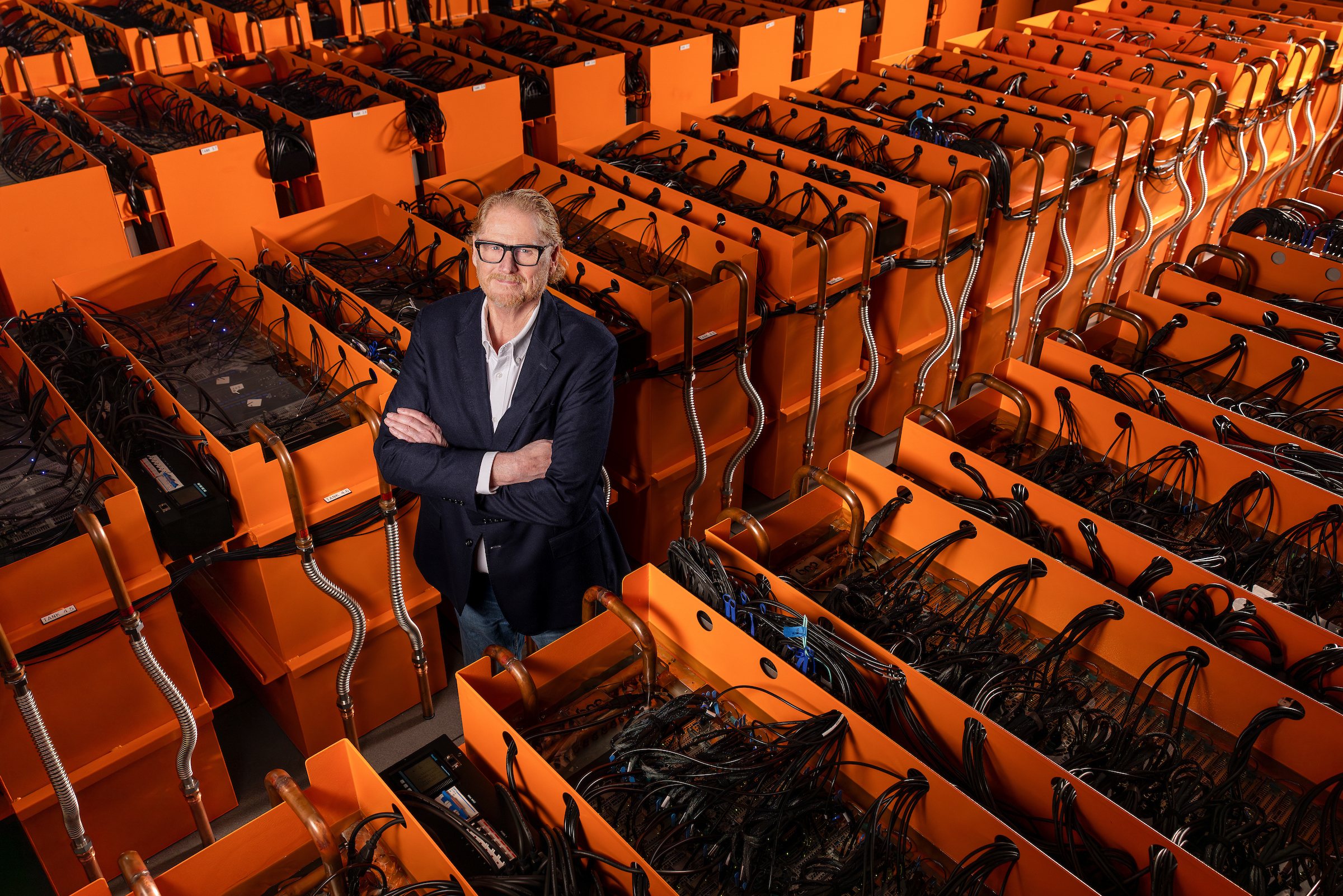
Perth high-powered computing provider DUG Technology has moved to correct its earlier statement that its Geraldton data centre had been cancelled, instead insisting it is only heavily delayed.
Unilever ULVR bumped up its outlook for the year after quarterly sales volume growth surged to more than a 16-year high.
The consumer-goods giant’s underlying sales growth accelerated to 5.8% in the second quarter—driven by a 5.5% increase in volumes and a 0.2% rise in pricing. It was well above company-compiled estimates, and growth of 3.1% in the same period a year prior.
Copyright ©2026 Dow Jones & Company, Inc. All Rights Reserved. 87990cbe856818d5eddac44c7b1cdeb8

One Nation leader Pauline Hanson has confirmed speculation her recent trip to the Dolce and Gabbana fashion show in Italy was paid for by mining billionaire Gina Rinehart.


I am an experienced Risk Management Business Analyst at a Systemic Greek Bank, with a strong background in finance and risk analysis. I hold an MSc in Applied Risk Management from the University of Athens and have completed the ACA Certificate Level. My expertise lies in financial analysis, risk management, data analysis using SQL, Python, and machine learning tools. I have worked in diverse roles, from assurance to financial analysis and trade operations, across leading firms like EY, PwC, Alpha Bank, and the National Bank of Greece. My primary areas of interest include risk management, financial analysis, data science, and the impact of economic factors on the financial markets. I aim to write on topics related to risk assessment, financial modeling, and stock analysis. With my solid technical background, I approach investing with a focus on data-driven analysis and long-term value creation. My motivation for writing on Seeking Alpha stems from my passion for translating complex financial data into actionable insights for investors. I aim to provide informed analysis on market trends, risk management practices, and investment strategies to support informed decision-making.
Analyst’s Disclosure: I/we have no stock, option or similar derivative position in any of the companies mentioned, but may initiate a beneficial Long position through a purchase of the stock, or the purchase of call options or similar derivatives in ORCL over the next 72 hours. I wrote this article myself, and it expresses my own opinions. I am not receiving compensation for it (other than from Seeking Alpha). I have no business relationship with any company whose stock is mentioned in this article.
Seeking Alpha’s Disclosure: Past performance is no guarantee of future results. No recommendation or advice is being given as to whether any investment is suitable for a particular investor. Any views or opinions expressed above may not reflect those of Seeking Alpha as a whole. Seeking Alpha is not a licensed securities dealer, broker or US investment adviser or investment bank. Our analysts are third party authors that include both professional investors and individual investors who may not be licensed or certified by any institute or regulatory body.
Why is Tokyo Electron stock tumbling today?
Business
HUL shares slide over 6% after weaker-than-expected Q1; PAT dips 3% to Rs 2,673 crore on one-time credit

The company reported a 3% year-on-year decline in net profit to Rs 2,673 crore for the first quarter of FY27. The company said the decline in PAT resulted from a one-off tax credit in the previous quarter.
Revenue from operations, however, rose 10.2% year-on-year to Rs 17,149 crore in Q1 FY27, compared with Rs 15,552 crore reported in the corresponding quarter of the previous financial year.
HUL reported an underlying sales growth (USG) of 10%, driven equally by volume and price, marking the company’s highest growth in thirteen quarters.
EBITDA for the quarter stood at Rs 3,947 crore, up 8% from Rs 3,640 crore in the year-ago quarter. However, the EBITDA margin declined 40 basis points to 23% from 23.4% in the same period last year, HUL said in its investor presentation.

HUL Q1 segment-wise performance
Home Care: Home Care delivered 14% USG, its highest growth in three years, driven by high-single-digit UVG. Disciplined market development and consumer-centric innovations helped strengthen market leadership while maintaining volume resilience.
Beauty & Wellbeing: The segment recorded 12% USG, supported by high-single-digit UVG. Hair Care posted double-digit USG, led by Premium Hair Care, including future formats, while continuing to strengthen market leadership. Skin Care and Colour Cosmetics delivered high-single-digit USG, driven by double-digit growth in Premium Skin Care.
Personal Care: Personal Care reported 4% USG, led by pricing as palm oil inflation persisted for the second consecutive year. Skin Cleansing recorded mid-single-digit USG, with Premium Bars delivering competitive volume-led double-digit growth. The segment also strengthened its market leadership in Bodywash.
Foods: Foods delivered 7% USG, driven by mid-single-digit UVG and continued strong performance in Lifestyle Nutrition and Coffee. Premium Tea recorded low-single-digit UVG, while Coffee delivered double-digit, volume-led growth, with RTD and Bru Gold continuing to scale up. Lifestyle Nutrition maintained its double-digit growth momentum. Boost crossed the Rs 1,000 crore annual turnover milestone, while Horlicks Superfoods and RTD continued to see encouraging traction.
HUL outlook
HUL expects FY27 to be better than FY26, led by portfolio and channel transformation. Commodity volatility continues to persist, with inflationary pressures expected to remain in the short term.
The company expects consolidated EBITDA margin to remain around the current guided range, while its focus remains on driving competitive, volume-led revenue growth anchored to its key priorities.
(Disclaimer: Recommendations, suggestions, views and opinions given by the experts are their own. These do not represent the views of The Economic Times)
Why is Koninklijke Philips stock tumbling today?

Crypto News, July 28: CLARITY Act Shelved, Bitcoin Drops in Asian Market Rout

WAFCON 2026: Why UK viewers have been left without coverage

James Maddison outlines Roberto De Zerbi’s ‘very clear’ message to Tottenham squad ahead of new season


-

 Fashion4 days ago
Weekend Open Thread: Brooks Brothers
-

 NewsBeat7 days ago
How a former Blue Peter presenter stunned America’s Got Talent judges
-

 Tech1 day ago
Intel is reversing course and bringing hyper-threading back to its server chips
-
 Business6 days ago
New Jersey voter registration controversy explained: How 6,600 noncitizens got on the rolls, and what happens next
-
 Entertainment7 days ago
Johnny Depp’s R-Rated Gothic Cult Classic Gets New Release Ahead of Sydney Sweeney Remake
-

 Crypto World5 days ago
Ethics, other provisions in crypto Clarity Act to be further discussed
-

 Politics23 hours ago
Luke Littler dismantles Gerwyn Price to retain title in Blackpool
-
 Sports2 days ago
Commonwealth Games boxing: Jadumani Singh seals dominant 5-0 win over Pakistan’s Sumama Rehman to enter quarter-finals | Commonwealth Games News
-

 Sports4 days ago
2026 3M Open leaderboard: Scottie Scheffler finds putter in Round 1, sits three back
-

 Fashion4 days ago
16 Dresses for the High Summer Event
-

 News Videos5 days ago
The Peugeot Family: How 200 Years of an “Old Money” Dynasty Died in A Boardroom
-

 Politics2 days ago
Spain sweeps the board at 2026 World Cup with individual awards
-

 News Videos2 days ago
BITCOIN JUST ENTERED THIS CRITICAL ZONE…
-
 Entertainment4 days ago
A New Post-Apocalyptic Gundam Anime Series Blasts Into SDCC
-

 Crypto World2 days ago
XRP Ledger adds $2.6B as RWA inflows rank second
-

 Crypto World5 days ago
Uniswap (UNI) pushes deeper into tokenized RWAs with permissioned trading pools
-

 Tech3 days ago
Anthropic launches Claude Opus 5, a cheaper AI model for coding, agents and enterprise workflows
-

 Crypto World3 days ago
Ripple bought a bank in pieces. The $4 billion audit
-

 Entertainment2 days ago
Sara Gilson Killed By Husband After Viral “Pedophile” TikTok Video
-

 Crypto World6 days ago
Sablier Labs Enters Maintenance Mode, Halts Development
You must be logged in to post a comment Login