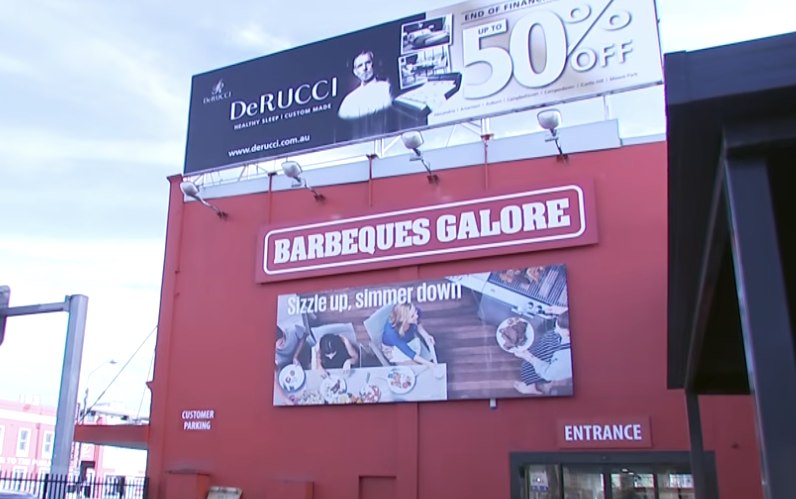
SYDNEY — Barbeques Galore, a beloved Australian retailer specializing in barbecues, outdoor furniture and heating products since the 1970s, will shutter 62 company-owned stores and wind up operations in the coming weeks after a last-ditch rescue deal collapsed, putting hundreds of workers at risk of redundancy and marking the end for an iconic brand.
The company, which entered voluntary administration in February 2026 with around 89 stores and 500 employees, announced Tuesday that efforts to find a buyer or complete a recapitalization had failed. Receivers will now oversee the closure of company stores while exploring transitional arrangements for 27 franchise outlets.
Administrators and receivers from Grant Thornton and Ankura had pursued a sale process and a conditional recapitalization proposal from secured creditor Gordon Brothers. However, negotiations with landlords, suppliers and other parties could not reach acceptable commercial terms, leading to the decision to wind up the business.
Advertisement
“This is a tragic final chapter for an iconic Australian retail brand,” said Roger Montgomery of The Montgomery Fund. “If you can’t sell barbecues to Aussies, who can you sell to?”
Founded in the 1970s by Max Mason, Barbeques Galore grew into a household name, offering a wide range of outdoor living products. At the time of administration in mid-February, the group operated 68 company-owned stores and 27 franchised locations. Five underperforming stores had already closed during the process.
The collapse reflects broader pressures on Australian retail, including high inflation, cost-of-living challenges, shifting consumer preferences toward apartments with smaller outdoor spaces, and a post-budget slowdown in spending. Liquidity issues persisted despite earlier ownership changes, including a 2025 transition involving private equity and Gordon Brothers.
Staff will continue to be employed during the receivership process or receive redundancy as stores wind down. Receivers stated that all employees will be paid their full accrued redundancies and termination payments in the ordinary course of separation. The company employed approximately 500 people at the start of administration.
Advertisement
Customers holding gift cards can redeem them until June 30 under specific conditions. For every $1 of gift card value used, shoppers must spend an additional $2 of their own money. Unredeemed cards after the deadline will be treated as unsecured creditors. The arrangement, first announced in February, aims to facilitate orderly wind-down while providing some value to holders.
The failed Gordon Brothers proposal had offered a potential path to keep the business operating as a going concern via a deed of company arrangement. It was viewed as the best outcome for stakeholders, including employees, landlords and suppliers, but ultimately could not proceed.
Receivers noted that a formal sale process attracted interest but yielded no offers capable of acceptance or implementation by late May. The combination of challenging economic conditions and difficulties securing ongoing trading terms sealed the fate of the company-owned operations.
Franchise stores face uncertainty, with receivers working through transitional arrangements. The future of those outlets and associated employees remains unclear as the broader group winds up.
Advertisement
The news comes amid a tough retail environment in Australia. Analysts point to structural shifts, including reduced demand for large outdoor items as more people live in high-density housing, alongside macroeconomic headwinds like rising costs and cautious consumer spending.
Barbeques Galore had attempted to adapt through ownership changes and operational reviews, but persistent liquidity challenges proved insurmountable. CEO David White, who stepped into the role late last year, had expressed optimism during earlier restructuring talks about building on the brand’s market position.
For suppliers and landlords, the wind-up will involve asset sales and stock liquidation. The amount creditors ultimately recover will depend on the outcomes of these processes. Receivers remain in control and will continue exploring any remaining sale opportunities for assets.
The case highlights vulnerabilities in specialty retail. Barbeques Galore’s focus on seasonal and big-ticket items made it particularly susceptible to economic cycles. Similar pressures have affected other Australian chains in recent years, prompting calls for greater support for small and medium businesses.
Advertisement
Customers are encouraged to use remaining gift cards promptly. In-store and online operations for company stores will continue during the sell-through period before closures accelerate. The exact timeline for individual store shutdowns will be communicated as the process unfolds.
Industry observers describe the outcome as disappointing for a brand with deep roots in Australian culture. Barbeques symbolize backyard gatherings and outdoor lifestyle, elements long central to national identity. The closure of dozens of stores will leave gaps in communities where the retailer served as a go-to destination.
As the wind-up proceeds, attention turns to the human impact. Hundreds of employees, many with long tenures, face job losses at a time when the labor market shows signs of softening in retail sectors. Support services for affected workers are expected through standard redundancy processes and government programs.
The failure also underscores challenges in retail restructuring. Even with creditor backing for a recapitalization, securing buy-in from multiple stakeholders proved difficult amid tight margins and uncertain trading conditions.
Advertisement
Looking ahead, the 27 franchise stores may seek independent paths or potential buyers. Receivers will provide updates as developments occur. For the broader retail sector, the episode serves as a cautionary tale about adapting to evolving consumer behaviors and economic realities.
Barbeques Galore’s story began decades ago with a focus on quality barbecues and outdoor essentials. While the company-owned operations conclude, the brand’s legacy in Australian shopping may endure through remaining franchises or potential asset acquisitions. For now, the immediate focus remains on an orderly closure that honors employee entitlements and customer commitments where possible.
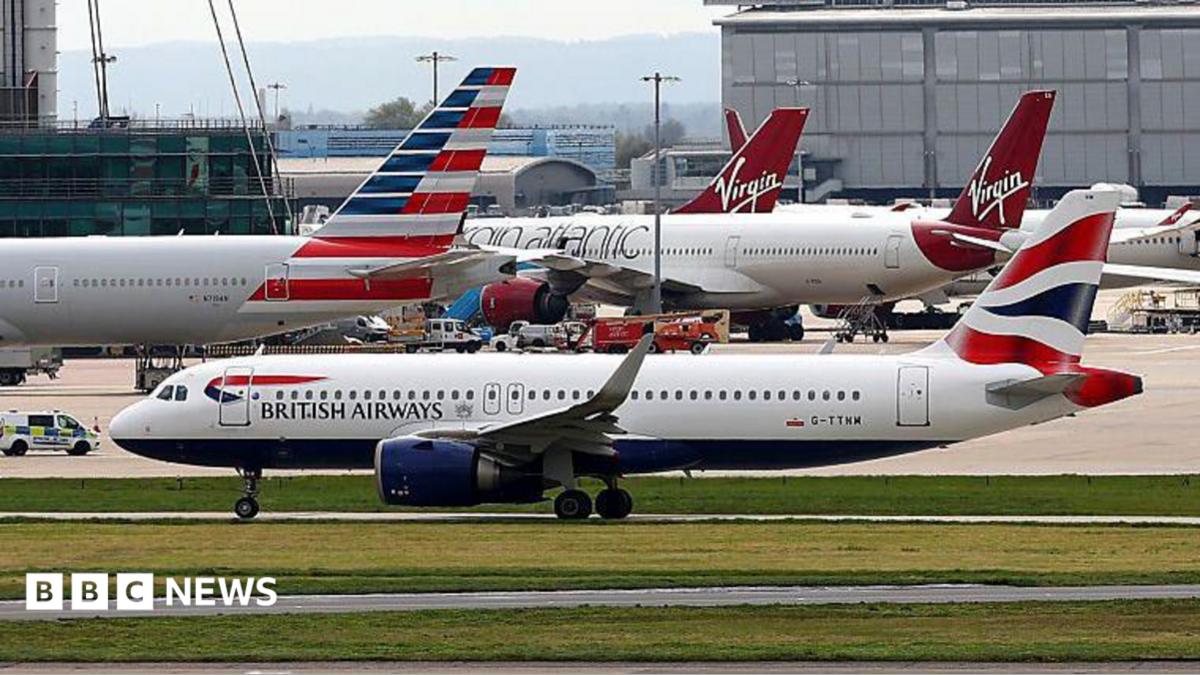
Heathrow Airport will be allowed to charge airlines more for its services to recover money spent on the early stages of its third runway project.
The aviation regulator is permitting the airport to claw back up to £320m through higher airport charges to airlines for each passenger, which is likely to end up being added to ticket prices.
A bidder which unsuccessfully put forward a rival design involving a shorter runway, Arora Group’s Heathrow West, will also be allowed to recover £4.1m pounds in costs.
The Civil Aviation Authority (CAA) and Heathrow said safeguards would be put in place to protect consumers from unjustified costs.
Advertisement
The cost of early planning and design during 2025 and 2026 will be recovered by adding to the fees the airport charges per passenger.
Heathrow airport will also be able to collect Heathrow West’s costs up to November last year by adding to its airport charges.
The CAA said allowing these costs to be recouped will result in the maximum airport charge per passenger increasing by around 15 pence in 2028, rising to an estimated 30 pence in the following years.
In November, the government announced it preferred the £33bn scheme put forward by the airport over Arora’s alternative plan.
Advertisement
At the time, the Department for Transport said Heathrow’s own proposal offered the most deliverable option, and the “greatest likelihood” of getting a decision on planning approval within this parliament.
The CAA’s Director of Consumers and Markets Tim Johnson said today’s decision “strikes a balance between supporting the delivery of benefits to consumers through timely progress on Heathrow expansion, whilst also protecting them from undue increases in costs”.
The regulator said “safeguards” designed to monitor cost efficiency would include transparency and cost reporting requirements, and assurance by independent experts.
Airlines often complain that Heathrow is the world’s most most expensive hub airport, and have repeatedly voiced concern that the airport’s expansion plans will exacerbate this.
Kiniksa stock rose $13.43, or 21.14%, to $76.97 as of 10:06 a.m. EDT on the Nasdaq. The move came after the company announced ARCALYST (rilonacept) net product revenue of $243.6 million for the quarter ended June 30, representing approximately 55% growth from the same period a year earlier. The figure surpassed analyst estimates.
The company also increased its expected 2026 ARCALYST net product revenue guidance to a range of $980 million to $995 million, up from the previous range of $930 million to $945 million. Kiniksa reported net income of $25.4 million for the quarter and ended the period with $525.9 million in cash, cash equivalents and short-term investments, and no debt.
In a statement accompanying the results, the company highlighted continued commercial momentum. Approximately 21% of the estimated 14,000 multiple-recurrence recurrent pericarditis patients in the United States were actively on ARCALYST therapy at the end of the second quarter. More than 5,000 prescribers have written prescriptions for the drug since its launch in the indication.
Advertisement
“In the second quarter, Kiniksa continued to drive growth in new and repeat prescribers of ARCALYST in recurrent pericarditis,” the company said in its earnings release. The results reflect expanding adoption of the only FDA-approved therapy specifically indicated for the condition, a painful and debilitating autoinflammatory cardiovascular disease characterized by inflammation of the pericardium.
Beyond the commercial performance, Kiniksa provided an update on its pipeline. An interval analysis from the Phase 2 dose-focusing portion of the KPL-387 Phase 2/3 trial in recurrent pericarditis showed rapid and sustained reductions in pain and inflammation at the 300 mg subcutaneous once-monthly dose selected for Phase 3. Time to treatment response was a median of 4.0 days, and time to C-reactive protein normalization was a median of 8.0 days. Efficacy was durable throughout the monthly dosing interval, and the drug was generally well-tolerated, consistent with the known safety profile of interleukin-1 pathway inhibition.
The company has initiated and is dosing patients in PASTORALE, the pivotal Phase 3 randomized withdrawal trial evaluating KPL-387 300 mg subcutaneous once-monthly in a liquid formulation. Kiniksa targets potential commercialization of KPL-387 in the 2028-2029 timeframe. It also remains on track to initiate a Phase 1 first-in-human trial for KPL-1161, an Fc-modified IL-1 antagonist designed for once-quarterly dosing, by the end of 2026.
Sanj K. Patel, Kiniksa’s chief executive officer, commented on the dual progress in commercialization and clinical development. “In our clinical portfolio, KPL-387 Phase 2 data supported initiation of the pivotal Phase 3 trial, PASTORALE, which is now enrolling and dosing patients. We are excited to advance KPL-387 with its target product profile of once-monthly subcutaneous dosing in a liquid formulation. We expect to bring this potential additional treatment option to patients in the 2028/2029 timeframe. Additionally, we continue to develop KPL-1161 with a target profile of once-quarterly dosing and are on track to initiate a Phase 1 trial by the end of this year.”
Advertisement
The strong quarterly performance builds on earlier 2026 momentum. In the first quarter, ARCALYST revenue had already shown robust growth, prompting a previous upward revision to guidance. The further increase announced Tuesday signals confidence that underlying demand remains solid and that market penetration has room to expand. Recurrent pericarditis affects an estimated larger patient population beyond the multiple-recurrence segment currently being captured, and earlier treatment approaches could further broaden the addressable market over time.
Kiniksa focuses on developing and commercializing therapies for diseases with unmet need, with particular emphasis on cardiovascular indications. ARCALYST, an interleukin-1 alpha and beta cytokine trap, received FDA approval for recurrent pericarditis and has become the cornerstone of the company’s revenue. The pipeline assets KPL-387 and KPL-1161 aim to offer differentiated dosing convenience while targeting the same validated IL-1 pathway.
Analysts had anticipated solid results given the trajectory of ARCALYST prescriptions and the limited competition in the recurrent pericarditis space. The combination of a clear revenue beat, a meaningful guidance raise, positive mid-stage data and Phase 3 initiation provided multiple catalysts that investors rewarded with a sharp revaluation of the shares. The stock had already risen substantially year-to-date prior to the report, reflecting growing recognition of the commercial potential of ARCALYST and the strategic value of the IL-1 franchise.
The company expects its current operating plan to remain cash-flow positive on an annual basis. With a strengthened balance sheet and no debt, Kiniksa is positioned to fund ongoing commercial efforts and clinical development without near-term financing needs. Management is scheduled to discuss the results further on a conference call and webcast.
Advertisement
Investors will continue to monitor prescription trends, the pace of new prescriber adoption and any updates from the PASTORALE trial. Success with KPL-387 could eventually provide a next-generation option with less frequent dosing than ARCALYST’s weekly regimen, potentially expanding the franchise. For now, the second-quarter numbers and raised outlook underscore that the existing product continues to gain traction in a market that remains underpenetrated.
The rapid share-price reaction underscores the market’s sensitivity to execution in rare-disease commercialization and clear clinical progress. Kiniksa’s results arrive amid a broader biotech environment in which companies demonstrating both commercial traction and pipeline advancement have often been rewarded. The day’s gains place the stock near the upper end of its 52-week range as the company advances its dual commercial and development strategy in cardiovascular inflammation.
Antonino Ottaviano – CEO, MD & Director Ryan Hair – Chief Operating Officer Greg Jason – Chief Financial Officer Grant Donald – Chief Commercial Officer
Advertisement
Conference Call Participants
Hugo Nicolaci – Goldman Sachs Group, Inc., Research Division Austin Yun – Macquarie Research Jacob Li – Barrenjoey Markets Pty Limited, Research Division Stuart Howe – Bell Potter Securities Limited, Research Division Andrew Harrington – Petra Capital Pty Limited, Research Division
Presentation
Advertisement
Operator
Welcome to the Liontown at June quarterly call. [Operator Instructions] I will now hand over to Mr. Tony Ottaviano, Managing Director and Chief Executive Officer of Liontown.
Antonino Ottaviano CEO, MD & Director
Advertisement
We have a clear focus from a stronger position on productivity and growth in this financial year that will set us up for years to come. It’s only a short 12 months ago, this call was about protecting the balance sheet and preserving cash. This quarter, we generated $137 million of net cash flow and closed with $561 million of cash in the bank, more than $0.5 billion.
The strength of that financial position gives us the pivot that we need from preserving cash to now investing in growth. The first proof of that pivot is in the ground, and you can see that with the strongest development quarter that we’ve had to record, up 35% and that keeps our ramp up to 2.8 million tonnes per year by the end of this financial year on track and on schedule.
I’ll take you through the safety, the shape of that quarter and the strategy beyond the pivot, and the team will walk you through the operation and financial detail in the year ahead. And then I’ll come back in the end and sum it up. So let’s
Thank you for standing by, and welcome to the Ramelius Resources June 2026 Quarterly Conference. [Operator Instructions] I would now like to hand the conference over to Mr. Mark Zeptner, MD and CEO. Please go ahead.
Mark Zeptner MD, CEO & Director
Advertisement
Thank you, Darcy. Good morning, everyone. Thank you for taking the time to dial in this morning. In addition to the normal quarterly report, we have released a presentation that we’ll speak to during this call, noting that it also includes information from our exploration update that we released last week. Both documents have been uploaded to the ASX platform and will be available on our website shortly.
This morning, I am joined by members of the exec team, our COO, Tim Hewitt; CFO, Darren Millman; and also our EGM, Exploration, Peter Ruzicka. Initially, I’ll speak to the highlights for the quarter and for FY ’26 before handing over to the team to go through their specific areas before I close with some comments on our shareholder returns program. Whilst the presentation is relatively high level, there is a lot more detail that can be found both in the quarterly activities report released today and that exploration update that was released last week.
As usual, there will be an opportunity for questions at the end
Yes. Corporate subscriptions are available for teams and organisations, with discounted rates as user numbers increase. Pricing starts from $1,625 + GST per user. Get in touch
to discuss the right option for your organisation.
Business News subscriptions are used by executives, investors, consultants and professionals who need to stay informed and make better decisions about the WA market. When you subscribe you’ll get
Unlimited access to WA’s most trusted business journalism
Data & Insights — detailed profiles of WA companies, people, projects and deals
MyBN — a personalised feed based on the companies, people and sectors you follow
Special publications and industry reports
Daily and weekly email newsletters
Data & Insights is a research tool built specifically for the WA market. It draws on more than 30 years of Business News reporting, updated regularly to reflect what’s happening now. Use it to:
Look up detailed profiles of WA companies, including financials, directors and ownership
Find decision-makers and track their career movements
Research live and completed projects across WA industries
Monitor deals, appointments and market activity
Access industry rankings and league tables
Data & Insights is updated daily by our dedicated research team, which uses the latest announcements, ASX filings and editorial coverage to keep our person, company, list and project records up to date.
Business News welcome all opportunities to make our dataset accurate, complete and current, so if you have an update request, please email the team at general@businessnews.com.au, and we’d be happy to assist.
Advertisement
MyBN
is part of every subscription. It’s your personalised view of Business News. You can follow the companies, people, sectors and projects that matter to you, and get a news feed and alerts tailored to your interests. You can save articles to read later and retain only what you need.
Only subscribers have full access to all content on the Business News website.
Advertisement
If staying informed about the WA economy is part of your job, and/or you’re looking for networking opportunities in WA, Business News is built for you.
Business News subscribers are:
Executives and directors tracking competitors, clients and market movements
Investors and advisers researching companies, deals and industry trends
Consultants and professionals staying across sectors relevant to their clients
Business owners looking for leads, context and market intelligence
Most Business News publications cover national or global markets. Business News is focused entirely on Western Australia, which means the journalism, the data and the intelligence are all built around WA companies, people and projects — not adapted from a national feed. Data & Insights, included with every subscription, combines more than 30 years of WA-specific editorial research with live business data. There’s no comparable product for the WA market.
Advertisement
The Morning Digest Email provides a comprehensive wrap of the major headlines, relevant to WA business, and includes with a snapshot of the overnight news covering oil, gold and ASX-listed companies.
The Afternoon Wrap Email focuses on the news covered by our team of journalists during the course of the working day, including exclusive stories and analysis, all of which relates to WA business and the local economy.
The BN Weekender Email contains a wrap of the Business News from the week that was, highlighting the top stories in each area of WA business. Sign up for free.
Advertisement
We’re happy to help. Get in touch
and our team will come back to you.
















































You must be logged in to post a comment Login