Connect with us

NewsBeat

Nueroscientist names one ‘superfood’ he tries to eat daily for healthy ageing

Published

on

Belfast Live

Dr David Cox is a neuroscientist and health journalist who has discussed how diets can impact ageing while also naming the one ‘superfood’ he consumes every day

A neuroscientist and health journalist has shared the single ‘superfood’ he consumes daily to help slow the ageing process.

Advertisement

Dr David Cox, author of The Age Code, discussed this during an appearance on Tonight on ITV. The programme examined whether selecting the right diet can enhance our quality of life as we grow older, particularly given that the number of UK centenarians has doubled over the last two decades.

Addressing whether it’s ever too late to make meaningful dietary adjustments, Dr Cox explained: “Subtle tweaks to diet, whether you’re 20 or whether you’re 90, can still make a big difference and give you many more years of healthy life to come.”

While more people are reaching 100, healthy life expectancy – the period during which we remain in good health – has actually declined to 61 years for both men and women.

When questioned about the foods he prioritises in his own diet, Dr Cox highlighted one particular group.

Advertisement

He said: “I mean, 100% the berries. That’s now become a really key component of my diet. Blueberries for example.

“Strawberries as well. They contain these natural chemicals called salicylates which actually help disable zombie cells and make it easier for your immune system to get rid of them. Berries are real, real superfoods.”

For those unfamiliar with the term “zombie cells”, Dr Cox clarified that our cells contain batteries which convert the energy from food into the energy our bodies require to function.

Advertisement

However, he went on to explain: “But the problem is at the same time they also produce exhaust fumes. They are called zombie cells. Basically, as you age your body becomes more full of these damaged cells which just refuse to die off.”

He continued: “The zombies basically take over and your short term risk of disease and death goes up.”

Dr Cox’s latest book examines the relationship between diet and cellular ageing.

Advertisement

He suggests that insufficient fibre intake is a significant factor behind the rising cancer rates amongst those under 50, a topic he addressed during an appearance on The Pat Kenny Show in Ireland.

Speaking on the programme, the expert explained: “Things we’re not even doing or things we’re eating which are not good for us in our diet, are basically stressing our bodies, which is accelerating ageing in different ways.

“Many of us are eating too much. From the moment we wake to the moment we sleep. We’re eating in some way, whether that’s meals or snacking.

“It basically puts what I call metabolic stress on our bodies because our bodies are not getting a chance to kind of recover.”

Advertisement

Beyond inadequate fibre consumption, he warned that excessive processed food intake, coupled with insufficient whole foods such as fruits and vegetables, is contributing to the problem.

Source link

Continue Reading
Click to comment

You must be logged in to post a comment Login

Leave a Reply

NewsBeat

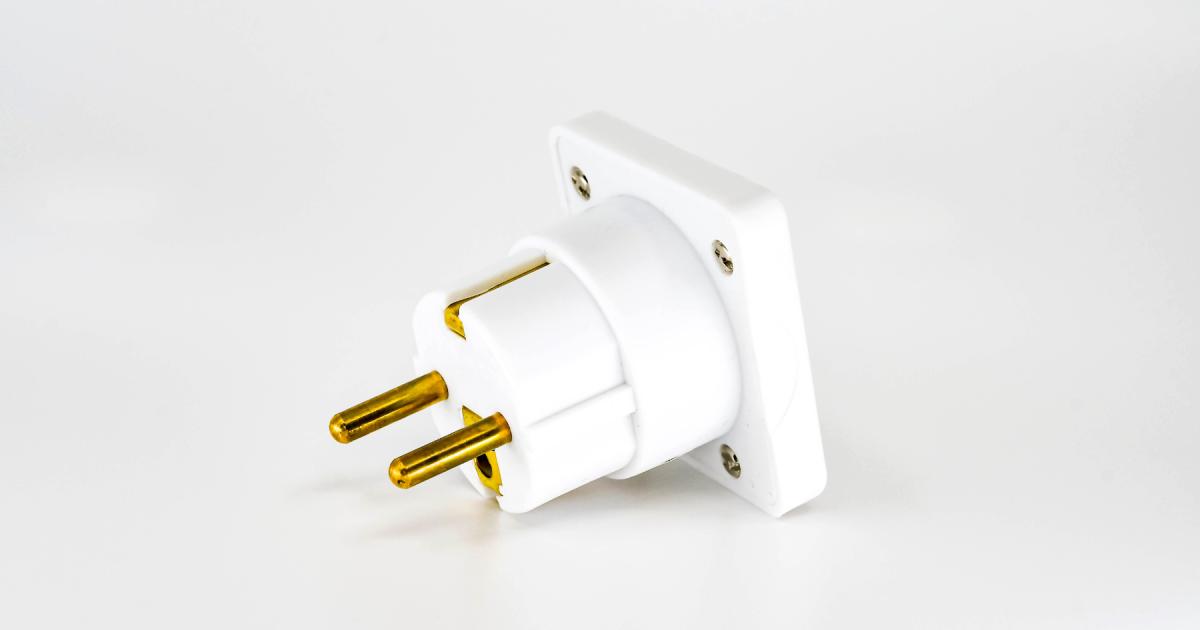
Thousands of travel adaptors found to pose safety risk

Published

on

Thousands of travel adaptors found to pose safety risk

An investigation by consumer safety charity Electrical Safety First revealed that 14 travel adaptors purchased from major platforms like AliExpress, eBay, Amazon Marketplace and TikTok Shop all failed basic safety tests.

The worst offenders posed a risk of serious electric shock or electrocution.

Giuseppe Capanna, product safety engineer at Electrical Safety First, said: “Shopping for your holiday getaway should be an enjoyable experience, not one that puts you at serious risk.

Advertisement

“Shoppers in the UK shouldn’t have to question whether the products they buy might put them at risk, yet our investigation shows that dangerous electrical goods are still finding their way into people’s homes through online marketplaces.”

What travel adaptor issues were identified?

Among the most serious failures were universal travel adaptors that allowed more than one set of plug pins to be exposed and live at the same time.

This design flaw means users could come into contact with up to 240 volts of electricity.

In total, 14 adaptors (eight universal and six basic) were tested, all of which failed.

Several also lacked surge protection despite being labelled as offering it, and all universal adaptors failed mechanical strength tests, meaning pins could snap off in sockets.

Advertisement

Some listings had thousands of reviews and sales, raising concerns that thousands of dangerous devices may already be in UK homes.

One Amazon Marketplace listing had almost 9,000 reviews, with customers reporting overheating and device damage.

Another on AliExpress was reported to have exploded during use.

Mr Capanna said: “What looks like a bargain could come at a much higher cost.

“We urge Brits heading abroad this summer to think before they buy and only purchase travel adaptors from reputable retailers they know and trust, so they can travel with confidence and avoid taking a potentially dangerous device away with them.”

Advertisement

Basic travel adaptors, designed for use in a single region, were also found lacking.

Failures included missing safety shutters, absent fuses, oversized pin holes and lack of earth connections—all of which increase the risk of electric shock or fire.

One Amazon Marketplace adaptor with more than 1,000 reviews was reported to have “fell apart” in a customer’s hands, who said they “could have been electrocuted” if it had broken while in use.

Laboratory flammability tests showed that six adaptors failed to resist ignition and would contribute to spreading a fire.

Advertisement

This investigation follows a similar one by the charity less than a year ago, which found 15 dangerous travel adaptors across multiple major platforms.

Electrical Safety First has repeatedly called for online marketplaces to be legally accountable for the safety of products sold on their platforms—a measure currently under government consideration.

How did online platforms respond?

A spokesman for AliExpress said: “Product safety is our top priority at AliExpress.

“We have removed the three travel adapter listings identified by Electrical Safety First and are contacting affected customers to initiate a recall through our established channels.

Advertisement

“We welcome detailed findings like these and remain committed to tackling product safety issues through our established processes.”

eBay also took action following the investigation.


Recommended reading:


A spokesman said: “We have removed the listings identified by Electrical Safety First and we’re carrying out wider checks to find and remove any similar listings.

Advertisement

“At eBay, we combine technology, AI-supported monitoring and specialist teams to help maintain a safe and trusted marketplace.”

Amazon issued a similar response.

A spokesman said: “We require all products offered in our store to comply with applicable laws, regulations and our own policies.

“The products identified have been removed from sale.”

Advertisement

TikTok also removed the identified listings and associated videos, and said it continues to use a mix of technology and manual moderation to enforce its product safety policies.

Have you bought a travel adaptor from an online platform? Let us know in the comments.

Source link

Advertisement
Continue Reading

NewsBeat

Can social care ever really be fixed? Experts react to the latest in a long line of promises

Published

on

Can social care ever really be fixed? Experts react to the latest in a long line of promises

The Big Conversation on Care is the latest attempt to fix England’s broken social care system. Getting a handle on this issue has been attempted no fewer than 22 times since the 1990s – but Prime Minister Andy Burnham has vowed that this time they’ll find the right answers. But what might these be – and will the tough choices on how to pay for it lose Labour votes?

More pay, more prestige for care workers

Anna Barford, Research Professor, Language Technology Lab

Care is a broad concept covering things like cooking, cleaning, childcare, teaching and healthcare. These labour-intensive activities are essential to enable individuals, communities and societies to survive in the face of challenges such as poverty, economic shocks and climate change. As such, spending on care should be seen as an investment rather than a cost.

Care needs are met by a diverse set of people, including the family or household, volunteers, not-for-profit organisations, businesses, and the state. Some of this work is paid (often underpaid), while some is unpaid. And it falls disproportionally on women.

Advertisement

England’s social care budget does not cover this full range of activities. For adult social care, the budget includes spending on community-based support as well as care homes. Investing in adult social care translates into better jobs, better-supported families, and care needs that are met more fully. Burnham’s speech pointed to this, with his plans to increase pay and prestige in the social care workforce.

Spending should be understood within the wider ecosystem of care. However, decision-makers often overlook how unpaid care work, paid care work and other paid work relate to one another. As paid and unpaid care is largely done by women, well-paid care work could improve gender pay gaps. And providing paid-for support for care activities can free up women’s time to do paid work. For example, providing childminders and carers for elderly relatives can help to balance the competing demands on women’s time.

Fixing social care is a huge – and expensive – job

Conor O’Kane, Senior Lecturer in Economics

The prime minister has outlined what he would like social care reform to look like. Broadly speaking, he wants to see better pay and career paths for those who work in the sector. He would also like to protect people from having to sell their property or other assets to pay for care, which can run into hundreds of thousands of pounds. But while almost all political parties in England agree that social care needs to be reformed, there is little consensus on how this should be paid for. Burnham provided no further detail.

Advertisement

I suspect that the UK nations will eventually adopt a scheme similar to the one the Republic of Ireland introduced in 2009. The “Fair Deal” addresses some of the key concerns that the PM has raised. The scheme takes into account a person’s income, savings and assets when deciding how much the state contributes towards residential care costs. Crucially, the assets element, which for many will be their home, only counts for the first three years that they are in residential care. This prevents assets being completely consumed by care costs. But this type of scheme does not come cheap.

Ireland’s Fair Deal costs the state the equivalent of around £1 billion a year. Given the difference in populations, a similar scheme for the UK could cost around £13 billion a year. That still does not cover the cost of the pay increases that Burnham wants to see for that sector. To raise this kind of money, he would need to increase the 20% income tax rate by about 2%, for example.

There is also some talk of an estate tax to raise the funds. Given that the PM is committed to both the current fiscal rules on borrowing and not raising taxes, I would expect Labour to go into the next general election with an outline of how a reformed social care system would operate and be paid for. But only time will tell whether voters will give them the mandate to finance this major reform to adult social care.

Public are confused – but clear that the state should pay

Anthony Kevins, Senior Lecturer in Politics and International Studies

Advertisement

Any discussion of attitudes on social care in England must begin with two
observations: people are not happy with the status quo, but they also don’t really understand how the current system works or how it is funded. This is a tricky starting point, since it makes it difficult to assess how much public support there would be for any proposed reforms.

What does seem clear however, is that most people want the state to share the cost of social care with users. Support for full state coverage for everyone is relatively low, and even fewer people believe that users should have to cover costs on their own.

So how might the public want that new spending to be financed? My research suggests a hierarchy of preferred funding options, ranging from council tax – the least popular option – to a wealth tax on people with assets worth more than £1 million – the most popular option. Increases in inheritance tax and national insurance contributions were relatively unpopular. And an income tax rise on higher earners was second only to wealth taxes in popularity.

As always though, the devil will be in the detail of the funding plan. It’s unlikely that any mechanism will avoid at least a little backlash.

Advertisement

Technology is not a silver bullet

Kathrin Cresswell, Professor of Digital Innovations in Health and Care

One of the biggest challenges is moving beyond treating health and social care as separate systems. Burnham has promised a more integrated approach. I don’t believe that the two necessarily need to be fully integrated, but they do need to work together more effectively. That means investing in the relationships, governance and basic infrastructure that allow organisations to coordinate care around people’s needs. It is this kind of investment that enables lasting change.

Technology will undoubtedly be part of the solution, but it is not a magic bullet. The history of large-scale digital programmes in the NHS shows a consistent pattern. Expectations have often exceeded reality because the complexity of implementing the changes was underestimated.

New technologies, including AI, are unlikely to be different if they are seen as solutions in themselves. Real transformation depends less on adopting the latest tech than on supporting organisations to work together, developing shared ways of working, and building the culture needed for information and services to flow across organisational boundaries.

Advertisement

Social care presents an even greater challenge than the NHS. It is more fragmented, operates with fewer resources, and levels of digital maturity vary greatly. For many providers, the priorities are quite simple: reliable connectivity, basic digital infrastructure and technologies that support communication, independence and day-to-day care. It’s not always about the latest innovations.

Perhaps most importantly, we need to be realistic about how quickly success can be realised. Social care is fundamentally about supporting people to live well, maintaining independence and preventing crises. These benefits emerge gradually, requiring sustained investment and realistic expectations.

Social care is ultimately about helping people to live well.
PintoArt/Shutterstock

Better connections with communities

Robin Miller, Professor of Collaborative Learning in Health and Social Care

Advertisement

Burnham is right to emphasise both that social care is more than a complement to health and that the NHS will not work effectively without a strong social care system. For the past 30 years, successive governments have sought to ensure better collaboration between health and social care. The latest iterations see multi-disciplinary teams working on the ground while overall coordination is handled by “integrated care systems” (partnerships between health and care organisations in both the public and private sectors).

While some progress has been made, long-standing tensions remain. These are due to professional dominance of healthcare in local and national debates and insufficient investment in social care. At the same time, national performance focuses predominantly on NHS waiting times.

The proposed national care service may bring some consistency, but ultimately collaboration will be achieved through closer working between professionals and services – focused on what matters to communities. Health and social care will have to be better connected with local people and the networks that sustain them – this will involve health and care professionals working as equal partners with the voluntary and community sector. One example of this is through community hubs, where professionals are available within accessible venues such as libraries, supermarkets and sports clubs.

This is certainly a good start from the prime minister. But improving social care will also mean tough choices for the NHS – including changing its priorities on how its money is spent to divert more towards community and prevention.

Advertisement

Source link

Continue Reading

NewsBeat

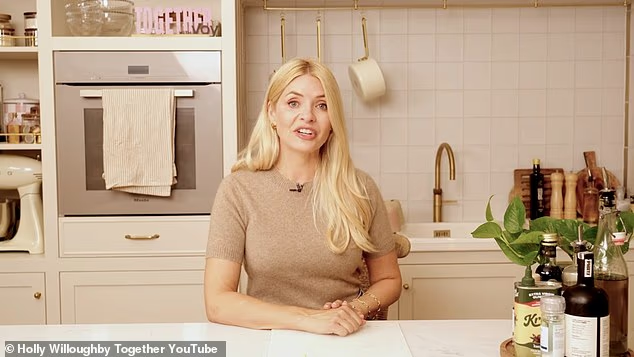
Holly Willoughby’s new YouTube show brings in 41k views on its first day after it was panned by critics and branded ‘dire’

Published

on

Holly Willoughby's new YouTube show brought in 41,000 views on its first day - after it was panned by critics and branded 'dire'

Holly Willoughby’s new YouTube show brought in 41,000 views on its first day – after it was panned by critics and branded ‘dire’.

The former This Morning host, 45, launched her first episode of the show on Tuesday, with desperate attempts at relatability thanks to swearing and unsubtle innuendos with first guest, The Devil Wears Prada star Stanley Tucci, 65. 

It failed to impress critics – with a one-star review comparing her show to Meghan Markle‘s attempt to enter the lifestyle realm with her own show last year. 

Last March, Meghan launched a Netflix lifestyle series, which was blasted, leading to The Guardian branding Holly’s show ‘a marginally less agonising With Love, Meghan’ while The Telegraph stated: ‘[Holly’s] dire show makes Meghan look good.’ 

Advertisement

And 24 hours after it was posted to her YouTube channel, it had received 41,000 views. 

She now has 11,000 subscribers to the channel.

Holly Willoughby’s new YouTube show brought in 41,000 views on its first day – after it was panned by critics and branded ‘dire’ 

Advertisement
The star, 45, launched her first episode of the show on Tuesday, with desperate attempts at relatability thanks to swearing and unsubtle innuendos with first guest Stanley Tucci, 65

The star, 45, launched her first episode of the show on Tuesday, with desperate attempts at relatability thanks to swearing and unsubtle innuendos with first guest Stanley Tucci, 65

For context The Rest Is Entertainment launched in November 2023 and currently has 138K subscribers. It currently sits as one of the top three entertainment podcasts in the UK. 

Their episode went up on the same day as Holly’s episode with Stanley Tucci. Their episode has accumulated 29,000 views.

On the episode, she joins Stanley in making a pasta dish – which led to The Telegraph’s Anita Singh stating: ‘They are so stuck for conversation that they end up reading out the ingredients list of a Fray Bentos steak and kidney pie.’

Advertisement

After a beer and wine, Stanley kicked off a cookery session by handing Holly a coloured courgette, which led to the star stating: ‘I’ve never seen one like this before’ – in a very unsubtle innuendo, similar to her This Morning slip-ups.

While fans appear to enjoy the show, the reviews have been lacklustre elsewhere, with complaints of shaky camera work and an overlong running time. 

A shocking one star review came from The Telegraph, who referenced Meghan’s Netflix show With Love, Meghan.

She writes: ‘Holly Willoughby’s dire YouTube show makes Meghan look good… Not even Stanley Tucci can redeem this 50-minute borefest of awkward small talk, forced swearing and pie tin trivia… 

Advertisement

‘Even Meghan’s producers had the good sense to keep changing things up, editing her so she whizzed from rainbow fruit platters to flower arranging to holding guests hostage while potato printing.’

Alongside a three star review, The Mirror complains: ‘The result is a 50 minute show to cook a simple dish which might have worked better as say a tighter 30-40 minute episode in my opinion…

‘And with only one guest to bounce off, a slightly edited down version, or in future having several guests with a connection might make the conversation more entertaining, fast flowing and lively. But it seems to be a deliberately laid back affair.’

The i Paper’s Sarah Carson, meanwhile, stated: ‘Her new YouTube series, ‘Together,’ is a confused attempt to present herself as relatable… 

Advertisement

‘The public either wants honest, unfiltered imperfection or glamour and something to aspire to. Willoughby still hasn’t decided which she wants to be. Together is proof that her superpower was always her ability to be professional, not a personality.’ 

The Times’ Carol Midgley writes: ‘Will it be a success? Well, it looks nice, Holly may take her fanbase with her, and her profile means she will probably be able to entice a good quality of guest… 

And 24 hours after it was posted to her YouTube channel, it had only received 41,000 views. She now has 11,000 subscribers to the channel

And 24 hours after it was posted to her YouTube channel, it had only received 41,000 views. She now has 11,000 subscribers to the channel

Last March, Meghan launched a Netflix lifestyle series which was widely panned, leading to The Guardian branding Holly's show 'a marginally less agonising With Love, Meghan'

Last March, Meghan launched a Netflix lifestyle series which was widely panned, leading to The Guardian branding Holly’s show ‘a marginally less agonising With Love, Meghan’ 

Advertisement

‘Tucci was, as usual, effortlessly charismatic and at ease in front of the camera, and his recipe for spaghetti con zucchine alla Nerano looked very tasty.’

Teasers show upcoming episodes will see Holly joined by best friends Nicole Appleton and Emma Bunton, alongside Katherine Ryan and Joanne McNally.

The Guardian’s Stuart Heritage also gave the show three stars, writing: ‘The former This Morning host has done a Meghan, rebranding herself as a cookery guru with a YouTube show that veers from agonisingly dull courgette slicing to sweary banter.’ 

Meanwhile, Holly revealed even her own children poked fun at her new show, confessing she was out of her depth when she switched from traditional TV to digital, with her daughter Belle, 15, laughing at her efforts.

Advertisement

Speaking on Sara Cox’s Radio 2 Breakfast Show, Holly gushed: ‘Today is launch day, this is like I’m giving birth today!’ Yet she confessed she found it ‘weird’ that YouTube was her new home. 

As Sara asked if her kids were ‘annoyed’ at her for encroaching on a younger digital platform, Holly admitted: ‘My daughter was laughing at me as I was saying ‘subscribe and ding the bell and you’ll get notifications.’

‘She was like, ‘mum, you really don’t know what you’re talking about’, and I’m like, ‘no I don’t but I’m learning!” 

While reviewers were left in shock, viewers seemed enamored at her shift from smiley magazine show co-host to an edgier character, writing: ‘Glad to see beautiful Holly back and with her own show a fantastic first episode Holly can’t wait for the next… 

Advertisement

‘I really enjoyed you and Stanley together, good to see you back hosting Holly it really suits you. I’ve followed you since This Morning, you’re an amazing host, one thing maybe have a website to put recipes up…

‘Love love love!!! Can’t wait for more. Going to cook tonight. Great show. Loved it and looking forward to more… Lovely to see you back Holly… Ahhh so excited.’ 

Last week, speaking to The Daily Mail’s Katie Hind, seven months after she revealed the project, Holly revealed she was not worried about reaction to the show. 

She said: ‘I know I’m not everyone’s cup of tea. I know that and that’s fine. I don’t want to try to convince people if they don’t want to watch.’

Advertisement

Referring to her stalking ordeal, she added: ‘I don’t fear what people think. I’ve had real fear, I know what that’s like. Your perspective changes after something like that.’ 

Holly Willoughby’s new YouTube show Together – what are the critics saying?

The Mirror

Rating:

Advertisement

‘Holly Willoughby’s new YouTube show has the right ingredients but they aren’t used correctly. She swears five seconds into it, something we aren’t used to seeing her do on our screens in the daytime. But don’t worry, this is Holly 2.0 showing how relaxed and different she is now she is in control and away from the general rules of TV on YouTube,’ says Mark Jefferies.

The Guardian

Rating:

‘The former This Morning host has done a Meghan, rebranding herself as a cookery guru with a YouTube show that veers from agonisingly dull courgette slicing to sweary banter. Somehow, in spite of it all, I am rooting for her,’ says Stuart Heritage.

Advertisement

The Telegraph

Rating:

‘Not even Stanley Tucci can redeem this 50-minute borefest of awkward small talk, forced swearing and pie tin trivia’, Anita Singh brutally wrote. ‘Holly Willoughby’s dire YouTube show makes Meghan look good. With Love, Meghan is a masterpiece compared to this borefest – the Duchess of Sussex a veritable Anthony Bourdain.

‘Even Meghan’s producers had the good sense to keep changing things up, editing her so she whizzed from rainbow fruit platters to flower arranging to holding guests hostage while potato printing. Yes, With Love, Meghan was demented, but at least it was demented in different ways.’

Advertisement

The Times

Rating:

Carol Midgley thinks: ‘Will it be a success? Well, it looks nice, Holly may take her fanbase with her, and her profile means she will probably be able to entice a good quality of guest. Tucci was, as usual, effortlessly charismatic and at ease in front of the camera, and his recipe for spaghetti con zucchine alla Nerano looked very tasty.’


Advertisement


Source link

Continue Reading

NewsBeat

Folk legend Linda Perhacs, 82, is found ALIVE eight months after star vanished leaving care facility

Published

on

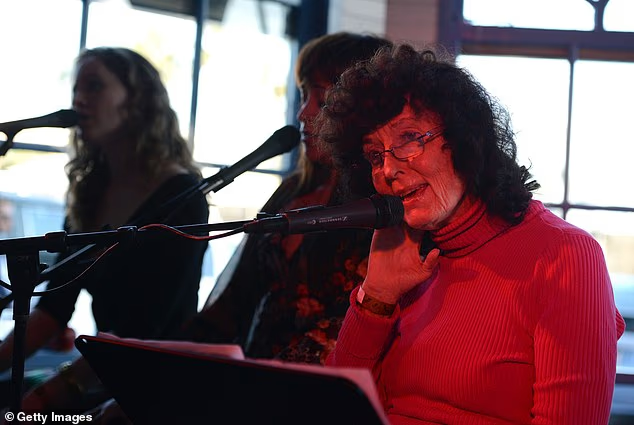
Folk legend Linda Perhacs has been found, eight months after the star vanished after leaving a residential care facility - pictured performing 2014

Folk legend Linda Perhacs has been found, eight months after the star vanished after leaving a residential care facility.

A representative for the LAPD Missing Persons Unit confirmed to The Daily Mail that Perhacs was found on Wednesday.

They said in a statement, ‘She was found today. She’s safe. We can’t share where as it involves her HIPAA.’

This comes after Perhacs’ former co-producer, Fernando Perdomo, shared an update on the search, revealing that her inner circle had filed an official report with Adult Protective Services – part of the Los Angeles County Aging & Disabilities Department – which he said was ‘a step in the right direction.’

Advertisement

Perhacs’ friends also recently filed a police report with the LAPD.

The Daily Mail has contacted representatives for Perhacs for further comment.

Folk legend Linda Perhacs has been found, eight months after the star vanished after leaving a residential care facility – pictured performing 2014 

Advertisement
This comes eight months after Perhacs, known for her 1970 album Parallelograms, was last seen under the supervision of her legal guardian - with loved ones unable to contact her since she left the facility, per a post from her friend Mark McNeill

This comes eight months after Perhacs, known for her 1970 album Parallelograms, was last seen under the supervision of her legal guardian – with loved ones unable to contact her since she left the facility, per a post from her friend Mark McNeill 

Perhacs is pictured on the cover of her 2014 album, The Soul of All Natural Things

Perhacs is pictured on the cover of her 2014 album, The Soul of All Natural Things

This comes eight months after Perhacs, known for her 1970 album Parallelograms, was last seen under the supervision of her legal guardian – with loved ones unable to contact her since she left the facility, per a post from her friend Mark McNeill.

The post read, ‘Linda Perhacs our dear friend and legendary singer-songwriter was discharged from a residential care facility approximately eight months ago under the supervision of her legal guardian. 

Advertisement

‘Since then, friends and longtime collaborators have been unable to reach her and repeated attempts to contact her guardian have reportedly gone unanswered. Please help us locate Linda to ensure her wellbeing.’

McNeill, who shared the post with Perhacs’ former manager Laurel Stearns, musician Julia Holter and director Jessica Hundley, advised followers to contact Stearns via email if they have any information.

Hundley later alleged to Rolling Stone in an email that Dolphin singer Perhacs ‘had been living at the care facility for several years, struggling with dementia.’

‘We have called elder care and filed several police reports and have now retained a private investigator to help in finding her.’

Advertisement

In an additional statement shared with People, Stearns said those issuing the statement ‘are not alleging wrongdoing’ but are instead ‘seeking confirmation that Linda is safe, well, and receiving appropriate care, while expressing concern over the prolonged absence of communication with a beloved public figure.’

Perhacs, known for her 1970 album Parallelograms, was last seen under the supervision of her legal guardian - with loved ones unable to contact her since she left the facility, per a post from her friend Mark McNeill

Perhacs, known for her 1970 album Parallelograms, was last seen under the supervision of her legal guardian – with loved ones unable to contact her since she left the facility, per a post from her friend Mark McNeill

Perhacs, then working as a dental hygienist, first delved into music with the release of Parallelograms in 1970 - which failed to garner attention or sales. However, the record was rediscovered in 1998 and became a sensation among fans

Perhacs, then working as a dental hygienist, first delved into music with the release of Parallelograms in 1970 – which failed to garner attention or sales. However, the record was rediscovered in 1998 and became a sensation among fans

Advertisement

‘As a public artist whose work has profoundly influenced musicians and listeners around the world, Linda’s well-being is of genuine concern to a broad community of admirers and colleagues.

‘Those issuing this statement respectfully request that anyone with verified information regarding Linda Perhacs’s current condition or means of contact reach out to her authorized representatives or designated point of contact. 

‘The intention is not to intrude upon her privacy, but simply to ensure that she is safe and to re-establish communication with someone whose artistic contributions continue to resonate across generations.’

The identity of Perhacs’ legal guardian has not been released.

Advertisement

Perhacs, then working as a dental hygienist, first delved into music with the release of Parallelograms in 1970 – which failed to garner attention or sales.

However, the record was rediscovered in 1998 and became a sensation among fans, leading to Perhacs returning to music.

In 2014, Perhacs released second album, The Soul of All Natural Things, and a third, I’m a Harmony, in 2017.

Source link

Advertisement
Continue Reading

NewsBeat

BTS Won’t Submit Music For 2027 Grammy Awards

Published

on

BTS Won't Submit Music For 2027 Grammy Awards

K-pop superstars BTS have said that they won’t be submitting their music for consideration in 2027’s Grammy Awards, set to take place in February.

Each of the band’s seven members (RM, Jin, Suga, J-Hope, Jimin, V and Jungkook) posted the same message to their Instagram accounts on Wednesday 29 July.

Translated from Korean, the text reads: “We have decided not to submit for Grammy consideration this year. We hope our music can be heard and loved for what it is, rather than being divided by region or language. We thank [our fan base] Army and everyone who has always stood by us.”

The statement shared to social media

The group was expected to be in the running for multiple of the award show’s prizes following the release of comeback album Arirang and US no.1 lead single Swim.

Advertisement

The news comes a month after the Recording Academy unveiled several new categories at the Grammy Awards, including Best Asian Pop Music Performance.

This is described by the Academy as a way to recognise “artistic excellence in Asian pop music performances originating from or widely recognised within Asian markets, including but not limited to K-pop, J-pop and C-pop, with meaningful use of one or more Asian languages”.

Per the BBC, K-pop fans had “mixed” reactions to its introduction, with some suggesting it might “pigeonhole” Asian acts.

The category also requires “meaningful use of one or more Asian languages,” while 80% of Arirang’s lyrics are in English.

Advertisement

BTS, who performed at the FIFA World Cup 2026 Final Halftime Show, are currently on their Arirang World Tour.

Though they’ve been nominated for multiple Grammys, they’ve never won one.

Source link

Advertisement
Continue Reading

NewsBeat

Drought UK: Where Is Affected And What Are The Impacts?

Published

on

Drought UK: Where Is Affected And What Are The Impacts?

Drought conditions have been officially declared in more parts of the UK following a barrage of heatwaves and a dearth of wet weather.

The announcement comes weeks after England’s National Drought Group gathered to discuss water availability, with summer projections ranging from “moderate to poor in parts of the country”.

July has seen just 7% of its long-term average rainfall this year.

Here’s where has been affected by drought so far, why, and how it might actually impact you.

Advertisement

Where has drought been declared in the UK?

Half of England has been declared in drought by the Environment Agency, owing to a combination of very low rainfall and higher temperatures.

The seven areas in drought are:

  • East Anglia,

  • Hertfordshire and the whole of London,

  • Thames Valley,

  • Hampshire & the Isle of Wight.

  • Devon and Cornwall,

  • The West Midlands

  • Wessex (covering Dorset, Somerset, Wiltshire, and south Gloucestershire)

Drought has also been declared in parts of Wales, including:

Advertisement
  • North Wales,
  • The Upper Severn.

These areas have received less than 2% of expected rainfall so far this month.

In fact, Natural Resources Wales (NRW) said parts of North Wales have gone without significant rain since 6 July.

Why was drought declared?

There are no official drought criteria in the UK.

But the Environment Agency said that, in England, rivers are running low, farmers are having to harvest crops early, wildfire risk is increasing, and millions of people are living under restrictions on water use.

Advertisement

Some 78% of England’s rivers are now classified as below normal or lower.

Rhian Thomas, a sustainable water and nature manager at NRW, added the prolonged “hot, dry weather” is now having “serious impacts on the environment”.

“We have seen rivers fall to exceptionally low levels, groundwater continuing to decline, and increasing reports of environmental impacts affecting wildlife, fisheries, farming and sensitive habitats,” she added.

Thomas also mentioned the recent wildfires that have taken place across North Wales and South East Wales, saying they prove how dry the areas have become.

Advertisement

“While drought status does not automatically mean water shortages for customers, it does reflect the growing pressure being placed on our environment. We are asking everyone to play their part by using water wisely and helping to protect Wales’ natural resources during this exceptionally dry period.”

How can droughts affect us?

According to the UK government, drought may lead to:

  • crop failure, and possibly higher food prices as a result (heatwaves have already affected UK potato yields),
  • a higher fire risk,
  • road and rail issues, as hot, dry weather can warp both,
  • issues with tourist and recreation businesses that rely on water, i.e. boating and swimming,
  • a higher risk of boats grounding, potentially affecting businesses,
  • worse water quality “as pollutants and nutrients become more concentrated in low water levels”,
  • problems with fish migration (a marine heatwave also places fish at risk),
  • temporary and permanent species loss,
  • reduced incomes and job security from affected businesses,

Temporary usage bans (TUBs), more commonly known as hosepipe bans, are usually announced in anticipation of drought conditions or low water availability too. These have already affected millions across the UK.

Additionally, the government said, drought can lead to “anxiety or depression caused by loss of income and or loss of recreational activities”.

Advertisement

People urged to use less water

The government has called on water companies to prioritise fixing leaks, while members of the public have been urged to take “small steps” to conserve water, such as turning off taps when brushing teeth or shaving, taking shorter showers, or fixing leaks at home.

They added: “With everyone’s help in using a little less water and following restrictions, our current reserves should be enough for the coming months until the next period of sustained rainfall.”

Advertisement

Source link

Continue Reading

NewsBeat

LIBBY PURVES: Why more and more law-abiding Brits are saying: You can stuff your hosepipe ban!

Published

on

Swithland Reservoir in Leicestershire is currently at less than 44 per cent capacity and the Environment Agency has declared a drought in seven regions covering half of England

Across the land, in 23million gardens, hosepipes are lying dry, coiled like sad, dead serpents in the sun. Or are they?

Over the weekend, as more water companies announced or implemented hosepipe bans across Britain there have been growing signs that many of us are not playing the game.

In fact, after becoming suddenly subject to what the Water Industry Act amusingly calls a ‘TUB’ (temporary usage ban), a few gardeners have been spraying away in defiance.

Perhaps not with sufficient reckless selfishness to keep a croquet lawn green, but certainly enough to put a smile on the face of the vegetable patch and give the last roses a chance.

Advertisement

Nor do parents much fancy carrying 30 buckets from the kitchen tap to their children’s paddling pool – a resource without which the long summer holidays are taxing to even the most experienced toddler-wrangler.

Now the Environment Agency has declared a drought in seven regions covering half of England, from Devon and Cornwall to East Anglia.

Will this ensure that people keep their hosepipes coiled and empty? I doubt it. At the heart of it, I suspect, is that much of Britain is suffering from a sudden, but oddly deep, revulsion to rules and bans.

Possibly this current aggravation is the result of the still-sour memory of the more pointless bits of Covid regulation, only six years back.

Advertisement

Swithland Reservoir in Leicestershire is currently at less than 44 per cent capacity and the Environment Agency has declared a drought in seven regions covering half of England

A woman walks her dogs over the parched grass at Wimbledon Common, south-west London, earlier this month

A woman walks her dogs over the parched grass at Wimbledon Common, south-west London, earlier this month

Many prime ministers have risen and fallen since, yet streams and eddies of resentment still boil in many hearts, memories of how largely pointless the unprecedentedly bossy regime of the government was at the time.

Advertisement

No10 was unruly, chaotically unable to curb their own revelry and yet rigorous as a Mother Superior in laying down ridiculous local ‘tiers’, ‘bubbles’ or ‘distancings’ and antisocial rules about the crime of sitting down on park benches.

Somehow, we’re less docile than we were then. It’s not quite a revolutionary fervour – come on, they’re only hosepipes, and we’re well-behaved Britons – but it’s certainly a stroppy and disobliging mood, and a steady abandonment of community spirit.

The irritation of gardeners and paddling-pool fillers is also aggravated no end by water-mains bubbling up in the street (water companies are wasting 2.87billion litres of water a day through leaks), sewage pumped into our rivers just as we need a refreshing dip, and reports of the massive pay rises awarded to water company bosses despite this (the head of Anglian Water got a £1.3million bonus this month regardless of the hosepipe ban). Not to mention the dividends harvested by these companies’ international shareholders.

Moreover, we are only now learning how vast an amount of water gets used by data centres (one small centre could use 26 million litres per year), especially since the AI boom, and how keen our masters are to build more.

Advertisement

So, if your patience with the corrupt water barons, your kids’ summer prospects and perhaps your local landscape are all under threat, there’s a strong temptation to uncoil the Hosepipe of Rebellion and save your begonias and courgettes for the nation.

Online and among acquaintances, I find it fascinating to hear these rumblings of rebelliousness over the simple, quite logical and desirable business of saving water.

In 1976, the last really serious drought in the public’s memory, I was on local radio covering Oxfordshire and beyond. We had experienced an oddly parched autumn and winter, then a series of heatwaves.

It was the driest 16-month span in two centuries. Tarmac melted, rails buckled and reservoirs depleted to dangerous levels. There were periods when people had to queue at standpipes in the street to get water and carry it home.

Advertisement
Local women queue to collect water in Northam, Devon, during the drought of 1976

Local women queue to collect water in Northam, Devon, during the drought of 1976

Libby Purves worked for BBC Radio in the 1970s, when stations ran a 'Droughtline' during the extreme water deficit of 1976

Libby Purves worked for BBC Radio in the 1970s, when stations ran a ‘Droughtline’ during the extreme water deficit of 1976

On those old BBC local stations, we were very close to our audience and got to know them well. My memory is of an extraordinary, almost wartime-style willingness among our listeners to buckle down, keep to the rules and help out.

We had a ‘Droughtline’ section in the morning and afternoon shows, and people would ring in with useful tips for others. They told us about finding the best way to wash dishes and keep clothes clean with least wastefulness, and useful ideas about re-routing the washing-machine water outlet.

Advertisement

They told us how you could use your hose to siphon the children’s bathwater out of the upstairs window into the garden and make sure any soapiness didn’t damage your plants (I really can’t remember now quite how this was done – I think it may have come down to just using less soap).

There was an ironmonger offering lightweight plastic watering-cans at cost price to pensioners, and others who weighed in and said they were carrying the cans for elderly neighbours and, in standpipe areas, fetching cans for them too.

Of course there were complaints, but there were also a lot of jokes. Fewer people had showers in the 1970s, so couples sharing a bath was one of the saucier running gags.

I remember being so impressed by this Blitz spirit at the time that when the drought had really ended and the reservoirs were visibly becoming healthy, I got genuinely angry that the local water board refused for weeks to stop nagging about their economic plight. As a result, some careful souls were still siphoning bathwater months later, into rainswept gardens. It didn’t seem fair.

Advertisement

One glaringly obvious difference then, which has probably contributed to the contrast with today’s stroppiness, was that we all knew that we owned the water system.

Those who ran it were civil servants, like the police, or nurses, or train drivers – secure jobs but not particularly cushy. When water was privatised under Mrs Thatcher in 1989, with a hefty sweetener of public money to entice investors, England and Wales got the only wholly commercialised water supply in the world (Scotland’s and Northern Ireland’s stayed public).

There have been some benefits, some good feats of engineering and, at times, some decent management but, as the population grew, pipes got older and shareholders more demanding. We know of the inefficiencies we now suffer, and we also know that the system is not ours. In its ownership and motive it’s every bit as commercial and international as Netflix or Disney.

Drought Minister Denis Howell speaks next to a standpipe in Wakefield, West Yorkshire, during a visit in the summer of 1976

Drought Minister Denis Howell speaks next to a standpipe in Wakefield, West Yorkshire, during a visit in the summer of 1976 

Advertisement

That, I think, makes a difference to anyone’s willingness to manoeuvre watering-cans with an aching back or save up cabbage-water to wash the dog. It really does.

But we are also less inclined to follow the small rules, it seems. When infrastructure breaks down, so does the public’s eagerness to help out.

Not only has Britain’s belief in a mutually beneficial relationship with our utilities deteriorated, but we have become atomised within communities and less likely to help out for the general good of everyone.

So, it’s interesting to watch the small rebellions of some, and the admirable and citizen-like behaviour of others. And perhaps it’s also useful to remember that this too shall pass.

Advertisement

Just as hot, dry Britain was reaching the end of its tether, in the last week of August 1976 the Prime Minister James Callaghan appointed a specific Minister for Drought: Denis Howell.

There was talk of getting him to do a rain dance, though at least one clergyman condemned the very idea. Manfully, the cheerful little Brummie Howell invited reporters to his home and spoke of how he regularly shared the bath with his wife, Brenda.

Within days, torrential rain caused floods across the hard dry land, and he was renamed minister for floods. In the subsequent winter, 1978-9, there were blizzards and naturally we all hailed him as minister for snow. Ah, happy days.

Source link

Advertisement
Continue Reading

NewsBeat

Dancing train as live music fills Easingwold Market Place

Published

on

Dancing train as live music fills Easingwold Market Place

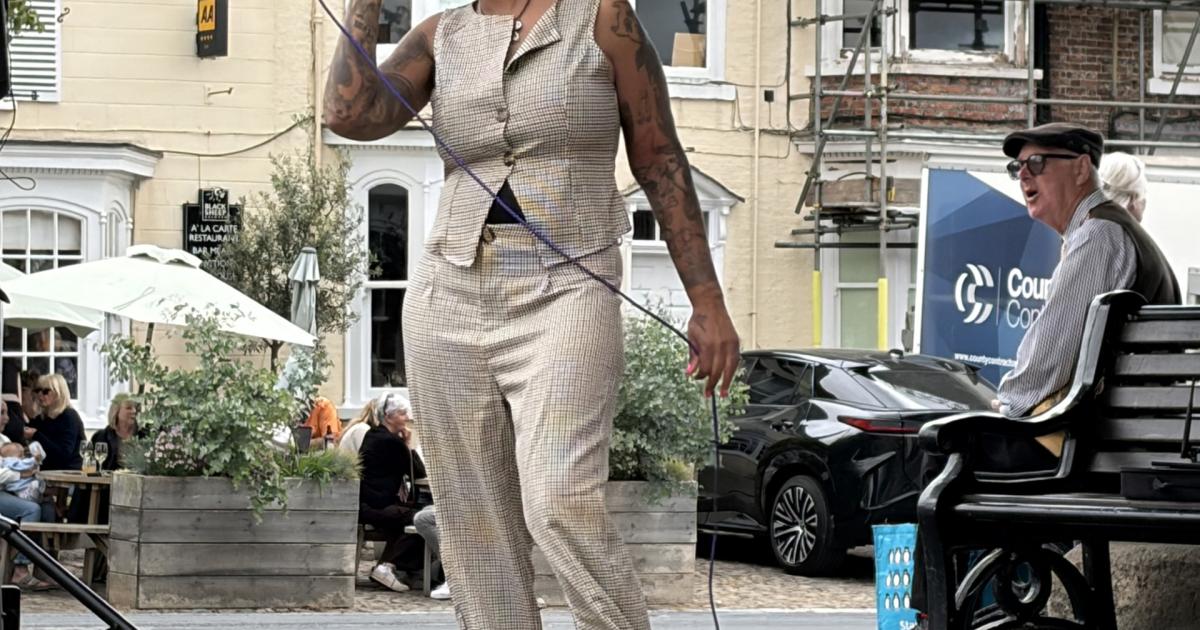
Easingwold’s regular free Summer of Music concert in the Marketplace featured a captivating performance by vocalist Carla, better known as the Northern Soul Sista, who filled the air with Tamla Motown and Northern Soul classics.


Recommended reads:

Heartbeat fans share memories as TV star Tricia Penrose takes on The Goathland Hotel

Why firefighters will climb Clifford’s Tower in York 343 times in 9/11 tribute

Advertisement

Organised gang steal more than £2,700 worth of stock in raids on shops around York


Carla’s set included ‘Get Ready’ by The Temptations and ‘Needle in a Haystack’ by The Velvelettes, alongside favourites like Tommy Hunt’s ‘Loving on the Losing Side’, Shirley Ellis’s ‘Soul Time’ and Arthur Conley’s ‘Sweet Soul Music’.

A dancing train formed in Easingwold during its weekend of live music. (Image: Submitted)

The musical afternoon concert concluded with an encore of The O’Jays’ ‘Love Train’, with attendees forming a dancing train that wound through the Marketplace.

Sunday saw the town come alive once more, as Easingwold hosted its annual 10K road race, with the  event drawing hundreds of runners and supporters who cheered them on.

Advertisement

Easingwold Town Band entertained the runners after the annual 10K race. (Image: Submitted)

After the race, the live entertainment resumed, with performances from the Easingwold Town Band, followed by The Young Ones.

Their lively set of 1950s and 1960s favourites, including classics by The Beatles, The Tremeloes, The Hollies, and The Everly Brothers, provided the perfect soundtrack to wrap up the weekend.

The Young Ones entertained onlookers with firm favourites. (Image: Submitted)

Town Councillor  Frank Johnston-Banks said the Summer of Music programme, with its mix of genres and talented performers, had been a hit with the community, with the Northern Soul Sista’s performance hailed a highlight of this year’s programme.

He said: “Weekends such as this remind us what makes our town of Easingwold so special: great music, a wonderful community spirit and people coming together to enjoy everything Easingwold has to offer.” 

Advertisement

Source link

Continue Reading

NewsBeat

George Michael’s estate in legal row with friend over release of ‘lost’ album’s unseen footage

Published

on

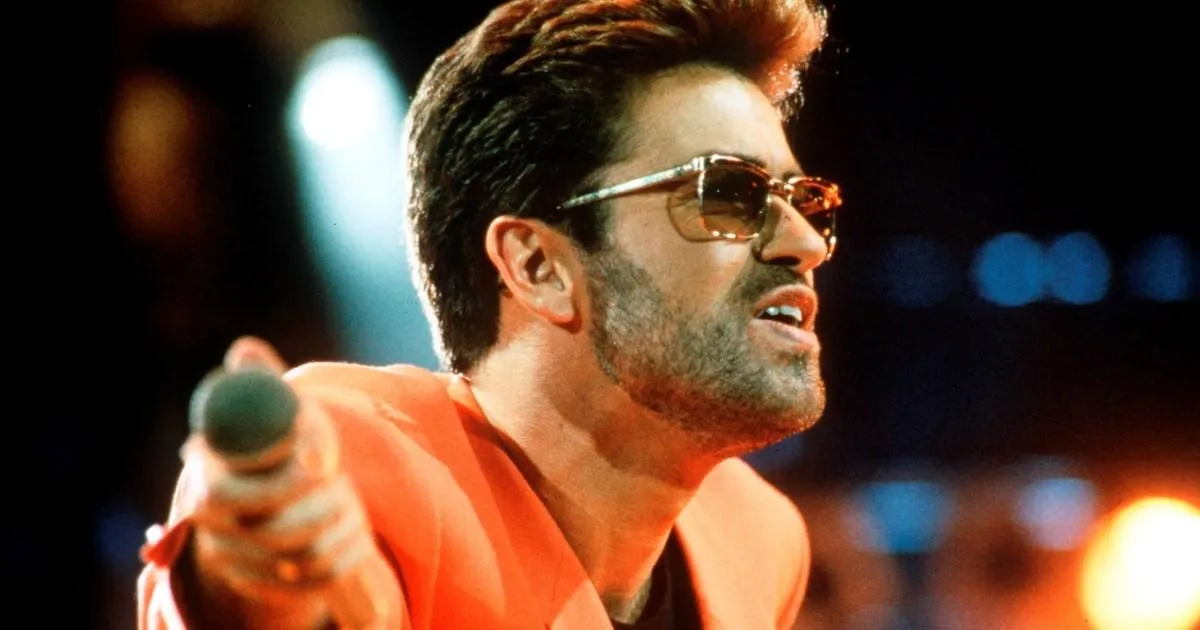
George Michael's estate in legal row with friend over release of 'lost' album's unseen footage
The estate of late singer George Michael is suing his cousin and former best friend (Picture: Michael Putland/Getty)

George Michael’s estate is suing his former best friend for charging fans to watch footage of the late star online from the recording of a lost album.

Andros Georgiou, 63, believes his old friend would be ‘turning in his grave’ at the legal action, which came in response to the online release of his film Trojan Souls – The Greatest Album That Was Never Made.

It features almost 90 minutes’ worth of recordings of the late Careless Whisper singer in the recording studio, shot in 1992 and 1993.

A website was launched last month to host the film, which asks fans to pay £4.99 for 48 hours access to Trojan Souls – The Greatest Album That Was Never Made, while distributor Tribe Media is also selling a £19.99 VIP tier, which promises access to previously unheard recordings of Wham! star Michael’s unreleased songs from the record.

Advertisement

George’s estate has lodged a case at London’s Intellectual Property and Enterprise Court, claiming its rights have been breached, according to The Sun, with Georgiou saying he had ‘no idea’ the estate planned to sue him until he was contacted by the newspaper about it.

Andros has branded this move ‘a case of sheer greed’.

LONDON, UNITED KINGDOM - DECEMBER 1: George Michael performs on stage at the 'Concert Of Hope', in Wembley Arena on December 1st, 1993 in London, England. (Photo by Pete Still/Redferns)
Andros Georgiou has released a film with unseen footage of Michael recording his ‘lost’ album Trojan Souls, which was never finished (Picture: Pete Still/Redferns)

He told Metro in a statement: ‘First and foremost – my brother in arms, my best friend, George Michael to you, Yog to me – would turn in his grave knowing what Russells (the estate’s lawyers) are attempting – and spending his money to do it.

‘It is well known Yog and I were working on Trojan Souls through my record label, Hardback Records.

‘The film I have released was shot by me, with Yog’s full approval – trust me, he would never have allowed anyone else into that studio.

Advertisement

‘This was a home video leaked over 30 years ago.’

Georgiou added that as it kept ‘resurfacing’ on YouTube and then other social media sites he decided to ‘put the film out myself, since others were already profiting from my home video’.

Mandatory Credit: Photo by Shutterstock (11787144es) George Michael with cousin Andros Georgiou 1997 Various - 1997
Georgiou and Michael grew up together after their fathers moved to the UK from Cyprus in 1953 (Picture: Shutterstock)
Mandatory Credit: Photo by Eugene Adebari/Shutterstock (103007d) Wham - Andrew Ridgeley and George Michael WHAM - 1983
Michael (pictured with Wham! co-star Andrew Ridgeley in 1983) would ‘turn in his grave’ if he knew about the legal action, Georgiou has said (Picture: Eugene Adebari/Shutterstock)

He had shot the video in Japan on George’s Faith tour, using a camcorder given to him by Sony.

Trojan Souls was set to feature duets with a remarkable number of musical stars including Sir Elton John, Stevie Wonder, Janet Jackson, Aretha Franklin, Bryan Ferry, Seal and Sade, but Michael – who died in December 2016 – is said to have lost interest in the record after his then-partner Anselmo Feleppa’s health declined.

Following Feleppa’s death in March 1993, he never completed the record.

Advertisement

According to The Telegraph, the film shows Michael playing the piano, performing vocals with backing singers and talking to producers about his track list in a studio in Los Angeles.

Georgiou and Michael grew up together as second cousins, whose fathers moved from Cyprus to the UK together in 1953, sparking ‘37 years of an unbreakable friendship’, according to the film’s website.

They co-founded the label Aegean Records together in 1996, but fell out after Michael’s arrest in an LA public toilet in 1998.

LONDON, UNITED KINGDOM - OCTOBER 9: George Michael performs on stage at 'NetAID' in Wembley Stadium, on October 9th, 1999 in London, United Kingdom. (Photo by Pete Still/Redferns)
Trojan Souls was set to feature duets with iconic pop acts including Elton John, Stevie Wonder and Aretha Franklin (Picture: Pete Still/Redferns)

While still estranged before his death, they had planned to reconcile and Georgiou said they had spoken on the phone in the final weeks of Michael’s life.

Georgiou added in his statement: ‘Yes, we fell out, but we loved and cared for each other deeply, and I find the baseless claims and the constant attempts to erase me from history both disrespectful and, frankly, a bit desperate.’

Advertisement

Michael died of natural causes at his home in Goring-on-Thames, Oxfordshire, on Christmas Day in 2016. He was aged just 53.

Robobuild Limited and Big Geoff Overseas Limited, the holding companies George used to manage royalties and world tours, have brought the claim against Georgiou and Tribe Media, the production house distributing the film.

Michael’s Wham! co-star Andrew Ridgeley is currently promoting a new documentary titled Wham! 10 Days in China, which focuses on their 1985 visit to China as part of their 1984–85 tour, The Big Tour.

They were the first Western pop act to visit the country.

Advertisement

Metro has contacted lawyers for George Michael’s estate for comment.

Source link

Advertisement
Continue Reading

NewsBeat

Scarborough beach toy library plan ditched by councillors

Published

on

Scarborough beach toy library plan ditched by councillors

A beach toy library allowing visitors to borrow toys for the day will not be set up in Scarborough after “legal and practical difficulties”, town councillors have said.

Similar free beach toy libraries have been set up in Devon, Somerset, and Essex but members of Scarborough Town Council voted to scrap the plan at a full meeting on Tuesday, July 29.

Advertisement

Deputy mayor, Cllr Sarah Mason, said the council’s community and place committee considered the beach toy library proposal but “found too many unresolved practical, safety and responsibility issues” for the authority to manage.

“They made a recommendation that we cease taking this matter forward,” she added.

Advertisement

The town clerk added that some of the issues raised by the council’s insurance company included liability concerns “if someone was to fall over the box or to cut themselves on a broken toy”.

She added that use of land owned by North Yorkshire Council and a lack of response from the authority had further hindered the proposal.

Advertisement

“We have spent a significant number of staff hours on it, and there have been recommendations from the community and place committee that we should potentially not look at this any further,” the clerk noted.

Cllr Rich Maw, who originally proposed the idea of a beach toy library, said he was disappointed by the recommendation to scrap the plan, adding that the scheme was also backed by a prominent beachfront business owner.

Advertisement

He told the meeting: “Instead, we’ve reached the conclusion that the idea is somehow unsustainable, without even testing whether or not the partnership could work. I also struggle with the suggestion that a beach toy library somehow conflicts with our environmental ambitions.

“The whole purpose of the scheme is to encourage the reuse of plastic toys that already exist, reducing waste, and discouraging the purchase of new disposable items, and this is despite the involvement of the business that sells those items.”

Advertisement

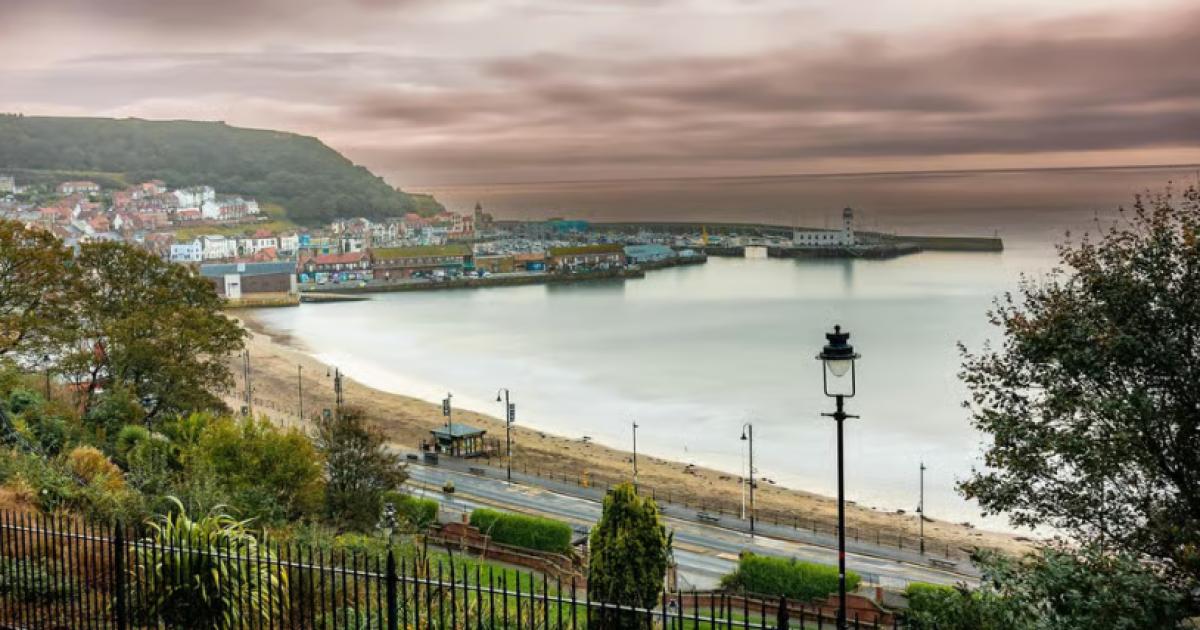
Scarborough South Bay Beach. Courtesy Anttoni Numminen Ldrs

However, Cllr William Stuart said that the “difficulties we’ve heard about are not caused by any lack of effort from this council” and suggested that littering on the beach was “the main issue”.

“We need to look carefully at what is actually causing the problem. From the discussions that I’ve had with residents and beach users, the main concern is litter,” he told the meeting.

Advertisement

Cllr Stuart said: “If someone leaves litter on the beach, rather than taking it to one of the many bins already available, how likely are they to take toys to a dedicated collection point that they may not even know exists?

“The priority should be in improving beach cleanliness and addressing the litter problem as a whole.”

Advertisement

Source link

Continue Reading

Trending

Copyright © 2025