

Business
(VIDEO) Mexico Beats South Korea 1-0 on Goalkeeper Error to Become First Team Into World Cup Knockouts


GUADALAJARA, Mexico — It wasn’t pretty, distinguished by little other than its stark black-and-lilac color scheme, but Mexico became the first team at the 2026 World Cup to secure its place in the knockout stage, defeating South Korea 1-0 on Thursday in a match shaped almost entirely by a single goalkeeping error.
The result means Mexico is now all but certain to top Group A and remain in Mexico City for the next round, setting up the possibility of a high-stakes meeting at the historic Estadio Azteca in the round of 16. The question hanging over both Mexico and South Korea after their opening wins was whether they had genuinely impressed or simply benefited from poor opposition — and Thursday’s match offered a fairly clear answer: neither side is overflowing with creative edge.
A Gift-Wrapped Goal
The only goal of the match arrived in the 50th minute, and it owed entirely to a defensive breakdown rather than any moment of attacking inspiration. South Korea goalkeeper Kim Seung-gyu came out to claim a looping header but jarred his elbow on the head of his own defender, Lee Ki-hyuk, in the process, spilling the ball into the path of Luis Romo. The Mexico midfielder hooked the loose ball into the net for his fifth international goal in his 64th appearance for the national team.
Romo was one of three changes Mexico manager Javier Aguirre made from the side’s opening victory, coming into the lineup in place of Álvaro Fidalgo. Aguirre resisted significant public pressure to hand a start to 17-year-old prodigy Gilberto Mora, opting instead for experience in midfield.
Mexico nearly surrendered the lead in the closing minutes, when goalkeeper Raúl Rangel produced a remarkable double save to preserve the result. Rangel got down to parry a header from Cho Gue-sung before twisting his body and summoning the core strength to gather Yang Hyun-jun’s sliced follow-up attempt, denying South Korea what would have been a deserved equalizer in the match’s final stages.
Aguirre Reflects on a Maturing Team
Mexico’s manager offered a candid assessment of his side’s performance after the final whistle, acknowledging that the match had not been an aesthetic showcase but praising his team’s tactical discipline. “It was quite a tactical match and hard to digest for the fans,” Aguirre said. “The wins speak of our maturity as a team. We were caught off guard before Rangel’s save but otherwise this speaks of a team that knows how to handle the game.”
Aguirre, now in his third World Cup at the helm of the Mexican national team, also reflected on his own evolution as a coach over that span. “I used to be more stringent,” he said. “I’m calmer, more serene. For instance, I don’t mind them using their smart phones all the time; last time I was in a battle with them.”
A New Stadium, an Old Rivalry of Circumstance
Thursday’s match marked the first time Mexico had ever played a World Cup game in Guadalajara, yet the stadium was not full for the historic occasion. While attendance was nowhere near as sparse as it had been during South Korea’s win over Czechia the previous week, plastic seats were visible in clear patches throughout the venue, particularly in the corporate tier that runs around the stadium’s center section.
The venue itself carries no connection to Guadalajara’s storied football history. This is not the old Estadio Jalisco, where England goalkeeper Gordon Banks famously kept out Pelé’s header in 1970, and where French forward Bruno Bellone scored in the penalty shootout of the unforgettable 1986 quarterfinal against Brazil — a spot kick that struck the post and bounced in off the head of Brazilian goalkeeper Carlos. Thursday’s match instead took place at Estadio Akron, officially rendered as Estadio Guadalajara under FIFA’s de-sponsored naming convention, located roughly 15 miles west of the historic Jalisco venue. The stadium, which opened in 2010 and features a grass-covered exterior, rises from a flat plain on the western edge of the city of Zapopan, which borders Guadalajara proper.
A Cautious Affair Lacking Urgency
Both sides played with notably less urgency than they had shown in their respective tournament openers, a dynamic that may have stemmed from the format itself. With a win already secured by each team heading into the match, a draw would have been more than sufficient to advance both nations toward the knockout stage. The result was a contest with little risk or attacking adventure from either side — the match’s first corner kick did not arrive until injury time.
The crowd appeared broadly accepting of the cautious approach, certainly more patient than the fans who had packed Estadio Azteca for Mexico’s opening match and had booed when their team led 1-0 against a South African side that had been reduced to ten men. Still, even Guadalajara’s more forgiving crowd had its limits — an extended spell of South Korean passing roughly eight minutes before halftime provoked a chorus of furious whistles from the stands, even if the protest had little bearing on the match’s outcome.
A Friendship That Didn’t Extend to the Pitch
South Korea and Mexico share a long-standing diplomatic and economic relationship dating back to 1905, when the first Korean migrants arrived in Mexico. Work began on a formal free trade agreement between the two nations in 2012, and although that agreement remains unconcluded, South Korea has since grown into Mexico’s sixth-largest trading partner globally. A Friendship Pavilion donated by the South Korean government stands today in the seniors’ garden at Chapultepec Park in Mexico City, a physical symbol of the bond between the two countries.
But that friendliness extended only so far on the pitch Thursday. When a team hands its opponent a goal on a platter, as Kim did with his costly error, there was never any realistic chance Mexico would decline the gift. Kim did partially redeem himself later in the match with a fine close-range block on a shot from Raúl Jiménez, though it is unlikely to be the moment anyone remembers from his evening in Guadalajara.
Off-Field Controversy Disrupts South Korean Preparations
South Korea’s buildup to the match was complicated by an off-field controversy that disrupted the squad’s preparations in the days leading up to kickoff. Video emerged of two individuals, believed to be journalists, making disparaging remarks about captain Son Heung-min’s abbreviated term of mandatory military service. In protest, South Korean players refused to perform media duties two days before the match against Mexico.
The disruption appeared to weigh on the team’s most recognizable star. Son, despite being only 33 years old, looked notably older and heavier-legged on the pitch, struggling repeatedly to navigate Mexico’s offside trap and unable to free the ball from between his own feet when a genuine scoring chance presented itself in front of goal. He was substituted not long after that missed opportunity.
Looking Ahead to the Final Group Match
South Korea coach Hong Myung-bo offered a measured response to the defeat, signaling his team’s intention to regroup before its final group-stage fixture. “Today’s result is disappointing,” Hong said. “The mistake we made was unfortunate but we shouldn’t be discouraged because we will prepare better for the next match.”
A draw against South Africa in South Korea’s final group match would still be enough to send the team through to the knockout stage, though Thursday’s performance offered little evidence that this particular South Korean side has the attacking quality to advance much further than that, even if it does survive the group phase. Mexico, for its part, has now won both of its group matches and all but secured a place in the round of 16 — but the co-hosts have so far shown little beyond a functional, results-oriented competence that has yet to translate into the kind of attacking spectacle their home fans are hoping to see as the tournament progresses deeper into the knockout rounds.


I’m specialized in fundamental equity research, global macro strategy, and top-down portfolio construction.
Analyst’s Disclosure: I/we have a beneficial long position in the shares of GOOGL either through stock ownership, options, or other derivatives. I wrote this article myself, and it expresses my own opinions. I am not receiving compensation for it (other than from Seeking Alpha). I have no business relationship with any company whose stock is mentioned in this article.
Seeking Alpha’s Disclosure: Past performance is no guarantee of future results. No recommendation or advice is being given as to whether any investment is suitable for a particular investor. Any views or opinions expressed above may not reflect those of Seeking Alpha as a whole. Seeking Alpha is not a licensed securities dealer, broker or US investment adviser or investment bank. Our analysts are third party authors that include both professional investors and individual investors who may not be licensed or certified by any institute or regulatory body.

DIVO: 3 Reasons This Covered Call Equity ETF Is A Buy


UK PM Starmer vows to fight any challenge after leading rival Burnham wins big
Business
‘Barack, look at me’: Michelle Obama’s emotional words about marriage and life bring Barack Obama to tears. Watch

Michelle Obama’s tribute leaves Barack Obama emotional
As Michelle Obama started her speech, she turned towards her husband and asked, “Barack you got to look at me.”
The former president responded with humour, saying, “No I’m not,” which brought laughter from the audience. “I’m gonna look down.”
The reason soon became clear as Michelle spoke about their families, the people who shaped them, their daughters Sasha and Malia, and Barack Obama’s time as president. She praised his achievements and described his “unshakeable moral fibre”, leaving him visibly moved.
At one point, Barack Obama wiped tears from his eyes as Michelle told him, “You always gave us the very best within you, and in doing so, you reminded the rest of us that we could too.”

Michelle said the centre was not only about celebrating a former president or an administration. She said it represented the stories, struggles and values that shaped them.
“Barack and I have always said that this center is grounded in our stories, but it has never been about us.”She also remembered a promise Barack made early in their relationship.
“You told me all those years ago that you couldn’t promise me the world, but you could promise me an interesting life, and of course you outdid yourself and managed to give me both.”
Barack Obama thanks Michelle and family
After taking the stage, Barack Obama began his speech by greeting his hometown crowd.
“Hello Chicago. Sweet home, Chicago,” he said.
He thanked the former presidents and leaders attending the event and described former President Joe Biden and former First Lady Jill Biden as “family”.
Turning his attention to Michelle, Obama joked about her emotional speech.
“To Michelle, she did me wrong. She wouldn’t let me see her speech. She knew she was going to mess me up, but she did it anyway,” he said, drawing laughter from the audience.
He then added, “But she’s always made me better and I could not be more grateful.”
Obama also shared a message for his daughters.
“And to Sasha and Malia, what can I say? You mean everything to me.”
The former president also reflected on his connection with Chicago, recalling his arrival in the city in 1985 when he was 23 years old. He said he travelled there in a secondhand car bought in New York and already knew he wanted to create change.
Pointed remarks without naming Trump
During their speeches, both Barack and Michelle Obama made remarks about democracy and American values without directly mentioning the current administration.
Michelle Obama said, “No one, I mean no one, has the right to sit in judgment of who’s American enough,” receiving applause from the audience.
She also urged people not to give up during difficult times.
“We simply don’t have the luxury or time to be cynical or complacent, to wring our hands in despair, to wait for someone else to fix the problem. Y’all, hope is all we have.”
Barack Obama spoke about the importance of “shared values that make democracy possible”. While he did not name the current president, his comments appeared to focus on broader political debates and concerns around democracy.
The event highlighted the former president and first lady’s personal journey, their connection with Chicago and their message about hope, participation and public service.

Australia’s share market has wiped most of the week’s gains in two sessions, as a rising greenback and global growth concerns dragged metals prices lower.

Gathering the right documents is the part of selling a home that catches most people off guard. You picture viewings and offers, then a solicitor asks for forms you have never heard of.
The pressure is real. Nearly one in three agreed sales (29.8%) in the UK collapsed before completion in 2024, and missing or late paperwork is a frequent reason deals stall. The reassuring news is that the list is finite, and most of it can be sorted before your home even goes live.
Independent chartered surveyors King West have produced a plain English guide to the paperwork you need to sell my house, and this article walks through each document so you can be sale ready from day one.
Key Takeaways
- Every seller needs ID, title deeds, an EPC, and two standard property forms (TA6 and TA10).
- An EPC is a legal requirement and stays valid for ten years from the date it is issued.
- Leasehold homes need extra documents, including the lease and a freeholder’s management pack.
- Improvements often need certificates such as FENSA, regulations approval, or planning consent.
- Starting early removes the delays that cause so many sales to fall apart.
The Short Answer on Documents You Need
Selling a home in the UK calls for identity and address documents, your title deeds, a valid Energy Performance Certificate, a completed Property Information Form (TA6), and a Fittings and Contents Form (TA10). Leasehold homes call for further paperwork on top of these basics.
Most of these items sit with you, your conveyancer, or a public register, so none should be a mystery once you know where to look. The trickier factor is timing. Sellers who leave it late often watch a transaction drift while a single certificate is tracked down.
| Document | What it does | Where to get it |
|---|---|---|
| Proof of ID and address | Confirms who you are for compliance checks | Passport or driving licence plus a recent bill |
| Title deeds | Show you legally own the property | HM Land Registry or your conveyancer |
| EPC | Rates the home’s energy use | An accredited domestic energy assessor |
| TA6 form | Discloses the property’s key facts | Completed by you with your conveyancer |
| TA10 form | Lists what stays and what goes | Filled in by you and your solicitor |
| Leasehold pack (TA7) | Sets out lease terms and charges | Your freeholder or building manager |
Fall-through rates have climbed sharply, which is why early preparation matters.
Proof of Identity and Address Comes First
Proof of identity is the very first thing any UK seller hands over. Estate agents, conveyancers and mortgage lenders are all bound by law to verify who you are under rules that guard against money laundering, so nothing progresses until these checks clear.
You will usually be asked for two separate items:
- A current passport or photocard driving licence to confirm your identity.
- A recent utility bill or bank statement, dated within the last three months, to confirm your address.
| Heads up: Without verified identity documents, a solicitor cannot open a file or start work, so sort this out the moment you instruct one. |
Title Deeds and Proof That You Own the Home
Title deeds are the legal records that prove you own a property and hold the right to sell it. For most homes these are stored electronically, so your conveyancer can pull an official copy of HM Land Registry’s official records within minutes.
A digital official copy of the title register currently costs seven pounds, following a fee change in December 2024. If you bought the home recently, you may still have your own copy from that purchase.
There is a catch for older homes. Around 15% of land and property in the UK is still not registered, and selling an unregistered home means proving ownership with the original deeds, often through a first registration application that your solicitor handles.
Most homes in the UK sit on the register, so a lost paper deed rarely stops a sale. The register is the proof that counts.
Why an EPC Is Not Optional
An Energy Performance Certificate, or EPC, is a document that rates a home on energy efficiency using a scale from A to G. It has been mandatory for sellers since 2008, and you must have ordered one before your property is advertised.
Each certificate remains valid for a decade, so check the public register before paying for a new assessment. You can read the government’s official EPC guidance to see how the rating is produced and who can carry it out.
Standards tightened in June 2025, with assessors now recording more detail about glazing, heating and insulation. Keeping receipts for any energy upgrades helps your home earn the rating it deserves.
| Pro tip: Arrange your EPC as soon as you decide to sell. Many estate agents can book the assessment for you, and a better rating can lift buyer interest. |
The TA6 and TA10 Forms Explained
The TA6 Property Information Form is where you disclose the practical facts about your home. It covers boundaries, neighbour disputes, building work, guarantees, flood risk, parking and utilities, and a buyer’s solicitor leans on it heavily.
The TA10 form sits beside it. This document records precisely what is included in the price, from kitchen appliances and curtains to light fixtures and garden sheds, which heads off arguments on completion day.
Accuracy on both forms matters more than sellers expect. In a recent Google review, one King West client thanked the team for going above and beyond to resolve issues that surfaced during their sale, the sort of snags that often trace back to unclear documentation. Tidy paperwork from the outset gives your agent and solicitor far less to untangle later.
Extra Documents for Leasehold Properties
Leasehold sellers carry a heavier load than freeholders. Alongside the core documents, you will need the lease itself, a leasehold information form (TA7), and a management pack from your freeholder or managing agent.
A typical leasehold bundle includes:
- The lease agreement and any deed of variation.
- Ground rent and service charge statements for recent years.
- Buildings insurance details held by the freeholder.
- Recent accounts and minutes from the management company.
- Notices of any major works planned for the building.
| Worth knowing: Management packs can take several weeks to arrive and often carry a fee, so request yours the moment you list. Leasehold flats also fall through more often than freehold homes, which makes early preparation even more valuable. |
Certificates for Building Work, Safety and Guarantees
Any work carried out on the property tends to come with paperwork a buyer will expect to inspect. Replacement windows need a FENSA or CERTASS certificate, while extensions and structural changes need building regulations completion certificates and, where it applied, planning permission.
Pull together anything that proves work was done properly:
- FENSA or CERTASS certificates for replacement windows and doors.
- Completion certificates from building control for extensions or conversions.
- Planning permission documents where consent was required.
- Gas Safe records and an electrical condition report where relevant.
- Warranties and guarantees for damp proofing, timber treatment, a boiler, or a newer build.
If a mortgage is still secured on the home, your conveyancer will also need a redemption statement showing the outstanding balance owed to your lender.
Where an original has gone astray, an indemnity policy can reassure a cautious buyer, though tracking down the genuine paperwork is always the cleaner route.
When to Start and How Long It Takes
The best moment to gather documents is before your home reaches the open market. Some items appear instantly, while others take weeks, and the slow ones are usually the documents that hold up an otherwise healthy sale.
Front loading this work also strengthens your position once an offer lands, because a buyer who can proceed without waiting on missing papers is far less likely to drift towards another property.
Lead times vary widely, so start with the documents that take longest.
Buyers move faster when everything is ready, which is one of the simplest ways to sell your house quickly. Choosing a solicitor early helps too, so it pays to start comparing conveyancing quotes as soon as you list.
Delays bite hardest inside a property chain, where one slow seller can stall everyone. Your route to market matters as well, so weigh up selling at auction against using an estate agent before you commit.
Frequently Asked Questions
Can I sell my house without an EPC?
No. An EPC is mandatory, and you need one in place before the property is marketed. A small number of listed buildings and homes due for demolition are exempt. Each certificate lasts ten years, so check whether yours is still current.
What if I cannot find my title deeds?
There is no need to panic. The vast majority of UK homes are registered, so your conveyancer can download a digital copy of your title register from HM Land Registry for seven pounds. Unregistered homes need to apply for first registration instead.
How long does it take to gather selling documents?
Identity checks and an official title copy take minutes. An EPC usually arrives within a few days. Leasehold management packs and replacement certificates can run to several weeks, so tackle those first to protect your timeline.
Who fills in the property information forms?
You complete both yourself, normally with guidance from a conveyancer. The TA6 sets out details of the property, while the TA10 covers the fittings included in the sale. Getting them right shields you from disputes nearer completion.
Do I need certificates for work done on the house?
Yes, where that work required them. New windows require FENSA or CERTASS sign off, and an extension needs building control approval. Indemnity insurance can cover a missing certificate, although many buyers prefer to see the originals.
Getting Sale Ready
Selling a home runs far more smoothly when the documents are ready before the first viewing. Identity checks, title deeds, an energy certificate and the two property forms make up the backbone of every sale, with leasehold homes and improved properties adding a few extras.
Pull these together early, lean on your conveyancer for the technical forms, and you remove the most common cause of last minute hold ups. A prepared seller is a confident one, and that confidence is what carries a deal from accepted offer through to completion.

Gold heads for third straight weekly fall as hawkish Fed eclipses Iran truce cheer
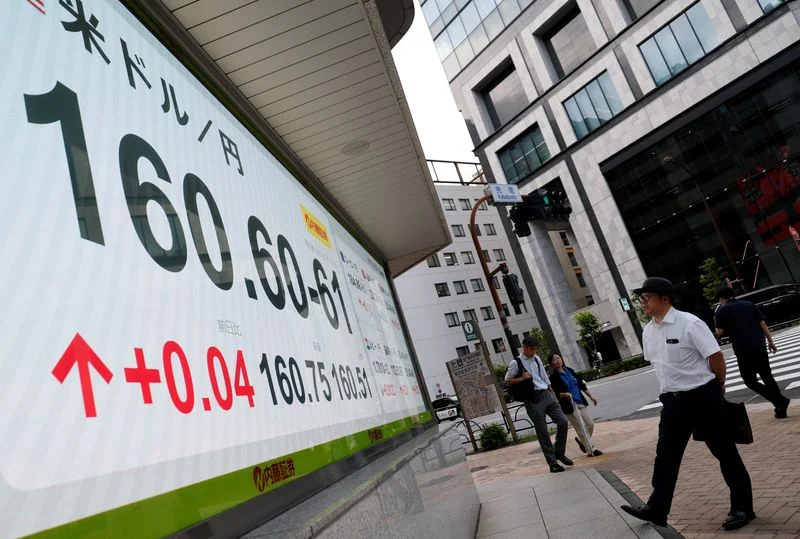

Yen teeters on cusp of 40-year low as BOJ hike fails to stem rout
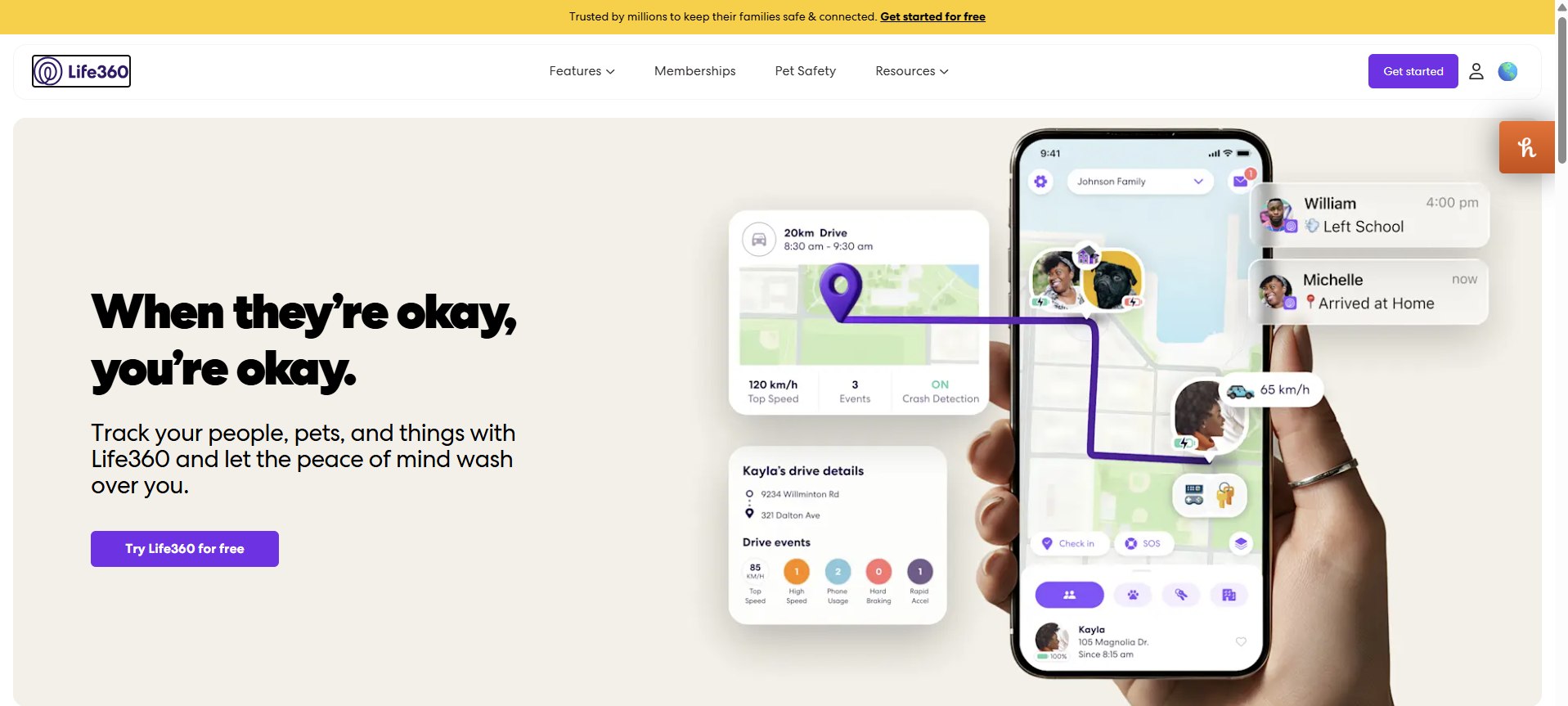
Shares of Life360 Inc. rose 6.19% on Friday, climbing $1.39 to close at $23.84, after the family safety and location-tracking company launched a new ride-hailing integration with Uber, giving the app’s tens of millions of users a fresh tool for monitoring rides taken by family members.
A New Integration Aimed at Driving User Engagement
The new Uber integration went live for Life360 members in select markets on June 18, 2026, marking the latest expansion of the company’s core family safety platform into adjacent services that touch everyday family logistics.
Life360, Inc. is a family connection and safety company. The company’s mobile app, Tile tracking devices, and Pet GPS tracker help members stay connected to people, pets, and things, with a range of services including location sharing, safe driver reports, and crash detection with emergency dispatch. The company’s core offering, the Life360 mobile application, includes features like communications, driving safety, digital safety, and location sharing.
A Massive and Growing User Base
The Uber partnership arrives as Life360 continues to expand a user base that already ranks among the largest in the family safety technology category. Life360 has become a meaningful part of everyday family life for more than 97 million people who use the app to keep their families safe and connected, according to Chief Executive Officer Lauren Antonoff.
Life360 is the world’s largest family-focused social network, with nearly 100 million monthly active users. The company exited 2025 with over 95 million monthly active users and 2.8 million Paying Circles, with a clear path toward 20% monthly active user growth.
Record First-Quarter Results
Friday’s rally builds on a string of strong recent financial results for the company. Life360 announced unaudited financial results for the first quarter of 2026 ended March 31, 2026, achieving record-breaking results across key metrics, including Paying Circles, Global Net Additions, Subscription Revenue, Annualized Monthly Revenue, and Advertising Revenue.
Life360 reported total revenue climbing 38% year-over-year to $143.1 million in the first quarter of 2026. Subscription revenue grew by 32%, with significant international expansion, while advertising revenue surged by 329%, benefiting from organic growth and acquisitions.
Antonoff highlighted the role of the company’s advertising business in driving that growth. “The value we deliver to our members powered record-breaking Paying Circle additions in Q1,” Antonoff said. “At the same time, our Life360 Ads platform scaled to become a material part of our business.”
A Strengthened Balance Sheet
The company has also significantly bolstered its cash position over the past year, giving it additional flexibility to pursue further growth initiatives and strategic acquisitions. Life360 ended the first quarter of 2026 with $459.0 million in cash, cash equivalents, restricted cash, and short-term investments, a significant increase from $170.4 million a year earlier, primarily driven by net proceeds from a June 2025 convertible notes offering and operating cash flows generated over the prior twelve months. In the first quarter alone, the company generated operating cash flows of $17.2 million, up 42% year-over-year.
That increase in cash was primarily driven by net proceeds from the issuance of the June 2025 convertible notes and cumulative positive operating cash flow, partially offset by $106.4 million in purchases of short-term investments and $55.6 million of net cash paid for the acquisition of Nativo.
A Mixed Market Reaction to Growth
Despite the strong top-line results, the stock’s reaction to the company’s first-quarter earnings report was initially negative, reflecting investor concerns about the costs associated with that growth. Despite the revenue growth, the company’s stock fell 3.13% in after-hours trading following the earnings release, closing at $42.67. The market reaction appeared to be influenced by a decline in gross margin and increased operating expenses. Operating expenses rose by 46%, impacting profitability, and technical issues affected user registration, potentially influencing future growth.
Revenue Guidance and Analyst Price Targets
Looking ahead, the company has issued a formal outlook for the remainder of the year that reflects continued, if somewhat moderated, growth expectations. Life360 issued revenue guidance for fiscal 2026, with expected consolidated revenue of $640 million to $680 million, including subscription revenue of $460 million to $470 million, other revenue of $140 million to $160 million, and hardware revenue of $40 million to $50 million.
Wall Street’s outlook on the stock has shifted somewhat in recent weeks. Citi recently lowered its price target on Life360 to $60.15 from $68.30, while maintaining a Buy rating on the stock. Analysts have separately adjusted their broader price target for the stock down to A$38.46 from A$42.13, reflecting updated views on growth, margins, and the price-to-earnings ratio they are prepared to apply to the stock.
Other research has offered a more bullish long-term view of the company’s trajectory. With a near 200% year-over-year increase in operating cash flow generated in the fourth quarter alone, Life360’s unit economics are seen as highly optimized. With a clear path to 20% monthly active user growth and $640 million to $680 million in consolidated revenue guided for 2026, the company is viewed as structurally designed to generate significant long-term flexibility as it marches toward its goal of $1 billion in annual revenue.
A Volatile but Strong Multi-Year Performance
Despite recent share price swings, Life360 has delivered substantial returns for long-term shareholders. Total returns to shareholders have reached 306% over the past three years, reflecting the company’s broader growth trajectory even amid periodic volatility tied to individual earnings reports and shifting analyst sentiment.
Simply Wall St’s valuation model estimates the intrinsic value of the stock at AU$43.67 per share, offering one additional data point as investors weigh the company’s current valuation against its long-term growth prospects.
Continued Expansion Into New Revenue Streams
The Uber integration represents the latest example of Life360’s broader strategy of layering additional services on top of its core family-location platform, an approach the company has also pursued through targeted acquisitions. Among Life360’s competitors in the family safety technology space are Qustodio, Sygic, FindMyKids, GeoZilla, and Bark Technologies, underscoring the increasingly competitive landscape the company is navigating as it works to diversify its revenue streams beyond its traditional subscription business.
With the new Uber ride integration now live in select markets and the company continuing to scale its advertising platform alongside its core subscription business, investors will be watching closely to see whether Life360 can sustain its recent pace of user growth while improving the profitability metrics that weighed on the stock following its first-quarter earnings report. The company’s upcoming quarterly results will offer the next significant test of whether initiatives like the Uber partnership can meaningfully contribute to the broader revenue diversification strategy management has outlined for 2026 and beyond.
Friday, June 19, marks Juneteenth, the federal holiday set aside annually to commemorate the abolition of slavery in the United States — and as Americans across the country observe the day, many are left wondering exactly which banks, government offices, retailers, and delivery services will be operating on normal schedules.
The recognition dates back to June 19, 1865, when Major General Gordon Granger traveled to Galveston, Texas, to deliver the news that enslaved people had been freed, sparking widespread celebrations. Though the historical day has been recognized for more than 150 years, Juneteenth wasn’t officially designated a federal holiday until President Joe Biden signed the Juneteenth National Independence Day Act into law in 2021.
In observance of the holiday, schools that haven’t yet entered summer recess will be closed, and many employees will have the day off from work. Below is a complete breakdown of what to expect from banks, the postal service, shipping carriers, government agencies, restaurants, and major retailers this Juneteenth.
Banks Will Be Closed
A majority of banks, credit unions, and other financial institutions will be closed on Friday, June 19, including Bank of America, Chase, Citibank, Capital One, M&T, PNC, Santander, Truist, and Wells Fargo. That means customers will not be able to do business at most branches other than performing ATM transactions. It also means that any withdrawals or deposits made on the holiday will not post until at least the following business day, which, at the earliest, is Monday, June 22.
The Stock Market Will Be Closed
Like banks, U.S. stock markets follow the Federal Reserve’s holiday schedule, meaning markets will be closed on Friday. Trading will resume on Monday, June 22, at 9:30 a.m. Eastern Time. The closure affects all major U.S. exchanges, giving traders and investors a three-day weekend before markets reopen.
No Mail Delivery This Friday
On Friday, June 19, a majority of government agencies and offices will be closed in honor of Juneteenth. Given that the U.S. Postal Service is a federal agency, all post offices will be closed and there will be no mail delivery. Post offices will reopen on Saturday, and mail delivery will resume at that time.
UPS and FedEx Will Operate Normally
Unlike the Postal Service, private shipping carriers will continue normal operations on the holiday. Though UPS offers adjusted hours on certain holidays, the shipping service will operate normally on Juneteenth. Whether someone is shipping a package, expecting a delivery, or has business at a UPS Store, all will be open as usual.
FedEx will also be open on Friday, June 19, with shipping and delivery services operating on a typical weekday schedule. Customers expecting time-sensitive deliveries through either carrier should not experience any disruption tied to the holiday.
The DMV Will Be Closed
Even though each state operates its own bureau or department of motor vehicles, all are run by local government agencies. That means DMV offices are typically closed on federal holidays, including Juneteenth Independence Day, and residents needing to renew licenses, register vehicles, or handle other DMV business should plan around the closure.
Restaurants Will Remain Open
Many restaurants remain open on major holidays like Thanksgiving, Christmas, and Easter to serve customers who prefer to eat out, and the same holds true for Juneteenth. A majority of eateries, restaurants, and fast-food chains will be open during normal business hours, giving diners plenty of options for marking the holiday with a meal out.
Major Retailers Stay Open, With One Notable Exception
Nearly all major retail chains will be open during normal business hours on Friday, June 19, including Walmart, Target, Costco, Home Depot, Lowe’s, Kohl’s, Macy’s, TJ Maxx, and most others. Shoppers looking to run errands or take advantage of holiday sales should not encounter any closures at these retailers.
One notable exception stands out among major chains: Patagonia. The outdoor retailer historically closes all its U.S. stores on June 19 in observance of the holiday, a practice that has set the company apart from most of its retail peers in how it marks Juneteenth.
Grocery Stores and Pharmacies Will Be Open
For anyone needing to stock up on groceries or fill a prescription, most major grocers will be open for business as usual on Friday, including Aldi, Kroger, Whole Foods, Trader Joe’s, Albertsons, Stop and Shop, Publix, H-E-B, Safeway, and ACME, among others. Shoppers should not expect any disruption to regular grocery shopping routines as a result of the holiday.
Planning Ahead for the Long Weekend
With banks, the stock market, the postal service, and DMV offices all closed Friday, those with time-sensitive financial transactions, mail needs, or government business may want to plan accordingly before the holiday or wait until offices reopen the following business day. Meanwhile, anyone needing to ship a package, grab dinner out, or run essential errands at a grocery store or major retailer should find business largely unaffected, with most of the retail and shipping sectors continuing normal operations straight through the holiday.
For those observing Juneteenth as a day of reflection and celebration, the mix of closures and continued operations underscores how the holiday — now in its fifth year as an officially recognized federal observance — has settled into a pattern similar to other major U.S. holidays, with financial institutions and government offices pausing operations while much of the retail and hospitality sector continues serving customers as usual.
With markets, banks, and government offices set to reopen Monday, June 22, the coming business week will see a return to standard operating hours across the financial sector. Any pending transactions, mail deliveries, or DMV appointments delayed by Friday’s holiday closures should resume processing as normal once offices reopen at the start of the new week.

Amazon employees file civil rights complaint over company probe into data center testimony

8 worst financial mistakes between 18-25! Escape the Middle-Class Trap Now!

Arsenal FC fixtures after Champions League games as Man City double-header is confirmed

Blockchain.com files with SEC for U.S. IPO

No Jackpot Winner as $257 Million Prize Rolls Over to $269 Million Monday Draw

Israel says it has killed new Hamas military leader in Gaza City airstrikes
8 worst financial mistakes between 18-25! Escape the Middle-Class Trap Now!

Crypto Trading LIVE: BTC Live Trading Bitcoin Analysis | 15 JUNE #crypto #bitcoin #btc

LPG Conversion: Financial Miracle or Engine Killer? #automobile
-
 Business5 days ago
No Jackpot Winner as $257 Million Prize Rolls Over to $269 Million Monday Draw
-

 Fashion7 days ago
Weekend Open Thread: Tuckernuck – Corporette.com
-
 Crypto World4 days ago
Zimbabwe Requires Crypto Businesses to Register Annually Under New FIU Regulations
-

 Crypto World6 days ago
Bitget enters Argentina’s regulated crypto market through PSAV registration
-

 Tech6 days ago
NanoClaw integrates JFrog registries to secure AI agent downloads
-

 Tech7 days ago
This Week In Security: Microsoft On Microsoft, Register Your Domains, Linux On ARM, And FreeBSD Joins The File Cache Club
-

 NewsBeat7 days ago
FBI searches office of Ohio voter registration group
-
 Entertainment5 days ago
Matt Damon’s Viral Sci-Fi Thriller Has Taken Over HBO Max
-

 Business5 days ago
Anthropic staff to meet White House officials next week, Axios reports
-

 Tech5 days ago
As AI companies race to go public, who else is along for the ride?
-
 Crypto World5 days ago
Bitcoin could crash to $48,000, if this historical pattern is triggered
-

 Politics5 days ago
“Israel’s” ban on ICRC visits ruled illegal, but Knesset moves to stop them permanently
-
 NewsBeat5 days ago
Warning of disruption as Cardiff Crossrail works to start
-

 News Videos5 days ago
Financial Accounting | Last Day Revision Strategy and Booster | CMA Inter – June 2026
-
 NewsBeat5 days ago
Tributes to former deputy head teacher at Cambridge school among death and funeral notices
-

 Entertainment5 days ago
Deion Sanders Shares Powerful Post After Viral Advice To Deiondra
-
 Crypto World5 days ago
Market Preview: SpaceX (SPCX) IPO Record, Federal Reserve Meeting, and Iran Nuclear Agreement
-
 NewsBeat5 days ago
what doctors are seeing in ebike crashes
-
 Entertainment5 days ago
Kate Middleton Glare Goes Viral After Kids Booed At Royal Event
-

 Business5 days ago
Invesco Quality Income Fund Q1 2026 Commentary
You must be logged in to post a comment Login