TL;DR
Jio Platforms filed for a $3.8B IPO that would be India’s largest ever, with $2.9B earmarked to repay its telecom unit’s foreign currency debt.



Jio Platforms filed for a $3.8B IPO that would be India’s largest ever, with $2.9B earmarked to repay its telecom unit’s foreign currency debt.
Jio Platforms, the digital and telecom arm of Mukesh Ambani’s Reliance Industries, filed its draft red herring prospectus with India’s securities regulator on Friday for what would be the country’s largest initial public offering. The filing covers a fresh issue of up to 270 million shares, with no offer-for-sale component, meaning every rupee raised flows directly into the company’s balance sheet.
The IPO is expected to raise approximately $3.8 billion, according to people familiar with the matter. That would surpass Hyundai Motor India’s $3.3 billion listing in October 2024, currently the record for an Indian maiden offering.
The DRHP specifies that 275 billion rupees ($2.9 billion) of the net proceeds will go toward prepaying external commercial borrowings held by Reliance Jio Infocomm, its telecom subsidiary. The remaining funds are earmarked for general corporate purposes.
The borrowings in question consist of three loan facilities denominated in dollars and yen, totaling 300.6 billion rupees. Lenders include Australia & New Zealand Banking Group, Bank of America, Barclays, BNP Paribas, and Citibank. All three facilities are scheduled for repayment between March and June 2028, but Jio Platforms intends to prepay them in full or in part from the IPO proceeds.
Ambani announced the filing at Reliance Industries’ 49th annual general meeting on June 19, describing the listing as a step toward unlocking value for shareholders. The IPO will be led by Akash, Isha, and Anant Ambani, the next generation of the family.
Nineteen banks have been appointed as book-running lead managers, including Morgan Stanley, Goldman Sachs, J.P. Morgan, and Kotak Mahindra Capital.
The deleveraging strategy is significant. Jio Platforms’ net debt stood at 275.8 billion rupees as of March 2026, down from 452.7 billion rupees a year earlier and 484.4 billion rupees in March 2024. A successful IPO would eliminate the bulk of the remaining foreign currency exposure and reduce the company’s annual servicing costs.
The company said in the prospectus that repaying the debt would improve its ability to raise future resources for business development and position it for continued investment in 5G network densification, fixed broadband expansion, and AI and cloud services.
Jio Platforms operates through its telecom subsidiary Reliance Jio Infocomm, which is the world’s second-largest mobile operator by single-country subscribers after China Mobile. As of March 2026, it had 524.4 million subscribers, with 268.5 million already on its 5G network, making it the largest single-country 5G operator outside China in a market racing to scale its digital infrastructure.
In the financial year ending March 2026, Jio reported operating revenue of approximately 1.47 trillion rupees ($15.6 billion) and a net profit of roughly 300 billion rupees ($3.2 billion). EBITDA rose 18.8% to 762.6 billion rupees, with margins improving to 51.9%.
At a valuation above $130 billion, which analyst estimates place between $131 billion and $180 billion, the IPO would make Jio Platforms one of the most valuable companies to list in Asia. The offering represents roughly 2.9% of post-issue equity, enabled by a March 2026 regulatory change that allows companies valued above 5 trillion rupees to list with just 2.5% public float.
Meta holds a 9.99% stake and Google holds 7.73%, both acquired during a 2020 fundraising round that brought in more than a dozen global investors including KKR, Vista Equity Partners, Silver Lake, and sovereign wealth funds from Abu Dhabi and Saudi Arabia. The fresh-issue structure means none of these investors are selling in the IPO itself, though the DRHP does not restrict future secondary sales once lock-up periods expire.
The timing places Jio’s filing alongside a broader wave of major Asian tech listings. At the same AGM, Ambani outlined a $110 billion AI infrastructure investment over seven years and announced a partnership with Meta to build an AI data centre in Jamnagar, Gujarat. The IPO proceeds, by clearing the balance sheet of foreign currency debt, would free up capacity for those commitments.
India’s broader push toward technological self-reliance and sovereign AI infrastructure adds a geopolitical dimension to the listing. Jio has positioned itself as the backbone of India’s digital economy, and its 5G and AI ambitions align with the government’s stated goal of reducing dependence on foreign technology platforms.
Existing Reliance Industries retail shareholders will receive a dedicated quota in the offering, with up to 35% of the issue reserved for retail investors. Price band, lot size, and bidding dates have not yet been disclosed, which is standard at the DRHP stage. These will follow once SEBI issues its observations and Jio files its final prospectus.
The draft document did not specify the IPO’s total size in rupee terms, as the issue price will be determined through book building. However, based on the 270 million share figure and prevailing valuation estimates, the offering is expected to land in the range of 360 billion rupees.

Welcome back to TechCrunch Mobility — your central hub for news and insights on the future of transportation. To get this in your inbox, sign up here for free — just click TechCrunch Mobility!
Today is Juneteenth, a U.S. federal holiday marking the end of slavery in the United States.
About 10 years ago, there was a lot of chatter about who was winning the self-driving car race. One of the problems with that debate — besides assuming there would be just one winner — was that no one had a reliable way to measure it. This was an early era filled with a lot of demos and capital, but little substance — at least what the public, and folks like myself, had access to.
Advisory and research startup Autnmy AI has developed a generative AI platform to create a benchmarking system that evaluates and ranks autonomous vehicle companies in an effort to answer that question in real time. And this week, the startup released its Road to Autonomy Index, which searches relevant global public databases, including federal and state reports, SEC documents, public exchanges, and other data. The system weighs the company’s operations, scale, revenue, commercial partnerships, manufacturing, and safety record based on that data and provides an update every 12 hours. There are four indices that rank robotaxis, autonomous driving licensing companies, autonomous trucks, and delivery bots.
One important note, per Autnmy AI co-founder Rob Grant, the AI platform doesn’t just scrape information off the internet. “We agreed early on, we don’t scrape information,” he said. “If it’s publicly available or if it’s available under a Creative Commons license, we will use that information. We do have some license data that we pay folks for, and under that agreement too.”
The indices take a global approach, which produces some interesting results. One of the initial takeaways that made an impression on Grant was China’s stronger ranking across multiple categories.
As of Friday, the robotaxi leader was not Waymo. It was China’s Baidu Apollo Go program — just barely. Waymo was in the secondary position, followed by Chinese companies Pony.ai and WeRide. Tesla was in the fifth position.

I was reminded recently by a little bird to keep an eye on the Texas automated vehicle tracker tool that launched in May. And I am glad they did; looks like Tesla, Waymo, and Zoox are building up their respective fleets in the state. Reminder: This doesn’t mean every one of these are being used commercially. Zoox, for instance, cannot operate commercially until it receives an exemption from the federal government. It currently has the ability to give rides in its custom-built robotaxi but cannot charge customers.
As of May 28, Waymo had 577 autonomous vehicles registered in the state. It now has 620 of them, about a 7.5% increase in less than a month. Tesla now has 69 registered autonomous vehicles, a 64% increase from the 42 it had on May 28. Zoox, which had 35 registered autonomous vehicles last month, now has 43.
Avride, Nuro, and Volkswagen subsidiary MOIA are holding steady at 317, 47, and 12, respectively.
Got a tip for us? Email Kirsten Korosec at kirsten.korosec@techcrunch.com or my Signal at kkorosec.07, or email Sean O’Kane at sean.okane@techcrunch.com.

Cargofy, a logistics company that uses AI to automate freight operations, raised $11 million in a Series A funding round led by u.ventures, Toloka, and Movens Capital. Des Traynor, co-founder of Intercom, and several angel investors, also participated.
Carro, the Singapore-based online car marketplace, acquired Australian used-car platform CarPlace, Reuters reported. Terms were not disclosed.
Gatik, a startup that has developed self-driving trucks for short hauls, announced a multi-year partnership with PepsiCo. The companies wouldn’t share the value of this deal, but it does signal PepsiCo’s commitment to Gatik, which is already operating driverless trucks for the food and beverage giant across Arkansas, Arizona, and Texas.
QuantumScape announced a joint research agreement with Honda R&D Co. to accelerate solid-state battery development and associated manufacturing processes.
Automaker Stellantis, self-driving startup Wayve, and ride-hailing giant Uber struck a deal to jointly develop and deploy driverless robotaxis.
XDOF, a startup focused on robot training data, raised $70 million from Thrive Capital, Spark Capital, a16z, Lux, and WndrCo.

A video posted on Reddit showed a driver running a stop sign and hitting an autonomous vehicle in Dallas. TechCrunch confirmed it was an Avride robotaxi, which was hailed via the Uber app. An Avride spokesperson said no injuries were reported and that data from the incident is being reviewed “to continuously refine our technology and processes, as part of our standard procedures.” When asked about the reaction of the self-driving system and the human safety operator who was behind the wheel, Avride said, “Our safety review is currently ongoing, so we cannot provide more precise details at this time.”
Tesla owners in China have discovered a workaround to the vehicle’s distracted driving monitor: tiny plastic heads.
Over on X, folks spotted a Tesla with an authorized limousine permit sticker for San Francisco County and the San Francisco International Airport. A spokesperson for SFO told TechCrunch that “Tesla has been issued a limousine permit to operate at SFO. This is for traditional limousine operations, meaning the vehicles have a human driver. Tesla has not been issued a permit for any autonomous operations at SFO.”
Mobileye, which has pitched itself as an autonomous vehicle technology supplier, is now making moves to become a robotaxi operator. The company plans to launch a robotaxi service in an unnamed U.S. city in 2027. History lesson: Mobileye founder and CEO Amnon Shashua told me back in 2020 that to crack the holy grail of passenger car autonomy, you needed to pursue robotaxis first.
Uber plans to launch a premium robotaxi service in Houston by mid-2027, making it the second U.S. market under its partnership with EV maker Lucid and autonomous vehicle startup Nuro.
Waymo recalled its fleet of nearly 4,000 robotaxis to stop them from driving into highway construction zones. Waymo took its robotaxis off the freeways weeks ago and has identified at least 13 instances of its robotaxis driving into highway sections that were closed for construction. Here is a detail worth noting: The software fix is “under development,” which means this issue is not resolved.
When you purchase through links in our articles, we may earn a small commission. This doesn’t affect our editorial independence.


Mosquitoes turn pleasant summer nights into itchy ordeals for anyone spending time outdoors. One inventor refused to accept the usual sprays, candles, and frantic swatting as the only options. Instead he created a full-body electric grid that delivers a direct shock to any insect that gets too close. Russian maker Dani Cruster, who runs the DiWHY YouTube channel, drew inspiration from ordinary bug zappers. Those devices use two layers of mesh or grid with high voltage running between them. When a mosquito flies into the space, it completes the circuit and ends its life with a sharp crack. Cruster simply asked what would happen if someone wore that same grid.
He began with heavy-duty construction mesh, which is commonly used on construction sites. The metal netting turned out to be two electrode layers. Use a centimeter-thick PVC foam board to build the frames that hold the mesh in place. A heat gun, similar to the one used to warm up paint or drywall during a renovation, is used to soften the plastic, allowing it to be twisted into curved panels that fit around the torso, arms, and legs. The finished design resembles a jumble of old Roman armor cobbled together from materials available at any hardware store.
Sale

To deliver the electricity, he used six miniature high-voltage converters made from inexpensive shock guns found in markets. Each is powered by two regular 1.5 volt alkaline batteries and can produce an output of around 10,000 volts. Each module’s wires link to the panel’s inner and outer meshes. The builder meticulously checked all of the connections before placing the modules directly into the PVC frame. The distance between mesh layers is far more significant than anything else. High voltage can jump through the air, and the builder had worked out that a whole centimeter of space would keep sparks from reaching the person inside the suit. If it’s too small, you risk burning a hair or giving the wearer a painful shock. As long as the spacing is just right, the electricity will remain between the layers and zap any insects that pass through.

Things became a little more tricky when he decided he wanted to create an entire suit. He had to measure and cut eighteen individual pieces of PVC, heat and shape each one separately, and then stretch mesh across both sides of the frames. The inner mesh layers are all electrically linked, therefore electricity cannot easily reach the skin. Six units are connected in parallel to power the whole costume. The battery packs will last for approximately an hour before needing to be replaced with new cells.

When testing the suit, he began with only one arm panel. Testers felt a small tickle and saw hairs stand up on their arms, but the gap prevented any serious shocks. Throughout the live tests, the builder donned dielectric gloves and goggles. He made it a point to underline how dangerous high voltage is and how you should never try to reproduce it unless you have been properly warned about the dangers.

The real trial was a facility in the deep forests outside Tarkov in Russia’s Tver Oblast, an area infamous for swarms of mosquitoes and ticks. When the user of the expensive outfit stepped out into the thick of it all, flipped on the modules, and started making their way through the woods, as the results were rather swift. Any insects that came into contact with the mesh screen simply did not survive.
[Source]

While the Rust Foundation has a Security Initiative to protect its ecosystem, “the threats have expanded,” they announced this week, “and so has the kind of help maintainers need.”
Much of this comes back to a single shift: Automated tooling (much of it now built on large language models) has gotten good enough to surface real vulnerabilities in open source code quickly and at scale. That is useful, and several large Rust projects have already received and fixed credible issues found this way. The same tooling has also made it trivial to generate vulnerability reports that look plausible and are worthless. Maintainers across the ecosystem are losing real hours sorting these from the reports that matter, and the noise tends to bury the signal.
So, with funding from the Alpha-Omega Project, the Rust Foundation is bringing on a full-time AI Security Engineer in Residence dedicated to the Rust ecosystem. This position is being funded with part of the $12.5M in open source security funding that the Linux Foundation announced in March.
The role exists to take pressure off maintainers. The person in this position will use a mix of human-led and AI-assisted methods to proactively review Rust itself and the crates the ecosystem leans on most and help us separate real, exploitable issues from false positives and low-signal noise before anything reaches a maintainer…
This role will run full-time for six months to start, with room to extend depending on what we learn and the funding available. Methods, playbooks, and prompts will be documented so the work doesn’t end with the contract. We are grateful that Rust is not embarking on this work in isolation. Several other ecosystems have received parallel Alpha-Omega grants for the same kind of work (e.g., the PHP Foundation and the Drupal Association) and we plan to share tooling, triage practices, and what we learn rather than duplicating work
A statement from Rust’s new AI Security Engineer in Residence acknowledges that “One of our next challenges is the wave of bugs discovered by the next generation of AI-powered developer tools.”


NETWORKS
Members aren’t RIPE for a new charging scheme, though
Europe’s internet registry is abandoning its cloud migration plans over geopolitical risk, but reversing course now means rebuilding the resilient, secure infrastructure it needs.
The RIPE Network Coordination Centre – which oversees the regional internet registry (RIR) for Europe, the Middle East, and parts of Asia – had, like many organizations, adopted a “cloud-first” strategy that involved moving move core services and databases to cloud providers.
But, as with many European organizations, the arrival of the Trump administration delivered a wake-up call, prompting it to reassess the risks of relying on US-based hyperscalers for parts of its infrastructure.
In a blog post, RIPE Managing Director Hans Petter Holen says returning to the previous status quo is no longer an option – stakeholder expectations about the security, stability, and resilience of services have risen, among other things.
In a presentation at last month’s RIPE NCC General Meeting, Holen said much of the organization’s infrastructure needs an overhaul, requiring a jump in capital expenditure (capex) to levels not seen in years, before the cloud-first strategy was adopted.
“To start with, we will need to replace hardware that has reached, or in some cases passed, the end of its lifecycle. This is the result of trade-offs between capex and opex over the period in which we were focused on cloud deployments, as well as various assumptions and decisions about how this balance would evolve over the long term,” he said.
RIPE needs to consider its datacenter footprint – the number and location of facilities – while minimizing interdependencies between them to allow for expansion into additional sites as needed.
Geographically redundant storage and backups are also needed, Holen said, along with a decision on future virtualization platforms that limit vendor lock-in risks.
Despite these challenges, the organization expects to complete a migration to a greenfield deployment by 2028 at an additional cost of €5 million, effectively returning capital spending to levels last seen before 2020.
To fund this, RIPE will need to balance internal cost savings against membership fees. Holen said he is aware that some members are concerned about the fees they’ve paid in recent years and don’t want to see further rises.
Yet despite this, a vote on the membership charging scheme at the General Meeting went the opposite way from what was expected: rather than switching to a sliding scale – under which 74 percent of members would have paid less – members opted to keep the existing flat fee.
Clearly discombobulated by this turn of affairs, RIPE dedicated a blog to picking over the reasons why the membership voted the way it did.
It’s worth noting that of 19,415 eligible members, only 3,421 registered to vote and 3,049 actually cast ballots, resulting in a 15.7 percent turnout. Yet this was described as one of the highest turnouts on record, falling only slightly short of the May 2020 peak.
The result was close, with 51.1 percent voting for the status quo and 48.9 percent voting for the alternate sliding-scale charging scheme. RIPE claims a swing of just 35 votes would have delivered a different outcome.
Both schemes generate the same total income, but the new one would have shifted the burden so that members with more internet number resources pay more.
In the end, RIPE wonders if mixed messages may have contributed to the result. The organization says it communicated repeatedly with members through various channels to encourage participation.
But during the lengthy process of preparing the charging scheme options, RIPE published consultations on different ideas for the base fee and various additional fees – some of which were later abandoned following member input, though not everyone may have realized it.
Misconceptions also persisted, including the belief that paying more would mean greater voting rights – an idea that was strongly opposed.
“Perhaps our initial assumption that many of you would prefer a tiered model was inflated. It is true there was a long-standing demand for it,” the blog concludes. “But we also hear from people who believe in equality over equity when it comes to financial contribution. To them, the varying amounts of resources members hold shouldn’t be a reason for them to pay accordingly.” ®


The Last Salvage Squad
Developer: Sunfish Kumano
Publisher: Waku Waku Games
Platform: Steam (Windows; Steam Deck verified; demo available), Nintendo Switch, Switch 2
Price: usually $10, with a 10 percent discount on Steam until July 1
It feels right that The Last Salvage Squad is landing on Switch and Switch 2 as well as Steam, since the striking red and black visuals seem very much inspired by the Virtual Boy. This is a 2.5D shooter in which you’ll use an array of firearms and swords to defeat enemies, some of which look like the Martian Tripods from The War of the Worlds.
I’m tempted to check this out, perhaps on Switch 2 since that version supports Joy-Con 2 mouse controls and runs at up to 120fps. I’ve never used a Virtual Boy and this might be about as close as I’ll ever get, largely because I don’t particularly feel like paying $100 for the Switch 2 accessory.
Copa City
Developer and publisher: Triple Espresso S.A.
Platforms: Steam (Windows; playable on Steam Deck), PS5, Xbox Series X/S
Price: usually $40, with 10 percent off on Steam until June 30
Copa City is a soccer game that doesn’t really have much to do with controlling or managing the action on the pitch in the style of EA Sports FC or Football Manager. This is all about the other side of the beautiful game, which is ensuring matches go off without a hitch. You’re in charge of managing the entire matchday experience across a city. Among other things, you’ll recruit volunteers, cater to different groups of supporters by setting up fan zones for both teams and place players in hotels.
I’ve played around an hour of Copa City and haven’t really found it engaging. It’s very rough around the edges and feels like it was rushed out to capitalize on World Cup hype. The interface is clunky, the game doesn’t explain its systems very well and, as others have noted, essential items are sometimes gated behind a nonsensical progression system. Worst of all was something I noticed about 15 minutes into the tutorial: Loren Ipsum placeholder text on a menu screen. Yikes.
To their credit, the developers say they’re listening to players’ concerns and working to fix the issues. I like to give developers the benefit of the doubt as much as possible. We’re all aware of games that have been completely turned around after a poor initial reaction. But with there being far more games to play than I have time for, I can’t see myself returning to Copa City. This one’s going on the transfer list, sadly.
Thank You For Your Application
Developer: IceLemonTea Studio
Publishers: IceLemonTea Studio, No More Robots
Platform: Steam (Windows and Mac; playable on Steam Deck; demo available)
Price: usually $20, with a 15 percent discount until July 3
In Thank You For Your Application, you review candidates for jobs and decide whether to bring them on board depending how well they fit a company’s requirements. You’ll check their resumes and other documents, such as internship reports and even emotional evaluations. In addition, you’ll manage your own life by paying bills and managing your mental health.
This game — which echoes both No More Robots’s own Not Tonight series and Papers, Please — seems like a timely commentary on late-stage capitalism, particularly given how tough many people are finding it to land work right now. It even seems like your character is trapped in a company town, as they can only spend their earnings from the company within Aeropolis.
The Quiet Things
Developer and publisher: Silver Script Games
Platform: Steam (Windows; demo available)
Price: Usually $25, with a 10 percent discount until June 25
The Quiet Things was in the news recently as BAFTA pulled a trailer for the game from its game awards ceremony at the last minute. The organization claimed it was “not in a position to sufficiently warn” attendees about “themes that may be a trigger for some.” BAFTA added in a statement to Kotaku that it fully supports “games that engage with difficult subjects.”
Indeed, the Steam page for The Quiet Things warns that it “contains discussion of self-harm, suicide, sexual assault/non-consensual sex and childhood abuse.” It’s an autobiographical game that’s based on the developer’s own story and explores important issues from the perspective of a survivor. That makes it more than worthy of attention.
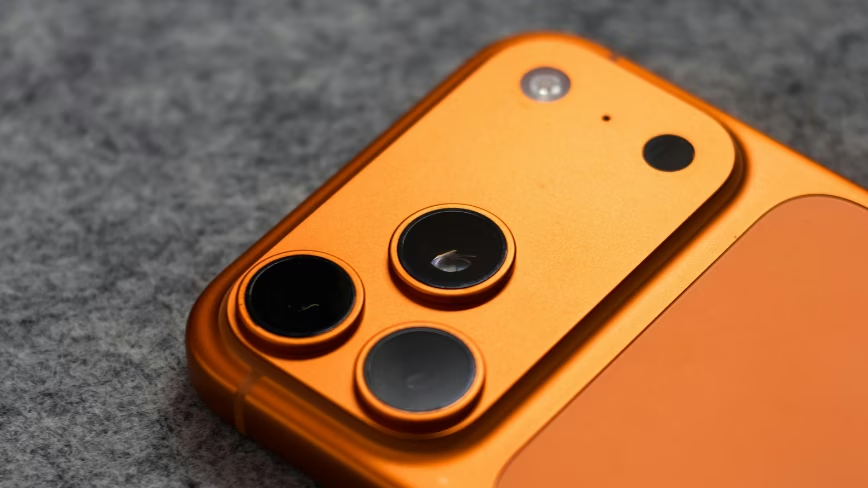
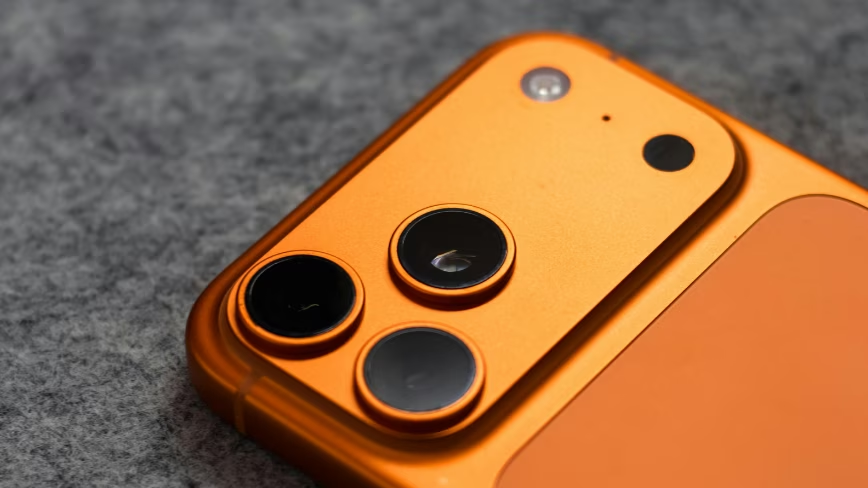
Apple’s design team has been hollowed out since Jony Ive left. Incoming CEO John Ternus says a major shake-up is coming before he takes over in September.
Apple’s industrial design studio, once the most influential product design operation in the technology industry, has been gutted. Bloomberg’s Mark Gurman reports that the team no longer has a true seat at the executive table, has less influence and credibility than at any point in decades, and has become a service bureau where other teams come to get what they need and get out.
Incoming CEO John Ternus, who takes over from Tim Cook on September 1, knows the problem. He is preparing a major shake-up of the design organisation and is getting ready to put his firm imprint on the team, according to Gurman’s reporting.
The decline started roughly a decade ago. In 2015, Jony Ive stepped back from day-to-day management to become chief design officer, a move Apple framed as a promotion but which began a slow erosion of the design-first culture that had defined the company since Steve Jobs’s return. Ive left Apple entirely in 2019 to form LoveFrom, a design firm that today works with OpenAI.
For a few years, Apple managed to hold things together. Evans Hankey, who had managed the studio under Ive, took over as head of industrial design. But Apple chose not to give Hankey a seat on the executive team, signalling that design’s role within the company had diminished.
Instead, Hankey reported to Jeff Williams, the chief operating officer, who had no design background.
The arrangement meant Apple had replaced one of the most influential designers in history with its top supply chain executive. That decision, according to Gurman, spoke volumes about how priorities had evolved under Cook.
When Ive’s consulting deal ended in 2022, Hankey left too, triggering a wave of departures that saw nearly every designer from the Ive era defect to LoveFrom, start their own firms, or retire. Bart Andre, Apple’s longest-serving designer who had been with the company since 1992, retired in February 2024. Colin Burns, Peter Russell-Clarke, and Shota Aoyagi all left around the same time.
Hankey went on to cofound io, an AI hardware startup with Ive that OpenAI acquired for $6.5 billion in 2025.
Williams, tasked with stopping the bleeding after Hankey left, chose not to hire a new design leader. He took direct control of the group instead, fearing that elevating one designer over another could trigger even more departures. The exits continued anyway, and at an even faster pace.
The situation became what Gurman describes as a full-blown crisis: morale declining, the studio’s influence shrinking, the historic innovation hub becoming less relevant and powerful. When Williams retired in November 2025, Apple had to confront a question it had long avoided.
The answer was Molly Anderson, an industrial designer known for her work on Apple Watch and her relationship with Hankey. Apple added Anderson to its leadership page as vice president of industrial design in March 2026. The problem, according to Bloomberg, is that Anderson had never managed a team before taking the role, and Apple prioritised continuity over searching for the most accomplished design leader available.
The bench has weakened in parallel. The team is now filled with more junior staffers from school or smaller companies, lacking the depth of globally recognised design leaders it once possessed.
Then came arguably the biggest blow: Alan Dye, who had run user interface design since 2015, left for Meta in December 2025 to become its chief design officer. Several software designers followed him.
The consequences are visible in the products. While Apple has continued updating devices on schedule, the pace of new designs and major form factor changes has slowed. Until last year, the iPhone looked largely the same for about half a decade.
The Apple Watch, AirPods, and Mac have retained essentially the same industrial designs for roughly a decade, with only occasional exceptions like the Watch Ultra and MacBook Neo.
In the Jobs and Ive era, going that long without a significant redesign would have been unthinkable.
Ternus, who comes from Apple’s product engineering and design ranks, has already spent considerable time with the industrial design group since taking oversight of the team in late 2025. He told employees in a recent internal meeting that the company is “going to keep focusing on design, because design is core to what we do at Apple.”
Gurman’s reporting is clear about what needs to happen next: Apple must find a leader capable of restoring the design studio’s prowess, give that person a genuine seat at the executive table, and empower them to rebuild the organisation and deliver breakthrough designs. Getting the right cultural fit will be difficult, but that should not be an excuse to avoid recruiting the best person available.
The challenge for Ternus is that design leadership is just one item on a very long list. Apple trails its competitors in AI, faces enforcement actions under the EU’s Digital Markets Act, and must deliver a foldable iPhone this September alongside the regular lineup. Rebuilding a design culture takes years, and Ternus has weeks before he takes the CEO title.
Whether he can restore design to its former position at Apple while managing everything else will be the defining question of his early tenure. The company has the money, the brand, and the distribution to attract the best designers in the world. What it lacks, for the first time in its modern history, is the internal culture that made those designers want to stay.
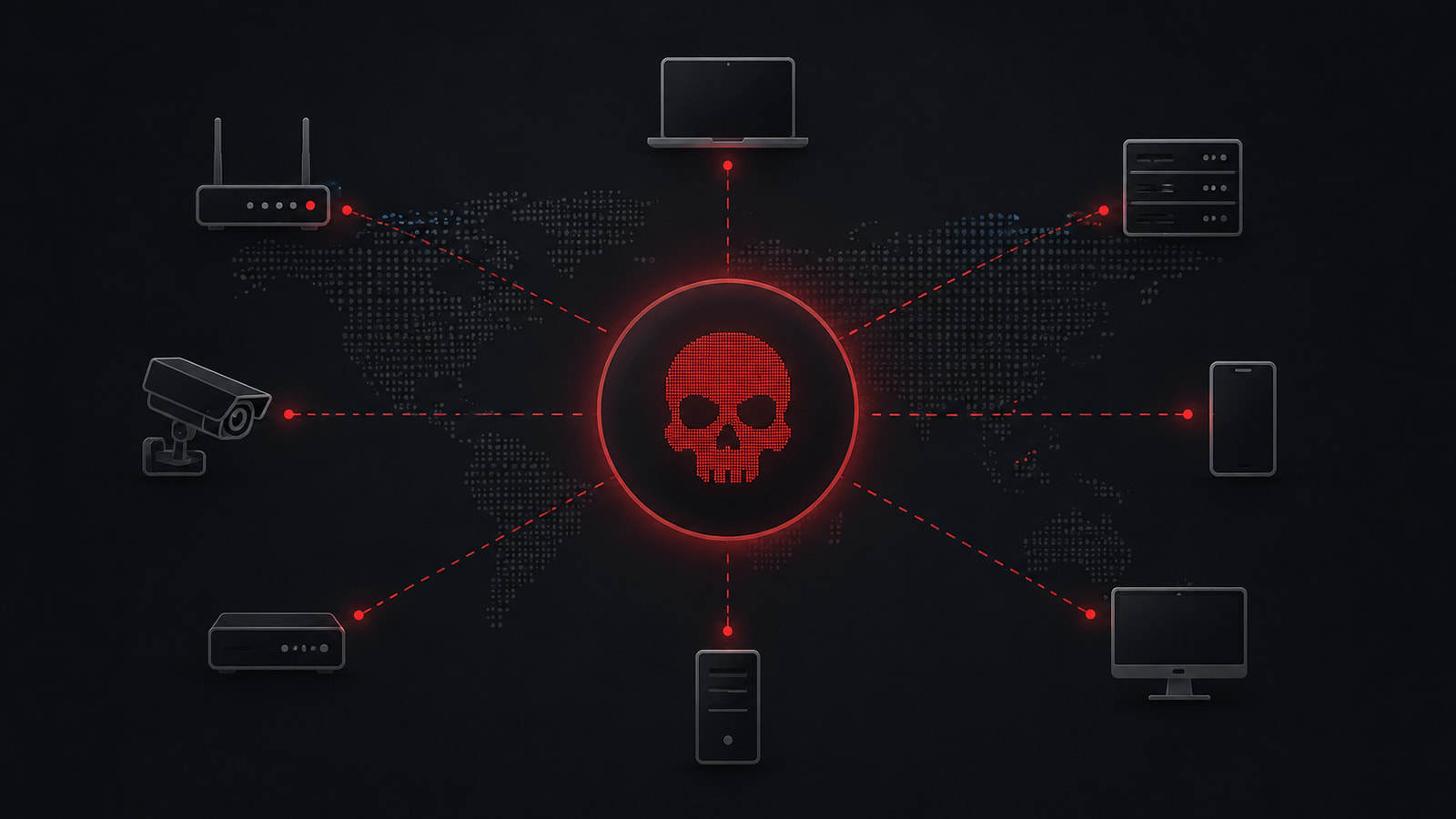

A previously undocumented malware botnet named AryStinger has compromised more than 4,000 outdated routers to turn them into proxies for malicious traffic.
Researchers at Qianxin’s XLab threat intelligence team say that the malware converts infected devices into remotely controlled “executors” that can perform scanning, proxying, tunneling, command execution, and other activities on behalf of the attacker.
“The attacker can split a massive scanning task into multiple small chunks and distribute them to different Executors for parallel execution,” XLab researchers note.

“With this distributed-like design, the attacker can efficiently complete the early “footprinting” activities, thereby providing strong assurance for the smoothness and success rate of subsequent intrusion operations.”
Apart from using compromised routers as a springboard for malicious operations, XLab warns that the malware can also tamper with DNS settings, hijacking the user’s browsing, and silently monitor and potentially steal all inbound and outbound network traffic.
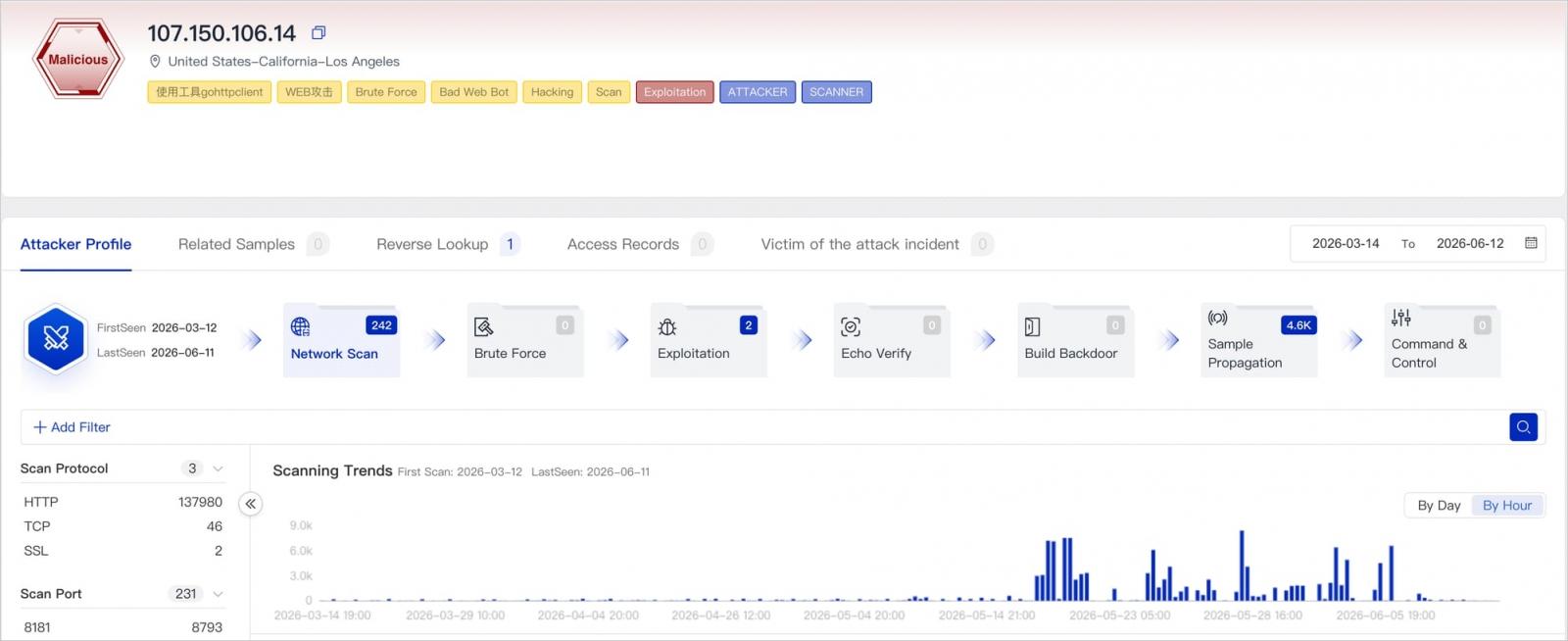
AryStinger exploits older flaws such as CVE-2013-3307, CVE-2016-5681, and CVE-2025-11837, targeting primarily D-Link DIR-850L, D-Link DIR-818LW routers.
The two router models were previously targeted by the AVrecon malware botnet that Lumen communications services provider Lumen disrupted in 2023.
Qianxin’s telemetry data shows that almost half of all infections are located in South Korea (48.5%), followed by China (31.8%), Sweden (6.4%), Malaysia (3.5%), and Singapore (2.5%).
XLab researchers found two variants of the AryStinger malware: a C-based version targeting mostly outdated routers, and a Go-based one that focuses on NAS systems, but currently with a far more limited reach.
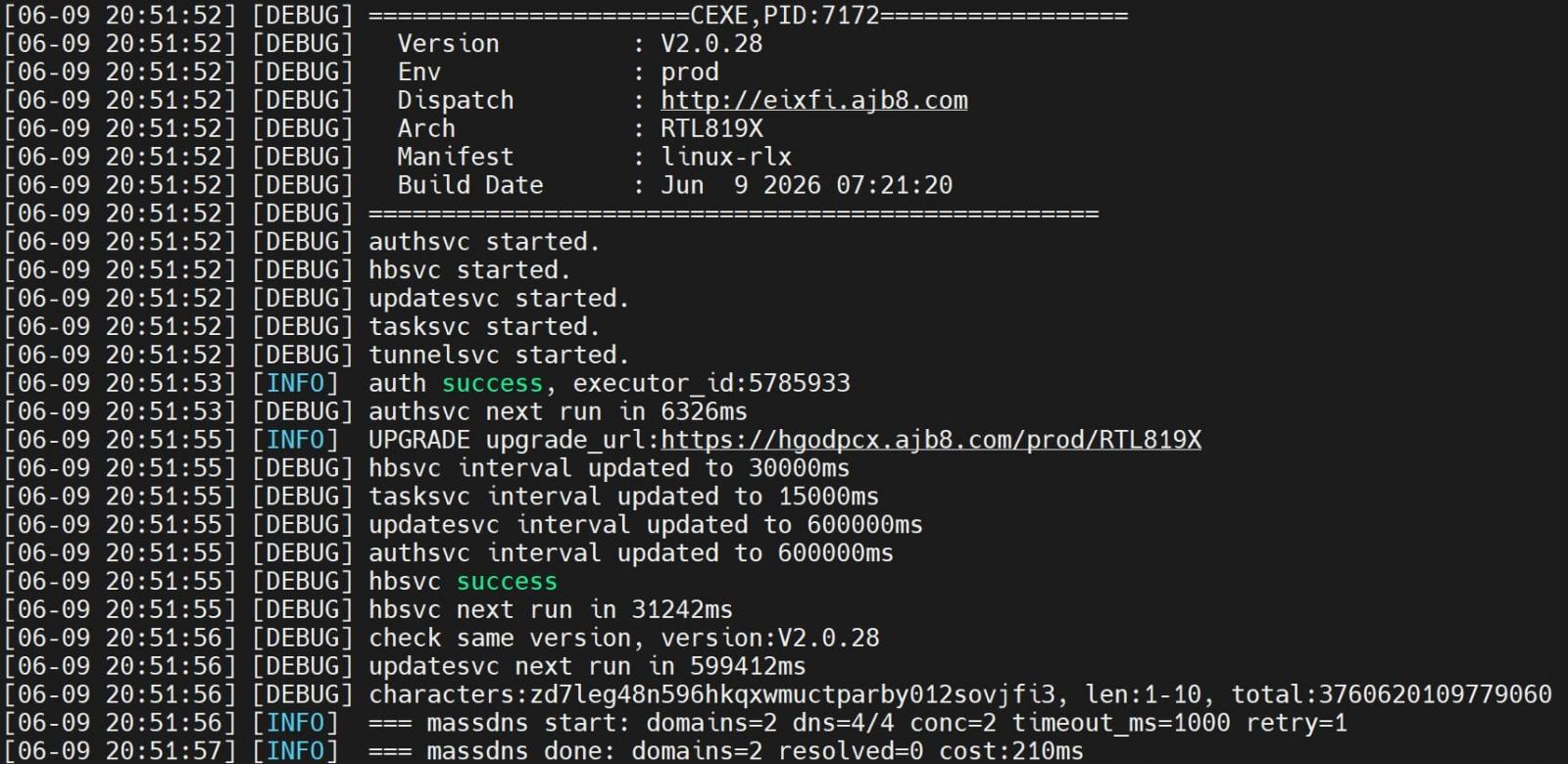
The NAS version is the most advanced of the two, featuring additional capabilities such as IP and DNS scanning, command execution, payload execution, and internal network reconnaissance through the integration of open-source penetration testing tools.
The researchers noted that AryStinger’s distributed DNS-scanning infrastructure could potentially be repurposed to generate large volumes of DNS queries against resolvers, although they did not observe any such attacks.
Regarding the NAS version’s code execution capabilities, XLab says there’s support for Shell commands, as well as Go, Java, and Python source code.
However, there are some limitations to using source code instead of compiled binaries, as compilation requires language runtimes on the host, and the process as a whole introduces noise that can break stealth.
The researchers did not attribute AryStinger to any known activity cluster, stating that “many mysteries surrounding AryStinger remain to be solved.”
Owners of end-of-life (EoL) routers should replace them with new, actively supported models, apply the latest available firmware updates, change the default administrator account password, and disable remote management panels.

Security teams log 54% of successful attacks and alert on just 14%. The rest move through your environment unseen.
The Picus whitepaper shows how breach and attack simulation tests your SIEM and EDR rules so threats stop slipping by detection.
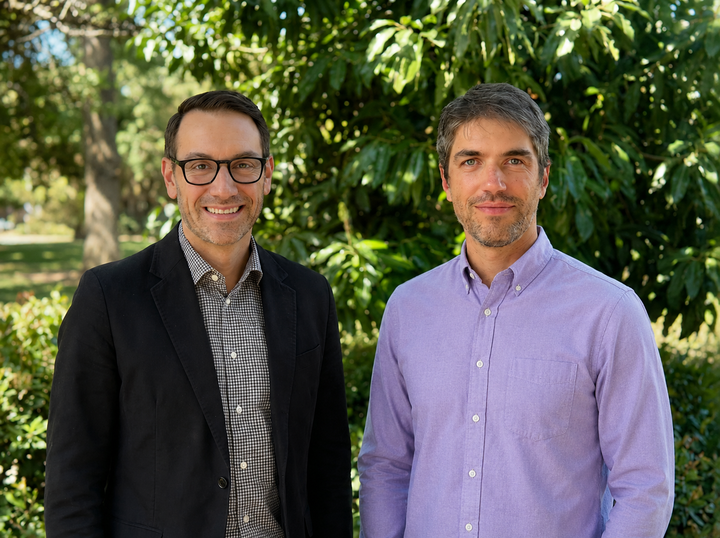

Devplan, a Seattle startup trying to automate away the meetings and status reports that eat up a product team’s week, is coming out of stealth Thursday with $2.5 million in seed funding.
The company, founded by two industry veterans with experience at companies such as Uber, Amazon, Snap and Meta, is also expanding availability of its software for coordinating work across product and engineering teams, after testing it quietly with a small group of customers.
Devplan traces its roots to a youth soccer pitch, of all places, where co-founder Anton Safonov coached the daughter of his future business partner, Chris Bee. They had kids at the same school, and discovered they shared a frustration from running engineering teams: too much of the work didn’t have anything to do with building the product.
Bee calls it an invisible tax.
“With AI fundamentally changing the way we do software development, we’ve seen this huge acceleration in coding and in engineering work,” he said in an interview. “But the rest of the coordination work, the rest of that tax — that ‘work about work’ — hasn’t changed very much, frankly.”
They co-founded Devplan in 2025, with Bee as CEO and Safonov CTO.
How it works: Devplan’s core product, Weaver, connects to commonly used tools including GitHub, Jira, Slack and meeting note-takers. A user can query Weaver through a built-in chat function, a Slack bot, or through a direct link into AI coding tools like Claude Code, asking about product status, features, or who’s responsible for which aspects of the project, for example.
Weaver also works in the background, generating a daily digest for each person and tracking projects on its own, flagging risks and progress without anyone filing an update.
The idea is to avoid scheduling a meeting or creating a status report.
Bee said queries run faster and cheaper through Weaver than pointing an AI tool at the raw data each time, because Devplan processes the information in advance and stores it in a knowledge graph rather than scanning code and documents on every request. He said queries run roughly twice as fast and more than three times cheaper on token costs in internal testing.
Funding: The company’s $2.5 million seed round was led by AI2 Incubator, with participation from Acequia Capital, Mighty Capital, Grand Ventures and eLab Ventures.
Based at AI House on Seattle’s Pier 70, Devplan employs six people, with a seventh hire in the works. The seed money is going toward engineering hires and deeper integrations, Bee said.
Founder backgrounds: Bee was previously CTO of Lessen, where he helped grow the property-services company from a $20 million startup to a $2 billion valuation, and earlier led product and engineering teams at Zillow, Uber and Amazon.
Safonov spent seven years as a principal software engineer at Snap, where he was a lead engineer on the company’s infrastructure team, and earlier worked on systems at Meta that handled realtime traffic for Messenger, Facebook and Instagram. He also built systems at LinkedIn.
“Chris and Anton have lived this problem at scale, and they have the technical depth to solve it,” said Yifan Zhang, managing director at AI2 Incubator, in a statement.
Competitive landscape: Devplan’s bet is that a tool built specifically for product and engineering teams will outperform the general-purpose AI assistants.
Glean, the enterprise AI search company, may be the closest comparison, Bee said, but it works more broadly across all of a company’s information while Devplan goes deeper on software development specifically. Devplan integrates with Linear, the project-management tool, making it more of a partner than a rival, he said.
Increasingly, given the capabilities of AI coding assistants, the competition also includes companies deciding to build a coordination tool in-house rather than buy one.
Current status: Devplan has dozens of paying business customers on annual contracts, plus hundreds of users who have tried it so far. Pricing is consumption-based, with companies quoted a flat rate based on team size and expected usage.
What’s next: The company is focusing on enterprise customers for now, with plans to eventually open the product to individuals on a pay-as-you-go basis.
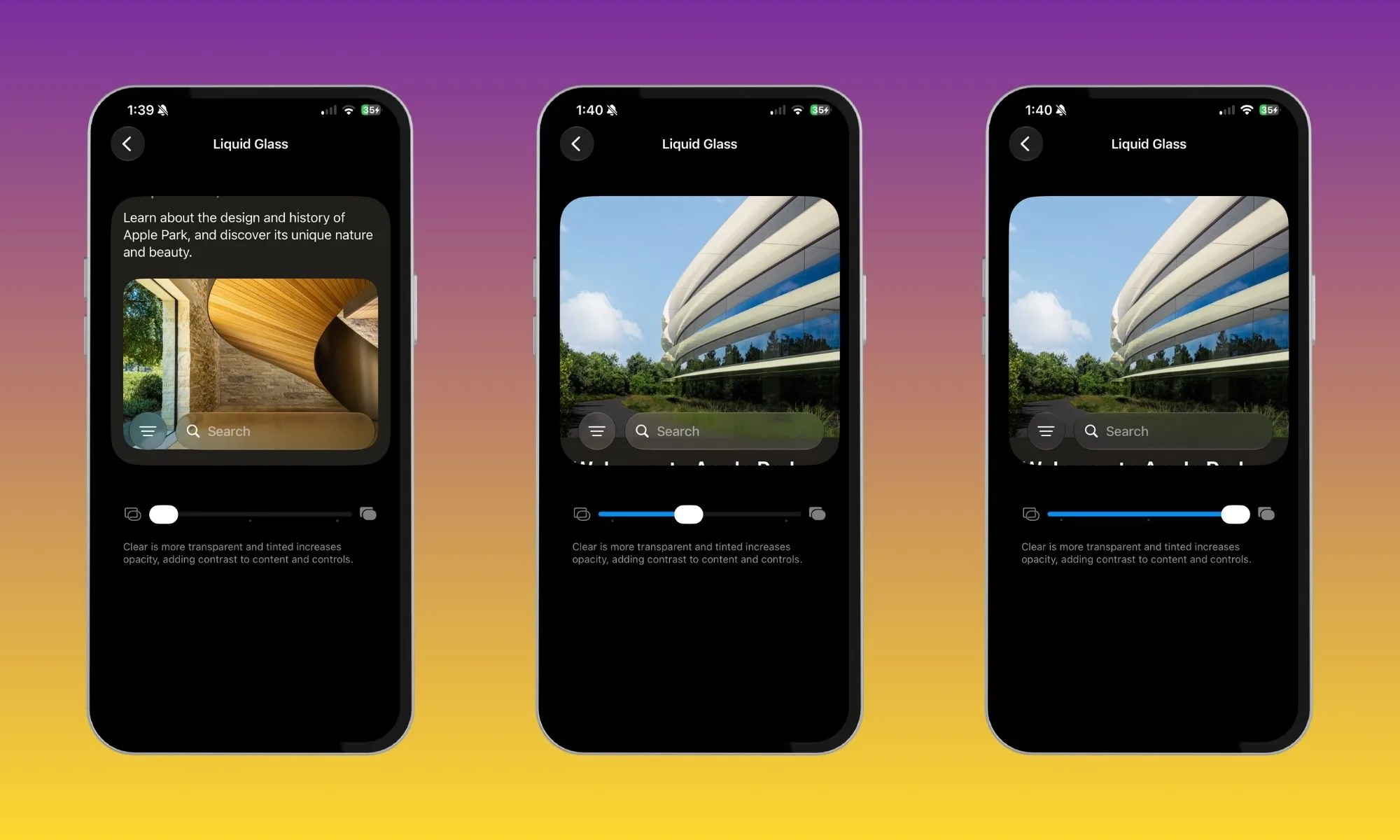
Let’s be honest: few iOS design changes have sparked as much debate as Liquid Glass. When Apple first introduced it with iOS 26, the internet immediately split into two camps. Some people loved the fresh, translucent look, while others couldn’t stand it and felt it made parts of the interface harder to read. I happened to be firmly in the first camp. At the time, I was using an iPhone 14 Pro Max, and installing the update was one of the first things I did. I loved how the new design made iOS feel more modern and dynamic. The transparency effects gave the interface a sense of depth, making the entire experience feel fresh again.
That said, it’s easy to understand why not everyone felt the same way. After months of feedback, screenshots, hot takes, and endless debates online, Apple eventually responded by giving users more control. Instead of forcing everyone into the same look, it introduced options that let people choose between a clearer glass effect and a more tinted appearance. With iOS 27, Apple is putting the Liquid Glass debate completely in your hands. A new slider lets you customize the effect exactly the way you want it, whether you prefer a crystal-clear look or something easier on the eyes. Here’s what it does and how to make the most of it on your iPhone.
The Liquid Glass slider is essentially Apple’s way of letting you decide how much of the new design language you actually want to see. In everyday use, that means you can customize the experience to match your preferences. If you’re like me and enjoy the full Liquid Glass aesthetic, you can keep things more transparent and let your wallpaper shine through menus, widgets, and system panels. It gives iOS a lighter, more layered feel that really shows off the design Apple has been building toward.

On the other hand, if you find all that transparency distracting or simply prefer a cleaner look, you can dial up the tint. Doing so makes interface elements more robust and improves contrast, making text and buttons easier to read at a glance. What I like most is that Apple is no longer treating customization as an all-or-nothing choice. You don’t have to love Liquid Glass exactly as Apple designed it, nor do you have to turn it off entirely. The new slider lets you find a middle ground that works for your eyes and your style, making iOS feel a little more personal.
Before you start tweaking the Liquid Glass slider, you’ll need access to iOS 27. I’ve been testing the feature on my iPhone 16e through Apple’s developer beta, which is currently the only way to try it out. If you’re comfortable running beta software, getting started is fairly straightforward. Anyone can enroll in Apple’s developer program for free and gain access to the latest developer builds. Once you’ve signed up, simply open the Settings app, go to General, tap Software Update, and select Beta Updates. Choose the iOS 27 Developer Beta from the list, and the update should appear on your iPhone within a few moments.

That said, beta software isn’t for everyone. Early builds can occasionally be buggy, and some apps may not work exactly as expected. If your iPhone is your primary device and you’d rather avoid the risks of pre-release software, there’s nothing wrong with sitting this one out. The good news is that the wait shouldn’t be too long. Apple will eventually bring the feature to everyone through the public release of iOS 27, so if you’d rather have a more stable experience, it may be worth holding off for a little while longer.
Actually changing the Liquid Glass effect is surprisingly simple. Once your iPhone is running iOS 27, open the Settings app and look for the Appearance section. From there, tap Liquid Glass to access the new customization controls. This is where you’ll find Apple’s new Liquid Glass slider. Unlike the older setup, which limited you to a couple of preset looks, the slider gives you much finer control over the effect. The best part is that you don’t have to guess what each setting does because the interface changes instantly as you adjust it.

I spent a few minutes moving the slider back and forth just to see how different parts of iOS reacted. Sliding it toward one end makes menus, panels, and interface elements appear more transparent, allowing more of your wallpaper and background content to shine through. Moving it in the opposite direction adds more tint and contrast, giving the interface a cleaner and more solid appearance. There’s no right or wrong setting here, which is what makes the feature so useful. You can leave it at either extreme or settle somewhere in the middle if you want a balance between style and readability. As you move the slider, iOS previews the changes in real time, making it easy to find a look that feels right without constantly jumping between menus. My advice to you would be not to rush it. Spend a minute experimenting with different levels of transparency and tint. You might be surprised by how much a small adjustment can change the overall feel of your iPhone.
One thing I’ve always appreciated about iPhone is having the ability to make the experience feel a little more personal, and the new Liquid Glass slider fits perfectly into that idea. I’ve been running iOS 27 on my iPhone 16e for over a week now, and while this might seem like a relatively small addition on paper, it’s one of those features that makes a difference every time you pick up your phone. More importantly, it feels like a sign of where Apple is heading with iOS: giving users more flexibility without making the software feel complicated. And from everything I’ve seen so far, that’s a direction I’m happy to see the company take.
There’s still plenty for me to explore in iOS 27, and I’m sure more surprises will reveal themselves over the coming weeks. But if you’re eager to try the new design for yourself, my advice is simple: be patient. The stable release will almost certainly offer a smoother experience than the early beta builds, letting you enjoy all these new features without the usual beta headaches. When that update finally arrives, the Liquid Glass slider is one of the first settings I’d recommend checking out. You might be surprised by how much a small adjustment can change the way your iPhone feels.

AI inference company Baseten is close to finalizing a stunning $1.5 billion funding round at a $13 billion valuation, the Wall Street Journal reports. Just five months ago, the startup announced that it had raised a $300 million Series E at a $5 billion valuation. And that round was just nine months after raising a $150 million Series D.
If finalized, this latest round would represent a 160% increase in valuation in less than half a year. However, the WSJ reports that this is a split-priced round, a tactic startups are using to boost their headline valuation and make lead investors look good on paper. Some investors in this latest funding round are reportedly coming in at a $13 billion valuation, while others at $11 billion, sources told the Journal. This deal is said to be co-led by Spark Capital, Sands Capital, Altimeter Capital, and Wellington Management.
Launched in 2019, Baseten is a startup benefiting from what The Next Wave hailed the “inference gold rush,” in which VCs are pouring enormous amounts of money into companies building the inference layer. Inference is what the model does after a user submits a prompt. Baseten promises to handle inference quickly while controlling costs by routing requests to the best-for-task model, especially to competent, less-expensive open source alternatives.




Weekend Open Thread: Miami – Corporette.com

Zimbabwe Requires Crypto Businesses to Register Annually Under New FIU Regulations

Wall Street Week Ahead: Investors see Micron earnings as pulse check of AI rally momentum

Matt Damon’s Viral Sci-Fi Thriller Has Taken Over HBO Max


HIVE shares jump as $220M AI deal speeds Bitcoin mining pivot


As AI companies race to go public, who else is along for the ride?


Anthropic staff to meet White House officials next week, Axios reports

Bitcoin could crash to $48,000, if this historical pattern is triggered

what doctors are seeing in ebike crashes

Tributes to former deputy head teacher at Cambridge school among death and funeral notices

Warning of disruption as Cardiff Crossrail works to start

Kate Middleton Glare Goes Viral After Kids Booed At Royal Event


“Israel’s” ban on ICRC visits ruled illegal, but Knesset moves to stop them permanently


XRP ETFs Outperform As Bitcoin And Ethereum Funds Extend Outflow Trend


Over 400 Arch Linux packages compromised to push rootkit, infostealer


Financial Accounting | Last Day Revision Strategy and Booster | CMA Inter – June 2026


Dick Advocaat’s Curacao scores first-ever World Cup goal against Germany


Invesco Quality Income Fund Q1 2026 Commentary


Singer Oliver Tree dies aged 32 in helicopter crash in Brazil


The Adder At The Heart Of Intel’s 8087 FPU



You must be logged in to post a comment Login