

Business
Apple Prepares 20th Anniversary iPhones in Two Sizes Alongside Second-Generation Foldable Device

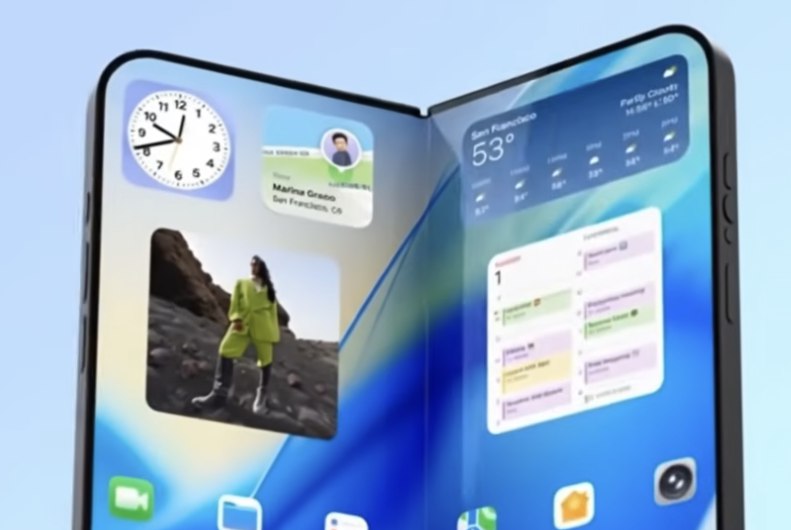
CUPERTINO, Calif. — Apple Inc. is accelerating development of special iPhone models to mark the device’s 20th anniversary next year, with plans for two sizes featuring advanced display technology. The company also intends to launch a second-generation foldable iPhone simultaneously, according to industry reports, as it continues pushing boundaries in smartphone design and manufacturing processes.
The anniversary models will reportedly feature nearly borderless displays with curved glass on all sides, creating an immersive visual experience. These devices will come in sizes comparable to current premium iPhones, approximately 6.3 inches and 6.9 inches, offering consumers choices within the high-end segment. Apple aims to celebrate two decades of iPhone innovation with distinctive hardware that builds upon established design language while introducing fresh elements.
This development aligns with Apple’s tradition of milestone celebrations through special editions. The original iPhone revolutionized personal computing and communication when introduced in 2007. Two decades later, the company continues refining the product line while exploring new form factors like foldable designs.
Manufacturing preparations for the anniversary iPhones are reportedly intensifying, with suppliers ramping up production capabilities for advanced components. The devices will incorporate Apple’s latest A21 chip built on a 2-nanometer process, representing a significant advancement in semiconductor technology. This chip will power both anniversary models and the second-generation foldable iPhone, showcasing Apple’s vertical integration strategy.
The foldable iPhone represents Apple’s entry into a growing market segment where competitors have already established presence. The second-generation device aims to address limitations observed in early foldable phones while maintaining Apple’s emphasis on premium materials and user experience. Industry observers anticipate the foldable model will complement rather than replace traditional iPhone designs.
Apple’s broader iPhone roadmap includes the standard iPhone 18 launching in spring 2027 with a less powerful A20 chip. This staggered release schedule allows the company to differentiate product tiers while managing supply chain complexities. The iPhone 18 Pro and Pro Max expected this September will feature A20 Pro processors, marking Apple’s transition to more advanced manufacturing processes.
The 2-nanometer technology promises improved efficiency and performance compared to previous generations. Apple’s chip development has consistently delivered advantages in power consumption and processing capabilities, contributing to the iPhone’s reputation for longevity and reliability. These advancements support increasingly sophisticated features while maintaining battery life expectations.
Display technology for the anniversary models focuses on minimizing bezels through curved glass construction. This design approach could create more immersive viewing experiences for media consumption and gaming while maintaining structural integrity. Suppliers are reportedly developing specialized manufacturing techniques to produce these complex components at scale.
The foldable iPhone’s development reflects Apple’s methodical approach to emerging categories. Rather than rushing into the market, the company has observed competitor implementations while refining its own vision. The second-generation model benefits from accumulated learnings and technological maturation in flexible displays and hinge mechanisms.
Industry analysts anticipate strong consumer interest in Apple’s foldable offering given the company’s brand strength and ecosystem integration. The device could appeal to users seeking enhanced productivity through larger screens while maintaining portability. Pricing and specific features will determine market reception upon launch.
Apple’s annual iPhone releases remain central to its financial performance. The product line consistently generates substantial revenue while driving services and accessory sales. Milestone celebrations like the 20th anniversary provide opportunities for marketing differentiation and consumer excitement.
Supply chain partners are preparing for increased production demands across multiple device variants. Advanced manufacturing processes require significant capital investment and technical expertise. Apple’s supplier relationships have evolved to support increasingly sophisticated product requirements.
Consumer expectations for iPhones continue evolving toward greater integration of artificial intelligence and enhanced durability. The anniversary models and foldable device will likely incorporate these trends while maintaining core iPhone characteristics that have defined the product category.
The technology sector watches Apple’s innovations closely as indicators of broader industry direction. The company’s design choices often influence competitor roadmaps and consumer preferences. The upcoming releases could set new standards for smartphone aesthetics and functionality.
Market projections suggest continued growth in premium smartphone segments despite economic uncertainties. Apple’s brand loyalty and ecosystem lock-in provide resilience against competitive pressures. The 20th anniversary celebration could generate additional marketing momentum.
Global supply chains supporting iPhone production have demonstrated adaptability through recent challenges. Component sourcing and assembly operations continue scaling to meet anticipated demand for new models. Apple’s manufacturing partnerships remain crucial to timely product launches.
The foldable iPhone’s development timeline aligns with maturing flexible display technology. Early challenges in durability and user experience have prompted iterative improvements across the industry. Apple’s entry could accelerate mainstream adoption if execution meets high standards.
Software integration represents another critical aspect of upcoming releases. iOS updates will likely optimize experiences for new hardware configurations while maintaining compatibility with existing devices. Apple’s unified ecosystem approach enhances user satisfaction across product generations.
The anniversary iPhones’ design language may influence future models beyond 2027. Successful elements could become standard features while experimental aspects inform subsequent iterations. Apple’s iterative development philosophy balances innovation with reliability.
Consumer interest in iPhone upgrades remains strong despite lengthening replacement cycles. Special editions and significant technological leaps encourage periodic refreshes. The 20th anniversary timing provides compelling reasons for upgrades among longtime users.
Industry observers anticipate comprehensive coverage of Apple’s fall event where current-generation iPhones will debut. The 20th anniversary models and foldable device will likely feature prominently in subsequent announcements. Strategic communication will shape market expectations.
Apple’s commitment to innovation continues driving product evolution. The upcoming releases demonstrate ongoing investment in research and development across multiple form factors. Consumers and competitors alike await detailed specifications and availability timelines.
The technology landscape evolves rapidly, with Apple maintaining leadership through strategic execution. The 20th anniversary iPhones and foldable device represent significant milestones in the company’s smartphone journey. Market reception will influence future directions in mobile computing.



Reduce sodium and boost flavor with culinary solutions that meet health goals without compromise.


Top Seedz also switches to sustainable packaging and adds two flavors.


Researchers from Turkey investigate different powder sizes.

CME Group reportedly faces trading disruptions on Monday
Business
GameStop Shares Decline 0.74 Percent to 21.36 as Retail Trader Interest Persists Amid Market Volatility
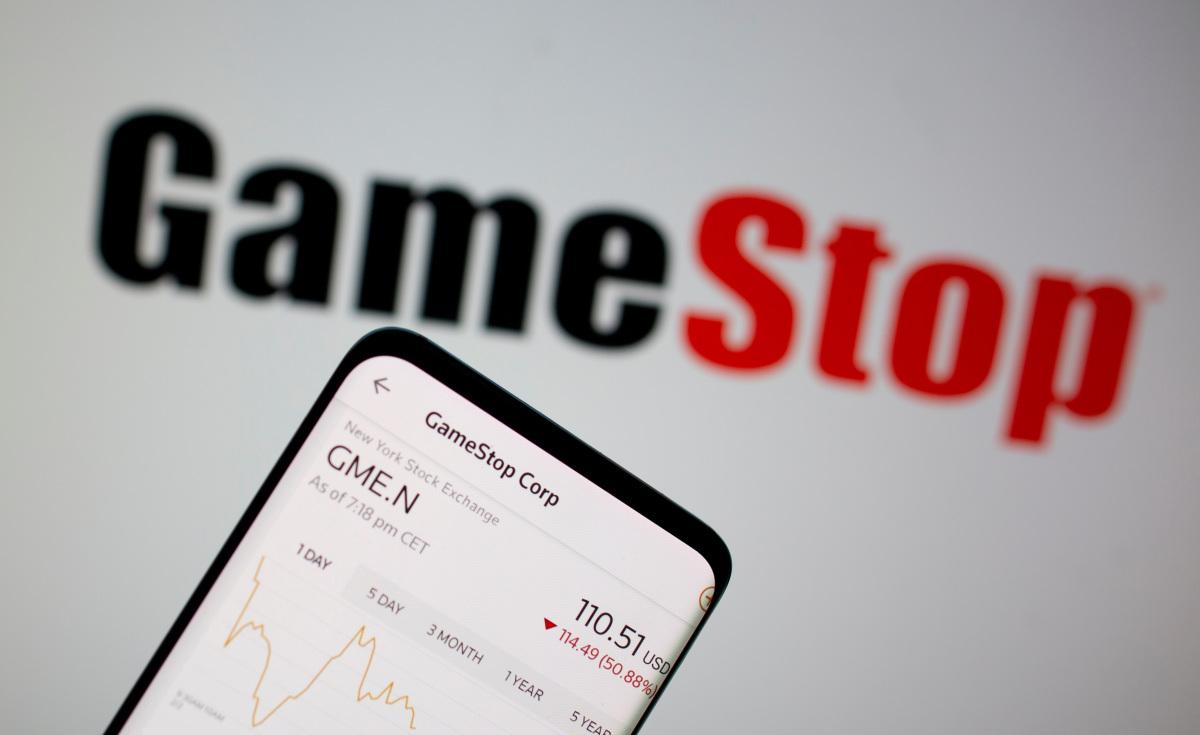
NEW YORK — GameStop Corp. shares fell modestly Monday, closing at $21.36 after declining 16 cents, or 0.74 percent. The video game retailer’s stock movement reflected broader market dynamics while maintaining attention from retail investors who have followed the company closely in recent years.
Trading volume for GameStop remained elevated compared to typical sessions for similar companies. This activity underscores continued interest from individual investors despite the stock’s distance from previous meme-driven peaks. Market participants monitored the stock alongside other consumer discretionary names as economic indicators influenced sentiment.
GameStop has experienced significant volatility since gaining prominence through coordinated retail trading activity. The company’s transformation efforts under new leadership have included cost-cutting measures and exploration of digital initiatives. However, challenges in the traditional brick-and-mortar retail environment persist amid shifting consumer preferences toward digital downloads and subscription services.
The session’s decline occurred within a relatively stable broader market. Technology and consumer stocks showed mixed performance as investors assessed corporate earnings and economic data. GameStop’s movement appeared driven more by company-specific factors and trader sentiment than sector-wide trends.
Analysts have offered varied assessments of GameStop’s prospects. Some highlight potential in e-commerce expansion and collectibles while others express caution about long-term viability in a rapidly evolving gaming landscape. The company’s cash position provides some flexibility for strategic initiatives, though revenue pressures remain.
Retail investor communities continue discussing GameStop as a symbol of individual participation in markets. Online forums and social media platforms feature ongoing analysis of trading patterns and company developments. This attention contributes to periodic volatility spikes unrelated to fundamental changes.
GameStop’s business model has adapted over time. Physical store locations now emphasize experiential retail and merchandise alongside traditional game sales. The company has explored partnerships and technology investments to enhance customer engagement. Management has emphasized operational efficiency while seeking growth opportunities.
Quarterly results have shown mixed outcomes. Cost reductions have improved margins in some periods while sales face pressure from industry trends. Executives have communicated focus on sustainable profitability and shareholder value. Future guidance will likely influence investor expectations.
The stock’s history of dramatic price swings has made it a case study in market dynamics. Short interest and options activity often intensify during periods of heightened discussion. Regulatory oversight continues examining trading patterns to ensure market integrity.
Broader video game industry trends affect GameStop’s performance. Console cycles, major title releases and competitive pressures from digital platforms shape revenue opportunities. The company positions itself as a destination for enthusiasts seeking physical products and community experiences.
Institutional ownership has fluctuated as the stock’s profile evolved. Some funds maintain positions based on valuation assessments while others avoid volatility associated with meme stocks. Retail participation remains a significant factor in daily trading.
GameStop’s leadership has implemented strategic reviews to enhance competitiveness. Initiatives include store optimization, e-commerce improvements and potential new revenue streams. Success depends on execution amid challenging industry conditions.
Consumer behavior shifts toward digital content present ongoing challenges for physical retailers. GameStop has responded by diversifying offerings and enhancing in-store experiences. Loyalty programs and events aim to build customer relationships beyond transactions.
The stock’s current valuation reflects market assessments of future cash flows and growth potential. Analysts employ various models to project performance under different scenarios. Consensus estimates suggest cautious optimism pending concrete progress on strategic goals.
Trading patterns for GameStop often diverge from broader market movements. This characteristic attracts traders seeking unique opportunities while presenting risks for long-term investors. Volatility measures remain elevated compared to traditional retail stocks.
Company announcements and earnings releases typically generate significant attention. Management communications focus on operational improvements and customer engagement metrics. Transparency about challenges and opportunities helps inform investor decisions.
The retail trading phenomenon surrounding GameStop highlighted individual investors’ growing influence. Coordinated activity through social platforms demonstrated new market dynamics. Regulatory responses have aimed to address potential risks while preserving market access.
GameStop maintains its position as a notable name in consumer retail. Its evolution reflects broader industry changes while preserving core gaming focus. Future success depends on adapting to technological shifts and consumer preferences.
Market observers continue monitoring GameStop for signs of strategic progress. The stock’s performance serves as one indicator among many assessing retail sector health. Broader economic conditions will likely influence results in coming quarters.
As trading concluded at $21.36, GameStop shares reflected ongoing market assessments. The modest decline fit within recent trading ranges. Investors await further developments regarding strategic initiatives and industry trends.
The session demonstrated typical market complexities where individual stocks respond to unique factors. GameStop’s movement highlighted continued retail investor engagement alongside institutional analysis. Future sessions may bring additional volatility or stability depending on catalysts.
Overall, GameStop’s position illustrates challenges and opportunities in evolving retail landscapes. The company’s efforts to adapt while maintaining relevance continue drawing attention from various market participants.
SlateStone Wealth chief market strategist Kenny Polcari discusses whether investors are too dependent on AI, Space X’s IPO and his outlook for the markets on ‘Varney & Co.’
Microsoft CEO Satya Nadella issued a warning that the tech giants competing in the AI race need to ensure they advance the emerging tech in a way that’s palatable to the public.
Nadella said in an interview with The Wall Street Journal that the handful of companies at the forefront of the AI race calling for large amounts of resources to expand may not make a compelling case to the public alongside concerns about the safety of AI and its workforce impact.
“You can’t say, hey, all white-collar jobs are gone and this could even be a weapon and we will use all the power to build data centers,” Nadella told the Journal.
He added that he doesn’t think the public will tolerate a few AI models and companies “doing all of the learning for the world.”
APPLE CEO SAYS PRICE HIKES ARE ‘UNAVOIDABLE’ AS RISING CHIP COSTS SQUEEZE TECH GIANT: REPORT
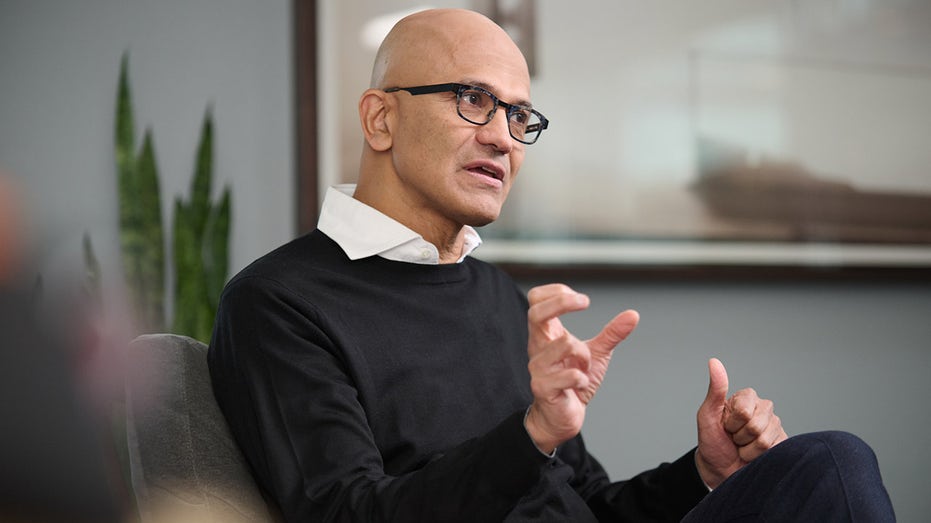
Microsoft CEO Satya Nadella said AI leaders need to get societal buy-in amid concerns about AI’s impact on the workforce and safety implications. (Chona Kasinger/Bloomberg via Getty Images)
Nadella went on to say that corporate leaders who view AI as a means to eliminate jobs and reduce costs are looking at the technology wrong, saying they should instead be thinking about “reorganizing the job” to better leverage their workers’ abilities. The Microsoft CEO said that companies need to have both human capital and in-house AI capabilities he referred to as “token capital.”
That can serve as a “recipe” for how firms across the economy can harness both AI and workers, though he acknowledged that “it’s a lot of change management, it’s a lot of displacement, but there is a path.”
The combination of knowledge derived from humans and AI can create a “continuous learning system” and the character of companies will be defined by the “tacit knowledge that they contain” from both sources,” Nadella added.
TRUMP ADMIN SAYS ANTHROPIC’S ‘RECKLESSNESS’ TRIGGERED EXPORT CONTROLS ON LATEST AI MODELS
| Ticker | Security | Last | Change | Change % |
|---|---|---|---|---|
| MSFT | MICROSOFT CORP. | 367.34 | -12.06 | -3.18% |
He added that companies will have to take tangible steps to persuade the public and workforce about the economic opportunities ahead, as narratives alone won’t be sufficient.
“No amount of just narrative is going to do it because where we are now, we have to sort of walk the walk,” Nadella told the Journal. “We now have to do the hard work in earning the social permission.”
Microsoft has recently pivoted in the AI race to offer a suite of low-cost models that aim to reduce prices for customers, as many face mounting bills amid the push to implement AI tools into operational tasks.
MARK ZUCKERBERG ADMITS META HAS ‘MADE MISTAKES’ AS AI OVERHAUL RESHAPES 20% OF ITS WORKFORCE: REPORT

Microsoft is looking at new ways to market lower cost AI tools through its Copilot platform. (Cesc Maymo)
The move aims to shift the focus of the AI rollout from the makers of frontier models to commoditizing models by offering them through its Copilot platform.
Microsoft is a longtime partner of ChatGPT-maker OpenAI, though the companies recently reached an agreement to allow OpenAI to work more deeply with other tech firms, while it also secured a deal with Anthropic last year.
GET FOX BUSINESS ON THE GO BY CLICKING HERE
Axios previously reported that Microsoft was weighing offering a version of the Chinese model DeepSeek on Copilot.

Apogee: 'Hold' On AbbVie $10.9B Buyout And Extended Half-Life IL-13 Zumilokibart For AD
Business
Powerball Jackpot Climbs to $312 Million as No Winner Emerges; Ohio Lottery Results Announced

CLEVELAND — The Powerball jackpot swelled to an estimated $312 million after no ticket matched all six numbers in Saturday night’s drawing, setting the stage for Monday’s contest. The absence of a grand prize winner continues a streak that has built excitement among players across the country.
Saturday’s winning numbers were 16, 20, 44, 48 and 50, with a Powerball of 15 and Power Play multiplier of 2X. While no one claimed the top prize, several tickets matched enough numbers to win substantial secondary prizes.
The Powerball drawing occurs three times weekly, offering participants chances at life-changing sums. Odds of winning the jackpot stand at approximately 1 in 292 million, making each drawing a long-shot endeavor that nevertheless captures public imagination.
Monday’s drawing will feature the increased jackpot amount. Players can purchase tickets through authorized retailers or online platforms in participating states. The annuity option provides graduated payments over 30 years while the cash value offers an immediate lump sum.
In Ohio, lottery officials reported results for various games. The Classic Lotto jackpot reached $6.8 million for Monday’s drawing. Saturday’s winning numbers were 4, 27, 29, 31, 39 and 41, with Kicker 793403.
Daily draws included Pick 3 evening at 669 and midday at 723. Pick 4 evening was 4890 and midday 7215. Pick 5 evening drew 40489 and midday 52605. Rolling Cash 5 numbers were 7, 14, 15, 33 and 34, with the next jackpot at $110,000.
Pick 3 offers $500 prizes for $1 straight bets with 1-in-1,000 odds. Pick 4 provides $5,000 for similar wagers with 1-in-10,000 odds. Rolling Cash 5 features 1-in-575,757 odds for the jackpot.
Drawings for daily games occur at 12:29 p.m. and 7:29 p.m., while Rolling Cash 5 draws at 7:35 p.m. Classic Lotto drawings take place at 7:05 p.m. on Mondays, Wednesdays and Saturdays.
The Ohio Lottery generates revenue for education and other public programs. Proceeds support various initiatives across the state, contributing to community development and services.
Powerball operates across 45 states plus territories. Each drawing contributes to multistate prize pools that can reach hundreds of millions. Saturday’s drawing added to the growing jackpot after previous rounds lacked grand prize winners.
Mega Millions, another popular multistate game, features a Tuesday jackpot estimated at $467 million. Friday’s numbers were 13, 16, 21, 26 and 50, with Mega Ball 12. The game draws on Tuesdays and Fridays.
Lottery officials remind players to check tickets carefully and sign them immediately. Unclaimed prizes eventually return to participating states for education and other programs.
Responsible gaming remains a priority for lottery organizations. They provide resources for players who may develop problems and promote moderation in participation.
The allure of massive jackpots continues drawing new and occasional players. Stories of previous winners inspire hope while officials emphasize odds and entertainment value.
Gameplay involves selecting five numbers from 69 plus one Powerball from 26. Power Play options can multiply non-jackpot prizes. Tickets cost $2 with additional fees for multipliers.
Powerball’s history includes numerous record jackpots. Previous massive prizes have transformed winners’ lives while generating substantial revenue for states.
Monday’s drawing will occur at 10:59 p.m. Eastern time. Results will be available shortly after through official channels and media outlets.
Ohio players can check results through the state lottery website or authorized retailers. Various games offer different prize structures and odds, providing options for diverse preferences.
Lottery participation supports education funding in Ohio. Proceeds have contributed to scholarships, school improvements and other initiatives. The program’s impact extends across communities statewide.
As the Powerball jackpot grows, anticipation builds for potential winners. Monday’s drawing could produce another multimillionaire or further increase the prize pool.
The multistate nature of Powerball creates shared excitement across regions. Players in different states participate in the same drawings, building collective anticipation.
Lottery officials encourage safe play and ticket security. They advise against sharing photos of winning tickets before claiming prizes to prevent potential fraud.
The gaming landscape continues evolving with technology and changing preferences. Traditional drawings maintain popularity alongside emerging formats.
Powerball’s structure balances accessibility with substantial prizes. Its longevity demonstrates sustained public interest in lottery participation.
Monday’s results will determine whether the jackpot rolls over again or produces winners. Players across the country will check tickets with hope for life-changing outcomes.
Ohio’s lottery portfolio includes instant tickets, raffles and other games beyond drawings. These provide additional entertainment and funding opportunities.
As drawings continue, the focus remains on responsible participation and community benefits. Lotteries balance excitement with awareness of odds and potential impacts.
The $312 million Powerball prize represents significant potential for winners. Monday’s drawing offers another opportunity for players to participate in this multistate game.

Stephen Garbesi, founder of WooSender, is raising awareness about a challenge facing many financial services organisations: maintaining meaningful client communication while managing growth.
Garbesi’s comments come in part from observing the experience of financial advisory firms that have struggled with outdated communication systems as their client bases expanded. As businesses grow, advisors often find themselves spending more time on manual administrative tasks and less time on client relationships.
“Many businesses think growth problems start with lead generation, but often the issue begins after that,” Garbesi said. “Communication systems become overwhelmed, and teams spend more time managing processes than serving people.”
One example comes from Preferred Advisors, a financial services organisation that faced significant operational challenges as its book of business expanded. According to WooSender’s published case study materials, advisors were spending substantial portions of their day making manual phone calls to maintain client relationships, limiting their ability to focus on strategic conversations and business development.
Garbesi believes this issue extends far beyond a single organisation.
“The challenge isn’t just efficiency,” he said. “It’s making sure clients receive timely communication and that advisors have the capacity to focus on the conversations that matter most.”
The importance of communication in financial services is supported by broader industry research. A recent Vanguard Canada study found that 89% of investors identify their financial advisor or bank as their primary source of financial information and guidance. The same research found that frequent communication significantly improves client satisfaction and confidence.
As client expectations continue to evolve, Garbesi argues that communication should be viewed as a core business function rather than an administrative task.
“The company believes technology should enhance human communication, not replace it entirely,” he said. “The goal is to create more opportunities for meaningful interaction, not fewer.”
He also points to the growing complexity facing advisory firms. Advisors today are expected to manage client relationships, service requests, compliance obligations, prospecting activities, and ongoing communication across multiple channels.
“Without the right systems in place, talented professionals can spend their time buried in repetitive tasks instead of helping clients,” Garbesi said.
Industry studies continue to highlight the value of strong advisor-client relationships. Research from Vanguard Canada found that investors continue to place significant trust in human advisors, while studies from Russell Investments have suggested that advisor guidance and behavioural coaching remain among the most valuable services advisors provide.
For Garbesi, the conversation is not about technology adoption alone. It is about helping businesses create systems that allow professionals to focus on higher-value work.
“Success is creating systems, teams, and technology that produce meaningful results at scale while positively impacting customers and employees,” he said. “It’s about solving real problems and creating better experiences.”
Call to Action
Garbesi encourages financial professionals, advisors, and business leaders to evaluate how communication is handled within their organisations. He recommends reviewing response times, client outreach processes, follow-up consistency, and the amount of time highly skilled professionals spend on repetitive administrative tasks. Small improvements in communication workflows can help create more time for relationship-building and client service.
About Stephen Garbesi
Stephen Garbesi is the founder of WooSender, an AI-powered communication and appointment automation platform serving businesses across financial services, legal, healthcare, real estate, insurance, and other industries. With a background in enterprise marketing, lead generation, and business communications, Garbesi focuses on helping organisations improve customer engagement, operational efficiency, and scalable communication systems. His work centres on the belief that technology should support stronger human relationships through better communication and follow-up processes.


Latest investment comes in honor of facility’s 50th anniversary.

MOVIE REVIEW: We see if reboot ‘Masters of the Universe’ has the power

Lower Salt, Rich Flavors: Health Meets Taste

Strive says digital credit selloff was a liquidation event, not a credit crisis

No Jackpot Winner as $257 Million Prize Rolls Over to $269 Million Monday Draw

Blockchain.com files with SEC for U.S. IPO

Israel says it has killed new Hamas military leader in Gaza City airstrikes

Humanity still exists.. @johnmalek3 #humanity #dream #success #giveaway #lifestyle #money #shorts

Manishi & Nilu | Five Million Money Drop S4 | Episode 42 | Sirasa TV

Shani Pashupata Homam | Divine Solution for Financial, Family, and Life Problems | #Vedamandir #H…
-

 Fashion3 days ago
Weekend Open Thread: Miami – Corporette.com
-
 Tech6 days ago
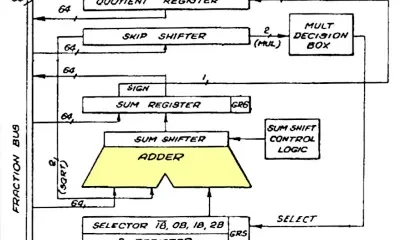
The Adder At The Heart Of Intel’s 8087 FPU
-

 Entertainment2 days ago
Renter of Home in Anne Heche Crash Denies Settlement With Son
-

 Tech8 hours ago
Microsoft accidentally kills epic Outlook email threads
-

 Business2 days ago
Soccer-U.S. defends Iran World Cup travel restrictions, says discussions ongoing
-
 Business3 days ago
Wall Street Week Ahead: Investors see Micron earnings as pulse check of AI rally momentum
-

 Politics4 days ago
BBC Reporter Discusses Cross Party Criticism Of Trumps Iran Deal
-

 Tech4 days ago
AWS enters the context layer race with a graph that learns from agents, not manual curation
-

 Crypto World3 days ago
HIVE shares jump as $220M AI deal speeds Bitcoin mining pivot
-
 Crypto World2 days ago
Can Charles Hoskinson Really Rescue Cardano?
-

 Crypto World2 days ago
Jake Chervinsky accuses CME of protecting derivatives monopoly
-

 Sports4 days ago
FIFA World Cup 2026: Canada beat 9-men Qatar 6-0 to register first ever win | FIFA World Cup 2026
-

 Business2 days ago
MHP SE 2026 Q1 – Results – Earnings Call Presentation (OTCMKTS:MHPSY) 2026-06-20
-

 Business4 days ago
Brexit cost 6% of UK economy, Bank of England company data suggests
-

 Politics2 days ago
Andy Burnham and the meaning of Makerfield
-

 Crypto World5 days ago
Anthropic’s Dario Amodei Urged AI Unity at G7, Even as US Banned His Models
-

 Crypto World7 days ago
Robinhood opens AI-powered trading to all users, sending HOOD stock past $100
-
 Tech1 day ago
Signal’s Meredith Whittaker says AI chatbots ‘are not your friends’ and calls Copilot agents a backdoor
-

 Tech5 days ago
Weeks Of In-The-Field Testing And A Verdict
-
 Tech4 days ago
Adobe adds its AI assistant to Premiere, Illustrator and InDesign
You must be logged in to post a comment Login