
News Videos
#money #millionaire #cash #affirmations #motivation #dollar



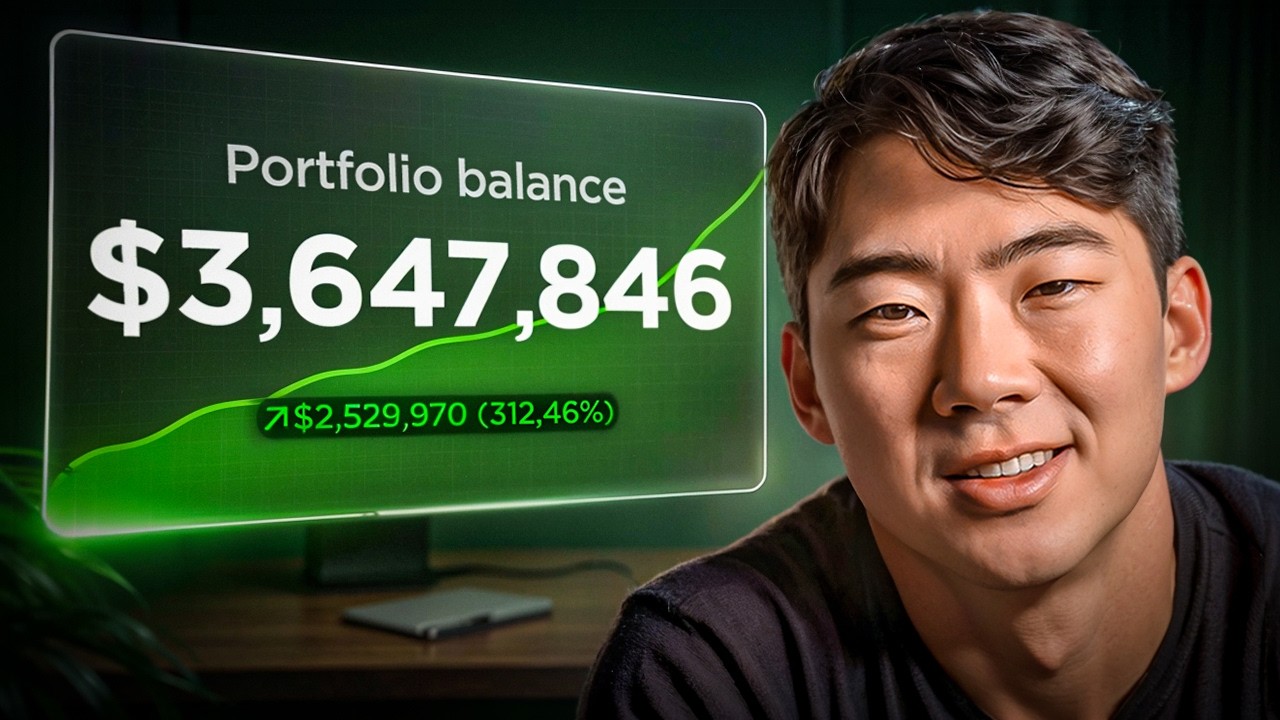
1099-da tax help (join kaizen → open a ticket) → https://discord.com/invite/kaizentrading
access to alpha reports with Kaizen pro → https://brianjung.org/research
top 10 DCA strategy calculator → https://brianjung.org/dcatool
the best free crypto newsletter → https://newsletter.kaizen.gg/subscribe
Video Outline
00:00 Intro
02:43 Bitcoin Price Prediction & Current Market Developments
14:30 The Best Opportunities Right Now
27:15 1099-DA
29:20 Words Of Wisdom
30:01 Outro
Socials:
Tweets by thebrianjung
https://www.instagram.com/creditbrian
—
Advertiser Disclosure:
This video may contain links through which we are compensated when you click on or are approved for offers.
Disclaimer: Please note, that the information provided in this video is for educational and entertainment purposes only. It is not financial advice. Cryptocurrency investments are extremely risky and highly speculative, involving significant potential for loss due to market volatility. Do NOT invest more than you are able to lose. I am not a financial advisor, and my views should not be taken as financial guidance. Always do your own research and consult with a professional before making any investment decisions. Remember, your investments are solely your responsibility, and I will not be liable for any losses or damages arising from your decisions based on this content.
My Crypto Holdings → https://brianjung.org/CryptoInvestments
source
News Videos
WHITE HOUSE CRYPTO CZAR DAVID SACKS IS OUT! CRYPTO IN 401KS NEARS & COINBASE BITCOIN MORTGAGES!

Crypto News: David Sacks says his time as Trump’s crypto and AI czar has ended. White House clears review of proposal to allow crypto in 401(k) retirement plans. Coinbase, Fannie Mae bring crypto-backed mortgages to homebuyers. Brought to you by 🏦 Learn about iTrustCapital’s powerful Premium Custody Account (PCA) and tax-advantaged Crypto IRA platforms https://www.itrustcapital.com/go/thinkingcrypto
💡Get the (Re)Thinking Crypto Book on Amazon – https://www.amazon.com/dp/B0D2525DYX
🖥️ Learn Crypto with Expert Commentary – http://MyCryptoCourse.com
Sponsors:
🔐 Safely Store your Crypto with Trezor Hardware Wallets – https://affil.trezor.io/SHlz
🌟Uphold – Signup with Uphold. https://uphold.sjv.io/gbED4X
Terms Apply. Cryptoassets are highly volatile. Your capital is at risk.
🖥️ Sign up with Santiment to get quality crypto metrics – https://app.santiment.net/pricing?fpr=thinkingcrypto Get 25% discount with code THINKINGCRYPTO
📰 Sign up for the Free Thinking Crypto Weekly Newsletter https://thinkingcrypto.substack.com/
✅ Become a Channel Member – https://www.youtube.com/channel/UCjpkwsuHgYx9fBE0ojsJ_-w/join
🔥 Buy Merch & support the Podcast https://my-store-574b5b.creator-spring.com/
🧙♂️Merlin – http://tinyurl.com/MerlinTCYouTube
“I am a Merlin partner and get compensated for purchases made through links in this content”this content”
Follow on social media:
➡️ X(Twitter) – https://x.com/thinkingcrypto
➡️ Facebook – https://www.facebook.com/thinkingcrypto/
➡️ LinkedIn – http://linkedin.com/company/thinking-crypto
➡️ Instagram – https://www.instagram.com/thinkingcrypto/
➡️ TikTok – https://www.tiktok.com/@thinkingcrypto5
➡️ Threads – https://www.threads.net/@thinkingcrypto
➡️ Website – https://www.ThinkingCrypto.com/
🔊 Listen to content on Apple Podcasts – https://podcasts.apple.com/us/podcast/thinking-crypto-news-interviews/id1458945676
🔊 Listen to content on Spotify – https://open.spotify.com/show/221AV5A65v7uYEsuMviVKl
💼Business Inquiries💼
hellothinkingcrypto@gmail.com
⏰ Time Stamps ⏰
00:00 Intro
00:24 David Sacks Leaves Crypto AI role
01:50 White House Crypto 401ks
06:15 Coinbase Fannie Mae Crypto mortgages
08:20 Mezo Aerodrome Bitcoin DeFi
10:13 Nasdaq tokenization
12:11 CFTC Mike Selig AI Content Blockchain
=================================================
📺 Interviews Playlists 📺
– All Interviews – https://youtube.com/playlist?list=PL5rDfH3ofGEe8rCbwJojpipmwwkvWhbQD
– Must Watch Interviews – https://youtube.com/playlist?list=PL5rDfH3ofGEdqEaSrjC3UHOQdw1eyeYRU
– Bitcoin Interviews – https://youtube.com/playlist?list=PL5rDfH3ofGEcjtw8URfr7-DfBi_J_O0ip
– Altcoin Interviews – https://youtube.com/playlist?list=PL5rDfH3ofGEeZ3QES9lD1f59YTWuQv-uv
– Crypto Regulators & Politicians Interviews – https://youtube.com/playlist?list=PL5rDfH3ofGEdsqA213osf2u-PbT1b7uM4
– Investment Firms & Hedge Funds – https://youtube.com/playlist?list=PL5rDfH3ofGEfa-HsusfQBB6blH3KR09mj
– Internet Pioneers & Entrepreneurs – https://youtube.com/playlist?list=PL5rDfH3ofGEdqCYps3eexnovm2WNWeP3o
=================================================
#Crypto #Coinbase #Bitcoin #CryptoNews #Cryptocurrency #BTC #BitcoinNews #ETF #News #Ripple #XRP #XRPNews #RippleXRP #Ethereum #EthereumNews #ETH #Solana #money #investing #trading #Altcoin #Altcoins #NFTs #Metaverse #Podcast #ThinkingCrypto
=================================================
– The Thinking Crypto Podcast is your home for the best Crypto News and Interviews – crypto, cryptocurrency, crypto news, bitcoin, bitcoin news, xrp, xrp news, ripple, ripple news, ripple xrp, ethereum, ethereum news, cardano, ada, solana, altcoins, defi, news, interviews, podcast, metaverse, nft, altcoin daily, cryptosrus, coin bureau, altcoin news, bitcoin today, markets, investing
=================================================
Disclaimer – The Thinking Crypto podcast and Tony Edward are not financial or investment experts. You should do your own research on each cryptocurrency and make your own conclusions and decisions for investment. Invest at your own risk, only invest what you are willing to lose. This channel and its videos are just for educational purposes and NOT investment or financial advice.
Note that links included in this description might be affiliate links. If you purchase a product or service with the links that I provide I may receive a small commission. There is no additional charge to you! Thank you for supporting my channel so I can continue to provide you with free content each week!
source
News Videos
Dr. Fazeela Breaks Silence On Financial Allegations #hamzaaliabbasi #nadiakhan #laundering | EB3Q

Dr. Fazeela Breaks Silence On Financial Allegations #hamzaaliabbasi #nadiakhan #laundering | EB3Q
Welcome to Celeb Tribe – a Pakistani showbiz news channel.
Wondering what is new in the lives of your favorite stars or just wanting to stay updated with all the latest news from the Pakistani entertainment industry? Look no further! Celeb Tribe offers a unique brings together the best, most relevant, and newest content regarding your favorite celebrities in one place. CelebTribe is managed by Dot Republic Media. All Copyright Rights Reserved. Subscribe to our YouTube channel:▶ https://bit.ly/CelebTribe
source

🚨 Ripple just made the biggest announcement of 2026 — and it’s built on the XRP Ledger with RLUSD.
Ripple announced it is joining the Monetary Authority of Singapore’s BLOOM initiative and partnering with Unloq to pilot a programmable settlement infrastructure for cross-border trade.
Unloq’s platform is leveraging the XRP Ledger and RLUSD to instantly automate cross-border payments the moment shipments are verified. This live, central bank-backed pilot tackles a massive multi-trillion-dollar global trade finance gap, positioning Ripple’s technology at the center of the booming APAC market’s future infrastructure.
Timestamps
00:00 Ripple & MAS partner to pilot APAC trade finance settlement using XRP and RLUSD
01:25 Partnership with Unlock launches an XRPL trade platform automating payments with RLUSD
02:58 Ripple officially joins Singapore’s Bloom initiative to modernize trade infrastructure
05:08 Piloting automated cross-border settlements to disrupt the multi-trillion dollar market
06:54 Ripple secures a major Singapore payment license for institutional XRP and stablecoin use
08:22 Broad APAC expansion drives XRP adoption and digital asset infrastructure growth
10:19 Bloom initiative connects Ripple with major financial institutions for tokenized settlements
This pilot is just the beginning.
💜 Hit subscribe to stay ahead of the curve on how the XRP Ledger and RLUSD are reshaping the future of global finance!
———————–
⭐Join my Community
➖ https://discord.gg/cryptonairz
🔵 Uphold | Trade, Spend & Earn XRP
➖ Uphold Website: https://uphold.com/sensei
➖ XRP Rewards: 4% Elite Card / 2% Virtual Card
🟢 Hardware Wallets I Use for XRP
➖ D’CENT Biometric (1x) | 18% Off ($159→$129)
Biometric Wallet – Affiliates
➖ D’CENT Biometric (2x) | 31% Off ($318→$219)
Biometric Wallet 2X Package – Affiliates
➖ Ledger | Official Store
https://www.ledger.com/crypto-sensei
🔗Contact & Collaborations
▸ Collab & Partnerships: partnerships@cryptosensei.net
▸ Business: cryptosensei@cryptonairz.com
▸ Collabs: BD Manager | @Jaalyn_T (Telegram)
▸ Collab Form: https://forms.gle/E6fskio5BBvd4zVn9
▸ Social Links: https://linktr.ee/Crypt0Sensei
(Partnerships & Brand Deals Only | No Agencies)
⚪FREE XRP Newsletter | https://joincryptonairz.com/Newsletter
🔴Full Legal & Regulatory Disclaimer
https://docs.google.com/document/d/1T_wTsSkXDZqdgKDUOKfIEKF-a7ur2kX8gw-e3aAq_Q4/edit?usp=sharing
#XRP #Ripple #RLUSD #BLOOM #Singapore #TradeFinance #crypto #xrpledger #MAS #cryptonews #xrpnews #cryptocurrency #cryptoinvesting #altcoins #blockchaintechnology #cryptomarket #cryptotrading #ripplexrp #ripplecrypto #xrpupdate #xrpholders #xrparmy #shorts
source


*☆* become a channel member for exkusive perks like early access to videos and exclusive posts/subliminals: https://www.youtube.com/channel/UCZTHTcQCJgqrbW77_r3UgAw/join *☆*゚
PAID requests are currently OPEN
email misscsubs@gmail.com with your list of benefits
I DO NOT accept free requests nor suggestions
*☆*゚ MY STORE
you can purchase my exclusive subliminals in my subliminal shop:
https://www.synergeticshop.com/all
use code “welcome30” for 30% off your first purchase
๑⋅⋯ ୨˚୧ ⋯⋅๑ benefits ๑⋅⋯ ୨˚୧ ⋯⋅๑
๑ these are just a summary of the what the affirmations include
๑ the actual affirmations are way more detailed
๑ yes, this is unisex
๑ CX-111 FORMULA
♡ manifest a lot of money
♡ be extremely rich and wealthy
♡ have financial abundance
♡ have a lot of financial stability, wealth and prosperity
♡ be an extreme money magnet
♡ get money in everywhere you go
♡ high passive and active income
♡ money loves you
♡ money is attracted to you
♡ money is obsessed with you
♡ money wants you
♡ money wants to belong to you
♡ every time you spend money it comes back 1000 times multiplied
♡ afford everything and anything you want and desire
♡ be financially fulfilled and successful
♡ never run out of money
♡ money is always constantly coming to you
♡ be happy with money
♡ have a good relationship with money
*☆*゚ OTHER IMPORTANT LINKS
https://cee111.carrd.co/
*☆*゚ instagram: https://www.instagram.com/ceeaudios //
@ceeaudios
I post results and tips, as well as channel updates. Send me your results there.
𝙃𝙤𝙬 𝙎𝙪𝙗𝙡𝙞𝙢𝙞𝙣𝙖𝙡𝙨 𝙒𝙤𝙧𝙠
https://www.instagram.com/p/BvFtg-4guZp/
𝙃𝙤𝙬 𝙏𝙤 𝙐𝙨𝙚 𝙎𝙪𝙗𝙡𝙞𝙢𝙞𝙣𝙖𝙡𝙨
❥ Listen as much as you want to listen for. No minimum or maximum time, however repetition helps to reprogram your mind. Don’t force yourself to listen if you don’t feel like it. It’s okay to skip some days.
❥ You don’t need to drink water to get results, but it is always good for your mind and body to stay hydrated. Drink water when your body asks you to.
❥ Work first on your mindset. Practice a mental diet, observe your conscious thoughts and change any thought that doesn’t conform to your manifestations.
❥ Don’t fake positivity. Allow yourself to feel negative when you feel like that, those emotions are natural human reactions. Forcing positivity will harm you more.
❥ Stop worrying about when results will come. You already have them the moment you decide they are yours. Affirmations and subliminals are just tools to remind you it is already yours and to put you in the state of fulfillment/abundance
❥ Stop checking or giving attention to anything contrary to your manifestation. You should persist in your manifestation/affirmations even when you see something contrary to it, in order to flip it and change it.
❥ Circumstances do not matter. You can manifest everything and anything.
LEGAL DISCLAIMER
There are no guarantees or promises, implied or explicit this will work for you. This does not subtitute any type of professional health care and I am not reliable for any decisions made because of this or any other subliminal in my channel.
Subliminals are a belief and all I ask is for it to be respected. This is not meant to be misleading, just something I deeply believe to work, just like anyone who has any type of spiritual belief and believes that is the true. I recommend you to do your research and study subliminals and law of attraction. Side effects are possible, use at your own discretion.
TAGS
money subliminal
money affirmations
rich affirmations
rich manifestation
wealth manifestation
millionaire manifestation
mindset manifest
source
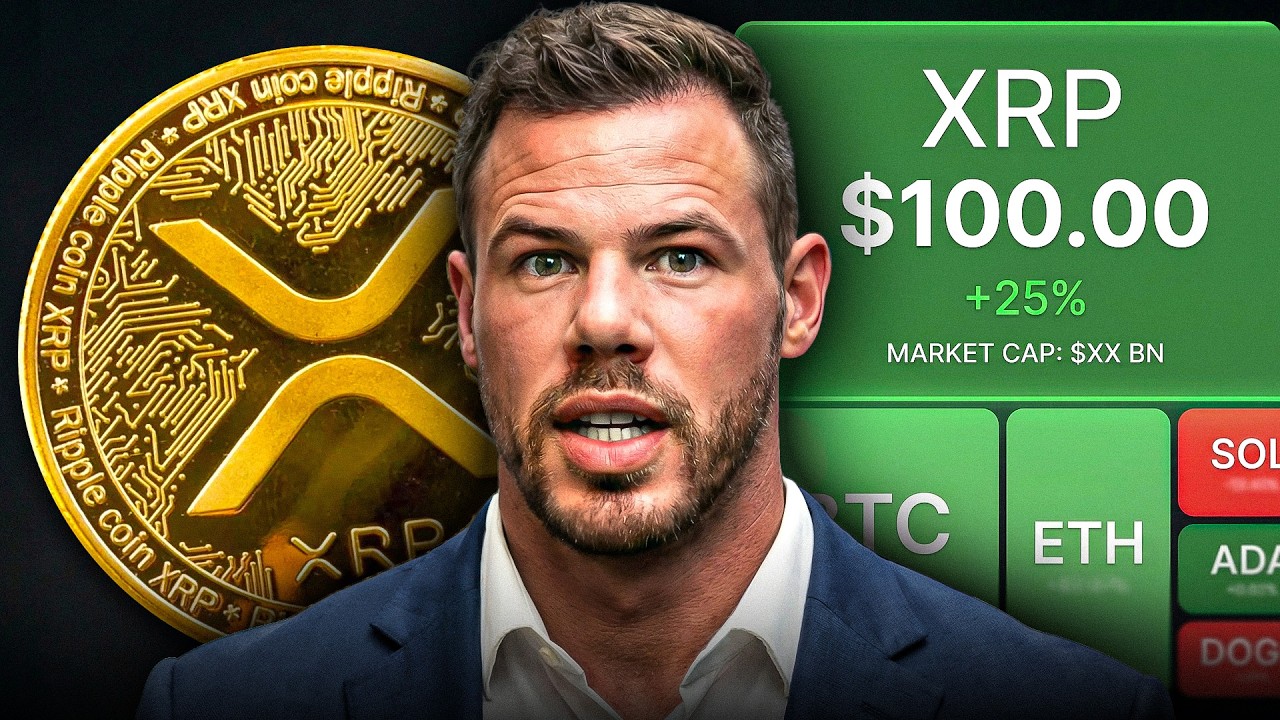
Get your copy of the paper here: https://www.digitalfamilyoffice.io/liquidity-index-paper/
Most people in crypto rely on market cap to judge the value of a digital asset, but that metric alone fails to explain whether a network can actually support real financial activity. This video breaks down the concept of the Liquidity Index, a framework designed to measure the true strength and utility of a digital asset by analyzing six key components including supply, market depth, slippage, settlement speed, available liquidity, and access for institutions. By understanding how these factors work together, it becomes clearer why networks designed for global payments require deep liquidity and stable pricing to function at scale.
TIMESTAMPS
0:00 Intro
01:05 Supply and Demand Explained
02:10 Market Depth and Liquidity Pools
03:48 Understanding Slippage
05:04 Shrinking Supply and Institutional Demand
06:34 Why Settlement Speed Matters
07:32 Regulation and Institutional Access
08:19 Market Cap vs Real Liquidity
#xrp #ripple
source
News Videos
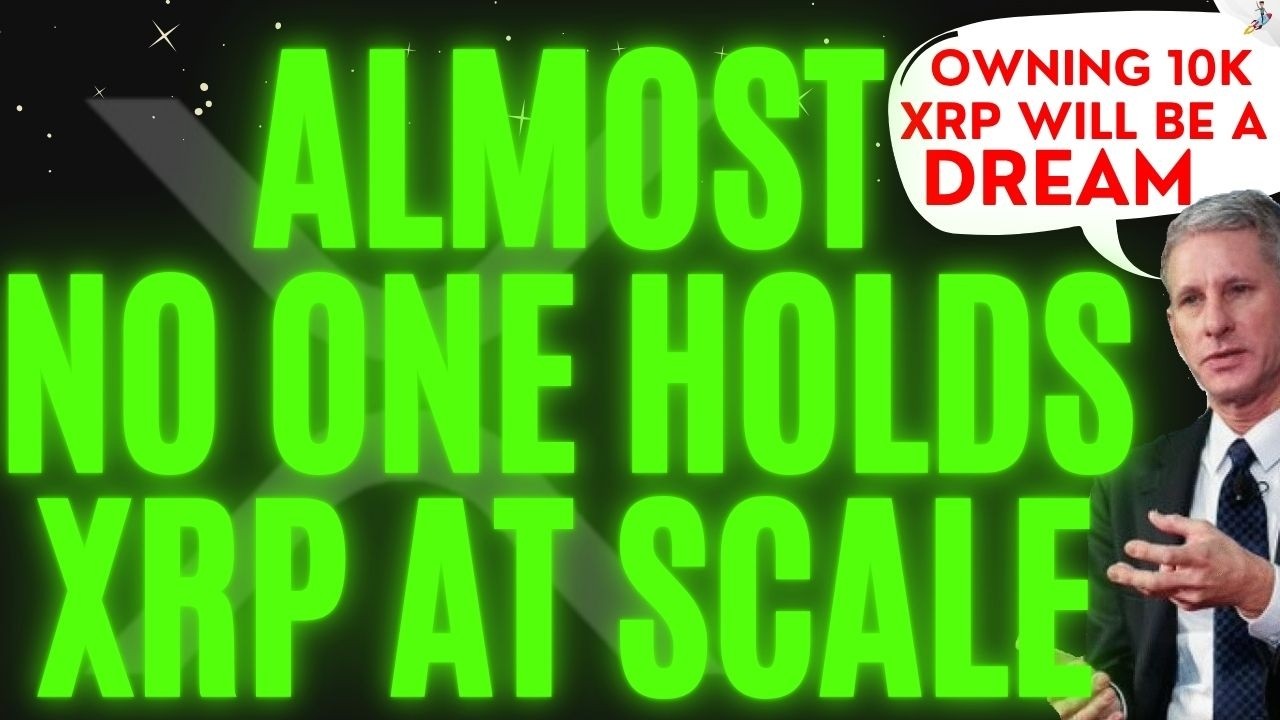
Owning 10,000 XRP Won’t Be Possible After 2026… New Rich List Data Reveals How Rare It Really Is!
🚨🔥 GET THE WELCOME BONUS TOOBIT: https://www.toobit.com/t/SvOEjj
New users will receive a 50 USDT Bonus automatically after register!
JOIN THE SQUAD! 🔥 https://www.toobit.com/en-US/activity/3-year-showdown?invite_code=SvOEjj&team=350
Deposit ≥ 100 – 20 USDT Bonus
Deposit ≥ 300 – 60 USDT Bonus
Deposit ≥ 1,000 – 200 USDT Bonus
Deposit ≥ 4,000 – 800 USDT Bonus
SALUTE MUSIC 🎸👉🏻 https://open.spotify.com/album/4Tm7Bpx3HVWYxYL0Ne0MT1
Follow Me On Social Media:
Twitter: https://twitter.com/24hrscrypto1
Instagram: https://www.instagram.com/24hrscrypto
SMASH THAT LIKE BUTTON AND SUBSCRIBE! ♥️
DISCLAIMER: 24hrsCrypto is not a financial advisor. This is not financial advice. Everything said in this video is the sole opinion of those who appear in it. The statements in this video are not investment or trading advice. This video is intended solely for educational and/or entertainment purposes only. Always do your own research before investing. Trading cryptocurrencies is extremely risky. Do not trade on any exchange that prohibits trading from your geographical region. Never invest more than you can afford to lose. 24hrsCrypto is not responsible for your losses or gains as a result of buying, selling, or trading cryptocurrencies.
#xrp #ripple #xrpnews
source

Many believe that wealth is merely a stroke of luck, a fortunate accident. But what if there’s a more reliable path, a predictable framework you can build yourself? This video challenges that common myth and reveals the powerful truth about sustainable wealth.
True wealth isn’t about chance; it’s about establishing and consistently applying a robust system. It begins with cultivating discipline in your financial choices, taking conscious control over your purchasing decisions, and meticulous planning. Every budgetary choice you make isn’t just about saving; it’s about actively carving a path towards long-term investment and financial security.
The key lies in consistent effort, not in waiting for luck to strike. By examining your spending habits today and building positive financial practices, you lay a strong foundation for your future. This isn’t just investment advice; it’s an empowering invitation to construct your own robust wealth-building system, entirely on your terms.
00:00:00 The Myth of Wealth & Luck
00:00:05 Wealth as a System, Not Luck
00:00:10 Building with Discipline
00:00:15 Control Your Spending
00:00:20 Budgeting for Investment
00:00:25 The Power of Consistent Effort
00:00:30 Your Invitation to Build Wealth
#WealthBuilding #FinancialFreedom #PersonalFinance #MoneyMindset #FinancialDiscipline #BudgetingTips #SmartInvesting #WealthSystem #FinancialPlanning #Investments #MoneyHabits #FutureProof #FinancialGoals #SelfMadeWealth #NoLuckJustSystem
#AI_SEO_OPTIMIZED
source
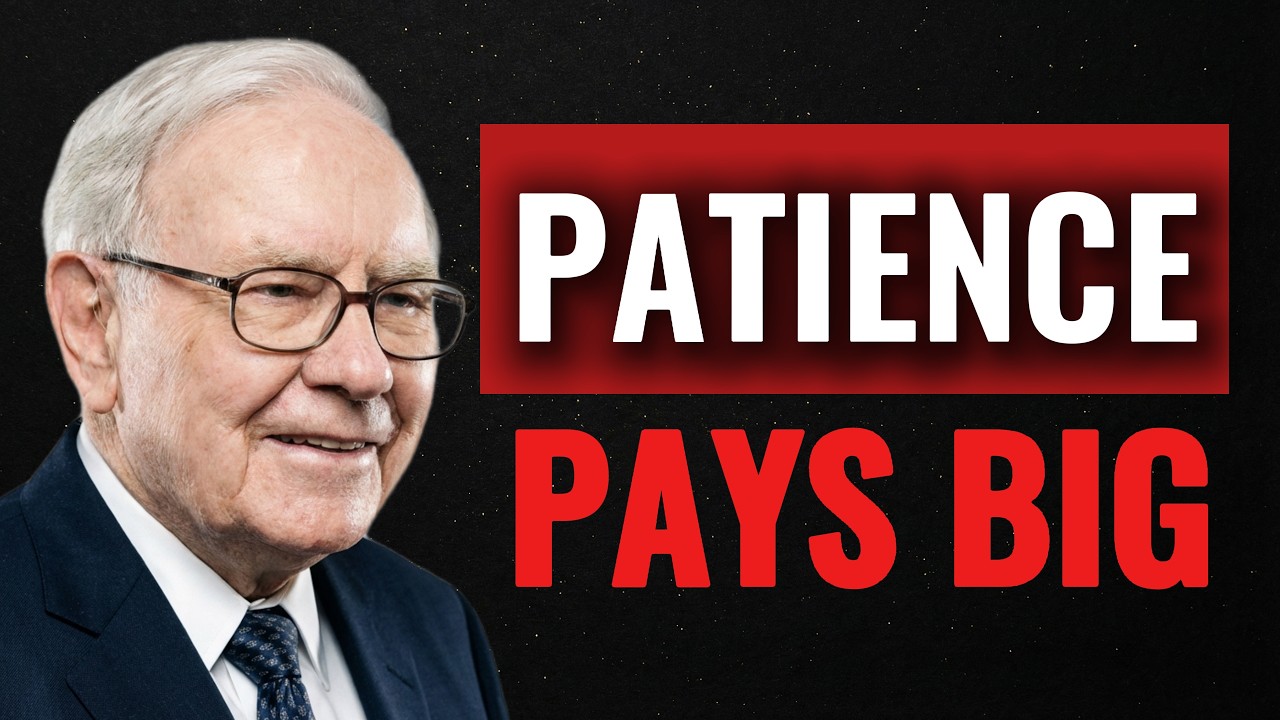
“Big money is often built by a quiet operating system. Most people spend years chasing movement, while real financial progress is usually built by a handful of boring decisions that are left alone long enough to work.”
Most people think progress comes from doing more. It does not. Very often, the real difference is what happens after a good decision has already been made. Some people keep touching the plan, changing direction, and reacting to stress. Others protect the plan, absorb the boredom, and let time carry the weight.
In this video, we break down why patience is so financially powerful:
– Why constant resetting quietly destroys momentum
– Why emotional timing leads to expensive mistakes
– Why people interrupt good decisions before they mature
– What active patience actually looks like in real life
– How to build distance between emotion and money
These ideas do not look glamorous in the moment. They do not create excitement. But over time, they separate frantic effort from real financial progress. And most people do not understand that difference until years of movement have produced far less stability than they expected.
TIMESTAMPS:
00:00 – The Friction of Constant Resetting
01:41 – The Trap of Touching It Too Often
03:58 – The High Cost of Emotional Timing
06:40 – The Danger of Interrupting a Good Decision
09:21 – The Anatomy of Active Patience
12:20 – The Decision Distance Protocol
17:54 – The Quiet Power of Holding On
WHY THIS MATTERS:
The biggest financial mistakes are not always dramatic. Very often, they are emotional. People reset too early, quit too early, spend too fast, and interrupt good decisions before time has a chance to reward them. That difference compounds.
WHO THIS VIDEO IS FOR:
– Anyone working hard but feeling financially stuck
– People who keep changing plans and still feel behind
– Viewers who want a deeper Buffett-style perspective on patience, restraint, and long-term progress
– Anyone who feels like they were taught how to react, but never taught how to hold steady
#warrenbuffett #wealthbuilding #personalfinance #financialfreedom #moneymindset #financialeducation #wealth #selfimprovement #discipline #longterminvesting
———————————
IMPORTANT DISCLAIMER & DISCLOSURE
– FAN TRIBUTE: This video uses AI-generated voice technology for educational storytelling and commentary.
– NOT AFFILIATED: This channel is NOT affiliated with Warren Buffett, Charlie Munger, or Berkshire Hathaway.
– NO ADVICE: This content is for EDUCATIONAL PURPOSES ONLY. It presents commentary on money, behavior, and wealth-building principles. Always do your own research or consult a qualified professional before making financial decisions.
source

Pioneer women’s basketball programs fade into the shadows full of pride as money reshapes the game

Dunkin’ Gives Away 1,000,001 Cups With ‘StillNotAJoke’ Code

New Hampshire issues Bitcoin-backed municipal bond with Ba2 rating: Moody's

Smart energy pays enters the US market, targeting scalable financial infrastructure

Why Israel is blocking foreign journalists from entering

Bitcoin: We’re Entering The Most Dangerous Phase

how i’d invest right now to make millions in 2026

WHITE HOUSE CRYPTO CZAR DAVID SACKS IS OUT! CRYPTO IN 401KS NEARS & COINBASE BITCOIN MORTGAGES!

Dr. Fazeela Breaks Silence On Financial Allegations #hamzaaliabbasi #nadiakhan #laundering | EB3Q
-

 News Videos7 days ago
Parliament publishes latest register of MPs’ financial interests
-

 Business6 days ago
Instagram, YouTube Found Responsible for Teen’s Mental Health Struggle in Historic Ruling
-
 Tech6 days ago
Intercom’s new post-trained Fin Apex 1.0 beats GPT-5.4 and Claude Sonnet 4.6 at customer service resolutions
-

 NewsBeat5 days ago
The Story hosts event on Durham’s historic registers
-

 Sports5 days ago
Sweet Sixteen Game Thread: Tide vs Michigan
-
Entertainment2 days ago
Fans slam 'heartbreaking' Barbie Dream Fest convention debacle with 'cardboard cutout' experience
-
 Entertainment4 days ago
Lana Del Rey Celebrates Her Husband’s 51st Birthday In New Post
-
Crypto World1 day ago
Dems press CFTC, ethics board on prediction-market insider trades
-

 Sports1 day ago
Tallest college basketball player ever, standing at 7-foot-9, entering transfer portal
-

 Tech3 days ago
The Pixel 10a doesn’t have a camera bump, and it’s great
-

 Crypto World3 hours ago
Gold Price Prediction: Worst Month in 17 Years fo Save Haven Rock
-

 Tech2 days ago
EE TV is using AI to help you find something to watch
-

 Entertainment7 days ago
HBO’s Harry Potter Series Will Definitely Fail For One Big Reason, And It’s Not J.K. Rowling Or Snape
-

 Tech2 days ago
Apple will hide your email address from apps and websites, but not cops
-

 Tech2 days ago
Flipsnack and the shift toward motion-first business content with living visuals
-

 Tech2 days ago
How to back up your iPhone & iPad to your Mac before something goes wrong
-

 Fashion6 days ago
En Vogue in Brown Leather and Tailored Neutrals by Atelier Savoir, Styled by J Bolin
-

 Politics2 days ago
Should Trump Be Scared Strait?
-

 Crypto World2 days ago
U.S. rule change may open trillions in 401(k) funds to crypto
-

 Fashion5 days ago
Weekly News Update, 3.27.26 – Corporette.com
You must be logged in to post a comment Login