



The Healthcare Inspectorate Wales inspection found faecal staining on furniture and suspected blood on a wall
An unannounced inspection into a specialist mental health hospital in Cardiff has found “serious concerns”. The newly published findings said there was a strong odour smell in an unlocked cupboard, faecal staining on furniture in the dining room and on a door frame, as well as red staining consistent with blood on a wall.
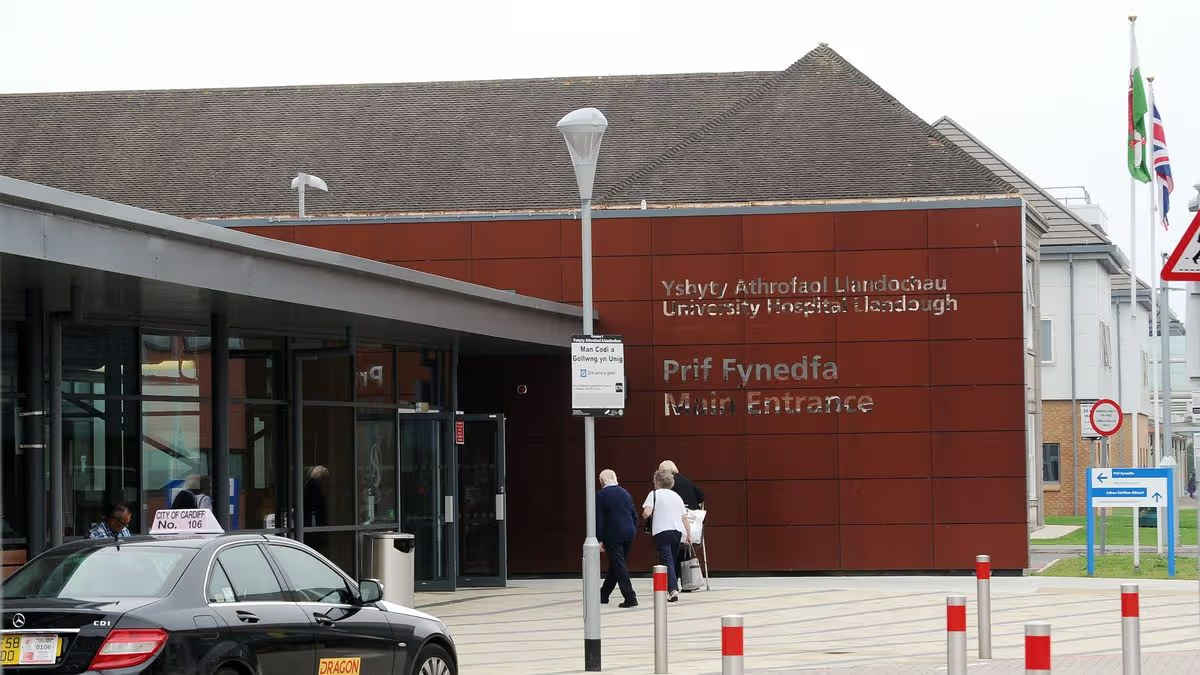
The inspection of the University Hospital Llandough, carried out by the Healthcare Inspectorate Wales (HIW), found issues with the condition and cleanliness of wards, and that medicines were not being stored securely.
The HIW completed an unannounced inspection at the Cardiff & Vale University Health Board run site on March 23, 24 and 25, 2026. The independent inspectorate reviewed wards 10, 14, and 16, which each provide care for people over 65 with dementia or severe mental illnesses.
The inspection identified serious concerns impacting patients’ dignity, comfort and overall experience. It found that the condition and cleanliness of some ward and communal areas, inside and out, didn’t support a “safe or therapeutic” environment for the patients.
They said this was particularly important because the hospital’s patients rely on the ward environment to remain orientated and reassured. For our free daily briefing on the biggest issues facing the nation sign up to the Wales Matters newsletter here.
The report also identified weaknesses in the management of personal belongings and the maintenance of orientation aids, like clocks, despite the issue being raised by concerned family members. There were also issues with patient information boards displaying up to date information about current staff roles.
The findings said: “HIW was not assured that effective risk management and infection prevention and control arrangements were consistently in place. We identified multiple environmental, ligature and health and safety risks, as well as poor standards of cleanliness and hygiene in patient and communal areas.”
Among their concerns was a room containing identified ligature risks which was unlocked and accessible to patients and medicines not being securely stored. They also found an unlocked storeroom with a strong odour smell, faecal staining on furniture in the dining room and on a door frame, as well as red staining consistent with blood on a wall.
A further issue related to patients’ personal belongings going missing or becoming mixed up with other patients’ belongings.
The published findings reads: “Patients’ property was not always stored appropriately, which reduced assurance that items were being managed safely and securely.”
They explained how valuables were stored in CD cupboards without appropriate security and without robust arrangements for recording, tracking, and returning patient property. The HIW said such issues with misplaced items caused distress for some patients and their families.
The HIW further detailed how some of these concerns were identified during a previous inspection, which had raised concerns about oversight and the health board’s ability to deliver and sustain improvement.
The inspectorate did however also highlight a number of things the service did well. They said the hospital provides a wide range of meaningful, therapeutic, and recreational activities, treated patients with dignity, kindness, and respect, promotes a safe and supportive environment, and delivers personalised, timely care that supported patient choice, independence, and wellbeing.
Alun Jones, Chief Executive of Healthcare Inspectorate Wales, said: “This inspection found committed staff delivering compassionate and respectful care in challenging circumstances. However, significant concerns were identified about the ward environment and failure to address known risks, particularly around cleanliness, safety and oversight.
“While challenges associated with ageing mental health estates are seen across Wales and are not unique to this service, the impact on patients here is significant. The health board must now demonstrate clear and sustained improvement to ensure patients are cared for in a safe, clean and well‑maintained environment.
“We will continue to monitor progress closely.”
Since the inspection in March, the health board has outlined actions taken and planned improvements, including addressing safety risks, undertaking deep cleaning, strengthening infection control, improving maintenance and enhancing oversight. The healthcare inspectorate will continue to monitor progress to ensure improvements are implemented and sustained.
In response to the report being published, Natasha Asghar MS, Shadow Minister for Health and Social Care, said: “While it’s really reassuring to read about the compassionate care that older patients are receiving at Llandough Hospital, but there are clearly a number of areas where performance is not good enough.
“Staff on the wards are clearly working hard under difficult circumstances and deserve recognition for the compassionate care they provide. However, failures in leadership, maintenance, housekeeping and governance are not acceptable and must be addressed by the health board as a matter of urgency.
“People living with dementia are among the most vulnerable patients in our health service and there is clearly scope to improve their care.
“The health board must demonstrate clear progress on cleanliness, patient safety, dementia-friendly environments and leadership accountability. Families need reassurances that these shortcomings are being addressed.”


















































You must be logged in to post a comment Login