

Business
Regenxbio: 'Strong Buy' On FDA Course Reversal For NAVSUNLI And Potential AA DMD Filing



Business
Russia’s ruling party runs Ukraine war veteran among lead candidates for September election


Russia’s ruling party runs Ukraine war veteran among lead candidates for September election

Two of the world’s most valuable companies, Microsoft and Apple, represent fundamentally different bets on where technology investing is headed in 2026: one built around cloud computing and artificial intelligence infrastructure, the other anchored in hardware loyalty and a record-setting iPhone cycle. With combined market capitalizations exceeding $7 trillion, the comparison between the two stocks has become one of the most closely watched matchups among mega-cap tech investors this year.
Here’s what the available data shows about each company heading into the second half of 2026.
Two very different business models
Microsoft and Apple compete in some overlapping areas, but their core businesses pull in different directions. Microsoft generates the bulk of its revenue from cloud computing, productivity software and enterprise solutions, with its Azure platform and Office 365 suite forming the backbone of its model. Apple, by contrast, remains primarily focused on putting devices into customers’ hands, with the iPhone still serving as its single largest revenue driver even as services revenue continues to grow.
That divergence shows up clearly in recent growth rates. Microsoft’s trailing 12-month revenue has increased roughly 44% over the past three years, with total cloud revenue growing 26% year-over-year in a recent quarter to $51 billion, and Azure revenue alone climbing 39%. Apple’s trailing 12-month revenue, by comparison, grew about 13% over the same three-year stretch, with iPhone revenue increasing just 6% year-over-year in its most recent quarterly report — still its largest single revenue source, but growing far more slowly than Microsoft’s cloud business.
Apple’s record-breaking iPhone quarter
Despite slower top-line growth, Apple delivered a standout quarter earlier this year. The company posted fiscal first-quarter revenue of $143.76 billion, beating consensus estimates by nearly 4%, powered by an iPhone segment that generated $85.27 billion, up 23.3% year-over-year and the best quarter the product has ever recorded. Apple CEO Tim Cook called it “a remarkable, record-breaking quarter” driven by what he described as “unprecedented demand” across every geographic region the company tracks, with Greater China sales surging to $25.53 billion from $18.51 billion a year earlier. Apple’s services business also hit an all-time high of $30.01 billion that quarter, up 14% year-over-year.
Microsoft’s AI-driven enterprise bet
Microsoft’s growth story, meanwhile, has centered squarely on artificial intelligence infrastructure and enterprise adoption. The company’s Microsoft 365 Copilot product saw its largest quarter of seat additions since launch, with major enterprise clients including Barclays deploying the tool to 100,000 employees. GitHub Copilot now serves roughly 20 million developers, with adoption reported across 90% of Fortune 100 companies. Microsoft’s Azure AI Foundry platform processed more than 500 trillion tokens in fiscal 2025, a sevenfold increase from the prior year.
Microsoft CEO Satya Nadella has repeatedly framed the company’s strategy around that infrastructure buildout, previously stating that “Cloud and AI is the driving force of business transformation across every industry.” The company’s contracted backlog has also become a notable selling point for bulls, with Microsoft reporting a backlog exceeding $368 billion and commercial bookings topping $100 billion for the first time in a recent quarter.
Valuation and analyst sentiment
On valuation, the two stocks present a mixed picture depending on which metric investors weigh most heavily. Apple’s trailing price-to-earnings ratio has generally run somewhat higher than Microsoft’s in recent comparisons, with one analysis putting Apple’s trailing P/E near 32 times earnings against Microsoft’s roughly 23 times. Microsoft’s forward P/E, however, has at times priced in stronger near-term earnings growth expectations than Apple’s.
Wall Street’s overall sentiment has tilted somewhat more bullish toward Microsoft over the past year. One comparison tracking 30 analysts found Microsoft carrying a “Strong Buy” consensus rating, compared with a “Moderate Buy” consensus among 32 analysts covering Apple. A separate, more recent tracker found Apple holding a “Moderate Buy” consensus among 42 analysts, with target prices implying between 1% and 31% upside from recent trading levels.
Performance has diverged sharply at times
Stock performance between the two names has swung considerably depending on the period measured. One analysis covering roughly the past 12 months found Apple shares up 52%, compared with a 5.9% gain for Microsoft over the same stretch, making Apple the stronger performer in that particular window even as Microsoft has generally carried the more bullish long-term analyst consensus. Microsoft’s 52-week trading range has spanned from roughly $356 to $555, while Apple’s has ranged from approximately $165 to $279, reflecting Apple’s sharper percentage moves on a smaller base.
Differing financial risk profiles
The two companies also carry notably different balance sheet characteristics. Apple operates with a higher debt-to-equity ratio, around 1.67 in one recent analysis, reflecting a more leveraged capital structure, while Microsoft’s debt-to-equity ratio sits much lower, around 0.18, reflecting a more conservative approach to leverage. Apple, meanwhile, posts a return on equity exceeding 160% in some analyses, reflecting highly efficient use of shareholder capital, even as its current ratio below 1.0 signals tighter short-term liquidity compared to some peers.
What analysts and traders are watching
Independent commentators following both stocks have generally framed the decision as a tradeoff between proven cash generation and AI-driven optionality. Edward Corona, a Florida-based trader and publisher of The Options Oracle Newsletter, said Apple’s business remains heavily tied to a single product line. “Apple is an incredible company, but so much of its story is still tied to the iPhone,” Corona said. “That’s great for steady cash flow, but it makes it harder for Apple to find the next big growth engine.” Corona pointed to Microsoft’s broader AI and cloud exposure as a key differentiator, adding that those trends give the company “more ways to grow — not just one product to rely on.”
The bottom line
Ultimately, the choice between Microsoft and Apple in 2026 comes down to which growth thesis an investor finds more convincing: Microsoft’s deeper, more direct exposure to enterprise AI adoption and cloud infrastructure spending, or Apple’s combination of record hardware demand, expanding services revenue and a more conservative balance sheet. Both companies remain among the most closely tracked stocks on Wall Street, and analyst price targets for each continue to imply meaningful upside from current trading levels, even as the underlying businesses pull in increasingly different directions.
This article is not financial or investment advice, and the author is not a licensed financial advisor. Given the volatility surrounding both stocks and the wide range of analyst price targets cited above, investors are encouraged to review company filings directly, consult a qualified financial professional, and weigh their own risk tolerance and investment horizon before making any decisions.


Thirty-three people rescued, thousands still missing after Venezuela quakes

How Arthur Ryan Kurek Built a Career Turning Complexity Into Outcomes
Some people build careers by following established playbooks. Arthur Ryan Kurek built his by questioning them.
Over nearly 30 years, Kurek has worked across sports business, media, technology, corporate transformation, and entrepreneurship. Along the way, he became known for something unusual: the ability to see connections others missed and turn complicated challenges into measurable outcomes.
His approach did not happen overnight.
Instead, it evolved into an authentic strategy. One where ingenuity is the engine.
“Truth be told, most people look at the symptoms,” Kurek says. “What is actually happening is usually much deeper. The real opportunity is understanding the structure underneath the problem.”
Today, Kurek operates as an Outcome Architect, helping owners, operators, and organizations structure and synchronize complex goals. His focus is not on surface-level improvements. It is on creating systems that produce meaningful and lasting results.
Growing Up Around Competition, Creativity, and Problem Solving
Kurek was born and raised in Point Pleasant Beach, New Jersey, where sports, business, and creativity were all part of daily life.
His father worked in New York advertising and creative revenue development. His mother built businesses connected to design, antiques, and problem-solving. Together, they encouraged independent thinking and unconventional ideas.
“I grew up around people who weren’t afraid to do things differently,” he says. “That taught me early that there is almost always another way to solve a problem.”
His upbringing sat at the intersection of sports, business, creativity, and hands-on experiences. His father worked in advertising, bringing exposure to storytelling, branding, and the power of messaging in shaping perception. His mother was an artist, designer, and inventor-entrepreneur, adding a strong influence of creativity, design thinking, and building ideas from concept into something tangible.
Together, that environment gave him an early understanding of how different disciplines overlap and reinforce one another, from creative expression to strategic thinking and execution.
At the same time, he immersed himself in sports, including soccer, tennis, basketball, and surfing, which reinforced discipline, competition, and adaptability in different environments.
“Sports taught me that execution matters,” he says. “Ideas are important, but performance is what separates good from great.”
Finding Opportunity Before Others Saw It
After attending Clemson University, where he became involved in sports marketing and helped launch the Sports Marketing Association, Kurek entered the sports business world.
He founded Leverage Sports Agency, known as LVRG, and worked with major professional teams, venues, leagues, athletes, and sponsors. But his focus extended beyond traditional sponsorships.
“What interested me was building systems,” he says. “I wanted to understand how organizations could create sustainable momentum.”
That thinking led him into media and technology projects that were often ahead of their time.
He helped launch 3 Wide Life, a syndicated television show that reached more than 65 million homes. He also played a key role in developing Popsy Interactive, an early sports engagement platform that connected media, technology, and fan participation years before digital engagement became standard practice.
“We were looking at engagement differently,” he says. “The goal was always to unleash strategic velocity by connecting pieces that others viewed separately.”
From Sports Business to Corporate Transformation
As Kurek’s career expanded, so did the complexity of the challenges he took on.
His transition into technology and corporate leadership allowed him to apply the same principles on a larger scale.
One of the most notable examples came during his time at Kornit Digital. As the company entered a significant growth phase, Kurek became involved in strategic efforts across the Americas and global markets.
“My role was always about finding friction,” he says. “Where was growth slowing down? Where were opportunities not connecting? Once you understand that, you can redesign the system.”
The experience reinforced a belief that continues to guide his work today.
“Systems determine outcomes,” he says. “When the right structure exists, growth becomes possible.”
Why Ingenuity Matters More Than Ever
Throughout his career, Kurek has developed a reputation for using unconventional thinking to solve difficult problems.
He believes that ingenuity and the unorthodox elements that have proven time and time again to be the competitive differentiators and separators in any project are often overlooked.
“People tend to chase trends,” he says. “But trends come and go. Ingenuity lasts.”
That philosophy became even more evident during projects such as ENE Group and Rentametrix, where he helped redesign business models, restructure operations, and transform concepts into scalable platforms.
In the case of Rentametrix, a struggling idea evolved into a functioning software platform serving the college housing market.
“Execution matters,” he says. “Not theory. Actual execution.”
Building Outcomes Beyond Business
While much of Kurek’s career has focused on growth and transformation, some of his most meaningful work happened outside traditional business environments.
For years, he served with ALSAC/St. Jude Children’s Research Hospital, including as Co-Chairman of the Sports Advisory Board Council alongside Hall of Fame broadcaster Pat Summerall.
The connection was personal.
“My middle name is Jude,” he says. “I’ve always felt a connection to St. Jude. Being able to use sports to create experiences for children and families facing difficult circumstances was some of the most rewarding work I’ve ever done.”
Through those efforts, he helped create programs that connected young patients with professional athletes and major sports experiences.
“It reminded me that outcomes are not always measured in numbers,” he says. “Sometimes they’re measured in hope.”
The Next Chapter
Today, through Kurek & Company, Kurek works with a select group of owners and operators facing complex business challenges.
His approach remains grounded in the same philosophy that has guided his career from the beginning.
Understand what is actually happening. Structure and synchronize complex goals. Then build a path forward.
“Every industry changes,” he says. “Technology changes. Markets change. But one thing stays the same. If you can combine ingenuity with execution, you can create outcomes that people never thought were possible.”
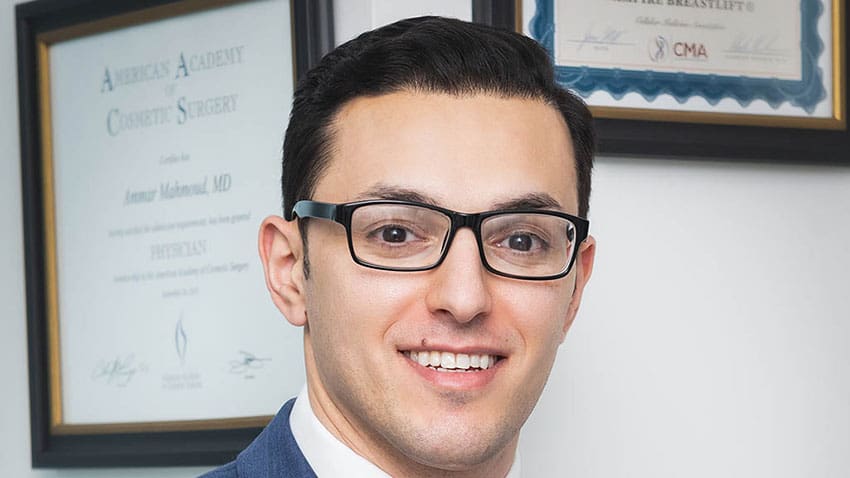
Cosmetic surgery is changing. Patients want faster recovery, natural results, and treatments that improve comfort as much as appearance.
That shift has opened the door for a new generation of specialists focused on minimally invasive procedures and regenerative medicine.
Dr. Ammar Mahmoud has become one of the names closely tied to that movement.
Based in New York City, the cosmetic gynecological surgeon and aesthetic specialist has built a career around procedures designed to reduce downtime, improve healing, and preserve natural anatomy. His work spans facial aesthetics, body contouring, vaginal rejuvenation, and regenerative cosmetic treatments. He has also become a recognized speaker and educator in cosmetic gynecology.
His path into medicine started early.
“I grew up hearing operating room stories at the dinner table,” Mahmoud says. “My father was an anesthesiologist. My mother was an OB/GYN. I remember visiting the hospital as a kid and realizing medicine wasn’t just science. It changed people’s lives in a very direct way.”
How Fitness and Medicine Shaped His Career
Long before entering medical school, Mahmoud was deeply involved in athletics. He competed in cross-country running, swimming, and track and field. Later, he became interested in bodybuilding and nutrition.
That experience shaped how he thinks about patient care today.
“Bodybuilding taught me that small changes can completely change how someone feels about themselves,” he says. “I watched family members lose weight, quit smoking, and regain confidence. That stayed with me.”
The connection between wellness and confidence would later become a major part of his medical philosophy.
Mahmoud earned a bachelor’s degree in biomedical engineering before attending St. George’s University School of Medicine. During medical school, he served as Vice President of the Medical Honor Society and joined the Anatomical Clinical Research Society.
He later completed his residency in Obstetrics and Gynecology at SUNY Downstate, where he also served as a Clinical Associate Professor.
Why Minimally Invasive Cosmetic Surgery Is Growing
Cosmetic gynecology has changed rapidly over the last decade. Older procedures often involved longer recovery periods and more aggressive surgical techniques. Patients today are asking different questions.
They want less downtime. Less scarring. More natural results.
That demand has pushed the industry toward minimally invasive treatments and regenerative medicine.
“We’ve reached a point where patients are very informed,” Mahmoud says. “People walk into consultations asking about healing time before they ask about the cosmetic result. That didn’t happen fifteen years ago.”
His practice focuses heavily on procedures designed to improve both aesthetics and function. That includes minimally invasive labiaplasty, laser vaginal rejuvenation, liposuction, body contouring, and regenerative therapies like PRP-assisted healing.
The goal is not a dramatic transformation.
It is refinement.
“There was a patient who came in after years of discomfort during exercise,” he says. “She wasn’t looking for a dramatic cosmetic change. She just wanted to stop thinking about pain every time she went for a run. Those are the kinds of conversations that define modern cosmetic gynecology.”
The Rise of Regenerative Medicine in Aesthetic Care
One of the biggest changes in cosmetic surgery is the growing focus on tissue health and recovery.
Regenerative medicine has become a major part of that conversation. Treatments like platelet-rich plasma therapy use the body’s own healing mechanisms to improve recovery, collagen production, and tissue quality.
Mahmoud has become known for combining regenerative treatments with minimally invasive surgical techniques.
The approach reflects a larger trend across aesthetic medicine.
Patients increasingly want procedures that look subtle and age naturally over time. They are less interested in dramatic surgical changes and more focused on long-term wellness.
That shift is especially important in cosmetic gynecology because procedures often involve both functional and aesthetic concerns.
“The future of this field is preservation,” Mahmoud says. “The best results usually come from respecting natural anatomy instead of aggressively changing it.”
Leadership Beyond the Operating Room
Alongside his clinical work, Mahmoud has become active in education and industry leadership.
He has served as a faculty member at the International Cosmetic Gynecology Conference and later became Head of the Scientific Committee and Board of Directors for the Annual International Conference on Cosmetic Gynecology.
He has also lectured for the International Society of Cosmetic Gynecology and works as a Key Opinion Leader for laser vaginal rejuvenation technology with Candela Medical Lasers.
Those roles have helped position him as part of a growing group of specialists shaping the future of cosmetic gynecology.
The field itself continues to expand.
More patients are seeking treatments that combine wellness, function, and aesthetics. Technology is improving quickly. Recovery times are shrinking. Non-surgical options are becoming more advanced every year.
Mahmoud believes the next stage of cosmetic medicine will become even more personalized.
“There’s no universal treatment anymore,” he says. “The best surgeons today are the ones who understand how to customize procedures around the patient’s lifestyle, anatomy, and long-term goals.”
A Changing Industry With New Priorities
The cosmetic surgery industry is moving away from one-size-fits-all procedures. Patients want natural results and realistic recovery plans. They want physicians who understand both aesthetics and wellness.
That change has created opportunities for specialists who combine technical skill with a broader understanding of patient care.
For Mahmoud, that balance began to take shape years ago through sports, medicine, and firsthand exposure to patient care in hospitals.
Now it sits at the center of his work in one of aesthetic medicine’s fastest-growing specialties.


US House speaker says he will send housing bill to Trump on Monday


Robert F. Abbott has been investing his family’s accounts since 1995, and in 2010 added options, mainly covered calls and collars with long stocks. He is a freelance writer, and his projects include a website that provides information for new and intermediate-level mutual fund investors. A resident of Airdrie, Alberta, Canada, Robert has earned Bachelor of Arts and Master of Business Administration (MBA) degrees.
Analyst’s Disclosure: I/we have no stock, option or similar derivative position in any of the companies mentioned, and no plans to initiate any such positions within the next 72 hours. I wrote this article myself, and it expresses my own opinions. I am not receiving compensation for it (other than from Seeking Alpha). I have no business relationship with any company whose stock is mentioned in this article.
Seeking Alpha’s Disclosure: Past performance is no guarantee of future results. No recommendation or advice is being given as to whether any investment is suitable for a particular investor. Any views or opinions expressed above may not reflect those of Seeking Alpha as a whole. Seeking Alpha is not a licensed securities dealer, broker or US investment adviser or investment bank. Our analysts are third party authors that include both professional investors and individual investors who may not be licensed or certified by any institute or regulatory body.

Running a successful webshop involves far more than just attracting customers and processing payments. One of the most critical, yet often underestimated, aspects of e-commerce is the efficient dispatch of parcels.
Fast, accurate, and cost-effective shipping not only improves customer satisfaction but also reduces operational costs and minimises errors. In this article, we explore how to streamline your shipping process and build a more reliable fulfilment system for your online business.
Why Efficient Shipping Matters
In today’s competitive online marketplace, customers expect rapid delivery and seamless service. A delay of even a day can influence reviews, repeat purchases, and overall brand reputation. Efficient shipping is not just about speed; it is about consistency, accuracy, and scalability.
For smaller webshops, inefficiencies in dispatching orders can quickly become overwhelming as order volume grows. For larger businesses, even minor improvements in logistics can lead to significant savings over time. Therefore, investing in a structured and well-optimised shipping process is essential for long-term success.
Organising Your Warehouse Workflow
A well-organised workspace is the foundation of efficient parcel dispatch. Start by separating your storage, packing, and dispatch areas clearly. This reduces confusion and allows staff to move logically through the fulfilment process.
Products should be stored in a way that minimises picking time. High-demand items should be placed in easily accessible locations, while less frequently ordered stock can be stored further away. Implementing a “pick path” system can also reduce unnecessary movement, ensuring that employees collect items in the most efficient sequence.
Clear labelling of shelves and consistent stock management systems help prevent picking errors, which are one of the most common causes of delayed shipments and customer complaints.
Automating the Packing Process
Automation is no longer a luxury reserved for large corporations. Even small and medium-sized webshops can benefit from simple tools that reduce manual work and improve accuracy.
One key example is the use of integrated order management systems that automatically generate packing slips and shipping details. This reduces the risk of human error when transferring information between systems.
Another valuable tool is the use of label printers, which allow you to produce professional, scannable shipping labels instantly. Compared to handwriting or manually printing labels on standard office printers, dedicated label printers significantly speed up the packing process and ensure better readability for courier services. This small investment can dramatically improve workflow efficiency and reduce misdeliveries.
Choosing the Right Shipping Partners
Selecting reliable courier services is essential for maintaining customer trust. Different carriers offer varying levels of speed, tracking quality, and international reach. It is important to evaluate your shipping partners based on your target market and delivery expectations.
Many webshops choose to work with multiple carriers to maintain flexibility and cost efficiency. For example, one courier might offer better rates for domestic parcels, while another may be more efficient for international shipping.
Negotiating bulk shipping rates can also lead to substantial savings, especially as your order volume increases. Regularly reviewing your contracts ensures that you are always getting the best possible deal.
Streamlining Returns Management
Returns are an inevitable part of e-commerce, but they do not have to disrupt your workflow. A clear and efficient returns process can actually enhance customer trust and encourage repeat purchases.
Provide customers with simple return instructions and, where possible, pre-printed return labels. Internally, establish a dedicated area for processing returned goods so they can be quickly inspected, restocked, or written off.
Efficient returns handling reduces administrative workload and ensures that stock levels remain accurate at all times.
Training and Staff Coordination
Even the most advanced systems are only as effective as the people using them. Proper staff training is essential for maintaining consistency in the dispatch process. Employees should understand not only how to use systems and equipment, but also why each step in the process matters.
Regular briefings and performance reviews can help identify bottlenecks and encourage continuous improvement. Encouraging a culture of accuracy and efficiency ensures that your fulfilment process remains strong as your webshop grows.
Final Thoughts
Efficient parcel dispatch is a cornerstone of successful e-commerce operations. By organising your warehouse effectively, leveraging automation tools such as label printers, selecting the right shipping partners, and maintaining a strong returns process, you can significantly improve both customer satisfaction and operational performance.
In a fast-moving online marketplace, the ability to deliver quickly and accurately is not just an advantage—it is a necessity. Investing in efficient shipping processes today will pay dividends in the form of happier customers, lower costs, and a more scalable business tomorrow.


The Investment Doctor is a financial writer, highlighting European small-caps with a 5-7 year investment horizon. He strongly believes a portfolio should consist of a mixture of dividend and growth stocks.
He is the leader of the investment group European Small Cap Ideas which offers exclusive access to actionable research on appealing Europe-focused investment opportunities not found elsewhere. The a focus is on high-quality ideas in the small-cap space, with emphasis on capital gains and dividend income for continuous cash flow. Features include: two model portfolios – the European Small Cap Ideas portfolio and the European REIT Portfolio, weekly updates, educational content to learn more about the European investing opportunities, and an active chat room to discuss the latest developments of the portfolio holdings. Learn more.
Analyst’s Disclosure: I/we have a beneficial long position in the shares of DUKB either through stock ownership, options, or other derivatives. I wrote this article myself, and it expresses my own opinions. I am not receiving compensation for it (other than from Seeking Alpha). I have no business relationship with any company whose stock is mentioned in this article.
Seeking Alpha’s Disclosure: Past performance is no guarantee of future results. No recommendation or advice is being given as to whether any investment is suitable for a particular investor. Any views or opinions expressed above may not reflect those of Seeking Alpha as a whole. Seeking Alpha is not a licensed securities dealer, broker or US investment adviser or investment bank. Our analysts are third party authors that include both professional investors and individual investors who may not be licensed or certified by any institute or regulatory body.

A personal injury like a slip and fall injury rarely only affects one person. Their family is also impacted, especially if they need to become caregivers during recovery or to support their loved one with a permanent disability.
If you are caregiving for a loved one who has suffered after a fall, you may still work on top of this responsibility, or you may have had to leave your job to care for them full-time.
After a personal injury, life doesn’t feel the same, and it’s normal to struggle with anxiety, depression and uncertainty. But you shouldn’t have to do it alone, and you deserve support. For many people, working with a personal injury lawyer can help recover lost wages, provide financial support for medical care, pay for housing and ensure you can be there for your loved one without the added stress of earning more money.
What Happens When Your Loved One Needs a Caregiver
Your first response may be to do everything you can to help your loved one immediately. But you could also struggle to understand what to do next. A caregiver’s life is transformed overnight, and you can wake up feeling completely lost with no one to turn to.
It doesn’t matter whether you are caring for your spouse, parent, child or sibling; all caregivers must navigate the challenges of coping with the challenges of an injury along with the emotional toll of seeing their loved one suffer.
Caregivers can have both short-term and long-term challenges, including trauma, mental health struggles and lost wages. In the long term, caregiving can lead to unemployment, financial struggles and social isolation.
Lack of Time
One of the greatest challenges of caring for someone after an injury is simply not having enough time to do everything. Being there for them can be a full-time commitment, but you likely also have family and work duties to tend to as well.
The limited time means you have to pick and choose what you’re able to do, which can lead to frustration, disappointment and a sense of failure, even when you’re doing the most noble thing you can.
Reduced Social Contact
Support is vital for anyone caring for a loved one after a personal injury. In addition to having emotional support, such as through a group or a counselor, they also need the resources to fulfill their caregiving responsibilities and take care of themselves. It can be easy to neglect taking care of yourself when you are a caregiver. Caregiving can be very exhausting, both mentally and physically.
Unfortunately, many relatives who look after others are unable to connect with friends and family as often as they used to. You may even relocate to care for your loved one, which means you find yourself socially isolated with no one to confide in.
Financial Hardship
One of the greatest challenges of having to care for a loved one after an injury is funding their healthcare and recovery. In cases of disability, medical expenses are just one part of a greater picture. Paralysis or physical impairment requires physical adaptations to the home and vehicle, which can cost thousands upon thousands of dollars. Waiting for a lengthy insurance settlement process isn’t realistic, leaving caregivers paying for many things out-of-pocket.
This is why taking legal action after a personal injury is so important; it doesn’t just help accelerate the process. It can help ensure that your loved one is represented fairly and has a professional fighting to ensure they receive the highest amount possible to comfortably cover their costs after an injury.
What Can a Personal Injury Lawyer Do?
A lawyer who specializes in personal injury focuses on recovering damages after an accident that someone else is responsible for. The person could have been intentionally harmful or neglectful, such as is often the case with slip/fall injuries and car accidents. Filing a lawsuit can hold the responsible party accountable and prevent future injuries or accidents.
When you work with a lawyer, they can help negotiate settlements or manage court cases. Caregivers often take legal action on a loved one’s behalf when they are incapable of doing so after an injury.
Casebuilding
Lawyers will investigate an injury to build a strong case, collect medical evidence and demonstrate fault in court. The evidence they recover can include medical records, injury photos, police reports, clinical records, financial documents and more.
They use evidence to build a strong case, which helps them negotiate larger sums from insurance companies in settlements or win damages in court if you take legal action against the person responsible for the injury. Evidence in a slip and fall accident can take many forms from video footage to photographs of the surface or stairs that the fall happened on. Evidence in the way of medical records is also used.
File Lawsuits
A lawyer can manage the legal process on their client’s behalf, which takes a tremendous strain off their shoulders and those of their family. The lawyer prepares and files complaints in court if an insurance company refuses to pay a settlement or will not negotiate; they can also take legal action against people who are uninsured, underinsured or refuse to take responsibility after an injury.
Negotiate With Insurance Companies and Medical Providers
It’s not uncommon for insurers or medical providers to place liens on a settlement, which entitles them to a portion of the amount. Lawyers can negotiate the amount you owe to health insurance providers or medical offices to reduce the financial burden.
Increase Your Payout
Whether it’s through a settlement or recovered damages in court, the ultimate goal of a lawyer in any personal injury case or slip and fall injury claim is to ensure their client receives the largest possible amount of money in their pocket. For caregivers, this is crucial because it ensures they can fully commit to providing the highest quality of care to their loved ones without the strain of trying to work full-time or pay extensive bills.

Mason Mount transfer truth as report claims Ruben Amorim wants to sign Man United star

Riot's always-on anti-cheat is finally getting an off switch

BITCOIN CRASHING AS PREDICTED!!! THIS IS NEXT…


-
 Sports5 days ago
Two goals and an assist by sheer aura: Cristiano Ronaldo just entered the World Cup chat
-

 Tech6 days ago
Microsoft accidentally kills epic Outlook email threads
-

 Fashion2 days ago
Weekend Open Thread: Staud – Corporette.com
-

 Politics2 days ago
The House | Manchesterism won’t survive the painful trade-offs unless it gets citizens on board
-

 Politics3 days ago
Potential 2028er World Cup attendee leaderboard
-

 Business2 days ago
Asia stock markets slide as tech shares slump
-

 Tech3 days ago
A Look At A Gaggle Of Transputer Boards
-
Crypto World4 days ago
Bitcoin (BTC) Dips Below $62K, Ethereum (ETH) Plunges 6% Daily: Market Watch
-
 Crypto World3 days ago
Dell (DELL) Shares Tumble Over 5% Following Analyst Downgrade to Hold
-

 Crypto World4 days ago
Securitize Wraps Roubini's SEC-Registered ETF as Dubai VARA Digital Security
-
Business5 days ago
Entergy settles forward sale agreements, raises $672 million in cash proceeds
-

 Crypto World1 day ago
Kraken's xStocks Opens Bending Spoons IPO Registration to EEA Retail
-

 Sports2 days ago
FIH Pro League: India defeat Pakistan 7-1, register biggest win of campaign | Other Sports News
-

 Crypto World2 days ago
RTX holders must register wallets before token distribution begins
-
 Crypto World2 days ago
Hyperliquid Named on Singapore MAS Investor Alert Register
-

 Crypto World23 hours ago
Coinbase, Circle Deepen Crypto Stock Losses Despite Resilient S&P 500
-

 Sports3 days ago
India vs Bangladesh LIVE Score, Women’s T20 World Cup: Bangladesh Opt To Bat; India Enter ‘Do-Or-Die’ Stage As Semi-Final Race Heats Up
-
Crypto World2 days ago
The DATA Foundation Launches to Tackle AI’s Multi-Billion Dollar Training Data Bottleneck
-

 Crypto World3 days ago
Strategy (MSTR) has a 10-month cash runway for dividends, but retail investors are losing faith
-
 Crypto World3 days ago
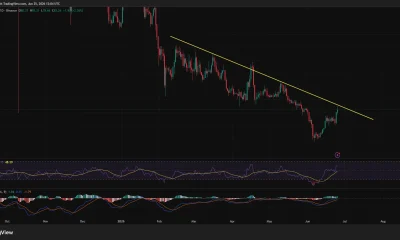
AAVE price tests 9-month trendline after 17% rebound as breakout hopes build
You must be logged in to post a comment Login