Connect with us
DAPA Banner
DAPA Coin
DAPA
COIN PAYMENT ASSET
PRIVACY · BLOCKDAG · HOMOMORPHIC ENCRYPTION · RUST
ElGamal Encrypted MINE DAPA
🚫 GENESIS SOLD OUT
DAPAPAY COMING

Business

Verizon, Britain’s BT to Form International Connectivity Joint Venture

Published

on

Verizon, Britain’s BT to Form International Connectivity Joint Venture

Verizon Communications and BT Group said they would merge their international enterprise operations to form a joint venture, turning to a partnership to provide connectivity services to thousands of clients across several countries.

The two companies said in a joint statement that they had signed an agreement to set up the joint venture, in which both groups will have equal voting rights. The joint venture is expected to serve over 3,000 clients in more than 180 countries, representing roughly $4 billion in combined annual revenue.

Copyright ©2026 Dow Jones & Company, Inc. All Rights Reserved. 87990cbe856818d5eddac44c7b1cdeb8

Continue Reading
Click to comment

You must be logged in to post a comment Login

Leave a Reply

Business

Ford rehires human engineers after AI fails to match quality checks

Published

on

A green promotional banner with black squares and rectangles forming pixels, moving in from the right. The text says: “Tech Decoded: The world’s biggest tech news in your inbox every Monday.”

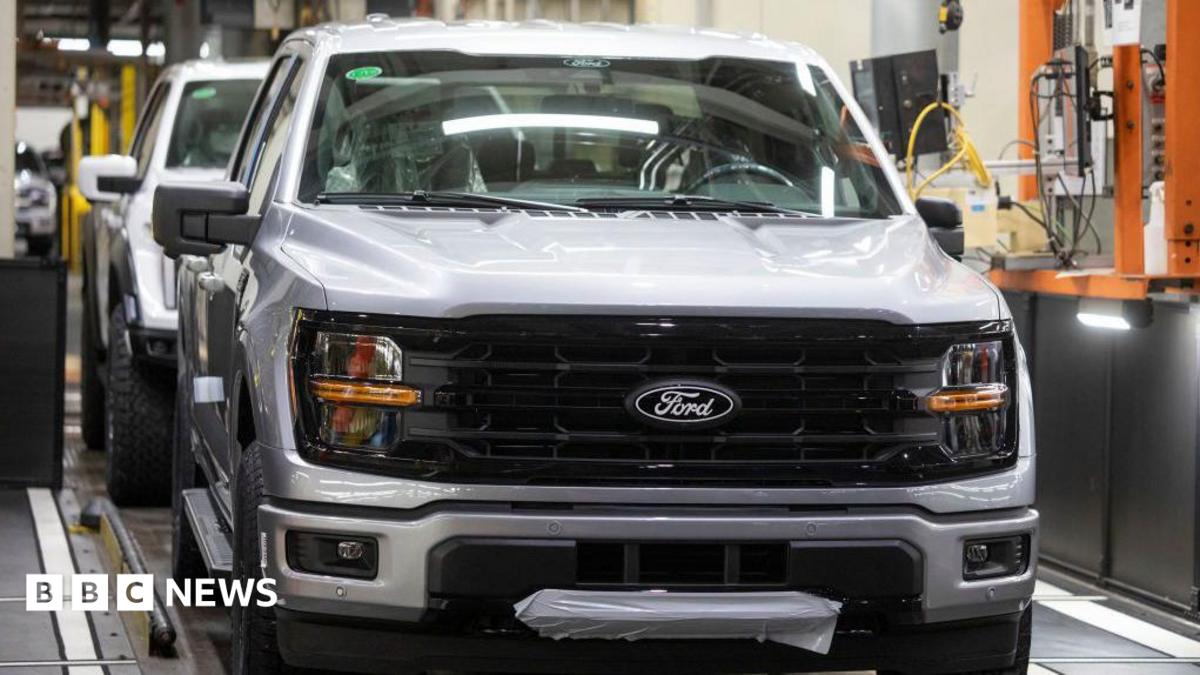
Ford says it has hired back some human engineers after AI failed to match their skills and experience.

In a bid to reap the benefits of the tech, which developers claim can cut costs and boost productivity, the US carmaker adopted it across some parts of its operations including for quality checks.

But, according to Bloomberg, external, its executives said the firm has rehired more than 300 “veteran” quality inspectors in recent years to make up for the pitfalls of automated systems.

“Artificial intelligence is a fantastic tool, but it’s only as good as the information you use to train it,” Charles Poon, vice president of vehicle hardware engineering, told reporters.

Advertisement

“Over prior years, we didn’t pay as much attention as we should have to the experience of our most knowledgeable engineers that have been with us through many product cycles,” he said.

The US automaker is among many to have seized on the buzz around AI, particularly amid Wall Street fervour about the tech’s potential to increase margins.

“AI will leave a lot of white collar people behind,” Ford boss Jim Farley said in an interview with author Walter Isaacson last June.

In an October earnings call, external, chief operating officer Kumar Galhotra said the firm was “deploying AI across the entire industrial system”.

Advertisement

This included rolling out 900 AI-powered cameras in its plants “to detect quality issues at the source and help us mitigate supply disruptions”, Galhotra told investors.

But Poon told reporters on Wednesday the firm’s AI-driven checks had failed to live up to expectations.

“Mistakenly, we thought that by just introducing artificial intelligence and ingesting the design requirements that we had, that would produce a high-quality product,” he said.

Advertisement
Continue Reading

Business

Hormel Foods: An Undervalued Dividend King Near Multi-Year Lows (HRL)

Published

on

Hormel Foods: An Undervalued Dividend King Near Multi-Year Lows (HRL)

Founder of Dividend Mantra. Founder of Mr. Free At 33. Co-Founder of Dividends & Income. I started blogging about my journey to financial independence back in 2011. By living well below my means and intelligently investing my hard-earned capital, I went from below broke at age 27 to financially free at 33 years old. I regularly create content on dividend growth investing, living off of dividends, undervalued high-quality dividend growth stocks, high-yield situations, and other long-term investment opportunities.

Continue Reading

Business

Bears Are Missing The Forest For The Tech Trees

Published

on

Bears Are Missing The Forest For The Tech Trees

Bears Are Missing The Forest For The Tech Trees

Continue Reading

Business

McCormick & Co. benefiting from reformulation, health trends

Published

on

McCormick & Co. benefiting from reformulation, health trends

Reformulation efforts offset weakness in the company’s Consumer segment. 

Continue Reading

Business

Argentina’s World Cup 2026 Title Odds Are Far Better Than Portugal’s, Markets Show

Published

on

Cristiano Ronaldo Portugal

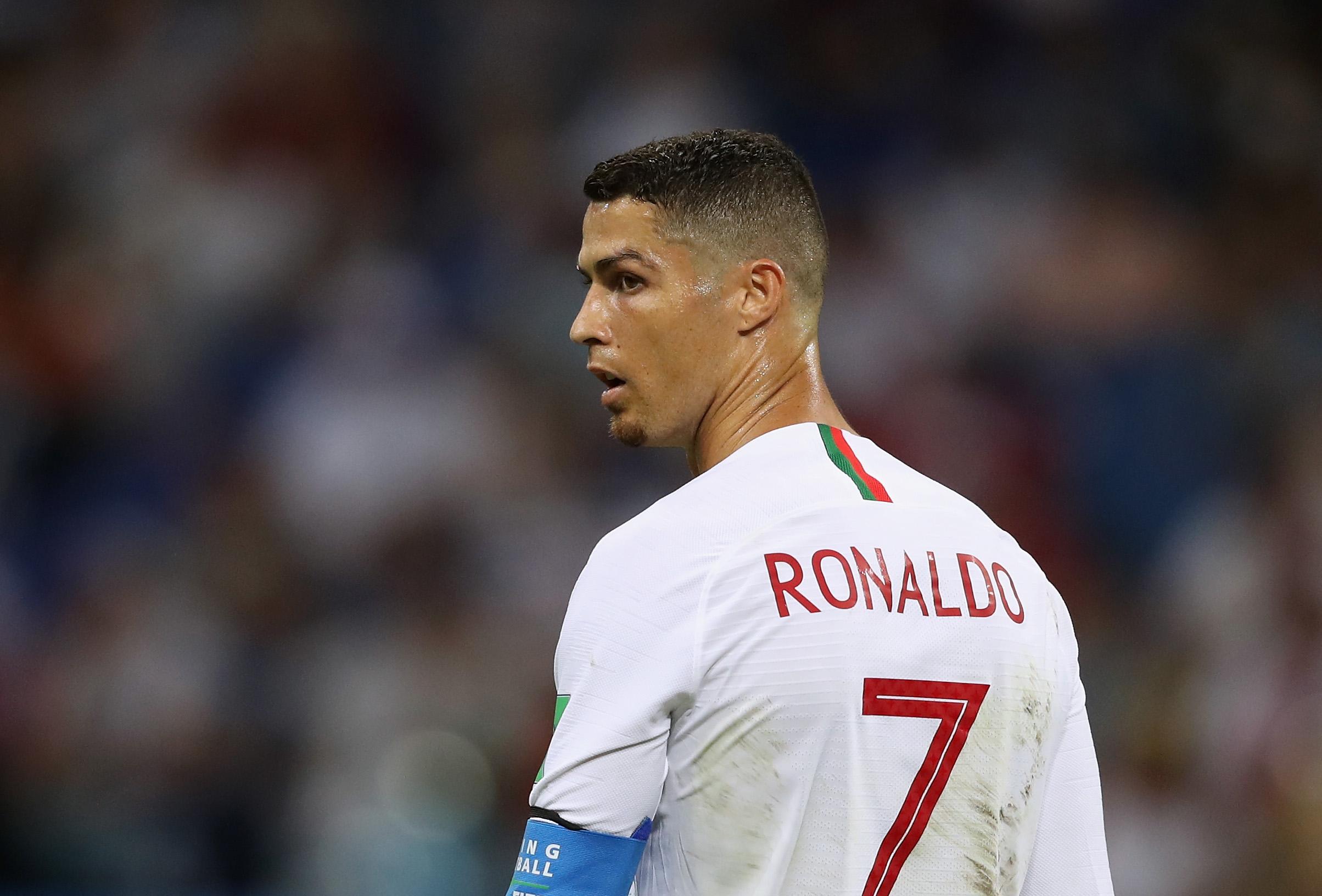
MIAMI — As the 2026 World Cup moves into its knockout phase, betting markets and prediction exchanges are painting a clear picture of how the tournament’s two most iconic veterans stack up in the race for the trophy: Lionel Messi’s Argentina holds a significantly stronger chance of lifting the title than Cristiano Ronaldo’s Portugal.

According to pricing on Kalshi, the regulated prediction-market platform, as of June 28, Argentina was trading at roughly 21.5% to win the World Cup outright, good for second place on the board behind France, which sat at about 24.4%. Portugal, by contrast, was priced at around 6.1%, placing the Ronaldo-led side fifth or sixth among the tournament’s contenders, behind Spain and England as well.

The gap reflects both team form and the path each side now faces. Argentina cruised through the group stage with three consecutive wins, outscoring opponents 8-1 across those matches, and enters the knockout rounds as one of the strongest teams remaining on a side of the bracket that, according to market analysts, is considered comparatively easier to navigate. Portugal, meanwhile, finished second in Group K behind Colombia, a result that pushed the Ronaldo-led side into a tougher half of the draw alongside several other European heavyweights, including France, Spain, the Netherlands and Germany. Analysts tracking the bracket have noted that Argentina, England and Brazil are now the only true title contenders on the opposite side of the draw, giving Messi’s side a notably smoother theoretical route to the final compared with Ronaldo’s.

Other prediction markets have shown a similar split. On Polymarket, Portugal has traded in the range of 8% to 10% in recent weeks, while Argentina’s price has moved up sharply since the group stage concluded, with one tracker noting a jump from roughly 14.2% to 21.3% after Argentina was handed what was described as a relatively clear path to the semifinals once Portugal’s runner-up finish in Group K was confirmed. Traditional sportsbooks have echoed the same gap: FanDuel listed Argentina at +410 to win the tournament as the knockout rounds opened, compared with +1500 for Portugal, while FOX Sports’ tracking of the boards showed comparable spreads across multiple operators, with Argentina consistently positioned among the top two or three favorites and Portugal trailing in the second tier of contenders alongside Brazil and Germany.

Advertisement

The on-field performances of the two stars themselves have only widened the narrative gap between the sides. Messi, playing in a record-tying sixth World Cup at age 38, has been the standout individual performer of the tournament so far. He scored a hat trick in Argentina’s opening match against Algeria, matching the all-time World Cup scoring record of 16 career goals previously held by Germany’s Miroslav Klose, then added two more goals against Austria to break the record outright and move two clear at the top of the all-time list. The performance against Austria also made Messi just the third player in World Cup history to score in six consecutive matches, joining France’s Just Fontaine and Brazil’s Jairzinho, and made him the all-time leading South American scorer at the tournament. He enters the knockout stage with five goals in this World Cup alone and remains the favorite in several Golden Boot markets.

Ronaldo, who turns 41 during this tournament and is also playing in a record-tying sixth World Cup, has had a more uneven group stage. He went scoreless through Portugal’s opening draw with DR Congo before responding with two goals in a 5-0 rout of Uzbekistan, a result that made him the first player in history to score at six different World Cups. Even so, prediction markets addressing a head-to-head goal-contribution matchup between the two stars have favored Messi heavily, with Kalshi pricing Messi at 54% to finish with more combined goals and assists across the tournament compared with 27% for Ronaldo and 22% for a tie. Ronaldo has also traded as a long shot in the Golden Boot market, priced behind several younger forwards including Kylian Mbappé, Harry Kane and Erling Haaland.

Analysts following the betting markets have pointed to a mix of factors behind the gap separating the two sides. Argentina’s roster is considered more balanced from back to front, built around defensive solidity and midfield control to complement Messi’s individual brilliance, while questions about decision-making in pressure moments have followed Portugal through multiple major tournaments under manager Roberto Martínez despite the squad’s individual talent across the front line, which includes Bruno Fernandes, Bernardo Silva, Rafael Leão and Vitinha. Some market commentary has also flagged concern about an overreliance on Messi for Argentina, given his age and the physical demands of a deep tournament run, though that risk has so far not been reflected meaningfully in the pricing gap between the two countries.

Portugal’s path forward will require the team to navigate a knockout bracket considered tougher on paper, with market projections suggesting the quarterfinal stage as Portugal’s single most likely point of elimination, closely followed by the round of 16. Argentina, by contrast, has been modeled with a more favorable route through the early knockout rounds, contributing to the wider gap in outright title odds between the two sides as the tournament moves forward.

Advertisement

Both Messi and Ronaldo have spoken in the past about this likely being their final World Cup appearance, adding emotional weight to a tournament already shaping up as a defining late chapter for two of the sport’s most decorated players. For now, the numbers from betting markets and prediction exchanges tell a consistent story: while Ronaldo’s Portugal remains capable of an upset run given the squad’s depth and talent, Messi’s Argentina enters the knockout stage as the far more likely of the two icons to add one more World Cup title before the curtain falls on either career.

Continue Reading

Business

MHRA validates Nuvation Bio’s taletrectinib application in UK

Published

on


MHRA validates Nuvation Bio’s taletrectinib application in UK

Continue Reading

Business

British American Tobacco to cut 9,000 jobs

Published

on

Silhouette of a person holding a cigarette in front of a dark blue BAT logo on a white background

British American Tobacco (BAT) is to cut nearly a fifth of its global workforce as part of a major cost-cutting drive.

The tobacco giant, which makes Lucky Strike and Dunhill cigarettes, is cutting 5,500 roles and outsourcing 3,500 more.

The company had said earlier this year that it was planning savings to make it “more digital and AI-focused”.

BAT did not say which locations would be hit by the job cuts, but said the US was not affected.

Advertisement

The company currently employs about 47,000 people globally. It says the cost cuts are expected to save about £600m a year by 2028.

Traditional cigarette sales are shrinking as smokers increasingly switch to vapes and nicotine pouches.

BAT is shifting its focus to smoking alternatives such as its Vuse vapes and Velo nicotine pouches to drive growth, but its sales and profit margins have been sluggish in recent years.

Sales in the US — its biggest market — have also been hit by the cost of living, as smokers swap for cheaper brands.

Advertisement

Additionally, the company is battling rising duties and stricter regulations in some markets.

American regulators have taken a tough stance on approving licences for new products such as vapes, delaying launches. BAT says this has fuelled an influx of illegal Chinese products, weighing on its sales and market share.

BAT said the job cuts, which have already started, are set to be completed by the end of this year.

Chief executive Tadeu Marroco said the cuts would make the company “more agile, cost disciplined and technology enabled”.

Advertisement

“These changes affect many of our colleagues, and we are focused on supporting them through this transition with care and respect, as we position the business for the future.”

Continue Reading

Business

United Utilities under fire over share ‘allowances’ for bosses

Published

on

Business Live

United Utilities’ chief executive Louise Beardmore is in line for the first tranche of a £435,000-a-year share ‘allowance’ in August

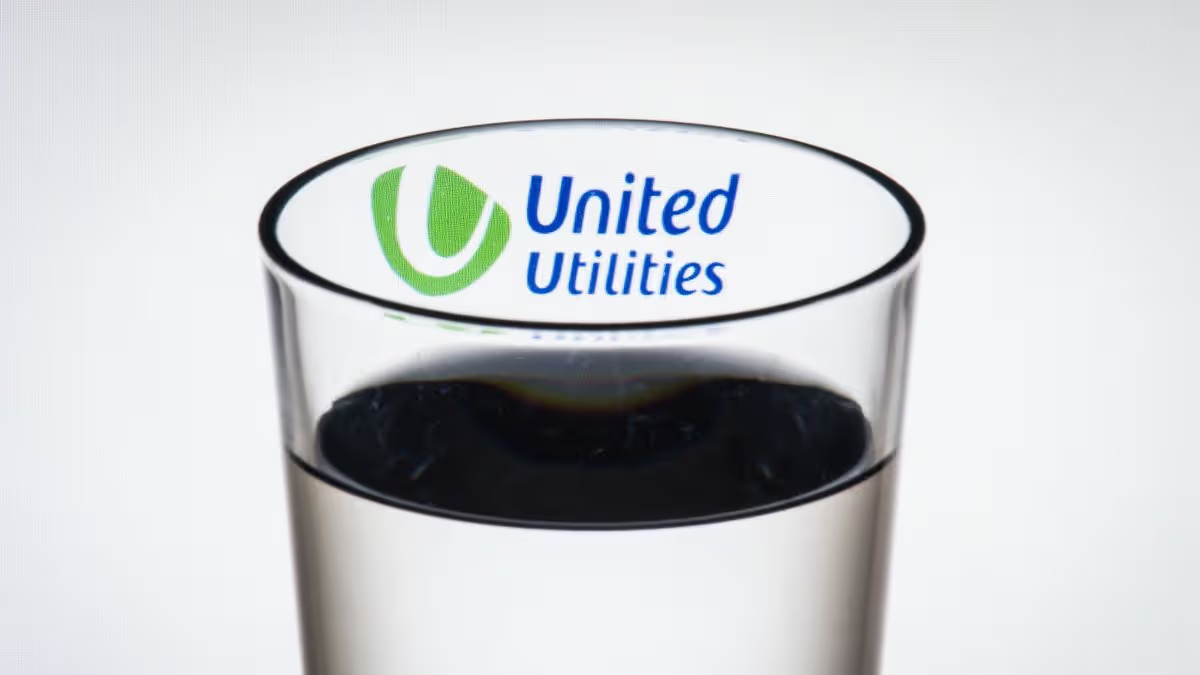
The logo of water company United Utilities seen through a glass of water

Water company United Utilities(Image: PA Archive/PA Images)

Water company United Utilities has been accused of “corporate greed in plain sight” after unveiling proposals to grant its chief executive a shares “allowance” worth £435,000 a year.

Advertisement

The supplier’s latest annual report reveals that chief executive Louise Beardmore is set to receive the first instalment under the so-called shares allowance in August, with a second payment due in February next year.

According to United Utilities, she would be required to retain the shares for a minimum of two years.

The proposals – which are set to be put to a shareholder vote at the group’s annual general meeting on July 17 – have drawn fierce criticism from campaigners. The backlash comes after Ms Beardmore was stripped of a £417,000 annual bonus for 2024-25 by regulator Ofwat, following an incident at a reservoir in December 2024 that resulted in the deaths of thousands of fish.

James Wallace, chief executive of River Action, said: “Calling a £435,000 bonus an ‘allowance’ fools nobody.

Advertisement

“This is corporate greed in plain sight.”

He went on to say: “The era of obscene executive payouts must end, with real personal sanctions, including custodial sentences for the worst offenders.”

United Utilities’ annual report also discloses that Ms Beardmore received an annual bonus of £830,000 for the most recent 2025-26 financial year, alongside long-term incentive awards valued at £712,000. Her total remuneration package surged by 44% to £2.5 million in 2025-26, up from £1.4 million in 2024-25, after the reservoir incident resulted in her bonus being cancelled and long-term share awards were also reduced to £567,000.

Liberal Democrat environment spokesman Tim Farron branded the share allowances plan “another incredibly out-of-touch move from a water company”.

Advertisement

He said: “This proves that the Government’s bonuses ban isn’t worth the paper it’s written on, with the water industry never failing to find ways to evade accountability, rather than cleaning up our water and fixing the crumbling infrastructure.”

United Utilities said the proposed share “allowances” for Ms Beardmore and chief financial officer Phil Aspin – who stands to receive £280,000 a year under the award – will see the maximum potential annual bonuses reduced to 100% of annual salary, down from 130%, while long-term share awards will be trimmed from up to 200% of salary to 175%.

The company stated the move was made to “retain and ensure the stability of the executive team and provide a competitive overall remuneration opportunity”.

The group’s annual report also revealed that Ms Beardmore and Mr Aspin’s annual salaries were increased by a fifth to £870,000 and £560,000 respectively last July. In the report, United Utilities’ remuneration committee chairwoman Kath Cates said: “The committee has thought very carefully about how to construct a fair and balanced remuneration policy that will allow us to continue to retain and incentivise our experienced leadership team, and attract new talent.”

Advertisement

She added: “We recognise that the proposals are somewhat unusual in the context of UK-market norms but believe that the unique circumstances which our sector faces (including competing stakeholder priorities and an ever-evolving regulatory environment) warrant adoption of a tailored approach.”

However, the company moved to allay concerns over executive pay by emphasising that director remuneration for 2025-26 would not be funded by customers.

“Recognising that executive remuneration in the water sector remains a contentious matter… the board has decided that for 2025-26 none of the pay received by the executive directors will be paid for by customers.

“This goes beyond our previous commitment that customers would not pay for performance-related pay outcomes.”

Advertisement
Continue Reading

Business

Brandywine Realty Trust: Insider Confidence Signals Recovery Ahead (Technical Analysis)

Published

on

IAK: Understanding The Structure And Suitability Of This Insurance ETF

Brandywine Realty Trust: Insider Confidence Signals Recovery Ahead (Technical Analysis)

Continue Reading

Business

David NGO Director: Building a Reputation in International Documentary Filmmaking

Published

on

David NGO Director: Building a Reputation in International Documentary Filmmaking

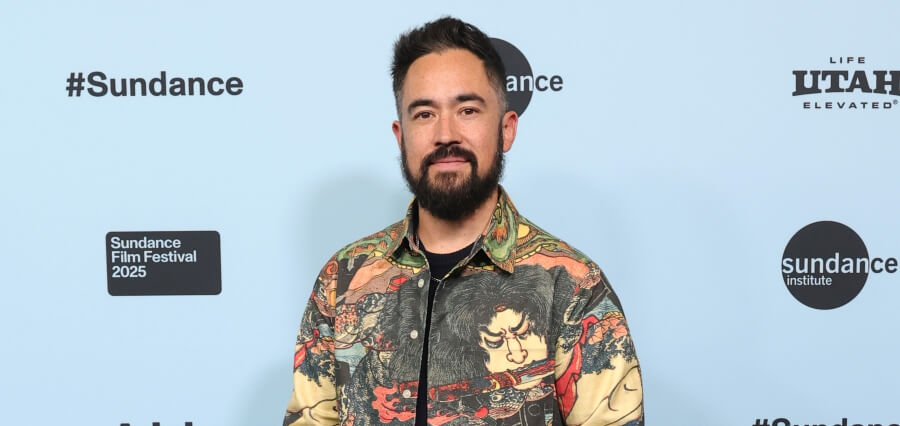
Director David Anthony Ngo has built his reputation through a combination of technical discipline, editorial precision, and a steadily expanding body of documentary work that reflects both international scope and strong creative control. Known professionally as David Anthony, the Australian-Canadian filmmaker represents a generation of directors whose authority comes not from rapid visibility, but from years spent understanding how stories are shaped from the inside out.

In documentary filmmaking, credibility is often earned long before a director’s name reaches festival programs or industry conversations. It is built in edit suites, production meetings, research calls, and long hours spent learning how stories actually function on screen. For  writer and director David Anthony, that foundation began in editing, post-production, and producing, where the mechanics of narrative became inseparable from the art of storytelling.

That progression from post-production to directing has helped define his professional identity. Rather than arriving as a director first, he developed his perspective through the less visible but often more formative work behind the scenes. It is one reason his transition into directing feels less like reinvention and more like a natural extension of years spent mastering the structure of film itself.

Recently, David Anthony helmed the Sundance feature Never Get Busted!, executive produced by John Battsek, the Academy Award-winning producer behind Searching for Sugar Man, and Chris Smith, known for Tiger King and 100 Foot Wave, and co-created by Erin Williams-Weir. The documentary follows a former Texas narcotics officer who turned against the system and became known for teaching drug users how to avoid police detection. The project added significant visibility to David Anthony’s work while reinforcing his place within the international film industry .

Advertisement

Early Foundation in Editing and Production

Many directors begin by chasing the camera. Others begin by learning how footage becomes meaning.

For David Anthony film director, editing and post-production provided that early education. Working in producing and post-production gave him access to every stage of narrative construction, from the first structural decisions to the final emotional rhythm of a finished film. It also offered something many directors spend years trying to develop: an instinct for what actually works on screen.

He has spoken about how producing and post-production created the foundation for directing, allowing him to collaborate with a wide range of filmmakers and observe both their successes and mistakes. That exposure shaped his understanding of what strong directors consistently share: a command of craft, the ability to communicate clearly, and an instinctive understanding of story .

Editorial work sharpens discipline. An editor understands pacing because they see where momentum dies. They understand emotional impact because they watch scenes fail when the structure underneath them is weak. They understand performance because they know exactly how fragile authenticity can be once a story reaches the cut.

Advertisement

David Anthony’s view reflects that mindset. He places heavy emphasis on studying story structure, from plot points and character arcs to theme and dramatic progression. In documentary filmmaking, where reality rarely arrives in clean dramatic form, that discipline becomes even more important. Strong nonfiction storytelling still requires architecture. Unlike fiction, where meaning is created through the chronological construction of events, in nonfiction, meaning must be made through the reconstruction of non-chronological events through rigorous writing and editorial work.

This background has given his directing a practical clarity. His work is not built around stylistic excess, but around narrative function. Every choice must serve the story.

Transition from Production to Directing

The move from supporting a project to leading it often reveals whether a filmmaker truly understands authorship.

For David Anthony, directing emerged as a progression shaped by experience rather than ambition alone. Years spent in production meant he already understood the collaborative machinery of filmmaking. Directing required stepping into a role where those lessons could be applied with full responsibility.

Advertisement

He has noted that the best directors he worked with were not simply talented visual thinkers. They were strong communicators who understood every department and could guide people toward a shared result. That broader understanding made directing feel like the next logical step rather than a separate discipline.

The transition also reflects creative maturity. Documentary directing requires far more than visual judgment. It demands ethical decisions, trust-building with subjects, editorial restraint, and the ability to remain calm inside uncertainty. Particularly in true crime and investigative storytelling, directors are often navigating people in conflict, legal tension, and competing versions of truth.

Anthony approaches that work with a clear philosophy: filmmakers are there to provide the microphone, not to impose judgment. He emphasizes objectivity and the importance of allowing people to tell their own side of the story while maintaining professional impartiality .

That perspective strengthens his work as a director because it prioritizes credibility over performance. In documentaries, audiences can sense when a filmmaker is forcing the narrative instead of letting it unfold.

Advertisement

International Work and Global Perspective

Modern documentary filmmaking rarely exists within a single national frame. Stories travel, audiences compare perspectives, and success increasingly depends on whether a film can resonate beyond one market.

David NGO Director has developed that international perspective through both his background and his professional collaborations. As an Australian-Canadian filmmaker working across North American and global contexts, he brings a cross-cultural awareness that benefits documentary storytelling, particularly in stories built around justice, rebellion, and institutional conflict.

He has pointed out that for films to succeed financially and culturally, they often need to work internationally. That means understanding how storytelling translates across different audiences without losing specificity. Themes must remain universal even when the details are highly local.

Film festivals have played an important role in that process. Exposure to audiences across different countries offers immediate feedback on what resonates and what does not. It sharpens the filmmaker’s understanding of human themes that transcend geography.

Advertisement

Anthony identifies justice, rebellion, and the power of the individual as recurring themes in his work. Those subjects travel well because they are understood across cultures. Whether the setting is American true crime or another international subject, the emotional stakes remain recognizable.

This global awareness also helps position him strongly within North American documentary filmmaking while giving his work broader relevance. In an industry increasingly shaped by streaming platforms and international distribution, that perspective matters.

Documentary Recognition and Festival Success

Recognition in documentary filmmaking tends to arrive through credibility rather than celebrity. Festival screenings, executive producer relationships, and industry trust often matter more than public visibility.

Anthony’s recent work reflects that kind of professional validation. Never Get Busted! brought him into collaboration with some of the most established names in nonfiction film, including John Battsek and Chris Smith. Working alongside producers with that level of documentary influence creates both opportunity and pressure.

Advertisement

He has described that experience as a defining moment, noting that working with filmmakers of that caliber raised expectations immediately. Their standards required him to elevate his own work and meet a higher professional bar every day .

That environment matters for emerging directors. Festival recognition does not simply provide exposure. It signals seriousness to the industry. It tells distributors, financiers, and collaborators that a filmmaker can deliver work that belongs in competitive spaces.

Anthony is also the recipient of the PBS Human Spirit Award and has earned recognition as a screenwriter through nominations for the WeScreenplay Diverse Voices and Tracking Board Launch Pad competitions . While awards alone do not define a career, they contribute to a pattern of professional credibility that strengthens long-term reputation.

For documentary directors, consistency matters more than a single breakthrough. Recognition is most meaningful when it reflects a broader body of work and a sustained standard.

Advertisement

Building Long-Term Industry Authority

Reputation in documentary filmmaking is rarely built quickly. It comes from repeated proof: good work, strong collaborators, careful judgment, and the ability to keep delivering under pressure.

David Anthony documentary filmmaker appears to be building that kind of authority. His career reflects substance more than spectacle. He speaks openly about the importance of choosing the right teams, maintaining rigorous fact-checking, and understanding that filmmaking remains deeply collaborative despite the mythology of independence.

He has quoted director Jim Sheridan’s observation that independent filmmaking is often a misnomer because filmmakers are dependent on everyone, from financiers to distributors to crew. That realism reflects an industry mindset shaped by experience rather than idealism .

His emphasis on authenticity also reinforces that professional identity. He argues that style should follow the needs of the subject rather than function as a signature imposed by the filmmaker. Audiences, he suggests, ultimately respond to strong stories told well, not visible directorial self-consciousness.

Advertisement

That restraint often marks stronger directors. It signals confidence in the material rather than dependence on aesthetic performance.

As he continues adapting new true crime material and expanding his directing portfolio, Anthony’s long-term position appears increasingly clear: a filmmaker building a durable career through technical rigor, international relevance, and narrative discipline.

David Anthony represents the kind of director whose credibility grows steadily because it is rooted in craft. His path from editing and production into directing reflects a deeper understanding of filmmaking than title alone can convey. For David NGO Director, reputation is not being built through visibility first, but through the kind of work that makes visibility last.

Advertisement
Continue Reading

Trending

Copyright © 2025