Shenzhen hosted the June 30 event where UBTECH introduced its UWORLD U1 series to the world. The company presented these full-size machines as the first humanoid robots of their kind built for mass production and everyday consumer use rather than factory work alone.
Designers went to great measures to make the robots appear realistic by giving them silicone skin with all the proper characteristics, such as pores, veins, and fingerprints. Guys stand 183cm tall and weigh 42kg, while girls are slightly smaller at 168cm and 35.2kg. Despite their realistic sizes, they do not appear overly large or out of place in a household environment, which has to be a significant plus.
Three models, one lightweight platform R1 Air (20 DOF, monocular camera), R1 (26 DOF, binocular camera, head+waist joints), and R1 Edu (26 DOF…
Easy setup – no coding required for basic use Unbox, power on, and start. Manual teaching feature: physically pose the robot, and it replays the…
More DOF = more expressive movement 26‑DOF models (R1 / R1 Edu) add head and waist articulation for smoother dance and running. For safety reasons…
Engineers were able to fit 88 degrees of freedom into each bot utilizing servo joints and a clever proprietary neck design, allowing the robots to mimic human movements much more effortlessly. They can sit, lean, lie back, and give a gentle hug. Everything you would expect a human to do. In early displays, it was really fascinating to see robots dancing with their human partners, because the flawless transitions between upper body and leg movements made them appear to be in sync.
Of course, all that great technology would be useless without some serious software to back it up. So UBTECH went to considerable pains to create an emotion-aware language model that can detect a wide range of subtle clues, including facial emotions, body posture, voice tone, and even how you speak in different contexts. In tests, it detected approximately 20 different emotional states with an accuracy of more than 90%. The system is divided into two parts: a super fast local response that provides answers in less than 500 milliseconds and a deeper level of reasoning that kicks in when more thoughtful responses are required. To make it all feel more natural, the lip movements are perfectly in sync with the speech, so there is no lag that can disrupt the flow of conversation.
Advertisement
When it comes to memory, the robot records all of its interactions in encrypted form on a local device, similar to an agent-based operating system that gradually accumulates a picture of your everyday routines and preferences. The majority of the processing occurs on the device itself, with a Rockchip RK3588 chip doing the most of the work, but there are three layers of privacy protection built in to ensure your data remains secure. It’s quite fantastic stuff. The best aspect is that you don’t need to wake it up with a specific word; simply start chatting and it will begin reacting, as well as maintaining eye contact. The battery life is also good, with 2 to 4 hours of vigorous use on a single charge. If you want to take things to the next level, you may connect it to the internet and gain access to more complex capabilities.
As you’d imagine, there are several variants to choose from, so you may find one that fits your budget and needs. The Lite model is the basic level, focusing solely on the upper body, and it is reasonably priced at 119,800 RMB ($17,632). The Pro model up the ante to a full body, allowing you to move around more, whereas the Ultra model is the top of the line, with dynamic movement, tons of more power, and a plethora of customizing possibilities. That one costs a whopping 990,000 RMB ($145,707) for the males and 880,000 RMB ($129,517) for the females. You can pre-order it today with a 3,000 RMB ($441) deposit, and more than 13,000 individuals have done so since pre-orders began. It’s important to note that sales are only available to those above the age of 18. UBTECH hopes to start shipping the robots later in 2026.
Legal systems have always struggled to keep up with rapid technological change, and things are no different in the world of generative AI. There are still relatively few rulings on the new issues that the roll-out of AI-based services is raising. That makes a ground-breaking judgment from a court in Germany particularly important. It concerns the AI Overview that sits at the top of the Google’s search results. The Decoder summarizes the court’s ruling:
The Regional Court of Munich hit Google with a temporary injunction barring the company from spreading false claims about two Munich-based publishers through its AI-generated search overviews (case no. 26 O 869/26). The court classified Google as a direct infringer because the “AI overview” is its own content, not just a list of search results.
Google’s AI overviews had falsely tied two publishing companies to scams, subscription traps, and shady business practices for certain search queries. According to the court, the AI mixed up information about other, genuinely sketchy companies with the plaintiffs and drew connections that didn’t appear in any of the linked sources. The publishers sent Google a cease-and-desist letter, but Google didn’t respond appropriately.
The legal innovation here is that the local German court held Google liable for the content of its AI Overview. Unlike traditional search results, which simply point to external sources of information, Google’s AI Overview made statements that were original, the court said:
Google’s AI overviews work nothing like traditional search results, the court argues. The AI rewrites and judges results “in its own words and according to its own structure,” the ruling says. In the case at hand, for example, it opened with confident claims like “Yes, [company] is known for dubious business practices,” then built its own structure with a summary, red flags for the alleged scam, and tips for users.
The court also found that the AI overview made claims “that are not even made in the search results.” None of the linked sources drew any connection between the plaintiffs and the shady companies the AI mentioned. The court called these “the defendant’s own statements.”
Advertisement
Google argued that people using its search engine could check the results, but the court dismissed the idea that this was the responsibility of the users. Leaving aside the fact that research from the Pew Research Center last year found that “Google users are less likely to click on links when an AI summary appears in the results,” there is also the difficulty of checking statements that have been made up (as in this case), which therefore come with no reference links. The court also dealt with the issue of free speech protection for AI-generated content:
An AI’s opinion is “not the expression of an acquired conviction of the persons expressing it, but the result of an algorithm,” the court wrote.
Offering AI-powered research is “above all an expression of Google’s business activities” and “at most a secondary expression of an interest in being able to freely express one’s opinion and beliefs.”
In a statement given to The Decoder, Google said “We invest deeply in the quality of AI Overviews to ensure that the overwhelming majority of responses provide accurate information, and they are designed to reflect the information that exists on the web.”
Since there is no way to ensure that AI responses are 100% correct, this judgment is a big problem for Google, not least because the company plans to place AI Overviews at the heart of its new AI-saturated search engine, as Techdirt reported recently. Not surprisingly, Google has announced that it will appeal against the ruling, which comes from a local German court. If a higher court upholds the judgment, one solution would be for Google to remove AI Overviews in Germany. That would be messy, but doable. But it’s not clear how other AI companies such as chatbots could do the same, since the AI-generated response generally forms the basis of the whole service. Some might choose to discontinue their operations completely in any jurisdiction that adopts a similar position to the Munich court. That would make the roll-out of international services more difficult.
Advertisement
In a post on his blog, the security guru Bruce Schneier points out that if the ruling stands and is adopted elsewhere, it could have important implications not just for things like Google’s AI Overviews and chatbots, but also for the increasingly popular AI agents:
More generally, liability concerns could mean that many current use cases for agents won’t be commercially viable. Companies may not be able to profitably operate AI lawyers, doctors and media influencers if they are held responsible for what they say and do.
Schneier says that he is “OK with this outcome”:
There’s nothing in the law that requires us to accommodate AI systems if they are fundamentally untrustworthy, just as we don’t need to accommodate untrustworthy human systems. Any company that won’t stand by the statements its agents make—whether human or AI—doesn’t deserve users’ time or money.
Clearly this question of AI and agentic liability requires urgent legal clarification. The German decision should at least help to concentrate people’s minds on the topic.
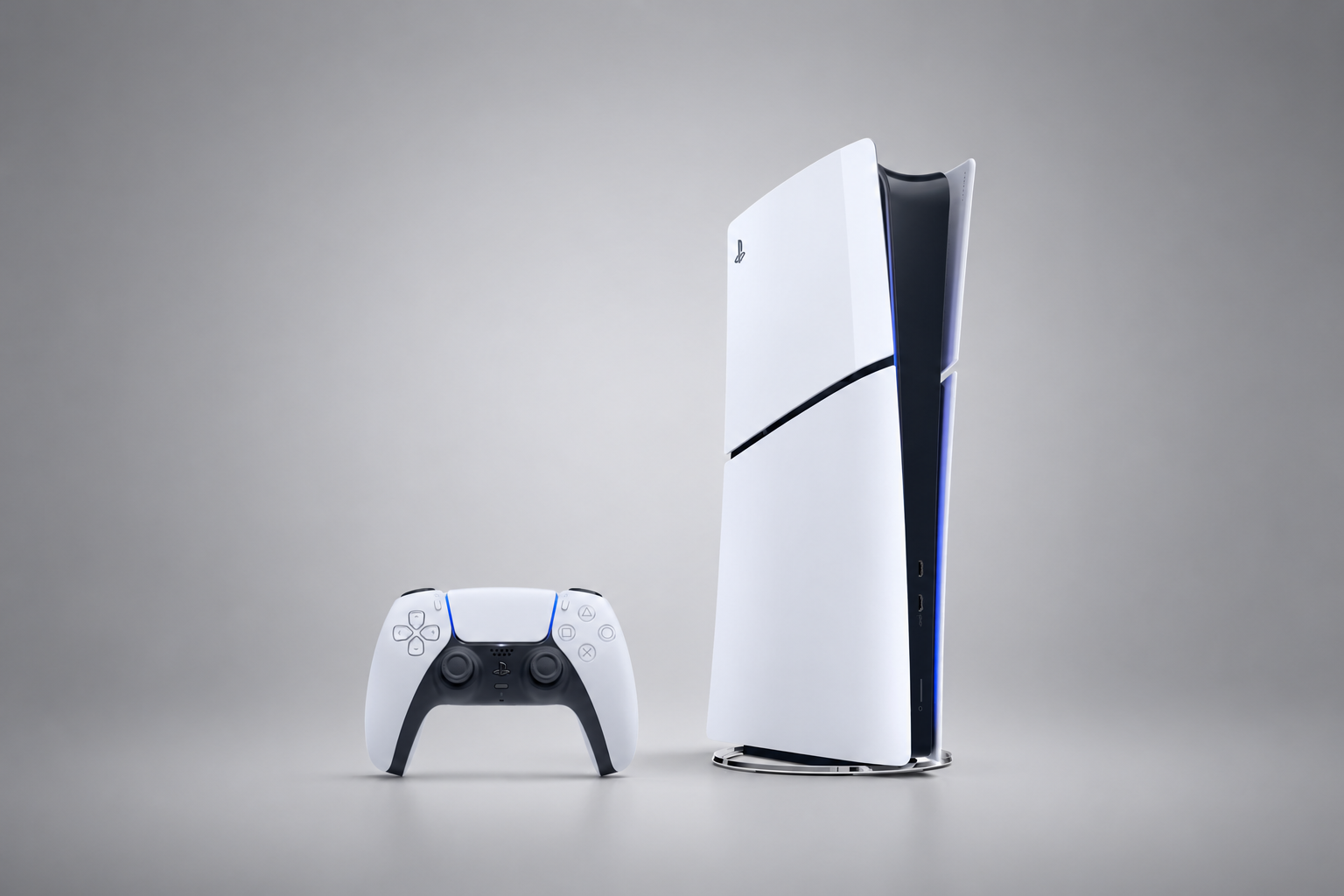
Sony announced on Wednesday morning that it plans to phase out physical media for future PlayStation games, which is a massive market disruption for an already reeling games industry. It ends trade-ins and lending, raises the overall price of entry for the PlayStation ecosystem, and turns your shelf full of games into licenses that can potentially disappear.
The news came via a post on the official PlayStation blog by senior communications director Sid Shuman. As of January 2028, all games for PlayStation platforms will only be available in digital formats, such as direct downloads.
“This is a natural direction for Sony Interactive Entertainment to adapt to consumer trends as the general preference for digital media significantly outpaces physical discs,” Shuman writes. “This transition will enable us to align more closely with how most of our community prefers to access and play games today.”
Analysts have expected an announcement like this for some time. As per Circana senior director Mat Piscatella, physical media sales in gaming have been on a steady downward turn since their peak in 2009, hitting an all-time low in 2025. In fact, several companies have sprung up since then that treat physical games as an exclusive collectible, such as Limited Run, Lost in Cult, and Videogames New York.
US new physical video game software spending. 12 months ending May 2007-2026:
It’s not hard to see why Sony would make this move. We’re approaching the point that would usually mark the end of the PlayStation 5’s life cycle. Were it not for the ongoing component shortage, we’d likely have heard more about the PlayStation 6 by now. An all-digital PS6 theoretically uses fewer parts and the games are cheaper to publish, which lowers the per-unit cost for Sony as it develops the new hardware.
However, Sony’s decision to sunset physical media in a year-and-a-half is faster than most analysts’ craziest predictions, most of whom figured it’d take at least another decade to fully phase discs out. Even at its lowest point, per Circana’s math, physical media in video games represents $1.9 billion in consumer sales. That’s not insignificant.
Sony’s competitors have yet to react in any significant way. Microsoft’s next-generation Xbox, currently known under the codename Project Helix, is rumored to be an all-digital system, and Microsoft has famously been trying to get out of the physical media business since at least 2013.
That year, Microsoft announced at E3 that the Xbox One would have significant measures in place to keep players from reselling their physical games, which led to widespread outcry online. The next day, Sony’s president went onstage and proclaimed the PS4 would do none of that — which gave it a big head of steam going into a console generation Sony went on to win.
Advertisement
Thirteen years later, Sony is making Microsoft’s old bet.
The irony is that Sony itself underscored one of the biggest issues with ditching physical media last Sunday. On June 26, Sony sent a number of users in the United Kingdom an email to notify them that due to the end of a license agreement, 551 shows and movies that were previously available on the PlayStation Network would be removed from the service. Consumers who’d previously thought they’d made a purchase were suddenly informed that it had actually been a multi-year rental.
That’s the central problem of the streaming era for end users: you only have anything in your digital library for as long as the library’s owner decides you do. An all-digital future means you own nothing. At best, you have limited viewership rights that can be revoked at short notice.
Most worryingly, however, the shift to an all-digital future effectively raises the cost of entry to the console market, at a point when the price of gaming is already rising. If there are no physical discs for the PlayStation 6, then you can’t swap discs with a buddy or defray a purchase by trading an old game back to a store.
Advertisement
This is a relatively sudden disruption to the console market, and through it, to the games industry as a whole. It’s likely to have a series of knock-on effects for the next few years, and sets an early tone for the upcoming 10th generation of console hardware.
While it’s still possible that consumer outcry could get Sony to reverse course here, or offer some intermediary solution like USB disc drives, the end of physical gaming media has analysts and players alike asking a lot of tough questions about costs, preservation, and consumer convenience. The games industry is changing faster than expected in 2026, and is likely to be nearly unrecognizable by this time next year.
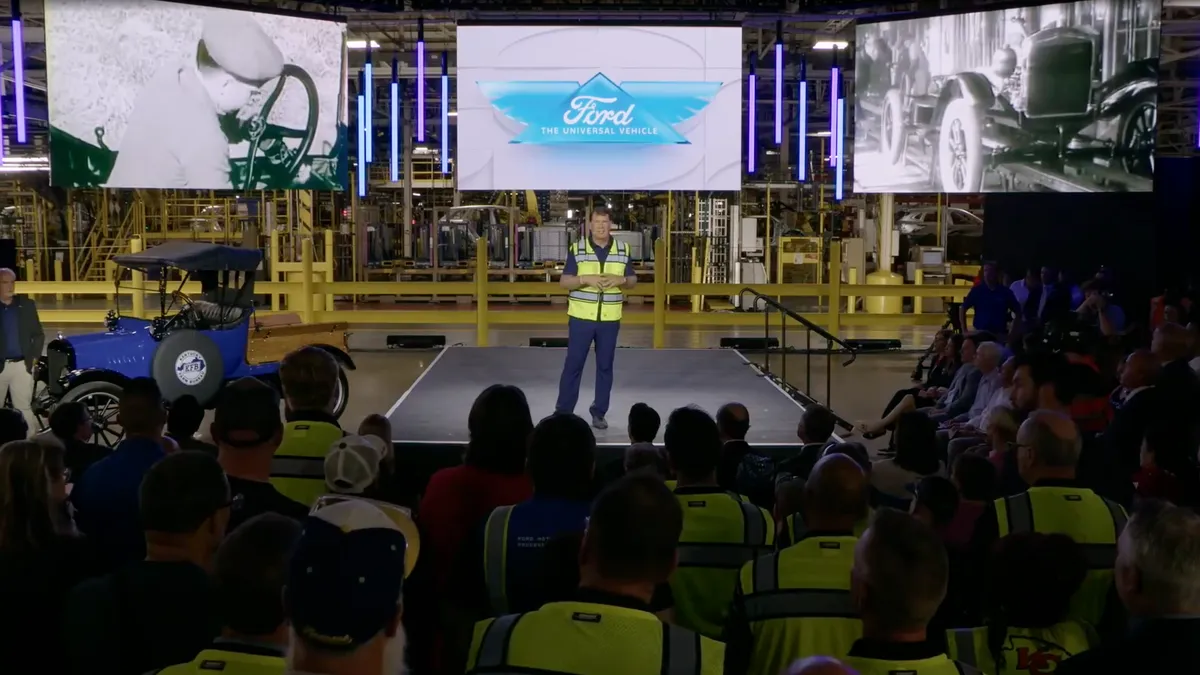
At a conference last year, Ford CEO Jim Farley said that artificial intelligence is “going to replace literally half of all white-collar workers in the US.” Just last week, Ford executives said that the automaker had quietly rehired more than 350 of what it internally calls “gray beard” engineers over the past three years to help fix the AI quality-control systems that weren’t getting the job done.
Over the last decade, US automakers have cut more than 20,000 jobs, nearly a 20% reduction in workforce between Ford, General Motors and Stellantis combined. While Ford hasn’t said for sure how many of these gray beard rehires were originally fired to make way for AI and how many are simply returning retirees, Farley’s recent statements on automation-fueled worker replacement certainly paint an awkward picture.
Advertisement
Representatives for Ford and the United Auto Workers union did not immediately respond to requests for comment.
Not getting the desired results
“Artificial intelligence is a fantastic tool, but it’s only as good as the information you use to train it,” Charles Poon, Ford’s vice-president of vehicle hardware engineering, told reporters last week. “Mistakenly, we thought that by just introducing artificial intelligence and ingesting the design requirements that we had, that would produce a high-quality product.”
Kumar Galhotra, Ford chief operating officer, was even more blunt about the realities of AI in manufacturing, saying that Ford had been “relying more and more on automated quality systems and not getting the desired results.”
More than a simple oopsie, automation issues have been costing Ford billions in warranty costs and recalls. A study from iSeeCars, an automotive marketplace and research company, ranked recent Ford models among the most recalled vehicles in the industry. Ford’s statements and the rehiring of experienced workers are essentially an admission that moving too quickly into AI was a big mistake.
Advertisement
Many major corporations in almost every aspect of tech and manufacturing have been naming artificial intelligence as an excuse for large workforce reductions, often without fully accounting for what gets lost when that human factor walks out the door. Entire industries have been crunching the uncomfortable numbers of replacing human judgment with automated systems, with some even backtracking on their decisions when the true cost of AI proves too high.
Ford CEO Jim Farley has spoken frankly about how AI tech will lead to a drastic reduction in white-collar jobs.
Ford
What happens now?
Last week, Ford announced that, for the first time in 16 years, it had captured the number one spot among mainstream brands in JD Power’s 2026 Initial Quality Survey, up from tenth last year. The automaker credits the rise, in part, to the contributions of the rehired gray beards. But before you get too excited about the triumph of these modern-day John Henrys over the machines set out to replace them, don’t forget what ultimately happened to that folklore hero: He was still replaced by the steam engine.
Advertisement
Galhotra said the rehired specialists — some former Ford employees, others drawn from industry suppliers — were brought back specifically to “hunt for failure points before a part ever reaches the plant floor.”
Ford isn’t abandoning AI. Instead, the returning gray beards are doing two things: training younger staff who never worked alongside those veterans and helping to rebuild the data pipelines that the AI tools run on.
Essentially, they’ve been brought back to fix and train the automated software systems that replaced them. Ford also said it has built a dedicated 40-person software quality assurance team and added more than 100,000 AI-powered automated tests to catch edge cases late in development.
Technology marches on.
Advertisement
Ford just happened to learn the lesson loudly enough to become a case study, but I don’t think it will be the last. There may not always be gray beards to call on to save the day.
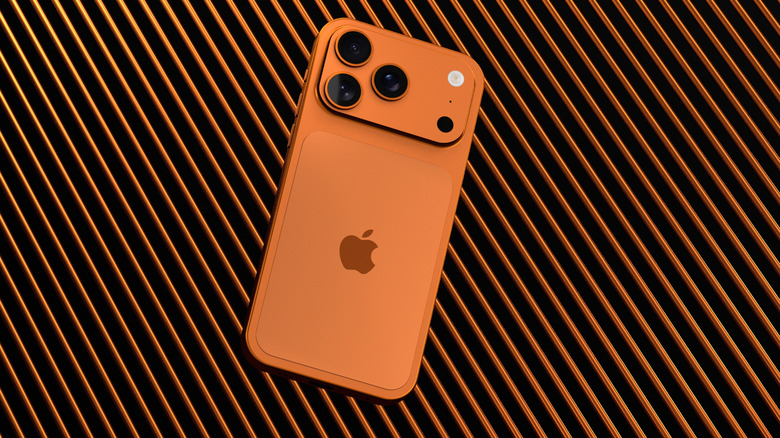
The best time to plant a tree was 20 years ago, which was probably also the best time to stock up on RAM and storage. The massive demand from AI giants has sent memory and storage prices through the roof, and it’s no longer just gamers eyeing new graphics cards who are feeling the pinch. Following a recent price hike, many Apple products have become more expensive. Devices that now start at higher price points include the iPad, MacBook, iMac, Mac Studio, Apple TV, Apple Vision Pro, and HomePod. While some products like the HomePod mini have become $30 more expensive, fully configured Mac Studio variants have seen staggering price increases of up to $4,200.
Surprisingly, Apple’s best-selling product, the iPhone, hasn’t seen a price hike — at least not yet. The base model iPhone 17, which is equipped with 8GB of RAM, starts at $800, and the budget-oriented iPhone 17e is priced at $600. The more expensive iPhone 17 Pro and iPhone 17 Pro Max devices start at $1,100 and $1,200, respectively. It’s also good to know that all current-gen iPhone models ship with a base capacity of 256GB, which is a decent amount of storage.
Apple Watch models and AirPods headphones and earphones are also currently unaffected. Of course, accessories like AirTags or the Apple Pencil that do not rely on large amounts of RAM also haven’t seen any price changes. Sadly, though, refurbished Macs and iPads now cost more.
Advertisement
Newer iPhones may cost a lot more
Enkhtulga Khandsuren/Shutterstock
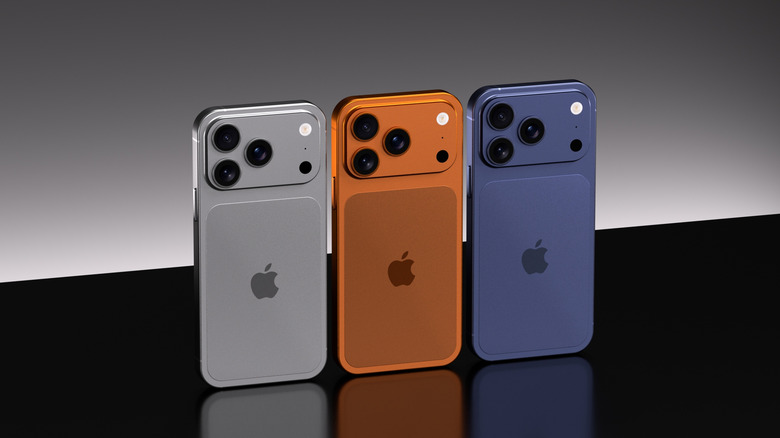
Although the upcoming iPhone 18 Pro series is expected to have the same RAM capacity as current-gen Pro models, a price hike may be imminent. Information shared by an IDC analyst to Tom’s Guide suggests that Apple might increase the price of upcoming iPhone models by as much as $200. A starting price of $1,300 for the iPhone 18 Pro and $1,400 for the larger iPhone 18 Pro Max would be a tough pill to swallow. Reports initially pointed to a $50 or $100 price increase, but given how much Apple has bumped up the prices of its Macs, a $200 increase doesn’t seem as far-fetched.
Apple is also rumored to launch its first foldable smartphone, the iPhone Fold, alongside the iPhone 18 Pro series later this year. As if the sophisticated engineering behind a foldable wasn’t already expected to drive up costs, the current situation with memory prices skyrocketing is more than likely to push prices even higher. Analyst Ming-Chi Kuo speculates the iPhone Fold may cost as much as $2,500.
Advertisement
If you’re looking for a solid smartphone from Apple, now’s the time to grab an iPhone. Although Siri AI will be available for all current-gen models with iOS 27, the expensive iPhone 17 Pro and iPhone Air devices that ship with 12GB of RAM get access to a more powerful on-device AI model.
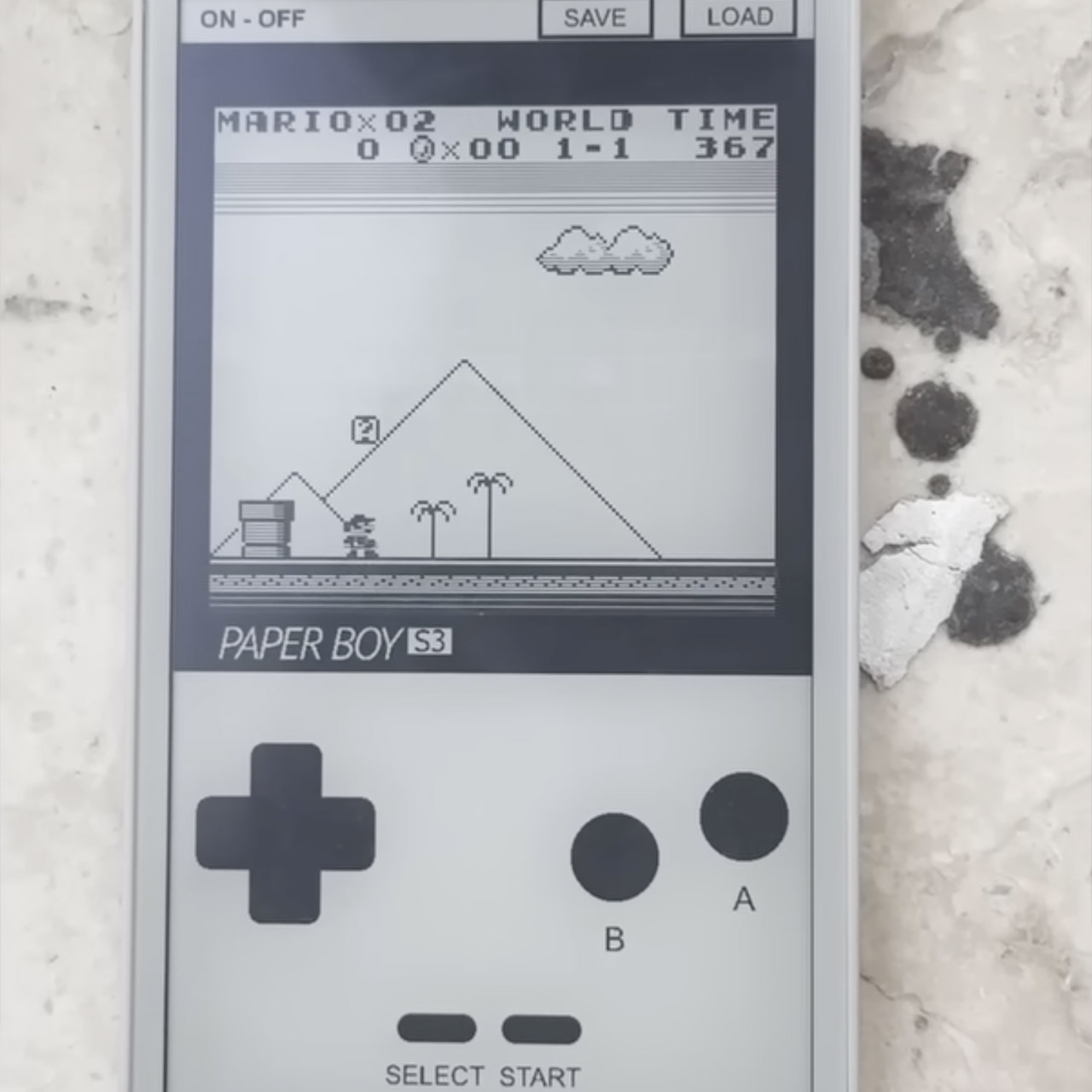
Wenting Zhang looked at the M5PaperS3 and decided its e-ink screen could do more than display static pages. The compact development board from M5Stack carries an ESP32-S3 processor, a 4.7-inch 960-by-540 e-ink touchscreen, a simple buzzer, and a microSD slot. He turned the whole package into a handheld that runs original Game Boy software at a steady 60 frames per second.
Most e-ink displays are noted for being a little slow. It has a lot to do with how charged particles in the panel take their time drifting into place, thus a full refresh can take hundreds of milliseconds and frequently produces a faint afterimage. Zhang stomped on those physical constraints. He did not simply accept the status quo and dismiss those restrictions as the maximum. Instead, he created a bespoke driver that only works with the display’s low-level parallel interface. This driver holds a super-compact state record for each pixel, with only four bits per dot.
That state buffer receives a new set of image data every sixtieth of a second, while the driver nudges each pixel into place using a series of voltage changes. It’s a clever approach that renders the standard global lock, which requires the entire panel to complete one full cycle before receiving fresh commands, completely obsolete. The Game Boy panels are small (160 by 144 pixels), therefore a crisp threefold upscale with slight dithering is well within the processor’s capabilities. Fortunately, all of the active buffers fit inside the ESP32-S3’s extremely fast internal SRAM.
The two cores on the board function together, with one running the emulator itself. The second core is responsible for processing display updates and sending new data via DMA transfers timed to the vertical sync signal. This preserves the 60 Hz rhythm perfectly on beat even when the emulation workload changes. Zhang tried several Game Boy emulator cores before settling on CrankBoy, an optimized fork of Peanut GB. It provided the best trade-off between speed and compatibility on this hardware. Most games run close to full speed. The system will skip the odd frame to keep the timing just perfect for sound and input in the event of a demanding situation. Unfortunately, Game Boy Color titles remain out of reach for the time being due to their roughly doubled processing demand.
The sound emanates from a single buzzer on the board. Zhang created a rapid-switching scheme that cycles between crude approximations of the four original Game Boy audio channels. The end output is recognized chiptune music rather than exact waveform playback, but it preserves the essence of the games without the need for additional gear. The touchscreen includes all of the controls. The panel’s lower portion displays a Game Boy-style directional pad and various action buttons. Any taps register right away. There is experimental Bluetooth LE gamepad support, although it only works with a limited number of controllers right now.
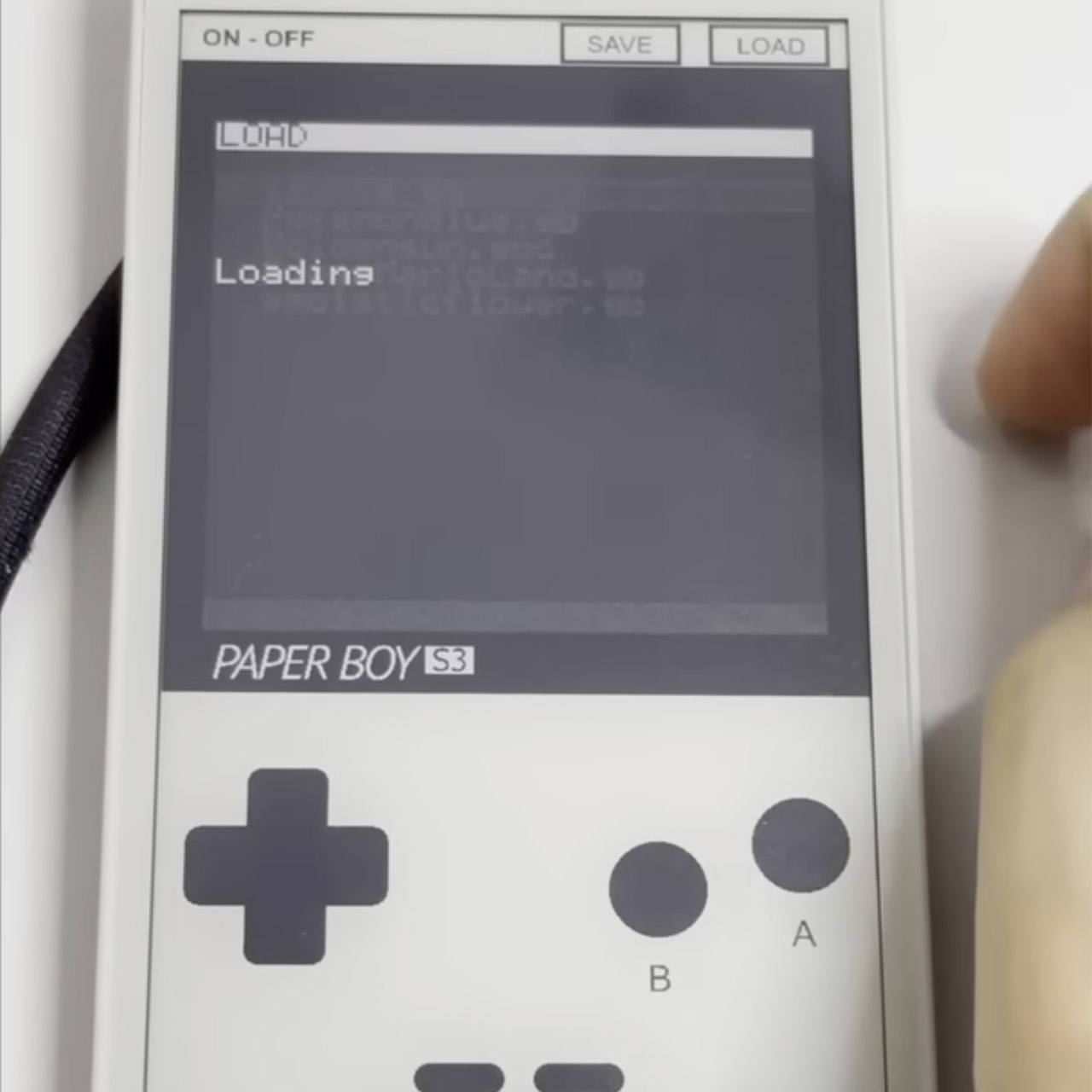
Saved data is stored on the microSD card, and the hardware power button only cuts power, with no shutdown process (Zhang added a manual save button to the screen). Quick save states add an extra degree of security during lengthy gaming sessions. The entire project’s source code (known as Paper Boy S3 in some places) is now available on GitLab. There’s also a separate proof-of-concept JIT recompiler that another developer worked on, demonstrating one approach to go even faster if someone wants to take it a step further. [Source]
T-Mobile appears to be migrating its 303,000-core VMware environment to another platform while fighting Broadcom in court for the extended support it says its perpetual-license agreement guarantees. “The matter is somewhat urgent,” The Register reports, because a court-ordered support arrangement expires August 3, “so T-Mobile may soon be unable to get support for its very substantial VMware estate.” The Register reports: The dispute relates to a deal T-Mobile struck with VMware in August 2023, which saw the telco acquire perpetual licenses and two years of support for some software, plus the option for a further year of support. When Broadcom acquired VMware in 2023, it stopped selling perpetual licenses and standalone support deals for customers with those licenses. Broadcom also reduced the virtualization giant’s product range from over 150 products to two subscription-only bundles. Broadcom now mostly sells its Cloud Foundation (VCF) private cloud suite. Customers including AT&T and Tesco tried to exercise their right to extended support, but Broadcom declined to do so. AT&T settled on confidential terms. Tesco is pursuing the matter in the courts.
When customers exercise their option for extended support, Broadcom argues it can’t deliver because the products covered by the contract don’t exist anymore, its contracts allow it to deny support for dead products, and subscriptions are now the industry standard. T-Mobile started using VMware’s products in 2008. In one hearing, the carrier’s counsel described T-Mobile’s VMware implementation as “the base of the entire internal network” and “the place where 1,000 applications reside.” Another filing, from Broadcom, says the telco runs VMware software on over 303,000 CPU cores.
Court documents allege that in 2024 Broadcom notified T-Mobile it would not renew support after the initial two-year deal expired in 2025. The two parties kept talking about possible new arrangements. T-Mobile also sought an injunction that would compel Broadcom to provide extended support. Broadcom opposed the injunction, arguing that T-Mobile deliberately waited too long to seek it. At one point T-Mobile suggested a $20 million deal for another two years of support. An affirmation filed last week by T-Mobile vice president of technology Kevin Luu says the carrier sought that arrangement “to be able to complete T-Mobile’s transition away from VMware at a more deliberate pace.”
The court eventually granted the injunction forcing Broadcom to offer support beyond August 2025, but required T-Mobile to pay $5.28 million and post a $500,000 undertaking. Broadcom continued to provide support but also sought damages on grounds that the injunction meant it missed out on a new deal with T-Mobile. The telco has rubbished that argument in part because the two parties were still talking about a new deal. Broadcom later proposed to charge $24 million for extended support covering six products, a sum it said would cover over 20 staff needed to support T-Mobile. The carrier fired back by pointing out that it has made just two support calls in 2026, which hardly justifies such a massive staff and expense.
The 2026 iPhone Photography Awards are in their 19th year of finding the best images captured using iPhone cameras. I’ve collected a few favorites from the winning images, but be sure to view all of the winners at the IPPAwards site.
2 of 14Robyn Jensen/IPPAwards
Grand Prix: Robyn Jensen
Robyn Jenson’s photo of an erupting volcano in Guatemala at night is a challenge for an iPhone’s cameras.
Advertisement
Shot on iPhone 15 Pro, 6.765mm (24mm equiv), f/1.8, 1s, ISO 12500
3 of 14Gellert Gombai/IPPAwards
First Place: Gellert Gombai
This photo by Gellert Gombai was made using an iPhone X, a phone likely older than the two children who are the subjects.
Shot on iPhone X, 4mm (28mm equiv), f/1.8, 1/1500s, ISO 20
4 of 14Arnold Plotnick/IPPAwards
Second Place: Arnold Plotnick
If an iPhone photography competition didn’t include a stark photo of a cat, is it even real? US photographer Arnold Plotnick caught this feline’s steady gaze in Amsterdam.
Advertisement
Shot on iPhone 16 Pro, 6.765mm (29mm equiv), f/1.8, 1/60s, ISO 320
5 of 14Catherine Wang/IPPAwards
Third Place: Catherine Wang
Catherine Wang of the US turned to a long tradition of still-life photography to compose this scene in Virginia.
Shot on iPhone 16 Pro Max, 6.765mm, f/1.8, 1/40s, ISO 250
6 of 14Barry Mayes/IPPAwards
Abstract – First Place: Barry Mayes
UK photographer Barry Mayes must’ve warmed to this scene of intricate frost on a car window.
Advertisement
Shot on iPhone 8 Plus, 3.99mm (28mm equiv), f/1.8, 1/120s, ISO 50
7 of 14Peter Crome/IPPAwards
Animals – First Place: Peter Crome
Good light and good dogs, all the ingredients for this winning photo in the Animals category by UK photographer Peter Crome.
Shot on iPhone 14 Pro, 9mm (77mm equiv), f/2.8, 1/400s, ISO 32
8 of 14Leping Cheng/IPPAwards
Animals – Honorable Mention: Leping Cheng
It’s an easy lesson to forget as a photographer: be sure to look up. This mix of perspective and timing garnered an honorable mention in the Animals category.
Advertisement
Shot on iPhone 12 Pro Max, 5.1mm (26mm equiv), f/1.6, 1/2900s
9 of 14Simona Bonanno/IPPAwards
Animals – Honorable Mention: Simona Bonanno
Photography can be as much about concept as it is about capturing a moment. The tuft of mane on this white horse fits with the fluffy clouds in the background.
Shot on iPhone 15 Pro, 6.765mm (24mm equiv), f/1.8, 1/12000s
10 of 14Krystal Rountree/IPPAwards
Children – First Place: Krystal Rountree
US photographer Krystal Rountree took first place in the Children category with this slice of awareness that a wave is coming soon.
Advertisement
Shot on iPhone 15, 5.96mm (26mm equiv), f/1.6, 1/2500s, ISO 50
11 of 14Iryna Nemyrovych/IPPAwards
Children – Honorable Mention: Iryna Nemyrovych
This young boy playing in the water is perfectly framed by the arch of the tree behind him. His light skin contrasting with his dark surroundings draws even more attention.
Shot on iPhone 15 Pro, 6.765mm (24mm equiv), f/1.8, 1/4000s
12 of 14Kęstutis Cemnolonskis/IPPAwards
Nature – Honorable Mention: Kęstutis Cemnolonskis
Photography is so often a matter of knowing where the light is and hoping you get lucky. It’s not clear if photographer Kęstutis Cemnolonskis knew the sun would illuminate this break in the grove of trees or if it was an accident, but the capture invites you to wonder.
Advertisement
Shot on iPhone 12 Pro Max, 7.5mm, f/2.2, 1/850s
13 of 14Shan Qin/IPPAwards
Other – Second Place: Shan Qin
Looking almost like the setup for a Wes Anderson film, this composition by Shan Qin evokes a time when train travel was more elegant (or kitschy).
Shot on iPhone X, f/1.8, 1/950s
14 of 14Carlos Rubin/IPPAwards
Portrait – Second Place: Carlos Rubin
Puerto Rican photographer Carlos Rubin took advantage of this woman’s contrasting blue swimwear and orange cap to make a portrait that goes beyond a snapshot.
Advertisement
Shot on iPhone 12 Pro, 6mm (52mm equiv), f/2, 1/125s, ISO 25
The first known use of humans using wind to perform mechanical work with machines dates back to ninth-century Persian windmills. But if we count sailing vessels among those machines, the history goes back to sometime just before the invention of written language. Since then, humans have been sailing everything from the tiniest of Sunfish to the largest of shipping vessels, and even sailing boats like canoes that aren’t typically designed for efficient sailing. For those who already own a canoe, the conversions can be straightforward but often involve drilling into the hull. This homemade conversion kit, on the other hand, requires no drilling at all.
The first, and most obvious, part of the conversion is to add a mast and sail. [Tea]’s primary setup does involve drilling a mast thwart into the gunwales of the canoe, but he also built an alternative setup which clamps to the gunwales and the bow deck instead. The standing lug sail is then hoisted on an unstayed wooden mast. The next major component of the build are a pair of leeboards which also clamp to the gunwales and function like a centerboard, and can be adjusted for one’s preferred amount of weather helm. Rounding out the stern of the boat is a custom-built rudder with a pair of lines in lieu of a tiller which can be positioned anywhere along the length of the boat.
All of the wooden parts of this build were custom-built from common lumber with finishing touches from a router to soften all of the hard edges. Canoe sailing is fairly popular, although without the leeboards these common sailing kits are often meant for downwind sailing only. A complete setup like this turns it into a much more capable craft. Without a canoe as a base vessel to start with, though, a complete sailing vessel can be built from common lumber as well.
T-Mobile is asking a New York court to rule that Broadcom was contractually obligated to continue supporting its VMware perpetual licenses.
In its complaint, T-Mobile said it has tens of thousands of virtual machines using VMware software across approximately 303,140 CPU cores. It also said that it was migrating off VMware but noted the time-consuming and technical challenges involved in migrating over 1,000 applications.
It filed its lawsuit, which was first reported by The Register today, in the Supreme Court of the State of New York in August 2025 (PDF).
The mobile company claimed that in 2023, it bought perpetual VMware licenses, plus two years of support with the option to buy a third year. But after Broadcom bought VMware, it stopped sales of VMware perpetual licenses in favor of subscriptions and started bundling VMware products into a few, more expensive bundles.
Advertisement
When T-Mobile tried to extend support for a third year for $5,288,398.45, Broadcom wouldn’t allow it, per an August 2025 filing from T-Mobile. A Broadcom representative reportedly told T-Mobile via email: “Broadcom announced end of available of all perpetual products, which includes Stated Out Year Renewals for perpetual support.”
A judge granted T-Mobile an injunction that allowed it to receive support services from October 2025 through August 3, 2026, for $5.28 million, plus the posting of a $500,000 undertaking.
Now, T-Mobile seeks a declaration that it was entitled to renew support services and further relief as the court deems necessary.
Next spring could be a fiesta of new iPads, MacBooks and iPhones.
Devindra Hardawar for Engadget
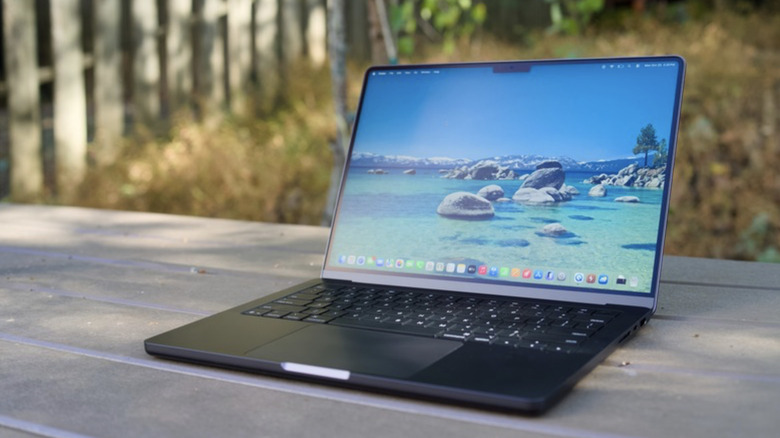
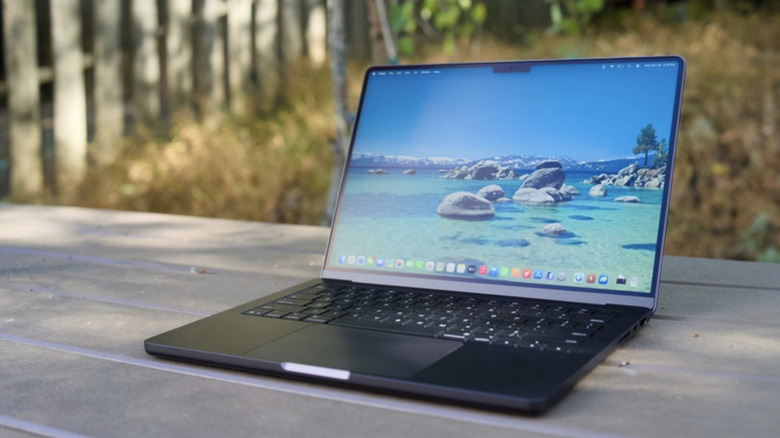
Mark Gurman is back with a new report in Bloomberg about how Apple’s device lineup may be evolving over the next 12 months. Sources told the reporter that the company aims to present an overhaul of the baseline MacBook Pro in the first half of 2027. The 14-inch entry-level laptop will reportedly sport a new design that aligns with the look of the higher-end computers likely to be announced starting in the fall. Gurman suggests that lineup will include Apple’s first touchscreen MacBook, which had previously been rumored for the M6 laptop generation.
In addition to the new entry-level laptop, Apple is reportedly testing out four new iPad Pro models. Although specifics of the new tablets were not shared, sources suggested that the next round of iPads would focus on features for improving performance while retaining the current size options of 11 inches and 13 inches.
Spring is becoming the time when Apple makes more announcements for its entry-level and budget products, and even sometimes pulls off the occasional surprise. In spring 2026, we got the MacBook Neo alongside a new iPhone, iPads and MacBook Pros over the course of a week. Even without the potential addition of five products, spring 2027 was looking to be similarly chock full of news from Apple. On the smartphone side, we were already expecting to hear about the base model of the iPhone 18 and an update to the iPhone Air. It could also be when Apple breaks from its Pro and Max tradition and skips straight to M7 silicon.






























































You must be logged in to post a comment Login