

Business
What’s Happening Now, What the Government Is Doing and What Comes Next

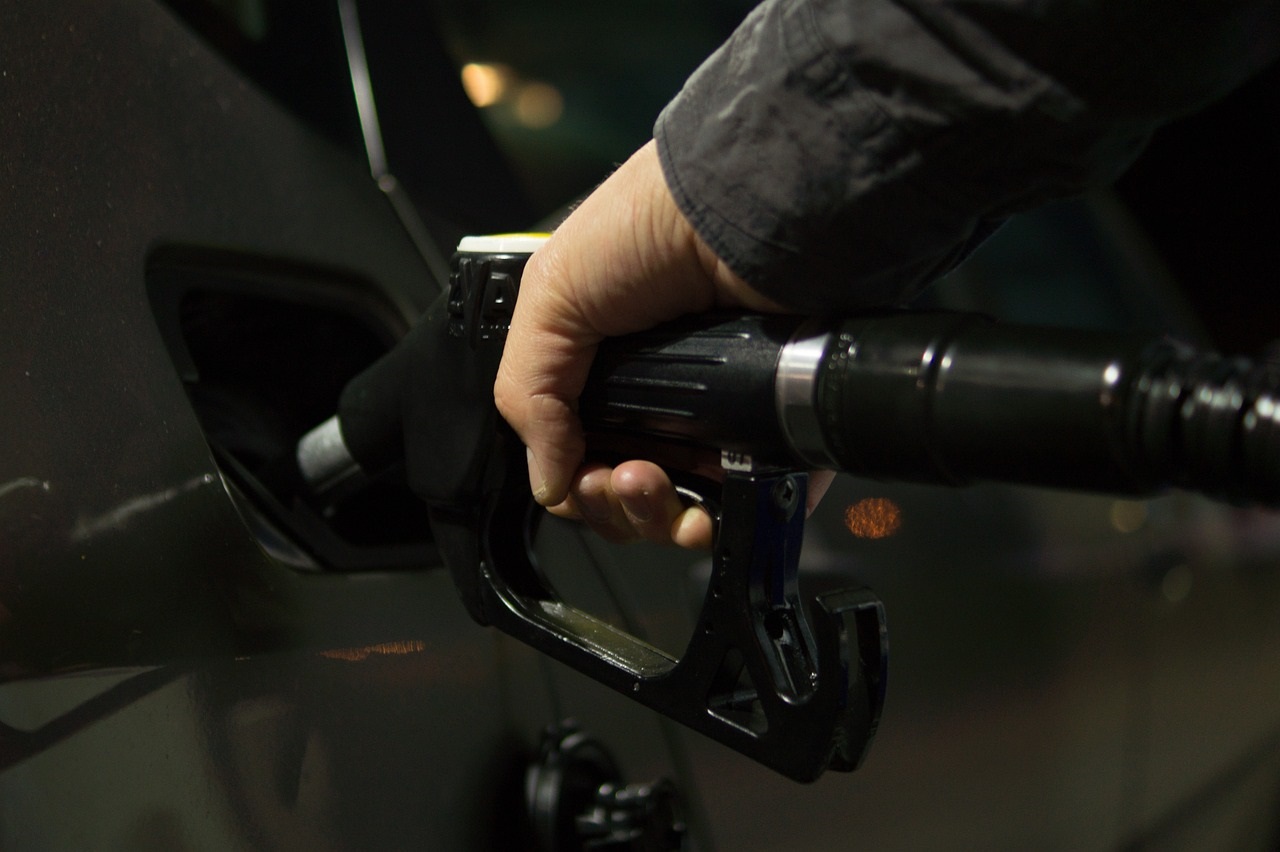
SYDNEY — Australia’s fuel supply crisis, triggered by the escalation of the U.S.-Iran conflict in late February and the subsequent disruption to oil shipping through the Strait of Hormuz, has entered a new phase of cautious stabilization after months of emergency government intervention, rationing measures and airline schedule cuts that exposed the country’s deep structural vulnerability as one of the world’s most fuel-import-dependent developed nations.
The crisis began almost overnight. Fuel prices began to rise at the start of March, after U.S. President Donald Trump, along with Israel, launched coordinated military strikes on Iran on February 28. Iran then retaliated, launching strikes at Israel and at U.S. military bases in Bahrain, Jordan, Kuwait, Qatar, Saudi Arabia and the United Arab Emirates. The closure of the Strait of Hormuz, through which roughly a fifth of the world’s traded oil typically flows, immediately tightened global supply and sent fuel costs surging across every Australian capital city.
The Maritime Union of Australia warned in early March that Australia’s fuel security crisis had been laid bare by the escalating international conflict and the effective closure of the Strait of Hormuz, one of the world’s most critical oil shipping routes.
MUA National Secretary Jake Field framed the situation bluntly.
“The closure of the Strait of Hormuz during the recent attacks on Iran is a stark warning of the volatility of Australia’s access to global fuel supply chains,” Field said. “We mustn’t gamble our economic stability on uninterrupted access to foreign fuel markets. We cannot assume that geopolitical tensions will always resolve before our reserves run dry.”
By late March, Australia’s fuel reserve levels had deteriorated to alarming lows, with the country holding roughly 39 days of petrol supply and just 30 days of diesel, figures the government acknowledged publicly as it convened emergency National Cabinet meetings. Prime Minister Anthony Albanese made a rare live address to the nation, outlining a National Fuel Security Plan and announcing a series of emergency measures. The most immediately visible of those was a halving of the fuel excise.
“Today, we cut the fuel excise in half, cutting the tax on every litre of petrol by 26 cents,” Albanese said in his address. “Those savings have started showing up at your petrol station. For our truckies, we have cut a heavy vehicle road user charge to zero. Both these measures will be in place for the next three months.”
The government also moved on multiple supply-side fronts simultaneously. Key actions included securing more fuel internationally through a $7.5 billion Fuel and Fertiliser Security Facility, building long-term fuel resilience through a $3.2 billion Australian Fuel Security Reserve, and temporarily amending Australia’s fuel quality standards to allow higher sulfur levels, enabling around 100 million litres a month of additional fuel supply to enter the country that would not otherwise have met domestic standards.
In April 2026, the government announced it had received a massive shipment of 100 million litres of jet fuel and 50 million litres of diesel from Asia. That delivery helped arrest the decline in reserve levels, though analysts cautioned that replenishing stockpiles to pre-crisis levels would require sustained, uninterrupted shipping for months.
The crisis hit Australia’s aviation sector particularly hard. Qantas and Jetstar issued a statement on May 1 announcing that they would extend their domestic flight cuts amid the fuel crisis. “Given fuel prices remain significantly elevated, the Group has extended previously announced schedule changes across its international and domestic network between July and September.” People who have booked passage on any of the impacted flights were contacted directly and offered either a refund or an alternative flight. The airline had previously cut its domestic flights by five percent from May to June, with that reduction now extended through September.
Remote and regional Australia has borne the heaviest burden throughout the crisis. The Northern Territory and regional Queensland have been identified as the most at-risk areas, with some remote communities already experiencing intermittent fuel shortages. The government worked with the Coalition of Peaks and other First Nations groups specifically to address fuel, energy and food security in remote communities, acknowledging that supply chain fragility hits hardest in areas with the longest logistics chains and the least alternative options when primary supply routes are disrupted.
Structurally, the crisis has relit a long-running policy debate about Australia’s domestic refining capacity and strategic reserve holdings. The MUA noted that for decades, successive governments allowed domestic fuel capacity to be dismantled. Australia’s strategic fuel reserves were effectively offshored, with public money spent storing fuel overseas. Refinery after refinery closed, leaving Australia importing the overwhelming majority of its refined petrol and diesel, reliant on foreign refineries, foreign-owned tankers and shipping lanes that run through contested waters.
On the regulatory side, the Department of Climate Change, Energy, the Environment and Water extended key emergency measures into the second half of 2026. The government extended the 20% reduction of the Minimum Stockholding Obligation for diesel and petrol to September 30, 2026, providing ongoing flexibility for industry to respond quickly in the event of another significant spike in demand. The government also worked with the fuel sector to secure authorization from the Australian Competition and Consumer Commission to coordinate supply across companies, unlocking bottlenecks that had slowed distribution at key points during the worst of the shortage.
With the tentative U.S.-Iran ceasefire announced over the weekend and shipping beginning to resume through the Strait of Hormuz, Australian fuel reserve levels have begun a slow recovery. Petrol prices across capital cities, while still elevated compared to pre-crisis levels, have begun easing from their March and April peaks as more tankers complete deliveries and the government’s emergency import agreements supply additional volume into the domestic market.
However, the Maritime Union and independent energy analysts alike have warned that the current improvement in supply conditions should not be mistaken for a resolution of the underlying structural weaknesses the crisis exposed. The MUA called on the federal government to rebuild sovereign fuel storage capacity onshore, maintain reserves that comfortably exceed international minimums, protect and expand domestic refining capability to reduce reliance on imported finished fuels, and establish an Australian-flagged strategic shipping capability to guarantee fuel delivery in future crises.
The government’s own updated guidance, reflecting the latest supply situation as of early July, acknowledged that while immediate supply pressures had eased, the crisis had exposed systemic gaps in Australia’s energy security framework that will require sustained, multi-year policy investment to address. Fuelplan.gov.au, the official government tracking site launched during the crisis, continues to publish daily updates on reserve levels, petrol prices across all capital cities and crude oil benchmarks to keep the public informed as the recovery continues.

The state government could use privately-owned Parkeston power plant near Kalgoorlie to support the city’s grid, three years after knocking back a bid by its owners to do just that.
SoftBank gains as report says it revives $10 billion OpenAI-backed loan talks


I’m a full-time investor with a strong focus on the tech sector. I graduated with a Bachelor of Commerce Degree with Distinction, major in Finance. I’m also a proud lifetime member of the Beta Gamma Sigma International Business Honor Society. My core values are: Excellence, Integrity, Transparency, & Respect. I always, to the best of my ability, hold true to these values which I believe are key for long-term success. I would like to invite all of my readers to leave their constructive criticism and feedback in the comments section so that I can further enhance the quality of my work moving forward. Thank you and God Bless America!
Analyst’s Disclosure: I/we have no stock, option or similar derivative position in any of the companies mentioned, and no plans to initiate any such positions within the next 72 hours. I wrote this article myself, and it expresses my own opinions. I am not receiving compensation for it (other than from Seeking Alpha). I have no business relationship with any company whose stock is mentioned in this article.
Seeking Alpha’s Disclosure: Past performance is no guarantee of future results. No recommendation or advice is being given as to whether any investment is suitable for a particular investor. Any views or opinions expressed above may not reflect those of Seeking Alpha as a whole. Seeking Alpha is not a licensed securities dealer, broker or US investment adviser or investment bank. Our analysts are third party authors that include both professional investors and individual investors who may not be licensed or certified by any institute or regulatory body.
Check out what’s clicking on FoxBusiness.com.
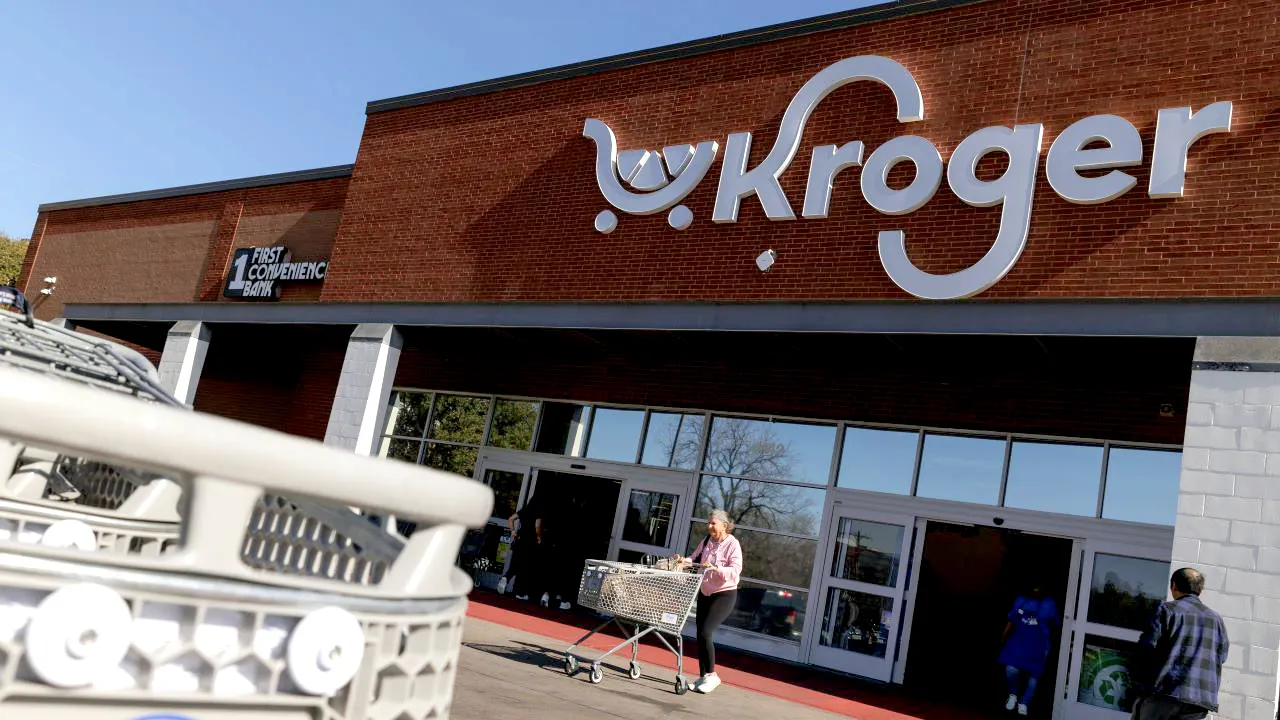
Kroger announced Wednesday it will acquire regional supermarket chain Giant Eagle in a $1.65 billion deal, marking the grocery giant’s first major acquisition since regulators blocked its proposed $25 billion merger with Albertsons nearly two years ago.
The acquisition will strengthen Kroger’s presence across several Midwestern and Mid-Atlantic markets as traditional grocery chains compete with Walmart and Amazon while consumers continue searching for lower prices after years of elevated inflation.
“We evaluated the opportunity carefully, and the strategic fit is clear,” Kroger CEO Greg Foran said in a statement. “Giant Eagle expands our reach into attractive adjacent markets.”
SEPHORA JOINS WALMART, TARGET WITH NEW ‘QUIET HOURS’ SHOPPING EXPERIENCE

Kroger announced Wednesday it will acquire regional supermarket chain Giant Eagle in a $1.65 billion deal. (Shelby Tauber/Bloomberg via Getty Images)
Giant Eagle operates about 197 supermarkets and 11 standalone pharmacies across northern Ohio, western Pennsylvania, West Virginia, Maryland and Indiana. Kroger currently operates roughly 2,700 supermarkets and multi-department stores, along with about 2,200 pharmacies, across 35 states.
The transaction includes $1.25 billion in cash and the assumption of approximately $400 million in Giant Eagle’s outstanding liabilities.
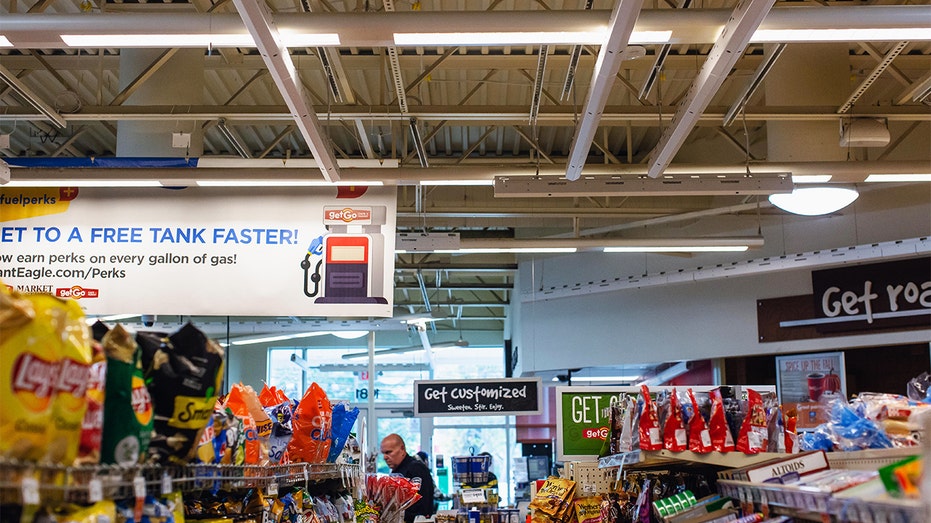
Giant Eagle operates about 197 supermarkets and 11 standalone pharmacies across northern Ohio, western Pennsylvania, West Virginia, Maryland and Indiana. (Allison Farrand/Bloomberg via Getty Images)
The acquisition follows the collapse of Kroger’s proposed merger with Albertsons in late 2024, when courts blocked the deal over antitrust concerns, prompting the nation’s largest traditional supermarket operator to pursue other avenues for growth.
The grocery industry remains fiercely competitive as retailers battle for market share amid persistent pressure on household budgets. Kroger has sought to keep prices competitive as shoppers remain price-conscious, while Walmart has continued to gain grocery market share and Amazon has expanded its online grocery offerings.
Kroger said it expects the Giant Eagle acquisition to increase adjusted earnings beginning in the second full year after the transaction closes, which is expected in 2027.
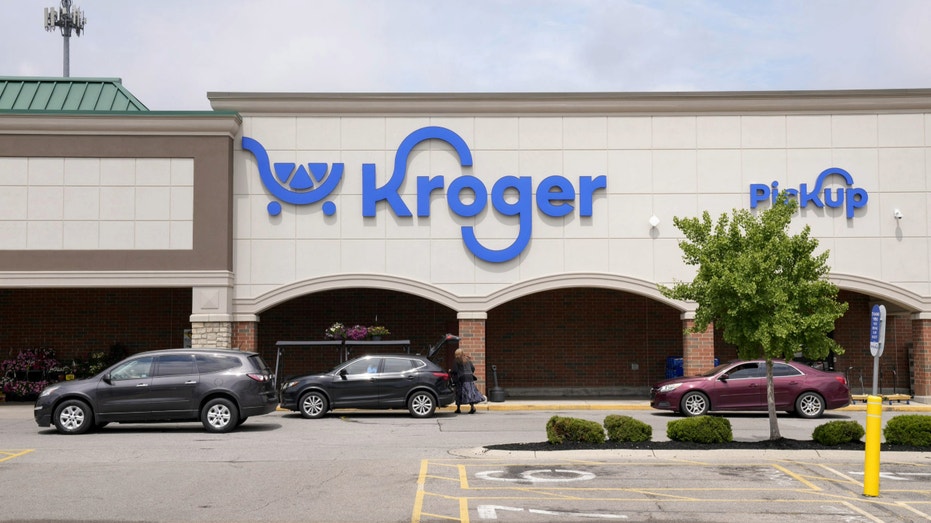
A Kroger grocery store in Covington, Kentucky, on June 2, 2024. (Jeffrey Dean/Bloomberg via Getty Images)
CLICK HERE TO GET FOX BUSINESS ON THE GO
The deal also reflects a broader wave of consolidation across the consumer sector, with companies pursuing acquisitions to gain scale and navigate inflationary pressures, changing consumer preferences and heightened competition.
Reuters contributed to this report.

Check out what’s clicking on FoxBusiness.com.
Sony is ending production of physical discs for all new PlayStation game releases beginning in January 2028, marking a significant step in the gaming industry’s ongoing transition to digital distribution.
Sony Interactive Entertainment announced the decision Wednesday in a post on its official PlayStation Blog, saying all new games released after January 2028 will be available through the PlayStation Store and retailers in digital formats only.
The company said the move reflects changing consumer behavior as more players purchase and download games digitally rather than buy physical copies.
“As consumer preferences and the broader entertainment industry continue to shift away from physical discs to digital, physical game disc production for all new games releasing on PlayStation consoles will be discontinued starting January 2028,” Sony said in the announcement.
UBISOFT CO-FOUNDER CLAUDE GUILLEMOT KILLED IN PLANE CRASH THAT CLAIMED 2 LIVES

Sony is ending production of physical discs for all new PlayStation game releases beginning in January 2028. (Emanuele Cremaschi/Getty Images)
The change will not affect games that have already been released or titles scheduled to launch on disc before January 2028.
The decision represents another milestone in the entertainment industry’s broader migration away from physical media. Music, movies and PC gaming have increasingly embraced digital distribution over the past decade, reducing manufacturing, packaging and shipping costs while giving consumers instant access to purchases.

The change will not affect games that have already been released or titles scheduled to launch on disc before January 2028. (Jim Vondruska/Reuters)
Sony said games will continue to be available through both the PlayStation Store and retailers, though new releases after January 2028 will be sold in digital formats rather than on physical discs.
| Ticker | Security | Last | Change | Change % |
|---|---|---|---|---|
| SONY | SONY GROUP CORP. | 20.21 | +0.15 | +0.75% |
The company said the transition will allow it to better align with how most players access games today while continuing to give customers flexibility in where they purchase new titles.
CLICK HERE TO GET FOX BUSINESS ON THE GO
“We’ll continue to prioritize our resources to drive innovation in how players can access games and provide choices as to where players prefer to purchase new games, whether that’s at retailers or PlayStation Store,” Sony said. “We remain committed to delivering a world-class gaming experience to our fans and we thank you for your continued support.”

East Perth-based security firm Intelligent Monitoring Group will acquire one of the UK’s largest residential security companies in a deal worth over $340 million.

Speaker Mike Johnson tells Maria Bartiromo he met with the president to discuss the bipartisan housing bill which will lower housing costs by cutting regulations, fulfilling GOP promises.
Home listing prices are declining at the fastest pace in at least nine years as sellers adjust to a slower market and look to attract buyers.
The national median asking price fell 2.5% in June compared with a year ago, declining to $430,000 based on the latest data from the Realtor.com monthly housing market trends report.
June marked the eighth consecutive month of price decreases, and the 2.5% asking price drop was the deepest annual decline in the history of the data set, which dates back to 2017.
“Sellers are reading market conditions and are pricing accordingly from the start rather than listing high and cutting later, and buyers are taking note and making bids,” said Realtor.com chief economist Danielle Hale.
HOUSING AFFORDABILITY UNLIKELY TO RETURN TO MORE FAVORABLE LEVELS OF THE PAST, ECONOMIST SAYS

Home listing prices fell at the fastest annual rate since 2017, Realtor.com data showed. (Daniel Acker/Bloomberg via Getty Images)
The report found that for a buyer who bought a $430,000 home in June with a 20% down payment and an average mortgage rate of 6.49%, the typical monthly payment was $2,172.
That figure is about $132 less per month, and more than $1,500 less per year, than what the typical buyer owed in June 2025, which had a median price of $440,950 and an average mortgage rate of 6.82%.
Another notable metric suggesting the affordability pressures in the housing market are easing is that the typical home listed for sale is spending the same amount of time on the market as it did a year ago, holding steady at 53 days.
INCOME NEEDED TO AFFORD A MEDIAN-PRICED HOME HAS NEARLY DOUBLED SINCE 2020, REPORT FINDS
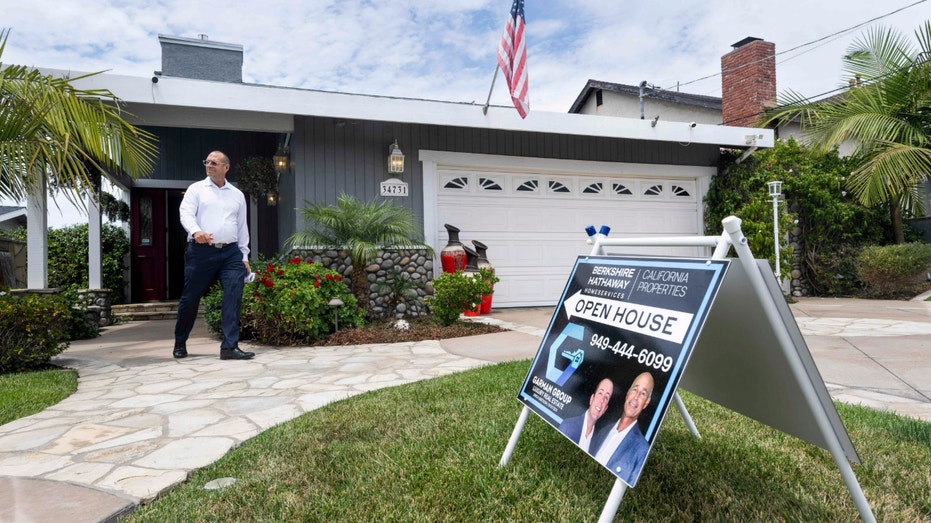
Pending home sales have grown for more than half a year. (Paul Bersebach/MediaNews Group/Orange County Register via Getty Images)
Pending home sales also rose 3.7% year over year through June, which marked the seventh consecutive month of growth despite the share of listings with a price cut shrinking by 1.9 percentage points to 18.8%.
Other economic indicators were little changed in June, as mortgage rates settled around 6.5% and Federal Reserve policymakers unanimously held the benchmark federal funds rate steady at its current range of 3.5% to 3.75% amid elevated inflation readings.
ONE IN THREE ADULTS UNDER 35 LIVES WITH PARENTS AS HOUSING COSTS SOAR, DATA SHOWS

New homes listed for sale have risen over 2% in the last year. (David Ryder/Bloomberg via Getty Images)
“It was a no-news-is-good-news June,” said Realtor.com senior economist Jake Krimmel. “While it may seem obvious now, this was far from a foregone conclusion just a few months ago.”
Sellers have also increasingly moved off the sidelines amid the price declines in a sign of confidence that they’ll find a willing buyer, as new listings increased 2.4% from a year ago.
GET FOX BUSINESS ON THE GO BY CLICKING HERE
“Unlike last year, sellers are willing to take a slight haircut to move, and buyers get a little relief on price to offset rates that settled higher than hoped,” Krimmel said.
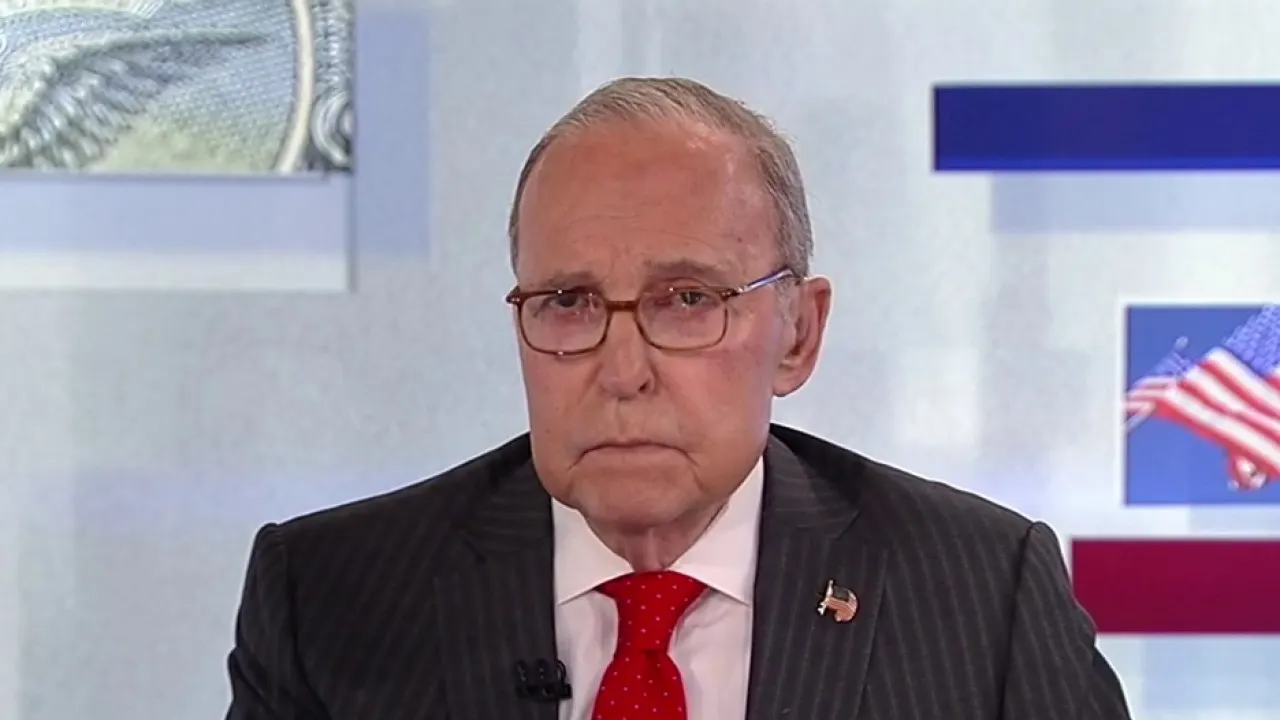
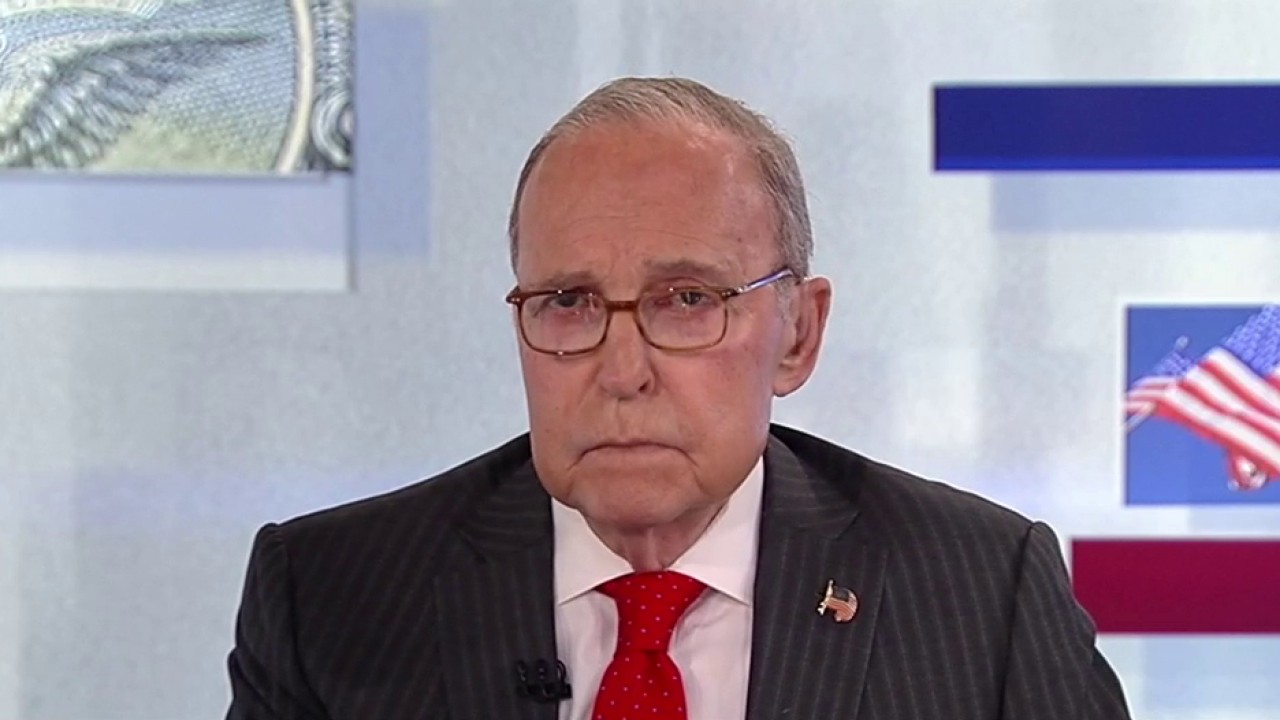
FOX Business host Larry Kudlow says business is ‘booming and profitable’ and reflects on liberty ahead of America’s 250th birthday on ‘Kudlow.’
Just about a year after signing the One Big, Beautiful Bill with its major league tax cuts, the stock market is roaring.
In this year’s second quarter, the S&P 500 is up 15 percent and the NASDAQ up 21 percent — the best performance in 6 years. The small-cap Russell 2000 had the best first half in 35 years. The Dow Jones index is above 52,000.
Business is booming and profitable. Employment is rising. Oil and gas prices are coming down. The dollar is strong.
FOX Business host Charles Payne discusses Federal Reserve Chair Kevin Warsh’s expression of optimism at ECB Forum on ‘Making Money.’
America is getting ready to celebrate the July 4th signing of the Declaration of Independence 250 years ago. Here’s what President Reagan said to the Republican National Convention in 1980, on the eve of his landslide victory over President Carter.
“Can we doubt that only a Divine Providence placed this land, this island of freedom, here as a refuge for all those people in the world who yearn to breathe free?”
Reagan loved to talk about freedom. It’s a wonderfully powerful word.
So is the most important sentence in history from the Declaration of Independence, that we “are endowed by our Creator with certain unalienable Rights, that among these are Life, Liberty and the pursuit of Happiness.”
I keep coming back to this because it’s so important. And I keep thinking about freedom and free-enterprise, I keep thinking about liberty and limited government, the rule of law and private property, free market competition, and individual incentives.
‘The Big Money Show’ panel weighs the implications of a Democratic Socialist’s upset primary victory in Colorado, arguing the result underscores growing divisions within the Democratic Party and the far left’s expanding influence.
They all go together. They all underscore the greatness of American core values and our economy. We reward the entrepreneurial spirit and the risk takers who define it. It’s so important.
Yet we must defend freedom and free-enterprise. We must avoid the burdens of taxation and regulation and foolish socialist government giveaways.
Instead, we must reward work — for work itself is a core value. Like Reagan and President Trump and the founders, I believe America’s best days are ahead. Yet we must fight for these freedoms.

Rep. Ashley Hinson, R-Iowa, joins ‘Mornings with Maria’ to discuss her new bill to deliver cost transparency for U.S. farmers and react to a report claiming Alibaba is helping the Chinese military target American security and agricultural systems.
Chinese e-commerce giant Alibaba has agreed to pay $600 million and enter into a non-prosecution agreement with the Department of Justice (DOJ) after admitting it failed to prevent tens of thousands of illegal product sales into the U.S. through its online marketplaces.
The DOJ announced Wednesday that Alibaba Group Holding Ltd. and its U.S.-based payment processor, AUS Merchant Services, will pay a combined $600 million to resolve allegations they failed to stop merchants from selling and importing illegal pharmaceuticals, controlled substances, regulated chemicals and pill-making equipment through Alibaba.com and AliExpress.com.
As part of the agreement, Alibaba admitted that between January 2016 and December 2024, roughly 80,000 unlawful product sales involving imports into the U.S. violated the Federal Food, Drug and Cosmetic Act, and other federal laws.
ALIBABA TOUTS NEW AI MODEL IT SAYS RIVALS DEEPSEEK, OPENAI, META’S TOP OFFERINGS

Alibaba Group Holding Ltd. and its U.S.-based payment processor, will pay a combined $600 million to resolve recent Justice Department allegations. (Qilai Shen/Bloomberg via Getty Images, File / Getty Images)
The company acknowledged those transactions generated more than $200 million in gross merchandise value.
Court documents say the company failed to fully incorporate certain wire transfer data into its transaction monitoring system, causing it to miss some high-risk transactions. In at least one instance, a merchant continued selling prohibited products to U.S. buyers after AUS investigated and reported the seller.
Federal investigators conducted more than 40 undercover purchases of pharmaceuticals and pharmaceutical counterfeiting equipment that were illegal to import into the U.S., the DOJ noted.
TRUMP, OPENAI CEO WEIGH IN ON DEEPSEEK FRENZY
AUS Merchant Services, formerly known as Alipay U.S., also admitted shortcomings in its anti-money laundering compliance program.
According to court documents, the company failed to fully incorporate certain wire transfer data into its transaction monitoring system, causing it to miss some high-risk transactions. In at least one instance, a merchant continued selling prohibited products to U.S. buyers after AUS investigated and reported the seller.
| Ticker | Security | Last | Change | Change % |
|---|---|---|---|---|
| BABA | ALIBABA GROUP HOLDING LTD. | 97.99 | +2.01 | +2.09% |
“Companies operating online marketplaces — whether based in the United States or abroad — must implement appropriate safeguards to prevent bad actors from exploiting their platforms,” Assistant Attorney General Brett A. Shumate said in a statement. “If they fail to do so, the Department will hold them accountable.”
TECH MOGUL DOUBTS DEEPSEEK CLAIMS, SAYS US MEDIA FELL FOR ‘CCP PROPAGANDA’
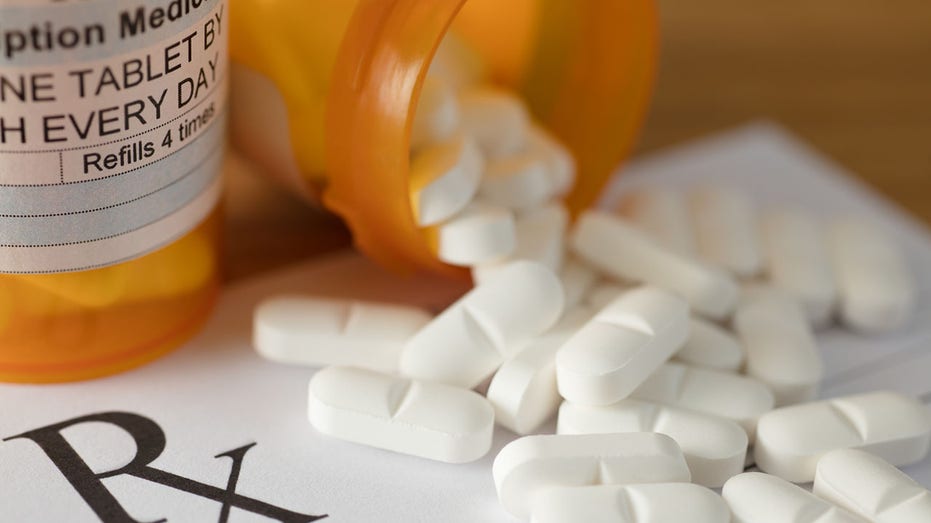
Allegations included failing to stop merchants from selling and importing illegal pharmaceuticals, controlled substances, regulated chemicals and pill-making equipment through Alibaba.com and AliExpress.com. (iStock / iStock)
Alibaba said it cooperated fully with the Justice Department’s investigation and has agreed to strengthen compliance measures governing products sold by third-party merchants on its e-commerce platforms.
“Alibaba reached a mutually satisfactory resolution with U.S. regulators on bringing stricter compliance to the sale of products in the United States by third-party merchants on its e-commerce platforms,” an Alibaba spokesperson told FOX Business on Wednesday. “This settlement reflects a thorough regulatory process with Alibaba’s full cooperation and our commitment to best-in-class standards of control, policies, and measures against non-compliant product sales.”
GET FOX BUSINESS ON THE GO BY CLICKING HERE
Under the agreement, Alibaba will pay a $125 million criminal penalty and forfeit $200 million, while AUS Merchant Services will pay an $85 million criminal penalty and forfeit $190 million.
Both companies also agreed to strengthen their compliance programs and continue cooperating with federal investigators.
The Associated Press contributed to this report.

PMI Drops

Boomers after lending money

Daredevils who scaled Empire State Building facing MULTIPLE charges after flying protest banner and sky-high proposal at 1,454 feet

Parkeston support in Kal power plan


-

 Fashion5 days ago
Weekend Open Thread: Staud – Corporette.com
-

 Politics6 days ago
The House | Manchesterism won’t survive the painful trade-offs unless it gets citizens on board
-

 Crypto World2 days ago
Strategy authorizes up to $1.25B in Bitcoin sales under new capital plan
-

 Politics6 days ago
Potential 2028er World Cup attendee leaderboard
-

 Business6 days ago
Asia stock markets slide as tech shares slump
-

 News Videos3 days ago
MAJOR BITCOIN & MARKET UPDATE!!!! (MUST WATCH ASAP!!!)
-

 Tech6 days ago
A Look At A Gaggle Of Transputer Boards
-
 Crypto World6 days ago
Dell (DELL) Shares Tumble Over 5% Following Analyst Downgrade to Hold
-

 Crypto World4 days ago
Coinbase, Circle Deepen Crypto Stock Losses Despite Resilient S&P 500
-

 Business2 days ago
Australia treasurer says alleged access of prime minister’s bank data ’incredibly concerning’
-

 Crypto World5 days ago
Kraken's xStocks Opens Bending Spoons IPO Registration to EEA Retail
-

 Sports5 days ago
FIH Pro League: India defeat Pakistan 7-1, register biggest win of campaign | Other Sports News
-

 Crypto World6 days ago
Bitcoin Sparks $600M Hourly Liquidations With $65,000 Set To Become Resistance
-

 Tech4 days ago
Bluekit phishing kit adopts browser-in-the-middle for login theft
-

 Tech5 days ago
Russian hackers now target Signal backup recovery keys
-
 Crypto World6 days ago
Hyperliquid Named on Singapore MAS Investor Alert Register
-

 Crypto World5 days ago
RTX holders must register wallets before token distribution begins
-

 Tech2 days ago
Anonymous researcher drops 0-day ‘exploitarium’ repo
-

 Crypto World7 days ago
Ripple and SBI launch RLUSD in Japan after JFSA approval
-

 Sports14 hours ago
Broncos roster: OL Ben Powers (No. 74) entering final year of contract
You must be logged in to post a comment Login