
Connect with us
DAPA Banner
DAPA Coin
DAPA
COIN PAYMENT ASSET
PRIVACY · BLOCKDAG · HOMOMORPHIC ENCRYPTION · RUST
ElGamal Encrypted MINE DAPA
🚫 GENESIS SOLD OUT
DAPAPAY COMING

NewsBeat

Sleeping In Separate Beds Did Wonders For My Marriage

Published

on

Sleeping In Separate Beds Did Wonders For My Marriage

I had to admit it to my cleaning woman first, when I kept asking her to change the sheets in the room off our bedroom. Pretending some guest had slept in the bed could only last for so long.

I went into the room, just as she was snapping the crisp white sheets onto the bed.

“I sleep in here now. There’s nothing wrong between us, though…” I trailed off, waiting for her face to change.

She responded like I’d admitted to preferring one soap brand over another, not confessed to keeping a hidden room inside my marriage. “Half my clients sleep in two rooms, whether they tell me or not,” she replied.

Advertisement

The sleep itself is glorious. I wake softer, steadier, less easily undone by whatever the day brings. Explaining it to people is the only part that feels shameful. My friends tried to talk me out of it. My therapist looked skeptical. My mother was horrified, though I remember the twin beds in my grandparents’ bedroom working just fine for them.

When my husband and I first toured the farmhouse we live in now, the real estate agent pointed to the room attached to the primary bedroom and called it a nursery. The word hung there, soft and presumptive. A room for a baby. A room for the future. A room for the version of a woman a house seems to expect.

Later, I would learn that houses are full of these polite suggestions: nursery, office, guest room, flex space. Architecture has long made room for private need. Marriage narratives have not.

Back then, when we were house hunting, the thought of sleeping in another room would have felt too exposing to say aloud. It belonged with the other things I had to grow up enough to face: my alcoholism, honest conversations with my kids, the truth of my own needs.

Advertisement

But every night, as I lay beside my husband’s steady breath, my heart raced. He slept, and I lay there wired. Angry at him for sleeping. Angry at myself for not. For years, I mistook the problem for a marital one when it was, first, a bodily one.

About one-third of adults in the U.S. now sleep separately from their partners, though one article called it “sleep divorce,” as if leaving a bed were the same as leaving a marriage.

When I first crept down the hall to the little nursery we were never going to use for another baby, I called it a snoring room. I used the phrase with my husband and my kids because it made the change sound temporary, practical, almost medical.

Each morning, I would make the marital bed, messing up the side I used to sleep in so no one would know our secret. Each night, I slowly rolled back the sheets and slipped out of bed as if doing the walk of shame. But once I crossed into my own room, my body finally unclenched. I slept.

Advertisement

I moved into this space full time and started calling it my sleeping room when it became clear that it wasn’t just my husband’s snoring fragmenting my nights, but my own raging hot flashes and perimenopausal anxiety – a private struggle with a public pattern, given how many of my friends in midlife reported disrupted sleep.

For years, I treated distress as something to discipline. If my body objected, I overruled it. But midlife has a way of revoking that authority. The body stops going along with things just because you ask it to.

You can be bone-tired and still lie there, your heart ticking like a small alarm under your ribs, your mind counting tomorrow’s to-do list items instead of sheep. By morning, exhaustion has become a weather system inside the house. You can’t be breezy. You can’t martyr yourself through insomnia. Sooner or later, the body stops letting you pretend. So I finally stopped trying to win at marriage by tolerating discomfort.

I’d sleep in our bed sometimes after a quiet stretch of lying together, or after sex. Once, my husband said, “Thanks for visiting me,” and I heard accusation where he may have meant tenderness.

Advertisement

“Don’t make me feel like a whore,” I snapped. He looked hurt, and I knew I couldn’t have it both ways. I couldn’t keep my sanctuary without acknowledging what it made me in our bed: a visitor.

By then, things had changed – he didn’t snore as much, and hormone replacement therapy had improved my nightly sauna sessions. So now I was left with the harder truth: I simply preferred my own room.

Photo Courtesy Of Wren Hogan

The author walking toward rest, but not away from love.

When I told a friend over coffee that I had a sleeping room – that I didn’t sleep with my husband anymore – she looked at me with a glint of sympathy in her eyes. “I’m just saying, be careful,” she said. “This is how the end of a marriage starts.”

Advertisement

Not sympathy, then. Warning.

I smiled, because that is what women often do when defending a need they are not entirely done defending to themselves.

Sometimes, in the middle of a fight with my husband, even I start to wonder if my friend was right. “What does this say about our connection?” I snap at him. “We don’t even sleep together.”

Then I have to remind myself that sleeping separately is a choice, not a verdict. When I first read the phrase “sleep divorce,” I felt a flicker of panic. Was that what this was? Had I been dissolving something all these years without admitting it?

Advertisement

Culturally, we’re taught to see separate beds as proof of emotional distance. My lived experience has been the opposite: a more regulated nervous system results in more patience and more intimacy. I’m not pulling away. I’m making room.

During an argument, I saw my husband physically recede from me. The fight itself was probably about something small, as most of our worst fights are: a tone, a dish, a plan I thought we had agreed on but I had apparently only rehearsed in my own head. I remember my words coming fast, certain I had been wronged. He folded inward. His shoulders dropped. He looked away like someone taking cover.

“I can’t do this when you talk to me like that,” he said.

For years, I would have heard that as abandonment. I would have chased him with more words, trying to force connection out of a man who was already bracing for impact.

Advertisement

But once I was sleeping, really sleeping, I could see the scene differently. His silence was not proof that he didn’t care. It was his body doing what mine had done at night: asking for space before it broke. Mature love, I’m learning, is not the absence of boundaries. Sometimes it is the boundary that lets love stay.

I have my weighted blanket, my sleep mask and the white noise that lets my body drop its guard. The relief is not just sleep. It is the relief of not absorbing one more thing, even my loving husband. That admission still feels dangerous. Why does time alone only become acceptable once we rename it self-care?

Marriage has a long history of treating proximity as proof: proof of devotion, proof of intimacy, proof that no one has left. Women, in particular, are taught to be available, reachable, porous. And then we teach our children the same logic in miniature: Be bad; go to timeout. Being alone is a consequence.

What I needed was a timeout too. Not because I had done something wrong, but because my body needed what I had failed to give it: quiet, containment, a door. I had to learn to understand solitude not as exile, but as regulation.

Advertisement

The sleeping room is not just about my marriage anymore. It is about rewriting the meaning of space in my family.

In therapy, I kept wanting the room to mean one thing.

“So what does it mean?” I asked. “That I sleep there?”

My therapist paused, which therapists do when they are about to make you answer your own question.

Advertisement

“Maybe the better question is what it makes possible.”

She taught me to stop treating intimacy like a referendum with only two possible outcomes: connected or disconnected, healthy or failing. Bodies change. Desire changes. The meaning of closeness changes too over the course of a shared life. A baby wants skin-to-skin contact. A dog wants a place at the edge of the bed, near enough to belong. There is something useful in that reminder: not all closeness is erotic, and not all distance is rejection.

Deep connection does not happen while we’re asleep. It happens in the hours when we are awake enough to notice each other: his hand reaching for mine in the kitchen, my laugh returning before I have time to censor it, the small relief of being known and not cornered by that knowing.

When we stopped connecting while we were awake, we stopped having sex, and suddenly it didn’t matter what bed we were in. What brought us back was not shared sleep, but the harder work of waking up: putting down alcohol, learning how to be present, tending to the marriage in the daylight.

Advertisement

So now I can say it without fear or shame. I don’t sleep with my husband anymore. I sleep alone, and every morning, I come back.

Wren Hogan is a writer whose essays explore motherhood, midlife, recovery, hormonal change and the quiet ways women are remade by ordinary life. She writes the Substack “A Lotus Grows in Mud,” and you can follow her on Instagram at @wrenhoganburzdak.

Do you have a compelling personal story you’d like to see published on HuffPost? Find out what we’re looking for here and send us a pitch at pitch@huffpost.com.

Advertisement

Source link

Continue Reading
Click to comment

You must be logged in to post a comment Login

Leave a Reply

NewsBeat

Unionist move to suspend “refugee scheme” thwarted amid sinister threat campaign

Published

on

Belfast Live

“This has to be the most dangerous and provocative motion to come before the council in many, many years.”

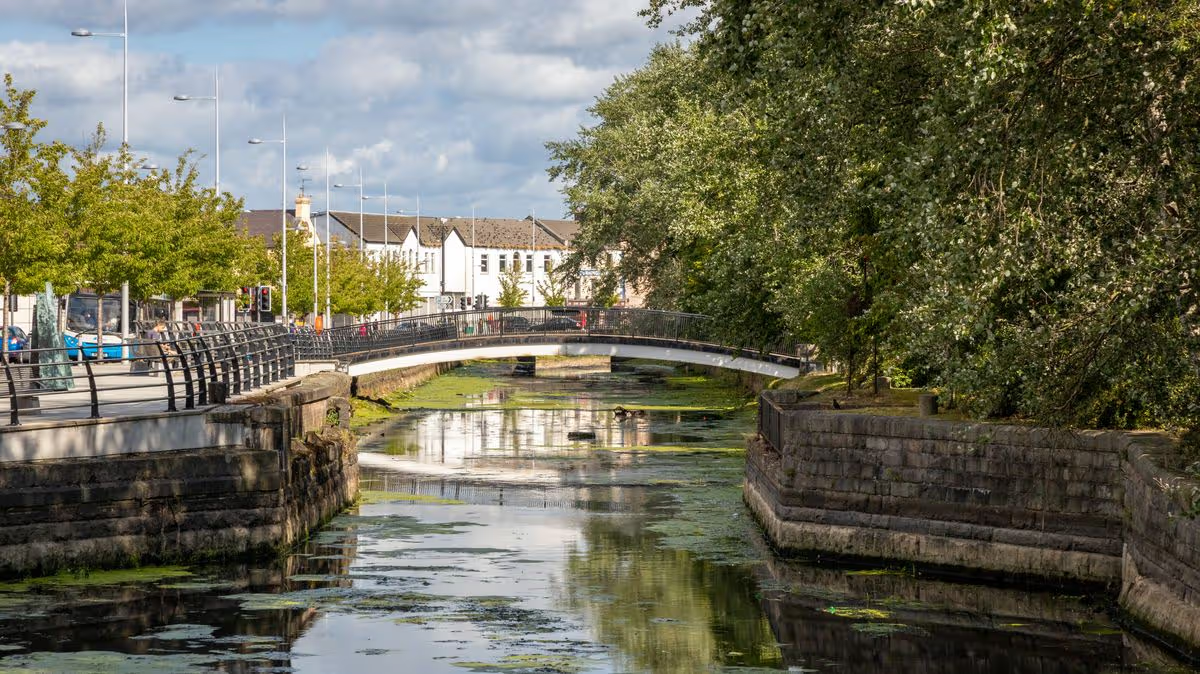
A unionist move to suspend a Newry “refugee scheme” has been thwarted by a majority vote amid a sinister threat campaign.

Advertisement

A bomb, video and voice messages targeted elected members who voted for the City of Sanctuary status last year with councillors warning the unionists’ stance is “dog whistling to the far-right”.

A PSNI investigation was launched into the self proclaimed ‘New Republican Movement’ linked to the threat actions with an arrest made under the Terrorism Act.

However, unionist councillors have now urged the council to listen to “genuine fears” in the community on concerns Newry could become an “escape hatch” for EU illegal immigrants.

READ MORE: Councillor alleges official made claims days after daughter’s death

Advertisement

READ MORE: NI Water to take action on illegal Co Antrim July bonfire

Bringing forward the motion, Mournes DUP councillor Henry Reilly said: “Given the uncertainty regarding the effect that the Republic of Ireland joining the EU migration and asylum pact (12 June) will have on border areas in Northern Ireland, that this council suspends any move towards membership of the City and District of Sanctuary for asylum seekers and refugees scheme.”

He added: “Our DUP group is very concerned that many illegals now resident in the Republic will be displaced to Northern Ireland and especially to Newry as we recently voted to make the district a City of Sanctuary.

Advertisement

“We could become inundated with foreign nationals who would become eligible for deportation from the Republic, which is something we simply could not cope with as we are already at breaking point.

“We cannot allow Newry, Mourne and Down to develop as an escape hatch for those no longer eligible to remain in the Republic.

“We do not lack compassion for people genuinely fleeing oppression and danger, but we believe we must put our own people first.”

The City of Sanctuary status involves generating a network including schools, health and local authorities to offer support for ethnic minorities in Northern Ireland.

Advertisement

This would see the local authority join a network of communities and organisations to become places of safety and inclusion for refugees, asylum seekers and other vulnerable migrants.

Slieve Gullion Sinn Fein councillor Declan Murphy said:”You have deliberately and knowingly sought to use this to revisit an issue that was hijacked by the far-right in 2025 to spread hatred and fear in this district.

“This has to be the most dangerous and provocative motion to come before the council in many, many years.

“It is dangerous in the dog whistling sense for as we have seen in last year in Newry and this year in many loyalist areas of Belfast the far-right are on standby to use all opportunities to racially attack international workers and decent people who are willing to protect them.

Advertisement

“The fact that a bomb was placed outside our office last year and we all received death threats really brings it home that the criminal far-right is intent on creating fear in this district in particularly the city of Newry.

“We must not allow the far-right and their fellow travellers to use it (immigration) as a Trojan horse to bring mayhem to our streets.”

In October 2025, a viable explosive device was left at the Sinn Fein Newry office shared by Newry and Armagh MP Dáire Hughes and Infrastructure Minister Liz Kimmins MLA.

Advertisement

That same month a recorded audio message was sent sent out to a number of elected members of Sinn Fein, Alliance and the SDLP on Newry, Mourne and Down District Council identifying them as “legitimate targets”.

In December, a group of allegedly armed masked men calling itself the New Republican Movement issued a video online saying that political representatives in the area are “legitimate targets”.

Rowallane Alliance councillor Tierna Howie said:”I am deeply disappointed we are debating this motion before us particularly in the wake of riots and violence in Northern Ireland in recent weeks.

“People do have genuine problems and they deserve genuine real solutions.

Advertisement

“But, none of them are created by asylum seekers or immigration.

“Yet, this motion asks us to accept the false premise that migration is somehow to blame for the challenges facing our communities, it is a lie and a convenient scapegoat for the DUP.”

Slieve Gullion SDLP councillor Pete Byrne added:”The DUP is not interested in facts or correct information, it is all about fanning the flames with misleading information and outright lies.

“How many times do we have to say that the City of Sanctuary does not control or have any bearing on immigration on one single person coming in here.

Advertisement

“After six months of the most toxic debate, with lies and misleading information being put about in the public, where people’s properties and officers were targeted, when councillors said that messages said they were gong to be ‘dragged out and hung on the street’, with death threats, with police involved and making arrests because of misinformation, I thought that we’d put this to bed and actually talk about the facts.

“Stop using this to gain votes, stop using this to try and divide people and try to work together in this chamber to put out out correct information.”

“Slieve Gullion UUP councillor David Taylor said: “There are genuine concerns about immigration and there is no point pretending otherwise.

“I know this motion does focus on the City of Sanctuary that was agreed by a majority of councillors and the fact remains there are genuine concerns within the community of what this entails.

Advertisement

“I don’t think that there has been a proper debate on this as it always ends up with accusations being fired across saying you are this or that, which is unfair as there are genuine concerns.

“So, I am happy to support Councillor Reilly’s motion at this point.”

The motion was defeated by 27 votes to 7.

For all the latest news, visit the Belfast Live homepage here and sign up to our daily newsletter here.

Advertisement

Source link

Continue Reading

NewsBeat

Andy Burnham latest: Labour MP’s last potential leadership threat Al Carns backs PM-in-waiting

Published

on

Andy Burnham latest: Labour MP’s last potential leadership threat Al Carns backs PM-in-waiting

Al Carns says he will not challenge Burnham

The last remaining potential rival to Andy Burnham as the next Labour leader and prime minister says he will not stand against the new Makerfield MP.

Former defence minister Al Carns has told Sky’s The Cathy Newman Show he will back Burnham instead.

If no other challengers come forward, Mr Burnham will become Labour leader next Friday.

Advertisement

Jane Dalton8 July 2026 19:33

Watch: How PMQs turned Farage into a figure of fun

How PMQs turned Farage into a figure of fun

Jane Dalton8 July 2026 19:00

Advertisement

Go-ahead for by-election as Reeves says: ‘I won’t stop him arguing with a bin’ – full report

Jane Dalton8 July 2026 18:30

Count Binface would be barred from Commons in costume

If Count Binface won the Clacton by-election, he would not be allowed to sit in the House of Commons in his space-warrior costume.

MPs are expected to wear “business-like attire” in the chamber, according to parliamentary guidance, which says clothing should demonstrate respect for the house.

Advertisement

It says uniforms, large slogan-bearing items and other forms of demonstrative dress are generally not considered acceptable.

Count Binface won 95 votes in Makerfield last month (Reuters)

Jane Dalton8 July 2026 17:58

Why support from George Cottrell is under scrutiny

Mr Farage’s long-term ally George Cottrell, a crypto-gambling entrepreneur, reportedly recruited and paid three staff to work on his social media before the general election, and has continued to allow him to use a five-storey Georgian property he rented near Buckingham Palace.

Advertisement

New MPs are required to register any gifts worth more than £300 they received in the previous 12 months, except where the gift “could not be reasonably thought by others” to relate to their political activities.

Mr Cottrell, seen walking ahead of Mr Farage, is a crypto-gambling entrepreneur (Kirsty O’Connor/PA)
Mr Cottrell, seen walking ahead of Mr Farage, is a crypto-gambling entrepreneur (Kirsty O’Connor/PA) (PA Wire)

Jane Dalton8 July 2026 17:25

Clacton voters set to go to polls on 6 August

Reform UK says it is proposing the by-election in the Clacton seat vacated by Nigel Farage be on 6 August, which is the earliest date possible.

The chief whip of whichever party held the seat chooses when to start the process of a by-election.

Advertisement

Because Mr Farage was a Reform UK MP, the chief whip of Reform has “moved a writ” in the Commons telling the returning officer for that constituency to hold an election.

The Commons must pass a motion for the Speaker to make out the warrant for the issue of a writ.

The timetable for by-elections is 21 to 27 working days to allow the poll to be held on a Thursday.

Jane Dalton8 July 2026 17:09

Advertisement

‘He IS the establishment’: Readers’ verdict on Farage resignation

Jane Dalton8 July 2026 16:46

Watch: ‘I liked him on I’m a Celebrity’: Clacton local ‘has seen Farage twice’ in constituency

‘I liked him when he was on I’m a Celebrity’: Clacton local says she has seen Farage ‘twice’ in constituency

Jane Dalton8 July 2026 16:18

Advertisement

In the Room: The real reason Nigel Farage fired himself

Despite claiming that ‘nobody owns him’, Nigel Farage has only ever proven himself to be “up for sale”, former No 10 special advisor Cleo Watson has said on the latest episode of In The Room. Watch it in full below.

In The Room | The real reason Nigel Farage fired himself

Dan Haygarth8 July 2026 15:58

Advertisement

In pictures: Farage on the campaign trail in Essex

Nigel Farage sits at a pub, after he announced on Tuesday that he has resigned as an MP
Nigel Farage sits at a pub, after he announced on Tuesday that he has resigned as an MP (Reuters)
Nigel Farage walks in Frinton-On-Sea, after he announced on Tuesday that he has resigned as an MP, triggering a by-election in his parliamentary seat
Nigel Farage walks in Frinton-On-Sea, after he announced on Tuesday that he has resigned as an MP, triggering a by-election in his parliamentary seat (Reuters)
Farage will not be taking on any of the major parties
Farage will not be taking on any of the major parties (Reuters)

Dan Haygarth8 July 2026 15:45

Source link

Continue Reading

NewsBeat

Mickey Harte and Declan Kelly leave Offaly managerial roles after two years in charge

Published

on

Belfast Live

The Faithful were promoted to Division Two in 2025 under the managerial duo, but were relegated this season before suffering a Tailteann Cup semi-final defeat to Wicklow last month

Offaly are on the lookout for a new football manager after Mickey Harte and Declan Kelly stepped down after two years in charge.

During their first season, the Faithful won Division Three and were pipped by eventual winners Kildare at the quarter-final stage of the Tailteann Cup.

Offaly lost their Division Two status in the spring, but pulled off a stunning second round win over tournament favourites down.

Advertisement

However, they suffered a 2-26 to 4-15 semi-final loss to Wicklow, who’ll meet the Mournemen in Saturday decider at Croke Park for a place in the Sam Maguire Cup next season.

A statement from Offaly said: “Offaly GAA has been informed by joint senior football managers Declan Kelly and Mickey of their decision to step down from their roles.

“Once Declan had made his decision to step down, Mickey felt it was also the appropriate time for him to move on.

‘The county board would like to express its’ sincere thanks to Declan, Mickey, head coach Luke Bree, and the entire management and backroom team for their dedication, commitment and professionalism throughout their tenure with the Offaly senior football team.

Advertisement

‘We wish Declan, Mickey, Luke and all of the management and backroom team every success and happiness in the future.”

Harte had guided his native Tyrone to three senior All-Ireland titles during the noughties before spells with Louth and Derry.

Want to see more of the stories you love from Belfast Live? Making us your preferred source on Google means you’ll get more of our exclusives, top stories and must-read content straight away. To add Belfast Live as a preferred source, simply click here .

Click here to sign up to our sport newsletter, bringing you the latest sports news, headlines and top stories

Advertisement

Source link

Continue Reading

NewsBeat

an intriguing ghost story about the history of African American land in the US South

Published

on

an intriguing ghost story about the history of African American land in the US South

Time dilates for young children, Shannon Sanders writes in The Great Wherever, and also for ghosts. Ghosts can reclaim time in which to grieve, gossip and watch their earthly relatives in horror, pity and love. Sometimes the dead can bridge silences in family lineage too.

If this sounds fanciful, let me convince you otherwise. Ghosts have always been more than mysterious spectres in African American culture and in this novel a plot of land connects the living and the dead in surreal and unexpected ways.

Set in rural Tennessee and Washington DC, this intriguing and moving multi-generational family saga flows seamlessly through its many shifts in place and time. The key moment is 1933 when Thomas Lamb, a successful businessman and quiet architect of rebellion, buys 157 acres of land belonging to the Lanyers, the family that enslaved his ancestors.

Distrustful, Lamb walks the property boundaries to ensure that they are mapped correctly in the paperwork. He does this in the knowledge that mapping a homeplace in African American culture is an act of skill as well as faith because Black southerners have often been disenfranchised and dispossessed of their land.

Advertisement

If there is a main protagonist of The Great Wherever among Sanders’s large cast of characters, it is Aubrey Lamb. She is an erratic young woman living a financially precarious life in contemporary Washington DC’s gig economy while making some poor romantic choices. Aubrey has thought little of cross-generational family bonds and nothing of the responsibilities of land stewardship. But on inheriting a share of the land in Tennessee, she discovers family she did not know existed, relatives who value her despite her flaws and seek to protect her interests.

For Sanders, Black land matters, family matters and the history on which she draws matters. In the Reconstruction era (1865-1877), possession of land became a civil rights imperative, to take control of self and sanctuary, as well as family and legacy.

Black farmers who bought land were critical to the successes of civil rights movement in the 1960s, as seen in the 2016 documentary Dirt and Deeds in Mississippi. However, any instance of Black land ownership in the US South has a difficult, painful backstory as the dispossession of real estate is a deep scar that runs through American history.

Advertisement

From a policy of manifest destiny and the genocidal excision of Indigenous peoples, ritualistic exclusion from land ownership has persisted for marginalised groups. It has persisted through redevelopment programmes where the displacement of Black communities is spun as urban renewal. Social progress has often worked against Black self sufficiency.

In the African American freedom struggle, “blood and soil” has had a dual meaning. It represents the trauma of forced labour and racial exploitation of stolen land. It has also been reclaimed, as scholar of theology, ecology and race Christopher Carter writes, “as a profound testament to ancestral belonging, reparations, and deep ecological connection”.

However, the term has been adopted by white supremacists. “Blood and soil” was a key slogan of Nazi ideology and is used, as it was at the far right rally in Charlottesville in 2017, to promote an ideology of white supremacy.

Entrepreneurship


Viking

As well as exploring historic traumas, Sanders celebrates Black entrepreneurship, from artisan shoemaker Thomas Lamb in the 1930s through to his his great-great nephew Hays Lamb’s canny management of corporate developers today. Hays is aware of how wily developers toss in phrases like “eminent domain”, “heirs’ property” and “tenancy-in-common” when trying to bamboozle a joint owner to sell their section of land. Hays learns which legal loopholes could be exploited to thwart his family’s legacy so he can avoid them. Covert efforts that descendants of the white Lanyer family make to buy back land, almost a century after losing it to a Black family, need to be avoided too.

Advertisement

Lamb family history is largely unwritten. Thomas’s will is just a scrap of paper on his bedside table which indicates his initial decision to bequeath his land to the child he knows would love and care for it.

As a consequence of changing the instruction to name three of his four children, between whom it is divided equally, his land is shared by multiple descendants in perpetuity. At least one descendant is tempted by the chance of selling up and making a profit on their inheritance. But most are intent on cementing his legacy by keeping the farm. And ghosts need the farm to be kept in the family, as readers will learn.

This novel’s structure is a feat of imaginative plotting for how expertly Sanders balances the many lives of the Lambs down the centuries while ensuring this is still a very contemporary story. It is a richly researched text but Sanders has a light touch.

A dry humour edges into her character-driven novel. It is clever and often funny. This is especially true of the narrator, whose name and backstory readers learn only toward the novel’s end. The narrator is a young, funny and smart member of the Lamb family. She is a wry observer of human frailty who tries to resist judging her relatives, whether dead or alive. Sanders achieves a similarly satisfying balance with the characters who populate this highly original debut novel.

Advertisement

This article features references to books that have been included for editorial reasons, and may contain links to bookshop.org. If you click on one of the links and go on to buy something, The Conversation UK may earn a commission.

Source link

Advertisement
Continue Reading

NewsBeat

Eleventh Night: Full list of locations and lighting times for bonfires

Published

on

Belfast Live

Bonfires are lit across Northern Ireland every 11th July to commemorated the battle of the Boyne in 1690.

Over recent weeks, hundreds of towering bonfires have been constructed across Northern Ireland ahead of the Eleventh Night.

Advertisement

With less than a week to go, the bonfires are nearing completion before being ignited in the lead-up to the traditional Twelfth of July celebrations.

The main parades to mark the 336th anniversary of the Battle of the Boyne take place on Monday, July 13, as The Twelfth falls on a Sunday this year.

The majority of bonfires on July 11 will be lit at or around midnight (12am) unless otherwise stated. Times may vary slightly between locations.

Local communities have spent the past few weeks and months building bonfires and many will be accompanied by family fun days, live music and more.

Advertisement

The fires, ranging from towering structures to beacons, will be at hundreds of locations in loyalist neighbourhoods, beginning the celebrations for the Twelfth of July.

The Eleventh Night is the busiest date for the Northern Ireland Fire and Rescue Service ( NIFRS ) which usually deals with hundreds of calls related to bonfires.

The tradition of bonfire building symbolises the beacons that were little for King William of Orange to guide him all along the coast on the way to the Battle of the Boyne.

Advertisement

Ranging in size from 10ft to over 200ft, the bonfires have seen people of all ages chip in to create them, with some having to be manned permanently to protect them from rivals.

Here’s our list of when and where bonfires will be lit in 2026:

9th July

10th July

  • LCR, Portadown 11:30pm
  • Moygashel – 11pm
  • Edgarstown, Portadown
  • Glenarm Village-10pm
  • Mourneview Street, Portadown
  • Killicomaine bonfire, Portadown

11th July

Advertisement
  • Ballycraigy
  • Churchill, Bangor
  • Shore Crescent
  • Ballee, Ballymena
  • Donegall Pass
  • Roden Street, South Belfast
  • Breezemount, Bangor
  • Castledawson
  • Woodvale
  • Broughshane
  • Beagh Bonfire
  • Whitehill Community Bonfire
  • Rathfern
  • King George
  • Avoniel
  • Kells Bonfire
  • Folly Bonfire, Armagh
  • Hillhall, Lisburn
  • Muckers Bonfire
  • Ravenhill
  • Glencairn Way
  • Orangefield
  • Kilcooley Estate
  • Cregagh Estate
  • Ballyfuff – 10:30pm
  • Glebeside, Ballymoney – 11:45pm
  • Highfield
  • Eastvale, Dungannon – 10:30pm
  • Rathfern – Midnight
  • Ballywalter – 10pm
  • Crimson Star, Comber
  • Kilkeel – 10:30pm
  • Millisle – 10:30pm
  • Thornhill, Dromore
  • Tyndale

12th July

  • Craigyhill – midnight
  • Sandy Row – midnight
  • Tigers Bay – midnight
  • The Village, South Belfast – midnight
  • Millbrook – 7pm
  • Parkmore Bonfire
  • Diamond, Rathcoole – midnight
  • Boyne Square, Larne
  • The Fountain, Londonderry
  • Millars/Longstone, Ballybeen
  • Suffolk
  • Bushmills – 11:55pm
  • Pitt Park
  • Seymour Hill

Craigyhill in Larne has earned a reputation for being Northern Ireland’s largest pyre and hosting the most spectacular celebration on the night.

Most bonfires pass off without incident but several continue to be the source of controversy. In previous years there have been complaints from nationalist and cross-community politicians about their images being placed on some of the pyres.

The Moygashel bonfire in Co Tyrone has drawn controversy in recent years due to the nature of the effigies they place on top of their pyre. Last year, they placed a boat with mannequins dressed as asylum seekers on top of the bonfire.

To ensure you don’t miss out on all the latest from Belfast Live, be sure to make us your preferred source on Google.

Source link

Advertisement
Continue Reading

NewsBeat

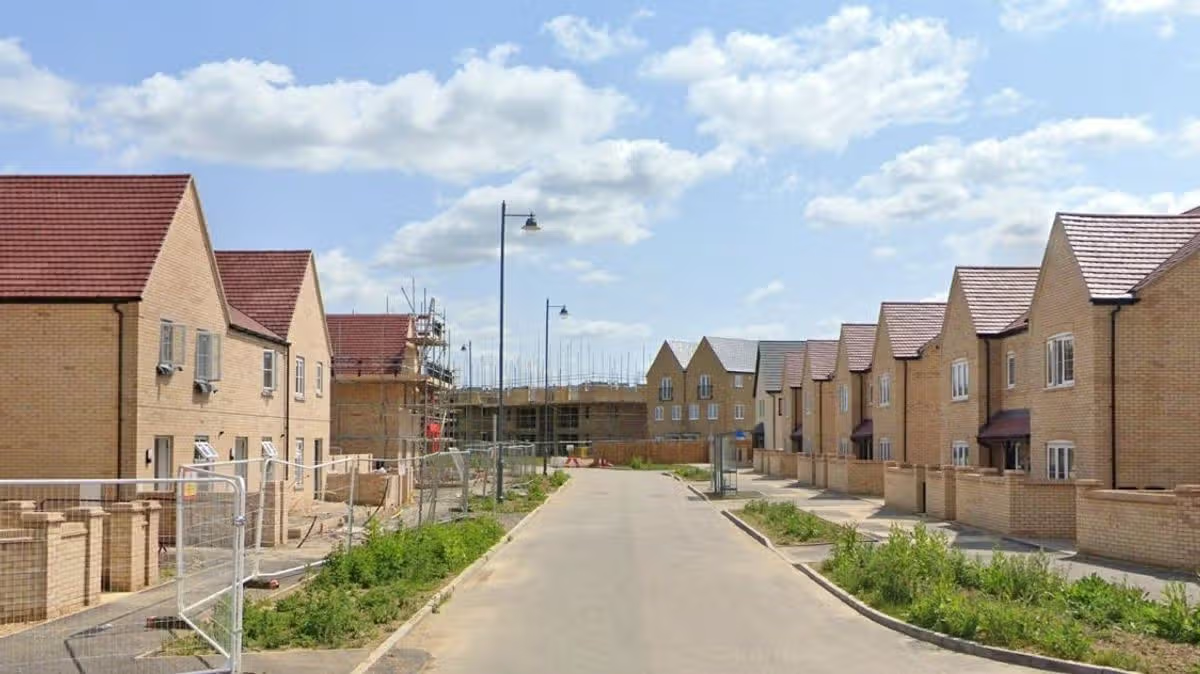
More than 150 affordable homes set to be built as part of major town expansion

Published

on

Cambridgeshire Live

The new homes form part of a wider development which will see more than 2,000 houses built

A further 156 homes are due to be built in Cambourne as part of the wider town expansion. The new homes will form part of the Cambourne West development where up to 2,350 homes are due to be built.

Advertisement

South Cambridgeshire District Council approved the latest plans for the new homes. Developer Vistry Group said the new homes would range in size from one-bedroom maisonettes up to four-bedroom houses.

Of the 156 homes, 100 per cent will be delivered as affordable housing, split between shared ownership and affordable rent properties. Vistry Group said this would “create a sustainable and accessible new neighbourhood”.

The site is located at the eastern extent of the proposed neighbourhood and is close to the secondary school, Cambourne Village College.

Plans submitted by the developer said it would deliver “much needed affordable and BTR sale housing”. The buildings will be up to three-storey in height, with the majority reaching two-storeys high.

Advertisement

The approval was achieved within just 13 weeks from submission and less than six months from acquisition, following three rounds of pre-application engagement with the local planning authority and partners.

Nic Chapman, Managing Director of Vistry Northern Home Counties, said: “Early and constructive engagement with the local planning authorities has been key to maintaining momentum and achieving timely decisions, allowing us to continue to provide the mix of homes that local residents need.”

Source link

Advertisement
Continue Reading

NewsBeat

UK government will change law so grooming gang ringleader can be deported

Published

on

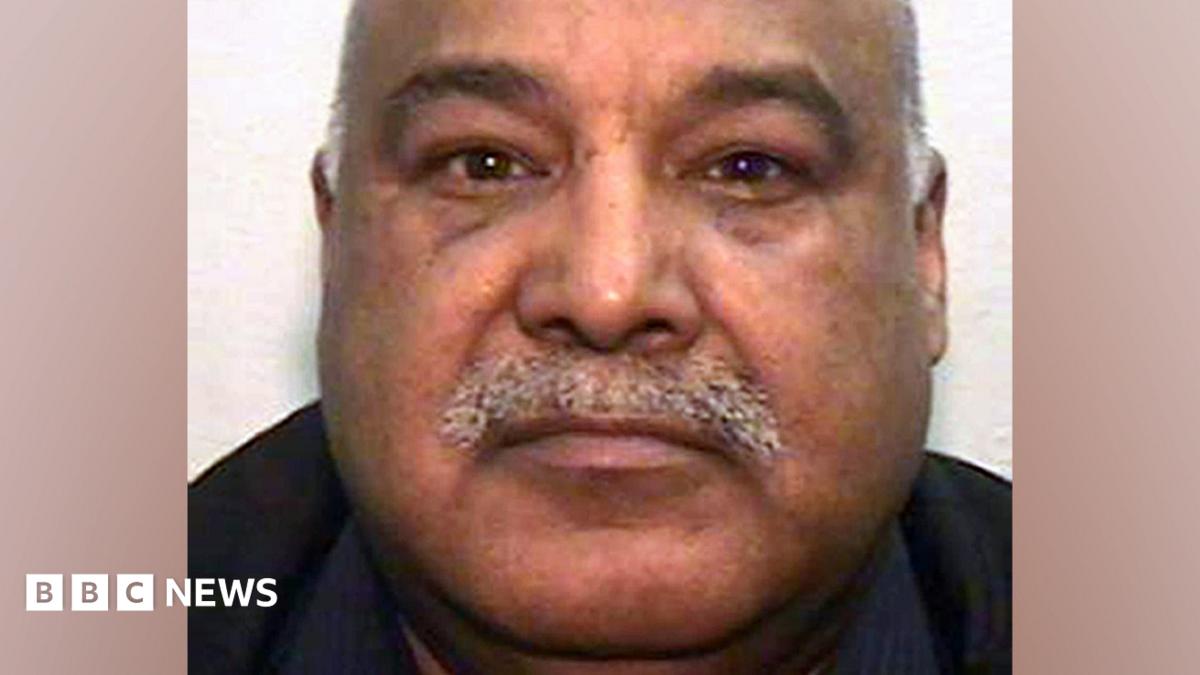
A mugshot of an Asian man in his 60s, with a grey moustache and bald head. He is looking into the camera.

The home secretary will change the law so the freed ringleader of a Rochdale grooming gang can be deported, the BBC has been told.

As first reported by the Telegraph, Shabana Mahmood is expected to set out on Monday how she plans to amend the 1971 Immigration Act which currently stops Shabir Ahmed being removed from the UK.

Ahmed, 73, was jailed for 22 years in August 2012 for a number of child sexual offences including rape. He was released on licence last week.

Known to his victims as “Daddy”, Ahmed had dual British-Pakistani citizenship but was stripped of the former following his 2012 conviction.

Advertisement

At the time of his release, his victims were told he could not be deported to Pakistan due to the 55-year-old Immigration Act, which bars the removal of any Commonwealth citizen who arrived in the UK before 1973 and had been in the country for five years.

After leaving prison, Ahmed was sent to 24-hour staffed accommodation and fitted with a GPS electronically monitored tag.

Some of his victims said they were “frightened” by his release, and they felt “unsafe”.

While he is in the UK, the government has said any breach of Ahmed’s strict licence conditions would result in him being immediately returned to prison.

Advertisement

Chris Philp, the Conservative shadow home secretary, has been urging the government to back an amendment to the Immigration and Asylum Bill that would allow Ahmed to be deported.

This week, Home Office minister Alex Norris told MPs the government would not give up in its efforts to deport Ahmed for his “heinous” crimes.

It is not known how long it would take to change the law but one government source suggested it could potentially be up to a year.

It is also understood there is currently no agreement in place with Pakistan to allow the UK to return Ahmed there.

Advertisement

Source link

Continue Reading

NewsBeat

Cambridgeshire street artist dedicates mural to England captain Harry Kane

Published

on

Cambridgeshire Live

The street artist believes England can bring it home

Peterborough artist paints Kane mural

A Cambridgeshire street artist has commemorated Harry Kane in a new mural – amid England’s triumphant World Cup journey so far. England did the unexpected and beat Mexico in the early hours of Monday (July 6), taking them through to the quarter finals against Norway on Saturday (July 11).

Fans across the country are excited, with some thinking it may finally be coming home. Popular Peterborough street artist and avid England fan Nathan Murdoch is one who has hope.

Advertisement

To mark England’s successful journey so far, Nathan has painted a mural featuring captain Harry Kane, just off the A47 in Eye. The mural replaces one of Gareth Southgate, which Nathan painted in the last Euros competition.

Nathan said: “For me, Gareth Southgate is in my lifetime one of the greats. It felt like he got a lot of negativity [at the time], which was unjustified.

Advertisement

“I would have liked to see him stay for this tournament, but I thought it’s time to bring it into current times.” Nathan believes Kane is “well on his way to making English history”. He added: “I thought he was the guy to do.”

The painting took around six to seven hours to complete. Nathan said it was an “absolute battle” to paint due to the corrugated surface. He added: “I have been spray painting for nearly 30 years, but working on corrugated, you can’t get the same level of detail.”

Nathan posted a video on social media of him painting the mural and it has gained nearly 500,000 views, making it one of Nathan’s most viewed social media videos in years.

He added: “I didn’t expect it to get nearly 500,000 views.” While England has been in the later stages of tournaments in the last few years, Nathan hopes they could win the whole tournament.

Advertisement

He said: “The older I get, I’ve followed England and I’ve shed many tears. After that Mexico performance, I believe.

“I said to someone the other day, when you get to this stage we’ve usually scraped through. But that Mexico game was a well deserved win. It was well earnt and changed my feeling. Anything is possible and it’s anyone’s tournament.”

Anyone who would like to see the mural can see it at What3Words location piglets.lousy.mere.

Source link

Advertisement
Continue Reading

NewsBeat

Larne boss ‘disappointed’ despite Champions League success and calls on fans to get behind team

Published

on

Belfast Live

The result means the first-round qualifier remains very much in the balance, but Haveron feels his men should perform better on home turf

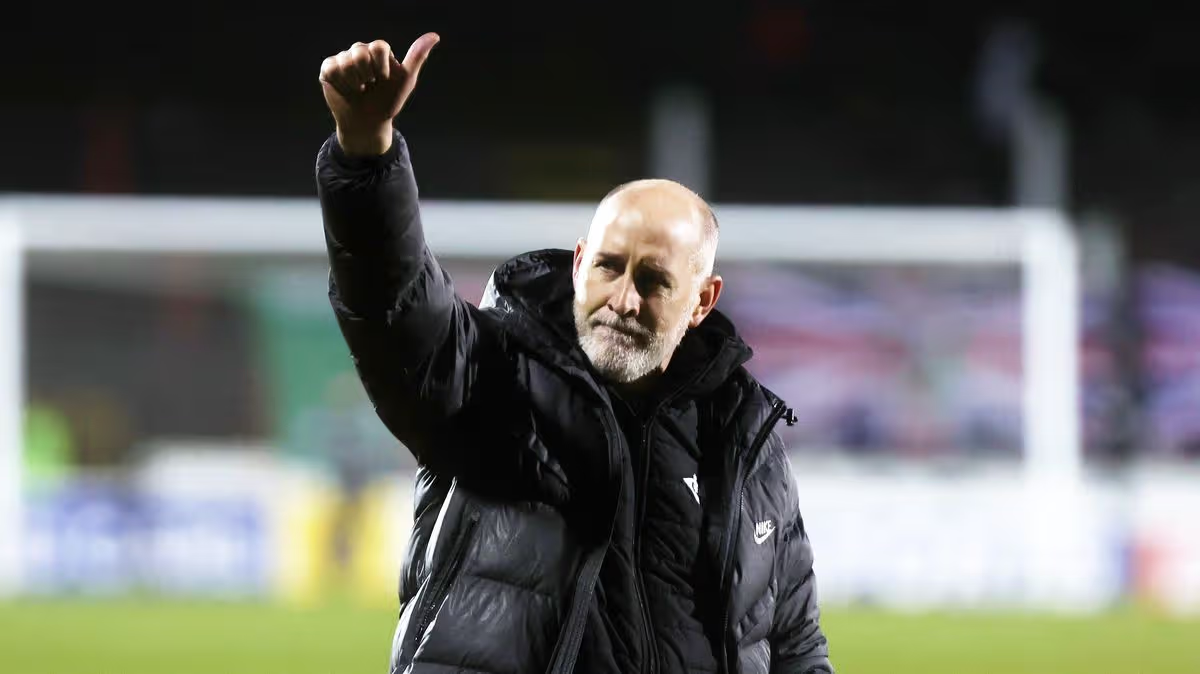
Gary Havreon admitted he was “disappointed” Larne didn’t beat Tre Fiori more emphatically but took pride in the club’s first ever Champions League win.

Advertisement

The Irish League champions were the dominant side in San Marino on Tuesday night as they came away with a 1-0 first-leg victory thanks to Matty Lusty’s strike at the end of the first half.

But the margin of victory could have been greater, as Lusty also had a goal ruled out after VAR judged Josh Ukek to have committed a foul in the build-up, while Larne’s final ball let them down at times.

It means the first-round qualifier remains very much in the balance, but Haveron feels his men should perform better on home turf.

“It’s a really proud moment first and foremost for the club to get a win in the Champions League,” said the Larne boss. “This is the premier competition in club football, so to get a result away from home, I’ve got to be pleased with the result.

Advertisement

“But I’m probably disappointed, if truth be told. I think the boys feel we could have been more convincing than the 1-0 win suggests.

“For the dominance and the amount of box entries we had, we really should have come away with a couple more goals.

“I’m disappointed with the one that gets chalked off. It looks very, very soft to me to be chalked off.

“I think the lad took a big risk and Josh has caught him (out).

Advertisement

“Matty finished it brilliantly, like he did his first, so we’re really disappointed that it hasn’t stood.

“But listen, we came to get a result to take back to Inver Park on Tuesday night and that’s what we’ve done.”

The 45-year-old hopes that will be another night to remember for the club, and is confident the home support will turn out in their droves after being heartened by the backing his men received from 150 travelling fans on Tuesday.

He said: “I thought they were unbelievable from start to finish. The numbers that came out, it was unbelievable.

Advertisement

“I said it to the players before the game. The effort that they go to and the money that they spend is not lost on me.

“We really appreciate each and every one of them who made the effort to be here.

“I’m so proud of them. I’m so proud to represent the club in Europe and they’ve done us proud yet again.”

Regarding the home leg, he added: “I don’t think they’re going to bring much of a crowd, so I don’t know why we can’t fill Inver Park.

Advertisement

“We need to take every seat we possibly can. We need to get people in the stands, support the boys and get them over the line.

“We’re a force to be reckoned with and we want to be progressing to the next round of the Champions League.”

Sign up to our free sports newsletter to get the latest headlines to your inbox

Source link

Advertisement
Continue Reading

NewsBeat

York takeaways guidelines backed by council health officials

Published

on

York takeaways guidelines backed by council health officials

The guidance would typically see applications for new hot food takeaways within walking distance of schools and other places where young people gather refused.

Peter Roderick, City of York Council’s public health lead, said high numbers of takeaways were linked to childhood obesity which could go on to cause heart disease, diabetes and other problems.

Cllr Michael Pavlovic, the council’s Labour planning spokesperson, said officials had a responsibility to support healthy living amid controversy over the proposals.

It comes as part of a raft of planning guidance approved amid work on York’s Local Plan for development in the city in the coming years.

Advertisement

RECOMMENDED READING:


The guidance approved on Tuesday, July 7, covering a range of areas including housing and the green belt, also follows changes to national planning policies.

They include calling on councils to refuse applications for new takeaways and fast food restaurants if they are within walking distance of schools or other places where young people congregate.

National planning policies state outlets should be blocked if there is evidence growing numbers of them in areas outside urban centres are harming health and fuelling antisocial behaviour.

Advertisement

Guidance for York approved on Tuesday would see applications typically refused for new takeaways 800m from schools or places such as nurseries, play areas, libraries and parks.

The restrictions would apply outside of York city centre and the district centres of Acomb and Haxby.

Cllr Michael Pavlovic, York Council’s Labour administration’s housing and planning executive member (Image: City of York Council)

Officials stated the 800m distance was roughly equivalent to a 20-minute round trip on foot.

Future applications would be  judged based on their potential impact on local health, litter, noise, antisocial behaviour and road safety.

Advertisement

The guidance excludes York city centre and the district centres of Acomb and Haxby.

But the guidance sparked a backlash when it was unveiled, with the council’s opposition Liberal Democrats claiming it would effectively ban new outlets.

Liberal Democrat planning spokesperson Cllr Andrew Hollyer said it would hit small, family-run businesses as the amount of schools and other places with young people would rule out swathes of the city.

Council Public Health Director Mr Roderick said the guidance came after data showed obesity rates among Year Six pupils, 10 and 11 year olds, was increasing.

Advertisement

More than a third, 34.7 per cent, of York children that age were obese in 2024/5, up from 28.3 per cent a decade earlier.

Mr Roderick said: “The evidence is clear that children who have access are more likely to have excess weight in adulthood.

“That affects every area of human health and often shortens life, awe also recognise the link between obesity and mental health with the stigma and bullying that comes with it.”

Cllr Pavlovic said he welcomed the approach taken to plans for new takeaways.

Advertisement

He said: “Do we have a responsibility to support healthy living? Absolutely, we do.

“Some work argue this is nanny-statism but in my view it’s part of what any public health department in a council should be doing.”

Source link

Advertisement
Continue Reading

Trending

Copyright © 2025