Connect with us
DAPA Banner
DAPA Coin
DAPA
COIN PAYMENT ASSET
PRIVACY · BLOCKDAG · HOMOMORPHIC ENCRYPTION · RUST
ElGamal Encrypted MINE DAPA
🚫 GENESIS SOLD OUT
DAPAPAY COMING

NewsBeat

DANIEL HANNAN: Here’s why the Left revel in the deaths of political opponents in a way Right-wing people never would…

Published

on

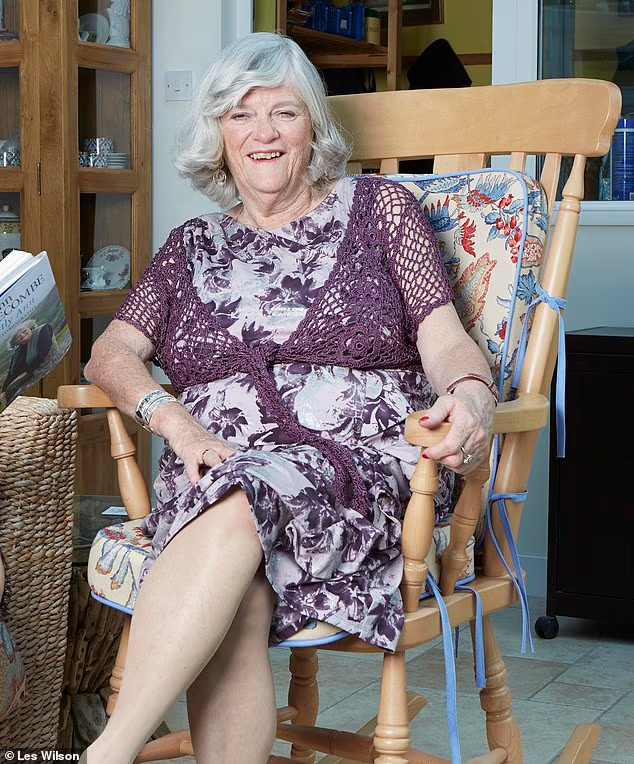
Ann was a traditionalist in every sense ¿ she never really accepted the idea of divorce, for example ¿ but it never had the slightest effect on her friendships.

Years ago, my wife took our two little girls into the Oxford Union to show them her picture as an undergraduate.

They feigned polite interest until they saw the photograph of a young Ann Widdecombe. It set them squealing with delight.

They reminisced excitedly for the rest of the morning about her performances on Strictly Come Dancing.

Ann had that effect on people. Yes, her public persona was severe. She leaned into being the nation’s disapproving maiden aunt. But her natural warmth and playfulness shone through despite her best efforts.

Advertisement

She was a traditionalist in every sense – she never really accepted the idea of divorce, for example – but it never had the slightest effect on her friendships.

While she was one of the last figures in public life to reject same-sex partnerships, the gay people who knew her were devastated by her death. The Daily Mail’s Andrew Pierce and the broadcaster Iain Dale were among those who gave public voice to their grief, and many others without platforms expressed similar feelings.

Ann was a traditionalist in every sense – she never really accepted the idea of divorce, for example – but it never had the slightest effect on her friendships.

Advertisement

Peter Tatchell, the long-standing equality agitator, was not among them. His immediate response to the news of her death – for which he later apologised – was to list various LGBT causes she had voted against and to call her a ‘BIGOT!’

It was a bizarre way to respond to the sudden death of a 78-year-old lady, even if, at the time, he was not aware that she had died violently.

Yet he was far from alone.

‘Good riddance’, declared the Socialist Worker, claiming that Ms Widdecombe had ‘dedicated her career to attacking migrants, LGBT+ people and the working class’.

Advertisement

Even in its own terms, it was an odd line of attack.

The former Home Office minister had argued that trans convicts who had undergone operations should go to the prisons of their new gender. Even if she had been the politician that the Trotskyists imagined, though, who celebrates a sudden death?

Quite a few people, it turns out. Bluesky, a haven for the self-proclaimed #BeKind crowd after Elon Musk bought Twitter, became a cesspit of hatred. ‘No tears here’, ‘Irredeemable monster’, ‘Rest in piss’, ‘The only good Tory…’ etc.

An employee of Aberdeen University is being investigated for posting that she hoped Ms Widdecombe had suffered ‘an extremely painful death’, adding: ‘I hope she was handcuffed to the bed as she screamed in agony.’

Advertisement

(For what it’s worth, I don’t believe that she should face disciplinary action. Coming under pressure from your employer for doing or saying something unrelated to your job is the definition of cancel culture.)

What, though, prompted her to react in such an inhuman way? I don’t use the word ‘inhuman’ lightly. There are moments that prompt us, as social primates, to react in natural ways. We smile at contented babies. We feel a warm glow when people get married. We respond with due solemnity to news of a death. ‘Send not to know for whom the bell tolls’ and all that.

What makes some people respond so differently to the rest of us? And why does it tend to come from one side of the political spectrum?

Yes, you can find unpleasant people espousing all manner of views, but the glorying in the death of opponents is asymmetric.

Advertisement
Police outside the home of former minister Ann Widdecombe on July 11, 2026

Police outside the home of former minister Ann Widdecombe on July 11, 2026

Reform MP Lee Anderson, home affairs spokesman Zia Yusuf and deputy leader Richard Tice pay their respects to Ann Widdecombe near her home

Reform MP Lee Anderson, home affairs spokesman Zia Yusuf and deputy leader Richard Tice pay their respects to Ann Widdecombe near her home

Recall the delirium with which the hard-Left greeted the death of Margaret Thatcher. Trade unions organised festivals. Leftist agitators sold T-shirts declaring ‘Ding Dong The Witch Is Dead!’

Or glance across the Atlantic at grisly celebrations of the sudden death of the Trumpian Senator Lindsey Graham. I was not on Senator Graham’s page politically, but it would not occur to me to explain why, let alone disparage his character. ‘De mortuis nil nisi bonum,’ said the Ancients. If you can’t find nice things to say about the deceased, say nothing.

Advertisement

Why the political one-sidedness? Why is it unimaginable – literally unimaginable – that Rightists will respond to the eventual and (I hope) distant deaths of, say, Gordon Brown or Sir Keir Starmer, as Leftists did to that of Margaret Thatcher?

The short answer was given by the late conservative philosopher Roger Scruton. Conservatives could be friends with socialists, he said, because they simply thought they were mistaken. But socialists struggled to reciprocate, because they thought conservatives were evil.

Most of us know from experience that Scruton was right. But where does this difference originate?

To find an answer, we must plunge into the field of behavioural psychology. Are Leftist brains wired differently from Rightist brains? Does their wiring enable the paradox whereby people who think of themselves as empathetic and inclusive struggle to extend those feelings to their political opponents?

Advertisement

In short, yes. Your political opinions are a lot more emotional than you like to imagine. Two people can look at the same event in very different ways because they are unconsciously primed to see what they want.

Person A sees a brave policeman defending himself from a criminal; person B sees a racist copper abusing his powers.

If I know enough about where you stand on a series of apparently unrelated issues – tax, immigration, abortion – I can make a pretty accurate guess as to whether you will be A or B. Psychologists call it social intuitionism.

What makes Left and Right-wing brains different is that, while conservatives let a series of different intuitions inform their views – concerns for freedom, fairness, sanctity, loyalty and so on – Leftists are driven overwhelmingly by just one, namely sympathy with the underdog.

Advertisement

For them, society is a hierarchical pyramid, and all that matters is backing the group designated as oppressed.

It leads them into all sorts of apparent contradictions. They might favour indigenous rights in Canada or New Zealand while recoiling at the suggestion that ethnic Britons have an equivalent prior claim to the UK. And it causes them real difficulties in understanding the other side.

The social psychologist Jonathan Haidt ran a series of political questionnaires which people were invited to fill in sincerely, and then as they imagined that a typical Leftist and a typical Rightist might. He found that conservatives had no difficulty imagining themselves as socialists, but that the reverse was not true.

Boiled down, the Left-wing take on the world goes something like this: ‘I am a good person. I care about poor people, minorities and underdogs. You disagree with me, so you must dislike all these groups, which makes you a bad person.’

Advertisement

If you have only one moral axis by which to judge things, you struggle to see how someone could want to end poverty and make underdogs better off while disagreeing with you.

If you have read this far, the chances are that you are a conservative. And the chances are also that you will sometimes find your Leftie friends ascribing the blackest of motives to you. Other than giving them Haidt’s 2012 book The Righteous Mind, there is not much you can do.

Still, I keep being struck by one thought. Margaret Thatcher won three elections. Ann Widdecombe was the best known and most popular woman in politics in more recent times.

If they really were as terrible as their detractors claim, what would that say about the country as a whole? Answer me that one, comrades.

Advertisement

Daniel Hannan is Director of the Institute of Economic Affairs

Source link

Continue Reading
Click to comment

You must be logged in to post a comment Login

Leave a Reply

NewsBeat

‘Beautiful’ County Durham hotel in village which won first World Cup

Published

on

'Beautiful' County Durham hotel in village which won first World Cup

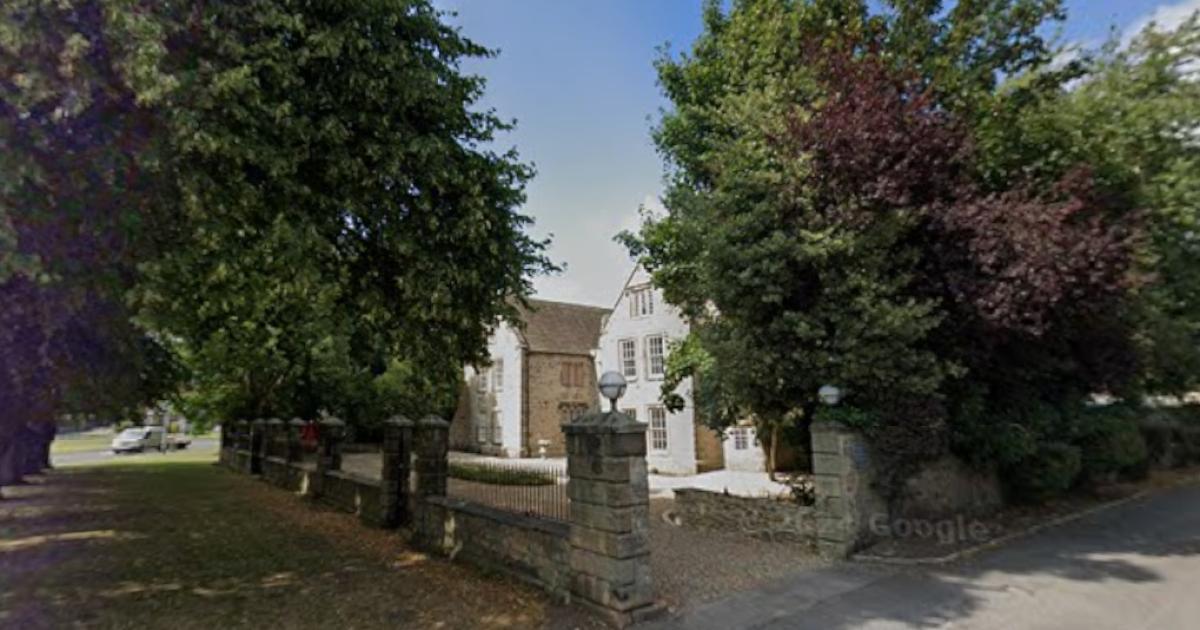
Sitting on the village green in West Auckland, The Manor House Hotel is one of County Durham’s oldest buildings – a 12th-century former hunting lodge that has been welcoming guests for centuries.

West Auckland is a former mining village in County Durham that carries one of English football’s most extraordinary facts: it is the home of the first World Cup.

When England face Argentina in Wednesday’s semi-final, local people will do so knowing that a team of colliery workers from this small village won the original world championship 117 years ago.

Even today, signs around West Auckland proclaim it the “home of the first World Cup”.

Advertisement

At the centre of it all, overlooking the village green, sits The Manor House Hotel — a 12th-century building with original wooden beams, sloping roofs and creaky floorboards that has watched the village’s story unfold for centuries.

The statue on West Auckland village green

The hotel

The Manor House dates to the early medieval period and is listed by Historic England as the former principal residence of the Eden family, who occupied it from the 16th century before moving to Windlestone.

It is reputed to have served as a hunting lodge for Henry VIII.

The building retains much of its original character — guests who arrive expecting a standard hotel are consistently surprised by the age and atmosphere of the place.

Advertisement

Today, it operates as a 31-room hotel with a spa, indoor swimming pool, restaurant, brasserie and dog-friendly courtyard rooms.

Room rates start at £80 for a cosy double, rising to £130 for a deluxe room.

The restaurant serves traditional and locally sourced British cuisine, while the adjacent brasserie offers the same kitchen in a more relaxed setting.

The restaurant is open Monday to Friday from 7am to 9.30am for breakfast, 11.30am to 5pm for lunch and 6pm to 8.30pm for dinner.

Advertisement

On Saturdays lunch service runs from 11.30am to 5pm and dinner from 6pm to 8.30pm.

On Sundays dinner is served from 6pm to 8.30pm.

What visitors say

The Manor House holds a Travellers’ Choice award from TripAdvisor, placing it in the top ten per cent of properties on the platform.

Advertisement

A reviewer from Bishop Auckland who visited in February 2026 wrote: “Received a warm welcome in the lounge.

“Had Sunday lunch in the brasserie as we had our dog with us.

“He was given a welcome bowl of fresh water and a fuss from the waitress.

“Starters (soup and pate) were perfect… The service was really friendly and kind.”

Advertisement

A visitor from Canterbury who stayed in August 2025 wrote: “I must say, in our experience, the food was excellent.

“We chose the chicken and the beef.

“Both were delicious, well cooked, perfect-sized portions and delivered with a smile and very friendly service…

“The sticky toffee pudding was delicious.

Advertisement

“Excellent value, good service and very tasty food.”

A reviewer from Canada, who visited for afternoon tea in June 2024, described it as “such a beautiful place with a nice menu option.

“Staff were very friendly and welcoming. Facility was very clean with lots of seating options.

“Highly recommended.”

The first World Cup

West Auckland Town AFC were an amateur colliery team when they were selected — some accounts suggest by mistake, as the Football Association had declined the invitation — to represent England in the Sir Thomas Lipton Trophy in Turin in 1909.

They won the tournament, beating FC Winterthur of Switzerland 2-0 in the final.

Advertisement

They returned two years later to defend the trophy and won it again, this time beating Juventus in the final — keeping the trophy for good as the rules of the competition specified.

Getting there

The Manor House Hotel is on The Green, West Auckland, DL14 9HW.

It is approximately three miles from Bishop Auckland town centre and around 13 miles south-west of Durham City.

By road, take the A688 from Bishop Auckland towards Barnard Castle and turn off at West Auckland.

Advertisement

Free off-street parking is available on site.

The nearest train station is Bishop Auckland, which has regular services from Darlington, itself on the main East Coast Main Line.

Taxis are available from Bishop Auckland station to West Auckland.

The X1 bus service connects Bishop Auckland with West Auckland village.

Advertisement

Source link

Continue Reading

NewsBeat

Camden High Street could be made permanently car-free after new consultation

Published

on

Camden High Street could be made permanently car-free after new consultation

Councillor James Slater, cabinet member for planning and a sustainable Camden, said: “Camden Town is an important shopping and transport hub for local residents as well and being an internationally recognised destination that draws people in from across London, the rest of the UK, and the world.

Source link

Continue Reading

NewsBeat

by an expert in football coaching

Published

on

by an expert in football coaching

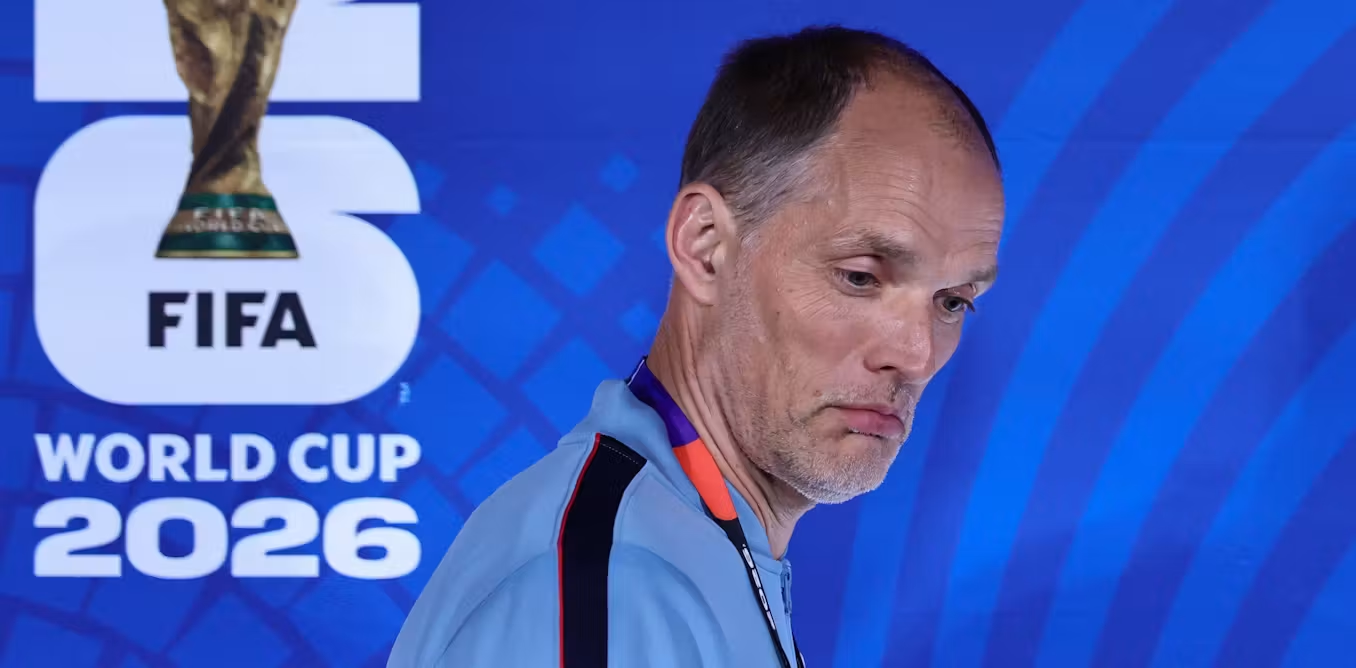
As a football coach, Thomas Tuchel has done things differently to many of his colleagues.

For example, it is extremely rare for lower league footballers to become the head coaches of top sides. But that’s what Tuchel did, playing as a defender in Germany’s bottom tiers, before going on to manage elite teams like Paris Saint-Germain and Chelsea.

It’s also unusual for youth team coaches to become coaches to senior sides, or to make the leap from coaching relatively small clubs to some of the bigger clubs in the world. Tuchel, England’s head coach, has made these switches too, and in doing so has demonstrated two particular managerial skills: awareness and adaptability.

The two qualities complement each other. A strong sense of awareness is required to effectively assess situations and players, and then recognise how and when a team might need to change its approach. It requires the ability to evolve and mature.

Advertisement

And a distinct aspiration for Tuchel is not to remain the same coach that he has been in the past. He has said: “[You] need to constantly adapt your style to what is needed, and to your group, and to change yourself, and to develop and to grow.”

He is also known for his perfectionism and dedication. And according to a former colleague, his total commitment to a cause can galvanise a group if it is harnessed correctly.

The colleague said: “Extraordinarily good coaches like him are very intense, that’s part of the deal. They live and breathe football, and that attitude transmits to the team.

“They want to do everything well, and that creates a strong feel for the collective. Everybody wants to give their all, every day, every game. That’s why teams immediately get better once he starts working with them.”

Advertisement

Tuchel retains very high expectations of performance. He does not mask his displeasure on the sidelines, and is not afraid to tell players when they are not playing well. But his methods involve much more than direct criticism.

For instance, after visiting a professor at Mainz University in Germany, Tuchel became an advocate of a technique known as “differential learning”, which emphasises variation rather than repetition of movement in football training. It also involves presenting players with a wide variety of obstacles that demand constant adjustment, while embracing the fact that players and opposing teams are all different.

So Tuchel began to tailor practice sessions to continually challenge and stretch his players. There would be extreme variation in pitch sizes for example, or particularly difficult drills.

Tuchel said of this more creative style of training: “That influenced me a lot, because it changed my role as a coach completely.

Advertisement

“With this [approach] there is no right and wrong. I’m just responsible for the ideas and principles of how we play. Within those they are free to find their own solutions.”

The overall idea for Tuchel is that training ends up being so testing and so demanding, that competitive matches seem comparatively easier to cope with.

Shape-shifter, trophy winner?

Tactical versatility has also been a defining feature of Tuchel’s method. He is well known for his in-game changes, where a side might switch formation six times during a match. He wanted his players to learn to constantly adapt to new roles, shapes and systems.

Advertisement

However, Tuchel has recently explained that if you switch formation too often, players can be conditioned to always look to the coach for a solution. Instead they should be concentrating on how they flexibly apply fundamental defensive and attacking principles, regardless of changes in tactics.

So again, Tuuchel is open to change. He wants to empower his team to make adjustments, without always looking to him for the answers.

To him, awareness and adaptability are crucial qualities required for effective management. This means having the confidence to follow a well-formulated course of action, but also the modesty to appreciate the limits of your capabilities and remain receptive to alternative solutions.

As Tuchel has commented: “I can do it my way, but I never want to say, ‘I know how it’s done.‘

Advertisement

“I know nothing. I just try my things, and every day is new. There are lots of people out there in business who say they know how it’s done. But there’s not just one way to do things. You have to adapt.”

Source link

Advertisement
Continue Reading

NewsBeat

Extra police patrols in York during England World Cup match

Published

on

Extra police patrols in York during England World Cup match

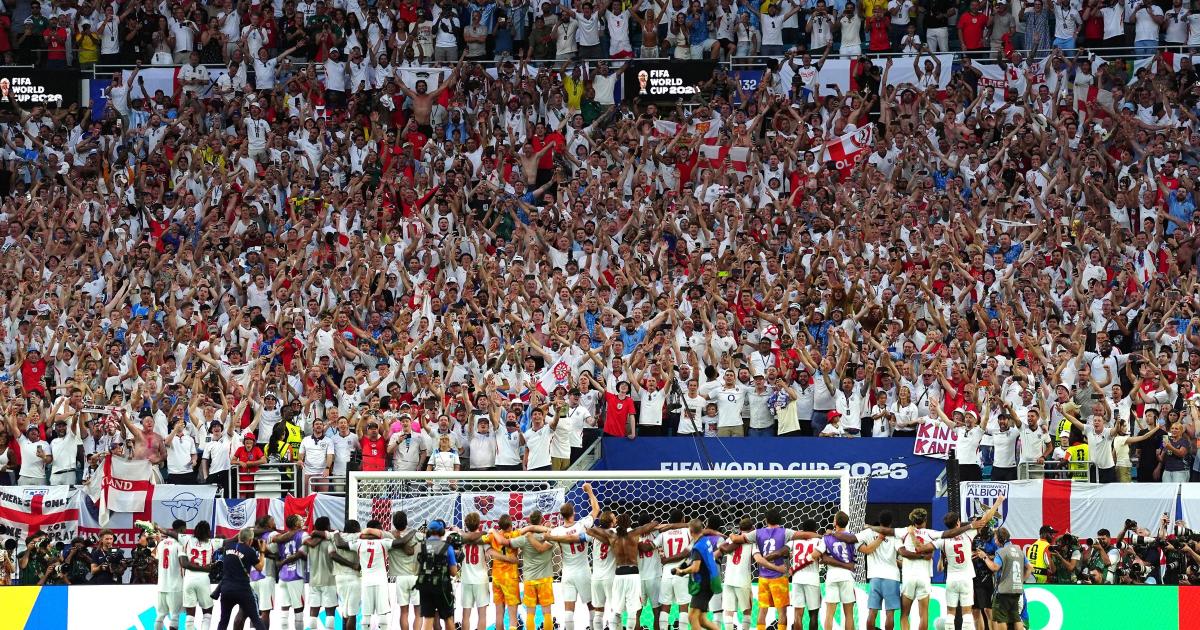
England play Argentina in the men’s World Cup semi-final at 8pm on Wednesday evening (July 15), as they bid to reach Sunday’s final – which would be their first since 1966.

North Yorkshire Police is urging fans to be responsible while cheering on the Three Lions.

The force said officers will be on “high-visibility patrols so that everyone can celebrate (or commiserate) in the right spirit”.

Advertisement

“We won’t tolerate anti-social or criminal behaviour, and licensed premises showing the match will be working with us to ensure a safe and enjoyable event,” a force spokesperson said.


Read next:


They said police will also be out targeting drink drivers, warning they can “expect firm enforcement action”.

“Remember, the effects of alcohol and drugs can remain long after the final whistle has blown,” the police spokesperson said.

Advertisement

“One of the biggest myths around drink-driving is that a few hours’ sleep is enough to sober up.

“In reality, alcohol can stay in your system for much longer than people think, meaning you could still be over the legal limit when you wake up tomorrow.”

They added: “Let’s make tonight a match to remember, for the right reasons!”

Advertisement

Source link

Continue Reading

NewsBeat

ITV reveals broadcast plan for World Cup final and half-time show

Published

on

ITV reveals broadcast plan for World Cup final and half-time show

ITV has revealed its broadcasting plans for the World Cup final – with or without England.

The station will broadcast the World Cup half-time show at the New York New Jersey Stadium in full, it said, as well as match analysis.

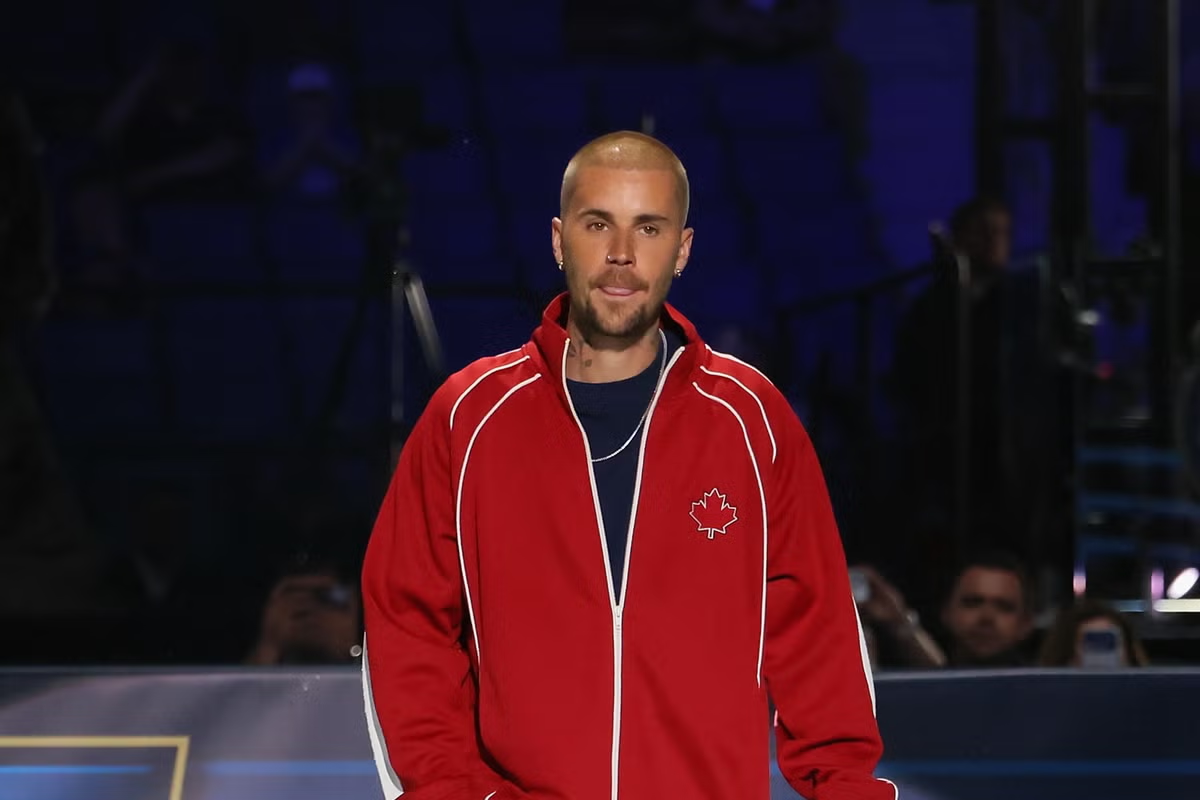
The interval performance is the first of its kind for the international football tournament and will feature Madonna, Shakira, BTS, Burna Boy and Justin Bieber.

The BBC is set to announce plans for Sunday’s broadcast in due course.

Advertisement

Rumours suggest the half-time line-up might break Fifa’s rules by extending the interval from a typical 15 minutes to up to 25 minutes.

Many were also concerned that the spectacle would replace the broadcaster’s analysis by pundits.

Half-time entertainment has become a major feature of sporting events in the US, notably during the Super Bowl.

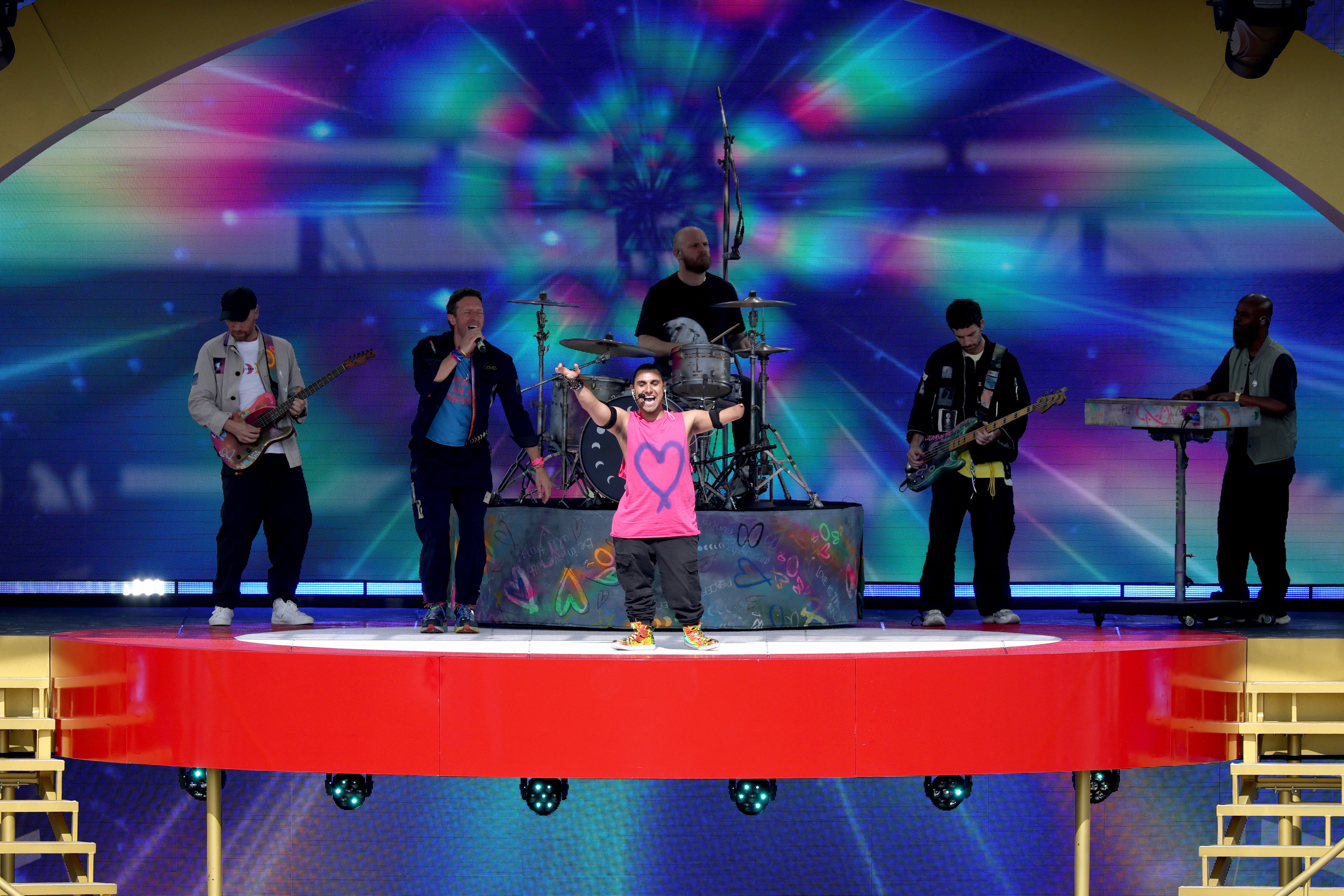
The performance at the World Cup final will be curated by Coldplay frontman Chris Martin and will also feature Venezuelan conductor Gustavo Dudamel, the PS 22 Chorus and characters from Sesame Street and The Muppets.

Advertisement
Chris Martin of Coldplay and Emmanuel Kelly perform during the halftime show during the FIFA Club World Cup 2025 Final match between Chelsea FC and Paris Saint-Germain
Chris Martin of Coldplay and Emmanuel Kelly perform during the halftime show during the FIFA Club World Cup 2025 Final match between Chelsea FC and Paris Saint-Germain (Getty)

The show will be staged in support of the Fifa Global Citizen Education Fund, an initiative working to raise 100 million US dollars (£75 million) to expand access to education and football for children around the world.

Fifa president Gianni Infantino has described the performance as a “groundbreaking spectacle” that will “celebrate football, music and our shared values, ensuring a legacy that transcends the final whistle”.

It was also announced that Hollywood actor Tom Cruise, popstar Robbie Williams and US singer Jennifer Hudson will perform during the closing ceremony.

The event will take place 90 minutes before kick-off and will also feature performances from Pussycat Dolls singer Nicole Scherzinger, Italian singer-songwriter Laura Pausini and streamer IShowSpeed – with Hudson set to deliver a rendition of the US national anthem.

The final on Sunday will see Spain face the winning team from Wednesday’s semi-final between England and Argentina.

Advertisement

The latest instalment of one of football’s biggest rivalries takes place in Atlanta on Wednesday, with a spot in the World Cup final against Spain on the line.

Source link

Continue Reading

NewsBeat

Zendaya leaves fans lost for words after stunning The Odyssey premiere with angelic feathered look

Published

on

Zendaya leaves fans lost for words after stunning The Odyssey premiere with angelic feathered look

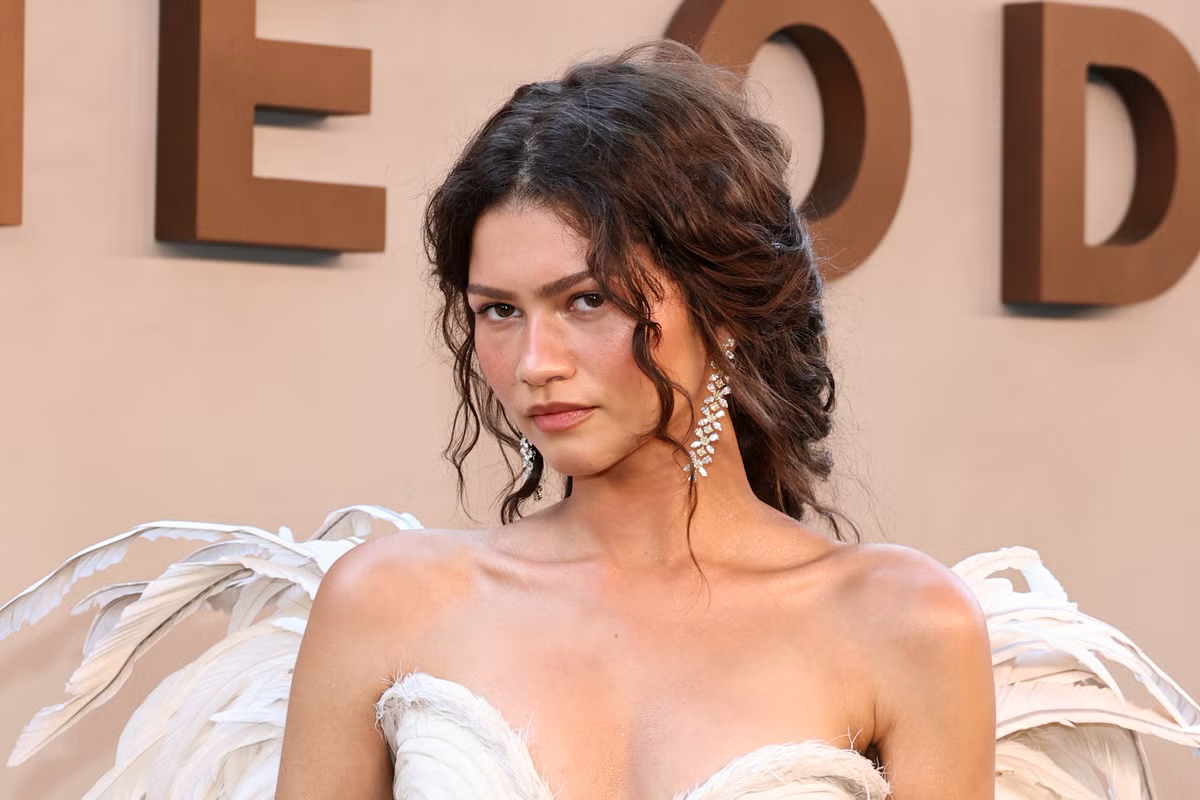
Zendaya left fans speechless by channeling her inner Greek goddess at the New York City premiere of The Odyssey.

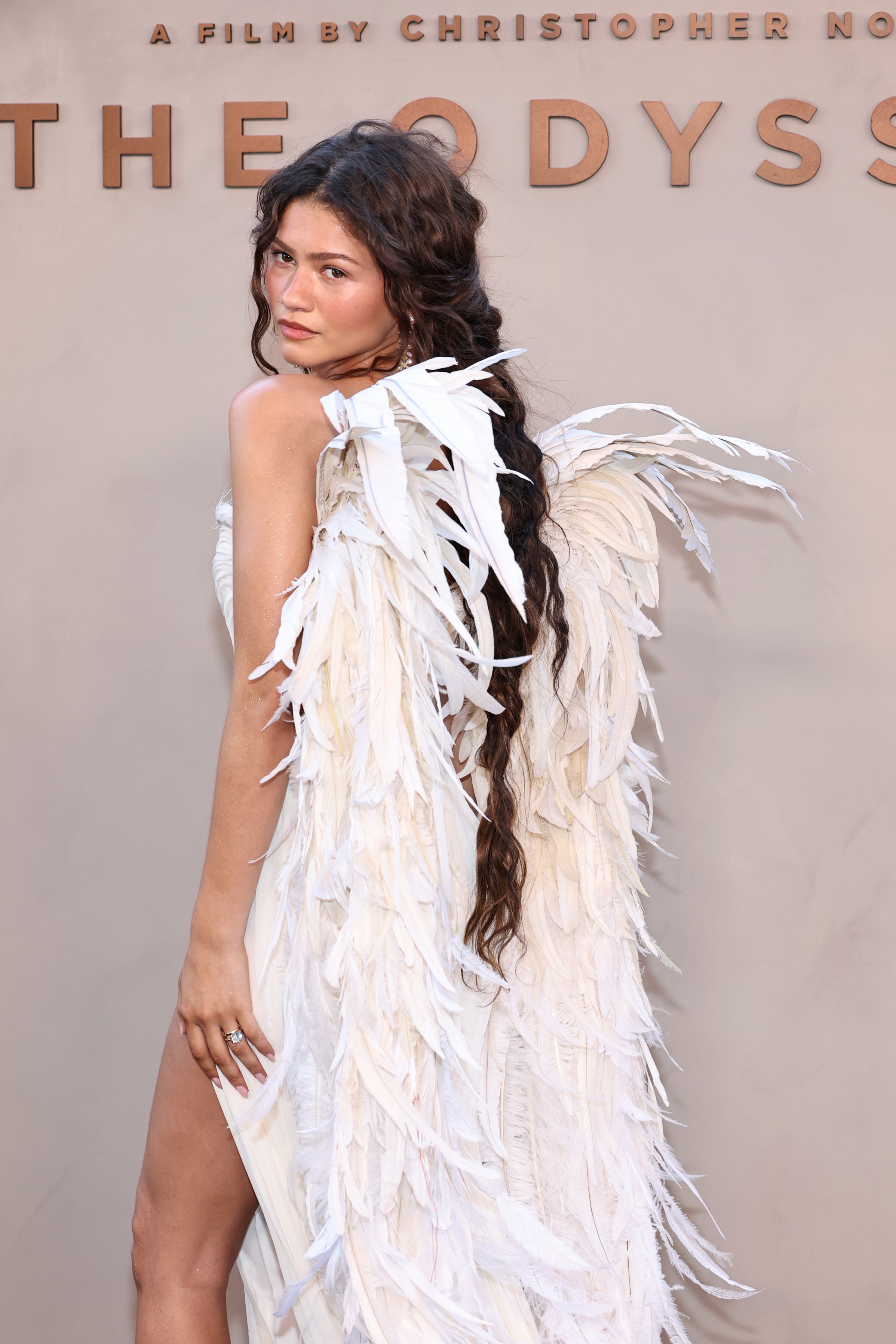
The 29-year-old Dune actor, who stars in the upcoming Christopher Nolan epic as the Greek goddess Athena, wore a feather-covered, sculptural floor-length white gown sourced from French fashion house Matières Fécales on Tuesday’s red carpet at AMC Lincoln Square Theater.

Zendaya’s gown featured an asymmetrical strapless neckline, a feathered train, large angel wings and a thigh-high slit on the left leg.

The bodice was made up of corsetry that cinched her waist and accentuated her hips. Her hair was styled in a tousled fishtail braid to add to the whimsical look.

Advertisement

She wore a natural makeup look, accompanied by a pair of long diamond earrings from the Swiss diamond maker Chopard.

Zendaya left fans speechless with her premiere look from French fashion house Matières Fécales
Zendaya left fans speechless with her premiere look from French fashion house Matières Fécales (Getty Images for Universal Pictu)
‘Truly ethereal’: Zendaya channelled her inner Greek goddess on the red carpet
‘Truly ethereal’: Zendaya channelled her inner Greek goddess on the red carpet (Getty Images)

The look has been adored by fans online, with one person writing on Instagram: “JAW. ON. THE. FLOOR.”

“I GASPEDDDDDDD,” another wrote, as another said: “I cannot get over how stunning she is. Truly ethereal.”

“She is everything. Beauty, grace, ethereal,” said one fan. “I thought she was not about to top the last one??!!! How dare me…”

Zendaya has worn a number of showstopping looks to promote The Odyssey.

Advertisement
Zendaya plays Athena, the Greek goddess of wisdom and war, in Christopher Nolan’s adaptation of Homer’s Greek epic ‘The Odyssey’
Zendaya plays Athena, the Greek goddess of wisdom and war, in Christopher Nolan’s adaptation of Homer’s Greek epic ‘The Odyssey’ (Getty Images)

She was seen in another ethereal look ahead of the premiere earlier in the day, wearing a flowing nude gown sourced from Pamela Rolland, described as “an antique gold pleated silk chiffon Grecian gown from the Fall 2026 Runway Collection,” while leaving her New York City hotel, according to a press release.

Last week, she dazzled at the London premiere wearing a straight-off-the-runway Schiaparelli gown, which featured a similar sculptural white bodice.

The movie follows Odysseus’s decade-long journey home to Ithaca after the Trojan War as he battles monsters, gods and other mythical foes while his wife Penelope fends off suitors and his son Telemachus searches for him.

The film has already been tipped for awards season success, after the initial verdict from critics was overwhelmingly positive, with many describing it as Nolan’s biggest and most ambitious work to date.

Zendaya wore a sculptural Schiaparelli gown to the London premiere
Zendaya wore a sculptural Schiaparelli gown to the London premiere (Gareth Cattermole/Getty Images)

Matt Damon stars as Odysseus, Anne Hathaway as Penelope and Zendaya’s husband Tom Holland as Telemachus. The cast also includes Robert Pattinson as the suitor Antinous, Charlize Theron as Calypso, Lupita Nyong’o as Helen of Troy, as well as Jon Bernthal, Benny Safdie, John Leguizamo, Himesh Patel, Samantha Morton, Mia Goth, Elliot Page, and Bill Irwin.

The Independent’s chief film and TV correspondent Jacob Stolworthy described it as “Nolan’s biggest film to date”.

Advertisement

“This film has about triple the number of huge set pieces than any of Nolan’s previous films, and every single one of them is breathtaking in their own way,” he said.

“In The Odyssey, Nolan showcases visual trickery in a way you’ve never seen before.”

Source link

Advertisement
Continue Reading

NewsBeat

Donald Trump is running out of options in Iran

Published

on

Donald Trump is running out of options in Iran

Serious hostilities between the US and Iran have resumed. On July 8, Donald Trump said that the ceasefire agreed by the two countries in June was “over”. Since then, he has ordered the US military to carry out intensive airstrikes on Iran and has reimposed an economic blockade of the country.

The US president has also begun to recycle threats he made earlier in the war. These include striking civilian targets and seizing Iran’s Kharg Island, which is host to most of its oil refining capacity.

Hope within the White House of achieving a deal to address Iran’s nuclear capabilities is fading. But Trump is hoping that his latest moves will force Iran to relinquish its control of the Strait of Hormuz, allowing global energy markets to return to normal.

There’s just one problem: none of these things have worked before, and there is no reason to think they will work now. In fact, Trump’s return to the same playbook that has previously failed to end the war on terms acceptable to the US shows just how limited his options have become.

Advertisement
Iran’s former supreme leader, Ayatollah Ali Khamenei, was killed by a US-Israeli strike in February.
Abedin Taherkenareh / EPA

The war began with an attempt by Trump and the Israeli prime minister, Benjamin Netanyahu, to damage Iran’s nuclear capabilities and perhaps topple its regime. However, the conflict’s centre of gravity has since shifted.

Nuclear matters have taken a back seat to the issue of whether shipping through the strait will in the future operate only under what Iran’s chief negotiator, Mohammad Bagher Ghalibaf, has called “Iranian arrangements”. This means ships will only be allowed to transit on Tehran’s terms.

The US rejects the idea of Iranian control of the strait and wants a return to the situation of free transit that existed before the war. Yet, after all of these months, it has still not figured out a way to achieve this goal at an acceptable cost. To understand why, it is helpful to break down US options into three groups: military, diplomatic and economic.

Trump’s limited options

Militarily, nobody fully controls the Strait of Hormuz. It is a contested zone into which various countries can project military power. However, Iran does not need to control the strait entirely to achieve its aim. It only needs to continue to pose enough of a credible threat to vessels that they are too worried to transit.

Advertisement

Iran’s ability to menace shipping in the strait stems from its stockpile of missiles, drones and fast boats. These are relatively easy to conceal and launch, and the CIA assesses that Iran still has healthy supplies of them. To stop these capabilities, the US would have to seize a vast swathe of Iranian territory, risking great casualties. And even then, success would not be guaranteed.

Seizing Iran’s Kharg Island would likewise be highly risky. Occupying it may be easy initially, but any US forces stationed there would be exposed to Iranian attacks. A lengthy occupation would probably cost lives, making it hard to hold on to the island long enough to use as leverage in negotiations.

As cynical – and probably illegal – as military strikes on civilian targets would be, Trump perhaps thinks they might force Tehran to the table. But they also might not and risk kicking off a round of Iranian retaliation, which could do much greater damage to energy and civilian targets across the Gulf.

A damaged suspension bridge in the city of Karaj.
A suspension bridge in the city of Karaj, northern Iran, was damaged by a US airstrike early in the war.
Abedin Taherkenareh / EPA

The risks and probable futility of these military options are what have pushed Trump to instead explore a diplomatic solution to the conflict over the past few months. But success here has also proven elusive, and it is likely to continue to do so.

The results of diplomacy usually reflect the state of the battlefield. With the US lacking any credible military option to neutralise Iranian influence in the Strait of Hormuz, there is little reason for Tehran to relinquish it.

Advertisement

Mohsen Rezaee, an adviser to Iranian Supreme Leader Mojtaba Khamenei, recently referred to Iran’s influence in the strait as “more important than dozens of nuclear bombs”. His statement reflects the importance the waterway has taken on in the country’s strategic calculations.

Being able to control shipping through the strait gives Iran leverage against the US. It will not give this up without a very good reason.

Economic tools

A lengthy economic blockade of Iranian ports is perhaps the most effective way Trump has to inflict pain on the Iranian government, whose domestic support may fray in a prolonged economic crisis. Economic grievances, including high inflation, contributed to a wave of unrest in Iran in early 2026 that was met with brutal repression.

However, the economic pain cuts both ways. While the blockade is in place, Iran is unlikely to allow oil and gas to transit the strait. That raises global energy prices, which is a perilous political proposition for Trump, too.

Advertisement

Imposing the blockade is costly in another way for the US – it requires a permanent military deployment to enforce. Given the competing demands made on the US military from other missions, such as deployments in Europe and the Indo-Pacific, this blockade cannot be kept in place forever.

Yet when the blockade is lifted and US forces leave the region, Iran will still be physically next to the Strait of Hormuz, able to menace shipping anew.

Ultimately, Trump has backed himself into a corner from which there is no apparent escape. For all the immense military power available to the US, there are limits to what it can achieve. In this war of his own making, Trump is running hard and fast into them.

Advertisement

Source link

Continue Reading

NewsBeat

3 vehicles crash on A1 in Yorkshire – resulting in delays

Published

on

3 vehicles crash on A1 in Yorkshire - resulting in delays

Emergency services were on the scene between junctions 45 and 44 near the A64 junction, close to Hazelwood, on Wednesday (July 15).

West Yorkshire Police said the crash was a “damage only collision involving three vehicles”, meaning no one was injured.

The AA first reported the crash at 10.30am, saying the collision had closed two lanes of the A1(M) southbound with drivers facing hour-long delays.

Advertisement

National Highways confirmed at 12.15pm that the road had fully reopened with delays starting to ease.

By 2pm the AA was no longer reporting delays in the area.

The crash came days after a collision elsewhere on the A1(M) caused a “significant spillage” which resulted in delays for drivers, according to National Highways.

One lane of the A1 southbound was closed between junctions 38 for Wakefield and 39 for Doncaster after the crash on Sunday.

Advertisement

The incident on Sunday resulted in 45-minute delays and meant part of the A1 had to be resurfaced, National Highways said.

Source link

Advertisement
Continue Reading

NewsBeat

Heartbreak for Jennifer Lopez as mansion buyer pulls out and she is STILL stuck with $61M Ben Affleck marital home

Published

on

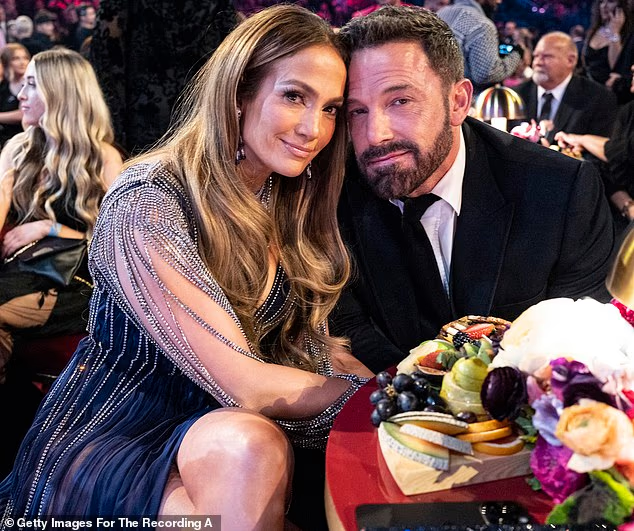
Jennifer Lopez remains saddled with the $61 million Los Angeles mansion she and Ben Affleck acquired as their marital home

Advertisement

Jennifer Lopez remains saddled with the Los Angeles mansion she and Ben Affleck acquired as their marital home for nearly $61 million.

Lopez, 56, and Affleck, 53, started trying to sell the house in June 2024, two months before she filed for divorce on their second wedding anniversary.

They have been struggling in vain to find a buyer, and Affleck ultimately gave up his entire stake in the property this April, turning his interest over to Lopez.

Now insiders have revealed that Lopez found a potential buyer who paid a ‘substantial’ deposit, only to then withdraw from the deal on Tuesday, via TMZ.

Advertisement

Located in the luxurious Beverly Crest area on the Westside of Los Angeles, the sprawling 46,000 sq ft estate has 12 bedrooms and 24 bathrooms.

The Daily Mail has contacted a representative for Lopez for comment. 

Jennifer Lopez remains saddled with the $61 million Los Angeles mansion she and Ben Affleck acquired as their marital home 

Advertisement
Online listings are no longer available for the impressive 12-bedroom, 24-bathroom estate, leaving fans to wonder what Lopez and Affleck's next move might be

Online listings are no longer available for the impressive 12-bedroom, 24-bathroom estate, leaving fans to wonder what Lopez and Affleck’s next move might be

Affleck and Lopez bought the house in 2023, months after they tied the knot in August 2022 in the throes of a rekindled romance with its roots in the early 2000s.

By June 2024, when they began trying to sell, Affleck and Lopez were in the midst of a swirl of rumors that their marriage was skidding towards implosion.

That August, the month of the divorce filing, Affleck acquired a $20 million bachelor pad in the Pacific Palisades and promptly decamped there.

Advertisement

The house happened to be blocks from the residence of his first ex-wife Jennifer Garner, with whom he co-parents his children Violet, 20, Fin, 17, and Samuel, 14. 

Meanwhile, after her divorce from Affleck was finalized in February 2025, Lopez bought a $21 million property in the Kardashian enclave of Calabasas.

However she not only reportedly kept living in the Beverly Crest mansion she had shared with Affleck, but also subjected it to an extensive remodel.

‘Jennifer is renovating the home to her satisfaction,’ a source exclusively informed the Daily Mail last year. ‘She is spending a lot of money because it’s big: there is the main house, the pool house and a guest house.’ 

Advertisement

When Lopez and Affleck first listed their property amid the disintegration of their marriage, they set a staggering asking price of $68 million.

There followed a failed escrow, and then a year in which they were unable to secure another buyer, after which they took the house off the market last July.

Although they put the house back up for sale that September, this time brutally marked down to $52 million, they delisted it once again in January.

Advertisement

Advertisement

Source link

Continue Reading

NewsBeat

Probe into death of estate worker after quad bike crash

Published

on

Daily Record

Sheena McLure died following an incident at the Kilchoan Estate days after Christmas.

A fatal accident inquiry is to be held into the death an estate worker following a tragic quad bike crash. Sheena McLure, 51, died when the

Advertisement

Sheena McLure, died on December 29 2023 following the incident at the Kilchoan Estate, near Melfort, Argyll and Bute.

The 51-year-old, from Oban, was a housekeeper on the estate and previously worked for the Consul General of Japan in Edinburgh.

A Fatal Accident Inquiry (FAI) is set to be held to examine the circumstances of Sheena’s death and a preliminary hearing will take place at Oban Sheriff Court on Thursday, September 3.

It is expected that the inquiry will focus on the risk assessments and controls relating to the use of unroadworthy off-road vehicles on the estate.

Advertisement

The purpose of an FAI includes determining the cause of death; the circumstances in which the death occurred, and to establish what, if any, reasonable precautions could have been taken, and could be implemented in the future, to minimise the risk of future deaths in similar circumstances.

Unlike criminal proceedings, FAIs are inquisitorial in nature, and are used to establish facts rather than to apportion blame.

The Crown Office and Procurator Fiscal Service (COPFS) has lodged a First Notice to begin the court process for the inquiry.

Debbie Carroll from the COPFS, said: “The death of Sheena McLure occurred while in the course of her employment and as such a Fatal Accident Inquiry is mandatory.

Advertisement

“The lodging of the First Notice enables FAI proceedings to commence under the direction of the Sheriff.

“Ms McLure’s family will continue to be kept informed of significant developments as court proceedings progress.”

Get more Daily Record exclusives by signing up for free to Google’s preferred sources. Click HERE.

Source link

Advertisement
Continue Reading

Trending

Copyright © 2025