

Business
Moringa America, FiiZ unveil confectionery-inspired beverage lineup





Japan manufacturers stay upbeat on chip demand, services hit by costs

“Gus”, a mounted Tyrannosaurus Rex skeleton, one of the largest T. rex ever found, is pictured during a press preview at the Sotheby’s Breuer building in New York, on July 1, 2026.
Timothy A. Clary | Afp | Getty Images
A Tyrannosaurus rex specimen sold at Sotheby’s for $50.1 million, becoming the most expensive dinosaur ever sold at auction.
Riding a boom in dinosaur prices at auction, the T. rex, named “Gus,” blew past its price estimate of $20 million to $30 million after a 10-minute bidding war between seven bidders. It broke the record sale by Sotheby’s of a Stegosaurus skeleton nicknamed “Apex” in 2024 for $44.6 million, bought by billionaire hedge funder Ken Griffin.
Gus was discovered in South Dakota and is about 67 million years old. Touted as one of the most complete dinosaur specimens ever found, Gus has 183 fossil bone elements and is about 61% complete by bone count. It is about 38 feet long, about 12.5 feet tall and has a skull length of 54 inches, making it one of the largest T. rex fossils ever found, according to Sotheby’s.
Gus also displayed a number of injuries, including fractured and healed bones in several ribs and gastralia, as well as bite marks to several skull bones.
“Gus is not only an exceptional find, but a specimen that’s been excavated, documented, prepared and cared for with real excellence,” said Cassandra Hatton, Sotheby’s vice chairman and worldwide head of science and natural history.
Dinosaur fossils have become one of the fastest growing segments of the collectibles market, as the wealthy search for rare stores of long-term value and auction houses look to categories beyond art to diversify their sales. A T. rex named “Stan” sold at Christie’s in 2020 for $31.8 million.
While the success of Gus is likely to encourage the sale of more dinosaur bones, paleontologists and other experts warn that there are few safeguards for authenticity or verification in the industry.

7 Numbers Behind The General Misery For Consumers

Arista Networks CEO Jayshree Ullal disposes of $43.9m in stock
Form 4 Disc Medicine Inc For: 14 July


New center will offer more than 30,000 square feet of combined office and R&D space.

Slack pings can’t replace real face time. That’s why 85 percent of employees say off-sites deepen their connection to company goals 2024 Emburse report.
Budgets are rising, but according to Emburse, remote-first teams now choose smaller hub meet-ups that double as strategy sprints. According to Science of People, companies can earn £1 in the right retreat and earn £4–£6 back in engagement and ideas. Platforms like Team Retreats handle venues and travel so you stay focused on the “why,” not the logistics.
How we ranked each retreat idea
We promised you a top list, not a random grab bag. So before we get to the ideas, here’s the scoring lens we used.
First, we singled out five factors that shape a modern off-site. Creativity grabs attention, but cost flexibility keeps Finance on side. Impact measures how deeply the experience strengthens teamwork. Inclusivity confirms that everyone (remote staff, new parents, introverts) can join the fun. Finally, logistical ease shows how many late-night spreadsheets the planner has to survive.
To keep the process transparent, we assigned weights that mirror real-world decision making:
- Creativity & novelty 20 percent
- Cost flexibility 20 percent
- Team-building impact 25 percent
- Inclusivity & accessibility 15 percent
- Logistical ease 20 percent
Each retreat format scored one to ten in every factor, multiplied by its weight, then rolled into a single number. That number sets the order you’ll see next. Simple. No smoke, no mirrors.
Why bother with this rigor? Because a flashy idea that empties the budget or leaves half the team out is a bad investment. A balanced-score approach lifts ideas that deliver the 4-to-6 × return on spend researchers find in high-engagement teams.
Ready for the countdown? The retreat that tops the leaderboard comes first.
1. All-inclusive resort getaway
Picture the team swapping Slack pings for sea breezes. A resort retreat lifts everyone out of daily routines and into a space built for connection. Meals arrive without expense reports, Wi-Fi reaches the beach cabana, and no one spends the evening hunting for dinner reservations. The setting itself does the heavy lifting, freeing us to focus on strategy in the morning and snorkeling in the afternoon.
Cost control can surprise you. Off-season rates at regional resorts often dip below £200 per person for a two-night stay, especially when we negotiate a corporate bundle that folds in meeting rooms and one group activity. Those savings scale: larger head counts usually trigger bigger per-head discounts, so even a 100-person department can land a four-star venue at three-star pricing.
The team-building upside is real. Shared travel and unplanned conversations over buffet tacos strengthen psychological safety, the top predictor of team effectiveness according to Google’s Project Aristotle summarised by Science of People. Add a simple rule of “no work talk at dinner,” and fresh cross-functional alliances start forming before dessert.
Logistics still matter. We block rooms early, clarify dietary needs with the chef, and leave white space on the agenda so introverts recharge by the pool while extroverts try the zip line. If time is tight, a nearby countryside estate can deliver the same break-from-routine magic without the flights.
For planners short on hours, a specialist like Team Retreats can broker venues, buses, and budget-friendly contracts in a single dashboard. We keep ownership of goals; they handle the paperwork. Everyone wins, especially the team sipping sunset mocktails while the next big idea bubbles up.
2. Outdoor adventure “survival” retreat
Take the team off grid for a weekend and watch the office hierarchy fade faster than a phone signal. Whether we paddle across a calm lake, piece together a makeshift shelter, or follow a compass to base camp, genuine collaboration happens in real wilderness.
Nature does more than offer a pretty backdrop. Regular exposure to green space measurably lowers stress and burnout scores, a point corporate wellness experts highlight when recommending outdoor programs. Add challenge elements such as a low-ropes course or a fire-building contest, and colleagues uncover talents no slide deck could show.
Cost stays lean. Day-trip packages with certified guides often start near £50 per person, while a self-run campout on public land can cost less than Friday pizza. Swap hotel rooms for shared tents or a cosy bunkhouse and the largest spend becomes trail mix.
Safety and inclusivity stay central to the plan. We match activity intensity to fitness levels, hire professionals for technical sections, and always keep a warm cabin or gentle nature walk available. The goal is shared accomplishment, not survival-of-the-fittest bravado. By the time we gather around a campfire, the team has forged a bond that travels smoothly back into Monday projects.
3. Wellness retreat with a “biohacking” twist
Stress appears in every metric that matters: productivity, retention, even customer happiness. A wellness-first retreat tackles that pressure head-on while teaching habits employees keep.
Begin the day with sunrise yoga on a hotel rooftop or a quiet stretch in a converted conference room. Follow with a guided breath-work session where wearables track heart-rate variability in real time. Watching those numbers settle on screen turns mindfulness into a friendly contest and proves the technique works.
Cost scales well. A local instructor and healthy catering cost far less than round-trip flights. If the budget allows, move the experience to a countryside spa and add cold-plunge pools or sound-bath therapy. Either way, you send home employees who slept, stretched, and laughed together instead of grinding through another marathon workshop.
Inclusivity stays high because activities adapt: chair yoga for mobility issues and walking meditations for those who skip the mats. When the team heads home with a new relaxation habit instead of another branded tote, you’ve ticked the real ROI box—lower burnout and higher engagement that lasts beyond the retreat glow.
4. Volunteering & community impact retreat
Few activities bond a group faster than rolling up sleeves for a shared cause. Swap flip charts for paintbrushes and titles vanish; everyone becomes part of the crew refreshing a youth center or planting trees on a reclaimed farm.
Purpose fuels productivity. Oxford researchers found that organised volunteering programmes lift employee well-being and, by extension, on-the-job engagement. Teams leave proud of visible results, such as a repainted classroom or a cleared trail, and that pride converts into fresh energy back at the office.
Budgets benefit too. Most community projects ask only for materials or a modest donation, often under £30 a head. Transportation, packed lunches, and a bit of setup cover the rest. For distributed companies, simultaneous “Day of Service” events let regional pods support local charities, then share stories on a global video call.
Success hinges on fit. We survey employees on causes they value, partner with a vetted nonprofit, and design tasks for every ability level, from heavy lifting to creative mural design. Cap the day with a casual picnic where the beneficiary shares the project’s long-term impact. The applause you hear is not just for them; it is your team realising what they can accomplish together.
5. Hackathon retreat
Nothing sparks camaraderie like a ticking clock and a bold challenge. A hackathon retreat turns creativity into a full-contact sport, pushing cross-functional teams to prototype fresh ideas in a day or two of focused effort.
Leave laptops on, but leave routine at the door. We start with an inspiring brief, such as “invent a feature that delights customers in under 24 hours,” then mix engineers, marketers, and ops pros into small squads. Hierarchy melts when a junior designer’s whiteboard sketch saves hours of coding and the VP handles the midnight snack run.
Costs stay friendly. The venue could be the office re-skinned with beanbags and mood lighting, or a rented makerspace for £20–£50 per person, pizza included. Prizes do not need to be lavish; brag-worthy trophies and a promise to fund the winning idea’s next sprint set hearts racing.
Impact lands on two fronts. First, genuine product seeds emerge; Facebook’s Like button started this way. Second, the shared “we built this together” high lingers long after laptops close. Back at work, teams communicate faster because they already solved a tough puzzle side by side. That is return on investment you can feel.
6. Themed experience or game retreat
Turn teamwork into play and watch barriers fall. Whether we stage a city-wide “Amazing Race” or transform a rented hall into an after-hours escape room, a single storyline draws colleagues into shared problem-solving that feels like recess, not training.
Games accelerate trust. Laughter releases oxytocin, nudging people to share ideas more freely the next morning. Pair mental puzzles with light physical challenges—such as decoding a cipher, launching a paper-airplane relay, and cheering from the sidelines—so every personality type shines. Randomly assigned squads guarantee cross-department mingling without awkward icebreakers.
Budget is yours to steer. A DIY scavenger hunt costs little more than printed clues and a quirky trophy. Prefer turnkey? Specialist facilitators build immersive mysteries for about £40 per participant, props and on-site “game masters” included. Either route costs less than flights and hotel nights.
Logistics come down to pacing. We keep activities varied and rounds short to maintain energy, add rest breaks for conversation, and finish with a debrief on “what strategy won and why.” The insight sticks because the lesson arrived wrapped in adrenaline. By Monday, colleagues greet each other with inside jokes from the “case of the missing CEO,” proof that the connection lasts beyond the scoreboard.
7. Micro-offsites for hybrid teams
When a workforce spans cities and time zones, hauling everyone to one venue can drain both budget and energy. Enter the micro-offsite: shorter, regional meet-ups that happen the same week under a shared theme.
Think of it as a relay race. London, Chicago, and Singapore hubs each spend a Friday on local team-building, maybe a museum scavenger hunt or a volunteer morning. Mid-afternoon, screens pop up and every hub joins a live company-wide finale where highlights, photos, and quick wins fly across continents. People feel part of a single story without crossing oceans.
The math is friendly. Five one-day events of twenty people rarely equal the flight and hotel bill for one mega retreat. Smaller groups also mean venues are easier to book, dietary needs simpler to meet, and introverts less overwhelmed.
Culture benefits multiply with frequency. Instead of one “see-you-next-year” blowout, squads reconnect every quarter, keeping rapport fresh in a hybrid world. In fact, high-performing companies now host an average of 2.8 offsites annually to sustain belonging across remote teams, according to Emburse.
Execution comes down to rhythm. We appoint a local champion in each hub, share a common agenda framework, and leave room for regional flair. A global Slack channel hums throughout the day so teams trade selfies and high-fives in real time. By sunset, we have deepened bonds, honored family commitments, and saved a pile of carbon miles in a single coordinated sprint.
8. Family-inclusive retreat day
Sometimes the best way to deepen team bonds is to invite the people who cheer us on from home. A family day turns the retreat into a mini festival where kids chase bubbles, partners meet the faces behind email signatures, and colleagues discover they both own Labradors named Luna.
The payoff is practical and emotional. Parents skip the scramble for childcare, younger staff avoid travel-cost dread, and everyone sees one another as three-dimensional humans. That empathy follows us back to work; it is tougher to snap in email at the dad whose toddler just painted your face with glitter.
Budgets sit in the middle lane. A park permit, barbecue catering, and a few bounce houses usually land between £30 and £60 per guest. Layer in simple games such as egg-and-spoon races or a pets’ talent parade, and entertainment takes care of itself. For companies already running a larger off-site, make family day the finale so locals join easily while travellers extend their stay.
Planning hinges on inclusivity. We offer activities for all ages, set up shade and quiet corners, and keep menus allergy-aware. A quick welcome circle lets employees introduce their crew: “This is Maya, the real CEO of my evenings.” Laughter breaks, barriers fall, and the wider support network feels seen and appreciated.
The long-term effect is loyalty that sticks. When families feel the company values them, employees stay invested too. That sense of shared village may be the most sustainable perk we can offer.
At-a-glance comparison
We covered a lot of ground, so here is a quick dashboard you can skim before pitching options to your leadership team. The scores reflect the weighted criteria we shared earlier; £ symbols show the relative spend for a basic two-day version of each idea.
| Retreat idea | Creativity | Budget | Impact | Inclusivity | Logistics |
| All-inclusive resort | 7/10 | £££ | 9/10 | 7/10 | 6/10 |
| Outdoor adventure | 9/10 | ££ | 9/10 | 7/10 | 6/10 |
| Wellness & biohacking | 8/10 | £ | 8/10 | 9/10 | 8/10 |
| Volunteering impact | 8/10 | £ | 9/10 | 9/10 | 8/10 |
| Hackathon | 9/10 | £ | 9/10 | 7/10 | 7/10 |
| Themed game retreat | 9/10 | ££ | 8/10 | 9/10 | 7/10 |
| Micro-offsites | 9/10 | £ | 7/10 | 10/10 | 7/10 |
| Family-inclusive day | 8/10 | ££ | 7/10 | 10/10 | 7/10 |
Conclusion
Treat these numbers as conversation starters, not commandments. Your perfect choice depends on goals, head count, and appetite for adventure. One trend is clear: meaningful bonding does not need a massive budget.
Form 4 Korn Ferry For: 14 July
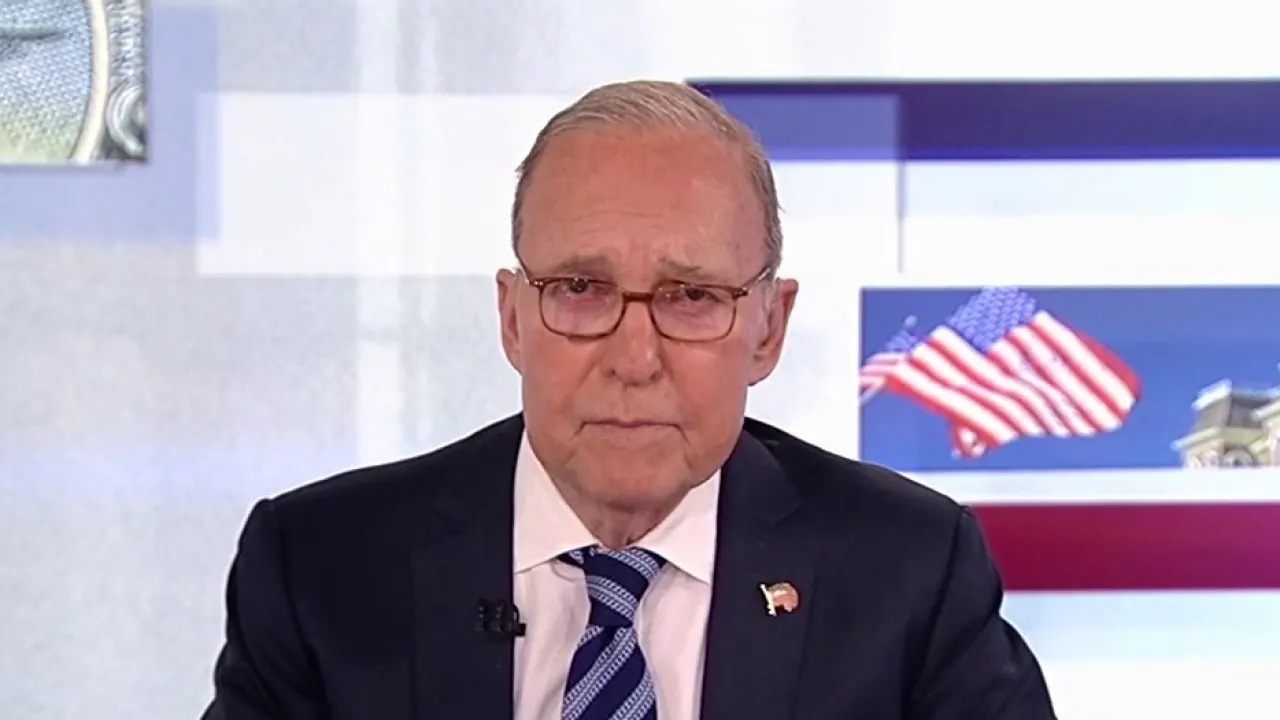
The sun was shining on the Fed chairman, Kevin Warsh, today as he gave his first Congressional monetary report on a day when the consumer price index unexpectedly fell for the first time in six years. And that takes a near-term Fed rate hike off the table.
As Mr. Warsh said, it’s too soon to declare “mission accomplished,” but he vowed to defeat inflation and get monetary policy right during his appearance before the House Financial Services Committee. As he put it: “The 63 months of inflation above target has been an unfair burden. It has been a tax on the American people and businesses. We plan on getting rid of that tax if that means we need a regime change in policy and we need new consideration of practices, some of which have been working, some of which haven’t, that’s what we aim to do”
The new Fed chairman has been in office only two months, but energy, precious metals, and farm commodity prices have already started trending lower. Mr. Warsh intends to be a reformer at the central bank, and has commissioned a number of high-level task forces that will report later in the year on “regime change,” as he puts it.
Yet one thing he understands better than his predecessor is that inflation is a monetary policy issue caused by bad choices and a lack of resolve to restore price stability and presumably restore the 2 percent target. Futures markets took at least one Fed rate hike off the table after the benign CPI report. There’s still another rate hike priced in perhaps some time this autumn, but I doubt it.
When you look at the core numbers excluding food and energy, which is what many Fed officials are focused on, the monthly numbers are coming down steadily, and even the 12-month change is only 2.6 percent. The topline number for all items was lower in May than in April, and in June it actually fell by four-tenths of one percent.
Of course energy overall and gasoline in particular drove the index down. But it’s also noteworthy that goods prices have been nearly flat for a year, excluding food and energy. The much-heralded tariff inflation which would have shown up in goods prices really never came to pass, or if it did, was only momentarily.
Meanwhile the topline also dropped by 1.1 percent in June. Services were flat in June. New and used car prices were down. And Mr. Warsh is right to tell the public that the job of price stability is not yet complete. Yet he also knows that when he credibly gets back to 2 percent or less inflation, then interest rates will come down of their own weight and they will stay down.
What’s more, he painted an optimistic picture of the economy with particular reference to booming business investment. In other words, he again is arguing that you can have strong economic growth with low inflation. And he stuck to his guns on the positive impact of all manner of advanced tech investment, from AI through quantum computing, space, and who knows what else. You know what? When you listen to Mr. Warsh and see what the early results are — even a Fed chairman can have his cake and eat it too.
Business
ChronoScale Holdings Stock Jumps 16.68% as Company’s AI Infrastructure Play Continues Wild Streak
Shares of ChronoScale Holdings Corporation rose 16.68%, or $3.29, to close at $23.01 Tuesday, extending a pattern of extreme single-day volatility that has characterized the small, newly formed AI infrastructure company since it emerged from a corporate transformation earlier this year. The specific catalyst behind Tuesday’s move had not been publicly confirmed as of publication.
ChronoScale, based in Dallas and trading on the Nasdaq under the ticker CHRN, designs and develops a compute platform intended to support large-scale artificial intelligence workloads, providing dedicated compute environments the company says are engineered for performance, consistency and long-term operational execution. The company in its current form is a recent creation: it was formerly known as Ekso Bionics Holdings, a maker of medical and industrial exoskeleton products, before completing a business combination in February 2026 that transformed it into an AI infrastructure operator through a transaction with Applied Digital Corporation.
Under the terms of that deal, disclosed in SEC filings, a wholly owned subsidiary of Applied Digital’s parent company contributed all of the equity in its Cloud business to what was then Ekso Bionics in exchange for roughly 138.2 million newly issued shares of common stock, immediately making Applied Digital’s affiliated entity the overwhelmingly dominant shareholder, holding approximately 96% to 97% of the combined company’s outstanding shares. Legacy Ekso Bionics shareholders were left holding only about 3% of the newly formed entity. As part of the same transaction, the company changed its name first to ChronoScale Corporation and then, in July 2026, to its current name, ChronoScale Holdings Corporation.
The company has continued reshaping its leadership and strategic focus in the months since the combination closed. In May, ChronoScale appointed Cenly Chen as chief executive officer to lead what the company described as its next phase of AI compute growth. In June, the company named Raj Jegannathan as chief technology officer and Lawrence Lam as chief product officer, moves the company said were aimed at accelerating its global AI infrastructure strategy. That same month, ChronoScale formally divested its legacy Ekso Bionics exoskeleton business entirely, a step the company described as allowing it to refocus fully on its cloud and AI compute operations.
ChronoScale’s financial profile remains that of a very early-stage company despite its multibillion-dollar market capitalization. According to data compiled by StockTitan, the company generated $12.8 million in revenue over the trailing 12 months, with a gross margin of 53.5%, but posted an operating margin of negative 104.1% and a net profit margin of negative 91.4%, reflecting net income of negative $11.7 million and diluted earnings per share of negative $4.91 over the same period. Operating cash flow over the trailing 12 months stood at negative $11.8 million. Despite those financial figures, the company’s market capitalization has fluctuated between roughly $64.8 million and $2.4 billion across recent trading sessions, reflecting how dramatically the stock’s valuation has swung alongside its share price.
That valuation volatility has drawn scrutiny from at least one Wall Street analyst. A Seeking Alpha analysis published shortly after the company’s transformation into an AI infrastructure operator noted that CHRN traded at a steep 35.2 times price-to-sales multiple relative to its prior fiscal-year revenue of roughly $75 million, a level the analyst described as expensive given the company’s limited financial disclosure at the time. The analysis recommended a “Hold” rating on the stock pending release of ChronoScale’s initial standalone financial statements, citing a lack of transparency and an elevated trading premium relative to comparable companies.
ChronoScale’s trading history since its transformation has been marked by an unusually high frequency of large single-day swings in both directions. According to data compiled by CNN Business, the stock has recorded a string of double-digit percentage moves over recent weeks, including gains of 17.6% and 18.0% on separate sessions, alongside declines as steep as 17.9% within the same stretch. That pattern of sharp reversals has continued even as the company has taken steps intended to bolster its financial position, including securing a $100 million related-party credit line in late June and filing to sell 1.1 million additional shares of common stock to existing holders around the same period.
The stock’s 52-week trading range illustrates the scale of that volatility further. According to Robinhood data, CHRN shares have moved between a low of $2.91 and a high of $28.20 over the trailing 12 months, a spread reflecting both the company’s dramatic transformation from a medical device maker into an AI infrastructure company and the broader speculative interest that has periodically driven sharp rallies in smaller AI-adjacent stocks throughout 2026.
ChronoScale’s parent relationship with Applied Digital adds further context to the stock’s movements. Applied Digital, which designs, builds and operates high-performance, sustainably engineered data centers and colocation services for artificial intelligence infrastructure, has itself posted a strong year, with shares up more than 60% in 2026 as of recent tracking, according to FinancialContent. Given ChronoScale’s origins as a spinoff-style combination involving Applied Digital’s cloud assets, broader sentiment toward Applied Digital and the AI data center sector more generally has appeared to influence trading in ChronoScale shares, even though the two companies now trade as separate publicly listed entities.
As of Tuesday’s close, no specific company announcement, analyst upgrade or broader sector catalyst had been publicly identified as the direct driver of ChronoScale’s 16.68% gain, consistent with the stock’s recent pattern of large, sometimes unexplained single-day moves that market trackers have attributed generally to thin trading volume, speculative retail interest in AI infrastructure names, and the company’s still-limited public financial track record following its recent transformation. Investors tracking the stock have generally been advised to treat its current valuation with caution given the wide gap between its market capitalization and its reported revenue and earnings figures, pending further clarity from the company’s upcoming financial disclosures.

Shawn Porter delivers honest verdict on how Shakur Stevenson performs against Devin Haney

TechIreland names Niall Norton new chief executive officer
Japan manufacturers stay upbeat on chip demand, services hit by costs


-

 Fashion6 days ago
Loro Piana Fall 2026 Enters Houston’s Art Scene
-

 Fashion4 days ago
Weekend Open Thread: Nutriplenish Leave-In Conditioner
-
 Sports5 days ago
2026 Genesis Scottish Open Thursday TV coverage: Round 1
-

 Tech7 days ago
Anthropic brings Claude Cowork to mobile and web as usage data shows most users aren’t coding
-

 Sports5 days ago
Super Eagles star Moses Simon opens up on Liverpool transfer regret
-

 Tech5 days ago
Character.AI enters the microdrama arena with its own productions, but there’s a twist
-

 News Videos4 hours ago
XRP BOMBSHELL… XRP OMBOARDED FOR TRANSACTIONS!!!
-

 Tech18 hours ago
Get Your ESP32 Sunny Side Up With This Solar Dev Board
-

 Tech3 hours ago
Dark Secrets Emerge When Jailbreaking LLMs
-

 News Videos6 days ago
Crypto Just Entered Its Most Important 6-Month Candle (Could Decide Everything!)
-

 Tech7 days ago
Keychron is stepping outside keyboards with a $349 Thunderbolt 5 dock aimed at power users
-

 Business7 days ago
ASX 200 Slides Over 0.6% as Rare Earths and Lithium Stocks Tumble Amid Global Semiconductor Sell-Off Today
-
 NewsBeat6 days ago
Major update after Huntingdon train attack as man enters plea
-
 Business7 days ago
Will Trent shares rebound after Q1 update triggers 13% crash? Here’s what technical charts indicate
-

 Business7 days ago
SpaceX Shares Slide Nearly 6% Amid Post-IPO Volatility and Starship Test Focus
-
 Sports6 days ago
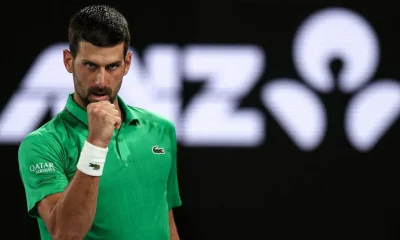
39-year-old Djokovic wins five-hour thriller to enter Wimbledon semis | Other Sports News
-

 Tech6 days ago
Level Infinite Launches Gangstar Mirage City in India with Pre-Registrations
-

 News Videos1 day ago
how to make coin bank box with cardboard #scienceproject #money #diy #shorts
-

 Tech6 days ago
Entra passkey enrollment vishing targets Microsoft 365 users
-
 Tech1 day ago
Cloudflare Precursor Watches Your Mouse and Keyboard To Decide If You Are Human
You must be logged in to post a comment Login