


Connect with us
DAPA Banner
DAPA Coin
DAPA
COIN PAYMENT ASSET
PRIVACY · BLOCKDAG · HOMOMORPHIC ENCRYPTION · RUST
ElGamal Encrypted MINE DAPA
🚫 GENESIS SOLD OUT
DAPAPAY COMING

Business

Sunrise Energy Metals Stock Jumps 13% to $16.82 as Blistering Yearlong Scandium Rally Continues Strong

Published

on

Sunrise Energy Metals Stock Jumps 13% to $16.82 as Blistering

SYDNEY — Shares of Sunrise Energy Metals surged 13.34% on Wednesday to close at $16.82, gaining $1.98 on the day and extending one of the most dramatic rallies on the Australian Securities Exchange, as investor enthusiasm for the company’s scandium project in New South Wales continued to drive intense buying activity.

The Melbourne-based mineral exploration company, formerly known as Clean TeQ Holdings before rebranding in March 2021, has emerged as the flagship Western play in the global scandium market, a niche but strategically significant metal used in aerospace, defense and clean energy applications. The stock’s latest surge builds on a rally that has seen shares climb from levels below 30 cents in early 2025 to well above $16 today, a gain exceeding 3,000% over roughly the past year.

The Syerston Project at the Center of the Story

At the heart of Sunrise’s remarkable ascent is its Syerston Project in New South Wales, which the company is developing into what would become the largest primary scandium operation outside China. The project’s significance has grown alongside intensifying global competition over critical mineral supply chains, particularly as China has moved to tighten export restrictions on scandium, a metal it currently controls an estimated 80% to 85% of global supply for.

Advertisement

Company materials have emphasized scandium’s applications across a range of high-specification uses, including defense and aerospace alloys, hypersonic technology, missile systems, shipbuilding and solid-oxide fuel cells, some of which support energy-intensive data centers used in artificial intelligence infrastructure.

A Landmark Deal With Lockheed Martin

A significant catalyst behind the stock’s re-rating came when Sunrise secured a multi-year supply agreement with Lockheed Martin, one of the world’s largest defense contractors. Under the arrangement, Lockheed holds an option to purchase up to 15 tonnes of scandium oxide over five years from the Syerston project, representing roughly 25% of the operation’s forecast Phase 1 production.

The agreement marked a significant validation for a company that had previously struggled to attract top-tier offtake partners, demonstrating both the project’s technical viability and genuine commercial demand for its output from a major aerospace and defense supplier.

Advertisement

CEO Sees Role in US Strategic Stockpile

Sunrise Energy Metals CEO Sam Riggall has publicly stated that the company expects to contribute scandium supply to the United States’ critical minerals stockpile, positioning Sunrise within broader U.S. industrial policy and defense supply-chain objectives as Washington works to diversify away from Chinese-dominated mineral markets.

That positioning has become central to the market’s valuation of the company, with investors increasingly treating the Syerston project as strategic infrastructure rather than a conventional speculative mining play, a framing that has helped cushion the stock against some of the volatility typically associated with pre-revenue resource companies.

Additional Government and Financial Backing

Advertisement

Sunrise has also drawn interest from U.S. government financing channels. The company received a letter of interest from the Export-Import Bank of the United States for up to $67 million, or roughly 103 million Australian dollars, in debt financing support for the Syerston project, further reinforcing the strategic significance being placed on the operation by policymakers seeking to secure non-Chinese sources of critical minerals.

The company is backed in part by Canadian mining entrepreneur Robert Friedland, whose involvement has added additional credibility among institutional and retail investors closely tracking the critical minerals sector.

A Resource Base That Keeps Growing

Sunrise’s project economics have continued to improve alongside its exploration results. A mineral resource estimate revision in September 2025 roughly doubled the contained scandium metal identified at Syerston, reinforcing the project’s potential to support multi-decade supply commitments to strategic partners. The company has since moved from the study phase into early construction activity, awarding engineering contracts earlier this year as it works to advance the project toward production.

Advertisement

A feasibility study previously pegged life-of-mine direct site cash costs at roughly $530 to $540 per kilogram of scandium oxide, positioning Syerston at the lower end of the global cost curve and suggesting the project could offer Sunrise meaningful pricing power in a market where transparency remains limited and supply is tightly controlled by a small number of producers.

A Stock That Has Captured Retail Attention

Sunrise’s dramatic share price trajectory has made it a frequently discussed name within retail investing communities, with online forums repeatedly highlighting the stock’s outsized gains as a case study for other critical minerals equities. The broader rare earths and critical minerals sector has benefited from improving sentiment throughout 2026, supported by continued demand tied to electric vehicles, renewable energy infrastructure and heightened geopolitical concern over supply chain security.

Risks Remain Despite the Rally

Advertisement

Despite the extraordinary run, analysts have cautioned that Sunrise remains a pre-revenue company, meaning its current valuation continues to rest heavily on the successful execution of its development plans rather than established cash flow. The stock has also experienced sharp pullbacks at points over the past year, including notable declines in late February, underscoring the volatility that continues to accompany its rapid ascent.

With a market capitalization that has climbed into the billions of Australian dollars, the margin for error has narrowed considerably even as bullish sentiment persists. Whether Sunrise can successfully convert its scandium narrative into consistent operational output, and whether global demand for the metal ultimately matches current market expectations, will likely determine whether Wednesday’s gains represent another step in a sustainable long-term growth story or a further extension of a speculative run that has already defied expectations for more than a year.

Continue Reading
Click to comment

You must be logged in to post a comment Login

Leave a Reply

Business

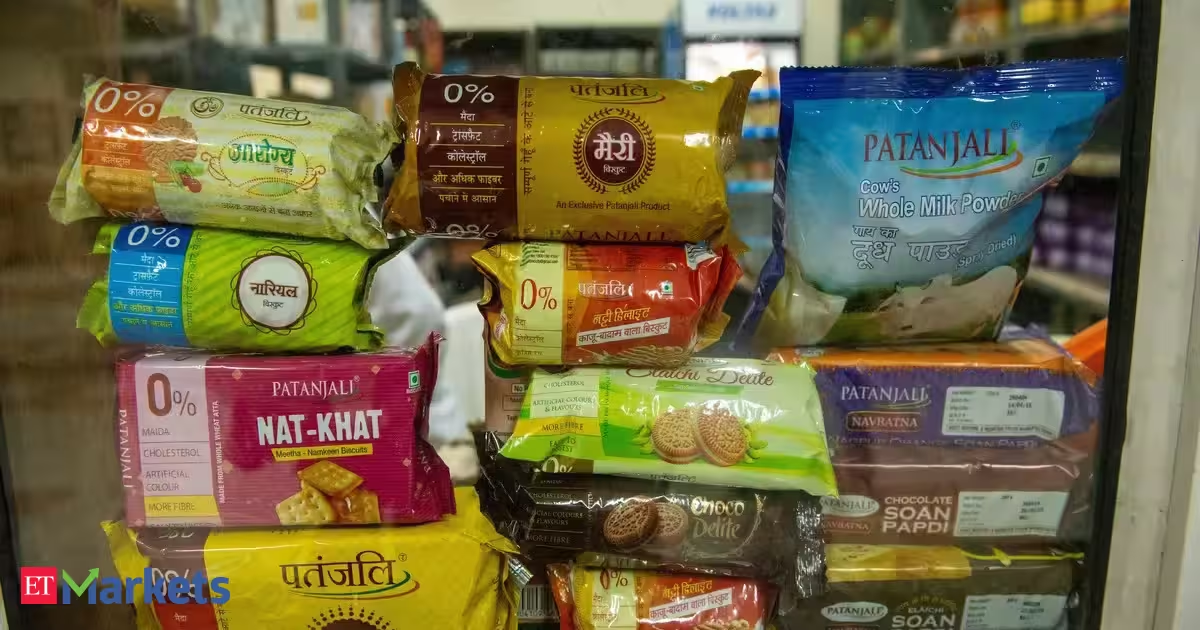
Patanjali Foods shares crash 20%, stock nearly halves in value in one year. What’s ahead?

Published

on

Patanjali Foods shares crash 20%, stock nearly halves in value in one year. What's ahead?
Shares of Patanjali Foods crashed 20% to hit a fresh 52-week low on Wednesday, with the stock nearly halving in value from the high hit in July last year.

The stock fell to a 52-week low of Rs 328.20 on the NSE, prompting the company to issue a clarification. Patanjali Foods said there were no material events, information or developments requiring disclosure that could explain the sharp price movement.

“The company continues to remain focused on its growth path and is carrying on its business operations in the ordinary course, while pursuing its business objective,” the company said in its clarification to stock exchanges.

Patanjali Foods shares later made some recovery, trading around 16% lower at Rs 345 apiece, as seen at around 1 pm. The stock has fallen nearly 19% in one month and 37% in 2026 so far.

Advertisement

Technical view on Patanjali Foods

Patanjali Foods shares declined 20% today, confirming a major consolidation breakdown on the daily chart, said Sudeep Shah, Head of Technical and Derivatives Research at SBI Securities. He noted that the breakdown was accompanied by a sharp surge in volumes, lending credibility to the bearish move.

“The RSI, which had been moving sideways, has also broken down, indicating strengthening bearish momentum. The DI lines have widened, with DI- positioned well above DI+ on the ADX indicator, highlighting strong seller dominance. Additionally, the stock is trading significantly below the lower Bollinger Band, reflecting heightened selling pressure,” he added.


On the downside, Shah sees the Rs 330–325 zone as the next key support. A decisive breach below this level could accelerate the decline towards Rs 310 in the short term. On the upside, the Rs 380–385 zone is likely to act as the immediate resistance, according to the analyst.

Patanjali Foods earnings snapshot

Patanjali Foods in May reported a 46% year-on-year (YoY) jump in net profit for the January-March quarter of FY26, aided by strong growth across its edible oils and FMCG businesses. However, higher raw material and packaging costs weighed on profitability. The company’s profit after tax rose to Rs 524 crore in the quarter ended March 2026 from about Rs 359 crore a year earlier.
Also read | Patanjali Foods Q4 Results: Profit jumps 46% to Rs 524 crore despite margin pressureRevenue from operations increased 17% year-on-year (YoY) and 6% sequentially to Rs 11,217 crore during the quarter. Despite the strong top-line performance, margins remained under pressure due to rising input costs.

(Disclaimer: Recommendations, suggestions, views and opinions given by the experts are their own. These do not represent the views of The Economic Times)

Advertisement
Continue Reading

Business

OpenAI’s First Hardware Device Will Be a Movable, Screenless AI Speaker Built as a Home Companion Bot

Published

on

OpenAI

OpenAI’s long-anticipated push into consumer hardware is set to begin with a mobile, screen-free smart speaker designed to function as a humanlike AI companion in the home, according to people familiar with the matter cited in a Bloomberg report published Tuesday.

The device, still under development, is intended to serve as a new type of home computer built specifically for the artificial intelligence era, rather than a conventional smart speaker competing directly with existing products from companies such as Amazon or Google. According to the report, the sources requested anonymity because the project has not been formally announced by the company.

Core Functions and Capabilities

The speaker is expected to control smart-home appliances, play media, answer questions and respond to messages, while tapping into the broader range of capabilities offered by OpenAI’s ChatGPT platform. Unlike stationary smart speakers currently on the market, the device is designed to be portable, featuring a rechargeable battery that would allow users to carry it from room to room without needing a constant power connection.

Advertisement

The device’s communication abilities will rely on GPT-Live, a more advanced version of ChatGPT’s Voice Mode that OpenAI rolled out earlier this month. According to the report, GPT-Live is designed to behave more like a human conversational partner, capable of listening and speaking simultaneously, adapting naturally during conversations and processing information more quickly than previous voice technology from the company.

The speaker will also include a camera and additional sensors intended to help it understand a user’s surroundings and broader context, giving it capabilities that extend beyond what typical smart speakers currently offer on the market.

Designed to Feel Like a Companion, Not Just a Gadget

According to people familiar with OpenAI’s plans, the company envisions the device becoming increasingly personalized and proactive over time as it develops a deeper understanding of its owner. The goal, the report said, is for the device to anticipate a user’s needs, surface relevant information without being asked, and function as something akin to a personal expert embedded within the home.

Advertisement

OpenAI reportedly wants the product to feel less like a traditional piece of consumer electronics and more like a companion, effectively serving as a physical embodiment of ChatGPT itself. Internally, the report said, OpenAI describes the device not simply as a speaker, but as the first of an entirely new category: a computer purpose-built for artificial intelligence, intended to help busy users become more productive throughout their day.

A High-Stakes Move Into Consumer Devices

The hardware push represents a critical next step for OpenAI, which remains one of the world’s leading developers of AI models and is reportedly positioning itself for an initial public offering in the coming months. Entering the consumer device market would place OpenAI in more direct competition with major technology companies including Apple, Amazon and Google, all of which have established footholds in smart-home and voice-assistant hardware.

OpenAI’s hardware ambitions trace back to a $6.5 billion acquisition of io Products last year, a startup co-founded by former Apple design chief Jony Ive. Ive’s design firm, LoveFrom, is reportedly assisting with development of OpenAI’s broader hardware lineup, alongside former Apple executives Tang Tan, Evans Hankey and Paul Meade, all of whom are said to be involved in the project.

Advertisement

According to the Bloomberg report, OpenAI is currently developing roughly five hardware products in total, with the screenless speaker positioned to be the first to reach the market. The company is aiming to formally unveil the device later this year, with a broader consumer launch targeted for 2027, though the timeline could shift depending on how development and ongoing legal matters unfold.

Apple Lawsuit Looms Over the Project

The device’s development comes amid heightened legal tension between OpenAI and Apple. Apple sued OpenAI last week, accusing the company of misusing trade secrets in the development of its consumer hardware efforts. Despite the lawsuit, people familiar with OpenAI’s plans said the company believes its screenless speaker design differs substantially from anything currently offered by Apple, and that the product is unlikely to raise legitimate trade-secret concerns.

Bloomberg’s Mark Gurman, who authored the original report, wrote on social media that Apple currently has “nothing like” OpenAI’s device on the market today.

Advertisement

An OpenAI spokesperson declined to comment on the report when contacted.

Market Reaction

News of OpenAI’s hardware plans had an immediate effect on shares of at least one existing smart-speaker manufacturer. Shares of Sonos Inc. tumbled more than 10% in late trading following the report before paring some of those losses, reflecting investor concern about a well-funded new competitor entering the smart-speaker category. Apple shares dipped slightly, falling less than 1% to an intraday low, while shares of Amazon and Google’s parent company Alphabet saw more modest movement.

A New Chapter in OpenAI’s Product Strategy

Advertisement

The screenless speaker marks OpenAI’s most concrete step yet toward becoming a hardware company in addition to its established role as an AI software and model developer. If successful, the device could reshape how consumers interact with AI assistants in everyday settings, shifting some of that interaction away from smartphones and computer screens and into a dedicated, physical companion device designed specifically around conversational AI.

Whether the product ultimately succeeds in differentiating itself from established smart-speaker competitors, and whether it can navigate the ongoing legal dispute with Apple, will likely shape how OpenAI’s broader hardware ambitions unfold in the years ahead as the company continues expanding beyond its origins as a pure AI research and software organization.

Continue Reading

Business

Rep Ralph Norman stops short of announcing a bid for Lindsey Graham’s seat

Published

on

Rep Ralph Norman stops short of announcing a bid for Lindsey Graham's seat

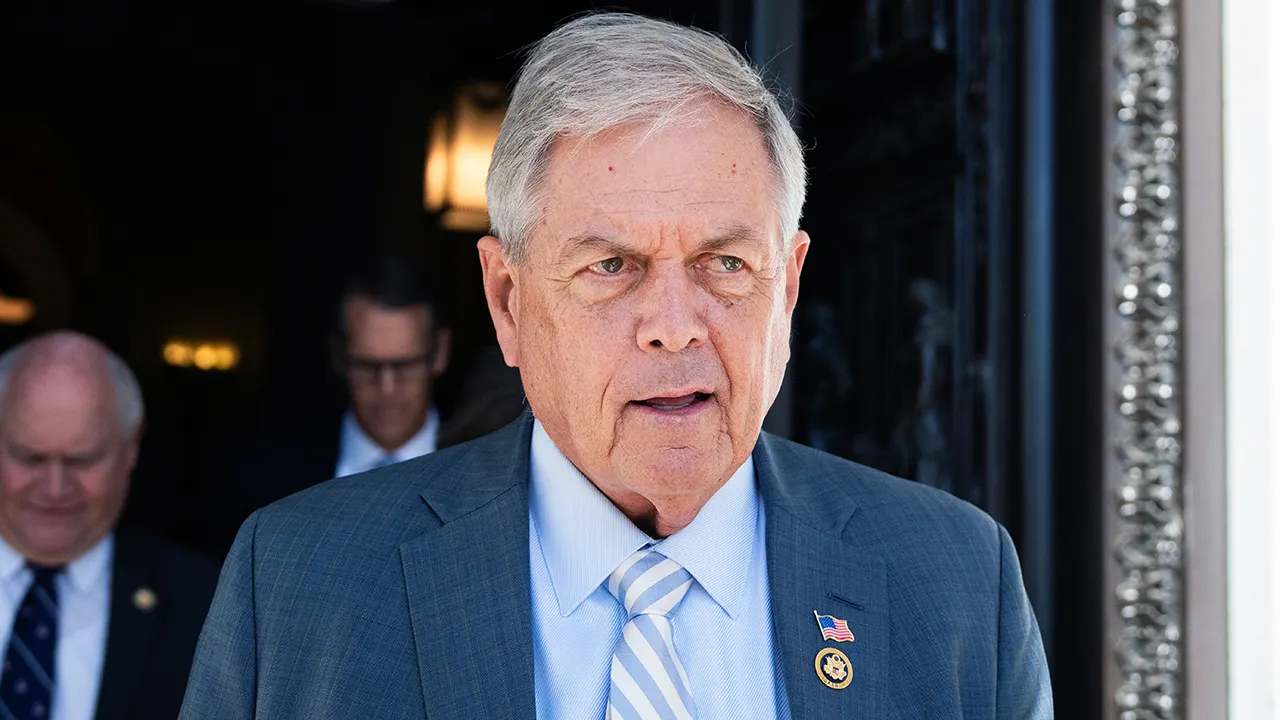
Rep. Ralph Norman, R-S.C., stopped short Wednesday of announcing he would run for the late Sen. Lindsey Graham’s seat.

Norman gave an interview on Wednesday on FOX Business’ “Mornings with Maria,” saying “he is interested in the job.”

Advertisement

“The reason I’m interested? The Senate is standing in the way of passing President Trump’s agenda. They just are. It starts off with the SAVE Act, making sure Americans who are Americans vote in elections,” Norman said.

Multiple times throughout the interview, Norman said he would be in favor of getting rid of the filibuster, the Senate procedure that effectively requires 60 votes to advance most legislation.

Norman leaves US Capitol

Rep. Ralph Norman, R-S.C., leaves the U.S. Capitol after the last votes of the week on Thursday, Sept. 4, 2025.  (Tom Williams/CQ-Roll Call, Inc via Getty Images / Getty Images)

“We’ve got to do whatever it takes to make sure that we have safe elections, make sure our borders are secure, and move forward on it,” Norman said. “I think it’s going to take blowing up the filibuster, which the Democrats will do if they get back into power.”

Norman has not officially announced a campaign in the upcoming special election that will allow voters to choose the Republican nominee for Graham’s seat.

Advertisement

“There are a lot of hurdles to get over legally, and that’s what will be sorted out,” Norman said.

Graham, who served more than 23 years in the Senate, died on Saturday at his Washington, D.C., home just a day after he returned from a trip to Kyiv. Preliminary findings from the District of Columbia’s Office of the Chief Medical Examiner indicate that Graham died from an aortic dissection.

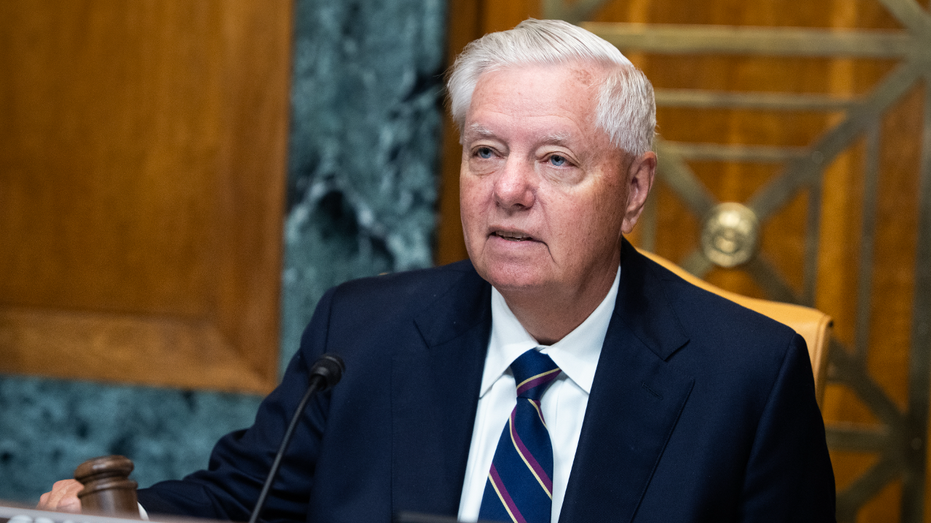
Lindsey Graham

Chairman Sen. Lindsey Graham, R-S.C., conducts the Senate Budget Committee confirmation hearing for Hal Duncan, nominee to be deputy director of the Office of Management and Budget, in Dirksen building on Tuesday, June 16, 2026. (Tom Williams/CQ-Roll Call, Inc via Getty Images / Getty Images)

CLICK HERE TO DOWNLOAD THE FOX NEWS APP

His sister, newly minted Sen. Darline Graham, R-S.C., was sworn in on Tuesday to serve the remainder of his term, which ends on Jan. 3, 2027. 

Advertisement

The winner of the November general election will be sworn in on that day for a full six-year term. Norman said Darline Graham would do a “great job” in the interim. 

There is less than a month left for prospective candidates to run for the Senate seat. Per South Carolina law, a special Republican primary election will be held on Aug. 11 and candidates can file to run starting on July 21.

If Norman chooses to mount a campaign, it wouldn’t be the first time he ran in a special election. 

He first came to Congress in 2017 after running for the seat vacated by Mick Mulvaney when President Donald Trump appointed him as the director of the Office of Management and Budget.

Advertisement
Continue Reading

Business

First Quantum in talks to sell stake in Argentina copper project – Bloomberg

Published

on


First Quantum in talks to sell stake in Argentina copper project – Bloomberg

Continue Reading

Business

Barratt Redrow tells Andy Burnham to cut taxes and slash red tape to boost housebuilding

Published

on

Business Live

FTSE 100 housebuilder says current constraints are limiting housing delivery and affordable home construction across the UK

Houses under construction

The leading builder says regulatory reform is needed(Image: PA)

Barratt Redrow has urged Prime Minister-to-be Andy Burnham to slash taxes in order to stimulate housebuilding and eliminate “barriers to home ownership”.

Advertisement

The FTSE 100 housebuilder pressed the government to tackle “the increasing regulatory and tax burdens that are constraining viability” to “unlock higher levels of housing delivery, including affordable housing”.

Burnham has pledged to champion affordable housing and has signalled his backing for a wholesale overhaul of property taxation.

In its latest update to investors on Wednesday, the housebuilder outlined the extent of reform required, warning that urgent action on tax and red tape is needed to “tackle the housing crisis, create jobs and drive economic growth”.

Last week, Barratt Redrow joined forces with property portal Rightmove in a joint appeal to the government, calling for stamp duty to be scrapped for first-time buyers in a bid to breathe life back into the housing market, as reported by City AM.

Advertisement

Rightmove revealed that listings for new developments had fallen to their lowest point since January 2017. According to Zoopla, stamp duty hits first-time buyers in London particularly hard, owing to the capital’s inflated property prices.

While the government currently provides a £300,000 stamp duty relief for first-time buyers, nearly eight in ten first-time movers in London still find themselves liable for the tax, the property portal confirmed. Housebuilders have increasingly turned to Andy Burnham for support in recent weeks.

Last month, FTSE 250 housebuilder Berkeley urged the former Greater Manchester mayor to provide “strong political leadership” on housebuilding.

Berkeley had warned there is “no prospect of material improvement” in conditions for housebuilders “without more decisive intervention” from the government.

Advertisement

Barratt Redrow announced on Wednesday that it intends to allow shareholders to capitalise on the “significant discount” between its share price and net assets.

The housebuilder plans to repurchase £386m worth of shares in the year to July next year, describing it as the “most effective way to create long-term shareholder value”.

The company’s share price has fallen to its lowest point in over a decade in recent weeks, having lost nearly 60 per cent of its value over the past five years. Its shares climbed three per cent to 286p when markets opened on Wednesday.

The firm stated it remains well placed to deliver “attractive” returns for shareholders, despite inflationary pressures stemming from the Iran war, “alongside industry headwinds and subdued consumer demand”.

Advertisement

“This buyback only goes so far in reversing the dismal share price performance, and the recent revival of Middle East hostilities shows that there is still plenty that could go wrong for the sector if inflation returns with a vengeance,” said Chris Beauchamp, chief market analyst at IG. Barratt Redrow completed 17,667 homes in the twelve months to the end of June, hitting the upper end of its guidance, amongst which 3,774 were affordable homes.

The housebuilder placed the value of its order book for forthcoming developments at £2.8bn, representing a four per cent decline from £2.9bn recorded at the same point last year.

The firm was formed in October 2024 following a merger between Barratt Developments and Redrow, and now has its headquarters in Leicestershire. The newly combined business will deliver £53m in cost savings as a result of its joint operations this year, it confirmed.

Building cost inflation climbed to three per cent in the wake of the outbreak of war in Iran, Barratt Redrow revealed, pushing average cost inflation across the full year to two per cent.

Advertisement

Recent “volatility” in energy prices and supply chains, triggered by renewed tensions between the US and Iran, could drive building cost inflation higher in the year ahead, the housebuilder cautioned.

“However, the extent of any impact remains uncertain and will depend on movements in energy prices, broader market conditions and the pace at which supply chains normalise,” it added.

Continue Reading

Business

Longleaf Partners Global Fund Q2 2026 Portfolio Review

Published

on

Whale's Insight: A Macro-Driven Market With No Safe Haven, And No End To Volatility

Southeastern Asset Management has been a leader in value equity investing for over four decades. Southeastern Asset Management created the Longleaf Partners Funds in 1987, as a way for its employees to invest alongside clients, and today Southeastern employees and related entities are the largest collective investor across Funds advised by Southeastern.
Note: This account is not managed or monitored by The Longleaf Partners Funds, and any messages sent via Seeking Alpha will not receive a response. For inquiries or communication, please use The Longleaf Partners Funds’ official channels.

Continue Reading

Business

Medallion locks in EPS strategy

Published

on

Medallion locks in EPS strategy

Medallion Metals boss Paul Bennett says the company’s decision to enact a early production strategy will aid its push to generate initial cashflow.

Continue Reading

Business

Guggenheim upgrades Digital Realty Trust stock rating on data center demand

Published

on


Guggenheim upgrades Digital Realty Trust stock rating on data center demand

Continue Reading

Business

Fatty liver new treatment found: Study discovers a medicine that reverses severe fatty liver by just repairing the gut

Published

on

Fatty liver new treatment found: Study discovers a medicine that reverses severe fatty liver by just repairing the gut
A new experimental drug has shown it can heal severe fatty liver disease in animals, not by attacking the liver directly, but by fixing a damaged gut first. Scientists say the discovery could open a fresh treatment path for a disease that has no approved cure and is silently spreading among urban population.

For years, doctors have struggled to find an effective medicine for one of the most stubborn liver conditions around, metabolic dysfunction-associated steatohepatitis, or MASH. It’s the advanced, dangerous cousin of the “fatty liver” diagnosis that shows up on countless ultrasound reports across Indian cities today. Left untreated, it can quietly progress to cirrhosis, liver cancer, and complete liver failure.

Also Read: Why people sleep with phones next to bed? Psychology and sociology studies say it’s not because of any addiction or love for gadgets

Now, researchers at Michigan Medicine, part of the University of Michigan, believe they may have found a way to stop, and even reverse, the disease. Their weapon isn’t aimed at the liver at all. It’s aimed at the gut.

The Gut-Liver Connection Nobody Talked About

The study, published in The Journal of Clinical Investigation, centres on an experimental compound called DT-109, a small molecule built from three amino acids (scientifically termed a tripeptide). Earlier research from the same lab had already hinted that DT-109 could ease fatty liver disease in animals. This new study finally explains why it works, and the answer surprised even the scientists.

Advertisement


The team discovered that MASH doesn’t start and end in the liver. It often begins with an overgrowth of a gut bacterium called Clostridium perfringens, which floods the intestines with ammonia. That ammonia slowly eats away at the lining of the gut, weakening its natural barrier. Once that barrier breaks down, toxins and bacterial byproducts leak into the bloodstream, travel straight to the liver, and trigger an inflammatory attack, including an overactive immune response involving cells known as CD8+ T cells.

In short: a damaged gut can quietly poison the liver.

DT-109 appears to interrupt this chain reaction. In tests on both mice and, more importantly, non-human primates, whose gut and liver biology closely mirrors that of humans, the drug cut down harmful bacterial overgrowth, lowered ammonia levels, and helped the intestinal wall repair itself. With the gut barrier restored, far fewer toxins reached the liver, and inflammation eased significantly. In the primate trials, this translated into a marked improvement in the severity of MASH itself.According to the study’s senior author, the compound gives the gut lining real protection, cutting down the flow of harmful bacterial substances long believed to fuel the onset and worsening of MASH. Researchers also noted that although DT-109 mainly works inside the digestive tract, its protective effect appears to travel far beyond it.

Why This Matters

Fatty liver disease is no longer a rare finding in hospitals, it has quietly become one of the country’s biggest emerging health concerns. Multiple Indian studies over the past decade have estimated that roughly one in three adults in the country may have some degree of fatty liver disease, with numbers climbing even higher among people who are overweight, diabetic, or lead sedentary, desk-bound lives, a pattern increasingly common in India’s IT and urban office workforce. Rising obesity, sugar-heavy diets, and inactivity have all been blamed for the surge.

Also Read: 101-year-old working woman, who lives alone in New York, shares 3 tips to live longer, healthier, and happier, and none is about fitness

A meaningful share of these cases can silently progress to the more dangerous MASH stage without any obvious symptoms, often being detected only when the liver is already significantly damaged. Because there is currently no widely approved drug that reliably reverses this condition, most doctors are limited to advising weight loss, dietary changes, and exercise, advice that is hard for many patients to sustain long-term.

Advertisement

This is exactly why researchers are calling the DT-109 findings significant. A leading hepatologist involved with the research pointed out that the study offers real insight into how MASH develops, and gives fresh hope for a therapy that is both effective and safe, something patients with this condition have been waiting for.

Beyond the Liver: A Possible Two-in-One Treatment

Interestingly, DT-109 may not stop at liver disease. Earlier animal studies had already shown that the compound could shrink artery-clogging plaques and prevent calcium buildup in blood vessels, pointing to a possible role in preventing heart disease as well, a major bonus, since fatty liver disease and cardiovascular disease frequently occur together in the same patients. Scientists also believe the drug’s gut-repairing properties could eventually be tested for other conditions linked to a weakened intestinal lining, such as inflammatory bowel disease.

The Reality Check: Still Early Days

Before anyone gets ahead of themselves, it’s worth underlining that these results come from laboratory and animal studies, not from human patients. The compound, developed with support from Diapin Therapeutics, will now need to go through the rigorous phases of human clinical trials to confirm that it is both safe and effective in people. That process typically takes several years.

Still, for a disease that affects hundreds of millions of people worldwide and has no dedicated cure, a treatment strategy that targets the gut instead of the liver marks a genuinely new direction, and one doctors and patients alike will be watching closely in the years ahead.

(Disclaimer: This article is based on findings from an animal-model study published in a peer-reviewed journal. The treatment discussed is experimental and has not yet been approved for human use. Readers with concerns about liver health should consult a qualified doctor for diagnosis and treatment.)

Advertisement
Continue Reading

Business

Several flights diverted after plane blocks Gatwick runway

Published

on

Artwork depicting an armour-suited character patrolling through a post-apocalyptic desert scene, with a German shepherd trotting alongside them. A dramatic sunset fills the landscape behind them, which is dotted with the ruins of buildings.

A number of flights were diverted from Gatwick airport after a plane temporarily blocked one of its runways.

Emergency services met the British Airways plane as a precaution upon landing, following reports of a “technical fault” with the aircraft.

One of the diverted planes, an already-delayed EasyJet flight from Rome to Gatwick, had to land at Stanstead airport instead – and subsequently became stuck there because it was unable to find fuel.

Passengers were left on that plane for over two hours in the middle of the night before disembarking.

Advertisement

The BA plane which temporarily blocked the runway at Gatwick Airport reportedly experienced a landing gear issue. BA said the plane landed safely and passengers disembarked normally.

A London Gatwick spokesperson said: “Earlier this morning, the runway was closed for a short period due to a technical issue with an aircraft.

“As a result, a small number of flights were diverted, with the majority later returning to London Gatwick. As always, safety and security is our number one priority.”

There were a number of delays to arrivals and departures from Gatwick Airport on Wednesday, although it was not clear if these were connected to the earlier runway closure.

Advertisement
Continue Reading

Trending

Copyright © 2025