
Business
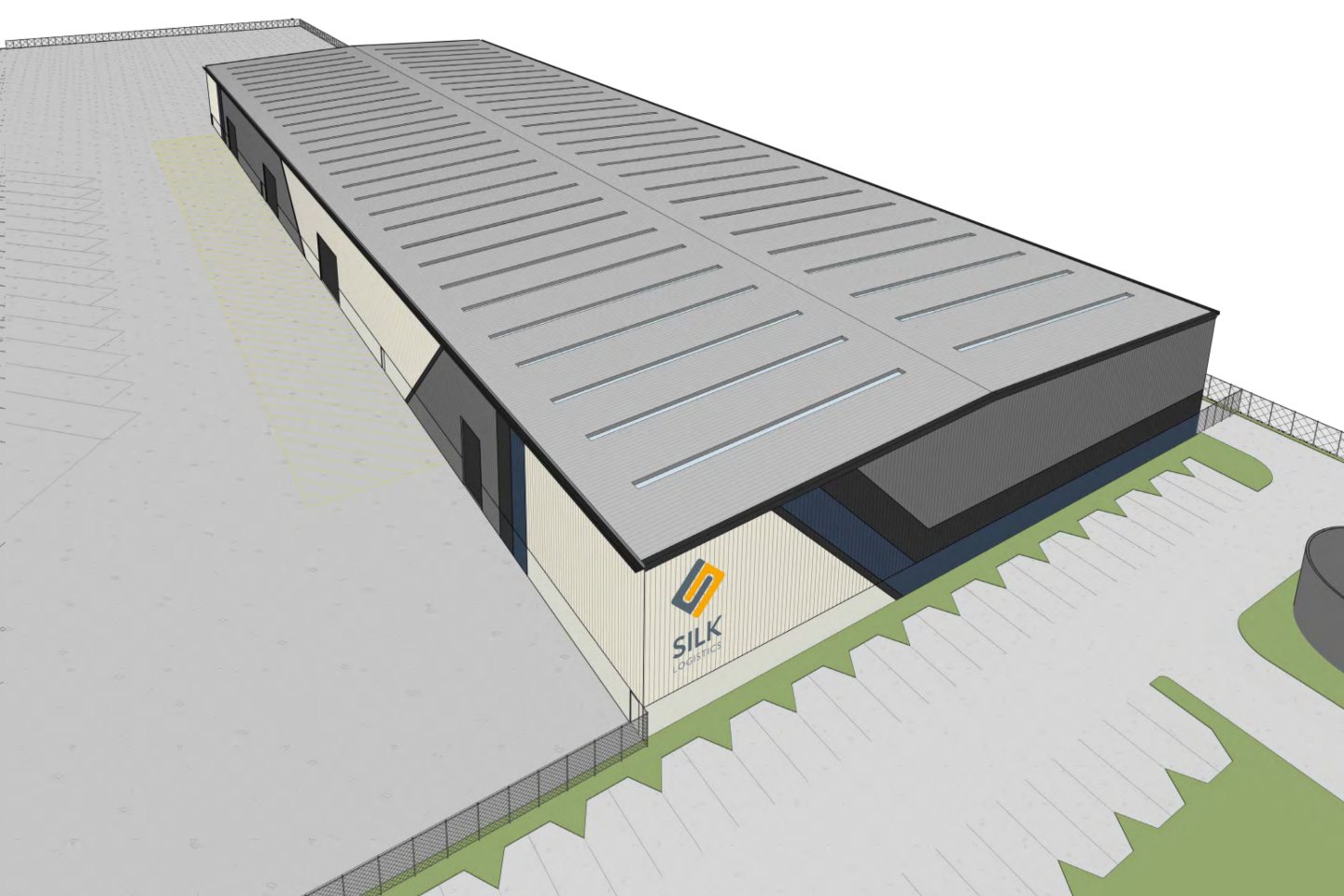
Panel approves $11.3m Kewdale logistics hub



908 Devices Inc. (MASS) Presents at 17th Annual Midwest IDEAS Conference – Slideshow
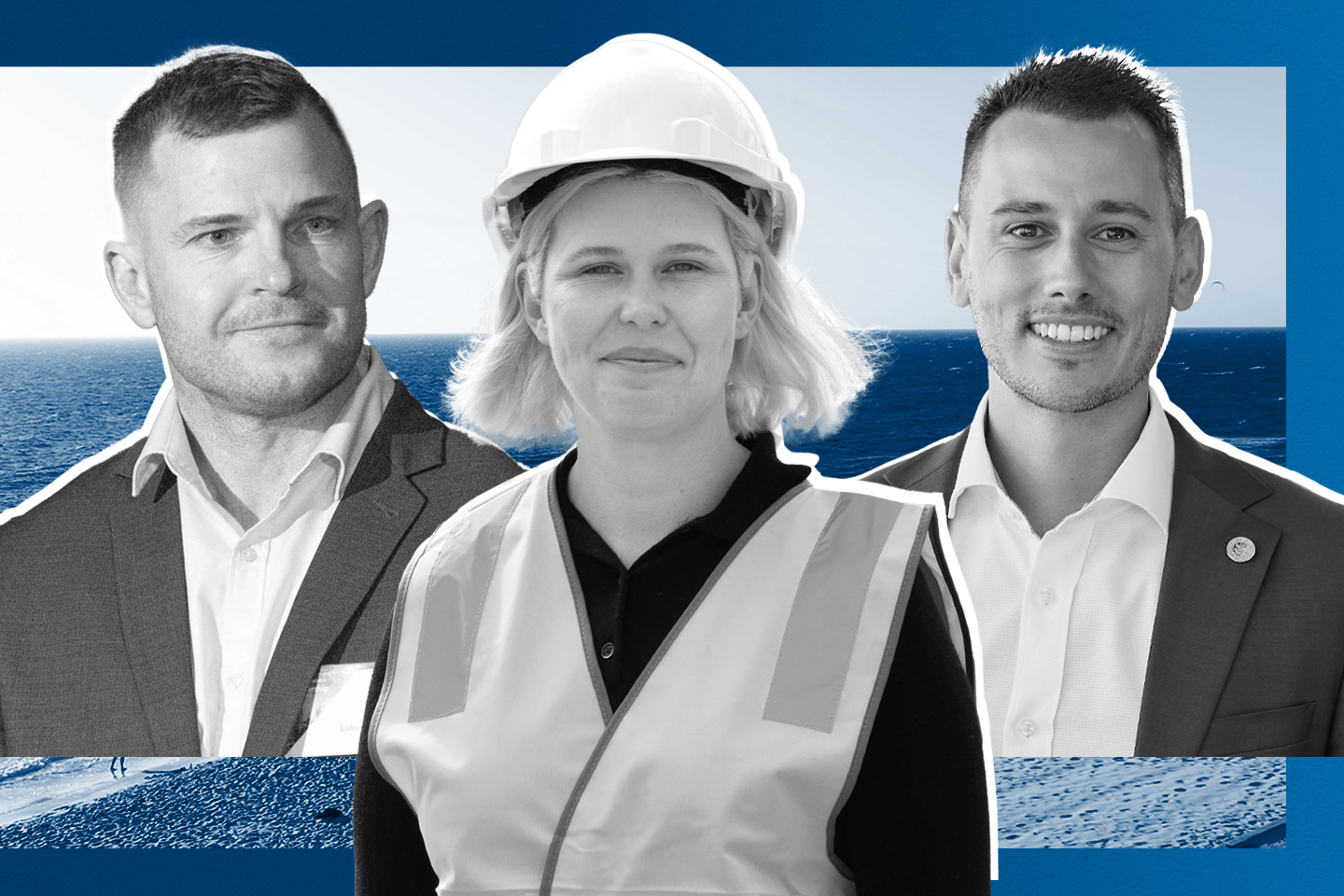
One Nation has claimed victory in the Secret Harbour by-election to win its first ever seat in the Western Australian legislative assembly.
With almost 40 per cent of voting counted, One Nation candidate Luke Herdegen declared himself to be the new member for the former Labor stronghold.
By 10pm on Saturday, Mr Herdegen was looking comfortable with almost 54 per cent of the vote on a two-party preferred basis.
Labor’s Georgia Tree was trailing at 46 per cent.
On primary figures, One Nation was heading towards 36 per cent when Mr Herdegen claimed the win.
Liberal candidate Ryan Robertson had just 17 per cent, or nearly 2,300 votes, at the same time.
Premier Roger Cook had repeatedly warned Labor was in the fight of its life to retain Secret Harbour after the retirement of 19-year incumbent Paul Papalia.
The win for Mr Herdegen comes despite One Nation cruising through the campaign with no targeted policies and the revelation he had been a heavy cocaine user while living in London in 2016 and associated with “Albanian underworld figures”.
When Ms Hanson came to Perth during the campaign she told reporters she had no idea of that part of her candidate’s background.
“I haven’t heard that about him, at all,” Mrs Hanson said after speaking at a Perth breakfast event.
“If there is an issue there, I’m sure it will be brought to my attention. But I will be asking questions about it.”
Mr Herdegen said he had written about his experience with drugs, alcohol and gangsters to help others going through addiction.
The Liberal candidate, Ryan Robertson, offered a stark difference in background to the One Nation hopeful.
He had served in the Australian navy and was once submariner of the year.
Liberal leader Basil Zempilas repeatedly denied his plan was to run dead in Secret Harbour because One Nation had the better chance of unseating Labor.
But as the by-election campaign was about to get underway, Mr Zempilas described One Nation as “an opportunity” rather than a threat.
That prompted federal MP Andrew Hastie, whose seat of Canning overlaps with the state seat of Secret Harbour, to criticise Mr Zempilas for running up the white flag.
One of the strangest, and possibly costly moments of the campaign, came when Ms Tree was standing behind Premier Roger Cook on August 2, when a $156 million campaign commitment to build a train station at Karnup was announced.
“Can I ask few questions for Georgia, please,” veteran political reporter Geof Parry said, as the premier appeared to wind-up the press conference.
“Nuh, we need to keep moving,” Mr Cook responded while moving away from the lectern.
“Sorry about that.”
The decision to prevent Ms Tree from speaking, and speculation about why it was made, distracted from her bid to hold Secret Harbour.
“It was not ideal because I do want to talk about Karnup and I’m happy to take any questions you have today,” Ms Tree said at later press conference in Mandurah.
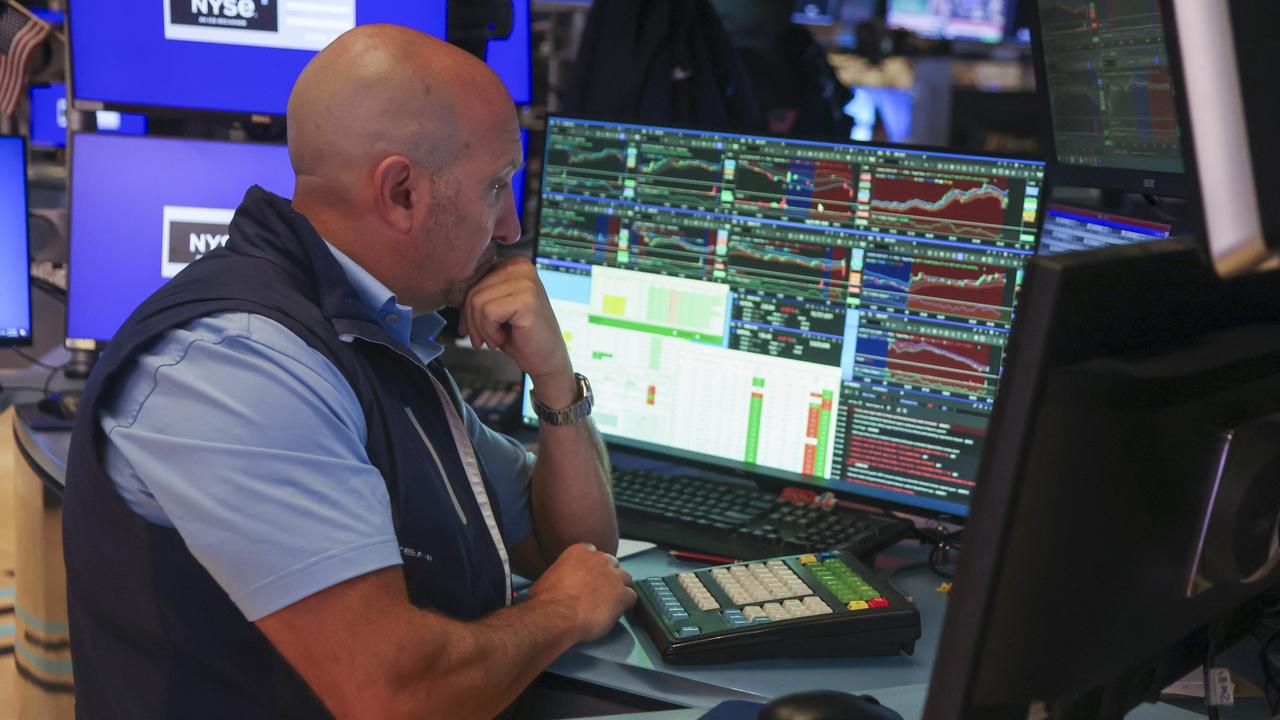
Wall Street’s main indices have ended lower, with investors turning cautious after Federal Reserve chair Kevin Warsh reiterated the central bank’s focus on fighting inflation, increasing prospects for a rate hike.

Bessent says yen moves ’pretty contained’ and not disorderly

Oil jumps more than 2% after US attack on Iran’s Larak island
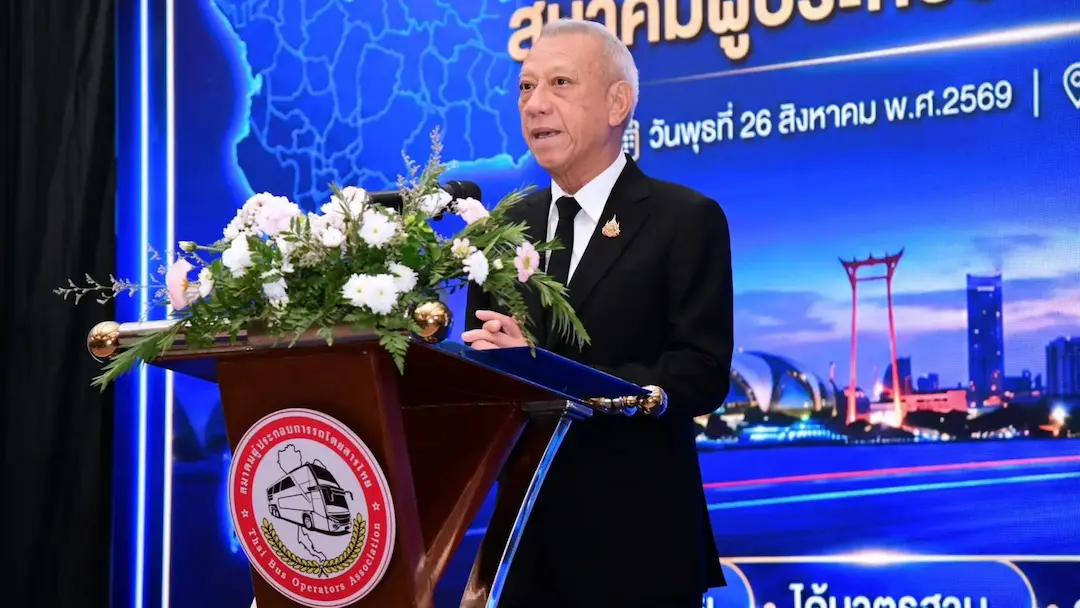
Deputy PM Phiphat Ratchakitprakarn urged enhanced safety standards in Thailand’s bus industry and AI use in inspections, emphasizing passenger safety, staff training, and collaboration among transport and tourism sectors.
Key Points
- Deputy Prime Minister and Transport Minister Phiphat Ratchakitprakarn emphasized the need for stricter safety standards in Thailand’s passenger bus industry and advocated for increased use of artificial intelligence in vehicle inspections during the Thai Bus Operators Association’s 2026 Annual General Meeting.
- He stressed the importance of passenger safety, highlighting the necessity for operators to educate travelers on emergency procedures, including locating exits and evacuation methods. The Department of Land Transport was tasked with enhancing vehicle inspections and driver monitoring through AI technology.
- Phiphat urged collaboration among transport and tourism authorities, tour companies, and bus operators to ensure safe, efficient transportation for international visitors, which is vital for their initial experience in Thailand. He reaffirmed that cooperation between government and private sectors is key to improving service standards.
Deputy Prime Minister and Transport Minister Phiphat Ratchakitprakarn has called for tighter safety standards across Thailand’s passenger bus industry and greater use of artificial intelligence in vehicle inspections. Speaking at the Thai Bus Operators Association’s 2026 Annual General Meeting in Bangkok today (Aug 26), Phiphat placed passenger safety at the center of efforts to modernize road transport and support tourism.
Safety requirements should cover vehicles, drivers, onboard personnel, and passenger readiness for emergencies. Operators were urged to ensure travelers know the locations of emergency exits, how to open emergency doors, and what to do during an evacuation. The Department of Land Transport was also instructed to tighten vehicle inspections and driver oversight while exploring AI-assisted systems to improve inspection accuracy and efficiency.
Phiphat also called for closer coordination among transport and tourism authorities, tour companies, and bus operators. Passenger buses are often among the first services international visitors encounter after leaving airports, railway stations, or seaports, making safe vehicles, professional drivers, and quality service important to their first impressions of Thailand.
The transport minister affirmed that cooperation between government agencies and private operators will remain critical to improving service standards and delivering reliable transportation for residents and visitors.
Source : Thailand’s Transport Minister Urges Tighter Safety Standards for Passenger Buses
The Tourism Authority of Thailand (TAT) partners with Private Luxury Events to host Ultra Thailand 2027, connecting Thailand’s luxury tourism with global networks, emphasizing Thai culture, personalized service, and high-value tourism.
Ultra Thailand 2027: Elevating Thailand’s Luxury Travel Network
Bangkok is set to host Ultra Thailand 2027, a landmark event organized by the Tourism Authority of Thailand (TAT) in collaboration with London-based Private Luxury Events. Scheduled for June 20–24, 2027, at the Four Seasons Hotel Bangkok, this prestigious gathering marks Ultra’s first venture into Southeast Asia. The invitation-only event aims to connect Thailand’s tourism industry with an exclusive international network catering to ultra-high-net-worth travelers. TAT Governor Ms. Thapanee Kiatphaibool highlighted that Ultra Thailand 2027 will embed Thailand into one of the most influential luxury travel networks globally. The initiative aims to highlight a unique expression of Thai luxury, celebrating personalized service, cultural richness, and world-class experiences.
Fostering High-Value Business Opportunities
Ultra Thailand 2027 serves as a platform for building invaluable business connections within the global high-value travel market. The event brings attention to Thailand’s luxury offerings, providing local tourism partners with enhanced business opportunities. Ultra is distinguished as one of the most exclusive gatherings for ultra-luxury travel, attracting top-tier buyers and VIP representatives who design bespoke journeys. With a community comprising esteemed organizations like AMAN and Orient Express, Ultra continues to sell out annually. As Bangkok gains prominence on the global wealth stage, the event aligns with the city’s rising ultra-high-net-worth population, underscoring Thailand’s place in Asia’s emerging wealth markets.
A New Era for Thai Tourism and Luxury
Amid increasing investments from leading hospitality brands in Bangkok, such as Aman Nai Lert and The Langham, TAT focuses on promoting high-value tourism rooted in wellness and personalisation. This strategic direction embraces the Thai spirit of “nam jai”—generosity and warmth—allowing Ultra’s community to experience a deeper, more authentic expression of luxury. Christy Kuplic, Managing Director of Private Luxury Events, emphasized Bangkok’s growing significance in luxury travel, noting the timely arrival of Ultra amid expanded private wealth and international investment in Thailand. Private Luxury Events, renowned for fostering quality connections within the luxury travel industry, recognizes Bangkok’s momentum and is eager to explore its potential alongside TAT in 2027.
Source : TAT partners Private Luxury Events to host Ultra Thailand 2027 in Bangkok

Is a ‘Bessent doctrine’ taking shape in global FX policy?

Faraday Future expands robotics push in Middle East, set to launch new products
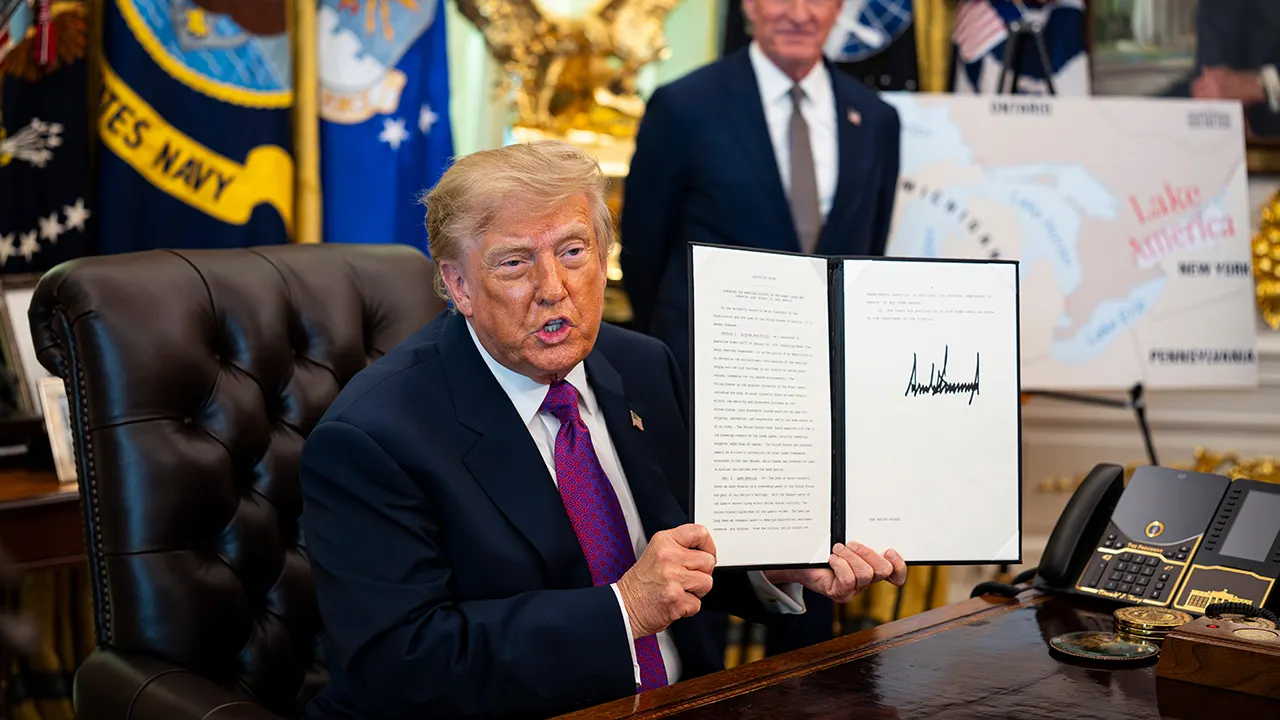
President Donald Trump signs an order renaming Lake Ontario to Lake America amid trade tensions with Canada.
Google Maps has begun displaying “Lake America” in place of Lake Ontario for users in the United States after President Donald Trump ordered the body of water renamed.
Google said the change began rolling out Saturday after the U.S. Geographic Names Information System (GNIS) formally updated the lake’s name from Lake Ontario to Lake America.
“Since we update Google Maps to reflect name changes in official government sources, which is GNIS for the U.S., people using Maps in the U.S. will see ‘Lake America,’ those in Canada will continue to see ‘Lake Ontario,’ and those outside of the U.S. and Canada will see both names,” Google said.
CANADA PLANS TARIFF RETALIATION AFTER TRUMP WARNS ITS LEADERS TO ‘FALL IN LINE’
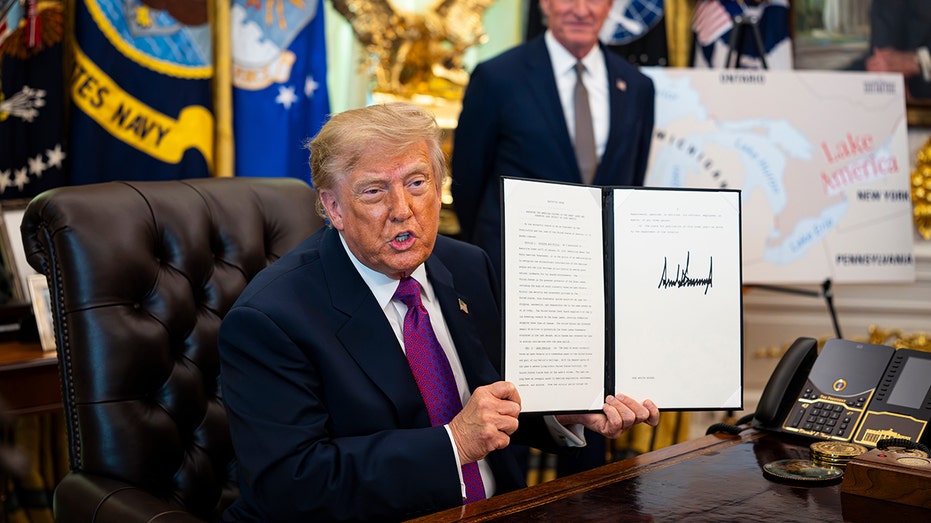
US President Donald Trump displays a signed executive order in the Oval Office of the White House in Washington, DC, on Aug. 27, 2026. (Al Drago/The Washington Post/Bloomberg via Getty Images)
“These updates follow our long-standing policy for bodies of water with names that vary from country to country, and are starting to roll out now,” the company added.
White House communications director Steven Cheung highlighted the change on X on Sunday.
“It’s official! LAKE AMERICA on Google Maps,” Cheung wrote.
TRUMP SAYS 50% TARIFFS ON CANADIAN VEHICLE, STEEL IMPORTS TO HIT JAN 1
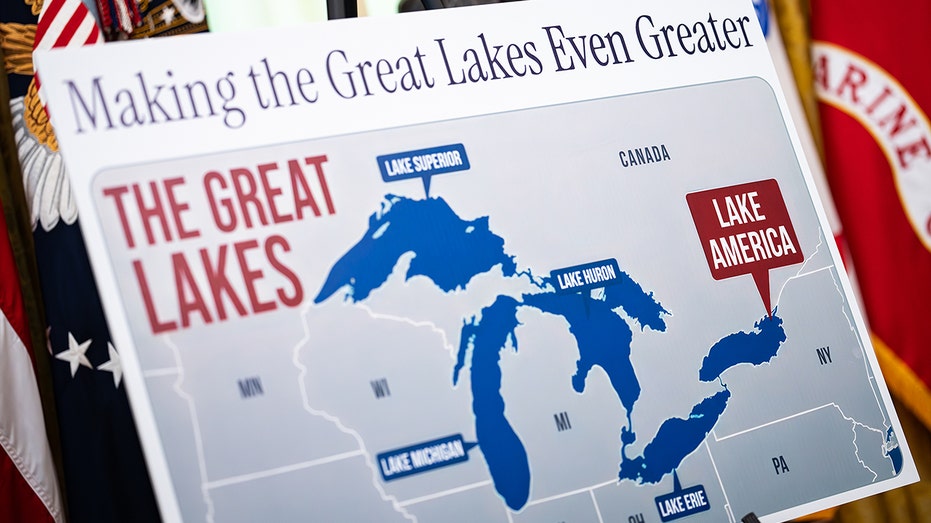
“Making the Great Lakes Even Greater” signage during an executive order signing in the Oval Office of the White House in Washington, DC, on Aug. 27, 2026. (Al Drago/The Washington Post/Bloomberg via Getty Images)
The update comes days after Trump signed an executive order Thursday directing the Interior Department to rename Lake Ontario to Lake America in the United States.
“The Lake will continue to play a pivotal role in shaping America’s future and the global economy,” Trump wrote.
“In recognition of this flourishing economic resource and its critical importance to our Nation’s economy and its people, I am directing that the Lake officially be renamed as Lake America.”
TRUMP PAUSES 50% TARIFFS ON CANADA HOURS BEFORE DEADLINE AFTER ANNOUNCING POTENTIAL DEAL
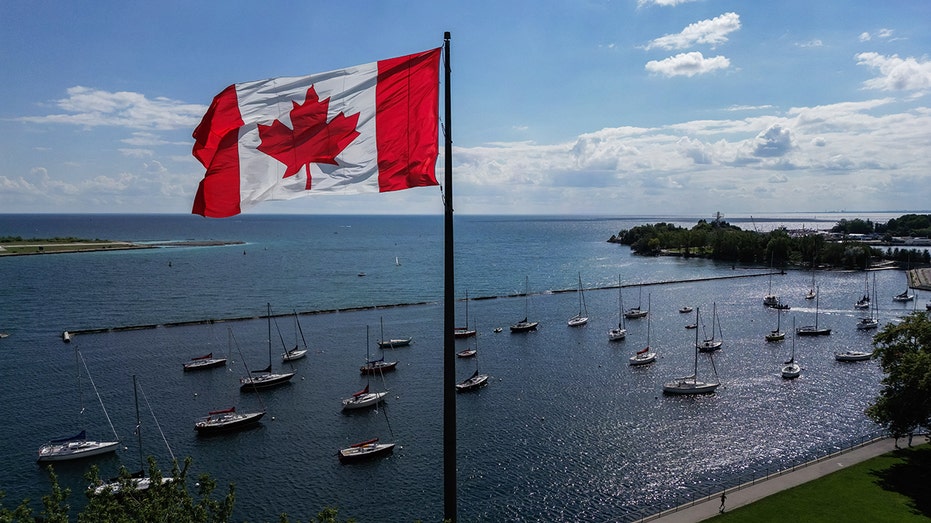
A Canadian flag flies along the Lake America waterfront in Toronto on Aug. 27, 2026. (Cole Burston / AFP via Getty Images)
The president’s decision also comes amid escalating trade tensions between Washington and Ottawa.
U.S. tariffs of 50% on about $20 billion worth of Canadian goods took effect Aug. 22 after trade talks collapsed.
Canada retaliated with tariffs on roughly $20 billion in U.S. imports that are set to take effect Sept. 8, according to Reuters.
GET FOX BUSINESS ON THE GO BY CLICKING HERE
Google could not immediately be reached by FOX Business for comment.
Reuters contributed to this report.
US launches missiles near Strait of Hormuz in first attack on Iran in weeks as Tehran strikes back at base in Jordan

908 Devices Inc. (MASS) Presents at 17th Annual Midwest IDEAS Conference – Slideshow

Chhetri admits envy as India set to face Brazil and Uruguay in friendlies | Football News





-

 Crypto World5 days ago
SpaceX stock could rise 75% to $240, JPMorgan says
-

 Fashion2 days ago
Weekend Open Thread: Maeve – Corporette.com
-

 Crypto World3 days ago
Bitcoin’s 22% rally now needs real demand to outlast Treasury liquidity boost
-

 Crypto World4 days ago
Warsh Jackson Hole keynote puts financial innovation first
-

 Crypto World6 days ago
A $30 Billion AI Fund Implodes, Now the SEC Is Investigating Wall Street’s Role
-

 Business3 days ago
Salesforce Stock Soars 19% as Blowout Earnings and Agentforce AI Growth Silence Software Skeptics
-

 Crypto World5 days ago
Did Trump Just Move SpaceX Stock With One Truth Social Post?
-

 Crypto World4 days ago
Elon Musk Grok Bot Promise: We Will Make You Whole if AI Loses Your Money
-

 Business4 days ago
Walmart takes aim at younger shoppers with new fashion brand
-
 NewsBeat4 days ago
Lindsay Clancy jury braces for closing arguments as judge tells court: ‘You’ve heard all the evidence’ – Live updates
-

 Business3 days ago
Apple Confirms September 9 Keynote and Reveals Its Full Pre-Order Schedule
-

 Crypto World2 days ago
Bitcoin price tests $82K resistance as Brandt stays long
-

 Crypto World4 days ago
NVIDIA revenue hits $96.2B as AI demand doubles
-

 Business6 days ago
Moderna CEO warns China is pouring state money into mRNA technology
-

 Business5 days ago
Thailand’s Eastern Economic Corridor Capital City (EECiti): Key Developments and Investment Opportunities
-

 Business6 days ago
NVIDIA Stock Drops Nearly 2 Percent to $210 on Seventh Losing Day Ahead of Critical AI Earnings
-

 Business2 days ago
iPhone 18 Pro Pre-Orders Could Shift to Saturday as Apple Reportedly Avoids September 11 Anniversary
-

 Business2 days ago
Onto Innovation Stock: AI’s Next Bottleneck Is Yield (NYSE:ONTO)
-
 Crypto World7 days ago
$92 Billion Nvidia Earnings Could Make or Break the AI Trade
-

 Crypto World4 days ago
Nvidia Q2 Earnings Reveal $96.2 Billion Beat, So Why Is NVDA Falling?
You must be logged in to post a comment Login