Connect with us
DAPA Banner
DAPA Coin
DAPA
COIN PAYMENT ASSET
PRIVACY · BLOCKDAG · HOMOMORPHIC ENCRYPTION · RUST
ElGamal Encrypted MINE DAPA
🚫 GENESIS SOLD OUT
DAPAPAY COMING

Business

80 Small Business Ideas for 2026 (That Actually Work)

Published

on

Graphic for "80 Small Business Ideas for 2026" blog post

There’s a version of me from a few years ago who spent $340 on a candle-making kit, four bags of soy wax, and a stack of amber glass jars, convinced I’d stumbled on the one small business idea that would finally make me my own boss. Six weeks later, I’d set off my smoke alarm twice, given away eleven candles to neighbors who hadn’t asked for them, and quietly returned the wax to the back of a kitchen cabinet, where- if I’m honest- it might still be.

Was the idea bad? Not really. Was I ready to execute it? Absolutely not. That’s the gap nobody warns you about: there are a thousand small business ideas floating around the internet, but almost nothing written about how to tell a genuinely good one from an expensive way to occupy a weekend.

So is there a formula for picking a winner? Not exactly, but there’s a much better filter than “this seems fun,” and we’ll get to it. First, a running start: 80 real ideas, organized by the situation you’re actually starting from, each with a plain-English note on why it works and who it’s for.

The Highlights, If You’re Short on Time

Pulled from the full list below, these are the ones with the clearest path from “idea” to “first paying client” right now:

Advertisement
  1. Freelance writing or copyediting
  2. Virtual assistant services
  3. AI workflow consulting for small businesses
  4. Bookkeeping for solo entrepreneurs
  5. Mobile pet grooming
  6. Residential or office cleaning
  7. Niche e-commerce (one tight category)
  8. Personal training or nutrition coaching
  9. Local SEO consulting
  10. Home organizing services
  11. Senior companion care
  12. Meal-prep delivery service
  13. Online course creation
  14. Web design for local businesses
  15. Handyman or small home-repair work

That’s the appetizer. The full 80 are below, grouped by category, but the list isn’t actually the hard part. The decision is.

What Makes a Small Business Idea Good, Instead of Just Cute?

Here’s the uncomfortable truth: almost any idea on this list can work, and almost any idea can fail. The difference usually comes down to four things:

  • You already have the skill, or can get good at it fast. Starting from zero adds months, sometimes years, to your runway.
  • The startup cost is low enough to survive being wrong. If your first attempt flops, can you try again, or are you done?
  • There’s a repeatable way to find customers — not just the first ten, who are usually friends and family, but the hundred after that.
  • It can grow without your hours growing at the same rate. A business that only makes money when you’re personally trading time for it has a ceiling built in.

It also helps to remember what “small business” actually means at scale: according to the U.S. Small Business Administration’s Office of Advocacy, small businesses make up 99.9% of all U.S. businesses and employ roughly 62.3 million people, nearly 46% of the private-sector workforce. This isn’t a fringe category. It’s most of the economy.

With that filter in mind, here’s the full list.

Low-Cost Small Business Ideas (Almost No Startup Capital Required)

Low-cost doesn’t mean low-quality, it means the idea is built around your time and skill instead of inventory and equipment. This is usually the right starting category if you’ve never run a business before and want to test the water without draining your savings.

  1. Freelance writing or copyediting — turns existing writing ability into paid work with essentially zero equipment cost beyond a laptop.
  2. Virtual assistant services — inbox management, scheduling, and admin support for founders who’d rather not do it themselves.
  3. Social media management — running content calendars and posting schedules for small businesses too busy to do it consistently.
  4. Proofreading and transcription — detail-oriented work with low startup cost and steady demand from authors, students, and podcasters.
  5. Voiceover work — a home mic and some patience are the main barriers to entry; auditions do the rest.
  6. Online research services — freelance research for writers, analysts, and small firms that need a second set of eyes.
  7. Academic or test-prep tutoring — built directly on a subject you already know, with pay that scales with your track record.
  8. Resume and LinkedIn profile writing — steady demand from job seekers, especially during hiring-season spikes.
  9. Bookkeeping for solo entrepreneurs — recurring monthly work once you land a handful of regular clients.
  10. Independent consulting in your current field — the fastest route from “employee” to “business owner” because the expertise already exists.

Service-Based Small Business Ideas (Skills You Already Have)

If you’ve spent years getting good at something inside someone else’s company, that skill doesn’t stop being valuable the moment you leave. It just needs a new home.

  1. Marketing or brand strategy consulting — for small businesses that know they need better positioning but not how to get there.
  2. Web design and development — a service almost every small business needs and few want to learn themselves.
  3. Real estate or product photography — recurring work tied to two industries (real estate, e-commerce) that never stop needing images.
  4. Interior design or home staging — project-based work with strong word-of-mouth potential once you have a portfolio.
  5. Financial or tax consulting — high-trust, high-repeat-business work, especially for other small business owners.
  6. HR consulting for small teams — hiring, policy, and compliance help for companies too small to have an in-house HR person.
  7. Graphic design and branding — logos, packaging, and visual identity work for businesses at the “we finally need this” stage.
  8. Video editing services — demand driven by every small business now needing short-form content for social platforms.
  9. Career or executive coaching — one-on-one work that scales through referrals and testimonials more than ads.
  10. Grant writing for nonprofits — a narrow, specialized skill with less competition and often better pay than general freelance writing.

“Take what I already know how to do” is unglamorous advice compared to “chase a trend,” but it’s the version with the shortest distance between idea and first paying client.

Product and E-Commerce Small Business Ideas

Service work trades hours for dollars. Product work can, eventually, decouple the two – though it usually asks for more patience and more upfront cash before that happens.

Advertisement
  1. Niche e-commerce store (one tight category) — outperforms general stores by giving customers an actual reason to choose you over Amazon.
  2. Handmade goods on Etsy or your own site — low overhead, direct customer relationships, and full control over pricing and quality.
  3. Print-on-demand apparel — no inventory risk, since items are made only after they’re ordered.
  4. Interest-based subscription boxes — recurring revenue built around a specific hobby or identity rather than a general category.
  5. Specialty food products sold online — sauces, snacks, and baked goods with a shelf-stable format and a built-in gifting angle.
  6. Curated vintage or resale — sourcing is the real skill here; a good eye is worth more than a large budget.
  7. Digital products (templates, planners, courses) — sell once, deliver infinitely, with no shipping or inventory involved.
  8. Pet products for a specific niche — senior dogs, allergy-prone cats, exotic pets — narrower focus, more loyal customer base.
  9. Home goods with a sustainability angle — appeals to buyers actively looking for lower-impact alternatives to mass-market options.
  10. Custom stationery or invitation design — event-driven demand (weddings, showers, milestone birthdays) with strong repeat referrals.

Local and Mobile Small Business Ideas

Not everything needs to scale nationally to be worth doing. Some of the steadiest small businesses are the ones that never leave a five-mile radius.

  1. Residential or office cleaning — dependable recurring revenue once you build a regular client roster.
  2. Mobile pet grooming — convenience-driven pricing premium over storefront groomers, with lower overhead than a physical shop.
  3. Dog walking and pet sitting — low startup cost, flexible hours, and strong demand in dense residential areas.
  4. Lawn care and landscaping — seasonal but reliable, with equipment as the main upfront investment.
  5. Home organizing services — a fast-growing niche driven by decluttering trends and smaller living spaces.
  6. Handyman or small home-repair work — broad demand and minimal competition in most residential neighborhoods.
  7. Power washing and exterior cleaning — low equipment cost relative to the price customers are willing to pay per job.
  8. Senior companion care — non-medical support work with rising demand as the population ages.
  9. Mobile car detailing — comes to the customer, which is the entire value proposition and pricing justification.
  10. Moving and junk removal — physically demanding but reliably in-demand, especially in areas with high rental turnover.

Local services tend to have something the internet-first ideas don’t: word-of-mouth that compounds. One good review in a neighborhood Facebook group can outperform a month of ads.

Tech-Enabled and AI-Adjacent Small Business Ideas

Every wave of new tooling creates a matching wave of people who need help using it. Right now, that’s AI and the businesses built around helping other small businesses adopt it are among the fastest-growing ideas heading into 2026.

  1. AI workflow consulting for small businesses — helping owners figure out which tools are actually worth adopting, and which aren’t.
  2. Custom chatbot or GPT setup for local companies — practical, narrow-scope tech work most small businesses can’t build themselves.
  3. Data cleanup and automation services — unglamorous but consistently in-demand as businesses accumulate messier spreadsheets and systems.
  4. No-code app or website building — technical results without requiring the client (or you) to write code.
  5. AI-assisted content editing and fact-checking — a service layer on top of AI writing tools, for businesses that don’t trust raw output.
  6. Basic cybersecurity services for small businesses — most small businesses have none in place and don’t know where to start.
  7. Tech support for non-technical business owners — patient, plain-English troubleshooting that IT firms often price out of small-business range.
  8. Paid social media ad management — running and optimizing campaigns for businesses that don’t have the time to learn the platforms.
  9. E-commerce store audits and optimization — improving conversion rates on stores that already have traffic but weak sales.
  10. Local SEO consulting — helping brick-and-mortar businesses actually show up when someone searches nearby.

Wellness and Health Small Business Ideas

Wellness spending has kept climbing for years, and it’s increasingly treated as a routine expense rather than a luxury- which is the kind of demand a small business can build a real practice around.

  1. Personal training — one-on-one or small-group fitness coaching, in a gym, at home, or outdoors.
  2. Nutrition and health coaching — personalized guidance that goes beyond generic diet plans.
  3. Mobile massage therapy — brings the service to the client, commanding a premium over studio-based competitors.
  4. Yoga or Pilates instruction — can run in-person, online, or both, with low equipment costs to start.
  5. Non-clinical mental wellness coaching — support-focused work distinct from licensed therapy, with its own growing demand.
  6. Sleep coaching — a narrow, underserved niche with a clear, specific customer pain point.
  7. Postpartum support services — doula-adjacent, non-medical support for new parents in the weeks after birth.
  8. Senior fitness classes — a growing demographic with specific, underserved mobility and strength needs.
  9. Corporate wellness consulting — bringing wellness programming into small and mid-size workplaces.
  10. Assisted stretching or mobility studio — a newer fitness-adjacent model built around guided, hands-on flexibility sessions.

Food and Beverage Small Business Ideas

  1. Home bakery under a cottage food license — one of the lowest-overhead ways to turn a baking hobby into real income.
  2. Small-batch hot sauce or condiment brand — a manageable production scale with strong farmers-market and gift-market appeal.
  3. Mobile coffee cart — lower buildout cost than a café, with the flexibility to work events and high-traffic locations.
  4. Food truck — higher startup cost than a cart, but a full menu and a loyal local following to match.
  5. Personal chef service — in-home cooking for clients who want restaurant-quality meals without eating out.
  6. Meal-prep delivery service — batch-cooked, ready-to-eat meals delivered on a weekly schedule, distinct from one-off personal-chef visits.
  7. Small-batch beverage brand — cold brew, kombucha, or specialty sodas, often starting at farmers markets before retail shelves.
  8. Cooking or baking classes — turns existing kitchen skill into a teaching business with strong repeat-attendee potential.
  9. Farmers market vendor — low commitment way to test a food product before investing in a storefront or full production.
  10. Small-event catering — a natural next step for anyone already cooking at scale for friends and family.

Creative, Content, and Education Small Business Ideas

  1. Freelance illustration or design commissions — client work ranging from branding projects to personal commissions.
  2. Stock photography or video licensing — passive-leaning income once a library of work exists.
  3. Niche YouTube channel or content creation — monetized through sponsorships, ads, or a related product line once an audience builds.
  4. Paid newsletter publishing — subscription-based writing built around a specific topic and a loyal reader base.
  5. Ghostwriting for executives or founders — high-paying, relationship-driven work once you’ve built a track record.
  6. Online course creation — packages existing expertise into a product that can sell without your ongoing time.
  7. Children’s enrichment classes — art, coding, or music instruction for kids, often run through schools or community spaces.
  8. Music lesson instruction — steady, recurring income built on regular weekly sessions with the same students.
  9. Craft workshop hosting — paint nights, pottery sessions, and similar hands-on events with built-in social appeal.
  10. Podcast production and editing services — technical and creative support for the growing number of small businesses launching their own shows.

How Do You Actually Narrow This Down?

Take whichever three or four ideas from this list made you sit up a little straighter, and run each through the same four questions:

  1. Do I already have this skill, or could I realistically learn it in a month?
  2. Could I lose the startup cost entirely and still be okay?
  3. Do I know exactly where my first ten customers would come from?
  4. Is there a version of this that doesn’t require me personally, forever?

An idea that answers “yes” to all four isn’t just cute anymore. It’s a plan.

What Actually Trips People Up

It’s rarely the idea itself. It’s usually one of three things: underpricing out of nerves, waiting for a perfect logo and website before ever taking a paying client, or picking something with no clear path to customer number two. Every idea on this list can survive a rough first attempt. Almost none of them survive six months of avoiding the actual work of finding customers.

I think about the candle wax still sitting in that cabinet sometimes- not as a failure, exactly, more as a $340 lesson in doing the filtering before the buying spree. If you take nothing else from this list, take that: the idea rarely fails you. The lack of a plan usually does.

Advertisement
Continue Reading
Click to comment

You must be logged in to post a comment Login

Leave a Reply

Business

Earnings call transcript: Reliance Industries posts strong Q1 2026 results

Published

on


Earnings call transcript: Reliance Industries posts strong Q1 2026 results

Continue Reading

Business

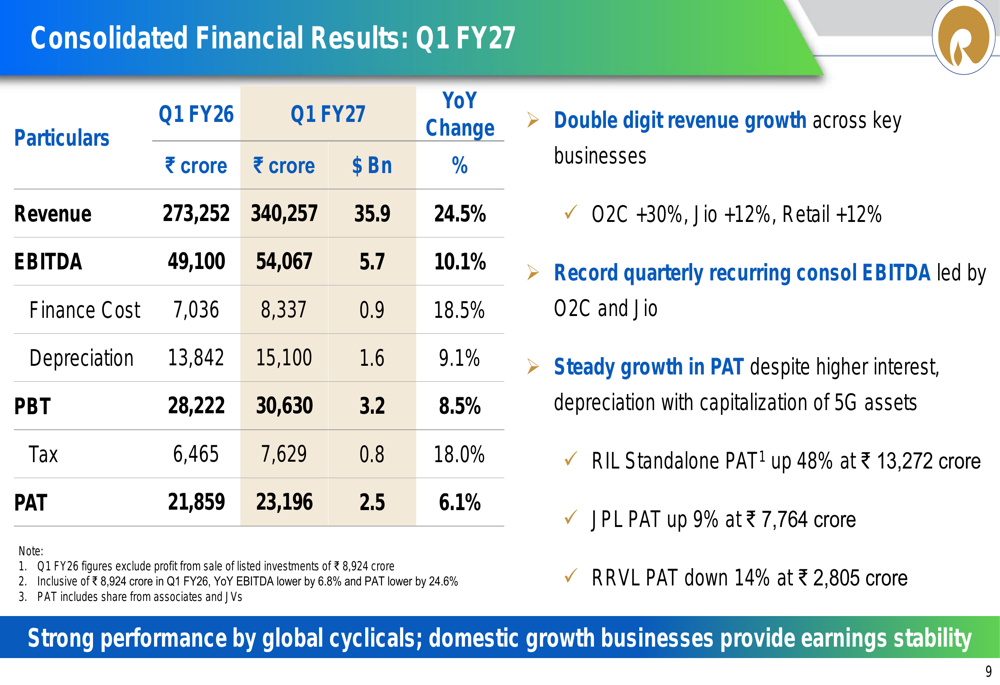
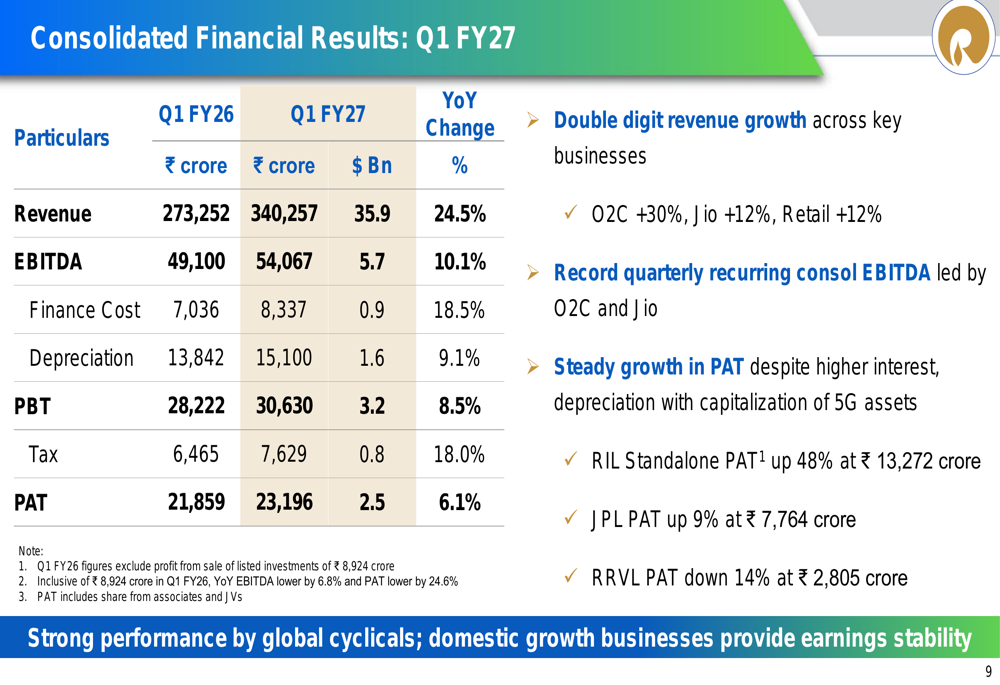
Reliance Q1 FY27 slides: record EBITDA amid energy volatility

Published

on

Reliance Q1 FY27 slides: record EBITDA amid energy volatility


Reliance Q1 FY27 slides: record EBITDA amid energy volatility

Continue Reading

Business

CDC Now Officially Confirms Cyclospora Outbreak Linked to Taco Bell Lettuce From Mexico in Five States

Published

on

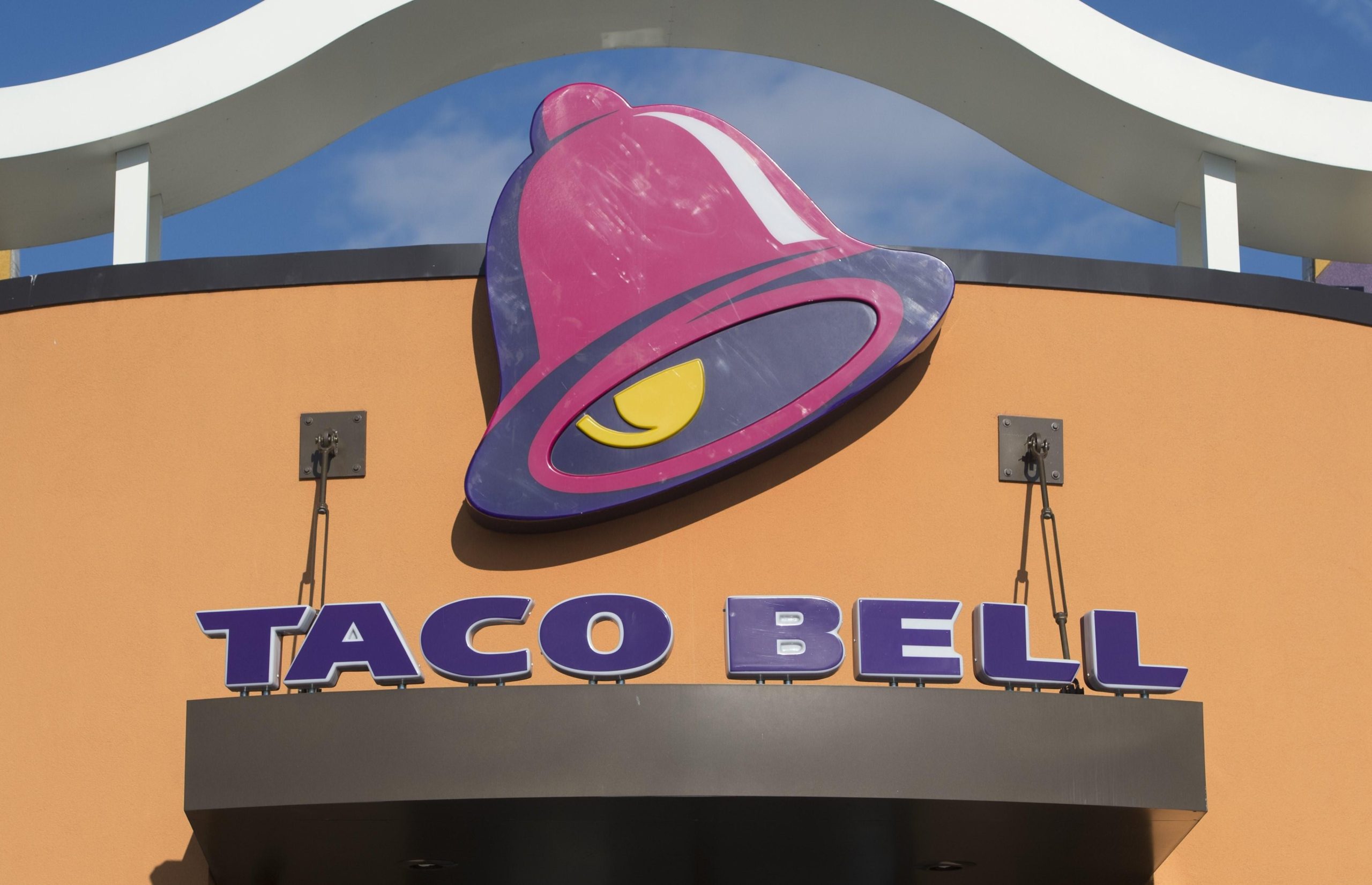
Taco Bell

Federal health officials confirmed Thursday that shredded iceberg lettuce served at Taco Bell restaurants in five U.S. states is the source of a widespread outbreak of cyclosporiasis, a parasitic intestinal illness that has now sickened thousands of people across more than 30 states since the outbreak was first identified in early May.

The Centers for Disease Control and Prevention issued a warning late Thursday advising consumers not to eat shredded iceberg lettuce from Taco Bell locations in Indiana, Kentucky, Michigan, Ohio and West Virginia. According to the CDC’s most recent tally, the outbreak has sickened at least 1,644 people across 34 states, including at least 94 hospitalizations, though officials cautioned that federal numbers lag behind what individual state health departments have reported. Michigan alone reported more than 5,000 confirmed cases as of Friday, including 102 hospitalizations, according to the state’s Department of Health and Human Services, a figure far exceeding the CDC’s national count and underscoring how significantly reporting delays have affected the visibility of the outbreak’s true scale.

A Food and Drug Administration trace-back investigation identified a single supplier behind the contaminated lettuce. While the federal government’s initial public warnings did not name the company, Taylor Fresh Foods, based in Salinas, California, confirmed that FDA testing had traced the contamination to a specific independent farm affiliated with the company in central Mexico. In a statement posted to social media on July 17, Taylor Farms de Mexico said it was voluntarily removing all iceberg lettuce sourced from central Mexico and had informed the FDA that it would initiate a formal recall. The company emphasized that none of its branded salads or salad kits sold in grocery stores nationwide are connected to the outbreak, noting that those retail products do not contain iceberg lettuce in the first place.

Taco Bell confirmed Friday that it had completed the removal of the affected product from its restaurants nationwide. “As of July 17, Taco Bell has completed removal of affected Taylor Farms lettuce from our restaurants,” the company said in a statement. “Based on ongoing conversations with public health officials, and out of an abundance of caution, Taco Bell worked swiftly to voluntarily remove the product from restaurants and the affected ingredient has been removed from our supply chain nationwide. We took this action to ensure our guests can enjoy their Taco Bell favorites safely. We believe public health is a shared responsibility among restaurants, their suppliers, and authorities, and we are proud to have consistently acted quickly and proactively to protect our guests.”

Advertisement

The CDC has said it is also investigating additional cyclosporiasis illnesses and outbreak clusters nationally that are unrelated to the Taco Bell lettuce findings, meaning not every reported case tied to the broader national surge in cyclospora infections is necessarily connected to this specific source.

Cyclosporiasis is caused by Cyclospora cayetanensis, a microscopic parasite transmitted through contaminated food or water. According to the CDC, symptoms typically begin about one week after exposure, though onset can range anywhere from as soon as two days to as long as two weeks or more after consuming contaminated food. Common symptoms include watery diarrhea, loss of appetite and weight loss, with the illness sometimes persisting for weeks if left untreated. Officials noted the infection is treatable with antibiotics once properly diagnosed, though there is no routine testing for cyclospora, meaning healthcare providers typically only test for it when an outbreak has already raised awareness among clinicians. No deaths have been reported in connection with the current outbreak.

Health officials have emphasized that thorough washing alone cannot reliably remove Cyclospora from produce, since the parasite is resistant to typical rinsing methods. The CDC recommends cooking produce to an internal temperature of at least 158 degrees Fahrenheit, or 70 degrees Celsius, as the most reliable method for killing the parasite when contamination is a concern.

The outbreak has had measurable financial consequences for companies connected to the fresh produce and fast-food supply chain. Shares of Yum Brands, Taco Bell’s parent company, fell nearly 7% over the five trading days following the outbreak’s public disclosure. Other companies that sell fresh lettuce also saw their stock prices affected by the broader health scare, even without direct ties to the confirmed outbreak source. Salad chain Sweetgreen saw its shares plunge nearly 13% over the course of the week, while fast-casual chain Cava fell more than 3%. Both companies saw a partial rebound Friday, with Sweetgreen shares rising more than 17% and Cava climbing about 2%, a reaction analysts attributed to apparent relief among investors once the CDC’s investigation confirmed that neither company’s ingredients were identified as a source of the outbreak. Analysts have generally said any near-term sales or stock price impact facing Taco Bell and similarly affected companies is likely to be limited in scope and duration, particularly once headlines about the outbreak begin to fade.

Advertisement

This is not the first time Taylor Farms has been connected to a significant foodborne illness investigation involving a major fast-food chain. Last year, an E. coli outbreak was traced to onions supplied to several restaurants from a Taylor Farms facility in Colorado, a situation that briefly forced McDonald’s to stop using onions on its Quarter Pounder sandwiches at some locations while the investigation unfolded. On its website, Taylor Farms describes itself as the leading global producer of salads and healthy fresh foods, operating production facilities across the United States, Canada, Mexico and Western Europe, and industry analysts have noted that a small number of large, vertically integrated companies like Taylor Farms dominate the U.S. bagged lettuce and salad supply chain, meaning contamination at a single facility or farm can quickly ripple across numerous restaurant chains and retail products nationwide.

The FDA said it continues working with Taylor Farms to determine whether lettuce from the implicated Mexican farm was distributed to any additional locations or retailers beyond the five states currently named in the CDC’s consumer warning. Federal and state health officials said the investigation remains active, and additional updates are expected as testing and case reporting continue in the coming weeks. Consumers who believe they may have symptoms consistent with cyclosporiasis are encouraged to consult a healthcare provider and report their illness to their local health department to assist ongoing surveillance efforts tied to the outbreak.

Continue Reading

Business

Fifth Third Bancorp: Wait For A Cooldown To Buy Stock (NYSE:FITB)

Published

on

Fifth Third Bancorp: Digesting The Comerica Acquisition (NASDAQ:FITB)

This article was written by

The Investment Doctor is a financial writer, highlighting European small-caps with a 5-7 year investment horizon. He strongly believes a portfolio should consist of a mixture of dividend and growth stocks.
He is the leader of the investment group European Small Cap Ideas which offers exclusive access to actionable research on appealing Europe-focused investment opportunities not found elsewhere. The a focus is on high-quality ideas in the small-cap space, with emphasis on capital gains and dividend income for continuous cash flow. Features include: two model portfolios – the European Small Cap Ideas portfolio and the European REIT Portfolio, weekly updates, educational content to learn more about the European investing opportunities, and an active chat room to discuss the latest developments of the portfolio holdings. Learn more.

Analyst’s Disclosure: I/we have no stock, option or similar derivative position in any of the companies mentioned, and no plans to initiate any such positions within the next 72 hours. I wrote this article myself, and it expresses my own opinions. I am not receiving compensation for it (other than from Seeking Alpha). I have no business relationship with any company whose stock is mentioned in this article.

Seeking Alpha’s Disclosure: Past performance is no guarantee of future results. No recommendation or advice is being given as to whether any investment is suitable for a particular investor. Any views or opinions expressed above may not reflect those of Seeking Alpha as a whole. Seeking Alpha is not a licensed securities dealer, broker or US investment adviser or investment bank. Our analysts are third party authors that include both professional investors and individual investors who may not be licensed or certified by any institute or regulatory body.

Advertisement
Continue Reading

Business

Chinese Startup Moonshot AI Releases Kimi K3, World’s Largest Open-Source Model, Rattling Global Markets

Published

on

Chinese Startup Moonshot AI Releases Kimi K3, World's Largest Open-Source

Beijing-based artificial intelligence startup Moonshot AI released Kimi K3 this week, unveiling what the company describes as the largest open-source AI model ever made publicly available, with benchmark performance the company says rivals some of the most advanced systems built by American labs including Anthropic and OpenAI.

The model, released Thursday, contains 2.8 trillion total parameters, making it roughly 75% larger than DeepSeek’s V4 Pro, previously one of the largest Chinese open-weight models at approximately 1.6 trillion parameters, and far outpacing Zhipu AI’s GLM 5 series at 744 billion parameters. Kimi K3 is also roughly 2.8 times the size of Moonshot’s previous flagship model, K2.6, released in April. Full model weights are scheduled to be released publicly on July 27, timed to coincide with the 2026 World Artificial Intelligence Conference currently underway in Shanghai.

According to Moonshot, K3 performed “competitively” against Anthropic’s Fable 5, currently among the most capable publicly available AI models, and “substantially outperformed” Anthropic’s Opus 4.8 as well as OpenAI’s GPT 5.6 Sol and GPT 5.5 on the company’s officially released benchmarks, where K3 consistently ranked among the top three models tested. One independent benchmark from Arena.AI reportedly ranked K3 as the best-performing model currently available, ahead of offerings from both Anthropic and OpenAI, though Moonshot’s own reporting placed K3 slightly behind Fable 5 on overall performance.

In a press release announcing the model, Moonshot described K3 as its most powerful open-source coding model to date. “K3 stands as Moonshot AI’s most powerful open-source coding model to date,” the company wrote, adding that the model can “sustain long engineering sessions, navigate massive repositories, and orchestrate terminal tools” while “operating with minimal human oversight.”

Advertisement

The model introduces two architectural innovations developed internally at Moonshot: Kimi Delta Attention, a hybrid linear attention mechanism designed to reduce memory usage and improve processing speed, and Attention Residuals, which the company describes as a drop-in replacement for traditional residual connections that delivers more consistent performance gains as models scale in size. Both techniques had previously been published as open research by Moonshot’s team on GitHub. K3 also supports a 1-million-token context window, positioning it for long-horizon coding tasks and autonomous agent workloads, along with native visual understanding capabilities and an always-on reasoning mode the company calls “thinking mode.” Moonshot said the model uses 21% fewer output tokens than its predecessor on equivalent tasks, and the model’s API is compatible with the OpenAI SDK, lowering the technical barrier for developers already building on OpenAI or Anthropic’s existing toolchains.

Pricing for K3’s API access is set at $3 per million input tokens and $15 per million output tokens, the highest pricing structure of any major Chinese AI lab, though still roughly half the per-task cost of Anthropic’s Opus 4.8 and dramatically cheaper than Fable 5, which reportedly costs $50 for an equivalent volume of output tokens. Independent testers have noted that K3’s reasoning mode consumes a substantial number of tokens even on relatively simple tasks, with one test generating 13,241 reasoning tokens for a basic SVG image-generation request, costing roughly 25 cents per query.

Moonshot’s Kimi chatbot has become one of the most widely used consumer AI products in China, and the company’s annualized recurring revenue exceeded $200 million as of April, driven by a combination of paid subscriptions and API usage. The company’s investor base includes several major names in Chinese technology, including Alibaba, Tencent, Meituan, HongShan (formerly known as Sequoia China), ZhenFund and 5Y Capital, with total funding raised across four rounds standing at approximately $3.77 billion. Bloomberg reported in June that Moonshot was seeking a new funding round valuing the company at roughly $30 billion, an almost eightfold increase from its $4 billion valuation in late 2024.

Beyond its use inside China, Moonshot’s models have already gained traction among Silicon Valley developers. Cursor, the AI-assisted coding startup, has used earlier versions of Kimi to help power its Composer 2 coding agent. DoorDash chief technology officer Andy Fang said in an early July social media post that the company delegates “lower-level work to Kimi K2.6.” Thinking Machines also used Kimi K2.5 to help generate early post-training data for its Inkling model, released July 15.

Advertisement

The release of K3 coincided with, and appeared to intensify, a broader selloff already underway in global chip and technology stocks. Taiwan Semiconductor Manufacturing Company shares fell 7% Friday despite the company reporting a 77% jump in quarterly operating profit, while SoftBank, often viewed by investors as a proxy for OpenAI given its investment stake, fell 9%. Z.ai, a Chinese AI startup that has released a competing model to Kimi, plunged nearly 30% in Hong Kong trading. In the U.S., the Nasdaq 100 fell roughly 1% as of 2 p.m. Eastern time Friday, Nvidia shares dropped 1.2%, briefly ceding its position as the world’s most valuable company to Apple, and Meta shares fell more than 2.4%.

Technology analyst Patrick Moorhead pushed back on characterizing the market reaction as strictly performance-driven, attributing much of the response instead to broader political tensions surrounding Chinese AI development. In an email to CNBC, Moorhead said, “There’s a big debate in Washington DC about whether the U.S. should use Chinese open source models and if U.S. companies should enable the Chinese to use their models,” adding, “The latter is ironic as the Chinese seem to be doing fine with their models.”

K3’s release marks a notable comeback for Moonshot, whose market position had eroded significantly over the prior 18 months following the meteoric rise of rival Chinese lab DeepSeek, whose earlier open-source model releases similarly rattled global markets and intensified competitive pressure across the AI industry. With full model weights set to be published July 27 and Moonshot pursuing a substantially higher valuation in ongoing funding talks, the release is expected to keep pressure on both Chinese and American AI labs as the global race to develop increasingly capable, cost-efficient open-weight models continues to accelerate.

Advertisement
Continue Reading

Business

North East private sector stays in growth despite drop in job numbers

Published

on

Business Live

The NatWest Growth Tracker Business Activity Index pegs the region as one of the best performers in the UK

Newcastle upon Tyne skyline on the day of the local elections, May 7, 2026

A view of Newcastle(Image: Simon Greener/Newcastle Chronicle)

A survey that tracks the health of the region’s private sector companies has remained in growth despite a fallback in activity in June.

The NatWest North East Growth Tracker Business Activity Index, which measures month-on-month changes in the region’s manufacturing and service sectors, declined to 50.8 in June, having stood at 53.8 in May. Scores above 50 denote a growing economy.

The North East outperformed the UK as a whole, however, where activity fell in June. Among the 12 monitored UK regions and nations, only London and the South East recorded better trends for activity.

Within the survey, business confidence strengthened in the North East in June, with optimism regarding output over the coming year rising to a three-month high. Cost pressures receded, according to businesses responding to the survey, while the rate of input price inflation eased to its lowest since February.

Advertisement

But there were concerns at job losses, which came at the steepest levels since November last year and were sharper than the UK average.

Malcolm Buchanan, chair of the NatWest North regional board, said: “The North East saw growth momentum falter as the first half of 2026 drew to a close, according to the latest NatWest Growth Tracker. New business placed with private sector firms increased for the seventh month running, but the rate of growth slowed to a fractional pace that was the weakest over this period and contributed to a much slower rise in overall business activity.

“Nonetheless, the region remained one of only three monitored UK areas to record growth in June, alongside London and the South East. This relative resilience helped support confidence among private sector firms, with optimism about the year ahead rising to a three-month high.

“Companies also reported a further easing in cost pressures at the end of the second quarter. The rate of input cost inflation fell to its lowest since February, though it remained high by historical standards. Firms continued to raise their own charges at a marked, albeit softer, pace as they sought to protect margins from elevated cost burdens.

Advertisement

“At the same time, businesses moved to protect cashflow by controlling expenditure elsewhere. Employment fell at the sharpest pace since November last year, underlining the pressure firms continue to face even as demand remains in positive territory.”

The release of the growth tracker has come ahead of some key economic data showing the state of the regional economy. Unemployment and labour market data will be published next Tuesday, including regional data, followed by national inflation data the next day.

Continue Reading

Business

US Rep. Ralph Norman says he will run for Senate in South Carolina following Lindsey Graham’s death

Published

on


US Rep. Ralph Norman says he will run for Senate in South Carolina following Lindsey Graham’s death

Continue Reading

Business

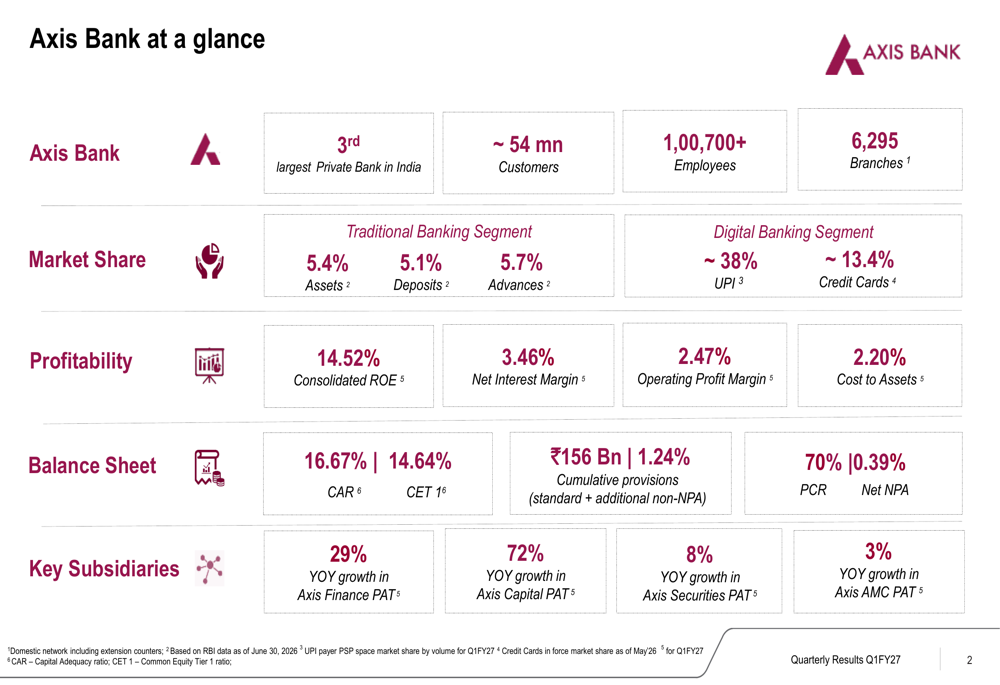
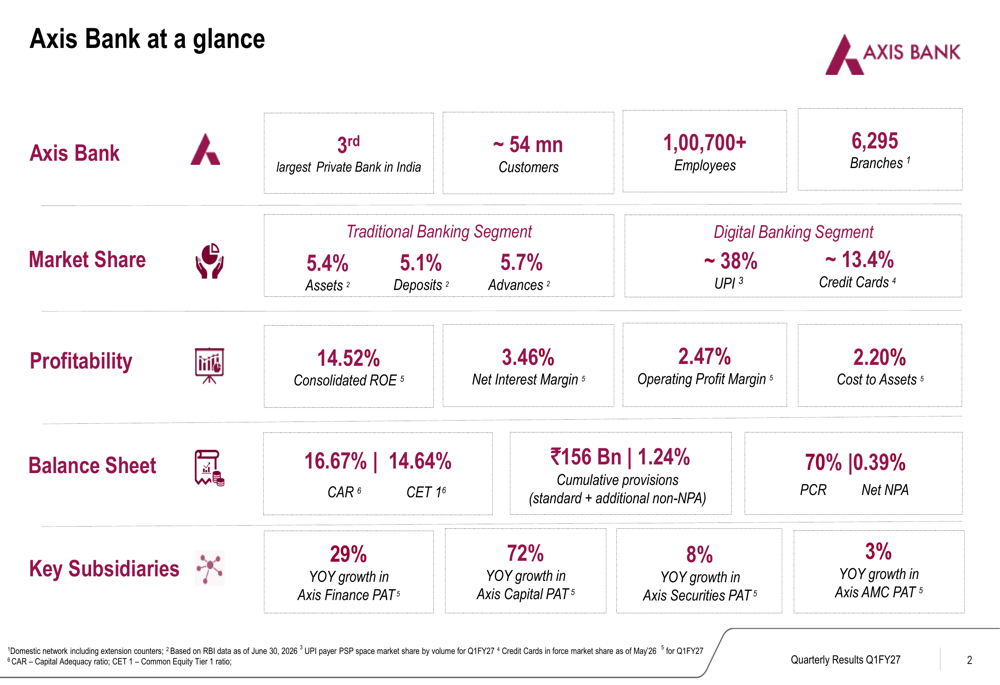
Axis Bank Q1 FY27 slides: profit surges 23% as NIM hits cycle low

Published

on

Axis Bank Q1 FY27 slides: profit surges 23% as NIM hits cycle low


Axis Bank Q1 FY27 slides: profit surges 23% as NIM hits cycle low

Continue Reading

Business

Google, Tesla, Intel To Headline Earnings Next Week

Published

on

OneWater Marine Inc. (ONEW) Q1 2026 Earnings Call Transcript

Get ahead of the market by subscribing to Seeking Alpha’s Wall Street Week Ahead, a preview of key events scheduled for the coming week. The newsletter keeps you informed of the biggest stories set to make headlines, including upcoming IPOs, investor days, earnings reports, and conference presentations.

Wall Street opened in deep red on Friday as a global semiconductor selloff intensified on concerns over elevated AI spending and stretched valuations. Technology stocks remained under pressure as semiconductor shares across global markets traded lower. Meanwhile, tensions in the Middle East remained elevated as concerns over a fresh crude oil supply crunch persisted.

The economic calendar is relatively lighter next week with earnings in full swing. The only major data scheduled are initial jobless claims on Thursday and S&P Global PMI data for July on Friday.

Alphabet (GOOG) (GOOGL), Tesla (TSLA), and Intel (INTC) are among the major firms reporting their results next week. _______________________________________________________________

Advertisement

Earnings spotlight: Monday: Domino’s Pizza (DPZ), AMC Entertainment (AMC). See the full earnings calendar.

Earnings spotlight: Tuesday: Novartis (NVSEF), 3M (MMM), Halliburton (HAL). See the full earnings calendar.

Earnings spotlight: Wednesday: Alphabet, Tesla, Philip Morris (PM). See the full earnings calendar.

Earnings spotlight: Thursday: Intel. See the full earnings calendar.

Advertisement

Earnings spotlight: Friday: American Express (AXP). See the full earnings calendar.

Volatility watch: Sandisk (SNDK) and Western Digital (WDC) have seen options volatility increase over the last week. The most overbought stocks per their 14-day relative strength index include Crinetics Pharma (CRNX), AstroNova (ALOT), and CareDx (CDNA). The most oversold stocks per their 14-day Relative Strength Index include Standard Lithium (SLI) and Rithm Property Trust (RPT).

Dividend watch: Companies that have an ex-dividend date coming next week include Caterpillar (CAT), Colgate-Palmolive (CL), Dell Technologies (DELL), and Pfizer (PFE).

IPO watch: No IPOs are expected to price and

Advertisement
Continue Reading

Business

EIDO: Indonesia Not Benefiting From Commodity Price Gains (NYSEARCA:EIDO)

Published

on

The Muni Market Looks Appealing In Q2

This article was written by

Freelance Financial Writer | Investments | Markets | Personal Finance | RetirementI create written content used in various formats including articles, blogs, emails, and social media for financial advisors and investment firms in a cost-efficient way. My passion is putting a narrative to financial data. Working with teams that include senior editors, investment strategists, marketing managers, data analysts, and executives, I contribute ideas to help make content relevant, accessible, and measurable. Having expertise in thematic investing, market events, client education, and compelling investment outlooks, I relate to everyday investors in a pithy way. I enjoy analyzing stock market sectors, ETFs, economic data, and broad market conditions, then producing snackable content for various audiences. Macro drivers of asset classes such as stocks, bonds, commodities, currencies, and crypto excite me. My thing is communicating finance with an educational and creative style. I also believe in producing evidence-based narratives using empirical data to drive home points. Charts are one of the many tools I leverage to tell a story in a simple but engaging way. I focus on SEO and specific style guides when appropriate.

Analyst’s Disclosure: I/we have no stock, option or similar derivative position in any of the companies mentioned, and no plans to initiate any such positions within the next 72 hours. I wrote this article myself, and it expresses my own opinions. I am not receiving compensation for it (other than from Seeking Alpha). I have no business relationship with any company whose stock is mentioned in this article.

Seeking Alpha’s Disclosure: Past performance is no guarantee of future results. No recommendation or advice is being given as to whether any investment is suitable for a particular investor. Any views or opinions expressed above may not reflect those of Seeking Alpha as a whole. Seeking Alpha is not a licensed securities dealer, broker or US investment adviser or investment bank. Our analysts are third party authors that include both professional investors and individual investors who may not be licensed or certified by any institute or regulatory body.

Advertisement
Continue Reading

Trending

Copyright © 2025