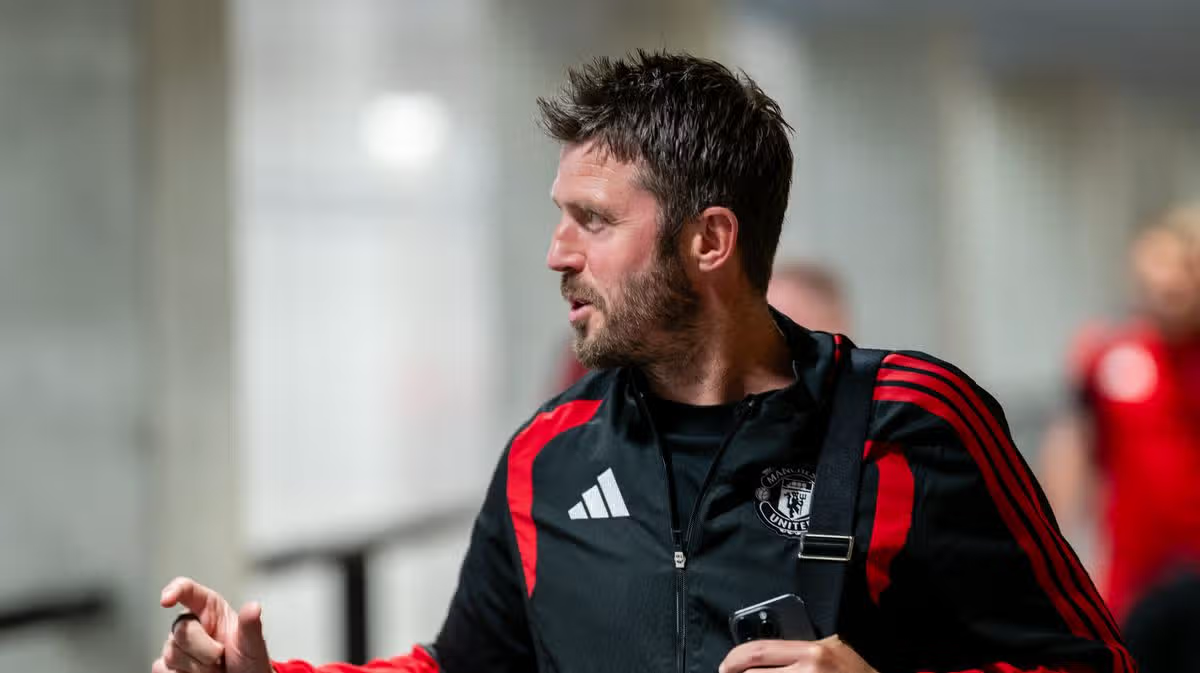
Man Utd announced the signing of midfielder Andrey Santos from Chelsea at the beginning of the week.
Michael Carrick described Andrey Santos as a “fantastic player and character” ahead of his pre-season debut for Manchester United. Santos completed a £50million move from Chelsea on Monday.
Advertisement
The deal was structured as an initial £48million for the 22-year-old, with a further £2million in add-ons, and he signed a five-year contract at Old Trafford.
Santos was behind Moises Caicedo and Enzo Fernandez in the midfield pecking order at Chelsea, but a move to Manchester will give him the opportunity to kick on in his career following Casemiro’s departure.
The Brazilian will make his pre-season debut against Wrexham in Helsinki on Saturday afternoon. Michael Carrick spoke to MUTV ahead of that game, and he was asked how Santos had settled in this week.
“Yeah, he’s settled in really well,” Carrick said. “Fantastic character. Settled in so quickly and he’s buzzing to be here. You can see that. He’s a fantastic player, so again, you know, not expecting anything crazy special today.
“It’s just a step, you know, get your eye in, get back on the pitch again, and he’ll do really well for us. So I’m really looking forward to the progression that will show the longer he is here, to be honest. But today, the first one, it’s nice to get that first one out of the way.”
Carrick also explained his team selection, adding: “I’m just trying to get the understanding between the relationships a little bit and the boys knowing each other and trying to develop that as we go through pre-season.
“I think the senior kind of senior boys that we’ve had that haven’t been away kind of make up a good team, so yeah. It fits quite nicely, you know? Sometimes you overload in certain areas and it fits quite nicely, so I think it makes sense to go with that and then look forward to the younger players’ second half.”
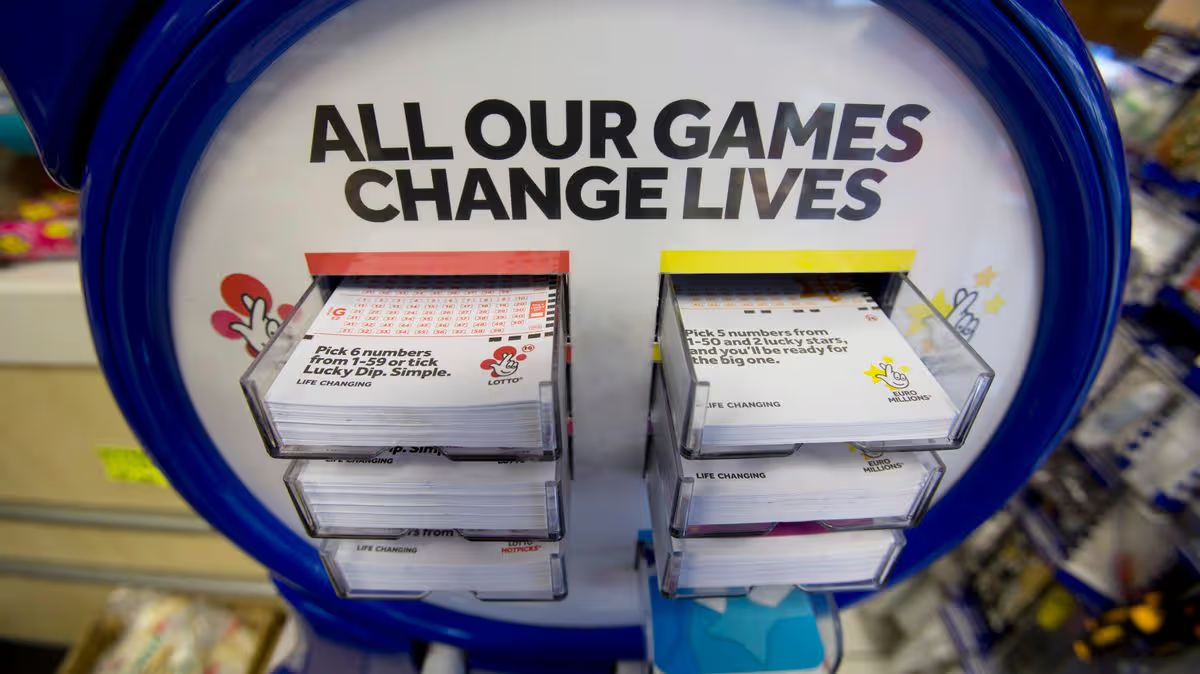
You could be going to bed richer beyond your wildest dreams on Saturday evening. The National Lottery Lotto and Thunderball draws take place tonight, each rewarding the lucky winner with life-changing sums of money.
Tonight’s Lotto jackpot is £9.5 million, meanwhile, the top prize in Thunderball is a cool £500,000. If you pick the five main numbers plus the Thunderball, you will take home the jackpot.
The Lotto draw takes place at 8pm whilst Thunderball takes place at 8.15pm.
Advertisement
We’ll bring you news from the draws as they happen.
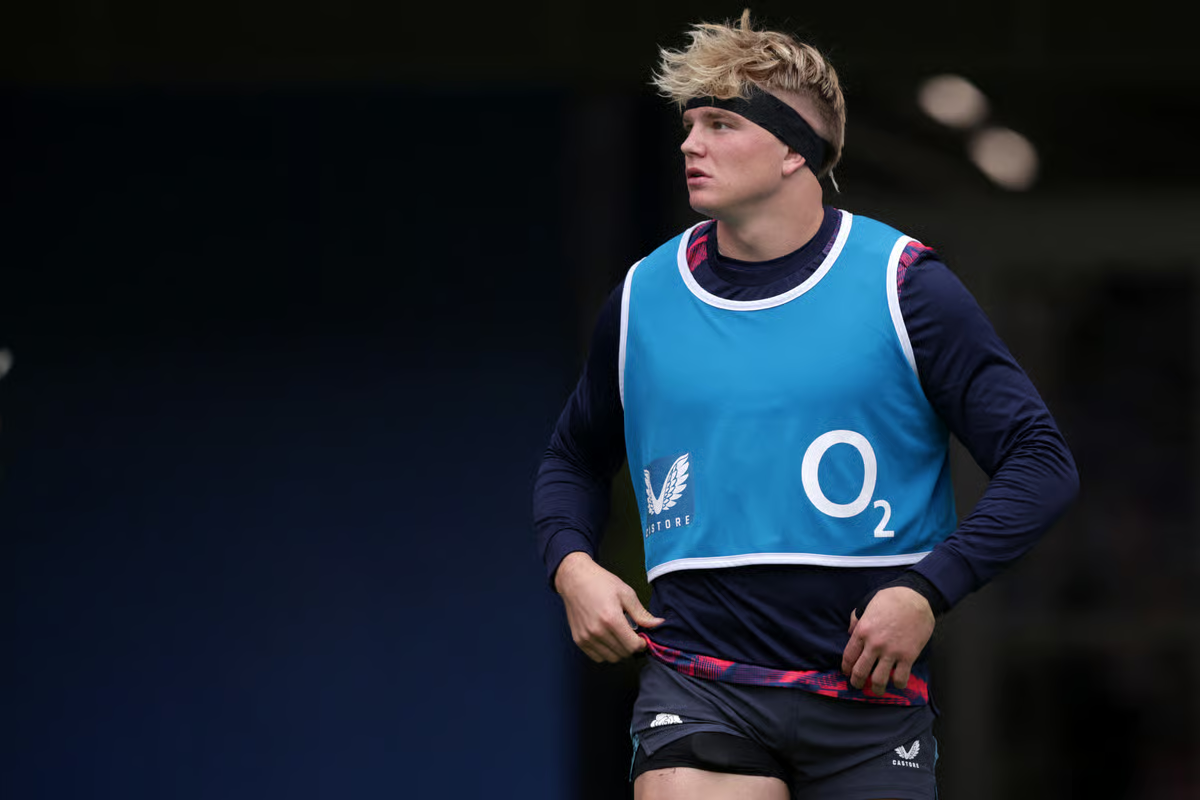
The Pumas will be eager to make it a memorable double for Argentina this evening having bounced back from their opening weekend loss to Scotland by easing past Wales, though England should have some renewed confidence after running in 11 tries – including a hat-trick for Henry Pollock – during a 73-8 demolition of Fiji. That resounding victory in Liverpool snapped a damaging five-game losing streak that had seen the pressure mount considerably on Borthwick, with a historically bad Six Nations campaign followed by a thrashing in South Africa.
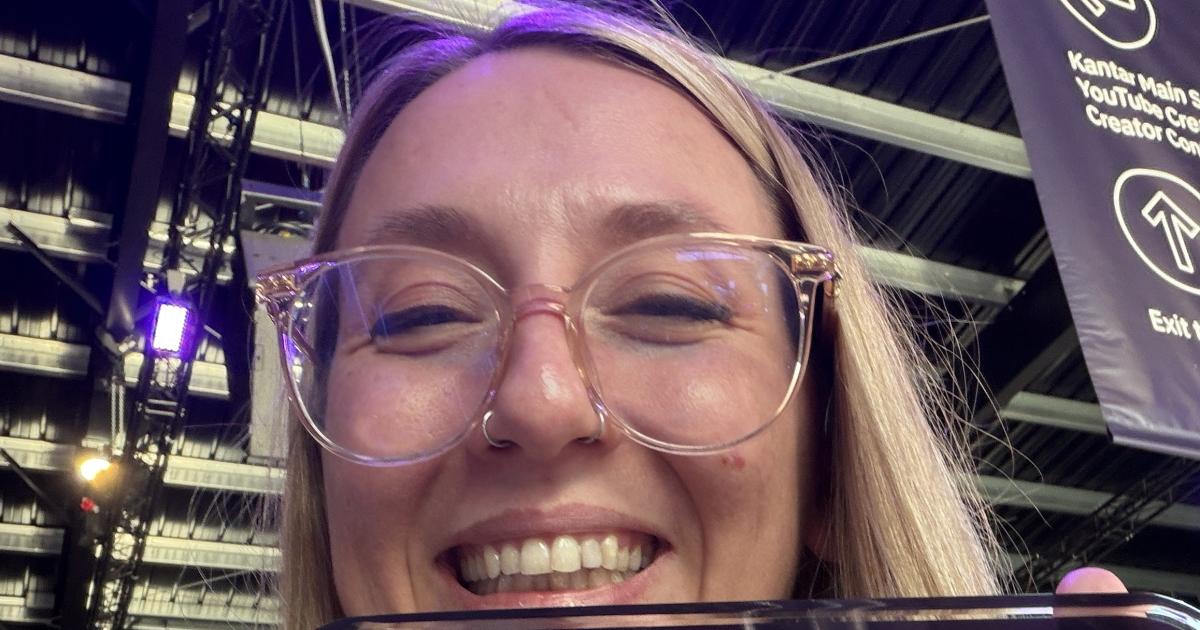
Beth Chadwick, 32, from Pocklington, who is just five months postpartum with her second child, was named Community Builder of the Year at the Creator Craft Awards.
The awards ceremony took place during CreatorFest in London earlier this week.
Ms Chadwick, known online as MoveFit Mama, won for her positive online platform supporting mums through dance fitness, body positivity and honest conversations about motherhood.
Her following has soared from 1,000 to more than 1.4 million in just six months.
Advertisement
The award recognises creators who foster genuine, supportive communities that improve lives beyond growing large audiences.
Ms Chadwick said: “Winning Community Builder of the Year is incredibly special because this award belongs to every single mum who has become part of our community.
The awards ceremony took place during CreatorFest in London (Image: MoveFit Mama)
“Over the past six months we’ve grown from a small group of around 1,000 people into a global community of more than 1.4 million.
“Every day I see mums from different countries encouraging each other, cheering each other on and reminding one another that movement doesn’t have to be about changing your body – it can simply be about feeling good.”
Advertisement
Her upbeat, accessible dance workouts have helped mums rediscover joy in movement without pressure or unrealistic goals.
She also shares free routines on YouTube, and her walkpad dance videos have reached millions worldwide.
Despite her growing audience, she continues to film and share content from her home in Pocklington.
Ms Chadwick added: “My goal has always been to help women find joy in movement again, and I’m so proud that we’ve created a safe, supportive space where mums genuinely lift each other up.”
Advertisement
The award marks a significant milestone in her journey and showcases the growing influence of Yorkshire creators on the global digital stage.
Kevin Hilton has joined York-based Ware & Kay Financial Services (WKFS), bringing expertise in pensions, investments, protection, and estate planning.
He will be based at the firm’s York office and will also meet clients in Malton and Wetherby.
Mr Hilton said: “I’m delighted to be joining Ware & Kay Financial Services and to be working alongside a team that shares my commitment to providing independent, client-focused financial advice.
Advertisement
“Having known and worked with Owen previously, it feels like a natural move, and I’m looking forward to reconnecting with familiar faces as well as meeting new clients.
Owen Thomas, director and chartered financial planner, added: “We are pleased to welcome Kevin to Ware & Kay Financial Services.
“Having worked with Kevin previously, I know first-hand the depth of experience and professionalism he brings to our team.”
Two US servicemembers have been killed in Jordan after their military base was struck by an Iranian attack, US Central Command announced.
The attack, which came overnight Friday, saw Iran fire ballistic missiles and drones at a US military base, with at least one servicemember also missing in action.
Four other American soldiers were medically evacuated to Jordanian hospitals in the attack, who have since been discharged, CENTCOM said in an X post.
‘Out of respect for the families, CENTCOM will withhold additional information, including the identities of the fallen warriors, until 24 hours after the next of kin have been notified,’ the agency said.
Advertisement
The deaths were the 15th and 16th among US servicemembers since the war with Iran began in February, with over 430 others wounded.
Friday marked the seventh straight night of strikes launched by the US against Iran, with the Iranian Revolutionary Guards retaliating with tit-for-tat attacks at US targets in Jordan, Oman, Kuwait, Bahrain and Syria.
Shortly before Friday’s attack on Jordan, Iran’s new Supreme Leader Mojtaba Khamenei said that the US strikes on Iran would lead to ‘unforgettable lessons’ for the US, accusing President Trump of ‘seeking to escalate the conflict.’
Advertisement
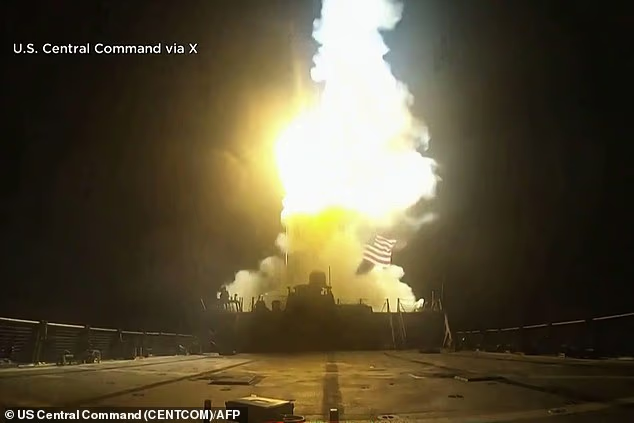
Two US servicemembers have been killed in Jordan after their military base was struck by an Iranian attack on July 17. Pictured: A US strike from an American Navy cruiser launched on Friday
Shortly before Friday’s attack on Jordan, Iran’s new Supreme Leader Mojtaba Khamenei said that the US strikes on Iran would lead to ‘unforgettable lessons’ for the US, accusing President Trump of ‘seeking to escalate the conflict’
Mojtaba Khamenei, the son of former Ayatollah Ali Khamenei who was killed by an Israeli airstrike in February, issued the chilling threat through a spokesperson on state TV.
Advertisement
The Iranian leader said Trump’s signature is now ‘worthless and invalid’, after a tentative ceasefire agreement reached in April – and formally agreed upon last month – dramatically fell apart in recent days.
The remarks came hours after a negotiator said Tehran was suspending all of its commitments that were previously agreed upon with the US in June.
Khamenei also vowed to use Iran’s proxies in the Middle East, which he dubbed the ‘Axis of Resistance’, to combat Trump’s attacks.
The Supreme Leader’s remarks were read by a spokesman on Iranian state TV as Khamenei has still not been seen in public since the war began, with reports indicating he was severely injured in the strikes that killed his father.
Advertisement
Continuous strikes this week have seen the US and Iran exchange attacks on infrastructure and military targets.
The attacks have intensified the conflict’s focus on the Strait of Hormuz, an essential waterway bordering Iran that previously carried over a fifth of the world’s crude oil.
The struggle over the Strait has seen energy prices skyrocket worldwide, with the fresh round of strikes now threatening civilian infrastructure in Iran including desalination plants for drinking water.
Iranian Supreme Leader Mojtaba Khamenei said President Trump’s signature is now ‘worthless and invalid’, after a tentative ceasefire agreement reached in April – and formally agreed upon last month – dramatically fell apart in recent days
Advertisement
The U.S. Central Command said early Saturday that its seventh straight night of strikes hit ‘surveillance sites, military logistics infrastructure, underground weapons storage, and maritime capabilities.’
The U.S. has violated its commitments under the deal that was signed about a month ago and now Iran is ‘no longer implementing them,’ Kazem Gharibabadi, Iran’s deputy foreign minister, told state TV.
There was no new word on mediation efforts.
Advertisement
Share or comment on this article:
Two American service members dead and a third missing as Iran strikes take US death toll to 16
Three weeks after Venezuela was struck by twin earthquakes on June 24, the scale of the devastation is still growing. The death toll is approaching 5,000 people, with 18,000 homeless and 21,000 more in shelters.
The worst-hit state is La Guaira on the Caribbean coast – an area that had already been the site of one of Venezuela’s worst natural disasters. In December 1999, the state, then called Vargas, saw several days of torrential rain which flushed mud and rock down the slopes of the Ávila mountains.
Hillside houses were swept away, entire neighbourhoods were buried under landslides, and buildings collapsed near the shore. Tens of thousands of people were thought to have perished, though the precise number is still unknown.
As I recounted in my 2003 book, Venezuela: The Crossroads of Hugo Chávez, the armed forces were central to that disaster response. As part of Plan Bolívar 2000, a programme that deployed around 70,000 troops across Venezuela for civic tasks such as infrastructure and road building, the military was sent to Vargas in large numbers. Soldiers pulled many survivors from the mud and rubble in the first days.
Advertisement
But as the relief effort dragged on, it soured into a dispute over who was in charge. In one incident, the then-governor of Vargas, Alfredo Laya, ordered a unit of paratroopers to deliver food and water to stranded families. The officers replied that they had no such orders and, following an argument, Laya was arrested.
In other incidents, military and civilian leaders disagreed over where to evacuate affected families and whether to house them in military or civilian facilities. Pablo Medina, an ally of Venezuela’s president at the time, Hugo Chávez, accused the army of acting “as if an atomic bomb had been dropped”, instead of responding to a natural disaster.
That episode was an early indication of how embedded in Venezuelan public life the military would become in the following years.
First under Chávez and later his successor Nicolás Maduro, who was removed from power by a January 2026 US military operation, the Venezuelan armed forces expanded well beyond the barracks. Military figures took senior posts across government ministries and state companies, gaining a direct stake in the running of the country.
Advertisement
Volunteers take part in search-and-rescue efforts in Caraballeda, Venezuela, on July 10. Miguel Gutierrez / EPA
Twenty-seven years on, after the same coast was struck by earthquakes, the military’s role in the disaster response has again been surrounded by controversy.
As in 1999, the armed forces are deeply involved in the operation. Visiting La Guaira in late June 2026, human rights NGO Provea reported that the government appeared to be prioritising military and police control of the territory over basic relief.
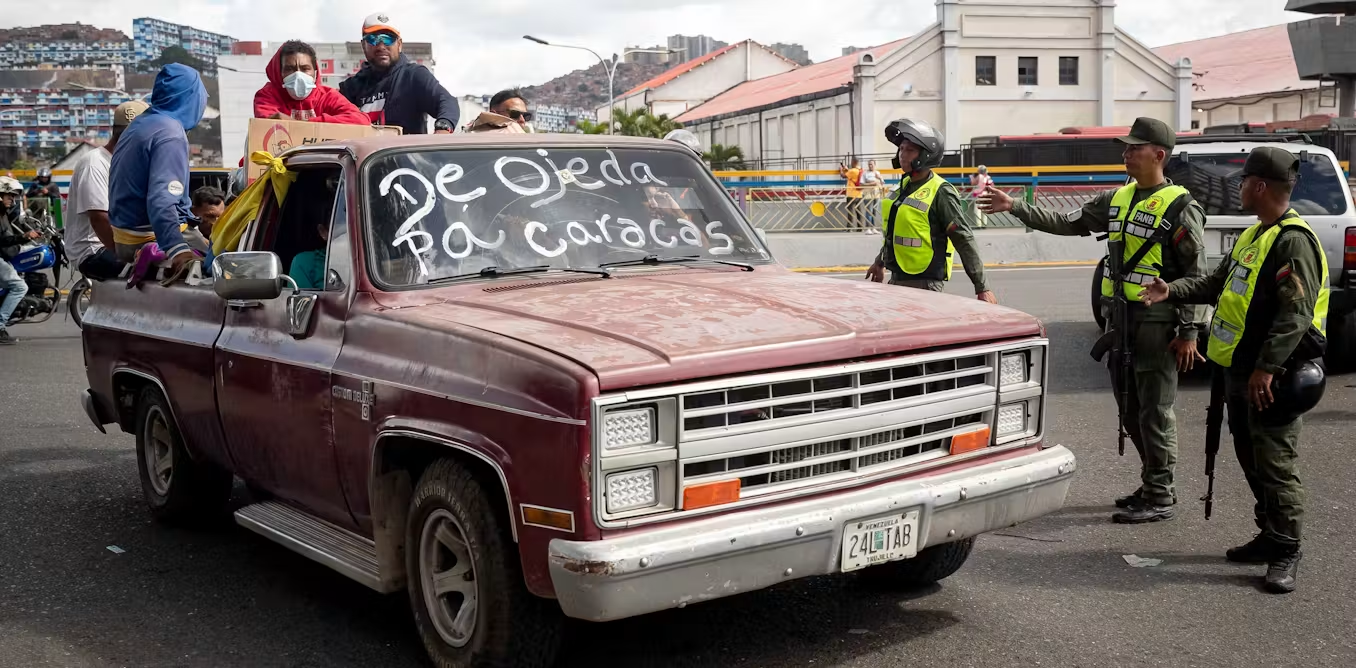
Provea criticised the “excessive military presence” near camps for affected people, and flagged the presence of intelligence and counter-espionage bodies with no legal role in disaster management. It warned that saturating the zone with armed agents was slowing aid delivery and could constitute a mechanism of social control.
The Venezuelan government has told a different story. It claims the militarisation of the disaster zone is necessary to allow relief to move in and reach the affected families.
Advertisement
Venezuela’s interim president, Delcy Rodríguez – who spent much of the first two weeks after the earthquakes battling criticism that the state’s response had been too slow – said her government wanted to stop what she called media “labs” from spinning negative narratives.
As the relief effort turned into reconstruction, Rodríguez launched a rebuilding plan called Venezuela Renace (Venezuela Reborn). The government says that, under this plan, nearly 5,000 buildings across La Guaira and the capital, Caracas, have been inspected. The plan has also provided economic support to help the worst-affected families.
The rebuilding is being run through a mix of civilian and military bodies. On the coast, however, the works are coordinated by a single military figure, Major General Juan Ernesto Sulbarán Quintero, with army engineers taking on the rebuilding in several La Guaira neighbourhoods. More than 30,000 security personnel are still deployed in the worst-affected states.
The next phase
The military’s prominence in the recovery effort raises questions about what comes next. It also offers a glimpse into the future of civil-military relations in post-Maduro Venezuela.
Advertisement
Before the earthquakes, there were signs that Rodríguez was keen to reduce the visibility of the Venezuelan armed forces in politics, while bringing them more tightly under her control.
She replaced the long-serving defence minister, General Padrino López, with a more discreet and loyal insider called Gustavo González López.
Rodríguez also appointed a new general staff, regional commanders and heads for each of the five individual branches of the armed forces – the army, navy, air force, national guard and Bolivarian Militia.
At the same time, she has returned several government ministries from military to civilian hands, while relaunching welfare programmes aimed at troops. These changes suggested a move towards a less overt political role for the Venezuelan armed forces.
Advertisement
But despite this rebalancing, the military remains influential in Venezuela. The Rodríguez government still leans heavily on it for political support, as well as to contain the opposition and help secure oil and mining areas for private investors – a strategic US interest in Venezuela.
In some contexts, humanitarian response and civic action can provide a legitimate internal mission for a professional military – provided it is bound by clear prerogatives away from governance.
Given the military’s history in Venezuela, however, the recent disaster is more likely to reinforce its broad role in decision-making and influence over how the country is run.
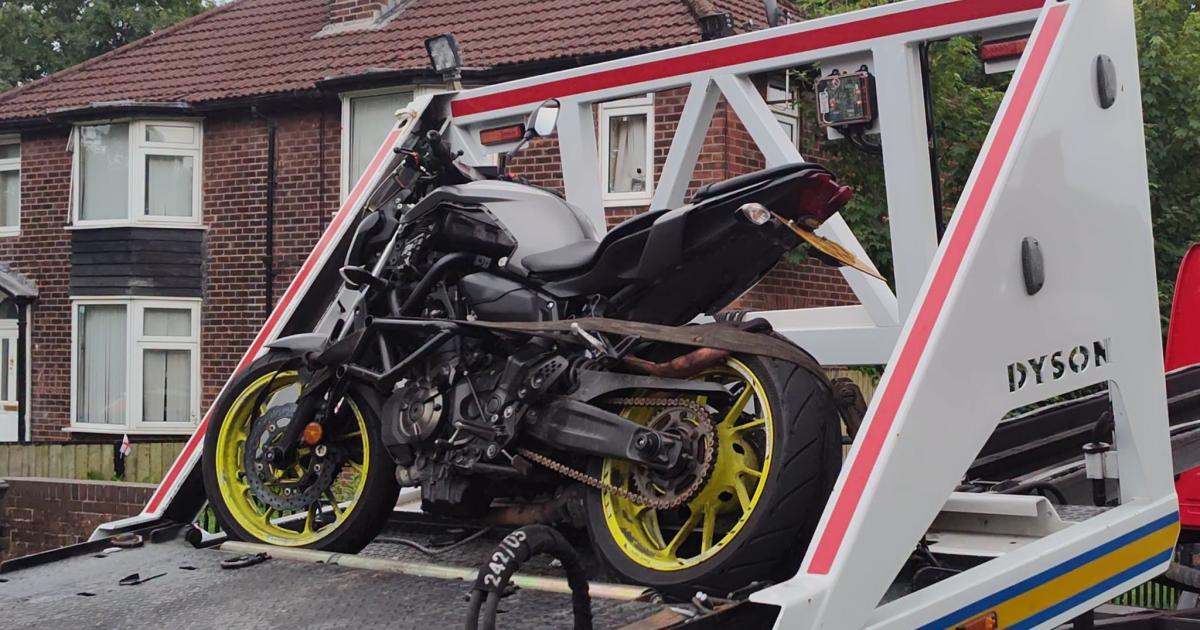
The incident happened today, Saturday, July 18 and involved officers from Greater Manchester Police’s Motorcycle Unit.
The officers attempted to stop a motorbike in the Harwood and Breightmet areas this afternoon.
Police said the rider failed to stop, leading to a chase assisted by the National Police Air Service.
The motorbike was later recovered and found to have been stolen in 2025 from Leicester.
Advertisement
The seized bike (Image: GMP)
A 22-year-old man and a 17-year-old boy have been arrested in connection with the incident and remain in custody for questioning.
A spokesperson for the police, via social media, said: “We believe this is one of a few motorbikes that have been reported driving dangerously around Astley Bridge, Bromley Cross, Hallith Wood, Tonge Moor, Harwood and Breightmet in recent weeks.
“We will continue to try and identify the other motorbikes using the roads dangerously and seize them.
“If you know who is riding bikes illegally, where bikes are being stored, or have information about riders causing anti-social behaviour, please report it to us. Even small pieces of information can help us build intelligence and take action.”
Advertisement
Enquiries remain ongoing and Greater Manchester Police urged the public to report any information to them online or by calling 101.
Antonelli is without a win since the Monaco Grand Prix on June 7, a streak of three races, but he will begin Sunday’s 44-lap race as the favourite to build on his 25-point championship lead over George Russell.
Russell will start only third on another sobering afternoon for the British driver, who has spent much of a season he began as the bookmakers’ title tip in his team-mate’s shadow.
Russell qualified fourth, half-a-second behind Antonelli in the same machinery, but he is upgraded one place because of Norris’s grid sanction. Charles Leclerc is bumped up to fourth, a place clear of Ferrari team-mate Lewis Hamilton. Norris finished the opening Q3 laps with an advantage of 0.039sec over Antonelli.
Advertisement
The climax to qualifying was then put on pause from seven minutes after Oscar Piastri kicked up gravel a the 14th corner. But when the running re-started Antonelli could not be caught. Hamilton’s participation had been in major doubt after he crashed out of final practice and sustained significant damage to the rear of his Ferrari.
Hamilton’s mechanics had two hours to fix a machine described as “destroyed” by the seven-time world champion. And they succeeded to allow him a shot at disturbing Antonelli. However, he was unable to lay a glove on the Italian teenager, who romped to his sixth pole of the season.
Hamilton finished 0.534s behind the man he trails by 32 points in the championship standings. The opening phase of qualifying had an all-too-predictable feel about it, with Williams’ Alex Albon, Haas’ Esteban Ocon, Cadillac’s Valtteri Bottas and Sergio Perez and the hapless Aston Martin duo of Fernando Alonso and Lance Stroll all eliminated.
Aston Martin are due to deliver a much-needed upgrade at the next weekend’s race in Hungary to salvage an utterly demoralising season. Double world champion Alonso, who is without a win in 13 years, and 11 days shy of his 45th birthday, finished two seconds slower than Perez in 20th and five seconds off Antonelli’s Q1 pace.
25-year-old Martha Rothwell, who is from York but now lives in London, is one of the latest contestants to be dumped from this season of Love Island after surviving on the show for 15 days.
Love Island features single contestants, or ‘Islanders’, who are looking for love and stay in a secluded, luxury villa with cameras watching their every move, and must consistently pair up to avoid being eliminated, with the public ultimately voting for their favourite couple to win a cash prize.
RECOMMENDED READING:
Martha arrived at Casa Amor on Day 23 as one of 12 new ‘bombshells’ whose arrival was designed to turn heads among the existing contestants.
Advertisement
After three days, she was chosen to ‘couple up’ with original boy Aidan before entering the main villa where she entered a new couple with Jordon four days later on Day 30 – before going on a date with new boy Ethan on Day 32.
The next day, Martha and Jordan were in the bottom three following a public vote for favourite couple and were saved by their fellow contestants Julia and Lorenzo – recoupling again on Day 36, before Martha was voted out on Day 38.
Speaking to the Daily Sport, Martha said that the experience was ‘the weirdest rollercoaster experience ever’ and that she had no regrets’.
Love Island is now in its 13th series. (Image: ITV)
She added: “It’s just a crazy, surreal experience and I loved every second.”
Advertisement
In media interviews before the show, she shared a few snippets about herself including her love of football and that fact that she plays for a five-a-side team but admits she is ‘not very good’ at it.
She also came out as bisexual on-screen, saying her most recent relationship was a nine-month relationship with a woman.
She is the latest person from York and North Yorkshire to make it onto the popular show.
Javi Shephard, now in his mid-30s, was a surveyor from York when he appeared in series two as part of the initial line-up. He remained single and was evicted from the island when he didn’t couple up with anyone.
Advertisement
Georgia Steel joined the villa for series four as a 20-year-old a performing arts student and barmaid from York who later returned for Love Island: All Stars.
Martha is on Instagram and can be followed at @martharothwell and at the time of writing, her Instagram handle has 15,500 followers.
The small settlement was once a charming place but has since been lost in time
Throughout history, Cambridgeshire has seen multiple villages come and go, almost as if they never existed. These places would have been tight-knit communities centuries ago, but nowadays people probably don’t even realise they once existed.
Advertisement
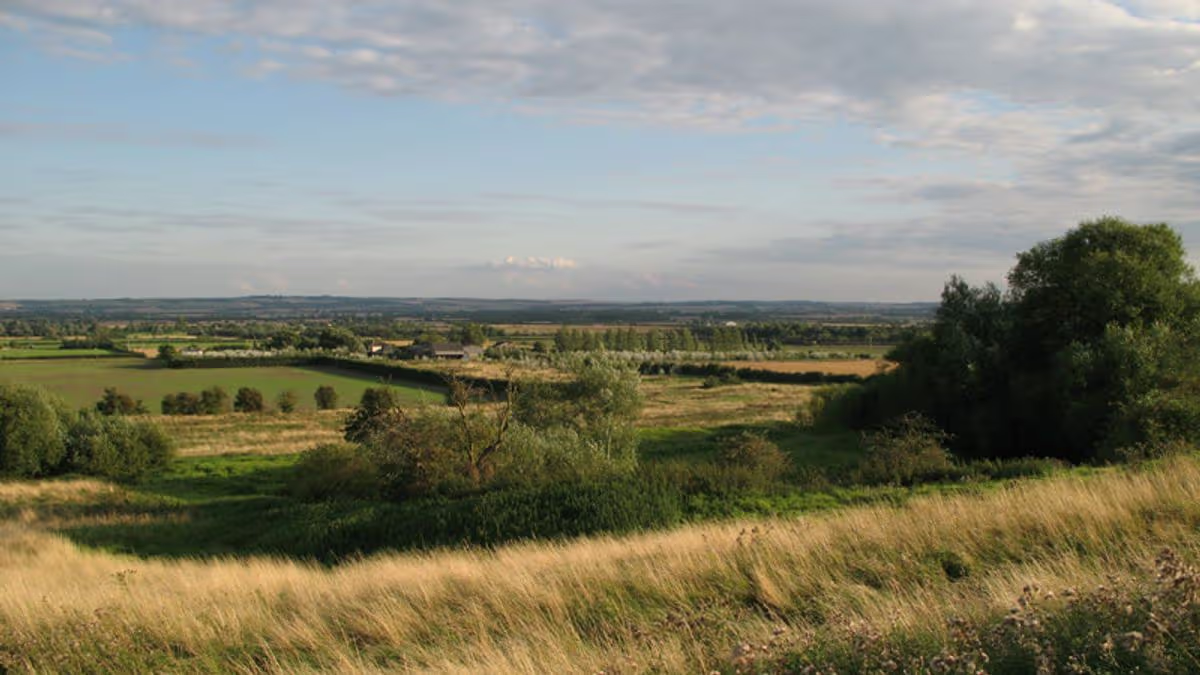
This is the case for the once-charming village of Clopton – an abandoned medieval area with history extending back to the Roman occupation. It was located around a mile south-west of Croydon in Cambridgeshire. The village, which is referenced in the 1086 Domesday Book, had only 18 people recorded as living there.
However, in medieval times, the two communities had an above average population. Although, like many villages in the area there was slow decline in population.
The village was granted a Friday market in the 13th-century by Robert Hoo, Lord of Clopton and its name ‘Clopton’ suggests it may have been given the status of a town. The name means ‘town or settlement on a hill’.
It’s believed the village was deserted between 1500 and 1518 after John Fisher, a London lawyer, purchased the land from the Clopton family in 1489. Following his purchase, he evicted the villagers to make way for enclosures.
Advertisement
Archaeologists located the site from the little-left remains of the village. These included the parish church of Saint Mary, two moated sites, and a probable mill.
The church was recorded as being in poor repair by 1561, which is the same year it is believed that Clopton merged with neighbouring Croydon to its east, and it was subsequently demolished and turned over to agriculture by 1660.
Today, the site is now a Scheduled Ancient Monument and consists mainly of earthworks.

















































You must be logged in to post a comment Login