

Business
Wyoming and Hawaii Lead, California Trails for 2026

New air quality data released this year shows a wide gulf between the cleanest and most polluted states in the country, with sparsely populated Western and Pacific states such as Wyoming and Hawaii consistently ranking among the healthiest for air quality, while densely populated, industrial states including California, Pennsylvania and Ohio continue to post some of the worst readings in the nation.
Two separate analyses released in early 2026, using slightly different methodologies, arrived at broadly similar conclusions about which states offer the cleanest air. An analysis published in March, based on fine particulate pollution, or PM2.5, levels averaged from 2022 through 2024, found that the U.S. average stood at 8.8 micrograms per cubic meter, well above the World Health Organization’s air quality guideline of 5 micrograms per cubic meter, meaning the average American is breathing air that falls short of internationally recognized health standards.
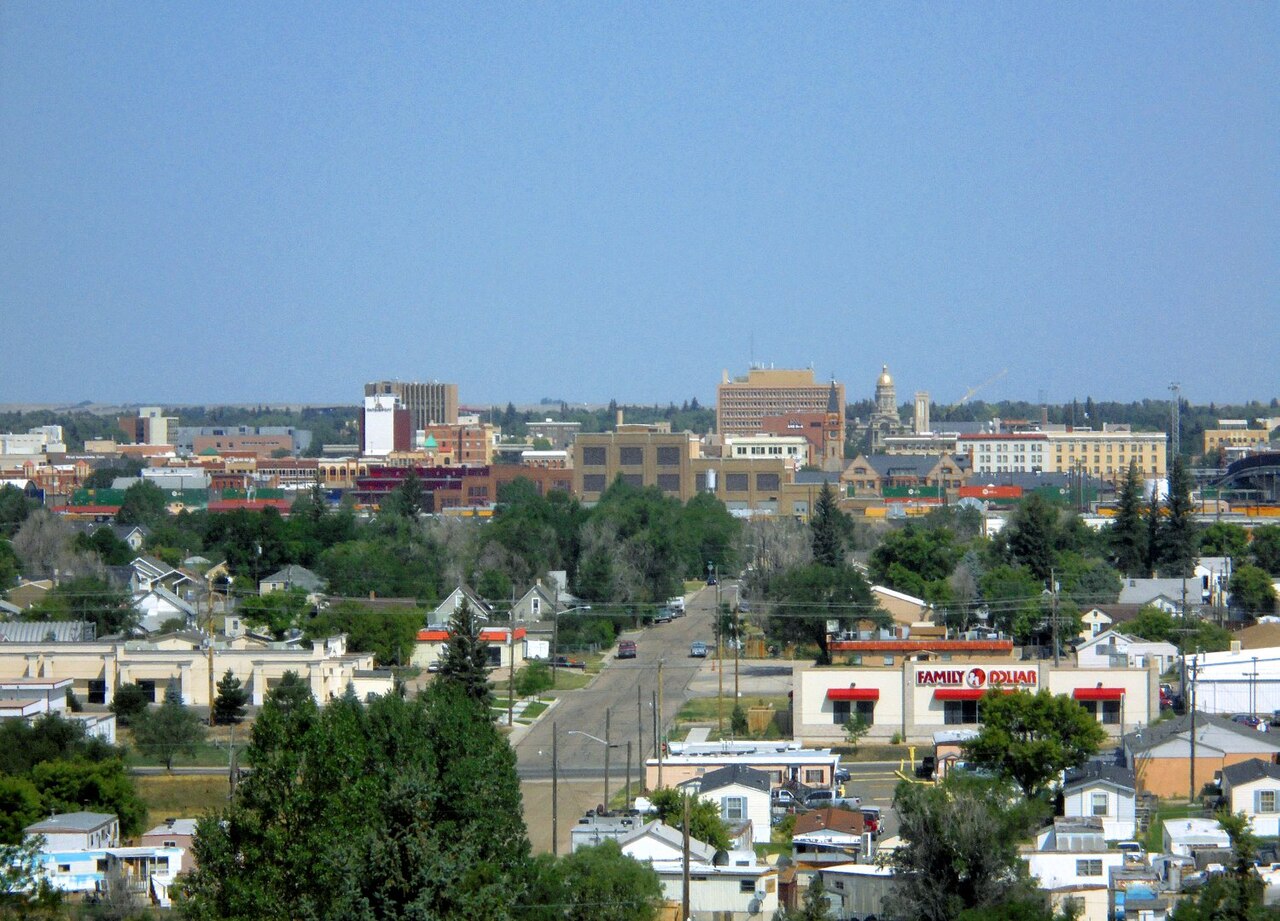
According to that analysis, Wyoming posted the cleanest air in the country, a result researchers attributed largely to the state’s vast, sparsely populated landscape and minimal industrial development. Wyoming’s city of Casper recorded the lowest year-round particle pollution of any metro area tracked in the report, while the state capital, Cheyenne, ranked eighth overall among individual cities nationwide. Hawaii ranked second among states for particle pollution, posting a reading of 4.7 micrograms per cubic meter, a result researchers linked to the state’s low population density combined with strong prevailing winds and consistent rainfall that help disperse pollutants before they can accumulate.
At the opposite end of that same ranking, California posted the worst air quality of any state, with a reading of 11.7 micrograms per cubic meter, more than double the WHO’s recommended guideline. Researchers pointed to a combination of factors driving California’s poor performance, including high population density, a significant concentration of industrial facilities, heavy vehicle emissions, and a climate pattern that helps fuel frequent and severe wildfires across the state. Pennsylvania, Michigan, Illinois and Ohio rounded out the bottom five states in that same analysis. New York, despite its dense population and substantial industrial activity, posted a comparatively better reading of 7.8 micrograms per cubic meter, below the national average, a result researchers attributed to stricter state-level emission standards and geographic factors that help disperse pollution more effectively than some other major urban centers.
A separate ranking, compiled using a different methodology based on the U.S. News Best States framework, produced a notably different picture at the bottom of the list, though it largely agreed on the cleanest states at the top. That analysis found Hawaii posting the best average air quality index in the country, at 21.2, comfortably within the “good” range on the standard AQI scale. Honolulu was cited as one of just six U.S. cities to rank on all three of the American Lung Association’s cleanest-cities lists, covering ozone pollution, year-round particle pollution and short-term particle pollution. Alaska ranked second-best under this methodology, with an index of 29.1, despite localized particle pollution problems in areas like Anchorage and the Matanuska-Susitna Borough tied to wood-burning home heating systems, both of which have reportedly seen air quality improvements in recent years. Washington state ranked third-best, with an index of 33.5, though the analysis noted that some residents in the state still experience unhealthy air linked to emissions from power plants.
Under this second ranking system, Utah posted the worst average air quality index in the country, at 51.2, placing it in the “moderate” category on the AQI scale rather than “good.” Researchers attributed much of Utah’s poor performance to its mountainous topography, which tends to trap pollution near the surface rather than allowing it to disperse, a phenomenon sometimes referred to as a temperature inversion. The report noted that Utah has taken active steps in recent years to address the issue, including expanding solar energy use and enacting roughly 30 new regulatory rules aimed at reducing emissions from various pollution sources. Ohio and Georgia tied for the second-worst air quality under this ranking, each posting an index of 48.2, with Ohio’s reading sitting just barely within the “good” range despite the tie.
At the city level, separate rankings drawing on real-time EPA AirNow monitoring data have continued to highlight California’s Central Valley as home to some of the most consistently polluted urban areas in the country. Bakersfield has repeatedly ranked as the most polluted city in the United States in 2026 tracking, a result researchers tied to the city’s geography within the southern San Joaquin Valley, where surrounding mountains on three sides trap agricultural dust, oil refining emissions and vehicle exhaust close to the ground. Fresno, located roughly 110 miles north of Bakersfield within the same valley, faces nearly identical geographic and pollution challenges, with winter temperature inversions frequently trapping wood smoke and vehicle exhaust and pushing air quality readings above 150 on the standard index, a level considered unhealthy for the general public.
Notably, one analysis pointed out that California’s poor air quality rankings are not primarily a reflection of weak environmental regulation. The report specifically noted that California maintains the strictest air quality laws in the nation, but that the state’s unique combination of Central Valley geography, massive population size, extensive agricultural activity and wildfire exposure continues to overwhelm those regulatory efforts in terms of measurable pollution outcomes.
Beyond the state and city-level rankings, researchers have continued to emphasize the tangible health implications tied to these disparities. According to analysis comparing the cleanest and most polluted metro areas in the country, residents of the worst-ranking cities breathe air with PM2.5 concentrations three to five times higher than those living in the cleanest cities, a gap researchers say translates into measurable differences in respiratory disease rates, cardiovascular health outcomes and even overall life expectancy between regions.
With wildfire smoke, industrial emissions and regional geography continuing to shape which states and cities post the best and worst air quality readings each year, researchers say the underlying rankings are likely to remain relatively consistent from year to year, even as individual pollution events, such as this summer’s wildfire smoke drifting south from Canada, continue to produce short-term spikes in unhealthy air quality readings across parts of the country that otherwise post comparatively clean averages.

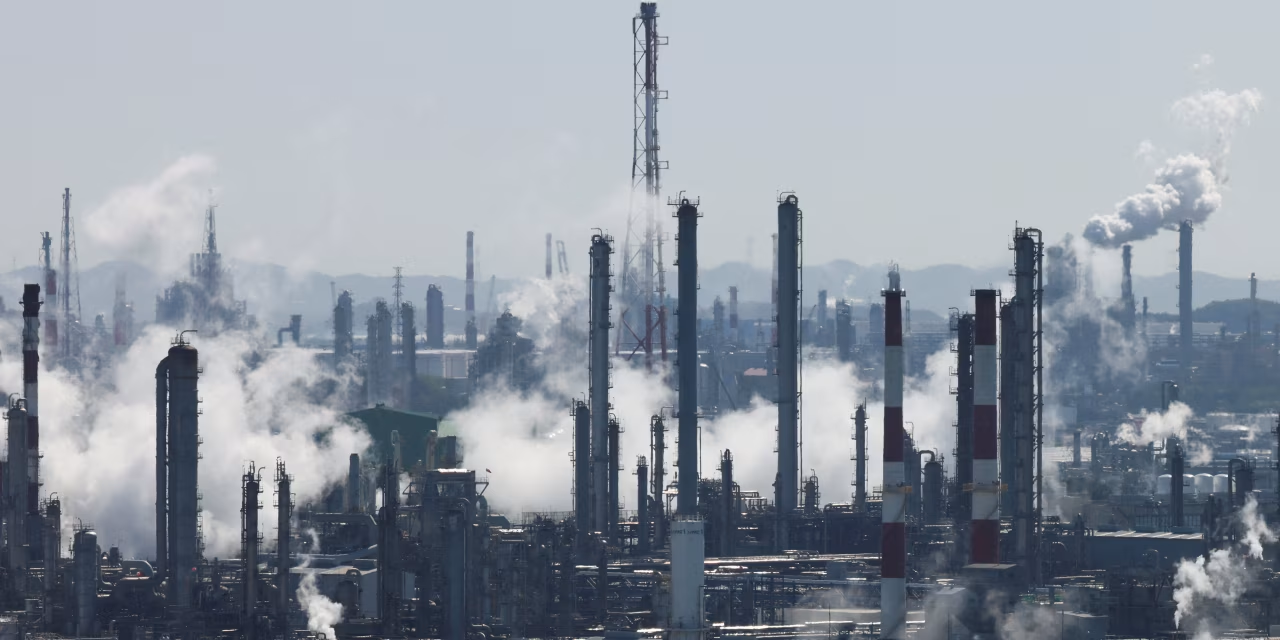
1509 ET – Crude futures post double-digit weekly gains as the U.S. widens its military strikes against Iranian targets and Iran hits out at neighboring Gulf countries. Added to concerns about escalation is the possibility of Yemen’s Houthis taking action to block shipping through the Red Sea, where Saudi Arabia has been rerouting oil exports with the closure of the Strait of Hormuz. “Renewed escalation over the strait’s ‘red line’ with inventories at the lowest levels in recent years and a majority of SPR releases behind us poses significant upside risks to energy prices,” Amarpreet Singh of Barclays says in a note. “As things stand, we think oil markets are still too complacent about the potential fallout for inventories.” WTI settles up 4.5% at $82.49 and Brent rises 4.6% to $88.10 a barrel, with both benchmarks up 16% on the week. (anthony.harrup@wsj.com)
Oil Rises More Than 2% As U.S.-Iran Tensions Remain High
1224 GMT – Oil prices extend gains in early U.S. trade, with Brent crude up 2.1% to $86.02 a barrel and WTI futures rising 2.4% to $80.15 a barrel. Escalating tensions between the U.S. and Iran are curbing flows through the Strait of Hormuz and raising fears of a full-blown conflict as the two sides attack energy infrastructure in the Gulf region. Meanwhile, all eyes are on the Bab el-Mandeb strait, the gateway to the Red Sea that market watchers fear could become a target for Yemen’s Houthi rebels. While in February just under 3.9 million barrels a day were transported through this strait, the figure rose to about 7.2 million barrels in April, highlighting the growing importance of the shipping route, analysts at Commerzbank say. (giulia.petroni@wsj.com)
Copyright ©2026 Dow Jones & Company, Inc. All Rights Reserved. 87990cbe856818d5eddac44c7b1cdeb8

Samsung Electronics America to cut 739 New Jersey positions

Nick Ackerman is a former financial advisor using his experience to provide coverage on closed-end funds and exchange-traded funds. Nick has previously held Series 7 and Series 66 licenses and has been investing personally for over 14 years.He contributes to the investing group CEF/ETF Income Laboratory along with leader Stanford Chemist, and Juan de la Hoz and Dividend Seeker. They help members benefit from income and arbitrage strategies in CEFs and ETFs by providing expert-level research. The service includes: managed portfolios targeting safe 8%+ yields, actionable income and arbitrage recommendations, in-depth analysis of CEFs and ETFs, and a friendly community of over a thousand members looking for the best income ideas. These are geared towards both active and passive investors. The vast majority of their holdings are also monthly-payers, which is great for faster compounding as well as smoothing income streams. Learn More.
Analyst’s Disclosure: I/we have a beneficial long position in the shares of RQI, RLTY either through stock ownership, options, or other derivatives. I wrote this article myself, and it expresses my own opinions. I am not receiving compensation for it (other than from Seeking Alpha). I have no business relationship with any company whose stock is mentioned in this article.
Seeking Alpha’s Disclosure: Past performance is no guarantee of future results. No recommendation or advice is being given as to whether any investment is suitable for a particular investor. Any views or opinions expressed above may not reflect those of Seeking Alpha as a whole. Seeking Alpha is not a licensed securities dealer, broker or US investment adviser or investment bank. Our analysts are third party authors that include both professional investors and individual investors who may not be licensed or certified by any institute or regulatory body.
Illinois Tool Works: Growth Continues, But I'd Hesitate To Buy Here

Over fifteen years of experience making contrarian bets based on my macro view and stock-specific turnaround stories to garner outsized returns with a favorable risk/reward profile. If you want me to cover a specific stock or have a question for an article, just let me know!
Analyst’s Disclosure: I/we have no stock, option or similar derivative position in any of the companies mentioned, and no plans to initiate any such positions within the next 72 hours. I wrote this article myself, and it expresses my own opinions. I am not receiving compensation for it (other than from Seeking Alpha). I have no business relationship with any company whose stock is mentioned in this article.
Seeking Alpha’s Disclosure: Past performance is no guarantee of future results. No recommendation or advice is being given as to whether any investment is suitable for a particular investor. Any views or opinions expressed above may not reflect those of Seeking Alpha as a whole. Seeking Alpha is not a licensed securities dealer, broker or US investment adviser or investment bank. Our analysts are third party authors that include both professional investors and individual investors who may not be licensed or certified by any institute or regulatory body.
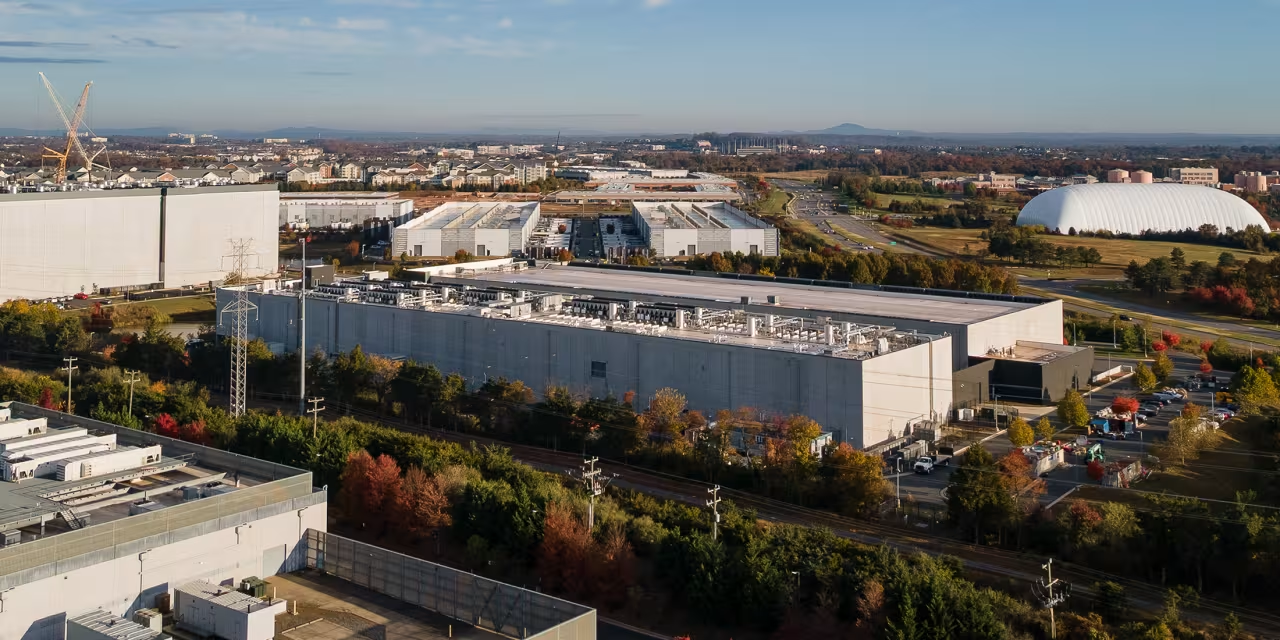
Meta’s Next $10 Billion Deal? Why Anthropic May Rent AI Hardware From Zuckerberg.

Why would Stripe want PayPal?
Business
Idaho Strategic Resources: Tremendous Ability To Expand, But Only If The Opportunity Is There

Idaho Strategic Resources: Tremendous Ability To Expand, But Only If The Opportunity Is There

QuickLogic: Improving Growth Case, But The Valuation Is Still Asking A Lot

The PHLX Semiconductor Index on Friday was just below the flatline, climbing from a session low of -5.7%—and even briefly traded in the green.
The index, which uses the ticker SOX, was down 0.2% as chip selling eased. The Nasdaq and the S&P 500 pared their losses somewhat, with the indexes down 1% and 0.8%, respectively. The Dow, meanwhile, was down 0.5% or 266 points.
Memory chipmakers led the charge, with the Roundhill Memory Chip ETF up 4.5%. Seagate, Micron, and Sandisk were some of the best-performing S&P 500 components.

Rahasia Naik 10 Tangga Ke FINANCIAL FREEDOM (Step by Step)

What TV channel is the World Cup final on? How to watch every game live in the UK
Oil Futures Rise on Middle East Escalation Fears


-
 NewsBeat2 days ago
London Mayor Sadiq Khan handed a peerage by Keir Starmer alongside 15 other Labour figures… just days before the PM leaves No10
-

 Fashion1 day ago
Weekend Open Thread – Corporette.com
-

 Politics15 hours ago
The House | The City of London can help the new chancellor deliver growth in every postcode
-

 Crypto World3 days ago
CFTC blocks Kalshi from unwinding Michigan trades after court order
-

 Politics4 days ago
Young campaigners urge incoming PM to act on outdoor junk food ads
-

 Business3 days ago
Nvidia Stock Slips After Big Tuesday Rally as Huang Confirms Vera Rubin Chip Is Now in Production Today
-

 Crypto World15 hours ago
Ripple Payments Joins MiCA With 14 Firms, Does It Mean Anything For XRP?
-
 Entertainment3 days ago
Disney’s Most Ambitious Failed Star Wars Attraction Is Coming to SDCC
-

 Crypto World1 day ago
Ripple wins EU-wide access as ESMA adds it to MiCA register
-

 Business3 days ago
Palantir Shares Rise After Expanded Nvidia Partnership and Fresh Analyst Upgrades Ahead of Earnings Day
-

 Crypto World2 days ago
Injective Submits SEC Transfer-Agent Registration to Onchain Ownership Records
-

 Tech5 days ago
Get Your ESP32 Sunny Side Up With This Solar Dev Board
-

 News Videos4 days ago
XRP BOMBSHELL… XRP OMBOARDED FOR TRANSACTIONS!!!
-

 Tech4 days ago
Dark Secrets Emerge When Jailbreaking LLMs
-

 NewsBeat2 days ago
Registration is now open for March for Men with Kev 2026
-
 Sports3 days ago
New Cornerback Enters Vikings Trade Rumor Mill
-

 News Videos2 days ago
Money | Class 12 Economics | CBSE Board Exam 2026-27
-

 Business2 days ago
Banco Bilbao Vizcaya Argentaria, S.A. (BBVA) Discusses Global Macro Environment and Economic Outlook for Core Markets Transcript
-
 Crypto World2 days ago
Claude Fable 5 Slips to Second in AI Coding Leaderboard
-
 Tech5 days ago
Cloudflare Precursor Watches Your Mouse and Keyboard To Decide If You Are Human
You must be logged in to post a comment Login