
Connect with us
DAPA Banner
DAPA Coin
DAPA
COIN PAYMENT ASSET
PRIVACY · BLOCKDAG · HOMOMORPHIC ENCRYPTION · RUST
ElGamal Encrypted MINE DAPA
🚫 GENESIS SOLD OUT
DAPAPAY COMING ›

Business

New EU system tripling time to get through border, airport boss says

Published

on

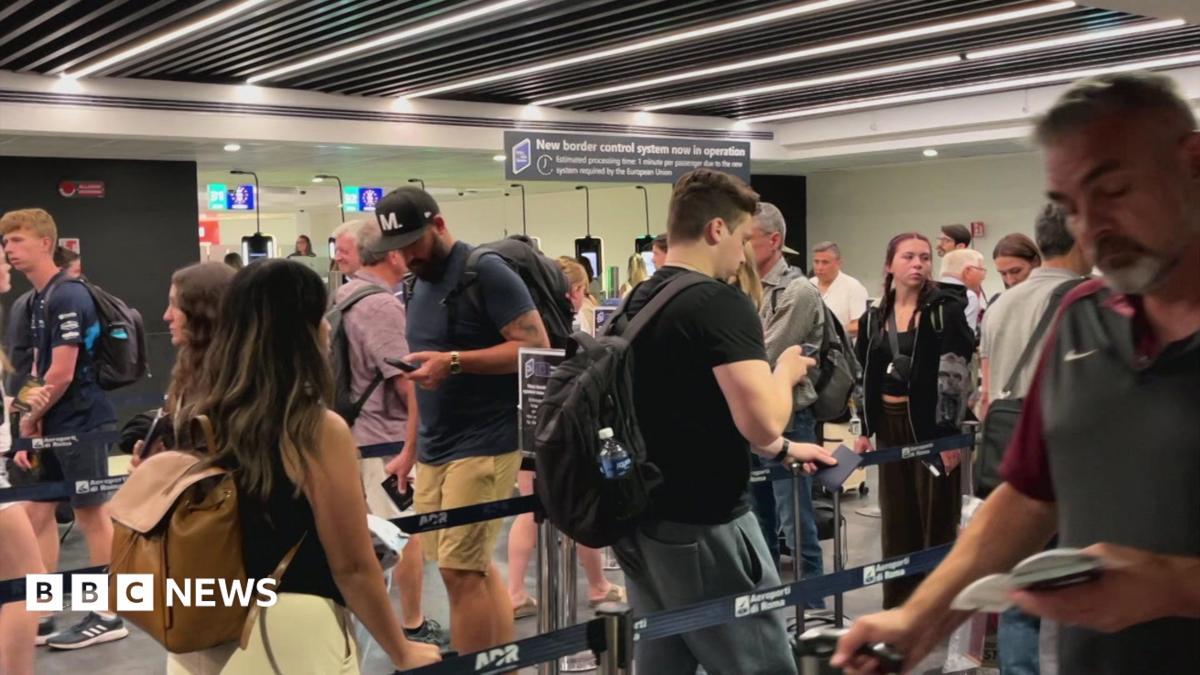
People move through the queue for the Entry Exit System process at Fuimicino Airport in Rome, Italy.

The EU’s new border system has nearly tripled the time it’s taking for Brits to get through passport control even after improvements have been made, a boss at Rome’s main airport has said.

It comes as Ryanair has warned passengers travelling to Europe this summer to prepare for extended waits.

Border police at Portugal’s Faro airport also told the BBC the Entry Exit System technology suffered from bugs, but insisted any queues there would go down quickly.

The European Commission (EC) has said in most EU airports disruption is limited, and added that it will continue to support member states in the system’s implementation.

Advertisement

It added: “This support will continue to the fullest extent possible.”

The digital Entry Exit System (EES) requires non-EU citizens entering the Schengen area – made up of 29 European countries – to register fingerprints and a photo when they arrive. The information is checked as they leave.

It’s often done using standalone, automated machines known as “kiosks” and sometimes with border officers – for example, for children under 12. The new process and machines have been phased in since October.

Some European airports have seen hours-long queues at passport control. Passengers have even reported missing flights home.

Advertisement

This week, Ryanair said “the failed EES rollout” was causing unnecessary delays and long queues.

The airline said UK passengers should “allow extra time for their journey and be prepared for extended waits at passport control.”

In Rome, a perennially popular destination for tourists from the UK and around the globe, everyone we spoke to in the Piazza di Spagna had an EES story.

Advertisement
Continue Reading
Click to comment

You must be logged in to post a comment Login

Leave a Reply

Business

Ryanair profit plunges as jet fuel prices soar amid Iran war

Published

on

Business Live

But it says its strategy still leaves it better positioned than its European rivals

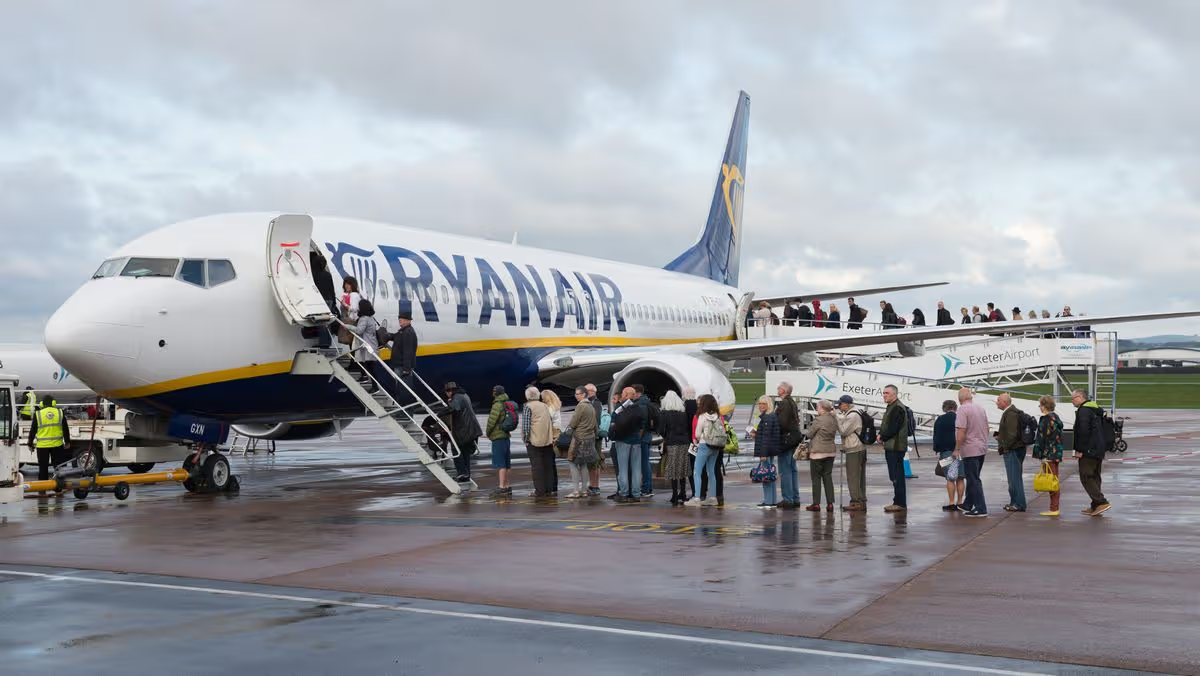
Passengers boarding a Ryanair plane at Exeter Airport

Passengers boarding a Ryanair plane at Exeter Airport(Image: Theo Moye)

Ryanair saw its profits tumble by more than a third as soaring jet fuel costs driven by the Iran conflict began to bite. The budget carrier had previously shielded itself from escalating fuel prices by locking in energy costs through hedged contracts.

Advertisement

However, Ryanair revealed the cost of the 20 per cent of its jet fuel that remained unhedged more than doubled in the first quarter of this year, reaching $150 per barrel.

As a result, the airline’s operating costs surged 11 per cent to €3.8bn in the three months to June, while its pre-tax profit plummeted by 36 per cent to €593m.

The carrier, which is listed in both Dublin and New York, announced in May that it would slash some of its fares to drive up passenger volumes and counter the weakened demand brought about by the Middle East conflict, as reported by City AM.

Passenger numbers climbed six per cent in the first quarter of this year, yet reduced ticket prices meant the airline’s revenue dipped by one per cent to €4.3bn over the period.

Advertisement

Fares were subdued at the start of this year because “the Middle East conflict led to consumer hesitancy, concerns about EU jet-fuel shortages, economic uncertainty and later bookings,” chief executive Michael O’Leary told investors.

“Despite a recent, slight, uptick in volumes, and less price stimulation, second-quarter pricing is trending modestly down year-on-year and the final first-half fare outcome is heavily dependent on the strength of close-in bookings in August and September,” he added.

Airlines have warned that concerns over potential travel disruption stemming from the Iran conflict are prompting holidaymakers to leave bookings to the last minute, making it increasingly difficult for carriers to plan effectively.

Ryanair said its “conservative” jet fuel hedging strategy still leaves it better positioned than its European rivals.

Advertisement

The carrier revealed that 80 per cent of its fuel requirements for the current financial year are locked in at $67 per barrel.

However, Ryanair’s energy costs are set to rise sharply next year, with 15 per cent of its requirement for the 2028 financial year hedged at $85 per barrel.

Stockbroker Panmure Liberum suggested Ryanair’s update would be seen as “slightly disappointing” by the market, after the firm’s profits fell short of analyst forecasts.

In June, the airline handed O’Leary a six year extension as part of a new contract which could see him given 10 million additional shares.

Advertisement

Stan McCarthy, Ryanair chairman, said he is “pleased to report” that O’Leary has agreed to extending his leadership “for the benefit of all shareholders.”

O’Leary, renowned for his larger-than-life personality and forthright manner, is amongst Ireland’s most wealthy businessmen.

Continue Reading

Business

Ryanair profits tumble as jet fuel costs soar

Published

on

Graphic representing sunshine with blue sky behind

Ryanair’s profits have fallen sharply as war in the Middle East sent jet fuel prices soaring and customers reluctant to book flights.

The Irish airline’s pre-tax profits dropped 34% to €593m (£503m) between April and June while sales were flat as the company was forced to cut fares to stimulate demand.

Ryanair also said it expects summer fares to be slightly lower than last year due to “consumer hesitancy” around air travel.

The price of fuelling a plane has jumped since the US and Israel launched strikes against Iran in February and while Ryanair said it had “hedged” or struck deals for the most future fuel costs, those not included in these arrangements had more than doubled.

Advertisement

Overnight, crude oil prices continued to rise, surpassing $90 (£67) a barrel for the first time in a month, after a weekend of intense exchanges of fire between the US and Iran.

Traffic through the Strait of Hormuz – an essential route for global oil and gas supplies – has ground to a halt.

Brent crude, the global benchmark for oil prices, rose by 2.5% on Monday.

Looking ahead, Ryanair said its fares for the key summer period between July and September are “trending modestly down” on the same period last year.

Advertisement

It warned that its results for the year will be “highly sensitive” to external factors such as conflict escalation in the Middle East and Ukraine as well as the price of unhedged jet fuel.

Shane Oliver, head of investment strategy at AMP, a fund manager, said: “The longer the strait remains closed and the war escalates, the greater the risk that oil prices will have to rise to around $150 a barrel to bring demand down to match the hit to supply.”

He said: “This is not our base case but it’s a high risk again.”

Advertisement
Continue Reading

Business

Guggenheim initiates AN2 Therapeutics stock with buy on PV drug

Published

on


Guggenheim initiates AN2 Therapeutics stock with buy on PV drug

Continue Reading

Business

Australian shares waver as oil surges on Iran conflict

Published

on

Australian shares waver as oil surges on Iran conflict

Australia’s share market has handed back its modest gains after oil prices surged amid escalating conflict between the US and Iran, hitting risk sentiment.

Continue Reading

Business

The 10 Best Wines to Buy in Australia in 2026, From Cellar-Worthy Icons to Everyday Bargain Bottles

Published

on

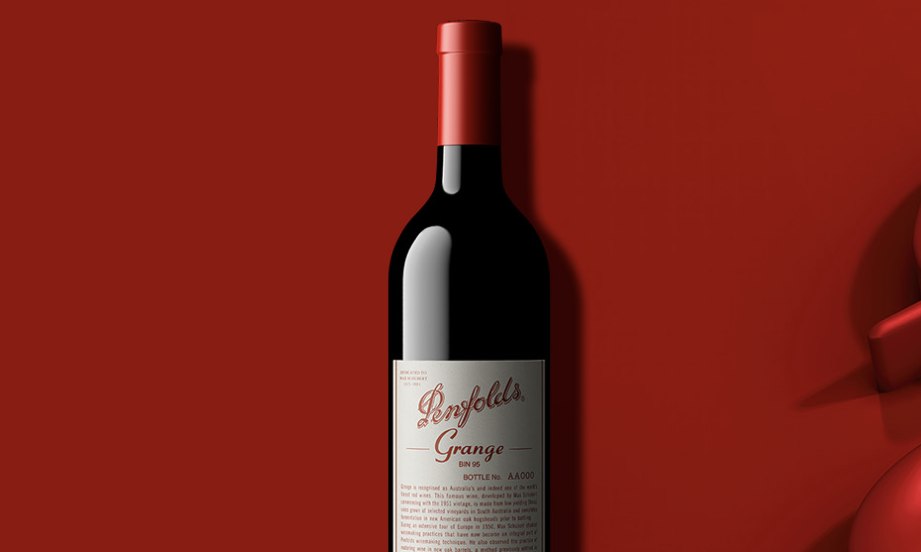
Penfolds Grange

Australian wine is having a moment on shelves and dinner tables across the country this year, with industry buyers and reviewers pointing to a lineup that spans world-class cellaring icons priced in the hundreds of dollars down to everyday bottles that consistently outperform their price tag. Drawing on rankings and tasting notes compiled by wine retailers and reviewers through 2026, here is a look at 10 of the best wines available to Australian buyers right now.

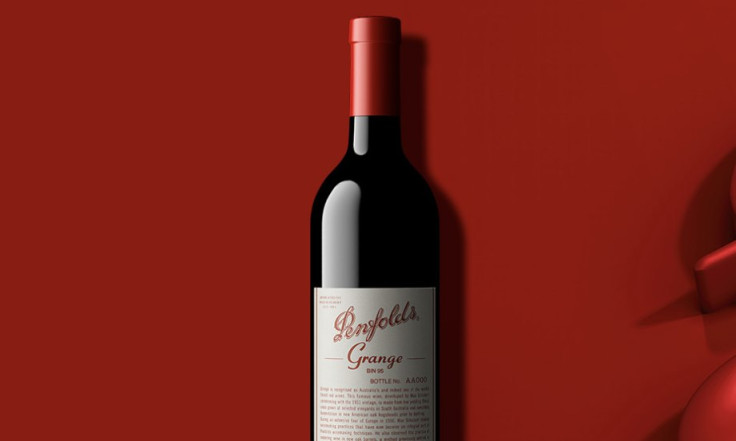
Penfolds Grange
Penfolds Grange

1. Penfolds Grange

Widely regarded as Australia’s most prestigious wine, Penfolds Grange continues to anchor discussions of the country’s top bottles in 2026. Priced in the range of $750 to $800, the wine offers aging potential and critical acclaim that industry reviewers say rivals Burgundy Premier Cru or Napa Valley cult Cabernets costing several times more, cementing its position as the benchmark for serious Australian cellaring.

2. Yalumba Caley Cabernet Shiraz

The 2016 vintage of Yalumba’s Caley Cabernet Shiraz blend has been highlighted among the top wines available to Australian buyers this year, representing the classic Cabernet-Shiraz combination that has become one of the country’s signature styles, particularly out of South Australia’s most established wine regions.

Advertisement

3. Torbreck RunRig

Torbreck’s RunRig, drawn from old-vine Barossa Valley fruit, remains one of the region’s most sought-after bottles for collectors and serious drinkers alike. The 2020 vintage in particular has drawn attention this year as one of the standout releases from a producer known for concentrated, powerful Barossa reds built around the region’s century-old Shiraz vines.

4. Henschke Hill of Grace

Alongside Grange, Henschke’s Hill of Grace is frequently cited as one of the two defining wines of Australian fine wine culture, priced similarly in the $750 to $800 range. The wine is produced from a single vineyard of ancient, ungrafted Shiraz vines in the Eden Valley and remains one of the most collected Australian wines internationally.

Advertisement

5. Penfolds Bin 389

For buyers seeking Penfolds quality without the flagship price tag, the Bin 389 Cabernet Shiraz, priced around $85, has been singled out this year as delivering the house’s signature style and genuine cellaring potential at a fraction of Grange’s cost, offering what reviewers describe as quality that would cost roughly three times more from equivalent Bordeaux or Burgundy producers.

6. Barossa Valley old-vine Shiraz

Beyond individual labels, the broader category of Barossa Valley old-vine Shiraz has drawn strong attention heading into 2026, with the 2019 and 2021 vintages singled out as the strongest recent years for the region. The 2019 vintage in particular has been praised for its concentration and tannin structure, reflecting the depth that comes from vines in many cases exceeding a century in age.

Advertisement

7. Thistledown Thorny Devil Grenache

Representing McLaren Vale’s growing reputation for elegant, lighter-styled reds, Thistledown’s Thorny Devil Grenache has been highlighted this year in the $30 to $50 price bracket as an example of the more perfumed, restrained style of Grenache increasingly favored by Australian winemakers, offering red berry and savory spice character without the heaviness traditionally associated with the variety.

8. Clare Valley Riesling

Clare Valley continues to be recognized as one of the world’s premier regions for dry Riesling, with bottles in the $30 to $70 range offering what industry reviewers describe as some of the most exciting drinking available at that price point globally. The region’s crisp, mineral-driven whites remain a consistent recommendation for buyers looking to diversify beyond Australia’s red wine reputation.

Advertisement

9. Margaret River Cabernet Sauvignon

Western Australia’s Margaret River region continues to produce some of the country’s most highly regarded Cabernet Sauvignon, with bottles in the $30 to $70 range drawing praise this year for combining structure and elegance in a style often compared favorably to more expensive international Cabernet-producing regions.

10. Budget-friendly Barossa and McLaren Vale reds

Rounding out the list, buyers looking for reliable everyday drinking without the premium price tag have several strong options in the $20 to $50 range, including McLaren Vale Shiraz, Barossa GSM blends, and Coonawarra Cabernet Sauvignon. Producers such as Langmeil, Credaro and Oliver’s Taranga have been specifically highlighted this year for delivering exceptional quality within that more accessible price bracket, proving that Australia’s wine strength extends well beyond its most expensive labels.

Advertisement

A strong year for Australian wine overall

Industry commentary through 2026 has consistently pointed to Australian wine as offering some of the best value in the global market, with reviewers noting that $25 to $65 now buys a level of complexity and character that increasingly rivals far more expensive European labels. That value proposition, combined with the continued strength of the country’s most prestigious icon wines, has helped reinforce Australia’s position as one of the most dynamic wine-producing nations heading through 2026.

Whether shoppers are building a long-term cellar with icon wines like Grange and Hill of Grace, or simply stocking up for weekend entertaining with reliable bottles from the Barossa and McLaren Vale, this year’s lineup reflects the breadth of what Australian winemaking now offers across virtually every price point and style, from crisp Clare Valley Rieslings to some of the most collectible red wines produced anywhere in the world.

Advertisement
Continue Reading

Business

Lilleyman, Norwell join Zenith Energy board

Published

on

Lilleyman, Norwell join Zenith Energy board

Zenith Energy has added significant experience to its board, as continues to ride a wave of renewable energy-based momentum.

Continue Reading

Business

KMPG Australia fines staff up to $126,000 for ’unacceptable’ misconduct in audit scandal

Published

on


KMPG Australia fines staff up to $126,000 for ’unacceptable’ misconduct in audit scandal

Continue Reading

Business

Why is Chalco stock rallying today?

Published

on


Why is Chalco stock rallying today?

Continue Reading

Business

Is Abu Dhabi Airport Open Today? Zayed International Stays Open Despite Growing Iran War Disruptions

Published

on

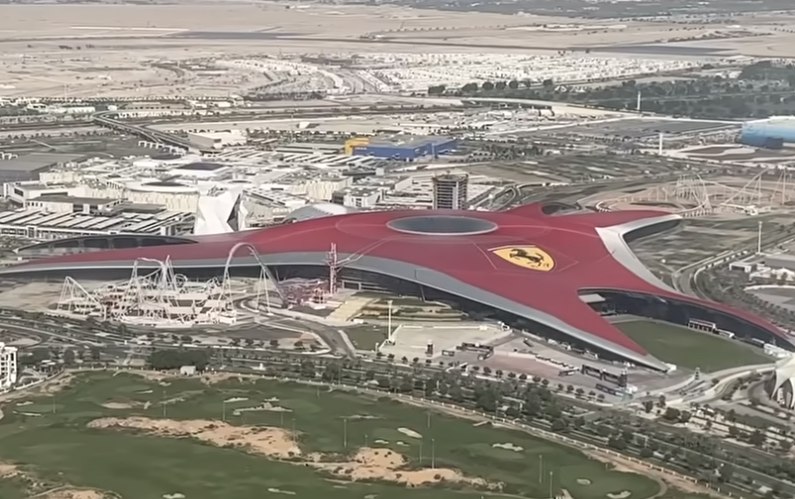
Zayed International Airport

Abu Dhabi’s Zayed International Airport remains open and operational Monday, though travelers flying to and from the United Arab Emirates capital continue to face scattered schedule disruptions as the war between the United States and Iran intensifies across the wider Gulf region.

Unlike several other airports in the region that have faced broader suspensions, Zayed International has maintained continuous operations throughout the recent escalation, with flag carrier Etihad Airways continuing to operate an expanded global network to roughly 80 destinations across Africa, Asia, Australia, Europe, North America and the Gulf Cooperation Council. UAE airspace fully reopened earlier this year following an earlier period of partial restrictions, and officials have not announced any broad network-wide suspension at Abu Dhabi’s main airport as the conflict has continued into July.

Kuwait route among those affected

While the airport itself remains open, individual routes connected to more directly affected countries have faced cancellations. Etihad confirmed it canceled flights EY653 and EY654 between Zayed International and Kuwait International Airport on both July 19 and July 20, citing operational reasons tied to the deteriorating security situation in Kuwait. The airline said its teams were working to assist affected passengers with rebooking and travel arrangements, and advised customers to ensure their contact information on file remains current so they can receive updates by text message or email.

Advertisement

Other UAE-based carriers have reported similar disruptions on Gulf routes. Air Arabia flights between the UAE and Kuwait faced cancellations and delays over the weekend, although several flights that had initially been listed as canceled were later reinstated. Air Arabia’s Abu Dhabi-based service between the UAE capital and Kuwait, flights 3L020 and 3L021, were among those canceled. Separately, budget carrier flydubai canceled flights on its Dubai-to-Abha route connecting to Saudi Arabia, reflecting how the conflict’s effects have rippled beyond routes directly serving Iran or Israel.

Kuwait Airways said it had rescheduled the majority of its commercial flights after Kuwait International Airport temporarily suspended takeoffs and landings on Saturday amid repeated missile and drone threats, underscoring the more severe disruptions facing airports closer to the immediate conflict zone compared with Abu Dhabi’s relatively steadier operations.

Background on the escalating conflict

The current wave of disruptions stems from a broader collapse in relations between Washington and Tehran. The two countries renewed hostilities on July 7 after each side accused the other of violating an earlier ceasefire agreement, and fighting has intensified steadily since then across Iran and the wider Gulf region. The United States has carried out consecutive nights of airstrikes against Iranian targets in the weeks since, while Iran has responded by striking targets connected to U.S. allies in the region, including facilities in Kuwait.

Advertisement

That expanding pattern of strikes has created a volatile operating environment for airlines across the Gulf, with route-specific cancellations and diversions becoming increasingly common even at airports, like Zayed International, that have avoided full-scale shutdowns. Aviation officials in the region have repeatedly emphasized that the situation can shift within hours, urging travelers to verify their flight status directly with airlines rather than relying on schedules published days in advance.

What Abu Dhabi Airports has said

During earlier phases of the conflict, when UAE airspace faced more direct disruption, Abu Dhabi Airports issued formal advisories warning that some inbound and outbound flights at Zayed International could experience delays, diversions or cancellations tied to temporary airspace restrictions. The airport operator said passenger safety remained its top priority and that it was coordinating closely with airlines and relevant authorities to manage disruptions and minimize their impact wherever possible. Officials urged passengers scheduled to travel to check directly with their airline before heading to the airport, rather than assuming their flight would depart as originally scheduled.

That guidance remains broadly relevant for travelers today, even though Zayed International has not faced a repeat of the more severe disruptions seen at other regional airports in recent days. Airlines continue to manage most changes on a flight-by-flight basis rather than through blanket network suspensions, meaning individual routes, particularly those connecting to Kuwait, Saudi Arabia and other countries more directly affected by the conflict, remain the most likely to see cancellations or rescheduling.

Advertisement

What travelers should do

Given the fluid nature of the situation, travelers with flights booked to or from Abu Dhabi are strongly advised to check their specific flight status directly through their airline before heading to the airport. Etihad passengers can consult the airline’s Manage My Booking tool for alternative flight options when cancellations occur more than three days before departure, while changes within the final 48 hours are typically handled directly by airline support teams. Zayed International Airport’s official website also provides live departure and arrival boards that travelers can monitor for real-time updates.

For now, Abu Dhabi’s main airport continues to function as one of the more stable aviation hubs in a region facing widespread disruption, even as individual routes connected to more directly affected countries remain subject to sudden change. Travelers are encouraged to remain flexible with their plans and to stay in close contact with their airlines as the broader conflict between the United States and Iran continues to evolve with no clear resolution in sight.

Advertisement
Continue Reading

Business

Former Erdington Academy pupil offers students free haircuts

Published

on

Graphic representing sunshine with blue sky behind

Amin said he knows that families can feel the cost of living more during the school holidays, with no free school meals and activities to find, so he hopes his offer gives them a little more support.

Nicki Kansara, chair of Erdington Academy’s Parent, Teacher and Friends Association (PTFA) and a governor at the school, said: “In my roles at Erdington Academy, I’ve seen many of the different struggles the children face first-hand.

“The cost of living has been affecting so many people, not just pupil premium students.

“That’s why this link with Razwan is so powerful. There’s potential for Razwan to inspire the children as an Erdington alumnus – he shows them that they can go from the school and make it in the real world.”

Advertisement

Kansara’s son Esa, a student at Erdington, has already taken advantage of the offer and said lots of pupils will do the same.

“When I get my hair cut, I feel like a new man, and it makes me feel more confident in general,” he said.

He added: “Razwan went to Erdington Academy and now he’s a successful businessman, so he makes me realise I can be successful as well. It’s empowering.”

Advertisement
Continue Reading

Trending

Copyright © 2025