

Politics
Boris Johnson Claims Trump Could ‘Be The Guy’ To Pressure Putin And End Ukraine War

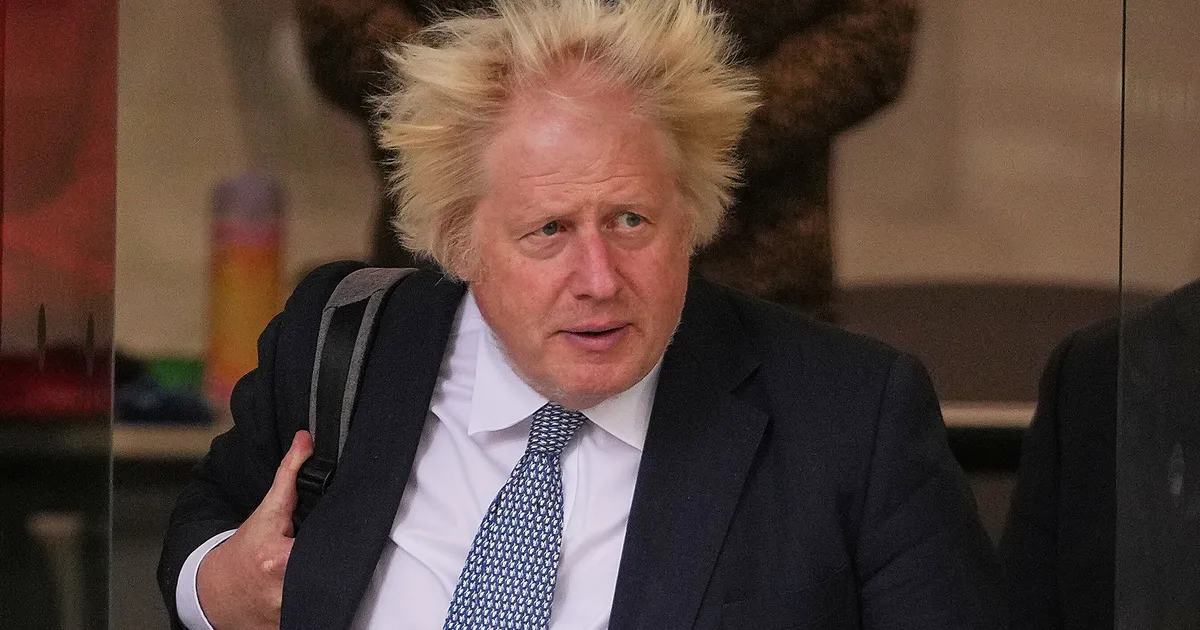
Boris Johnson has claimed Donald Trump could “be the guy” to force Vladimir Putin to end his illegal war in Ukraine.
The ex-prime minister made the bizarre claim more than a year after the US president pledged to bring the conflict to a close in just 24 hours.
The war entered its fifth year back in February.
Trump also famously kicked Ukrainian president Volodymyr Zelenskyy out of the White House last year after his team attacked his outfit and said Kyiv did not “hold any cards” in the war.
Since then, the US has oscillated between pushing Kyiv to give up more land to Moscow in the name of peace, and supporting Ukraine’s ongoing fight against Putin’s land grab.
But, speaking on Sky News, Johnson – who is an ardent supporter of Ukraine – said: “I think that, paradoxically, you know, Trump could be the guy really, to put the hard word on Putin and get this thing done, and there’s no doubt that when it comes to foreign policy initiatives, this is a guy who’s willing to do some, some pretty tough things, right?
“Nobody thought he’s the first American president to use violence against Iran, right?”
Trump chose to join Israel in launching strikes on Iran earlier this year, triggering a significant international conflict and sending the global economy into turmoil.
Johnson continued: “You know, whatever you think about about his logic and how that’s worked out, you know, he is I think he is the guy and I’ve said this to him and I said this repeat.
“I think, paradoxically, although I think that his instincts on on Ukraine haven’t always was language about Ukraine hasn’t always been, you know, put it mildly on, you know, totally on all fours with what I think I think he could he really could fix it. And that’s what I’ve always told him.”
Johnson also acknowledged that Trump has not actually been promoting a push for Ukraine’s sovereignty.
He said: “It would be a very powerful thing if the United States declared that it was, a strategic objective of the United States for Ukraine to be free, sovereign and independent country.”
“No, but you don’t hear that much from Washington, right? And number two, that Ukraine should be part of Nato.”
Asked by presenter Trevor Phillips how Trump responds when Johnson advocates for Ukraine, he said: “I mean, he’s, very good at listening. He’s very good listening.”
Listen to Commons People, the podcast that makes politics easy. Every week, Kevin Schofield and Kate Nicholson unpack the week’s biggest stories to keep you informed. Join us for straightforward analysis of what’s going on at Westminster.

We hope you love the products we recommend! All of them were independently selected by our editors. Just so you know, HuffPost UK may collect a share of sales or other compensation from the links on this page if you decide to shop from them. Oh, and FYI — prices are accurate and items in stock as of time of publication.
For years, I’ve steered as far away from cycling as possible. Seriously, friends and partners have tried to force me to do it, but I have an aversion in me that I simply can’t shake no matter what.
Lately, though, something has shifted. Maybe it’s the endless tube strikes, the heatwave, or the sheer cost (monetary and mental) of commuting in, but I just can’t hack it anymore.
It’s gotten so bad that I’m even considering starting cycling to work. There’s just one problem: I have absolutely no idea where to begin.
Although I can ride a bike (to the surprise of everyone I know) I would have no clue when it comes to buying the right one for cycling, let alone all the other bits and bobs I’d need.
If, like me, you’re considering getting into commuter cycling for the first time, I consulted Josh Hale, general manager of London-based bike shop, Quella, for his tips.
What to consider when buying your first bike
First, the bike. The last time I owned a bike was at school, so I am well and truly out of my depth.
Although there are lots of different types of bike out there, Hale suggests finding one that fits you and your needs.
“When purchasing your first bike, the most important thing is finding one that suits both your body and the type of riding you plan to do,” he says.
“The right bike should make you feel stable, comfortable and in control. To find the right size, you should be able to stand over the frame with a small amount of clearance and reach the handlebars comfortably without feeling overstretched. Your elbows should have a slight bend, rather than being fully extended, to help you ride comfortably and confidently.”
The kind of cycling you’ll be doing matters as much as the fit of the bike, he explains. “Are you planning to commute to work, ride around town or head out on weekend adventures? The bike and tyres you choose should reflect how and where you’ll be riding.
“For example, if you have a relatively flat commute, a single-speed bike can be an excellent choice thanks to its simplicity and low maintenance. If your route includes hills, however, a geared bike will make climbing much easier.”
The best single-speed and geared road bikes to shop now

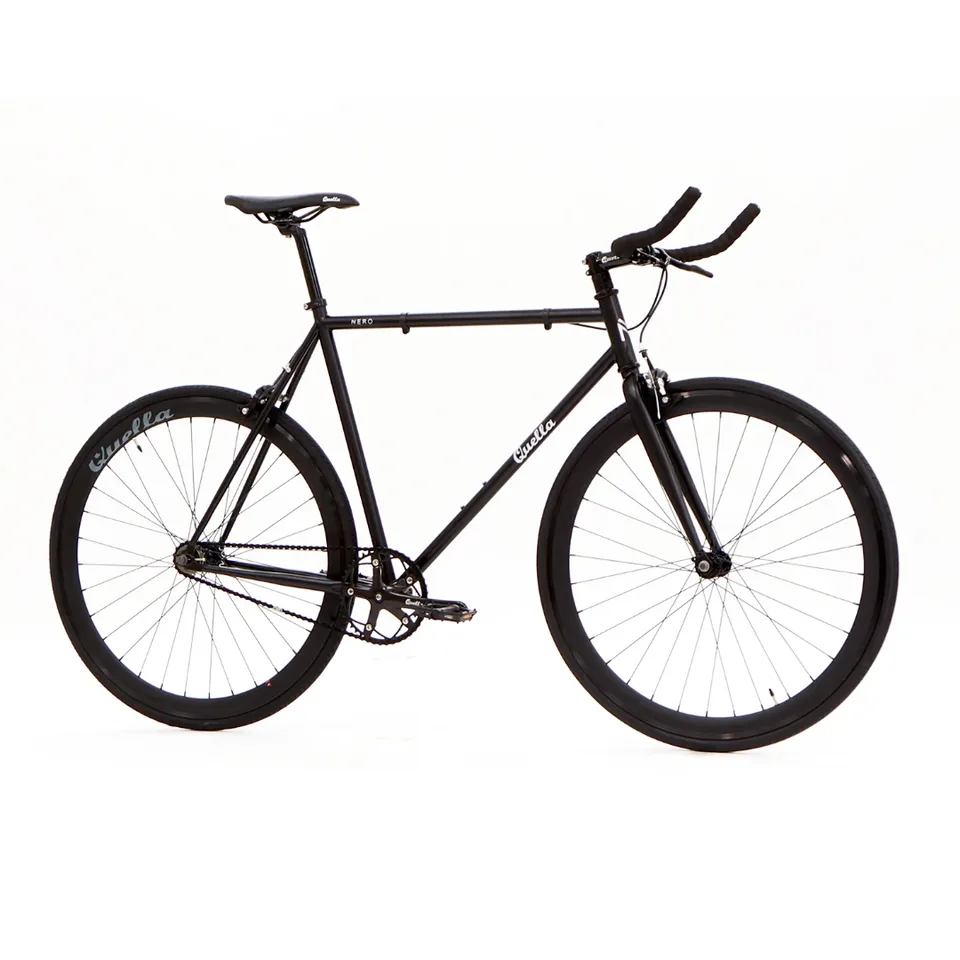
British brand Quella has made it its mission to create the perfect commuter bike; if you’re after one that’s low maintenance and lightweight, its bestseller Courier ticks all the boxes. It can be used fixed gear or single speed, and comes with a riding saddle so you can get some speed on if you have a flat commute. You also won’t have to mess around with assembly as it’s quick and easy to put together out of the box, or if you’re London based you can pick it up from its Shoreditch store.

Riding in the city comes with a lot of dodging, and this affordable single-speed bike is as speedy as it is agile thanks to its super-responsive brakes. While it’s designed for a quick commute, you can also transform it into a fixed-gear with a couple of adds-ons.

For a more versatile ride, this sleek geared bike can withstand everything from country roads to steep city hills. It has a seven speed hub system, and comes with an adjustable seat, for a truly personalised riding set up. Not to mention its looks: this one comes in Cambridge blue with tan accents, so you can rest assured that you‘ll always arrive in style.

If you prefer to cycle upright, this geared bike from TRIBAN has a raised seat and ergonomic handlebars for fully vertical positioning. With eight speeds to choose from, it’s a great bike for complete beginners who are getting to grips with road cycling, and its mechanical brakes also mean you’ll have full control over stopping and starting, even in wet weather.

Should the call of adventure hit you, this bike works just as well on paved roads as it does traversing gravel tracks. That’s thanks to its 16 range gearing and large tyres, which provide extra stability on any kind of terrain you’d want to explore. It also comes with flat pedals, mudguard mounts, and rack mounts to match the set up to your exact needs.
Essential cycling accessories

No more helmet head: this one from Quella is super lightweight at just 260g, but without compromising on safety. With a fully adjustable fit and padded interior, it’s both comfortable and functional. Not to mention, it features a rechargeable rear LED light to make you more visible on busy roads at night – so it wins extra points for practicality!

“Mudguards keep you dry in wet weather and reduce spray for riders behind you,” says Hale. This set comes in nine sizes, which are easy to install on the go, and are fitted with V-stays so you can adjust them easily to your bike.

To save your bike when you’re out and about, Quella’s mudguards click in to place, and can be removed in seconds when you’re done with them.

“Good-quality front and rear lights help you see and, more importantly, help others see you,” says Hale. “Rechargeable lights are a cost-effective and convenient option.” Not only is this light from Ravemen USB-C rechargeable, so you can power it up on the go, but you also won’t accidentally leave it running as it’s loaded with light sensor that adjusts the brightness based on how dark it is outside. It also has a power level indicator so you’ll always know when it’s about to run out.

“A bell or horn helps alert pedestrians and other road users to your presence, improving safety for everyone,” explains Hale.

“Racks and baskets are ideal for commuting, allowing you to carry bags on your bike rather than on your back for a more comfortable ride,” Hale says. There are plenty of options for racks and baskets depending on your bike, but this front basket holds eight litres and clips on to a range of handlebars.

You’ll need a B’Clip to attach this, but if you’d prefer to carry heavier loads, a rear rack could be the way to go.

“Staying hydrated is important, particularly on longer rides, and having easy access to a water bottle makes it much easier,” says Hale. This one from Tredz is made completely from recycled materials, and comes in a range of colours so you can match it to your bike.
What is the difference between road and mountain bikes?
If you’re still not sure you fully understand road biking, we asked Hale to explain the difference between commuter cycling and more adventurous mountain cycling to make sure you use the right kind of bike.
“Road and mountain cycling require different setups because the environments place different demands on both the rider and the bike,” he says.
“Road bikes are designed for efficiency and speed, with a more aerodynamic riding position, narrower tyres and lightweight frames that perform best on smooth surfaces.
“Mountain bikes, on the other hand, are built for control and durability. They feature wider, grippier tyres, suspension and a more upright riding position to provide greater stability over uneven terrain.”
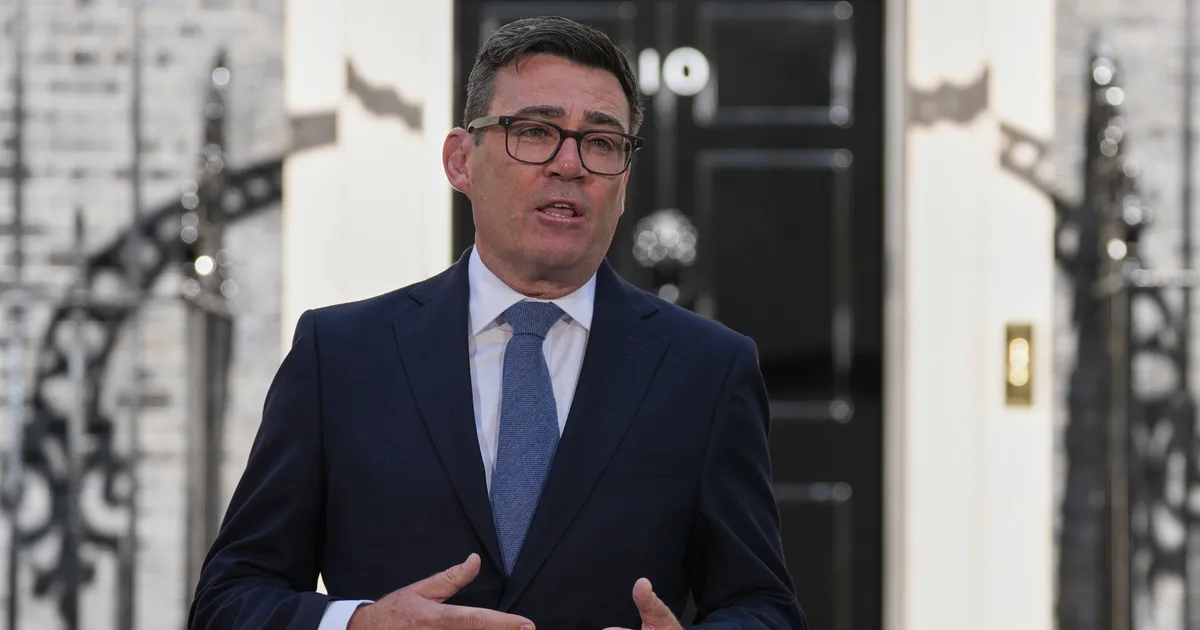
Andy Burnham has promised to “end rough sleeping” in the UK in his first speech as prime minister.
The Makerfield MP said he was “acutely aware” he is the seventh UK prime minister in a decade, and that this is a “moment for reflection and new resolution”.
Speaking from Downing Street, he said he will unveil a 10-year plan to improve life in the UK.
He also promised to set out some of his fully-costed proposals to help ease the cost of living in the UK on Tuesday.
Burnham made his first official pledge as prime minister in promising to end rough sleeping across the country, too.
Speaking shortly after Keir Starmer gave his own farewell speech in Downing Street, the Makerfield MP said: “Britain needs to show the world that we can regain our stability once again, and that is our challenge – to make politics work, to make it work better.
“I know people at home are fed up with politics. I hear you. I want to be honest with you, we have not been good enough and we need to be better. We will be.
“We will make this moment a circuit-breaker for Britain, bringing forward the biggest changes for the last 40 years.”
He promised a new political and economic model via devolution, and criticised the way political power had been centralised in the last few decades.
He said: “Many [areas] feel they are still in decline, and they don’t have the ability to turn things around. That’s why we will change politics.”
The prime minister vowed to make politics “more collaborative” and “more about problem-solving than point-scoring.”
He also promised to put “life’s essentials under stronger public control” and re-industrialise Britain.
Burnham concluded his first speech by promising to “give it my all”, and urging the public to “pull with me” to “build a new national sense of unity, of common purpose and positivity”.
Listen to Commons People, the podcast that makes politics easy. Every week, Kevin Schofield and Kate Nicholson unpack the week’s biggest stories to keep you informed. Join us for straightforward analysis of what’s going on at Westminster.
We’ve written before at HuffPost UK about the fruits and vegetables most linked to disease prevention. In fact, some research suggests that eating three portions of vegetables a day and two portions of fruit is linked to a longer life (though 70% of us don’t actually manage to hit those goals).
Worse, what “counts” as a vegetable for these purposes, as well as what a serving actually entails, can be more confusing than you might expect.
The World Health Organisation says we should eat 400g of fruits and vegetables a day, a suggestion which has been packaged as “five-a-day” campaigns in places like the UK. That means you’d actually need to eat two of some smaller fruits, e.g. clementines, to consume a single portion.
And even though they’re technically classed as vegetables, some produce doesn’t “count” towards your five-a-day at all.
Why don’t some vegetables count as one of your five a day?
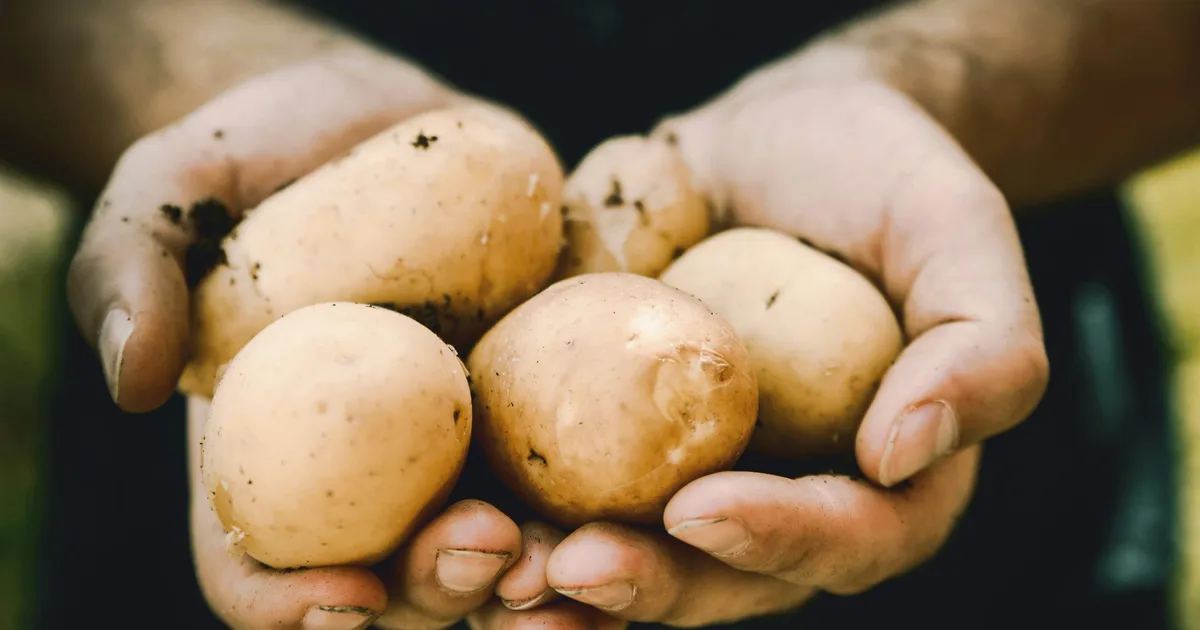
While a potato is a vegetable, it doesn’t count as a serving of your five a day.
That’s not because it’s not a vegetable (it is), but because some research shows it doesn’t give you as many health benefits as others.
Studies have found that eating certain fruits and vegetables may reduce the risk of death from chronic diseases like diabetes, heart disease and cancer.
But there were exceptions to this rule: fruit juices and starchy vegetables.
As they may not contribute as well to the health goals campaigns like five a day are designed to help us reach, or due to their nutritional make-up, these are usually left out of the program’s recommendations.
Which vegetables don’t count as your five-a-day?
Fruit juices, vegetable juices and smoothies are only ever counted as one of your five-a-day, the NHS says, no matter how much of them you drink.
They added that we should stay under 150ml a day, because these beverages are often lower in fibre and higher in sugar.
Meanwhile, foods like potatoes, which are classed as a “starchy food”, don’t count at all because “when they’re eaten as part of a meal they’re usually used in place of other sources of starch, such as bread, rice or pasta”.
Other examples of vegetables that wouldn’t be counted include:
- Potatoes
- Yams
- Cassava
- Plantain
There is some evidence to suggest that peas and sweetcorn might confer fewer health benefits, but the NHS still counts these as one of your five-a-day.
Interestingly, sweet potatoes, parsnips, swedes and turnips do still count, because they’re usually eaten alongside the starchy part of your dinner.
Vegetables that don’t ‘count’ can still be really good for us
Just because a vegetable doesn’t contribute towards your five-a-day does not mean it’s unhealthy. Far from it, in fact – a lot of people in the UK rely on potatoes for their vitamin C intake, for example, and the tubers are a great source of fibre too.
Nuts don’t count as your five-a-day either, but eating them every day has been linked to a longer, healthier life.
In other words, this isn’t about avoiding foods off the “five-a-day” list. Just try to eat them alongside the suggested intake of other fruits and vegetables, too.
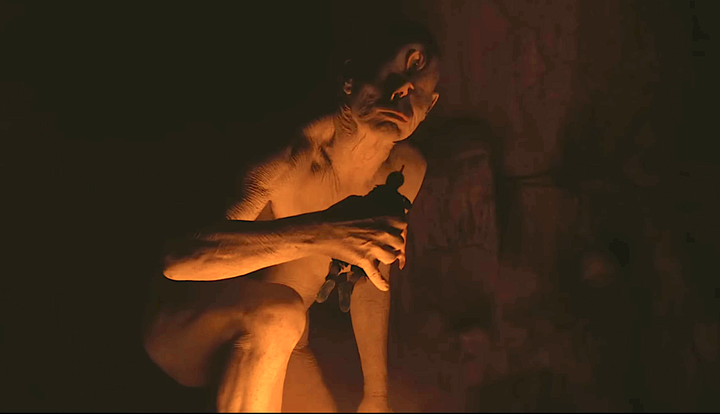
Christopher Nolan has claimed that bringing the cyclops to life in his new movie The Odyssey is “right at the top” of the most difficult technical tasks he’s come across in his directing career.
As ever, Nolan tried to eschew green screen technology and CGI as much as possible in his adaptation of the Ancient Greek epic, instead relying on practical effects and filming on location.
This included when it came to the cyclops sequence in The Odyssey, which the Oscar winner has said he achieved through the use of both puppetry and animatronics.
“Everything about the Cyclops sequence is aimed at trying to imagine: what would this be like in real life?” Nolan told Empire last month.
“Not approaching it from a storybook or cartoony point of view, but really trying to be in there with Odysseus and his men. It’s a horrifying situation.”

To pull it off, he reunited with the actor Bill Irwin, who previously puppeteered and lent his voice to the robot TARS in Nolan’s movie Interstellar.
“Bill was doing voices and noises and was with us that entire time,” the filmmaker added.
Meanwhile, in a junket interview with reporter Jake Hamilton, Nolan opened up more about the “terrifying challenge” of creating the 60-foot cyclops character.
“I wanted to tell the story with a credible tone,” he said. “My rule of thumb for everybody involved in the film was ‘give them a reason to believe’.
“You know, as the movie goes on, we want to see extraordinary things, we want to go to extraordinary places. So, we need a reason to believe.”
He continued: “We’re going to real places, we’re shooting real things as much as possible. And the cyclops is the first pure fantasy element that comes into the film, so how do we give that some kind of reality?”
Nolan said that he “used every trick in the book”, including “all these different techniques, from puppetry to animatronics”, but said the “smartest thing I did” was to get Bill Irwin to help “find this guy from the inside”.
“We need a performer at the heart of it,” Nolan reasoned. “It’s one of the most challenging things that I’ve been involved with.”
After the interviewer admitted to feeling sorry for the cyclops by the end of the scene, the Oppenheimer director noted: “I learned from my friend Guillermo Del Toro that a monster is never just a monster – and that’s something he’s brought to his own work in a major way.
“It’s really about finding the individual behind that, and, in that way, presenting a more real and a more threatening [character]. The cyclops is a real individual, it’s a real character that Bill’s been able to create with everybody else involved in the film.”
Leading man Matt Damon also spoke about the scene with Amy Poehler on her podcast Good Hang.
“[Nolan] does as little special effects as humanly possible,” he claimed. “You can do quite a bit without CGI. He understands what year he lives in and has the absolute best special effects teams, they really help try to figure out how we can do just about everything in-camera.”
Elsewhere in his Empire interview, Nolan admitted that the on-location shoot for the cyclops sequence presented some real-life hurdles that he hadn’t prepared for.
“It got pungent,” he admitted, referring to the 40-strong herd of sheep also featured in the scene. “Yeah, it got very, very dank and smelly after a time.
“But I’ve built a lot of caves before – shooting in a real cave, the feeling is utterly different. Once the rock is moved across the door and you’re in the dark, it’s very, very oppressive. It gave it a sense of reality.”
Matt also shared: “At the cave mouth, there was a buzzing. And you can hear it in the movie, because there were thousands of bees right at the mouth of the cave. You had to walk through this curtain of bees to get in.”
The Odyssey is in cinemas now. Read HuffPost UK’s extensive round-up of behind-the-scenes facts about the making of the film here.

Keir Starmer has declared that “my work is done” in his final speech as prime minister.
Addressing the nation outside 10 Downing Street, shortly before journeying to Buckingham Palace to formally tender his resignation, Starmer pledged his “full support” for his successor.
The outgoing prime minister warned against division in society, arguing Britain’s enemies would “stop at nothing” to create unrest.
Read Starmer’s final speech as prime minister in full below.

MDU warns Chancellor clinical negligence system ‘not fit for purpose’

Northern Ireland RE curriculum is ‘indoctrination’ – Supreme Court
Today I am here to offer my resignation and close the book on my time as Prime Minister. My work is done.
In six and a half years, I took our party from a historic defeat in 2019, changed it so it was fit to face the country and won a landslide general election victory in 2024.
Since then, it has been the privilege of my life to serve you and this great country as Prime Minister. I am confident that Britain is now stronger and fairer than it was two years ago.
Our economy is stronger. Our public services are on the up, with the biggest fall in waiting times for 17 years. Children are being lifted out of poverty every single day. Immigration is down significantly. Our defence and security are on a far stronger footing. And our international reputation is greatly enhanced.
Yet the thing I will always take away with me, the most humbling aspect of this job, is the front row seat you get to witness the greatest things of this country in action. To see, every day, immeasurable acts of resolve, grit, decency and compassion. From people who serve our country, whether that’s in their regimental colours, NHS scrubs, or simply the millions of people in their communities who volunteer their time and their effort to the ground beneath their feet.
We face a world now where our enemies will stop at nothing to divide us because of our values, our freedom, our decency, and frankly, because of our unflinching resolve towards the brave people of Ukraine. And so under this attack, it is vital that we remember the greatness of the Britain all around us. That while we debate how to fix our problems, there is something we inherit from our country and our character that can give us confidence that we can change our country for the better; that we can create a Britain where every child can go as far as their talent will take them. And we can unite different people under our common flag if we don’t succumb to that division.
So, as I now pass the baton to Andy Burnham, I wish him every success. He has my full support.
And finally, I want to thank once again my family, Vic and our children, my team, all the staff here and across the Labour Party, everyone at Number 10 and across the civil service, and everyone who has supported our efforts along the way.
For all the focus on individuals, politics will always be a team sport. And the changes we’ve delivered for our country and our party belong to everyone who has fought for them. I thank them again today.
And I thank the British people for the opportunity to serve. I go with good grace, I go with a smile, and I go proud of everything that we have achieved. Thank you very much.
Ali Ahmadi, Catherine Barnard and Fiona Costello consider the government’s proposal to ask refugees to repay around £10,000 towards asylum support that they received while their claim was being processed. The look at how it would work in practice, how much it would contribute to asylum costs, as well as its impact on asylum seekers.
The government’s Immigration and Asylum Bill proposes that refugees will be asked to ‘repay some of our generosity’ by making a flat-rate ‘contribution’ of about £10,000 towards asylum support (i.e., accommodation and financial support) they received while their claim was being processed. The sum must be paid off in full before a refugee becomes eligible for settlement.
So how will it work? How much, if anything, will it contribute toward the cost of getting asylum and how will it affect asylum seekers and refugees?
The proposal is light on specifics. It will be at the Home Secretary’s discretion to set the charge and the income threshold at which repayment kicks in. There is no clarity about whether the flat rate will be applied not only to those who received financial support and accommodation but also to those who received financial support (£49.18 per week) but not accommodation during their claim.
According to the Home Office, the repayment will apply once a person is earning enough to pay instalments without being pushed into destitution. This raises the thorny issue of refugees and employment. Asylum seekers cannot work for the first year of being in the UK and only in limited circumstances after that. For those granted refugee status, Home Office data for 2015-2023 shows that only about one quarter were employed during the first year after receiving refugee status. From the second year onwards, the employment rate stabilised at roughly 50%. Of those in employment, 37% (i.e., less than one fifth of all refugees) were in full-time jobs eight years after being granted status, with a median annual income of around £23,000. These figures are likely to include refugees who did not receive asylum support because they were financially self-sufficient during the asylum process. In the year ending March 2026, more than 28% of people awaiting an initial asylum decision or appealing a refusal were not receiving asylum support, although it is unclear how many of them were working.
Among those who do find work, earnings stay low. The median income for employed refugees aged 16-64 reached only £13,000 after eight years of receiving their refugee status. By comparison, the UK’s median salary was £34,963 during the same period. This is also evident in the number of refugees on Universal Credit (UC). In December 2024, about 66% of those who received their refugee status in the last five years were on UC. Therefore, it is difficult to see how many refugees will meet the threshold for repayment, let alone make any meaningful contribution towards the costs of the asylum system (the Home Office spent £4.8bn on asylum support in 2025).
Further, those who did not get asylum will also be asked to repay the cost of any asylum support they had previously received before they can seek any other kind of visa to come to the UK (e.g., study, work, tourist). It is impossible to estimate how many would have the will or the financial means to make such repayments.
Refugees remain out of the labour market for a variety of reasons including limited social network, language barriers, and mental health challenges. Similarly, employment bans imposed on asylum seekers for at least the first year of their application cause de-skilling, with long term consequences for getting work. The longer asylum seekers are barred from working, the more difficult it becomes for them to secure employment after receiving their refugee status. A study from Germany found that asylum seekers who experienced longer waiting periods before receiving permission to work were less likely to find employment within five years, and it took nearly a decade for this employment gap to disappear. Conversely, lifting employment bans and faster asylum processing procedure are accompanied by improved employment outcome.
Poor-quality initial decision is also costly. Incorrect refusals push many genuine refugees into appeals, prolonging their reliance on asylum support. At the end of March 2026, more than twice as many people were receiving asylum support as were waiting on an initial decision (97,519 compared with 48,758), indicating that a large proportion of those in receipt of asylum support were awaiting the outcome of an appeal. About one-third of asylum appeals are successful at the First-tier Tribunal. By March 2026, a total of 87,450 cases (related to about 114,000 people) were waiting an average of 67 weeks for an appeal. Therefore, improving the quality of initial decisions would do more to reduce asylum costs.
The repayment scheme could be highly consequential for refugees. Because it is linked to eligibility for settlement, many refugees may be unable to secure settlement for decades, if at all. Evidence suggests that most refugees will not earn enough, at least within the first decade of living in the UK, to repay the sum. This will likely be exacerbated by the temporary refugee status announced in March this year, under which refugees’ leave to remain is reviewed every 2.5 years and it takes refugees up to 20 years to settle (previously, refugees were eligible for settlement after 5 years). Research shows that residency restrictions often impede refugees’ ability to start employment. This, in turn, would make it harder to make the repayment, contributing to a vicious cycle of unemployment and ineligibility for settlement.
The measure may also discourage some asylum seekers from claiming asylum support knowing that it creates a future debt that delays settlement, even when they genuinely need it. That could leave vulnerable people more exposed to homelessness, and/or illegal, exploitative working conditions. Some may also decide that their declared earnings accelerate repayment, and instead remain in insecure or illegal employment rather than entering the legal/formal labour market.
To conclude, the proposed repayment scheme is unlikely to make any meaningful contribution to public finances. However, the impact on refugees’ ability to settle, integrate and become economically self-sufficient could be significant. If the aim is to reduce the long-term cost of the asylum system, better alternatives, as we discussed before, would be to lift the ban on asylum seekers’ right to work and ensure high-quality initial decision-making. These would save money for the Home Office and enable refugees to support themselves, contribute through tax, and improve their economic integration.
By Ali Ahmadi, Research Associate, University of Cambridge and PhD student at Anglia Ruskin University, Catherine Barnard, Senior Fellow, UK in a Changing Europe & Professor of EU Law and Employment Law, University of Cambridge and Fiona Costello, Assistant Professor, University of Birmingham.
Politics
Politics Home | Keir Starmer Says He Is Leaving “With A Smile” and “Good Grace” In Final Speech As PM
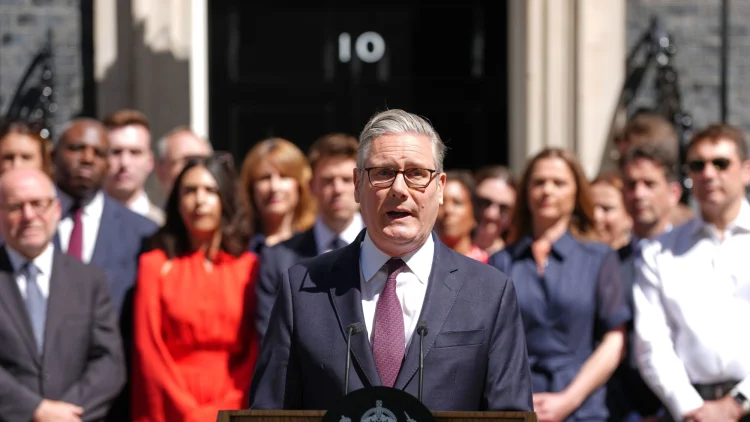
Keir Starmer gave his final address as PM outside No 10 on Monday morning (Alamy)

3 min read
Keir Starmer said he would “go with good grace” and “with a smile” from No 10, as he gave his final speech as prime minister of the United Kingdom.
Starmer gave his final address outside No 10 Downing Street on Monday morning, ahead of former Greater Manchester mayor Andy Burnham replacing him in office in the afternoon.
“For all the focus on individuals, politics will always be a team sport, and the changes we’ve delivered for our country and our party belong to everyone who has fought for them,” Starmer said.
“I thank them again today, and I thank the British people for the opportunity to serve. I go with good grace, I go with a smile, and I go proud of everything that we have achieved.”
He said he was “confident” that Britain is now “stronger and fairer” than it was before Labour entered government in 2024.
“Our economy is stronger,” he said.
“Our public services are on the up, with the biggest fall in waiting times for 17 years. Children are being lifted out of poverty every single day. Immigration is down significantly. Our defence and security are on a far stronger footing, and our international reputation is greatly enhanced.”
He also highlighted his achievement of securing a landslide election win for the Labour Party in the 2024 general election.
Describing “everyday immeasurable acts of resolve, grit, decency, and compassion from people who serve our country”, Starmer made a call for national unity among “different people under our common flag”.
“We face a world now where our enemies will stop at nothing to divide us, because of our values, our freedom, our decency, and frankly, because of our unflinching resolve towards the brave people of Ukraine,” he continued.
“And so, under this attack, it is vital that we remember the greatness of the Britain all around us.”
The outgoing prime minister wished Burnham well in taking over the premiership, and said he had his “full support”, before thanking his family, his staff, the civil service, and “everyone who has supported our efforts along the way”.
As Starmer spoke, his key staff, allies and supporters stood behind him and along Downing Street. His wife Victoria Starmer, Chancellor Rachel Reeves, Deputy Prime Minister David Lammy, Mayor of London Sadiq Khan, Secretary of State for Housing, Communities and Local Government Steve Reed, Attorney General Lord Richard Hermer, and Starmer’s top advisers Sophie Nazemi, Ben Nunn, and Amy Richards were among those surrounding him by the front door to No 10.
Following the speech, Starmer headed to Buckingham Palace to meet the King and offer his resignation as PM.
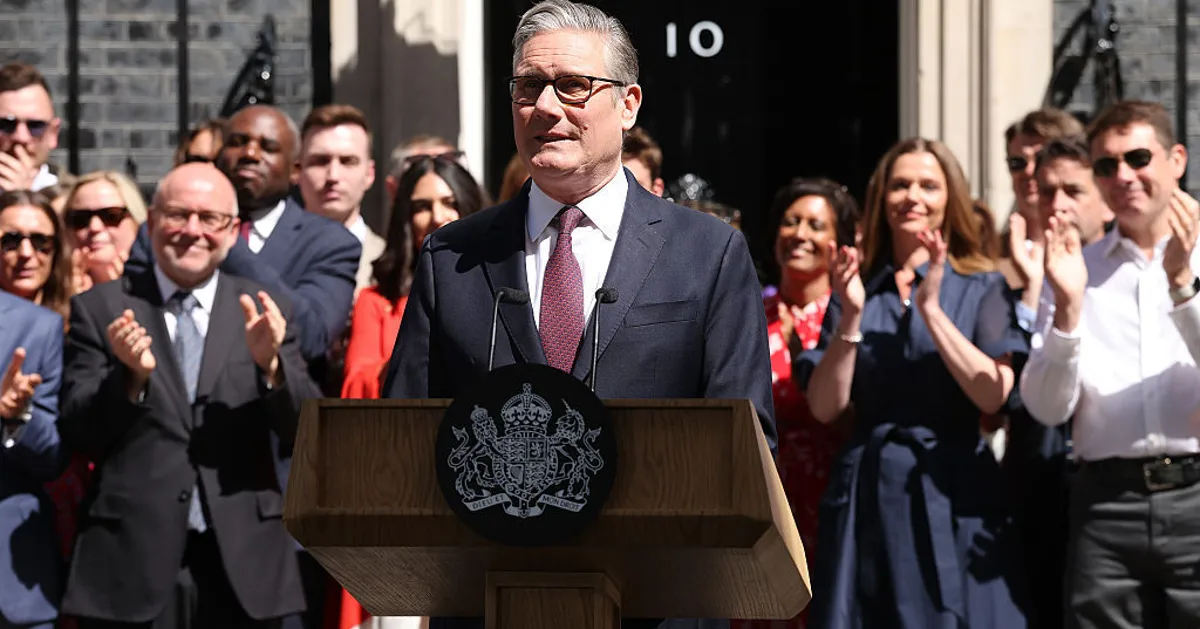
Keir Starmer declared “my work is done” as he stood down as prime minister after just two years in the job.
The prime minister delivered a brief farewell speech watched by dozens of supporters on the steps of 10 Downing Street before heading to Buckingham Palace with his wife, Victoria, to meet the King and formally resign.
He said he was quitting “with a smile” as he makes way for Andy Burnham – the UK’s sixth prime minister in a decade.
Starmer said: “My work is done. In six and a half years, I took our party from a historic defeat in 2019, changed it so it was fit to face the country and won a landslide general election victory in 2024.
“Since then, it has been the privilege of my life to serve you and this great country as prime minister, and I am confident that Britain is now stronger and fairer than it was two years ago.”
The outgoing PM added: “For all the focus on individuals, politics will always be a team sport, and the changes we’ve delivered for our country and our party belong to everyone who has fought for them.
“I thank them again today, and I thank the British people for the opportunity to serve.
“I go with good grace, I go with a smile, and I go proud of everything that we have achieved.”
Burnham, who became Labour leader on Friday, will shortly make his own journey to Buckingham Palace, where the King will ask him to form a government.
After making his own speech in Downing Street, the new prime minister will then appoint his cabinet.
Listen to Commons People, the podcast that makes politics easy. Every week, Kevin Schofield and Kate Nicholson unpack the week’s biggest stories to keep you informed. Join us for straightforward analysis of what’s going on at Westminster.
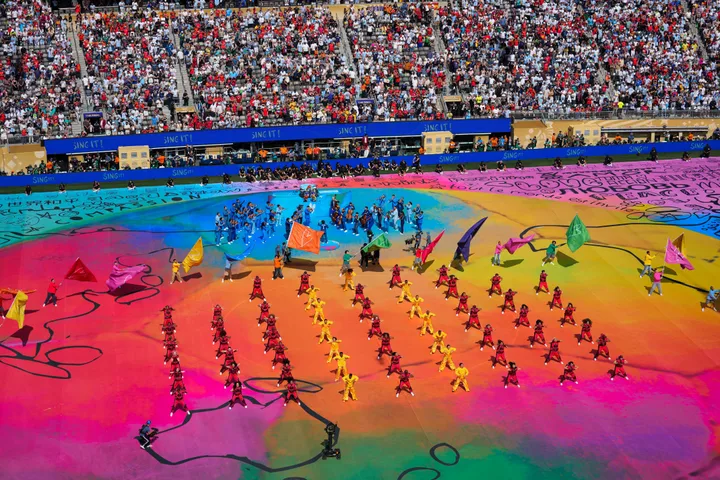
Liam Gallagher was his usual candid self while sharing his thoughts on the World Cup’s first ever halftime show over the weekend.
Throughout this year’s tournament, the Oasis frontman has been sharing his own inimitable commentary on social media, which continued during Sunday’s final.
And when it came to the halftime show – which featured musical performances from the likes of Madonna, BTS, Justin Bieber and Shakira, as well as appearances from The Muppets and Jason Sudeikis as Ted Lasso – it seemed Liam was less than impressed.
“This is like a bad trip,” he observed on X, before adding: “It’s a good job I’ve got my spiritual socks on or that halftime entertainment could have tipped me over the edge.”
Following their hugely successful stadium tour last year, Oasis are once again enjoying a chart resurgence after their 1995 hit Wonderwall became adopted by England fans as an unofficial football anthem.
On Friday, it was revealed that the track had shot back up to the number two position in the UK singles chart, three places ahead of Dai Dai by Shakira and Burna Boy, which was chosen by Fifa as the official song for the 2026 World Cup.
Liam wasn’t the only one to have been less than impressed by the World Cup halftime show, though.

Former England captain Wayne Rooney was part of the BBC’s presenting team during the final, admitting live on air that his favourite part of the performance was “when it finished”.
“I like a lot of them artists, but I thought it was crap. I did, honestly,” he then bluntly shared, to the surprise of his fellow pundits.
The final also featured a surprise performance from singers Nicole Scherzinger, Robbie Williams and Laura Faustini before the game got underway, with Spain eventually triumphing over Argentina to be named this year’s World Cup champions.
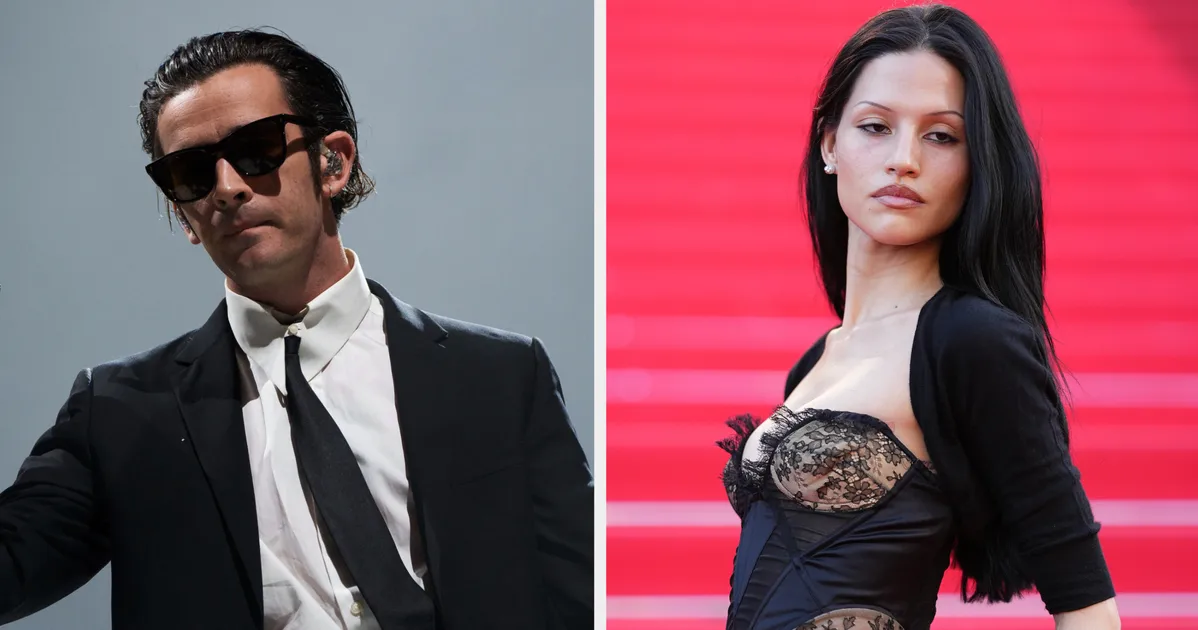
Matty Healy and Gabbriette tied the knot over the weekend.
The 1975 frontman and American model – whose legal name is Gabriella Bechtel – were married on Saturday in a star-studded ceremony at Castillo del Lago, Madonna’s former home near the Hollywood sign in Los Angeles, California.
Per Just Jared, the guestlist included The 1975’s George Daniel, fellow singer musician Charli XCX, alongside a host of other models, influencers and other public figures.
A statement from the couple to People magazine confirmed: “Matty Healy and Gabbriette Bechtel were married yesterday at a private ceremony in Los Angeles, attended by their family and close friends.”
Pictures from the big day show Matty wearing a classic black tuxedo, while Gabbriette wore a traditional long-sleeve, floor-length white dress, with her hair in a 60s-esque half-up, half-down style.
Frankly, we’ll be spending most of today refreshing Denise Welch’s Instagram waiting for her take on the day (the actor and Loose Women panellist is, for those unaware, Matty’s mum, and was previously a scene-stealer at Charli XCX’s wedding in 2025).
Matty and Gabbriette announced their engagement in June 2024, with Denise confirming on Loose Women that the Brit Award winner had proposed with a black diamond ring he’d had designed especially for his future wife.
“I couldn’t be more thrilled,” the former Coronation Street star gushed, adding that Gabbriette is “everything I would want in a daughter-in-law”.
Last year, Gabbriette admitted to People that arranging the wedding “might take a while because I’m bad at planning stuff”.
“But the wedding bells are somewhere up there,” she joked.
Earlier this year, she shared her bridal tips in a feature for Jimmy Choo, which included “this is a celebration, not a performance” and “remember, this is about love – and looking hot – but mainly about love”.
Her other major wedding planning hack? “Let your fiancé think that they’re helping. They pick the music, you pick everything else. Democracy!”.

Jingye demands compensation from UK

Hyperliquid sets 500,000 HYPE stake for permissionless prediction market deployers

Sadie Sink Opens Up About Her Secret ‘Spider-Man: Brand New Day’ Role


-
 NewsBeat4 days ago
London Mayor Sadiq Khan handed a peerage by Keir Starmer alongside 15 other Labour figures… just days before the PM leaves No10
-

 Fashion3 days ago
Weekend Open Thread – Corporette.com
-

 Politics2 days ago
The House | The City of London can help the new chancellor deliver growth in every postcode
-

 Politics5 days ago
Young campaigners urge incoming PM to act on outdoor junk food ads
-

 Crypto World4 days ago
CFTC blocks Kalshi from unwinding Michigan trades after court order
-
 Crypto World3 days ago
Two July Windows Left: The CLARITY Act’s Senate Fight and What Failure Means
-

 Business4 days ago
Nvidia Stock Slips After Big Tuesday Rally as Huang Confirms Vera Rubin Chip Is Now in Production Today
-

 Crypto World2 days ago
Ripple Payments Joins MiCA With 14 Firms, Does It Mean Anything For XRP?
-

 Politics23 hours ago
Democrats look to World Cup watch parties to register thousands of voters
-
 Entertainment5 days ago
Disney’s Most Ambitious Failed Star Wars Attraction Is Coming to SDCC
-

 Crypto World3 days ago
Ripple wins EU-wide access as ESMA adds it to MiCA register
-

 Crypto World4 days ago
Injective Submits SEC Transfer-Agent Registration to Onchain Ownership Records
-

 Business4 days ago
Palantir Shares Rise After Expanded Nvidia Partnership and Fresh Analyst Upgrades Ahead of Earnings Day
-

 Tech6 days ago
Get Your ESP32 Sunny Side Up With This Solar Dev Board
-

 NewsBeat3 days ago
Registration is now open for March for Men with Kev 2026
-

 News Videos6 days ago
XRP BOMBSHELL… XRP OMBOARDED FOR TRANSACTIONS!!!
-

 Tech6 days ago
Dark Secrets Emerge When Jailbreaking LLMs
-
 Sports5 days ago
New Cornerback Enters Vikings Trade Rumor Mill
-

 News Videos3 days ago
Money | Class 12 Economics | CBSE Board Exam 2026-27
-

 Business3 days ago
Banco Bilbao Vizcaya Argentaria, S.A. (BBVA) Discusses Global Macro Environment and Economic Outlook for Core Markets Transcript
You must be logged in to post a comment Login