
News Videos
India needs financial literacy: Jewar Airport realty


#JewarAirport #FinancialLiteracy #MoneyManagement #RealityCheck #NoidaAirport #Investment #India #Economy #SadTruth #MoneyMindset #ViralVideo #Facts
In 2018, farmers in Jewar received crores of rupees in compensation for the Noida International Airport land acquisition. But today, many claims that the money is gone. 📉
From luxury cars and iPhones to gambling and alcohol, this video explores how a lack of financial literacy wiped out generational wealth. It’s a harsh reminder that it’s not about how much you make, but how you manage it.
source

XRP and SWIFT integration rumors surge as SWIFT confirms a blockchain ledger MVP for tokenized deposits and cross-border payments, raising questions around XRP liquidity rails and interoperability.
SWIFT’s EVM-based ledger targets bank interoperability, tokenized money, and 24/7 settlement while Ripple connectivity remains optional. DTCC governance shifts and XRPL tokenization growth highlight broader institutional infrastructure and liquidity trends shaping digital asset markets.
Timestamps
00:00 SWIFT blockchain ledger MVP explained
00:42 Tokenized deposits and cross-border payments
01:13 EVM architecture and Hyperledger Besu breakdown
02:02 Can XRP integrate with SWIFT systems
03:02 Interoperability across banks and blockchains
04:00 XRP as a liquidity bridge in payments
05:06 Hyperledger Cacti and backend connectivity
06:06 Ripple integration vs SWIFT infrastructure
07:10 Deleted XRP SWIFT rumor explained
08:06 DTCC board changes and Ripple connections
09:21 DTCC tokenization and XRP liquidity role
10:10 XRPL real world asset growth data
If you follow XRP, SWIFT, BTCC, tokenization, XRPL, Hyperledger, Ripple, institutional crypto adoption, regulated digital assets, global payments and settlement infrastructure, this breakdown provides important context on where markets are heading next.
💜 Thanks for supporting the channel! Like, share, and comment if this helped clarify what’s really happening.
⭐Join my Community
➖ https://discord.gg/cryptonairz
🔵 Uphold | Trade, Spend & Earn XRP
➖ Uphold Website: https://uphold.com/sensei
➖ XRP Rewards: 4% Elite Card / 2% Virtual Card
🟢 Hardware Wallets I Use for XRP
➖ D’CENT Biometric (1x) | 18% Off ($159→$129)
Biometric Wallet – Affiliates
➖ D’CENT Biometric (2x) | 31% Off ($318→$219)
Biometric Wallet 2X Package – Affiliates
➖ Ledger | Official Store
https://www.ledger.com/crypto-sensei
🔗Contact & Collaborations
▸ Collab & Partnerships: partnerships@cryptosensei.net
▸ Business: cryptosensei@cryptonairz.com
▸ Collabs: BD Manager | @Jaalyn_T (Telegram)
▸ Collab Form: https://forms.gle/E6fskio5BBvd4zVn9
▸ Social Links: https://linktr.ee/Crypt0Sensei
(Partnerships & Brand Deals Only | No Agencies)
⚪FREE XRP Newsletter | https://joincryptonairz.com/Newsletter
🔴Full Legal & Regulatory Disclaimer
https://docs.google.com/document/d/1T_wTsSkXDZqdgKDUOKfIEKF-a7ur2kX8gw-e3aAq_Q4/edit?usp=sharing
#XRP #ripple #SWIFT #Hyperledger #Besu #XRPL #Blockchain #Interoperability #CryptoNews
#crypto #xrpledge #xrpnews #cryptocurrency #altcoins #blockchaintechnology #cryptotrading #ripplexrp #xrpupdate #xrpholders #xrparmy #xrptoday #cryptosensei
source

Ran sits down with quantum computing expert Kostas Krypto to unpack the biggest threat crypto has ever faced. With Google’s recent breakthrough, the question isn’t if quantum impacts Bitcoin, it’s when. Is 2029 really a breaking point for encryption and digital assets? How vulnerable is crypto today? This is the conversation everyone in crypto needs to hear.
___________________________________________
𝗙𝗘𝗔𝗧𝗨𝗥𝗘𝗗 𝗢𝗡 𝗧𝗛𝗜𝗦 𝗦𝗛𝗢𝗪!
⬇⬇⬇⬇⬇⬇
💰 𝗖𝗢𝗜𝗡𝗪 – 𝗚𝗲𝘁 𝘂𝗽 𝘁𝗼 $𝟯𝟮,𝟬𝟬𝟬 𝗶𝗻 𝗘𝘅𝗰𝗹𝘂𝘀𝗶𝘃𝗲 𝗕𝗼𝗻𝘂𝘀 𝗥𝗲𝘄𝗮𝗿𝗱𝘀!!!
🎁 A limited-time offer you won’t find anywhere else! Exclusive to Banter!
👉 Sign up: https://bit.ly/CoinW-Bonus-Ran
1️⃣ Deposit $300 for a $60 Bonus! Deposit $500 for a $100 Bonus!
2️⃣ Start Trading to earn up to $32,000 in Rewards!
__________
🏦 𝗭𝗸𝗦𝘆𝗻𝗰 – 𝗛𝗼𝘄 𝗧𝗼𝗸𝗲𝗻𝗶𝘇𝗲𝗱 𝗗𝗲𝗽𝗼𝘀𝗶𝘁𝘀 𝗪𝗶𝗹𝗹 𝗣𝗼𝘄𝗲𝗿 𝘁𝗵𝗲 𝗡𝗲𝘅𝘁 𝗘𝗿𝗮 𝗼𝗳 𝗔𝗺𝗲𝗿𝗶𝗰𝗮𝗻 𝗕𝗮𝗻𝗸𝗶𝗻𝗴!
👉 Watch here on X: https://bit.ly/ZkSync-on-X
👉 Visit website: https://www.zksync.io
__________
🚨 𝗦𝗼𝗰𝗶𝗮𝗹 𝗠𝗲𝗱𝗶𝗮 𝗠𝗮𝗻𝗮𝗴𝗲𝗿 (𝗫 & 𝗧𝗵𝗼𝘂𝗴𝗵𝘁 𝗟𝗲𝗮𝗱𝗲𝗿𝘀𝗵𝗶𝗽) 𝗪𝗔𝗡𝗧𝗘𝗗!!!
🔥 Ready to run the X (Twitter) account for the world’s #1 LIVE crypto streaming channel?
🔍 Crypto Banter is looking for a sharp voice to make our X the home of alpha!
✅ If you live and breathe crypto and know how to command attention. We want YOU! 🫵
👉 Apply here: https://bit.ly/xthoughtleader
___________________________________________
𝗛𝗢𝗦𝗧 𝗖𝗛𝗔𝗡𝗡𝗘𝗟𝗦
⬇⬇⬇⬇⬇⬇
👉 𝗞𝗼𝘀𝘁𝗮𝘀 𝗞𝗿𝘆𝗽𝘁𝗼𝘀 𝗼𝗻 𝗫: https://x.com/kostascrypto
👉 𝗠𝘆𝘀𝘁𝗲𝗻 𝗟𝗮𝗯𝘀 𝗼𝗻 𝗫: https://x.com/Mysten_Labs
👉 𝗥𝗮𝗻 𝗼𝗻 𝗫: https://x.com/cryptomanran
👉 𝗥𝗮𝗻 𝗼𝗻 𝗜𝗻𝘀𝘁𝗮𝗴𝗿𝗮𝗺: https://bit.ly/ran-insta
___________________________________________
👁️🗨️ 𝗖𝗿𝘆𝗽𝘁𝗼 𝗕𝗮𝗻𝘁𝗲𝗿 𝗮𝗯𝗶𝗱𝗲 𝗯𝘆 𝘁𝗵𝗲 𝗳𝗼𝗹𝗹𝗼𝘄𝗶𝗻𝗴 𝗰𝗼𝗱𝗲 𝗼𝗳 𝗰𝗼𝗻𝗱𝘂𝗰𝘁:
https://www.cryptobanter.com/our-ethics/
We take our code of ethics very seriously and have engaged @zachxbt ( / zachxbt ) to monitor our progress. If you feel we’re not living up to it and have hard evidence please mail ZachXBT directly at reportcb@protonmail.com
⚠️ 𝗕𝗘𝗪𝗔𝗥𝗘 𝗢𝗙 𝗦𝗖𝗔𝗠𝗠𝗘𝗥𝗦 𝗜𝗡 𝗢𝗨𝗥 𝗖𝗢𝗠𝗠𝗘𝗡𝗧𝗦 𝗔𝗡𝗗 𝗖𝗢𝗠𝗠𝗨𝗡𝗜𝗧𝗬 𝗖𝗛𝗔𝗡𝗡𝗘𝗟𝗦
___________________________________________
📝 𝗗𝗶𝘀𝗰𝗹𝗮𝗶𝗺𝗲𝗿:
Crypto Banter is a social podcast for entertainment purposes only!
All opinions expressed by the hosts, guests and callers should not be construed as financial advice! Views expressed by guests and hosts do not reflect the views of the station. Listeners are encouraged to do their own research.
#QuantumComputing #CryptoNews #Bitcoin #Ran
⏱ 𝗧𝗶𝗺𝗲𝘀𝘁𝗮𝗺𝗽𝘀:
00:00 This Quantum Threat is Bigger than Expected
03:27 Google’s Concerns on Quantum Attacks
14:01 Kostas’s Estimated Timeline on Crypto Quantum Computing
18:11 Bitcoin Delayed Solution Concerns
22:10 Are Google Actually Testing Quantum Computer?
24:22 We Are More Behind than We Thought
🎬 𝗪𝗮𝘁𝗰𝗵 𝗠𝗼𝗿𝗲 𝗖𝗿𝘆𝗽𝘁𝗼 𝗩𝗶𝗱𝗲𝗼𝘀: https://www.youtube.com/playlist?list=PLmOv2_vzOoGd_je37xsSrQD4WVpum0UDa
source

🧠 Research. Tracking. Charting. All In One AI ► https://www.askclash.ai/
🎯 Make FREE Crypto Predictions & Compete Weekly on ClashPicks ► https://www.clashpicks.com/
**Exchange Partners**
🟩Bitunix Exchange ► *$100,000 Deposit Bonus* ► https://bit.ly/3Tmp1Hq
🟦BTCC Exchange ► *10% Deposit Bonus* ► https://bit.ly/4kk20Qa
**Crypto Pulse**
🟧CryptoPulse Trading Discord ► https://discord.com/invite/georgeplaysclash
🐤Follow CryptoPulse’s X For Trade Setups ► https://x.com/CryptoPulse_CRU
**Clash**
✅Buy $Clash Here ► https://georgeplaysclashroyale.com/buy
✅Clash CA: 6nR8wBnfsmXfcdDr1hovJKjvFQxNSidN6XFyfAFZpump
🖥️Check Out *Clash’s Website* ► https://georgeplaysclashroyale.com/
💜Join *Clash Discord* ► https://discord.com/invite/georgeplaysclash
📱Clash YouTube ► https://www.youtube.com/@Georgeplaysclashroyale
🔴Full Disclaimer: This video and its contents are for informational purposes only and do not constitute an offer to sell or trade, a solicitation to buy, or recommendation for any security, cryptocurrency, or related product, nor does it constitute an offer to provide investment advice or other related services by CryptosRUs. CryptosRus may have a financial investment with the cryptocurrencies discussed in this video. In preparing this video, no individual financial or investment needs of the viewer have been taken into account nor is any financial or investment advice being offered. Any views expressed in this video were prepared based upon the information available at the time such views were written. Changed or additional information could cause such views to change.
source
🔴 *TIA PRO LIFETIME DISCOUNT – CODE: CYCLEPEAKSALE* – NAVIGATE YOUR PORTFOLIO THROUGH THE PEAK AND COLLAPSE → https://tiainvestor.com/checkout/
🔴 *18-YEAR CYCLE MINI-COURSE, WEEKLY REPORTS, GET ACCESS HERE* → https://tiainvestor.com/subscribe/
🌏 *INSTAGRAM Q&A — MY ONLY REAL IG* → https://www.instagram.com/mrpizzino/
🔥 NEW THE INVESTOR ACCELERATOR YOUTUBE CHANNEL https://www.youtube.com/@theinvestoraccelerator/videos
(This is an additional channel to my “Jason Pizzino” channel 😄)
🇦🇺 Trade Bitcoin and crypto – Swyftx, Get $20 Free BTC → https://bit.ly/SwyftxPizzino
Video Sponsor:
Summ makes crypto taxes simple – generate accurate, IRS-ready reports in minutes!
Get 20% off your first year with code PIZZINO20: https://summ.com/us?via=jason&promo=PIZZINO20
🏅 WEEX, No KYC, 20% Deposit Bonus & Up to 30,000 USDT Rewards → https://www.weex.com/register?vipCode=tiacrypto
🏅 ByBit, Crypto Debit Card, Up to $30,000 bonus → https://partner.bybit.com/b/tiacrypto
🏅 BloFin Crypto Exchange, No-KYC, $600 Bonus → https://partner.blofin.com/d/TIACRYPTO
🔥 Free 7-Day Trial TIA Indicator Suite → https://indicators.tiacrypto.com/
📈 TradingView $15 OFF → https://www.tradingview.com/?aff_id=2…
💳 KAST, Crypto/USD Debit Card https://kast.xyz/jason
🔴 BEWARE OF IMPERSONATORS (THEY ARE NOT ME).
I DO NOT HAVE A WHATSAPP OR TELEGRAM GROUP.
ONLY USE OFFICIAL LINKS IN VIDEO DESCRIPTION.
🔥Beware of scammers, this is my only REAL Instagram → https://www.instagram.com/mrpizzino/
→ YouTube https://bit.ly/JasonPizzinoYouTube
→ Twitter/X / jasonpizzino https://x.com/jasonpizzino
→ More Crypto Trading on Michael’s YouTube https://bit.ly/MichaelPizzino
ALSO IN THIS VIDEO:
SPX, SP500, NASDAQ, NDX, GOLD, USD, DXY, OIL, TRUMP, USDT, ALTCOINS, MEME COINS, AI, US INTEREST RATES DECISION, ETFS, REAL ESTATE CYCLE, 18-YEAR REAL ESTATE AND ECONOMIC CYCLE.
*I reserve my right to adjust my outlook as more information and data come through. #crypto #bitcoin #cryptonews
Like and Share if you want to inform your friends and family.
By watching this video, you are accepting the conditions below:
➢ Disclaimer & Affiliate Links https://tiainvestor.com/disclaimer/
➢ Privacy Policy https://tiainvestor.com/privacy-policy/
➢ Terms & Conditions https://tiainvestor.com/terms-and-conditions/
PLEASE NOTE: YouTube is now inserting automatic ads. Apologies for any inconvenience.
Stay tuned for important bitcoin news and some positive signals for the market. 18-year cycle explained along with stock markets, metals and the mag-7 stocks like AAPL, AMZN, NVDA, TSLA, META, GOOG and MSFT.
source
🟧 BYBIT: http://themoon.co/Bybit 👉 10% DISCOUNT & $30,000 BONUS
🟨 WEEX: https://themoon.co/WEEXCarlMoonFerrari 👉 Net deposit $100 & trade $1,000 in futures, get $30 bonus (500 winners)
🔵 BTCC: https://themoon.co/BTCCtms 👉 Enjoy up to $30,000 Sign Up Bonus + 10% Deposit Bonus
⚔ Play Medieval Empires: https://themoon.co/MedievalEmpires
🔥 *EXCHANGE TUTORIALS* 🔥
📺 WEEX: http://youtu.be/tVvuHQ1Xgyk
📺 BloFin: https://youtu.be/WwWwp2miv0E
📺 Binance: https://youtu.be/80zosJeVhU4
📺 Bybit: https://youtu.be/_1M5gag_Zm0
📺 Phemex: https://youtu.be/AJbYFEOn02Q
📺 MEXC: https://youtu.be/QN2NzpCQ2G0
📺 Bitget: https://youtu.be/726Vrm03ZMc
*FAVORITE EXCHANGES RIGHT NOW FULL LIST*
⬇⬇⬇⬇⬇⬇⬇⬇⬇⬇⬇⬇⬇⬇⬇⬇⬇⬇
🟨 *WEEX is available in ALL COUNTRIES with NO KYC:*
_Click this link to get $500 bonus each to Weekly 100 winners + Deposit $100, Get $50 bonus_
Sign up here 👉 https://themoon.co/WEEXwelcome
🔵 *BTCC offers 500x leverage with NO KYC:*
_Click this link to Enjoy up to 30,000 Sign Up Bonus + 20% Deposit Bonus_
Sign up here 👉 https://themoon.co/BTCCtms
🟠 *BloFin offers best liquidity:*
_Click this link to get $100,000 Deposit & Trade Rewards_
Sign up here 👉 https://themoon.co/blofin100k
✳️ *SwissBorg is secure and reliable crypto app:*
_Click this link to get up to €100 in Crypto Rewards_
Sign up here 👉 https://themoon.co/swissborgmoon
🟦 *MEXC requires NO KYC:*
_Click this link to get $30,000 in welcome rewards!_
Sign up here 👉 https://themoon.co/MEXC
❎ *LeveX is a Social Crypto Exchange:*
_Click this link to get 20% Deposit Bonus + VIP5 Benefits + Exclusive Content (NO KYC)_
Sign up here 👉 https://themoon.co/LeveX
🟢 *Bitunix requires NO KYC and is highly liquid:*
_Click this link to get a free $100 after your first $500 deposit!_
Sign up here 👉 https://themoon.co/Bitunix
🟧 *Bybit is the MOST TRUSTED and liquid exchange for leverage trading in crypto:*
_Click this link to get 10% fee reduction & $30,000 BONUS_
Sign up here 👉 https://themoon.co/Bybit
🔸 *Binance is the best exchange for SPOT TRADING:*
_Click this link to get a permanent 20% fee reduction!_
Sign up here 👉 https://themoon.co/Binance
Want to earn passive income from Bybit? Become my sub-affiliate with this link: https://affiliates.bybit.com/v2/en/apply?affiliate_id=1205
*FOLLOW CARL MOON ONLINE*
⬇⬇⬇⬇⬇⬇⬇⬇⬇⬇⬇⬇⬇⬇
Vlog channel: https://www.youtube.com/@Carl
Instagram: https://www.instagram.com/carlmoon
Twitter: https://www.twitter.com/TheMoonCarl
Tik-Tok: https://www.tiktok.com/@carlmoon
Tik-Tok: https://www.tiktok.com/@moon
Facebook: https://www.facebook.com/TheMoon
Website: https://carlmoon.com
🗣️ Join The Moon Show Community:
Website: https://themoonshow.com
Twitter: https://x.com/TheMoonShow
Telegram Group: https://t.me/TheMoonGroup
Telegram Alerts: https://t.me/TheMoonOfficial
🌙 BUY BITCOIN WITH FIAT ($ €):
⭕️ Swissborg Win up to $100: https://swissborg.com/r/themoon
⭕️ Binance $1,000 cashback: https://themoon.co/Binance
🌙 EVERY BITCOIN INVESTOR NEEDS:
⭕️ Tradingview: https://themoon.co/Tradingview
⭕️ Ngrave Hardware Wallet: https://themoon.co/Ngrave
⭕️ GET NORDVPN UP TO 72% OFF + 4 EXTRA months: https://nordvpn.com/themoon
⭕️ Ledger Wallet: http://ledger.com/?r=f988
⚠️ I don’t accept donations, use that money to invest in yourself or buy Bitcoin! If you want to support me, use any of the affiliate links above and leave a like & subscribe! THANK YOU!
#WEEX #Bybit #BTCC #Bitcoin #Crypto
DISCLAIMER: By accessing this channel, you agree to the following: Content is for general information and entertainment only—not financial, legal, or professional advice. No guarantee is made regarding accuracy; use at your own risk. Views are my personal. Investing involves risk—do your own research. Not intended for users in the UK, US, India, China, or other restricted jurisdictions.
PROMOTIONS & AFFILIATES: Ads and links may appear but do not imply endorsement in any way. Sponsored content reflects personal views. Compensation may be received—verify third-party services independently.
source

Magic by mechanism
Get the CF Cycle trading indicator here:
Download the highly requested ‘An Introduction to Trading Cycles’ PDF here:
https://camel-shop.fourthwall.com
Become Camel Crew member here (see perks for details):
https://www.youtube.com/channel/UCr_DLep7UQ0B_IFhvTORu8A/join
Sign up for Slice mentorship, Ticker requests, Q&As here:
https://bit.ly/Camel_Slice
Buy PHYSICAL Gold & Silver here: https://www.tavexbullion.com
Use code ‘CAMELCREW22’ to claim a discount
on the following products
Gold:
Seymour Unicorn 1oz
Seymour Unicorn 1/4oz
Beowulf 1oz
Tavex 1g Bar
1oz Gold Britannia
1/2oz Gold Britannia
1/4oz Gold Britannia
1/10oz Britannia
Silver:
Britannia Liberty Silver Coin
British Royal Arms Coins
Australian Kookaburra
#stockmarketforbeginners #bitcoin #fed #inflation #cryptocurrency
Buy me a C̶o̶f̶f̶e̶e̶ Rum:
https://www.buymeacoffee.com/camelfinance
I WILL NEVER ASK YOU TO MESSAGE ME ON WHATSAPP! CHECK MY COMMENTS ARE HEARTED BY ME – IF THEY ARE NOT, THEY ARE SCAMS / IMPOSTERS
Take true Ownership of your crypto with a cold wallet:
🔥 Trezor Wallets ►► https://shop.trezor.io/?offer_id=10&aff_id=31615
Hide your location and Stay Safe Online with a VPN:
🔥 https://surfshark.club/friend/9wYDCr5V
Follow me on Twitter ►► https://twitter.com/finance_camel
Pro Retail Trader | Swing Trades | Market Cycles | Macro | Follow us on twitter: @finance_camel
📈 Trading View Charts ►► https://www.tradingview.com/gopro/?share_your_love=camelfinanceyt
Buy Official Camel Finance Merch:
https://camel-shop.fourthwall.com
Bitcoin
Eth
Gold
Silver
SPX
Oil
DXY
MATIC
DISCLAIMER:
Camel Finance is not a financial advisor. This is not financial advice. Everything said in this video is the sole opinion of those who appear in it. The statements in this video are not investment or trading advice. This video is intended solely for educational and/or entertainment purposes only. Always do your own research before investing. Trading cryptocurrencies is extremely risky. Do not trade on any exchange that prohibits trading from your geographical region. Never invest more than you can afford to lose. Camel Finance is not responsible for your losses or gains as a result of buying, selling, or trading cryptocurrencies. This video, description and/or comments may contain affiliate links. By utilizing any of the these links you are helping to support the channel as we do receive a commission. Thank you for your support!
#BitcoinNews #cryptocurrency #altcoins #blockchain #camelfinance #crypto #btc #ethereum #eth #ripple #xrp $BTC $ETH $XRP $MATIC
source

The global financial system is breaking, and XRP was built for this moment.
Geopolitical crises are no longer distant headlines, they are the triggers accelerating the collapse of the old dollar-based system. In this video, I expose the strategic forces behind the next financial reset and reveal how Ripple’s XRP Ledger is quietly positioned to lead the transition to a neutral, multipolar financial system.
This isn’t speculation. It’s a decade-long infrastructure plan unfolding before our eyes, with every regulatory move, energy chokepoint, and economic shock acting as a catalyst. XRP isn’t just a crypto, it’s the backbone of the next global financial order.
🔔 Subscribe & Turn On Notifications – Stay ahead of global finance shifts, tokenization trends, and the next phase of wealth transfer.
🧠 Black Swan Capitalist Community
Independent research, macro analysis, and exclusive discussions
https://www.patreon.com/c/BlackSwanCapitalist
🌍 Black Swan Capitalist Website
Long-form analysis and market commentary
https://www.blackswancapitalist.io
🛒 Digital Economy Merch
https://digitalnomadco.io/
🏦 Miles Franklin Precious Metals
https://milesfranklin.com/aff/22/
🔐 Crypto Hardware Wallets
https://shop.ledger.com/?r=5997158b0cbc
💹 Digital Asset Brokerage
Caleb & Brown regulated crypto brokerage
https://app.calebandbrown.com/signup?referrer=BlackSwanCapitalist
🤝 Support Independent Research
https://paypal.me/BlackSwanCapitalist
I’m Versan Aljarrah, founder of Black Swan Capitalist. I analyze the forces shaping global finance by connecting macroeconomics, monetary policy, digital assets, gold, and geopolitics.
My work focuses on identifying systemic shifts early and helping independent thinkers navigate financial transitions with clarity and discipline.
source
🚨 THE CLARITY ACT FIGHT JUST GOT PERSONAL — TETHER’S CEO IS TELLING COINBASE TO STOP BLOCKING PROGRESS, THE FINAL STABLECOIN YIELD TEXT IS EXPECTED NEXT WEEK, AND NOBODY IS 100% HAPPY WITH THE DEAL.
In this video, I cover three major CLARITY Act developments. First, Eleanor Terrett reported that the final stablecoin yield legislative text is expected to be released as lawmakers break for Easter recess, with behind-the-scenes work continuing and crypto ramping up for the midterms. Senator Tillis’s office confirmed the public release is coming.
Second — and this is explosive — Tether CEO Paolo Ardoino appeared to endorse a post calling on Coinbase CEO Brian Armstrong to STOP blocking progress over stablecoin yield and let the CLARITY Act move forward. The message: “It’s time to stop. You’re protecting your business… but this industry is bigger than Coinbase.” This is no longer just banks vs. crypto — major stablecoin players are now publicly signaling that Coinbase needs to back off.
Third, CoinDesk reports that “no one is 100% happy with the stablecoin yield agreement” from Senators Tillis and Alsobrooks. The compromise bans passive yield but allows activity-based rewards. Coinbase has rejected the text twice. But the White House, Tether, and much of the industry want the bill to move forward — even if it’s imperfect.
The CLARITY Act is the bill that codifies XRP’s commodity classification into permanent law. April markup is targeted. The clock is ticking.
This is not financial advice. Always do your own research.
CHAPTERS:
00:00: Bipartisan US Senators are releasing a revised Clarity Act to regulate crypto.
02:55: A proposed market structure bill raises industry concerns regarding restrictions on stablecoin yields.
05:00: Tether’s CEO urges Coinbase to stop fighting stablecoin regulations.
06:47: A potential Democratic victory in 2026 could bring stricter rules and return Gary Gensler to the SEC.
09:10: Coinbase is reportedly blocking the Clarity Act to protect an estimated $800M in revenue from USDC rewards.
12:34: The broader crypto industry is aggressively pushing for regulatory clarity, mounting pressure on resistant firms like Coinbase.
14:44: There is a 70% predicted chance the Clarity Act passes, an outcome that will shape the entire US crypto market.
16:03: The host (Crypto Sensei) signs off, thanking viewers and announcing an upcoming trip to Japan.
💜 Thanks for supporting the channel! Like, share, and comment if this helped clarify what’s really happening.
⭐Join my Community
➖ https://discord.gg/cryptonairz
🔵 Uphold | Trade, Spend & Earn XRP
➖ Uphold Website: https://uphold.com/sensei
➖ XRP Rewards: 4% Elite Card / 2% Virtual Card
🟢 Hardware Wallets I Use for XRP
➖ D’CENT Biometric (1x) | 18% Off ($159→$129)
Biometric Wallet – Affiliates
➖ D’CENT Biometric (2x) | 31% Off ($318→$219)
Biometric Wallet 2X Package – Affiliates
➖ Ledger | Official Store
https://www.ledger.com/crypto-sensei
🔗Contact & Collaborations
▸ Collab & Partnerships: partnerships@cryptosensei.net
▸ Collabs: BD Manager | @Jaalyn_T (Telegram)
▸ Collab Form: https://forms.gle/E6fskio5BBvd4zVn9
▸ Social Links: https://linktr.ee/Crypt0Sensei
(Partnerships & Brand Deals Only | No Agencies)
⚪FREE XRP Newsletter | https://joincryptonairz.com/Newsletter
🔴Full Legal & Regulatory Disclaimer
https://docs.google.com/document/d/1T_wTsSkXDZqdgKDUOKfIEKF-a7ur2kX8gw-e3aAq_Q4/edit?usp=sharing
#XRP #Ripple #CLARITYAct #Tether #Coinbase #StablecoinYield #CryptoNews #PaoloArdoino #Regulation #CryptoFight
#XRP #Ripple #Crypto #Blockchain #CryptoNews #xrpledger #xrpnews #cryptocurrency #altcoins #blockchaintechnology #cryptotrading #ripplexrp #xrpholders #xrparmy #xrptoday #xrpupdate #cryptosensei
source
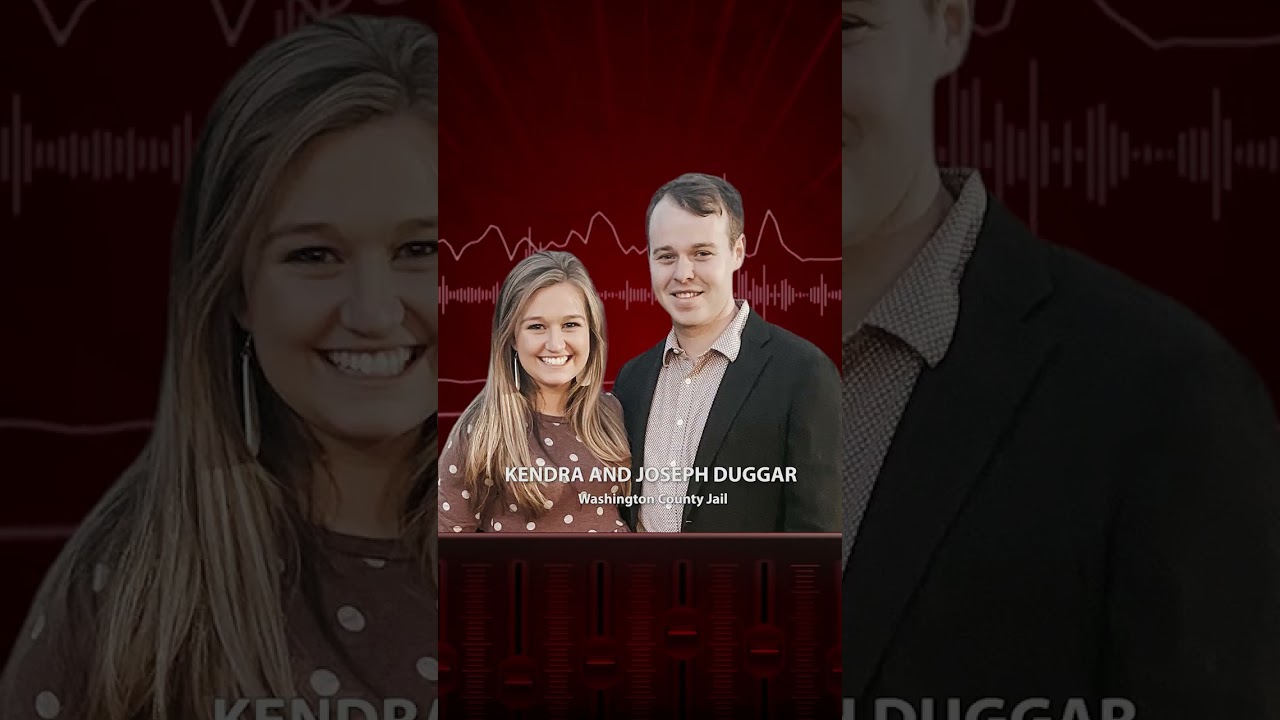
👀 Joseph and Kendra Duggar have loads more on their mind than just their recent arrests…
🎥: Washington County Jail
source
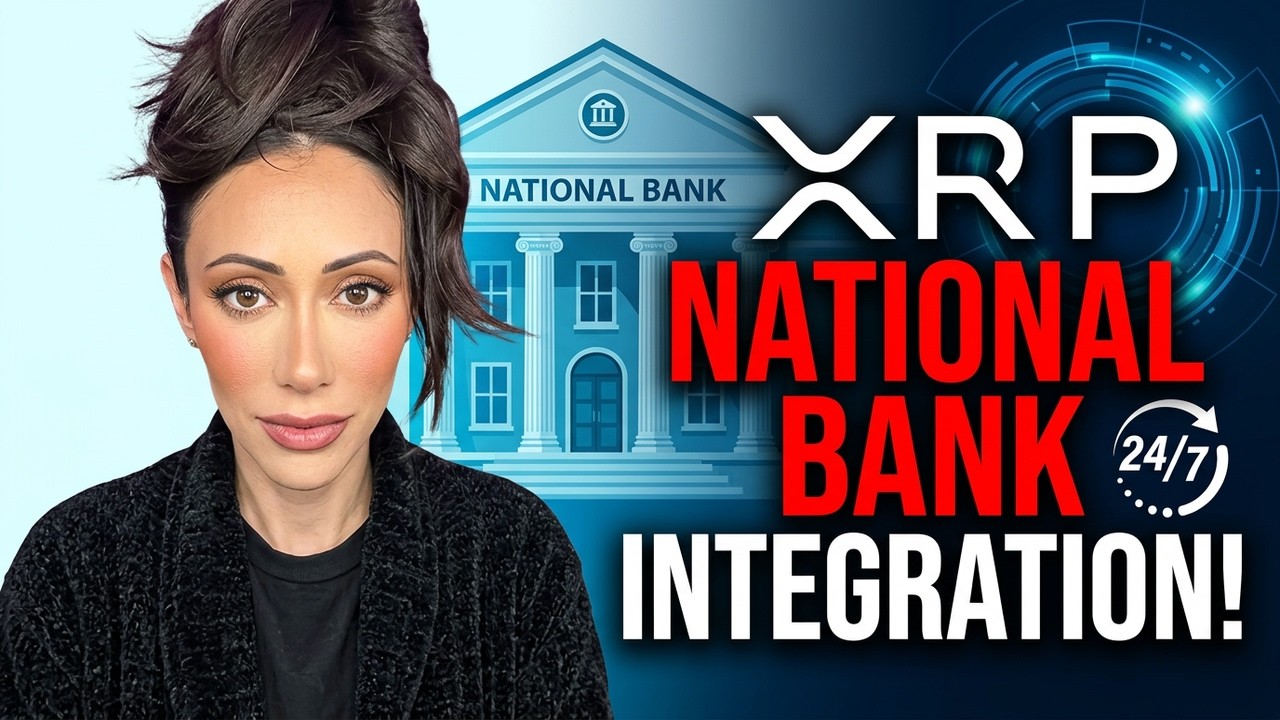
INSANE NO ONE IS TALKING ABOUT XRP RIPPLE NEW 24/7 INSTITUTIONAL INTEGRATION!!!
It was announced that Ripple will officially become a national trust bank, pending conditional OCC approval. This is iconic news; however, no one is talking about Ripple Prime in integrating into Hyperliquid. This expansion enables 24/7 tokenized commodity trading in oil, gold, silver, and much more. The institutions love it! Trillions to enter!
Drop a comment with your thoughts I read them all
Support The O Show with Ref Links:
✨Stake VET support TSCL ➡️ https://tinyurl.com/VeChain-WendyO
✨Get $100 with ITRUST ➡️ https://www.itrustcapital.com/go/crypto-wendy
✨Get 20% off SUMM code WENDY20 ➡️ https://tinyurl.com/Summ-Wendy20
✨GET 10% OFF BITCOIN 2026 USE WENDYO ➡️ https://bit.ly/BITCOIN2026WENDYO
✨Privacy Browser➡️ https://brave.com/wendy
✨Crypto IRAs Advice Mgmt ➡️ https://daimio.typeform.com/WendyO
✨Crypto Services I Use ➡️ https://cryptowendyo.com/partners
✨TOP CRYPTOS I LIKE ON KRAKEN ➡️ https://app.kraken.com/JDNW/WendyO
✨$500 PHEMEX Bonus ➡️https://phemex.com/en/promo/activity/558?referralCode=B6RWJ
Interested in being featured on The O Show?
Contact CryptoWendyO@protonmail.com
Official Wendy O Social Media Links can be found here: https://cryptowendyo.com/partners
CURRENT PARTNERS: BRAVE – ITRUST
This media is NOT an offer to buy or sell securities, simply for entertainment purposes
Disclaimer: Please be advised that I own a diverse portfolio of cryptocurrency assets, and anything written or discussed in connection to cryptocurrencies– regardless of the subject matter’s content– may represent a potential conflict of interest. I wish to always remain transparent and impartial to the cryptocurrency community, and therefore, the content of my media is intended FOR GENERAL INFORMATION PURPOSES ONLY. Nothing that I write or discuss should be construed, or relied upon, such as investment, financial, legal, regulatory, accounting, tax or similar advice. Nothing should be interpreted as a solicitation to invest in any cryptocurrency, and nothing herein should be construed as a recommendation to engage in any investment strategy or transaction. Please be advised that it is in your own best interests to consult with investment, legal, tax or similar professionals regarding any specific situations and any prospective transaction decisions. This channel is not responsible for the performance of actions of any sponsors, partners or affiliates. All information is found publicly on the internet and could change or be doctored now or any time in the future. This channel is for entertainment purposes ONLY and does not intend to slander or harm anyone.
PLEASE NOTE: In consideration for producing content the company, made a generous contribution to support the “CryptoWendyO” socials channel. This disclosure is in compliance with Section 17(b) of the United States Securities Act of 1933.
#cryptonews #crypto #bitcoin #ethereum #xrpripple #xrp #cryptowendyo #solana #sol #dogecoin #doge #cardano #ada #hbar #vechain #finance #rwa
xrp ripple,cryptocurrency news,crypto news today,xrp news today now,btc price,personal finance,xrp today,cryptowendyo,xrp,ripple,crypto,cryptocurrency,bank,bitcoin,trump,finance,donald trump,elon musk,trump live,invest,stock market,ai agents,how to make money,investing,btc,solana,ethereum,bitcoin news,crypto news,xrp news,XRP,crypto live trading,latest news,make money,trump news,wealth,artificial intelligence,crypto trading,investment,money,hyperliquid
source

Sargent Electrical Services starts work on 60-job Beverley factory

Tokenization Value Hinges on Liquidity, Not Novelty

Collective punishment confused for ‘law’


-

 Business7 days ago
Instagram, YouTube Found Responsible for Teen’s Mental Health Struggle in Historic Ruling
-

 NewsBeat6 days ago
The Story hosts event on Durham’s historic registers
-
 Tech7 days ago
Intercom’s new post-trained Fin Apex 1.0 beats GPT-5.4 and Claude Sonnet 4.6 at customer service resolutions
-

 Sports6 days ago
Sweet Sixteen Game Thread: Tide vs Michigan
-
Entertainment3 days ago
Fans slam 'heartbreaking' Barbie Dream Fest convention debacle with 'cardboard cutout' experience
-
 Entertainment5 days ago
Lana Del Rey Celebrates Her Husband’s 51st Birthday In New Post
-
Crypto World2 days ago
Dems press CFTC, ethics board on prediction-market insider trades
-

 Crypto World17 hours ago
Gold Price Prediction: Worst Month in 17 Years fo Save Haven Rock
-

 Tech3 days ago
The Pixel 10a doesn’t have a camera bump, and it’s great
-

 Sports2 days ago
Tallest college basketball player ever, standing at 7-foot-9, entering transfer portal
-

 Tech2 days ago
EE TV is using AI to help you find something to watch
-

 Fashion4 days ago
Amazon Sundays: Soft Spring Layers
-

 Tech3 days ago
Apple will hide your email address from apps and websites, but not cops
-

 Tech2 days ago
Flipsnack and the shift toward motion-first business content with living visuals
-

 Tech2 days ago
How to back up your iPhone & iPad to your Mac before something goes wrong
-

 Politics3 days ago
Should Trump Be Scared Strait?
-

 Crypto World3 days ago
U.S. rule change may open trillions in 401(k) funds to crypto
-

 Fashion7 days ago
En Vogue in Brown Leather and Tailored Neutrals by Atelier Savoir, Styled by J Bolin
-

 Fashion7 days ago
What Are Your Favorite T-Shirts for the Weekend?
-

 Business6 days ago
Chinese universities with military links bought Super Micro servers with restricted AI chips
You must be logged in to post a comment Login