

Business
How Much Will $1,000 Invested in XRP Be Worth in 5 Years? What Wall Street Analysts Actually Predict


XRP is trading around $1.09 as of mid-July 2026, a level that puts the cryptocurrency down roughly 68% from its 52-week high near $3.66 and down sharply from the $3.65 it commanded just a year earlier. For anyone weighing a $1,000 investment in the token today, that price would buy approximately 917 XRP, a figure whose future value depends entirely on which of several widely divergent analyst forecasts, if any, ultimately proves closest to reality.
XRP’s recent price action has been notably weak even as the underlying news for Ripple, the company behind the token, has largely been positive. The token’s long-running legal battle with the U.S. Securities and Exchange Commission concluded, spot XRP exchange-traded funds launched in the U.S., and regulators classified the token as a digital commodity alongside Bitcoin, according to reporting from 24/7 Wall St. Despite clearing those hurdles, XRP fell from around $1.30 at the start of June to roughly $1.04 by the end of the month, caught in a broader crypto market selloff that pulled most digital assets lower regardless of individual project fundamentals.
One development analysts are watching closely is the CLARITY Act, proposed federal legislation that would permanently classify XRP as a commodity under U.S. law rather than leaving that determination to regulators on a case-by-case basis. The bill missed an early-July target date the White House had floated for signing it into law, with the Senate’s return from recess and other legislative priorities pushing a potential floor vote to late July or early August at the earliest, according to 24/7 Wall St. Even if the bill passes, analysts caution it would likely produce a short-term relief rally rather than a fundamental shift in XRP’s longer-term trajectory, particularly while the broader crypto market remains under pressure.
Looking further out, five-year price forecasts for XRP, extending roughly to 2030 or 2031, vary dramatically depending on the source and methodology. According to Yahoo Finance, analyst predictions for where XRP could trade by 2030 range from $5 to $28, with consensus estimates clustering between $5 and $15. At $5, a $1,000 investment made at today’s roughly $1.09 price would grow to approximately $4,200, while a price of $15 would turn that same $1,000 into roughly $12,600. Standard Chartered has offered one of the highest credible institutional forecasts at $28 for 2030, a level that would value a $1,000 initial investment at approximately $23,500, though the bank has also cut its own shorter-term 2026 target for XRP from $8 to $2.80 during the current market downturn, illustrating how quickly even institutional forecasts can shift.
Other analysts have offered more measured outlooks. Ryan Lee, chief analyst at Bitget Research, put his 2030 price target for XRP between $4.20 and $10 or higher, according to 24/7 Wall St, with the wide range depending on factors including how quickly Ripple’s RLUSD stablecoin gains adoption, whether bank partnerships convert into actual XRP-denominated settlement volume, and whether Ripple eventually pursues an initial public offering. Lee noted that banks currently using Ripple’s network largely rely on it for messaging and tracking rather than settling transactions directly in XRP, often preferring RLUSD or fiat currency instead because stablecoins avoid the price volatility associated with XRP itself. At the lower end of Lee’s range, a $1,000 investment would grow to roughly $3,850 by 2030, while the higher end would produce a return closer to $9,170.
At the far extreme, one former Goldman Sachs analyst, Dom Kwok, has floated a 2030 target of $1,000 per token, a figure that Yahoo Finance noted would require XRP’s market capitalization to exceed the gross domestic product of every country on Earth, making it widely regarded across the industry as an outlier scenario rather than a realistic base case.
Central to nearly every bullish forecast is the question of how much of the global cross-border payments market, estimated at roughly $150 trillion, Ripple can realistically capture through its network. Ripple’s own leadership has targeted roughly 14% of that market, according to Yahoo Finance, but the company’s On-Demand Liquidity network processed only around $15 billion in transactions in 2024, far short of the approximately $21 trillion in annual volume that target would imply. That gap between Ripple’s stated ambitions and its current transaction volume represents one of the central uncertainties analysts point to when explaining why price forecasts for the token diverge so widely.
Some more conservative, algorithm-based forecasting models paint a far less dramatic picture. Price prediction tools from platforms including MEXC, which apply modest annual growth assumptions to XRP’s current trading price, project the token could reach somewhere between roughly $1.66 and $1.80 by 2030 under a steady, low-growth scenario, a trajectory that would turn a $1,000 investment today into roughly $1,520 to $1,650 over five years, a far more modest outcome than the institutional analyst targets cited above.
Given the scale of disagreement among forecasters, ranging from modest single-digit percentage gains to returns exceeding 20 times an initial investment, and the acknowledgment even from bullish analysts that XRP’s price depends heavily on unresolved variables like regulatory outcomes, bank adoption patterns and the broader crypto market cycle, financial advisors generally caution that cryptocurrency price predictions of any kind carry significant uncertainty. This article is intended to provide factual context on published forecasts rather than investment advice, and readers considering an XRP investment should be aware that cryptocurrency prices are highly volatile and that past performance, including XRP’s roughly 68% decline over the past year, offers no guarantee of future results in either direction.

KPMG Australia appoints new CEO from its own ranks in wake of audit leak scandal
Business
Fiat Suspends New Car Imports to Australia as Buyers Increasingly Turn to Chinese Alternatives Instead

Italian automotive giant Fiat has stopped importing new passenger vehicles into Australia, leaving one of the world’s most recognizable car brands in a precarious position locally as buyers increasingly shift toward more affordable Chinese alternatives.
Fiat’s passenger vehicle division will no longer import its Fiat 500e electric hatchback or the Abarth 500e electric hot hatch, effectively halting the brand’s active new-vehicle offerings in the Australian market. The move places Fiat, part of the broader Stellantis Group, in a similar position to its French sister brand Peugeot, whose local importer has already surrendered the right to sell Peugeot vehicles in Australia altogether.
Stellantis says Fiat remains open, for now
Despite the suspension of new imports, a spokeswoman for Stellantis said Fiat has not shut down its Australian operations entirely. “As part of Stellantis Australia’s ongoing portfolio and product planning process, the availability of specific models can vary over time as we assess market demand and future product opportunities,” she said. “We remain focused on ensuring the vehicles we bring to Australia meet customers’ expectations. Following Stellantis’ recent confirmation of Fiat as one of its core global brands, we are excited by the opportunities the brand presents for the future.”
The spokeswoman added that existing stock of the Fiat 500e and Abarth 500e has largely sold through in Australia, and confirmed that Stellantis is not currently planning additional orders of those models while it evaluates future product opportunities for the local market. She said the company remains committed to supporting existing Fiat and Abarth customers and its dealer network, and indicated more details about the brands’ future plans in Australia would be shared at an unspecified later date.
Sales figures underscore the brand’s struggles
The scale of Fiat’s decline in Australia is reflected in its recent sales figures. The brand has recorded just 144 sales in the country so far this year, including only 13 vehicles sold last month, a total lower than luxury sports car brands Ferrari or Lamborghini managed over the same period.
Fiat’s difficulties in Australia mirror broader challenges facing the brand globally. The company has cut thousands of jobs in Italy as it grapples with intensifying competition from Chinese manufacturers, whose lower-cost vehicles have put sustained downward pressure on prices across multiple vehicle segments worldwide.
Stellantis chief executive Antonio Filosa has continued to publicly affirm Fiat’s importance to the broader company’s future, even as the brand’s presence in individual markets like Australia has come under increasing strain. In Australia specifically, Fiat’s now-discontinued Abarth 500e launched in 2024 at approximately $64,000 drive-away, before the company slashed the price by $20,000 in an unsuccessful attempt to clear remaining inventory.
Other Stellantis brands face similar pressure
Fiat is far from alone within the Stellantis portfolio in facing significant challenges in the Australian market. Alfa Romeo has sold just 139 vehicles in Australia so far this year, while Jeep has delivered only 322 vehicles over the same period, figures that underscore broader struggles for several of Stellantis’ European and American-focused brands locally.
Within the same corporate group, Leapmotor has emerged as a notable bright spot, outperforming its Stellantis sibling brands by offering affordable China-sourced electric and hybrid vehicles that have begun gaining meaningful traction with Australian buyers. Fiat’s commercial vehicle lineup remains unaffected by the passenger vehicle import suspension, according to the company.
A broader shift reshaping Australia’s car market
Fiat’s retreat comes amid what industry observers describe as an unprecedented transformation of the Australian automotive market, driven largely by the rapid rise of Chinese manufacturers. BYD has recorded a 124% increase in sales this year, positioning the Chinese automaker within striking distance of overtaking Toyota as Australia’s top-selling car brand. BYD sold just shy of 19,000 vehicles in Australia last month alone, a figure that puts it well ahead of established brands including Ford, Mazda, Hyundai and Kia.
Electric vehicles more broadly accounted for more than 23% of the Australian new car market in June, with more than 32,000 EVs delivered to Australian buyers that month. Tesla’s Model Y remained the most popular electric vehicle on the market by a wide margin.
Chinese-brand sales overall climbed by approximately 70% across the Australian market, with individual manufacturers posting even sharper gains: Geely sales rose 494%, Leapmotor climbed 151%, Chery increased 76.8%, and GWM grew 20.5%. South Korean brands Hyundai and Kia have also posted sales increases for the year to date, suggesting the shift in Australian buyer preferences extends beyond Chinese manufacturers alone.
Japanese brands bear the brunt of the shift
By contrast, several long-established Japanese automakers have seen significant sales declines in Australia this year. Toyota’s sales have fallen 21.4%, while Mitsubishi is down 25%, Nissan has dropped 32%, Mazda has declined 17%, Subaru has fallen 25.6%, and Suzuki has decreased 20.9%, according to year-to-date figures.
With Fiat’s new passenger vehicle imports now paused indefinitely and Stellantis offering only vague assurances about the brand’s long-term future in Australia, the company’s next moves are likely to be closely watched by both existing Fiat owners and the broader Australian auto industry. For now, Fiat’s situation illustrates the broader competitive pressure reshaping Australia’s automotive landscape, as legacy European and Japanese manufacturers increasingly find themselves squeezed by a wave of lower-cost, rapidly improving Chinese alternatives capturing an ever-larger share of Australian car buyers’ attention.
Business
FDA Reverses Positive Cyclospora Lettuce Test Result as Taylor Farms Recall Stays in Effect Nationwide
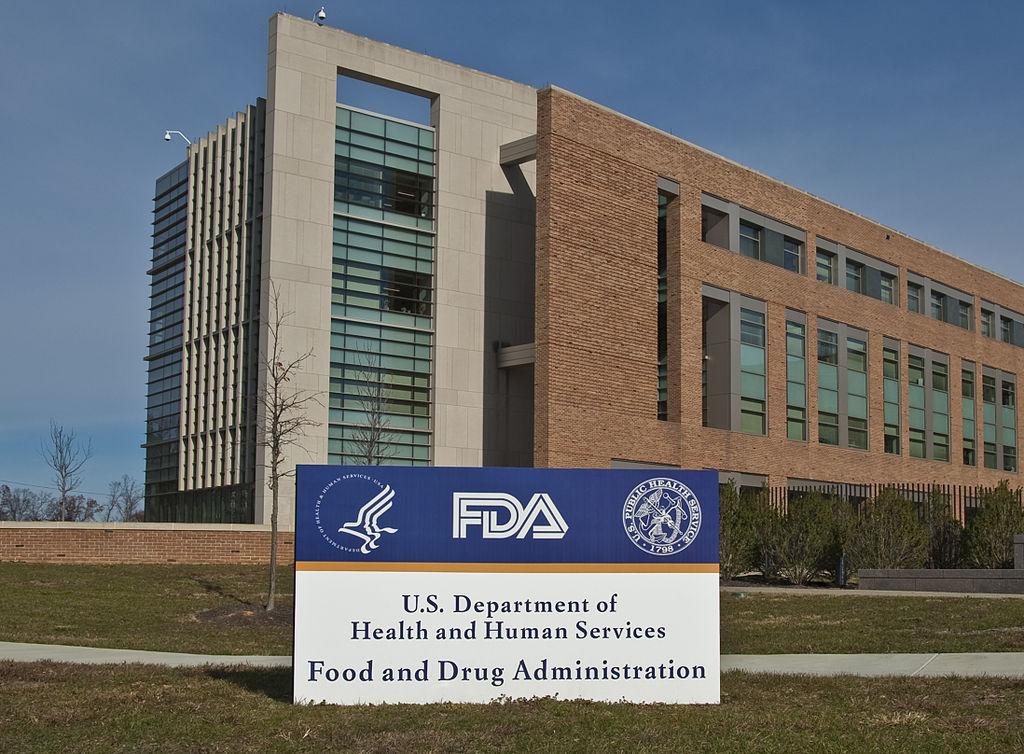
The U.S. Food and Drug Administration said Sunday that a sample of shredded iceberg lettuce from Taylor Farms de Mexico previously reported to have tested positive for Cyclospora was actually a false positive, walking back a key finding in an ongoing nationwide investigation into a foodborne illness outbreak that has sickened more than 1,600 people across five states.
The FDA said the false positive result was discovered after the agency re-reviewed test data collected from a Taylor Farms de Mexico sample, and that the correction does not affect the company’s earlier voluntary recall of iceberg lettuce sourced from central Mexico, which remains in effect. In its original Saturday notice announcing the positive test, the agency had said the affected product was not part of Taylor Farms’ existing recall and that the company was working to determine whether any of that specific lot remained in commerce or in consumers’ homes. That notice has since been removed from the FDA’s public updates on the outbreak.
What caused the false positive
According to the FDA, Saturday’s erroneous result stemmed from what the agency described as false amplification during laboratory testing. “The finding does not represent true amplification and should be considered a false positive,” the agency said. Amplification techniques are commonly used in clinical laboratories to generate additional copies of biological samples, making pathogens easier to detect and identify, but the process can occasionally produce misleading results requiring further verification.
With Sunday’s correction, FDA officials said there are currently no confirmed positive product samples tied to the outbreak, even as the underlying recall and broader investigation continue.
A recall spanning nearly 30 states
Taylor Farms de Mexico first announced its voluntary recall on Friday, July 17, saying it was removing all iceberg lettuce sourced from central Mexico from the U.S. market due to its potential contamination with Cyclospora. The recalled shredded iceberg lettuce had been distributed between June 29 and July 16 to locations across 27 states, according to the company’s recall notice, including Alabama, Arkansas, Connecticut, Florida, Georgia, Iowa, Illinois, Indiana, Kansas, Kentucky, Louisiana, Massachusetts, Maryland, Michigan, Missouri, Mississippi, North Carolina, New Hampshire, New Jersey, Ohio, Oklahoma and Pennsylvania, among others.
In its statement announcing the recall, Taylor Farms emphasized that none of its branded salad kits or products are associated with the outbreak, noting that none of its branded salad kits contain iceberg lettuce in the first place. The company said the FDA’s traceback investigation pointed to a specific independent farm representing less than 1% of the total U.S. iceberg lettuce supply as the potential source of contamination, but that Taylor Farms had nonetheless removed all iceberg lettuce from that region of Mexico indefinitely out of caution.
Origins of the outbreak investigation
The FDA’s traceback investigation initially converged on Taylor Farms de Mexico as the common supplier of shredded iceberg lettuce used at Taco Bell locations in Indiana, Kentucky, Michigan, Ohio and West Virginia, where sickened individuals reported eating before falling ill. Yum Brands’ Taco Bell said it had already removed the potentially affected lettuce from its restaurants and would stop using the implicated supplier going forward.
According to the CDC, illnesses connected to the outbreak began appearing as early as May 13, 2026, with the most recent reported onset dates extending through July 13. Of the more than 1,600 confirmed cases reported across the five affected states, 94 people have required hospitalization, though no deaths have been reported in connection with the outbreak.
Separately, Michigan’s state health department has reported more than 5,000 cases of cyclosporiasis as part of its own outbreak investigation, a concentrated surge that officials said strongly suggests the vast majority of those illnesses are linked to the same underlying source, even though the department said it cannot say with absolute certainty that every case shares an identical point of exposure. If confirmed, the scale of that regional cluster would make this outbreak the largest cyclospora outbreak on record in the United States.
Retailers respond with precautionary measures
Beyond Taco Bell, several major retailers and distributors took precautionary action following news of the recall. Food distributor Sysco said it proactively removed all Taylor Farms-processed iceberg lettuce sourced from Mexico from its distribution network and instructed customers to destroy any remaining product after learning of the suspected link to the outbreak.
Walmart also removed four bagged iceberg lettuce salad products, sold under its Marketside brand, from select store locations as a precaution. A Walmart spokesperson said the company had seen no indication that products sold in its stores were affected by the ongoing Cyclospora investigations, adding that there have been no confirmed illnesses associated specifically with those products. The spokesperson said Walmart was working closely with its supplier and took immediate steps to remove the products from sale out of an abundance of caution.
About Cyclospora infection
Cyclospora cayetanensis is a single-celled parasite that causes an intestinal infection known as cyclosporiasis. According to the FDA, people infected with the parasite typically experience flu-like symptoms alongside watery diarrhea accompanied by frequent bowel movements. While cyclosporiasis cases occur every year in the United States, health officials have noted that this year’s case count has significantly exceeded typical annual levels.
A company with a history of food safety issues
Sunday’s developments mark the latest chapter for Taylor Farms, which has previously been linked to other food safety incidents, including a voluntary recall of raw onions in October 2024 tied to a separate FDA investigation. The company has also faced legal action stemming from the current outbreak, including a lawsuit filed by an Ohio man against a Taco Bell franchisee, in which he claims a Cyclospora infection left him sick for two weeks.
What comes next
With the false positive result now corrected but the underlying recall still firmly in place, the FDA said its investigation into the outbreak remains ongoing, alongside continued collaboration with the CDC and state and local health authorities. Officials have not announced a timeline for when the investigation is expected to conclude, and consumers who purchased the recalled iceberg lettuce are still being urged to discard it immediately rather than consume it, with full refunds available at the original point of purchase.

Conference Call Participants
John Pancari – Evercore ISI Institutional Equities, Research Division
David Smith – Truist Securities, Inc., Research Division
Manan Gosalia – Morgan Stanley, Research Division
Bernard Von Gizycki – Deutsche Bank AG, Research Division
Benjamin Gerlinger – Citigroup Inc., Research Division
David Chiaverini – Jefferies LLC, Research Division
Christopher McGratty – Keefe, Bruyette, & Woods, Inc., Research Division
Kenneth Usdin – Bernstein Autonomous LLP
Peter Winter – D.A. Davidson & Co., Research Division
David Rochester – Cantor Fitzgerald & Co., Research Division
Anthony Elian – JPMorgan Chase & Co, Research Division
Sun Young Lee – TD Cowen, Research Division
Christopher Spahr – Wells Fargo Securities, LLC, Research Division
Jon Arfstrom – RBC Capital Markets, Research Division
Presentation
Operator
Greetings, and welcome to the Zions Bancorp Second Quarter Earnings Conference Call. [Operator Instructions] Please note that this conference is being recorded. I’ll now turn the call over to Dave Riches. Thank you, Dave. You may begin.
Dave Riches
Thank you, Julian, and good evening, everyone. Welcome to our conference call to discuss Zions Bank Corporation’s Second Quarter 2026 results. My name is Dave Riches, Interim Director of Investor Relations. Before we begin, I would like to remind you that during this call, we will be making forward-looking statements. Actual results may differ materially. We encourage you to review the forward-looking statements and non-GAAP disclosures in our press release and on Slide 2 of today’s presentation, which apply equally to statements made during this call.
A copy of the earnings release and the presentation are available at zionsbancorporation.com. For our agenda today, Chairman and Chief Executive Officer, Harris Simmons, will

The Los Angeles Lakers’ pursuit of free agent forward Jonathan Kuminga remains unresolved as the offseason progresses, with multiple NBA insiders reporting that the negotiations may be increasingly linked to LeBron James’ still-pending free agency decision, according to a series of recent reports tracking the situation.
Kuminga, a 23-year-old forward and the No. 7 overall pick in the 2021 NBA draft, became an unrestricted free agent after the Atlanta Hawks declined his team option for the 2026-27 season. Since then, the Lakers have emerged as one of the primary teams interested in acquiring him, though talks have proceeded in fits and starts amid ongoing questions about asking price, trade structure and the broader landscape of this year’s free agency period.
A deal complicated by asking price and trade mechanics
According to reporting from The Stein Line’s Jake Fischer, the Hawks have expressed interest in a sign-and-trade arrangement that would send Kuminga to the Lakers in exchange for forward Jared Vanderbilt and a 2032 first-round pick swap, given that a swap remains the only mechanism through which the Lakers can currently move a first-round selection following their earlier trade for center Walker Kessler.
Despite that framework, negotiations have not moved smoothly. Fischer has also reported that the Lakers are not currently willing to meet the Hawks’ full asking price for Kuminga, while Atlanta has shown little interest in taking on Vanderbilt as part of any potential deal. Bleacher Report’s Kristopher Knox went further, suggesting the Lakers may need to abandon the pursuit entirely. “Unfortunately, while Kuminga would address Los Angeles’ need for wing depth, it appears he’s out of the Lakers’ price range—sign-and-trade or no,” Knox wrote in a story published earlier this month.
LeBron’s looming decision adds another layer of uncertainty
Compounding the situation, several reports have suggested that Kuminga’s own decision-making may be tied to how LeBron James’ free agency ultimately resolves. James, who has been deliberating for weeks among a group of finalist teams that reportedly includes the Cleveland Cavaliers, Miami Heat, Golden State Warriors, Philadelphia 76ers and Minnesota Timberwolves, has effectively put much of the league’s remaining offseason activity on hold while he finalizes his choice.
According to a source cited by Yardbarker, Kuminga is likely waiting to see what James decides before making his own move, a dynamic that could also affect the Cavaliers’ willingness to continue pursuing him until James’ situation is resolved. Fischer, speaking during a recent livestream alongside fellow NBA insider Marc Stein, indicated that the Lakers’ pursuit of Kuminga may be losing momentum the longer a deal remains unresolved. “The Lakers continue to be connected to Jonathan Kuminga. The longer they don’t come to an agreement on a deal, the more it seems like the iron is losing its hotness,” Fischer said. “People are now actually wondering what other potential options the Lakers can look at.”
Fischer added that while the Lakers still view Kuminga as a potential starting wing, the situation could shift if talks continue to stall. “They’re clearly still looking at Jonathan Kuminga as being their starting wing,” Fischer said. “But if that deal doesn’t come to fruition, Kuminga has several options, including going home to Atlanta.”
The Lakers pursue depth elsewhere while talks continue
Even as the Kuminga talks remain unresolved, the Lakers have continued making other moves to reinforce their roster. According to Marc Stein, the organization has prioritized adding quality depth and defensive reinforcements this offseason alongside its pursuit of Kuminga, recently signing veteran wing Ziaire Williams and reportedly expressing interest in free agent Matisse Thybulle.
ESPN’s Shams Charania reported that the Williams signing has not affected the Lakers’ continued interest in Kuminga, suggesting the team still views adding the young forward as a priority even as it explores complementary depth pieces. Insiders have offered mixed assessments of how close the two sides actually are to finalizing an agreement, with Lakers insider Jovan Buha indicating that clarity on Kuminga’s ultimate decision should arrive soon, though that timeline remains contingent on how other interested teams navigate their own free agency situations in the aftermath of James’ looming choice.
Kuminga’s recent NBA journey
Kuminga spent the bulk of his NBA career with the Golden State Warriors before being included in a trade to the Atlanta Hawks, where his role diminished further following the earlier arrival of Jimmy Butler in Golden State, which had already reduced his playing time significantly during his final stretch with the Warriors. Despite that decreased role, Kuminga has continued to draw interest around the league as a physically gifted forward with notable defensive upside and rebounding ability, qualities that have made him an appealing target for teams like the Lakers looking to address specific roster needs.
With James’ free agency decision reportedly expected within days, momentum around Kuminga’s situation and several other unresolved free agency storylines is likely to shift quickly once his choice becomes official. Until then, the Lakers’ front office appears to be simultaneously pursuing Kuminga while also exploring alternative options to bolster their wing depth, reflecting the broader uncertainty that has defined this year’s unusually James-dependent NBA offseason. Whether Kuminga ultimately lands with the Lakers, returns to Atlanta, or signs elsewhere may hinge as much on developments outside his own control as on the specific terms the Lakers and Hawks can eventually agree upon.
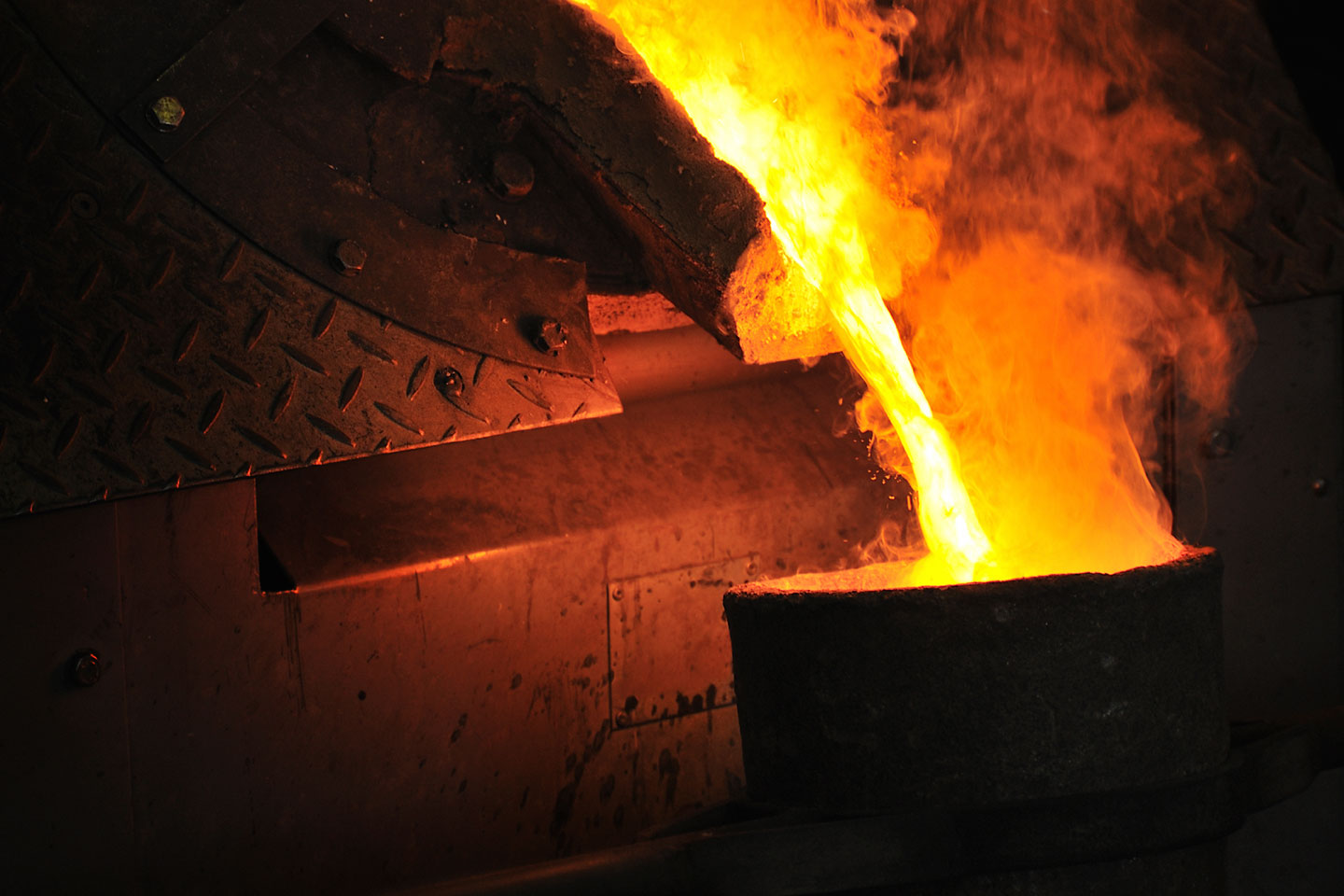
West Perth-based Alkane Resources increased its balance sheet by $104 million during the quarter, on the back of reaching the upper end of its annual production guidance.
Asian stocks rise as Mideast mediation takes oil lower
Business
Jalen Brunson Says He Never Tried to Recruit LeBron James to Join the New York Knicks This Offseason
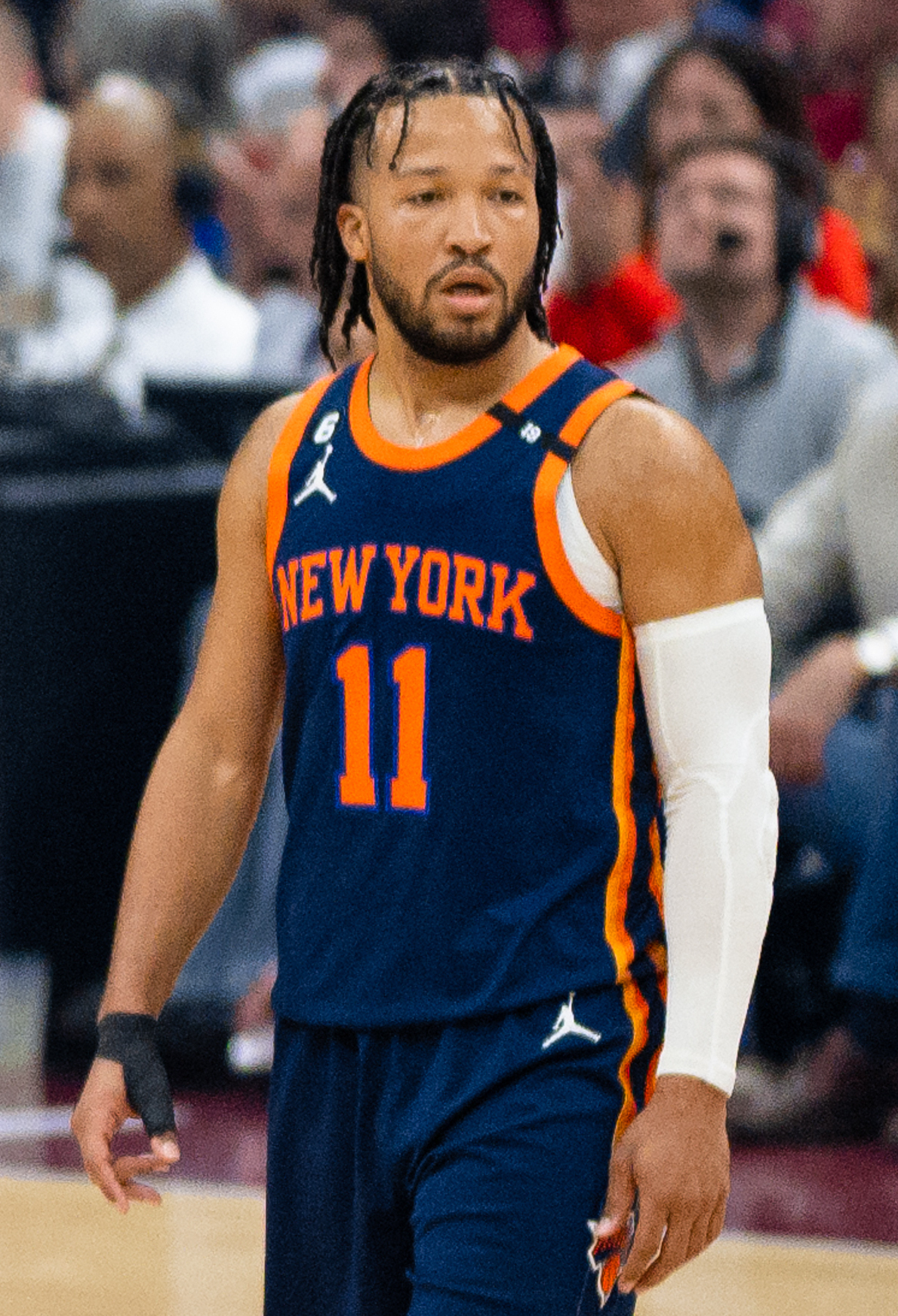
New York Knicks star Jalen Brunson said this week that he has made no effort to recruit LeBron James to join the franchise this offseason, distancing himself from speculation about the team’s potential pursuit of the four-time NBA champion as James continues weighing his free agency options.
Asked directly whether he had tried to bring James to New York, Brunson made clear he intends to stay in his own lane. “My job is to put the ball in the hoop. Try and play a little defense,” Brunson said, according to NightcapShow, in comments shared by NBA Courtside and Fullcourtpass. “There’s people who are above me who determine who’s on the team and who’s not. I’ll leave the pitching to them.”
A team not seriously considered a frontrunner
Brunson’s comments come as the Knicks have generally not been viewed as serious frontrunners in James’ free agency search this offseason, despite James having reportedly expressed interest in joining New York at various points in the past. That earlier interest appeared to cool somewhat following the Knicks’ recent championship run, with the added expectations and pressure that come with title-winning success seemingly complicating any potential pursuit of James by the organization.
Throughout the more active stages of James’ free agency process, teams including the Minnesota Timberwolves, Golden State Warriors, Miami Heat, Cleveland Cavaliers and Philadelphia 76ers have consistently been named as more likely landing spots, with the Knicks largely absent from that core group of finalists as James’ decision has continued to play out.
James’ own comments on the Knicks’ style of play
Despite the Knicks’ relatively distant positioning in the sweepstakes, James has spoken publicly and in detail about what makes New York’s roster and system work, according to comments shared by the New York Basketball social media account. James praised the Knicks for their diversified offensive approach, highlighting a heavy dose of pick-and-roll actions run through Brunson alongside contributions from coach Mike Brown’s use of a pinch-post role for center Karl-Anthony Towns, a combination James suggested prevented opponents from settling into a single defensive scheme.
James also pointed to the Knicks’ historically strong point differential during their recent playoff run as a notable indicator of the team’s overall quality, alongside praise for supporting players such as Josh Hart and Mikal Bridges, whom he described as important glue pieces, along with additional recognition for another player’s contributions throughout the team’s championship push.
Rich Paul’s earlier comments on James’ consideration of New York
Earlier reporting had also suggested that James’ longtime agent, Rich Paul, acknowledged internally that the Knicks had at least been part of broader free agency conversations. According to comments attributed to Paul and shared by the New York Basketball account, Paul suggested that the Knicks’ presence on James’ radar was closely tied to the team’s championship success this year, indicating that without that title, New York likely would not have been under serious consideration at all. Paul reportedly noted that any real path toward James joining the Knicks would require Brunson himself to personally signal that he had no issue with the arrangement, underscoring just how central Brunson’s own posture toward the situation could be to any realistic scenario involving James and New York.
Why the Knicks may not need James anyway
Beyond the specific question of recruitment, there are broader structural reasons the Knicks have not aggressively pursued James this offseason. The team enters the new season with a largely complete and successful roster, having already retained forward Landry Shamet and added center Andre Drummond as a backup option behind Towns, replacing Mitchell Robinson in that depth role. Given the chemistry and continuity that has fueled New York’s recent success, some analysts have suggested that adding a player of James’ stature and accompanying expectations at this stage could risk disrupting the roster balance that has made the Knicks so effective.
While few around the league would dispute that James remains capable of elevating any team he joins, and his star power and marketability would likely pair well with New York’s media market, the Knicks appear to have concluded that their current roster construction does not require, or perhaps even benefit from, adding another marquee name to the mix at this particular stage.
Brunson’s growing influence, deployed elsewhere
Brunson’s decision to stay publicly neutral on the James situation stands out given his growing stature within the league as one of its more influential current voices, particularly following New York’s championship run and his continued central role in the team’s offense. Despite that influence, and despite James’ own detailed public praise for the Knicks’ system, Brunson has made clear he does not intend to use his platform to actively lobby for James to join the roster, instead deferring that kind of team-building decision to the front office executives whose job it is to make those calls.
With James expected to announce his free agency decision imminently, and with the Cavaliers, Heat, Warriors, 76ers and Timberwolves remaining the most frequently cited finalists, the Knicks appear likely to watch the outcome unfold from the sidelines rather than as active participants in the final stretch of the pursuit. For now, Brunson’s comments reinforce a broader sense around the organization that New York is comfortable building on the strength of its existing roster and recent success, rather than pinning its hopes on adding one of the league’s most decorated players at this late stage of the offseason.
BlackBerry Is Ripe For Accumulation Amid A Comeback
Business
Oil Price Today (July 21): Crude oil dips below $90 on hopes of 10-day ceasefire in Iran war. What are experts saying?

Crude oil price on July 21
Brent crude futures slipped 35 cents, or 0.4%, to $88.87 a barrel, while U.S. West Texas Intermediate crude for September delivery was little changed at $82.47 a barrel. Both benchmarks remained below the more than one-month highs touched in the previous session.
On Monday, Yemen’s Iran-backed Houthis announced plans to impose a naval blockade on Saudi Arabia, potentially opening another front against the U.S. in its conflict with Iran and increasing concerns over disruptions to global energy supplies and trade beyond the Gulf.
At the same time, a senior Iranian official told Reuters that Tehran had received a proposal from mediators for a 10-day ceasefire. The proposal is part of efforts to preserve the interim agreement signed on June 17, which was aimed at creating a pathway to a permanent deal to end the conflict that began on February 28 following U.S.-Israeli attacks on Iran.
The diplomatic initiative came after another night of U.S. strikes on Iranian cities and retaliatory attacks by Iran’s Revolutionary Guards on U.S. military assets across the region. Later on Monday, U.S. Central Command said it had launched another round of strikes on Iran.

Also read: Relieved that crude has finally fallen? The real warning signs just began flashing elsewhere
What’s next?
Goldman Sachs said Brent crude could move above $110 a barrel in the fourth quarter if the recovery in Gulf oil exports remains delayed. However, the investment bank expects prices to fall back into the $60s by the end of the year if geopolitical tensions ease and production rebounds faster than expected.
“At the current point there are no signs of a ceasefire again. But in case there is a ceasefire immediately imposed, we don’t expect Brent oil prices to fall beyond $70 per barrel. It is likely to remain the lower support for the near term,” Pranav Mer, Senior Vice President, Currency and Commodity at JM Financial, told ETMarkets.
According to Anindya Banerjee, Head of Commodity Research at Kotak Securities, crude oil has once again begun pricing in geopolitical risks. “Any strike on major Gulf export infrastructure could force a retest of $95-100 and beyond,” he said.
Banerjee added that markets are reacting less to the military action itself and more to the diminishing chances of diplomacy. He said Tehran has laid down fresh conditions for resuming negotiations, with each new development pushing back the return of normal tanker movement through the Strait of Hormuz, where traffic has already remained well below pre-war levels.
Also read:Oil is crude once again! Is $95 the new normal and what it means for Indian investors?
Nuvama Institutional Equities warned that an extended closure of the Strait of Hormuz could disrupt nearly 20 million barrels a day of crude oil flows. Under such a scenario, the brokerage said oil prices could surge to between $110 and $150 a barrel.
(Disclaimer: Recommendations, suggestions, views and opinions given by the experts are their own. These do not represent the views of The Economic Times)

Bold and Beautiful 2-Week Spoilers July 20-31: Katie Devastated – Ridge Forced Into Damage Control

Akwa United’s Somto Nnoli Named in Flying Eagles Squad for WAFU B U20 Championship

Will AI Replace Financial Advisers?!


-
 NewsBeat4 days ago
London Mayor Sadiq Khan handed a peerage by Keir Starmer alongside 15 other Labour figures… just days before the PM leaves No10
-

 Fashion3 days ago
Weekend Open Thread – Corporette.com
-

 Politics3 days ago
The House | The City of London can help the new chancellor deliver growth in every postcode
-

 Politics6 days ago
Young campaigners urge incoming PM to act on outdoor junk food ads
-

 Crypto World5 days ago
CFTC blocks Kalshi from unwinding Michigan trades after court order
-
 Crypto World4 days ago
Two July Windows Left: The CLARITY Act’s Senate Fight and What Failure Means
-

 Crypto World3 days ago
Ripple Payments Joins MiCA With 14 Firms, Does It Mean Anything For XRP?
-

 Business5 days ago
Nvidia Stock Slips After Big Tuesday Rally as Huang Confirms Vera Rubin Chip Is Now in Production Today
-

 Politics2 days ago
Democrats look to World Cup watch parties to register thousands of voters
-
 Entertainment5 days ago
Disney’s Most Ambitious Failed Star Wars Attraction Is Coming to SDCC
-

 Crypto World3 days ago
Ripple wins EU-wide access as ESMA adds it to MiCA register
-

 Business5 days ago
Palantir Shares Rise After Expanded Nvidia Partnership and Fresh Analyst Upgrades Ahead of Earnings Day
-

 Crypto World4 days ago
Injective Submits SEC Transfer-Agent Registration to Onchain Ownership Records
-

 Tech3 hours ago
Sail Virtually Aboard The “Itanic” With IA-64 Emulator
-

 News Videos6 days ago
XRP BOMBSHELL… XRP OMBOARDED FOR TRANSACTIONS!!!
-

 NewsBeat4 days ago
Registration is now open for March for Men with Kev 2026
-

 Tech7 days ago
Get Your ESP32 Sunny Side Up With This Solar Dev Board
-

 Tech6 days ago
Dark Secrets Emerge When Jailbreaking LLMs
-

 NewsBeat16 hours ago
Unregistered fitter used Gas Safe logo on business flyers
-
 Sports5 days ago
New Cornerback Enters Vikings Trade Rumor Mill
You must be logged in to post a comment Login