

Business
Fiat Suspends New Car Imports to Australia as Buyers Increasingly Turn to Chinese Alternatives Instead


Italian automotive giant Fiat has stopped importing new passenger vehicles into Australia, leaving one of the world’s most recognizable car brands in a precarious position locally as buyers increasingly shift toward more affordable Chinese alternatives.
Fiat’s passenger vehicle division will no longer import its Fiat 500e electric hatchback or the Abarth 500e electric hot hatch, effectively halting the brand’s active new-vehicle offerings in the Australian market. The move places Fiat, part of the broader Stellantis Group, in a similar position to its French sister brand Peugeot, whose local importer has already surrendered the right to sell Peugeot vehicles in Australia altogether.
Stellantis says Fiat remains open, for now
Despite the suspension of new imports, a spokeswoman for Stellantis said Fiat has not shut down its Australian operations entirely. “As part of Stellantis Australia’s ongoing portfolio and product planning process, the availability of specific models can vary over time as we assess market demand and future product opportunities,” she said. “We remain focused on ensuring the vehicles we bring to Australia meet customers’ expectations. Following Stellantis’ recent confirmation of Fiat as one of its core global brands, we are excited by the opportunities the brand presents for the future.”
The spokeswoman added that existing stock of the Fiat 500e and Abarth 500e has largely sold through in Australia, and confirmed that Stellantis is not currently planning additional orders of those models while it evaluates future product opportunities for the local market. She said the company remains committed to supporting existing Fiat and Abarth customers and its dealer network, and indicated more details about the brands’ future plans in Australia would be shared at an unspecified later date.
Sales figures underscore the brand’s struggles
The scale of Fiat’s decline in Australia is reflected in its recent sales figures. The brand has recorded just 144 sales in the country so far this year, including only 13 vehicles sold last month, a total lower than luxury sports car brands Ferrari or Lamborghini managed over the same period.
Fiat’s difficulties in Australia mirror broader challenges facing the brand globally. The company has cut thousands of jobs in Italy as it grapples with intensifying competition from Chinese manufacturers, whose lower-cost vehicles have put sustained downward pressure on prices across multiple vehicle segments worldwide.
Stellantis chief executive Antonio Filosa has continued to publicly affirm Fiat’s importance to the broader company’s future, even as the brand’s presence in individual markets like Australia has come under increasing strain. In Australia specifically, Fiat’s now-discontinued Abarth 500e launched in 2024 at approximately $64,000 drive-away, before the company slashed the price by $20,000 in an unsuccessful attempt to clear remaining inventory.
Other Stellantis brands face similar pressure
Fiat is far from alone within the Stellantis portfolio in facing significant challenges in the Australian market. Alfa Romeo has sold just 139 vehicles in Australia so far this year, while Jeep has delivered only 322 vehicles over the same period, figures that underscore broader struggles for several of Stellantis’ European and American-focused brands locally.
Within the same corporate group, Leapmotor has emerged as a notable bright spot, outperforming its Stellantis sibling brands by offering affordable China-sourced electric and hybrid vehicles that have begun gaining meaningful traction with Australian buyers. Fiat’s commercial vehicle lineup remains unaffected by the passenger vehicle import suspension, according to the company.
A broader shift reshaping Australia’s car market
Fiat’s retreat comes amid what industry observers describe as an unprecedented transformation of the Australian automotive market, driven largely by the rapid rise of Chinese manufacturers. BYD has recorded a 124% increase in sales this year, positioning the Chinese automaker within striking distance of overtaking Toyota as Australia’s top-selling car brand. BYD sold just shy of 19,000 vehicles in Australia last month alone, a figure that puts it well ahead of established brands including Ford, Mazda, Hyundai and Kia.
Electric vehicles more broadly accounted for more than 23% of the Australian new car market in June, with more than 32,000 EVs delivered to Australian buyers that month. Tesla’s Model Y remained the most popular electric vehicle on the market by a wide margin.
Chinese-brand sales overall climbed by approximately 70% across the Australian market, with individual manufacturers posting even sharper gains: Geely sales rose 494%, Leapmotor climbed 151%, Chery increased 76.8%, and GWM grew 20.5%. South Korean brands Hyundai and Kia have also posted sales increases for the year to date, suggesting the shift in Australian buyer preferences extends beyond Chinese manufacturers alone.
Japanese brands bear the brunt of the shift
By contrast, several long-established Japanese automakers have seen significant sales declines in Australia this year. Toyota’s sales have fallen 21.4%, while Mitsubishi is down 25%, Nissan has dropped 32%, Mazda has declined 17%, Subaru has fallen 25.6%, and Suzuki has decreased 20.9%, according to year-to-date figures.
With Fiat’s new passenger vehicle imports now paused indefinitely and Stellantis offering only vague assurances about the brand’s long-term future in Australia, the company’s next moves are likely to be closely watched by both existing Fiat owners and the broader Australian auto industry. For now, Fiat’s situation illustrates the broader competitive pressure reshaping Australia’s automotive landscape, as legacy European and Japanese manufacturers increasingly find themselves squeezed by a wave of lower-cost, rapidly improving Chinese alternatives capturing an ever-larger share of Australian car buyers’ attention.

Business
Heavenly Spices Garlic Powder Sold at Dollarama Recalled Nationwide Over Bacterial Contamination Risk
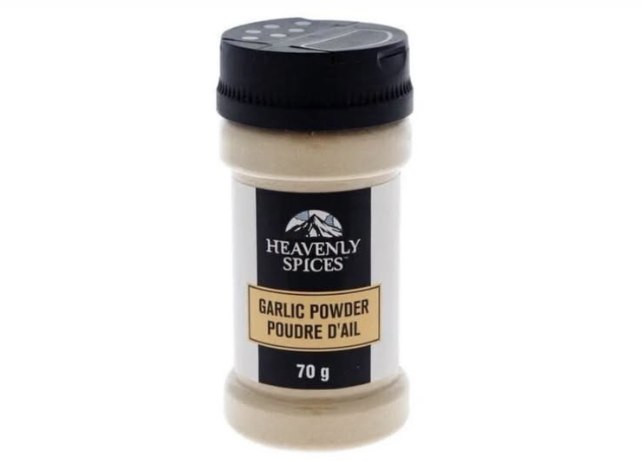
Jars of garlic powder sold at discount stores across Canada have been recalled due to concerns about possible bacterial contamination, according to an alert issued by the Canadian Food Inspection Agency.
The recall affects 70-gram containers of Heavenly Spices brand garlic powder, which the CFIA said could potentially contain the bacteria Bacillus cereus. The agency issued the recall notice on July 15, directing retailers and consumers to take immediate action regarding the affected product. “Do not use, sell, serve or distribute the affected product,” the CFIA’s alert stated.
What consumers need to know
The affected garlic powder was sold both in physical Dollarama stores throughout Canada and online, according to the CFIA. Consumers can identify the recalled product by its identification number, RA-82337, which appears on the packaging.
The CFIA classified the recall as a Class 2 risk, a designation indicating a moderate risk that consuming the affected food could lead to short-term or non-life-threatening health problems, a lower severity classification than the agency’s highest-risk category reserved for products posing more serious or potentially fatal health consequences.
About Bacillus cereus
Bacillus cereus is a type of bacteria known to cause food poisoning, according to the Cleveland Clinic. Common symptoms of infection include vomiting, diarrhea and stomach pain, with illness typically lasting around two days in most cases. The bacteria can be found across a range of different food products, including dairy items, fish, sauces and starchy foods such as rice, pasta and potatoes, making it a relatively common source of foodborne illness when contaminated food is not properly handled or stored.
While complications from Bacillus cereus infection are considered rare, health officials note that if left untreated, the bacteria can, in unusual cases, spread beyond the digestive system to affect other organs in the body, underscoring the importance of seeking medical attention if symptoms persist or worsen following potential exposure.
How Dollarama is responding
A spokesperson for Dollarama confirmed to CTV News that customers who purchased the affected garlic powder can contact the retailer directly to receive a $2 electronic gift card as a form of replacement compensation for the recalled product. PEOPLE magazine reported that it reached out to Dollarama directly for additional comment on the recall but had not received an immediate response at the time of publication.
Part of a broader wave of recent food recalls
The garlic powder recall adds to a growing list of food safety alerts that have affected consumers across North America in recent weeks. Just days earlier, Taylor Farms issued a voluntary recall of iceberg lettuce linked to a nationwide Cyclosporiasis outbreak that has sickened more than 1,600 people across five U.S. states, an investigation that continues even after the FDA walked back an earlier report of a positive lab sample connected to the outbreak, describing that specific result as a false positive while noting Taylor Farms product remains linked to the broader investigation.
Beyond the lettuce recall, other recent food safety actions have included General Mills recalling more than 736,000 packages of Pillsbury Kaiser roll dough due to potential glass contamination concerns, as well as a separate recall affecting popular potato chip brands that the FDA classified at its highest risk level. Additional recent recalls have touched a wide range of food categories, including frozen organic blueberries linked to reported illnesses across multiple states, soft cheese products recalled over potential listeria contamination tied to a deadly multistate outbreak, and frozen meatloaf recalled due to an undeclared allergen.
Why spice recalls carry particular risk
Recalls involving spices and seasonings like garlic powder can present unique challenges compared with recalls of fresh or perishable foods, given that dried spices typically have long shelf lives and are often stored in pantries for extended periods before being fully used. That extended usage window means recalled spice products can remain in consumers’ homes and potentially continue being used well after the initial recall announcement, particularly if consumers are not actively monitoring food safety alerts.
Earlier this year, a separate recall affecting peeled garlic products drew heightened attention after the FDA classified it as carrying the potential for “serious adverse health consequences or death,” marking the agency’s highest possible warning level, a distinction not applied to the current Heavenly Spices garlic powder recall given its more moderate Class 2 risk designation.
What affected consumers should do
Consumers who have purchased Heavenly Spices brand garlic powder bearing the RA-82337 identification number are advised to stop using the product immediately and avoid selling, serving or distributing it to others, in line with the CFIA’s official guidance. Those seeking a refund or replacement for the affected product can contact Dollarama directly to arrange for the $2 electronic gift card offered by the retailer.
Consumers experiencing gastrointestinal symptoms after using the recalled garlic powder, including vomiting, diarrhea or stomach pain, are encouraged to consult a healthcare provider, particularly if symptoms persist beyond the typical two-day duration associated with Bacillus cereus infection or appear to worsen over time.
With the recall now in effect nationwide, Canadian health officials are expected to continue monitoring for any reported illnesses tied to the affected garlic powder as part of the broader investigation. Consumers are encouraged to check their pantries for the affected product and to stay informed through official CFIA recall notices, particularly given the ongoing wave of food safety recalls affecting a wide range of grocery products across North America in recent weeks.

I went to the Hacienda exactly once, in the early nineties, a Londoner up for the weekend who queued for an hour, paid over the odds for a warm lager and was condescended to all night by men in bucket hats. Years later, as an investor in an online recruitment marketplace based in Manchester, the walk to board meetings took me past the site of the club, by then reborn as apartments.
The most famous nightclub on earth is now posh flats. On Monday afternoon, watching Andy Burnham outside Number 10 promising to be a circuit breaker for Britain, it was the flats I kept thinking about.
The universe does not often hand you a metaphor that cleanly. The Hacienda was the Manchester nightclub that defined a decade, launched a thousand bands and lost money on very nearly every pint it ever sold. It was run by Factory Records and Tony Wilson, a man so allergic to paperwork that he signed his artists with a contract written in his own blood, promising them everything and the company nothing.
Which brings us, with grim inevitability, to our new Prime Minister.
Burnham arrived in Downing Street this week as the seventh occupant since 2016, a churn rate that would embarrass even a Manchester band. Joy Division lost a frontman and simply rebranded as New Order. Labour has now pulled the same trick twice in two years and is hoping nobody checks the back catalogue. Starmer has gone, and the party is trying very hard not to look back in anger.
Credit where due, though: the man can talk. His first address from the steps of Number 10, promising a new political model, a new economic model and the reindustrialisation of Britain, was the strongest debut single any government has released in years. Definitely Maybe, as manifestos go. Whether the album holds up is another question entirely.
Then came the line-up changes, conducted with all the serenity of a Gallagher soundcheck. Peter Kyle, the one minister actually loading the van on late payments for small firms, sacked. And the nation’s chequebook handed, in a shock first move, to John Healey, a man who walked out of the last band in a row about money and has now been put in charge of all of it. Some might say that takes brass. The gilt market, humming Blue Monday to itself, nudged yields up all the same.
And here is where business readers will recognise the tune, because the Factory problem is the oldest failure mode in commerce. Wilson had the best story in Britain, the best designers, the best talent, and no unit economics whatsoever. Blue Monday became the best-selling 12-inch of all time in a die-cut sleeve so expensive the label lost money on every copy. The Hacienda was rammed seven nights a week and haemorrhaged cash for fifteen years. Narrative is not margin. Vibes are not cash flow. A charismatic founder with a transformational vision and no grip on the till is not a growth story, he is a cautionary one, and most of us have backed at least one to know.
The till, right now, needs minding. Eight in ten SME owners say they are braced for impact, and the CBI has told the new Prime Minister that stripping green levies from business energy bills, currently 45 per cent above the G7 average, must be a day-one priority. His opening gambit, scrapping VAT on electricity, sounds like a banger until you read the small print and discover most firms will not qualify. A radio edit, if you will, with the best verse cut out.
And yet love will not tear us apart just yet, because the counter-example is parked on Burnham’s old doorstep. The Oasis reunion he watched from the mayor’s office helped drive a record £11.2 billion of music tourism spending, including £1.4 billion in the North West alone. The Gallaghers, once the most gloriously chaotic act in the country, came back as the most ruthlessly well-run reunion in live music history. Proof that Manchester swagger and a properly managed balance sheet can share a stage. People change. Even Manchester learned to love a spreadsheet.
That is the whole test of this premiership, and it fits on a set list. If circuit breaker means Factory, all blood contracts and beautiful stories and nobody getting paid, British business will be sitting down, as James instructed, with its head in its hands. If it means Heaton Park, the same swagger with someone competent on the tills, then this, as the Stone Roses nearly put it, really could be the one.
The site of the Hacienda, after all, is worth more as flats than the club ever made as a business. Wilson used to say Factory learned more from failure than from success, which was handy, because failure was all the accounts ever produced.
Step on, Prime Minister, and mind how you go. Will Andy Burnham end up twisting British business melons?

Richard Alvin
Richard Alvin is a serial entrepreneur, a former advisor to the UK Government about small business and an Honorary Teaching Fellow on Business at Lancaster University.
A winner of the London Chamber of Commerce Business Person of the year and Freeman of the City of London for his services to business and charity. Richard is also Group MD of Capital Business Media and SME business research company Trends Research, regarded as one of the UK’s leading experts in the SME sector and an active angel investor and advisor to new start companies.
Richard is also the host of Save Our Business the U.S. based business advice television show.

‘The Big Money Show’ panel discusses the escalating conflict with Iran, the deaths of two U.S. service members in Jordan, rising oil prices and concerns Tehran used sanctions relief to rebuild its military.
The AAA national average price for regular gas is back above $4 again amid the U.S. war with the Islamic Republic of Iran.
As of July 21, the AAA national average for regular fuel is $4.019, up from yesterday’s average of $4.003, the week-ago average of $3.859 and the month-ago average of $3.938. The year-ago average was much lower at just $3.141.
Fox News Digital reached out to the White House on Tuesday.
IRS RAISES BUSINESS MILEAGE DEDUCTION RATE AMID FUEL PRICE SURGE

A person pumps gas at a BP station on March 17, 2026, in the Kensington neighborhood of the Brooklyn borough in New York City. (Michael M. Santiago/Getty Images / Getty Images)
“Every time Iran kills an American Soldier they will pay for that killing many times over! This directive has been passed on to Secretary of War, Pete Hegseth, Chairman of the Joint Chiefs of Staff, Daniel Caine, and every Leader in the Military,” President Donald Trump asserted in a Monday Truth Social post.
Former Rep. Marjorie Taylor Greene, who left Congress early this year after a falling out with the president last year, responded to Trump’s comments by writing in a post on X, “Our American soldiers wouldn’t be getting killed if you weren’t fighting an unnecessary war against Iran to open the Strait of Hormuz that was already open before you went to war. End the war. In your 1st term in 2019, gas was under $2 and inflation was 1.8%, DO THAT AGAIN!”
ARMY IDS 2 VICTIMS KILLED IN JORDAN AIR BASE ATTACK; TRUMP: IRAN WILL PAY ‘MANY TIMES OVER’

U.S. President Donald Trump looks on during a bilateral meeting with the Prime Minister of Iraq, Ali al-Zaidi, in the Oval Office of the White House on July 14, 2026, in Washington, D.C. (Andrew Harnik/Getty Images / Getty Images)
House Minority Leader Hakeem Jeffries, D-N.Y., declared in a Monday post on X, “Gas prices are back above $4 per gallon. The Republican war of choice in Iran is making life more expensive. Why is Pete Hegseth still around?”
U.S. Central Command (CENTCOM) noted on Monday that it had “completed another round of strikes against Iran at 9 p.m. ET, July 20.”
TRUMP WEIGHS IRAN WAR EXPANSION AS FRESH US STRIKES TARGET HORMUZ SHIPPING THREATS
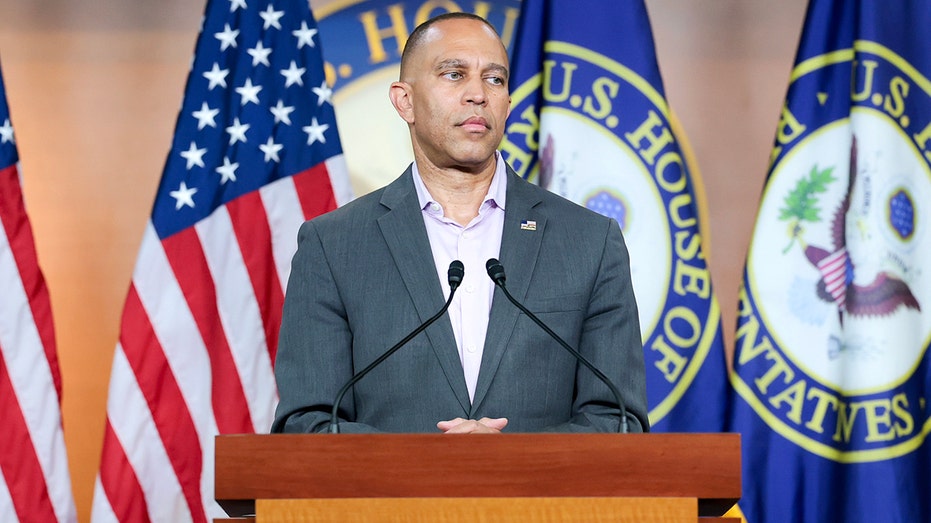
U.S. House Minority Leader Hakeem Jeffries, D-N.Y., speaks during a news conference at the U.S. Capitol Building on July 13, 2026, in Washington, D.C. (Anna Moneymaker/Getty Images / Getty Images)
GET FOX BUSINESS ON THE GO BY CLICKING HERE
“U.S. forces struck Iranian military command centers, maritime capabilities, missile and drone launch sites, and air defense systems to degrade Iran’s ability to continue attacking commercial vessels flowing through the Strait of Hormuz. Commercial vessel transits through the vital international maritime corridor continue. Since early May, CENTCOM forces have helped facilitate the transit of approximately 900 commercial vessels and 450 million barrels of crude oil,” the release noted.
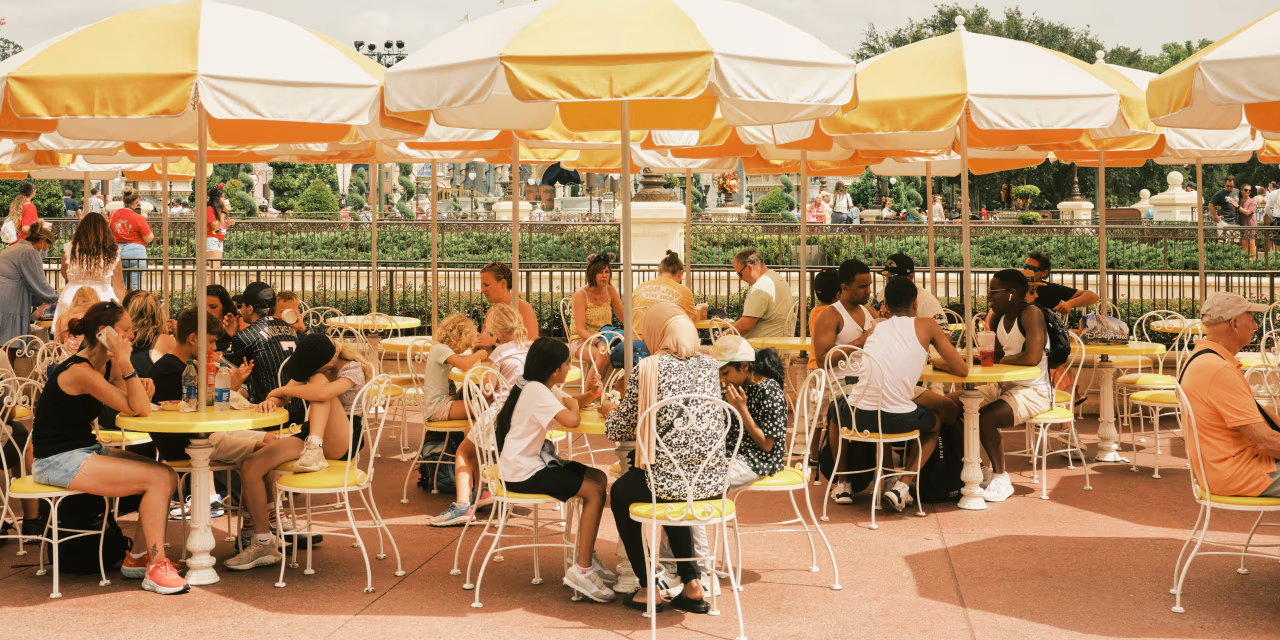
Mickey Mouse, meet Kraft Mac & Cheese.
Kraft Heinz KHC and Disney DIS struck a deal that gives the food conglomerate a foothold in one of America’s most enduring entertainment empires. Under the multiyear partnership, Disney will serve Kraft Heinz products at its properties throughout North America, and Kraft Heinz will be able to use Disney’s characters on some goods in stores.
Copyright ©2026 Dow Jones & Company, Inc. All Rights Reserved. 87990cbe856818d5eddac44c7b1cdeb8

Andy Burnham has been in Downing Street for barely a day, and rural Britain has already presented him with his first invoice. Farmers, landowners and the wider countryside economy are demanding that the new Prime Minister and his surprise Chancellor, John Healey, reverse the inheritance tax changes that have convulsed British agriculture since 2024.
The pressure lands squarely on the new occupant of No 11, a former Treasury minister who now inherits the most contentious tax policy of the Labour era alongside the nation’s chequebook.
The row dates back to Rachel Reeves’s first Budget, when she announced that agricultural property relief (APR) and business property relief (BPR), the mechanisms that allow farms and family firms to pass between generations without a tax bill forcing a sale, would be restricted from April 2026.
After months of tractor protests in Westminster, the government blinked just before Christmas. The threshold for 100 per cent relief was raised from £1 million to £2.5 million per estate, with married couples able to combine allowances to £5 million, and 50 per cent relief above that. According to the House of Commons Library, the Treasury expects the concession to halve the number of affected estates, from 375 to 185 in 2026-27.
For many in the sector that was mitigation, not resolution. The Country Land and Business Association has argued the reforms could affect around 70,000 farms, and a group of farmers took the government to the High Court in March in a judicial review over the lack of formal consultation on the changes.
What gives the campaign fresh teeth is Burnham’s own words. During his by-election campaign in Makerfield, he said: “I personally have heard from farmers on family farms and I do think that needs looking at again.”
Farming groups intend to hold him to it. CLA director north Harriet Ranson said: “To date, he has made several commitments to the farming and food sector such as pledging to revisit the growth-inhibiting inheritance tax on farms, as well as directing the public sector to procure food more locally.”
She added: “It is my sincere hope that our ‘prime minister in waiting’ will appreciate the entrepreneurial attitudes and business brains that make up the rural economy and work with us to strengthen food production, nature recovery and the valued skills of the communities we represent.”
The prize, from the Treasury’s perspective, is modest revenue. The risk is a repeat of the scenes that defined the past 18 months: tractors on Whitehall, farm-gate protests and a rural economy that feels singled out. NFU president Tom Bradshaw described December’s concession as one that “will come as a huge relief to many”, while CLA president Gavin Lane said it spared family farms from “seeing their businesses taxed out of existence”. Neither organisation regards the matter as closed.
For Burnham, the politics are finely balanced. He has already signalled there is “room for movement” on tax, pledging business rates cuts for pubs and high street firms. Extending that flexibility to the countryside would delight a sector that spans everything from dairy farms to diversified visitor attractions, the breadth of enterprise celebrated at the Rural Business Awards, which are taking place at the National Conference Centre this November.
For rural business owners, the practical advice is unchanged: succession planning cannot wait on Westminster. But with a Prime Minister on record promising to look again, and a Chancellor with his first Budget to write this autumn, the countryside has rarely had a clearer window in which to press its case.

Paul Jones
Harvard alumni and former New York Times journalist. Editor of Business Matters for over 15 years, the UKs largest business magazine. I am also head of Capital Business Media’s automotive division working for clients such as Red Bull Racing, Honda, Aston Martin and Infiniti.

The high-profile real estate agent has joined forces with a neighbouring agency, bolstering her presence in the industry.
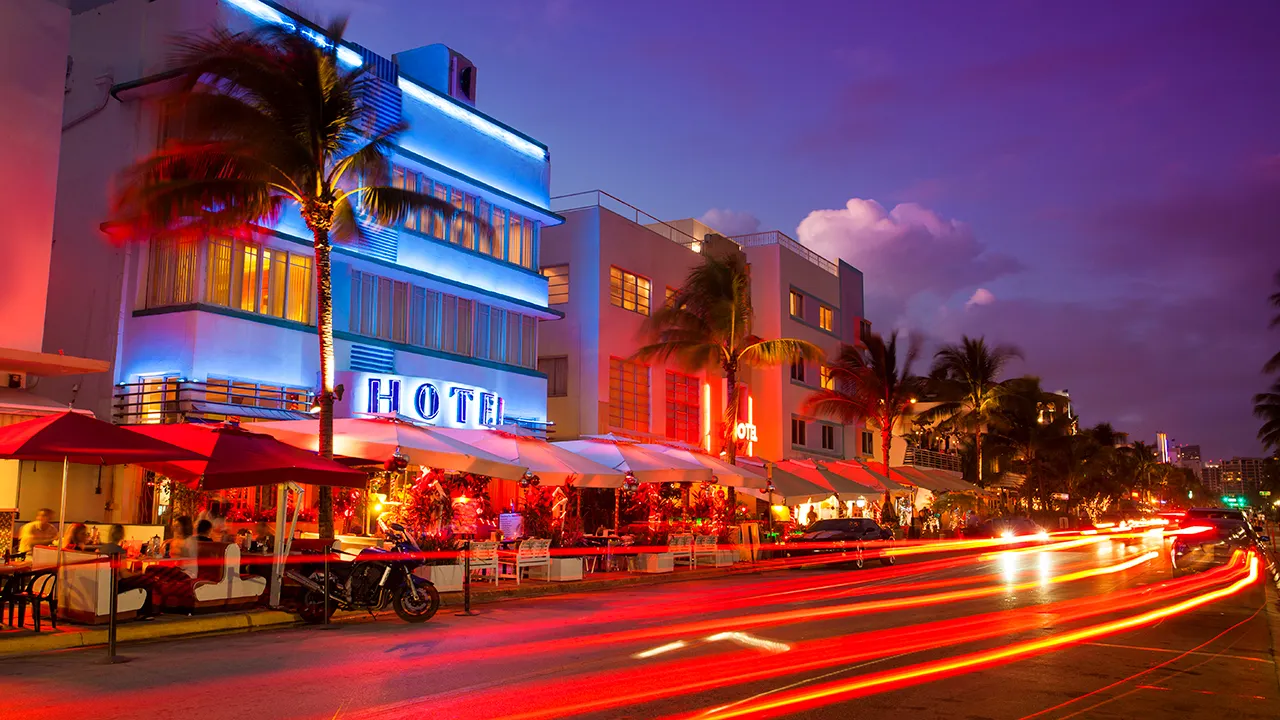
Former Miami Mayor Francis Suarez discusses the influence of Democratic socialists in primary elections and warns about the dangers of socialism on ‘The Bottom Line.’
The financial math behind fleeing high-tax states for a Florida paradise is hitting a major roadblock.
While the absence of a state income tax in the Sunshine State remains a powerful draw for transplants, a combination of rising property taxes, soaring property insurance premiums and everyday inflation has pushed Miami’s total cost of living above New York City’s for the first time.
A recent Bloomberg analysis found that data from the U.S. Bureau of Economic Analysis indicate that the combined cost of living in the Miami, Fort Lauderdale and Palm Beach region — dubbed the “Gold Coast” — is now roughly 5% higher than that of the New York metropolitan area and its surrounding suburbs.
CEO: MIAMI’S LUXURY BOOM FUELS ‘MECCA’ FOR WEALTHY AS OTHER BUYERS FEEL PRICED OUT
Additionally, consumer prices in South Florida have risen 36% since 2019, according to the U.S. Bureau of Labor Statistics. That represents the second-highest inflation surge among major American markets, trailing only Tampa.
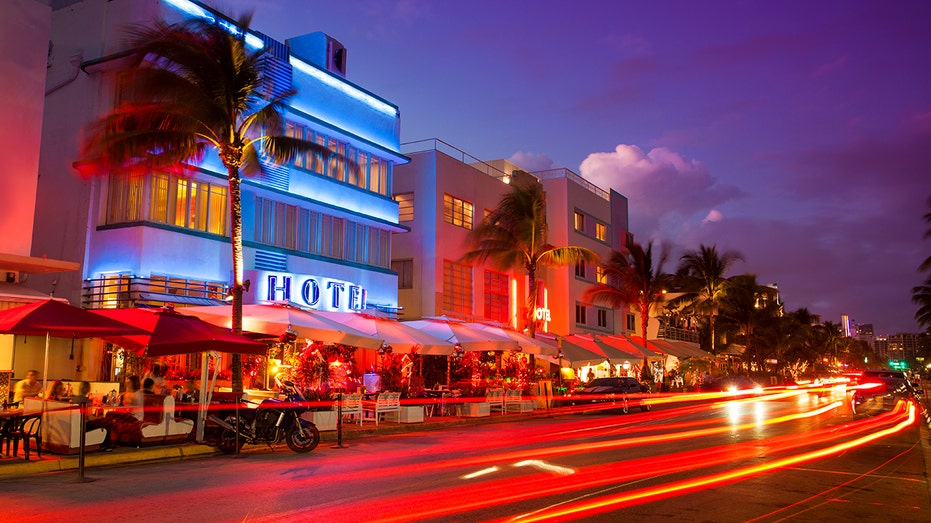
The Miami metro area has now outpaced New York City for cost of living. (Getty Images/stock / Getty Images)
Despite the state’s lack of an income tax, S&P CoreLogic Case-Shiller data show South Florida home prices have jumped 79% since the pandemic, while the average annual homeowners insurance premium stands at $8,292 — the highest in the country and roughly four times the average cost of insuring a home in New York.
New York experiences a dramatic exodus of wealthy residents, costing the state nearly $11 billion in tax revenue in 2022.
U.S. Census Bureau data also shows that the typical household income in the Miami metro area sits approximately $1,000 below the national median, and the cost of daily tasks like dining out has climbed 4% year-over-year to $94 per person per restaurant bill, compared to New York City’s average of $79 per person per check.
GET FOX BUSINESS ON THE GO BY CLICKING HERE
However, price relief could be on Florida’s horizon after Gov. Ron DeSantis and the Florida Legislature approved a proposed constitutional amendment for the November 2026 general election ballot that would expand the state’s homestead exemption. Under the proposal, eligible homeowners could receive up to a $250,000 exemption from non-school property taxes, phased in beginning in 2027 if voters approve the measure.
Douglas Elliman’s Lourdes Alatriste brings Fox News Digital inside an $18.9 million home in Coconut Grove, where history and luxury intersect.
If approved by at least 60% of voters, the constitutional amendment could mean lower property tax bills and significant savings for millions of Florida homeowners.

Form 4 Q32 Bio Inc For: 21 July
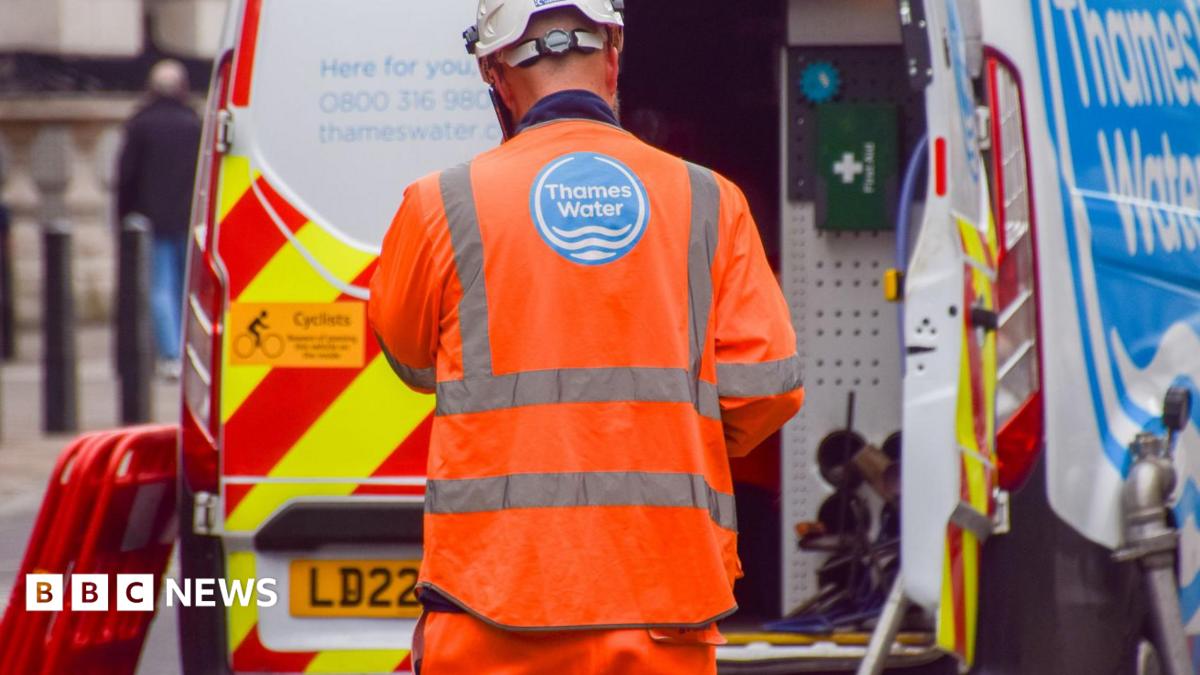
Thames Water’s main lenders are offering the government a “golden share” and more control for local authorities in a bid to stop the troubled supplier from being nationalised.
The government recently rejected a previous rescue proposal, and the BBC understands the lenders are preparing a legal challenge in case the new Andy Burnham-led government takes the firm into public hands.
In his first speech as prime minister on Monday, Burnham said he wanted to see greater public control of “life’s essentials”.
The new proposal offers local authorities greater involvement in the firm, similar to the relationship between United Utilities and Greater Manchester agreed when Burnham was the city’s mayor.
The London & Valley Water (L&VW ) consortium of lenders had already proposed a £10bn deal to prevent Thames Water from entering administration. It would involve writing off nearly half of its debt and injecting new cash in return for leniency on future pollution fines.
The deal was rejected by the government in June, with then-environment secretary Emma Reynolds saying it did not do enough for consumers or the environment.
Sources close to the new deal said the creditors had sweetened it with hundreds of millions in new money on top of the existing offer. A golden share would give the government veto power over decisions.
The government has been contacted for comment.
L&VW said on Tuesday that the new offer had “material improvements” on the old one, and would benefit customers.
A spokesperson said: “We continue to believe that the L&VW plan is by far the fastest and most reliable route to solving Thames Water’s complex problems and improving outcomes for customers and the environment.”
They said the new deal “achieves this without any government funding or cost to taxpayers”.
Fears first emerged three years ago that Thames Water could collapse and it has recently warned it could run out of cash by November.
The company, which supplies water and wastewater services for 16 million people across London and parts of southern England, was handed a £122.7m fine last year, the biggest ever issued by the industry regulator Ofwat, for breaching rules on sewage spills and shareholder payouts.
Sources close to the creditors have previously told the BBC that in the event of full nationalisation, they would pursue payment in full of the outstanding debts as has happened in previous cases, which could leave the government with a multi-billion-pound bill.
If the company does go bust, households will still have drinking water and sewerage services.

Truist Financial: Deep Value Based On Fee Growth (Rating Upgrade)

Head of US Safety Agency Resigns

Three teens who stabbed boy, 16, to death after row broke out between rival groups on Ayrshire beach are jailed

Heavenly Spices Garlic Powder Sold at Dollarama Recalled Nationwide Over Bacterial Contamination Risk


-
 NewsBeat5 days ago
London Mayor Sadiq Khan handed a peerage by Keir Starmer alongside 15 other Labour figures… just days before the PM leaves No10
-

 Fashion4 days ago
Weekend Open Thread – Corporette.com
-

 Politics3 days ago
The House | The City of London can help the new chancellor deliver growth in every postcode
-

 Politics6 days ago
Young campaigners urge incoming PM to act on outdoor junk food ads
-

 Crypto World5 days ago
CFTC blocks Kalshi from unwinding Michigan trades after court order
-
 Crypto World4 days ago
Two July Windows Left: The CLARITY Act’s Senate Fight and What Failure Means
-

 Crypto World3 days ago
Ripple Payments Joins MiCA With 14 Firms, Does It Mean Anything For XRP?
-

 Business5 days ago
Nvidia Stock Slips After Big Tuesday Rally as Huang Confirms Vera Rubin Chip Is Now in Production Today
-

 Politics2 days ago
Democrats look to World Cup watch parties to register thousands of voters
-
 Entertainment6 days ago
Disney’s Most Ambitious Failed Star Wars Attraction Is Coming to SDCC
-

 Crypto World4 days ago
Ripple wins EU-wide access as ESMA adds it to MiCA register
-

 Crypto World5 days ago
Injective Submits SEC Transfer-Agent Registration to Onchain Ownership Records
-

 Business5 days ago
Palantir Shares Rise After Expanded Nvidia Partnership and Fresh Analyst Upgrades Ahead of Earnings Day
-

 Tech10 hours ago
Sail Virtually Aboard The “Itanic” With IA-64 Emulator
-
 Tech8 hours ago
Turtle Beach Command Series KB7 review: a nifty screen-equipped gaming keyboard
-

 Tech7 days ago
Dark Secrets Emerge When Jailbreaking LLMs
-

 News Videos7 days ago
XRP BOMBSHELL… XRP OMBOARDED FOR TRANSACTIONS!!!
-

 NewsBeat4 days ago
Registration is now open for March for Men with Kev 2026
-

 NewsBeat24 hours ago
Unregistered fitter used Gas Safe logo on business flyers
-
 Sports6 days ago
New Cornerback Enters Vikings Trade Rumor Mill
You must be logged in to post a comment Login