

Business
Retention, pathways critical for sport sector





I’m a fundamental, valuation-driven investor with a strong focus on identifying businesses that have the potential to scale over time and unlock massive terminal value. My investment approach centers around understanding the core economics of a business—its competitive moat, unit economics, reinvestment runway, and management quality—and how those factors translate into long-term free cash flow generation and shareholder value creation. I focus on fundamental research, and I tend to focus on sectors with strong secular tailwinds. Professionally, I am a self-educated investor that started this journey 10 years ago. Currently, I am managing my own funds, seeded from friends and family. My motivation for writing on Seeking Alpha is to share investment insights, and also at the same garner feedback from fellow investors in this site. My aim is to help readers focus on what truly drives long-term equity value. I believe good analysis should be both analytical and accessible, and I hope my work adds value to readers looking for high-quality, long-term investment opportunities.
Analyst’s Disclosure: I/we have no stock, option or similar derivative position in any of the companies mentioned, and no plans to initiate any such positions within the next 72 hours. I wrote this article myself, and it expresses my own opinions. I am not receiving compensation for it (other than from Seeking Alpha). I have no business relationship with any company whose stock is mentioned in this article.
Seeking Alpha’s Disclosure: Past performance is no guarantee of future results. No recommendation or advice is being given as to whether any investment is suitable for a particular investor. Any views or opinions expressed above may not reflect those of Seeking Alpha as a whole. Seeking Alpha is not a licensed securities dealer, broker or US investment adviser or investment bank. Our analysts are third party authors that include both professional investors and individual investors who may not be licensed or certified by any institute or regulatory body.

The shares of the company dropped to Rs 872 apiece on Friday, after the release of Q1 results post market hours on Thursday. Its revenue from operations, meanwhile, jumped more than 25% YoY to Rs 3,426 crore during the quarter under review, compared to Rs 2,738 crore reported in the year-ago period. Total expenses surged around 42% YoY to Rs 1,898 crore in the first quarter of FY27.
Motilal Oswal said it recorded its highest ever operating profit after tax (PAT) of Rs 1,513 crore in Q1, marking a 14% YoY rise, driven by a strong 73% surge in its asset management business’ profit to Rs 245 crore. The segment is now the largest contributor to the firm’s overall PAT at 40%. Total assets under management (AUM) increased 31% YoY to Rs 2.12 lakh crore.
Private wealth management segment saw a 42% YoY rise in Annual Recurring Revenue (ARR) to Rs 157 crore, while AUM grew 37%. “MOFSL’s 10-year track record of 33% Operating PAT CAGR, Earnings Per Share (EPS) CAGR of 28% and average Return on Equity (ROE) of 23% has been delivered entirely through internal accruals with no dilution. During the same period, Net Worth CAGR is 25% after 3 buybacks and consistent dividend payouts, entirely through internal accruals,” the company said.
Also Read | Motilal Oswal Q1 Results: Net profit rises 10% YoY to Rs 1,273 crore; revenue climbs 25%

Motilal Oswal highlighted that it has delivered 28% net worth CAGR over the past six years. The company’s wealth management segment saw a strong ascent on growing annuity streams – ARR revenue grew by 26% on YoY basis to Rs 304 crore, while loan book grew by 33% YoY to Rs 7,388 crore.
“Crisil upgraded our long-term credit rating to AA+ Stable. This reflects the strength of our franchise and the resilience of our business model which are designed to deliver sustainable growth across market cycles. Focus on annuity revenues have led to a contribution of 66%, improving quality and predictability of business,” the company further said.
Motilal Oswal share price
The company’s shares have fallen over 2% in one week but gained over 1% in one month to close at Rs 940 apiece on Thursday. The stock is overall up more than 12% in 2026 so far.In the longer term, Motilal Oswal shares delivered 4% returns over one year, 409% over three years and 258% over five years. The company has a market capitalisation of more than Rs 56,878 crore.
(Disclaimer: Recommendations, suggestions, views and opinions given by the experts are their own. These do not represent the views of The Economic Times)
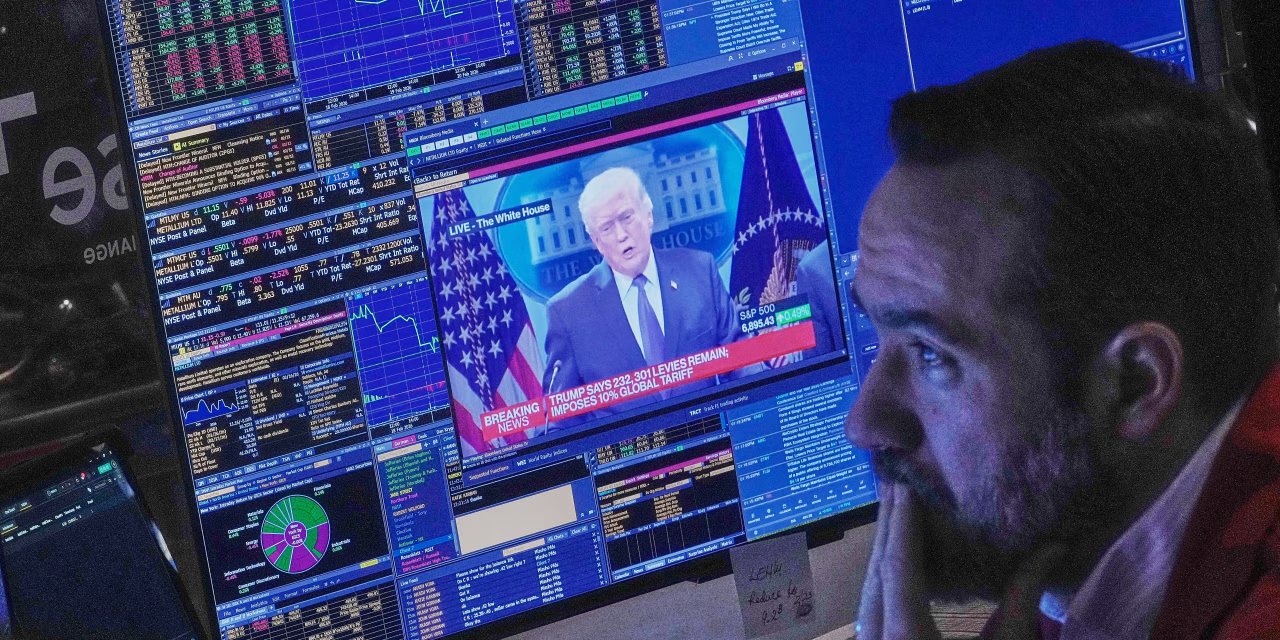
President Trump’s Truth Social is selling stock market traders superfast access to his posts on the platform. Wall Street was already in on that game.
Many big investment firms have developed automated systems to monitor Truth Social, detect important keywords and take action—often within a fraction of a second—such as initiating or canceling positions, traders said.
Copyright ©2026 Dow Jones & Company, Inc. All Rights Reserved. 87990cbe856818d5eddac44c7b1cdeb8
Business
Extreme Heat Watch Begins Saturday Across Emporia Area After Two-Day Storm Brings Up to an Inch of Rain

EMPORIA, Kan. — A period of steady rainfall across the Emporia area this week is expected to give way quickly to dangerous heat, with the National Weather Service issuing an extreme heat watch beginning Saturday afternoon and lasting through Tuesday evening across five east-central Kansas counties.
Rainfall totals across the region generally ranged from a half-inch to a full inch Thursday, according to figures compiled by KVOE, with additional showers and storms expected through midafternoon Friday potentially adding another half-inch to three-quarters of an inch before chances for precipitation fade heading into the weekend.
Rainfall totals across the area
Measurements collected from monitoring points around Emporia showed notable variation across the city and surrounding communities. The KVOE studios recorded 0.90 inches of rain, while the Emporia Municipal Airport logged 0.69 inches. Other local readings included 1 inch at 9th and Burns, 0.80 inches at 10th and Weaver, 0.95 inches at 18th and Briarcliff, and 1.20 inches at South and Sylvan, the highest total reported. The 1100 block of Constitution Street recorded 0.90 inches, Country Club Heights measured 0.95 inches, Neosho Rapids logged a full inch, and the Olpe Blacksmith Shop recorded 0.70 inches.
A quick turn toward dangerous heat
Just days after cooler, wetter conditions moved through the region, forecasters say the heat that gripped the area last weekend and into earlier this week is set to return with renewed intensity. Air temperatures in the low 90s are expected Saturday, with heat index readings, factoring in humidity, potentially reaching as high as 106 degrees given dew points forecast in the mid- to upper 70s.
The heat is expected to intensify further into Sunday and Monday, with high temperatures forecast in the upper 90s to around 100 degrees and heat index readings possibly climbing as high as 105 degrees on those days. Tuesday is expected to bring slightly less extreme conditions, with highs in the mid-90s and heat index values as high as 102 degrees.
The extreme heat watch
In response to those forecasts, the National Weather Service has issued an extreme heat watch running from 1 p.m. Saturday through 7 p.m. Tuesday. The watch currently covers Lyon, Coffey, Morris, Osage and Wabaunsee counties in east-central Kansas.
The upcoming stretch of dangerous heat is part of a broader pattern that has affected much of Kansas and the surrounding region throughout the summer. The National Weather Service has issued multiple extreme heat warnings and watches across northeast and central Kansas since late June, including alerts covering the Kansas City metro area and portions of western Missouri, reflecting a persistent pattern of high heat and humidity settling over the region for extended stretches this season.
Safety guidance from officials
With the watch now in effect, local officials are urging residents to begin preparing before the heat arrives rather than waiting until conditions worsen. Specifically, residents are advised to begin drinking extra water starting Friday, ahead of the heat’s return over the weekend.
Once the extreme heat sets in, officials recommend a familiar set of precautions: wearing lightweight and loose-fitting clothing, moving strenuous outdoor activities to early morning or evening hours when temperatures are comparatively lower, and taking frequent breaks in air conditioning or shaded areas throughout the day.
Officials also emphasized the importance of checking on elderly neighbors during periods of extreme heat, given their heightened vulnerability to heat-related illness, and reiterated a standard but critical warning: never leave children or pets unattended in vehicles, even briefly, while running errands during hot weather.
Why heat index matters
The heat index, often described as how hot the weather actually feels to the human body, factors in both air temperature and relative humidity to estimate the effective temperature experienced outdoors. Because higher humidity limits the body’s ability to cool itself through sweat evaporation, heat index values can significantly exceed the actual air temperature during periods of high humidity, a pattern reflected in this weekend’s forecast, where air temperatures in the low 90s are expected to produce heat index readings well over 100 degrees.
Extended periods of extreme heat, particularly when overnight low temperatures remain elevated and provide little relief, are associated with a heightened risk of heat-related illnesses, including heat exhaustion and heat stroke, conditions that can become life-threatening without prompt intervention, especially among older adults, young children, outdoor workers and individuals with certain underlying health conditions.
A pattern repeating across the region
This weekend’s forecast heat watch follows a similar stretch of dangerous conditions that affected the broader Kansas and Missouri region earlier this month, including an extreme heat warning issued for the Kansas City metro area beginning July 19 and lasting through Thursday, July 24, with heat index values reaching as high as 102 degrees during that stretch. Statewide, forecasters have tracked several distinct waves of extreme heat since the beginning of summer, punctuated by brief periods of cooler, stormier weather like the rain that moved through the Emporia area this week.
With the extreme heat watch set to take effect Saturday afternoon, forecasters say the window between now and then offers residents a limited but useful opportunity to prepare, both by staying hydrated ahead of the heat’s arrival and by making plans to limit outdoor exposure once temperatures and humidity climb to their expected peak early next week.
Business
IndiGo shares sink 3% after Rs 238 crore Q1 loss, but why are Citi and Nuvama raising target prices?

The shares of the company tumbled to Rs 4,886 apiece on NSE on Friday morning, after the airline released its Q1 results on Thursday. Revenue from operations rose 20% year-on-year (YoY) to Rs 24,584 crore in Q1 FY27 from Rs 20,496 crore in the corresponding quarter of the previous financial year.
However, operating costs outpaced revenue growth, with total expenses surging 34% YoY to Rs 25,853 crore. The sharp rise was largely driven by an 86% YoY jump in aircraft fuel expenses to Rs 10,833 crore, significantly increasing cost pressures despite robust demand and higher revenue.
Operating metrics
IndiGo’s cost per available seat kilometre (CASK) rose to Rs 5.71 in Q1 FY27 from Rs 4.31 a year ago, reflecting higher operating costs. CASK excluding fuel also increased to Rs 3.22 from Rs 2.93.
On the positive side, yield improved to Rs 6.04 from Rs 4.98, while revenue per available seat kilometre (RASK) climbed 16.5% YoY to Rs 5.66, indicating healthy pricing power and sustained demand.
Citi on IndiGo share price
Citi maintained its ‘Buy’ rating on IndiGo and raised its target price to Rs 5,800 from Rs 5,100, implying an upside potential of 15.5% from the stock’s previous closing price of Rs 5,023.50.
The brokerage noted that IndiGo’s Q1 earnings missed its estimates at both the operating profit and net profit levels, primarily due to fuel cost inflation being significantly higher than expected, ET Now reported.
However, Citi said strong yields remained the key positive during the quarter. It added that the management’s guidance points to further improvement in pricing, backed by a focus on fleet efficiency, route rationalisation and cost control. While fuel price volatility remains a key risk, the brokerage believes IndiGo’s pricing power and market share gains continue to support its long-term outlook.
Also read | IndiGo Q1 Results: Airline reports Rs 238 crore loss vs profit YoY; revenue rises 20%
Nuvama on IndiGo share price
Nuvama maintained its ‘Buy’ rating on IndiGo and raised its target price to Rs 5,583 from Rs 5,335, implying an upside potential of more than 11%.
The brokerage said IndiGo’s Q1 EBITDA missed estimates due to elevated fuel costs, although the impact was partly offset by a robust 21% YoY increase in yields.
However, Nuvama cautioned that the seasonally weak second quarter could be even softer due to higher aviation turbine fuel (ATF) prices. It cut its FY27 and FY28 earnings estimates to factor in the higher fuel costs, but believes IndiGo is well positioned to turn near-term headwinds into long-term opportunities by replicating its successful domestic strategy in international markets, where spreads are more attractive as India emerges as a global aviation hub.
JM Financial on IndiGo share price
JM Financial maintained its ‘Add’ rating but lowered its target price to Rs 5,630 from Rs 5,800, implying an upside potential of around 12% from the stock’s previous closing price.
The brokerage noted that IndiGo’s reported loss was significantly below its estimate of a Rs 660 crore profit, mainly due to an unprecedented 86% YoY surge in fuel costs and elevated supplementary lease expenses.
“The key positive from the earnings call was management’s willingness to prioritise yields over growth. Capacity growth has remained moderate to flat in Q2 FY27 and is expected to stay in the single digits for FY27, signalling continued supply discipline amid robust industry demand,” JM Financial said.
The brokerage highlighted management’s guidance for more than 25% YoY growth in passenger revenue per available seat kilometre (PRASK) in Q2 FY27, reflecting a healthy demand-supply balance. It also noted that aircraft utilisation in the region has recovered to over 90% as Middle East operations normalise, supporting a gradual recovery in earnings once fuel cost pressures ease.
While higher ex-fuel CASK and geopolitical uncertainties could weigh on near-term earnings, JM Financial believes IndiGo’s structural earnings story remains intact. It continues to view the airline as one of the highest-quality aviation franchises globally, citing its dominant market share, disciplined capacity deployment, low-cost structure and multi-year international expansion opportunity.
IndiGo share price
IndiGo shares fell more than 4% over the past week and over 3% in the past month to close at Rs 5,023.50 on Thursday. The stock is down around 2% so far in 2026.
Over the longer term, the stock has declined 14% over the past year but has delivered returns of 88% over three years and 191% over five years.
Also read |Rekha Jhunjhunwala sells over 7 crore Star Health shares in Q1. Details here
(Disclaimer: Recommendations, suggestions, views and opinions given by the experts are their own. These do not represent the views of The Economic Times)

In late June, algorithmic trading funds experienced what the Financial Times called a “quant tremor”, a downward fluctuation affecting quantitative traders, which the newspaper predicted is becoming more common.
While quantitative trading firms are doing well this year, Goldman Sachs’ prime brokerage suffered their worst five-day performance since December 2023.
This is not a new phenomenon. Any finance-head would struggle to forget the 2007 quant crunch, and hedge funds and big financial institutions have employed algorithmic trading for decades.
But the barriers to algorithmic trading tools have dropped dramatically in recent years, driven by rapid advances in artificial intelligence.
Dozens of AI trading applications, from code-free automation tools such as Capitalise.ai, to quantitative research and strategy building platforms like QuantConnect, have opened the field to millions of individual retail investors who need little more than an internet connection and the budget for a platform subscription.
AI products can process large amounts of data, track market movements, spot patterns and even execute trades. They can also enhance the speed, responsiveness, perception and information level of every trader using them.
Rotem Farkash: AI can improve market access, but it may amplify systemic risks
Rotem Farkash, an AI expert and trader, who has founded algorithmic trading companies, is clear that AI in trading should be understood in two ways: “as a tool that can broaden access and improve pricing, but also as one that introduces new forms of risk”.
The first risk is as more traders rely on similar AI-driven signals, market movements may become more synchronised, magnifying swings and increasing volatility across the financial system.
The risk of converging trades has been around for a long time. Long Term Capital Management’s 1998 collapse and the 2010 Flash Crash showed how quantitative strategies can unravel rapidly. But now AI is amplifying this risk by increasing the frequency of automated trades, making even deeper crashes possible.
The second risk is machine error. While AI may reduce some human mistakes, it is not perfect. If AI misinterprets a word or does not understand the context of a particular piece of information, it could trigger purchases or sales that have significant consequences for the trader.
Ken Griffin: AI “is profoundly more powerful than it was just nine months ago”
Ken Griffin’s Citadel, perhaps the world’s best-known quantitative hedge fund, initially approached AI as a tool for operational efficiency, to accelerate research, automate workflows and improve internal processes.
Yet in May, Griffin acknowledged how quickly the technology had advanced, saying it was “profoundly more powerful than it was just nine months ago”. That shift, he argued, had allowed Citadel to “unleash a much broader array of use cases for AI”, with work that would once have required people with masters and PhDs in finance weeks or months being completed by AI agents in hours or days.
Some firms are pushing this even further. Minotaur Capital, an Australia-based firm, has built its investment process around a proprietary AI platform called Taurient, which is designed to identify global stock opportunities.
Its strategy, which focuses on under-researched equities, delivered a 13.7% return for its flagship fund in the six months to January 2025, outperforming the MSCI All-Country World Index.
AI will likely complement humans, but is not without risk
For now, AI stock pickers may be capable of outperforming some index funds, but they remain some distance from displacing human expertise when that expertise is itself enhanced by AI tools.
The more likely outcome is that leading firms combine artificial and human intelligence, rather than replacing one with the other.
But both institutional and retail investors should remain cautious. AI may be a powerful tool in trading, but it is not risk-free. It poses a threat to market stability and can replicate the same errors that have long undermined human traders.

The head of “Gus,” one of the largest Tyrannosaurus rex skeletons ever found, is pictured during a press preview at the Sotheby’s Breuer building in New York, on July 1, 2026.
Timothy A. Clary | Afp | Getty Images
A version of this article first appeared in CNBC’s Inside Wealth newsletter with Robert Frank, a weekly guide to the high-net-worth investor and consumer. Sign up to receive future editions, straight to your inbox.
The major auction houses racked up nearly $10 billion in sales in the first half, marking one of the strongest-ever starts to the year as the wealthy gained confidence from soaring financial stock markets.
Sotheby’s reported its best first half ever, with $4.4 billion in sales, up 58% from last year and marking a record for the 282-year-old auction house. Christie’s had its best first half since 2021, reporting sales of $4.5 billion, up 71%. Phillips, Heritage and other auctioneers also had breakout starts to the year.
There were eight lots that sold for more than $50 million in the first half, compared with none in 2024 and 2025, according to Artnet. Auction executives and dealers say the explosive rebound in the art market, following nearly three years of declines, is being driven largely by the massive wealth creation from the artificial intelligence boom, IPOs and rising stocks.
“The numbers mean there is confidence in the market,” Christie’s CEO Bonnie Brennan said at the Christie’s Art + Tech Summit last week. “There are people willing to sell great objects and there are people spending great amounts of money to acquire those special one-of-one works.”
Added Sotheby’s CEO Charles Stewart: “The wealth being created now is the number one factor in our business right now. It’s obviously very visible when you sit here in New York and talk about the SpaceX IPO and these different tech IPOs coming and the AI fever.”
While the dollar totals are being driven largely by a select group of hyper-priced works at the very top of the market, the strength is across the board, in almost all price points and almost every category. Fine art, classic cars, watches, handbags, diamonds, whiskey and even dinosaur bones are all seeing new records.
Leading the first half was a Jackson Pollock drip painting, titled “Number 7A, 1948,” which sold for $181 million at Christie’s. The work, considered one of Pollock’s most epic and defining works, had previously been owned by media magnate and collector S.I. Newhouse, which added to its appeal. A Brancusi sculpture also previously owned by Newhouse went for $107.6 million.
A new wave of younger collectors, many from the tech world, is also redefining collectibles.
In classic cars, 1950s and 1960s sports cars used to dominate the price charts. Now supercars from the 1990s and 2000s are the hottest sellers.
Watches are gaining in popularity among tech bros. Phillips in Association with Bacs & Russo reported $235 million in watch auctions in the first half, marking its largest ever. The strong bidding stretched across its auctions in New York, Geneva and Hong Kong. While Patek Philippe remains strong, young collectors are battling over pieces from more rarified, independent brands.
The priciest watch sold in the first half was an F.P. Journe Souscription Résonance, which went for $13.9 million. Mark Zuckerberg has become one of the most high-profile devotees of F.P. Journe in recent years, and has sported seven-figure F.P. Journes in public.
Brennan said 30% of the buyers in the first half were new to Christie’s, with 47% of them millennials or younger, and that 85% of bids were placed online.
“What we show people and how they engage with Christie’s is evolving,” she said.
One of the hottest new categories is also the oldest — dinosaur bones. Sotheby’s sold a fossil specimen of a Tyrannosaurus rex this month for $50.1 million, making it the most expensive fossil ever auctioned. The T. rex, named “Gus,” was excavated out of the South Dakota badlands and is estimated to be 67 million years old.
Gus’ new owner hasn’t been identified. But the sale followed a stegosaurus that was sold by Sotheby’s in 2024 to hedge-fund billionaire Ken Griffin for $44.6 million. The stegosaurus, named “Apex,” is on loan to the Museum of Natural History.
Nvidia Corp CEO Jensen Huang speaks at the COMPUTEX forum in Taipei, Taiwan May 29, 2023.
Ann Wang | Reuters
Stewart said institutions as well as individuals are bidding up dinosaur fossils. Seven bidders battled for Gus for 10 minutes, as new wealth vied for a piece of prehistoric history. At 38 feet long, Gus will need either a museum or a very large living room for his new home.
“I say it’s ‘SpaceX to T. rex,’” Stewart said. “It’s not just that these people have made the money. They’re looking at market valuations and they’re making a judgment about store of value.”
Young tech money is also bidding up the values of sports memorabilia and pop culture. Just weeks after the New York Knicks won the NBA championship, a jersey worn by Jalen Brunson in Game 1 of the series against the Spurs sold at Sotheby’s for $1.024 million.
Even Jensen Huang’s leather jackets have become collectibles. A black leather Tom Ford jacket that the Nvidia CEO wore to a Foxconn event in Taiwan in 2023 sold for $960,000, blowing away its presale estimate of $40,000 to $60,000. The proceeds went to charity.
“People are spending money on fun, collectible items that they want to have,” said Jeffrey Yin, CEO of Artsy and Artnet.

With its eye on an AI- and robotics-driven future, automaker Tesla TSLA boosted its spending to $5.8 billion in the second quarter, sending its free cash flow into the red for the first time in two years despite a surge in revenue.
“This is a massive cap ex year, but I’m confident all the things we’re investing in will yield incredible returns,” Chief Executive Elon Musk told investors on a call Wednesday.
Copyright ©2026 Dow Jones & Company, Inc. All Rights Reserved. 87990cbe856818d5eddac44c7b1cdeb8

Fidelity Diversified International Fund Q2 2026 Commentary
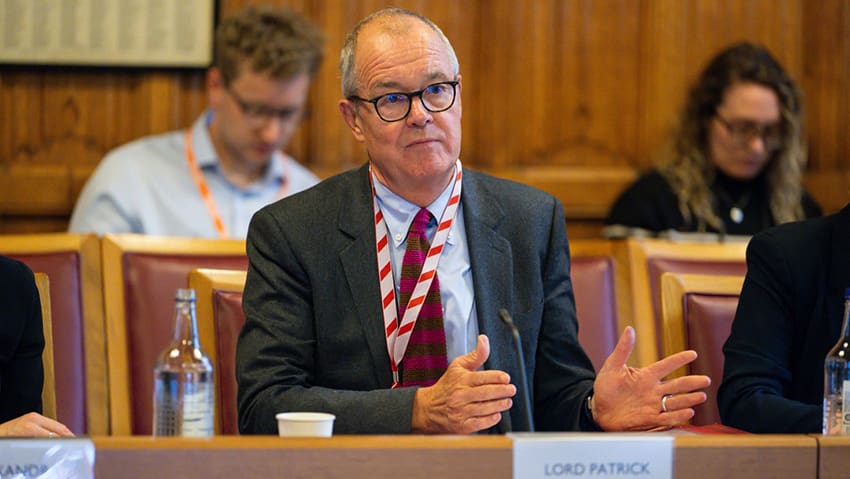
The abolition of an entire Whitehall department rarely counts as good news for the firms that depend on it. Yet the business world’s response to Andy Burnham’s decision to scrap the Department for Science, Innovation and Technology has been strikingly split: dismay at the loss of a respected science minister, relief at the return of a familiar face to the business brief.
Lord Vallance of Balham has stepped down as science minister, and the department’s responsibilities have been folded into an enlarged Department for Business and Trade. In his place, Jonathan Reynolds returns as business secretary, ten months after being reshuffled out of the role.
For the thousands of smaller firms clustered in Britain’s growth sectors, from life sciences start-ups to advanced manufacturers, the reshuffle raises one immediate question: who in government now champions science?
Vallance, a former president of research and development at GSK and the government’s chief scientific adviser between 2018 and 2023, was prized for exactly that. “After nearly a decade in government I am stepping down as a minister, for personal reasons,” he said.
His exit lands at a delicate moment. The life sciences sector, heavy with the kind of high-growth SMEs the industrial strategy is meant to nurture, has spent two years fretting about Britain’s slide down the global life sciences investment rankings.
One senior investor put the concern bluntly: “It’s a shame that we have lost a highly competent and effective minister … If we claim to be a scientific superpower, and if we’re going to compete scientifically against the United States and China … then we need someone within government who’s going to be a champion for that.”
Richard Torbett, chief executive of the Association of the British Pharmaceutical Industry, said Vallance had been “instrumental in beginning to turn around international sentiment towards the UK as a life sciences destination”, adding that he “leaves big shoes to fill”. Vallance is also credited with helping launch the Health Data Research Service, the long-promised effort to open up NHS data to medical researchers.
Industry’s chief anxiety now is continuity. Firms are pressing the new government to honour an agreement to double spending on innovative medicines over the next decade in exchange for a three-year tariff exemption on pharmaceutical exports to the US, a deal seen as central to luring international investment. “Any rowing back on that would send an absolutely terrible signal internationally, just when sentiment is really turning around, and people are talking positively again about the UK,” one source warned.
Chris Hollowood, chief executive of the life sciences investor Syncona, captured the unease about being absorbed into a bigger department. Its backing “could be helpful”, he said, “but if we are just diluted among other priorities then that would be concerning”. Notably, the move to close the science department has already drawn a backlash from the tech sector.
If life sciences is nervous, the wider business lobby is more upbeat, largely because of who is now in charge. Reynolds oversaw the creation of the industrial strategy that manufacturers have broadly backed, and his return is read as a signal of intent.
Louise Hellem, chief economist at the CBI, said he “brings a clear understanding of the challenges facing business and will be able to hit the ground running, particularly when it comes to delivering the industrial strategy launched during his previous tenure”.
Stephen Phipson, chief executive of Make UK, set the bar for smaller manufacturers: “Success will be measured by whether manufacturers see lower costs, fewer barriers to trade and a more competitive environment in which to invest, make and export with confidence.”
Ben Fletcher of Logistics UK called the intervening year “a real wasted opportunity” and Reynolds’s recall “a hugely positive move”.
For SMEs, the message is mixed but clear enough. A pro-business signal from the top is welcome. What smaller firms in science and technology will watch for is whether their sector still has a voice once the departmental nameplate has come down.

Jamie Young
Jamie Young is Senior Reporter at Business Matters, covering SME finance, employment law and Westminster policy since 2016. He has reported on every Budget and Autumn Statement since 2018, helped make sense of the ‘covid era’ and the bounce-back loan scheme from launch through the fraud investigations, and broke the magazine’s coverage of the 2024 late-payment reforms. He joined Business Matters straight from completing his BA in Administration from Exeter University and is NCTJ-qualified. Reach him at jyoung@cbmeg.co.uk

MSG Reportedly Shut Down Cameras For Taylor Swift’s Wedding

Bitcoin Miners Leaving Bitcoin For AI.
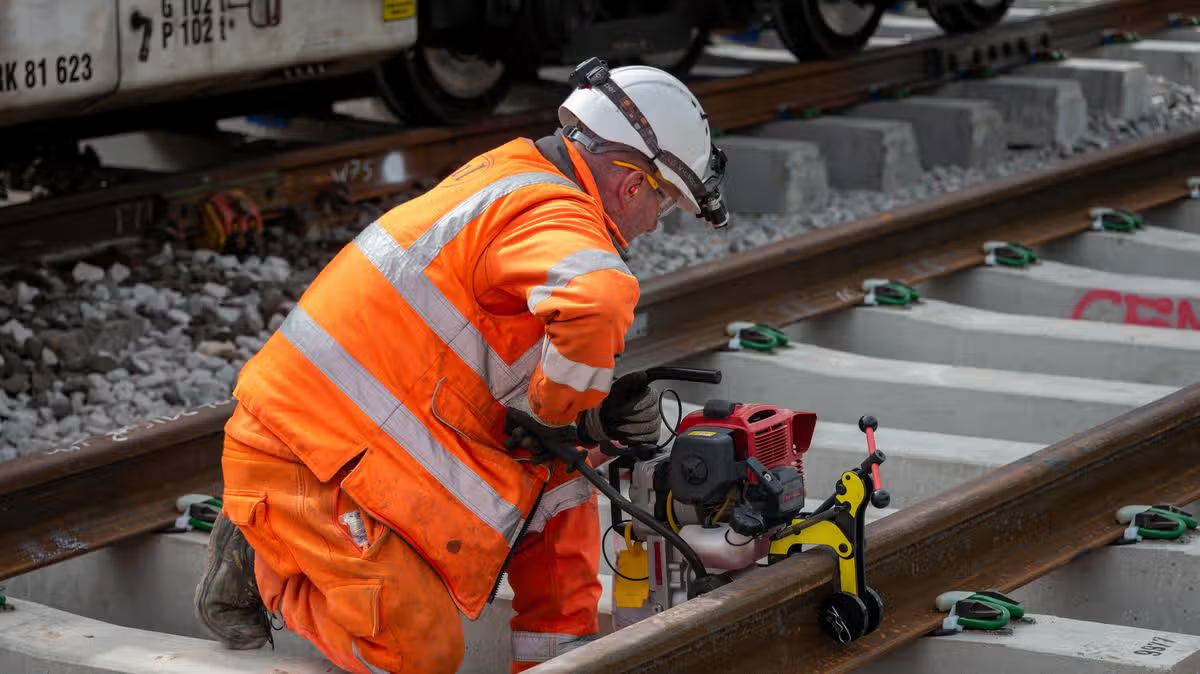
School holidays warning to rail passengers over engineering work as trains cancelled


-

 Fashion7 days ago
Weekend Open Thread – Corporette.com
-

 Politics6 days ago
The House | The City of London can help the new chancellor deliver growth in every postcode
-

 Crypto World6 days ago
Ripple Payments Joins MiCA With 14 Firms, Does It Mean Anything For XRP?
-

 Politics5 days ago
Democrats look to World Cup watch parties to register thousands of voters
-

 Crypto World7 days ago
Ripple wins EU-wide access as ESMA adds it to MiCA register
-

 Crypto World3 days ago
Grayscale Files For Worldcoin ETF, WLD Registers Sharp Rise
-

 Tech3 days ago
Sail Virtually Aboard The “Itanic” With IA-64 Emulator
-

 NewsBeat4 days ago
Unregistered fitter used Gas Safe logo on business flyers
-
 Tech3 days ago
Turtle Beach Command Series KB7 review: a nifty screen-equipped gaming keyboard
-

 News Videos5 days ago
Big Money Is Entering XRP
-
 Business2 days ago
New Jersey voter registration controversy explained: How 6,600 noncitizens got on the rolls, and what happens next
-

 Crypto World6 days ago
Kaspersky exposes OkoBot’s 20-module crypto wallet attack
-

 Business7 days ago
Airlines warn Sunshine Protection Act could disrupt flight scheduling
-
 Entertainment3 days ago
Johnny Depp’s R-Rated Gothic Cult Classic Gets New Release Ahead of Sydney Sweeney Remake
-

 NewsBeat6 days ago
Durham County Council to send out electoral registration emails
-

 Crypto World6 days ago
MiCA Licensing Faces Delays as ESMA Adds 14 CASPs to Register
-

 Crypto World2 days ago
Ethics, other provisions in crypto Clarity Act to be further discussed
-
 NewsBeat3 days ago
Shanghai science forum photos show China’s AI and robotics advances in rivalry with US
-

 Crypto World6 days ago
Chip Stocks Enter Bear Market After Moonshot Ai Unveils Kimi K3 Model
-

 Tech4 days ago
Watch Flock Safety CEO Garrett Langley discuss the future of surveillance at TechCrunch Disrupt 2026
You must be logged in to post a comment Login