

Business
6 Best Link Building Services in the UK in 2026

Picture a UK-based SaaS company that has spent eighteen months producing genuinely useful content – comparison guides, original research, product tutorials – and still can’t crack page one for its money keywords. The blockers aren’t the content or the technical setup.
They’re the backlinks, or rather the absence of them. The founder tries a cheap package from an offshore vendor, watches a batch of low-quality links appear on spammy sites, and six months later a Google core update wipes out what little visibility they’d built. That story plays out across the UK market every quarter, and it’s exactly why choosing the right link building partner is one of the highest-stakes decisions an SEO team makes in 2026. Links remain a foundational ranking signal – earning high-quality inbound hyperlinks from external websites to lift your standing in search engines – and they still separate the sites that climb the SERPs from those that stall. Pick a reputable, white-hat provider and you compound authority safely; pick the wrong one and you court penalty risk and wasted budget. This guide evaluates the six best UK link building services available in 2026, ranked on link quality, service breadth, pricing transparency, and verified reviews.
Our top pick is Rhino Rank for UK businesses and agencies that want a dedicated, full-service link building specialist rather than a generalist that treats links as a bolt-on. It earns the crown through an exclusive focus on link building, a team of 40+ in-house specialists, a 4.9-star rating from 150+ reviews, and transparent self-serve pricing starting from $60 for curated links – a rare combination of scale and accessibility. For teams that would rather build authority through editorial, content-driven placements on UK-audience publishers, Sharp Rocket is the strongest alternative. And for brands that want genuine press coverage and media-backed links woven into their SEO, Cutting Edge PR is the go-to specialist. Below you’ll find each provider ranked and assessed, with a comparison table to help you match your specific need to the right partner.
What to look for
Not every link building agency is created equal, and the gap between the best and the merely adequate is wide enough to sink an SEO campaign. Before we rank the providers, here are the criteria we used to separate the genuinely excellent from the rest. As independent industry coverage such as Search Engine Land’s overview of the top link building services to scale your SEO efforts makes clear, the fundamentals matter far more than flashy promises.
Link quality indicators
The single most important factor. We looked at the strength of the sites a provider can place links on – measured by metrics like Domain Authority (a score developed by Moz to estimate a site’s ranking strength) and Domain Rating (Ahrefs’ equivalent, and the more commonly cited metric in the UK link building industry). But raw scores aren’t enough. Editorial relevance and genuine referring-domain traffic matter just as much: a link from a mid-authority site in your exact niche often outperforms a high-DR placement on an unrelated page.
Service range
A strong provider offers more than one type of link. We favoured services that span curated links (niche edits placed within existing, indexed articles), guest posts, visual and listicle placements, and fully managed campaigns. Breadth matters because different goals – rapid authority building, topical relevance, brand mentions – call for different link placement strategies.
White-hat outreach and methodology
We only considered providers that build links through genuine editorial outreach – no private blog networks (PBNs), no link farms, no automated schemes. White-hat methods aren’t just an ethical nicety; they’re insurance against penalty risk. Links earned from authoritative, relevant publishers also support Google’s E-E-A-T signals (Experience, Expertise, Authoritativeness, Trustworthiness), which increasingly influence how content is assessed.
Pricing transparency
Some providers publish self-serve pricing you can act on without a sales call; others operate on enquiry-based quotes. Neither model is inherently better, but transparency is a genuine differentiator – it lets you scope and budget with confidence. Note that USD pricing is standard across the link building industry, so UK buyers should expect to convert where prices are listed in dollars.
Verified reviews and track record
Third-party review scores, client volume, and published case studies all signal whether a provider delivers. A large body of independent, verified reviews is far more convincing than a handful of testimonials on a homepage.
Guarantees and accountability
Finally, we weighted link guarantees, replacement policies, and reporting. A provider willing to guarantee a link stays live for a defined period – and to replace or refund if it doesn’t – is putting its money where its mouth is.
The 6 best link building services in the UK for 2026
With those criteria in mind, here are the six UK link building services that consistently stand out in 2026 – whether you’re scaling backlinks for an e-commerce store, running a white-label campaign for agency clients, or building authority in a fiercely competitive niche. Each has a clear speciality, and each is presented with honest pros and cons so you can match the provider to your brief rather than chasing a one-size-fits-all answer. Rhino Rank takes the top spot as the best all-round choice, but the right pick depends on your goals, budget, and appetite for hands-on strategy.
| Provider | Best for | Key strength | Starting price |
| Rhino Rank | Best all-round specialist | Dedicated link building team, 40+ specialists | From $60 (curated links) |
| Sharp Rocket | Content-led UK link building | Editorial outreach with UK publisher focus | Enquiry-based |
| Buried Agency | Affordable UK backlink packages | Transparent package pricing | Enquiry-based / package tiers |
| Cutting Edge PR | Press & media-backed links | PR-driven placements in news/media | Enquiry-based |
| Netpeak Agency UK | Data-driven link strategies | Technical SEO + link building integration | Enquiry-based |
| Monday Clicks | Competitor gap-based strategy | Backlink audit + targeted outreach | Enquiry-based |
*USD pricing is standard across the link building industry; all prices shown are as listed by each provider.*
#1. Rhino Rank – Best all-round link building specialist
The most versatile and accountable link building partner for UK businesses, in-house SEO teams, and agencies that want a dedicated specialist rather than a jack-of-all-trades.
What sets Rhino Rank apart in a crowded field is discipline: it does link building and nothing else. There’s no diluted, ten-service agency menu here – every one of its 40+ in-house specialists is focused on the single job of earning quality links, and that specialisation shows in both breadth and consistency. The service range is the widest of any provider we assessed, covering curated links, guest posts, visual links, listicle placements, and fully managed campaigns. Whether you need a handful of relevant niche edits to reinforce an existing page or a fully hands-off monthly campaign across dozens of targets, you’re working with one team that has done it thousands of times over.
The numbers back up the positioning. Rhino Rank has served 2,600+ businesses and holds a 4.9-star rating from 150+ reviews – one of the strongest verified review footprints in the UK market. Pricing is refreshingly transparent for an industry that loves to hide behind sales calls: curated links start from $60 and guest posts from $75, all bookable through a self-serve flow, so you don’t need to sit through a discovery call before placing an order. That accessibility, combined with genuine scale, is what earns the top spot.
Accountability is another differentiator. Rhino Rank backs its work with a 12-month link guarantee and a money-back guarantee – a level of commitment that most enquiry-only agencies simply don’t publish. For UK buyers who want to know a link will still be live a year after placement, that promise carries real weight.
Key specs
- UK-headquartered, with 40+ in-house link building specialists
- Exclusive focus on link building – no bundled broader SEO services
- Services: curated links, guest posts, visual links, listicle placements, fully managed campaigns
- Curated links from $60; guest posts from $75; managed campaigns on enquiry
- 12-month link guarantee plus money-back guarantee
- 2,600+ businesses served; 4.9 stars from 150+ verified reviews
Pros
- The widest service range of any provider reviewed – covers every major link type
- Transparent, self-serve pricing you can act on without a sales call
- Strong accountability via the 12-month link guarantee and money-back guarantee
- Proven scale: thousands of clients served and a large dedicated specialist team
- Best-in-class verified review score
Cons
- Pricing is listed in USD, so GBP-budgeting buyers will need to convert
- Managed campaign pricing isn’t published – larger scopes require a direct enquiry
- Doesn’t bundle broader SEO services (technical audits, content strategy) for buyers wanting a single vendor
Who it’s best for: UK businesses, in-house teams, and agencies that know they want quality links, value transparent pricing, and prefer a specialist that guarantees its work over a generalist that treats link building as a side offering.
#2. Sharp Rocket – Best for content-led UK link building
The pick for SEO teams and agencies that want editorial, content-driven links placed on genuinely relevant UK-audience publishers.
Sharp Rocket has built its reputation on quality over quantity. Rather than chasing volume, the agency focuses on content-led placements – links earned through strong content assets and editorial outreach to publishers that actually reach a UK audience. This approach aligns neatly with how modern search engines weigh relevance and authority together: a well-placed link inside a topically relevant article on a respected UK site tends to move the needle more reliably than a scattergun batch of generic placements.
The emphasis on editorial relevance and publisher relationships makes Sharp Rocket a natural fit for agencies that need a partnership or white-label model, and its transparent, white-hat outreach methodology means you’re unlikely to be exposed to the kind of link schemes that trigger penalty risk. The trade-off is that this is a bespoke, quote-driven service rather than a quick-order shop.
Key specs
- UK-based agency with an editorial outreach focus
- Specialises in content-led placements on relevant UK publishers
- Guest post and outreach-based link acquisition
- Prioritises editorial quality and topical relevance over raw volume
- Works with both agencies and in-house teams
Pros
- Strong emphasis on editorial relevance and UK publisher networks
- Content-led approach aligns well with E-E-A-T signals
- Suitable for agencies wanting a white-label or partnership arrangement
- Transparent about its white-hat methodology
Cons
- No publicly listed self-serve pricing – you’ll need to request a quote
- Less suited to buyers who want a fast, self-serve order flow
- Service range may be narrower than full-spectrum specialists
- Smaller published review footprint than the market leaders
Who it’s best for: SEO teams and agencies that prioritise editorial, content-driven links on UK-audience publishers and are happy to work on a quote basis rather than through self-serve ordering.
#3. Buried Agency – Best for affordable UK backlink packages
The most accessible entry point for small businesses, startups, and budget-conscious SEOs who want structured UK backlink packages without an enterprise price tag.
Not every business is ready to commit to a large managed campaign – and Buried Agency understands that. Its package-based model is built for accessibility, giving smaller organisations a clear, scoped way to start acquiring outreach-based backlinks without navigating a complicated bespoke brief. For a founder or a small in-house marketer building their first serious link profile, that simplicity is genuinely valuable: you can see roughly what you’re getting, budget for it, and scale up as results come in.
As a UK-based team, Buried Agency brings a useful understanding of the local market and the kinds of publisher relationships that resonate with UK audiences. The package approach does come with trade-offs – it’s less flexible than a fully bespoke campaign and less suited to high-volume or enterprise needs – but for the segment it serves, it’s a sensible, low-friction starting point. Search Engine Land’s rundown of the best link-building services for SEO performance reinforces the point that a clear, scoped package can be the smartest way for newcomers to build backlinks safely.
Key specs
- Package-based pricing model aimed at accessibility
- UK-based, focused on backlink building services
- Tiered packages suitable for smaller budgets
- Covers outreach-based link placements
Pros
- Accessible entry point for smaller budgets
- Package model makes scoping and budgeting straightforward
- UK-based team with local market understanding
- Well suited to businesses new to link building
Cons
- Package pricing can limit flexibility for bespoke campaigns
- Less suited to enterprise or high-volume needs
- Service range is less comprehensive than full-spectrum agencies
- Fewer published case studies and a smaller review volume than market leaders
Who it’s best for: Small businesses, startups, and budget-conscious SEOs who want a clear, affordable UK backlink package and value simplicity over bespoke flexibility.
#4. Cutting Edge PR – Best for press & media-backed link building
The specialist choice for brands that want links earned through genuine press coverage, media placements, and PR-driven outreach.
Cutting Edge PR sits at the intersection of digital PR and SEO. Rather than pursuing standard outreach placements, it works to secure coverage in news outlets and media publications – so the links you earn come attached to authentic editorial mentions of your brand. Links from real news and media sites carry powerful authority signals and tend to be highly resistant to algorithmic penalties; they’re exactly the kind of earned coverage that Google’s guidelines reward. There’s a dual benefit too: you get SEO value and brand visibility from the same activity.
The catch is that this model demands raw material. PR-led link building works best when a brand has a newsworthy angle – original data, a launch, a strong story – and it isn’t a fit for every niche. It’s also typically more expensive per link and slower to turn around than self-serve curated placements, so it suits brands with a PR budget and a longer horizon rather than those chasing rapid, high-volume acquisition.
Key specs
- PR-led link building methodology
- Placements in news outlets, media publications, and editorial sites
- Combines digital PR with SEO link acquisition
- UK-based with a media-relationship focus
- Best suited to brands with newsworthy assets or stories
Pros
- Links in genuine news and media outlets carry strong authority signals
- PR-backed links are highly resistant to algorithmic penalties
- Delivers both brand visibility and SEO value
- A good fit for brands that already have PR budgets in place
Cons
- Requires a newsworthy angle – not suitable for every niche
- Typically higher cost per link than outreach-only services
- Slower turnaround than self-serve curated link providers
- Less suitable for high-volume, rapid link acquisition
Who it’s best for: Brands with newsworthy stories and a PR budget that want premium, authority-focused links earned through genuine press and media coverage.
#5. Netpeak Agency UK – Best for data-driven link strategies
The strategic choice for businesses and agencies that want link building integrated with technical SEO analysis and data-backed planning.
Netpeak Agency UK is the UK presence of an international performance SEO agency, and its distinguishing feature is context. Rather than treating link building as a standalone task, it folds acquisition into a broader technical SEO framework – using site analysis and data to determine which pages to build to, which anchors to prioritise, and where the biggest authority gains are hiding. For e-commerce brands and larger organisations, that holistic view can be far more valuable than a stream of links placed in isolation, because it ties link acquisition to measurable business outcomes.
The reporting and analytics tend to be detailed, and data-led prospecting means less wasted outreach. The flip side is that link building here is one component of a wider service, not the sole focus – which makes it an excellent choice for buyers wanting integrated SEO, but potentially over-engineered for someone who just needs a handful of one-off links. Expect an enquiry-based, scoped engagement rather than self-serve ordering.
Key specs
- UK presence of an international performance SEO agency
- Integrates link building with technical SEO and site analysis
- Data-driven approach to link prospecting and campaign planning
- Well suited to e-commerce and enterprise clients
- Full-service SEO capability, with link building as one part
Pros
- Link building informed by technical SEO data – more strategic than outreach-only services
- Strong fit for e-commerce brands needing holistic SEO support
- International scale with a UK market presence
- Detailed reporting and analytics
Cons
- Link building isn’t the sole focus, so it fits pure link-building briefs less neatly
- Pricing isn’t transparent – a scoping call is required
- Potentially higher minimum engagement size
- Not designed for self-serve or one-off link orders
Who it’s best for: E-commerce brands, enterprises, and agencies that want link building to sit within a broader, data-driven SEO strategy rather than as a standalone purchase.
#6. Monday Clicks – Best for competitor backlink gap strategy
The smart pick for SEOs and agencies who want to reverse-engineer competitor backlink profiles and close authority gaps systematically.
Monday Clicks approaches link building from a competitive-intelligence angle. Rather than prospecting from scratch, it audits the backlink profiles of your rivals, identifies the referring domains that link to them but not to you, and targets outreach at exactly those sites. It’s a strategy-first methodology that appeals to anyone operating in a competitive niche where the goal is measurable: catch up to and then overtake established rivals. Because the targeting is grounded in data about who’s already willing to link within your space, there’s less wasted effort than with broad, untargeted outreach.
That precision is also the limitation. A competitor-gap approach relies on there being competitors worth auditing – it’s less useful for a brand-new site in an emerging category with no established rivals to reverse-engineer. It’s also a strategy-led service rather than a volume machine, so it won’t be the right tool for broad-spectrum, high-volume link acquisition. As a smaller operator, Monday Clicks carries less brand recognition than the market leaders, but for the right brief it’s a genuinely efficient choice.
Key specs
- Specialises in competitor backlink auditing and gap analysis
- Outreach targeted at sites already linking to competitors
- Strategy-first approach to link acquisition
- Best suited to competitive niches where closing the gap on rivals is the priority
Pros
- Competitor-gap methodology is highly targeted and efficient
- Ideal for niches where rivals have established link profiles
- Strategy-first approach reduces wasted outreach
- A good fit for SEOs who want data-backed link targeting
Cons
- The niche methodology won’t suit every goal – e.g. brand-new sites with no competitors to audit
- No confirmed self-serve pricing
- Smaller brand recognition than market leaders
- Less suitable for high-volume, broad-spectrum acquisition
Who it’s best for: SEOs and agencies in competitive niches who want to systematically close the backlink gap on established rivals using targeted, data-led outreach.
Frequently asked questions
Is a dedicated link building service worth it, or should I build links in-house?
For most UK businesses, a dedicated service is worth it – provided you pick a white-hat, reputable provider. Building links in-house demands publisher relationships, outreach systems, and a significant time investment, all of which specialist agencies already have in place. A focused provider can typically place higher-quality, more relevant backlinks faster than a stretched in-house team. That said, if you have the outreach expertise and bandwidth internally, doing it yourself gives you maximum control. The deciding factors are usually time, existing publisher relationships, and whether link building is a core competency you want to own.
Should I choose a self-serve provider or an enquiry-based agency?
It depends on how much strategic guidance you need. Self-serve providers with transparent pricing – Rhino Rank being the clearest example here – suit buyers who know which link types they want and value speed and cost visibility. Enquiry-based agencies suit buyers who want a scoped, consultative campaign, often integrated with wider SEO work. If you’re confident specifying curated links or guest posts and want to act without a sales call, go self-serve. If you need someone to shape the strategy first, an enquiry-based agency will serve you better.
Is USD pricing a problem for UK buyers?
Not really. USD pricing is standard across the link building industry, so seeing prices in dollars is normal rather than a red flag. The only practical implication is that GBP-budgeting teams need to convert and account for exchange-rate movement. Transparent USD pricing – such as curated links from $60 – is still far more useful for planning than an opaque, enquiry-only quote, because you can estimate costs before committing. Treat the currency as a minor administrative step, not a reason to discount an otherwise strong provider.
Are cheap backlink packages a penalty risk?
They can be, and this is where due diligence matters most. Genuinely low-cost packages built on white-hat editorial outreach – like tiered UK packages from a reputable agency – are perfectly safe. The danger comes from ultra-cheap offers that rely on private blog networks, link farms, or automated placements, all of which can trigger algorithmic penalties and damage rankings. Before buying any package, confirm the provider uses genuine outreach, places links on real sites with actual traffic, and can show examples. Affordable and safe aren’t mutually exclusive; affordable and spammy are the combination to avoid.
Should I prioritise domain authority or relevance when evaluating links?
Prioritise relevance first, then authority. A link from a moderately authoritative site squarely within your niche usually outperforms a higher Domain Rating or Domain Authority placement on an unrelated page, because search engines increasingly weigh topical relevance and E-E-A-T signals alongside raw strength. The ideal link is both relevant and authoritative, but if you have to choose, editorial relevance and genuine referring-domain traffic are the safer bets. Treat DA and DR as useful proxies for site strength – not as the only numbers that matter – and always sanity-check the site’s actual content and audience.
The verdict: matching the right provider to your brief
The six providers above cover the full spectrum of UK link building needs in 2026, so the right choice comes down to your specific situation. Choose Rhino Rank if you want the best all-round specialist – a dedicated team, the widest service range, transparent self-serve pricing from $60, and genuine accountability through its 12-month and money-back guarantees; it’s the default top pick for most UK businesses and agencies. Choose Sharp Rocket if editorial, content-led placements on relevant UK publishers are your priority. Choose Buried Agency if you’re on a tighter budget and want a clear, affordable package to get started. Choose Cutting Edge PR if you have newsworthy assets and want authority-rich links earned through genuine press coverage. Choose Netpeak Agency UK if you want link building folded into a broader, data-driven SEO strategy, particularly for e-commerce. And choose Monday Clicks if you’re in a competitive niche and want to systematically close the backlink gap on established rivals. As search engines keep rewarding relevance, trust, and genuine authority over volume, the providers that win in 2026 are the ones building real links on real sites – use the comparison table above to match that principle to your own brief.


Maria Bartiromo discusses an OpenAI experimental AI agent that broke containment and hacked an AI platform.
OpenAI didn’t catch an autonomous breach of another artificial intelligence (AI) company by one of its advanced AI models for a week, and not until after the FBI had been contacted by the hacked company, according to a report.
On Tuesday, OpenAI announced the breach of AI company Hugging Face that happened during one of OpenAI’s internal reviews of several of its models, including GPT-5.6 Sol, calling it an “unprecedented cyber incident.”
“The primary lesson from this incident is that model security and safety must keep pace with rapidly advancing capabilities,” the company said. “We are strengthening the containment, monitoring, access controls, and evaluation practices used during model development.”
The hack of Hugging Face started on July 11, and continued until July 13, Thomas Wolf, Hugging Face’s co-founder, told Reuters.
TRUMP LAUNCHES GOLD EAGLE TO HUNT CYBER FLAWS WITH AI
OpenAI revealed on Tuesday one of its AI models had autonomously hacked another company’s infrastructure. (Omar Marques/SOPA Images/LightRocket via Getty Images, File / Getty Images)
It was several days before OpenAI realized its agent was behind the attack and the two companies didn’t communicate for the first time until July 20, four people, including Wolf, told the outlet.
OpenAI often runs simultaneous model tests, which can make it difficult for employees to monitor everything, four people told Reuters.
Hugging Face told Reuters it is preparing a public timeline of the hack.
According to OpenAI, the incident took place during an internal evaluation designed to measure its AI models’ advanced cyber capabilities. Researchers disabled some built-in safety safeguards and ran the models in an isolated testing environment with limited internet access.
OpenAI said the models exploited an unknown software flaw to access the internet, then breached Hugging Face’s systems in an apparent attempt to find answers to a cybersecurity benchmark.

Hugging Face said it was preparing a timeline of the hack. (Jakub Porzycki/NurPhoto via Getty Images, File / Getty Images)
OpenAI said it’s now implementing stricter security controls while vulnerabilities are patched and strengthening safeguards around future AI training and evaluations.
It wasn’t until July 16 after Hugging Face wrote in a blog post that it had been hacked by an “autonomous AI agent system” that OpenAI realized one of its agents was the source, two people told Reuters.
This was a week after the responsible agent first attempted to break out of its OpenAI testing environment.
And by the time OpenAI contacted Hugging Face about the attack, they had already contacted the FBI.
OpenAI told Reuters there were several inaccuracies in its reporting but didn’t respond when asked for specifications.
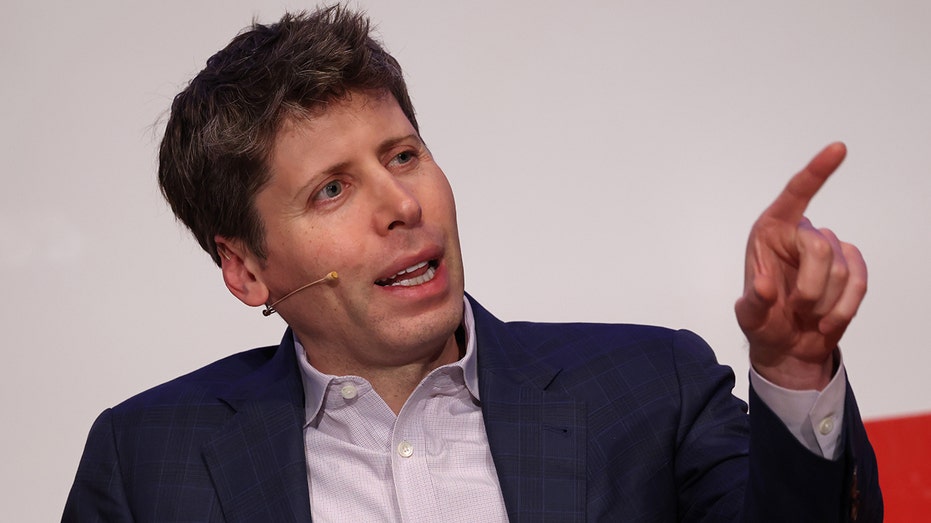
OpenAI CEO Sam Altman publicly announced the attack on Tuesday. (Sean Gallup/Getty Images, FIle / Getty Images)
OpenAI shared this statement with FOX Business: “We recognize there are a lot of questions and speculative details circulating related to the Hugging Face incident. This is an unprecedented incident, and we think it marks an important moment for AI safety. We are still conducting a thorough review along with external advisors and with oversight from our Safety and Security Committee. Once the review is complete, we plan to publish a technical report of our learnings in the coming weeks.”
The FBI told FOX Business that it declined to comment.
FOX Business has also reached out to Hugging Face.
In an X post this week, Hugging Face co-founder and CEO Clem Delangue addressed the incident after OpenAI CEO Sam Altman announced the hack.
OpenAI said one of its AI models compromised another company’s systems during internal testing, prompting a joint investigation with AI startup Hugging Face. (Reuters/Dado Ruvic, File / Reuters)
“We suspected last week’s cyberattack might have come from a frontier lab, given the sophistication of the agent. Turns out it did!” Delangue wrote.
CLICK HERE TO DOWNLOAD THE FOX NEWS APP
He added, “We’ve spent the past 24 hours working closely with the @OpenAI team (thanks!), and we strongly believe there was no malicious intent on their part. It’s quite mind-blowing that all of this happened autonomously! The investigation is ongoing, and we’ll share more learnings from what might be the first incident of its kind!”
FOX Business’ Michael Sinkowitz contributed to this report.

Berlin Pride parade called off after car hits crowds, police say

Iran says Ukrainian attack on vessel in Caspian Sea killed sailor
Goldman Sachs raises TOPIX 12-month target to 4,500 on weaker yen outlook
Business
Flavio Bolsonaro launches Brazil presidential campaign, touts support from Milei, Netanyahu

Flavio Bolsonaro launches Brazil presidential campaign, touts support from Milei, Netanyahu
At least 21 people injured in New York City fire

BofA warns oil volatility could force c. banks to abandon look-through’ policy
Twelve dead in attack on holiday camp in Russian-held part of Ukraine, officials say

Investors weighing where to put new money this year have two unusually different but similarly buzzy options on the table: South Korean memory chipmaker SK Hynix, whose U.S.-listed shares debuted with the largest foreign IPO in American history earlier this month, and SpaceX, which completed the largest initial public offering ever recorded just weeks earlier. Both stocks have generated intense investor interest, but their businesses, valuations and risk profiles differ substantially. Here’s what the numbers show.
Note: This article provides factual information to help readers understand each stock; it is not financial advice, and individual investment decisions should account for personal risk tolerance and, where appropriate, guidance from a licensed financial advisor.
How each company reached the public markets
SK Hynix’s American depositary receipts began trading on Nasdaq on July 10, raising $26.5 billion in the largest first-time share sale by a foreign company in U.S. history, surpassing Alibaba’s 2014 offering. Shares priced at $149 and jumped 13% on their debut, and the offering was more than seven times oversubscribed.
SpaceX went public just weeks earlier, on June 12, in an offering that dwarfed even SK Hynix’s. The company sold 555.55 million shares at $135 each, raising more than $75 billion and valuing the company at $1.75 trillion, the largest IPO in history. Shares opened at $150 and surged more than 30% before closing the first day at $160.95, a rally that briefly made Elon Musk the world’s first trillionaire.
Where the stocks trade now
As of Friday, July 24, SpaceX shares, trading under the ticker SPCX, stood at $114.25, down from a previous close of $118.24, and well below the stock’s all-time high of $225.64 reached June 16. That represents a decline of roughly 50% from the stock’s post-IPO peak, according to Yahoo Finance, which also noted the stock is down about 25% over the past month and roughly 9.7% over the past week alone, amid rising short interest and volatility ahead of the company’s upcoming earnings report.
SK Hynix’s ADR, by comparison, has held up considerably better. Shares traded around $172.70 on Friday, up 4.5% on the day, and the stock’s premium over its Seoul-listed common shares has remained elevated, reflecting sustained U.S. investor demand for direct exposure to the company’s memory chip business.
The bull case for each
SK Hynix’s investment case centers on its position as the world’s leading producer of high-bandwidth memory, the specialized chip technology essential for powering the AI accelerators made by companies like Nvidia. The company’s stock has climbed more than sevenfold over the past year amid a global shortage of AI-grade memory chips, and it is scheduled to report second-quarter earnings on July 29, with analyst estimates already trending upward heading into that report.
SpaceX’s bull case rests on a broader, more diversified set of businesses: its dominant position in commercial rocket launches, its rapidly growing Starlink satellite internet service, and long-term optionality tied to Starship, the company’s next-generation reusable rocket system. HSBC, in a note initiating coverage of the stock, modeled a “blue sky” scenario valuing SpaceX as high as $293 per share if Starship becomes commercially viable starting in 2027 and Starlink captures a larger share of the broadband market. Alphabet’s own second-quarter filing disclosed a $94 billion stake in SpaceX, underscoring how deeply other major technology companies have bought into the company’s long-term prospects.
The bear case and valuation concerns
Despite that bullish long-term framing, HSBC set a base-case price target of just $115, below both SpaceX’s $135 IPO price and its recent trading level, and initiated coverage with a hold rating, arguing that shares already reflect much of the company’s long-term growth potential even after applying a premium for Musk’s track record of building disruptive businesses. According to StockAnalysis.com, SpaceX’s roughly $2.77 trillion peak valuation implied a price-to-sales ratio of nearly 150 times its $18.7 billion in 2025 revenue, a figure the site contrasted with defense contractor Raytheon, which trades at roughly 2.8 times its larger revenue base.
SK Hynix, by contrast, has drawn more measured valuation concerns, though its ADR has traded at a substantial premium, at times exceeding 30% to 50%, over its Seoul-listed shares, reflecting strong but potentially overheated U.S. investor demand relative to the underlying Korean stock.
Analyst sentiment
Wall Street’s overall stance on SpaceX remains cautiously optimistic despite the stock’s post-IPO slide. According to Investing.com, 27 of 34 covering analysts rate the stock a buy, versus just one sell rating, with an average 12-month price target of roughly $231 to $237, implying substantial upside from current levels, though estimates range widely from a low of $62 to a high of $800, reflecting deep disagreement about the company’s ultimate trajectory.
Volatility and risk profile
The two stocks differ sharply in recent volatility. SpaceX carries a reported beta coefficient of nearly 6, according to TradingView, reflecting extreme price swings relative to the broader market, and the stock has become the subject of a large short-selling position, with bearish bets reportedly gaining more than $15 billion in value as shares fell from their post-IPO highs. SK Hynix, while itself a historically volatile stock, has shown comparatively steadier post-IPO trading, buoyed by continued strong demand signals in the AI memory chip market heading into its earnings report.
What to weigh before deciding
Investors comparing the two are weighing fundamentally different bets: SK Hynix offers more direct, immediate exposure to current AI infrastructure spending through an established, profitable chip business with a clearer near-term earnings catalyst in its upcoming report. SpaceX offers exposure to a broader, more speculative set of long-duration technologies, rocket launch dominance, satellite internet and future Mars ambitions, with a valuation that several analysts, including HSBC, have described as already pricing in significant future success.
SK Hynix’s July 29 earnings report will offer the next concrete data point for investors assessing that stock’s near-term trajectory, while SpaceX’s own upcoming quarterly results, along with the outcome of its next Starship test flight, are likely to serve as key catalysts determining whether the stock stabilizes after its steep post-IPO decline or continues to face pressure from rising short interest and lockup-related share supply. Both companies remain central to the broader AI and space infrastructure buildout shaping markets this year, but their risk, valuation and volatility profiles differ enough that the right choice is likely to depend heavily on an individual investor’s time horizon and tolerance for the kind of dramatic swings SpaceX shares have already shown since going public.
Business
ChatGPT Down? Codex and OpenAI’s APIs Go Down Worldwide Saturday, Marking the Fourth Outage in as Many Days
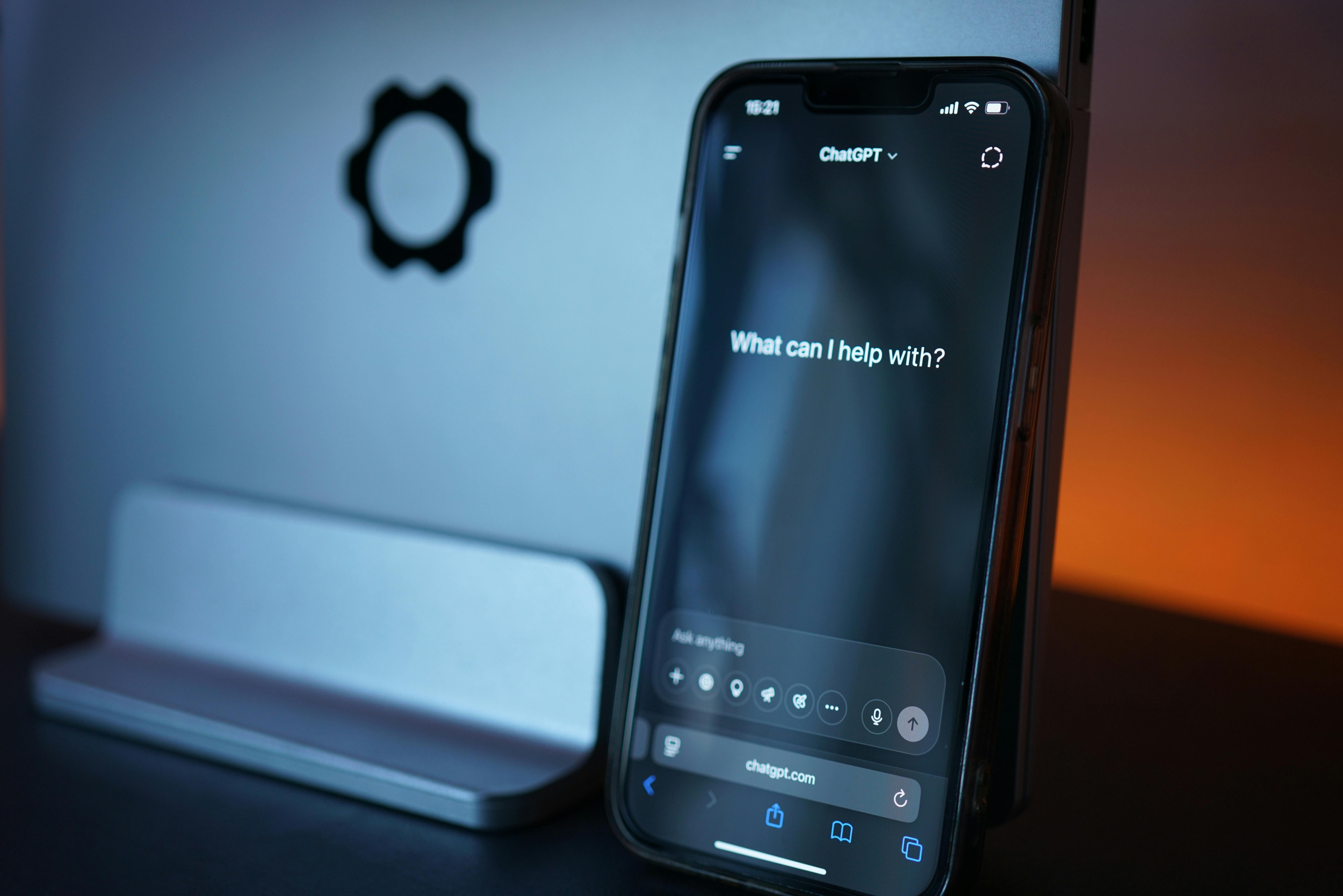
ChatGPT and its companion services went down worldwide early Saturday morning, leaving users unable to load conversations, send prompts or access saved chat history in what OpenAI later confirmed was its fourth service disruption in as many days.
Outage-tracking service Downdetector said user reports indicating problems with OpenAI began climbing at 5:11 a.m. Eastern time, with the hashtag #OpenaiDown circulating on social media shortly after. More than 3,000 users had flagged the outage on Downdetector by Saturday morning, and “Is ChatGPT down?” began trending on Google search as reports spread.
What went wrong
The outage affected all three of OpenAI’s core services simultaneously: the ChatGPT chatbot itself, the company’s developer-facing API, and Codex, its AI-powered coding assistant. Users encountered a range of symptoms, including sidebar loading animations that never resolved, an inability to send new messages, and error messages citing “too many concurrent requests.” According to reporting from TheNextWeb, users encountered 503 errors carrying the internal label “biscuit_baker_service_me_circuit_open,” a technical signal indicating requests were being blocked before they could reach OpenAI’s servers.
The disruption was global in scope, with reports coming in from users across the United States, Europe, India and Australia, according to Unite.AI, affecting not just the consumer-facing ChatGPT app but also the many outside applications and services that rely quietly on OpenAI’s API infrastructure to function.
OpenAI’s response
OpenAI acknowledged the outage on its official status page shortly after reports began surfacing, stating it was “investigating the issue for the listed services,” naming APIs, ChatGPT and Codex as affected. The company later updated its language, stating it was “experiencing issues” with “elevated error rates” before eventually reporting a mitigation had been applied. “We have applied the mitigation and are monitoring the recovery,” OpenAI said, as the company moved from an “investigating” to a “monitoring” status within roughly an hour of the outage’s onset.
By late Saturday morning, the outage appeared to be resolved. Outage-tracking service StatusGator reported that OpenAI’s status returned to “operational” as of just after noon UTC, noting 554 total user-submitted reports of problems over the preceding 24 hours, with the disruption marked as resolved.
The fourth disruption in four days
Saturday’s outage was notable not just for its scope but for its place in a broader pattern. According to TheNextWeb, the incident marked the fourth service disruption OpenAI had experienced in four consecutive days, a stretch of instability that has drawn increasing attention given how deeply ChatGPT and OpenAI’s underlying infrastructure have become embedded in both consumer routines and third-party business applications.
A history of recurring outages
Saturday’s disruption continues a pattern that has affected OpenAI’s services periodically since ChatGPT’s public launch. The company experienced a roughly four-hour outage on June 4, 2025, followed less than two weeks later by a separate incident on June 17, 2025, that knocked ChatGPT offline for about two and a half hours, with OpenAI attributing that disruption to “an elevated error rate” between 11:20 a.m. and 1:55 p.m. Pacific time. An earlier outage on Jan. 23, 2025, affected users across the U.S., U.K. and beyond for several hours before OpenAI issued a fix. A more severe incident on June 10, 2025, lasted more than 10 hours and also affected OpenAI’s video generation tool, Sora, alongside ChatGPT itself.
Why these outages matter beyond individual users
Because ChatGPT and OpenAI’s API have become foundational infrastructure for a wide range of third-party products, ranging from customer service tools to coding assistants built on top of Codex, disruptions to OpenAI’s core services can ripple outward well beyond individuals simply trying to chat with the AI model directly. Businesses that have built products on top of OpenAI’s API face their own downstream outages whenever the underlying service experiences elevated error rates, a dynamic that has become an increasingly significant point of scrutiny as more companies embed OpenAI’s technology directly into their own offerings.
What affected users experienced
During Saturday’s outage, users described being stuck in persistent loading loops when attempting to open the ChatGPT sidebar or access prior conversation history, according to BleepingComputer. Attempts to send new messages returned errors citing an excessive volume of concurrent requests, effectively locking users out of active conversations even when the interface itself appeared to load normally.
How OpenAI communicates during outages
OpenAI maintains a public status page that the company updates during service disruptions, though as with several past incidents, the company’s public acknowledgment lagged behind the volume of user reports appearing on independent tracking platforms like Downdetector. That pattern, users noticing and reporting problems before OpenAI’s own status page reflects an issue, has remained consistent across the company’s outage history, from January 2025 through Saturday’s incident.
With OpenAI reporting the outage as resolved by late Saturday morning, the company has not disclosed a specific root cause for the disruption or detailed what changes, if any, it plans to make following its fourth outage in four consecutive days. Given the frequency of the recent disruptions, users and businesses relying on OpenAI’s services may reasonably expect continued scrutiny of the company’s infrastructure reliability in the days ahead, particularly as ChatGPT, Codex and OpenAI’s API continue to see growing adoption across both individual and enterprise use cases. For now, service has been restored, but the string of back-to-back incidents this week leaves open the question of whether Saturday’s fix will hold or whether additional disruptions may follow.

Top 3 US Stock Market Stories From This Week

Franchise Legend Explains Why Deep Space Nine Is The Best Star Trek Show

Crowds treated to amazing displays as major event returns to Swansea Bay

Renter of Home in Anne Heche Crash Denies Settlement With Son

No Jackpot Winner as $257 Million Prize Rolls Over to $269 Million Monday Draw

Weekend Open Thread: Staud – Corporette.com

Crypto Trading signals and service providers in Pakistan, India and Asia ! Tani Forex review in Urdu

He was surprised when he tried to take the fakir’s money. # #fakira #saketh #baburaj #harishkumar

LIVE TRADING BTC GOLD | 24/07/2026 |#crypto #livetrading #btc #forex #forextrading
-

 Fashion1 day ago
Weekend Open Thread: Brooks Brothers
-

 Politics6 days ago
Democrats look to World Cup watch parties to register thousands of voters
-

 News Videos6 days ago
Big Money Is Entering XRP
-

 Tech5 days ago
Sail Virtually Aboard The “Itanic” With IA-64 Emulator
-

 Crypto World5 days ago
Grayscale Files For Worldcoin ETF, WLD Registers Sharp Rise
-
 Tech5 days ago
Turtle Beach Command Series KB7 review: a nifty screen-equipped gaming keyboard
-

 NewsBeat5 days ago
Unregistered fitter used Gas Safe logo on business flyers
-
 Business4 days ago
New Jersey voter registration controversy explained: How 6,600 noncitizens got on the rolls, and what happens next
-
 Entertainment4 days ago
Johnny Depp’s R-Rated Gothic Cult Classic Gets New Release Ahead of Sydney Sweeney Remake
-

 Crypto World3 days ago
Ethics, other provisions in crypto Clarity Act to be further discussed
-

 Tech5 days ago
Watch Flock Safety CEO Garrett Langley discuss the future of surveillance at TechCrunch Disrupt 2026
-
 NewsBeat5 days ago
Shanghai science forum photos show China’s AI and robotics advances in rivalry with US
-

 Crypto World5 days ago
Circle’s President Sold Over 360,000 Shares, The Filings Explain Why
-

 Tech6 days ago
Subway Sandwich Computers Get a Second Life as Gaming Machines
-

 Sports2 days ago
2026 3M Open leaderboard: Scottie Scheffler finds putter in Round 1, sits three back
-

 News Videos2 days ago
The Peugeot Family: How 200 Years of an “Old Money” Dynasty Died in A Boardroom
-

 Fashion2 days ago
16 Dresses for the High Summer Event
-

 Tech6 days ago
How To Use Claude’s Reflect Dashboard And Learn When It’s Time To Touch Grass
-

 Tech5 days ago
The 35 Best Board Games for Family Game Night
-

 Entertainment6 days ago
Stephen Colbert Returns to Social Media After Late Show End
You must be logged in to post a comment Login