

Business
10 Lechon Belly Business Name Ideas Philippines

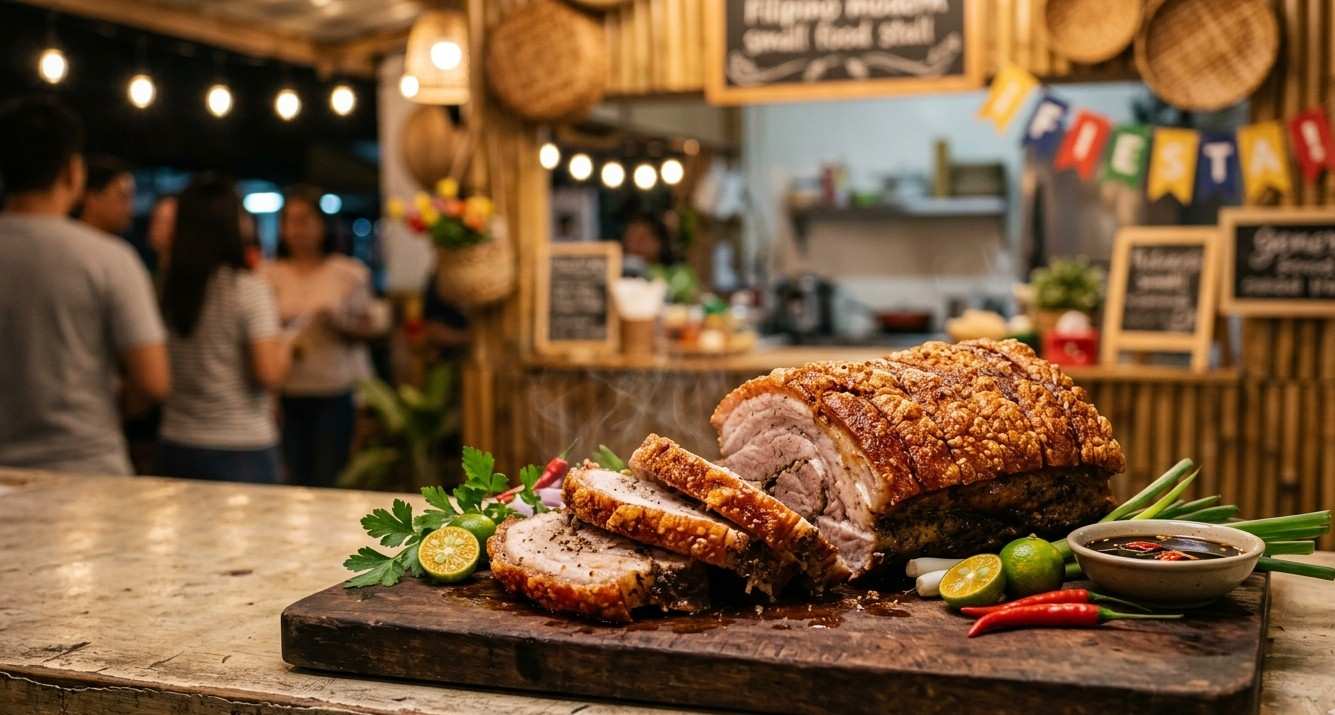
Starting a Lechon Belly business in the Philippines can be a profitable opportunity for aspiring food entrepreneurs. Filipinos love lechon for birthdays, fiestas, reunions, office celebrations, and even simple family gatherings. Because of this strong demand, many small food businesses are entering the market hoping to build a recognizable and trusted brand.
But before you start selling your crispy and flavorful lechon belly, one important step is choosing the right business name. A good business name helps customers remember your brand, creates a strong first impression, and makes your business stand out from competitors.
In this article, we will share 10 unique Lechon Belly business name ideas in the Philippines along with branding tips, marketing suggestions, and practical advice for beginners.
Why Your Lechon Belly Business Name Matters
Your business name is more than just words printed on your signage or Facebook page. It becomes part of your identity as a business owner. A memorable and catchy name can help:
- Increase brand recall among customers
- Build trust and professionalism
- Improve social media visibility
- Make your business easier to recommend
- Create a strong emotional connection with customers
In the highly competitive food industry, branding matters just as much as taste. Even if your lechon belly is delicious, customers may forget your business if your name is too generic or difficult to remember.
1. Bellychon Republic
Bellychon Republic sounds modern, premium, and memorable. The word “Republic” gives the impression that your business specializes in different styles or flavors of lechon belly.
This name works well if you plan to expand into multiple branches or offer various menu options like spicy lechon belly, garlic flavor, or stuffed lechon belly.
Branding Tip: Use a bold logo with red, black, and gold colors to create a premium Filipino food identity.
2. Crispy Belly Masters
This business name highlights one of the most important qualities customers look for in lechon belly — crispy skin.
Crispy Belly Masters sounds confident and professional. It suggests expertise and quality, which can attract customers looking for authentic and well-cooked lechon belly.
This name is ideal for businesses that want to position themselves as experts in roasted pork dishes.
3. Juan’s Belly Roast
Adding a Filipino-inspired name like “Juan” creates a local and relatable identity. Juan’s Belly Roast sounds friendly, traditional, and easy to remember.
This type of branding works especially well for neighborhood food businesses and online food delivery services.
Marketing Idea: Use social media storytelling about family recipes and Filipino traditions to strengthen your brand image.
4. Belly Fiesta Lechon
Lechon is commonly associated with celebrations and gatherings in the Philippines. Belly Fiesta Lechon instantly creates a festive and joyful impression.
This name is perfect if your target market includes catering services, party trays, and event orders.
Customers are more likely to remember names connected to positive emotions like celebrations and family occasions.
5. Golden Crackling Belly
One of the best parts of lechon belly is the crunchy skin or “crackling.” Golden Crackling Belly emphasizes texture and premium quality.
This business name sounds more upscale and can appeal to customers willing to pay extra for high-quality lechon products.
Pro Tip: Pair this branding with professional food photography for better Facebook and Google marketing performance.
6. Belly Hub Express
If you plan to focus on delivery services, takeout, or food apps, Belly Hub Express is a modern and flexible business name.
The word “Express” suggests fast service while “Hub” gives the impression of variety and convenience.
This name works well for cloud kitchens, online sellers, or businesses operating through food delivery platforms.
7. Mang Kiko’s Lechon Belly
Traditional Filipino-style names still work very well in the local food industry. Mang Kiko’s Lechon Belly feels authentic, homegrown, and trustworthy.
Customers often associate “Mang” or “Aling” brands with homemade quality and affordable prices.
This is ideal for entrepreneurs who want a classic Filipino business identity.
8. Belly King PH
Belly King PH is short, modern, and easy to remember. The “PH” helps reinforce local identity while also improving online branding opportunities.
This type of name is social media friendly and works well for:
- Facebook Pages
- TikTok food content
- Instagram marketing
- Food vlog collaborations
Simple business names are often easier for customers to search online.
9. Roast & Crunch Belly Co.
This business name combines two qualities customers love: roasted flavor and crispy texture.
Roast & Crunch Belly Co. sounds trendy and premium, making it suitable for younger audiences and modern food concepts.
If you plan to build a stylish brand with aesthetic packaging and strong online presence, this name may fit your business perfectly.
10. Cebu Belly House
Cebu is famous for its flavorful lechon, so using Cebu-inspired branding can help create instant credibility.
Cebu Belly House sounds authentic and professional while maintaining a Filipino identity.
Even if your business is located outside Cebu, the name can still remind customers of the famous Cebu lechon style.
Reminder: Always ensure your branding remains truthful and does not falsely claim awards, certifications, or origin.
Tips for Choosing the Best Lechon Belly Business Name
1. Keep It Easy to Remember
Avoid overly complicated names. Customers should easily remember and pronounce your business name after hearing it once.
2. Check Social Media Availability
Before finalizing your name, check if the Facebook page name, TikTok username, or domain name is still available.
3. Make It Relevant to Food
Your business name should instantly give customers an idea of what you sell.
4. Avoid Copying Existing Brands
Do not imitate famous restaurant names or existing businesses. Unique branding helps avoid legal problems and builds originality.
5. Think Long-Term
Choose a name that can still work if you expand your menu or open additional branches in the future.
How to Market Your Lechon Belly Business
Even with a great business name, proper marketing is still important for success. Here are some effective strategies:
Facebook Marketing
Create engaging posts with high-quality food photos and customer testimonials. Facebook remains one of the strongest marketing platforms for food businesses in the Philippines.
TikTok Videos
Short videos showing crispy lechon belly slicing, cooking preparation, and customer reactions can attract thousands of views.
Food Delivery Apps
Partner with local delivery riders or food delivery apps to increase convenience for customers.
Google Business Profile
Register your business on Google so nearby customers can easily find your store online.
Important Business Reminder
Before officially operating your Lechon Belly business, make sure to comply with local government permits, food safety regulations, and business registration requirements in the Philippines.
You may also consult the following agencies for guidance:
- Department of Trade and Industry (DTI)
- Bureau of Internal Revenue (BIR)
- Local Government Unit (LGU)
- Food safety and sanitation offices
Proper compliance helps protect both your business and your customers.
Disclaimer
The business names mentioned in this article are intended for inspiration and informational purposes only. Readers are encouraged to conduct proper business name verification, trademark research, and registration checks with the appropriate government agencies before using any name commercially. Availability of business names may vary depending on existing registrations and intellectual property rights.
A strong business name can help your Lechon Belly business attract attention, build customer trust, and create long-term brand recognition. Whether you prefer a modern, traditional, or premium-style identity, choosing the right name is an important first step toward building a successful food business in the Philippines.
Remember that while branding matters, consistency in taste, customer service, cleanliness, and marketing will ultimately determine your long-term success.
With the right business name and a delicious product, your Lechon Belly business could become the next favorite food brand in your local community.

Business News Philippines was launched in October 2015 as a portal for readers to learn more about operating a business in the Philippines.

El Salvador opposition pitch former lawmaker, doctor to run against Bukele in 2027
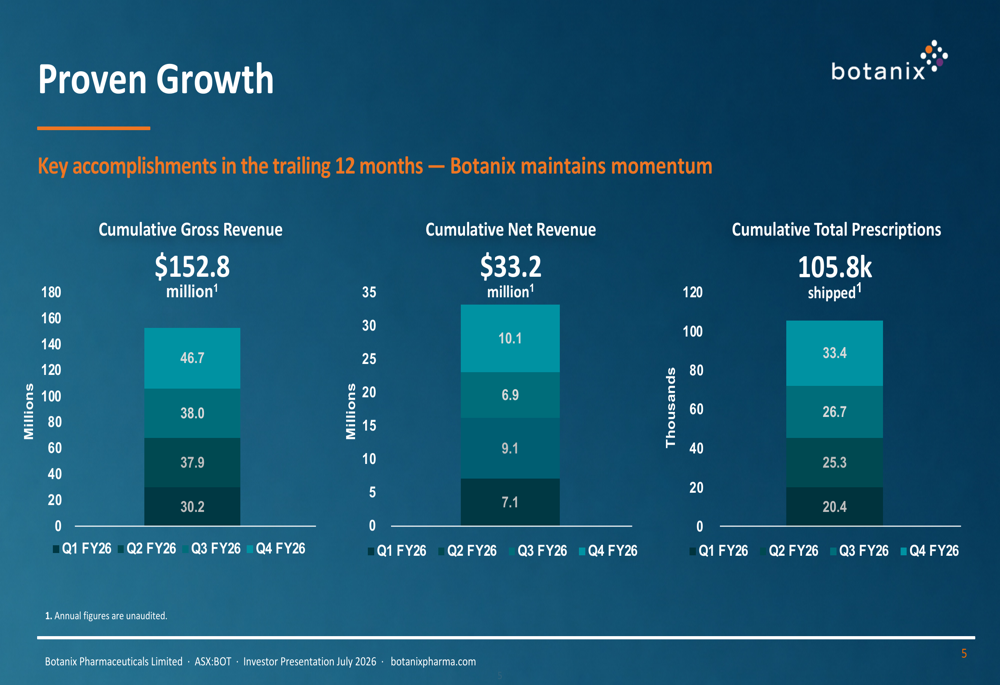
Botanix Q4 FY26 slides: revenue jumps 45% as stock slides
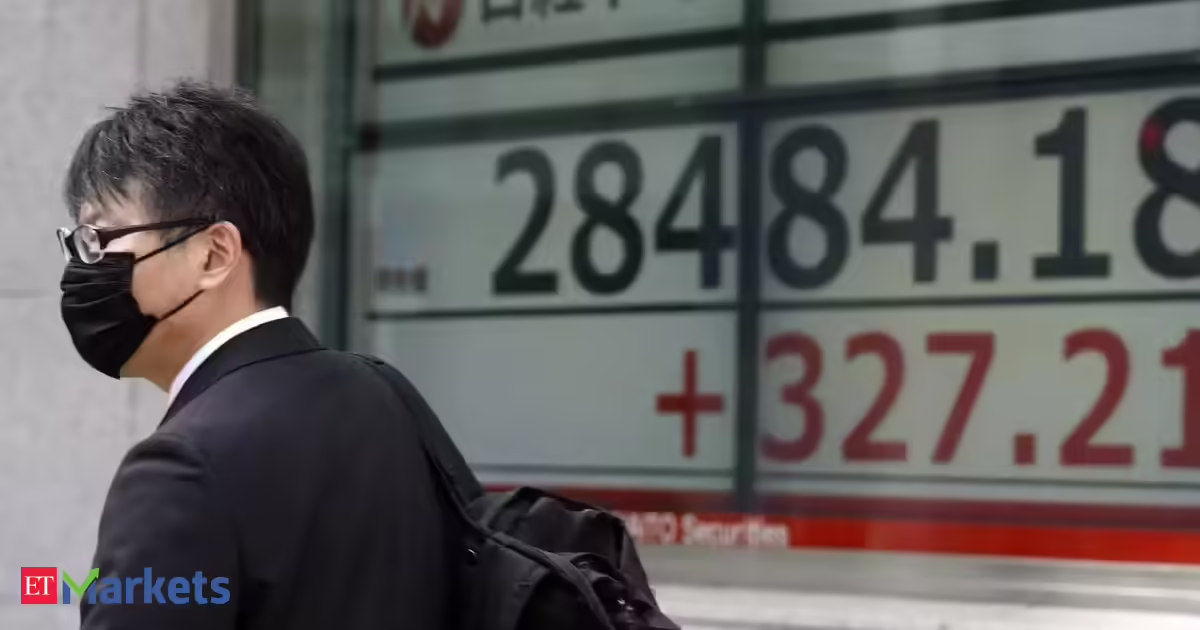
Brent crude fell as much as 7.4% to below $90 a barrel, before paring losses as the US paused an almost two-week run of strikes against Iran. MSCI’s Asia Pacific equities gauge rose 0.4% and contracts for the Nasdaq 100 Index climbed 1.2% as sentiment improved after last week’s selloff in chip stocks.
The dollar, the haven of choice during the Middle East conflict, weakened against almost all of its Group-of-10 peers as tensions eased. Treasuries gained along with government bonds in Australia and New Zealand as inflation concerns receded. Gold led precious metals higher.
Read more: August Rush: Over 2 dozen companies plan Street debut next month
“A resolution to the conflict would be a positive development,” said Shoji Hirakawa, chief global strategist at Tokai Tokyo Intelligence Lab. The pause in attacks raises “hopes that the two sides will enter negotiations.”

The lull in hostilities sets the tone for a pivotal week in markets, with traders focused on whether the Federal Reserve will raise interest rates on Wednesday after the recent surge in oil prices fueled inflation concerns. Investors are also awaiting earnings from megacap technology companies after a recent backlash against heavy spending on artificial intelligence.
After striking Iran for 13 days, the US has apparently held off since late Friday without explanation, raising questions about President Donald Trump’s next move. Iran’s army said Sunday that Tehran had also suspended its military response. The pause came as Iranian and Omani officials held talks over shipping through the Strait of Hormuz, raising hopes that the key oil transit route may avoid further disruption.
Tensions in the Middle East had sent oil prices soaring in July, overshadowing a tamer-than-expected reading on June consumer prices that seemed to offer officials breathing room to keep rates stable. Add to that a demand boom fueled by AI and the Trump administration’s announcements of new tariffs, and Fed watchers see the possibility of dissents at the July 28-29 meeting if officials again leave policy unchanged.
“We think the Fed will probably not hike,” Krishna Guha, head of central bank strategy at Evercore ISI, wrote in a note. “But we cannot take the probability too low given Warsh’s refusal to set out his strategy,” he said, referring to the new Fed chair Kevin Warsh.
Three days of Group-of-Seven central bank decisions begin with the Fed on Wednesday, followed by the Bank of England and the Bank of Japan. While no changes are expected in interest rate policy, officials are likely to emphasize vigilance over the inflationary impact of higher energy prices.
Elsewhere, the Singapore dollar strengthened against the US currency after officials further tightened monetary policy. The Monetary Authority of Singapore, which uses the exchange rate as its main policy tool rather than interest rates, raised the rate of appreciation of its policy band “very slightly,” it said. It left the width and center unchanged.
In other corners of the market, the yield on the Treasury 10-year fell five basis points to 4.63%. Non-interest-bearing gold climbed over 1% to $4,100 an ounce. The yen strengthened to about 163.60 per dollar.
Another key focus for markets will be earnings from megacap technology companies after a recent round of selloff in AI stocks rekindled doubts over whether billions of dollars being poured into infrastructure will generate commensurate returns. The selloff showed how much the narrative around AI and the Magnificent Seven tech behemoths has shifted.
This change makes for a tough setup heading into this week, with earnings from Microsoft Corp. and Meta Platforms due on Wednesday, followed by Apple Inc. and Amazon.com Inc. on Thursday.
“That is shaping up as the major clearing event for the month,” said Billy Leung, an investment strategist at Global X Management. “The market has been punishing AI capex guidance all July even when the underlying numbers beat, so the read-through from these three on spending trajectory and monetisation will do more to set direction than anything in today’s session.”
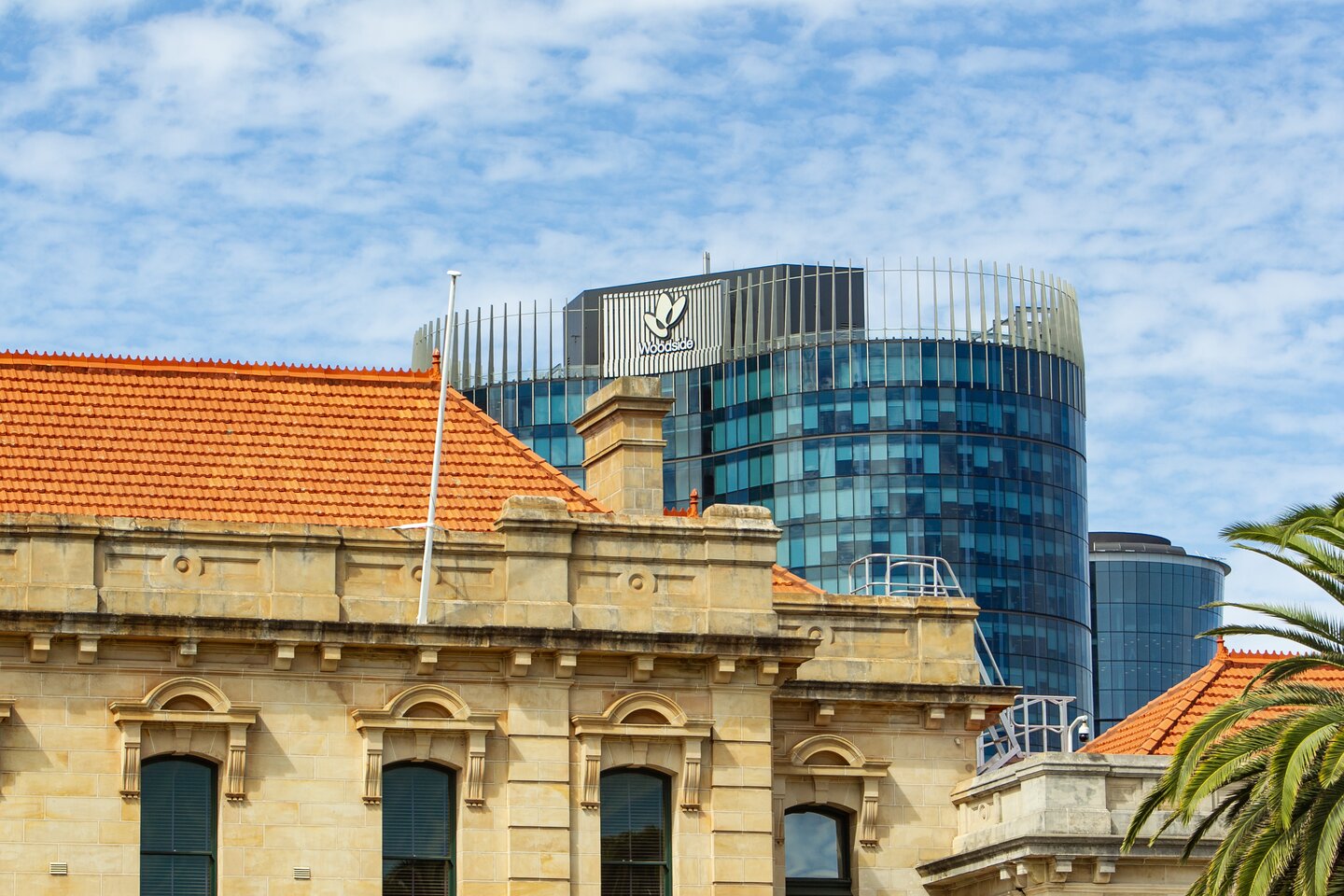
The WA government has declared the Woodside Energy’s Browse gas field a significant state project, in a move which could streamline its development once approved.

Singapore central bank surprises with second straight policy tightening
Abstract
- Southeast Asia faces mounting pressure as US-China rivalry intensifies, drawing comparisons to the volatile geopolitical conditions preceding World War I. ASEAN’s long-standing approach of balancing American security partnerships, Chinese trade ties, and broader economic relationships is under increasing strain as both powers push the region to align with their competing interests.
- Malaysia and the wider region have become central to technology and supply chain competition, making passive neutrality increasingly difficult to sustain. Rather than simply avoiding alignment, Southeast Asian nations are urged to develop collective strategic resilience substantial enough to prevent either superpower from treating the region as subordinate terrain in their broader rivalry.
Southeast Asia faces growing US-China rivalry reminiscent of pre-WWI tensions. ASEAN’s traditional diplomatic balancing act is under strain as both superpowers pressure the region. Malaysia and Southeast Asia must build collective strategic weight beyond polite neutrality to avoid becoming casualties of great-power conflict.
Key Points
• An ancient Southeast Asian instinct of careful navigation resurfaces as US-China rivalry intensifies, mirroring dangerous pre-WWI patterns of declining hegemony, rising challengers, territorial disputes, and nationalist tensions that threaten regional stability.
• ASEAN’s decades-long diplomatic balancing act — absorbing American security, Chinese trade, and multiple powers’ investments — faces unprecedented strain as both superpowers pressure the region to align with their competing visions of world order.
• Southeast Asia, particularly Malaysia, has become a critical geopolitical hinge in the technology and supply chain war, making passive neutrality increasingly untenable as great-power competition penetrates the region’s economic infrastructure.
The Return of Great-Power Rivalry
Southeast Asia faces a world that smells dangerously like 1914. History is repeating its familiar patterns: a declining hegemon, a rising challenger, territorial disputes, naval build-ups, and nationalist fever amplified by new technologies. Author Odd Arne Westad’s The Coming Storm serves as a critical warning that the region must heed. If America and China stumble into conflict, Asean’s 684 million people and US$3.84 trillion in global trade will not be spectators — they will be the table. The challenge is no longer simply avoiding a choice between Washington and Beijing, but building enough collective resilience that neither superpower can treat Southeast Asia merely as terrain.
Asean’s Diplomatic Balancing Act Under Strain
For decades, Southeast Asia performed a remarkable feat of strategic improvisation, absorbing American security, Chinese trade, Japanese capital, and European markets while transforming swamps into ports and fishing villages into industrial hubs. This wasn’t cowardice — it was survival. However, Washington now speaks through export controls, tariffs, and technology denial, while Beijing leverages coastguard vessels, artificial islands, and infrastructure loans. Both superpowers publicly respect Asean’s autonomy while privately preferring it exercised in their favour. The region’s famously consensus-driven, carefully worded diplomacy — once its greatest strength — is buckling under the pressure of a fundamentally harsher geopolitical reality.
Malaysia’s Precarious Position at the Crossroads
Malaysia sits almost perfectly inside this great-power contradiction. Facing the strategically vital Strait of Malacca and deeply embedded in both Chinese commerce and American technology supply chains, Malaysia cannot afford complacency. Penang alone, as a critical global semiconductor hub, has become part of the nervous system of 21st-century geopolitical competition. Modern rivalries are no longer fought only on battlefields — they play out through customs forms, export permits, sanctions lists, and undersea cables. As Southeast Asia becomes the world’s favourite supply-chain workaround, it simultaneously becomes the place where both powers test each other’s limits. The elephants are moving. The question is no longer whether the storm can be avoided — but where the lightning strikes first.
Source : Opinion: The table, not the audience — Asean and the coming US-China collision
Other People are Reading
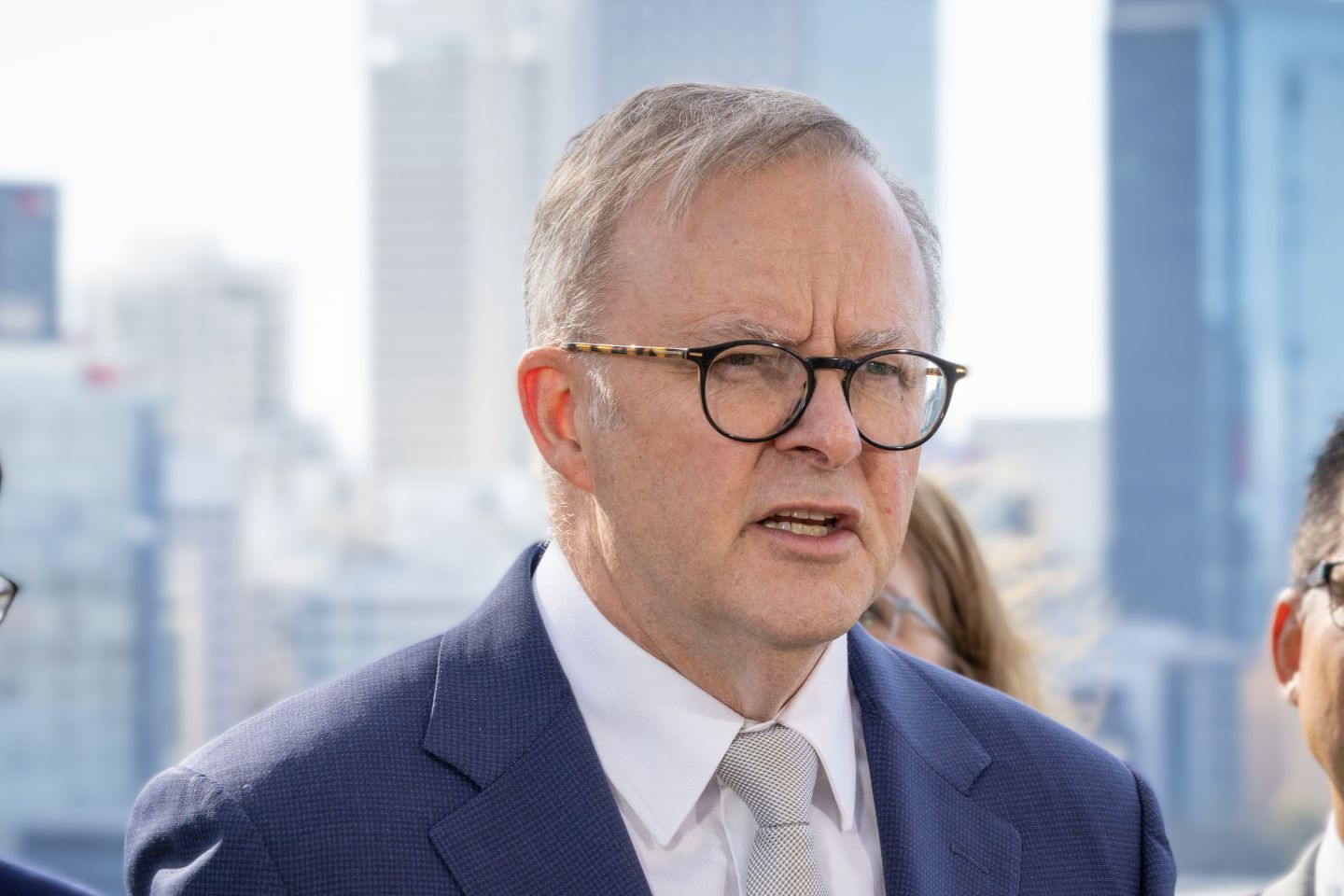
The Rudd-Gillard era of disunity has likely influenced Labor’s approach to prioritise unity over potentially fractious public debate, a political historian says.
Factional leaders blocked public discussion about the party’s position on Israeli actions, including a reference to “genocide” against Palestinians, on the conference floor during a three-day meet in Adelaide that closed on Saturday.
The only debate thrashed out in the open at Labor’s national conference was on expanding voluntary assisted dying to telehealth appointments, with all other changes passed unopposed.
Backroom deals on policy platform motions weren’t unusual, but the conference was very managed compared to past events, prominent Labor historian Frank Bongiorno said.
“This is a government and a party that is still very wounded really by its last time in office between 2007 and 2013, when there was a collapse of unity,” the University of Canberra academic told AAP.
“Going back to that period, you wouldn’t say there was a strong culture of debate at conference, although they did obviously have the debate over marriage equality and also debates about selling uranium to India.
Professor Bongiorno said the party had more frequent robust conference debates in 1970s, 80s and 90s, including on privatisation.
“It was taken for granted that when you had something that was particularly contentious that there was going to be some sort of debate,” he said.
“I think back to someone like (prime minister Paul) Keating making the case on the floor in 1984 for allowing foreign banks into the country.
“There just doesn’t seem to be that kind of culture … it’s clearly wound down and I suspect the media environment is part of the reason for that.”
The policy adopted by Labor delegates noted the party’s opposition to Israeli annexation of Palestinian territories and called for illegal settlement activity to end.
Former cabinet minister Ed Husic, now a backbencher, led the push for the party to publicly have it out over the party’s policy.
But Gaza hadn’t universally split Labor’s left and right factions in the same way other foreign policy issues had in decades past, Prof Bongiorno said.
“Look at who the major, open dissenter is: someone who comes from the NSW right in Ed Husic,” he said.
“That would have been utterly unheard of back in the 1980s and 90s, for someone from that faction to take that kind of position.”
The prime minister, who originates from the party’s left faction, on Sunday defended Labor limiting debate, declaring the meeting the “most transparent political conference in Australia by far”.
“The party has changed and one of the things that’s happened in the party is we are more cohesive, more united than we’ve ever been before,” he said.
Opposition home affairs spokesman Jonathon Duniam said the prime minister ruled his party with an “iron fist” and any dissent at the conference was quickly shut down.

Dr Reddy’s Labs lost 10% and Cipla 8%, on bourses, underperforming the 10% gain in the BSE Healthcare index over the past 12 months. These stocks are expected to remain range-bound in the short term given the challenging business scenario. Analysts have reduced earnings forecasts for each company by 6-8% for FY27 and FY28.
Read more: August Rush: Over 2 dozen companies plan Street debut next monthDr Reddy’s reported a weaker-than-expected quarter as profitability was hit by a sharp decline in lenalidomide sales and a one-time ₹239.7-crore provision linked to quality issues in its semaglutide portfolio. Its revenue declined 5.6% year-on-year to ₹8,070.5 crore, while net profit dropped 69.2% to ₹434.8 crore.
In comparison, Cipla reported its highest-ever June quarter revenue of ₹7,119.3 crore, up 2% year-on-year, but profit declined 39.2% to ₹785.6 crore as margins came under pressure from product mix changes, launch-related investments, inventory charges and geopolitical disruptions.
Operating margin before depreciation and amortisation (Ebitda margin) for Dr Reddy’s dropped to 12.5% from 26.7% in the year-ago quarter and contracted to 16.7% from 25.6% for Cipla during the period, highlighting the profitability challenges both companies currently face.
 Agencies
While India a bright spot in Q1, investor sentiment hinges on US show
The US business remains the key transition area for both companies. Dr Reddy’s North America revenue declined 35% year-on-year as lenalidomide sales continued to normalise; however, the company maintained that its core non-lenalidomide business should deliver double-digit growth in FY27. Cipla’s North America revenue dropped 21% to ₹1,532 crore.
Both the companies, however, remain optimistic about their US prospects. Dr Reddy’s launched six products during the quarter, including first-to-market generic bosutinib, used in cancer treatment, with 180-day exclusivity, while Cipla commercialised Nintedanib (used to treat lung infections), Dapagliflozin (used in diabetes treatment), and generic Ventolin (used to treat respiratory ailments).
Obesity and peptide-based therapies are emerging as future growth drivers. Dr Reddy’s has launched generic semaglutide injection in Canada and semaglutide tablets in India, while also introducing a GLP-1 nutrition product with Nestle. Although quality issues temporarily disrupted semaglutide supplies, the company expects production to resume by November.
Cipla has gained early traction in obesity management through Yurpeak (tirzepatide), licensed from Eli Lilly. The brand generated around ₹80 crore in sales during the quarter and has already become the second-largest brand in the segment after Mounjaro.
Emkay Research has reduced earnings estimates for each of the two companies by 6-8% for FY27-28. The broker has downgraded Dr Reddy’s’ target price by 8% to ₹1,200 while maintaining a ‘reduce’ rating on the stock. On the other hand, it has retained an ‘add’ rating on Cipla, citing strong momentum in domestic sales and has retained the target price for Cipla at ₹1,450.

Earnings call transcript: Stanmore Resources posts strong Q2 2026 rebound

With combined experience of covering technology companies on Wall Street and working in Silicon Valley, and serving as an outside adviser to several seed-round startups, Gary Alexander has exposure to many of the themes shaping the industry today. He has been a regular contributor on Seeking Alpha since 2017. He has been quoted in many web publications and his articles are syndicated to company pages in popular trading apps like Robinhood.
Analyst’s Disclosure: I/we have a beneficial long position in the shares of OKTA either through stock ownership, options, or other derivatives. I wrote this article myself, and it expresses my own opinions. I am not receiving compensation for it (other than from Seeking Alpha). I have no business relationship with any company whose stock is mentioned in this article.
Seeking Alpha’s Disclosure: Past performance is no guarantee of future results. No recommendation or advice is being given as to whether any investment is suitable for a particular investor. Any views or opinions expressed above may not reflect those of Seeking Alpha as a whole. Seeking Alpha is not a licensed securities dealer, broker or US investment adviser or investment bank. Our analysts are third party authors that include both professional investors and individual investors who may not be licensed or certified by any institute or regulatory body.

Commonwealth Games 2026: England’s Adam Ramsay-Peaty into 50m breaststroke final

Russia’s Newest Defense Against Drones Are Bullets That Split Apart Once Fired

POV: If currency was normal items… PART 2 #storytime #money #squishys


-

 Fashion2 days ago
Weekend Open Thread: Brooks Brothers
-

 Crypto World6 days ago
Grayscale Files For Worldcoin ETF, WLD Registers Sharp Rise
-

 NewsBeat5 days ago
How a former Blue Peter presenter stunned America’s Got Talent judges
-

 Tech6 days ago
Sail Virtually Aboard The “Itanic” With IA-64 Emulator
-
 Tech6 days ago
Turtle Beach Command Series KB7 review: a nifty screen-equipped gaming keyboard
-

 NewsBeat7 days ago
Unregistered fitter used Gas Safe logo on business flyers
-
 Business5 days ago
New Jersey voter registration controversy explained: How 6,600 noncitizens got on the rolls, and what happens next
-
 Entertainment5 days ago
Johnny Depp’s R-Rated Gothic Cult Classic Gets New Release Ahead of Sydney Sweeney Remake
-

 Tech6 days ago
Watch Flock Safety CEO Garrett Langley discuss the future of surveillance at TechCrunch Disrupt 2026
-

 Crypto World4 days ago
Ethics, other provisions in crypto Clarity Act to be further discussed
-
 NewsBeat6 days ago
Shanghai science forum photos show China’s AI and robotics advances in rivalry with US
-

 Crypto World7 days ago
Circle’s President Sold Over 360,000 Shares, The Filings Explain Why
-

 Tech7 days ago
Subway Sandwich Computers Get a Second Life as Gaming Machines
-

 Tech2 hours ago
Intel is reversing course and bringing hyper-threading back to its server chips
-
 Sports6 hours ago
Commonwealth Games boxing: Jadumani Singh seals dominant 5-0 win over Pakistan’s Sumama Rehman to enter quarter-finals | Commonwealth Games News
-

 News Videos3 days ago
The Peugeot Family: How 200 Years of an “Old Money” Dynasty Died in A Boardroom
-

 Sports3 days ago
2026 3M Open leaderboard: Scottie Scheffler finds putter in Round 1, sits three back
-

 Fashion3 days ago
16 Dresses for the High Summer Event
-

 Entertainment7 days ago
Stephen Colbert Returns to Social Media After Late Show End
-

 Tech7 days ago
The 35 Best Board Games for Family Game Night
You must be logged in to post a comment Login