Connect with us

Tech

Perfect for any smart home

Published

on

In 2026, there are so many devices to choose from when it comes to building a comprehensive smart home, and one that’s equipped with great security credentials to make sure that you, your loved ones and any prized possessions are kept safe. While it might be tempting to start with a security camera or even a smart speaker, one of the most feature-packed devices you can buy is a video doorbell, and thanks to the work of our tech experts, we know which ones are worth buying.

Take a walk down any suburban street nowadays and there’s a good chance that you’ll spot at least a handful of video doorbells on your route. Part of their charm is that, even if you’re not the most tech-savvy person in the world, video doorbells have been designed to be highly intuitive to use, and they offer tons of features in return so you get plenty for your money.

At their core, video doorbells do exactly what it says on the tin, by offering you a live video feed of everything that’s happening outside of your front door. This is perfect for when you’re at the office but you want to make sure that a parcel has reached your home safely, and you can use two-way communication to instruct the delivery driver on where’s the best place to leave the parcel in question.

Because video doorbells are smart devices and often connected to a companion app on your smart phone, there’s also less chance of you missing an important delivery. Even if you’re in the garden and out of earshot of the doorbell, you’ll still get a notification on your phone so you can get to the door in time.

Advertisement

Thanks to motion detection and the ability to record the footage that’s been captured, video doorbells also work as a security camera to capture anything you might want to keep an eye on outside of your home. You can get a lot of use out of these devices, and our team of tech experts have whittled down the competition into this comprehensive list so that you can find the right one for your needs. If you want to expand your smart home ecosystem then check out our alternative write-ups for the best outdoor security cameras and the best indoor security cameras too.

Best Video Doorbell at a glance

Advertisement

SQUIRREL_ANCHOR_LIST

Best video doorbells


Advertisement

All video doorbells are installed on the outside of the same property, wired where required and battery-operated otherwise. We test how easy it is to control notifications and motion events on each camera. As every doorbell is installed, we can record how well each works with real visitors.

We record samples during the night and day so that we can compare image quality between different models. We also test each camera’s compatibility with other systems, including Amazon Alexa, Google Assistant, Apple HomeKit, IFTTT and SmartThings.

  • Smart home hub skills

  • Accurate mmWave alerts

  • Great video quality

  • Very fair price

  • Not fully weatherproof

  • HomeKit limits resolution

  • Slightly bulky design

If you’ve been tempted to set up a smart home ecosystem, or dismantle your current one to start again from scratch and restructure things, then the Aqara Doorbell Camera Hub G410 is an excellent place to start. As you might have guessed from its name, the G410 works both as a highly competent video doorbell and as a smart home hub, from which you can tie together all manner of devices through Thread, Zigbee and Matter, not to mention all of the automations you can set up thereafter.

While we’re enamoured by any piece of tech that can work a double shift like the G410 can, Aqara has made sure that although the device works brilliantly as a smart home hub, it hasn’t lost any of the core features that make a video doorbell competitive in the current market. On this front, one of the best things the G410 has going for it is the inclusion of mmWave radar.

Advertisement

With this feature in tow, the G410 is far more accurate in its reporting so you won’t have to deal with quite so many false alerts, which can often be a problem with lesser video doorbells. In terms of the footage itself, the camera can record 2K video which offers up plenty of detail so you can get a better understanding of what’s happening in front of your home. Admittedly, this does drop down to 1080p if you’re using Apple’s HomeKit Secure, but you get added security benefits with that method’s end-to-end encryption so there is a trade-off to be factored in.

As you’d expect, there’s two-way audio so you can quickly converse with someone at the door, and there’s a good amount of flexibility when it comes to powering the device. You can go down the battery route which offers up to five months of use at a time, so more than enough if you decide to go away for a long holiday, or you can hardwire the thing so you’ve got 24/7 coverage and total peace of mind that you won’t miss a thing.

With a tag of £130, the G410 is very reasonably priced against the competition, but we would have liked to see proper waterproofing here – the IPX3 rating just doesn’t cut it. The design is also a bit on the bulky side, so if you’re someone who’s obsessed with the appearance of your home or any tech you have, then you may want to check out some of the other options on this list, but as far as we’re concerned, the G410 ticks so many boxes that it’s easily one of the best you can buy.

Advertisement
  • Bird’s eye view is clever

  • Excellent motion detection controls

  • Improved video quality

  • Doesn’t support wired chimes

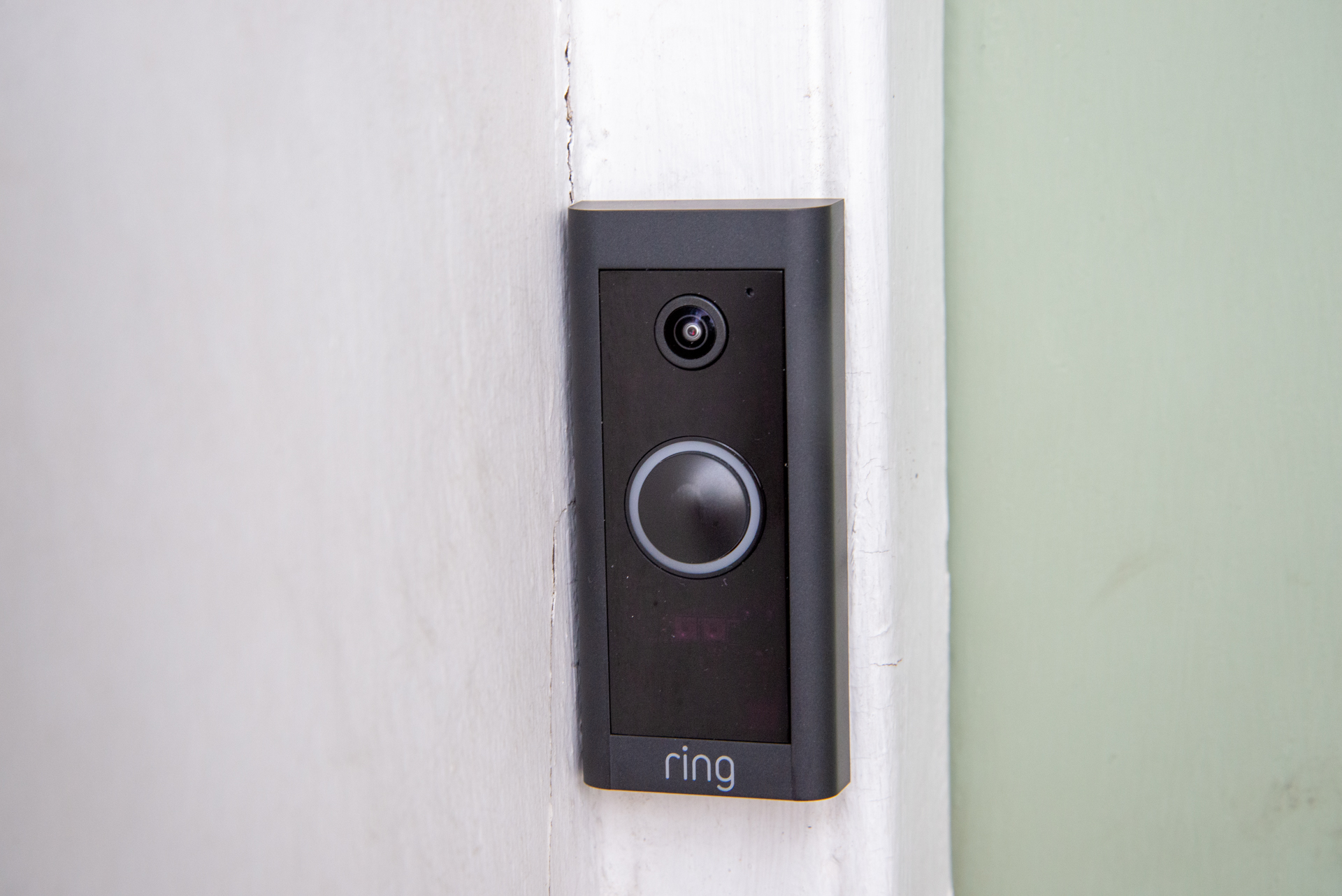
The original smart doorbell manufacturer, Ring is the biggest name in this market for a reason: its products are great. The wired Ring Video Doorbell Pro 2 is the pinnacle of the company’s technology, packing more features than anywhere else, including 3D Motion Detection.

Advertisement

Using radar, 3D Motion Detection lets you set the detection limit of the doorbell. Used in combination with standard activity zones it means that you won’t get troubled by alerts taking place outside of your front door.

As this model doesn’t have a battery, it’s slim enough to fit onto most door frames. You get a compatible transformer in the box, which may require professional installation. The downside of this model is that it can’t sound an internal chime.

However, you can buy plug-in chimes and you can also make Amazon Echo speakers sound when someone presses the doorbell, answering directly from Echo Show devices.

Image quality is excellent thanks to the high 1536 x 1536 resolution and lens that captures people head-to-toe. That’s great for talking to callers, but also increases this doorbell’s use as a security camera.

Advertisement

Video clips are saved to the cloud via a subscription (you can use this as a doorbell without recording for free), and you can pay one subscription to cover all of your Ring cameras. A subscription also lets the doorbell answer automatically with a message of your choice, recording the answer.

  • Excellent AI performance

  • Good video quality

  • Strong Alexa integration

Advertisement
  • No chime

  • No colour night vision

When it comes to video doorbells, Ring Doorbells are practically synonymous with the technology at large, and with good reason. Amazon’s home security brand consistently puts out some of the best devices that we’ve ever tested, and that sentiment only stretches further with the Ring Wired Video Doorbell 2nd Gen. This is a great buy that makes use of new AI features and Amazon’s ecosystem, but it’ll cost you in the long run.

Where this particular Ring doorbell excels is in video quality. Thanks to an all-new square format sensor, the Ring Wired Video Doorbell 2nd Gen is able to provide what the brand describes as ‘Retinal 2K’ which might sound like a bit of marketing jargon but in real-world use, it looks incredible. The 1920 x 1920 resolution packs so much detail that you don’t have to worry about losing too much visual fidelity when you want to crop into a shot.

What takes the video quality even further though is the addition of HDR video recording, so any shadows in the doorbell’s line of sight are less likely to be an issue when viewing live footage or a recording. Beyond the video quality, the Ring app is worth writing home about for how intuitive it is to use. Amazon has been refining the app over quite some time and it’s now better than ever with quick access to both the live feed for your doorbell and the previous timeline so you can catch up on anything that it may have caught earlier in the day.

Advertisement

As you would expect from the Ring brand, integration with the Alexa ecosystem is top-notch so if your smart system already makes use of Amazon’s smart assistant at its core, then you’re better off picking up a Ring doorbell as it’ll be a fairly seamless addition. For instance, you can have notifications pop up on a compatible Amazon Echo smart speaker, and even use that same smart speaker to engage in a two-way chat with someone who’s turned up at the door.

There’s a lot to like about the Ring Wired Video Doorbell 2nd Gen, but the key thing to factor in is the long-term cost of having a Ring subscription, which is almost essential to making the most out of the doorbell in question. There are options that cost as little as £5/$5, but without access to the service, you won’t be able to see a live view from the doorbell, nor will you get real-time alerts either. So long as you’re happy to pay for the added features, you’ll get on great with this doorbell.

Advertisement
  • High quality video

  • Easy to install

  • Powerful app

For the longest time, there’s been a fair few caveats to concede when siding with a battery powered Ring camera, but those days are almost long gone with the stellar Ring Battery Video Doorbell Plus.

This is a seriously capable battery powered doorbell, with the ability to now capture video at 1536p resolution. That’s a marked improvement over the Doorbell Plus’ predecessors, and well worth the upgrade if you’ve been dismayed by the previous caps on video quality.

You can now also set activity zones within the Doorbell Plus’ field of view so that you aren’t constantly bombarded with notifications of nearby movement. You don’t get the 3D Motion Detection found on some of Ring’s wired video doorbells, but there is package detection so you can know exactly when an item has reached your doorstep.

Advertisement

Ring claims that you can get up to six months of use out of a single battery before needing to recharge or swap out for a different one, but our testing found that three months is more likely if you have a decent amount of activity being picked up by the doorbell. Even so, Ring’s quick-swap system makes it incredibly easy to pop in a new battery when needed, so you won’t have to worry about any major downtime.

  • Good value

  • Wireless chime included

  • Very easy to install

Advertisement
  • Limited cloud storage

  • No wired option

  • No activity zones

For an accessible video doorbell that also rings in with an affordable price tag, the Abode Wireless Video Doorbell is well worth your attention. This battery powered pick is incredibly easy to set-up, so if you’re put off by the idea of getting too entrenched in any DIY work then you’ll appreciate the design here.

As mentioned, Abode’s Video Doorbell has a budget-friendly RRP of just £99.99, but to sweeten the deal even further, it includes a dedicated Chime at no extra cost. This accessory usually requires a separate purchase elsewhere, so to have it included here from the jump is great value for money.

Abode’s feature-set isn’t groundbreaking by any degree, but it definitely gets the job done. There’s crisp 1080p recording, but no ability to set activity zones so you may get pinged more often here than with other picks on this list. Luckily, there is an object detection mode that helps to alleviate this somewhat.

Advertisement

It’s also worth mentioning that to make the most of this device, there’s a £7.99 a month subscription service which throws in advanced motion detection and 10-days of cloud video back-up. This is a bit stingy compared to the usual minimum offering of 30-days of storage from other companies like Ring, so it’s definitely something to keep in mind.

  • Smart AI features

  • Can clearly see what’s going on

  • Excellent video quality

Advertisement
  • Homebase requires an extra plug

  • Need to remove doorbell to charge

Thanks to its second camera, the Eufy Video Doorbell Dual can spot and keep an eye on your packages in a way that other video doorbells can’t. With its high-resolution main camera, quick response times and no subscription fees, the Eufy Video Doorbell Dual is a fine alternative to the bigger names in video doorbells.

With two cameras inside it, plus a battery, the Eufy Video Doorbell Dual is a little bigger than other doorbells, but will still fit on most door frames. The doorbell can be wired to a transformer, which will keep the internal battery topped up.

Rather than connecting to Wi-Fi, the Eufy Video Doorbell Dual connects to the Eufy Homebase wirelessly. The Homebase connects to your home network via Ethernet, and setup is straightforward and quick.

Advertisement

The main camera shoots video at 2K, while the bottom camera shoots at 1080p. During the day, the video is well exposed and detailed, and you can see what’s going on right into the back of the frame. At night, the camera can shoot in colour if there’s enough ambient light, but it usually switches to black and white with IR. Close-up with people approaching your door, the camera maintained a good degree of sharpness and detail.

That second camera is a lot more useful than it may initially sound, particularly when used with the more advanced package detection options. High-quality video and no subscription charges make this a great video doorbell for those that don’t want ongoing costs.

Advertisement
  • High-resolution video

  • Easy to install

  • Quality detection features

  • No subscription fees

  • Night-time video is a little soft

  • Can’t upgrade the storage

While most video doorbells require you to have a subscription, the Eufy Video Doorbell 2K is different. This battery-powered doorbell connects wirelessly to the provided base station, which has its own 16GB of storage onboard. There’s no way to upgrade this storage, but even so, you should get at least two weeks’ footage before it’s full and older clips start to get overridden.

There are two advantages to this system. First, you don’t pay for cloud storage. Secondly, if the doorbell is stolen, the footage is safe and sound inside your home. The base station also acts as an internal chime, although you can have your Echo speakers sound, too.

Advertisement

As the camera can record when there’s motion, it’s good to see options that restrict the number of recordings. First, there are activity zones, so you can focus on the areas you want to monitor; secondly, there’s a human-only detection mode, so you’ll only get pop-up messages about people. Both together worked well and we mostly got relevant notifications only.

Incoming calls are quickly routed to a phone, and the two-way chat is clear on both sides. The camera shoots with a 2K resolution (2560 x 1920) with Wide Dynamic Range. During the day, footage is exceptionally sharp, with lots of detail. At night, the IR lights turn on and the image gets quite soft: you can still see who you’re talking to, but events happening away from the door are harder to spot.

Considering the range of features and quality of video, the Eufy Video Doorbell 2K is a great alternative to the big names, and ideal for anyone that doesn’t want to pay for cloud storage.

Advertisement
  • Great value

  • Works with wired chimes

  • Sharp, square aspect ratio video

  • No wedges in the box

  • Very wide

If you’ve already got other Ring devices (cameras, alarm), then the Ring Battery Video Doorbell (2024) is a great budget option, costing under £100.

Advertisement

This model uses an integrated battery, so it’s wider than the Ring doorbells that use a battery pack. You will need a wide door frame to fit it, and Ring doesn’t include any angled wedges in the box.

An integrated battery means that the doorbell has to be removed to be charged, although you can wire it up to a doorbell transformer for trickle charging.

You’ll need a Ring subscription for this doorbell, but once you pay, you get the same quality app and cloud storage features that you get with the company’s other products. Features include people and package detection, which cuts down the number of alerts you get.

Recording at a resolution of 1440 x 1440, the Ring Battery Video Doorbell (2024) captures footage head-to-toe. Image quality is a bit basic, with slightly soft images in the day, and night footage losing detail at range. However, for seeing who’s at the door and talking to them, this doorbell works well.

Advertisement

There are better Ring doorbells, but they all cost a lot more, making this one something of a bargain.

Test Data

  TP-Link Tapo Video Doorbell Camera D235 Aqara Doorbell Camera Hub G410 Ring Video Doorbell Pro 2 Ring Wired Video Doorbell (2nd Gen) Ring Battery Video Doorbell Plus Abode Wireless Video Doorbell Eufy Video Doorbell Dual Eufy Video Doorbell 2K (Battery-powered) Ring Battery Video Doorbell (2024)

Advertisement

Advertisement

Full Specs

  TP-Link Tapo Video Doorbell Camera D235 Review Aqara Doorbell Camera Hub G410 Review Ring Video Doorbell Pro 2 Review Ring Wired Video Doorbell (2nd Gen) Review Ring Battery Video Doorbell Plus Review Abode Wireless Video Doorbell Review Eufy Video Doorbell Dual Review Eufy Video Doorbell 2K (Battery-powered) Review Ring Battery Video Doorbell (2024) Review
Manufacturer TP-Link Ring Ring Ring Abode Eufy Eufy Ring
Quiet Mark Accredited No No
IP rating IP57
Size (Dimensions) 50 x 39 x 150 MM 96 x 73 x 149 MM 49 x 22 x 114 MM 53.6 x 26 x 132.5 MM 62 x 28 x 128 MM 50 x 33 x 127 MM 53 x 28 x 165 MM 54 x 28 x 140 MM x x INCHES
Weight 301 G 534 G 1.24 G
ASIN B0DK5ZPSHH B086QKXW1M B09WZBVWL9 B09377VH3T B0BZWS9K81
Release Date 2024 2025 2021 2026 2023 2022 2022 2021 2021
First Reviewed Date 18/10/2024 29/09/2025 11/05/2021 07/05/2026 24/07/2023 30/06/2023 04/04/2022 10/12/2020
Model Number D235 Aqara Doorbell Camera Hub G410 Video Doorbell Pro 2 Ring Video Doorbell Plus Abode Wireless Video Doorbell Eufy Video Doorbell Dual Eufy Video Doorbell 2K Ring Battery Video Doorbell (2024)
Resolution 2560 x 1920 2732 x 1536 1536 x 1536 1920 x 1920 1536 x 1536 1920 x 1080 2560 x 1920 2560 x 1920 1440 x 1440
Voice Assistant Amazon Alexa Amazon Alexa Amazon Alexa Amazon Alexa, Google Assistant Amazon Alexa, Google Assistant Google Assistant, Amazon Alexa Amazon Alexa
Battery Length 7 months 5 months hrs 0 hrs 6 months 6 months 6 months 6 months 6 months
Smart assistants Yes Yes Yes Yes Yes Yes Yes Yes
App Control Yes Yes Yes Yes Yes Yes Yes Yes Yes
IFTTT Yes Yes Yes Yes Yes Yes
Camera Type Doorbell Smart doorbell Video doorbell Doorbell Smart video doorbell Video doorbell Video doorbell Doorbell Video doorbell
Mounting option Wall Wall Straight, angle Screw mount, horizontal shim supplied Wall Wall mount Wall Wall Wall
View Field 140 degrees 175 degrees 150 degrees 140 degrees 150 degrees 160 degrees 160 degrees 160 degrees 150 degrees
Recording option microSD, cloud (optional) SD or cloud Cloud Cloud Cloud Cloud 16GB local storage Local Cloud
Two-way audio Yes Yes Yes Yes Yes Yes Yes
Night vision Yes (full colour) Yes (IR) Full Colour, IR Infrared only Yes (IR and full colour) Yes (IR) IR Yes (IR) Yes (full colour)
Light LED spotlight N/A No No No No Spotlight No N/A
Motion detection Yes mmWave 3D Motion Detection Yes Yes (PIR) Yes (PIR) Yes (radar and IR) Yes Yes
Activity zones Yes Yes Yes Yes Yes Yes Yes Yes
Object detection People, pets, cars, packages People Package, people People, packages People, packages, pets People, packages People People, packages
Audio detection No No No No No
Power source Battery, mains Battery Mains Wired Battery (compatible with doorbell transformers) Battery Battery (wired optional) Battery Battery
UK RRP £120 £130 £219 £60 £159.99 £98.99 £229 £179 £99.99
USA RRP Unavailable $249.99 $80 $160 $99.99 $179 $99.99
EU RRP Unavailable €249 €80 Unavailable Unavailable
CA RRP Unavailable CA$249.99 CA$110 Unavailable Unavailable
AUD RRP Unavailable AU$399 Unavailable Unavailable Unavailable

Source link

Continue Reading
Click to comment

You must be logged in to post a comment Login

Leave a Reply

Tech

How to Negotiate Your Salary Before You Say Yes

Published

on

This article is crossposted from IEEE Spectrum’s careers newsletter. Sign up now to get insider tips, expert advice, and practical strategies, written in partnership with tech career development company Parsity and delivered to your inbox for free!

Scroll through LinkedIn right now and you may find the same advice repeated by well-meaning people: “In a market this rough, just be grateful anyone will hire you. Take the offer.”

I could not disagree more.

Negotiating your offer is not ungrateful, and it isn’t greedy. Done well, it’s good for you and good for the company hiring you. I misunderstood this early in my career, and it cost me.

Advertisement

I didn’t know it was an option

When I got my first job in tech, I didn’t know negotiation was even on the table. The recruiter asked what salary I wanted, and I gave a number below the bottom of their range. They came back with the lowest number in their band—still more than I had asked for—and I was thrilled. I had no idea I’d left money on a table I couldn’t see.

Then I started teaching at a Bay Area coding bootcamp in the evenings. A coworker mentioned what he made and it was nearly double my salary for roughly the same work. My jaw dropped.

During that time, I began interviewing and got an offer. I handed in my resignation and my manager countered with an offer for nearly 30K more. That money had been there the whole time. At that moment, I realized my salary was a business decision, not a measure of my worth.

What it looks like from the other side

Years later, I became an engineering manager and saw the salary discussion from a different angle: A position would open. Many interviews later, we’d find someone we wanted, and HR would hand me a salary range to make an offer. I was encouraged to make an initial offer near the bottom to leave room for, you guessed it, negotiations.

Advertisement

Most applicants didn’t negotiate.

The first offer is rarely the ceiling. It’s usually the floor. Companies extend a reasonable number and quietly hope you say yes.

It’s not all about the money

Negotiating isn’t only about a bigger paycheck. (But who doesn’t want that?)

Let’s say you’re on the job market, maybe recently laid off, and a low offer comes in. You take it out of relief. Then you start, you like the team, and you quietly resent the number. Now you’re stuck with it, and you’ll probably leave that role inside a year or whenever the market improves.

Advertisement

Nobody wins there. You’re back on the market starting over, and the company loses someone good and pays more to replace you, when a fair number up front would have cost far less.

Paying you fairly is cheaper than starting over.

How to actually do it

People overcomplicate this. Once I have an offer, I say some version of this:

“Thank you so much for the offer, and I’m genuinely excited to join the team. I’m hoping we can come in around [10 to 20 percent higher than the original number]. Is there any wiggle room here?”

Advertisement

Then I stop talking and let them respond.

Why 10 to 20 percent and not double? The number you ask for is itself a signal. Ask for something wildly out of range and you’ve told them you never learned what the role pays, or that your expectations are miles from reality. That’s what makes a company walk away. A calibrated request reads as someone who knows their worth and did their homework.

You’ve probably heard a horror story about someone who asked for more and had the offer yanked. Any company that would pull an offer over a reasonable question about pay is telling you exactly how they’ll treat you once you’re inside.

If the salary can’t move, it isn’t the only lever. I’ve negotiated more remote days, a later start to drop my kids off, and a sign-on bonus when the base was locked. Most people negotiate none of these perks.

Advertisement

You have more leverage than you think

Negotiating can feel like something you can only do from a position of power. But if you’re in the final stages of an offer, you already have it. They want to hire you. They’ve spent weeks finding you. Now they’re hoping you say yes.

That’s true even if you were recently laid off. Even if it’s your first job. Even if the number already looks higher than you expected.

The game is being played whether or not you join in. Sit it out, and you’re not just leaving money on the table. You may be quietly shortening your own stay at a job you could have been happy in. So ask.

—Brian

Advertisement

If you’ve been on the job market for a software engineering role recently, you’ve probably encountered—or used—AI tools in the hiring process. From application filters to live interview assistants, both applicants and employers are trying to use generative AI to their advantage. Can real, human skills still shine through in this new reality?

Read more here.

Sarah Downs, a Ph.D. student in electrical engineering at Texas A&M University, has long been interested in robotics and dreamed of working with NASA. This year, she achieved that dream, collaborating with NASA and the U.S. Air Force on an algorithm that enables satellites to insert an antenna into the correct spot.

Read more here.

Advertisement

Women make up only about 28 percent of the global STEM workforce, in part because of limited access to educational resources for preuniversity students—especially in areas like rural India. An IEEE initiative, the Women in Science, Engineering (WiSE) project launched to help expand opportunities and hands-on learning for young women.

Read more here.

From Your Site Articles

Related Articles Around the Web

Advertisement

Source link

Continue Reading

Tech

Amazon earnings preview: Wall Street looks for more cloud growth as AI spending hits a record

Published

on

Amazon reports quarterly earnings Thursday afternoon, facing the same test as every other big tech company right now: whether it’s generating enough business to justify its massive AI spending.

Wall Street expects revenue of about $196.4 billion, up 17% from a year ago, and earnings of $1.82 per share. That’s essentially the midpoint of Amazon’s own forecast for the second quarter.

Part of that growth is due to the calendar. Prime Day ran June 23-26 this year, during the second quarter in the U.S. and most large markets. Last year it ran July 8-11, in the third quarter. That gives Amazon’s retail numbers a boost this time that the year-ago quarter didn’t have.

Another factor is the cloud. AWS grew revenue 28% last quarter, its fastest rate in nearly four years, and analysts expect the acceleration to continue with revenue of roughly $40.5 billion for the second quarter, up 31%, according to Zacks Consensus Estimates.

The company plans a record $200 billion in capital expenditures this year, nearly all of it for data centers, servers and chips to support increased capacity for training and running AI models.

Advertisement

Amazon is making those investments based in part on demand from big AI companies including OpenAI and Anthropic, which have signed commitments to AWS worth $138 billion and more than $100 billion, respectively, for the coming years.

“We’re not investing approximately $200 billion in capex in 2026 on a hunch,” CEO Andy Jassy wrote in his April shareholder letter.

In the meantime, the spending is absorbing nearly all of the cash from Amazon’s operations. Free cash flow fell to $1.2 billion over the past 12 months, from $25.9 billion a year earlier.

Investors seem to be losing patience with that tradeoff overall. Google parent Alphabet beat expectations last week and its stock fell anyway, after raising its own capital spending forecast to as much as $205 billion for the year. Microsoft reports earnings Wednesday afternoon.

Advertisement

@media (max-width: 600px) {
aside.callout { float:none !important; max-width:100% !important; margin-left:0 !important; margin-right:0 !important; }
aside.callout .callout-img { display:none !important; }
}

One difference for Amazon is its custom chip business — Graviton, Trainium and Nitro — which passed a $20 billion annual revenue run rate last quarter. Jeff Bezos said this week that it’s becoming a fourth pillar of the company, alongside Marketplace, Prime and AWS.

The company is overhauling its approach to AI model development. Business Insider reported this week that Amazon is winding down most of its in-house Nova models and concentrating engineers on a new frontier model effort, with a new flagship model expected at re:Invent this fall.

Amazon cut jobs in its AGI organization last week and confirmed that it’s closing its San Francisco AI site, while saying its frontier model research would continue.

Advertisement

At the same time, AWS is spending to help other companies deploy AI, committing $1 billion at the end of June to embed its own engineers with enterprise customers building agentic systems, following similar moves by OpenAI and Anthropic.

Check back with GeekWire for coverage on Thursday afternoon.

Source link

Advertisement
Continue Reading

Tech

Gemini for MacOS Gets New Voice and ‘Screen Awareness’ Features

Published

on

Gemini users on MacOS are getting new voice capabilities, Google announced Wednesday. The app was released earlier this year and the tech giant has consistently added new features since its launch. The latest release will give you new ways to interact with Gemini using just your voice and a new screen awareness mode.

The Gemini app for MacOS is fairly feature-rich considering it’s only a couple of months old, and Google is continuing the feature push with the latest release. Pro and Ultra models have access to Gemini Spark, which can clean up your folders or reorganize things autonomously. You can also use them to create images or videos with just a couple of clicks. 

One of the two new features in this release is intelligent dictation, which will transcribe words into polished text wherever your mouse cursor is and automatically remove your “ums” and “ahs.” The feature isn’t unlike what we saw with Android 17’s Rambler feature, which will automatically clean up text on the fly as you speak. Text dictation isn’t anything new at this point, but now there’s a Gemini AI-powered option that may make it more useful than ever. 

The other new feature rolling out is a new Screen Awareness mode. This opt-in feature will allow Gemini to get a better understanding of what you’re working on by “seeing” what’s on your screen and active windows on your computer, so it can execute tasks on your behalf. Google gives the example of highlighting text inside a document and telling Gemini, “Turn these notes into an executive summary.” Gemini will then replace the highlighted text with the requested output. 

Advertisement

The new voice capabilities are rolling out globally to all users of the Gemini app in English, with more languages to become available later this year.

Source link

Advertisement
Continue Reading

Tech

The War Game & Threads 4K UHD Reviews: Two Nuclear Nightmares That Still Terrify

Published

on

Nearly two decades apart, Peter Watkins’s The War Game and Mick Jackson’s Threads stripped away the comforting fiction that anyone could meaningfully prepare for nuclear war, depicting the physical, social, and moral collapse that would follow a thermonuclear attack on Britain. Both landmark productions have now received definitive 4K UHD releases from Severin Films, preserving their unflinching warnings with extensive restorations, archival supplements, and elaborate limited edition packaging.

The War Game

By the mid-’60s, writer-director Peter Watkins had pioneered the faux documentary as a cinematic art form, and he successfully pitched the BBC on bringing that style to a telefilm that took a hard look at potential nuclear conflict. The War Game combines frank, fact-based narration with scripted scenes of everyday Brits displaying their lack of knowledge about the dangers of modern weaponry before becoming caught up in the preparation, devastation, and aftermath of it all.

the-war-game-4k-ultra-hd-movie

Reportedly drawing from official government positions and the scientific knowledge of the era, the events shown are raw and disturbing, particularly the later scenes of injury and death. The results on screen were so shocking, in fact, that the BBC chose never to air the program, although the specifics of who called for the ban remain a matter of debate and are discussed at length in a featurette included in this set. Even so, prints of The War Game leaked and made their way across the pond, ultimately leading to an Oscar win for Best Documentary Feature.

Long a difficult movie to find, it has taken on almost mythic status for its uniquely effective use of a simulated documentary approach and is sought after by Cold War historians. Severin Films has changed the game with its magnificent boxed set, scanning the original 16mm, 4:3 black-and-white film in 4K and undoubtedly presenting it in its best quality ever. Even as the camerawork impresses with long, complex takes, we marvel at the razor-sharp image, which lays bare the individual fibers and subtle patterns in a citizen’s coat.

The high dynamic range also brings an extra bit of sparkle to an immaculate police car on a sunny day, while the gruesome radiation-burn makeup might force some viewers to turn away. That is not to say the image is flawless, as many instances of vertical scratches and all manner of dirt and splotches have been—deliberately?—left in place.

Advertisement

The mono audio is delivered across the two front channels, with clean and clear dialogue throughout. Even higher-pitched sounds, such as crying and screaming, reproduce reasonably well despite the track’s age, and the shockwaves are sufficiently convincing.

On the 4K disc, the movie includes an audio commentary by a pair of experts. The HD Blu-ray also features an introduction by filmmaker and admirer Alex Cox, several mostly new interviews with experts and crew members, and rarities such as scouting footage for a proposed remake. Severin has also unearthed two shorts from early in Watkins’s career.

Inside the sturdy slipcase are an authorized reprint of Watkins’s The War Game book—the script accompanied by numerous photographs, in its first U.S. publication since 1967—collectible postcards, and a replica of a UK evacuation pass.

The War Game – Movie Details

  • STUDIO: Severin Films
  • FORMAT: Ultra HD 4K Blu-ray (August 11, 2026)
  • THEATRICAL RELEASE YEAR: 1966
  • ASPECT RATIO: 1.33:1
  • HDR FORMATS: Dolby Vision, HDR10
  • AUDIO FORMAT: DTS-HD Master Audio 2.0 Mono
  • LENGTH: 48 mins.
  • MPAA RATING: NR
  • DIRECTOR: Peter Watkins
  • STARRING: Dick Graham, Michael Aspel, Dave Baldwin, Kathy Staff, Peter Watkins
Advertisement. Scroll to continue reading.

Our Ratings

★★★★★★★★★★ Movie

Advertisement

★★★★★★★★★★ Picture

★★★★★★★★★★ Sound

★★★★★★★★★★ Extras

Where to buy:


Threads

Years later, in 1982, a BBC executive revisited The War Game and realized that television audiences had still never seen a realistic depiction of nuclear war. He commissioned director Mick Jackson to create a new project. As part of his research, Jackson eventually screened 1983’s The Day After, one of the most watched television movies in history, but deemed it too Hollywood, meaning too soft and optimistic. Working with writer Barry Hines, he dramatized the bleakest of fictional futures, in which civilization has all but disintegrated, families are shattered, and many survivors envy the dead.

Advertisement
threads-4k-ultra-hd-movie

The title refers to the connections that tie a society together, foretelling the ruin that comes when they weaken and break. And break they do, as the immediate effects of the bombs are followed by disease, violence, starvation, and slow, painful death. Yes, there is quite a bit of mundane melodrama leading up to the attack in the first half, which I suppose is the point. We get to know these relatable characters and their familiar wants, needs, and foibles before witnessing their dark descent. As such, it is a very different experience from The War Game and all the more nightmare inducing for it.

Threads also has 16mm, 4:3 origins, this time in color, and those hues can be quite strong, as when we see children frolicking in a playground. Despite Dolby Vision and a frequently triple-digit video bitrate, the image here is a mixed bag. The shifts to and from mushy stock footage can be jarring, while the grain can be almost unforgivably harsh, obscuring much of the action. At the very least, close-ups of newspapers pop.

This is not a fault of the audio mastering, but the heavy regional accents made much of the dialogue challenging to understand, so I needed to engage the subtitles from time to time. The overall sound design for this 1984 TV movie is quite plain, which is not surprising, so it is perfectly adequate, although the intermittent blast of a jet engine struck me as artificial.

The movie carries two commentaries, the first with Jackson and the second with star Karen Meagher, who also sits for an on-camera conversation on Disc Two. The production designer and director of photography are interviewed as well, in addition to a half-hour appreciation. The third and final disc serves up a new two-hour documentary about the movie and its legacy, plus a bonus interview with author Julie McDowall. Not to be outdone, this limited edition has its own rigid slipcase, postcard, and reproduction of the complete vintage public safety booklet, Protect & Survive.

The War Game and Threads remain two of the most uncompromising visions of the world’s nuclear fate, capturing the height of Cold War paranoia with unvarnished realism. Both are now preserved for a new generation in these two standout 4K sets.

Advertisement

Threads – Movie Details

  • STUDIO: Severin Films
  • FORMAT: Ultra HD 4K Blu-ray (July 28, 2026)
  • THEATRICAL RELEASE YEAR: 1984
  • ASPECT RATIO: 1.33:1
  • HDR FORMATS: Dolby Vision, HDR10
  • AUDIO FORMAT: DTS-HD Master Audio 2.0 Mono
  • LENGTH: 117 mins.
  • MPAA RATING: NR
  • DIRECTOR: Mick Jackson
  • STARRING: Karen Meagher, Reece Dinsdale, David Brierley, Rita May, Henry Moxon, June Broughton
Advertisement. Scroll to continue reading.

Our Ratings

★★★★★★★★★★ Movie

★★★★★★★★★★ Picture

★★★★★★★★★★ Sound

★★★★★★★★★★ Extras

Advertisement

Where to buy:

Source link

Continue Reading

Tech

Tropical Diseases Like Dengue Fever and Chikungunya Are on the Rise in Europe

Published

on

In September 2024, a handful of patients showed up at the emergency room in the coastal city of Fano, Italy, with mysterious symptoms: a rash on their hands and feet, fever, nausea, and diarrhea. Doctors sent for various tests until one came back with a positive result for dengue, a viral infection spread by mosquitoes, usually in tropical regions of the world. They tested the other patients, and, sure enough, they had dengue too. The strange thing? None of the patients had recently traveled to a country where they might expect to pick up a dengue infection. The only thing they had in common was visiting a particular neighbourhood in Fano.

As climate change increases temperatures across Europe, invasive mosquitoes are spreading and introducing disease agents that Europeans would usually think about only when traveling to other continents. The Fano outbreak wasn’t the first time dengue had been detected as spreading locally in mainland Europe, but it was significantly larger than previous incidents, with 199 cases detected between mid-August and mid-October of 2024. Over the past few years, European countries have reported outbreaks of other mosquito-borne viruses such as chikungunya, a painful disease that causes joint swelling, and West Nile virus. In a heating world, so-called tropical diseases are no longer restricted to tropical regions—and researchers expect the trend to continue.

The main current culprit is the mosquito Aedes albopictus, commonly known as the Asian tiger mosquito (or just the tiger mosquito, given it’s now found across all continents). Unlike many mosquito species, it bites in the daytime as well as at night. The tiger mosquito already has established populations across Europe, particularly in the south, and we can expect it to move north, says Riccardo Moretti, a senior researcher at the Italian National Agency for New Technologies, Energy and Sustainable Economic Development (ENEA), who has been working on tiger mosquitos for more than 20 years.

The tiger mosquito thrives between 20 and 30 degrees Celsius (68 to 86 Fahrenheit), but it can still live at around 10 Celsius (50 Fahrenheit). “This means that at the moment there are already conditions that could allow for the spread of the Asian tiger mosquito, even in England,” Moretti says. At the moment, these conditions are limited to the warmest part of the year in northern European countries. But farther south, such as in Greece, the mosquito season is elongating. Moretti says researchers have found adults buzzing around until December and reappearing already in March; they overwinter as eggs. “There is a concrete risk that in the next few years, we could have a population capable of surviving throughout the year,” Moretti says.

Advertisement

At the moment, cases of mosquito-borne diseases in Europe tend to occur toward the end of summer. This is when tiger mosquitoes are most prevalent, and it’s also when more people return from travel. Someone unwittingly brings back an infection that isn’t found in Europe—dengue, say—and gets bitten by a tiger mosquito. The mosquito goes on to bite other people, and the disease spreads locally. But as the weather cools, the mosquitoes get less active and cases subside. If the mosquito season lasts longer, however, more infections can occur. Ultimately, says Moretti, there’s a risk that tropical diseases like dengue could become endemic in parts of Europe, meaning the disease is always there. “It is completely different dealing with occasional cases of virus transmission, and instead dealing with a permanent status of possibility of transmission,” he says.

A difference of a couple of degrees can make a big difference. Earlier this year, a study found that the conditions required for tiger mosquitoes to transmit chikungunya were cooler than previously thought. The mosquitoes can spread the virus at just 14 degrees Celsius (57 degrees Fahrenheit) rather than 16 (61 degrees Fahrenheit), meaning outbreaks could occur in most European countries and for longer periods. “That difference of two degrees matters a lot when we are talking about global warming,” says Sandeep Tegar, an epidemiological modeler at the UK Centre for Ecology and Hydrology, who led the study.

Source link

Advertisement
Continue Reading

Tech

DoorDash Air Clears the Skies for Its Own Delivery Drones

Published

on

DoorDash Air Drone Delivery Service Launch
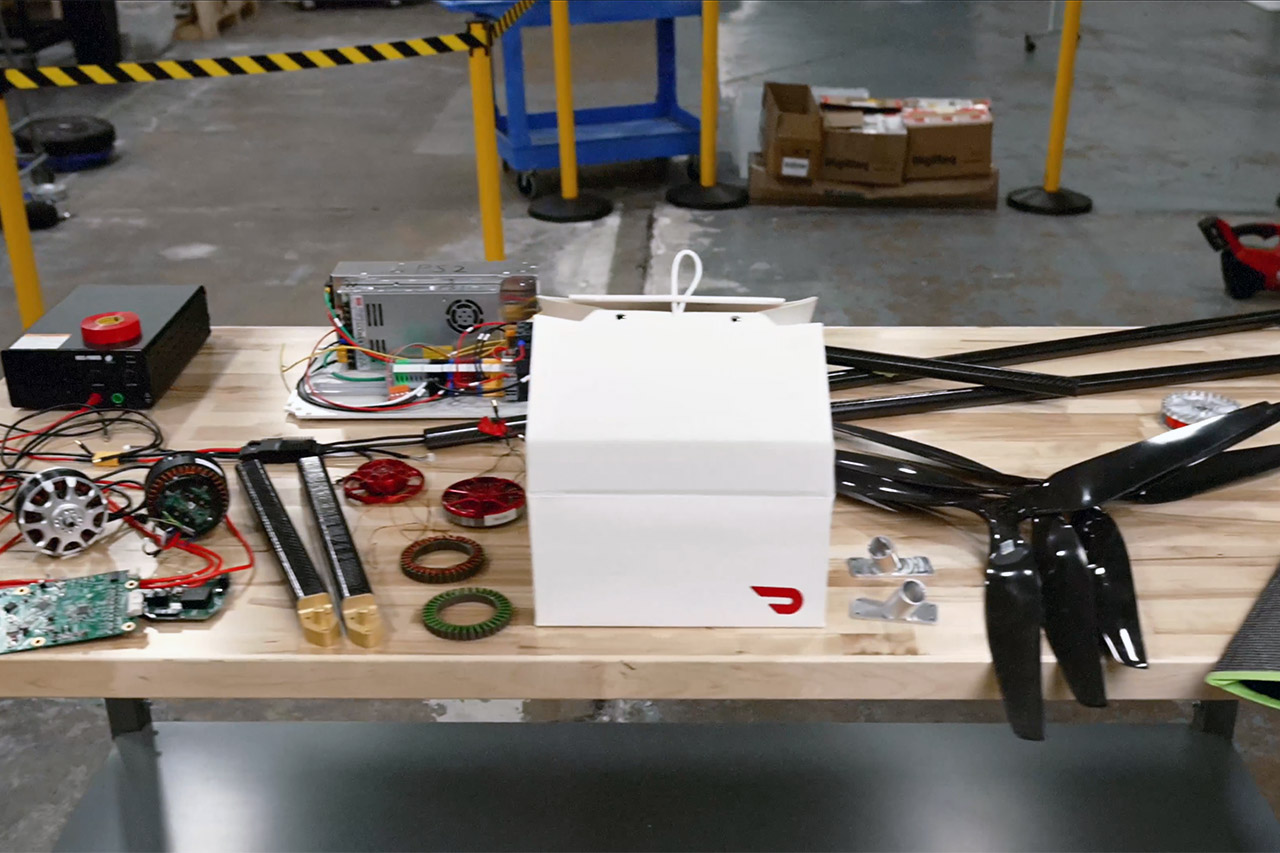
DoorDash spent years watching other companies fly its food. On July 29 the company announced it will now fly the orders itself. DoorDash Air is the new in-house program that received Federal Aviation Administration Part 135 air carrier certification, the same approval that lets a company legally operate commercial drone deliveries across the United States. DoorDash becomes only the eighth operator to clear that bar. The certification followed a five-stage review that checked aircraft airworthiness, maintenance systems, and safety procedures.

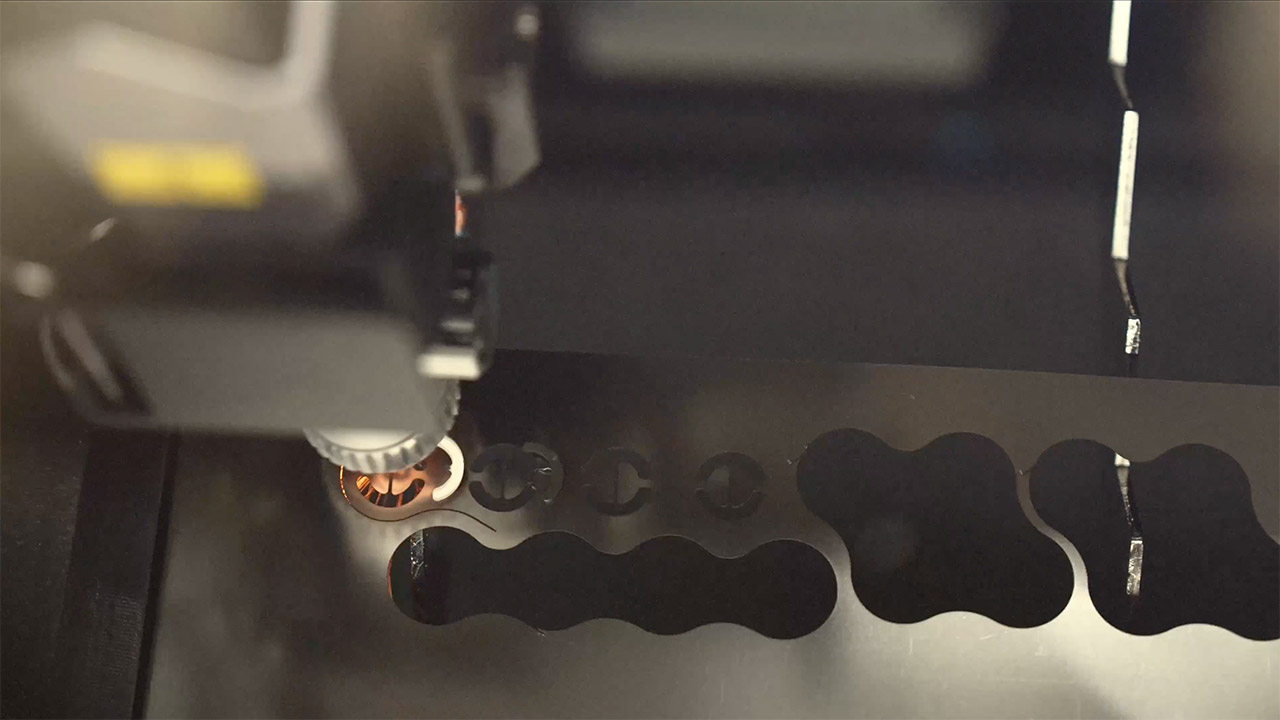
The aircraft and supporting technologies were developed within DoorDash labs, the same robotics team that created Dot, the company’s sidewalk delivery robot. According to DoorDash, the drone was designed specifically to address holes in ordinary local trade. Most of its components were manufactured in the United States. Over 20% of DoorDash orders in 2025 traveled distances ranging from 3-5 miles, with middle-distance trips taking 25% longer to complete since, let’s be honest, finding a Dasher to take care of them was far more time-consuming. By channeling such orders to drones, human drivers can stay near to all of the restaurants and shops where there is still a lot of business to conduct.

Sale


BougeRV 12 Volt Refrigerator 12V Car Fridge 23 Quart Portable Freezer Compressor Cooler 12/24V DC…
  • What You Get: The CR22 12V refrigerator comes with a 2-year Tech Support. If you have any questions about the product, please REACH OUT TO BougeRV, as…
  • Fast Cooling Down to 32℉: With Compressor refrigeration technology, this 12v car refrigerator could achieve 15 min fast cooling from 77℉ to…
  • 60W Low Power Consumption: With ECO energy saving mode, this 23 Qt portable refrigerator’s operating power is less than 45W. Even running on MAX…

In their partner pilot projects, drones were able to deliver orders in an average of 25 minutes. Some restaurants that participated in those tests saw their DoorDash order volume increase by roughly 30%, which remained consistent for about 9 weeks after the pilots began. DoorDash isn’t simply throwing a flying machine into the equation. They are developing an entire operating system centered on the aircraft, with real-time inventory checks, standardised handoff points at drive-thrus, rooftops, or rear doors, and so on. That basic layer is what allows any merchant on the platform to use the service without the need to deploy any additional equipment.

Advertisement


They already have a software system in place called the Autonomous Delivery Platform, which determines, for each order, whether a human Dasher, a Dot robot, a partner drone, or a DoorDash Air plane is the best option depending on distance, speed, cost, and circumstances. DoorDash Air seamlessly integrates into that same decision engine.

DoorDash Air Drone Delivery Service Launch
Their collaborations with Wing and Flytrex remain in place, as those two companies continue to handle deliveries in locations where their aircraft are currently flying, such as sections of Dallas-Fort Worth, Virginia, metro Atlanta, and the earlier trials in Australia. DoorDash does not want to limit the amount of operators in their network; they want more. Commercial flights with their own aircraft are expected to begin in limited numbers this fall, as they will remain inside the line of sight of a remote pilot. Longer, fully autonomous routes are on the horizon, but they will need Beyond Visual Line of Sight permits, which some operators have already obtained.

Source link

Advertisement
Continue Reading

Tech

1ROLLO Might be World’s First Autonomous Monowheel Security Robot

Published

on

1ROLLO Autonomous Monowheel Security Robot
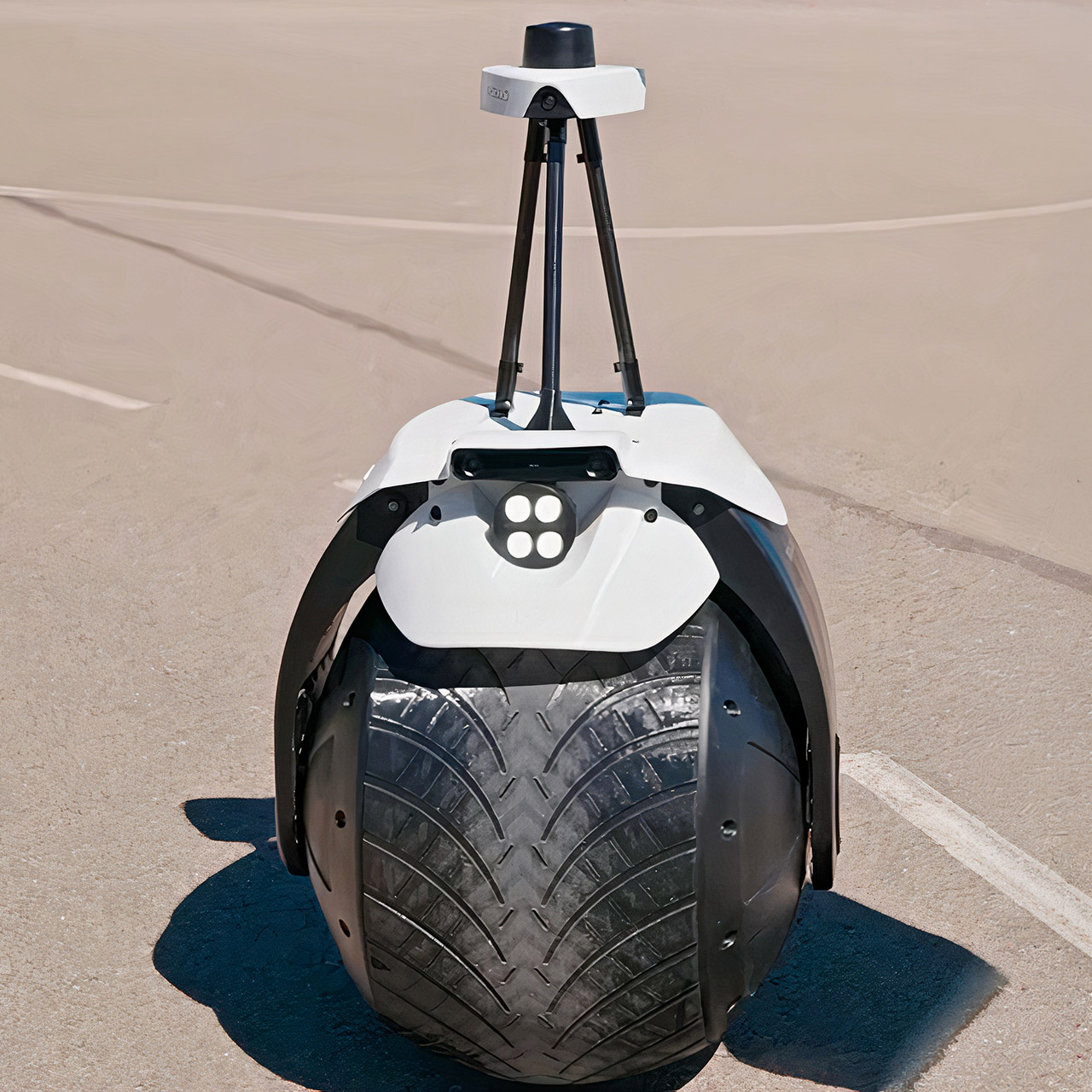
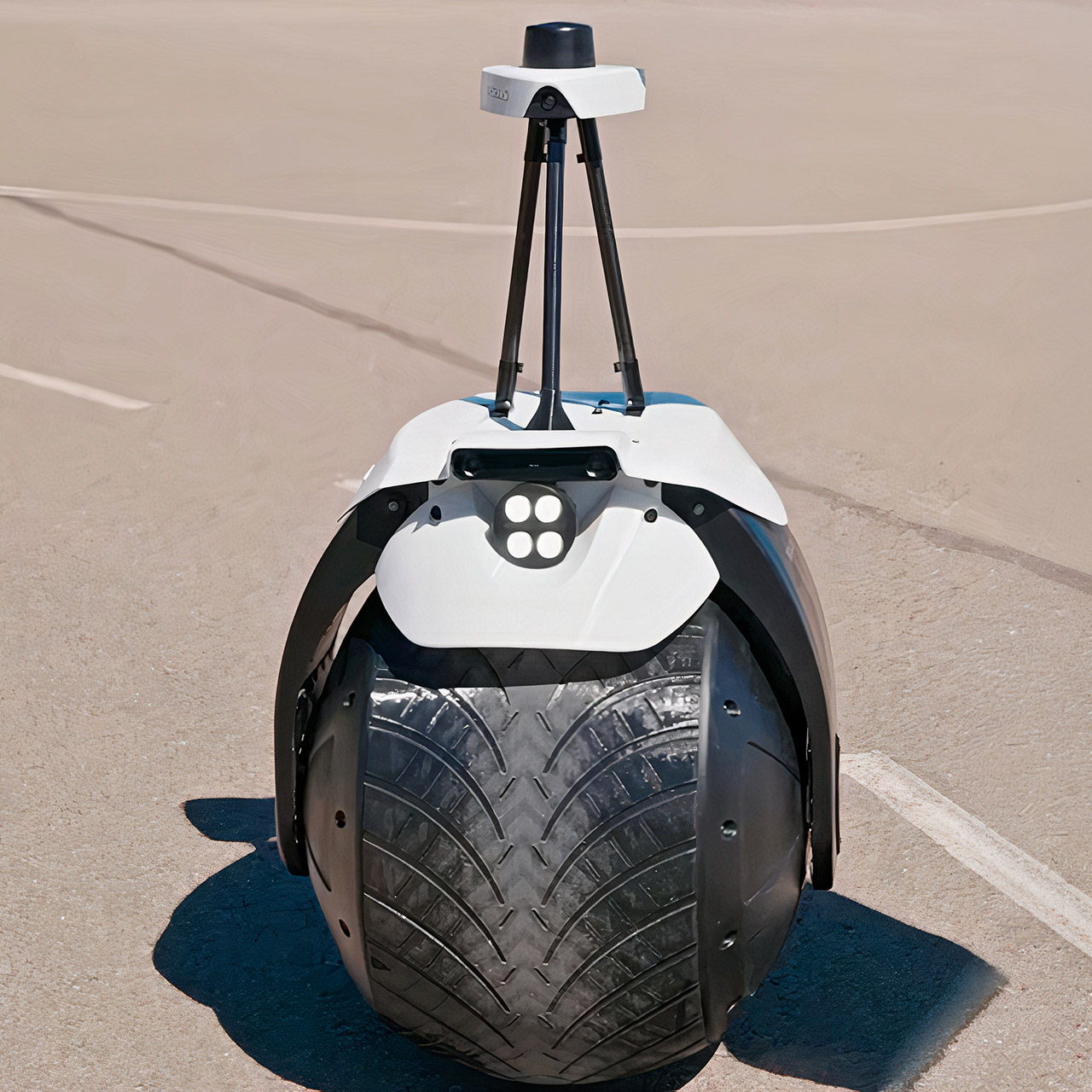
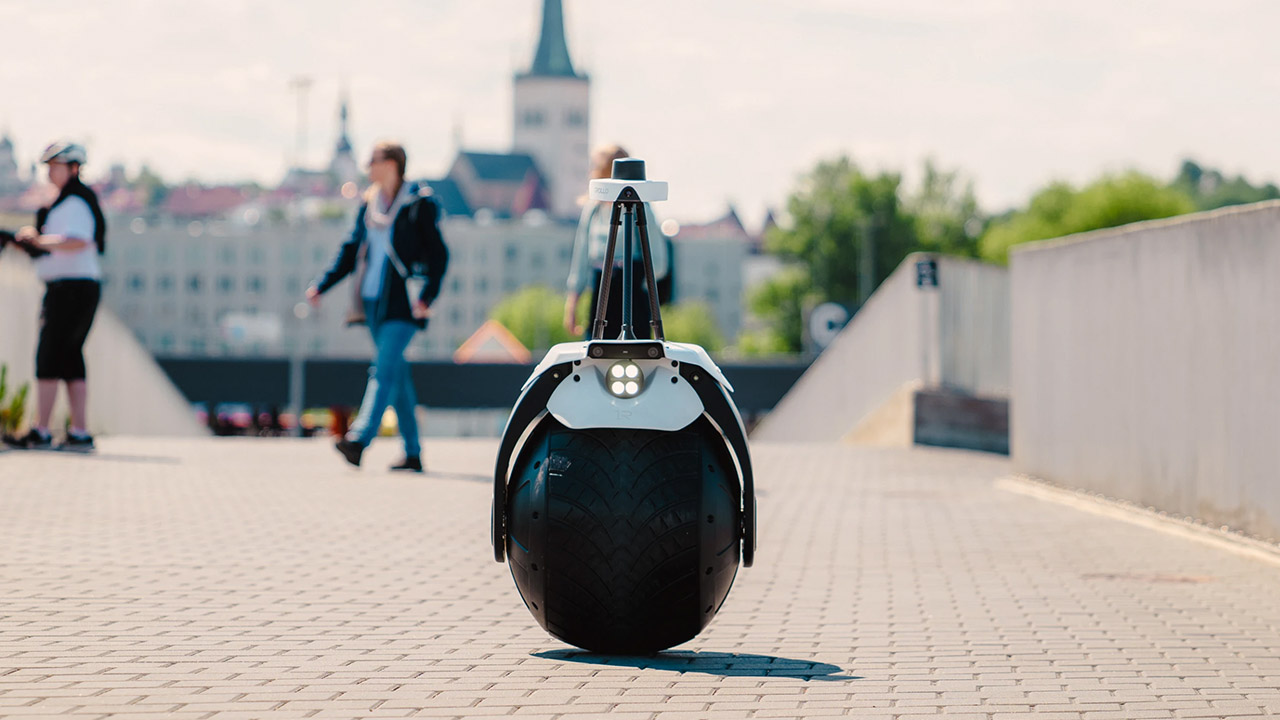
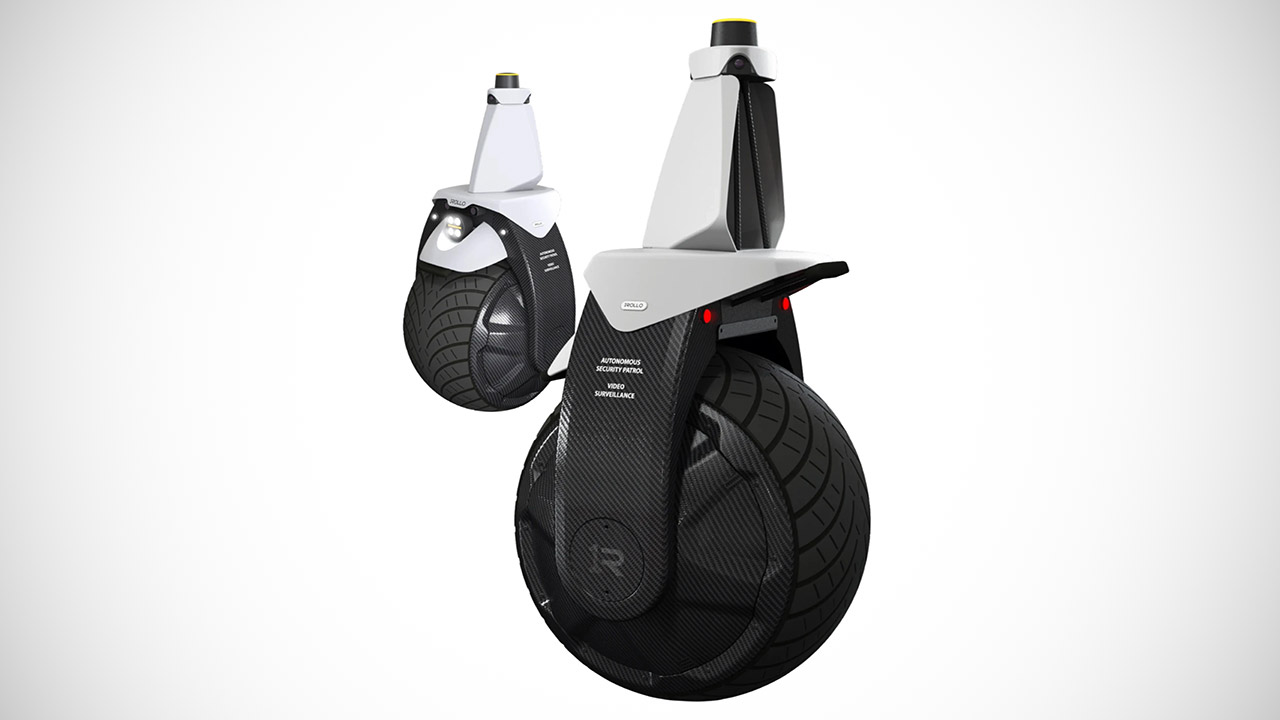
Night falls over a quiet industrial yard or a sprawling campus. Most security systems wait for something to happen. 1ROLLO does not. This tall, single-wheeled machine from Estonian startup Rollo Robotics rolls along preset routes under its own power, scanning everything around it while balancing on one fat tire.


Rollo Robotics says that 1ROLLO is the world’s first stable autonomous monowheel robot capable of performing real security tasks. Founded in 2025 by Arno Kütt, the inventor behind those Cleveron parcel robots, and Sander Sebastian Agur, the company spent its first months bashing its head against a problem that has perplexed designers for decades: how to keep a single-wheel platform upright while moving, turning, and stopping without tipping over.


INMOTION V9 16″ Electric Unicycle for Adults – Industry Leading UL Certified EUC with Nimbus Air…
  • The Safest Electric Unicycle (EUC): The INMOTION V9 is the world’s first e-unicycle to achieve full-device UL certification, setting a new safety…
  • The Smartest Electric One-Wheel: Featuring industry-first Ride Connect technology, the V9 enables app-based remote control, real-time GPS tracking…
  • The Lightest and Slimmest Suspension EUC: Weighing just 50.7 lbs, the V9 is ultra-portable for commuting to the office, school, or gym. Its slim…


The solution is hidden inside the large wheel itself, as a high-speed flywheel rotating vertically inside the main tire is the key. The gyroscopic forces from the spinning wheel keep the robot balanced as it moves. To turn left or right, they simply tilt the internal flywheel, and the entire machine leans into the curve in the same way a motorcycle would. High frequency sensors transmit data into their own in-house software, which constantly makes small modifications to keep the robot upright even on uneven ground or in the wind.

1ROLLO Autonomous Monowheel Security Robot
At roughly 45 kilograms, 1ROLLO is heavy enough to feel sturdy while remaining light enough to move with a surprising amount of agility. It can reach speeds of up to 30 kph, which is fast enough to navigate huge properties without taking all day. You can charge the battery for up to eight hours, after which 1ROLLO will return to a charging station to recharge itself. The sealed body has an IP65 rating, which means it can withstand light rain, dust, and water jets.

1ROLLO Autonomous Monowheel Security Robot
The robot has cameras that can see all around. Computer vision and edge AI detect people, vehicles, open doors, and anything else that appears out of place. The RTK GNSS system keeps the robot’s position accurate to millimeters, allowing it to follow digital maps of a site while remaining on track. When something odd occurs, the robot can transmit an alarm to a cloud dashboard via 4G, 5G, or Wi-Fi, from which an operator can watch the live feed on a computer, communicate with the robot via the built-in mic and speaker, or even dispatch a human guard. You can have a large number of these things working together on the same platform, allowing a single supervisor to monitor an entire fleet of machines.

1ROLLO Autonomous Monowheel Security Robot
The fact that 1ROLLO is so slim is a significant practical advantage. Four-wheeled security robots are always getting stuck in tiny corridors, entrances, and congested walkways, but 1ROLLO’s single wheel and thin body allow it to fit into locations that larger machines just cannot. The initial deployments will take place at industrial locations, data centres, airports, campuses, and vital infrastructure. Rollo Robotics does not sell the hardware outright; instead, they provide a subscription service in which users pay a monthly charge and the firm handles maintenance, software upgrades, and hardware refreshes, allowing operators to avoid spending a lot of money.

1ROLLO Autonomous Monowheel Security Robot
In January 2026, the company completed a €3.7 million pre-seed investment headed by FoodLabs and Prototype, with assistance from Enterprise Estonia. The money is being put to good use, as they are modifying the gyroscopic technology to handle extreme weather and heavy traffic, securing the supply chain, and preparing for pilot projects. Commercial units are scheduled for 2027.
[Source]

Advertisement

Source link

Continue Reading

Tech

Seattle lands another $1B startup: Here’s the latest arrival in the industrial AI boom

Published

on

Nominal CEO Cameron McCord says Seattle’s concentration to tech talent and key partners attracted the company. (Photos via Nominal)

Seattle’s emergence as a hub for companies building the next generation of industrial technology is drawing another high-profile startup.

Los Angeles-based Nominal, whose software helps engineers build, test and validate complex hardware systems, is establishing a permanent Seattle office as it ramps up hiring and looks for a larger home in the region.

The nearly 4-year-old company currently employs 11 people at a downtown Seattle co-working space, and expects to more than double that number by the end of the year.

Nominal’s Stephen Slattery will lead the Seattle office.

The company is also relocating Head of Product Stephen Slattery, the former director of technical operations at defense tech giant Anduril Industries, from Los Angeles to Seattle to oversee the new office. Employing about 200 employees globally, Nominal also operates offices in Austin, New York, Washington, D.C., and London.

Seattle’s concentration of tech and aerospace talent, along with proximity to key partners and customers, attracted the fast-growing company.

Nominal CEO Cameron McCord said Seattle is one of only a handful of U.S. markets with a deep concentration of engineers experienced in solving large-scale infrastructure and reliability problems. Seattle’s aerospace heritage also appealed to the company.

Advertisement

“Some of the magic of Nominal is putting them in one room,” McCord told GeekWire.

The company boasts 75 customers, about half of which are in the defense sector. It also sells its software to companies in the energy, robotics and automotive arenas.

The Seattle expansion comes just months after Nominal raised an $80 million venture capital round led by Founders Fund at a $1 billion valuation, part of a growing trend of companies serving industries where artificial intelligence is accelerating innovation in the physical world.

“Nominal exists to help these engineering teams rethink their data supply chain: the end-to-end flow from instrumentation through acquisition, storage, analysis, reporting, and into the decisions that shape the next design,” the company wrote in the funding announcement.

Advertisement

Seattle has increasingly become a landing spot for companies operating at the intersection of AI and the physical world, while some of the region’s fastest-growing homegrown startups — including Overland AI, Carbon Robotics, Brinc and Stoke Space — are helping define the category.

@media (max-width: 600px) {
aside.callout { float:none !important; max-width:100% !important; margin-left:0 !important; margin-right:0 !important; }
aside.callout .callout-img { display:none !important; }
}

In recent months, defense tech company Anduril has expanded its operations in the Seattle area. AI infrastructure startup Armada — which like Nominal is backed by Founders Fund — and AI giants Anthropic and OpenAI also have opened new offices or expanded engineering centers in the region.

Nominal’s McCord, a former U.S. Navy submarine officer and nuclear engineer who previously worked at Anduril, said conversations with former colleagues, including Anduril co-founder and COO Matt Grimm, helped reinforce Seattle’s appeal.

Advertisement

“I’ve been able to get a lot of advice and thoughts from him on what it looks like to properly enter the Seattle market,” said McCord. “Everything from him is incredibly positive on the talent and density.” 

While Nominal has gained traction among defense contractors — McCord said four of the five traditional U.S. defense companies use its software — he said the company increasingly sees opportunities across a number of industries. The energy sector — including nuclear, fusion and batteries— as well as AI data center infrastructure are growing areas of interest for the young company.

The Seattle office will be more than an engineering outpost. McCord said Seattle will become a full cross-functional location, with engineering, sales, customer success, design and other teams represented as it grows.

The company expects the Seattle office to reach roughly 20 to 25 employees by the end of this year and could double again to 40 or 50 employees by the end of 2027. It is currently looking for a permanent office space, likely targeting downtown Seattle.

Advertisement

McCord said the Seattle office will play a key role in Nominal’s growth as it looks to reimagine the unique challenges that industrial companies face in building hardware systems for this new era.

“There’s a huge market opportunity as the world reindustrializes,” he said.

See this interview with McCord by General Catalyst’s Paul Kwan for more on the company:

Source link

Advertisement
Continue Reading

Tech

The ESP32 Gets A Web Browser

Published

on

At the Hackaday Europe conference in Italy earlier in the year, we were shown a rather interesting device. The work of [Alun Morris], it was an ESP32-powered Cheap Black Display board, and it was running a web browser. Definitely an achievement.

Lest you imagine that it was sporting the latest and greatest in browser technology, we must disappoint you. The browser in question is a very basic text mode device, but it did happily retrieve Hackaday, which should be the only test a browser should need to pass.

Under the hood it’s running FreeRTOS, with separate HTML retrieval and tokenizing, and UI processes. It can fetch web pages directly, but there’s also a server-side proxy for difficult sites, and for creating image thumbnails.

Advertisement

An ESP32 is a powerful microcontroller, but it’s fair to say it’s not in the league of running a web browser and as far as we can remember this is the first one we’ve seen. We’re sure it’s a field with further progress to be made though, particularly with the more powerful recent chips in the series. This project however is a good start, and more importantly it can be yours for a few dollars on Ali to buy a dev board. What are you waiting for?

Advertisement

Source link

Continue Reading

Tech

Anthropic is isolated in every AI fight, and winning anyway

Published

on

Six months ago, Anthropic was the darling of America’s AI boom. It led on the models and was loudest on the ethics. This summer, it finds itself alone.

The Claude maker is now the odd one out in nearly every big AI policy fight, Axios reported. It is the most valuable startup in the world, and at the same time the most isolated lab in the industry. The two facts turn out to be connected.

Alone on open weights

The clearest sign came last week. Anthropic was the only frontier lab that declined to sign an open letter urging Washington not to restrict open-weight models. Nvidia’s Jensen Huang led it. Google and OpenAI, its two closest rivals, both signed. That left Anthropic defending tighter controls on the very business model all three still lean on.

Dario Amodei tried to calm the row himself. In a blog post, Anthropic’s chief executive insisted the company has never called for banning open models. He even called weaker ones “a public good.”

Advertisement

He still did not sign. He also held his line that the dangerous ingredients, chiefly advanced chips reaching authoritarian states, need tighter control.

The 💜 of EU tech

The latest rumblings from the EU tech scene, a story from our wise ol’ founder Boris, and some questionable AI art. It’s free, every week, in your inbox. Sign up now!

Isolated on every other front too

The pattern repeats across the board. The Pentagon blacklisted Anthropic in February, after a fight over whether Claude could be used for surveillance or autonomous weapons. One senior defence official said on Friday there was “no AI company more hostile to the warfighter.”

Advertisement

On safety, Anthropic has pushed harder than anyone. It has backed state AI laws and floated an FAA-style regulator to vet models before release. Yet when the White House flagged a security flaw this summer, Anthropic disputed how serious it was. The row helped trigger export controls that forced two of its models offline for nearly three weeks.

Then there is distillation. Anthropic has accused Chinese labs of training cheaper models on Claude’s outputs in “industrial-scale” campaigns, the New York Times reported.

Critics call distillation a normal part of AI development. They also note the awkward timing. Anthropic had just settled a $1.5bn copyright lawsuit over pirated books used to train its own models.

Alone, and winning anyway

The isolation is not total. Anthropic did join more than 1,100 employees from rival labs this week in a petition urging Washington to help “deliberately pace” frontier AI. Its central worry, that the technology is moving faster than anyone can safely steer it, is now shared across the industry.

Advertisement

And for all the friction, Anthropic is not losing. Its models still top most independent benchmarks, and enterprises keep paying premium prices despite the grumbling over cost and restrictions. It reached a $965bn valuation in May, ahead of OpenAI, and is heading for an IPO that could value it higher still.

The traits that strand it in every policy fight, caution and a refusal to bend, are the same ones that built its lead. Anthropic would rather be right than liked, and for now it can afford to be.

Source link

Advertisement
Continue Reading

Trending

Copyright © 2025