
Politics
FIFA private investment plan sparks major crisis in football

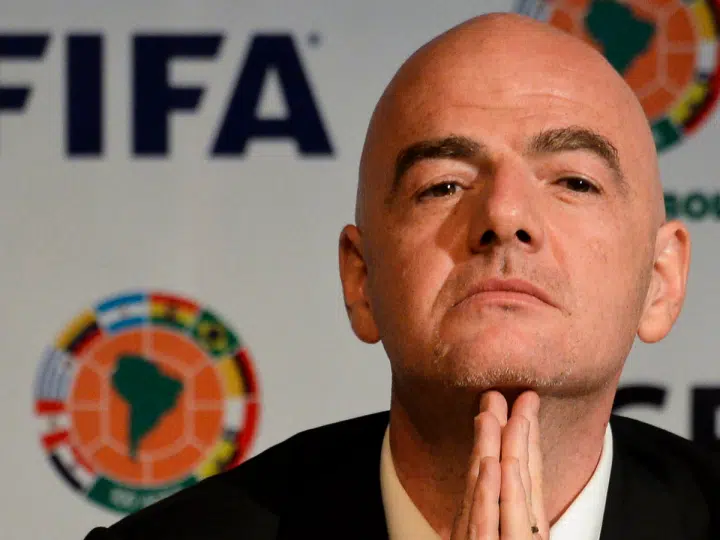

FIFA’s announcement of its new project was not merely a passing commercial move. Within days, it had become one of the most controversial issues in the history of the game.
Whilst FIFA insists the project aims to increase financial resources and expand support for national associations, European stakeholders believe it paves the way for investors to be brought into the heart of the management of football’s most important tournaments, foremost among them the World Cup.
The crisis has escalated rapidly, with European federations threatening to boycott the World Cup as a means of pressure.
Meanwhile, UEFA is preparing to examine legal and political options to counter the project. The dispute threatens to redraw the balance of power within football.
FIFA considers an unprecedented investment project
The project involves the creation of a new commercial company, FIFA Forward Enterprise, which will manage the commercial rights to FIFA’s tournaments, including the men’s and women’s World Cups and the Club World Cup.
According to details revealed by the Times, FIFA is seeking to sell minority stakes in the company to private sector investors in exchange for raising around $4.2 billion, with the company’s valuation set to reach around $20 billion.
FIFA would retain full majority ownership to ensure it retains control over all sporting and organisational decisions.
The newspaper also noted that the project could pave the way for FIFA president, Gianni Infantino, to take up an executive role in the new company after his term ends, a prospect that has sparked further controversy. FIFA has denied that any decision has been made on this.
‘We are not selling the World Cup’
FIFA has rejected the project being described as it ‘selling the World Cup’ or the privatisation of football, with the main aim being to boost finances so they can be reinvested into developing the game.
It also aims to raise the value of the FIFA Forward programme to more than $10 billion over the coming years.
Investors will have no authority over tournaments, regulations or the international calendar, FIFA has emphasised. Their role will be limited to holding minority stakes in the commercial company.
Europe responds and a boycott is on the table
On the other hand, the proposal has been met with widespread European opposition. The Telegraph revealed that a number of European federations are preparing to hold an emergency meeting to discuss options for escalation, including boycotting the World Cup should FIFA proceed.
UEFA is also considering taking legal action against the proposal, amid anger across the continent over the failure to involve many national associations in discussions before the plan was announced.
The newspaper quoted sources involved in the consultations as having described the proposal as “a nuclear bomb in the world of football”, whilst other officials stressed the need to act swiftly to prevent its adoption before it becomes a fait accompli.
UEFA fears that the entry of investors will lead to constant pressure to increase the number of tournaments or expand them to generate greater financial returns. This could threaten the balance of the international calendar and affect domestic and continental competitions.
A battle that goes beyond money
Despite FIFA’s assurances that the project will keep sporting decisions in the hands of the world governing body, its critics argue that investors will not pour in billions of dollars without seeking the highest possible return, which could affect the format, dates and venues of tournaments in the future.
Analysis by the Guardian suggests that European concerns are not so much about the sale of shares in a commercial company as they are about a shift in the philosophy of football governance.
Many fear that investment considerations will become the main driver of decision-making, including the expansion of the World Cup, an increase in the number of tournament editions, and a focus on the most profitable markets at the expense of sporting considerations.
Observers believe that the current crisis is similar in scale to the upheaval caused by the European Super League project in 2021, but it may have a greater impact, as it affects the very institution that governs world football.
Crucial weeks ahead
The proposal still requires the approval of a majority of FIFA’s national member associations, making the coming weeks crucial in determining its future.
Meanwhile, the sporting world is watching to see what the European response will be, and whether it will be limited to legal and political objections, or whether it will escalate to more drastic measures.
The confrontation that could shape the governance of world football for decades to come.
Featured image via the Canary
By Alaa Shamali

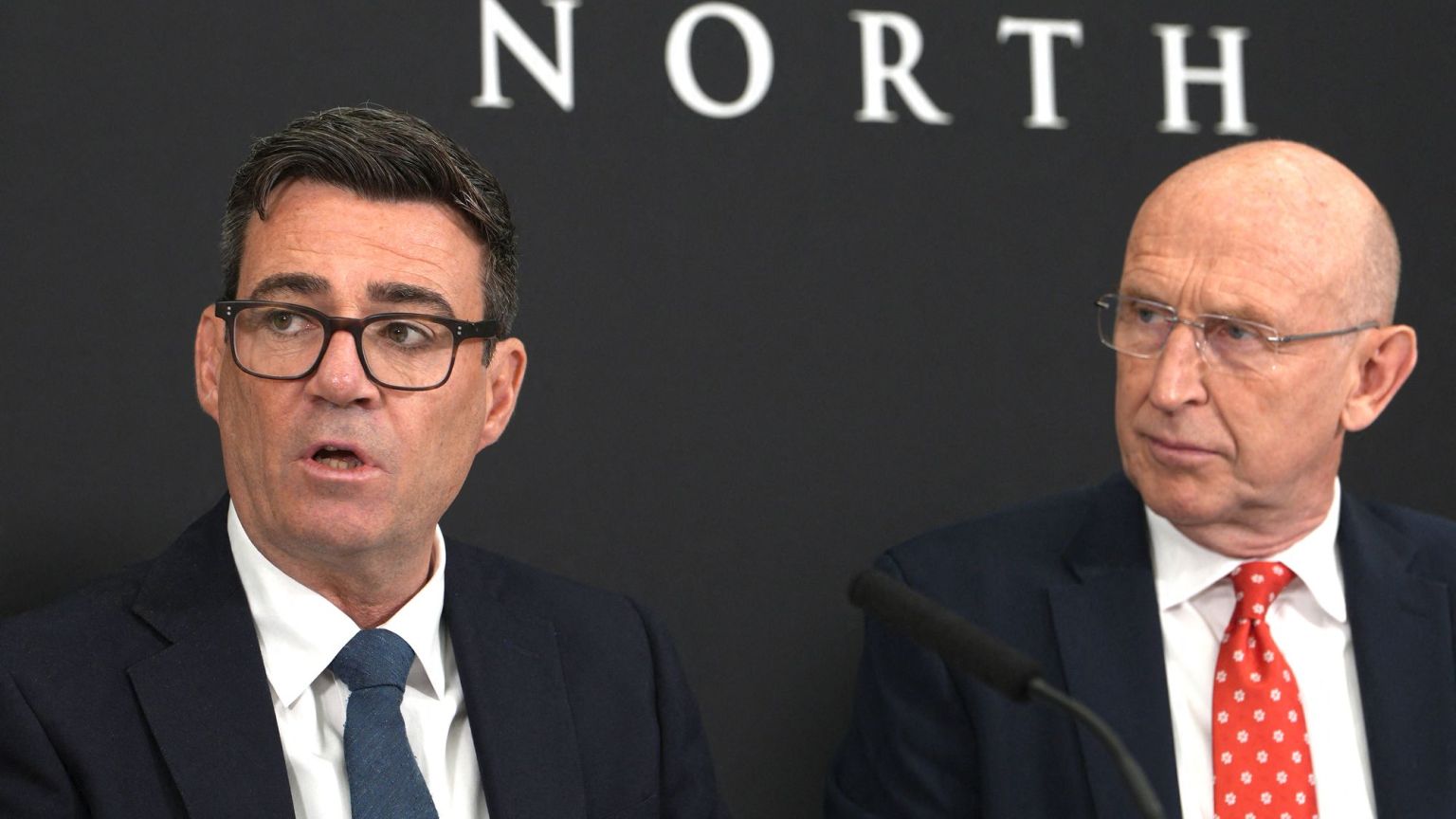
It was during the Great Depression that then US president Franklin D Roosevelt coined the phrase the ‘first 100 days’. In a national radio address three months into his presidency in 1933, he summarised all the New Deal measures already introduced. Since then, ‘the first 100 days’ has been considered a temporal benchmark to assess the impact of a new leader.
Although UK prime minister Andy Burnham still has 90 days to go, is there anything we can discern just from his first 10 days? This might seem premature. But the state of the nation is so dire, and the record of recent administrations so damaging, that a truly transformative government would need to show a genuinely fresh approach from day one.
For too long, the UK has had a series of technocratic, managerial administrations. A feature uniting them all has been a dishonesty about the tough choices required to escape the country’s plight, particularly the ravaged state of the public finances. This hasn’t been their only failing, or even their worst. While engineering a spiral of indebtedness and low growth, they have demonstrated a scepticism for democracy that borders on contempt. Shielded by the belief that ‘they know best’, governments increasingly treat the electorate as a problem to be ‘managed’, rather than the only source of their authority.
Despite his ebullience, the early signs that Burnham can confront this economic and political decay are bleak. His empathetic air certainly contrasts sharply with the woodenness of his predecessor. But a kinder style is no substitute for honesty. There are difficult choices ahead. They will hit Burnham sooner or later – as they have all of his recent predecessors.
Burnham’s willingness to be honest with the public will be his first and arguably his most critical test. He has promised to lead a ‘cost of living’ government, but shows no signs of understanding the real causes of the financial pressures people are facing. These pressures come not from rapidly rising prices, but from stalling incomes: wages are stagnant, and have been since the 2008 financial crash. The government’s forecasting body, the Office for Budget Responsibility, predicts that real disposable income per person will flatline, growing a mere half a percent a year for the rest of this decade. This is less than a quarter of the average rate of growth from the mid-1950s to 2007.
There can be no doubt that the UK is in a uniquely deep rut. The latest official figures report that labour productivity at the start of this year is actually below where it was four years earlier. In the whole period since 2008, productivity is up only six-and-a-half per cent. During the 20th century, that modest gain – made over nearly two decades – used to be achieved in three average years.
The truth is that there will be no national economic renewal – never mind Burnham’s promise of ‘good growth in every postcode’ – without significant reform. The priorities for any government must be ending the handouts that are protecting unproductive jobs, curbing the ballooning spending on welfare and health, and easing planning and regulation red tape to allow the construction of homes, infrastructure and 21st-century workplaces.
If his first 10 days are anything to go by, Burnham is out of his depth. In his first Downing Street speech, the new PM pledged to ‘put the care of people at the heart of everything I do’. But a caring manner is not what makes a government effective. It certainly won’t allow Burnham to bend the laws of economics by subsidising people’s living costs without a growing economy. Even his second-day announcement of cutting VAT on household electricity bills falls well short of his benevolent claim to ‘put more money in people’s pockets’. Burnham’s lordly almsgiving amounts to less than a pound a week for the average household, and it won’t offset the rise in energy costs already expected by this October.
We must also beware the empathetic ruler who says he knows what’s best for ‘ordinary people’. On day four, Burnham promised to save the pub by offering business-rates relief. This would be paid for by extra taxes on high street businesses that, in his view, ‘cause social harm’. The prime minister highlighted vape shops and gambling arcades as such ‘harmful’ businesses. In other words, he will decide what is good and bad for us.
Economic stagnation is one problem. The perilous state of the public finances is another. Britain’s debt level is fast approaching the equivalent of one year’s economic output. With a return to positive interest rates at the end of 2023, the cost of servicing existing debt is mounting. In fact, if debt servicing were a government department, it would be the second largest – exceeded only by health and social care. Now, one in every £12 the government spends is just to pay the interest on its accumulated debt.
Not only is debt not being paid down, but most of the new borrowing is also devoted just to paying the interest charges on past debt. Interest payments absorbed about six in every seven pounds of borrowing this year, exacerbating an unsustainable spiral.
Burnham says he intends to meet costly commitments on defence, social care and public housing. But he hasn’t explained how he can do this without stemming planned hikes in spending on welfare and health. Without economic growth or substantial budget cuts, Burnham’s spending promises could only be funded by extra borrowing or higher taxes. So far, then, new leader, same reliance on tax-and-borrow to pay for a society debilitated by handouts.
Whatever Burnham might, or might not, do about the public finances in the longer term raises the third critical test: his democratic mandate. He has promised ‘the most significant change moment in our politics for 40 years’, while simultaneously saying he would stick to Labour’s 2024 manifesto. He can’t do both. Initiating an extensive political and economic transformation of the country, as he has implied, is incompatible with the existing manifesto policies. Such a revolution must surely have the consent of the people.
If Burnham is to stay true to his day one pledge to ‘bring forward a new plan for Britain, a 10-year plan’, then he should already be preparing the country, and his party, for a General Election around it. For democracy to function, as well as for practical reasons, he should let it be known that he and his cabinet will campaign for this plan to secure support for it at the ballot box.
But this appears to be wishful thinking. In his first BBC interview as prime minister, Burnham explicitly ruled out an early General Election. The new, caring prime minister prides himself on being a ‘people’s person’ – but that clearly doesn’t even extend to listening to the current polls, which indicate that about half the adult population want an immediate election (compared to a third that don’t). At this stage, it seems that Burnham has no such plan for change, despite insisting he was ready to govern.
By the time his premiership reaches the famous 100-day benchmark, Burnham might yet confound current expectations. But he needs to move quickly. He can start with being honest with people about the tough choices ahead, weaning his government off its tax-and-borrowing dependency, and submitting his ideas to the judgement of the electorate.
If the first 10 days are anything to go by, Britain is in trouble. New leader, new manager – and the same social and economic quagmire.
Phil Mullan is the author of Beyond Confrontation: Globalists, Nationalists and Their Discontents.


The North Yorkshire and South Durham Cricket League has been pushed into the spotlight. This happened after a Division Two match between Saltburn Cricket Club and Norton Cricket Club produced one of the strangest amateur cricket controversies of the summer.
A fielder is accused of clicking his fingers at slip to mimic the sound of an edge, allegedly influencing umpires into giving batters out. The incident, captured on video and shared widely across social media, has triggered a formal investigation. It has also raised questions about conduct, gamesmanship and the boundaries of fair play at grassroots level.
The clip, filmed during Saturday’s fixture, shows a Saltburn fielder positioned at slip as the ball passes the bat. As it travels through to the wicketkeeper, the fielder appears to click his fingers at the exact moment the ball goes by.
Saltburn’s wicket keeper then completes a routine catch behind the stumps. The team appeals, and the umpire gives the batter out. Within days, the footage had gone viral, approaching five million views by Tuesday lunchtime and drawing global attention to a league more accustomed to quiet weekends and local rivalries.
Cricket league responds
The North Yorkshire and South Durham Cricket League confirmed it had received a formal complaint regarding the alleged incidents. In a short statement, the league said a full investigation had been initiated. Furthermore, no further comment would be made until the process was complete.
It is standard protocol for the league to withhold detailed comment during active investigations, but the speed of the response reflects the seriousness with which the matter is being treated.
Saltburn Cricket Club has been contacted for comment by Sky Sports News. As of the time of publication, no public statement has been issued by the club. The league’s involvement means the matter will now move through established disciplinary channels. This will include evidence review, witness statements and potential hearings if required.
Saltburn’s season in context
Saltburn currently sit top of the Division Two table, having won 10 of their 15 matches. Their wicketkeeper has been a standout performer, leading the league in fielding dismissals with 34—31 of those catches behind the stumps. Earlier in July, he took eight catches in a 22‑run win over Shildon Railway Cricket Club. This performance underlined his importance to Saltburn’s campaign.
The team’s strong season adds another layer to the controversy. Success often brings scrutiny, and the viral clip has prompted questions about whether the alleged finger‑clicking was an isolated moment or part of a pattern. The league’s investigation will aim to establish exactly that.
Allegations of previous incidents
After the video gained traction online, Middlesbrough second XI captain Rory Cotterill alleged that similar incidents occurred during his side’s match against Saltburn in June. Cotterill’s comments, made publicly after the clip surfaced, suggest that concerns about the behaviour may have existed before the viral moment. His claims are now part of the wider conversation surrounding the investigation, though they remain allegations until formally assessed by the league.
The suggestion of multiple incidents increases the significance of the inquiry. If the league determines that finger‑clicking was used deliberately to imitate edges, it would represent a clear breach of the spirit of cricket. It could also breach the laws of the game. The investigation will need to determine intent, frequency and impact.
How the clip spread
The video’s rapid spread across social media reflects the modern reality of amateur sport — every match, every moment, every appeal can be captured, shared and scrutinised. What might once have been a minor dispute between teams has become a global talking point. The clip’s near‑five‑million views by Tuesday lunchtime show how quickly unusual sporting moments can gain traction. This is especially true when they involve questions of fairness.
The footage itself is brief but striking. The timing of the finger-clicking appears deliberate, though only the investigation can determine intent. The wicketkeeper’s catch is clean, the appeal is immediate, and the umpire’s decision is swift. Without audio clarity, the clip relies on visual cues, but those cues have been enough to prompt widespread debate.
Implications for grassroots cricket
Grassroots cricket relies heavily on trust, sportsmanship and respect for the game’s traditions. Umpires at amateur level often operate without technology, without neutral appointments and without the support systems seen in professional cricket. They depend on honesty from players and clarity of sound and sight. Any attempt to manipulate those senses undermines the foundation of the sport.
The alleged finger‑clicking raises questions about how leagues can protect umpires and ensure fair play. While professional cricket has DRS, ball‑tracking and ultra‑edge, amateur cricket has none of those tools. It relies on players acting in good faith. If the investigation confirms wrongdoing, leagues may need to consider guidance or sanctions to deter similar behaviour.
Saltburn’s position
Saltburn’s league‑leading form means the investigation arrives at a delicate moment. The club has enjoyed a strong season, built on consistent performances and standout contributions from key players. The wicketkeeper’s exceptional catching record is a major part of that success. The club’s silence so far is understandable given the ongoing process, but the eventual findings could have implications for both individuals and the team.
The league’s statement emphasised that no further comment would be made until the investigation is complete. That suggests a thorough review is underway, likely involving video analysis, match reports and interviews with umpires and players from both teams.
What happens next
The investigation will determine whether disciplinary action is required. Possible outcomes range from no action to warnings, suspensions or points deductions, depending on the findings. The league has dealt with disciplinary matters before, but the viral nature of this incident means the spotlight is brighter than usual.
For now, the focus remains on establishing facts. The clip has sparked debate, but only the league’s formal process can deliver conclusions. Until then, speculation remains just that.
A small gesture, captured on a phone and shared online, has become a national talking point and triggered a formal investigation. Saltburn’s strong season, the wicketkeeper’s impressive record and the allegations of previous incidents all add layers to a story that will continue to unfold.
Grassroots cricket thrives on trust. The league’s investigation aims to protect that trust and ensure the game is played in the right spirit. Whatever the outcome, the incident has highlighted the importance of integrity at every level of the sport.
Featured image via the Canary
By Faz Ali
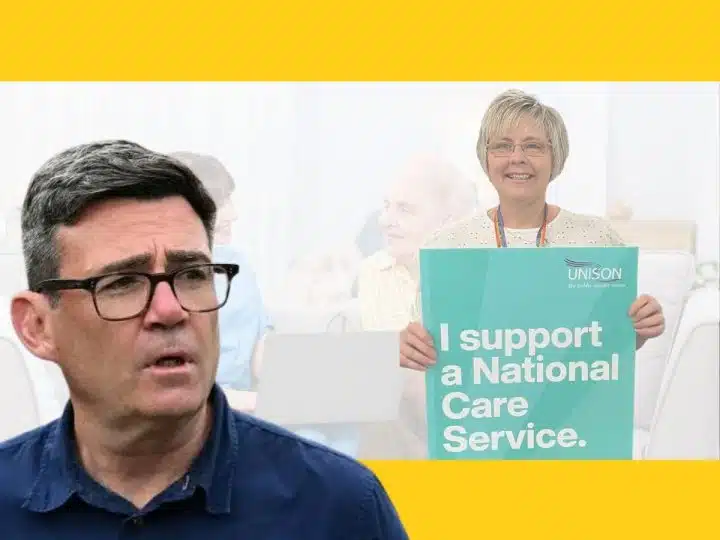

Andy Burnham is planning to finally implement the much-needed National Care Service (NCS). While it’s undeniable that we need this service, the question is what the NCS will be: a privatised mess like the NHS of today or a nationalised treasure like the NHS of the past?
With the finer details yet to be decided, now is the time for people to make their opinions known.
Andy Burnham has promised to bring in a new system of social care. But the government needs to address the desperately important issue of who owns and runs it.
Privatisation has been a failed — we’re paying more for worse care while private equity sharks walk away with huge… pic.twitter.com/FRY6naDOM9 — We Own It (@We_OwnIt) July 28, 2026
Burnham is keeping his promise so far
The Morning Star is among those calling for a fully nationalised care service, noting:
ANDY BURNHAM was urged today to prove to keep his vow to abandon 40 years of neoliberalism by legislating for a national care service before the end of this parliament.
Those calling for a fully public NCS also include Labour MP Clive Lewis, who said:
The extractive state vs the productive state:
The real litmus test for any essential public service is simple: who owns it?
Social care reform that ducks this question will repeat the mistakes of privatised water, haemorrhaging billions into management consultants, shareholder returns and financial extraction instead of frontline care.
The same story is playing out in children’s services. In just two years, care costs have risen by 37% to £3.7 billion. Private equity now dominates much of the sector. Firms buy up children’s homes, strip out costs, drive up prices and extract ever greater profits, while too many children’s needs go unmet.
That is the difference between an extractive state and a productive one. One channels public money into financial returns for the 1%. The other invests it in the 99% the service exists to support.
The New Economic Foundation has commented on the issues with private companies:
Rather than being used to improve services, this money is extracted.
We found that private care companies in three English regions had taken more than £250m in profits in just three years. Company directors earn 60 times more than the average wage. 2/3https://t.co/xqBLUvJ8GW
— NEF (@NEF) July 29, 2026
The Green Party is pushing for the full nationalisation of vital utilities and services, but Burnham has frozen them out of the cross-party discussions on care.
"Given our consistent engagement on the adult social care crisis and willingness to work together to solve it, it's deeply disappointing that the Greens weren't invited to today's cross-party talks.
We need all hands on deck to tackle this issue – the Greens remain ready to work… pic.twitter.com/5yICMR6whz — The Green Party (@TheGreenParty) July 29, 2026
The privatisation nightmare
Covering the problems that have arisen from NHS privatisation, We Own It has noted the following:
"The GP records of more than half the country sit on a system controlled by a firm whose business model is returns for investors, not care for patients, and the public found out after the fact."
And you thought Palantir's involvement in our healthcare was pretty dodgy…… pic.twitter.com/Rcg7O46nYx
— We Own It (@We_OwnIt) July 27, 2026
The new US-UK pharma deal could lead to 229,000 preventable deaths.
How? It will divert £45 billion from patient care to pharma corporation profits.
Can you help keep the pressure on Andy Burnham to rip it up?
Sign the petition: https://t.co/hIihU2FFwH pic.twitter.com/hHrn3rgUV7
— We Own It (@We_OwnIt) July 16, 2026
We Own It has also spoken out about Burnham’s stance on nationalisation:
The man set to be our next Prime Minister has gone on record as saying he wants to bring key utilities like energy and water into ‘public control’. But Andy Burnham hasn’t yet clarified what he’s proposing.
It’s certainly true that he hasn’t clarified what he has planned, but it seems almost certain it won’t be full re-nationalisation. Here’s what he said in June (emphasis added):
On utilities, we will ensure all parts of the UK are able to take greater public control of essential services like water, housing, energy and transport, learning from the model that has transformed our bus networks here in Greater Manchester.
The eagle-eyed among you will have spotted that ‘greater’ public control is not the same as ‘full’ public control; it’s privatisation with more oversight. As privatisation and regulatory oversight have repeatedly failed, we’re not optimistic that more of the thing which doesn’t work will solve anything.
We Own It continued:
Here’s the truth about public control that not enough people know about:
1) Public control is not public ownership. When it comes to water and energy, the ’public control’ that Burnham is promising already exists. It’s another word for regulation which has been failing households since water was privatised in 1989.
2) Privatisation is a waste of your money. Burnham can afford to deliver public ownership. How? He can force the companies – water, energy, Royal Mail – to deliver massive investment out of their own pockets or go bust. When they fail there is legislation he can use – the special administration regime – to protect the public interest and take them back without compensating shareholders. The truth is that bringing public services and assets into public ownership will save money and deliver a better deal.
Nationalisation is also massively popular with the public, as a YouGov poll showed.
‘Real control’
We Own It concluded:
Why should your household be a revenue stream for shareholders around the world? Andy Burnham’s popularity won’t last long unless he’s crystal clear that he will end the scam and deliver permanent public ownership for all our key public services and assets, including the NHS and care as well as our key utilities and infrastructure.
We deserve to own our public assets whether at the local, regional or national level, because owning is better than renting; ownership is the only way to get real control of our essential services.
Andy Burnham must pick a side and he can’t bring down your bills and improve your services unless he does.
The National Care Service is badly needed, sure, but so is full ownership of our sovereign assets. If Andy Burnham founds the NCS and it turns out to be yet another extractive nightmare, people won’t remember him as fondly as he hopes they will. And that’s the choice he has: becoming the new Clement Attlee or the new Margaret Thatcher.
Featured image via the Canary
By Willem Moore
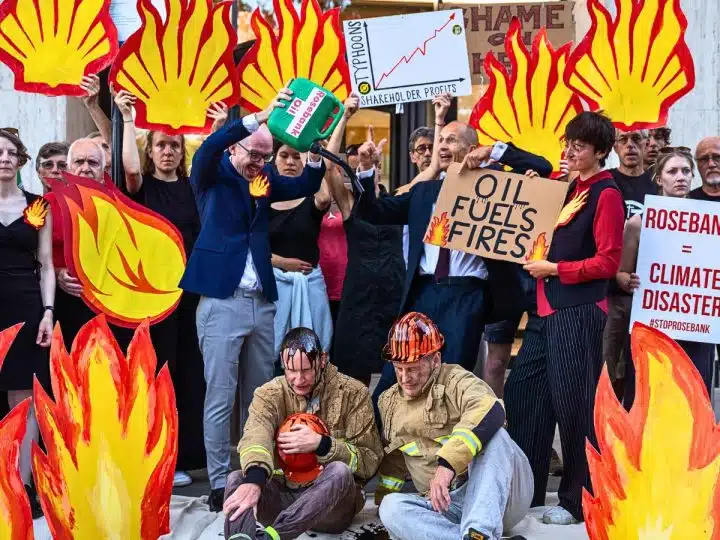

Campaigners from Fossil Free London dressed as firefighters during a protest outside Shell HQ on 29 July. Meanwhile others poured a black liquid resembling oil over their heads.
Behind them placards read: “Shell Fuels Wildfires,” “Oil Fuels Wildfires,” and “Stop Pouring Oil on the Flames”.
The protest comes as Shell is announcing its quarterly profits on Thursday 30 July.
Meanwhile, more than 300,000 people have been forced to leave their homes as wildfires rage across Spain and France. Record-breaking heatwaves across Europe this summer are fuelling the fires.
A recent study found that the climate crisis enabled 55 out of the 213 global heatwaves that would have otherwise been impossible to occur between 2000 and 2023. Fossil fuels made all of these more likely and more intense.
They also found that just pollution from Shell alone made almost a quarter of these heatwaves 10,000 times more likely, and 51 of these heatwaves possible.
Robin Wells, spokesperson for Fossil Free London, said:
Fire needs fuel. And as we witness fires rage across Scotland, France and Spain, we all know those red and yellow flames are turbocharged by Shell’s oil.
For decades Shell covered up the science and continued to drill for the oil that makes wildfires more intense, last longer, and burn further. However the first ember hit the undergrowth in each place, it is Shell, and corporations like it, who set the tinder in place.
And as we witness one of the biggest evacuation efforts on the continent since World War Two, the heavy weight in our heart is the knowledge there’s so much more to come.
Stop pouring Shell’s oil onto this house, torn down by fire. People need to stop the harm and rebuild.
Andy Burnham and Miatta Fahnbulleh [Energy Security and Net Zero secretary] need to make clear now that protecting people from wildfires, drought, crop failures and heatwaves means stopping new oil. It means they must stop Rosebank.
Featured image via Fossil Free London
By The Canary
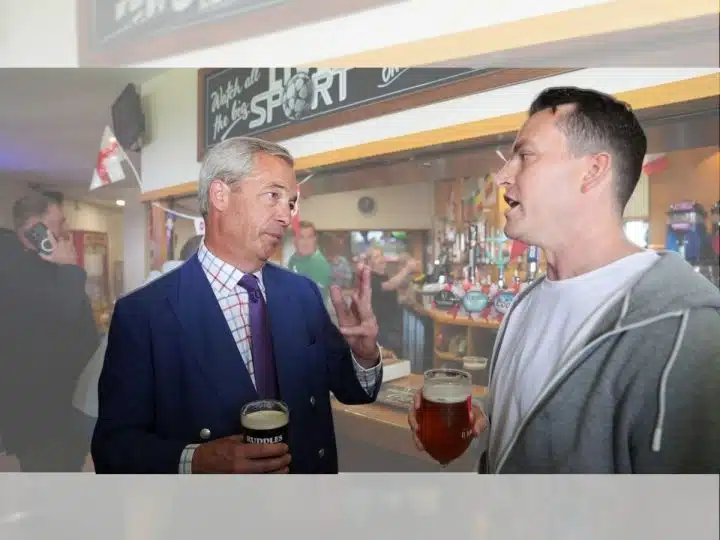

Another politician linked to Reform UK has become embroiled in a financial scandal. The MP had already self-suspended, though, so that should at least save Reform some time if things don’t go in his favour:
EXCL by @GeorgeGreenwood
Suspended Reform MP was blocked from winding up two companies — as they failed to repay *still* unexplained taxpayer-backed Covid loans.
James McMurdock has lashed out at scrutiny since Sunday Times posed Qs, but never explained pandemic debts. — Gabriel Pogrund (@Gabriel_Pogrund) July 28, 2026
Reform Covid loans
James McMurdock suspended himself in 2025 after questions emerged about the Covid loans. Now, the Times have revealed that the Department for Business and Trade blocked McMurdock from winding up the two companies linked to Covid loans. As they reported:
The “dissolution objections process” was introduced by the business department to reduce losses from misuse of bounceback loans by preventing borrowers from avoiding repayments by striking off their companies with outstanding debts.
Giving you an idea of why this was possible, a Covid counter fraud commissioner report from 2025 found:
around 70,000 businesses with outstanding Covid-19 loans placed in the dissolution objections process, many of whom would have committed fraud, possibly worth £0.9 billion, have since either repaid their loans or withdrawn their applications to dissolve
In this case, the Department for Business and Trade has confirmed that the issue was McMurdock not paying back his bounceback loans. In other words, if the department hadn’t blocked the winding up processes, McMurdock may have gotten away with not repaying the loan.
McMurdock responded to the Times with the following statement:
It is now a matter of public record that my businesses have been closed. I owe nothing. Not a penny. Not a bean. All former statements made by me relating to this matter remain true and correct. I would like to thank The Times and all other parties for giving me the opportunity to be vindicated… again.
This is far from the only financial scandal Reform is linked to anyway, with others including:
- Multiple investigations into a £5m ‘gift’ Farage received from a crypto billionaire.
- Accusations Farage is shilling for crypto on behalf of his donors.
- Questions over three houses Farage seemingly failed to declare.
- Failure to declare financial support from convicted fraudster Posh George in the run-up to the 2024 election.
McMurdock
The Covid bounceback loans aren’t the only scandal that McMurdock is linked to either, with the Times reporting:
The MP, who narrowly won his seat in 2024, came to national prominence when it emerged he had been convicted of assaulting his ex-girlfriend in 2006.
He had not publicly disclosed the conviction before he was elected, and played down the attack as a “teenage indiscretion” when details emerged in the weeks after the election.
In the same article, the Times suggest that McMurdock becoming an MP shows a problem with Reform’s vetting. As we’ve suggested elsewhere, however, we’re not sure that Reform’s vetting process is ‘failing’; it actually just seems like the party is willing to ignore certain things.
Reform candidate suggests ‘melting Nigerians’ to fill potholes
Featured image via the Canary
By Willem Moore
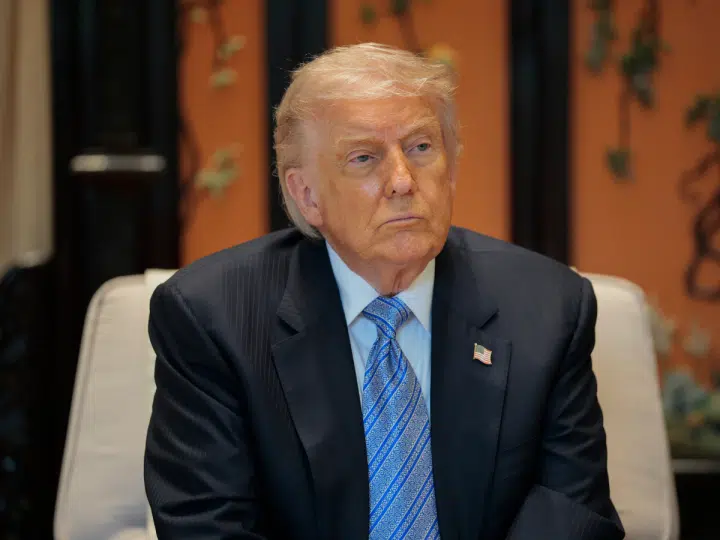

Donald Trump has suffered a huge and potentially crippling legal blow in his lawsuit against the BBC.
A US court has ordered Trump’s ‘revocable trust’, through which he owns most of his properties and businesses, to hand over more than three-and-a-half years’ of documents, including financial information.
The US president has only 10 days to comply.

Trump’s hubris has backfired
Commentators warned Trump, when he launched the lawsuit, that his attempt to sue the BBC for billions was likely not just to fail but to be colossally embarrassing. The BBC apologised for editing a Trump speech connected to the 6 January riots in Washington DC, but Trump wants cash.
Few would dare contend that the edit materially misrepresented Trump’s links to and incitement of the rioters. This made a legal victory for Trump unlikely. However, it meant that the BBC could demand full disclosure of Trump’s financial affairs for assessment of his claim to have suffered $10 billion in financial losses.
Unsurprisingly, Trump wasn’t listening. Having f*cked around, he’s now found out after the judge rejected his lawyers’ attempt to replace disclosure with bought ‘expert testimony’. The likely result was summed up neatly by one social media commenter on Threads:
View on Threads
However, just as with the US’ disastrous war on Iran for Israel, Trump’s pride is unlikely to allow him to admit defeat unless he can find an ‘off-ramp’ to salvage some of what passes for his ‘dignity’.
Featured image via the Canary
By Skwawkbox


A major row has erupted between football’s governing bodies after FIFA confirmed plans to seek private investment in commercial rights linked to the world cup. UEFA reacted sharply, accusing FIFA of crossing a line and warning that European nations are prepared to discuss a potential boycott if Gianni Infantino pushes ahead.
FIFA announced on Tuesday that it intends to launch FIFA Forward Enterprise (FFE), a new commercial company that would combine the sale of FIFA’s commercial rights. This includes broadcasting, sponsorship, ticketing and licensing. All in line with the operational delivery of its tournaments. Under the proposal, FIFA aims to raise up to $4.2bn from external investors through minority, non‑controlling stakes in FFE, valuing the entity at around $20bn.
The governing body says the structure could generate more than $10bn in football development funding over the next four years. but UEFA issued a statement saying the plan “crossed a line”, arguing that the “soul and governance of football are not assets to trade”.
FIFA face threat of boycott
UEFA nations are expected to hold an emergency virtual meeting this week. It looks as though there is a willingness among some European associations to use the threat of a boycott if Infantino continues with the proposal.
Prime Minister Andy Burnham criticised the proposal, saying on x that football “does not belong to investors” and belongs to supporters who fill stadiums and stand on touchlines “week in, week out, rain or shine”.
Relations between FIFA and UEFA were already under pressure. UEFA president Aleksander Ceferin did not attend the World Cup final in protest at FIFA’s handling of governance issues, including the Folarin Balogun case. The emergence of the investment plan, without discussion during meetings with football associations in New York on the eve of the World Cup final, intensified European frustration.
UEFA said the proposal lacked transparency and warned that stakeholders, including leagues, clubs, players, supporters and governments should take the matter seriously. the organisation reiterated that “none of us are the owners of football” and insisted it is not FIFA’s to sell.
European concerns
UEFA’s statement emphasised that governance and the soul of football should not be traded, particularly without transparency over who would benefit financially. European associations fear that private investment could influence decision‑making, even if FIFA insists control would remain entirely with the governing body.
The manner in which the proposal surfaced, without prior discussion in New York has contributed to European frustration. UEFA argues that major structural changes should be openly debated among stakeholders rather than introduced through media reports.
FIFA says the proposed structure would allow the commercial side of the game to operate more efficiently, with dedicated focus on revenue generation and distribution. the organisation believes this could support long‑term development, particularly in regions with fewer resources.
FFE would consolidate commercial rights and operational delivery, creating a single entity responsible for major revenue streams. FIFA argues that minority stakes would not compromise governance, as investors would have no control over sporting decisions.
What happens next
FIFA will present the proposal to member associations and the FIFA council. European nations will hold emergency talks, and the possibility of a boycott remains part of the discussion. the outcome will depend on whether FIFA adjusts the proposal and whether member associations believe the structure protects governance and transparency.
The row highlights ongoing tension between FIFA and UEFA and raises questions about how global football should be governed in an era of increased corruption, the fans need to stand up to the evil that is Gianni Infantino and FIFA.
Featured image via Al Jazeera
By Faz Ali
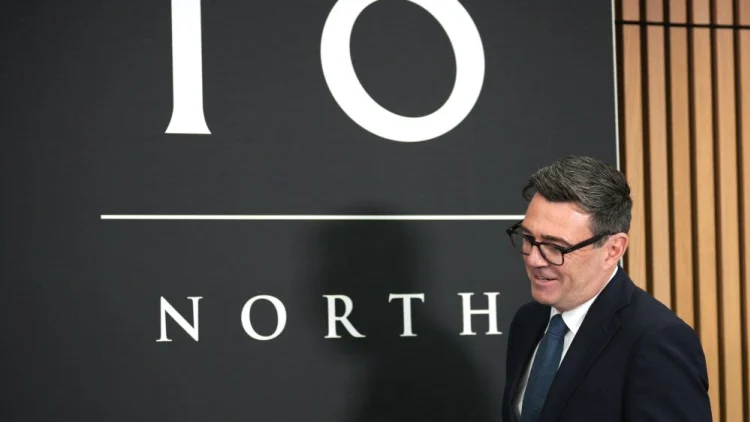

4 min read
When I first arrived in Manchester, Andy Burnham said to me: “Duncan, it’s great that you’re here, and we love the University, but two-thirds of our young people don’t go to university, so how are you going to help them?”
Many people are asking what ‘Manchesterism’ means and if it has any relevance for the rest of the country. Part of the answer lies in the question Andy asked me. He wasn’t saying, “you’re not doing a good job”, but rather, “help me help those who aren’t coming through your doors”.
The premise of his question offers a deep insight into what I think Manchesterism ultimately means: it’s a way of working that is deeply collaborative, combined with a long-term political vision, policy stability, and shrewd investments in the city-region’s unique strengths and assets.
It’s an approach developed in Manchester over many years, across generations of leaders, in both the public and private sectors. The core insight is this: starting with the politics of place offers one of the most powerful ways of getting things done collectively, which in turn helps address the growing cynicism and sense of despair about politics.
At a time when people’s living standards are stagnant or going backwards, we need to focus on delivering the basics well: better housing, transport, public safety, education and training. People want to feel heard, respected and engaged. Successful city-regions operate at a scale where delivering the basics effectively is more likely to happen – but only if given the tools, freedom and opportunity to do so.
The default in Manchester has been to collaborate with anyone who shares our desire to improve the quality of life in our city. Whether in relation to health, education, skills, economic growth, or culture, Manchesterism is a mindset of shared responsibility – where universities, colleges, hospitals, businesses, schools, councils and the combined authority see each other’s challenges as part of their own, and work together to address them.
The results speak for themselves. Greater Manchester, over the last decade, has been the fastest growing economy in the UK, and has attracted more foreign direct investment than any region outside London.
That is no accident. Private investment craves stable and visionary political leadership and a public sector willing to turn ambition into delivery. That confidence creates jobs, prosperity and a city where, now, almost two thirds of our university graduates choose to stay after graduation and build their lives here.
Of course, things are far from perfect. Manchester still lags behind comparable cities in Europe when it comes to improved productivity and investment. And there is still too much entrenched social and economic disadvantage in our community that we need to tackle. However, it does show what can be achieved through new forms of collaboration.
But Manchesterism only works if institutions are prepared to change how they behave. In his first major speech after winning the Makerfield by-election, Burnham argued that universities should sit at the heart of local economies, alongside innovators, employers and local government. He is right. But that requires universities to reimagine their role in the politics of place.
This doesn’t mean being less ambitious. The UK’s best universities are amongst the very best in the world, and we should continue to aspire to that standard. But a great university should also be judged by the local ecosystems it helps build and sustain, and the contribution it makes to improving the wellbeing of the communities it serves.
This way of working is a necessary condition of what Manchesterism means, but not a sufficient one. Getting growth going in every postcode will require not only devolving power and building up the institutional and collaborative capabilities of our regions, but structural reforms to finance, policy-making, and public-private investment, well beyond what any single region can accomplish on their own. This is what will transform the politics of place into a truly national vision.
Duncan Ivison is President and Vice-Chancellor of the University of Manchester
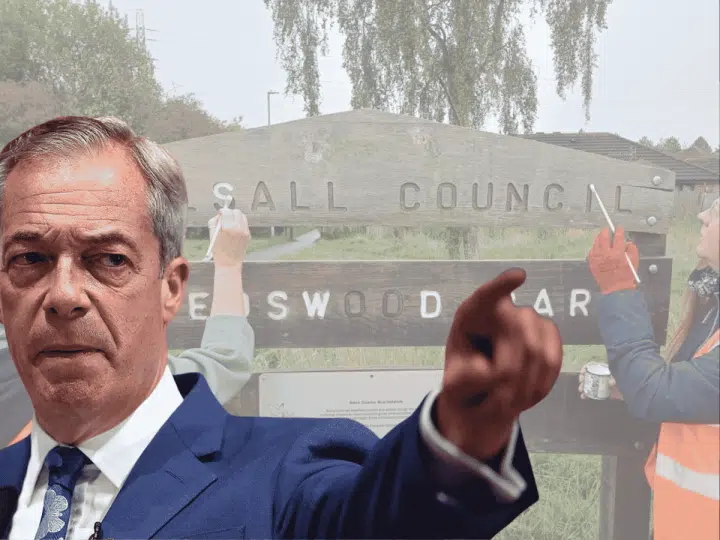

Yet another Reform UK council is in turmoil. After campaigning and winning in Walsall on the promise of opposing a £50 school development on Reedswood Park woodland, Reform’s pathetic councillors turned tail and ran from the council chamber when it came to the debate.
Reform turns back on party promises
The controversial project, pushed by the Department of Education, would see a secondary school built on 13.7 acres of green space in Reedswood Park, in the Black Country. Residents have raised concerns as the area serves as a haven for various birds, bats, mammals and even lizards.
Running with this during the local elections, Reform candidates explicitly told locals that, if they won, their administration would oppose the project.
But, and I am sure this will come as a shock to no one, turns out the Reform candidates were lying to their faces.
Reform ‘chickens out’ during unpopular school project debate https://t.co/HrCt5YpCbi
— Reform UK Exposed
 (@reformexposed) July 29, 2026
During a full council meeting this week, Reform UK showed its true colours. In the meeting, opposing councillors from Walsall Community Independents (WCI) tabled a motion, asking the new Reform administration to stick to its election pledge and oppose the school.
But instead of facing voters, council leader, Elaine Williams, tucked her tail between her legs and walked out of the chamber. Following at her heels was her faithful deputy leader, Nicky Barker.
Half of their bloody cabinet staged a retreat, cowering behind legal advice from the council’s monitoring officer. They stated they needed to “keep an open mind” in regards to the project.
They don’t work for us…duh
Speaking during the debate, WCI leader, councillor Aftab Nawaz, attacked Reform’s cowardly vanishing act, Birmingham Live reported.
The council leader, as many of you know, during the campaign made several promises. The leader attended meetings and said we will oppose the school. It’s an old habit, but if you get elected on promises, you should keep those promises.
WCI deputy leader, councillor Khizar Hussain, added:
Elected members for that area came to the public meetings and told residents they were going to oppose it. They said that clearly. But now they have chickened out, they’ve left the room…You should not make pledges before the elections and not deliver them when you get into power.
The way I see it, our elected officials have lied to us for years, but Reform UK does it so badly.
The remaining Reform members then had the gall to vote down the motion, directly spitting on their constituents in the process.
Councillor for children, education and skills, Lisa Jones, stated that a decision would be announced “in due course”. Yeah, sure. Probably when Reform’s head office works out just how this project can benefit them, and probably their wallet.
Party dictation over public interest
It seems like there’s a pattern emerging, doesn’t it? Reform councillors promise the world to voters, get into power and then completely renege on their promises and obligations.
This betrayal in Walsall isn’t an isolated fumble and it exposes the dark underbelly of Reform UK’s political project. The party doesn’t care about people, only power.
Reform UK routinely treats working class voters as nothing more than fodder. Its representatives leverage real local concerns to win seats, only to immediately abandon their constituents. They bend the knee and enforce top-down control from their head office, rather than concentrate on real issues.
Unfortunately, it’s a pattern that is replicated nationwide.
Following elections in County Durham, central leadership immediately hustled in to override local councillor control. It seems like Farage was laying down laws before the ink on the ballot paper was even dry.
When local elected officials attempt to honour their community promises, or resist orders from head office, they are silenced or forced to fall into line. Some stand up to it, such as in Westhampton when two Reform councillors quit, citing “misogynistic undertones”. Also 10 councillors from Derbyshire resigned from the party because of its autocratic model.
From Durham to Walsall, Reform’s populist stances evaporate the moment its councillors get into power. I find it hard to understand how these people have looked worried residents in the eye and lied to their faces. All to secure a vote?
Yet when it’s time to stand up for the communities who voted them in, Reform councillors show their true colours: they turn their backs, toe the party line and literally run away from their obligations.
The question is, will the public wake up to Reform’s lies?
Featured image via the Canary
By Antifabot
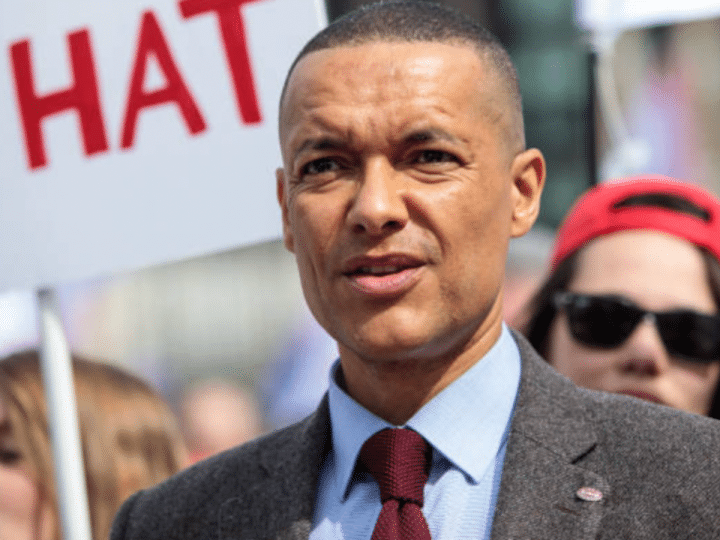

Labour MP Clive Lewis is calling for a referendum on nationalising the water industry.
Lewis, who is MP for Norwich South, links to a web form which will send a request to your MP, asking them to attend the debate. The form contains the following message:
I need your help to clean up our water system.
Over 160,000 people have signed a petition demanding a referendum on public ownership of water. That forced a debate in Parliament – on Monday 14th September.
This is a rare chance for MPs to hear what the public really thinks about our broken water system. Privatisation has failed, and 82% of the public agrees.
It’s no wonder why:
In 2024, sewage was discharged into our rivers for more than 3.6 million hours. Over 80% of all sewage spills into England’s waterways in the last two years may have been illegal.
Every single water company in England is under investigation for sewage spills.
Meanwhile since privatisation, £85 billion has been siphoned out of the system in dividends.
Almost a third of our water bills goes not into fixing pipes or protecting rivers, but into servicing debt and paying shareholders.
MPs need to hear this – and speak out for their constituents.
Over 160,000 people have signed a petition demanding a referendum on public ownership of water – enough to force a debate in Parliament on Monday 14th September. Help me fill the room: https://t.co/izO7Olfuj1 pic.twitter.com/CunkSsVENL
— Clive Lewis MP (@labourlewis) July 28, 2026
 Water shouldn't be a commodity. It should be a public good.
Clive Lewis wants what’s in the public’s best interest
We’ve reported extensively on the issues around privatised water, with recent stories including the following:
- London families told to refill water bottles despite having no running water during heatwave
- Thames Water issues massive bonuses to bosses… despite the ban on water bosses’ bonuses
- Water failure now top threat to UK – where’s the institutional panic?
Thames Water shareholders desperate to keep hands on cash cow monopoly
It’s also the case that nationalising water and other utilities is popular with voters.

You can contact your MP here.
Featured image via the Canary
By Willem Moore

Tote Galway Plate Day at Ballybrit

Anthropic is isolated in every AI fight, and winning anyway

Inside an ATM Machine | How Cash Is Counted#shorts #viralshorts #atm #money #reels #hello #factory

Renter of Home in Anne Heche Crash Denies Settlement With Son

No Jackpot Winner as $257 Million Prize Rolls Over to $269 Million Monday Draw

Weekend Open Thread: Staud – Corporette.com
Inside an ATM Machine | How Cash Is Counted#shorts #viralshorts #atm #money #reels #hello #factory

The CLARITY Act Is Done, Here’s What Happens to XRP Now

Now You Can Buy Airline Tickets with Cryptocurrency | Hum News | Pakistan
-

 Fashion5 days ago
Weekend Open Thread: Brooks Brothers
-
 Sports3 days ago
Commonwealth Games boxing: Jadumani Singh seals dominant 5-0 win over Pakistan’s Sumama Rehman to enter quarter-finals | Commonwealth Games News
-

 Tech3 days ago
Intel is reversing course and bringing hyper-threading back to its server chips
-

 Crypto World7 days ago
Ethics, other provisions in crypto Clarity Act to be further discussed
-

 Politics2 days ago
Luke Littler dismantles Gerwyn Price to retain title in Blackpool
-

 Crypto World4 days ago
Ripple bought a bank in pieces. The $4 billion audit
-
 Entertainment5 days ago
A New Post-Apocalyptic Gundam Anime Series Blasts Into SDCC
-

 Sports6 days ago
2026 3M Open leaderboard: Scottie Scheffler finds putter in Round 1, sits three back
-

 News Videos3 days ago
BITCOIN JUST ENTERED THIS CRITICAL ZONE…
-

 Fashion6 days ago
16 Dresses for the High Summer Event
-

 Politics1 day ago
The Part of the Electric Transition Nobody Wants to Discuss
-

 News Videos6 days ago
The Peugeot Family: How 200 Years of an “Old Money” Dynasty Died in A Boardroom
-

 Business12 hours ago
Major shareholder moves on Canyon
-

 Politics3 days ago
Spain sweeps the board at 2026 World Cup with individual awards
-

 Crypto World3 days ago
XRP Ledger adds $2.6B as RWA inflows rank second
-

 Crypto World6 days ago
Uniswap (UNI) pushes deeper into tokenized RWAs with permissioned trading pools
-
 Entertainment22 hours ago
‘Stargate’ Creator’s New Sci-Fi Series Returns for Season 3 Tomorrow
-
Crypto World6 days ago
SEC Agrees to Overhaul Recordkeeping After Settling Coinbase Lawsuit Over Gensler’s Lost Texts
-

 Tech5 days ago
Anthropic launches Claude Opus 5, a cheaper AI model for coding, agents and enterprise workflows
-

 Entertainment4 days ago
Sara Gilson Killed By Husband After Viral “Pedophile” TikTok Video
You must be logged in to post a comment Login