

Connect with us

Business

Klarna leasing launches in US from $17.99

Published

on

Klarna leasing launches in US from $17.99

Apple launched a hardware leasing programme provided by Klarna on Tuesday, with iPhone leases starting at $17.99 a month and the scheme available only in the United States.

The programme, Apple Upgrade, is available on the Apple Store online, in the Apple Store app and at US Apple Store locations, Apple said. It offers 12 and 24-month leasing terms for iPhone and Apple Watch, and 24 and 36-month terms for Mac and iPad.

Leases start at $17.99 a month for iPhone, $11.99 for Apple Watch, $24.99 for Mac and $11.99 for iPad, according to Apple.

At the end of the term, customers can upgrade to a new device under a fresh lease, buy the device with a one-time payment, or return it and exit the programme.

“At Apple, we put the customer at the centre of everything we do,” said Karen Rasmussen, Apple’s vice president of the Apple Store online, “and we’re thrilled that Apple Upgrade offers our customers, both online and in-store, a more flexible way to pay for the products they love.”

Advertisement

Apple said it will no longer offer the iPhone Upgrade Program or iPhone Payments in the United States. Customers already enrolled can lease under Apple Upgrade when eligible, use Apple Card Monthly Installments, buy outright or take carrier financing.

The monthly cost is lower than under the discontinued scheme, but customers do not own the device at the end of the term. Apple said an iPhone 17 Pro 256GB with a purchase price of $1,099 carries a typical monthly payment of $31.99 over 24 months, or $45.99 over 12 months. Under the iPhone Upgrade Program the same model cost $57 a month over two years, with ownership at the end of the term. That programme also required customers to buy AppleCare cover; under Apple Upgrade, AppleCare is optional.

Applicants are subject to a soft credit inquiry that does not affect their credit score, and no security deposit is required, Apple said. Its terms state that customers may incur substantial fees for terminating a lease early, and that a lease not ended, upgraded or bought out converts to a month-to-month arrangement for up to six months, during which payments may increase.

Leases are available only to US residents and cannot be taken out through Apple at Work for small businesses or enterprises, or through Apple’s education, government or employee purchase programmes, according to Apple’s terms. Apple has not announced a UK launch. Klarna already offers instalment payments to UK consumers through partners including Airbnb, which introduced Pay Over Time with Klarna for UK guests in 2023.

Advertisement

In the UK, the Financial Conduct Authority began regulating deferred payment credit on 15 July 2026. The regulator defines this as interest-free credit repayable in 12 or fewer instalments over 12 months or less, and says agreements taken out before that date remain unregulated.

The launch follows price rises across parts of Apple’s range. Last month Apple increased Mac and iPad prices by $200 or more on some models. Chief executive Tim Cook said higher iPhone prices were unavoidable because of the cost of memory and storage chips, demand for which has risen from artificial intelligence companies.

Apple shares rose slightly in early trading on Tuesday, while Klarna shares fell slightly. Apple briefly passed a $5 trillion valuation earlier this year and reported record iPhone sales for the final quarter of 2025, with total revenue of $144bn.

John Ternus takes over from Cook as chief executive on 1 September, shortly before Apple is expected to announce a foldable iPhone.

Advertisement

Amy Ingham

Amy Ingham

Amy Ingham is a reporter at Business Matters, covering UK business news with a focus on breaking news, business policy, late payments and insolvency. She joined the magazine in 2026 after completing the NCTJ Diploma in Journalism at Harlow College’s journalism school. Her recent reporting includes British Steel’s nationalisation and its impact on SME suppliers, the decline in late payments by large firms, and Insolvency Service director disqualifications. Reach her at aingham@cbmeg.co.uk.

Advertisement
Continue Reading
Click to comment

You must be logged in to post a comment Login

Leave a Reply

Business

Sales and profits soar at homeware seller Online Home Shop

Published

on

Business Live

New accounts for the family-run business show large strides in its performance

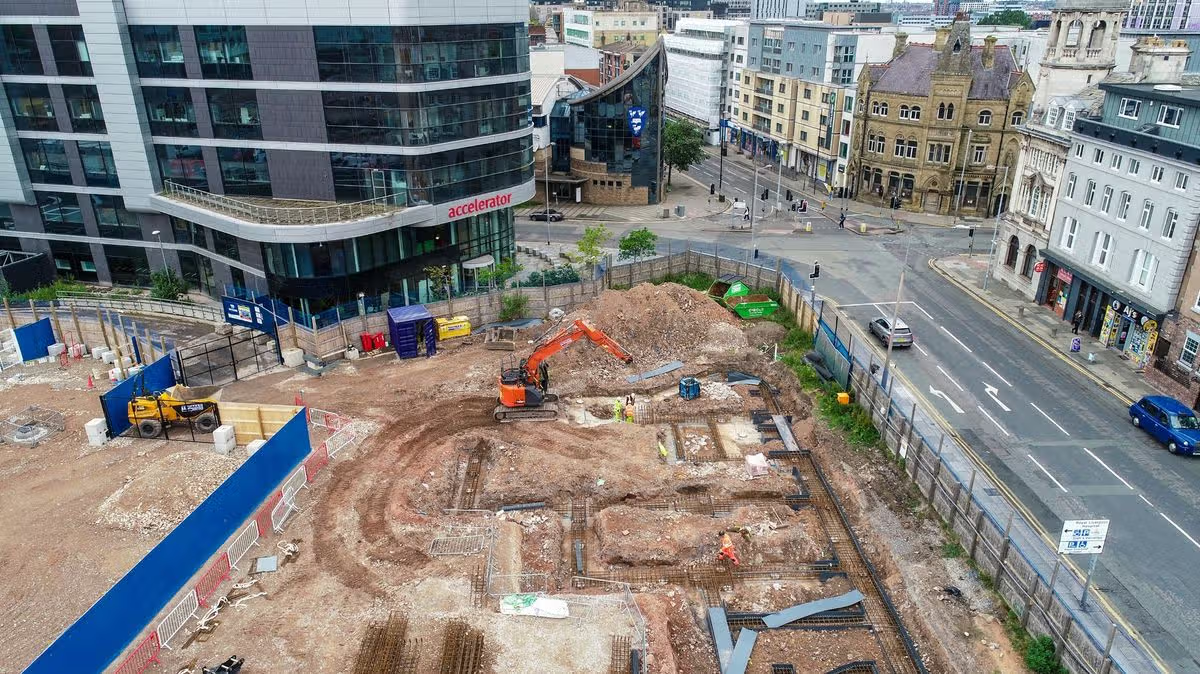
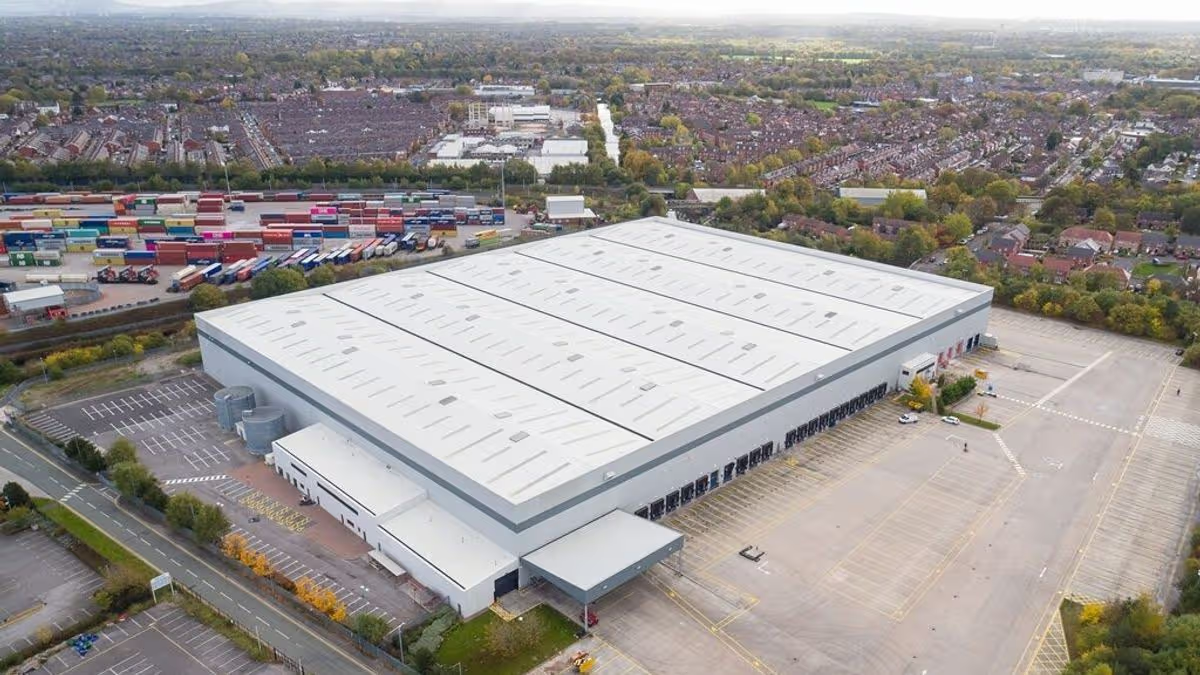
Online Home Shop (OHS) has opened a 327,000 sq ft centre in Trafford Park

Online Home Shop (OHS) has opened a 327,000 sq ft centre in Trafford Park(Image: B8RE)

Sales at internet homeware retailer Online Home Shop have topped £100m, with profits also surging.

The Trafford Park-based seller of bedding, furniture and clothes, among other products, has filed accounts showing a turnover rose from £59.6m to £100.2m in the year to the end of January, 2026. Operating profit tripled from £4.9m to £15.3m across the year as bosses hailed a second consecutive record breaking year.

Online Home Shop said the growth was down to an increasing the customer base, repeat purchases, and expanding into new product categories, particularly in garden, furniture and clothing. Gross Profit for the year was 30.4%, up 5.6% on the prior year thanks to increased profitability across all product categories, incremental performance of new product categories and improved efficiencies.

The 200-strong business recently announced the opening of a new 327,000 sqft fulfilment centre in Trafford Park. That move is intended to help stock management and improve distribution efficiency as the firm responds to growing demand.

Advertisement

Headcount is expected to double to more than 400 in the current financial year. During the first half, sales are said to be up 50% year-on-year with further growth expected across the rest of the year.

Moshe Cohen, CEO of Online Home Shop, said: “We are delighted to announce another strong set of results, reflecting the exceptional talent, commitment and hard work of everyone across OHS. Our continued investment in our people and infrastructure has strengthened the business and positioned us for sustainable long-term growth.

“By attracting and developing the very best people, we continue to deliver high-quality, trend-led homeware products at unbeatable prices, while providing an outstanding shopping experience for our customers. As we look ahead, we remain focused on building on this momentum and delivering the next phase of our growth.”

Online Home Shop Ltd was launched in 2014 and is controlled and run by the Cohen family. It has stated an ambition to become one of the UK’s largest online retailers.

Advertisement
Continue Reading

Business

Home relocator arrested, claims of owing big sums

Published

on

Home relocator arrested, claims of owing big sums

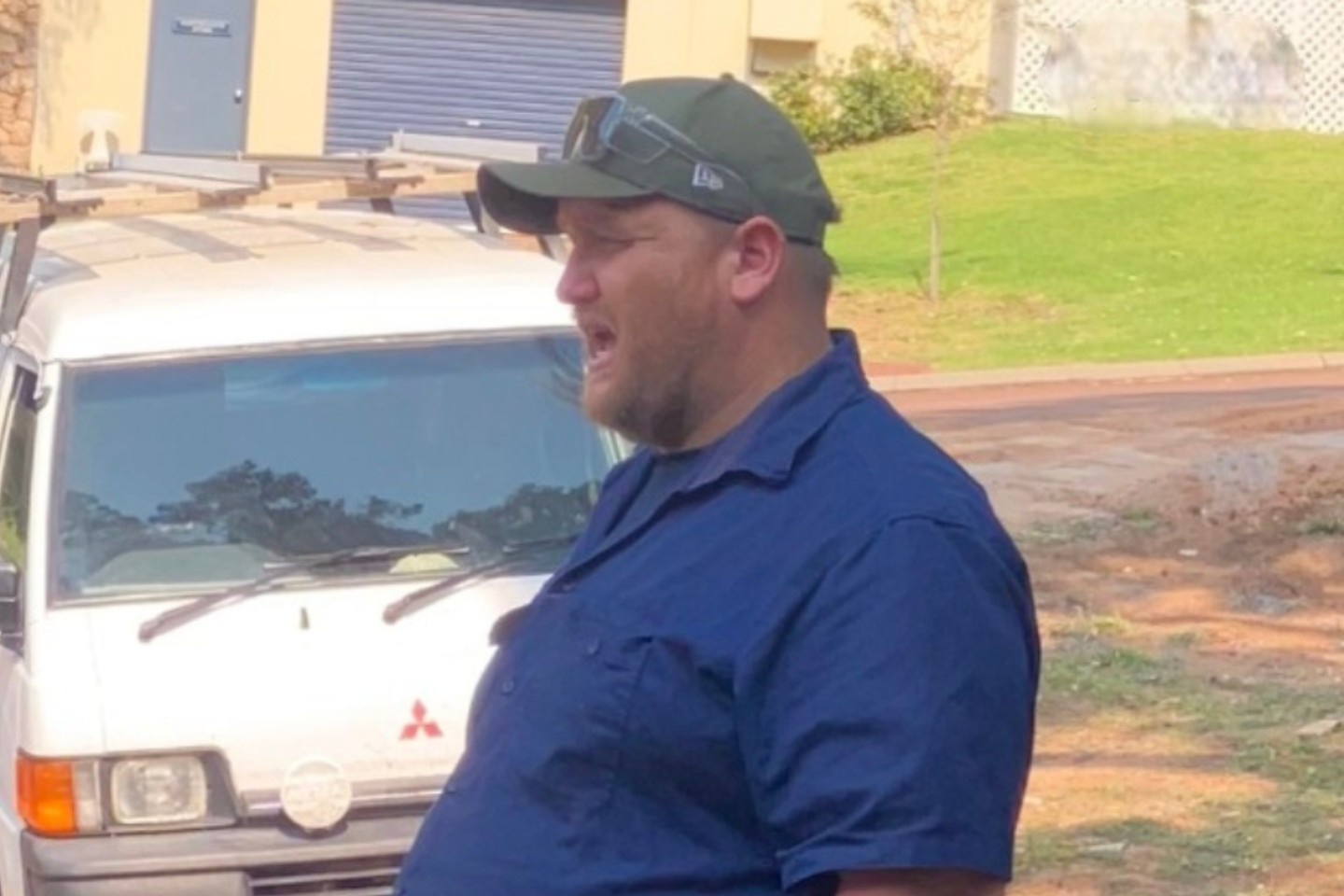
A Western Australian house relocator who is being investigated over claims he owes clients more than $1 million has been arrested after allegedly breaching a court order.

Continue Reading

Business

Humana Stock Price Falls After Insurer Maintains Full-Year Guidance

Published

on

Humana Stock Price Falls After Insurer Maintains Full-Year Guidance

Humana stuck to its guidance for the year, even after the health insurer’s second-quarter results broadly beat Wall Street expectations.

The unchanged guidance contrasts other insurers, including industry bellwether UnitedHealth, which have raised their financial projections for the year on lower-than-expected Medicare cost trends.

Copyright ©2026 Dow Jones & Company, Inc. All Rights Reserved. 87990cbe856818d5eddac44c7b1cdeb8

Continue Reading

Business

What happens here has a big impact on your money

Published

on

The front of the Bank of England building - a triangular roof is held up by multiple columns, and there is an arched entrance

BBC business reporter Dearbail Jordan explains how it works from inside the Bank of England.

Continue Reading

Business

J&K Bank Q1 profit slips 13% as higher provisions hit earnings

Published

on

J&K Bank Q1 profit slips 13% as higher provisions hit earnings
Jammu and Kashmir Bank reported a 12.6% drop in first quarter net profit at Rs 424 crore against Rs 485 crore in the year-ago period, on account of higher provisions, prompting a near 13% plunge in share price.

The fall in net profit was despite a Rs 56 crore gain due to change in accounting policy effective April 1, according to the bank’s regulatory filing to stock exchanges.

The net interest margin for the quarter compressed to 3.28%. Net interest Income rose 2% at Rs 1497 crore.

The share price nosedived 12.8% to Rs 154.6 on BSE, reacting to the pressure on profitability.

Advertisement

The pre-provision operating profit for the quarter stood 4.5% higher at Rs 703 crore against Rs 673 crore earlier. The bank made a higher provision of Rs 84 crore against Rs 15 crore.


Its asset quality meanwhile improved with gross non-performing assets ratio falling to 2.4% at the end of June from 3.5% a year prior. Net non-performing asset ratio was at 0.60%.
Managing director Amitava Chatterjee said that the bank chose to support business momentum with selective corporate lending at lower yields in a changing operating environment which saw a rise in bond yields shifting corporates’ focus to bank borrowing.”This is partly on account of a tactical response to the prevailing market opportunities and economic conditions, wherein we exhibited a conscious preference for selective lending to well-rated corporates with sound fundamentals. That said, the strategic positioning of the bank as a retail-focused bank remains unchanged,” Chatterjee said in a post-earnings analyst call.

The bank’s advances grew by 25% year-on-year to Rs 1.31 lakh crore at the end of June while yield on advances for the quarter under review stood lower at 8.56% against 9.35% for the corresponding period last year.

Its deposits increased by 17% year-on-year to Rs 1.73 lakh crore.

Advertisement
Continue Reading

Business

How Aeras Aviation Keeps Global Aircraft Fleets Flying

Published

on

How Aeras Aviation Keeps Global Aircraft Fleets Flying

Commercial aviation is running two clocks at once. On one hand, Boeing and Airbus are effectively sold out for the better part of a decade. On the other hand, airlines need to put passengers in seats this summer. The gap between the two — between the planes the world has ordered and the planes it can actually fly – has become one of the most consequential stories in the global economy. It is also the gap Demetrios Bradshaw built a company to fill.

As founder and CEO of Aeras Aviation, Bradshaw runs a global engine and aircraft asset-management firm that sources, leases, repairs and remarkets the engines and assets airlines need to keep existing fleets aloft while they wait years for new aircraft. Where the manufacturers sell the future, Aeras trades in the present — the spare engine, the serviceable used part, the “green time” left on a mid-life powerplant that lets a grounded jet fly again this quarter rather than next year.

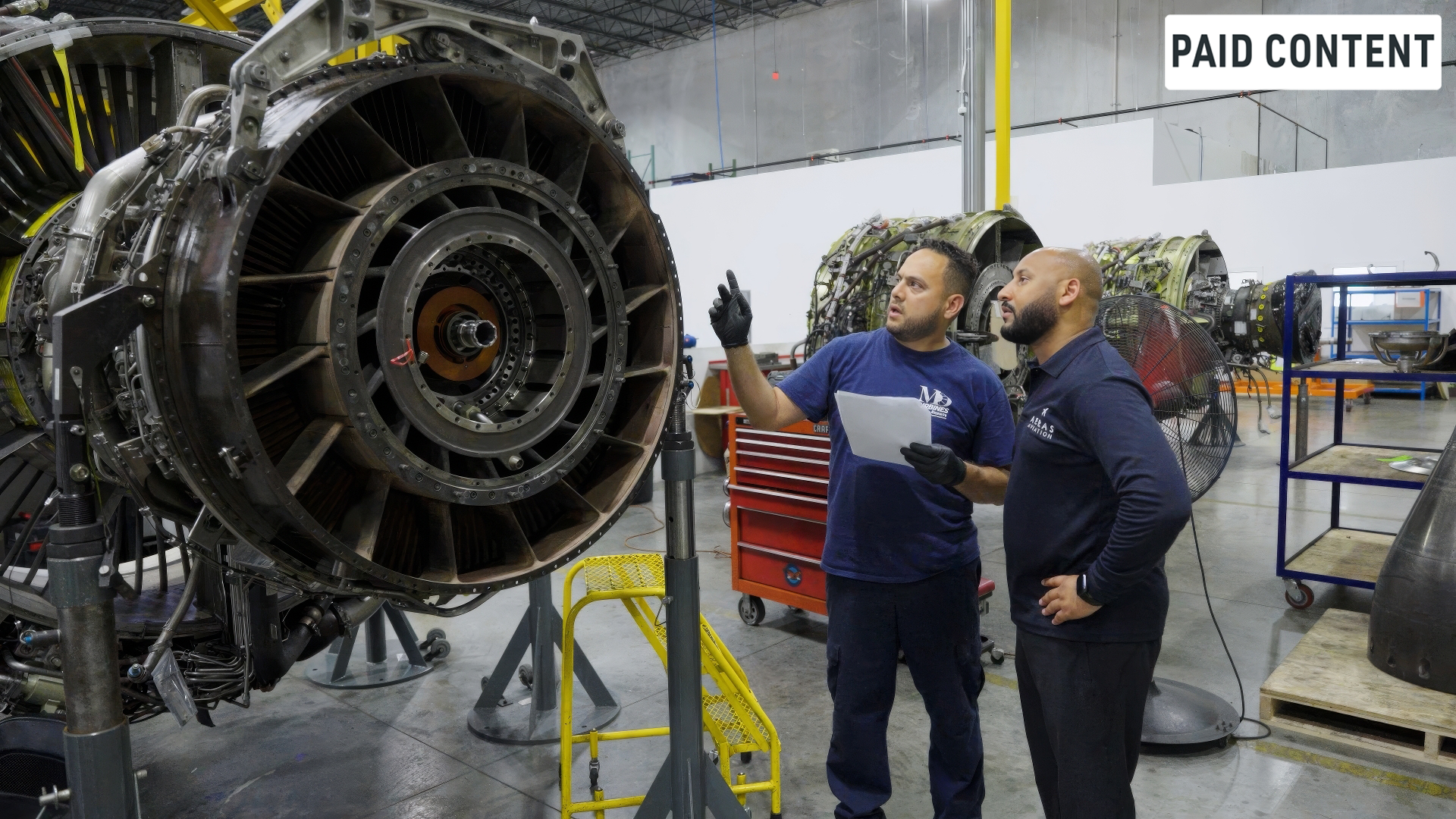
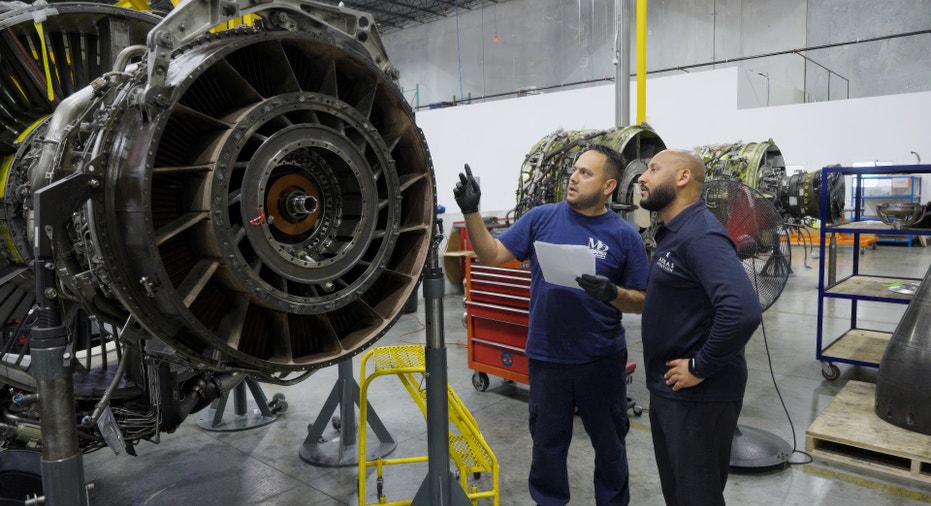
Inside Aeras Aviation: how the company keeps global fleets flying

A backlog measured in decades

The numbers are staggering. Airbus and Boeing are sitting on a combined order backlog of roughly 15,800 aircraft — close to ten years of production at current build rates. New narrowbody delivery slots are now being quoted into the late 2030s and, for some configurations, the 2040s. An airline that orders a fresh A320neo or 737 MAX today may not take delivery until a child born this year is finishing high school.

Advertisement

Hundreds of jets, grounded and waiting

Even the aircraft already in service aren’t all flying. A powder-metal flaw in Pratt & Whitney’s geared turbofan engine — the powerplant on a large share of the A320neo family — has forced accelerated inspections of critical components. At its worst the issue has parked roughly 38% of the global A320neo fleet, with shop visits that once took 60 to 90 days now stretching past 300, and the maintenance queue running into 2027 and 2028.

“The most valuable asset in aviation isn’t the one on the order book — it’s the one that can fly next week,” Bradshaw says. “Our entire business is built around keeping good assets in service and getting stranded ones back in the air.”

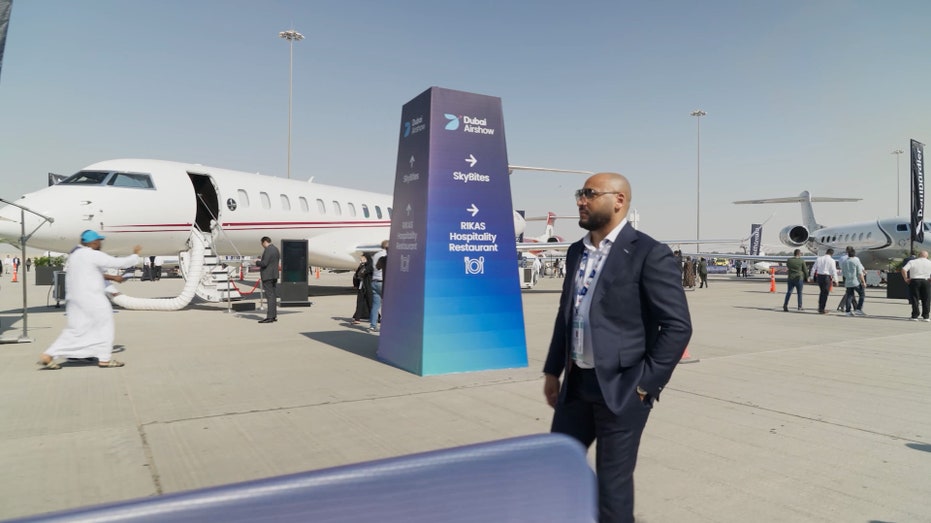
Demetrios Bradshaw CEO of Aeras Aviation at the Dubai Air Show

The new economics of ‘green time’

Advertisement

For most of modern aviation history, an aircraft was a depreciating asset: fly it, age it, retire it. The current squeeze has bent that curve. Aircraft and engine values, along with lease rates, are sitting at multi-decade highs as airlines and lessors fight to keep older airframes in service years longer than planned. A serviceable engine has become a strategic instrument rather than a spare part — and the disciplined reuse of high-value assets has moved from the back office to the boardroom.

“Every conversation about fares, capacity and route cuts eventually comes back to one question,” Bradshaw notes. “Can you get the lift? If you can’t source the engine, the rest of the strategy is theoretical.”

A bet on the United States

Bradshaw is now expanding Aeras into the American market, with new logistics, storage and engine-management capacity announced earlier this year — a deployment of capital that doubles as a read on aftermarket demand. His vantage point is unusually wide: Aeras works across the Middle East, Europe, Asia and Africa, and Bradshaw sits on the board of Air Botswana, giving him a direct line into emerging-market aviation, where fleet growth and financing look very different from the picture in New York or London.

Advertisement

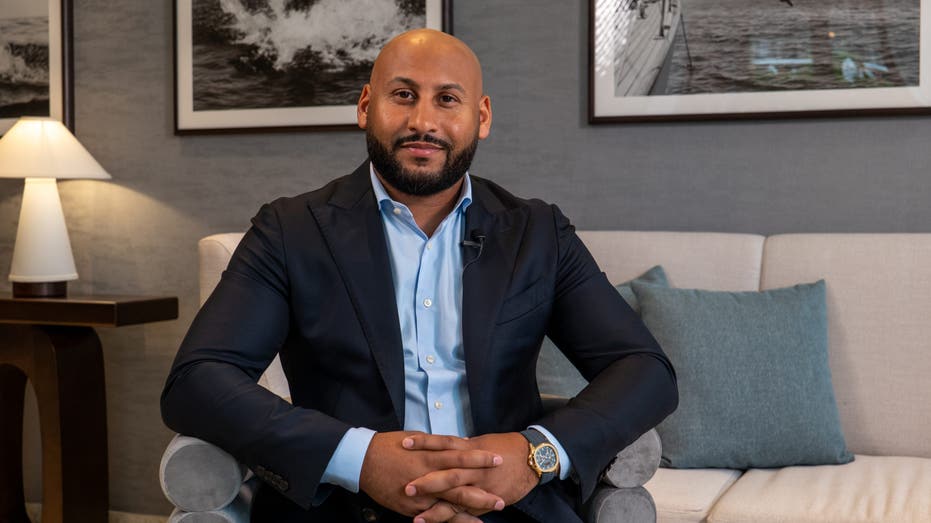
Demetrios Bradshaw CEO of Aeras Aviation

Four forces are colliding in commercial aviation in 2026: a sold-out production pipeline, a historic engine-maintenance backlog, fuel-price volatility and asset values at generational highs. Each alone would be a story; together they have rewritten the economics of flying. As the manufacturers work through a decade of orders and Pratt & Whitney works through its queue, the businesses that keep today’s fleets in the air are no longer a footnote to the industry — they are its pressure valve. Demetrios Bradshaw built one of them, and from a seat in the middle of the deals, he has a clear view of where all four clocks point next.

Demetrios Bradshaw is the founder and CEO of Aeras Aviation, a global aircraft engine and asset-management company serving airlines, lessors and OEMs across the Middle East, Europe, Asia and the United States. He serves on the board of Air Botswana and advises on aviation strategy across emerging markets.

Continue Reading

Business

Strong order book for Welsh construction firm as it marks its centenary

Published

on

Business Live

Denbighshire-based Wynne Construciton has an order book in excess of £325m.

Work on the £4m Maggie’s Centre in Liverpool.

A North Wales construction company is celebrating its centenary year with an order book in excess of £325m.

Bodelwyddan-based Wynne Construction currently has £228m of work on site, alongside a further £99m of secured schemes progressing through pre-construction stages.

The projects, which span education, healthcare, housing, leisure and wellbeing, heritage, and low-carbon innovation, are across Wales and the North West of England.

With schemes extending into 2030, the family-owned firm says the strong pipeline is enabling the business to plan confidently for the years ahead.

Advertisement

Among the projects currently being delivered, and those located across the four corners of Wales, are the £26m leisure and wellbeing centre in Newport, the £13m Ty Haverfordia scheme building apartments for over 55s in Pembrokeshire, the £31m Aethwy Care scheme to provide a residential care home and integrated health and social care facilities in Anglesey, and the £11m new build archive centre for Denbighshire and Flintshire councils.

Other significant schemes progressing under Wynne Construction’s expertise include the £4m Maggie’s Centre in Liverpool, which will provide dedicated facilities for people affected by cancer.

Chris Wynne, managing director at Wynne Construction, said: “We are proud to be delivering such a diverse range of projects in Wales and the North West of England.

“While the individual buildings are very different, they are being designed and built to provide long-term benefits for the people and communities that will use them.

Advertisement

“Many of these schemes are also being delivered in partnership with long-standing clients and supply chain partners. These relationships are extremely important to us and are central to the successful delivery of our work.

“A strong forward order book is important not only in financial terms, but also because it gives confidence to our workforce and supply chain. We are able to plan resources, develop our teams, and invest in skills, training, and employment opportunities.”

The secured work reflects Wynne Construction’s continued presence across public sector frameworks and its experience delivering technically complex and flagship projects.

During this year, the company has continued to add to its pipeline with the announcement of a series of significant design and build projects.

Advertisement

This includes an affordable homes scheme in Bodelwyddan, the redevelopment of Ysgol Pendref primary school and Denbigh High School in Denbighshire, and the Egni project at the Bangor University-led Menai Science Park (M-SParc) in Anglesey.

Mr Wynne said: “Reaching our centenary is an important milestone for us. The construction industry continues to face challenging market conditions, including cost pressures and wider economic uncertainty, so to enter our 100th year with a strong and diverse order book is particularly positive.

“We are extremely grateful to our clients, consultants, supply chain, and particularly our employees, who continue to place their trust in us. We are looking forward to delivering this exciting programme of projects.”

The company is appointed to a number of key frameworks, including the North Wales Construction Partnership (NWCP), Pagabo, SEWSCAP, South West Wales Regional Contractors Framework (SSWRCF), Welsh Procurement Alliance, Westworks, and RNLI.

Advertisement
Continue Reading

Business

Formulating with honey

Published

on

Formulating with honey

Understanding the complexity of the trending ingredient.

Continue Reading

Business

Opinion: Mining for positives amid funding threat

Published

on

Opinion: Mining for positives amid funding threat

OPINION: AI is the hot-button issue for businesses worldwide, and Diggers & Dealers will be no exception.

Continue Reading

Business

Cracker Barrel CEO Julie Masino to get $4.6M severance after exit

Published

on

Cracker Barrel CEO Julie Masino to get $4.6M severance after exit

Cracker Barrel is set to pay outgoing CEO Julie Masino several million dollars in severance pay after her departure from the company, while also covering security costs for a period of time.

The restaurant chain announced on Monday that Masino would step down as CEO on Aug. 10 and will remain with the company in an advisory role until Oct. 9. David Deno will replace her as CEO.

Advertisement

The company disclosed in a transition agreement filed with the Securities and Exchange Commission (SEC) that Masino will receive $4.63 million over the two years following the end of her employment at Cracker Barrel.

The filing also indicated that Cracker Barrel will continue to pay for Masino’s protective services for a “reasonable period of time” after the end of her advisory role with the company.

CRACKER BARREL CEO JULIE MASINO TO STEP DOWN

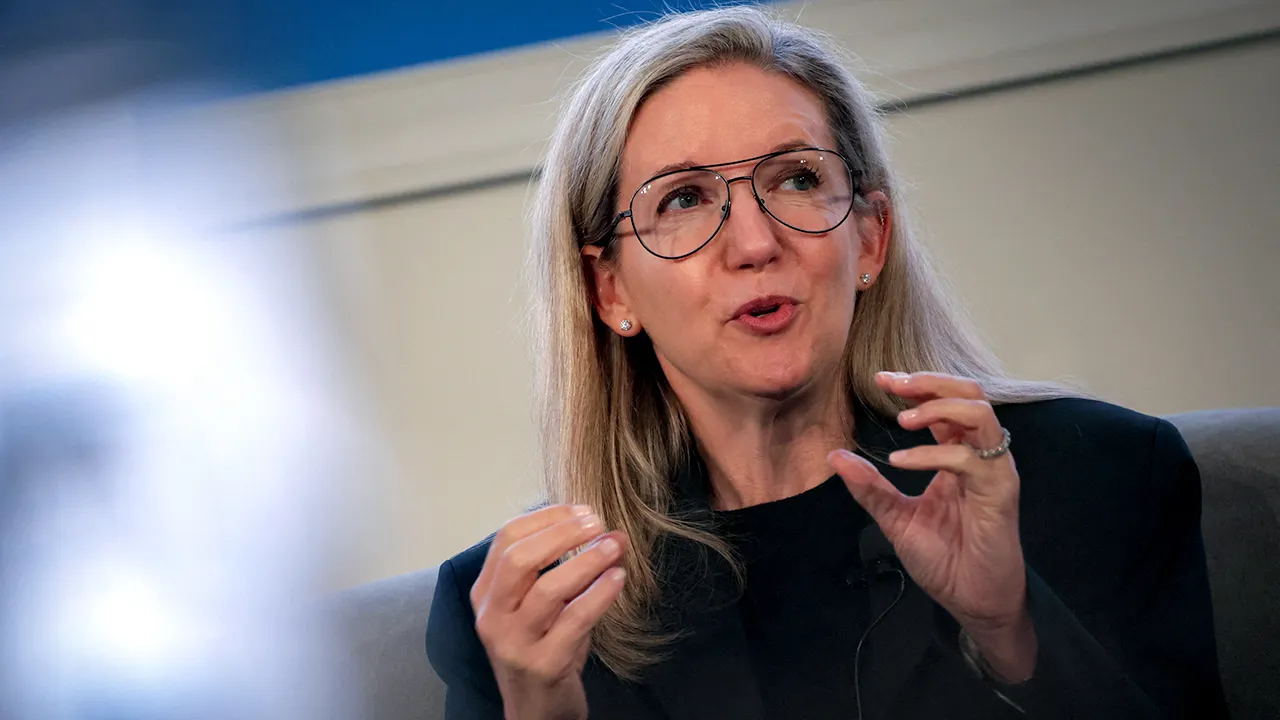
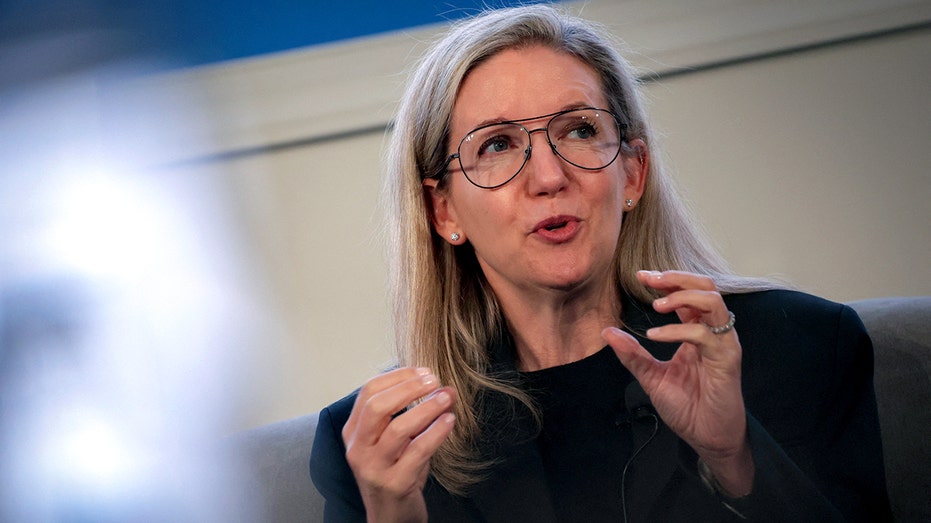
Cracker Barrel CEO Julie Masino.

Cracker Barrel disclosed the terms of outgoing CEO Julie Masino’s severance package in a filing. (Jeenah Moon/Reuters)

Masino’s departure comes after an unsuccessful attempt to rebrand the restaurant chain last year sparked blowback from customers and impacted the company’s sales.

Advertisement

Among the changes pursued prior to the reversal was the removal of the “old timer” from the company’s logo, as well as adjustments to the interior layout of the restaurants that have long included a general store.

The rebrand was part of a $700 million overhaul across the company’s 660-plus restaurants, which also included a revamped menu and decluttered dining rooms.

NEW CEO INHERITS CRACKER BARREL STILL RECOVERING FROM REBRAND BACKLASH

Ticker Security Last Change Change %
CBRL CRACKER BARREL OLD COUNTRY STORE INC. 56.33 +2.52 +4.67%

In the company’s announcement of the leadership transition, Carl Berquist, the independent chairman of the Cracker Barrel board, thanked Masino for “her leadership and commitment to Cracker Barrel.”

Advertisement

Berquist added that the company appreciates “her partnership to ensure a smooth leadership transition as we remain focused on the work underway to continue to serve our guests, support our employees, and execute our strategic priorities.”

Cracker Barrel’s announcement also included a statement from Deno, who said the chain is a “truly iconic American brand, defined by its unique combination of warm country hospitality, timeless appeal, and deep connection with guests across generations.”

CRACKER BARREL SELLS MAPLE STREET BISCUIT COMPANY, CLOSES 16 LOCATIONS

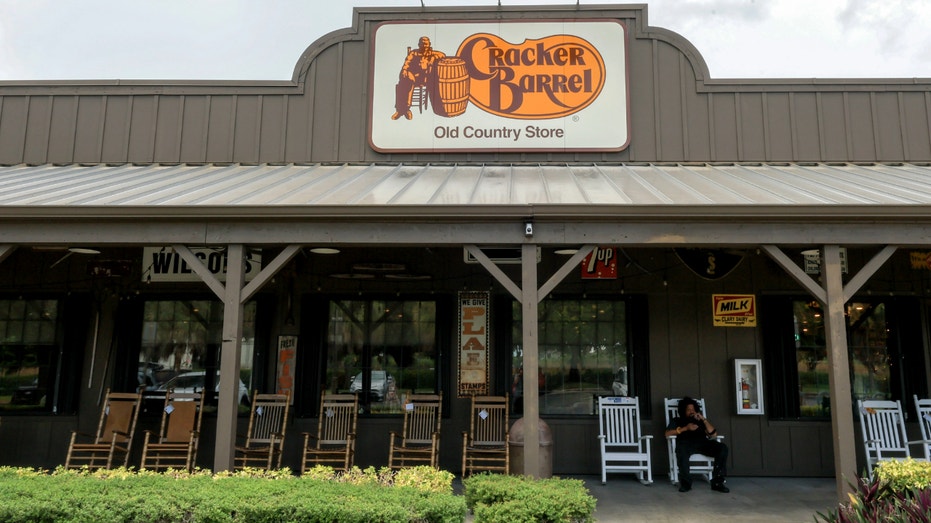
A Cracker Barrel store with the old logo.

Cracker Barrel is seeing traffic improvements, though it remains below what it was before the rebranding controversy. (Joe Raedle/Getty Images)

Masino’s departure and her upcoming replacement by Deno comes as the company is still struggling to return traffic to where it was before the rebranding controversy.

Advertisement

The company said in its third-quarter earnings last month that traffic was improving relative to the recent trend; it remained lower than where it was in the prior year.

Cracker Barrel CFO Craig Pommells noted that comparable store sales decreased 2.6%, with traffic down 6.7%, though he added that, “Although traffic remained negative, we are encouraged by the gradual improvement in the underlying trend.”

GET FOX BUSINESS ON THE GO BY CLICKING HERE

Advertisement
Continue Reading

Trending

Copyright © 2025