



Connect with us

Business

Cashing in on SpaceX: ‘Every chance I get, I’ll sell a little more’

Published

on

Three vertical photos, from left a woman wearing a white mini dress, a woman wearing an orange strappy maxi dress and men wearing shorts and shirts all walking in the street in London

Andre Lavoie joined SpaceX in 2009 as an engineer, designing the pressure tanks that help power its rocket. He was paid partly in stock – a common trade-off at start-ups as a hiring incentive.

Some 17 years on, those 200,000 shares he was given are worth about $23m (£17m) – and the 63-year-old says he’s ready to start cashing them as soon as he can.

“Every chance I get going forward, I’ll sell a little bit more,” he tells the BBC.

“The shares have been going up so radically it keeps messing up my life plans – you really can’t know the future, so it’s better to sell early and in intervals.”

Advertisement

Lavoie is far from being the only one who has seen the value of his stake in SpaceX rocket over the years.

The company’s founder, Elon Musk, said on Fox News that SpaceX’s listing on the stock market in June had likely made “several thousand” employees millionaires – including staff “who were working on the production line”.

According to reports, there are estimated to be 4,400 new millionaires created by the listing.

Unlike most newly-listed firms, SpaceX shares are set to be released in stages: the first 20% on 6 August, with more due in batches through the rest of the year.

Advertisement

Whether or not shareholders decide to sell their stake at the first opportunity is a matter for individuals. Unlike Lavoie, some may choose to hold onto their shares altogether in the hope of bigger gains later.

SpaceX listed on the Nasdaq in June, in the biggest initial public offering (IPO) in history, valuing the rocket and satellite firm at more than $2 trillion.

It briefly made Elon Musk the world’s first trillionaire, before the stock cooled and his fortune slipped back below the milestone within weeks.

In its first results as a public company this week, the firm’s quarterly revenue was shown to have nearly doubled to $7.8bn (£5.8bn) from a year earlier, while its spending ballooned to $18.3bn – more than six times what it was a year ago.

Advertisement

Overall, SpaceX made a net loss of $143m in the three months to June, and a loss of $2bn during the first six months of the year.

Musk pushed back against sceptics on an earnings call: “I think people are really underestimating Starlink”. He predicted the satellite internet service – the one part of the company that is currently making a profit – could one day deliver a majority of the world’s internet.

But shares in the company tumbled on the back of the earnings report, with investors generally spooked by the huge amounts of money being spent on AI.

SpaceX shares fell 13.6% on Wednesday to $108.27 (£80.44) – well below the initial listing price of $135 a share.

Advertisement

Lavoie plans to use his money from selling some of his shares to fund a hotel he is renovating in Pontebba, Italy’s northeastern Friuli region, plus a small brewery.

He says is priority for the future is raising awareness of air pollution in the area, in partnership with a local environmental group.

Before he was hired, Lavoie was interviewed by Musk himself.

“He’s a very charming person when he wants something,” Lavoie says.

Advertisement

He wouldn’t be drawn on Musk’s politics – “that’s his business” – but is unreserved about the company: “I’ve always been happily supportive and impressed, and would work hard with those incredible people again.”

Some analysts value SpaceX at less than half its current stock market price, warning its ties to xAI carry real financial risk – part of a broader worry on Wall Street that sky-high valuations for AI-linked firms, including SpaceX, OpenAI and Anthropic, could prove overdone.

Sinead O’Sullivan, an economist who has previously worked for Nasa, told the BBC in June she thinks SpaceX is an “Elon Musk ego project”.

“You’re buying a share of the Elon Musk brand more than any kind of space industry,” she said.

Advertisement

But Ron Epstein, an aerospace analyst at Bank of America Securities, says the recent share price swings say more about the market than the company.

“A lot of it has to do with macro trends,” he says. “None of it really has anything to do with what’s going on fundamentally at the company.”

He says investors judging SpaceX purely as an AI bet are missing the point: “They’re not just a compute provider. They’re not just an AI company. It’s a far more complicated picture than that.”

SpaceX, he adds, has cut the cost of reaching orbit from around $10,000-$20,000 a kilogram to about $2,000 with its Falcon 9 rocket – “they have built a railroad to space.”

Advertisement

Lavoie, for his part, isn’t rattled. He says: “The solid business model of SpaceX will prove itself to be worth the investment,”even as he takes some of his own winnings off the table.

Continue Reading
Click to comment

You must be logged in to post a comment Login

Leave a Reply

Business

GameStop Shares Steady Near 52-Week Low as Debt Swap Reference Period Continues Ahead of Earnings This Week

Published

on

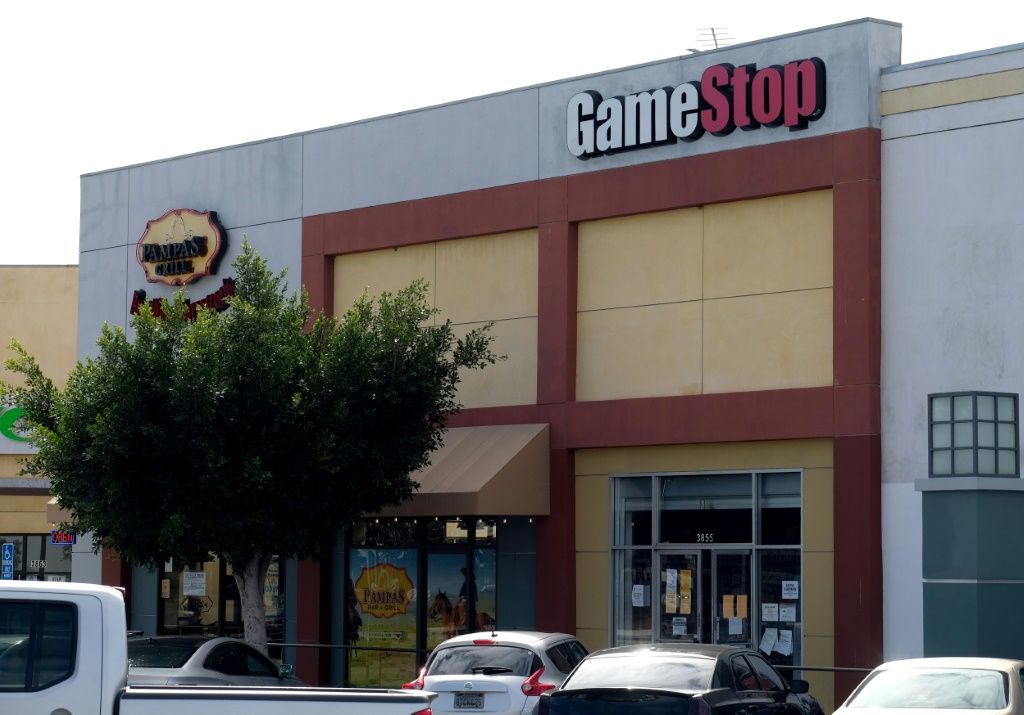
GameStop shares are buzzing anew on Wall Street

GameStop shares traded largely flat Friday morning, changing hands at $19.07, down 0.83%, as the video game retailer’s stock continued to stabilize near recent lows following last week’s announcement of a $1.4 billion debt-for-equity exchange that has kept investors focused on the potential for significant shareholder dilution in the weeks ahead.

The relatively quiet session comes after a volatile stretch for GameStop shares, which fell into negative territory for the year for the first time in 2026 earlier this week, part of a broader decline that saw the stock post several consecutive double-digit percentage drops following the company’s Aug. 4 announcement of its planned convertible note exchange.

A Debt Swap Still Working Through the Market

GameStop’s stock remains anchored to the mechanics of that debt exchange, under which the company will swap $1.4 billion in outstanding convertible notes for shares of common stock, reducing its long-term debt load while raising the prospect of a meaningfully larger share count once the transaction is completed. Following the exchange, GameStop will retain approximately $1.1 billion in notes due in 2030 and $1.7 billion in notes due in 2032, down from the $4.17 billion in total long-term debt the company held as of May 2.

Advertisement

The precise number of new shares to be issued in the exchange remains tied to a 35-consecutive-trading-day reference period that began Aug. 3 and runs into early September, during which the average volume-weighted price of GameStop’s stock will directly determine the scale of dilution shareholders ultimately face, subject to a contractual per-share price floor built into the agreement. That structure means every trading session between now and the reference period’s conclusion carries some bearing on how many new shares will ultimately be created, adding a layer of built-in uncertainty that has weighed on the stock throughout the week.

GameStop has also disclosed that noteholders participating in the exchange may buy or sell shares of common stock, or enter into derivative transactions, to hedge or unwind their positions during this window, a disclosure the company itself acknowledged could materially affect the market price of its stock in the interim.

A Week That Wiped Out 2026 Gains

The scale of the reaction to the debt exchange announcement has been significant. GameStop shares plunged more than 12% in a single session earlier this week, at one point touching a fresh 52-week low, as the debt swap news compounded existing investor unease about the company’s broader capital structure. That decline was enough to erase all of the stock’s gains for 2026, a notable reversal for a stock that had shown periods of strength earlier in the year tied to speculation surrounding the company’s pursuit of eBay.

Advertisement

Trading volume around the announcement remained elevated relative to the stock’s typical daily average of roughly 8.26 million shares, reflecting the intensity of investor repositioning as the market worked to price in the potential dilution impact.

The eBay Bid Remains in the Background

GameStop’s broader strategic ambitions continue to loom over the stock’s near-term trading, even as the debt exchange has dominated headlines this week. Chief Executive Ryan Cohen has continued pushing forward with the company’s pursuit of a takeover of eBay, an effort that led Cohen to forfeit a substantial personal pay package tied to his role at GameStop, even as it remains unclear whether the company will ultimately be able to complete the acquisition. GameStop shareholders previously voted at the company’s annual meeting to approve an increase in authorized shares specifically designed to give the company greater flexibility for stock-based transactions tied to potential deals such as the eBay pursuit, underscoring how directly the current debt exchange and dilution concerns connect to the company’s broader acquisition strategy.

A Financial Cushion Amid the Uncertainty

Advertisement

Despite the dilution concerns weighing on sentiment, some analysts have pointed to GameStop’s substantial cash position as a mitigating factor limiting the stock’s downside risk. Recent commentary has highlighted the company’s roughly $6 billion combined cash and cryptocurrency holdings as a meaningful cushion, even as the stock continues to trade well below its 52-week high of $28.10 reached earlier in the year.

Bitcoin Exposure Adds a Separate Layer of Volatility

Beyond the debt exchange and eBay speculation, GameStop’s stock has also remained sensitive to swings in the broader cryptocurrency market given the company’s corporate treasury holdings in bitcoin, a strategy that has tied its share price more closely to digital asset price movements than a traditional retailer might typically experience. That dynamic has added yet another layer of volatility to a stock already navigating significant company-specific catalysts this month.

Looking Ahead to Earnings

Advertisement

GameStop’s next major scheduled catalyst remains its second-quarter earnings report, expected on or around Sept. 8, an event that will land just weeks after the current 35-trading-day reference period concludes and the debt exchange is set to formally close on or around Sept. 23. Investors are likely to scrutinize that earnings report closely not only for updates on the company’s underlying retail and collectibles business, but also for any further management commentary on the status of the eBay pursuit and how the company plans to navigate the dilution dynamics tied to its recently announced debt restructuring.

A Stock Increasingly Defined by Financial Engineering

Friday’s relatively muted trading session, following a week of sharp swings tied to the debt exchange announcement, illustrates how significantly GameStop’s near-term stock performance continues to be shaped by corporate financial maneuvering rather than by developments in its core video game and collectibles retail operations. With the reference period governing the scale of the debt-swap dilution still weeks from concluding, and the company’s pursuit of eBay remaining an open and consequential question, GameStop’s stock is likely to remain a closely watched name among both retail and institutional investors through the remainder of the summer and into its early September earnings report.

Advertisement
Continue Reading

Business

Trinseo PLC 2026 Q2 – Results – Earnings Call Presentation (OTCMKTS:TSEOQ) 2026-08-07

Published

on

OneWater Marine Inc. (ONEW) Q1 2026 Earnings Call Transcript

This article was written by

Seeking Alpha’s transcripts team is responsible for the development of all of our transcript-related projects. We currently publish thousands of quarterly earnings calls per quarter on our site and are continuing to grow and expand our coverage. The purpose of this profile is to allow us to share with our readers new transcript-related developments. Thanks, SA Transcripts Team

Continue Reading

Business

Nintendo Shares Jump 5% as Profit Surges on Strong Switch 2 Software Sales Despite Weak Hardware

Published

on

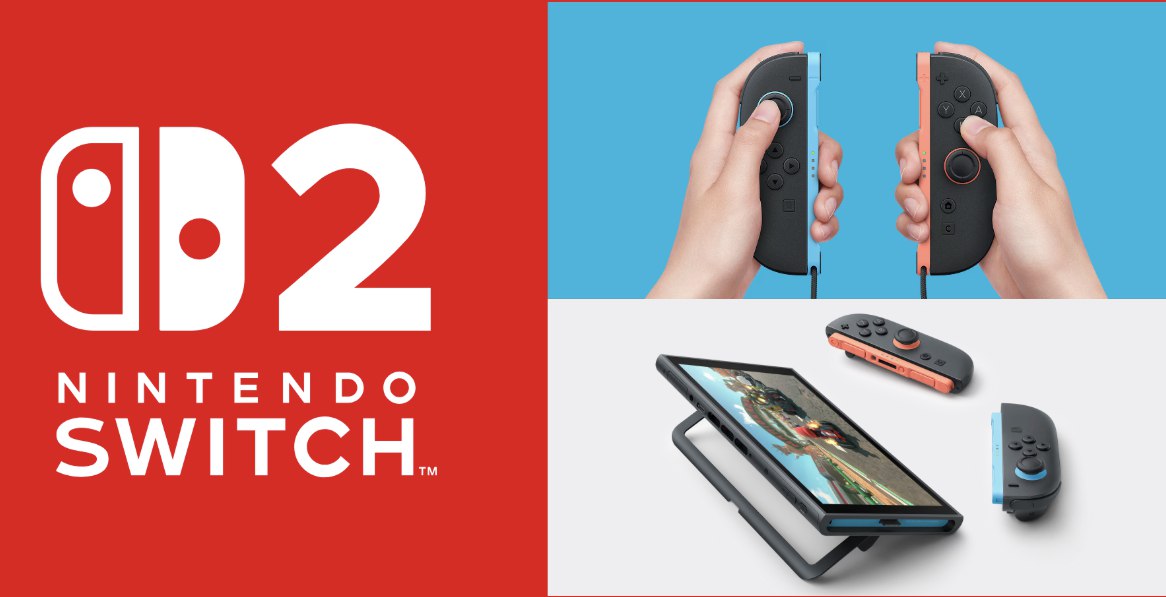
Nintendo Switch 2 Price

TOKYO — Nintendo shares surged Friday, closing 4.8% higher at 8,011 yen after climbing as high as 8,043 yen earlier in the session, following a first-quarter earnings report that showed profit soaring even as hardware sales for the company’s flagship Switch 2 console declined from the same period a year earlier.

The gain comfortably outpaced the broader Tokyo market, with the benchmark Nikkei 225 index falling 0.8% on the same day, underscoring how strongly investors reacted to Nintendo’s results, which were released after markets closed Thursday.

Profit Beats Expectations

Nintendo reported net profit attributable to the company of 145.4 billion yen for the quarter ended June 30, up sharply from 80.9 billion yen in the same period a year earlier and comfortably ahead of the 119.8 billion yen analysts had expected, according to consensus estimates compiled by S&P Global Visible Alpha. Operating profit for the quarter climbed to 142.5 billion yen, an increase of roughly 150% from the prior-year period, while ordinary profit rose 115.1% to 206.1 billion yen.

Advertisement

The scale of the profit surge stood in contrast to Nintendo’s hardware performance during the quarter, illustrating how strongly software sales and other revenue streams contributed to the company’s bottom line even as console shipments themselves slowed.

Switch 2 Hardware Sales Slow From a Year Ago

Nintendo sold 3.82 million Switch 2 units during the April-to-June quarter, down 34.4% from the same period a year earlier, when the console had just launched in June 2025 and was riding an initial wave of pent-up consumer demand. Sales of the original Switch hardware, now well into its later life cycle, fell even further, dropping 31.8% to just 0.66 million units for the quarter.

Since its launch, the Switch 2 has now sold a cumulative 23.68 million hardware units worldwide, with cumulative software sales for the platform reaching 58.17 million units. The original Switch, meanwhile, has now sold a cumulative 156.59 million hardware units and 1.56 billion software units over its lifetime, figures that continue to underscore the console’s status as one of the best-selling gaming platforms in industry history.

Advertisement

Software Drives the Results

Rather than hardware, it was software sales that helped carry Nintendo’s quarterly results. “Tomodachi Life: Living the Dream” led the way, moving 7.94 million units during the quarter, while “Pokémon Pokopia” added a further 1.27 million units sold. Nintendo also pointed to strength in its mobile and intellectual property licensing business, which the company said generated 16.7 billion yen in income during the quarter, up 107.4% from a year earlier.

Nintendo has continued expanding its Switch 2 software lineup to sustain the platform’s momentum. The game “Splatoon Raiders” was added to the library in July, with additional major titles scheduled for release later this year, including “Fire Emblem: Fortune’s Weave” in September, “Nintendo Switch Sports Resort” in October, and a remake of “The Legend of Zelda: Ocarina of Time” also planned for release before the end of 2026. For the original Switch platform, the new title “Rhythm Heaven Groove” was also released during the period.

In a statement accompanying the results, Nintendo said it aims to maintain momentum for the Switch 2 by continuing to widen its installed hardware base while working to expand sales of existing software titles alongside a steady cadence of new releases, adding that other third-party software publishers also plan to bring a range of additional titles to the platform in the months ahead.

Advertisement

A Cautious Full-Year Outlook

Despite the strong quarterly beat, Nintendo maintained a relatively conservative full-year outlook for fiscal 2026. The company reaffirmed guidance calling for earnings of 43 cents per share and total sales of approximately $13.071 billion for the fiscal year, according to data from Benzinga Pro. That earnings guidance sits below the analyst consensus estimate of 51 cents per share, while Nintendo’s revenue forecast similarly trails the broader analyst consensus estimate of $14.810 billion, suggesting the company itself remains cautious about the pace of growth for the remainder of the fiscal year even after a standout opening quarter.

Nintendo has separately flagged rising costs tied to memory chip components used in its hardware, warning that inflation in artificial intelligence-driven memory prices could add close to $700 million in additional costs, a factor the company appears to be weighing carefully as it calibrates its full-year guidance despite the strong first-quarter results.

Emphasizing Regular Releases as Key to Growth

Advertisement

Nintendo has continued to stress that a steady stream of new game releases remains essential to expanding the Switch 2’s installed user base over time, rather than relying primarily on hardware sales momentum alone. That strategy mirrors the approach Nintendo took with the original Switch console, which sustained strong sales for years after its 2017 launch through a consistent cadence of first-party titles alongside continued third-party software support.

A Strong Quarter Relative to Rivals

Nintendo’s results this week arrived within roughly two weeks of comparable quarterly reports from rival console makers Sony and Microsoft, both of which also reported sales declines for their respective hardware platforms during the same April-to-June period. Sony’s PlayStation-focused Game & Network Services segment reported operating income of 202.0 billion yen, up 37% year over year, even as PS5 hardware sales fell to roughly 1.5 million to 1.6 million units, down about a third from the prior year, with the company’s growth instead driven by its PlayStation Network services business, which reported a record 125 million monthly active users during the quarter.

With a slate of major first-party titles set to arrive over the coming months, including the highly anticipated Zelda remake, Nintendo’s ability to sustain Friday’s rally will likely hinge on whether those upcoming releases can reaccelerate hardware demand following the notable year-over-year decline reported this quarter. Investors are also likely to continue watching closely for any further updates on memory chip cost pressures, given the company’s own warning about the potential financial impact heading into the remainder of the fiscal year.

Advertisement
Continue Reading

Business

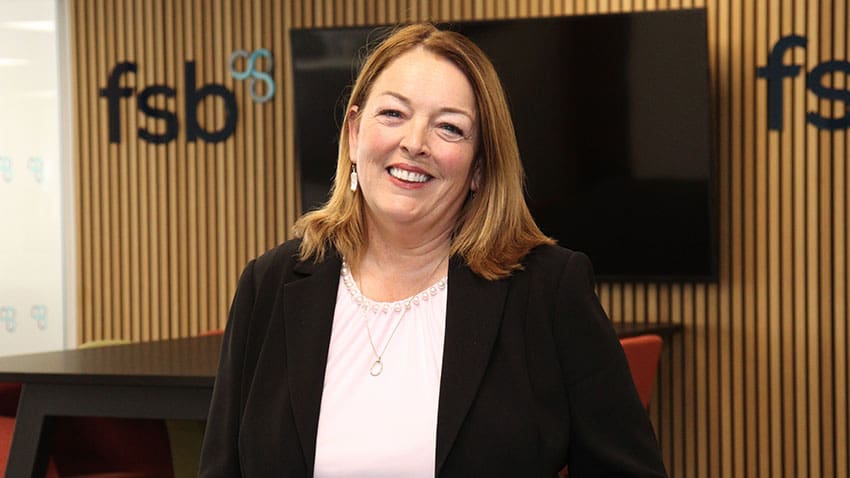
Tina McKenzie named interim FSB national chair

Published

on

Tina McKenzie named interim FSB national chair

Tina McKenzie has been confirmed as interim national chair of the Federation of Small Businesses, as Martin McTague steps down from the role to become a member of the House of Lords, the organisation has announced.

McTague’s peerage was announced last month, when he was named as one of 26 new members of the House of Lords in the political peerages list published by Downing Street on 16 July. The FSB said he is expected to be formally introduced into the Lords following the summer recess.

McKenzie has been a member of the FSB’s board of directors since 2021 and has spent the last four years as national vice chair for policy and advocacy.

In that role, the FSB said, she has led engagement with senior figures in the UK government and opposition parties on issues including the cost of doing business, changes to employment rights, international trade and late payments by big businesses to their smaller suppliers. She will continue to lead that engagement as interim national chair.

“Small businesses and the self-employed are at the heart of the economy and communities in every part of the UK,” McKenzie said. “Small firms are facing a lot of headwinds and cost pressures at the moment, and it’s absolutely vital that FSB is there as their leading champion at the highest levels.”

Advertisement

She added: “On behalf of the Board of Directors, I would like to thank Martin for the huge contribution that he has made over his many years as an FSB volunteer, including the last four years as National Chair.”

McTague has been an FSB volunteer for more than 20 years at local and national level. He became national chair in 2022, having previously held the national vice chair role for policy and advocacy that McKenzie went on to occupy.

“I’m incredibly proud to have had the privilege to represent FSB members and the wider small business community, and to have met so many amazing, innovative and inspiring small business owners along the way,” McTague said.

His ten years in the FSB’s two board leadership roles, he said, had covered “some of the most difficult and challenging times for small businesses”, “from the protracted Brexit process to the COVID pandemic, as well as significant economic challenges, political chaos and rising costs”.

Advertisement

“Leaving my role as FSB National Chair to take up my new position in the House of Lords doesn’t mean I’m abandoning my passion for championing the UK’s small businesses,” he said.

The FSB said its board of directors, chaired by McKenzie, will continue to provide non-executive strategic direction, while the organisation’s operations will continue to be carried out by staff teams across the UK, led by chief executive Julie Lilley, executive director Craig Beaumont and a wider senior management team.

Lilley said: “I’d like to thank Martin for volunteering his time, expertise and determination to FSB over the last 20 years, including the last four years as National Chair. I warmly congratulate him on his peerage, and I know he will continue to be a great champion of small businesses.”

She said she was “delighted” McKenzie had agreed to take the interim role, “bringing to the role the same dynamic zeal she has shown as Policy and Advocacy Chair, and before that as Chair of the Policy Unit for FSB Northern Ireland”.

Advertisement

Continue Reading

Business

Met CCTV shoplifting platform quadruples charge rate

Published

on

Met CCTV shoplifting platform quadruples charge rate

A reporting platform that lets retailers send CCTV footage and witness statements directly to police has quadrupled the proportion of London shoplifting cases ending in a caution, charge or other criminal disposal, the Metropolitan Police said on 4 August, as the force extended the scheme to eight more boroughs.

Where shoplifting was reported through the platform in the six boroughs piloting it, 29.4 per cent of cases resulted in a criminal disposal, according to figures released by the Met. The force’s average before the technology was introduced was 7.3 per cent.

The platform allows retailers to submit CCTV footage, witness statements and other evidence to officers moments after a crime is committed. At present, the Met said, officers can wait 28 days or longer for that material.

The force ran the six-month pilot with major retailers including Tesco, Boots, Greggs and M&S in Bexley, Greenwich, Hammersmith and Fulham, Kensington and Chelsea, Lewisham, and Westminster.

It has now been extended to subscribing retailers in Bromley, Croydon, Ealing, Hillingdon, Hounslow, Lambeth, Southwark and Sutton, with more boroughs to follow in the coming months, the Met said.

Advertisement

Cdr Andy Featherstone said the key to solving shoplifting was evidence that showed the identity of the offender, together with a statement from the company and a record of the items stolen.

“Something that may have taken months and months in the past, and sometimes evidence lost along that process, is now able to move in a matter of hours to bring in offenders to justice,” he said.

The Met said reported shoplifting offences across London fell by 3.7 per cent in the last financial year, around 3,500 fewer offences, while arrests for retail crime rose by almost 50 per cent and the number of positive outcomes more than doubled, from 2,682 to 5,996.

The force has previously recorded more shoplifting offences than any other in the UK, logging over 215,000 between 2019 and 2024, according to police data reported when shoplifting offences reached a record high across England and Wales.

Advertisement

The platform is the Met’s latest use of technology against retail crime. In 2023 the force began using facial recognition to match CCTV stills of prolific shoplifting suspects against custody images, while retailers themselves have introduced measures including body-worn cameras for shop staff.

The British Independent Retail Association welcomed the technology but said smaller shops, which also experience shoplifting, needed help too.

Andrew Goodacre, the association’s chief executive, said the technology was “largely good news”.

“There’s that bit of challenge for independent retailers who don’t have the technology and the resources to maybe deal with this crime in a way that a large Tesco might do,” he said.

Advertisement

Jamie Young

Jamie Young

Jamie Young is Senior Reporter at Business Matters, covering SME finance, employment law and Westminster policy since 2016. He has reported on every Budget and Autumn Statement since 2018, helped make sense of the ‘covid era’ and the bounce-back loan scheme from launch through the fraud investigations, and broke the magazine’s coverage of the 2024 late-payment reforms. He joined Business Matters straight from completing his BA in Administration from Exeter University and is NCTJ-qualified. Reach him at jyoung@cbmeg.co.uk

Advertisement
Continue Reading

Business

The role of train stations in driving economic growth

Published

on

Business Live

This role of railway stations is set out in a recent report by Development Economics

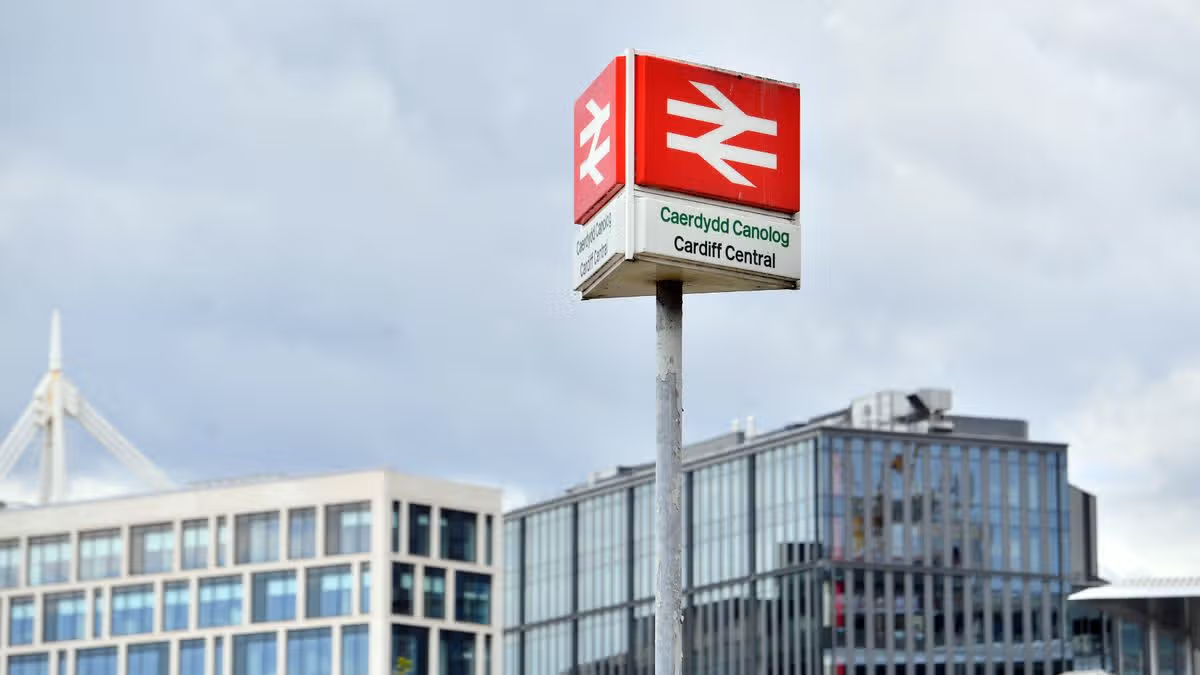
Cardiff Train Station.(Image: WalesOnline/Rob Browne)

We usually think of railways and railway stations as places to catch trains. And so they are. They provide us in parts of Wales with an alternative to the motor car particularly for longer journeys; and within the UK where air travel options are few.

Train travel has of course to be accessible, convenient and at an acceptable price to play a more socioeconomic role. It can support inward investment in jobs, our tourism industry (vitally important to Wales) and support housing in relation to work and leisure.

This role of railway stations is set out in a recent report by Development Economics: Growing Places – Railway Stations: Engines of Economic Growth. It illustrates the impact of Great Western main line stations including Carmarthen, a medium size station in terms of passenger numbers handling nearly half-a-million entries and exits annually.

Carmarthen is a historic town with a wide catchment area with a growing rail passenger market (21.5% up on pre-Covid levels).

Advertisement

Also relevant to the south Wales context and considered in the report are Moreton-in-Marsh and Okehampton railway stations which are not dissimilar to Llandrindod or Llandovery on the Heart of Wales Line (HoWL). Bristol Parkway, parallels proposals for a new station at Felindre on the Swansea District Line (SDL) north of Swansea at M4 junction 46.

The six new stations on the main line between Cardiff and Newport proposed in the Burns Report for south Wales commuter services also fall into the type of stations suggested in the Development Economics report.

This report highlights the expected future developments, in housing or offices, near stations particularly where land is available, as at Felindre. High frequency reliable train services at Bristol Parkway have attracted over 4,000 houses to date and a further 12,000 expected over the next 10 years. Employment generated at the 12 stations analysed in the report has reached 3,600 over the past five years and estimates of 20,000 by 2040.

Moreton-in-Marsh in the Cotswolds has features not dissimilar to those of Carmarthen and Llandrindod with historic origins and mid-nineteenth century railway stations.

Advertisement

They all have tourism and agriculture as their economic core.

Good train services and modernised comfortable railway stations will make stations on the HoWL and those west of Swansea more attractive to longer distance visitors from Manchester, London and south-east Wales.

The development of 4,000 houses at Newquay is being significantly enhanced by the Mid-Cornwall Metro (based on heavy rail) and an upgraded Newquay station. “Strengthening rail connections will open up new opportunities for residents and businesses, attract investment and re-enforce Cornwall’s position as a well-connected and vibrant place to live and work.

Developments such as the Newquay suburban site will support local business, encourage sustainable travel and create a thriving local economy” is the view of the Duchy of Cornwall who are behind the scheme.

Advertisement

This column has often identified the contribution of good transport connections to inward investment. If enhanced rail services are seen as essential in providing greener, more reliable travel choices and stronger links to jobs, education and leisure across south west England then surely this also applies to Wales.

While the scale at Felindre and the six stations in south-east Wales may not quite match the 2.25 million passengers at Bristol Parkway, the principles are the same. There are therefore parallels to be drawn with railway station developments in south Wales.

Railway stations can provide faster home/business to business movements in particular to city centres. Bristol Parkway provides a parallel to the proposed (SDL) West Wales/Swansea North Parkway station at Felindre as an access point from Swansea and west Wales into the Cardiff jobs market avoiding the congested M4 to the capital.

Adjacent government-owned land on the old Felindre tinplate works site can provide for housing (and a source of commuters) with local economic benefits though household expenditure and employment.

Advertisement

Felindre Parkway and the enhanced SDL route as the Swansea Metro (using heavy rail) will provide a more efficient means of reaching tourism centres in Carmarthenshire and Pembrokeshire saving up to 22 minutes in rail journey times.

The arguments made in the Development Economics report show the importance of railways services and stations in economic development and consequently increased jobs and wealth.

These arguments have been put forward in my Wales in Motion column many times particularly in relation to rural, less densely inhabited parts of Wales and the electrification of the north Wales and south Wales main lines.

  • Professor Stuart Cole CBE is Emeritus Professor of Transport (Economics and Policy), University of South Wales.

Continue Reading

Business

(VIDEO) North West, 13, Releases Horror-Themed ‘Aishite’ Video Filmed in Japan After Tour Cancellation

Published

on

Kim Kardashian and North West

North West, the 13-year-old daughter of Kim Kardashian and Kanye West, released the music video for her single “Aishite” on Aug. 7, a horror-inspired visual filmed entirely in Japan that arrives days after she abruptly canceled her first headlining concert tour.

The track is part of North’s debut EP, “N0rth4evr,” which she released in May under her stage name North. Directed by Ty Akimoto, the video opens inside an abandoned school building, where North is shown walking through dimly lit corridors with neon blue pigtails, later moving through what appears to be a deserted arcade as blood-effect imagery drips across the screen throughout the visual, evoking the aesthetic of Japanese horror anime.

A Song About Isolation and Betrayal

Advertisement

“Aishite,” which translates from Japanese as “love me,” samples the 2013 Vocaloid track “Aishite Aishite Aishite” by producer Kikuo, performed using the Hatsune Miku voice synthesizer software. The chorus repeats the phrase “just love me,” with lyrics that explore themes of isolation, feeling pursued, and struggling to trust the people around her. Lines from the song describe not being able to escape those chasing her and feeling unable to let others in, themes North has said throughout her debut project reflect her experience growing up as the child of two globally famous parents.

A Tour Canceled Without Explanation

The video’s release comes just over a week after North announced that her planned 14-date “Kimokawaii Tour,” a co-headlining run with 21-year-old rapper Molly Santana, would not move forward. The tour had been scheduled to kick off Aug. 5 in Dallas and wrap up Aug. 27 in Los Angeles, with stops planned in cities including Houston, Atlanta, Philadelphia, New York, Boston, Toronto, Chicago, Phoenix and San Francisco.

North announced the cancellation on her Instagram Story on July 30, writing, “I was really excited to go on tour w Molly Santana. Sadly it isn’t happening anymore.” She did not offer a specific explanation for the decision but added, “I have something special for u guys see ya soon,” a message widely interpreted by outlets covering the news as a tease for the “Aishite” video that followed. All 14 tour listings were subsequently removed from ticketing platforms Ticketmaster and AXS, and the tour’s official website has since returned a “not found” error.

Advertisement

Santana also addressed the cancellation on her own Instagram Story the same day, writing, “To everyone who bought tickets to the tour i sincerely apologize. i know a lot of you have taken time out of your busy schedules and spent your hard earned money planning to be there. nothing makes me more happy than the opportunity to share more amazing memories with you all and i hope to see you soon.”

Building a Music Career

North signed with independent label Gamma, run by former Apple Music executive Larry Jackson, earlier this year. Her self-produced debut EP, “N0rth4evr,” released in May, includes tracks such as “H0w Sh0uld ! f33l” alongside the title track, which she also accompanied with a separate music video at the time of the project’s release.

Prior to launching her own solo material, North had already appeared on other artists’ projects. She was featured on FKA twigs’ 2025 album “EUSEXUA,” rapping a verse in Japanese on the track “Childlike Things.” Speaking about that collaboration in a previous interview, FKA twigs said she wanted someone with a “childlike energy” and a strong point of view for the track, and recalled being struck by North’s confidence after watching an interview with her, saying it made her wish she had a friend like North growing up who could speak up for herself.

Advertisement

A Family Legacy on Stage

North is no stranger to live performance, having appeared on stage multiple times alongside her father, the rapper and producer known as Ye. The two performed a surprise duet together in Mexico City in January and North joined him during a string of comeback concerts in Los Angeles in April. The father-daughter pair also released a collaborative track titled “Piercing On My Hand,” a song that appeared to directly address public criticism North had received over her facial piercings, a recurring feature of her public style that she references again in “Aishite.”

A Rising Profile Amid Public Scrutiny

As the eldest of Kim Kardashian and Kanye West’s four children, alongside younger siblings Saint, 10, Chicago, 8, and Psalm, 7, North has grown up almost entirely in the public eye, drawing both a large following and ongoing scrutiny over her evolving public persona as she has moved from childhood social media appearances into an independent music career. Several members of the extended Kardashian-Jenner family have promoted North’s music on their own social media platforms since the release of “N0rth4evr” in May, contributing to the project’s visibility ahead of the now-canceled tour.

Advertisement

With the “Aishite” video now released and framed by outlets covering the story as the “something special” North had teased following her tour’s cancellation, attention turns to whether she will announce a rescheduled version of the Kimokawaii Tour or pursue additional new music and visuals in the coming months. Neither North nor representatives for Molly Santana have provided further public explanation for the tour’s cancellation, and no rescheduled dates had been announced as of the video’s release.

Continue Reading

Business

OpenAI Developing $300-$400 Donut-Shaped Smart Speaker With Jony Ive for 2027 Launch, Report Says

Published

on

OpenAI

OpenAI is developing its first piece of consumer hardware, a battery-powered, donut-shaped smart speaker priced above $300, according to a Bloomberg report citing people familiar with the matter, marking the ChatGPT maker’s first direct move into a device market long dominated by Amazon and Google.

The device, roughly the size of a hockey puck, is being developed in partnership with LoveFrom, the design studio founded by Jony Ive, the former longtime chief design officer at Apple credited with shaping the look of the iPhone, iPad and Apple Watch. OpenAI acquired Ive’s hardware startup, io Products, for $6.5 billion last year, a deal that marked the company’s formal entry into physical device development and that OpenAI is now working to justify commercially through this first standalone product.

A Premium Price for a Premium Design

According to Bloomberg reporter Mark Gurman, who first detailed the device, OpenAI is planning to price the speaker somewhere between $300 and $400, positioning it well above most of the existing smart speaker market. Amazon’s current lineup of Echo devices ranges from roughly $40 to $240, while Apple’s HomePod starts at $299 and the Bose Lifestyle Ultra retails around $299, meaning OpenAI’s device would sit at or above the very top of the category rather than competing on price with mainstream offerings from Amazon or Google.

Advertisement

The company is reportedly aiming for what has been described as a “premium look,” built from high-quality metal and other upscale materials consistent with Ive’s design reputation. Sources told Bloomberg the speaker will feature distinct moving parts intended to give the device a sense of personality, along with speaker grilles, microphones, and lights that indicate when it is actively listening to a user.

Designed to Move With You

Unlike traditional smart home hubs such as the Amazon Echo or Google Nest, which typically remain plugged into a wall in a fixed location, OpenAI’s device is designed to be portable enough to carry from room to room, according to the report. The device is intended to sit comfortably on a nightstand or kitchen counter, or be held during a conversation, reflecting an ambition for the product to function less like a stationary appliance and more like a constant companion moving through a user’s daily routine.

A camera system and additional sensors are also planned as part of the hardware, according to people familiar with the project, allowing the underlying AI to incorporate awareness of its physical surroundings into how it responds to users. One report indicated the device could observe users through video and proactively nudge them toward actions the AI believes would be beneficial, such as suggesting someone go to bed if it detects them staying up unusually late before an important commitment the next day.

Advertisement

An ‘AI-First Computer,’ Not Just a Speaker

OpenAI is reportedly positioning the device as something closer to an “AI-first computer” than a conventional voice assistant, according to Bloomberg, designed to support natural, ongoing conversation similar to the existing Voice Mode feature already available within ChatGPT. The underlying AI models powering the device are intended to learn about individual users over time, according to the report, allowing interactions to become increasingly personalized the longer someone uses it.

That framing echoes earlier public comments from Ive and OpenAI CEO Sam Altman, who first previewed elements of their hardware collaboration in late 2025, describing an early prototype device at the time as intended to feel “peaceful” and function as an “active participant” in a user’s life without being intrusive or annoying.

A Timeline Still Taking Shape

Advertisement

Reports on the device’s expected launch window have varied somewhat. Bloomberg’s more recent reporting points to a 2027 release, while earlier reporting from February suggested a possible launch as soon as February 2027, alongside a narrower price estimate at the time of $200 to $300, a range that appears to have crept upward in more recent reporting to the $300 to $400 range. Beyond the speaker, OpenAI is also said to be exploring additional hardware products, including a smart lamp and smart glasses, though those projects reportedly remain in considerably earlier stages of development and are not expected to be ready before 2028 at the earliest, with the possibility that either could ultimately be canceled before reaching consumers.

A Legal Cloud Over the Hardware Push

OpenAI’s broader move into consumer hardware has not proceeded without obstacles. The company is currently being sued by Apple, which has accused OpenAI of misappropriating trade secrets in connection with its hardware development efforts. OpenAI has denied any wrongdoing and has continued moving forward with development of the speaker despite the pending litigation, though the lawsuit and any associated injunction requests could potentially affect the device’s eventual launch timeline.

A Difficult Market to Break Into

Advertisement

Historically, the smart speaker category has proven a challenging business for hardware makers, with companies including Amazon acknowledging in the past that their voice-assistant devices were often sold at a loss or minimal profit in order to drive broader engagement with their platforms and services. OpenAI’s decision to pursue a premium price point well above the bulk of the existing market could make it more difficult to convince budget-conscious consumers to choose the device over cheaper, more established alternatives from Amazon or Google, even if OpenAI’s underlying AI capabilities prove more advanced.

Part of a Broader Long-Term Hardware Strategy

Industry analysts have characterized the speaker as an initial step in a broader hardware strategy that OpenAI is reportedly pursuing, with some reports suggesting the company’s longer-term ambitions include eventually developing devices capable of reducing consumers’ reliance on traditional smartphones altogether. Whether the speaker, as the company’s first tangible hardware product, can build sufficient momentum and consumer trust to support that more ambitious long-term vision remains to be seen.

With a 2027 launch window still roughly a year or more away, additional details about the device’s final pricing, specific features and official release date are expected to emerge as OpenAI and LoveFrom continue refining the product. In the meantime, the pending Apple lawsuit, along with broader questions about consumer appetite for a premium-priced AI speaker in an already crowded smart home market, are likely to remain key storylines as OpenAI works to translate its software dominance in conversational AI into a viable standalone hardware business.

Advertisement
Continue Reading

Business

Scottish subsea robotics firm opens North East base

Published

on

Business Live

Film-Ocean said the move will give it access to talent

Film-Ocean is a Scottish company.

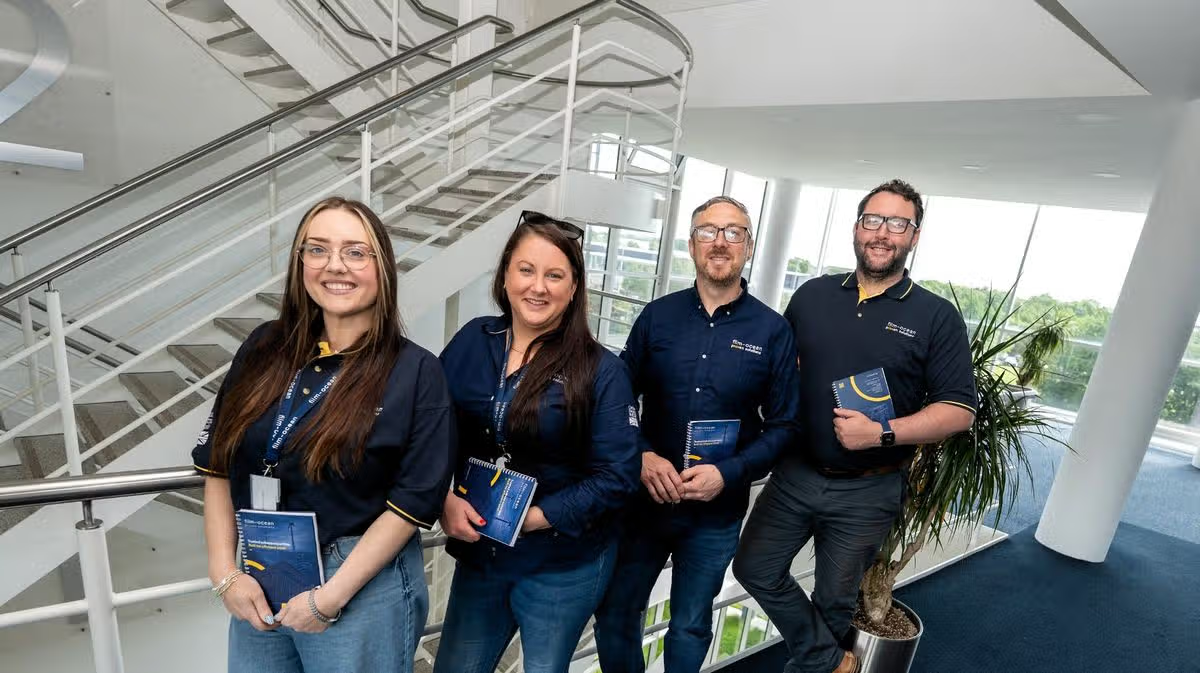
Members of the Film-Ocean team at the newly opened Newcastle office, from left: Abi Thompson, project manager; Sophie Bryce, commercial manager; Mike Mackie, operations director, and Gary Mills, project manager.(Image: Film-Ocean)

Scottish subsea technology firm Film-Ocean has launched a North East office, citing the importance of the region in its market.

The £28m turnover firm says it has plans to expand its Cobalt Business Exchange-based team having moved into the Tyneside location. Film-Ocean is based in Aberdeenshire and is an independent subsea contractor that provides remotely operated vehicle (ROV) inspection and intervention services to the global offshore energy industry.

It operates large fleet of work class, inspection class and micro-class ROVS supplied with crew to locations around the world. Bosses say the North East has emerged as a region of growing importance to the subsea and offshore energy industry, with a strong and expanding talent base in ROV project management and technical support.

They say establishing a presence in the area gives Film-Ocean access to expertise it uses for worldwide operations. The new office will serve as an operational and project delivery base, growing Film-Ocean’s technical support offering and giving it chance to build relationships with clients and partners across the region as it takes on more work.

Advertisement

It comes as the firm says it has grown rapidly since the start of the year. Latest available accounts for Film-Ocean – covering 2025 – show a significant jump in turnover and profits, with directors talking of continued improvement in market conditions and the renewal of several legacy contracts, along with strong utilisation of the company’s equipment.

Film-Ocean’s commercial manager, Sophie Bryce, said: “Expanding our UK footprint to Newcastle is about being closer to our clients and easier to work with — faster response times, closer day-to-day collaboration, and more capacity to take on new projects. Sustainability was also front of mind when choosing where to base our new office.

“Cobalt’s environmental credentials mean our growth in North East England is happening in a way that’s consistent with how we operate at Ocean House in Aberdeenshire, and with the values our clients increasingly expect from their supply chain partners.”

Film-Ocean says it opted for Cobalt Business Exchange, partly thanks to its sustainability credentials with a surrounding 39-acre biodiversity park with wildflower meadows, wildlife habitats and carbon-reduction and sustainable travel initiatives.

Advertisement
Continue Reading

Business

Climbing ropes recalled over defect that could cause deadly falls

Published

on

Climbing ropes recalled over defect that could cause deadly falls

More than 1,000 climbing ropes are being recalled over a fall risk that could potentially lead to injury or death, according to federal regulators.

Wichard Groupe North America issued a recall of about 1,050 Courant Spliced Kalimba Climbing Ropes, the U.S. Consumer Product Safety Commission announced on Thursday.

Advertisement

“The spliced termination ends on the recalled ropes can fail unexpectedly, posing a risk of serious injury or death from fall hazard,” the commission said in its alert.

MORE THAN 1.7M LADDERS RECALLED NATIONWIDE OVER POTENTIALLY DEADLY FALL HAZARD

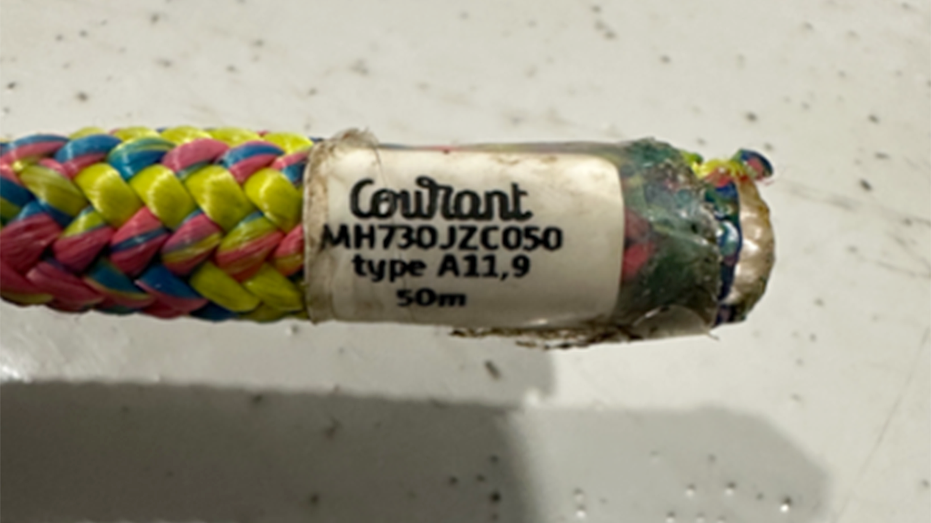
Courant Spliced Kalimba Climbing Ropes

Wichard Groupe North America issued a recall of about 1,050 Courant Spliced Kalimba Climbing Ropes. (U.S. Consumer Product Safety Commission)

The recalled climbing ropes include the 45m, 50m and 60m items in lollipop and bubblegum color, as well as any additional spliced Kalimba ropes spliced under Courant splicing protocols before June 15, according to the commission.

The ropes are designed for tree climbing and pruning, and they are commonly used by arborists.

Advertisement

The company has received three reports of splices failing, but no injuries have been reported thus far in connection with the recalled ropes.

Courant Spliced Kalimba Climbing Ropes recalled over fall hazard

The company has received three reports of splices failing, but no injuries have been reported. (U.S. Consumer Product Safety Commission)

The ropes were sold by Vertical Supply Group, Arbsession, RBI Corporation and nationwide retailers from January 2023 through June of this year for between $250 and $350.

Consumers are instructed to stop using the recalled ropes immediately.

RECALL ISSUED FOR DOG AND HORSE MEDICATION AFTER FIBERGLASS FOUND IN VIALS

Advertisement
Arborist

The ropes are designed for tree climbing and pruning, and they are commonly used by arborists. (Jim West/UCG/Universal Images Group via Getty Images / Getty Images)

CLICK HERE TO GET FOX BUSINESS ON THE GO

They can contact Wichard Groupe North America for a free replacement rope, including shipping.

Consumers will be offered one of two free replacement options: one with immediate availability and another with availability beginning in the middle of September.

Advertisement
Continue Reading

Trending

Copyright © 2025