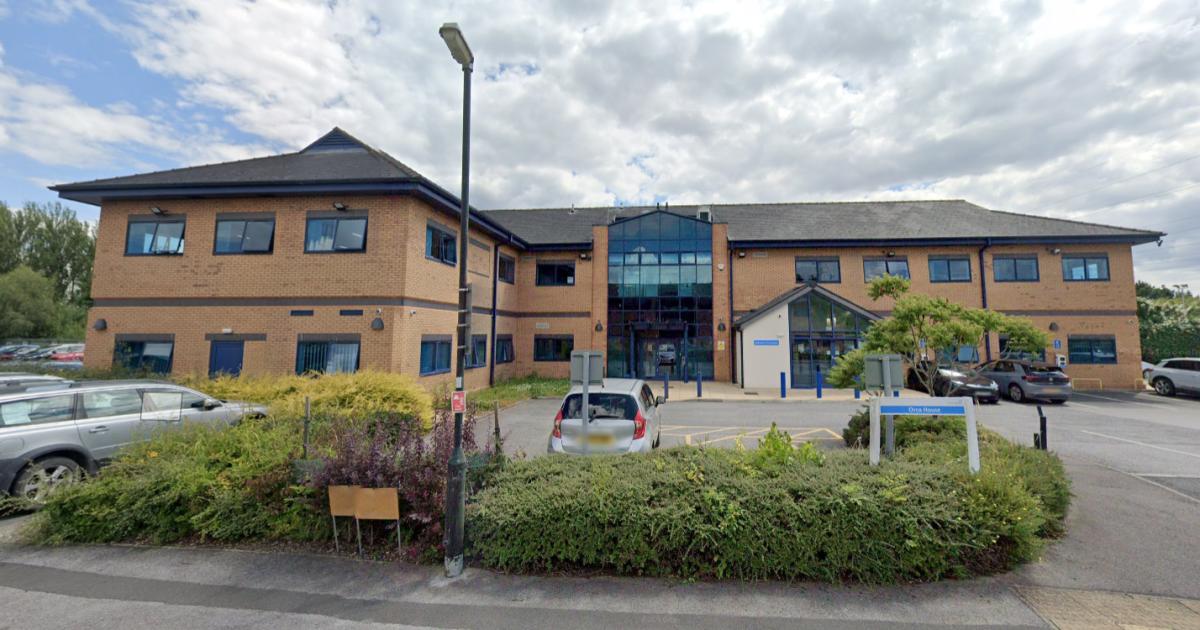
The Care Quality Commission (CQC) has upgraded the rating of Tees, Esk and Wear Valleys (TEWV) NHS Foundation Trust’s child and adolescent mental health services (CAMHS) from requires improvement to good.
A comprehensive inspection was carried out between April 14 and 16, with inspectors visiting nine out of 29 teams, followed up on previous concerns and covered all five key areas: safe, effective, caring, responsive and well-led.
RECOMMENDED READING:
Advertisement
This follows calls from this newspaper and MPs in calling for a public inquiry into the trust which provides mental health and learning disability services for York, as well as North Yorkshire, County Durham, Darlington and Teesside.
Former Health Minister Wes Streeting announced last December that a statutory public inquiry would be held into the trust after numerous significant failings in its safeguarding and care, with the department adding that it is “working at pace” to appoint a chair for the TEWV inquiry.
The report- published today (August 7) – rated the CAHMS services as ‘good’ in all areas aside from safe, which is still ‘requires improvement’, due to shortfalls in the category of ‘involving people to manage risks’.
The CAMHS service was praised by inspectors who described staff as kind, respectful, compassionate and supportive.
Advertisement
Most comments from carers described clinicians’ “kindness, compassion and patience,” as well as the feeling among young people that they “felt seen” and that services offered “safe spaces” to open up.
One carer said: “Each time, they consistently went above and beyond to ensure their child is listened to and felt supported.”
Another carer added: “The clinician was informed and wanted to know more about the family’s situation and that support was offered and explained with a follow up appointment arranged. They felt the process was extremely inclusive.”
Inspectors found that while many improvements had been made since the last inspection, especially around staffing and providing person-centred care, there remained a breach of Regulation 12 concerning risk assessments and documentation.
Advertisement
The report stated that while risk was well-managed overall, “the service did not always work well with people to understand and manage risks” and identified “significant short falls” in involving people in this process.
The report did not identify ongoing breaches in staffing or person-centred care, areas that had caused the service to require improvement in the past and said that all inspected teams demonstrated “supportive managers, positive staff relationships and a genuine commitment to high-quality care”.
Staff consistently said they felt supported by colleagues and managers, and feedback from carers and young people was positive – with staff all competing training and demonstrating strong understanding of Gillick competence and relevant legislation.
The service is also praised for using feedback to drive improvements, including a new electronic system introduced in September 2025 making use of QR codes, paper surveys, and weblinks to gather the thoughts of patients and carers.
Advertisement
Despite ongoing concerns about risk assessment documentation, the overall rating for specialist community mental health services for children and young people is now good, with services described as clean, well-equipped, and supportive.
Beverley Murphy, chief nurse at the trust, said: “This report shows the determination of our colleagues to improve care for young people across our communities. We’re incredibly proud of our CAMHS service and, most importantly, the dedicated staff who make a positive difference every day.
“We’re pleased that the service has been rated good overall, with inspectors recognising caring, compassionate and committed staff, positive feedback from young people and carers, and improvements in staffing, responsiveness and how teams work together.
“It also demonstrates the positive changes we’ve made since our last inspection in 2022, when this service was rated as requires improvement.
Advertisement
“Alongside our partners we’ve improved access to care so young people can get help more quickly, closer to home and in ways that support them to thrive in their families and communities.
“We recognise the areas we need to improve. The report is clear that we must strengthen the consistency of risk assessments, safety summaries and safety plans. We will take action on this and continue to focus on learning, improvement and providing safe, kind and person-centred care.”
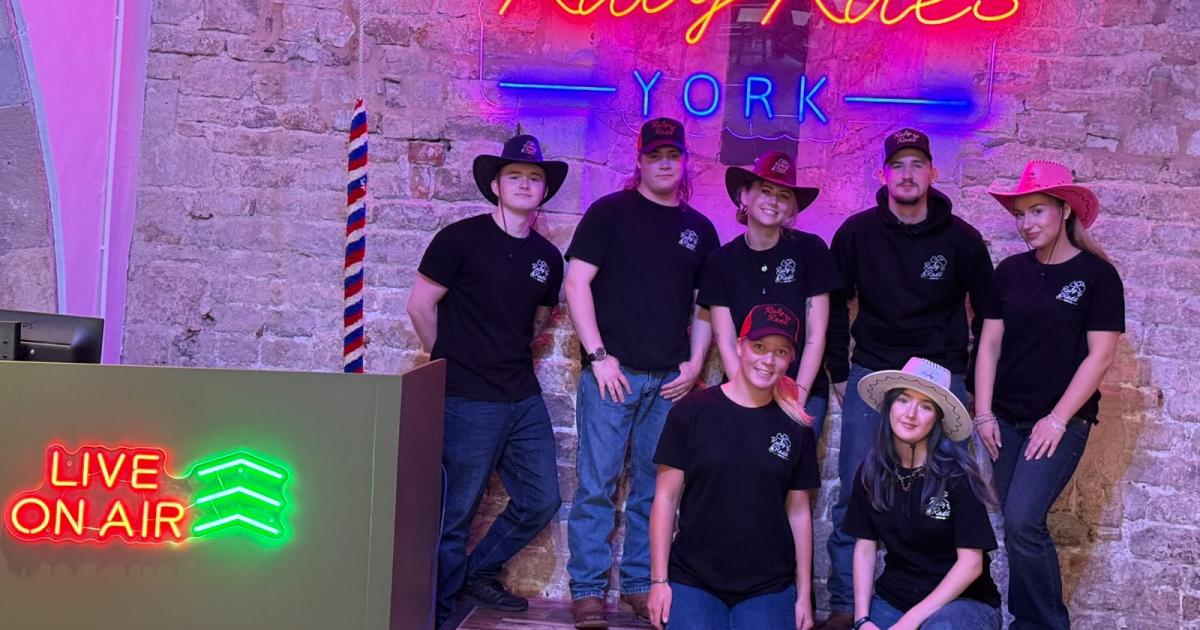
Ruby Rae’s Country Bar opened in the former Jalou nightclub on Bridge Street.
It adds to the recently opened Silver Spur a few doors away in Bridge Street, which form part of a thriving UK country and western scene.
Ruby Rae’s began in Newcastle and York is the company’s second venue.
RECOMMENDED READING:
Advertisement
Co-founder Dean Saunders chose the city as he has always loved it, he was a regular at Jalou, and when the former church became available, he could not refuse.
Business partners Dean Saunders and Dan Cooke (Image: Pic supplied)
Dean says he has been working on developing the York site since February, which will be inspired by the world-famous Ryman stage in Nashville.
The venue will open Thursday to Sunday.
More of the interior (Image: Pic supplied)
In the renovations of the former church, all the floors have been changed. Much LVT flooring has been used, which Dean says is great for line dancing.
Advertisement
A new bar has been created, there is a revamped stage and DJ booth.
The theme is Nashville (Image: Pic supplied)
Furthermore, to add character there are plates reflecting the region, ‘dollar walls’, flags, lots of vinyls and ‘lots of neon signs everywhere’ to create a Nashville look.
Dean said of the first night: “We were blown away by the support from everyone on the opening night in York.
“It was great to see hundreds of people come through the doors on a Thursday to enjoy some amazing country music!
Advertisement
A most impressive interior. (Image: Pic supplied)
“Chuck Walton, Bryan Watson and Tom Humphrey performed all night with a special guest appearance from Twinnie, who is coming back tonight.”
Business partner Dan Cooke said: “After such a long month getting it ready, it was amazing to see the venue finally open with everyone enjoying themselves inside and we are already excited for the rest of the weekend.”
The pair reflected: “But it was a huge success and everyone seemed to really enjoy themselves. There were some amazing people who really loved their country music.”
Plenty of neon on display at Ruby Rae’s (Image: Pic supplied)
Already the venue is receiving rave reviews online, with 28 five stars reviews received by 4pm Friday.
Advertisement
One said: “Opening night! What a venue, great music and atmosphere!”
Another said: “If you like country music then this is the place for you.”
Plenty of dollar bills! (Image: Pic supplied)
And another said: “Beer and live country music. What else do you want? Get down now!”
And one added: “Absolutely amazing! Fantastic atmosphere, great authentic singers & huge venue. Can’t WAIT to be back.”
Advertisement
Have you been to Ruby Rae’s? What did you think? Please share your thoughts in the comments below.
The August 12 solar eclipse will coincide with the peak of one of the year’s most spectacular meteor showers – here’s everything you need to know about the Perseids
Rachel Vickers-Price UK and World News Reporter and Eliana Nunes News Reporter
05:04, 08 Aug 2026
Perseid meteor shower: Difference between asteroids, comets and meteors
The solar eclipse won’t be the only spectacular celestial event next Wednesday as it falls just hours before the peak of one of the year’s most spectacular meteor showers – the Perseids.
The celestial double whammy will kick off in the early evening of Wednesday, August 12, and continue overnight into Thursday, August 13.
Advertisement
People in the UK will witness the most dramatic solar eclipse since 1999, with the Moon covering up to 95 per cent of the Sun in Cornwall and 94 per cent in Pembrokeshire. Skygazers in many other locations, including London, will see around 90 per cent coverage.
As darkness falls, attention will turn from the Sun to the stars, where the already active Perseid meteor shower will reach its peak overnight.
The Perseids – active between July 17 and August 24 this year – are widely regarded as one of the year’s best meteor showers because of their high number of meteors and bright, fast-moving streaks of light.
What is the Perseid meteor shower?
As the Earth orbits the Sun, it passes several times a year through trails of debris left by passing comets and sometimes asteroids.
The Perseids are caused by debris from Comet 109P/Swift-Tuttle.
When these fast-moving space rocks enter Earth’s atmosphere, the debris encounters resistance from the air, causing it to become extremely hot and eventually burn up. Sometimes the surrounding air glows briefly, leaving behind a fiery tail – the end of a “shooting star”.
Advertisement
According to NASA, the Perseids can produce between 50 and 100 meteors per hour during the peak, provided viewing conditions are favourable.
Timings for solar eclipse and peak of Perseid meteor shower
While the best time to see the Perseid meteor shower is between midnight and 5.30am on Thursday, Royal Museums Greenwich says the radiant of the Perseids is always above the horizon as seen from the UK, meaning observers should be able to spot some meteors as soon as the Sun sets on Wednesday.
The exact timings of the solar eclipse on Wednesday evening will vary depending on your location.
Advertisement
In Edinburgh and Glasgow, the eclipse will begin at around 6.08pm, reach its maximum – when the largest part of the Sun is covered – at around 7.05pm and end at about 8pm, according to Royal Museums Greenwich.
In London, Bristol and Cardiff, the eclipse will begin at around 6.17pm, reach its maximum at around 7.12pm and finish at around 8.06pm.
Timings for other locations in the UK are listed in the table below:
How can I watch the meteor shower?
Unlike a solar eclipse, you do not need any special equipment to watch a meteor shower.
Simply find a dark location away from city lights as competing sources of light – such as a bright Moon or artificial glow – are the main obstacles to a clear view of meteors. Cloud-free nights, particularly when the Moon is at its least bright, offer the best viewing conditions.
Royal Museums Greenwich notes: “In 2026 the peak of the Perseid meteor shower fortunately occurs during new Moon, so conditions are ideal for seeing the peak.”
For those without eclipse glasses, there are other ways to watch the eclipse safely using items you may already have at home, such as creating a pinhole viewer.
Key meteor shower dates for the rest of 2026
According to Royal Museums Greenwich, the following meteor showers are currently active or will take place later this year:
Date of activity: July 3 – August 15. Date of maximum: July 30.
Advertisement
Date of activity: July 12 – August 23. Date of maximum: July 30.
Date of activity: July 17 – August 24. Date of maximum: August 12-13.
Date of activity: October 6 – October 10. Date of maximum: October 9.
Date of activity: October 2 – November 7. Date of maximum: October 21.
Advertisement
Date of activity: September 10 – November 20. Date of maximum: October 10.
Date of activity: October 20 – December 10. Date of maximum: November 12.
Date of activity: November 6 – November 30. Date of maximum: November 18.
Date of activity: December 4 – December 20. Date of maximum: December 14.
Advertisement
Date of activity: December 17 – December 26. Date of maximum: December 22.
Following a sudden? influx of migrants into the Spanish enclave of Ceuta, the discussion on unauthorised migration to Europe is again heightened. In the UK this means a focus on small boat crossings and the policy surrounding them, particularly following 752 arrivals on July 29 – the highest number for one day so far this year, with four deaths recorded. The UK prime minster, Andy Burnham, has announced he will be “relentless” in addressing the issue, but is this the right approach? Our experts explain the statistics and language around small boat crossings into the UK, as well as what needs to change for immigration policies to succeed.
Why small boat arrivals have declined
Mihnea Cuibus, Senior Researcher, The Migration Observatory at The University of Oxford
Small boat arrivals have declined in 2026. Around 14,000 people crossed the Channel between January and July, 43% fewer than in 2025. Approximately 30,000 people arrived by small boat in the year ending July 31 2026, one-third below the levels seen last autumn, and slightly less than when Labour took office.
The government has made several policy changes since 2024, including scrapping the previous government’s Illegal Migration Act and Rwanda scheme. It then shifted to a model of temporary protection for refugees, restricted refugee family reunion. It has scaled up existing enforcement efforts and reached a deal to return some people who arrive by small boat to France.
Advertisement
Some government policies may have contributed to the decline. Restrictive family reunion policies are generally associated with fewer asylum claims, and physically preventing boat departures appear to have reduced crossings elsewhere. The deal with France may deter migrants if a high share of arrivals were to be swiftly returned, though this number remains relatively low, with 4% returned between September 2025 and June 2026. Smugglers have also changed how and where they operate in response to more enforcement in France, with more departures from Belgium this year.
However, external factors may have also played a role. Unauthorised arrivals into the EU have fallen since 2025, which may ultimately lead to fewer crossings to the UK. And changes to conflict situations in origin countries, such as Syria, can also affect migrant numbers.
Britain’s relationship with the EU
Simon Usherwood, Professor of Politics & International Studies, The Open University
In his comments about the influx of migrants in Ceuta at the end of July, Andy Burnham spoke of the need for “regular dialogue with the EU”. This was interesting for several reasons.
Advertisement
Despite Ceuta’s distance from the UK and its very particular relationship to the rest of the Schengen area of free movement, Burnham recognised that this has taken on a Europe-wide dimension. In a letter following the border crossing incident, 22 European leaders sharply criticised the Spanish government, and prompted broader discussion about “illegal border movements”. This will bring Channel crossings back up the European agenda, which might offer opportunities for Burnham to gather more support for action from the EU.
Andy Burnham visited HM Coastguard Maritime Rescue Coordination Centre, in Dover, where he inspected a recovered small boat. Jack Taylor/Alamy
Simultaneously, Burnham’s stance is a reflection of the very limited role that the EU currently plays in managing small boat crossings in the Channel. Competence for border controls and policing of people smuggling remains very much a matter for national governments, as seen in the recent ramping up of UK-French cooperation.
Since the UK left the EU, it no longer has access to the Dublin regulation arrangements that allowed it to return asylum seekers to other EU member states without considering their claims. Talking with the EU might sound good, but in practice it will be work with those countries on the edge of the Channel that delivers most results.
Finally, this is one of Burnham’s very first mentions of work with the EU since starting his path to Number 10. Yet, it’s an issue that isn’t an obvious priority for either side, and since the UK has little to offer the EU, we are likely to see limited progress. How this feeds into the more pressing elements of UK-EU relations – negotiations on food standards, youth mobility and the rest – will only become clear in the coming months.
Advertisement
Behind Burnham’s language
Erica Consterdine, Senior Lecturer in Public Policy, Lancaster University
Small boat crossings have come to dominate the immigration debate, despite accounting for only a small share of overall migration. Now, they serve as a visible symbol of a government’s perceived control over the border.
Many believe these crossings are a new phenomenon and evidence of a system in crisis. In reality, irregular movement across the Channel has existed for decades. What’s changed is that tighter border controls have made other clandestine forms of irregular entry harder. Successive governments have also restricted safe and legal routes for people to seek asylum in the UK, pushing more desperate people towards dangerous sea crossings.
Conservative prime ministers politicised small boats – Boris Johnson described Channel crossings as “criminal”, while Rishi Sunak elevated “stop the boats” into a defining slogan of his government. Labour’s rhetoric under Keir Starmer differed in tone but less so in substance. Rather than stopping the boats, Starmer promised to “smash the gangs”. The target changed, but the underlying emphasis on toughness remained.
Advertisement
That is why Andy Burnham’s comments are notable. In his 2015 leadership bid, he followed a protectionist line, setting out plans to ban EU citizens from claiming welfare benefits until they have worked for two years, while echoing a longstanding political narrative that frames anti-immigration sentiment as a “legitimate concern”.
His re-appointment of Shabana Mahmood as home secretary follows the Blue Labour tradition that has increasingly shaped Labour’s thinking on borders, belonging and immigration.
Burnham’s rhetoric of being “relentless” in reducing crossings follows the Labour playbook. But his recognition of needing to “build a system that offers safe routes for people as well” hints at an overdue shift that is grounded in reality, rather than the fantasy of borders being simply willed shut.
An assortment of small boats used by migrants to cross the Channel, stored at the UK Home Office facility in Dover, Kent. Toldga Akmen/EPA
The ‘taking back control’ narrative
Alex Balch, Professor of Politics, University of Liverpool
The framing of policy towards small boat crossings as “taking back control” might be seductive to politicians, but it illustrates how little the debate reflects the complexities around managing migration.
Advertisement
The government should be urgently responding to how many people are dying trying to cross the channel through dangerous means, and working hard to provide alternative routes and processes for people to seek protection or entry to the UK.
Governments can never fully dictate who wants to visit or live in a country. Complete and total control over national borders is not possible – or even desirable – if we want to continue to live in an open and free society. It would mean spending much more, and allowing the government to deploy high levels of somewhat indiscriminate violence, including on its own population, as seen in the US recently.
The best alternative to the ineffective (and costly) focus on trying to deter people from crossing is to commit to a more pragmatic and realistic approach to how irregular migration is better managed across Europe. This requires partnership with the non-European countries and regions that people are migrating from. Burnham’s promise to be “relentless” and “bring back that control” sounds familiar and risks the continued disregard for the needs and welfare of people moving across borders.
But the current situation does not work or adequately serve the interests of the country. Enforcement at the border and increasingly inside the country pushes people into ever more dangerous journeys and criminalises those seeking to contribute to Britain and make a better life for themselves and their families.
Advertisement
A different approach may not mean abandoning border controls, but having a more honest discussion about immigration. This includes the rights and dignity of those migrating, the costs of the current policies to the country, practice around detaining and deporting people, and recognising how the existing approach causes many of the harms we are witnessing.
Breaking the cycle: secure housing and the right to work
Jonathan Darling, Professor of Geography, University of Durham
Andy Burnham’s stated desire to avoid “playing politics” with asylum is a laudable one. Since 2019, successive governments have talked tough on asylum while doing little to improve the asylum system. Instead of tackling backlogs in decision-making and supporting integration, public resources have been wasted on attention-grabbing policies that punish asylum seekers.
Breaking this cycle is crucial if Britain is to have an asylum system that treats people with dignity. Burnham has reportedly considered ending the outsourcing of asylum accommodation, a system that is lucrative for private firms and costly to the taxpayer. This failed model of housing damages the lives of asylum seekers, placing them in unsafe and poor-quality accommodation, and creates community tensions through lack of engagement with residents.
Advertisement
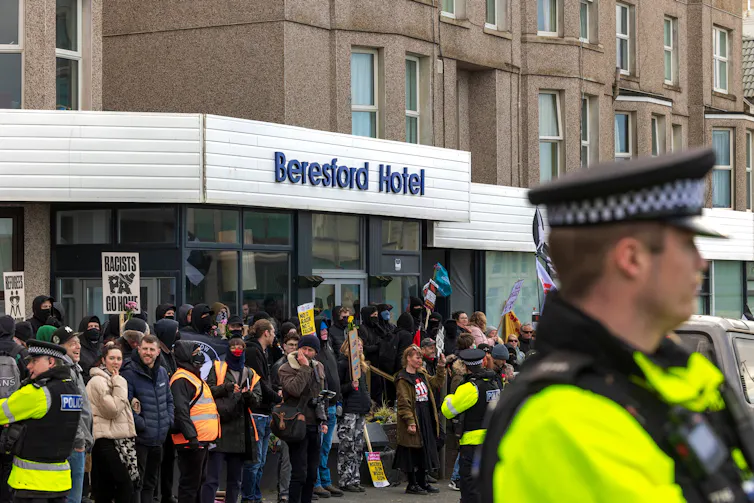
The Beresford Hotel, Cornwall, saw mass protests in 2023 due to housing asylum seekers. Jory Mundy/Shutterstock
Making local authorities responsible for asylum accommodation will not easily solve these issues. But empowering local authorities would mean that the asylum system benefits from the knowledge and expertise of local government on housing conditions, housing markets and social cohesion.
Where managed effectively and publicly, asylum housing can offer pathways to regeneration, the establishment of new communities and the growth of local economies. Working with devolved authorities to invest in accommodation would also align with the aims of Burnham’s wider devolution agenda.
A second positive step would be to give asylum seekers the right to work after six months in the asylum system. This would reduce costs of support on the state and would enable the economy to benefit from the skills and experience of new arrivals. The right to work would also have further benefits: tackling social isolation, improving mental health and facilitating integration.
A car was ‘set on fire’ and bricks were also thrown at a house in a Cambridgeshire city. Cambridgeshire Police were called to an incident at around 2.40am today (Friday, August 7).
Advertisement
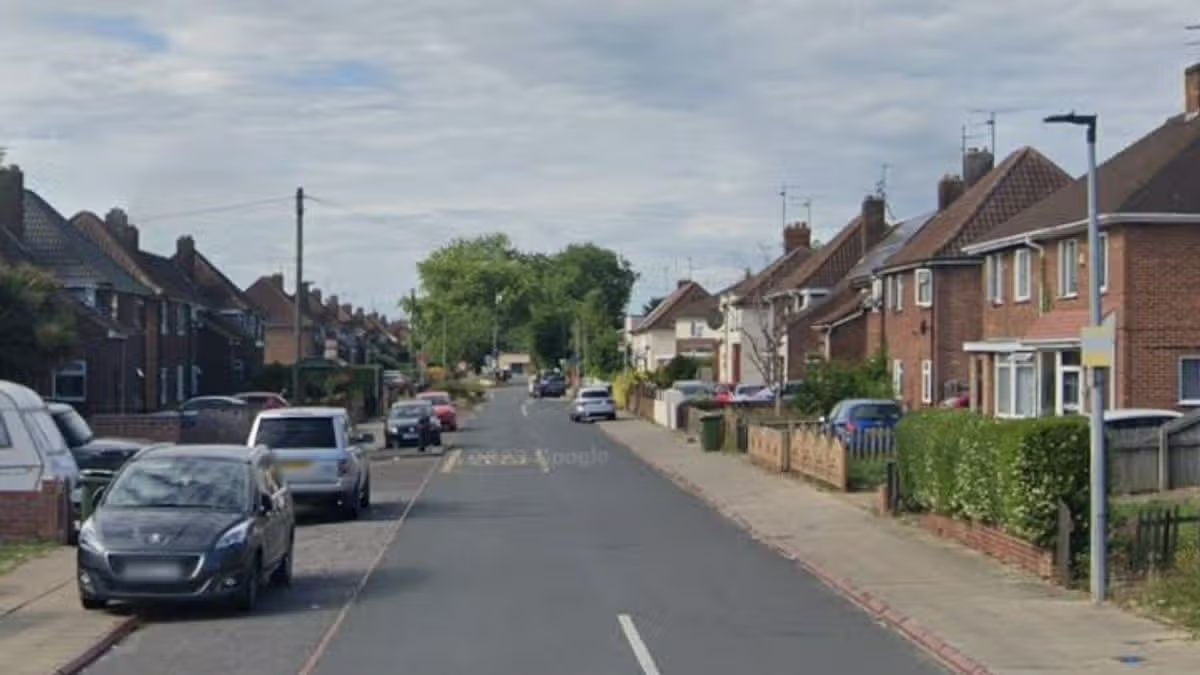
Police received reports a car was on fire and there were “bricks thrown into a house” in Saxon Road, Eastfield, Peterborough.
One woman suffered minor injuries, but she didn’t receive hospital treatment. A police spokesperson said: “Police are treating the fire as arson and an investigation is ongoing. No arrests have been made at this time.”
Cambridgeshire Fire and Rescue also attended. A fire spokesperson said: “At 2.43am on Friday, a crew from Dogsthorpe was called to a car fire on Saxon Road in Eastfield, Peterborough.
“Wearing breathing apparatus, firefighters used a hose reel to extinguish the fire before returning to their station by 3.45am. The cause of the fire is believed to be deliberate.”
Advertisement
Cambridgeshire Police is appealing for information. Anyone with information should contact police online or call 101 and quote incident 33 of August 7.
The UK is bracing for a fifth heatwave of the year, with forecasters predicting temperatures could soar to as high as 36C across 27 counties in England
Rachel Vickers-Price UK and World News Reporter and Conor Wilson
04:43, 08 Aug 2026Updated 04:44, 08 Aug 2026
Temperatures are set to soar once again, with a fifth heatwave on the horizon and a series of health warnings issued as the mercury looks poised to climb for a sweltering weekend.
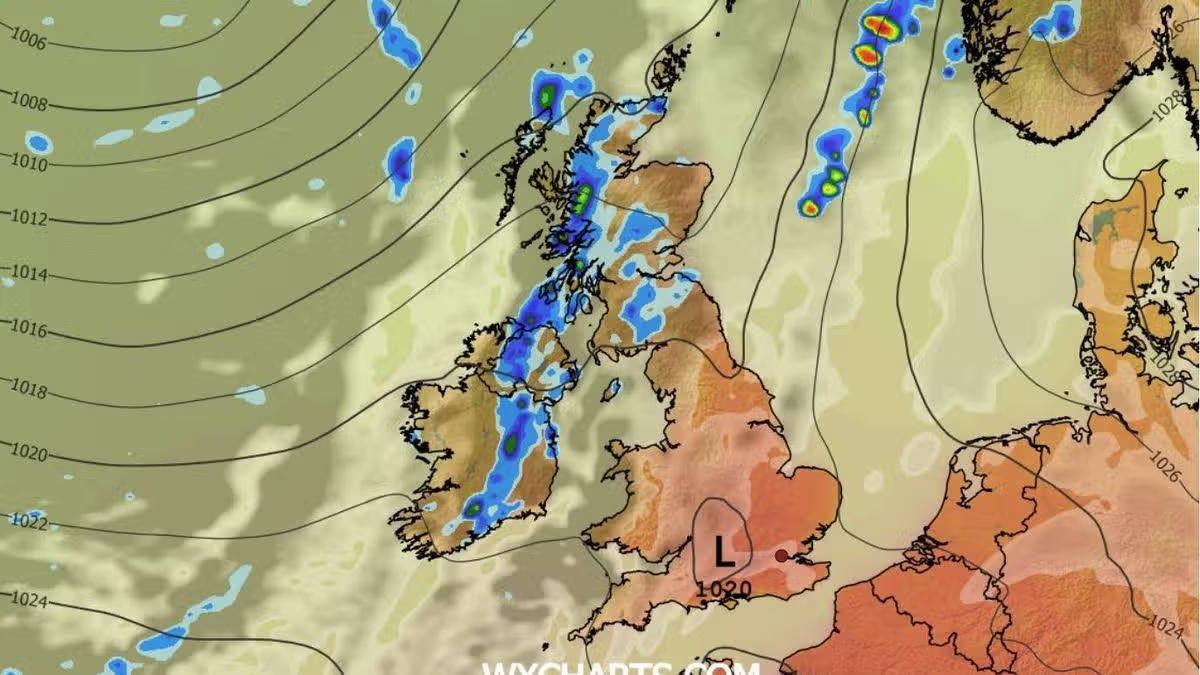
Then, heading into next week, conditions are expected to intensify further, with 27 counties anticipated to broil and push beyond 30C, according to the latest weather maps from WXCharts.com.
Advertisement
The latest weather maps from WXCharts.com indicate a ferocious blast of heat is forecast to scorch vast stretches of England, with temperatures surging as high as 36C.
The data suggests stifling conditions on August 13 will affect more than two dozen counties, with the most intense heat radiating from the South and South East through the Midlands and into eastern England. Across the remainder of the country, temperatures will be considerably cooler.
Scotland and Northern Ireland are largely sitting in the teens and low 20s, while western parts of Wales and northern England escape the worst of the furnace-like conditions.
Advertisement
Fresh heat alerts are due to take effect as the UK prepares for its fifth heatwave of the year, bringing blistering highs of 36C. The UK Health Security Agency (UKHSA) has issued yellow heat health alerts for the East Midlands, West Midlands, South East, South West, East of England, Yorkshire and the Humber and London.
The yellow heat health alerts run from 9am on Saturday to 9pm on Tuesday, cautioning that the scorching weather is likely to impact the wellbeing of the general public.
This follows the Met Office’s caution that heatwave conditions are anticipated to return to numerous parts of the UK next week, as temperatures climb throughout the weekend before rising more sharply into the middle of next week.
Weather specialists predict that temperatures could reach 36°C in parts of East Anglia and south-east England by Thursday, according to the Express.
Advertisement
Deputy chief forecaster Mike Silverstone said: “Temperatures will climb through the weekend and, more significantly, through much of next week. After a brief dip on Monday, high pressure will move across the UK before settling to the east, allowing a southerly flow to develop.
“A fairly widespread heatwave is likely across large parts of England and Wales, with hot conditions developing in places.
“The heat is expected to peak for much of England, Wales, Northern Ireland and Scotland on Wednesday, with up to 34°C possible in parts of central and southern England and southeast Wales.
Advertisement
“East Anglia and south-east England, however, could see temperatures even higher on Thursday.
“Humidity levels are also expected to increase through the week, which may make conditions feel more uncomfortable, particularly overnight.”
The agency’s long-range forecast for 12th to 21st August stated: “A mixed start is likely to this period, with some rain or showers in the north and quite breezy conditions while in the south it will be mostly dry, sunny and hot, even very hot in some places.
“Southern parts are likely to turn cooler and fresher next weekend though.”
Arsenal youngster Louie Copley has confirmed he suffered an ACL rupture during the pre-season fixture against Real Betis.
Unfortunately, his involvement Aviva Stadium was short-lived.
However, the worst fears have been realised as the teenager is now facing a long spell on the sidelines.
Taking to Instagram, Copley said: “Words can’t describe how I’m feeling right now, to making my pre-season debut for the team I’ve grown up supporting to finding out I’ve ruptured my ACL.
Advertisement
“The road ahead won’t be easy but I’ll give everything to come back stronger and better.”
Prior to the injury blow, Copley was a big topic among Arsenal supporters due to the shirt number he wore for both pre-season friendlies, amid the imminent arrival of Bruno Guimaraes.
Will Arsenal injury blow impact Bruno Guimaraes transfer?
No. While Copley wore No39 for the Gunners against both Girona and Real Betis, he had already been handed the No38 shirt – based on details via the official Arsenal website.
Advertisement
It’s unclear as to why Copley wore that particular shirt number in pre-season, but he did wear No38 last season when named on the bench in the Champions League win over Club Brugge and there was no confirmation of a change.
Mehvish says nothing could have prepared her for what she was told after her full body scan. She left Birmingham’s Neko Health clinic with a life-changing diagnosis.
“I expected to feel relief,” the 33-year-old says. “Instead, I was told that I had a rare form of diabetes.”
After her long-term blood sugar levels came back very high, she had another blood test which confirmed she had suspected diabetes.
She was referred back to her GP, who sent her for an urgent hospital appointment the same day, and was diagnosed with Latent Autoimmune Diabetes in Adults (LADA), a type of diabetes which bridges both type 1 and type 2.
Advertisement
Like type 1, it is an autoimmune condition that attacks the body’s pancreatic cells, but it also shares traits with type 2 because it can progress slowly and, depending on the stage of the condition, it can initially be managed with diet and exercise.
“I didn’t have any of the symptoms,” Mehvish says, “It was difficult to get my head round it – how could I have this condition and not know about it?”
But she says the early, unexpected intervention “saved my life”.
Now she injects insulin twice a day, monitors what she eats, and despite missing the spontaneity of her old life, is learning to adapt to her new one.
Advertisement
“I feel so much better, more clarity, less brain fog and I feel so much more balanced.”
After my own scan, I’m feeling slightly out of balance. I’ve been told I have 3,311 skin markings – compared to the average Neko Health client’s 845. Three need extra review by the company’s dermatologist in Sweden.
“But I don’t have any big moles or markings,” I say during the post-scan consultation with a doctor. It’s my freckles, I’m told, and having freckles puts me at higher risk of skin cancer.
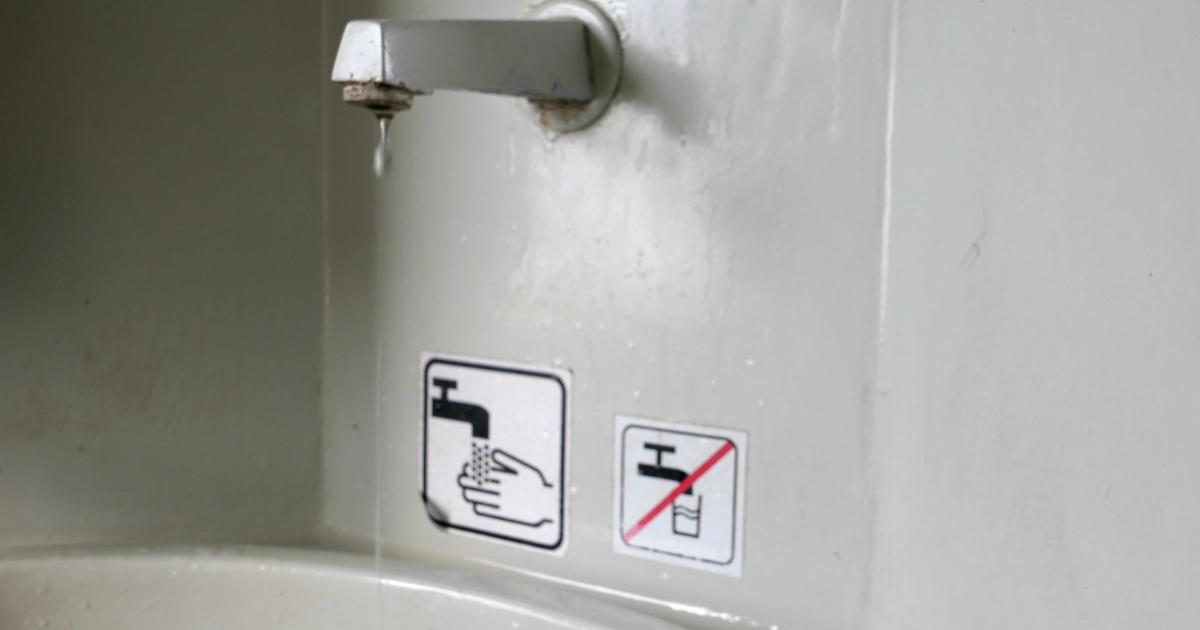
Travellers boarding the 06:11 Lumo service from London Euston to Stirling on Friday morning were warned there were “no toilet facilities” available on board because of a fault.
In a post on X, the operator apologised and told customers: “Please do speak to our onboard staff for further advice/assistance.”
⚠️Apologies to those boarding our 06:11 service from #LondonEuston to #Stirling are advised that there are no toilet facilities on this train due to a fault.
Please do speak to our onboard staff for further advice/assistance.
But the response sparked hundreds of incredulous replies, with many questioning why the train was allowed to run at all.
One passenger wrote: “Six hours, no toilet! Taking the p*** literally. Surely this train shouldn’t run.”
Another joked: “What assistance can staff provide? A bucket?”
Advertisement
A third added: “‘Please speak to our onboard staff’… what are they gonna do, hold it for you?”
Others questioned what advice staff could realistically offer.
One user wrote: “I’m intrigued to know what the ‘further advice/assistance’ could possibly be. Are you going to hold the train while people use the facilities at stations en route? Or are we talking buckets?”
Recommended reading
Advertisement
Another commented: “The trains without facilities should not be allowed in service.”
The post quickly attracted hundreds of thousands of views, with many saying a journey of that length should not operate without functioning toilets, particularly for children, older passengers and those with medical conditions.
Lumo said the lack of toilet facilities was due to a fault and apologised to affected customers.
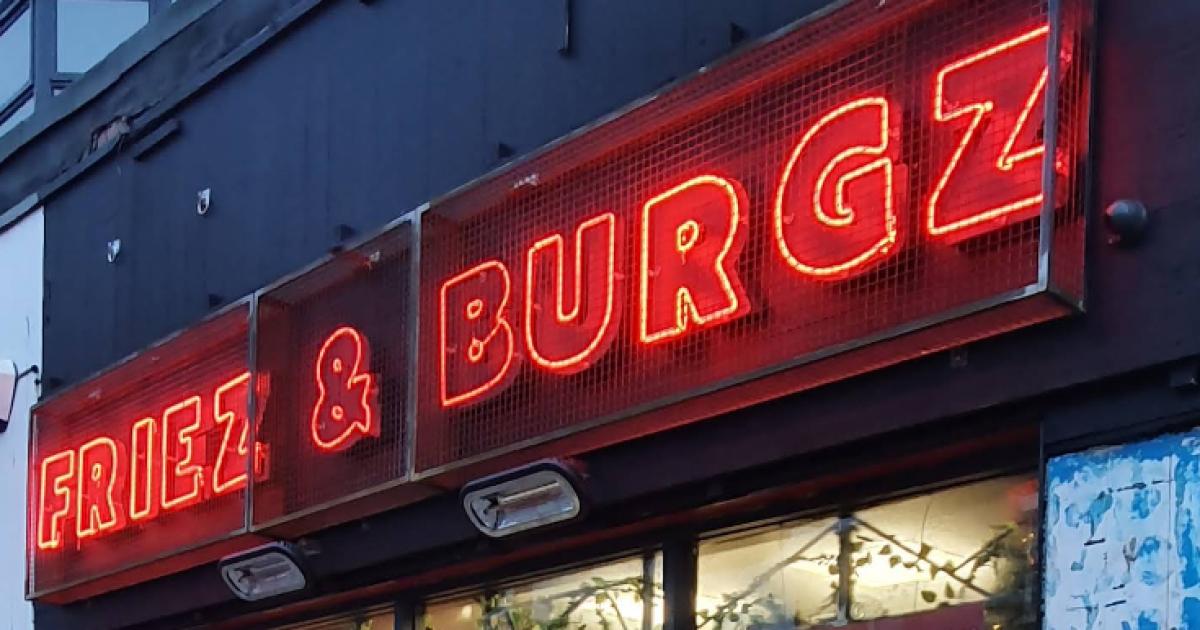
Friez & Burgz, known for its smash burgers, loaded fries, milkshakes and desserts, teased the potential expansion with a photograph of St Lukes Terrace in Pallion posted on social media on Thursday, August 6.
The post, simply captioned, “Hello!”, quickly generated excitement among fans and locals.
One commented: “Been asking for this for like ever.”
Advertisement
Another wrote: “If Friez and Burgz are coming to Sunderland you need to try ASAP it’s unbelievable.”
Another said: “Omg finally! Sunderland! Looks like Pallion!” One other dubbed it an “absolute game-changer”.
“Omg, I’ll definately be eating dinner there while working,” insisted another.
Another excited fan added: “No way! I love that you’re in South Shields because it means you’re our treat when we house sit for my mum…but now…God have mercy on my waistline.”
Advertisement
Friez & Burgz has rapidly expanded to sites across Tyne and Wear and County Durham, including Chester-le-Street and Newcastle.
Their latest branch opened in Chester-le-Street in April, taking over a unit previously occupied by Greggs.
On Tripadvisor, one customer describes the chain as “truly amazing.”
Others have praised its Forest Hall site, calling it “5 stars as usual.”
Advertisement
We have reached out to the team at Friez and Burgz for further comment.
If you are worried about your porn use, Ince recommends seeking out support from a qualified and experienced professional.
A registered psychologist can be particularly helpful because they may consider your mental health more broadly, “and we know that co-occurring mental health problems are more or less the rule, rather than the exception”, he says.
This was the case for Craig, who did not realise his porn use may be unhealthy until he started therapy for his mental health.
“Porn addiction was like a contributing factor,” he came to learn.
Advertisement
His therapist suggested he join a 12-step programme for sex addiction – a recovery model created by Alcoholics Anonymous – which he credits for his recovery.
“I didn’t necessarily find it easy and straightforward to step away from my addiction. I feel I’m in a good place now, but also acknowledge the fact it’s one day at a time.”
There is currently no central, dedicated NHS service for those struggling with their porn use – although some local services offer support, and you can talk to your GP. This means treatment will more likely come from private practitioners, support groups or online self-help.
Ince suggests doing thorough research to find the right fit for you, and cautions against using online resources which may offer generic advice.
Advertisement
Some practitioners will help clients towards cutting out porn altogether, while others will help people “integrate it into their lives in a way that is functional,” says Neves.
Seeking to understand any underlying factors will be a crucial part of treatment, says Hall.
There are some practical steps you can take yourself, she says, such as placing blocking software on your device.
She also advises recognising when you might feel more susceptible to using porn – which, for some, can be when you are stressed or alone – and planning ahead for what you might do instead.
Advertisement
But she says there should ultimately be more support on the NHS, particularly early intervention before porn can take over a person’s life.
A spokesperson for the Department of Health and Social Care said: “It is troubling to hear accounts of individuals becoming addicted to pornography at such a young age.
“It reinforces the importance of the online safety laws we have put in place to prevent children from accessing harmful content.”
















































You must be logged in to post a comment Login