
Business
All the Hints, Clues and Full Answers for Sunday’s August 9, 2026, Word Puzzle


Sunday’s edition of the New York Times’ Connections puzzle, game #1155, is testing players with a mix of physical actions, playful rearrangements and nostalgic references, according to multiple outlets covering today’s game — a combination several solvers described as satisfying but occasionally deceptive.
How Connections works
Connections challenges players to sort 16 seemingly unrelated words or phrases into four hidden groups of four, with each group linked by a shared theme, wordplay pattern or category. The puzzle is color-coded by difficulty, running from yellow (easiest) through green and blue, up to purple, which is typically the most challenging and often relies on the least obvious connection. Players are allowed up to four mistakes before losing the round.
According to TechRadar, players don’t strictly need to solve the purple category outright, since it can often be deduced by process of elimination once the other three groups have been correctly identified.
Today’s 16 words
Sunday’s puzzle presented players with the following 16 words and phrases: SHIFT GEARS, JURY DUTY, SPACE OPERA, LABYRINTH, CAPS FOR SALE, ESCAPE ROOM, NEO-NOIR, COURSE-CORRECT, BAD DREAM, BUDDY COP, CORDUROY, CHANGE TACK, MADELINE, RECALIBRATE, SPAGHETTI WESTERN and GOODNIGHT MOON.
Hints for each category
For solvers looking for a nudge before the full reveal, TechRadar offered the following category hints:
Yellow: Take a new path
Green: Bedtime stories
Blue: Types of films
Purple: In need of an exit strategy
Parade offered similar guidance in its own coverage, describing the categories as covering situations that are hard to get out of and classic stories read to children, along with hints like “strategize,” “like Ride Along or Blade Runner” and “like a maze.”
Today’s full answers
Spoiler warning: the complete solution to Connections #1155 is below.
Yellow — Take a Different Approach: CHANGE TACK, COURSE-CORRECT, RECALIBRATE, SHIFT GEARS
Green — Classic Children’s Books: CAPS FOR SALE, CORDUROY, GOODNIGHT MOON, MADELINE
Blue — Movie Subgenres: BUDDY COP, NEO-NOIR, SPACE OPERA, SPAGHETTI WESTERN
Purple — Things People Try to Get Out Of: BAD DREAM, ESCAPE ROOM, JURY DUTY, LABYRINTH
TechRadar’s Johnny Dee, who solved today’s puzzle with a perfect score, described his solving process, noting he initially locked in the children’s book category around GOODNIGHT MOON and MADELINE before setting it aside to explore other groupings first — what he called deciding to “take a different approach” to match the yellow category’s own theme.
Bonus: Connections Sports Edition
For sports fans looking for an additional challenge, the Times also offers a sports-themed spinoff called Connections Sports Edition, currently in beta through a collaboration between the New York Times and The Athletic. According to Word.Tips, Sunday’s Sports Edition puzzle, game #691, included categories covering equipment that comes in pairs (ski pole, shin guard, soccer cleat, ice skate), common sports injuries (tennis elbow, hip pointer, shin splints, turf toe), notable sights at Fenway Park (Green Monster, Citgo sign, Pesky Pole, Lansdowne Street) and Premier League stadium venues (City Ground, Old Trafford, Stadium of Light, Stamford Bridge).
Where to play
Both Connections and Connections Sports Edition are available for free through the New York Times Games website and mobile app, alongside the publisher’s other daily offerings, including Wordle, Strands and the Mini Crossword. A new Connections puzzle refreshes at midnight local time each day, meaning solvers in different time zones may be working through different puzzles at any given moment.


Fred Alger Management, LLC (“Alger”) is a privately held $27.4 billion growth equity investment manager. Alger is a pioneer of actively managed, growth equity investing. Their journey over the past six decades has been defined by navigating change, embracing disruption, and investing in innovation. Note: This account is not managed or monitored by Fred Alger Management, and any messages sent via Seeking Alpha will not receive a response. For inquiries or communication, please use Fred Alger Management’s official channels.

Inflation Data, Super Micro, Cisco, Rocket Lab, Tapestry, and More to Watch This Week
Check out what’s clicking on FoxBusiness.com.
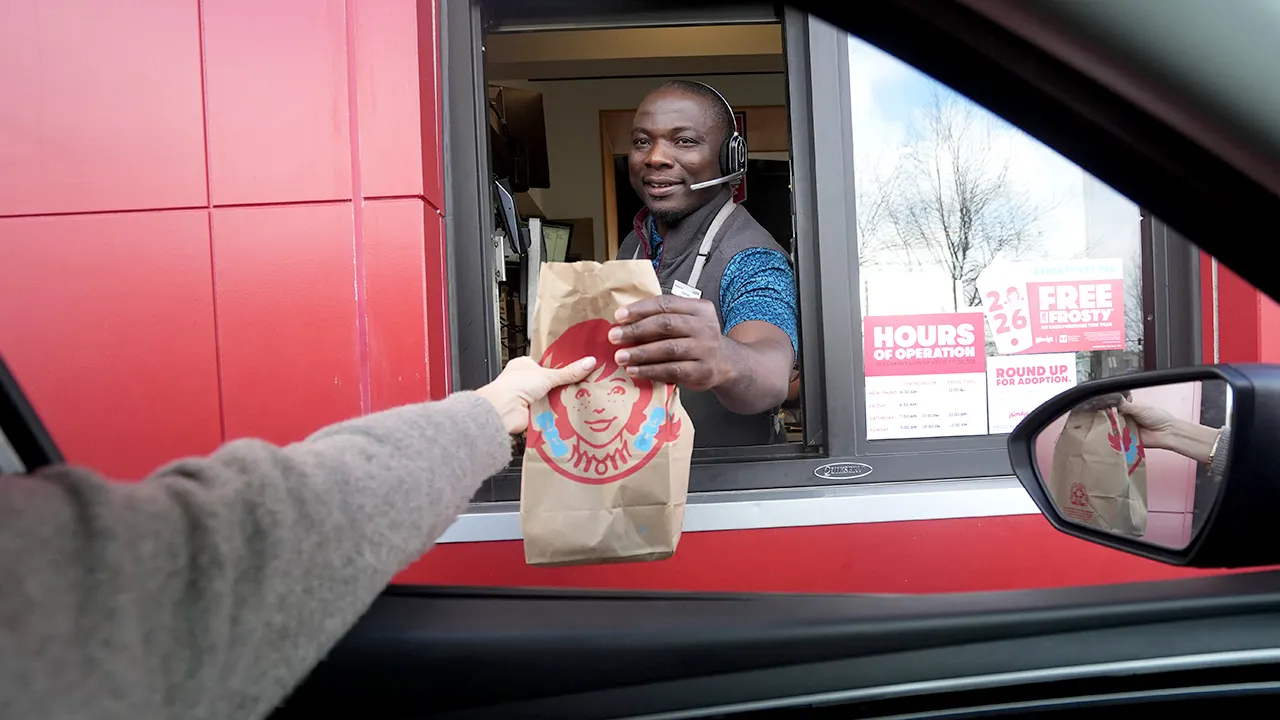
Wendy’s has lost its place as America’s runner-up to McDonald’s, ending a six-year run as the second-largest burger chain, being surpassed by a resurgent Burger King.
Burger King reclaimed the No. 2 position as its U.S. turnaround gains momentum, with domestic same-store sales jumping 8.5% in the second quarter. Wendy’s, meanwhile, reported a 7% decline in U.S. same-store sales, marking its sixth consecutive quarter of contraction.
Wendy’s new CEO Bob Wright acknowledged the chain’s problems Friday, saying its competitive edge has weakened as customers have pulled back.
“Today we are clearly not performing at our potential,” he wrote in a statement.
BURGER KING UNVEILS ‘WHOPPER GUARANTEE’ WITH FREE BURGER IF ORDER MISSES THE MARK
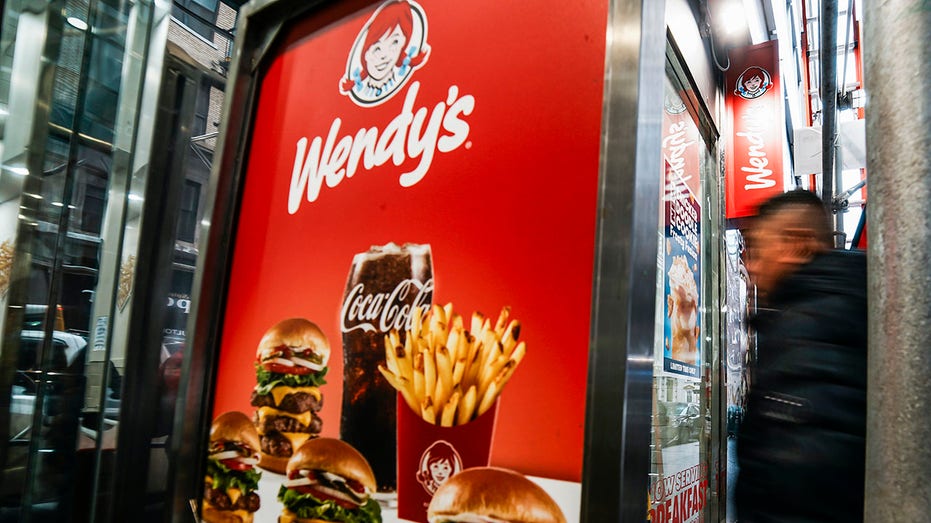
Wendy’s rose to prominence in with his famous “Where’s the Beef” ad campaign, but has lost its six-year hold on the No. 2 spot to McDonald’s in the U.S. burger battle. (Photo by ZAMEK/VIEWpress)
“Our traffic, our value proposition and franchisee economics are not meeting our expectations. We have already begun taking action across five areas that we’ve identified to drive the turnaround: rebuilding a quality menu at compelling value, marketing that drives demand, operational excellence, a digital experience that builds frequency, and restaurants as an engine for growth.”
McDonald’s remains the dominant U.S. burger chain by a wide margin, leaving Burger King and Wendy’s fighting for a distant second place.
Wendy’s had surpassed Burger King roughly six years ago, helped by the successful nationwide rollout of its breakfast menu. But its hold on the No. 2 spot has eroded as Burger King poured money into improving restaurants, advertising and its core menu.
Restaurant Brands International, Burger King’s parent company, launched a broad U.S. turnaround effort in late 2022 after sluggish sales. The strategy has included restaurant remodels, increased marketing spending and changes intended to improve food quality and the customer experience.
BURGER KING’S IMPOSSIBLE WHOPPER TO HIT MENUS ACROSS THE US

The new Burger King Whopper is served in a box instead of a paper wrapper. (Burger King / Fox News)
More recently, Burger King has focused on its signature Whopper.
The chain revamped the burger earlier this year, making changes to its bun, packaging, mayonnaise and other elements. Burger King U.S. and Canada President Tom Curtis told The Wall Street Journal that the improvements are helping bring customers back.
“A lot of people are saying they’re coming back for the first time in a long time,” Curtis said.
Burger King has also introduced a Whopper quality guarantee, pledging to remake an order if a customer is unhappy with it and provide another Whopper free on a future visit.
BURGER KING BRINGS BACK FAN FAVORITE FOR THE FIRST TIME IN 15 YEARS

A McDonald’s Big Mac meal on June 8, 2024, in Bangkok, Thailand. (Lauren DeCicca/Getty Images / Getty Images)
“When we asked guests where we could do better, they gave us a lot of honest feedback, and now it’s our responsibility to act on it,” Curtis wrote in a statement in July. “We’re not going to get everything right every single time, but we’re committed to listening intently and improving every day.
“When guests choose us, they expect high-quality food, orders made the way they asked, and a team that’s there when they need us. That’s what these changes are about. We’re raising the standard in our restaurants, so every Guest feels like they made the right choice.”
Curtis said the chain believes it is taking market share from competitors, including potentially McDonald’s, and sees an opportunity to turn newly won customers into regulars.
“The next generation of burger lovers are being exposed to Burger King, and that means we’ve got runway ahead for years to come,” Curtis told the Journal.
MCDONALD’S SAYS US SALES SLOWED AFTER VALUE DEAL PUSH FELL SHORT
The gains underscore a sharp reversal in fortunes for two longtime rivals that have wrestled with many of the same pressures in recent years.
Both companies navigated the COVID-19 pandemic, supply-chain disruptions and rising food and labor costs before confronting increasingly price-conscious consumers frustrated by years of restaurant menu inflation.
Burger King responded with its multiyear turnaround campaign. Wendy’s, by contrast, has faced leadership turnover just as restaurant traffic weakened and beef costs added pressure to its business.
Longtime Wendy’s CEO Todd Penegor retired in 2024 after eight years at the helm. Former PepsiCo executive Kirk Tanner succeeded him but left a little more than a year later to become CEO of Hershey.
WENDY’S, MCDONALD’S LAWSUIT CLAIMS BURGER ADS MISLEAD CONSUMERS ON PATTY SIZES
| Ticker | Security | Last | Change | Change % |
|---|---|---|---|---|
| MCD | MCDONALD’S CORP. | 274.48 | -1.78 | -0.64% |
| QSR | RESTAURANT BRANDS INTERNATIONAL INC. | 73.89 | +0.97 | +1.33% |
| WEN | THE WENDY’S CO. | 7.69 | +0.30 | +4.06% |
| SHAK | SHAKE SHACK | 71.13 | +0.89 | +1.27% |
| JACK | JACK IN THE BOX INC. | 17.58 | +0.20 | +1.15% |
| YUM | YUM! BRANDS INC. | 150.76 | -1.52 | -1.00% |
Wendy’s CFO Ken Cook then served as interim chief executive before the company named Wright, the former CEO of Potbelly, to the permanent job in May.
“I returned to Wendy’s because I believe we can fix our issues and I am excited to work with our team and our franchisees to drive a strong turnaround,” Wright wrote in Friday’s release of second quarter results.
He said Wendy’s recent problems have hurt customer traffic and put pressure on restaurant economics, an increasingly important issue for a largely franchised chain whose operators must absorb higher costs while competing aggressively for value-conscious diners.
Burger King’s improvement also comes as McDonald’s works through challenges in its own U.S. operation. McDonald’s has been revamping its burgers, testing new menu items and looking for ways to improve food quality, service and value.
GET FOX BUSINESS ON THE GO BY CLICKING HERE
Still, Burger King’s move ahead of Wendy’s does not put it close to overtaking the Golden Arches.
McDonald’s accounted for about 48% of the U.S. burger market in 2024, according to Barclays data. Wendy’s held an estimated 11.4% share at the time, compared with about 10% for Burger King.

SpaceX: Paying The Piper First
Business
(VIDEO) Britney Spears Reveals Botched Botox Left Her Eye Drooping for Weeks, Says She ‘Failed as a Mother’

Britney Spears is opening up about a painful cosmetic procedure gone wrong, revealing in an Instagram video posted Friday that a botched Botox injection left her left eyelid drooping for weeks, while also sharing an emotional message about guilt she carries as a mother.
In the video, Spears, 44, pointed to the area around her left eye and described what happened during the procedure. “He put so much Botox in this left eye that it drooped down like that,” she said, pressing down on her eyelid to demonstrate the effect, according to Yahoo Style Canada. “It’s just now starting to raise up and be normal again.”
A four-week recovery and a warning to fans
Spears said the drooping lasted roughly a month before beginning to resolve. “My eye was down like this for four weeks and it’s now starting to be fine again,” she said, according to Occasional Digest, which reported on the video. She went on to caution her followers directly about the risks of cosmetic injections. “Girls, you have to be careful if you do Botox,” Spears said. “These people and these doctors, they can really f*** your eyes up.”
She extended the warning beyond just Botox specifically, urging fans to be cautious with any medical or cosmetic provider. “Be careful with these people, they try to change your face, they try to f*** things up,” she said. “Be careful with your bodies because it’s yours and you own it.” Spears captioned the post, “You can’t trust anyone!!!”
Not the first rocky Botox experience
This is not the first time Spears has spoken publicly about a difficult experience with the treatment. In August 2023, she described an earlier procedure that left her with visible bruising and swelling, telling fans at the time, “Too many times, these so-called ‘best doctors’ do amazing Botox. Never again in Los Angeles,” according to AOL’s earlier coverage of her remarks. She added that the swelling made her reluctant to appear in public for two weeks afterward, saying she looked like “somebody beat the s— out of me” following what she described as a “reverse effect” reaction.
An emotional message about motherhood
Alongside the physical toll of the procedure, Spears used the moment to share a more personal reflection on her relationship with her two sons, Sean Preston, 20, and Jayden, 19. Posting old photos of the boys on X, she wrote that she felt she had let them down. “In that moment I believed I had failed as a mother,” she wrote, according to Yahoo Style Canada.
Spears described being especially affected by a moment when one of her sons told her he didn’t believe in God, and she apologized broadly for past mistakes. “I wanna tell my kids and people in general that I’m sorry for my mistakes in the past,” she wrote.
She also referenced a painful memory involving her parents, Jamie and Lynne Spears, saying she once learned they had taken her children to the beach and spent private time with them without her knowledge. She described the experience as leaving her feeling “morally ashamed,” saying she had knelt and cried over it for two months. Spears has spoken previously and at length about the emotional toll of the 13-year conservatorship her father oversaw, telling fans in past posts that she felt she “couldn’t be myself for a long time” during that period and was exploited under the arrangement.
Context: a turbulent stretch since leaving conservatorship
Spears was released from her father’s conservatorship in 2021 after 13 years under the court-ordered arrangement, which had controlled significant aspects of her personal and financial life. Since then, she has used social media extensively to document her life, including frequent dance videos and personal reflections shared directly with fans, often without the involvement of publicists or representatives.
The singer has also faced recent legal trouble. She was given a 12-month suspended sentence and ordered into treatment following a reckless driving charge, according to details included in the OSEN report translated by ChosunBiz. Despite the setbacks, Spears indicated in her most recent post that she is focused on personal recovery going forward. “I want to get closer to God again and dream like I used to,” she wrote.
A pattern of unfiltered social media posts
Friday’s video adds to a long pattern of Spears using her Instagram and X accounts to communicate directly and often unguardedly with fans, ranging from personal struggles to dance videos. Just a week earlier, Spears had shared a separate series of videos showing herself dancing, continuing a habit of posting frequently and without publicist oversight that has become a defining feature of her public presence since regaining control of her personal affairs in 2021.
Representatives for Spears did not immediately respond to requests for further comment on either the Botox incident or her comments about her children.
Business
(VIDEO) New Orleans Police Officer Faces 350 Charges After Cameras Showed Him Home During Overtime Hours

NEW ORLEANS — A New Orleans police officer is facing 350 criminal charges after undercover surveillance cameras repeatedly showed him at home during hours his department records indicated he was on duty, in what investigators describe as a wide-ranging overtime fraud case.
Senior Police Officer Brandon Coleman, 39, was arrested Aug. 7 following a joint investigation by Louisiana State Police and the New Orleans Office of Inspector General, which examined discrepancies between the overtime hours Coleman reported and the hours investigators say he actually worked.
Payroll records raise red flags
The investigation began after FOX 8 started examining Coleman’s overtime pay when payroll records showed he was among the New Orleans Police Department’s highest-paid officers. Coleman earned approximately $229,000 from the department in 2025, more than three times his $68,000 base salary, according to FOX 8’s reporting.
Louisiana State Police said Coleman received more than $111,000 in fraudulent overtime payments between December 2024 and December 2025. At his first court appearance, however, the Louisiana Attorney General’s Office presented a higher figure, telling Orleans Parish Criminal District Court Judge Juana Lombard that Coleman had collected more than $172,000 he should not have received, according to FOX 8.
Video evidence at the center of the case
Investigators placed undercover cameras to monitor Coleman’s whereabouts and compare them against his submitted timesheets. On July 22, 2025, Coleman’s timesheet showed a shift beginning at 6:25 a.m., but video captured him entering his police vehicle at 10:08 a.m. — more than three hours after his shift was recorded as starting.
Coleman discovered one of the undercover cameras on July 28, 2025. The next day, his records again showed him clocking in at 6:25 a.m., while video showed him leaving his home at 7:41 a.m., according to investigators.
Louisiana State Police and the Office of Inspector General launched their joint investigation in April 2026, reviewing not only discrepancies in Coleman’s reported hours but also differences between the locations listed for some of his overtime assignments and where investigators determined he actually was.
Charges and court proceedings
Louisiana State Police obtained an arrest warrant and took Coleman into custody Aug. 7. He was booked on 325 counts of filing false public records and 23 counts of public payroll fraud, along with one count of theft and one count of malfeasance in office, bringing the total to 350 charges.
Judge Lombard found probable cause on all of the charges at Coleman’s first court appearance. He subsequently posted a $17,000 bond and was released. FOX 8 reported that Coleman is expected back in court Sept. 9.
Coleman’s attorney disputes the allegations
Coleman’s attorney, Bobby Hjortsberg, pushed back forcefully against the charges, calling them “absolutely baseless” and saying the defense has evidence showing Coleman was working during periods investigators question.
Hjortsberg argued that footage showing Coleman at or leaving his home does not, by itself, establish that he was not already performing police work at the time. He said Coleman’s responsibilities included Mardi Gras assignments and citywide duties that did not require him to remain at a police station throughout a shift. The attorney said the defense expects to present physical evidence supporting Coleman’s account of his working hours during the periods in question.
NOPD placed Coleman on unpaid administrative leave following his arrest. Superintendent Anne Kirkpatrick said the department cooperated with the independent investigation and would continue to do so as the case moves forward.
Part of a broader pattern uncovered by investigators
Coleman is the second NOPD officer arrested as a result of FOX 8’s “Unchecked Overtime” investigative series. Former Sgt. Henry Burke was arrested earlier in 2026 in a separate overtime payroll case and was later fired from the department; FOX 8 reported that Burke’s case was subsequently referred to federal prosecutors. Internal investigations involving other NOPD officers connected to the broader overtime review have also continued.
Department overhauls timekeeping system
In response to the investigative reporting, NOPD expanded its use of biometric time clocks, which require officers to clock in at their specific assigned locations rather than relying solely on manually submitted timesheets. FOX 8 reported that the updated timekeeping system has been credited with reducing the department’s overtime spending by more than $8.3 million during the first six months of 2026 — a 45% decline, according to figures from the Office of Inspector General.
Preventing payroll fraud more broadly
Public agencies and private employers can reduce the risk of payroll fraud by cross-referencing time records against assignment logs, building access records, vehicle logs and other independently generated data rather than relying on submitted timesheets alone, according to guidance highlighted in the case’s coverage. Repeated shifts producing unusually high annual hours, frequent manual edits to time records, or employees consistently earning multiples of their base salary can all warrant additional scrutiny, and organizations are encouraged to ensure supervisors cannot approve unexplained timesheet edits without a clear audit trail.
New Orleans residents and city employees with information about suspected misuse of public funds can report concerns directly to the New Orleans Office of Inspector General, which accepts tips online, by email and by phone, including supporting documentation related to suspected public corruption or payroll misconduct.

ISKANDAR PUTERI, Malaysia — Chelsea wraps up a busy stretch of its 2026 preseason tour Sunday with a friendly against Malaysian champions Johor Darul Ta’zim, a matchup that closes out a whirlwind run through Oceania and Asia for Xabi Alonso’s side.
The match kicks off at 8 p.m. local time (1 p.m. BST, 8 a.m. ET) at Sultan Ibrahim Stadium in Iskandar Puteri, a venue that opened roughly six years ago and sits near the southern tip of Malaysia, close to Singapore.
How to watch in the United States
U.S. viewers can stream the match on Paramount+, with additional coverage available through the CBS Sports Golazo Network, according to Goal.com. The match is also listed on Prime Video’s schedule of upcoming Chelsea fixtures.
How to watch in the United Kingdom
The match will not air on traditional television in the United Kingdom, according to Chelsea’s official website. Instead, U.K. fans can watch through CFC+, Chelsea’s in-house streaming service, which costs £9.99 for a single match or £19.99 for a full annual subscription, according to Yahoo Sports’ listing of viewing options. Sports Illustrated separately listed the CFC+ single-match price at £14.99 in its own coverage, so fans should check pricing directly through Chelsea’s official channels before purchasing.
Streaming options elsewhere around the world
Beyond the U.S. and U.K., additional confirmed streaming outlets include FanCode in India and StarTimes in Nigeria, according to Yahoo Sports. CFC+ is also available internationally beyond the U.K. for fans in regions without a dedicated broadcast partner. Chelsea’s official website noted that the CFC+ stream will not be accessible to viewers located in Malaysia itself, where the match is being played.
Fans can also follow the match through Chelsea’s Matchday Live service on the club’s official app and website, which provides live text updates, statistics and imagery throughout the game, along with confirmed starting lineups once they are announced, according to Chelsea’s official site.
A packed final stretch of preseason for Chelsea
Sunday’s match caps an especially demanding end to Chelsea’s preseason tour. The Blues faced AC Milan barely 24 hours before their meeting with Johor Darul Ta’zim, according to Yahoo Sports, requiring the squad to travel roughly 700 miles between fixtures in a tight turnaround. Chelsea’s preseason slate has also included matches against Western Sydney Wanderers, Tottenham Hotspur and Juventus.
Chelsea opened its preseason tour with a 6-4 win over Western Sydney Wanderers before dropping back-to-back matches to Tottenham Hotspur and Juventus, and most recently fell 1-0 to Milan on Aug. 5, according to Goal.com. Manager Xabi Alonso has used the extensive preseason schedule to continue evaluating his squad ahead of the new Premier League campaign, with a roster that Yahoo Sports described as still more than 30 players deep heading into Sunday’s finale.
A tough test on paper, but Chelsea remains favored
Johor Darul Ta’zim enters the match in strong form, having won three of its last five matches across all competitions. The club’s most recent outing ended in a scoreless draw with Elche on July 24, following a run that included a 14-1 rout of Kelantan and a 7-0 win over Kuala Lumpur City, according to Goal.com. Johor’s only defeat in that stretch came in a 2-1 loss to Al Ahli in the AFC Champions League Elite. Across those five matches, the Malaysian side scored 24 goals while conceding just four.
Johor Darul Ta’zim also arrives as the dominant force in Malaysian domestic football, having won 12 consecutive Malaysia Super League titles, according to Yahoo Sports, including a domestic treble in each of the past four seasons. The club has had more modest success in continental competition but did reach the quarterfinals of the AFC Champions League last season.
What’s next for Chelsea
Following Sunday’s match, Chelsea will return to Stamford Bridge for Alonso’s first match in charge at the venue, hosting his former club Real Sociedad on Aug. 15, according to Sports Illustrated. Alonso will then oversee his first competitive fixture as Chelsea manager on Aug. 24, when the Blues face Fulham — managed by Alonso’s former Real Madrid and Spain teammate Álvaro Arbeloa — in an early West London Premier League derby.
A note on watching safely
Fans looking to watch Sunday’s match are encouraged to use the official broadcasters and streaming services listed above, all of which hold confirmed rights to the fixture in their respective territories. Availability, pricing and access may vary by region and require an existing subscription or account with the relevant provider.

Wordle players looking for a boost on Sunday’s puzzle have a tricky one on their hands, according to multiple outlets covering today’s game. Puzzle #1877, the New York Times’ daily five-letter word challenge, is proving harder than usual, largely because the answer avoids nearly all of the most commonly used letters in the English language.
Today’s hints, without giving it away
For those who want a nudge before seeing the full answer, several publications offered graduated hints throughout the day. According to Parade, there is one vowel in today’s five-letter word, the puzzle begins with a consonant, and there are no double letters involved. Parade also offered a more specific clue, describing the answer as “the sound of wear and tear.”
The Times’ own WordleBot analysis, relayed through Yahoo, added further detail: the word contains one of the five vowels, has no repeated letters, and does not include any of the five most common letters used in Wordle answers. The Times noted the word starts with the letter C.
GameDaily offered an even more direct description, noting the answer “can refer to a blow or the sound it creates, as well as the act that creates such a sound” — a five-letter noun or verb starting with C, containing one vowel and four consonants, with no repeated letters throughout.
A puzzle that stumped even the pros’ favorite openers
Yahoo’s coverage highlighted just how unusual today’s word is from a solving standpoint. The outlet’s Wordle columnist noted that their typical opening word, ORATE, “struck out completely,” failing to turn a single letter green or yellow and leaving a massive 253 possible answers remaining, according to WordleBot’s analysis.
For players looking for stronger starting strategies going forward, WordleBot’s data suggests CLASP as a notably effective opener for puzzles like today’s, narrowing the field to just 19 possible answers, while PLACE performs even better, cutting the list down to only 10 remaining options.
For future puzzles more broadly, the New York Times’ WordleBot recommends CRANE as one of the strongest overall starting words, according to the Lufkin Daily News. Other commonly recommended openers include ADIEU, STARE and ROAST, each designed to maximize the amount of letter information revealed in a single guess.
Difficulty and average solve time
According to WordleBot’s tracked data cited by Yahoo, the average player needed 3.9 guesses to solve the previous day’s puzzle, Wordle #1876, in both regular and hard mode — giving today’s solvers a rough benchmark for how the game typically plays out difficulty-wise, even though today’s specific puzzle appears to be running tougher than that average given its avoidance of common letters.
Today’s answer
Spoiler warning: the solution to Wordle #1877 for Sunday, August 9, 2026, is CLUNK.
Multiple outlets, including Parade, AOL and Yahoo, confirmed the same five-letter answer, describing it as a word associated with a dull, heavy sound — fitting the “sound of wear and tear” hint offered earlier by Parade and the “blow or the sound it creates” description offered by GameDaily.
How Wordle works, for newcomers
Wordle challenges players to guess a five-letter word within six attempts, with color-coded tiles indicating whether a guessed letter is correct and correctly placed (green), correct but misplaced (yellow), or not in the word at all (gray). The game, created by software engineer Josh Wardle in 2021, surged in popularity before being acquired by the New York Times, which now offers it for free on the Times Games website and app alongside puzzles including Connections, Strands and the Mini Crossword.
Players who missed today’s puzzle or want to review past solutions can consult the official Wordle archive, which stores previous answers for those looking to catch up or track word patterns over time.
Business
First-of-Its-Kind Study Finds That a Simple Sleep Change Directly Boosts College Students’ Grades

A new study published in the Journal of Political Economy has found that a relatively simple, low-cost intervention can meaningfully improve college students’ sleep — and, in turn, their academic performance, marking what researchers describe as the first field experiment to demonstrate a direct causal link between the two.
The research, led by health economist Osea Giuntella of the University of Pittsburgh, comes amid a growing body of evidence connecting sleep quality to overall health, well-being and cognitive function. While previous studies had shown a strong correlation between sleep and academic performance, causal evidence linking the two using real-world tools like wearable trackers had remained limited.
A widespread problem among young adults
The study’s starting point reflects a broader issue researchers say is common on college campuses nationwide. “Sleep deprivation is extremely common among young adults, yet universities have struggled to find affordable ways to improve student performance,” Giuntella told ScienceAlert.
To test possible solutions, Giuntella and his fellow researchers studied 1,149 student participants across several waves of the experiment. At baseline, the students were sleeping an average of just 6.6 hours per night, and nearly 29% of weeknights involved less than six hours of sleep — well below the roughly seven to nine hours generally recommended for adults.
How the experiment worked
During the intervention phase, all participating students were given wearable Fitbit trackers to monitor their sleep patterns. Researchers then randomly assigned the students into two groups.
The treatment group was encouraged to get at least seven hours of sleep on weeknights, received personalized bedtime reminders, and was offered a modest financial incentive — $4.75 per night for four weeks — for meeting their nightly sleep goal. The control group, by contrast, simply wore the Fitbit trackers without receiving any instructions or rewards tied to changing their sleep habits.
Two central questions
Giuntella said the research team set out to answer two related questions. “First, could a simple behavioral intervention help students develop healthier and more persistent sleep habits?” he told ScienceAlert. “Second, while many studies had documented a strong correlation between sleep and academic performance, there was very little causal evidence using wearables and real-world settings showing that improving sleep actually leads to better educational outcomes.”
Sleep gains that outlasted the incentives
The results showed a clear effect during the intervention period. Students in the treatment group saw a 26% increase in the share of nights they met their seven-hour sleep goal, with average nightly sleep duration increasing by 19 minutes compared with the control group.
Notably, the effect didn’t disappear entirely once the financial incentives and reminders stopped. Even after the intervention ended, treatment-group students continued sleeping more than they had at baseline, though the effect diminished to an average of eight additional minutes of sleep per night once the external motivators were removed.
Confirming the connection to grades
According to Giuntella, the research team initially suspected they were onto something meaningful after the first wave of the study in 2019, but the full significance of the finding became clear only after linking the experimental data to students’ official university transcripts. “After the first wave of the study in 2019, we had a good sense that the intervention was improving sleep and that some of the effects persisted after the incentives ended,” Giuntella said. “But what really convinced us we had an important finding was when we linked the experimental data to students’ official university transcripts and found improvements in GPA.”
Students in the treatment group saw their average course performance improve by 0.075 to 0.089 grade points during the semester in which the intervention took place, with a similarly sized effect persisting into the following semester as well.
A modest but meaningful gain
While researchers acknowledge the improvements were relatively modest in magnitude and warrant replication in future studies, they note the results are notable for another reason: the GPA gains produced by the sleep intervention either matched or exceeded academic improvements typically seen in scholarship-style financial incentive programs — but at a fraction of the cost.
Applications beyond college campuses
Giuntella expressed optimism that the approach could extend well beyond university settings. “What excites me most is that these are relatively simple interventions that could be adapted and tested in many different settings,” he said. “Not only universities, but potentially schools and workplaces as well.”
The study’s authors say the findings offer a promising, low-cost model for institutions looking to support student success without the significant financial investment typically required by traditional scholarship or incentive-based academic programs. Given the relatively small sample size and modest effect sizes involved, however, the researchers emphasized that further replication across different student populations and settings would help confirm how broadly the intervention’s benefits might apply.
Business
Is Watching Too Much TV Bad for Your Brain? New Study Suggests the Answer Could Well Be Yes, Doctor Says

A new study suggests that people who watch a lot of television in midlife may end up with smaller brain volumes decades later, in regions tied to language and thinking — while, notably, spending long hours sitting at work appeared to carry no such risk.
The findings, drawn from a long-running study funded by the National Institutes of Health, add to a growing body of research suggesting that not all sedentary behavior affects the brain the same way. To help make sense of the results, CNN wellness expert Dr. Leana Wen, an emergency physician and clinical associate professor at George Washington University who previously served as Baltimore’s health commissioner, walked through what the study found and what it does — and doesn’t — prove.
What the study measured
Researchers analyzed data from more than 1,700 participants who reported on their television-watching habits and workplace sitting time during a single year in midlife. Participants, who ranged in age from 45 to 64 at the study’s outset with an average age of 53, self-reported how often they watched television using a standardized questionnaire, classifying their habits into one of five categories: never, seldom, sometimes, often or very often.
More than two decades later, the same participants underwent brain MRI scans, allowing researchers to examine whether earlier television habits correlated with measurable differences in brain structure later in life.
Smaller brain volumes among heavy viewers
According to Wen, the results were notable. “That’s what this study found, although it’s important to understand exactly what the researchers measured and what conclusions we can draw from it,” she said when asked whether television watching is genuinely associated with brain changes years later.
People who reported watching television “very often” tended to show smaller volumes in several brain regions, including areas involved in cognitive control and language, as well as regions considered especially vulnerable in the early stages of Alzheimer’s disease. These same heavy viewers also showed more white matter hyperintensities — changes visible on MRI scans that reflect injury to the brain’s small blood vessels and have been linked in prior research to cognitive decline and dementia.
Why sitting at work looked different
Perhaps the study’s most surprising finding was that sedentary time spent at work wasn’t associated with the same brain changes seen in heavy television viewers — a distinction Wen said comes down to how actively the brain is engaged during each activity.
“This interesting finding suggests that not all sedentary activities are the same,” Wen said. “Watching television is a cognitively passive activity because viewers are primarily receiving information rather than actively processing it. Sitting at work often involves very different mental demands. You may be responding to emails, working on projects and interacting with colleagues. Those activities engage multiple brain networks even though you’re sitting.”
Wen noted that while the study doesn’t prove mentally stimulating activities directly protect the brain, the findings align with a broader body of research suggesting cognitive engagement helps lower dementia risk, and echo earlier studies distinguishing passive sedentary behaviors like television watching from more mentally active ones, such as solving puzzles or engaging with coworkers.
An observational study, not proof of causation
Wen was direct in cautioning against overinterpreting the results. Asked whether the study proves television watching causes negative brain changes, she said simply: “No. This was an observational study, which means it can identify associations but cannot establish cause and effect.”
She noted that people who watched more television may have differed from lighter viewers in ways researchers couldn’t fully account for, even though the study already adjusted for numerous factors, including age, education, physical activity, smoking, alcohol use, diabetes, high blood pressure and body mass index. It’s also possible, Wen said, that subtle brain changes influenced people’s television habits years before their MRI scans were performed, rather than the other way around.
Still, Wen characterized the research as well-conducted, noting it followed participants for more than two decades and relied on detailed brain MRI scans rather than subjective testing. While the findings shouldn’t be interpreted as proof that television directly damages the brain, she said they add to growing evidence that prolonged passive, sedentary behavior isn’t ideal for long-term brain health.
Exercise doesn’t fully offset the risk
One particularly notable detail: the association between heavy television viewing and brain changes held up even after researchers accounted for participants’ physical activity levels. According to Wen, that means someone who exercises regularly but also spends many hours a day watching television may still face additional risks tied to that passive sedentary behavior. “Staying physically active and limiting this kind of prolonged passive sedentary behavior both appear to be important,” she said.
Not all screen time is equal
Wen emphasized that the findings shouldn’t be read as a blanket call to eliminate television or other screen-based leisure entirely. “I don’t think this study means people should stop all screen consumption,” she said, noting that watching a favorite show, following a sporting event or going to a movie can be enjoyable and can help people connect with family and friends — benefits that carry their own health value.
Instead, Wen suggested the more useful takeaway is considering how passive screen time might be displacing other activities. “If several hours of television or scrolling through social media are taking the place of exercise, in-person social interactions, reading or other mentally stimulating activities, that’s not ideal for brain health,” she said. She pointed to an online language class as an example of screen time that engages the brain differently than passive viewing, since it involves active learning and communication rather than passive reception of content.
Other evidence-based ways to protect brain health
Beyond reducing passive screen time, Wen pointed to a range of research-backed strategies for supporting brain health as people age, including regular physical activity, controlling blood pressure, managing chronic conditions such as diabetes, avoiding smoking, limiting alcohol use, getting adequate sleep and maintaining a healthy weight. She also cited a Mediterranean-style diet rich in fruits, vegetables, whole grains, legumes, nuts, fish and healthy fats as a pattern associated with better brain health, along with staying socially connected and treating conditions like hearing loss and depression that can otherwise limit time spent with loved ones.
“No single activity can guarantee protection against dementia,” Wen said, “but the combination of everyday choices, including how we spend our leisure time, can add up over the course of decades.”

Patriots to replace recently installed turf field before exhibition opener

Belfast solar eclipse weather map: Met Office forecast for Wednesday

$96 Billion Japan Bond Losses Put America Debt and Bitcoin on Alert


-

 Fashion2 days ago
Frugal Friday’s Workwear Report: Cap-Sleeve Pointelle Crewneck Sweater
-

 Fashion2 days ago
Weekend Open Thread: Mattifying Sunscreen
-

 Business7 days ago
DTCR: Deleveraging And A Hedge Fund Collapse Point To A Possible AI Bottom
-

 Sports4 days ago
Jordan Coyle & Cordiamo take Laya Arena Stakes at RDS
-

 News Videos1 day ago
Can Astrology Help Find Gold and Silver Trends? A Financial Astrology Guide
-
 Crypto World6 days ago
US Tech Stocks See Largest 5-Week Inflow in History: Can Nasdaq Break Its Downtrend?
-
 Business4 days ago
US stocks: Dow closes at record on Mideast optimism; SpaceX, AMD drag Nasdaq
-

 Politics3 days ago
Reform UK And Greens Sink To Lowest Favourability Ratings To Date
-

 Business5 days ago
Nvidia Stock Climbs 2.5% as Chip Sector Rally Builds Ahead of AMD Earnings, Nvidia’s Own Report Looms
-

 Tech7 days ago
OpenAI teases Astra, its next major AI model, after it solves 10 long-standing math problems
-

 Crypto World5 days ago
Polymarket targets $20 billion valuation as competition heats up in prediction market sector
-

 Business4 days ago
Supply chain issues impact Ingredion
-

 Tech5 days ago
OpenAI, Anthropic AI agents targeted real people and systems in cyber tests
-

 News Videos7 days ago
#crypto #cryptocurrency #cryptonews #cuet2026 #ceuta
-

 Business7 days ago
Myspace owners announce plans to relaunch the once-popular platform
-

 News Videos7 days ago
Crypto.com Partners with UFC for UFC 331 Event
-
 Crypto World5 days ago
CLARITY Act Senate Vote Locked In, But 60-Vote Hurdle Looms Large
-

 News Videos7 days ago
Huge SPINS!! (for me) #slots #casino #gambling #money #jackpot
-

 Tech2 days ago
Rinn Pharma & Biopharma to join NordicPharmaTrain network
-

 News Videos7 days ago
#xrp #xrpripple #xrparmy #xrpnews #bitcoin #btc #crypto #cryptocurrency #blockchain #viral
You must be logged in to post a comment Login