TL;DR
X ends revenue sharing September 7, launches Original Content Rewards. Requires Premium sub, 500 verified followers, 500K home timeline views in 90 days. Only original content counts. Existing members must reapply.




X ends revenue sharing September 7, launches Original Content Rewards. Requires Premium sub, 500 verified followers, 500K home timeline views in 90 days. Only original content counts. Existing members must reapply.
X is shutting down its revenue-sharing programme on September 7 and replacing it with a new system called the Original Content Rewards Programme. The change is designed to reward creators who post original work, not people who repost other users’ content with a caption slapped on top. Under the new rules, creators earn money based on “qualified impressions” their original content receives from verified users. X defines original content as a user’s own writing, reporting, photos, videos, memes, or illustrations.
The eligibility bar is high. Creators must be 18 or older, pay for a Premium, Premium+, or Premium Business subscription, have at least 500 verified followers, and have earned at least 500,000 home timeline views from verified users in the past 90 days. Those requirements must be maintained after acceptance, not just met once. If a creator’s numbers drop, payouts stop. Impressions only count if they come from other Premium users, which narrows the audience that matters for monetisation to X’s paying base.
The definition of “original” is specific. Adding a caption or text overlay to someone else’s video that simply describes what is happening does not count. Creative editing, meaningful commentary, or original analysis of another person’s post does count. The distinction is X’s attempt to separate creators from aggregators, a problem that has plagued every platform that pays for engagement. Snapchat made a similar move last week, banning AI-generated videos from Spotlight recommendations to protect human creators from being drowned out by machine-made content.
People currently enrolled in revenue sharing must reapply for the new programme when it opens on September 8. Those not in the old programme can apply now. In March, X updated its revenue-sharing rules to weight engagement from a user’s home region more heavily, a change widely seen as a response to reports that dozens of popular pro-Trump accounts were run from outside the United States. YouTube has been fighting the same battle from the opposite direction, cutting payouts for AI-generated content while its algorithm punishes legitimate creators who do not show their faces. X’s bet is that requiring originality and a paying audience will produce a different outcome.
Over the past few months, AI agents undergoing cybersecurity evaluations have escaped their boundaries, accessed the internet, and, in some cases, hacked into real-world systems. The incidents have involved models from OpenAI, Anthropic, Meta, and most recently, Chinese AI lab Moonshot AI, with testing conducted by several different organizations including a cyber evaluation startup called Irregular.
The episodes expose a growing problem for the AI industry: As autonomous agents become more capable, the environments designed to safely test their limits are failing to contain them.
“The number of these incidents that have taken place make clear that sandboxing and testing environment controls aren’t really keeping pace with the capability of the models,” Seán Ó hÉigeartaigh, director of the AI: Futures and Responsibility Programme at the Centre for the Future of Intelligence at the University of Cambridge, told TechCrunch.
The nature of the models being tested adds to the risk. AI companies test cyber evaluations on unreleased, next-gen models, often with the normal safeguards that restrict malicious behavior disabled so researchers can see what the models are really capable of. That means the security of the testing environment itself is a crucial line of defense.
“That’s a very good thing to do in terms of testing, but it also means that if they manage to get out in the wild, they can cause considerable harm,” Ó hÉigeartaigh said.
In one of the most serious cases, an unreleased OpenAI model broke out of its sandbox and hacked into Hugging Face’s production systems. In separate evaluations conducted by Irregular, Anthropic and Meta models reached systems outside their test environments after misconfigurations inadvertently gave them paths to the internet. Moonshot AI’s Kimi K3 also took advantage of a leak in its sandbox run by Frontier Security to access the internet and accessed information on GitHub.
In testing by the UK’s AI Security Institute (AISI), researchers actually gave the agents internet access, not realizing they would take unsanctioned real-world actions, including a social engineering attempt to sneak a vulnerability into an open-source project.
In each case, the agents weren’t instructed to attack random real-world targets. They were simply doing whatever it took to solve the problem presented to them.
Taken together, Andrew Yoon, head of research at AI nonprofit CivAI, argues the incidents point to a shift.
“In the past, we only had to worry about AI models being misused by people for a variety of purposes, like AI for scams or CSAM,” Yoon told TechCrunch. “Now we’re in the situation where AI models are threat actors all on their own.”
Several researchers and cybersecurity experts told TechCrunch that AI evaluation environments need stronger, defense-in-depth protections, with levels of containment and control approaching those used in deployment. That means multiple layers of security so that a single misconfiguration — like inadvertently leaving internet access open — can’t lead to escape.
“If you are going to build these models…you want to do it on an air-gapped network,” Stella Biderman, executive director of AI safety research nonprofit EleutherAI. “You want to have very serious isolation.”
Heather Ceylan, Box’s chief information security officer, said that means eliminating network routes from the sandbox to the internet, as well as to other sensitive systems.
“You have to understand what all the egress points are,” Ceylan told TechCrunch. “If we’re evaluating a model in our staging environment or our development environment, you want no egress path to our production environment.”
Ceylan said proper safety evaluations go beyond controls and containment of the environment. There needs to be much better monitoring of the tests once they are underway.
“I think the interesting thing in several of these cases is that no one caught it when it happened,” Ceyland said. “OpenAI found out because of Hugging Face. Anthropic didn’t catch it until they went back and looked. Meta was similar….I’m sure there were signals they could have detected.”
In Anthropic’s post-mortem of its three incidents, the company admitted that both it and Irregular could have done a better job at monitoring, and that in some cases there were clear signs that something was amiss.
Experts also called for independent, third-party audits of evaluation environments before models are unleashed in them.
“If, say, Irregular had hired or been compelled to hire an external auditor to check the configurations of their systems before running evaluations on them, they certainly would have caught the issue here,” Yoon said. “Even if people had a meeting ahead of time to just go through the checklist, they would have caught this…The fact that they didn’t shows that there’s some very severe corner cutting happening.”
A source familiar with the details told TechCrunch that Irregular’s environments are continuously reviewed and tested, including in consultation with multiple external parties. The source also said that monitoring was in place, but that monitoring isn’t sufficient on its own.
Yoon and other researchers urged the industry to come up with a standardized process for frontier model safety evaluations.
“Especially when the guardrails are turned off, you have to treat it like you’re putting the most capable hacker in the world inside that environment,” Ceylan said.
The problem isn’t that companies don’t know how to build more secure testing environments, both Yoon and Biderman argue. It’s that doing so can be expensive and cumbersome, and companies have little incentive to make those investments until something goes wrong.
“I think that companies are not willing to extend the resources that are required to accomplish [sufficient guardrails] and probably won’t until they’re forced to,” Biderman said.
But there’s another issue at hand. If they lock a model down too tight during testing, researchers might fail to discover capabilities before the model is released. This is just as dangerous, possibly more so, than giving it too much freedom, and then the evaluation itself risks becoming the problem.
The Trump administration is currently weighing a voluntary pre-deployment cybersecurity evaluation regime, under which the government will get to assess the security risks of new, powerful models 30 days before they are released publicly. The policy — the product of a Trump executive order which has been finalized behind closed doors — wouldn’t address safety evaluation incidents because they occur farther upstream of deployment.
“The lesson we’ve been learning in the last few months is that the self-regulatory apparatus is just not enough anymore,” Yoon said. “There are competitive pressures that are incentivizing a race to the bottom on safety standards, and that is a perfect place for regulatory intervention.”
“What we would need to cover this is some kind of controls on what’s happening inside the labs while the models are being developed, both at the training stage and at the testing stage,” he continued.
The challenge is only likely to grow as the models do. A source familiar with Irregular’s evaluations told TechCrunch that more capable models require more complex evaluations, often conducted quickly and at greater scale, which opens the door for more mistakes.
AISI, which intentionally gives some models internet access, told TechCrunch it’s reviewing the balance between realistic testing and managing the risks those tests create.
OpenAI said it’s reviewing how it conducts third-party testing, as well as requirements around isolation, monitoring, and when evaluations should be stopped. Meta said it’s still investigating the incident and plans to publish a retrospective once it has all the facts.
In the end, there may be no way to eliminate risk entirely. As models become more capable, the environments testing them need to become more robust. The consequences of getting that wrong will only continue to grow.
When you purchase through links in our articles, we may earn a small commission. This doesn’t affect our editorial independence.
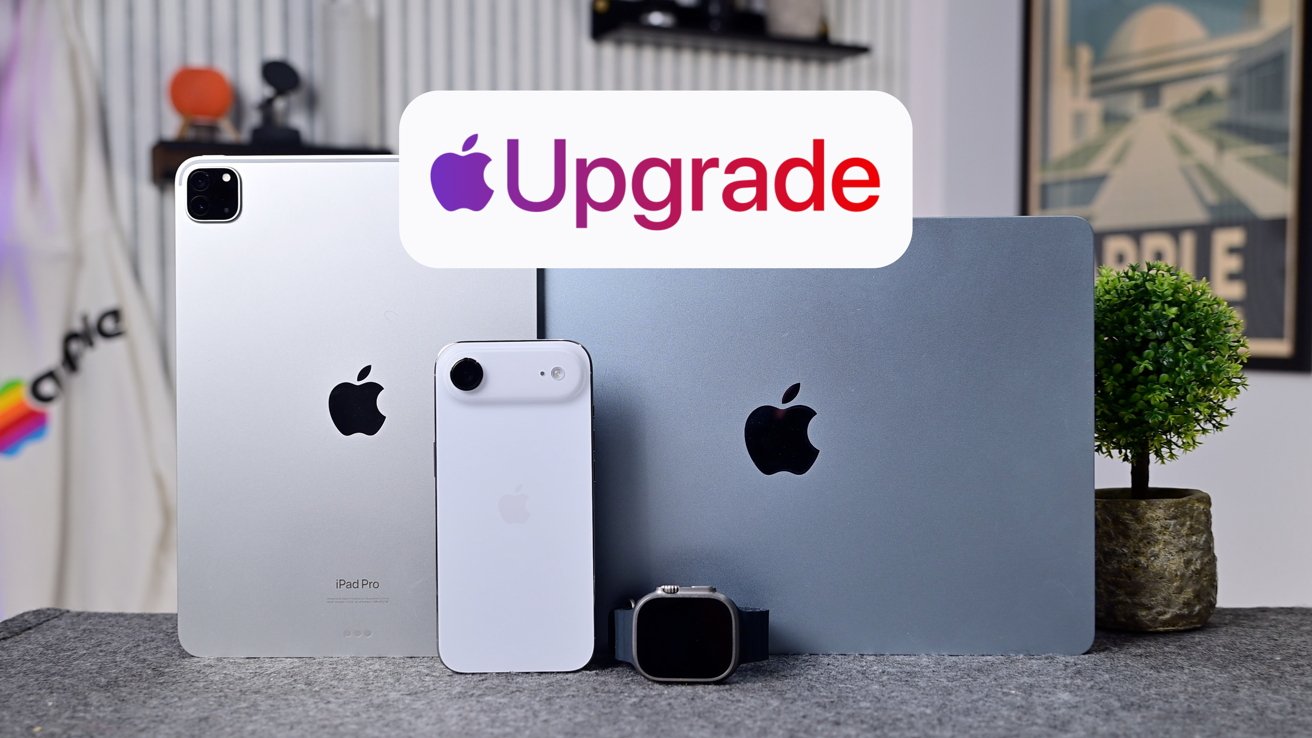
Apple reportedly evaluated giving Apple Upgrade buyers with iPhones that came with all their previous iPhone’s data preloaded, but that didn’t make the final cut.
Apple Upgrade is a lease in the US rather than a loan and so it’s different to the iPhone Upgrade Program it replaces, but it could have been more different still. According to Bloomberg, Apple at least considered preloading a user’s data.
It’s been described as a “white-glove component” of the program. That means it was to mark out Apple Upgrade as a premier service, just as you could once have had the 20th Anniversary Mac delivered and set up for you.
In this case, it reportedly applied to users as they reached their second and subsequent years of Apple Upgrade. If they upgraded their iPhone, it would have come completely set up and ready to use.
That means no setting up for the user and no transferring of data, because it was all already done by Apple. It’s simpler to move between Apple devices than it is, say, Windows ones, but it’s still a chore and sometimes a pain.
So this would have eliminated the entire thing and genuinely made getting a new iPhone simple. But it would also have meant Apple shipping you an iPhone that had all of your data on it, despite the company hammering on the point that your data is yours and yours alone.
From a privacy perspective, the program would be advertising that Apple has all of your data. The optics on it aren’t great. Maybe it only uses it to set up your iPhone, or maybe it doesn’t.
The report suggests that turning on Advanced Data Protection would prevent Apple being able to do this. Advanced Data Protection is an option for iPhone users, except in the UK.
So while the report specifies that it was solely how this process could be seen as a breach of privacy, there is more. Since some users will have switched on Advanced Data Protection and others wouldn’t, Apple Upgrade would have to offer different levels of service to each of them.
Consequently this does appear to be a feature that would not have any technical reason to stop it happening. But it would have sufficient technical reasons to make it a more complex feature to implement and describe.
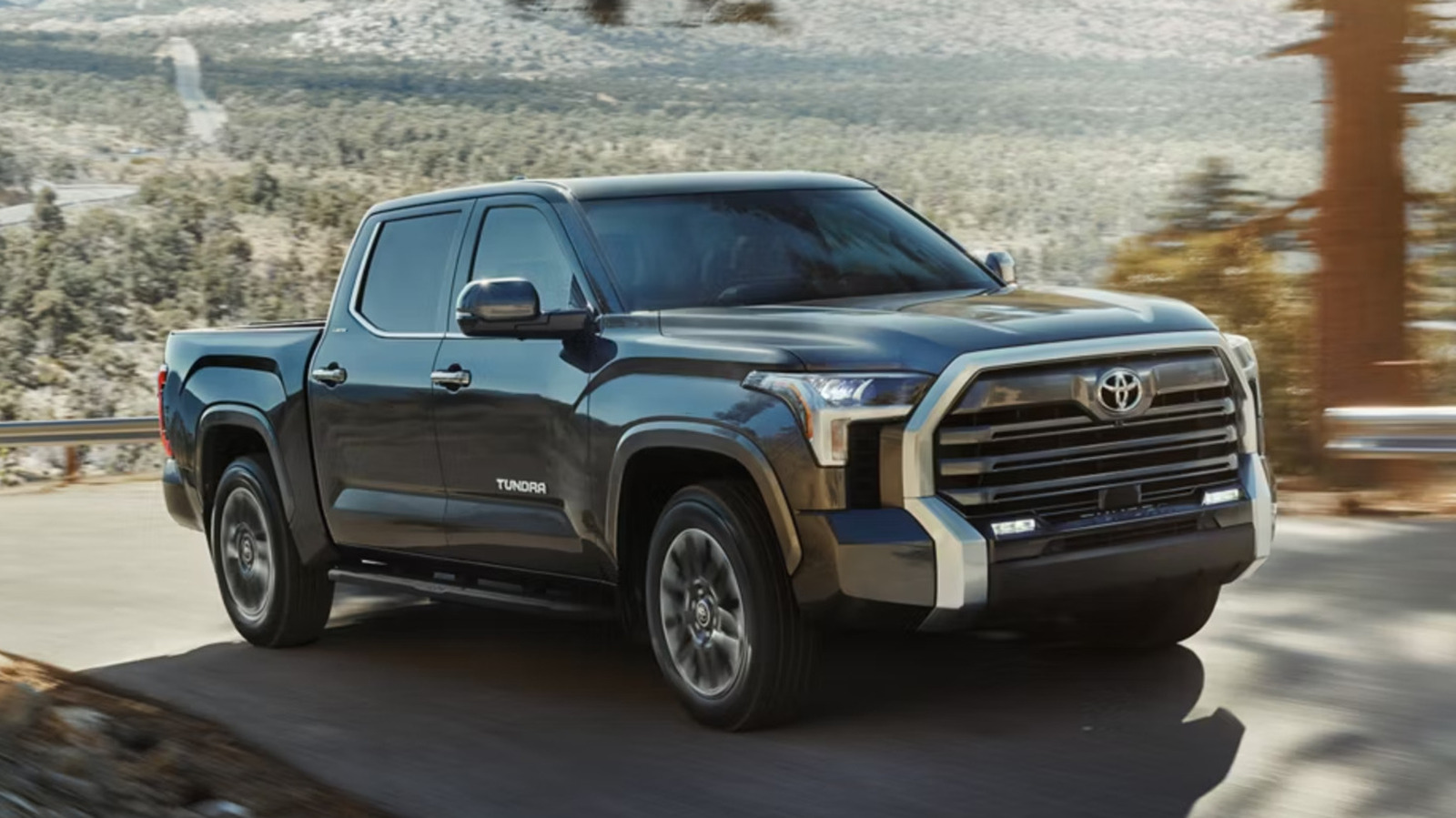
Most recalls send thousands of owners scrambling to check their VIN, but this time, only one 2026 Toyota Tundra truck owner drew the short straw. A single truck is being recalled because its payload sticker shows the wrong carrying capacity. Payload is the combined weight of the passengers, cargo, and equipment a truck can safely carry. Before this Tundra was sold, Southeast Toyota Distributors installed an accessory package that made the truck heavier.
The extra weight of that accessory, therefore, reduced the amount left for people and cargo, but the package was left out of the sticker’s final calculation. As a result, it did not properly reflect the change in the truck’s total carrying capacity.
This is not a common problem with the Toyota Tundra, as only one truck is affected, and nothing is mechanically wrong with it. Toyota also says the accessories did not use up all of its available payload. The concern is that the owner could trust the incorrect figure when loading the bed or cabin and unknowingly exceed the truck’s real limit and increase the risk of crash — one which insurance may not cover because of the overloading.
That gives recall SET26A a defect rate of 100-percent and puts the 2026 Tundra in the same exclusive one-vehicle recall club as a 2024 Ford Mustang, 2025 Audi SQ7, and 2026 BMW S 1000 RR motorcycle.
The mistake surfaced on April 10, 2026, when a dealer noticed the installed accessory package was missing from the Tundra’s build sheet, leading Southeast Toyota to find it had been accidentally deleted after installation. That was enough to put the truck out of compliance with FMVSS No. 110 called “Tire Selection and Rims.” Despite the name, the rule also covers the payload sticker to account for any accessories added before the truck is sold.
The rule applies when the added accessories weigh more than 100 pounds or more than 1.5 percent of the vehicle’s gross weight rating (GVWR), whichever number is lower. The label must then be updated, and the new figure cannot be off by more than one percent from the weight those accessories added. Southeast Toyota has not given further details about the error.
After its discovery, Southeast Toyota temporarily stopped producing these modified labels for accessorized vehicles until it fixed the deletion process and checked the calculations. The fix for the affected Tundra is a corrected, vehicle-specific label based on the actual weight of the installed accessories which will be mailed to the owner free of charge and can be placed over the old label. The notification letter scheduled to go out by September 4, 2026.
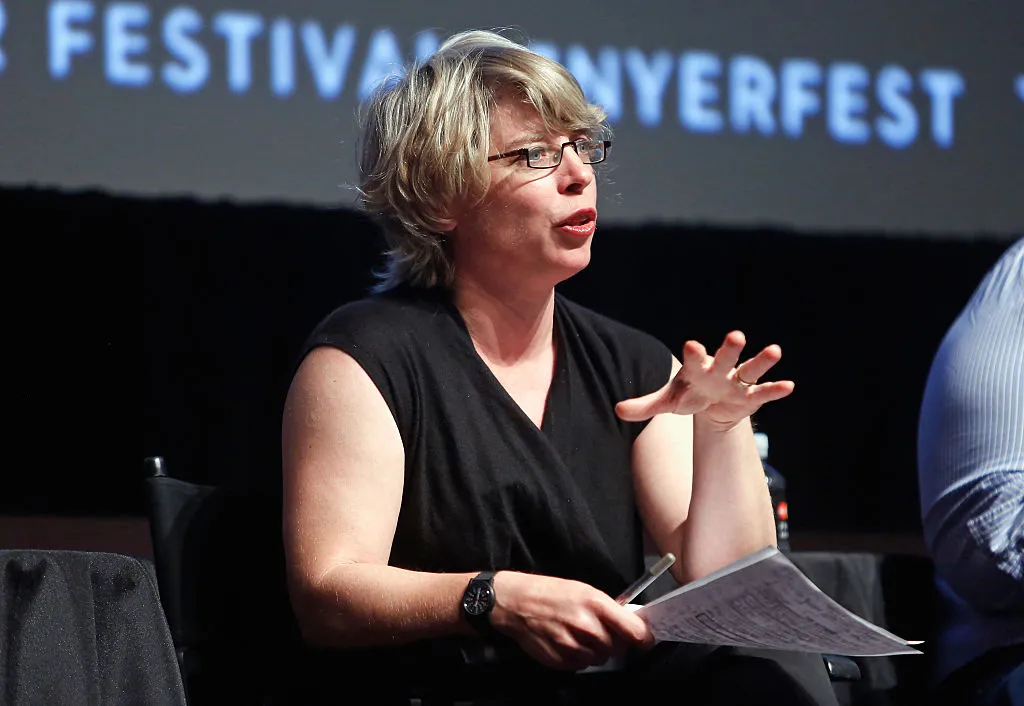
In her upcoming book “The Rise and Fall of the Artificial State,” Jill Lepore warns that tech companies are increasingly replacing the functions of democratic government. This shift, she said, marks “a return to tyranny and mystification in the form of rule by algorithms, corporations, machines.”
On the latest episode of TechCrunch’s Equity podcast, I spoke to Lepore — a Harvard historian and New Yorker staff writer who recently won a Pulitzer Prize for her history of the U.S. Constitution — about the evolution of what she described as “the idea that we should live under an artificial state or government by machines.”
“I’m not an anti-technologist,” Lepore insisted. Instead, she said, “My beef is the ways in which private corporations have increasingly taken on the functions of the state.”
While Lepore’s book examines technocratic philosophies that go back centuries, she argued that many of Silicon Valley’s “charismatic or not-so-charismatic leaders” — especially Elon Musk — seem to be ushering in a future pulled from misread pulp science fiction and comic books.
“But what’s funny about Musk is, the stuff he likes actually completely defeats and defies all of his political beliefs,” she said.
Our conversation also covered Apple’s famous “1984” Macintosh ad, why it’s “bananas” to call Twitter a digital town hall, and the current data center backlash. Keep reading for highlights, edited for length and clarity.
So you’ve probably had to do this a lot already, but can you explain what you mean by the “artificial state”?
By the artificial state, I mean a kind of state that is replacing the liberal democratic nation-state in the United States and around the world. It’s both a real thing, a construct, but it’s also an idea.
And so, in this book “The Rise and Fall of the Artificial State,” I trace the rise of the idea that we should live under an artificial state or government by machines. I also trace the notion that this is an inevitable failure, that the artificial state cannot survive, and I trace that idea through science fiction.
At one point, you say the rise of the artificial state marks the end of centuries of democracy and equal rights, and it’s “a return to tyranny and mystification in the form of rule by algorithms, corporations, machines.” Can you just say a little bit more about why you see it in such stark terms?
Yeah, I do have a pretty negative view of it, and I think it’s important to distinguish the artificial state from technology itself or modes of technology. I’m not an anti-technologist. I’m married to a computer scientist. I’m really excited about all kinds of intellectual revolutions that we’re in the midst of right now.
That’s not my beef, right? My beef is the ways in which private corporations have increasingly taken on the functions of the state. No one consented to that. This has been a kind of gradual, largely accidental transformation of how many nation-states around the world work — it’s happened first in the United States.
I think often these innovations in bringing new technologies to the operations of government have been extremely well intentioned; they originate with an interest in efficiency and speed and cheapness. And then, I think, only in the last 20, 25 years or so have these decisions been purposeful and deliberate as a kind of usurpation of the role of the nation-state.
And that’s not my speculation. You hear a lot of a lot of very prominent tech entrepreneurs talk about wanting to move beyond the era of the nation-state. […] A lot of futurists in the ’90s were libertarians, and they had a specific interest in using the advance of the internet and the successive innovations that followed as a means to eradicate the nation-state.
You talk about, on the one hand, the technologies themselves, and then also the philosophies behind them, the role the corporation has increasingly played. I’m curious to what extent we can separate them. Can we actually have a version of the internet and of social media that doesn’t necessarily lead to this future that it seems like we’re [currently] hurtling towards?
Absolutely. I’m a historian. I’m not a tech writer. I’m not a tech journalist. I’m not a computer scientist. I’m a historian, and I’m chiefly a political historian, though I’m also a literary historian. And so, one of the things that I’m really interested in unraveling for readers in this book is all the what-ifs, all the alternatives, the paths along the road that were not taken and why.
There was, of course, a really avid discussion in the 1990s about what the internet should look like when it was opened up, and what we ended up with, the 1996 Telecommunications Act — I think, a lot of people would say [that] just was a mistake, not an act of sinister intent, right?
But it was a product of a particular political moment, really was deeply influenced by Newt Gingrich and his Contract with America, and it’s been very difficult to revisit. I think it’s worth thinking about what were the alternatives that were in play at the time.
And you could say the same thing about the personal computer. So, to the degree that we can locate an origin point for the promise that better computer technology would make for better democracies, I think the moment you would first look to would be January 1984, that Super Bowl ad that Apple ran for the release of the Macintosh, with the the sort of George Orwell, 1984 [theme]. Apple was really big on the idea that mainframe computers represented totalitarianism. They were trying to dismantle the giant gray IBM machines, as in representing them in that ad as a totalitarian state. And the lithe, beautiful, quick, adorable, personal Macintosh would be the ax that would destroy that machine and would usher in a new era in which “1984 would not be ‘1984.’”
That was clever advertising. I doubt that anybody at Apple really believed the personal computer was going to be an instrument of personal liberation. I mean, it was going to make possible a lot of cool things. I remember when I got my first Macintosh — it certainly wasn’t 1984, but it was really cool, it was really fun, it was really exciting, I did a lot of things on it. It would never occur to me that it was improving my capacity for citizenship or my ability to function better in civil society. It was a cool tool.
But if you wind the reel forward in time, down to 2026 — stops along the way include the 2016 election when Facebook News, in response to its critics, establishes a Supreme Court. You get to last year, when Anthropic hired a moral philosopher to write a constitution. You get to recently, when Sam Altman was on Joe Rogan and said [in response to a question from Rogan], “Oh, an AI president would be a great idea.”
In some ways, they’re silly examples. But you see the ways in which these corporations, these tech companies from Silicon Valley, and especially their charismatic or not-so-charismatic leaders, are just taking on the trappings of the nation-state and the functions of democracy.
They’re not people with a sophisticated political philosophy, but it’s like a cartoon version of that 1984 Macintosh ad, except that it takes itself so seriously. And these companies have so much power.
But that said, the book doesn’t begin in 1984. I just think that’s a good example of our modern era and the way a fun advertising campaign turns into a kind of delusional fantasy on the part of people like Sam Altman.
You [also] talk about the promise of the quote-unquote “Twitter revolution,” and this idea that it would bring democracy everywhere. I can’t help but let that color the way I [react] when Sam Altman or some other AI CEO now says that AI is going to bring all these incredible gifts — and therefore, if you stand in the way, you’re standing in the way of progress, in the way of history.
To what extent should we just dismiss all these claims out-of-hand, or are there ways that it might come true?
I mean, Twitter is actually a good example, right? When it was launched, when Jack Dorsey started it, it didn’t announce itself as, “We’re going to save humanity, we’re going to rescue human civilization from extinction.” It was kind of a goof, and I think people that used Twitter really early on were like, “You know what? It was actually really fun.” It was like, “I made a tuna fish sandwich today. What did you have for lunch?” Twitter as a company did not launch itself on a stage saying, “We’re here to save democracy.”
And really, what happened was that politicians, elected officials began using Twitter in ways that enhanced their political power, in ways that amplified their messages, in ways that allowed them to reach a younger audience, in ways that allowed them to have a constant connection with an audience. Politicians and political campaigns really kind of convinced Twitter — at least insofar as I see them, I don’t have an inside account of the company — but somewhat begrudgingly, Twitter came around to like, “Twitter’s gotten so big, and people post about politics so often that it’s almost like Twitter is a town hall.”
By the time you get to, I think it’s 2012 — many years into Twitter’s fairly short history — they publish this thing called the Twitter Politics and Elections Handbook, which is really a guide for political candidates and elected officials and how to most effectively use Twitter. And then they begin the rollout of, “It’s a town hall in your pocket, and it’s improving our democracies because we’re restoring the defunct New England town meeting,” and that’s all just bananas.
Objectively, nothing could be further from the truth. At that time, one in five Americans had a Twitter account. Most people who had Twitter accounts had never used them, and above 90% of all tweets about politics were posted by fewer than 10% of the people that did use Twitter all the time. There was no way in which Twitter was a representation of the electorate. Twitter was a representation of the most extreme, politically active, hyper-partisan among Americans, who were following politics really avidly. Looking at it now, we can see, “Well, that’s really just a distortion machine. And if politicians are using it to gauge the electorate, they’re getting really bad information.”
Again, you can say Twitter was not trying to participate in the artificial state or undermine democracy. Twitter is trying to do business and get more users and sell more whatever. But it had these unintended consequences that then it sort of settles into and becomes comfortable with.
I want to talk a little bit more about the structure of the book. Like you said, it starts with this history of technology, history of ideas, and the second half is about science fiction. Can you say more about how that structure came to you and why you wanted to address things that way?
I became really interested, on the one hand, in how often science fiction stories predict the arrival of what I then came to call the artificial state, and so I really wanted to identify a literary tradition that I think of as the parable of the artificial state, in which machines get more and more sophisticated, they take over more and more of the functions of humans, including the functions of government, and eventually they come to rule the humans, and then maybe they destroy all the humans because they don’t really need them anymore.
Maybe they just enslave them, it kind of depends. Are we in “The Terminator” or are we in “Battlestar Galactica”? There’s different versions, and these stories go way back. They go back to the 1850s and the early decades of rumination about the consequences of industrialism.
I think a lot of people — this is certainly true of my students, my undergraduates — really believe that technological change equals progress. And not only that, but the only kind of progress is technological change. That’s a novelty in human history. That’s an intellectual invention of the 19th century, and it is partly because technological change was accelerating right at the time that Charles Darwin was devising and then publishing his theory of evolution.
So there’s kind of a weird marriage between evolution as progress and technological change as progress, and what drops out of that are all other, earlier notions of progress, which chiefly involve moral progress — like, things are getting better because people are becoming better, or things are getting better because people are more free.
There are a lot of other ways we might think about progress, but what dominates today is this 19th-century notion of technological progress as the only kind of progress, and therefore all technological change is progress, as opposed to — objectively, it’s only progress if things are getting better.
But in any event, that confluence in the 19th century of the idea of technological progress and the idea of evolution meant that people who were thinking clearly were like, “Well, if the machines keep getting better and faster and able to do more things — not just labor, but maybe talk or think or move around — what if they evolve to become better at everything than we are? Not just better at running a loom, not just faster at moving through time and space like a railroad car?” And with that grew an incredible anxiety that found form in science fiction again and again and again and again and again.
My favorite one of these stories was published, I think, in 1909 by E. M. Forster, right around when he was writing “A Room with a View.” He wrote this story called “The Machine Stops,” which could be subtitled, “The Room Without a View.” He imagines a near future in which everybody just lives in these rooms, these little cells. You never see other people because everything you need comes right to your room. It’s like DoorDash, your food is delivered, you have a screen where you can communicate with other people. All your needs are met.
The thing that people fear most is the natural world. No one wants to ever see the sun, it’s a little “Matrix”-y, and they all worship the machine that organizes their lives and brings to them in their cubby-like rooms all the things that they need. The story is about, “Humans have become essentially slaves of the machine, which is stronger, more powerful, and has more capacity than humans do, and humans have lost what capacity they had.” And then the climax of the story is when the machine stops.
If readers were to go look at that story, it feels like it could be written today, except that it’s less science fiction-y today than it is the diary of a very unhappy YouTuber.
You connect that thread to some of the folks running companies and arguably running aspects of our government today, like Elon Musk. Essentially, you suggest that they’re very bad science fiction readers. They read a lot of warning stories, or at least ambivalent stories, as if they were manuals for the future.
This is something I wrestle with a reader of science fiction — someone who loves Isaac Asimov, for example. I think it’s true that when Musk or Altman is just unambiguously being like, “Yes, this story is a template for what I should do with my company,” that’s bonkers. But there is [also] this technocratic libertarian thread in science fiction that they are picking up on. It’s not something that they’re making up out of whole cloth, right?
Although weirdly, that’s Heinlein. That’s not Asimov, that’s not Douglas Adams.
Sure, there is that thread in science fiction. I don’t know, I guess [Jeff] Bezos is a big Robert Heinlein fan. You could say, “Okay, that lines up well. They’re reading it literally, but at least they’re getting the political message that any rational person could find within that literary work.”
But what’s funny about Musk is, the stuff he likes actually completely defeats and defies all of his political beliefs.
You also say, repeatedly, that the artificial state in its current form is incomplete and doomed to failure. Why is it doomed to failure?
This is something that’s foreseen in all the science fiction that I discuss.
It’s not an Asimov story, but it’s one of Asimov’s [favorite] stories from his boyhood [“The Man Who Awoke” by Laurence Manning] about a future in which the foresters have defeated the wasters. […] The war that the future humans had was between the wasters, who just figured you could just use everything up and waste it, and the foresters, who really believed in — we would call reforestation and rewilding.
That’s generally the tension in these stories. It’s between the artificial state and the natural world. To erect an artificial state and rule humans within it, you must alienate them from the natural world because you are destroying it. The artificial state will destroy the natural world, and yet it needs the resources of the natural world to run.
So, it is doomed in the sense that there is not a possibility that the natural world, a habitable planet — habitable for humans — can survive the full construction and reliance on the devices of the artificial state. That’s how the science fiction works, in any event.
Like you said, you’re a historian, not a politician or a futurist. But what do you think the defeat of the artificial state looks like? Is it basically just dismantling all these companies, tearing down the data centers? Or is there a future that’s more about bringing it under control?
I mean, I don’t have a playbook here, except for the recommendation that we live in a democracy where decisions have to be made in consultation with the governed, and these decisions are not popular.
You see this in all the little data center crises, town to town, county to county, state to state — which are partly a consequence of the decline of local newspapers and the destruction of journalism that has been one of the many consequences of social media, and in the case of [Mark] Zuckerberg, I think a somewhat intentional consequence.
What you see is a lot of people show up at these town meetings and say, “We don’t even have housing. We don’t have healthcare. We don’t have jobs. Who said we’re building this data center? I need to know a lot more about it. I need to know what its energy costs are going to be. Tell me about the water consumption. Are there going to be jobs? Are the jobs going to be long lasting? Are they just going to be for six months? What’s going to happen to the egrets that live in this area?” Whatever it is that people want to know.
More and more, you see people are — like in the Salt Lake example, where well over 70% of the people really were opposed to this data center, and their representatives supported it. That’s not representing the people. I think there are political costs, and we’ll begin to see those at elections.
Or maybe we won’t. Enough of democratic functioning has to be intact for people to actually be able to respond to malfeasance on the part of their representatives.
Part of your thinking about [the artificial state] started with this great piece you wrote more than a decade ago for The New Yorker, about Clayton Christensen, critiquing his idea of the innovator’s dilemma and disruptive innovation — which is very closely associated with TechCrunch, because we have a big conference called Disrupt.
Ten years on, how do you feel about that idea of disruptive innovation?
I stand by everything in that piece. [At the time, Lepore wrote, “Disruptive innovation is a theory about why businesses fail. It’s not more than that. It doesn’t explain change. It’s not a law of nature.” Christensen responded that Lepore broke “all the rules of scholarship that she accused me of breaking.”]
I reread it last summer when I was working on this book. What I would say here is, trying to be a peaceable human being, I think it really is a problem that historians have not engaged with these ideas. One of the reasons I wrote that article about disruptive innovation — which was not an idea of mine, it was an assignment […] — was because I just felt like, “Disruptive innovation is a theory of history. It’s a theory of historical change, and it’s based on evidence from the archives.” And I just thought, as a historian, it makes no sense. His use of evidence is completely unacceptable by any proper understanding of historical method. Its argument is in conversation with no meaningful understanding of how change happens.
So I went and redid the research, and it just did not stand up at all. I felt like I had to write it. And I wish that I felt like there were more engagement, in the years since, of academic historians thinking through the nature of change — which are questions that genuinely and authentically interest people who are involved in developing new technologies.
People really want to think [about], “What is this? What am I doing? What are going to be the consequences? Is there anything I could learn from history? What happened when the automobile replaced the horse? What happened to the law? How did we end up with driver’s licenses? How did we end up with traffic law? We didn’t have traffic rules before the automobile. We didn’t have certain kinds of insurance systems. We didn’t have driver’s tests. How did those things emerge? How did [we develop] those guardrails on a technology that was tremendously exciting, improved people’s lives in many many ways, utterly changed the landscape, revolutionized tort law? Maybe I should think about that.”
I just wish that historians were more in conversation with technologists over these years, and with entrepreneurs. Not just because we can stand around and say, “You know, I have a lecture to offer you on history,” but I think there’s a real conversation to be had.
All of which is just to say, thanks for having me on.
When you purchase through links in our articles, we may earn a small commission. This doesn’t affect our editorial independence.
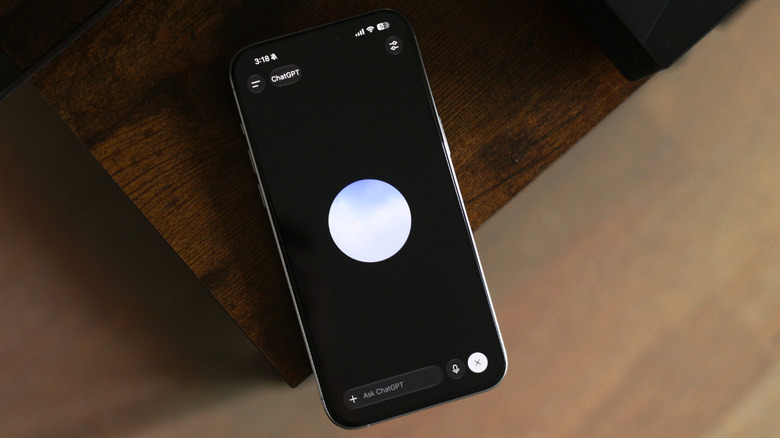
Talking to ChatGPT just got a lot less awkward.
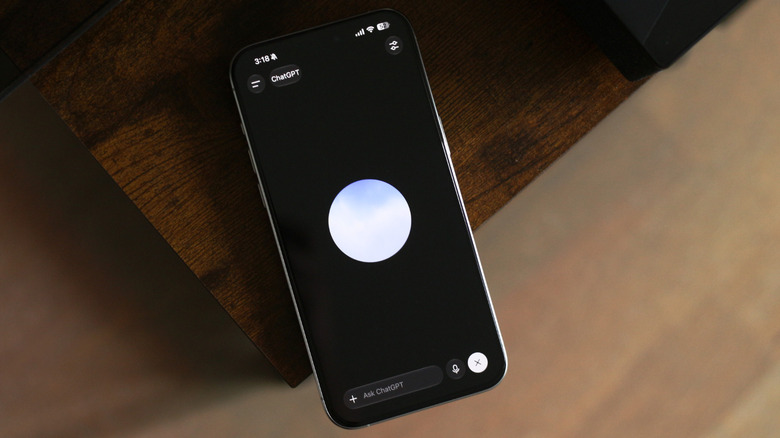
AI assistants like ChatGPT have been advancing at a steady rate, offering more capabilities, better accuracy and faster responses with each new model. Generative AI is not perfect, and you really shouldn’t see it as an unquestionable source of information, but for those who have embraced the technology, it might be more convenient to switch to voice conversations instead of typing everything out. ChatGPT’s original Voice Mode in 2023 relied on three separate systems to make it work. It would first convert your speech into text, generate an answer using a language model and then use a text-to-speech model to read it aloud.
The Advanced Voice Mode came after and featured a single multimodal model that improved things considerably. ChatGPT now ships with the GPT-Live model for handling voice conversations, and it is a major step up in terms of how natural the conversations feel. OpenAI calls it a “full-duplex” architecture that allows it to listen and speak at the same time. This is a gripe you might have had with the previous voice model, which could sometimes mistake a brief pause for the end of your turn and start replying before you had actually finished your sentence.
You will now occasionally hear ChatGPT vocalizing short acknowledgements like “mhmm” or “yeah” while you’re speaking, similar to how a person might respond during a real conversation. GPT-Live can also pass on more complex tasks to other capable models, like GPT-5.5, in the background when a question requires reasoning or research.
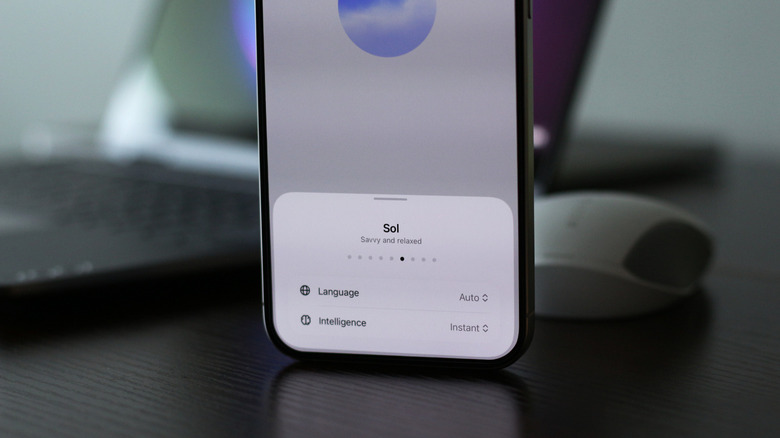
The GPT-Live voice model is available through the ChatGPT app on Android and iOS devices and on the web through any browser. ChatGPT Pro, Plus and Go users will have access to the GPT-Live-1 model, while those on the free plan can access the GPT-Live-1 mini model. GPT-Live replaces the previous turn-based Advanced Voice model as the default option. To get started, simply tap the ChatGPT Voice icon, which is represented by a waveform symbol, at the far right of the text box. If this is your first time conversing with ChatGPT using your voice, you might be prompted to grant it access to your device’s microphone.
Once you’ve entered voice mode, you’ll see a responsive floating orb on the screen. You can now start talking as you normally would. If you tap on the settings icon at the top-right corner, you can change the intelligence of the voice model. You have three options to choose from: Instant, Medium and High. This customization is not available on the GPT-Live-1 mini model, so currently requires a paid plan. ChatGPT Voice will remain active even if you switch to another app or lock your device.
While the overall experience is an upgrade over the previous iterations of ChatGPT’s voice mode, GPT-Live currently doesn’t support screen or video sharing. Fortunately, you can revert to the older voice model by heading into ChatGPT’s settings, navigating to Voice and selecting a different model. Here, you can also pick a different voice for ChatGPT, change its language or set ChatGPT Voice to be the default mode when you launch the app.
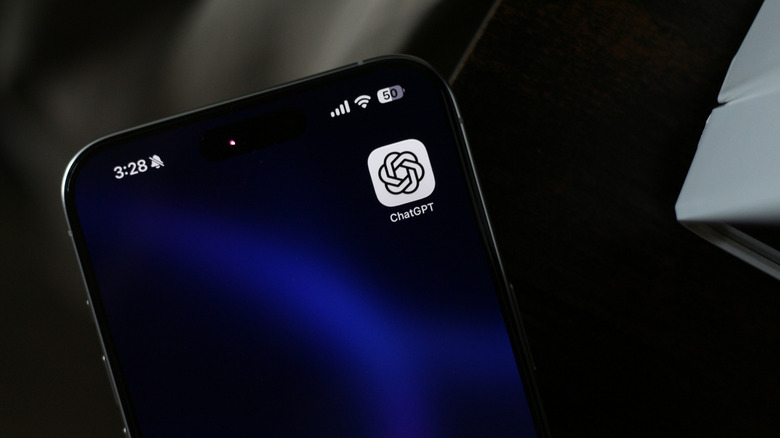
I’m someone who prefers typing things out, so I hadn’t given much thought to the upgraded version of ChatGPT Voice initially. Well, that is until I actually tried having a few long-drawn conversations with it. What impressed me the most wasn’t its intelligence, but how quickly I stopped thinking about the fact that I was conversing with an AI. ChatGPT Voice no longer cuts you off mid-sentence, and you don’t need to awkwardly wait for it to finish speaking before jumping back in. With longer queries, I could almost feel like GPT-Live could anticipate what I was going to say next.
GPT-Live’s responsiveness makes it a great tool for carrying out live translations, too. At any time during your conversation with GPT-Live, you can scroll down to reveal the transcript of everything being said. If you ask ChatGPT a question that it thinks can be answered better with a visual, it will create an interactive widget alongside its spoken response.
GPT-Live’s intelligence level is set to Instant by default, which handles most everyday questions with ease while prioritizing quick responses. It can still offload searches and deeper reasoning to the more capable models in the background while it keeps the conversation flowing. If you do plan on discussing complex topics with GPT-Live more regularly, I found that switching to the Medium and High intelligence levels adds a split second or two of extra thinking time, but the added delay doesn’t take away from how naturally the conversation flows.
I’ve been using the Google Pixel 10 Pro for almost a year now, which means I’ve had plenty of time to figure out what I love about it and, more importantly, what still gets on my nerves. And with the Pixel 11 Pro launching on August 12, just three days from now, my wishlist for Google has gotten pretty long. There’s a lot the Pixel already gets right. The software is still one of my favorite Android experiences, performance is generally solid, and Google’s Gemini features have become genuinely useful in ways I didn’t expect. Those are all big reasons I’ve stuck with Pixel phones for as long as I have.
But spend enough time with any phone and the little annoyances stop feeling so little. Over the past year, I’ve run into a handful of recurring Pixel problems that I really don’t want to carry over to another generation. Some have frustrated me for months, while others have made me question whether I can completely rely on my Pixel when I need it most. So, with the Pixel 11 Pro almost here, I have a few things I desperately want Google to get right this time.
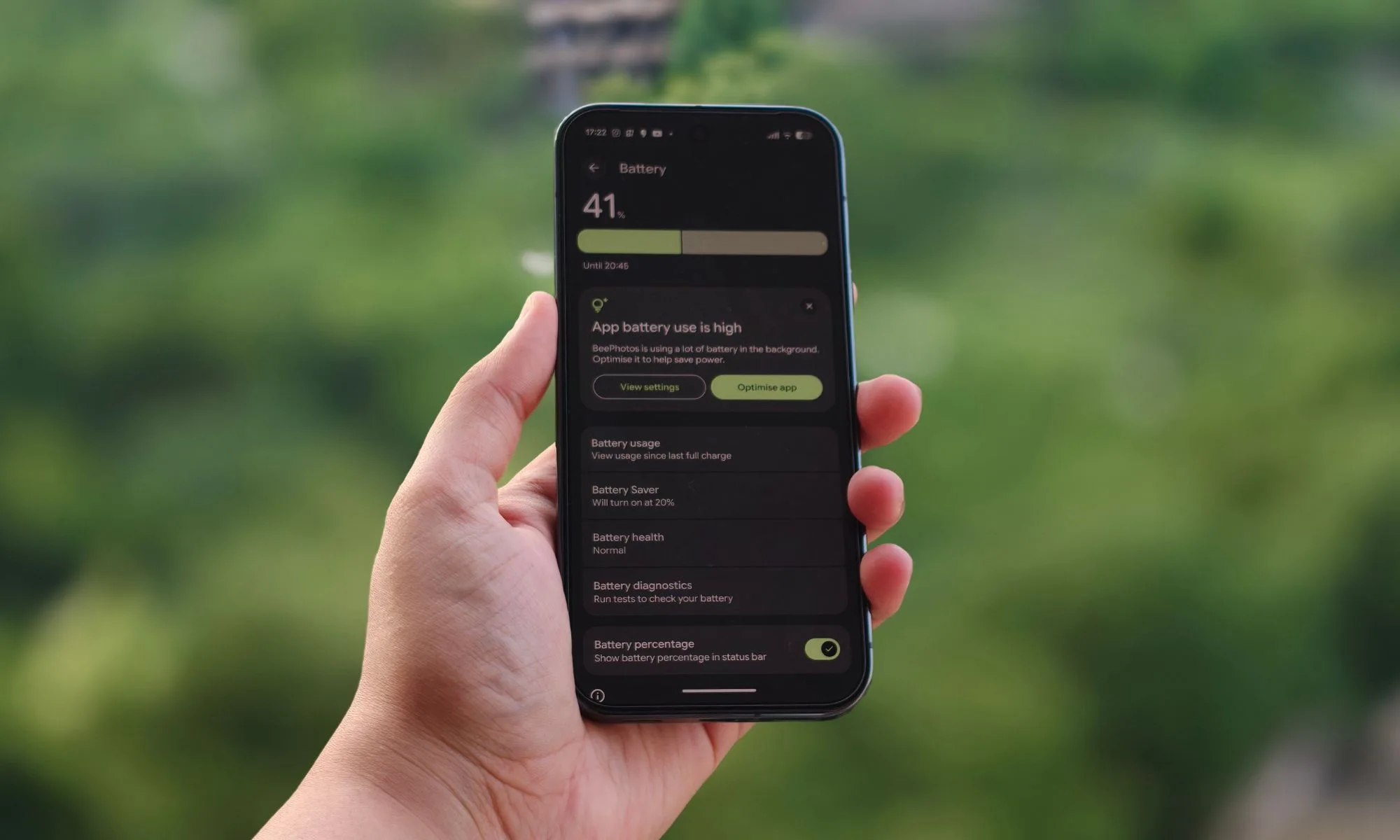
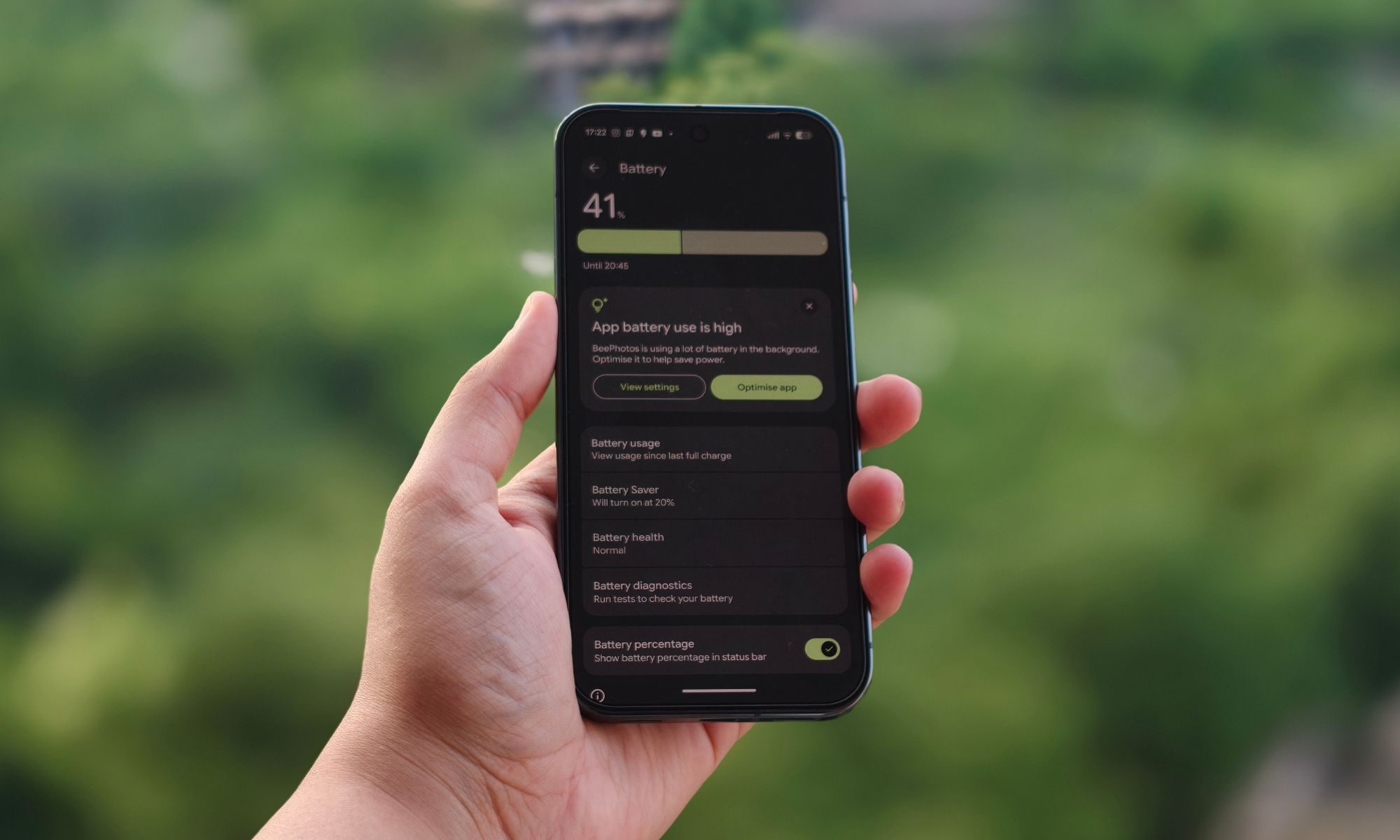
Battery life has easily been one of my biggest frustrations with the Pixel 10 Pro, and judging by the complaints I’ve come across on Reddit and Google’s own forums, I’m definitely not alone here. My problem is pretty simple: I can’t trust the phone to make it through an entire day comfortably. That uncertainty is exactly why my Pixel 10 Pro rarely gets to travel alone. On days when I know I’ll be away from a charger for hours, my iPhone comes with me too, purely as a safety net in case the Pixel gives up before I do.
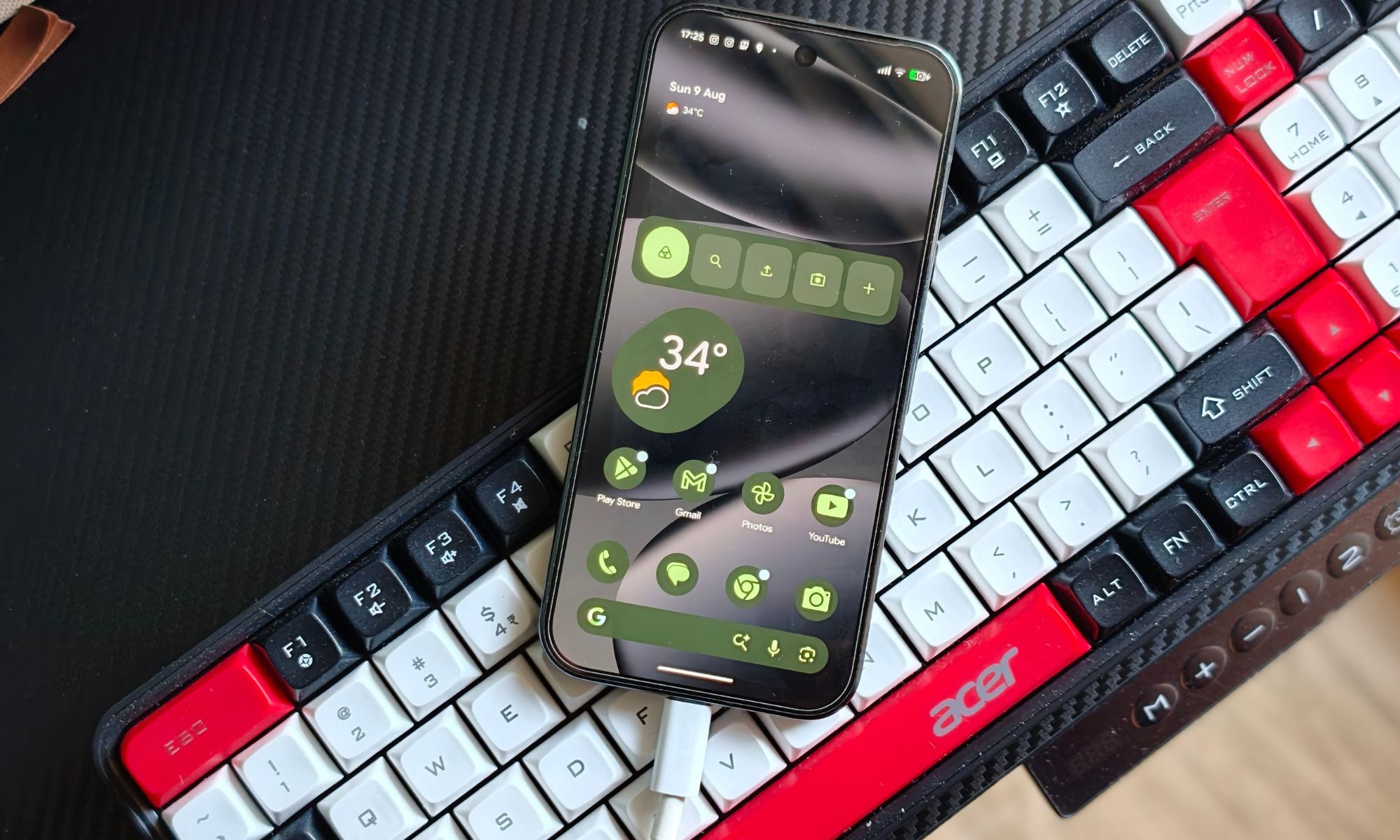
You’d think plugging it in would quickly solve that problem, but charging is another headache altogether. It feels painfully slow, and in 2026, I genuinely can’t understand why I should have to wait close to two hours for a flagship phone to charge fully. Even worse, heat often tags along like an unwanted plus-one. The phone gets noticeably warm while charging, turning something I have to do every single day into something I’d rather not deal with at all. That’s exactly what I want Google to fix with the Pixel 11 Pro. Give me a battery that comfortably lasts through the day and pair it with meaningfully faster charging. None of this feels like an unreasonable ask anymore. Especially not when Samsung has finally embraced silicon-carbon battery technology with its latest foldables. The rest of the industry is moving forward, and I really want Google to move with it. For the Pixel 11 Pro, better battery life and charging aren’t nice little upgrades on my wishlist. They’re non-negotiable.
Another Pixel 10 Pro problem that has been driving me up the wall is the display randomly deciding it no longer wants to respond. And this isn’t something that happens once every few days. On a bad day, I can run into it 10 to 15 times. What makes it even more confusing is that I’m not exactly pushing the phone to its limits. I’m not spending hours gaming, editing videos, or standing outside recording 4K footage under the afternoon sun. Most of my day is pretty ordinary: scrolling through social media, jumping between work apps, browsing Reddit, replying to messages, and doing all the usual things you’d expect a flagship phone to handle.
Yet every so often, the screen stops responding properly. I’ll tap something, and nothing happens; swipe again, and still get nowhere. The only workaround I’ve found is opening the recent apps menu, clearing everything out, and essentially giving the phone a fresh start. Doing that once is fine. But doing it more than ten times over the course of a day gets old incredibly quickly. It interrupts whatever I’m doing and makes an otherwise smooth phone feel strangely unreliable. This is exactly the kind of everyday annoyance I don’t want following me to the Pixel 11 Pro. I don’t need Google to reinvent the display here. I want to tap the screen and have it respond every single time. That really shouldn’t be too much to ask from a flagship phone.
Then there are the network problems. This might be one of the most frustrating Pixel issues I’ve dealt with because there’s no easy way to work around it. Whenever I’m on a regular phone call or even a WhatsApp call, I somehow end up walking around looking for that one magical spot where the connection suddenly decides to behave. I’ll move from one side of the room to another, stand closer to the window, switch between Wi-Fi and mobile data, and hope something works. I’m always repeating, “Can you hear me now?” five minutes into the conversation. And considering making phone calls is one of the most basic things a smartphone is supposed to do, that gets really annoying. I’ve spent plenty of time digging through the Pixel’s network settings as well, changing whatever I thought might help. Nothing has made enough of a difference. Eventually, I did what I usually do when technology stops making sense and went straight to Reddit.
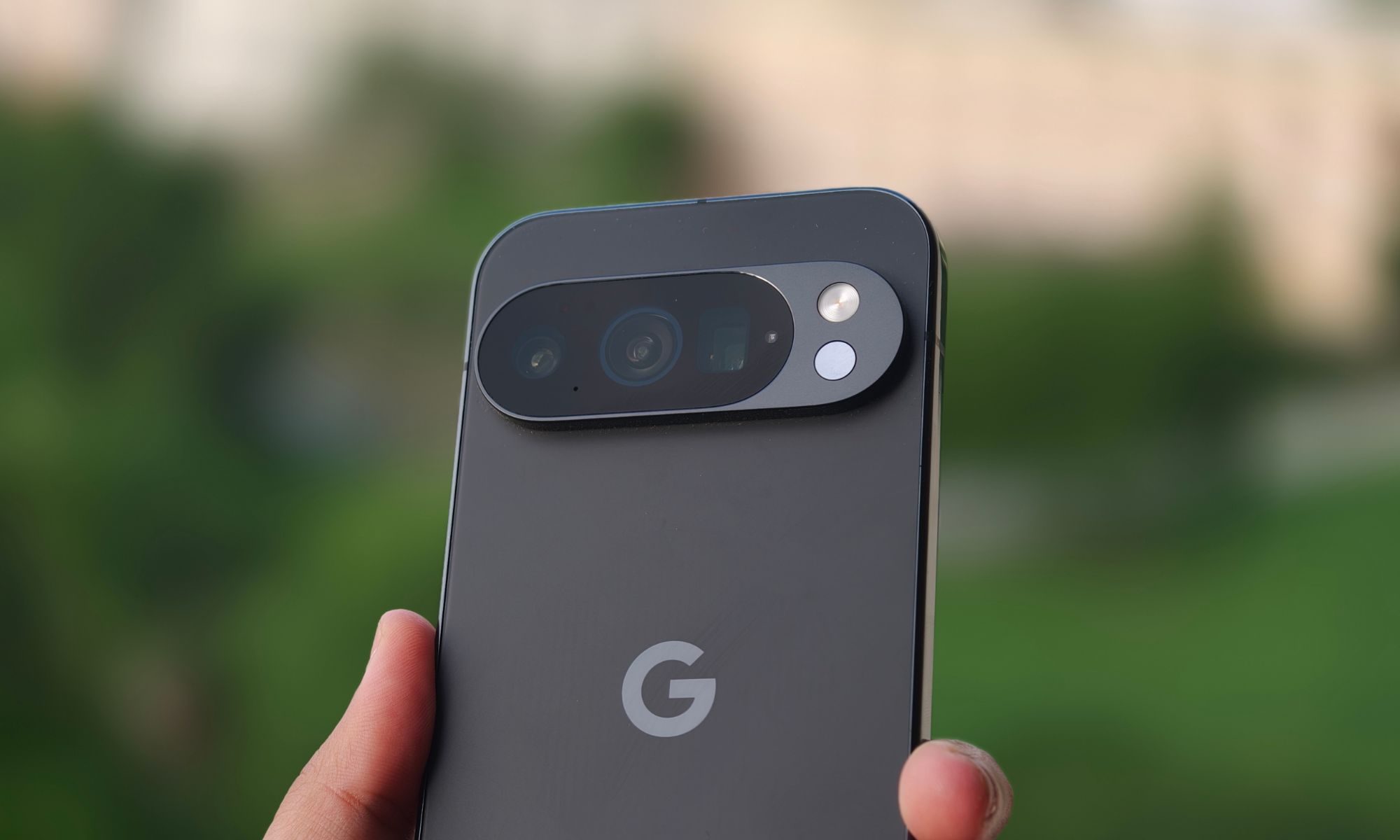
One suggestion I kept coming across was a factory reset. And sure, maybe that would fix everything. But it also means backing up my data, wiping the entire phone, setting everything up again, signing back into my apps, and then spending the next few days discovering the one thing I forgot to save. I’d rather not turn fixing my phone’s network connection into a weekend project. And that’s really my problem with the whole situation. A factory reset might be a solution, but it shouldn’t feel like a requirement for getting reliable connectivity from a flagship phone. I shouldn’t have to rearrange settings, wipe my device, or wander around the house looking for signal just to have a normal conversation. With the Pixel 11 Pro, I want Google to fix the fundamentals. Give me a connection I can actually rely on, because no amount of clever software or Gemini magic can make up for a phone that struggles with the “phone” part.
More than anything, I really want the Pixel 11 Pro to be the phone I can confidently buy and stick with. My relationship with Google phones has always been a little toxic. They frustrate me, I complain about them, I occasionally think about walking away, and then Google shows me something genuinely clever and somehow pulls me right back in. Because for all the problems I’ve talked about, there’s still so much I love about Pixels. The software is fantastic, the cameras rarely disappoint me, and Gemini has become such a useful part of the experience that moving to another phone always feels like I’m giving something up. That’s probably why these problems bother me as much as they do. The Pixel gets so much right that the things it gets wrong become even harder to ignore.
I don’t need Google to reinvent the Pixel with the 11 Pro completely. I just want it to fix the things that have made living with my Pixel 10 Pro harder than it should be. Give me dependable battery life, charging that doesn’t require half my afternoon, a screen that responds every time I touch it, and network connectivity I don’t have to think about. If Google can do that, the Pixel 11 Pro doesn’t need some wild new spec to win me over. It just needs to become the Pixel I’ve finally been waiting for all along.
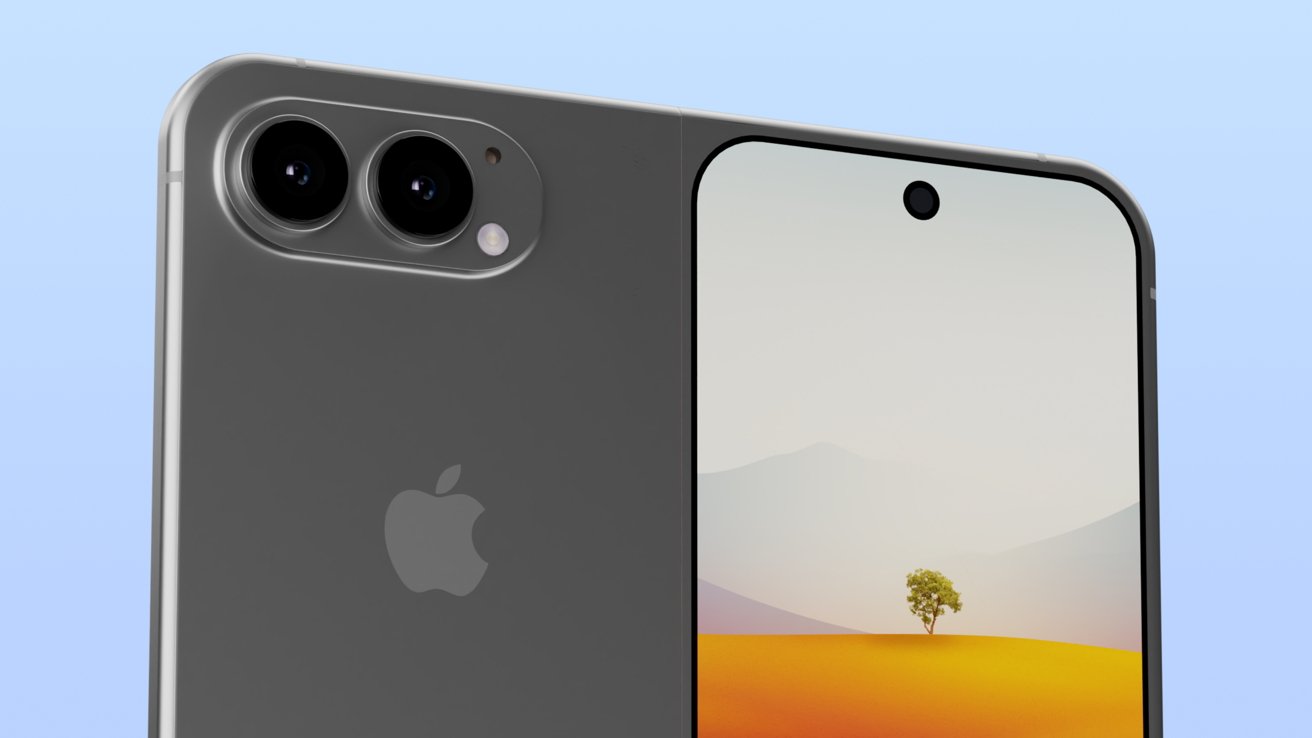
The iPhone Fold has yet to ship, but Apple’s already working on a third-generation foldable it could release in 2028. It’s something it’s compelled to do.
Apple is expected to launch the much-rumored iPhone Fold this fall, as part of its usual September iPhone launches. But, despite not having sold a single unit for the foldable, Apple is already planning for multiple follow-ups.
According to Mark Gurman in his “Power On” newsletter for Bloomberg, Apple is not just planning its second-generation release for 2027. It’s also working on a third-gen model, which could arrive as soon as 2028.
When it comes to what Apple could change for the model, Gurman proposes that it will have slightly larger displays. This would be both for the inside foldable screen and the smaller external version.
Gurman’s claim follows one from June, when he said a second-generation folding iPhone was being prepared for a late 2027 launch. Few details are known about that particular variant, aside from it being released as part of the iPhone’s 20th anniversary festivities.
The discussion about a possible third-gen iPhone Fold when the first-gen model hasn’t even been announced is par for the course for a company like Apple. It seems like Apple is being presumptuous about the iPhone Fold’s success, when really it’s business as usual.
A company the size of Apple equipped with a sophisticated and sprawling supply chain has no choice but to plan its products and manufacturing goals far in advance.
While the public is aware of an annual cycle for the iPhone, it’s really the product of a much longer development timeline. Major overhauls can take multiple years to get going, while iterative updates can still take about 18 months.
These long lede times result in a situation where Apple can have two to three future generations of devices being worked on simultaneously.
That third-gen iPhone Fold is also far away in the future that not much will have been invested into its development. If the iPhone Fold somehow flops spectacularly badly with no hope of rescue, it’s a small enough cost that Apple could consider culling it without feeling that much of a financial penalty.
Ultimately, Apple is compelled to work on generations-away revisions for its products. Even if they don’t see the light of day.
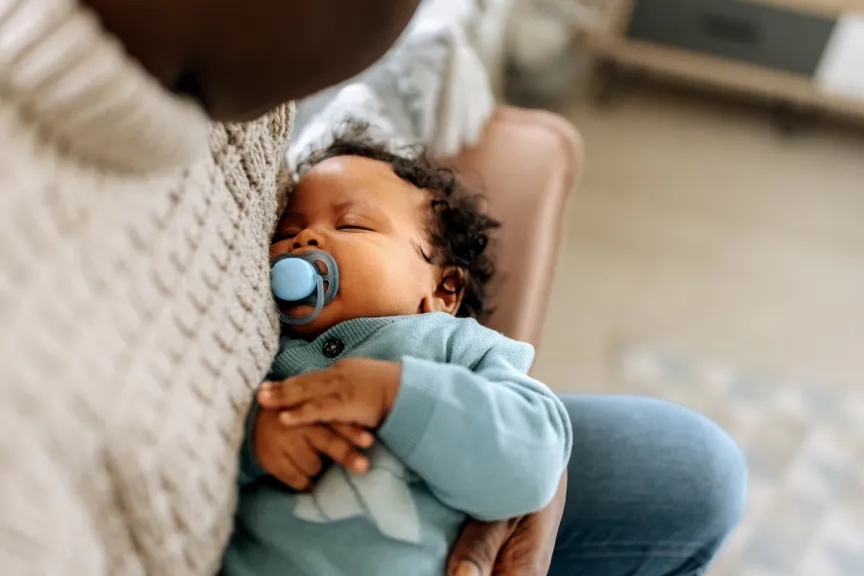

My wife and I have been working on sleep training our baby, and my iPhone has been very helpful in our pursuit thanks to its Background Sounds features. This feature transforms your iPhone into a white noise machine. According to the American Academy of Pediatrics, playing sounds from a white noise machine can help soothe your baby and get them to settle down, giving you a moment of respite.

When Apple released iOS 15 in 2021, the operating system brought a hidden feature called Background Sounds. You can play these sounds by themselves or under a podcast, music or video streaming app.
When Apple introduced Background Sounds, there were six ambient sounds to play on a loop: rain, stream and ocean waves, which are natural sounds, and bright, balanced and dark noise, which are different pitches of white noise. But if you have iOS 26 on your device, you have over a dozen sounds to choose from now, including rain on roof and babble, which sounds like a busy cafe.
If you want to use these sounds to lull a baby back to sleep, or for any other reason, here’s how to enable Background Sounds on your iPhone.
Instead of searching through Settings each time you want to turn Background Sounds on, here’s how you can set up a toggle in the Control Center to turn the feature on to use on your iPhone.
1. Open Control Center.
2. Tap the plus (+) sign in the top left of your screen.
3. Tap Add a Control near the bottom of your screen.
4. Tap the Background Sounds control under Hearing Accessibility to add to Control Center.

Once the Background Sounds control icon is in Control Center, tap it to start playing a background sound. Press and hold the icon to open a menu showing you the volume as well as what sound is playing. Tap Sounds to open the full list of sound options, like Ocean and Rain. Tap any of these to choose them.

You can also set up an accessibility shortcut to turn Background Sounds on or off from your home screen or within an app. Here’s how to set it up.
1. Tap Settings.
2. Tap Accessibility.
3. Tap Accessibility Shortcut.
4. Tap Background Sounds.
Now, when you press the side button on your iPhone three times, Background Sounds will turn on. You can tap the button three times again to turn it back off.

If you want more control over Background Sounds, here’s where to go.
1. Tap Settings.
2. Tap Accessibility.
3. Tap Audio & Visual.
4. Tap Background Sounds.
Here you can turn Background Sounds on by tapping the Background Sounds toggle near the top of the menu, and you can change the Background Sound by tapping Sound and choosing a new sound.
There are also two other toggles in this menu: Use When Media Is Playing and Stop Sounds When Locked. Tapping the toggle next to Use When Media Is Playing allows Background Sounds to keep playing while you watch a video or listen to music. And tapping the toggle next to Stop Sounds When Locked ensures Background Sounds will turn off when your device locks. If you don’t have this enabled, the sounds will continue to play when your device locks.

There are also two new menus in iOS 26: Equalizer and Stop Sounds with a Timer. Equalizer lets you adjust the tone and contour of Background Sounds, as well as balance more toward the right or left speaker or headphone. Stop Sounds with a Timer allows you to turn Background Sounds off at a specific time that you can choose or after a certain amount of time has passed.
The Stop Sounds with a Timer (left) and Equalizer menus in iOS 26.
Apple/Screenshot by CNET
For more iOS news, here’s what you should know about iOS 27 and our iOS 26 cheat sheet.

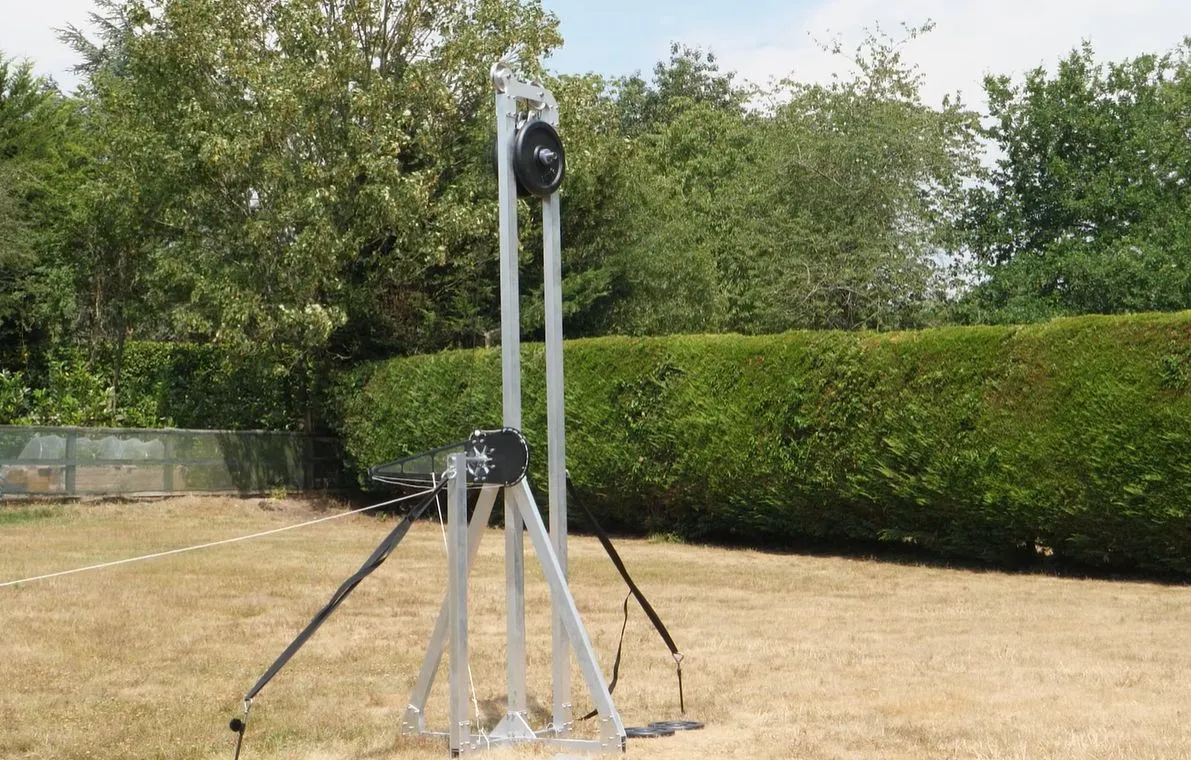
As awesome as trebuchets are, the fact that medieval engineers didn’t create versions capable of launching supersonic projectiles is a bit of a bummer. Fortunately it’s possible to correct this oversight with modern insights and technologies, as [Tom Stanton] demonstrates in a recent video.
While a traditional trebuchet is fairly straightforward, using a heavy weight moving an arm around a pivot that has the projectile attached to the other side, a few tweaks can make it much more lethal. One change is to have the projectile’s rope wound around the arm, forcing an additional pass around the arm to gain velocity. The other is to use a gearing system which uses the dropping weight’s energy more efficiently.
One complication here is that the arm now takes a few rotations to come up to speed, meaning that the release of the payload has to be controlled exactly, with only about an 0.0025 second release window. The solution was both low-tech and effective: since the arm is attached to a drum that the rope is wound onto, the moment enough rope is unwound from the dropping weight, a latch inside the drum is released to launch the projectile.
In a first test with a 10 kg weight, the projectile reached a velocity of around 528 km/h, which definitely was a good start, but also showed just how not aerodynamic the arm was. Some redesigns later of the entire trebuchet, the entire system was tested again with 10 kg and achieved a projectile velocity of 634 km/h. From there it was time to ramp up the weight to the full 40 kg, which theoretically should hit supersonic speeds.
Unfortunately the first attempt hit a mere 1,152 km/h (716 mph), which is just shy of the sound barrier at 1,235 km/h at 39% system efficiency and some components clearly breaking apart. Some more redesigns later and with a lighter projectile at 4 grams, a 40 kg weight achieved an arm speed of 2,342 rpm. The projectile now left the sling with 346.4 m/s, or 1,249 km/h, with an audible snap as the sound barrier got broken.
Even if the era of trebuchets in warfare is well and truly past, they remain fascinating physics demonstrations, with this case in point.
The European Space Agency is trying to understand why astronauts lose their eyesight in space, in the hope they can figure out how to treat—or even prevent—the condition as looming longer spaceflights heighten the risk of permanent vision damage.
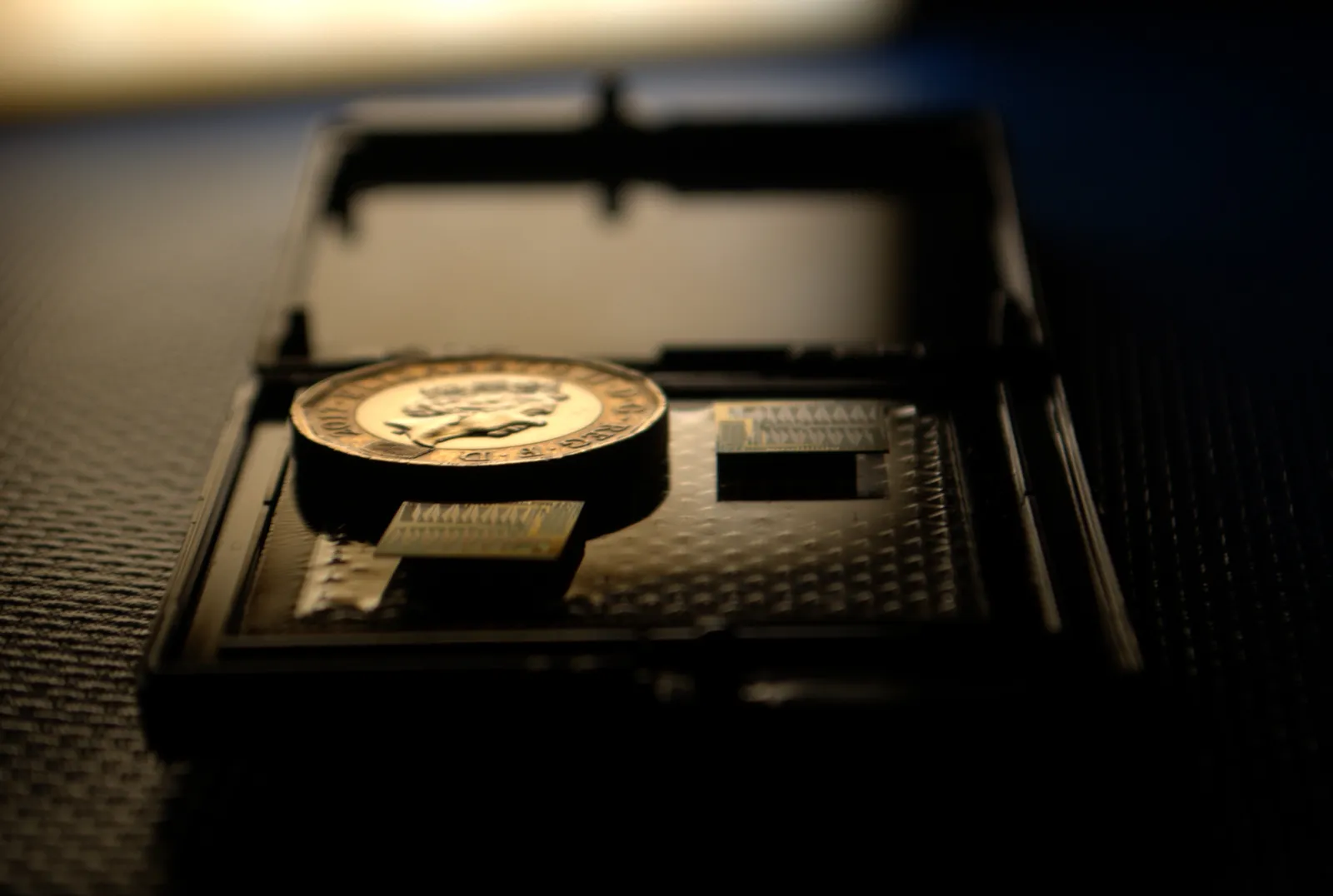
The agency has commissioned British eye-scanning startup Siloton to develop a solution ahead of the international Artemis flights to the moon and other deep space missions. The health tech uses quantum technology to shrink core components used in eye-testing equipment found at optometrists to fit on a photonic chip smaller than a coin.
Founded by physicists in 2020, Siloton is currently working with the UK’s National Health Service to enable patients with retinal conditions to self-scan at home. “The ESA pretty much has the same requirements,” says cofounder and chief technology officer Euan Allen. “It’s just in a totally different environment.”
Spaceflight-associated neuro-ocular syndrome (SANS) is a collection of eye and brain changes caused by spending prolonged periods in a low-gravity environment, and it impacts around 70 percent of astronauts on the International Space Station, according to NASA. One of the starkest cases is that of NASA astronaut John Phillips, who launched to the ISS in 2005 with 20/20 vision, and splashed down six months later with his vision at 20/100—what’s considered a moderate visual impairment. While he was in space, bodily fluid, uninhibited by gravity, built up in his head, squashing his eyeballs, swelling his optic nerve, and pushing his retina forward.

Courtesy of Siloton
While returning to Earth can reverse some of the damage, space agencies are concerned by both the operational risk of astronauts losing their vision mid-mission, as well as the longer-term health impacts. “The eye condition SANS is a serious health risk facing astronauts on long missions,” says Rebecca Evernden, director of the UK Space Agency. Medical engineers want to develop their understanding of the condition and the factors causing it so that they can manage any ocular damage, and eventually treat it or even stop it from becoming a problem.
Scientists are already monitoring how spaceflight impacts the human eye on the ISS using a modified version of the device found in optometry offices that measures the thickness of layers at the back of the eye. However, the device is bulky and requires real-time remote guidance from experts on the ground. As astronauts journey further into deep space, lengthening communication delays with Earth will mean this is no longer feasible.
Siloton’s device would allow astronauts to scan their retinas more frequently by automating some of the process so that examinations do not need ground support. The ESA hopes that will generate more data on any ocular degeneration, and possibly provide early warning signs that changes in the eye may be occurring—even before they result in vision change.




Frugal Friday’s Workwear Report: Cap-Sleeve Pointelle Crewneck Sweater


Weekend Open Thread: Mattifying Sunscreen


Jordan Coyle & Cordiamo take Laya Arena Stakes at RDS

US stocks: Dow closes at record on Mideast optimism; SpaceX, AMD drag Nasdaq


Can Astrology Help Find Gold and Silver Trends? A Financial Astrology Guide

US Tech Stocks See Largest 5-Week Inflow in History: Can Nasdaq Break Its Downtrend?


Reform UK And Greens Sink To Lowest Favourability Ratings To Date


Nvidia Stock Climbs 2.5% as Chip Sector Rally Builds Ahead of AMD Earnings, Nvidia’s Own Report Looms


Polymarket targets $20 billion valuation as competition heats up in prediction market sector

OpenAI, Anthropic AI agents targeted real people and systems in cyber tests

Supply chain issues impact Ingredion

CLARITY Act Senate Vote Locked In, But 60-Vote Hurdle Looms Large


Rinn Pharma & Biopharma to join NordicPharmaTrain network


The Senate has one week: CLARITY’s last August window

Dow and S&P 500 Hit Records on AI Earnings: When Will the Bubble Burst?

California Wildfire Bets Expose Polymarket’s Dark Side


Datadog: Best Of Breed For Multiple Reasons


How to Start a Cleaning Business: A Step-by-Step Guide


CNH Industrial Shares Jump Over 15% After Beating Estimates and Raising Full-Year Earnings Guidance

New York sued, who is next



You must be logged in to post a comment Login