Connect with us

Business

Parents back entrepreneurship over university, survey finds

Published

on

Parents back entrepreneurship over university, survey finds

More than a third of British parents (35 per cent) would rather their child start a business than go to university this autumn, according to research from Virgin StartUp published ahead of A-level results day on Thursday.

The survey of 1,000 British parents with children aged 13 to 21 found that 85 per cent would support their child starting a business, while 87 per cent would like to see entrepreneurial skills such as financial literacy and problem-solving taught in schools.

The findings come as more than 840,000 students in England, Wales and Northern Ireland prepare to receive their results, and as figures from the Office for National Statistics show more than one million young people in the UK are not in education, employment or training.

Against that backdrop, 41 per cent of parents surveyed believe a university degree is less important for building a successful career than it was 20 years ago. The reasons cited most often were the high cost of education and corresponding debt (63 per cent), the fast-evolving job market (56 per cent) and more widely understood routes to success outside of university (54 per cent).

Three in five parents (63 per cent) say they are already fostering an entrepreneurial spirit at home. The most common approaches were helping children learn about saving money (60 per cent), encouraging them to invest their savings (40 per cent), teaching them about profit, costs and pricing using a simple budget (36 per cent) and encouraging them to sell old toys or belongings (33 per cent).

Advertisement

Two-thirds of parents (66 per cent) said the most important thing is that their child enjoys what they do, while 52 per cent believe their child is more entrepreneurial than they were at the same age. Almost six in 10 (59 per cent) believe entrepreneurship is a more attractive career option than it was two decades ago.

More than half (54 per cent) believe today’s job market makes entrepreneurship a more attractive option, and 62 per cent say advances such as social media and AI have made it easier for young people to start a business straight out of school.

The research also points to gaps in support at home. Only 57 per cent of parents would feel confident advising their child on starting a business, and 59 per cent of children have not considered or discussed starting a business with their families.

Andy Fishburn, managing director of Virgin StartUp, which supports early-stage business founders, said: “At Virgin StartUp, we’re aiming to inspire the next generation of founders by making entrepreneurship feel like an accessible career option.

Advertisement

“We are seeing more young people nowadays thinking about starting a business rather than going through the traditional academic route. AI is really levelling the playing field, increasing access to advice and skills, but entrepreneurship is also just a great way to build something on your own terms, which is a powerful draw for the younger generation.”

Virgin StartUp recently hosted a ‘Dragons’ Den’-style competition with 40 London students, in collaboration with social impact lifestyle brand Leiho and the Social Enterprise Academy. The students took part in workshops with Virgin StartUp’s business advisers on how to develop their ideas into viable businesses.

Parents also see a role for schools. Of the 87 per cent who agreed entrepreneurial skills should be taught in school, the top priorities were financial literacy (52 per cent), problem-solving (48 per cent) and better communication skills (43 per cent). Two-thirds said they wish they had been encouraged to be more entrepreneurial when they were at school.


Amy Ingham

Amy Ingham

Amy Ingham is a reporter at Business Matters, covering UK business news with a focus on breaking news, business policy, late payments and insolvency. She joined the magazine in 2026 after completing the NCTJ Diploma in Journalism at Harlow College’s journalism school. Her recent reporting includes British Steel’s nationalisation and its impact on SME suppliers, the decline in late payments by large firms, and Insolvency Service director disqualifications. Reach her at aingham@cbmeg.co.uk.

Advertisement

Continue Reading
Click to comment

You must be logged in to post a comment Login

Leave a Reply

Business

Home Depot CEO Ted Decker taking temporary medical leave

Published

on

Home Depot lays off 800 workers, announces 5 day return to office
Home Depot CEO Ted Decker to take temporary leave of absence

Home Depot CEO Ted Decker is taking a “temporary medical leave of absence” for the next few months and the company has appointed two top deputies to lead until he returns, the retailer announced on Wednesday. 

Ann-Marie Campbell, Home Depot’s senior executive vice president of U.S. stores and operations, will oversee day-to-day operations while finance chief Richard McPhail will run financial management and the Pro business, the company said. 

Lead independent director of the board, Greg Brenneman, will take over as chair of the board during Decker’s leave. The board of directors made the appointments but they were “in alignment with Decker’s recommendation,” the company said. 

“The Home Depot has the best management team in retail. Both Ann-Marie and Richard are strong, seasoned executives who have worked together for more than 20 years,” Brenneman said in a news release. “We are confident in Ann-Marie’s and Richard’s ability to lead the company during this time, and we look forward to Ted’s return.”

Advertisement

An aerial view of a Home Depot store on November 18, 2025 in San Rafael, California.

Justin Sullivan | Getty Images News | Getty Images

The announcement comes just under a week before the company is set to announce fiscal second quarter earnings on Tuesday. Home Depot didn’t provide further details on Decker’s condition.

Campbell, 61, has worked for Home Depot since 1985, starting as a cashier before working her way up to EVP of stores and operations. McPhail, 56, has been Home Depot’s chief financial officer since September 2019 and joined the company in 2005. 

Advertisement

Both of the executives aren’t receiving additional pay for taking on the increased responsibilities, according to a securities filing.

Choose CNBC as your preferred source on Google and never miss a moment from the most trusted name in business news.
Continue Reading

Business

Earnings call transcript: Jumia lifts margins in Q2 2026 despite revenue miss

Published

on


Earnings call transcript: Jumia lifts margins in Q2 2026 despite revenue miss

Continue Reading

Business

Definium Therapeutics’ LSD-Based Psych Drug Scores Again

Published

on

Definium Therapeutics' LSD-Based Psych Drug Scores Again

Definium Therapeutics (DFTX) unveiled the second of two positive Phase 3 studies for its LSD-based drug. The biotech stock surged on the results. Patients with generalized anxiety disorder, or GAD, showed a 5.4-point improvement compared with a placebo on the 56-point Hamilton Anxiety Rating Scale. That beat the 4-point improvement investors had been hoping to see, RBC Capital Markets analyst…

Copyright ©2026 Investor’s Business Daily, LLC. All rights reserved. 87990cbe856818d5eddac44c7b1cdeb8

Continue Reading

Business

Jamaican inspired food artisan firm looking to scale

Published

on

Business Live

The Pattyman has secured loaning funding from the Development Bank of Wales to expand

left to right Dylan Evans, Development Bank of Wales; Leroy Williams founder of the Pattyman.

A Cardiff-based artisan food firm is set to scale up production of its Jamaican-inspired produce to meet growing customer and trade demand.

Founded by Leroy Williams in 2021, the Pattyman began as a home-based venture inspired by his late parents -a father from the Windrush generation and a mother from the Valleys. Drawing on traditional family recipes,

Mr Williams set out to create a food business that celebrates both sides of his heritage through authentic Jamaican-inspired products influenced by Welsh culture and identity.

Operating from Tremorfa Industrial Estate, the business produces a range of artisan products including award-winning Red Pepper Jelly, sauces, relishes, jerk marinades, rum punch and Jamaican patties. The business supplies customers directly while also serving wholesale and trade markets across Wales and beyond.

Advertisement

At the heart of the brand is the Welsh concept of cynefin, meaning a sense of belonging and connection to place.

To support its growth it has secured a £50,000 microloan from the Development Bank of Wales. Mr Williams, said:“The Pattyman started as a way of honouring my parents and celebrating the cultures that shaped me. My dad came to Wales as part of the Windrush generation and my mum was from the Welsh Valleys, so I wanted to create something that brought those parts of my identity together.

“Food has always been about family, community and connection. Every recipe has a story behind it and every product reflects the traditions that were passed down to me.

“This investment gives us the platform to build on what we’ve achieved so far. It will help us increase capacity, support future growth and continue sharing the flavours and heritage that make the Pattyman unique with more customers.”

Advertisement

Dylan Evans, assistant investment executive at the Development Bank of Wales, said:”The Pattyman is a great example of a Welsh business with a distinctive proposition, strong values and clear growth ambitions. Leroy has built a brand that stands out through the quality of its products and the story behind them.

“Businesses like the Pattyman demonstrate how smaller investments can make a meaningful difference when it comes to increasing capacity, developing operations and supporting sustainable growth. We look forward to supporting Leroy as he takes the business forward.”

Financed by Welsh Government, the development bank’s £500m Wales Flexible Investment Fund supports Welsh businesses with terms of up to 15 years. Loans, mezzanine finance, and equity investments are available from £25,000 to £10m.

Advertisement
Continue Reading

Business

Earnings call transcript: Demant beats Q2 2026 estimates and lifts guidance

Published

on


Earnings call transcript: Demant beats Q2 2026 estimates and lifts guidance

Continue Reading

Business

Private Ground Transportation Guide: NYC Chauffeur Service and Miami Chauffeur Service for Business Travelers

Published

on

Private Ground Transportation Guide: NYC Chauffeur Service and Miami Chauffeur Service for Business Travelers

In today’s fast-paced corporate environment, business travel is about far more than simply reaching a destination. Executives are expected to remain productive while traveling, maintain professional standards, and manage packed schedules that often include meetings, conferences, networking events, and client engagements. As a result, reliable ground transportation has become an essential component of successful business travel planning.

Two of the most important destinations for corporate travelers in the United States are New York City and Miami. Both cities serve as major business hubs, attracting professionals from finance, technology, real estate, healthcare, international trade, and numerous other industries. Whether attending meetings in Manhattan or participating in a conference in South Florida, dependable chauffeur transportation can significantly enhance the overall travel experience.

Why Professional Chauffeur Services Matter

Business travelers frequently operate under strict schedules where delays can have costly consequences. Missing an important meeting due to transportation issues can affect client relationships, business opportunities, and overall productivity.

Advertisement

Professional chauffeur services help eliminate these concerns by providing scheduled transportation, experienced drivers, and executive-level customer service. Instead of worrying about traffic, parking, or ride availability, travelers can focus entirely on their professional responsibilities.

Companies that prioritize transportation planning often experience smoother travel operations and greater efficiency across their executive teams.

NYC Chauffeur Service for Executive Mobility

New York City remains one of the world’s leading centers for commerce, finance, media, and corporate leadership. Executives visiting the city often travel between airports, hotels, corporate offices, conference venues, and client locations throughout a demanding schedule.

Advertisement

A professional NYC chauffeur service offers a dependable solution for navigating the city’s busy streets while maintaining comfort and professionalism. Pre-arranged transportation helps travelers avoid unnecessary delays and allows them to remain focused on business objectives.

Many organizations rely on Detailed Drivers because executive transportation requires a level of reliability and service quality that supports high-level corporate travel. Professional chauffeurs understand local traffic patterns, business districts, and scheduling requirements, helping ensure a smooth and efficient travel experience.

For executives hosting clients or attending high-profile meetings, professional chauffeur service also contributes to a strong business image.

Miami Chauffeur Service for Modern Business Travel

Advertisement

Miami has evolved into one of the country’s most dynamic business destinations. The city attracts investors, entrepreneurs, corporate leaders, and international organizations throughout the year.

A professional Miami chauffeur service provides convenient transportation between airports, business districts, hotels, convention centers, and event venues. Reliable transportation allows executives to move efficiently throughout the city without the stress associated with unfamiliar routes or transportation coordination.

Many business travelers choose Detailed Drivers because transportation providers specializing in executive travel understand the importance of punctuality, flexibility, and personalized service. Professional chauffeurs help ensure that travelers arrive prepared and on time for meetings, conferences, and networking opportunities.

As Miami continues to grow as an international business center, dependable transportation remains a valuable resource for visiting professionals.

Advertisement

Benefits of Executive Chauffeur Transportation

Enhanced Productivity

Travelers can use transit time to prepare presentations, review documents, and communicate with colleagues or clients.

Reliable Scheduling

Advertisement

Professional transportation services prioritize punctuality and help executives maintain busy itineraries.

Comfortable Travel Environment

Luxury vehicles provide a quiet and professional setting that supports business activities during travel.

Professional Representation

Advertisement

Arriving in a chauffeured vehicle reinforces professionalism and creates a positive impression during corporate engagements.

Managing Multi-City Corporate Travel

Executives frequently travel between major business markets such as New York and Miami. Consistency in transportation services helps create a more predictable and efficient travel experience across multiple destinations.

Organizations that work with trusted transportation providers often benefit from improved coordination, reduced logistical challenges, and greater traveler confidence. Reliable chauffeur service becomes an important part of a broader travel management strategy.

Advertisement

Business travelers researching executive transportation solutions may also find resources such as best private car service NYC useful when comparing service options and evaluating transportation providers within the New York market.

Choosing the Right Transportation Partner

Selecting a transportation provider should involve careful consideration of reliability, chauffeur professionalism, vehicle quality, and customer support. Providers that specialize in executive transportation are typically better equipped to meet the expectations of corporate travelers.

A trusted transportation partner can help improve productivity, reduce travel-related stress, and support successful business outcomes.

Advertisement

Conclusion

Ground transportation plays a critical role in modern corporate travel. Whether utilizing an NYC chauffeur service for meetings across Manhattan or arranging a Miami chauffeur service for business engagements throughout South Florida, executives benefit from transportation solutions that prioritize reliability, convenience, and professionalism.

By incorporating trusted chauffeur services into their travel planning strategies, business travelers can maximize efficiency, maintain productivity, and ensure a seamless experience throughout every stage of their journey.

Advertisement
Continue Reading

Business

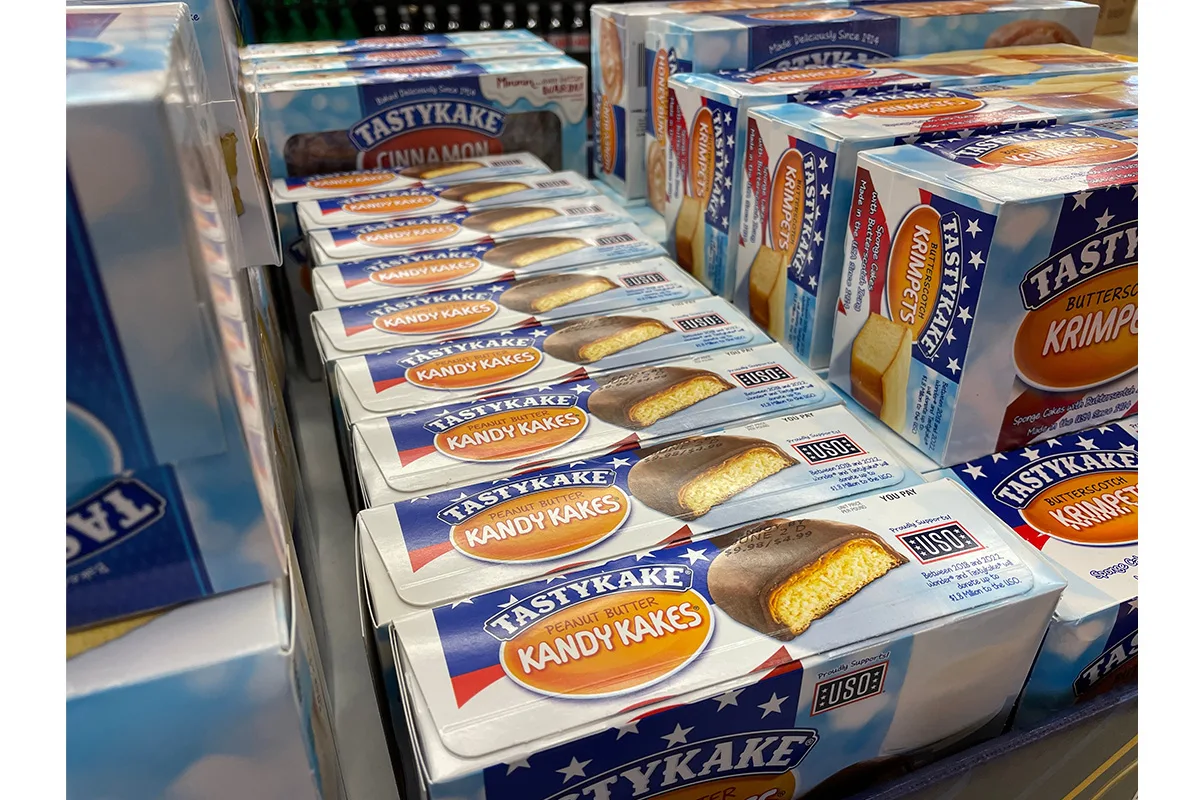
Is Tastykake on the block?

Published

on

Is Tastykake on the block?

Reports indicate Flowers Foods is seeking a buyer for the sweet baked goods business.

Continue Reading

Business

Dish TV Q1 loss more than triples to Rs 286 crore; VZY sales cross Rs 200 crore

Published

on

Dish TV Q1 loss more than triples to Rs 286 crore; VZY sales cross Rs 200 crore
Dish TV India reported a consolidated net loss of Rs 286 crore for the first quarter ended June 30, 2026, more than tripling from Rs 95 crore in the year-ago quarter, as subscription revenue declined sharply.

Operating revenue fell 19% year-on-year to Rs 266 crore from Rs 329 crore, while subscription revenue declined 41% to Rs 161 crore from Rs 273 crore. EBITDA swung to a loss of Rs 109 crore from a profit of Rs 73 crore in the corresponding quarter last year.

Total expenses rose 46% to Rs 375 crore from Rs 257 crore. Cost of goods and services increased 56% to Rs 239 crore, while personnel costs rose 4% to Rs 44 crore. Other expenses, including selling and distribution expenses, increased 50% to Rs 92 crore.

The company said the operating environment continued to reflect structural shifts in the media and entertainment industry, driven by changing consumer viewing habits, increasing digital adoption, content fragmentation and heightened competitive intensity.

Advertisement

Against this backdrop, Dish TV continued its strategy of evolving from a traditional DTH operator into a connected entertainment platform, with a focus on strengthening its VZY ecosystem and customer engagement.


The VZY Smart TV ecosystem includes installation at the consumer’s home, call-centre support for grievance redressal, OTT and other content bundling, content of choice at nominal charges and smart-TV features. The company also introduced its “Always On” proposition, based on a pay-as-you-watch model aimed at reducing churn and strengthening long-term customer association.
Dish TV also said it was placing greater emphasis on the South Indian market, with an introductory pack priced at Rs 149 across regional languages in South India.Separately, VZY Smart TV has announced that it has crossed Rs 200 crore in cumulative sales within the first year of its launch. The milestone is part of the group’s broader push into connected entertainment, with VZY bringing together smart TV technology, live television, OTT streaming and digital content.

Dish TV said it remains focused on accelerating its transformation into a connected entertainment company through continued investment in technology, customer experience and strategic partnerships.

Its priorities for the coming quarters include scaling the VZY Smart TV ecosystem across priority markets, strengthening the integration of DTH, OTT aggregation and connected devices, expanding regional entertainment and sports-led offerings, improving content discovery and accessibility, and building strategic partnerships.

Manoj Dobhal, CEO and Executive Director, Dish TV India, said the company remained focused on strengthening its core DTH business while building a connected entertainment platform. He said the company believes India’s entertainment market will increasingly be defined by convergence rather than substitution, with television, streaming and connected experiences integrated under the VZY platform.

Advertisement
Continue Reading

Business

U.S. two-year yield edges slightly as on-target CPI softens Sept rate-hike fears

Published

on


U.S. two-year yield edges slightly as on-target CPI softens Sept rate-hike fears

Continue Reading

Business

Micron Warns Customers Who Skip Long-Term Chip Contracts Risk Losing Future Memory Supply Access

Published

on

Earnings News: Micron Technology Inc (NASDAQ: MU)

Micron Technology is warning customers that those who decline to sign the company’s new long-term supply contracts could find themselves pushed to the back of the line the next time memory chips run short, as the chipmaker moves to fundamentally restructure how it does business with its biggest buyers.

Sumit Sadana, Micron’s chief business officer, laid out the company’s new approach to what it calls Strategic Customer Agreements, or SCAs, during recent public remarks, including at the KeyBanc Technology Leadership Forum. Unlike the loosely binding long-term agreements memory chipmakers have historically offered, Micron’s SCAs are structured as “take-or-pay” contracts: customers commit to purchasing specific volumes of memory chips every year through the end of calendar 2030, with no contractual way to back out. Most large SCAs run on five-year terms, while smaller customers, including several automotive suppliers, have signed three-year versions of the agreements.

Micron has said it has signed 16 SCAs so far, spanning data center, consumer and automotive customers, with more agreements signed since the company’s most recent earnings report. Those contracts are backed by more than $22 billion in cash and related financial commitments, including nearly $18 billion in upfront cash deposits, and represent minimum revenue commitments Micron has pegged at roughly $100 billion. The company has said it expects SCAs to eventually cover about half of its total revenue, and pricing under the agreements is negotiated quarterly within a floor-and-ceiling band, with floor prices set high enough to lock in gross margins Micron says exceed any prior peak in the industry’s historical cycles.

Sadana said the shift reflects a fundamental change in how customers now approach memory purchasing, given how severe and prolonged the current supply crunch has become. Speaking about customers who choose not to commit to the new agreements, Sadana warned there could be real consequences the next time the memory market tightens further. “They may not be able to get much allocation at that time,” Sadana said, referring to customers who opt to treat memory purchasing more opportunistically rather than locking in long-term commitments.

Advertisement

Sadana has also pointed to a broader shift already underway in the market, noting that companies which have historically treated memory purchasing tactically, buying only when prices are favorable and pulling back when they are not, are already struggling more than committed customers to secure adequate allocation in the current tight environment.

The new contract structure represents Micron’s attempt to break a boom-and-bust cycle that has long defined the memory chip industry, in which manufacturers add production capacity during periods of high demand, only to see prices collapse once that new supply comes online and demand cools. Micron Chairman, President and Chief Executive Sanjay Mehrotra has said the multi-year SCAs should improve the durability and predictability of the company’s financial performance, tying the shift directly to accelerating demand for memory tied to artificial intelligence infrastructure. Executives have said memory supply is likely to remain constrained through at least 2027, with only gradual improvement expected as new factory capacity comes online in 2028, and even then, Micron has said it does not have clear visibility into when supply will fully catch up with demand.

The new contract terms have taken on additional significance amid a high-profile standoff between Micron and Apple over the use of Chinese-made memory chips. According to reporting from the Financial Times and The Wall Street Journal, Apple has begun testing memory chips from ChangXin Memory Technologies, a Chinese state-backed manufacturer known as CXMT, for potential use in devices sold in China, as the company looks for ways to offset supply constraints and rising prices tied to the broader AI-driven memory shortage. Apple has also been lobbying the Trump administration for permission to use CXMT and Yangtze Memory Technologies, or YMTC, components more broadly, including in products sold outside China.

That effort has drawn direct opposition from Micron, which has been lobbying U.S. officials to block Apple’s plan, arguing that allowing Chinese suppliers into Apple’s supply chain could undermine domestic memory production in a manner similar to how Chinese competition previously affected other American manufacturing industries. Both CXMT and YMTC have been designated by the Pentagon as Chinese military-linked companies, and a bipartisan group of U.S. senators has separately pressured Apple to commit to avoiding chips from either supplier, citing national security concerns. Micron has argued that Chinese manufacturers benefit from extensive government support that allows them to undercut pricing in ways private companies competing on market terms cannot match.

Advertisement

Industry analysts say Micron’s new contract strategy and its opposition to the Apple-CXMT arrangement reflect the same underlying goal: preventing large customers from using cheaper alternative suppliers, or simply waiting out price cycles, in ways that have historically undermined chipmakers’ ability to invest confidently in new manufacturing capacity. By locking major customers into binding, multi-year commitments with substantial upfront financial stakes, Micron is betting it can convert a historically volatile, cyclical business into a more stable, predictable one, even if that means offering customers less flexibility than they have enjoyed in the past.

With memory chip demand tied to artificial intelligence expected to keep climbing for years to come, Micron’s shift toward binding, non-cancellable supply agreements marks what industry observers describe as a structural change in how the memory chip business operates, one in which customers who once could count on played market timing to their advantage now face real consequences for opting out of long-term commitments during a supply environment that shows few signs of easing before the end of the decade.

Continue Reading

Trending

Copyright © 2025