

Connect with us

NewsBeat

Enzo Maresca press conference LIVE Man City transfer updates, Rodri latest, Arsenal team news

Published

on

Manchester Evening News

City could conceivably spend £300m on central midfielders this summer, an outlay that has plenty quoting a slightly lower figure in a mixture of anger, disbelief and ignorance at how the Blues can splash such cash. Until a decision is finally reached on the outstanding 115 charges, that mud will continue to be splattered in City’s direction. But if those furious at a club spending so much on new talent wanted to look, there are more subtle explanations than crying financial foul play.

For one, few can match the revenues City are able to rake in, with the Blues earning £694.1m in the financial year ending June 30, 2025, albeit with a marginal loss of £9.9m, and more than £700m in the two years prior to that.

Read more here>>>

Tiijani Reijnders, Rodri and Savinho could all depart Manchester City this summer

Advertisement

Source link

Continue Reading
Click to comment

You must be logged in to post a comment Login

Leave a Reply

NewsBeat

The age when you MUST get slim to escape an early grave: Experts reveal the impact of losing weight in your 20s, 30s and mid-life…and at what stage it becomes pointless

Published

on

In the UK, nearly two-thirds of adults are overweight, and more than a quarter are obese

Overweight and obesity is perhaps the biggest risk factor for some of the UK’s biggest killers – heart disease, dementia and many types of cancer

Then there’s the impact of excess weight on the joints, bones and respiratory system, increasing the risk of debilitating conditions like arthritis and asthma.

Now, with the advent of highly effective slimming injections, Britain is seeing more weight loss transformations than ever before. But does a sudden shifting of several stone reverse the damage of years of obesity?

The impact of extra weight is, after all, significant. 

Advertisement

‘Obesity generally leads to higher blood glucose levels, and this extra circulating sugar causes body-wide damage,’ says Stuart Gray, a professor of muscle and metabolic health at the University of Glasgow.

‘Much of this damage affects the heart and blood vessels. If it progresses to diabetes, you could face damage to your kidneys as well as nerves in the feet and eyes.

‘Excess body weight also tends to mean you have higher blood fat levels, which can lead to plaques in the blood vessels, narrowing the blood vessels and putting even more strain on your heart.’

So at what point in life is this damage set in stone – regardless of a change in lifestyle – and when is a healthy weight most crucial? Here, experts reveal the ‘sweet spot’ in life when it’s most beneficial to be slim.

Advertisement

In the UK, nearly two-thirds of adults are overweight, and more than a quarter are obese

Keep a larger frame for less than a decade

The damage done by carrying excess weight begins roughly five years into obesity, according to a 2020 UK study.

However after a decade, the risk of heart disease as well as heart-related death climbs significantly. 

Advertisement

A US study following 5,036 people found those who spent between five and 14 years with obesity had roughly a 94 per cent higher risk of early death compared to those who’d never been obese.

However, Prof Gray says the danger applies to those who are overweight for long periods of time, too.

‘It’s the cumulative exposure to excess weight that’s the problem,’ he says. ‘If you’ve had 10 or 15 years of being overweight or living with obesity, then the inflammation, vascular dysfunction [blood vessel damage] and high glucose levels will have caused some damage that you can’t get rid of.’

However he adds that being overweight for a long period of time, for instance 10 or 20 years or more, is perhaps more dangerous than a shorter period of time with obesity.

Advertisement


Advertisement

‘Someone with obesity for five years may not have accumulated the same heart risk as a person in their 40s who has spent most of their life overweight,’ he says. 

Although joints and bones may be vulnerable to a short burst of extreme excess weight, he adds.

‘Really high levels of excess weight might accelerate things like joint damage, which is hard to recover from.’

Most critical decades for weight loss: Your 20s, 40s and 50s

Experts agree that there are two points in life that are the most crucial for getting into the best shape of your life – but for very different reasons.

Advertisement

While the body has ‘considerable capacity to recover’ from metabolic problems in your 20s, compared to other decades, it’s the best time to set up healthful habits for life.

Dr Mayoni Gooneratne, Executive Medical Director at Personalised Health Clinics, says your 20s is the time in life when most people have very little reason not to pursue a healthy routine.

Age-related wear and tear is at a minimum, and time-consuming stressors like caring for children and managerial job roles are less common.

Studies show that the earlier in life individuals begin a healthy eating pattern, the more likely they are to stick to it through mid-life and beyond. 

Advertisement

‘If you’re in your twenties, build a way of eating and moving that you’ll happily repeat for decades,’ advises Dr Gooneratne.

‘It’s the time to prevent years of gradual weight gain and inactivity from becoming normal.’

Your forties and fifties, aka midlife, are a key time to make changes, experts say.

A UK study published in the journal PLOS Medicine found that those who were obese for 20-30 years – mostly beginning around aged 10 – had double the risk of type 2 diabetes compared to those with just a decade of obesity.

Advertisement

‘When you get to the forties and fifties, you see a much more dramatic increase in risk to your health associated with being overweight or obese,’ says Professor Gray.

Advertisement

‘Although people should be thinking about their health earlier, if you haven’t already, once you get to that age group, that’s when you definitely want to start thinking about it.’

The Framingham Heart Study – an ongoing study into the cardiovascular health of Americans – found that the risk of obesity-related heart disease was 62 per cent higher than average in those aged 50-74, compared to 37 per cent higher in 25 to 49 year-olds.

A big reason for this is the hormonal changes that occur at this stage of life. 

For women aged between 45 and 55, the decline in the sex hormones oestrogen and progesterone, triggered by menopause, can lead to weight gain, particularly around the middle.

Advertisement

Visceral fat, which is fat stored around organs, is strongly associated with insulin resistance, making it harder for the body to stabilise blood sugar.

‘Women start to lose muscle and bone at this age and the hormone change starts to affect blood vessel health too,’ says Professor Gray.

‘These hormonal changes happen differently in men but the downstream effects are broadly similar.’

Midlife can also be a hectic phase.

Advertisement

‘Your work life might peak and it’s really stressful, you become less active, you’ve got more responsibility looking after older parents and kids, you’ve just got a lot of life demands,’ says Prof Gray.

‘All those things again contribute to metabolic risk; you start to gain a little bit of weight, you become less active, so on and so on, and you start that vicious cycle.’

The benefits of losing weight at this stage of life are perhaps more considerable than in younger years, experts say. 

Research published in the journal JAMA Network Open found that people in midlife who lost excess weight had a 48 per cent lower risk of developing chronic disease, than those who stayed overweight. 

Advertisement

This means they developed chronic disease at about half the rate of those who didn’t lose weight during the 23-year follow up period.

This period is so critical that the NHS offers a free health check to those over the age of 40 every five years, which includes waist measurement, blood pressure, cholesterol and sometimes blood glucose testing.

Promisingly, experts say there’s not a point of no return when it comes to weight loss.

A 2010 US study found that a weight loss intervention for adults aged 69 to 75 halved the number of deaths in the group, said to be a result of the average of 10 pound fat loss.

Advertisement

However, research has consistently shown that elderly adults who lose weight – those aged above 75 – are more likely to suffer an early death.

A 2024 analysis found that a 10 per cent reduction in body mass index, or BMI, in adults over 65 was linked to a significantly higher risk of death over the next seven years. 

Experts say this is likely because extra weight in your 70s and 80s protects against frailty and falls, which are a major cause of hospitalisation in old age.

What’s more, extreme weight loss at this stage of life is often a sign of an underlying deadly disease, such as cancer. 

Advertisement

Even in those who don’t go on to develop deadly conditions, the benefit of weight loss in the over 75s is far less significant than in younger individuals, according to a 2014 meta-analysis of 20 studies. 

So, if you’re about to embark on a weight loss journey, where should you start?

According to Prof Gray, portion control is key. ‘ While diet quality should of course be considered, most of the evidence is that quantity is the biggest issue when it comes to excess weight,’ he says. ‘Compliment that with physical activity.’

Dr Gooneratne adds: ‘Make most meals from vegetables, fruit, pulses, wholegrains, nuts/seeds where appropriate and protein. 

Advertisement

‘Reduce your reliance on sugary drinks, snack foods, takeaways and ultra-processed meals.

‘Build regular walking or other movement into daily life, alongside progressive resistance training while placing emphasis on good sleep and less stress will go a long way.’

Source link

Advertisement
Continue Reading

NewsBeat

Charities issue urgent warning over ‘Frankenstein cats’ including Scottish folds, Persians and new ‘XL bully’ breeds

Published

on

Charities have issued an urgent warning over a wave of 'Frankenstein cats', including Scottish fold, Persians, Sphynx cats, and new 'XL bully' cats (pictured)

Charities have issued an urgent warning over a wave of ‘Frankenstein cats’ with extreme, unnatural features.

Breeds such as the Scottish fold, Persians, Sphynx cats, and new ‘XL bully‘ cats have seen ‘booming popularity’.

These popular breeds suffer from lifelong debilitating health issues that make it impossible for them to live a happy, healthy life.

Now, experts warn that cats could soon bear little resemblance to the traditional moggy unless urgent action is taken on ‘cruel cat breeding practices’.

Advertisement

The RSPCA and charity Cats Protection say that social media and celebrity trends have created huge demand for cats with folded ears, shortened limbs and missing tails or hair.

Scottish folds, like those owned by Taylor Swift, now account for up to 2 per cent of the entire cat population in the UK.

However, the same gene which causes ‘cute’ folded ears affects cartilage, leading to abnormal bone development, chronic pain and sometimes severe lameness.

Alice Potter, senior scientific and policy officer in the RSPCA’s science and policy group, says: ‘Cats must not be forced to suffer unnecessarily because of physical traits that some humans find desirable.’

Advertisement

Charities have issued an urgent warning over a wave of ‘Frankenstein cats’, including Scottish fold, Persians, Sphynx cats, and new ‘XL bully’ cats (pictured) 

Over the last few decades, cat charities have watched with alarm as designer cats spread around the world and rose to incredible heights of popularity.

Madison Rogers, associate director of advocacy at Cats Protection, says: ‘Cats’ body shapes have remained broadly similar for hundreds of years, but in a relatively short space of time this has dramatically changed.’

Advertisement

In the decade between 2016 and 2025, the RSPCA found a 200 per cent increase in the number of British shorthairs and a 180 per cent increase in Persians.

Both of these cats are brachycephalic, meaning they have been bred to suffer from an extreme skull deformity in order to have a very flat face.

Likewise, the so-called XL Bully cat has exploded in popularity after first appearing in the UK in 2024.

This breed was created by crossing hairless Sphynx cats with short-legged Munchkin cats.

Advertisement

The result is a cat that has no whiskers to navigate and communicate with other cats, suffers from limb deformities that painfully restrict movement and cannot go out in the sun.

Yet, despite these well-known health issues, the RSPCA and Cats Protection say that popularity is ‘booming’.

Sphynx cats' hairlessness leaves them vulnerable to severe skin infections and exposes them to harmful UV rays
Without fur, Sphynx cats also struggle to regulate their body temperatures. Pictured: Cats named Spongebob and Pearl at RSPCA Millbrook

Sphynx cats’ hairlessness leaves them vulnerable to skin infections and exposes them to harmful UV rays. Without fur, they also struggle to regulate body temperature

Trendy cat breeds’ extreme health issues

Scottish folds 

Advertisement
  • The fold is caused by a painful genetic disorder which affects cartilage, leading to abnormal bone development, chronic pain and sometimes severe lameness. 
  • All Scottish folds are born with this incurable disorder.

Sphynx cats 

  • Lack of fur leaves cats vulnerable to skin infections and UV exposure. 
  • They may struggle to regulate body temperature and some lack whiskers, which are vital for navigation and communication. 

Persian cats

  • Abnormal skull shape, which causes eye and dental problems such as conjunctivitis, ulcers and tooth misalignment. 
  • Also linked to significant breathing difficulties and exercise intolerance. 

Munchkin cats 

  • Associated with limb deformities which restrict normal movement and can cause pain.

Source: Cats Protection  

<!- – ad: https://mads.dailymail.co.uk/v8/de/sciencetech/none/article/other/mpu_factbox.html?id=mpu_factbox_1 – ->

Ms Rogers says: ‘If action is not taken quickly, we are likely to see more alarming examples of what we are calling “Frankenstein” cats – who bear no resemblance to our beloved moggy and, tragically, come with multiple health issues.’

Advertisement

Persian cats’ flat faces cause conjunctivitis, ulcers and tooth misalignment, eye problems, and significant breathing difficulties that make it difficult to exercise

Sphynx cats’ hairlessness leaves them vulnerable to severe skin infections and exposes them to harmful UV rays.

Without fur, Sphynx cats also struggle to regulate their body temperatures, which can quickly become dangerous during summer heatwaves.

At RSPCA Millbrook, staff are working ‘around the clock’ to try and keep two abandoned Sphynx cats, named Spongebob and Pearl, cool and comfortable.

Advertisement

Claire Jones, RSPCA Millbrook cattery supervisor: ‘They are struggling in the heat due to their inability to regulate their temperature, as they don’t have a coat that can help keep them cool – by deflecting heat, or trapping air against the skin.

Likewise, Scottish folds’ deliberate genetic mutations lead many cats to suffer from painful, untreatable mobility issues their entire lives.

Claire Chafer, from Staffordshire, adopted her Scottish fold cat Fenella from Cats Protection’s Derby cat centre in 2024.

Scottish folds like Fenella (pictured), suffer a genetic condition that produces their folded ears and also causes abnormal bone development, chronic pain and sometimes severe lameness

Scottish folds like Fenella (pictured), suffer a genetic condition that produces their folded ears and also causes abnormal bone development, chronic pain and sometimes severe lameness

Advertisement

Ms Chafer says: ‘We’ve had a blind, three-legged cat before, and another one with a neurological condition, but neither of them have needed the kind of help that Fenella needs, and both enjoyed much more normal cat behaviour.’

Fenella’s joints were not properly formed, so she cannot groom herself and her flat face means she gets covered in food which she is unable to clean.

‘I see celebrities owning Scottish folds, but it’s not at all glamorous,’ says Ms Chafer.

However, would-be pet owners are often unaware of these severe health issues, often finding themselves facing complicated burdens of care and massive vet bills.

Advertisement

Ultimately, that means many end up being given over to shelters, and both the RSPCA and Cats Protection have seen an increase in designer cats coming into their care.

The commercial breeding of cats in the UK isn’t subject to any specific oversight, except in Scotland where licensing rules apply to breeders with three or more litters a year.

That means the industry remains ‘largely unregulated’, with no rules restricting the breeding of extreme unhealthy traits.

The charities are now calling for urgent action from the Government to ban the breeding of cats with known harmful traits, and calling on the public to stop buying these cats.

Advertisement

HOW WELL DO YOU KNOW YOUR CAT? THE 13 SECRET SIGNALS FELINES GIVE THEIR OWNERS

Cats are often branded aloof and solitary creatures who spend their days plotting their human owner’s demise, but such characterisations could not be further from the truth.

In fact, our feline friends constantly communicate their feelings of affection to us, whether it be through their whiskers, tail, face or body language.

In her eye-opening new book Kitty Language: An Illustrated Guide to Understanding Your Cat, author Lili Chin – with the help of animal behaviourists – explains how to interpret your pet’s movements.

Advertisement

Below are some of the most common behaviours and what they could signal.

Our feline friends constantly communicate their feelings of affection to us, whether it be through their whiskers, tail, face or body language

Our feline friends constantly communicate their feelings of affection to us, whether it be through their whiskers, tail, face or body language

Source link

Advertisement
Continue Reading

NewsBeat

Middleton Lodge hotel and wedding venue appeals restrictions

Published

on

Middleton Lodge hotel and wedding venue appeals restrictions

North Yorkshire Council granted planning permission in December last year for the relocation of a marquee and catering tent at the Middleton Lodge estate, near Middleton Tyas.

The marquee, which can accommodate events for up to 200 people, is on an existing gravelled area about 70 metres south of the Grade II*-listed Middleton Lodge.

However, Middleton Lodge Events Ltd has now appealed against seven conditions attached to the permission, including restrictions on music, fireworks and lighting.

Advertisement

One condition states there can be no live or amplified music or entertainment anywhere on the site after 11pm.

Another requires music to be played through a noise limiter approved by the council.

The appeal argues the 11pm restriction should be removed, claiming noise assessments demonstrate events could operate without an unacceptable impact on nearby homes.

Instead, the company proposes specific noise limits at Little Kneeton, Mill Farm and Copperfield Farm, with different limits applying between 9am and 11pm and between 11pm and 2am.

Advertisement

It proposes that no events take place in the marquee between 2am and noon.

The appeal states that while noise complaints have previously been made about the venue, Middleton Lodge is not aware of any being substantiated following investigation or resulting in enforcement action.

It claims complaints have even been received for dates when no events were taking place.

The company says it has installed its own monitoring equipment to record noise during events.

Advertisement

Consultants acting for the venue argue a blanket 11pm restriction is unnecessary and disproportionate, particularly as modelling found noise at nearby homes would remain within acceptable limits.

The appeal also challenges a complete ban on outdoor fireworks and Chinese lanterns.

Instead, Middleton Lodge wants a condition preventing firework displays connected with the marquee between 10pm and 7am, except for exemptions contained within national fireworks regulations.

A lighting condition would also be amended so that it applied specifically to the approved marquees rather than potentially covering the wider estate.

Advertisement

Another disputed condition requires the tents to be removed and the site restored by January 10, 2026 — just weeks after permission was granted.

The appeal describes this as an administrative error and proposes allowing the marquee to remain until March 31, 2031, with the site restored by the following September.

Source link

Advertisement
Continue Reading

NewsBeat

Glyn Razzell refused prison release after killing his wife

Published

on

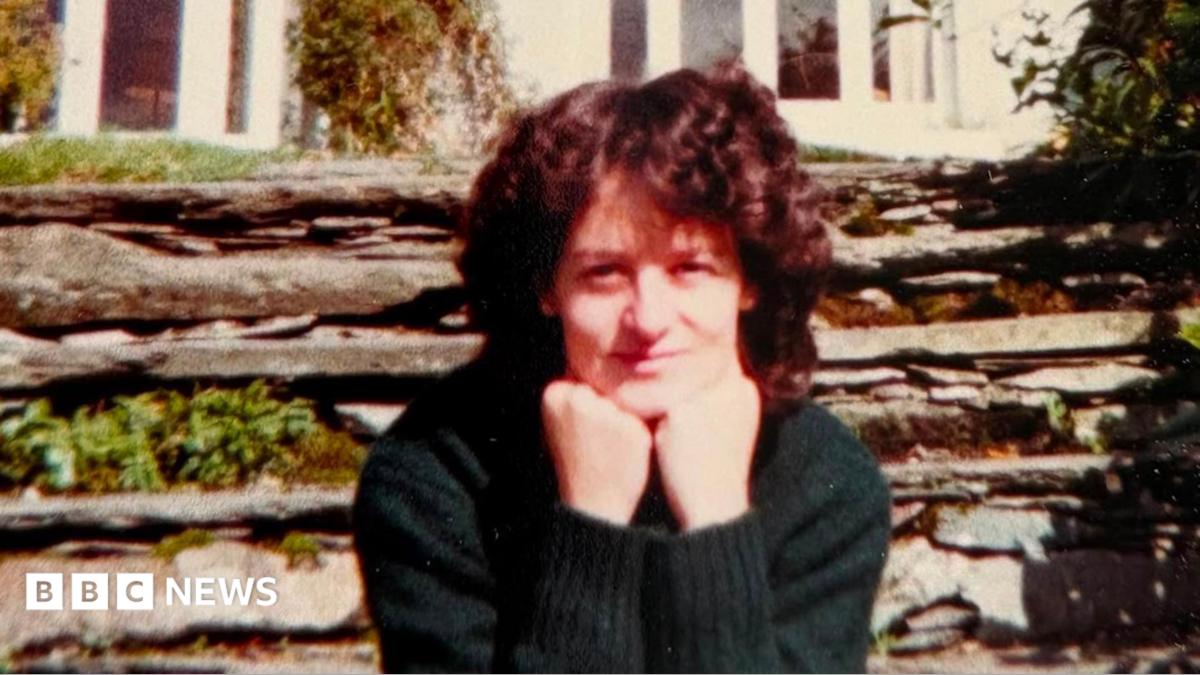
A woman sits looking at the camera with her chin resting on her balled fists. She is slightly smiling. She has curly dark brown hair and is wearing a dark green jumper. Behind her is a stone wall with some green plants growing out of it and behind that is a white house.

A man who killed his wife and refuses to reveal where her body is cannot be freed from prison, after the High Court overturned the Parole Board’s decision to release him.

Glyn Razzell, 66, was jailed for life in 2003 after being convicted of murdering his estranged wife Linda, who disappeared in Swindon the year before. He has never disclosed what he did with her body.

The Parole Board decided in April that Razzell could be released as his imprisonment was “no longer necessary” to protect the public.

It is the first time the Secretary of State for Justice’s power to refer the decision to the High Court has been used to overturn a Parole Board ruling.

Advertisement

Announcing her decision earlier, judge Mrs Justice Cheema-Grubb said: “I am not persuaded that the risk has diminished to such a level that offender management is capable of keeping the public safe if the defendant is released.”

Source link

Continue Reading

NewsBeat

Rutherglen to get ‘increased visible police presence’ after youth disorder

Published

on

Daily Record

Lanarkshire Police are responding to incidents around Western Avenue and Toryglen Road.

Police Scotland are responding to ‘ongoing incidents of youth disorder’ in Rutherglen.

Advertisement

E-bikes and e-scooters have been ridden in a way that has alarmed the public, while fireworks have been thrown at windows.

Now, an ‘increased visible police presence’ has been promised to tackle the issues, around Western Avenue and Toryglen Road.

Lanarkshire Police said: “We are aware of ongoing incidents of youth disorder in the Rutherglen area, particularly around Western Avenue and Toryglen Road, and understand the concern this behaviour is causing within the local community.

“Recent incidents have included fireworks being thrown at windows and individuals riding e-bikes and e-scooters in a manner which has caused alarm to members of the public.

Advertisement

“A dedicated policing action plan is in place, supported by local officers and additional policing resources. Residents can expect to see an increased visible police presence in the area as we work to prevent further incidents, identify those responsible and keep our communities safe.

“We would encourage parents and carers to speak with young people about the serious risks associated with fireworks and dangerous / anti-social use of e-bikes and e-scooters.

“We also ask members of the public to continue reporting incidents to the police. Information from the community helps us build a clearer picture of what is happening, identify those involved and direct our patrols to where they are most needed.

“Anyone with information regarding those responsible is encouraged to contact Police Scotland via 101, or 999 in an emergency.”

Advertisement

*Don’t miss the latest headlines from around Lanarkshire. Sign up to our newsletters here.

And did you know Lanarkshire Live had its own app? Download yours for free here.

Source link

Advertisement
Continue Reading

NewsBeat

New warnings for Lake District tourists over toxic ‘blue-green’ algae that can kill dogs and make humans ill

Published

on

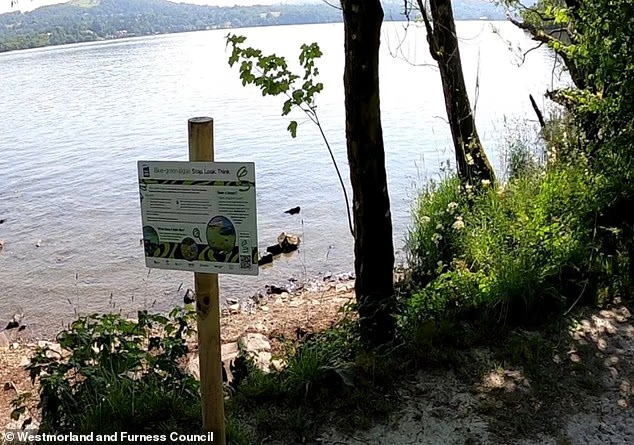
Signs are being installed by Lake Windermere and other locations across Cumbria warning tourists about potentially dangerous blooms of algae

Advertisement

Tourists visiting the Lake District have been warned about a blue-green algae growing that can be poisonous to humans and dogs. 

Around 40 permanent information boards are set to be placed around popular Lake Windermere informing people of the dangers of the cyanobacteria algae blooms.

A further 40 signs are also to be installed across other locations in Cumbria too. 

The blue-green algae thrives in still bodies of water such as lakes, reservoirs and slow-flowing rivers – and grows faster in hot, dry weather.

Advertisement

Nutrients found in pollutants like sewage can also encourage the growth, according to the BBC

Humans can become ill from coming into contact with the toxins the algae produces and ingesting it can be fatal to animals and wildlife, including dogs.

The Lake District hotspot is currently at its busiest, drawing in hordes of visitors every day over the summer months who come for the beautiful views of the water and surrounding hills.

Advertisement

Signs are being installed by Lake Windermere and other locations across Cumbria warning tourists about potentially dangerous blooms of algae

Each sign will provide information on what the algae looks like, to help people identify the potentially dangerous blooms. 

The signs have been funded by the Environment Agency and are the result of a collaboration between organisations within the Love Windermere partnership.

The permanent signs will provide year-round guidance on the blue-green algae including what it looks like, where people can find current bloom information and how to report sightings of it. 

Advertisement

The signs link users to the Bloomin’ Algae app and other sources of up-to-date information. 

People and animals can become exposured to the blooms through swallowing the water, inhaling airborne droplets or coming into contact with water containing the algae.

Symptoms include nausea, diarrhoea, vomiting, irritation of the eyes or throat as well as breathing difficulties, the BBC previously reported. 

They aim to spread awareness of the toxic blue-green algae that blooms on still bodies of water

They aim to spread awareness of the toxic blue-green algae that blooms on still bodies of water

Advertisement
The algae is known for its distinctive blue-green hue bur can be fatal to animals who drink it, and can cause skin and eye irritation in humans (Pictured: The algae at Frampton on Severn in Gloucestershire)

The algae is known for its distinctive blue-green hue bur can be fatal to animals who drink it, and can cause skin and eye irritation in humans (Pictured: The algae at Frampton on Severn in Gloucestershire)

Visitors who plan to spend time on or around the water have been advised to check current conditions before travelling and familiarise themselves with the signs of blue-green algae. 

Liz Cheslett-Davey, catchment coordinator at the Environment Agency, said:  ‘Blue-green algae can appear quickly and the conditions that encourage it to form aren’t always easy to predict. 

‘These are both actions that affect water quality and natural factors. 

Advertisement

‘Clear on-site signage, alongside the Bloomin’ Algae app and other online resources, helps people make informed decisions about using the water safely.’

Nearly 250 cases of the toxic blue-green algae have been reported in Northern Ireland‘s waterways, with others hitting Scottish lochs and lakes as far afield as Lancashire to Hampshire.

The latest case on a lake in Essex has left heartbreaking scenes of dead ducks, geese, moorhens and fish floating on a surface of ‘scum’ left by the algae, with many residents hitting out at council bosses for not taking enough action.

Advertisement

Advertisement

Source link

Continue Reading

NewsBeat

Darlington driver banned for drink-driving on A1

Published

on

Darlington driver banned for drink-driving on A1

Andrew Robinson, of Weir Street, Darlington, appeared at Newton Aycliffe Magistrates’ Court on August 11.

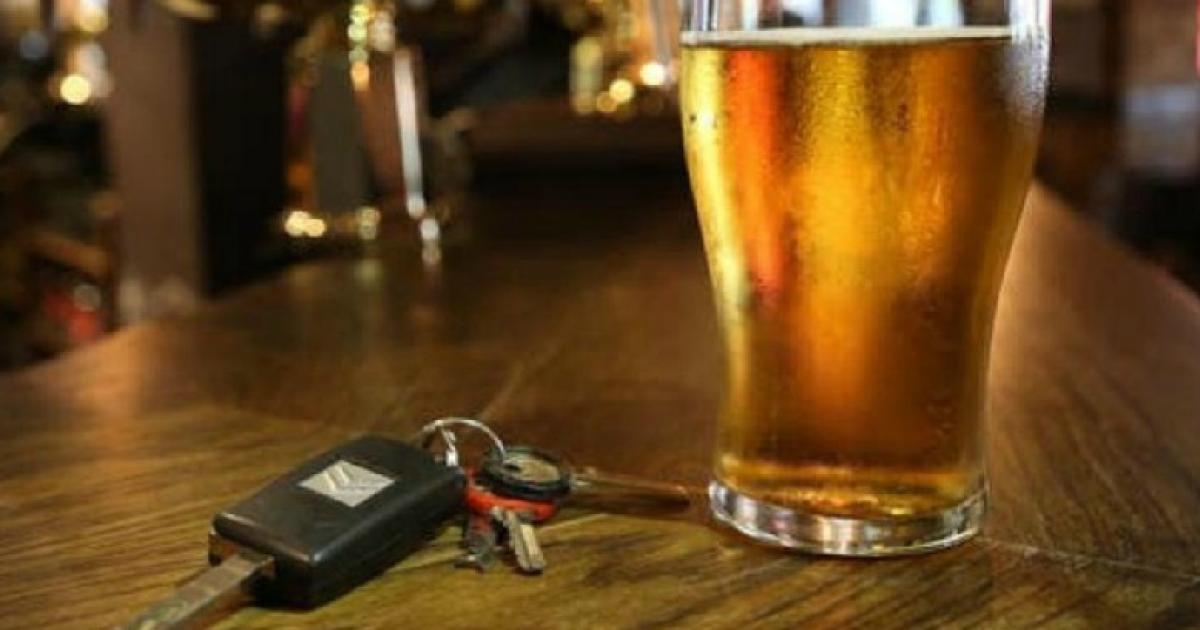
The court heard the 51-year-old was driving a Mini on June 23. Robinson gave a breathalyser reading of 75 microgrammes of alcohol in 100 millilitres of breath.

On July 16, Robinson pleaded guilty to driving while over the prescribed alcohol limit.

Advertisement

He was fined £120 and ordered to pay £85 in prosecution costs and a £48 surcharge. He must pay in monthly instalments of £20, starting September 8, 2026.

Robinson’s disqualification may be reduced by 17 weeks if he completes an approved drink-drive rehabilitation course by June 18, 2027.

An interim disqualification took immediate effect on July 16.

Advertisement

Source link

Continue Reading

NewsBeat

’71 needles’ found during city centre clean-up

Published

on

Cambridgeshire Live

The city council leader insisted “this is not just a one-off spring clean”

A large amount of needles were reportedly discovered during a city centre clean-up operation in Peterborough. City council staff and councillors were out in high-vis jackets on Wednesday as part of Operation Horizon, which aims to get tough on issues in the city centre.

Advertisement

Councillor Chris Wiggin, cabinet member for environment, was among those who carried out a litter pick during the morning and said he was shocked by what they had found.

He told the Local Democracy Reporting Service: “I’d been out with officers from the environmental side, along with volunteers from the Litter Wombles and IRC, looking at areas around The Embankment and nearby. We were finding all sorts of things in there. One of our teams found over 71 drugs needles which have now been cleaned up.

“We also found evidence of homeless people living in the woods and we were looking at the river front to see what we can do to make it a nicer place for people to enjoy.”

Cllr Wiggin added: “We did a walk along Potters Way and found some fly-tipping which included evidence of the name and address of the person who left it, so that’s been passed onto our enforcement team to be dealt with.”

Advertisement

Some of the action taken during the operation has included: jet-washed streets, street drinkers being handed fines and offered support, litter picking in hot spot areas, and businesses being visited to check they were meeting licensing requirements and Food Safety Standards.

Other issues being tackled included: begging, rough sleeping, taxi and private hire compliance, parking contraventions, and boat-related anti-social behaviour/encroachment onto the embankment.

Peterborough City Council leader Shabina Qayyum noted that Operation Horizon was a continuous effort that would see the team of staff, councillors and other volunteers meet every few months to keep on top of the issues that harmed the city centre.

“This is not just a one-off spring clean,” she said.

Advertisement

Cllr Qayyum insisted that there would be a “renewed focus” on the city centre and residents would be able to see a change in the look and feel of the city centre over the coming weeks and months.

The council is carrying out the operation alongside partners including Peterborough Positive and Cambridgeshire Police.

Source link

Advertisement
Continue Reading

NewsBeat

Bridlington man pleads not guilty at Hull Crown Court

Published

on

Man in court charged with murder after man dies in Yorkshire

Mehmet Gundez, 24 of Bridlington, entered a plea of ‘not guilty’ during a plea and trial preparation hearing at Hull Crown Court today (August 14).

The 24-year-old was charged with murder after the death of Ibrahim Yesildeniz, 25, in Bridlington on Monday (August 10).


RECOMMENDED READING:

Advertisement

Humberside Police said Mr Yesildeniz was pronounced dead in hospital after reports of an incident in First Avenue at about 5.20am on Monday.

“Ibrahim’s family are being supported by specially trained officers and have asked for privacy,” a police spokesperson said.

A further appearance is scheduled for September 28 and the case is set to go to trial on November 23 at Hull Crown court.

Advertisement

Source link

Continue Reading

NewsBeat

Four fire engines attend ‘deliberate’ fire in Errington Woods

Published

on

Four fire engines attend 'deliberate' fire in Errington Woods

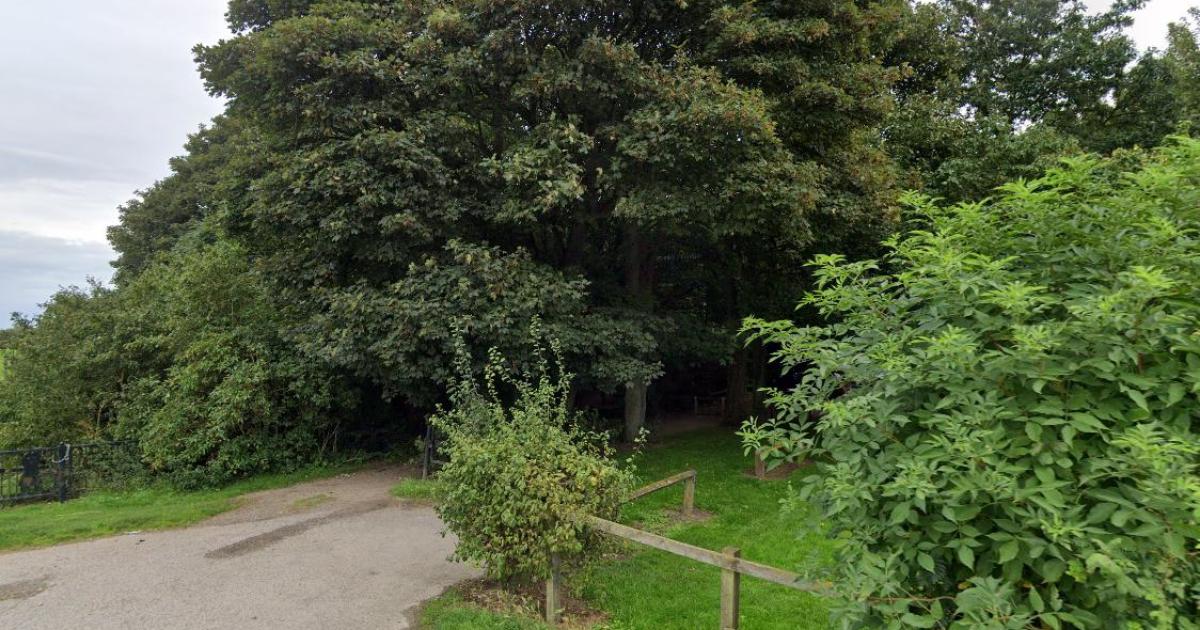
Firefighters battled for an hour and a half to get the fire under control at Errington Woods in New Marske, on Thursday (August 13).

They were called around 7.20pm to reports of smoke coming from a field near the woodland.

Four fire engines from Coulby Newham, Grangetown, Redcar and Saltburn attended and used water bowsers to put out the blaze. They left the scene at about 8.40pm.

Advertisement

Cleveland Fire Brigade believes the blaze covering an area of about 40,000 square meters, was started deliberately.

A spokesperson said: “We were called to an incident at Errington Woods, New Marske at 7.21pm on August 13.

“Four fire engines from Coulby, Grangetown, Redcar and Saltburn were in attendance.

“Approx 200m x 200m field well alight. Ground beaters and a water bowser were used. A stop message was received at 8.40pm. The cause is believed to be deliberate.”

Advertisement

Source link

Continue Reading

Trending

Copyright © 2025