Connect with us

Tech

Apple’s Once-Futuristic iPhone X Is Now ‘Obsolete’

Published

on

When the iPhone X debuted in 2017 for a record-high price of $1,000, people were wondering: How long will this phone last? Now we have an answer. 

On Thursday, Apple classified the iPhone X as obsolete. To be clear, the device won’t suddenly stop working. “Obsolete” is a classification for devices that Apple stopped selling seven years ago, and the company will no longer offer hardware service. This is a step down from the “vintage” category, which refers to devices that Apple last sold five to seven years ago.

I never owned an iPhone X, but I admit I envied the people who did. It was the iPhone that made me start paying closer attention to smartphones. 

I remember seeing the iPhone X advertised on a billboard over San Francisco’s Union Square. Its curved corners and minimal bezels gave it a space-age vibe and made all other phones look dated by comparison. There was even something futuristic about that controversial front camera cutout, which everyone decided to call the “notch.” (Apple never used the term, at least not in the iPhone X’s press release.)

Advertisement
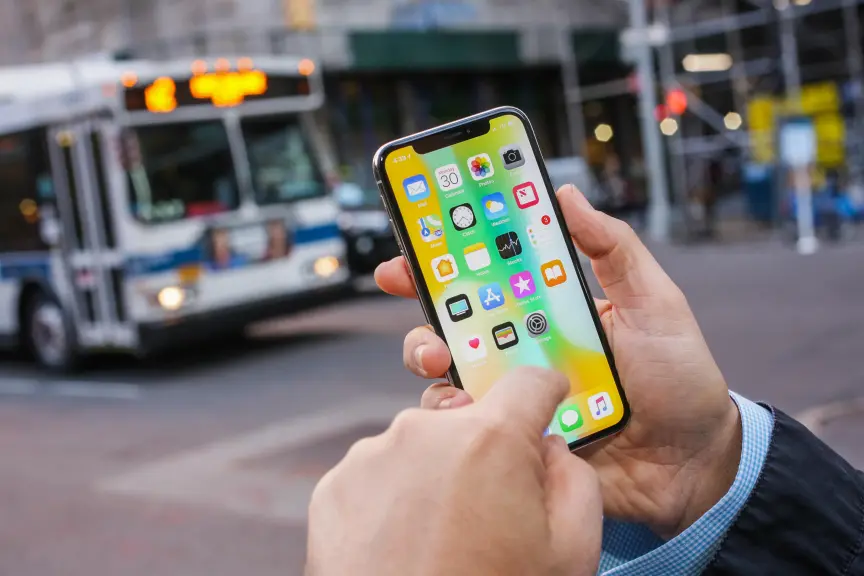
A person is holding up the iPhone X and using the touchscreen with their finger.
In 2017, the iPhone X showed us what most phones would eventually look like.Sarah Tew/CNET

The iPhone X “is the beginning of the next ten years for iPhone,” said Apple’s senior vice president of Worldwide Marketing, Philip Schiller, in 2017.

Schiller’s prediction was spot-on. The all-screen form factor continued to show up in each generation of flagship iPhones, even as the notch evolved into the Dynamic Island on the iPhone 14 Pro. Today, there’s only one iPhone model that still has a notch: the entry-level iPhone 17E.

Nine years after the iPhone X’s debut, another contender for the most expensive new iPhone may soon be appearing. Apple’s foldable iPhone is heavily rumored to launch next month with an expected price tag of at least $2,000. And with the ongoing RAM crisis driving prices higher, it seems almost quaint to imagine a $1,000 flagship phone today.

We’re also set to see Apple’s 20th anniversary iPhone next year. While I can’t imagine the “iPhone 20” will be as revolutionary as the iPhone X, maybe Apple will surprise us once again.

Source link

Continue Reading
Click to comment

You must be logged in to post a comment Login

Leave a Reply

Tech

ChatGPT Can Now Add Your Mac Activity to Its Memories

Published

on

OpenAI’s ChatGPT chatbot and Codex coding agents have had access to memories, the company’s term for context (background information) derived from previous chat activity, since April 2024. A new Computer History feature builds on that to include (if you opt in) logging your interactions with websites and applications, so it can essentially follow your footsteps to extrapolate where you want to go. 

The feature launched this week on MacOS for subscribers to its Pro, Business and Enterprise plans (but not yet for users in the European Economic Area, Switzerland or the United Kingdom). According to the documentation, admins for the latter two plans can control whether users have the ability to enable the feature, in addition to individual user opt-in. 

CNET AI Atlas badge; click to see more

Beyond having the ability to opt in, you can independently select which applications and websites are fair game, as well as pause tracking; you can also view or delete the history at will.

If Computer History sounds familiar, it’s because integrating your every on-device activity in the service of ultrapersonalized agenting is one of the foundations of every whizzy AI feature trotted out to sell tech in recent years. Notably, it hearkens back to Windows Recall, which Microsoft announced in May 2024 — and then quickly rolled back because of controversy over its security and privacy flaws. About a year later, a refined version began to appear in the operating system.

Unlike Recall and OpenAI’s Chronicle preview, which Computer History replaces, this particular implementation doesn’t capture screens, record voice input or use other similar types of monitoring. Instead, it uses accessibility application programming interface in MacOS to capture everything that API exposes: “clicks, typing, keyboard shortcuts, app switches, and context,” according to the company’s description. 

Advertisement
A screenshot example of the type of information Computer History provides. The screenshot is placed on a multicoclor background.
Computer History can create repeatable tasks from your activity history. Here, it tells you that it created a video upload skill based on your recent activity.OpenAI/CNET

It then periodically synthesizes that activity into a summary of what you’ve done rather than what you saw, heard or said. So, as far as I can tell, it can track and show you where to find files you looked at but not the content of the files. However, if you use that content as part of a future chat, it can link your activity to that content.

Even if only a series of keyboard events gets recorded, that doesn’t necessarily mean the content can’t be inferred or exploited. These types of features fall into my privacy-slash-security complacency zone, where browser fingerprinting, deanonymization and similar schemes dwell. 

The summaries are generated in the cloud but stored locally on your system. The company says it doesn’t retain the activity files unless legally mandated and doesn’t use them for training. 

OpenAI does issue an explicit warning about the feature in its description: “Computer History files can contain sensitive information. They are not encrypted by Computer History, and other programs running as your macOS user may be able to access them.” The built-in disk encryption on MacOS probably offers a layer of protection in some cases, though.

The feature creates tokens for summarizing and memory creation, so your plan’s token budget and context window size may have an impact.

Advertisement

There’s no indication at the moment when or if a Windows or mobile app will be available.

Source link

Continue Reading

Tech

New York City Lawmakers Push to ‘Ban the Scan’ at MSG

Published

on

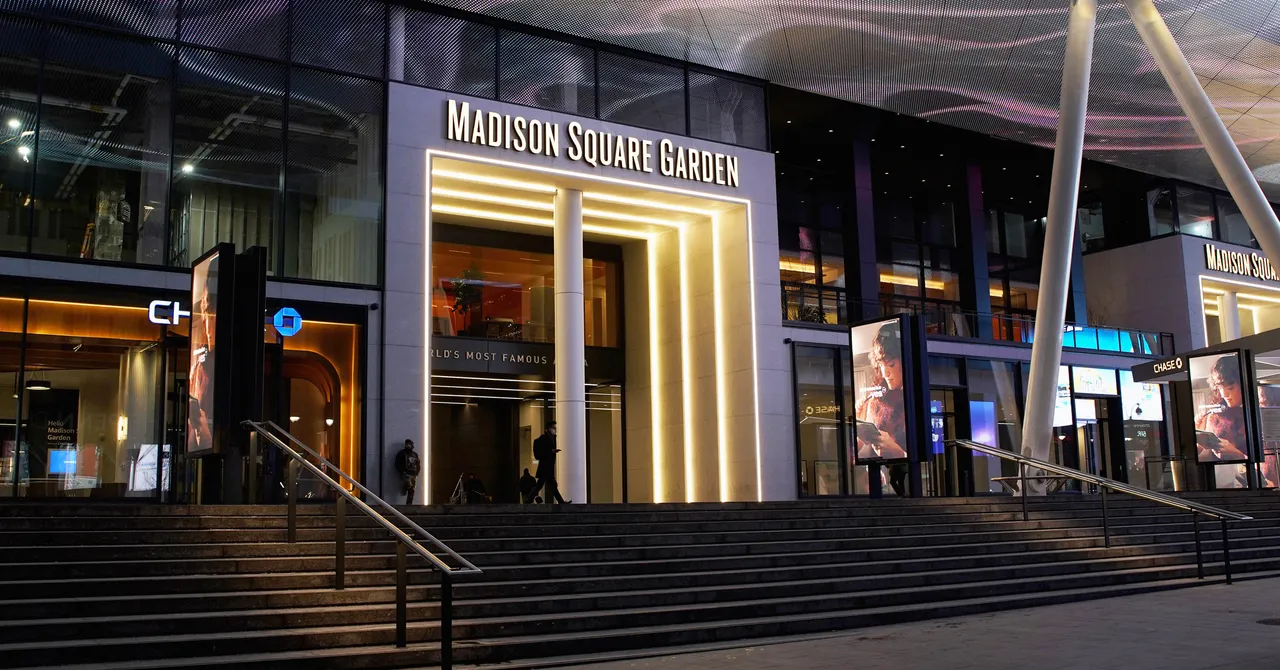
Privacy advocates and musicians rallied outside Madison Square Garden on Friday, pushing for new legislation to prevent facial-recognition technology at the venue and other public spaces in New York City.

“MSG and its CEO, James Dolan, have been flagrantly abusing biotechnology,” City Council member Shahana Hanif said at the event on Friday, after leading a chant of “ban the scan.” In January, Hanif proposed a bill that would prohibit public venues from using biometric recognition tech such as Madison Square Garden’s facial-recognition systems.

Madison Square Garden is well-known for its biometric data collection practices. As WIRED has previously reported, fans who are critical of Dolan or the New York Knicks can end up on watch lists, their faces filed in MSG’s extensive database. In one instance, MSG security tracked the movements of a specific fan at a Knicks game down to the minute, cataloging their movements, who they spoke with, when they ate, and where they sat. Hundreds of lawyers involved in disputes with Dolan or Dolan-owned properties have been banned from Dolan’s venues, including a mother who was blocked from taking her daughter to a Radio City Music Hall show.

In July, WIRED reported that MSG also maintains a database that assigns risk scores to around 400 celebrities and VIPs. Some of the dossiers also include the race and sexual orientation of those who attend the arena. MSG filed a defamation lawsuit against WIRED later that month.

Advertisement

At the rally on Friday, Hanif was joined by Brooklyn-based country musician Paisley Fields, a representative from the democratic-socialist working group NYC DSA Tech Action, and members of the digital rights advocacy group Fight for the Future.

Hanif’s “Ban the Scan” bill now has 27 endorsements, more than half of the City Council. Members are in talks with speaker Julie Menin about advancing the legislation, according to Hanif.

“People have been recognizing each other’s faces since the beginning of time—we just do it electronically,” an MSG spokesperson said in an emailed statement.

Hanif tells WIRED that, as a Muslim who grew up in post-9/11 New York, surveillance isn’t new. However, she says, many may not understand the extent of the surveillance that they’re exposed to simply by attending a Knicks game or a concert at Madison Square Garden or one of its associated venues. The fact that Dolan, who has a long relationship with President Donald Trump, is the one collecting the data worries Hanif even more.

Advertisement

“New Yorkers need to understand, right now, between AI and all these tools that are being sold to us as being for … our city’s safety, are actually making us less safe,” Hanif says.

Source link

Continue Reading

Tech

Digital Signal Processing Pioneer Bede Liu Dies at 91

Published

on

Bede Liu, a digital signal processing pioneer, died on 7 May. He was 91.

Liu was widely regarded as one of the founders of modern digital signal processing, a field that applies mathematical algorithms to analyze, modify, and transmit signals including sound, images, and video.

The IEEE Life Fellow taught electrical engineering at Princeton for more than 50 years. From 1994 to 1997, he chaired the university’s electrical and computer engineering department.

Liu’s research aided the transition from analog to digital processing of sound, images, and video. His work helped establish many of the mathematical and engineering techniques that underpin modern communications, multimedia systems, and consumer electronics.

Advertisement

Although little known outside engineering circles, his work is embedded in technologies used by billions of people. The low-power digital signal processors that make cellphone calls, streaming video, and Internet communications possible can be traced to research he conducted in the 1970s and ‘80s.

Liu received the 2018 IEEE Jack S. Kilby Signal Processing Medal for “sustained contributions to the analysis and the development of low-complexity realizations of digital signal processing algorithms.”

“We stream music and video. We take photos with our phones, and we send them around. We don’t even think about it,” IEEE Life Fellow H. Vincent Poor said in an obituary for Liu. “But it’s all because of the signal processing, image processing, and video processing that’s been developed over the years, as well as other technologies that have grown up beside it and enabled it, like semiconductors. The development of these processing advances was exactly what Bede was a major part of.” Poor is a professor of electrical and computer engineering at Princeton.

An impactful scholar and teacher

Liu was born in Shanghai in 1934. During his childhood, his family relocated to Taiwan amid the upheaval of the Chinese Civil War. His father, Henry Liu Sr., was an electrical engineer.

Advertisement

Liu earned his bachelor’s degree in electrical engineering in 1954 from the National Taiwan University, in Taipei. After graduating, he and his family moved to the United States. Liu and his father attended the Polytechnic Institute of Brooklyn (now the New York University Tandon School of Engineering) together. They earned their master’s degrees in electrical engineering in 1956. Liu continued his studies at the school, earning a doctoral degree in electrical engineering four years later.

In 1959 he was awarded a Bell Labs fellowship and worked at the company’s Murray Hill, N.J., location until he joined Princeton in 1962.

“Liu was a highly impactful scholar and teacher—always thinking ahead of future needs and changing technologies,” said IEEE Life Fellow Peter J. Ramadge, a Princeton professor emeritus of engineering.

Cellphones make use of a considerable amount of digital signal processing, Liu once noted. Many of the field’s advances, he added, involved making sophisticated processing practical on devices with limited computing power—which is the challenge that confronted generations of engineers designing portable electronics.

Advertisement

Liu’s research contributions helped shape both the theory and practice of digital signal processing. With Abe Peled, a former graduate student, he authored the 1976 textbook Digital Signal Processing: Theory, Design, and Implementation, which is a standard reference for engineers. Published before digital signal processing had fully emerged as a distinct discipline, it helped define the subject for practitioners and students around the world.

Liu also published 250 technical papers and was granted 12 U.S. patents. His papers are available to read on the IEEE Xplore Digital Library.

The first patent granted to him and Peled was in 1976 for a hardware design that processed bits in parallel, rather than in sequence. The innovation greatly increased computing efficiency for data including sound and communication signals.

Peled says Liu “demonstrated an openness to new ideas and a willingness to challenge the orthodoxy of the EE department at that time—which leaned heavily toward more theoretical information theory.”

Advertisement

A mentor to well-known engineers

Liu’s influence extended beyond his own research. He advised 53 doctoral students, many of whom went on to distinguished careers in academia and industry, including leadership positions at Google and IBM. One former student, computer scientist Robert Kahn, helped create the architecture of the modern Internet. Kahn, an IEEE Life Fellow, received the 2024 IEEE Medal of Honor.

“His former students were very successful,” Poor said of Liu, “and I think that’s a testament to his skill as a mentor.”

“Liu was a highly impactful scholar and teacher—always thinking ahead of future needs and changing technologies.”—Peter J. Ramadge

Together with several Ph.D. students, Liu developed methods of filtering and compressing digital signals to mitigate errors and dramatically reduce the computation needed for signal processing.

Advertisement

As digital signal processing moved from laboratories into commercial products, the impact of Liu’s ideas spread across industries. His research helped spawn the development of lower-cost and lower-power electronics and contributed to advances in mobile communications, multimedia technology, industrial automation, and biomedical imaging.

A focus on media integrity and copyrights

In the 2000s, Liu turned his attention to media integrity and copyright issues.

“With the increasing accessibility of digital media source material, the protection of ownership and the prevention of unauthorized alteration has become an important concern,” he wrote in his 2002 book, Multimedia Data Hiding. The book, which he co-wrote with his former doctoral student IEEE Fellow Min Wu, discussed the theory, techniques, applications, and security of digital watermarking—hidden signals that could identify a genuine copy of a song, image or video to prevent unauthorized distribution or tampering.

A Princeton team that included Liu, Wu, and another of his doctoral students uncovered serious vulnerabilities in watermarking technologies being considered by an industry consortium. They found that the standardization efforts were immature and would not protect against digital piracy.

Advertisement

“Now nearly every copy of a Hollywood film given to a critic or theater carries a unique digital forensic watermark to prevent unauthorized redistribution,” said Wu.

A force in the community

Liu, an active IEEE volunteer, served on the IEEE Board of Directors in 1984 and 1985. He was the 1982 president of the IEEE Circuits and Systems Society.

He was a member of the U.S. National Academy of Engineering, an academician of China’s Academia Sinica, and a foreign member of the Chinese Academy of Sciences.

Outside the classroom, he was recognized for his humility, humor, enthusiasm, and generosity. When thinking of Liu, IEEE Life Fellow Kenneth Steiglitz says, cheer is the first word that comes to mind.

Advertisement

Liu was “always ready with a positive remark, a quick smile or, maybe, some tips on the right way to cook a duck,” says Steiglitz, professor emeritus of computer science at Princeton.

Liu encouraged his students to take on ambitious, unconventional projects, and he inspired students and colleagues with his adventurous spirit.

From Your Site Articles

Related Articles Around the Web

Advertisement

Source link

Continue Reading

Tech

EV prices rose for the first time in 2026, and the discounts are why

Published

on

The average US electric vehicle sold for $56,126 in July, up 1.6% on a year earlier and the first rise of 2026, according to Kelley Blue Book. Automakers cut EV incentives by 24.3% year on year after pulling models and shrinking supply.

The average electric car in the United States sold for $56,126 in July. That is 1.6% more than a year earlier and 1.2% more than June, and it is the first increase of 2026 after prices had fallen every month since December, according to Kelley Blue Book.

The sticker is not what moved. Manufacturer discounts on EVs fell to $6,626 in July, down 24.3% on the same month last year, so buyers simply paid closer to the asking price.

Electric cars are still discounted far harder than anything else on the forecourt. Incentives run at 11.8% of the transaction price against 6.4% across the industry, with Tesla at 10.4%.

Advertisement

Automakers can pull back because they cut supply first. A dozen EV models have been discontinued in the US this year as tariffs, the lost tax credit and import costs reshaped the market.

Automakers have less excess inventory of EVs,” Sam Abuelsamid, vice president of market research at Telemetry, told Business Insider. “They don’t have to spend as much on incentives, and they don’t have to negotiate on price as much. It gives car companies more pricing power.

The whole market is drifting upwards. The average new vehicle went for $49,855 in July, up 1.9% year on year and the highest figure of 2026.

One caveat sits inside the EV average. Luxury buyers are disproportionately likely to buy electric, according to K.C. Boyce of research firm Escalent, which pulls the number up regardless of what is happening to prices.

Advertisement

Cheaper cars are coming to push it back down. Slate’s stripped-out pickup, priced at $24,950, is due to start deliveries later this year.

Ford’s Fathom pickup starts at $28,350 before destination, reaching $29,945 on the road. Escalent found buyers define an affordable new car as $32,000 to $48,000, so both land underneath it.

The firm’s most useful finding is not about price at all. Bundling a home charger and its installation with a new EV shifted how affordable buyers judged it by as much as taking $8,000 off the sticker.

Advertisement

Source link

Continue Reading

Tech

Virgin Galactic flights stay grounded while ticket prices head for the Moon

Published

on

OFFBEAT

Turns out this space thing really is hard

Virgin Galactic has delayed its return to commercial spaceflight until February 2027, and plans to raise ticket prices later this year.

The delay was disclosed alongside the company’s financial results, which showed a net loss of $56 million for the second quarter of 2026, down from $67 million a year earlier. Revenue for the quarter was $0.1 million, compared to $0.4 million in 2025.

Advertisement

According to CEO Michael Colglazier, demand exceeded the number of seats offered in the first $750,000 batch, prompting the company to prepare another at a higher price. Those customers will, however, have to wait a little longer. Colglazier said: “Our first ship is now expected to enter commercial service in February 2027 rather than the fourth quarter of 2026.”

He blamed the delay on the extra time needed to “complete avionics and systems installations.”

During an earnings call, Colglazier said: “No single issue is driving the schedule push. Rather, we have experienced modest time duration extensions across hundreds of relatively small but important installation tasks involved in the first build of our new spaceship.”

In response to an analyst question, Colglazier elaborated: “The number of those kind of ‘Oh, we did not expect this to not fit just perfectly,’ coming in is higher than we had allotted for. That just has started to accumulate on us. It really picked up at the tail end of July. For a bit, we thought we could manage that end, but the team just needed more time to do it the correct way.”

Advertisement

Integrated vehicle ground testing is expected to begin later in August, followed by flight testing in October. A second spaceship is due to join the fleet in March 2027, and the company expects to stop burning cash and “deliver positive quarterly cash flow within 2027.”

When Virgin Galactic reopened suborbital ticket sales in April, it charged $750,000 for a seat, up from the $600,000 price it cited in 2023. That was a substantial jump from the $100,000 envisaged more than two decades ago, when Sir Richard Branson announced plans for a scaled-up version of Burt Rutan’s SpaceShipOne. At the time, the company said commercial flights would resume by the end of 2026.

Virgin Galactic’s last commercial flight took place in 2024, after which the company paused operations to focus on its next generation of spacecraft. Virgin Galactic is not alone in grounding its space-tourism service. Earlier this year, rival Blue Origin announced that New Shepard flights would pause for “no less than two years” while it worked on its crewed lunar program. ®

Source link

Advertisement
Continue Reading

Tech

Kia’s EV3 Will Start Under $31,000 In The US

Published

on

That makes it the cheapest EV in Kia’s lineup.

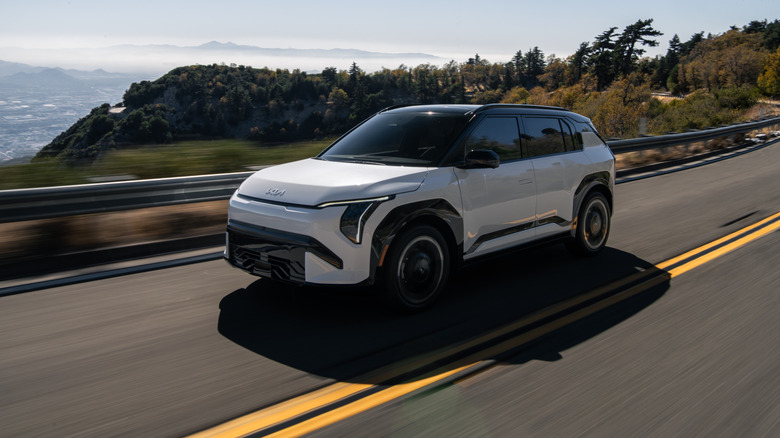
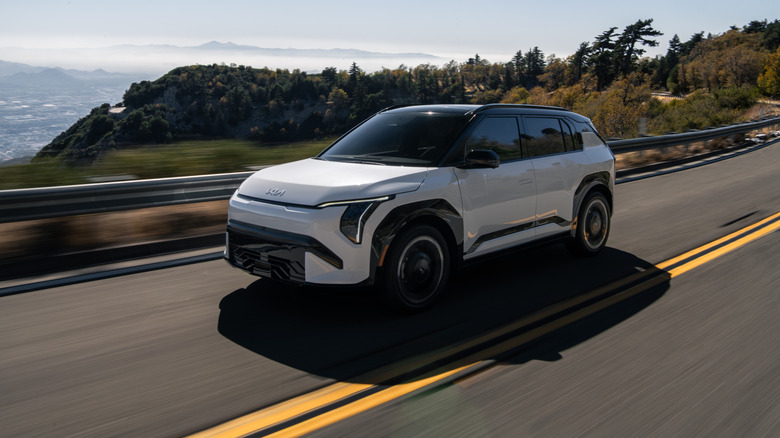
Kia has announced the US pricing for the EV3, the more compact version of its EV9 SUV. The car will start at $29,450 plus a $1,495 destination charge. Even at $30,945, that’s well under the $35,000 the company was targeting when it announced it was bringing the EV3 to the US in April.

The EV3 gets up to 321 miles of all-electric range and is available in both front-wheel drive and all-wheel drive configurations. The car features EV9 design elements in a size that’s almost identical to Kia’s Niro crossover. Like other modern EVs, the EV3 has an NACS port that makes it compatible with Tesla’s Supercharger network and Kia says it can charge from 10 to 80% in around 31 minutes with a 350kW DC fast charger.

The new price makes the EV3 the cheapest electric car in Kia’s lineup at a time when it’s increasingly difficult to buy an affordable EV in the US. Following the Trump administration’s rollback of Biden-era tax credits in July 2025, several car makers have retired EV models or cancelled their EV plans entirely. The Kia EV3 is one of a small group of cars, like the Slate Truck, that manage to hit a sub-$30,000 price.

Advertisement

The group is set to grow soon. In early August, Ford announced that its upcoming “Fathom” EV truck will cost $28,350 and should ship sometime in early 2027. Financial incentives to purchase electric cars are also returning. In July, California introduced a new EV rebate program that gives first-time buyers a $3,500 instant rebate on new EVs and a $1,500 instant rebate on used EVs.

Source link

Advertisement
Continue Reading

Tech

Sandisk, Kioxia edge ahead in race for first 1 PB SSD with 37 Gb/mm^2 NAND chip

Published

on


  • Quad-Level-Cell (QLC) 3D flash memory sets the industry benchmark for performance, bit density, and power efficiency
  • It is the first QLC 3D flash to reach a 4.8 GB/s interface, ensuring super-fast data transfer between storage and processor
  • This is the breakthrough that could deliver 1 PB (petabyte) storage to data centers

SanDisk has unveiled the chip that could revolutionize data centers and push cloud storage and AI to the next level with its QLC 3D flash memory technology, developed with Kioxia. Employing the companies’ CMOS directly Bonded to Array (CBA) technology, the 10th generation Quad-Level-Cell 3D flash memory has set a new industry standard, representing the baseline for competing memory manufacturers.

The chip has a 60% increase in bit density compared to the 8th generation 3D flash memory, also setting the benchmark for performance and power efficiency.

Source link

Advertisement
Continue Reading

Tech

Another Ryzen 7 7800X3D reportedly burns out despite AMD’s voltage fix

Published

on

What we know so far: AMD’s Ryzen 7000 CPUs were once notorious for self-destructing on AM5 motherboards with older BIOS versions, but Team Red rolled out a firmware update to fix the problem in 2023. While there’s no indication that the issue has returned, a Redditor is now reporting that their friend’s Ryzen 7 7800X3D swelled up and burned out while running with the default BIOS settings after only three months of use.

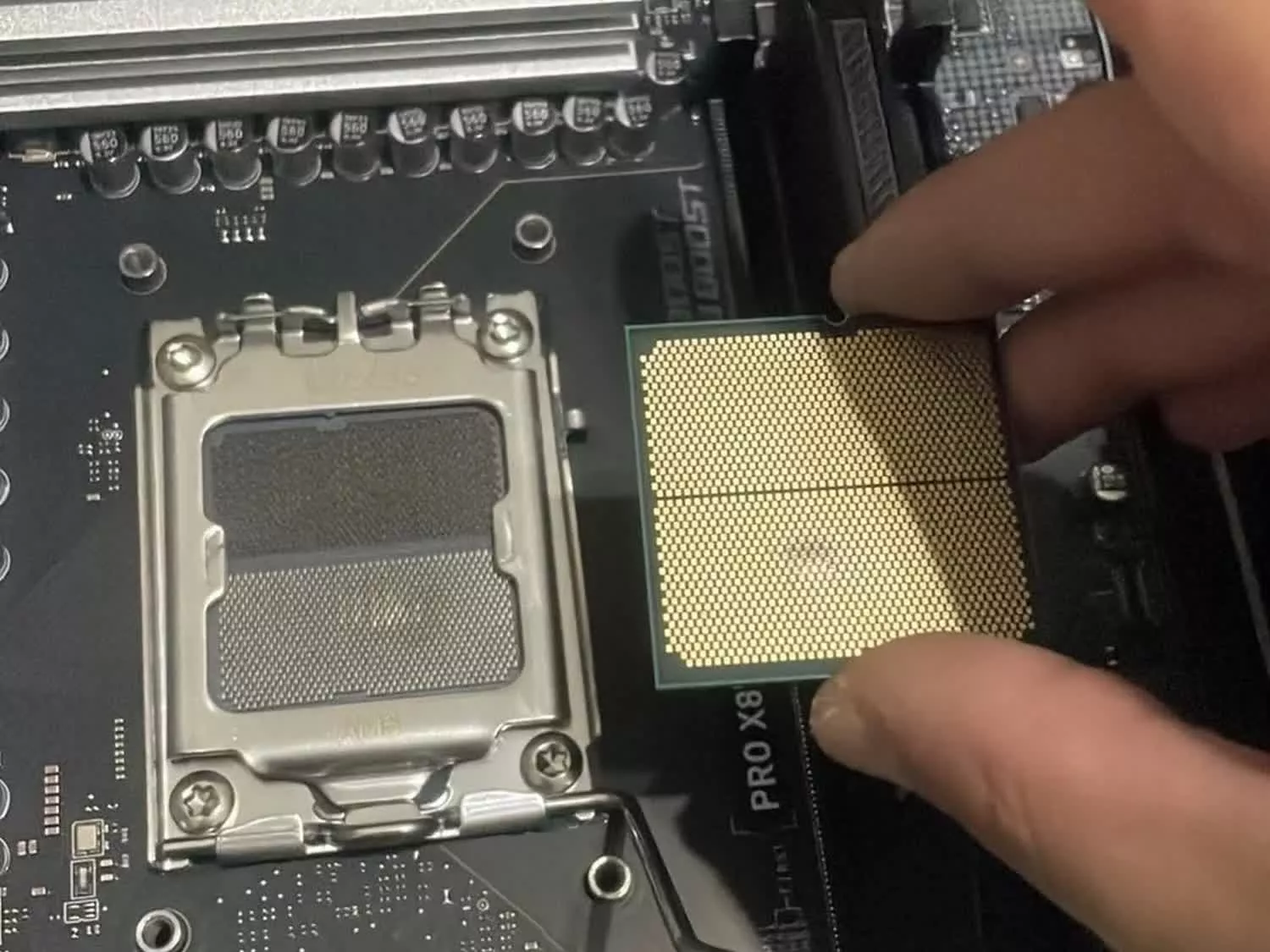
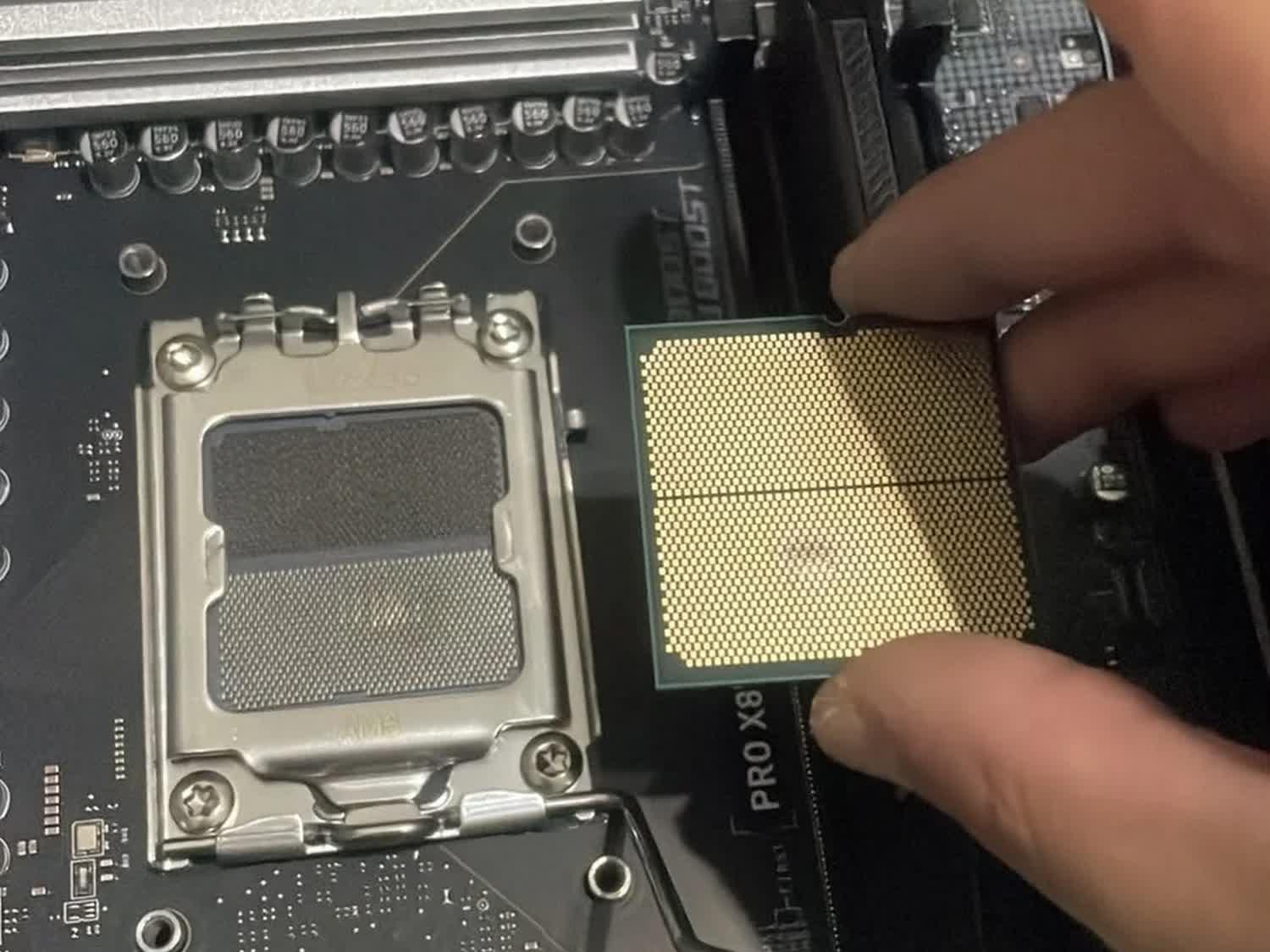
According to Redditor Magoth04, a three-month-old Ryzen 7 7800X3D was irreparably damaged while installed in a fully updated MSI PRO X870-P WIFI motherboard. The post claims that the system abruptly shut down while gaming a few days ago and then entered a boot loop before dying for good.

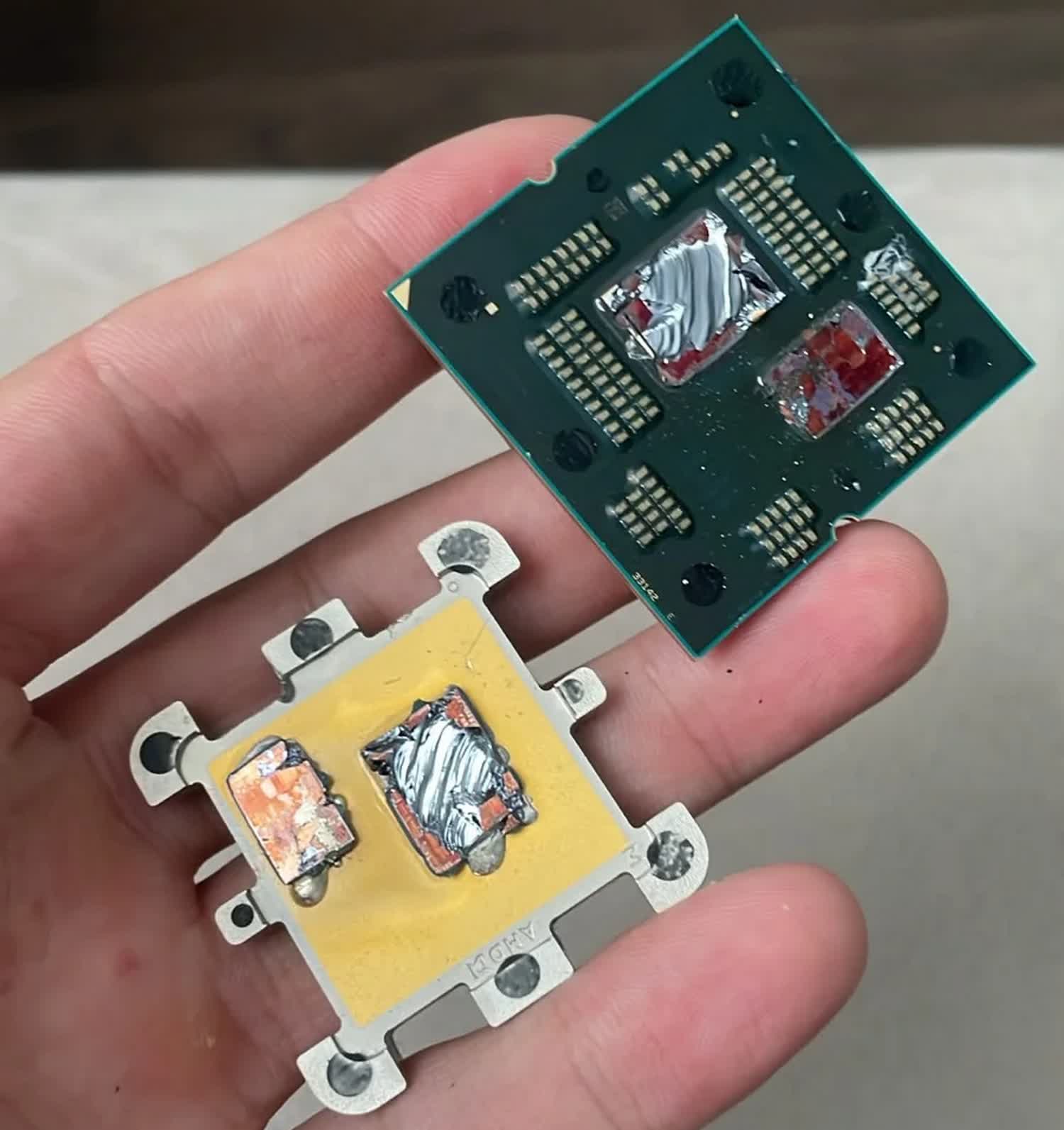
When the owner opened the case to troubleshoot the problem, both the CPU and motherboard reportedly had “visible burn marks,” and the chip also appeared to have swollen slightly. Both the processor and motherboard were reportedly rendered unusable following the incident.

The user claims that the CPU was not overclocked and that the voltage and current limits had not been manually tuned, either. However, AMD’s EXPO setting had been manually activated to allow the memory to run at its advertised speed. The poster added that the CPU was cooled by a 360mm AIO and that system temperatures appeared normal before the catastrophic failure.

Advertisement

When asked whether they had contacted AMD to request a refund or replacement, the Redditor said that the RMA process was already underway. However, it’s unclear whether AMD will honor the warranty, since the chip had already been delidded before the RMA was requested.

The report of yet another Ryzen 7000 failure is bound to send shockwaves through the AMD community, given that this is not the first time something like this has happened. Back in 2023, users began reporting that some Ryzen 7 7800X3D CPUs were burning up and damaging or destroying their X670-series motherboards.

AMD claimed to have fixed the problem with an AGESA update that capped the voltage at 1.30V across all AM5 motherboards. The update appeared to have resolved the issue for a while, but in late 2024 and into 2025, users once again started reporting swelling, boot-looping, and burnout issues, this time involving the Ryzen 7 9800X3D.

AMD blamed motherboard manufacturers for allegedly ignoring its recommended voltage and current limits. Some motherboard makers, such as ASRock, even admitted that at least some of the failures could be attributed to aggressive PBO settings.

Advertisement

The root cause of the latest failure remains unclear, but it appears that the fixes rolled out by AMD and the precautions taken by motherboard manufacturers may not prevent every potential voltage spike during EXPO memory training, potentially leaving some systems vulnerable to permanent damage.

Image credit: Magoth04 / Reddit

Source link

Advertisement
Continue Reading

Tech

Google Will Now Allow Users To Remove Visible Watermarks From AI Content

Published

on

The invisible SynthID will remain.

Google VP Josh Woodward just announced that users will be able to remove visible watermarks from AI-generated images and videos. A toggle will soon be available for the Nano Banana, Omni and Lyria models, which all use the familiar sparkle icon to denote AI. It’s also coming to Gemini and the video editor Flow in the future.

This kind of defeats the whole point of visible watermarks, as they exist to give people a fast way to spot AI-generated content out in the wild. However, users will still have slightly harder methods to identify this type of thing. This move will not impact the invisible SynthID watermark and C2PA metadata, as there are are no toggles to shut those off. However, both of these require a user to take action like asking a chatbot or uploading to a portal to get to the bottom of things.

Advertisement

Woodward says the watermark toggle is rolling out just about everywhere, “except in countries where it’s required by law to keep them.” This includes the EU, which recently announced new rules on AI transparency that mandate visible watermarks on any “authentic-looking” deepfake content. South Korea made a similar move earlier this year.

Google’s change reflects the industry’s ever-evolving approach to labeling AI-generated content. Visible watermarks are a great tool to help regular people quickly identify deepfakes, which in turn can help us live in a shared reality. However, they can be a hindrance to those who use AI tools for creative work. “We’re striking a balance here between creative control and safety,” Woodward added.

This is just the latest watermark news impacting the world of AI. Suno just announced new “transparency tools” that include some kind of labeling system that shows if a song has been AI-generated when it appears on another platform. Anthropic also just made a fairly major move, announcing it was adding invisible C2PA-based watermarks on text and files generated by Claude. This is to comply with the aforementioned EU regulations.

Advertisement

Source link

Continue Reading

Tech

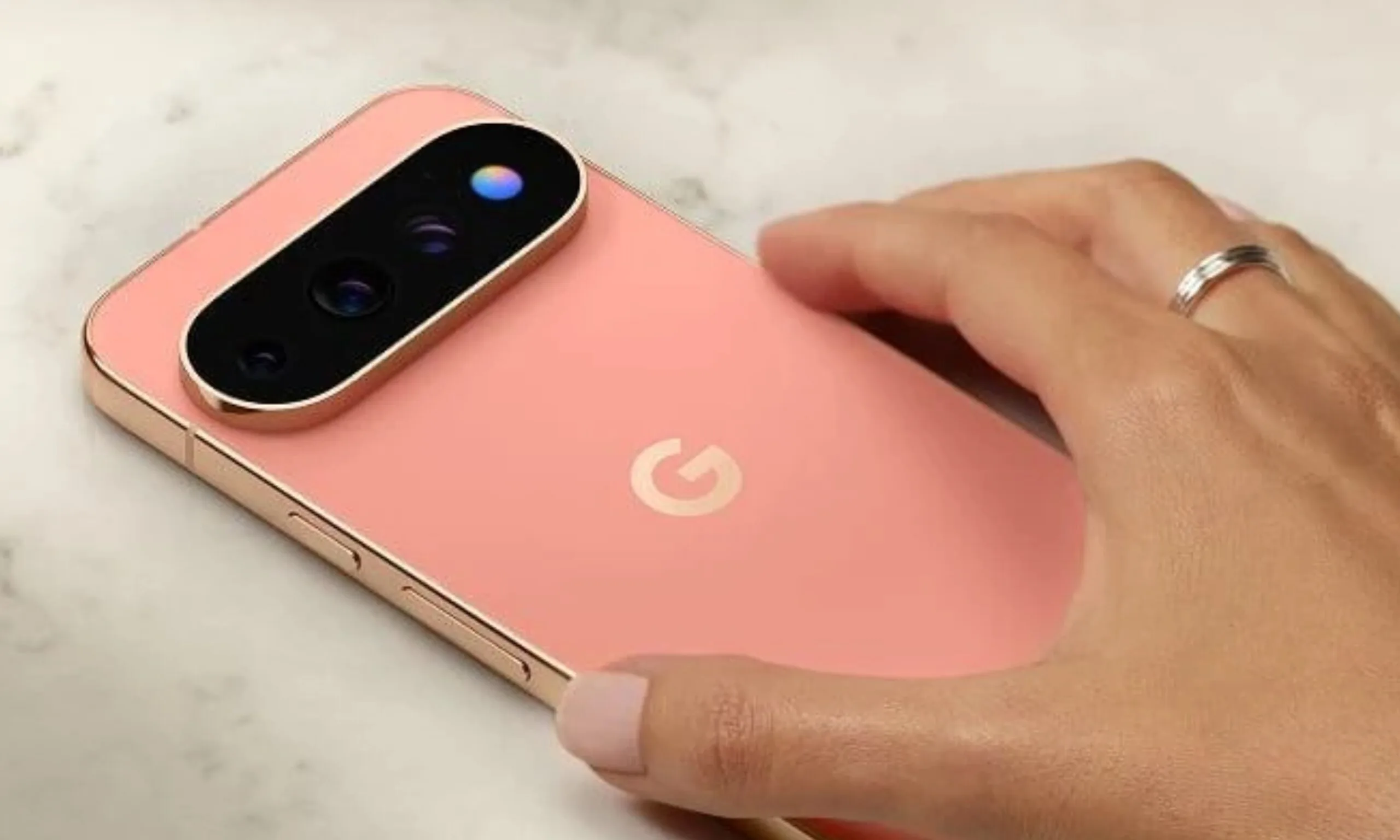
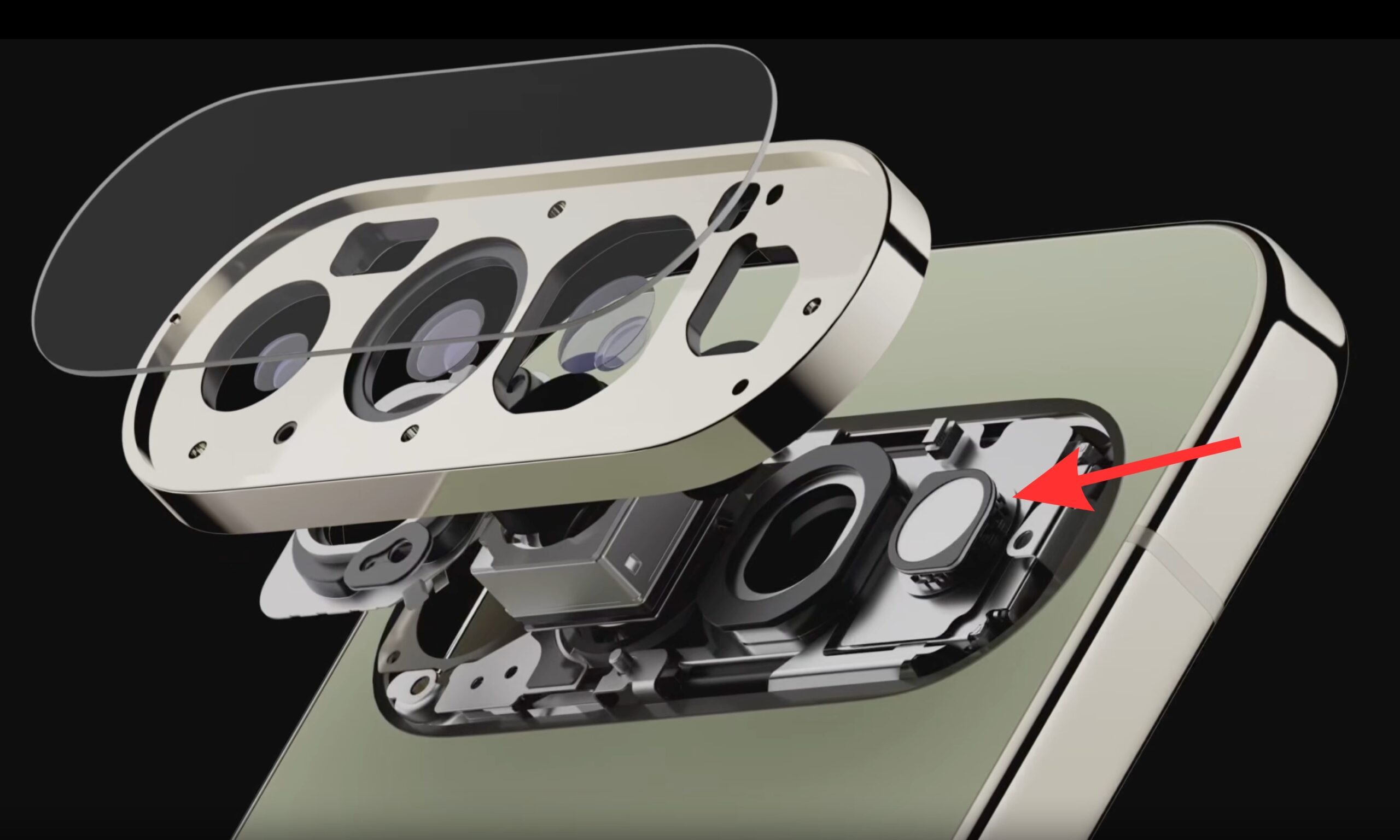
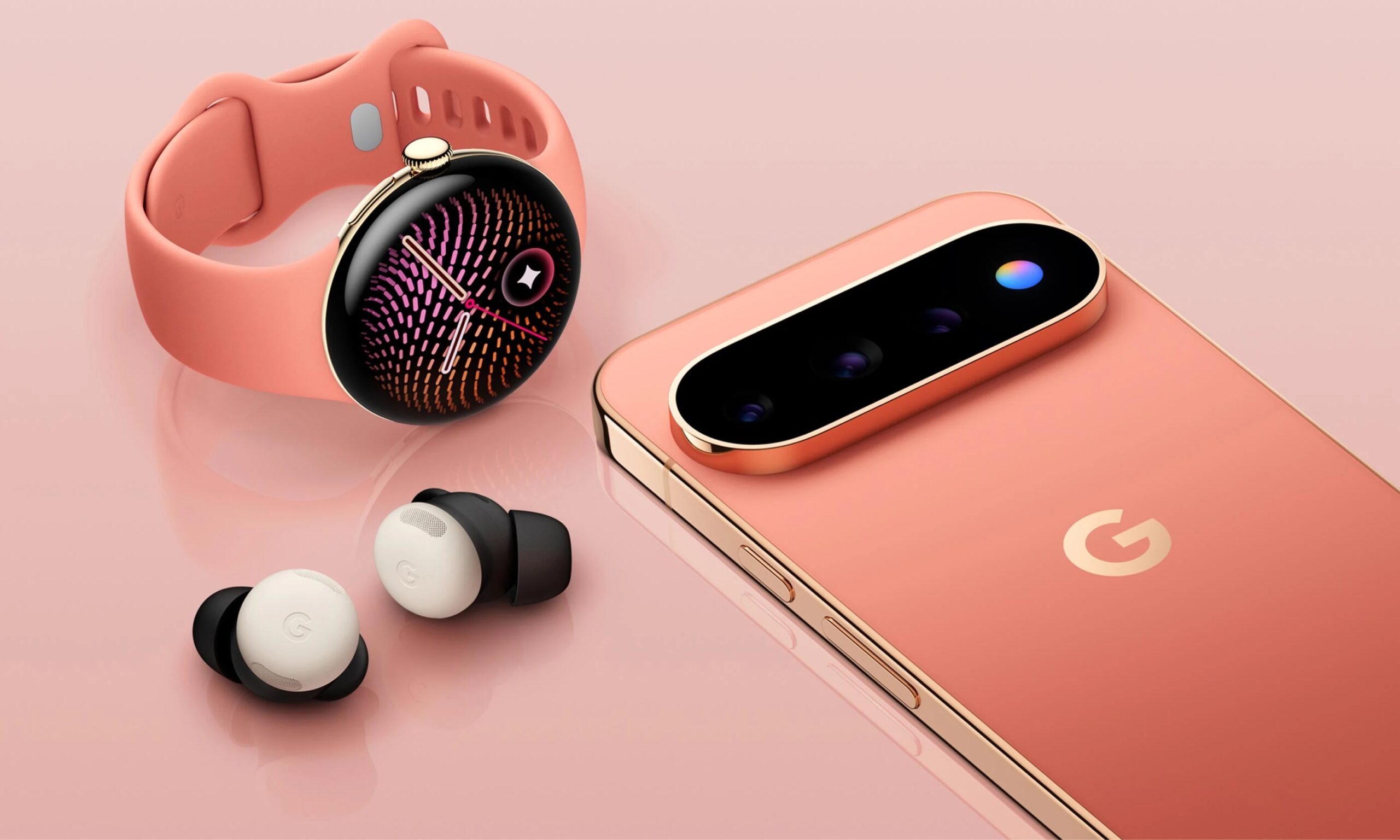
Google’s hyped-up RGB HiLight on the Pixel 11 Pro had me excited for nothing

Published

on

I have been following rumors about Google’s new HiLight feature long before the company even announced its name. A few weeks ago, reports spoke about the feature as Google’s AI interface, something that glows when users speak to Gemini. 

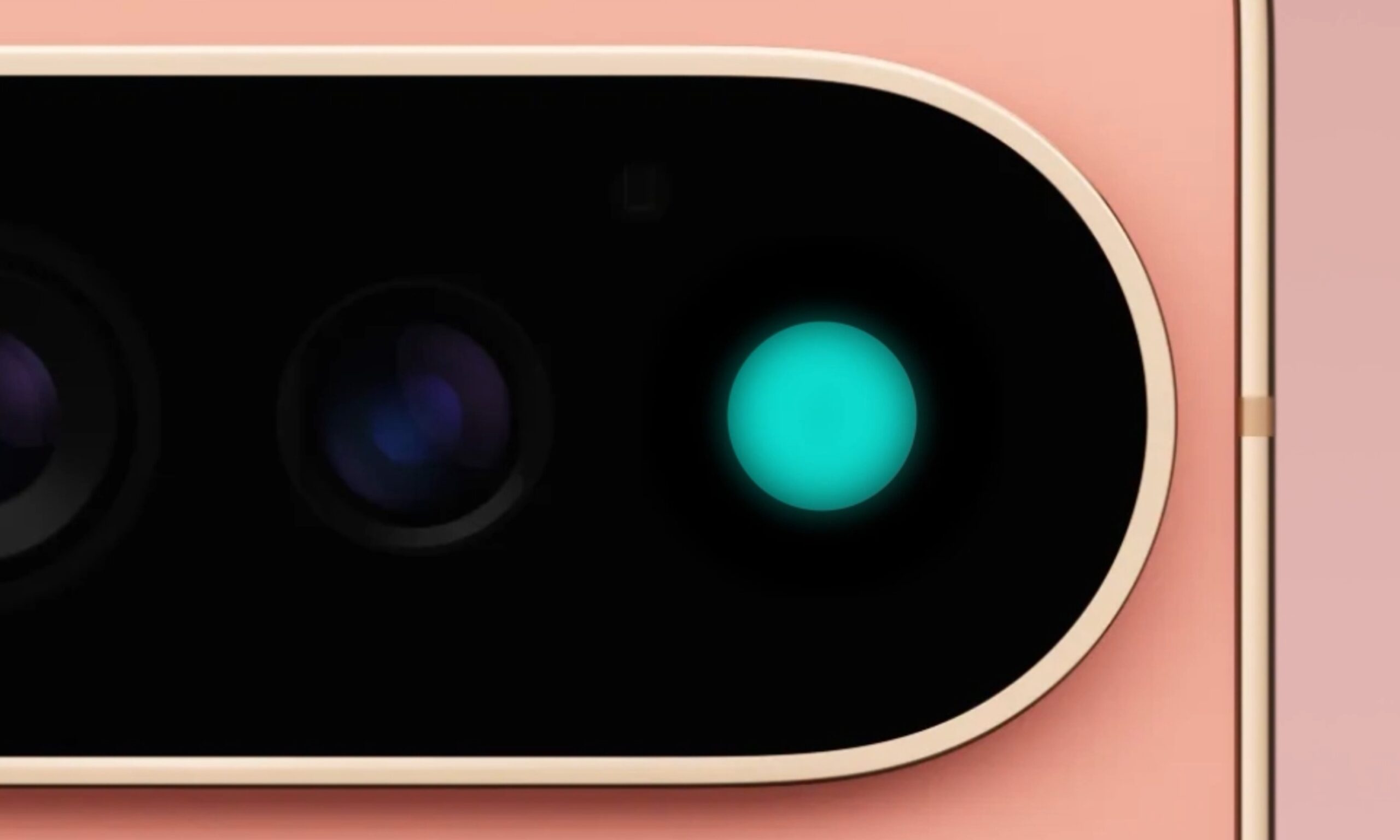
Now that the company has wrapped the Pixel 11 launch event, everything’s out in the open, and one of the only two things it does is light up when you speak to Gemini. So, after all the speculations and build-up, Google’s big reveal is… basically the same thing we thought it was, and I have some strong thoughts about that. 

I thought Google was onto something

My excitement (and disappointment) about HiLight comes from how the smartphone industry has treated LED notification lights. While an always-on display informs you about notifications, it also demands more attention, making it harder not to pick up the phone and respond. In comparison, I find LED indicators on the back, like those on Nothing and CMF phones, less intrusive.

While they tell us there’s a notification, they don’t compel us to pick up the phone immediately. They also let you rest your phone face-down on the table while you’re enjoying a dinner with your family or friends, playing an intense game of UNO, or enjoying a new release at the theater. 

That’s exactly what I, or someone who has seen the smartphone market evolve over the years, seeing all the phases of LED notification indicators, would expect HiLight on the Pixel 11 Pro phones to do. It sounded like the perfect idea on paper. Little did I know that the company planned to chain it to a hyper-restricted software experience. 

Advertisement

Here’s what HiLight can do at the moment

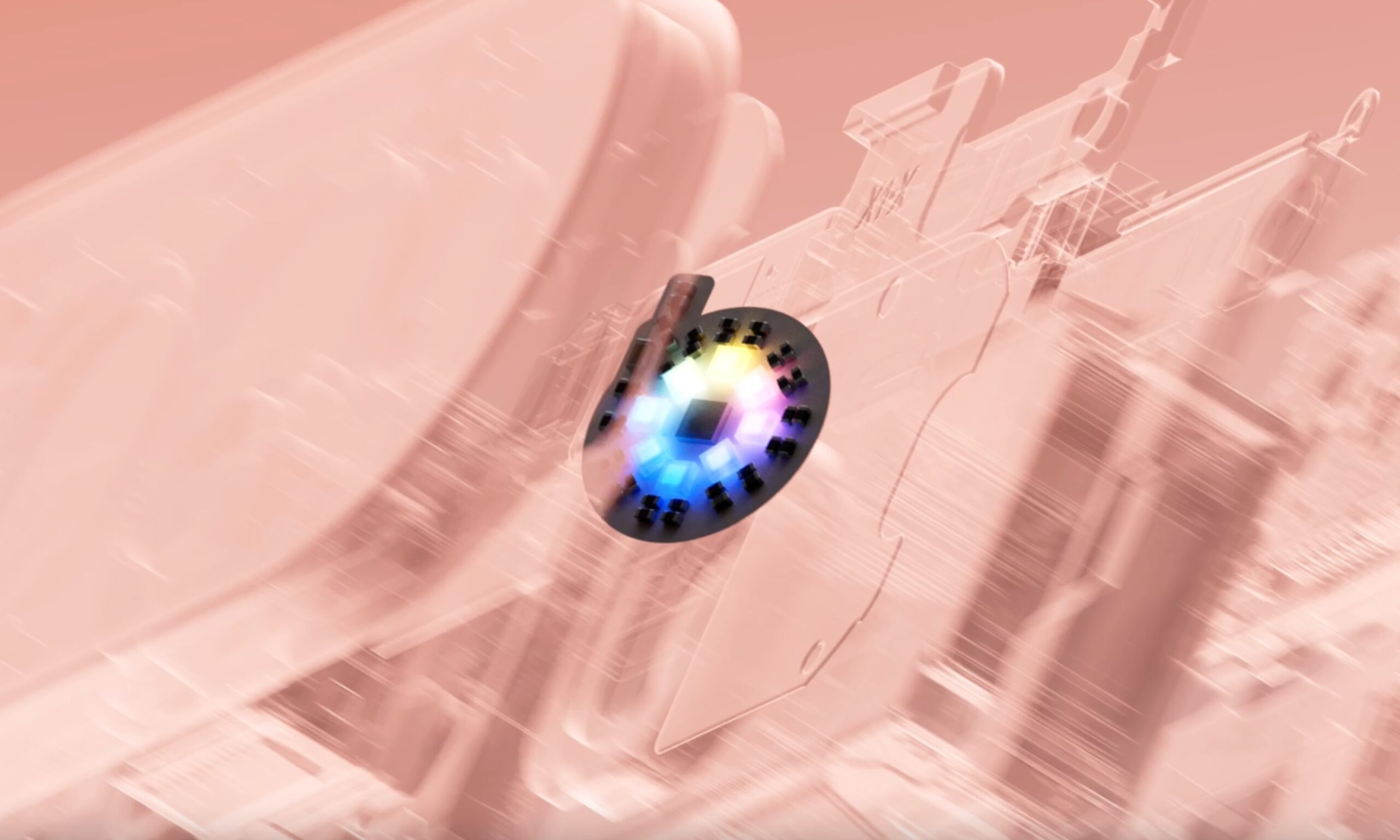
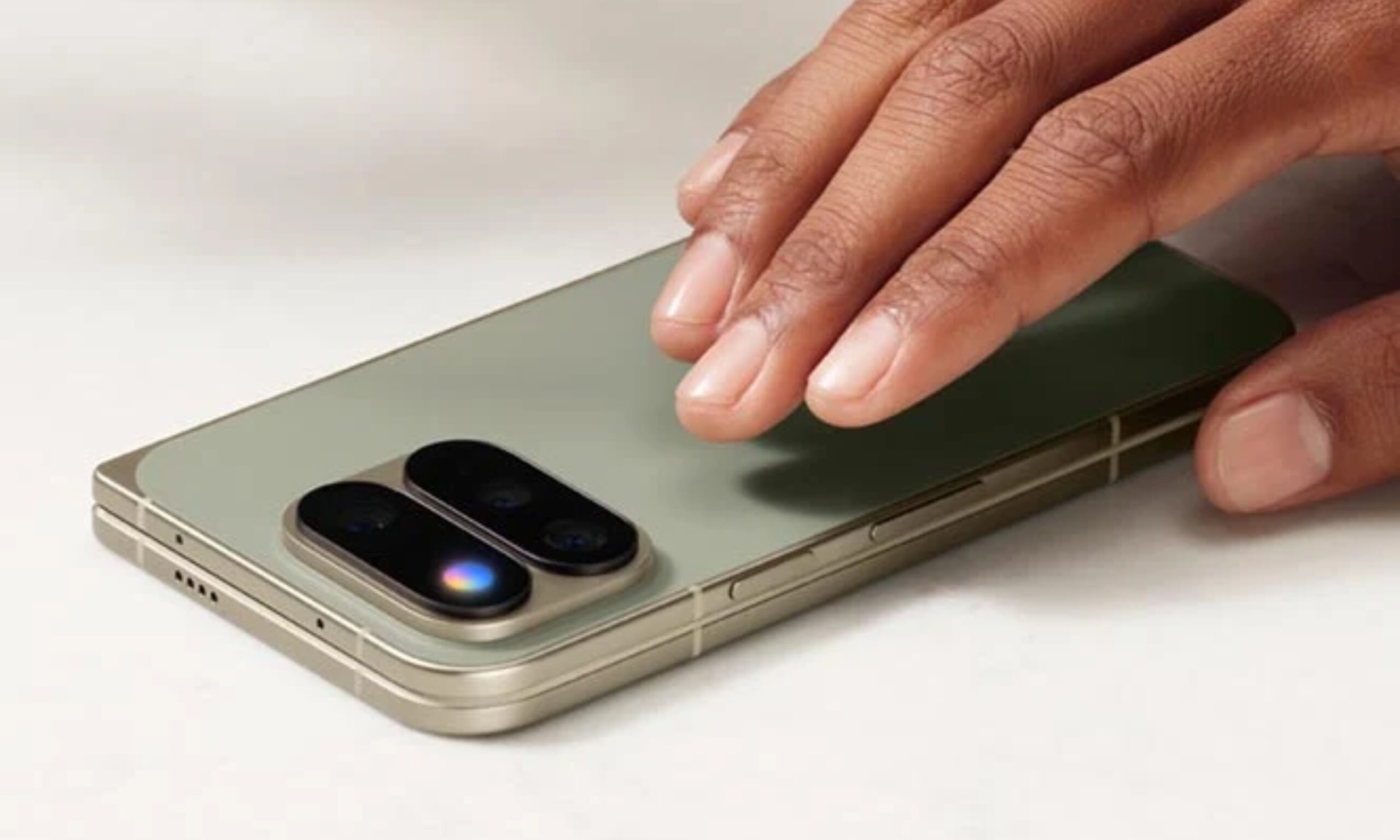
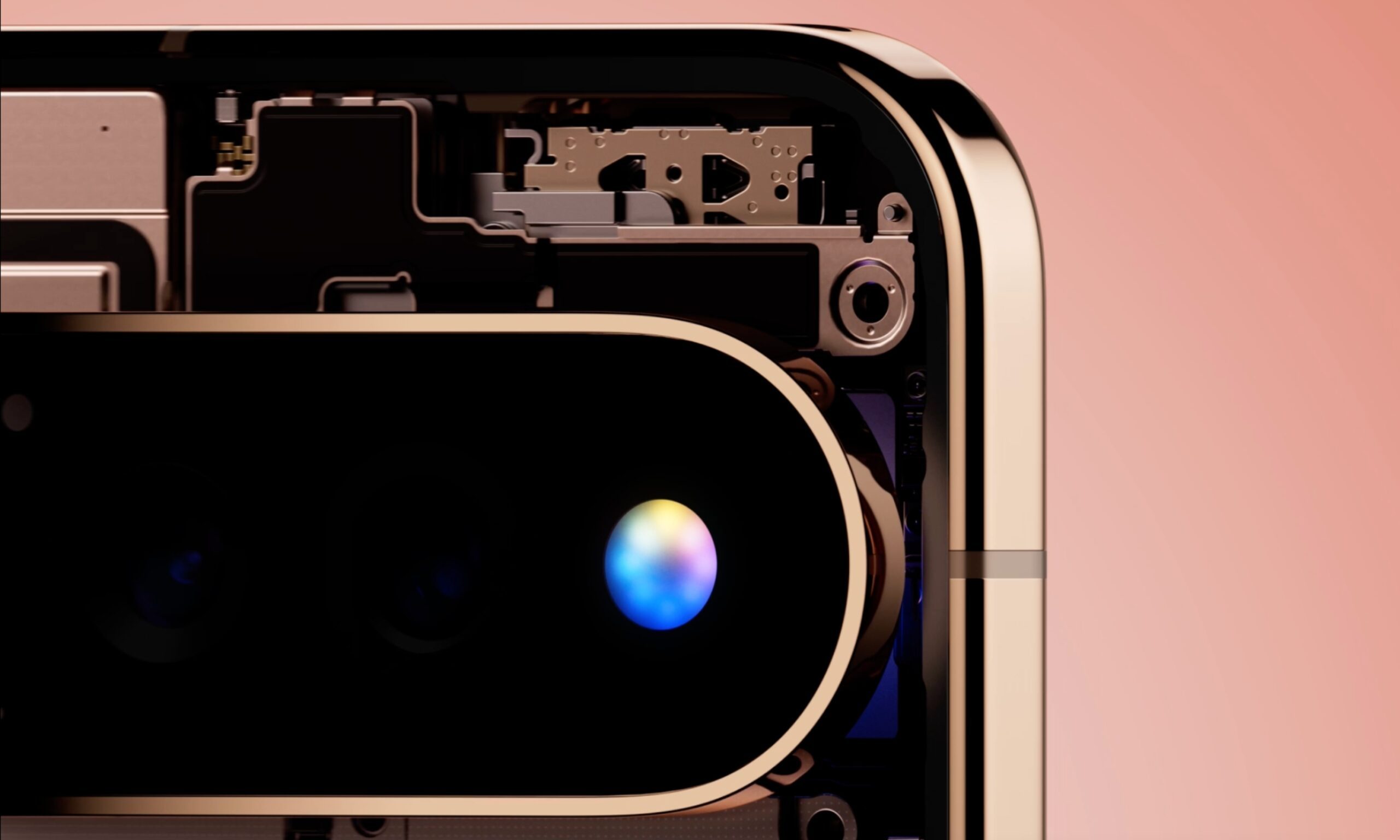
Exactly two things. First, it works as a Gemini conversation indicator, switching between different glow patterns for listening, thinking, and responding. Basically, it gives you visual confirmation that the assistant heard you without you having to pick up the phone. Fair enough. We’ve seen similar implementations on Amazon’s Echo speakers and Google’s own Home Speaker.

Second, it lights up in one of five colors when a favorite contact calls. This works with both the Phone app and WhatsApp (the only third-party app it supports, via 9To5Google). And while you might think you could choose the color you associate with a favorite contact, you can’t. Google picked five colors for you, and you simply assign them to people.

So, at launch, one of the most hyped Pixel 11 Pro features can essentially only do these two things, which feels like a frustratingly small use of what could have been a genuinely useful RGB light on the back of a phone. 

The fact that Google handed you give colors and called it a day, even though the RGB light ring can physically render so much more than that, isn’t even the worst part of it. 

The problem becomes obvious when you actually use it

The biggest caveat of Google’s stringent approach to an otherwise perfect idea is the lack of third-party app support. 

According to an Android Headlines report by Alexander Maxham, Google has no plans to unlock the restricted HiLight for other apps within its own ecosystem or open it to third-party apps. The closest thing to a roadmap Google offered was a mention of RCS messaging support arriving down the line, but that’s pretty much it. 

The entire point of having a rear-facing RGB light is to keep the user informed when the phone is sitting face-down. Among the few things Pixel 11 Pro owners are missing out on, despite having the physical hardware sitting right there on the device, are general notifications from apps you could be using daily, including Slack, Teams, social media apps like Instagram, or even Uber, for that matter.

Advertisement

Then comes charging or battery indication. I know it’s an RGB ring, and integrating progress levels that are otherwise shown through horizontal UI elements is tough. However, how difficult would it be to use the light to tell the user the battery is dying? Is blinking red twice or three times really that difficult? I’m not even talking about a live charging status.

If the hardware actually supports full-spectrum RGB LED capabilities, I don’t get why it’s locked to only five color options. Would a color-coded system in the app be too difficult for users to understand and customize? Pink for Instagram, purple for Teams, or yellow for Snapchat?

Perhaps a yellow or amber flickering light when someone captures a self-portrait from the rear-facing camera, supporting the timer beeps that the phone already makes? I’m just thinking about ways Google could have made the hardware addition more useful and more interesting. 

I’m not asking Google to cram every one of these functionalities into HiLight at once. In fact, I know for a fact that implementing all of them together would invite more chaos than it would solve problems. But Google can gather a team of engineers and designers to brainstorm intuitive ways to integrate the hardware deeper into the Pixel experience and make it sound or feel much less gimmicky than it currently does.

It’s not too late; Google can still turn this around

There’s no point in comparing Google’s HiLight RGB light with Nothing’s circular or horizontal LED modules. By nature of their shape and design, Nothing’s LEDs are better suited to simpler depictions of Live Updates on Android phones. However, that doesn’t mean Google can’t make HiLight highlight other things.

While HiLight is one of the most lethargic rear-facing LED implementations on a smartphone, it doesn’t have to stay that way forever. Fixing it doesn’t really require reinventing anything: open the API to developers, let people assign custom colors through a color wheel or similar setup, add a charging or power indicator, and ship the messaging feature that’s already been promised.

If Google genuinely wants people to put their phone face-down and be present in the moment, it also needs to trust those same people and grant them more control over what HiLight does for them. I’m rooting for an omnipresent HiLight interface that can cover far more than it does today, and I’ll remain optimistic that Google will eventually move in that direction.

Advertisement

Source link

Continue Reading

Trending

Copyright © 2025