The Government issued the alert at 7pm on Friday evening (August 14), across England and Wales, advising people to avoid any activity that could start a blaze.
Mobile users were told not to use barbecues, campfires, or fireworks, and to call 999 immediately if they spot a fire.
The alert follows several major incidents, including a wildfire in Stourbridge that destroyed 19 homes.
The message read: “There is a serious risk of fire across the nation.
“Residents, landowners, and visitors should not undertake any activity that could cause a fire, including using disposable barbecues, fire pits, garden incinerators, or fireworks.”
It also warned that even a small flame could quickly escalate into a large wildfire, putting lives, property, and emergency services at risk.
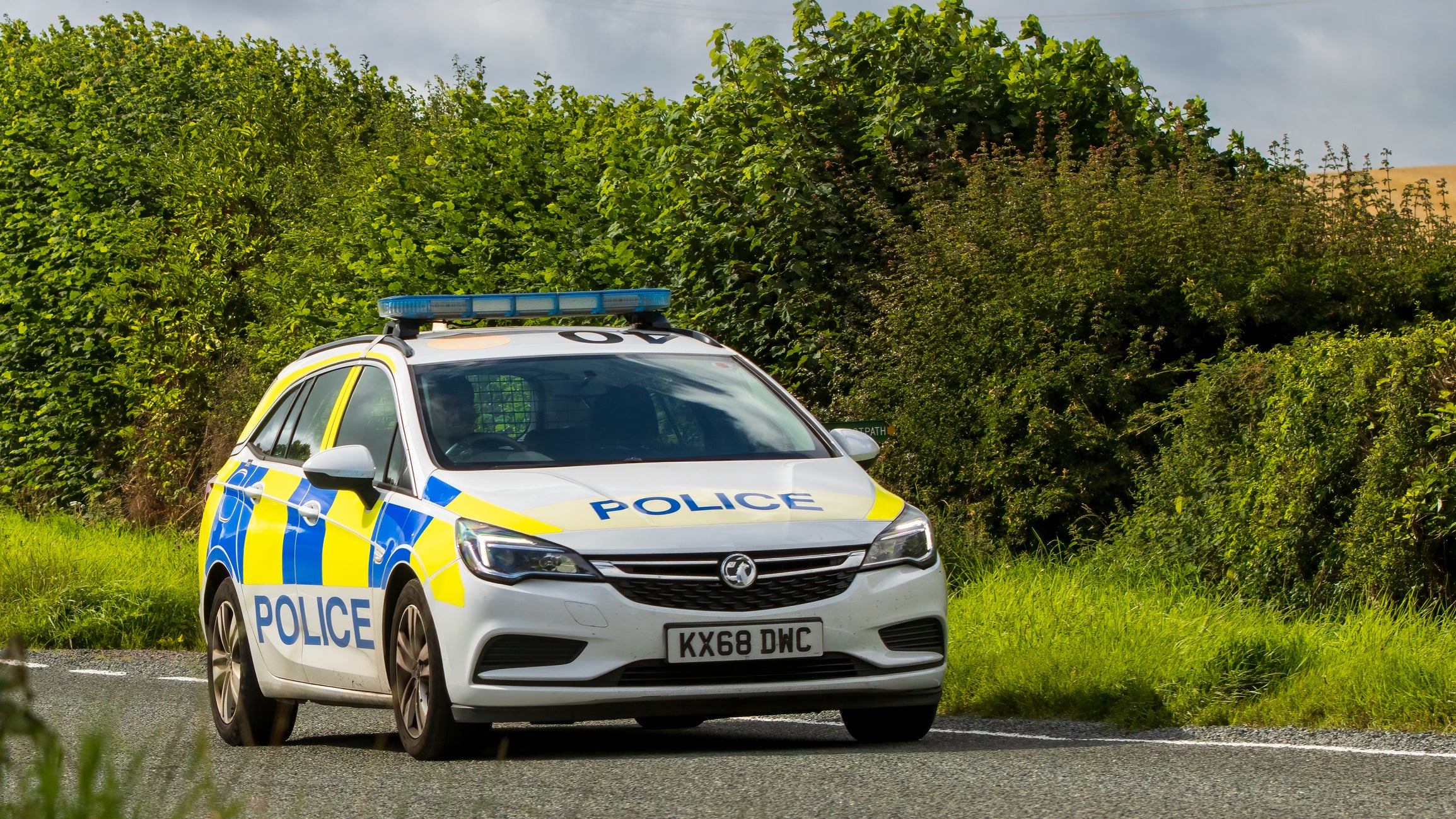
![]() Did you receive an emergency alert? (Image: Jonathan Brady/PA Wire)
Did you receive an emergency alert? (Image: Jonathan Brady/PA Wire)
Government bans sale of disposable barbecues
This alert comes after disposable barbecues were banned from sale in the UK earlier today.
The government has taken the step in response to a growing wildfire risk during the ongoing heatwave, citing the grills as a significant fire hazard during hot, dry weather.
A government statement said: “The single-use grills have been the cause of a number of serious wildfires across the country over the summer months.
“Disposable barbecues cannot be considered a safe product in the context of the ongoing weather and environmental conditions and must not be made available for sale either in store or online at the current time.”
Prime Minister Andy Burnham indicated earlier in the week that such a ban could be introduced.
Disposable BBQs removed from UK supermarket shelves
Major retailers including Asda, Tesco, Sainsbury’s, and Co-op had already begun removing disposable barbecues from shelves , following warnings from fire services about the increased wildfire risk.
Other retailers such as Wilko and The Range have also started removing them from stores and online.
Heatwave to continue across the UK
The ban comes as much of England remains under an amber heat health alert, with temperatures reaching 38.1C at Kew Gardens in London on Thursday (August 13).
This marks the second time this year that temperatures have hit 38C.
The UK Health Security Agency (UKHSA) has extended the amber alert until 10am on Saturday (August 15) for:
- East Midlands
- West Midlands
- South East
- South West
- London
- East of England
All other regions in England remain under alert until 9pm on Friday (August 14).
The UKHSA has warned that the extreme heat could pose health risks, particularly to vulnerable individuals.
Officials are urging the public to take basic precautions, including:
- Staying out of the sun during peak hours
- Staying hydrated
- Checking in on vulnerable friends and family
Acting consultant in public health at the UKHSA, Polly Ashmore, said: “Drinking plenty of water, avoiding the sun during the hottest part of the day, and keeping indoor spaces cool are all things you can do to keep yourself and others safe.
“For vulnerable groups including older adults and those with existing health conditions, warmer weather can result in serious health outcomes.
“We urge health and social care services to ensure they are prepared and encourage people to check on vulnerable friends and family to make sure everyone is aware of the forecast, follows the necessary advice, and stays safe in this period of hot weather.”
The recent heatwave has made 2026 the first year on record with three separate days that reached the 37C threshold, and the first with four days at 36C or higher.
It is the fifth heatwave of a summer already marked by extreme heat, prolonged dry spells, and drought conditions across much of England and Wales.
Wildfire risk remains high, with England and Wales already recording as many wildfires this year as in the whole of 2025.
Drought conditions have persisted across nearly three-quarters of England and the whole of Wales, following a record dry July and a similarly dry start to August.
This has put increasing strain on water supplies for households, agriculture, and the environment.
Reservoir levels in England have dropped to 66% capacity, down from 69% the previous week and nearly 14 percentage points below the long-term average for this time of year, according to the Environment Agency.
Did you receive an emergency alert? Let us know in the comments below.

















































You must be logged in to post a comment Login