
Politics
Madonna’s Most Controversial And Shocking Music Videos Ever: A Timeline

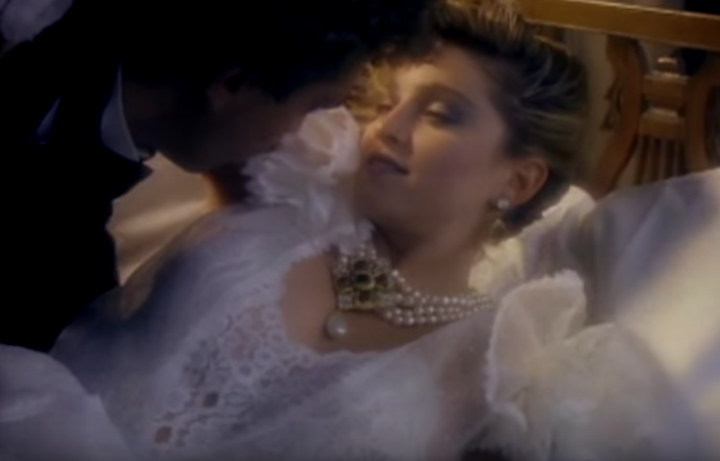
Madonna is unquestionably one of the greatest and most impactful pop artists of all time – not to mention one of the most controversial.
One area that the Grammy winner has always managed to express herself is through her music videos, something which she’s carried on right up to the present day, with her recent Confessions II short film.
Sex, religion and occasionally even violence have all been featured prominently throughout her attention-grabbing music videos, sparking debate, inciting boycotts and opening up important conversations in the process.
As the Queen of Pop celebrates her 68th birthday, we’re looking back at all the times her music videos have been at the centre of controversy…
1984: Like A Virgin

With her debut album, Madonna bagged herself a decent-sized fanbase thanks to her catchy tunes and unique sense of style, as showcased in the videos for Borderline and Lucky Star.
However, it was in the video for the title track from her second album, Like A Virgin that she’d show the world what she was really about.
Filmed in Venice, Like A Virgin shows Madonna singing and dancing provocatively in a gondola, while flirting with the ideas of sexuality and religion, which would go on to become recurring themes in her videos and photo-shoots.
If only the people up in arms back in 1984 knew what she would have in store just a few short years later…
Watch the Like A Virgin video in full here.
1986: Papa Don’t Preach

Conservatives in the US were unimpressed when they discovered that the biggest star in America was planning to release a track sung from the perspective of a pregnant teenager.
In the song’s accompanying clip, Madonna acts out the message of the song, playing a young woman struggling to pluck up the courage to tell her father she’s pregnant.
While some critics suggested the track and video promoted or encouraged teen pregnancy, it wound up being at the centre of a debate about whether or not it had anti-abortion sentiments.
Madonna herself refused to be drawn in on the debate at the time, with her long-suffering publicist Liz Rosenberg insisting: “She’s singing a song, not taking a stand. Her philosophy is people can think what they want to think.”
Watch the Papa Don’t Preach video in full here.
1986: Open Your Heart

The Open Your Heart music video sees Madonna portraying a stripper at a peep show, dressed in one of the most memorable and recognisable outfits of her career, a black bustier and fishnet tights.
While MTV was initially reluctant to air the video because of its sexually suggestive content, it also provoked a debate among feminist critics about whether or not her portrayal of a sex worker was objectifying or empowering, because of the way it subverted the male gaze.
At the end of the video, Madonna befriends a young boy, with whom she runs away with, though the inclusion of a child in a video with otherwise sexual themes also proved divisive.
Watch the Open Your Heart video in full here.
1989: Like A Prayer

When it comes to Madonna’s music videos, none have brewed up a controversy in the same way as Like A Prayer.
With Madonna performing in a negligee in front of burning crucifixes and having sex on an actual altar, interspersed with images of stigmata and crying saints, the video was condemned by the Vatican and famously cost the star a deal with Pepsi (which she was still paid for, even thanking them when Like A Prayer scooped the Viewers’ Choice at the 1989 VMAs).
Often lost in the discussion about Like A Prayer’s religious elements is the fact the video also deals with racial tensions, depicting a Black man who is falsely accused of murdering a white woman, who he had actually been trying to assist after she was attacked.
Watch the Like A Prayer video in full here.
1990: Justify My Love

In Justify My Love, Madonna is seen exploring a hotel – in which many guests are seen in a variety of sexual poses, including suggested BDSM and orgies – in a dream-like state, wandering the corridors and laughing as she goes.
The racy video was clearly too much for MTV, who announced that they would not be airing the clip, with many other networks following suit.
Madonna took the controversy all the way to the bank, though, releasing it on VHS as a “video single”.
She commented at the time: “Why is it that people are willing to go and watch a movie about someone getting blown to bits for no reason at all, and nobody wants to see two girls kissing and two men snuggling?”
Watch the Justify My Love video in full here.
1992: Erotica

We think Madonna might have sensed she was onto a winner with Justify My Love, and as the 90s continued, so did the singer’s pushing of the envelope when it came to sexual imagery and themes.
All of this came to a head with the release of her polarising photo book, titled simply Sex, which was accompanied by the album Erotica and the music video for its title track.
Like Justify My Love, Erotica ended up being banned by MTV after being played just three times.
Madonna – who performs the song as her alter-ego, Mistress Dita – said at the time: “MTV plays to a huge audience and a lot of them are children, and a lot of themes I’m exploring in my videos aren’t meant for children, so I understand that they say I can’t show it.”
Watch the Erotica video in full here.
1995: Human Nature

By the mid-90s, public opinion of Madonna was at an all-time low, with her Erotica album, the film Body Of Evidence and the documentary Truth Or Dare (or In Bed With Madonna, as it was referred to in the UK) turning off a lot of her more casual fans.
What followed was a touch of image overhaul for the singer, which included the release of softer ballads like I’ll Remember, Secret and Take A Bow, as well as the more experimental Björk co-write Bedtime Story.
Once the dust was settled, though, Madonna stirred things up once again, lampooning the whole debacle and her public persona in the track Human Nature, and its latex-heavy music video.
Watch the Human Nature music video in full here.
2001: What It Feels Like For A Girl

After her Bedtime Stories album, Madonna went through some big professional and personal changes. Work-wise, she bagged a Golden Globe for her lead role in Evita, as well as her first ever Grammy for Ray Of Light, heralded by many critics as her best ever album.
Meanwhile, she also became a mother, and began living in the UK with husband Guy Ritchie, then best known for gangster films like Lock Stock and Snatch.
The two collaborated just twice, once on the ill-fated remake of Swept Away and a second time in the music video for What It Feels Like For A Girl, which saw Madonna picking up an elderly woman from a retirement home and giving her the car ride from hell, eventually intentionally crashing the car into a lamp-post.
Like Erotica and Justify My Love before it, the video wound up being banned by MTV, while Madonna said she intended for it to “open dialogues”.
Watch the What It Feels Like For A Girl video in full here.
2003: American Life

Even Madonna clearly felt she’d crossed a line with the original cut of the American Life video, which centred around a fashion show laden with imagery relating to war and disaster.
Eventually, this supposed staged disaster becomes real, when the star crashes her car through the catwalk, wreaking chaos.
Finally, she hurls a grenade onto the runway, which is caught by a George W Bush lookalike (in one of two versions of the video which have since leaked online), who uses it to light a cigar.
Due to the political climate at that time, Madonna later decided to cancel the video altogether, saying at the time: “Due to the volatile state of the world and out of sensitivity and respect to the armed forces, who I support and pray for, I do not want to risk offending anyone who might misinterpret the meaning of this video.”
The uncut video was finally released on Madonna’s official YouTube channel 20 years later, in April 2023.
Watch the director’s cut of the American Life video here.
2012: Girl Gone Wild

Even into her 50s, (or, you might argue, because she was in her 50s) Madonna was still sparking debates about censorship with her use of sexual imagery, as she discovered when she released the MDNA cut Girl Gone Wild in 2012.
The video, which depicts nude men in various situations, as well as imagery relating to S&M and the Catholic church, was censored not by MTV this time, but YouTube, who allowed only users over the age of 18 to watch it.
A full 20 years after Justify My Love, Madonna was still being forced to defend her provocative videos, saying of the backlash: “I’m supposed to be a Girl Gone Wild in the video… how can I go wild and not grind?”
Watch the Girl Gone Wild video in full here.
2019: God Control

When it came to the video for a song that had already become the biggest talking point of her 14th album, Madame X, Madonna once again teamed up with Swedish director Jonas Åkerlund, who previously helmed Ray Of Light, Music, Bitch I’m Madonna and, perhaps most crucially, the original American Life video.
On God Control, Madonna sings about the need for gun law reform in the US, illustrated in the song’s video, which shows the singer becoming the victim of a shooting at a disco, in scenes reminiscent of the Pulse night-club massacre in 2016.
The video’s graphic content ended up dividing opinion, with several survivors of real-life shootings, including Pulse, criticising Madonna for her choice to feature so much violence.
She said shortly after its release: “Seeing the reality, and the brutality of things makes you wake up. This is really happening. This is what it looks like.
“Does it make you feel bad? Good, ’cause then maybe you will do something about it.”
Watch the God Control music video in full here.

In his book How To Prevent Dementia, neurologist Dr Richard Restak wrote: “I strongly suggest that if you are 65 years old or older, that you completely and permanently eliminate alcohol from your diet”.
He said that’s because it’s a “direct neurotoxin” and could increase your risk of falls.
And according to America’s Centre for Disease Control (CDC), we should consider striking some foods off the list, too.
But do those stand in the UK?
Here, we asked Dr Giuseppe Aragona, a GP and medical adviser for Prescription Doctor, about whether he agrees with the guidance here.
Which foods does the CDC caution against for over-65s?
The CDC said that people aged 65+ are more likely to become hospitalised from bacteria like Salmonella and Listeria.
“Some foods are more likely to spread harmful germs, including undercooked meat and eggs, unpasteurised milk and cheese, and unwashed produce,” they wrote.
Therefore, they suggested people in that age group might want to consider that the following could pose a higher risk to them:
- Raw or undercooked poultry or meat,
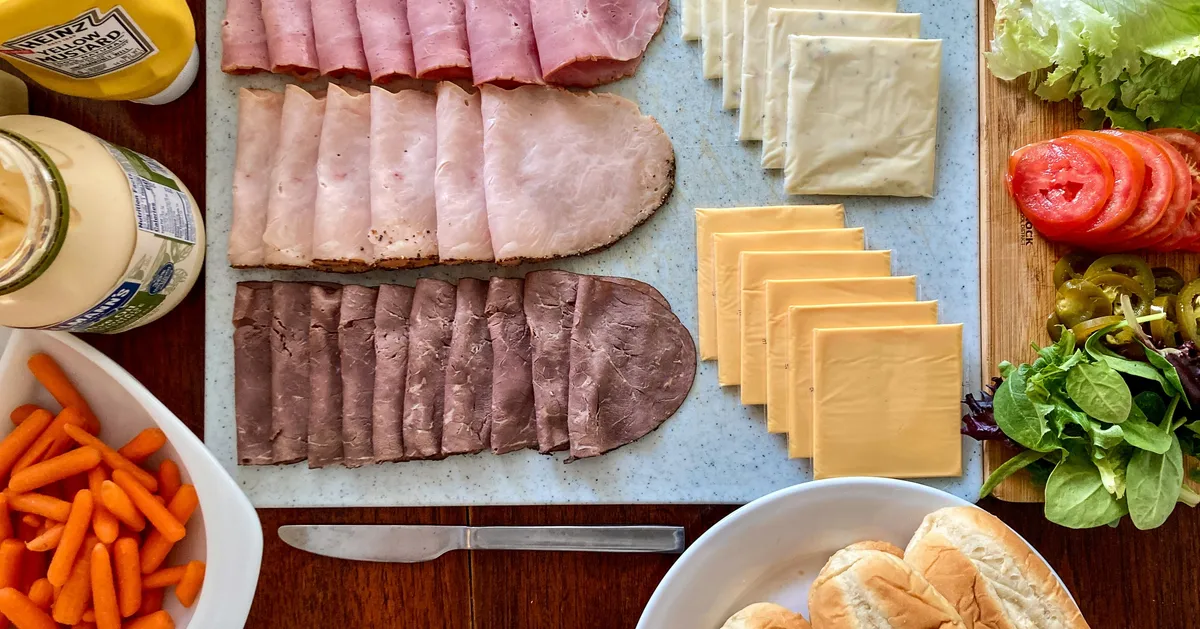
- Unheated deli meat, cold cuts, hot dogs, and fermented or dry sausages,
- Refrigerated pâté or meat spreads,
- Premade deli salads, like potato salad, egg salad, tuna salad, or coleslaw,
- Raw or undercooked sprouts like alfalfa or bean sprouts,
- Unwashed fresh fruits and vegetables,
- Cut melon left out for more than two hours,
- Unpasteurised juice or cider,
- Unpasteurised (raw) milk and dairy products made from unpasteurised milk,
- Soft cheese made from unpasteurised (raw) milk,
- Unheated cheese sliced at a deli,
- Raw or undercooked (runny) eggs, and foods that contain raw or undercooked eggs, like cookie dough or eggnog,
- Raw or undercooked fish or shellfish, including sashimi, sushi, and ceviche,
- Refrigerated smoked seafood (except in a cooked dish),
- Raw dough or raw batter made with raw (uncooked) flour.
So… does that stand in the UK?
Dr Aragona said that mostly, the reasoning behind these entries stands.
“I would broadly agree with the principle behind the CDC list,” he said.
“As we get older, changes in the immune system mean that an infection which might cause a relatively short-lived episode of diarrhoea and vomiting in a younger adult can sometimes become much more significant in an older person, with a greater risk of dehydration, hospital admission and, with certain organisms such as Listeria, Salmonella and pathogenic E. coli, invasive or systemic infection”.
The doctor added that this might be especially relevant for people who are frail or have other health conditions, “although I would be careful not to imply that everyone becomes suddenly vulnerable on their 65th birthday, because the degree of risk varies considerably between individuals”.
He said that for him, the foods he’d be most concerned about include:
- raw or undercooked meat and poultry,
- raw or lightly cooked eggs,
- raw shellfish and fish,
- unpasteurised milk and dairy products,
- raw sprouts, and
- certain chilled ready-to-eat foods such as pâté and cold deli meats.
That’s because “these foods can become contaminated with organisms such as Salmonella, Campylobacter, E. coli and Listeria, and the important point is that some contamination cannot be detected by looking at, smelling or tasting the food”.
Are there any exceptions?
“I would also add an important UK-specific nuance around soft cheeses, because the advice can easily become over-simplified,” Dr Aragona told us.
“It is not accurate to say that someone over 65 needs to avoid all Brie, Camembert, blue cheese or other soft cheeses; the key distinction is whether the product is made from pasteurised milk and, in some circumstances, how it has been stored and handled.”
In the UK, it’s been illegal to sell raw milk in supermarkets since 1985. But it’s not against the law to sell it in other places in England, Wales, and Northern Ireland.
“Similarly, I would not want the advice to become so restrictive that people are discouraged from eating nutritious foods such as fruit, vegetables, eggs, fish or dairy altogether,” the GP continued.
“The sensible approach is generally to modify how these foods are prepared and stored rather than simply avoiding them; for example, washing produce properly, keeping chilled foods at the correct temperature, observing use-by dates, preventing cross-contamination between raw and ready-to-eat foods, and cooking higher-risk foods thoroughly can substantially reduce the risk while allowing people to maintain a healthy and varied diet.”
Lastly, the expert ended, the person eating the food matters, too.
“I would… distinguish between someone who is a healthy, active 65-year-old and someone who is considerably older, frail, immunosuppressed or living with significant medical conditions, because the latter group may reasonably need to take a more cautious approach.
“Overall, I would agree with the CDC’s approach, but I would present it as risk reduction rather than a list of foods that people over 65 are forbidden from eating.
“The aim should be to reduce exposure to foods where the consequences of contamination could be serious while preserving a nutritious, enjoyable and varied diet, and I think that distinction is particularly important because overly restrictive food advice can itself have unintended consequences for nutrition, enjoyment of food and quality of life.”
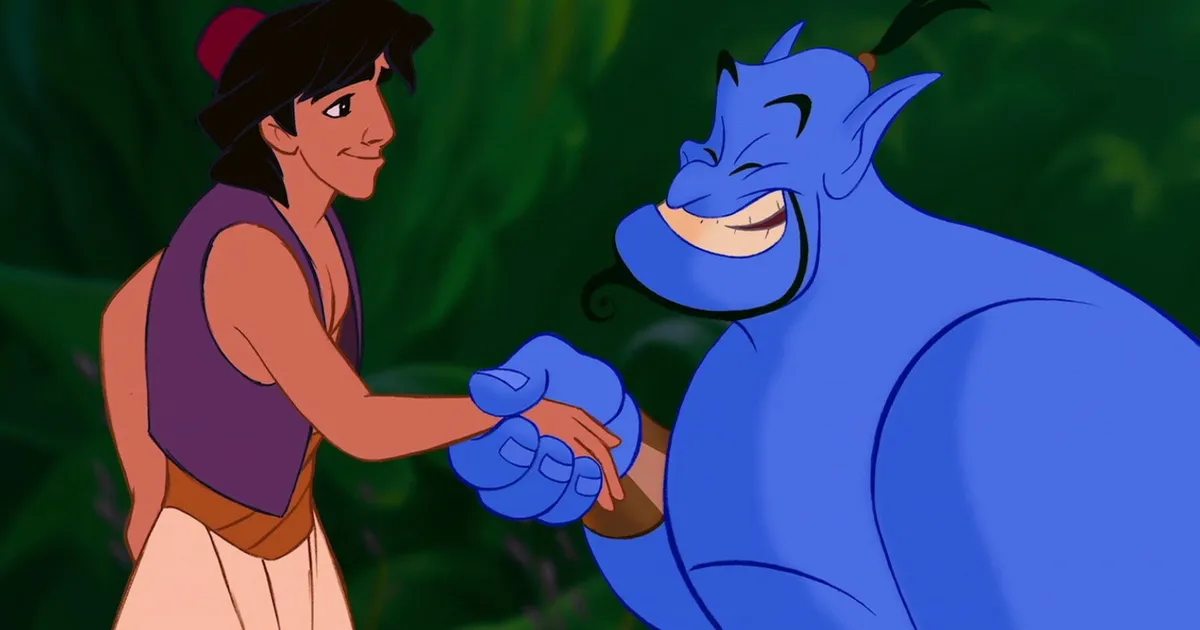
Back in 1992, Disney’s flick Aladdin brought in $504 million dollars which, in today’s money comes to over a billion US Dollars. A huge part of the success of the film, of course, was Robin Williams’s incredible performance as Genie.
Speaking to Variety, longtime Disney animator and co-director of Aladdin, Ron Clements said: “On the first day of recording [Genie’s intro] we had script pages written in Robin’s improv style and storyboards illustrating some of the visual metamorphosing we were planning. He started out recording the script as written a few times, then took off in a multitude of directions…
“And he was consistently hilarious. At one point, we had to remove the genie’s lead animator, Eric Goldberg, from the recording stage because his uncontrollable laughter was messing up takes”
Despite this, the actor actually agreed to be paid relatively little for his pivotal role.
Robin Williams was paid only $75,000 for his role
Robin recorded around 30 hours of written and improvised dialogue for Aladdin and he revealed to New York Magazine that he did this because he wanted to “leave something wonderful behind for the kids.”
Business Insider explains: “Williams took a hefty pay cut and agreed to be paid $75,000 for his work on the Disney film instead of his usual fee of about $8 million — but there was a catch. Williams did not want his voice used to merchandise products.”
“I don’t want to sell stuff,” Williams later told New York magazine. “It’s the one thing I don’t do.”
The execs agreed to this deal, Robin said on the Today Show, adding: “The one thing I said was I will do the voice. I’m doing it basically because I want to be part of this animation tradition. I want something for my children. One deal is, I just don’t want to sell anything — as in Burger King, as in toys, as in stuff.”
“Then all of a sudden,” he added, “they released an advertisement — one part was the movie, the second part was where they used the movie to sell stuff. Not only did they use my voice, they took a character I did and overdubbed it to sell stuff.”
Perhaps surprisingly, Disney apologised in the form of a Picasso painting valued at $1 million (sure why not), a self-portrait of the artist as Vincent Van Gogh.
According to Artnet, the painting clashed with Robin’s interiors and his friend Eric Idle recommended he burn the painting on live TV.
Of course, he didn’t do that but he did return for the third Aladdin film as well as starring in Disney’s movie Jack and Bicentennial Man.
If anybody would like to apologise to me in the form of a very expensive art work, please feel free.
We’ve written before at HuffPost UK about how different the pitch for Pretty Woman – originally called 3000 – was from the film we know now.
Don’t get me started on the extremely unlikely source material for Dirty Dancing 2, either.
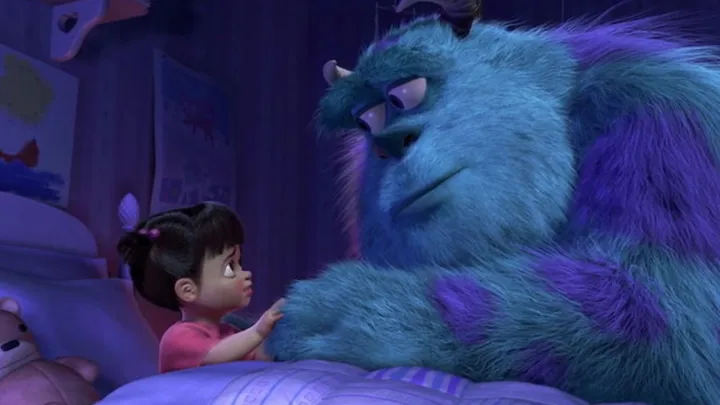
As it turns out, the first version of Pixar’s Monsters Inc was almost unrecognisable from the film that eventually hit cinemas as well.
For instance, the original script didn’t include lovable protagonist Sulley (at least not in his monster form).
Instead, an early plot focused on a 30-year-old accountant.

Speaking about the film’s origins, Pete Docter, the director of 2001’s Monsters Inc, said on Jeff Goldsmith’s Creative Screenwriting podcast: “Well, my idea was that what it was about was about a 30-year-old man who is like an accountant or something.
“He hates his job, and one day he gets a book with some drawings in it that he did when he was a kid from his mum, and he doesn’t think anything of it, and he puts it on the shelf and that night, monsters show up. And nobody else can see them.
“He thinks he’s starting to go crazy; they follow him to his job and on his dates, and all this – and it turns out these monsters are fears that he never dealt with as a kid.”
A bit like fellow Pixar hit Inside Out, which includes personified emotions, each of these monsters would have represented a different one of the office worker’s fears.
As soon as he was healed from one of the fears these monsters symbolised, it would go away. This was actually a little bittersweet, as the original plot’s main character grew close to some of his new companions.
While I have you, here’s another fact about the first movie: Boo actually had a real name all along. Eagle-eyed fans spotted a detail suggesting she was called Mary, like the child actor Mary Gibbs, who voiced her.
Real-life Mary has since voiced characters in Inside Out, though she was only two years old when she starred in Monsters Inc.

Famed screenwriter Aaron Sorkin has lamented what he sees as America’s demand for politicians who feel like the average Joe, calling for an end to the “glamorisation of dumbness”.
During a new interview with Esquire, Sorkin was asked if he still felt like the US is dealing with a “huge, huge dumb problem”, as he’d said back in 2019.
The politically-minded Hollywood veteran explained why he thought little has changed, stating: “We need to get over our infatuation with the outsider, with the plainspoken person that you want to have a beer with.”
Citing his own work, Sorkin continued: “The characters I write are all smarter than I am. I did not blaze any trails as a scholar. People who are smarter than I am don’t make me feel bad about myself, they don’t make me feel inferior. And certainly a president – I need the president to be smarter than I am.”
Sorkin added that, in his eyes, “there are millions upon millions of voters who seem to have a mass debilitating inferiority complex and feel like a smart president, Obama for instance, is looking down his nose at everyone else, or he’s a Poindexter, or he’s not a real man”.
“Right. He eats arugula,” interviewer Michael Sebastian cracked, harking back to one of the trifling complaints conservatives had about Barack Obama‘s alleged elitism.
“We got to knock that off,” Sorkin said. “There has been a glamorisation of dumbness.”

Anna Moneymaker via Getty Images
While the Oscar winner didn’t mention anyone in particular, his take definitely echoed the way he described US leader Donald Trump in a 2017 interview with The Hollywood Reporter.
Explaining why he had no interest in putting a Trump-esque character in the reboot of The West Wing, Sorkin called the Republican president “a really dumb guy with an observable psychiatric disorder”.



4 min read
Devolution needs public buy-in. Public buy-in needs effective storytelling.
When you hear the word devolution, what do you think? How do you feel?
If it’s confusion, you wouldn’t be alone. The word doesn’t exactly invoke inspiration in and of itself.
Anecdotally, I’ve heard people incorrectly thinking it’s the opposite of evolution, that it makes them think about reverting backwards. No, it’s nothing to do with Darwin!
Devolution, fundamentally, is about pushing decision-making power down from Westminster to communities, mayors, and councillors who know their areas inside and out.
It’s something long championed by IPPR North, where we strongly believe sharing power is the way to properly rebalance our historically unequal state. Just like Andy Burnham, IPPR North wants to see local leaders get a share of national tax with the powers to decide where they should spend it – also known as fiscal devolution.
That’s “taking back control”, to a much further degree than Brexit, yet when it comes to this kind of local politics, the public do not appear to have the same passion or interest.
And the public can’t get behind what they don’t understand.
So, since devolution will never have the same comms budget as the Brexit campaign, what does that mean for a new PM who has put devolution at the heart of his policy agenda?
Fiscal devolution as a concept isn’t necessarily unpopular; rather, it’s underexplained. Recent Ipsos polling found that over a third of UK adults believe giving local authorities or regional mayors more power over tax spending would lead to better outcomes for public services in their area.
That is fiscal devolution in a nutshell. Giving local leaders, who know their area much better than those in Westminster, powers to make decisions on transport, housing, skills, and reallocating national tax spending to fund them. It’s not about increasing taxes – it’s about using money better, locally.
But as Labour moved away from the Conservatives’ “levelling up” agenda to communicate devolution, we’ve instead seen a focus on regional growth strategies, integrated settlements, and local productivity, words that don’t feel particularly accessible.
It’s meant that devolution’s core message has been jumbled, discussed at various different levels in various different ways, and simply hasn’t connected with the broader public.
Tell me the last time you heard someone down the pub wax lyrical about devolution being their priority when deciding who to vote for, or better yet, fiscal devolution.
Families struggling to pay their electricity bills or 20-year-old NEETs desperately looking for a job won’t be comforted by announcements that devolution’s bringing regional growth. The links are too weak, and the benefits are too intangible.
It’s the narrative, the story that tells us what devolution has done, what it can do, and how
And what does a future-focused regional growth strategy really mean for someone who just wants to be able to afford the basics right now?
The Ipsos polling backs this up. Voters aren’t rejecting devolution; they’re asking “how much will it cost and what do I get”.
If Burnham wants devolution to be his legacy, those questions must be answered clearly.
Since leading communications for a think tank whose key aim for over twenty years has been devolution, I’ve learned what has cut through.
It’s the narrative, the story that tells us what devolution has done, what it can do, and how.
That is something Burnham and England’s mayors have been very good at so far, but a track record of devolution only really works if it’s told as a story people can see themselves in.
First, there is a story of devolution’s real-life success. I live in Stockport. Once ranked one of the worst places to live in the UK, it is now totally unrecognisable thanks to a Mayoral Development Corporation that has funded transport links, new homes, and a transformed town centre. You can feel it in the air, you can see it on the streets, it’s even being called the new Berlin.
It only happened thanks to powers handed down to mayors and to councils to fund regeneration – otherwise known as devolution. There is nothing to stop Stockport’s success from being replicated across the country.
And secondly, a story of the ideal future. If devolution is used to its fullest potential, we’d see a day where someone could be born anywhere in the country – urban or coastal, north or south – and they won’t think the only route to success is packing up and leaving for London. Up and down the UK there will be good jobs, affordable houses, proud communities, and transport that rivals most European cities (one can dream).
You’d be hard-pressed to find anyone arguing against that.
We have to paint a picture of exactly what devolution can do and how, without the techy buzz words or constitutional musings. Because we need public buy-in, and for buy-in we need the government to properly sell it.
Maeve Schaffer is communications leader at IPPR North, based in Manchester

Growing up, I always heard the same dietary advice: go for brown rice where possible, and if you can, choose low-fat dairy.
However, speaking to HuffPost UK previously, Melissa Jaeger, a registered dietitian at MyFitnessPal, said: “The nutritional gap between [brown and white rice] isn’t that huge.”
And a new paper has suggested that full-fat options might not be as bad for us as I first thought, either.
Published in the Journal of Nutrition, the study authors found that eating full-fat options seemed to confer benefits without expected negative side effects, like increased “bad” cholesterol and weight gain.
What did the study find?
In this study, researchers split 74 participants with overweight or obesity into three groups:
- low-dairy, calorie-restricted diet,
- energy-neutral diet with three daily servings of dairy,
- unrestricted diet with three daily servings of dairy.
They also followed Canada’s food guide. All dairy consumed was full-fat.
After 12 weeks of observation, the scientists didn’t see any difference in weight gain or “bad” cholesterol levels between the low-dairy group and the one that consumed three full-fat servings a day.
In fact, those in the three-serving group had better blood pressure and improved levels of vitamin D, calcium, and protein.
This, despite the fact that full-fat dairy contains saturated fats – lipids which have been linked to higher rates of heart disease.
Another older review published in the European Journal of Nutrition found that those who consume full-fat dairy are no more likely to develop heart disease and type 2 diabetes than those who stick to a low-fat or fat-free dairy diet.
Why might full-fat dairy not be as bad for us as we think?
Study author Professor Harvey Anderson said that one answer could lie in the dairy matrix hypothesis, which suggests that the physical structure of the fats in dairy products affects how they’re absorbed.
“With dairy products, it’s got two proteins – casein and whey – that are bound together with fat and with nutrients mixed in,” he said.
The professor added that this structure leads to a slow, steady release of nutrients and could potentially make its health benefits bigger than the sum of its parts.
The British Heart Foundation (BHF) said on its site that “the science around milk and dairy foods is more complex than once thought,” adding that the dairy matrix hypothesis seemed to hold in some research.
However, the BHF ended: “The evidence remains mixed, and choosing lower-fat milk can help if you’re cutting calories or trying to reduce saturated fat.”
In a job where a regular day of work might involve bunching your genitals into a drawstring bag or spending 12 hours in a sweaty costume (not all of which allow you to pee easily), actors are pretty used to unusual requests.
Even among the most seasoned pros, however, some scenes are a step too far.
Some actors will never go nude for a role, for instance, while others won’t co-star alongside certain other big names. Often, the reasons are unique to a specific script or storyline.
Here, we rounded up seven scenes actors flat-out refused to film:
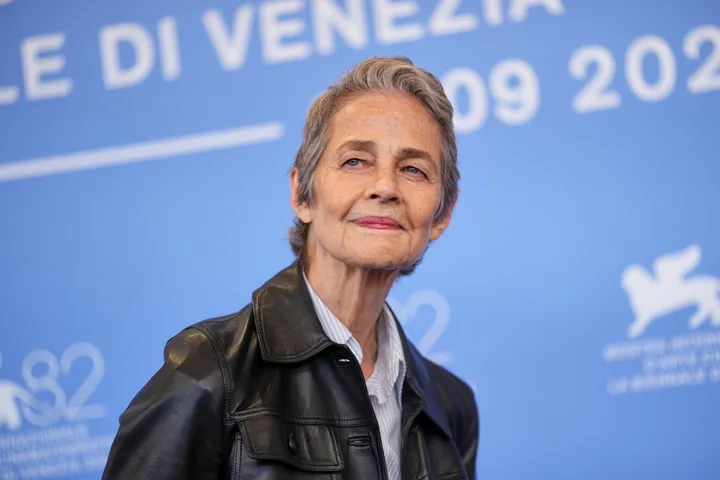
1. Charlotte Rampling allegedly left her first Dune adaptation because of a mass poop scene

Charlotte Rampling stars as Reverend Mother Gaius Helen Mohiam in Denis Villeneuve’s recent Dune movies.
But the actor had previously been pitched the role of Paul Atreides’ mother, Lady Jessica, in director Alejandro Jodorowsky’s doomed ’70s adaptation.
His version lasted 14 hours and was meant to have a star-studded cast including Salvador Dalí, Orson Welles and Mick Jagger, though it never got released.
Speaking to IndieWire, Frank Pavich, who made an award-winning documentary about the abandoned project, said Jodorowsky had seen Charlotte Rampling in a movie and “thought she would be perfect” for the part.

Charlotte, who met the director without having read the script, later found out about a scene where Harkonnen enemy Rabban the Beast “gets his army, the Algerian army, to pull down their pants in front of the [Atreides’] palace and shit.
“So there’s going to be a scene of 2,000 extras defecating at once,” Pavitch added. “So here’s Charlotte Rampling, she agrees to meet with [Jodorowsky], she gets the script, she reads the script, and she says, ‘I can’t be in a movie where there’s 2,000 extras defecating on screen! I need to be in a movie that people are actually going to see! Who the hell is going to see this movie?’.”
However, Charlotte hasn’t publicly spoken about the scene.
She told IndieWire: “I loved this book, and I loved the character of Jessica. [Jodorowsky] was unable to do it, and the next one was the David Lynch one, which I was not in”.
2. In Pitch Perfect 3, Anna Kendrick refused to let her recently-graduated character Beca kiss new boss Theo
When Anna Kendrick’s character, Beca, leaves college in Pitch Perfect, she joins a record label where she works under music executive Theo.
Speaking to Harper’s Bazaar UK about the film, she said: “Originally the music executive was supposed to be my romantic interest, but I said no to that, because I thought that would be kind of fucking problematic.”

She added that she also turned down an ending that involved the pair kissing: “I was like, ’Can no one else [see it]?’. Once I said it, everybody was like, ‘I guess so’. And they still wanted to have a version at the end when we kissed, and I still said no.”
3. Viggo Mortensen was too loyal to Tolkien’s books to make a cameo as Aragorn in the Hobbit movies

He replied, “No. Before they started shooting, back in 2008, one of the producers did ask if I would be interested. I said, ‘You do know, don’t you, that Aragorn isn’t in The Hobbit? That there is a 60-year gap between the books?’.”
4. Jessica Alba said she refused to go for a swim with a tiger shark in Into The Blue
During an episode of Hot Ones, the actor recalled: “For some reason, [the filmmakers] caught a wild tiger shark. And they were like, ‘It’s in this cage, so it’s docile!’ And I’m like, ‘It’s a fucking tiger shark.’ And it was like a seven-foot tiger shark.”
She added: “I was on [dolphin movie] Flipper, we had fucking rubber dolphins. You can do this with a goddamn rubber dolphin; you don’t need a real-ass shark in the middle of the fucking ocean with chum in it. And maybe I lost my mind, and maybe I yelled all of that.”
5. Ben Affleck apparently refused to wear a Yankees cap as the character Nick in Gone Girl
Even as Nick in Gone Girl – the original book of which was recently voted the best thriller of the 21st century by a New York Times poll – Ben wouldn’t sacrifice his Boston Red Sox fandom.
Speaking to The New York Times, the actor said that he got into “a legitimate fight” over the cap with director David Fincher about the issue.

“I said, ‘David, I love you, I would do anything for you’,” the Oscar winner recalled. “’But I will not wear a Yankees hat. I just can’t. I can’t wear it because it’s going to become a thing… I will never hear the end of it. I can’t do it, and I couldn’t put it on my head’.”
As a compromise, he wore a New York Mets cap, neutral ground he likened to “Switzerland”.
6. Former Arsenal footballer Ian Wright reportedly couldn’t say Tottenham were ‘a great side’ on Ted Lasso, either
Speaking on Waitrose’s podcast The Dish, Ian’s Ted Lasso co-star, Phil Dunsten, said: “It was in the script that [Ian would say], ‘You know, it’s gonna be a tough game for Richmond because Tottenham are a great side’.
“And [Ian] was like, ‘I can’t say it. I’m just not going to say it. I’m sorry.’ And he was really lovely. He was just like, ’You’re going to have to change it because I can’t say that.”
7. Morgan Freeman didn’t allow his character Red to play the harmonica in The Shawshank Redemption

In an interview with The Daily News, the acting legend said that director Frank Darabont “thought I should be blowing that harmonica that Andy gave me” in jail. He said this was meant to draw his former fellow prisoner’s attention when the pair arrived on the beach of Zihuatanejo.
“And I refused,” he said, adding it was “sort of asinine, sort of cliched, sort of unnecessary and overkill”.
In my line of work, I come across a fair few parenting hacks – some of which occasionally make my eyebrows hit the ceiling (egg sock, looking at you).
And I have to admit, I did let slip a ‘yeah right’ when I came across a video on Instagram months ago suggesting that putting out a board with chopped veggies on could get kids to eat more of the stuff.
In fairness to my kids, they’re not terrible at eating veg. My toddler’s even quite partial to an olive. But they definitely prefer fruit, and if I’d previously offered them a bit of raw carrot or a cucumber stick, they’d look at me like I’d vomited on their favourite pair of Crocs.
But given how many people I’d seen banging on about these veggie boards online, I decided to give it a go.
The first time I tried it, I carefully arranged some cucumber sticks, carrot sticks and sliced peppers on a board like I was competing on MasterChef. My kids took one look at it and carried on playing. The youngest took a cucumber stick to appease me, but the rest went in Tupperware which I ended up grazing on for the next few days.
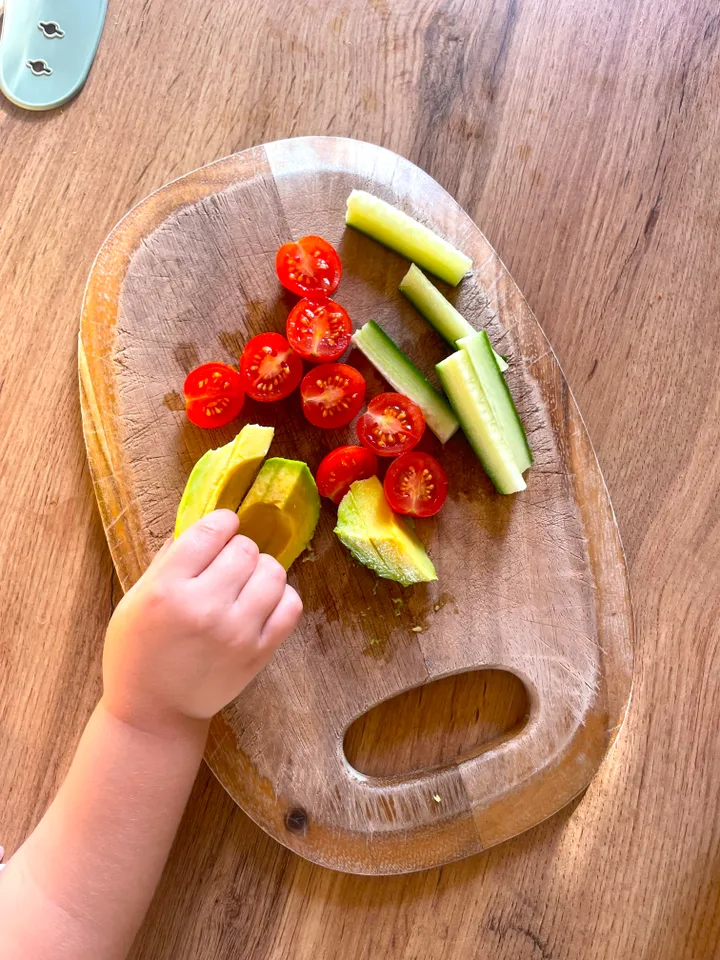
I left it a good few weeks before I tried it again (mainly because of time constraints and not wanting to waste perfectly good veg), but I know that kids need to have a few exposures to these things – or so I’d read somewhere – so, one day I chopped some cucumber sticks, a bit of cooked chicken and cherry tomatoes, and stuck them casually on a wooden board on our dining table.
It was about 3pm, so hunger levels were rising. And you know what? They cleared the lot. (I think the chicken helped entice them in and then it just became a race to finish the rest…)
Another time, I decided to cook vegetables 10 minutes ahead of dinnertime and left them in a bowl on the table. (We were having homemade pizza so I wasn’t worried about them finding room in their tummies for that.) Within minutes, both kids had inhaled a load of carrots, broccoli and baby corn.

According to baby and child nutritionist, Charlotte Stirling-Reed, popping a plate of chopped veg on the table before dinner or when the kids get in from school is “the easiest way to include more veg” in their diets.
It works for a couple of reasons: firstly, they’re usually hungrier at this time; and secondly, there’s no pressure attached to eating it (so less of a power struggle).
The expert also noted that even if they don’t eat it, seeing these foods regularly builds familiarity. “It’s not about perfection. It’s about making it available and taking off the pressure,” she added on social media.
In a separate video on the viral veggie boards, Dr Karan Rajan, a NHS doctor, explained that cutting up veg and popping it on a platter also works because it taps into something known as “unit bias” or the “tendency to want a portion of something”.
“A whole bell pepper feels like work, but snackable bite-size cuts feels gamified,” he said. “There’s no meal commitment, it becomes finger food and, dare I say it, fun.”
The doctor also pointed to a study that showed children eat more fruit and more vegetables when they’re precut and presented as snacks. “Think of fries versus potatoes: snackification works,” he added.
In the comments on Stirling-Reed’s post, plenty of parents swore it worked for them too.
“This genuinely works for my veggie phobes – must do it more!” said one. “Been using this hack for years! It’s such a win. They always eat more veg and complain less,” added another parent.
I tried it again the other night (I chopped tomatoes, cucumber and avocado, stuck it casually on the table and walked away) and, yet again, the kids ate most of the veg on the board before dinner. I left it out and whatever was left got swiped at the end of dinner, too.
I genuinely can’t believe my eldest, who once would pull a face of disgust over cucumber, now eats sticks of the savoury fruit like she’s munching crisps.
Mission accomplished. This hack gets the thumbs up from me. Just remember to give it time if it doesn’t work straight away.
When you take part in a card game like Bridge, even the best players have to work with the hand they are dealt. However bad a hand is, you must use your skill to achieve the optimum result.
In the same vein, the current parliamentary commissioner for standards has had to deal with the rules he inherited when he took up the job in 2022. Yet the simple fact is that these rules are not fit for purpose. They breach all reasonable views of natural justice, flying in the face of the concept of innocent until proven guilty. They must be reformed as a matter of urgency.
Under the current rules, an MP can face trial by media and the public, who base their views on the very limited information released by the commissioner’s office. Inevitably, this can lead people to make assumptions about those under investigation that often bear no relation to reality. This happened to me recently, when the commissioner announced that I was under investigation over, as one report vaguely put it, ‘a possible failure to declare an interest’. In truth, someone took issue with my support for Israel and was trying to imply I had been ‘bought’.
The system operates as follows. The decision to announce that an investigation into an MP is underway and whether to notify the media is in the personal gift of the commissioner. This means he can effectively play God with an MP’s reputation. The commissioner will notify an MP if they are under investigation, but he is under no obligation to tell him or her whether this fact will be released to the public or not. If his decision is to launch an investigation, he will not warn the MP in advance.
Incredibly, MPs are not supposed to respond publicly to news that they are the subject of an inquiry. They are expected to remain silent.
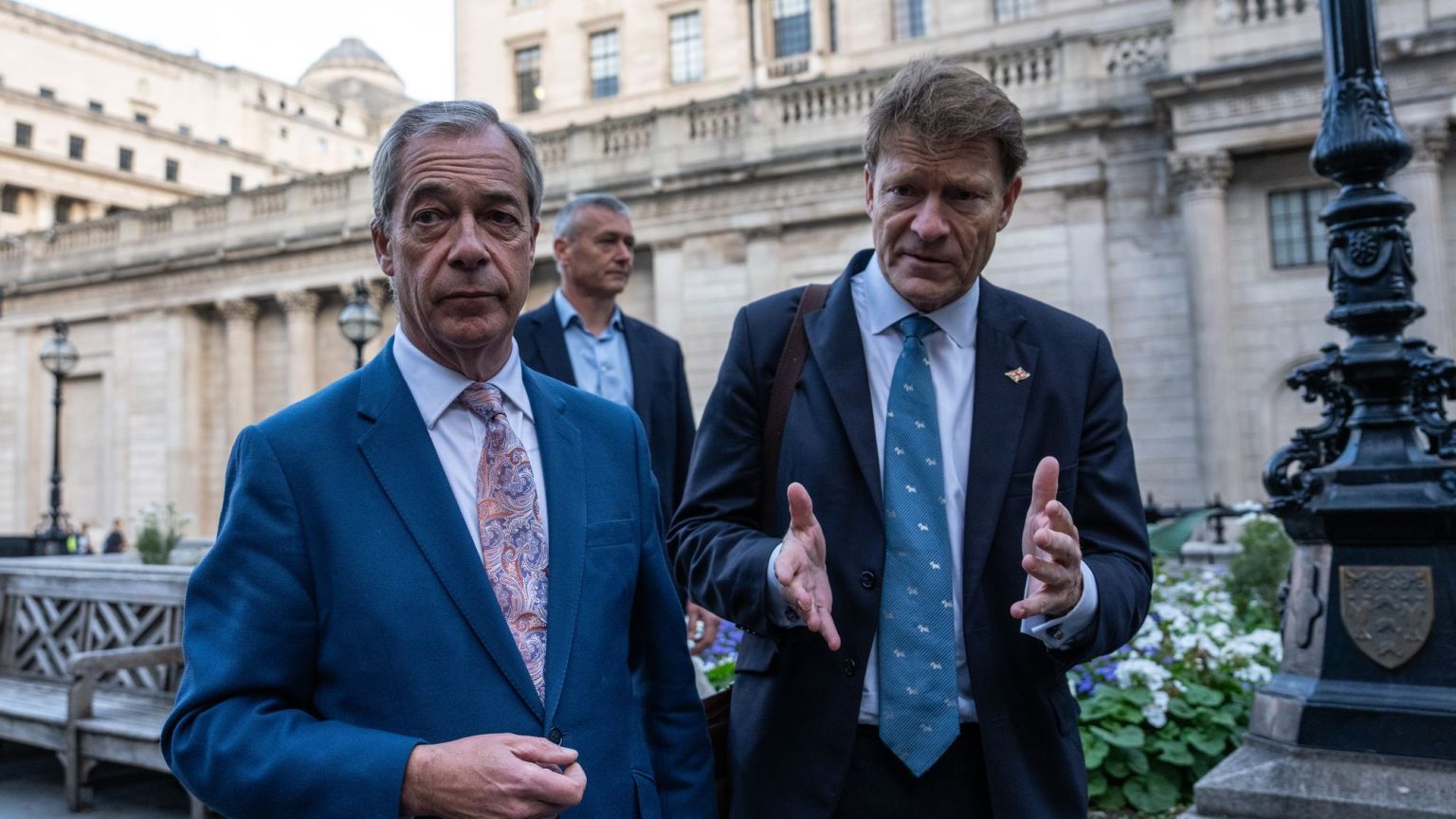
In my case, I was told on 28 July that I was under investigation. I was not told whether – or when – this information would be made public. Was it a coincidence that the commissioner’s office then decided to release details of the inquiry to the media on 3 August at about 10.15am, just 45 minutes before a major Reform UK press conference in London? And was it a coincidence that the BBC chose to announce it via a national push notification at exactly 11am, potentially disrupting our press conference and changing the headlines?
This announcement followed a weekend of totally unrelated press stories about donations involving Reform UK and myself. Many members of the public will have put two and two together and made five: the practical effect of the commissioner releasing this news was to erroneously suggest to the mainstream media that I was being investigated for the contents of the weekend’s press coverage.
The story was running within a few minutes on all mainstream broadcast, digital and print media, with wild inaccuracies being perpetrated, especially as the media did not bother to get in touch for clarification.
I was supposed to suck it up, stay silent, but I refused. If I am attacked, I will defend myself – especially against inaccuracies that could defame or damage me. If I had not clarified the situation on social media, those inaccurate headlines and stories would have run for days.
So I must ask: was this part of a deliberate stitch-up? It certainly felt like it. Or was it genuinely a total coincidence?
I have written to the commissioner asking why he decided to publish news of my investigation, why I was not given warning of it and why it was released at that particular moment. I also want to know whether any heads-up was given by the commissioner’s office to the press at the time or just beforehand. I have alerted the Commons speaker, Sir Lindsay Hoyle, to my concerns. I do wonder if the time has come for the investigator to be investigated.
This episode was completely unacceptable for me personally, but more widely, it proved the rules need root-and-branch reform.
I would strongly suggest there needs to be a standard set of rules on what is published by the commissioner and when. MPs should be notified in advance. In a sane world, surely the fact of an investigation would be publicised with sufficient details to steer the media, just as media outlets reporting on active criminal cases are able to follow a standard set of details that do not prejudice a criminal inquiry.
Secondly, investigations are not currently subject to a timetable. This means they can run for many months, despite relating to simple matters. One sitting MP has been under investigation for almost a year over a single letter in one tweet. Even the Parliamentary Committee on Standards has no requirement to meet on a regular or timely basis to consider recommendations from the commissioner. I have heard it can take months for the committee to meet. Again, unacceptable.
Inquiries should be limited to, say, two months, barring exceptional circumstances. This is crucial because at present, any MP who is under investigation can always be referred to publicly in media reports as being ‘under investigation’. The cloud of suspicion hangs heavily over them, regardless of the outcome.
Furthermore, because of the way the system operates, the commissioner’s office is itself being abused. It has become a sort of ‘smear service’ in which vexatious complaints are lodged against an MP and then immediately publicised by the complainant, regardless of whether the commissioner considers them worthy of investigation. This happened to me two weeks ago when a vexatious complaint was made by a Liberal Democrat MP, working in conjunction with the Guardian, which splashed on the story at the moment of submission of the complaint; even though it was rapidly rejected, the damage was done by more lurid headlines that were not then corrected or apologised for.
Ultimately, the current system means that MPs are presumed guilty until the commissioner decides they are innocent. The cards of this parliamentary standards game are stacked against MPs in a way that defies any reasonable form of justice. It needs reform.
If you go down to the woods today, you’re sure of a big surprise. Because the way things are going, you’re going to find a bunch of fighting-age migrant men, fresh off the super-dinghies, being treated to a Teddy Bear’s Picnic, with Paddington himself (surely the new spirit animal of our de-fanged nation, having replaced the rather-too-pleased-with-themselves lion and unicorn) doing the honours with the tea pot.
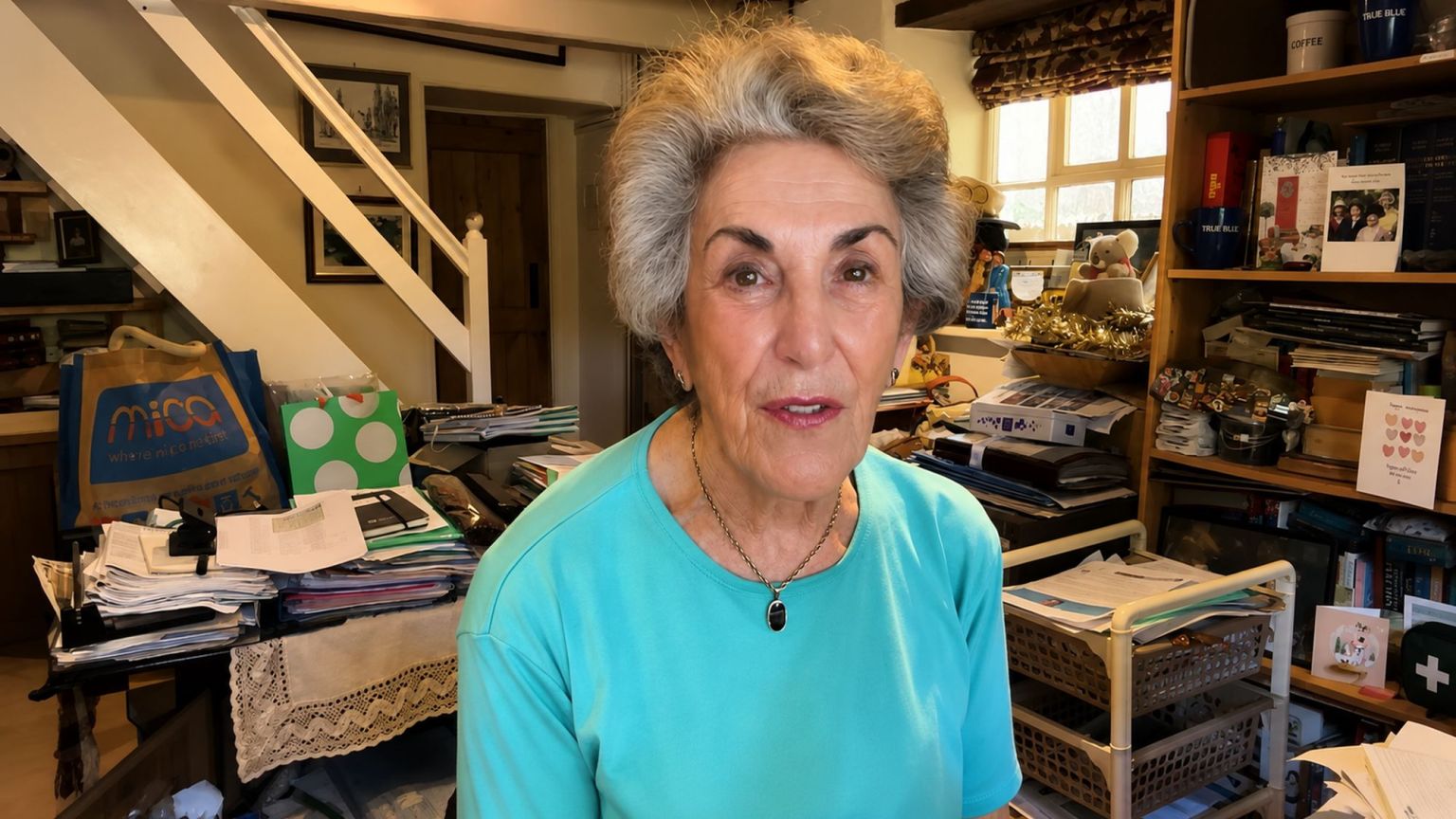
And if Edwina Currie has anything to do with it, they’ll be able to take a lovely trip to a makeshift local brothel to exploit sad sex workers when the cucumber sandwiches run out.
Currie is currently giving Dawn French and Narinder Kaur a run for their money in the gaga online-posting stakes. She was always a showboater – in 1988, as a junior health minister, she made egg sales drop by 60 per cent when she proclaimed that most of them were riddled with salmonella, leading farmers to destroy a whopping 400million of them and slaughter four million hens. She also appointed Jimmy Savile, expressing her ‘full confidence’ in him, to run a taskforce in charge of Broadmoor Psychiatric Hospital, where he went on to rape female patients.
At least she could be forced to resign when she was a politician, which she did a fortnight after the salmonella scandal. Now nothing can shut her up. I blame sex. Once she was revealed as former prime minister John Major’s mistress, she re-invented herself as a somewhat ‘racy’ lady and milked it for all it was worth. As the BBC put it in 2002 in a report called Westminster’s Odd Couple, ‘The man who tucked his shirt into his underpants had a four-year affair with the most outspoken and sexually interested woman of her political generation – a sort of Essex girl Margaret Thatcher’. Though Major somewhat embarrassingly issued a statement saying that he was ashamed of their fling, she hung on in there, calling him ‘the love of her life’.
She has written six novels stippled with sex, but stopped in 2001; that would tie in with the rise of the internet, when a lot of media blabbermouths discovered that sitting in front of a camera in your ‘study’ for a few minutes every morning is far easier than bashing out thousands of words about throbbing members. The words ‘gob on a stick’ invariably come to mind when thinking of Currie, and never more than this week on Times Radio.
Whereas once delightfully common, she has grown into the most patronising Lady Muck this side of Emily Thornberry, and the first thing she did was correct the presenter who called them migrants – ‘I think you mean asylum seekers!’. The second was to say of the current controversy about whether it is wise to put over a thousand young male migrants next to a small village: ‘The obvious thing that 1,200 young men are gonna need is a brothel!’
I’ve heard it all now. I thought that Care4Calais was bad enough. Its annual report boasted that it had handed 62,000 items to would-be migrants to Blighty on French beaches, including ‘snug-packs’ and SIM cards. ‘Asylum seekers’ can get free laptops, on which they can while away the hours watching pornography, from charities and ‘inclusion’ programmes like Screen Share UK and Solidaritech. Other donors will provide free mobile phones, chargers and, ahem, internet access.
If the people who do these things weren’t be-clowning themselves enough, there are also actual clowns for Calais, charity workers on the appropriately named ‘Loon-Plage’. The Telegraph reports that 67-year-old Laurence Quetel and her dungaree-clad troupe’s attempts to entertain migrants while they waited to be served lunch, made for an ‘incongruous performance in the squalid camp of Loon-Plage on the outskirts of Calais… Only 50 metres away, gangs of Kurdish people smugglers huddled in tents and plotted the next batch of crossings over the English Channel.’ The accompanying photographs show lines of baffled migrants, clearly wondering why anyone would make such a show of themselves. The one upside is that Quetel trained as a hospital clown but has for some years moved her skills to migrant camps – so that’s a bunch of sick children who don’t have yet another trial to endure.
Getting a far better reception are the young female charity workers who sometimes go to the beaches to dance for the young men. You can see the migrants grinning at them and thinking: ‘You absolute slag – I bet all Western women are like you!’ These are the sort of women who would have a nervous breakdown if a white man called them ‘darlin’. And now Edwina Currie is opining that opening brothels in areas where there are high numbers of migrants would be a useful move. I’ve heard of ‘the Pull factor’ but this is ridiculous.
Offering an unreserved welcome to fighting-age men from cultures that see women as a cross between children and chattel and who come into your country illegally does not seem like a very smart move. It’s like someone – with a sad backstory, maybe even homeless – breaking into your house and you react by giving them soup, a SIM card and your spare room for an indefinite period. And, if Currie gets her wicked way, a bunk-up seems likely too. Now, there’s an offer many a sex-starved lad from a sexually segregated society will find hard to resist.
Of course, it won’t be Edwina or any of her female friends and relatives (certainly not her ghastly lookalike daughter Debbie) staffing these grim sex factories. It’ll be the youngest and poorest and most easily exploited women, many of them from overseas themselves, the nature of prostitution being what it is. Importing female migrants to be used as sexual spittoons by male migrants – O brave new world, that has such people in it! Put that in your next ‘Isles of Wonder’ pageant, Frank Cottrell-Boyce, between the NHS and the Blitz Spirit!
Can you imagine how Edwina Currie’s throwaway line – while she goes about the business of mouthing off to earn her daily sourdough – will add to the lure of our tiny island? We’ve already got economic migrants masquerading as asylum seekers; now we’ll have sex migrants pretending to be economic migrants.
If Currie seeks to persist with her crusade to facilitate illegals getting their end away, perhaps she might posit the notion that – just as at many sex clubs – no man is allowed in without being accompanied by a female. It would certainly give pause for thought to the cowards leaving all their mothers, sisters and girlfriends at home (in ‘war zones’, don’t forget, according to the aid workers) while they rush to fill their boots with all the bounty – booty, even – that our ineffably degraded old country has to offer.

Budle Bay is a secret Northumberland beach to visit
Msa Safety chairman Nishan Vartanian sells $3.88m in shares

6 Foods To Consider Eating Less Of After 65


-

 Fashion2 days ago
Weekend Open Thread: Ann Taylor
-

 Business7 days ago
Datadog: Best Of Breed For Multiple Reasons
-
 NewsBeat4 days ago
Communication cards help banking customers access services or report scams
-
 Business5 days ago
Oil Price Today (August 11): Crude oil rises to $88 after Trump’s compensation demand dents Hormuz opening. Here’s why
-

 Crypto World5 days ago
Revolut wins French banking licence, creates second EU banking hub
-
 Fashion7 days ago
Amazon Sundays: Closet Care Before Fall
-
 Crypto World5 days ago
Why Did Nvidia Stock Fall on Monday Despite a $500 Billion Wall Street AI Deal?
-

 Business7 days ago
5 Things You Must Know About Jorge Messi, the Father and Longtime Agent Who Shaped Lionel Messi’s Career
-

 Politics6 days ago
Ben-Gvir’s crocodile project halted but abuses at Ketziot Prison continue
-
 Politics7 days ago
The Church of England’s ruinous reparations racket
-

 Politics6 days ago
Saudi Arabia used 86% of missile stockpile defending Iran attacks
-

 Politics20 hours ago
SEQ Code: The Three Letter Boarding Pass Code That Could Give You The Worst Seat
-
 NewsBeat1 day ago
Myanmar says over 300,000 Rohingya refugees verified for repatriation as exodus enters ninth year
-

 Politics7 days ago
What’s An EDT? The Rise Of ‘Extreme Day Trips’ As A Travel Trend
-
 Fashion6 days ago
Can You Wear Double Cloth Gauze Clothing To Your Office?
-

 Crypto World7 days ago
Crypto Made a $9.6 Billion Record, But It’s Hiding a Crucial Truth
-
 Crypto World6 days ago
USDC and USDT Now Own 84% of Crypto Card Spend as the Euro Retreats
-
 Politics7 days ago
The House Article | Burnham still needs to sell devolution to the public
-
Crypto World7 days ago
Analyst Expects XRP’s Strongest Price Reversal Ever, but Polymarket Disagrees
-

 Business7 days ago
Zevia: The Fanbase Nobody Can Find
You must be logged in to post a comment Login